reSee.it - Tweets Saved By @AyusWellness

@AyusWellness - Zib Atkins
I would never let my sons wear Crocs after finding this out, and honestly, I hope you won’t either. Why? Firstly - kids feet are incredibly absorbent. The soles contain one of the highest densities of sweat glands anywhere on the body, up to around 600 glands per square centimetre. That means heat, sweat, friction, water, and prolonged skin contact can all increase the migration of chemicals from materials into the skin. For example, studies have shown compounds like DEHP, a hormone-disrupting phthalate, can be absorbed directly through the skin. Crocs are made from EVA foam, a plastic polymer. These types of materials can also contain pigments, foaming agents, stabilisers, processing chemicals, softeners, adhesives, and surface coatings, most of them petrochemical-based and disruptive to our health. In fact, a Danish study tested foam shoes and plastic sandals found high levels of phthalates, even showing migration into artificial sweat… Now think about how kids actually wear these shoes: Barefoot. Sweating. In the sun. Often wet. That creates the ideal conditions for chemicals to leach from the material and interact with their developing biology. Personally, after looking into the research, I would not let my sons wear them anymore. What do you think?

@AyusWellness - Zib Atkins
Your brain keeps you alive. But it’s under attack every single day. Getting enough sleep and avoiding alcohol is not enough to protect it. Here are 9 silent killers destroying your brain right now (and how to fight back): 🧵 https://t.co/0PdAvbX831
@AyusWellness - Zib Atkins
1. Loneliness Loneliness isn’t just emotional pain—it physically rewires your brain. Chronic loneliness increases stroke risk by 32% and changes brain structure. Your neurons literally wither away without human connection. https://t.co/ZjHQyItfAk
@AyusWellness - Zib Atkins
2. Multitasking A University of London study found multitasking drops IQ to the level of an 8-year-old. Students who multitasked while studying had significantly lower GPAs. Your brain cannot process multiple inputs at once. Every phone check while working = child-level cognition.
@AyusWellness - Zib Atkins
3. Consuming Too Much News Constant negative headlines put your brain in fight-or-flight mode. Stress hormones flood your system, damaging memory and learning. Chronic news consumption has been linked to brain shrinkage from information overload.
@AyusWellness - Zib Atkins
4. Blasting Headphones The 60/60 rule: no more than 60% volume for 60 minutes. Exceeding this damages inner-ear hair cells. Hearing loss doesn’t just affect your ears—it impairs memory and brain processing. https://t.co/1SKH5AjtMx
@AyusWellness - Zib Atkins
5. Too Much Screen Time 7+ hours daily screen use damages gray and white matter. It hits the frontal lobe—the region for focus, decision-making, and self-control. Most people have no idea their screens are eroding brain tissue.
@AyusWellness - Zib Atkins
6. Too Much Sugar The average American consumes 77g of sugar daily. Safe limit? 25–36g. Excess sugar drives neuroinflammation that systematically destroys cognitive function. Sugar doesn’t just make you fat. It makes you slow and forgetful. https://t.co/tKrv5ZK4M4
@AyusWellness - Zib Atkins
7. Living Inauthentically Pretending to be someone you’re not creates constant internal stress. This floods your brain with cortisol, accelerating inflammation and shrinkage. Authenticity isn’t just spiritual—it’s neurological survival.
@AyusWellness - Zib Atkins
8. Barely Moving Exercise fuels your brain as much as your muscles. Physical activity raises BDNF, a protein that grows new neurons. Sedentary lifestyles = shrinking brains. Minimum: 150 minutes of movement weekly to protect cognition. https://t.co/GASLCJ4lyh
@AyusWellness - Zib Atkins
9. Poor Sleep Habits Your brain’s waste clearance system only works during deep sleep. Without 7–9 hours nightly, toxic proteins build up—the same ones found in Alzheimer’s patients. Every bad night accelerates cognitive decline.
@AyusWellness - Zib Atkins
The Compound Effect These habits amplify each other: • Poor sleep worsens multitasking. • Screen time disrupts sleep. • Loneliness drives stress. A vicious cycle that accelerates brain aging.
@AyusWellness - Zib Atkins
The Protocol: • Morning light within 2 hours of waking • Limit news to 30 min daily • 60/60 headphone rule • Weekly social activities • 30 minutes daily movement • Tech-free bedroom Consistency is everything.
@AyusWellness - Zib Atkins
Ancient brain protectors: • Lion’s Mane → stimulates new brain cell growth • Rhodiola → reduces stress, sharpens focus • L-Theanine → calms without drowsiness Stack these with lifestyle changes for maximum effect.
@AyusWellness - Zib Atkins
Blood sugar spikes are silently aging your body. They wreck your hormones, increase fat gain, and drain your energy. Here are 10 science-backed habits to stabilize blood sugar and reclaim your energy🧵: 1. Go for a 10-minute walk after eating
@AyusWellness - Zib Atkins
Movement forces your muscles to suck glucose from the blood. A short post-meal walk can slash glucose spikes by up to 30%. Simple. Free. Insanely effective.

@AyusWellness - Zib Atkins
2. Take berberine before high-carb meals Berberine mimics metformin (a drug used to manage diabetes). It activates AMPK, improves insulin sensitivity, and reduces post-meal glucose by up to 30%. Dosage: 500mg before meals. Cycle to avoid gut issues.
@AyusWellness - Zib Atkins
3. Start meals with fiber Fiber slows down glucose absorption. It forms a gel-like barrier in your gut, blocking sugar from hitting your bloodstream too fast. Try: chia seeds, flax, or a green starter salad.
@AyusWellness - Zib Atkins
If you’re looking to try fibre, I’ve found a great, reputable source: Balance. It’s high quality and designed to support fullness, stable blood sugar, healthy digestion, and weight management. Find Balance here: https://ufeelgreat.com/c/827A0E
@AyusWellness - Zib Atkins
4. Don’t drink your sugar Juice, soda, sweetened coffee... liquid sugar hits faster and harder than solids. Fructose in drinks bypasses insulin and overloads the liver. It’s aging fuel. Cut it out.

@AyusWellness - Zib Atkins
5. Eat carbs last Start meals with protein, fat, and veggies. Then eat carbs. This sequence reduces the glucose response by 40–70%, according to clinical studies. Same food. Different order. Huge difference.
@AyusWellness - Zib Atkins
6. Avoid naked carbs Never eat carbs alone. Pair them with protein or fat to reduce their glycemic impact. Example: swap a plain banana for one with almond butter.
@AyusWellness - Zib Atkins
7. Optimise your first meal Your breakfast sets your blood sugar tone for the day. A high-carb breakfast = a rollercoaster. Better: high-protein, high-fat breakfast like eggs + avocado. Avoid cereal, juice, toast.
@AyusWellness - Zib Atkins
8. Fix your sleep 1 night of poor sleep = 30% drop in insulin sensitivity. Chronic sleep debt mimics prediabetes. Solution: 7–9 hours, dark room, 200-400mg of magnesium glycinate & no screens before bed.
@AyusWellness - Zib Atkins
9. Get morning sunlight Light triggers cortisol and trains your circadian rhythm. This improves insulin sensitivity and reduces late-day glucose dysregulation. Wake up. Go outside. Get light on your skin.
@AyusWellness - Zib Atkins
10. Breathe through your nose Mouth breathing elevates cortisol and spikes glucose. Nasal breathing during sleep, workouts, and rest keeps blood sugar steadier. Tape your mouth at night. Your pancreas will thank you.
@AyusWellness - Zib Atkins
Blood sugar control isn't just about diabetes. It's about energy, hormones, cravings, aging... even mood. These 10 habits are your defense. Start applying them today. Your future self will feel the difference.
@AyusWellness - Zib Atkins
If you find this thread valuable: 1. Follow me ( @AyusWellness ) for more. 2. Join thousands getting exclusive tips in my free newsletter: https://www.ayuswellness.co.uk/pages/the-longevity-breakdown-with-zib

@AyusWellness - Zib Atkins
A 10% gain in muscle mass led to: – 11% less insulin resistance – 12% lower chance of prediabetes Muscle isn’t just about looking good. It's one of the best ways to improve your metabolic health.
@AyusWellness - Zib Atkins
ADHD isn’t about “being distracted.” It’s a complex brain wiring with hidden strengths most people overlook. Here are 8 truths about ADHD that change everything (especially if you or someone you love has it) 🧵
@AyusWellness - Zib Atkins
1. ADHD isn’t a lack of attention – it’s mismanagement of it ADHD brains can hyperfocus for hours on what they love… Yet completely tune out everything else. It’s not about “focus problems,” it’s about focus control.
@AyusWellness - Zib Atkins
2. ADHD doesn’t stop in childhood For many, it continues into adulthood. The signs shift: • Mental restlessness > physical hyperactivity • Overwhelm > impulsivity This is why millions of adults remain undiagnosed.
@AyusWellness - Zib Atkins
3. ADHD brains crave novelty and stimulation Routine feels like torture. But they thrive in: • Fast-paced, urgent environments • Creative challenges • Work with rapid feedback loops In the right career, this is a superpower.
@AyusWellness - Zib Atkins
4. Rejection Sensitivity (RSD) is real ADHDers often feel extreme pain from: • Criticism • Being ignored • Perceived failure It’s not “overreacting” – it’s how their brain processes emotional pain.
@AyusWellness - Zib Atkins
5. ADHD and entrepreneurship often go hand in hand ADHDers are: • Risk-takers • Big-picture thinkers • Comfortable with uncertainty They may struggle with structure but thrive when building things their own way.
@AyusWellness - Zib Atkins
6. The real bottleneck is executive function Planning, prioritising and starting tasks can feel like climbing a mountain. It’s not laziness – it’s brain wiring that needs the right tools.
@AyusWellness - Zib Atkins
7. Movement improves focus Pacing, fidgeting, walking – these aren’t distractions. They’re self-regulation tools. Exercise, especially cardio, boosts mood and focus. Many ADHDers benefit from standing desks or walking meetings.
@AyusWellness - Zib Atkins
8. Structure creates freedom Lists, routines and visual reminders don’t restrict ADHD brains – they free them. Timers, alarms and breaking tasks into small chunks reduce overwhelm and build momentum.
@AyusWellness - Zib Atkins
If you find this thread valuable: 1. Follow me ( @AyusWellness ) for more. 2. Join thousands getting exclusive tips in my free newsletter: https://www.ayuswellness.co.uk/pages/the-longevity-breakdown-with-zib
@AyusWellness - Zib Atkins
Two Gala apples a day — about 200g — reduced inflammation markers after 6 weeks in a clinical trial. The reason? Polyphenols. Nature’s inflammation fighters. Simple whole foods still beat most pills.
@AyusWellness - Zib Atkins
If your body is insulin resistant, it won’t burn fat, it will store it. Most people obsess over macros… But fixing blood sugar habits is what actually triggers fat loss. Here are 11 cheat codes to reset insulin and reignite fat burning 🧵
@AyusWellness - Zib Atkins
1. Walk after every meal Just 10 minutes can cut glucose spikes by 22%. Your muscles soak up sugar before insulin even kicks in. Three short walks a day are better than one intense workout.
@AyusWellness - Zib Atkins
2. Eat dinner 3 hours before bed At night, your body is primed to store fat, not burn it. One study showed a 98% increase in fat burning by shifting dinner earlier. Late-night snacking is metabolic sabotage.
@AyusWellness - Zib Atkins
3. Prioritise fibre before carbs Fibre slows digestion and reduces glucose spikes by up to 74%. Sequence matters: • Salad before rice. • Veggies before pasta. It’s not just what you eat, but when and how you eat it.
@AyusWellness - Zib Atkins
4. Take Berberine This is nature’s Ozempic. It improves insulin sensitivity, lowers blood sugar, and curbs cravings. Studies show it works as well as Metformin. Plant-based. Proven. Powerful.
@AyusWellness - Zib Atkins
5. Stand up every 30 minutes Long sitting makes you insulin resistant, even if you exercise. Standing activates muscles that pull glucose from your blood. Your chair might be your worst metabolic enemy.
@AyusWellness - Zib Atkins
6. Prioritise sleep Just one poor night can raise insulin resistance by 30% the next day. That means stronger cravings, more fat storage, and reduced fat burning. Sleep is not a luxury. It is hormonal regulation. Pro tip: Take Magnesium Glycinate 30–60 minutes before bed.
@AyusWellness - Zib Atkins
7. No naked carbs Never eat carbs alone. Pair them with protein or fat to slow absorption. Apple with almond butter is better than apple alone. Smart combos keep blood sugar stable.
@AyusWellness - Zib Atkins
8. Don’t count calories. Count crashes If you are foggy, hungry, or tired an hour after eating, your insulin is off. Stable energy = stable glucose = fat burning mode. Track how you feel, not just the numbers.
@AyusWellness - Zib Atkins
9. Build muscle, especially legs Your legs hold about 60% of your muscle mass. They are key players in clearing glucose from your blood. More muscle = better insulin sensitivity. Squats are metabolic medicine.
@AyusWellness - Zib Atkins
10. Sleep in a cold room Drop bedroom temp to about 65°F. Cold sleep activates brown fat, your natural calorie-burning furnace. It boosts insulin sensitivity while you rest.
@AyusWellness - Zib Atkins
11. Try cold exposure A 10-minute cold shower can boost insulin sensitivity by 43%. Cold activates brown fat, which burns sugar to stay warm. Discomfort today = metabolic control tomorrow.
@AyusWellness - Zib Atkins
If you liked this thread: 👉 Like, bookmark, and follow for more health insights. 📬 Join thousands getting exclusive tips in my free newsletter: https://www.ayuswellness.co.uk/pages/the-longevity-breakdown-with-zib
@AyusWellness - Zib Atkins
You probably already have parasites living inside you. Most people have no idea. Here are 7 warning signs your body may be fighting harmful parasites and what to do about it:
@AyusWellness - Zib Atkins
1. Persistent fatigue If you wake up tired, struggle with energy throughout the day, and cannot explain it, parasites could be a factor. Some parasites reduce nutrient absorption, while others trigger ongoing immune activity. Both can leave you feeling depleted.

@AyusWellness - Zib Atkins
2. Unexplained rashes Some parasites can trigger skin reactions. When parasites enter the bloodstream or tissues, your immune system may release histamines and inflammatory chemicals. This can result in itching, redness, or irritation, even if you have no history of skin problems.

@AyusWellness - Zib Atkins
3. Weight loss without trying If you are losing weight without changing your diet or activity level, parasites could be involved. Some live in your small intestine, consuming nutrients before your body can absorb them. Over time, this may contribute to nutrient deficiencies.

@AyusWellness - Zib Atkins
4. Chronic bloating Some parasites disrupt the gut environment, causing inflammation, gas production, and fluid retention. This can lead to persistent abdominal swelling or discomfort after meals, often mistaken for food intolerance.

@AyusWellness - Zib Atkins
5. Teeth grinding at night Teeth grinding (bruxism) is often linked to stress, but parasitic infections can also play a role. They may irritate the nervous system and affect muscle control during sleep, especially if other symptoms are present.

@AyusWellness - Zib Atkins
6. Itching in private areas Anal or genital itching, particularly at night, can indicate certain worm infections. Parasites in the perianal area can trigger localised irritation.
@AyusWellness - Zib Atkins
7. Anxiety or brain fog The gut and brain are closely connected through multiple signalling pathways. Parasitic imbalances in the gut microbiome can alter immune responses and neurotransmitter activity. This may contribute to anxiety, cognitive difficulties, or mental fatigue.

@AyusWellness - Zib Atkins
Parasites are skilled at survival. Some can hide from the immune system, mimic harmless proteins, or go dormant for years until immunity weakens. So how do you fight back?

@AyusWellness - Zib Atkins
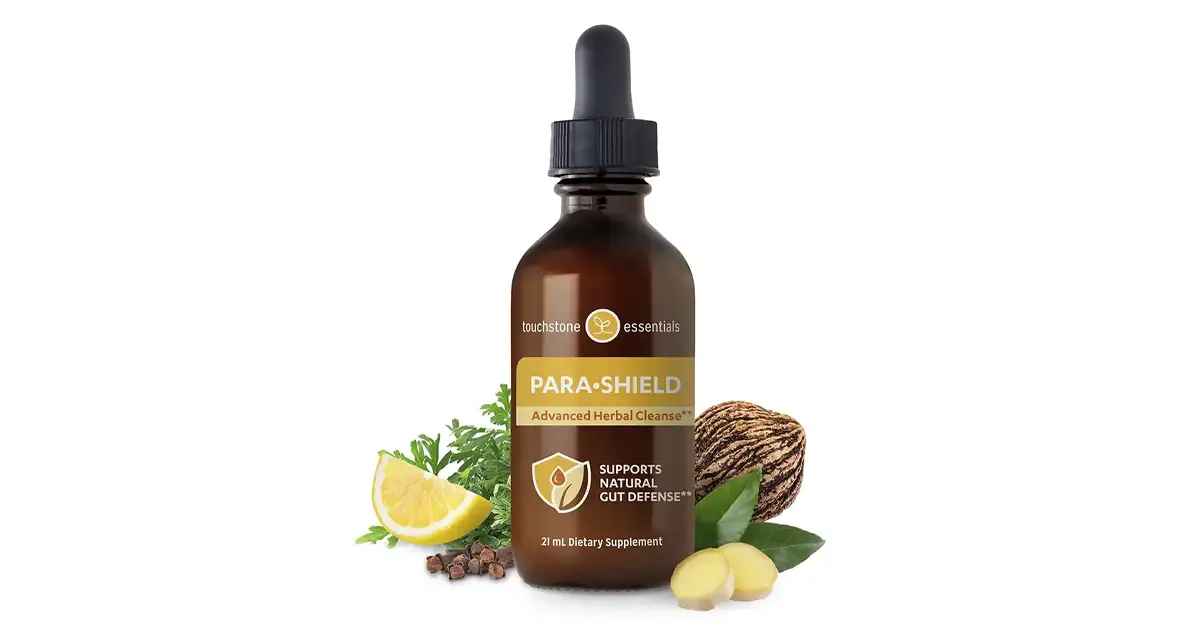
Step 1: Clear Parasites Safely Most people don’t realise how common parasites are or how hard they are to clear without the right steps. Here’s what I recommend to friends, clients & family: Weeks 1–2: • Pure Body: 4 drops, 3x/day • Pure Body Extra: 4 sprays, 3x/day This clears the heavy metals parasites use to hide. Weeks 3–4: • Add Parashield: 10 drops, 2x/day Keep using the first two. This combo makes your gut a no-go zone for parasites. Here are the links you need: https://ayuswellness.thegoodinside.com/pbpbx-trial-offer-lp https://ayuswellness.thegoodinside.com/shop/product/para-shield


@AyusWellness - Zib Atkins
Step 2: Use natural anti-parasitics Effective options include: • Wormwood extract • Clove • Black walnut extract • Garlic These compounds disrupt parasite life cycles and create an environment that is unfavourable for their survival.
@AyusWellness - Zib Atkins
Other helpful options: • Oregano oil • Pumpkin seeds, which contain compounds that may impair certain parasites
@AyusWellness - Zib Atkins
Step 3: Strengthen your defences • Eat fermented foods daily, such as sauerkraut, kimchi, or kefir • Optimise vitamin D3 levels (get tested before high dosing) • Include magnesium and zinc for immune support You may never eliminate all parasites from your body, which is normal. The goal is to keep them under control so your immune system can maintain your health.

@AyusWellness - Zib Atkins
If you liked this thread: 👉 Like, bookmark, and follow for more health insights. 📬 Join thousands getting exclusive tips in my free newsletter: https://www.ayuswellness.co.uk/pages/the-longevity-breakdown-with-zib
@AyusWellness - Zib Atkins
Mouth breathing is secretly damaging your health. It affects your: • Sleep • Energy • Even your facial structure Here is what causes mouth breathing and how to fix it:

@AyusWellness - Zib Atkins
What is mouth breathing? Mouth breathing means breathing through your mouth instead of your nose. Sounds harmless, right? Wrong. It is linked to a host of health problems that most people do not realise are connected.
@AyusWellness - Zib Atkins
1. Poor sleep quality Mouth breathing during sleep leads to: • Snoring • Sleep apnoea • Restless nights • Waking up exhausted It prevents deep, restorative sleep, leaving you tired even after eight hours.
@AyusWellness - Zib Atkins
2. Higher stress and anxiety Your nose filters and regulates the air you breathe. Mouth breathing bypasses that. It increases cortisol, your stress hormone, and reduces oxygen delivery to the brain. The result is: • More stress • Increased anxiety • Brain fog
@AyusWellness - Zib Atkins
3. Hormone imbalances Mouth breathing affects the nervous system and raises cortisol levels. Chronically high cortisol suppresses testosterone in men and disrupts hormone balance in women. Low testosterone can lead to low energy, low libido, and poor recovery.
@AyusWellness - Zib Atkins
4. Dental and facial problems Mouth breathing dries the mouth and promotes bacterial overgrowth. It can cause: • Crooked teeth • Cavities and bad breath • Narrowed palate and receding jawline This is especially harmful for children as it can impact facial development.
@AyusWellness - Zib Atkins
5. Increased risk of illness Nasal breathing filters out pathogens and humidifies the air. Mouth breathing allows unfiltered, dry air and bacteria to enter the lungs, weakening the immune system over time.
@AyusWellness - Zib Atkins
6. How to fix it Do not overcomplicate it. • Practice nasal breathing during the day • Tape your mouth at night (look into mouth tape) • Clear nasal congestion with a neti pot or saline spray • Maintain proper tongue posture: keep it pressed against the roof of your mouth These steps are all you need.
@AyusWellness - Zib Atkins
Mouth breathing is not just annoying to others, it is a threat to your health. Fixing it can improve your: • Sleep • Energy • Hormones • Immune function • Facial appearance Do not overlook this crucial aspect of your health.
@AyusWellness - Zib Atkins
If you liked this thread: 👉 Like, bookmark, and follow for more health insights. 📬 Join thousands getting exclusive tips in my free newsletter: https://www.ayuswellness.co.uk/pages/the-longevity-breakdown-with-zib