TruthArchive.ai - Tweets Saved By @ClausCarlsen1

@ClausCarlsen1 - Claus Carlsen
Carnivore worked like magic! In October 2019, feeling persistently not healthy and carrying excess weight, I took a leap of faith into the world of ketogenic living. My first victory was swift – the daily torments of IBS disappeared. Within two weeks, my blood pressure normalised, letting me ditch the medication. By the month's end, I was 26.5 pounds lighter (55lbs in 3 months). These rapid changes were compelling, and I committed wholeheartedly to keto, later transitioning towards a more carnivorous diet, rich in meats, eggs, cheese, and a touch of fermented foods. Here's what I gained: - Type 2 diabetes went into remission, my A1C dropping from 7 to 4.6. - Kidney function improved by 20%. - A more stable heart rate, soaring energy, brighter moods, deeper sleep, better mobility, and sharper memory. - A 30% reduction in body weight in just three months, six inches off my waistline. - No more sleep apnea, snoring, nasal congestion, joint pain, dandruff, susceptibility to sunburn, brain fog, or nocturia. But it wasn't all smooth sailing. I navigated through: - Social pressures to eat unhealthily and drink alcohol. - Disbelief and criticism from others. - Temporary dips in sleep quality during fasting periods. - Advocates for conventional treatments confronting my choices. Yet the journey was empowering: - It simplified my life, reducing time spent on meal planning and cooking. - It freed up my schedule, leaving more room for the activities I love. - I relished the mental clarity and physical sensations of ketosis. - There was the unexpected joy of a complete wardrobe overhaul. After about 6 months on keto, after having lost about 55lbs of weight, I started doing calisthenics at home. This progressed into cycling, gym strength training, and occasional sprinting, enhancing my health and especially my feeling of well being. I've also added about 12lbs of muscle over the last 3 years. For those struggling with similar health issues, consider a shift to low-carb, ketogenic, or carnivore diets. But do so under professional guidance, monitoring your health as you go. This isn't just a diet; it's a path to a profound life change. It’s about more than food; it’s about choosing a healthier, fuller life.

@ClausCarlsen1 - Claus Carlsen
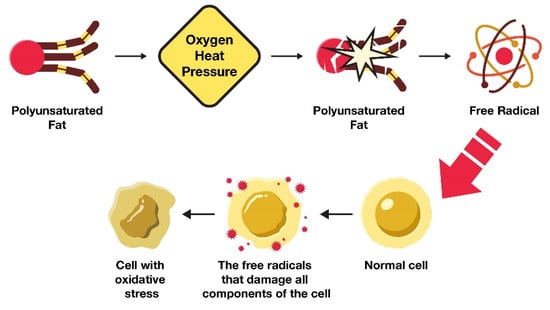
Had to use Tor Browser with DuckDuckGo to find scientific studies showing seed oils are not healthy 😂 I'm not sure why this made a difference in search results but it did. ChatGPT, Bard, Grok, and Google search only show Pro Seed Oil studies. Regardless of prompts and discussion. Immediately found what I was looking for when using Tor/Duckduckgo!? What I found in 2 minutes: "While modest amounts of LA support human health, deleterious mechanisms of excessive LA intake include the formation of oxidized linoleic acid metabolites (OXLAMs) and a suboptimal cardiolipin composition. These disruptions to optimal physiology cause impairments in mitochondrial function, compromised metabolic function, and excessive inflammation, all of which contribute to obesity, cardiovascular disease, cancer, and many other chronic conditions that plague our healthcare system." - MDPI and ACS Style Mercola, J.; D’Adamo, C.R. Linoleic Acid: A Narrative Review of the Effects of Increased Intake in the Standard American Diet and Associations with Chronic Disease. Nutrients 2023, 15, 3129. Here a few study and article links: Chronic systemic inflammation and heart disease: https://ncbi.nlm.nih.gov/pmc/articles/PMC6196963/ Insulin resistance etc: https://sciencedirect.com/science/article/abs/pii/S0952327821001289 Metabolic ill effects including obesity: https://mdpi.com/2072-6643/15/14/3129 Articles with information and links: https://mayoclinic.org/diseases-conditions/heart-disease/expert-answers/omega-6/faq-20058172 https://chriskresser.com/how-industrial-seed-oils-are-making-us-sick/ https://zeroacre.com/blog/are-seed-oils-toxic





@ClausCarlsen1 - Claus Carlsen
Beginner’s Guide to Sustained Ketosis on a Carnivore Diet!! 1. Strict Carbohydrate Limitation: Max Carbs: Keep daily carbs under 20 grams. Practical Meaning: On a carnivore diet, this effectively means eating exclusively animal products. Avoid any plant-based foods, as even small amounts can have carbs. Be cautious with dairy; some dairy products, especially those that are low-fat or flavoured, can have added sugars or carbs. 2. Food Selection: Meats: Choose a variety of meats including beef (especially fatty cuts like ribeye, brisket), pork (like pork belly, bacon), lamb, and organ meats (liver, heart). Organ meats are nutrient-dense and beneficial. Poultry: Opt for fattier cuts like chicken thighs and wings, and duck. Skin-on for extra fat. Fish: Prioritise fatty fish such as salmon, mackerel, sardines, and trout. Eggs: Include them regularly. They are a good source of protein and nutrients. Dairy (Optional): If included, focus on high-fat, low-carb options like hard cheeses, butter, and heavy cream. 3. Meal Preparation and Eating Habits: Cooking Fats: Use animal fats, butter, or ghee for cooking. Avoid plant-based oils. Eating Frequency: Eat when hungry; there's no need to eat at fixed times or have a certain number of meals per day. I gradually found a one or two meals per day schedule to work best for me - simply not hungry! Portions: Eat until satiated. Initially, it's more important to adapt to the diet than to restrict portions. 4. Indicators of Ketosis (Without Meter): Increased Energy and Mental Clarity: After the initial adaptation phase, many report heightened energy levels and clearer thinking. Appetite Suppression: A noticeable decrease in hunger and a reduced desire to snack between meals. Weight Loss: Initial rapid weight loss, primarily water weight. Breath and Urine Odour: A distinct change in breath odour (often described as fruity or metallic) and a stronger smell to urine. Digestive Changes: Some people experience constipation or diarrhea during the transition. This usually stabilises. 5. Managing Electrolytes and Hydration: Hydration: Drink plenty of water throughout the day. Electrolytes: Add a small amount of salt to your meals. Consider supplementing with magnesium if you experience muscle cramps. 6. Adjustments Based on Body Response: Fat Intake: If feeling low on energy, increase the intake of fats. This is crucial for sustaining ketosis. Protein Moderation: Excessive protein can hinder ketosis. A general guideline is 1.5-2.0 grams of protein per kilogram of body weight, but this varies based on individual metabolism. 7. Transition Phase (Keto Flu): Symptoms: Fatigue, headaches, irritability, and cravings in the first week are common. Mitigation: Stay hydrated, ensure adequate salt intake, and rest well. 8. Long-Term Maintenance: Consistency: Adherence to the diet is key for maintaining ketosis. Listening to Your Body: Adjust your diet based on how you feel. Energy levels, mood, and overall sense of well-being are good indicators. Remember: Transitioning to a carnivore diet and achieving ketosis is a significant change for your body. Be patient, and make adjustments as needed for your individual health and well-being. #CarnivoreDiet #Keto #KetogenicDiet
