reSee.it - Tweets Saved By @Helios_Movement

@Helios_Movement - George Ferman
It's estimated that 57 million people worldwide are living with Alzheimer's disease and this will only get worse (83.2 million people by 2030). So if you want to understand some key things on this topic, whether these are its main causes, neglected but quite important factors that can exacerbate it or the most promising tools when it comes to managing it, tap in. Thread🧵


@Helios_Movement - George Ferman
*Standard disclaimer that nothing in this thread should be used as a substitute for medical advice* It's George. Alzheimer’s disease (named after Alois Alzheimer, who identified amyloid plaques and tau tangles in a patient’s brain) is a progressive neurodegenerative disorder that destroys neurons (neurons transmit signals through synapses, converting electrical impulses into chemical signals through neurotransmitters).

@Helios_Movement - George Ferman
Some of its main causes include: -Amyloid plaques: These are extracellular aggregates of beta-amyloid (Aβ) peptides such as Aβ40 and Aβ42, formed from the cleavage of amyloid precursor protein (APP) by enzymes like beta-secretase (BACE1) and gamma-secretase that interfere with synaptic function (they accumulate in the spaces between neurons, impairing signal transmission by disrupting calcium signaling). -Tau tangles: Tau is a microtubule-associated protein that stabilizes microtubules, which act as "tracks" for transporting nutrients and organelles within neurons. Tau tangles are formed by hyperphosphorylated tau protein and disrupt nutrient transport within neurons by destabilizing microtubules, which act as tracks for intracellular transport. -Anything that can lead to neuronal loss (such as TBIs): Loss of connections between neurons leads to brain atrophy. -Things such as TBIs are usually unfortunately neglected when it comes to AD, but individuals with a history of moderate-to-severe TBIs have a 2-4 times higher risk of developing AD. -Genetic factors: Gene variants in the APOE4 gene significantly increase AD risk since they impair the clearance of Aβ by binding less effectively to receptors that remove it, leading to plaque buildup, promoting tau hyperphosphorylation and neuroinflammation, reducing blood-brain barrier integrity and cerebral blood flow, starving neurons of nutrients. -Vascular issues like reduced blood flow or microbleeds, impair nutrient and oxygen delivery to neurons, exacerbating beta-amyloid accumulation and tau pathology. 20-30% of AD cases show vascular pathology. -Stroke: Stroke-induced ischemia kills neurons in regions like the cortex or hippocampus, critical for memory and post-stroke inflammation, driven by cytokines and immune cell activation, accelerates Aβ and tau pathology. -CVD is also linked to increased amyloid plaque formation and cognitive decline. -Type 2 diabetes and obesity increase insulin resistance, which reduces the activity of insulin-degrading enzyme (IDE), which clears Aβ, leading to plaque buildup. It also activate kinases that phosphorylate tau, promoting tangles.

@Helios_Movement - George Ferman
Now let’s talk about APOE4 mutations. The apolipoprotein E protein plays a critical role in transporting cholesterol and other lipids in the brain but also the blood and is crucial for lipid metabolism overall. Now the APOE4 variant is associated with specific health implications, most notably its role in Alzheimer’s disease and cardiovascular disease. In order to understand how important this specific variant is, individuals with one copy of APOE4 have a 2-3x higher risk of developing Alzheimer’s compared to those with APOE3 and those with two copies (homozygous) have a 10-15x higher risk. One of the reason why this is the case, is because APOE4 makes a person less effective at clearing amyloid-beta plaques leading to their accumulation in the brain which is a hallmark of Alzheimer’s. Changes/supplements to consider if you carry it: -Mediterranean style diet -Red light therapy -Curcumin -Ubiquinol -Methylated B vitamins -Magnesium threonate -Agmatine sulfate -Phosphatidylserine (PS)

@Helios_Movement - George Ferman
Moving on to dopamine receptors. Now targeting dopamine receptor density, particularly D1 and D2 receptors, is a promising but complex approach for Alzheimer’s disease (AD) management. That being said, given the fact that right now in 2025, D1 receptor agonists improved memory and Aβ clearance in AD mouse models, while D2/D3 agonists reduced apathy in clinical trials it's a topic worth discussing at least in my opinion.

@Helios_Movement - George Ferman
Dopamine receptors are G-protein-coupled receptors that mediate the effects of dopamine in the brain and body. There are five main subtypes (D1, D2, D3, D4, D5) each with specific roles. That main jobs of D1 are to activates neurons by increasing cyclic AMP (cAMP) levels, in order to modulate reward processing and motivation, support working memory and cognitive flexibility in the prefrontal cortex, motor control in the basal ganglia and reinforce behaviors. The main jobs of D2 are to inhibit neurons by decreasing cAMP levels, in order to regulate motor control , also modulates reward (low D2 receptor density is associated with addiction vulnerability while D3 hyperactivity is linked to compulsive behaviors), inhibit prolactin and regulate our impulse control. The main jobs of D3 are to modulate dopamine signaling (often acting as an autoreceptor) in order to regulate reward-seeking behavior and motivation, particularly in the limbic system, regulate cognitive processes like attention and decision-making. The main jobs of D4 (linked to ADHD) are to inhibit cAMP signaling in order to regulate attention and executive function in the prefrontal cortex, our response to stress and it even influences exploratory behaviors and cognitive flexibility. The main jobs of D5 are to activate neurons similar to D1 in order to enhance learning and memory processes in the hippocampus and cortex, synaptic plasticity and even regulate our blood pressure. When it comes to D1, the safest tools probably are cardio and uridine. Aerobic exercise is known to increase D1 receptor expression in the striatum and prefrontal cortex and uridine increases D1 expression while also having some agonistic effects at the GABA-A receptors. When it comes to D2, the safest tools are inositol and some fasting believe it or not and one of the primary reasons for this is that D2 receptors are particularly sensitive to downregulation from overstimulation. *Uridine can also help with D2. Upregulating D3 is rarely needed/advised but two tools that can help are forskolin and mucuna. When it comes to D4, L-Theanine, cognitive training and phosphatidylserine seem to be the safest. When it comes to D5, lion's mane, aerobic exercise and polyphenols seem to be the safest. Notes: -These can not replace the building blocks such as (P5P, tyrosine, taurine or choline). -Given the fact that dopamine neurons are very sensitive to oxidative stress, quality sleep, whole food vitamin C, E and providing the right building blocks for glutathione can also help. -Curcumin has also shown to potentially upregulate D1 receptors due to the effects it has on reducing oxidative stress and inflammation overall. -Vitamin D is also crucial for each one of the dopamine receptors. -Enhancing synaptic plasticity and may upregulate almost all receptors. -Healthy testosterone levels are crucial for dopamine production, dopamine receptor sensitivity and reducing dopamine uptake. -Aluminum toxicity harms dopamine production and dopamine receptors.

@Helios_Movement - George Ferman
Another crucial thing that's rarely discussed is testosterone levels. Even though insulin is talked in depth when it comes to AD, testosterone tends to be neglected. The following thread is a summary of the most effective changes you can make for having healthy hormones:

@Helios_Movement - George Ferman
Optimizing your hormones starts with implementing the following lifestyle changes, not fancy supplements, devices or whatever. So here the key lifestyle change you must immediately implement if you want to have healthy hormones. Thread🧵


@Helios_Movement - George Ferman
Now it's time to talk about neurotrophic factors since NGF and GDNF reduce Aβ toxicity and tau phosphorylation for example, while NDNF shows preliminary effects. These are proteins that act as growth factors, supporting the formation of new neural connections (synaptic plasticity), the growth of new neurons (neurogenesis), and the repair of damaged neural tissue. There are three key ones that it’s a good idea to be familiar with: 1. Brain-derived neurotrophic factor (BDNF) This one is the most abundant neurotrophin in the brain, being primarily expressed in the hippocampus, cortex and basal ganglia. It is essential for consolidating memories and enhancing cognitive flexibility, mood regulation (low BDNF levels are linked to depression and anxiety and reduced BDNF in individuals with major depressive disorder is very common), increases dendritic spine density, protects neurons from oxidative stress, inflammation and apoptosis, it reduces beta-amyloid toxicity and supports dopaminergic neurons which are the primary mechanisms behind how it protects us against Alzheimer’s and Parkinson’s. 2. Glial-derived neurotrophic factor (GDNF) GDNF is primarily produced by glial cells and is critical for the survival and function of dopaminergic neurons, particularly in the substantia nigra. It modulates reward circuits in the ventral tegmental area, influencing addiction behaviors (higher levels = less addiction), plays a key role in motor control, axonal growth, protects dopaminergic neurons from oxidative stress and also interacts with NCAM (neural cell adhesion molecule) to support neural repair. 3. Nerve growth factor (NGF) NGF is critical for the growth, maintenance, and survival of sensory and sympathetic neurons, particularly in the peripheral nervous system (PNS), supports cholinergic neurons in the basal forebrain (it also enhances acetylcholine release in it), cognitive functions like attention and memory, protects neurons from oxidative stress and inflammation, regulates sensory neuron function in the PNS, modulates stress

@Helios_Movement - George Ferman
A list of tools when it comes to these specifically includes: Tool 1: Curcumin (boosts BDNF and NGF). Tool 2: Lion's mane (Increases NGF and BDNF like few things do). Tool 3: Any form of magnesium besides oxide (enhances BDNF) Tool 4: NAC (enhances BDNF) Tool 5: ALCAR (supports BDNF). Tool 6: CoQ10 (supports BDNF/GDNF). Tool 7: Gingko biloba (enhances BDNF) Tool 8: Bacopa (increases BDNF and NGF). Tool 9: PQQ (enhances BDNF and NGF Tool 10: Gotu kola (increases BDNF and NGF) Tool 11: Phosphatidylserine (supports BDNF). Tool 12: Semax (boosts BDNF and NGF). Tool 13: Huperzine A (enhances NGF and BDNF) Tool 14: Saffron (boosts BDNF and NGF)


@Helios_Movement - George Ferman
Moving on to your light environment (you basically need to endogenous melatonin max, get sunlight and block the artificial blue light (see the pics below)). Melatonin, a neurohormone primarily produced by the pineal gland, is also crucial for brain health. Here are some key reasons why: -Melatonin synchronizes the body’s internal clock through receptors such as MT1 and MT2 in the suprachiasmatic nucleus (SCN), hippocampus, and cortex promoting sleep onset and deep sleep. -It shortens sleep latency and enhances slow-wave sleep (SWS) and REM sleep which are critical for memory consolidation and synaptic pruning. -It supports hippocampal neuroplasticity. -It promotes brain-derived neurotrophic factor (BDNF) expression. -It neutralizes reactive oxygen species (ROS) and reactive nitrogen species (RNS) thus reducing oxidative stress in the brain. -It enhances glymphatic clearance. -It enhances GABA activity. -It modulates amygdala activity. -It reduces amyloid-beta and tau pathology. -It decreases pro-inflammatory cytokines, protecting the blood-brain barrier and neurons from inflammation-related damage.


@Helios_Movement - George Ferman
Now what's also neglected sometimes is the fact that elevated homocysteine (hyperhomocysteinemia) contributes to AD. For example it promotes endothelial dysfunction, atherosclerosis, and cerebral small vessel disease, reducing blood flow to the brain and exacerbating AD pathology. It enhances β-amyloid (Aβ) production by upregulating amyloid precursor protein (APP) and β-secretase activity. It also promotes tau hyperphosphorylation via activation of glycogen synthase kinase-3β (GSK-3β), accelerating neurofibrillary tangle formation. It acts as an NMDA receptor agonist, causing excitotoxic neuronal damage, particularly in the hippocampus, a key memory region affected in AD. Now, homocysteine levels are regulated through two primary metabolic pathways both of which ensure that homocysteine is either recycled or converted into other compounds: 1. Remethylation (this pathway recycles homocysteine back into methionine by adding a methyl group with enzymes and co-factors such as methionine synthase, MTHFR and betaine-homocysteine methyltransferase (BHMT)). and 2. Transsulfuration (here homocysteine is converted into cystathionine and then cysteine with enzymes and co-factors such as cystathionine beta-synthase (CBS) and cystathionine gamma-lyase). In order for these pathways to properly work we need: -B12 for methionine synthase -Betaine for BHMT -Methylated B9 for methionine synthase -P5P for CBS This is the simple reason why: B12, methylfolate, P5P, TMG and balancing the methionine: glycine ratio in a person's diet work so well for lowering homocysteine levels in most people without serious genetic defects. Now when it comes to using glutathione or NAC, it makes sense as a strategy since as stated homocysteine is metabolized through the transsulfuration pathway with one of the end goals being glutathione production. So increasing glutathione may enhance this pathway and reduce homocysteine as a result.

@Helios_Movement - George Ferman
If all of these sound too complicated for now, a great general step you can take besides things such as cardio, getting enough micronutrients and living under a healthy light environment is taking good care of your gut. A 2025 study found AD patients have reduced gut microbial diversity, with lower levels of SCFA-producing bacteria that correlated with elevated p-tau217 and Aβ42/40 in blood. Also another one showed linked gut dysbiosis in APOE4 carriers to faster cognitive decline, with higher LPS levels in blood correlating with AD biomarkers. And of course studies have shown that Lactobacillus rhamnosus reduced p-tau217 by 10% in MCI patients, improving cognitive scores.

@Helios_Movement - George Ferman
Speaking of cardio, here’s a summary of the key reasons why exercise is essential for brain health. -It boosts neurotrophic factors (BDNF, GDNF, NGF) A LOT. No, no. A LOT. Just 30 minutes of aerobic exercise 3–5 times/week increases brain-derived neurotrophic factor (BDNF) by 20–30%. It also enhances glial cell line-derived neurotrophic factor (GDNF) in motor circuits, aiding neuron survival and motor function. In older adults, exercise boosts nerve growth factor (NGF), promoting neuronal health and cognitive resilience. -Promotes synaptic plasticity, strengthening neural connections in the hippocampus and prefrontal cortex, critical for long-term and short-term memory. -It increases dopamine release and receptor sensitivity. It modulates the hypothalamic-pituitary-adrenal (HPA) axis, lowering cortisol levels and enhancing stress resilience. -It supports the glymphatic system. While sleep primarily drives glymphatic clearance, exercise enhances cerebral blood flow and CSF dynamics. -Exercise reduces amygdala hyperactivity. -It boosts endorphin release, enhancing mental resilience and reducing irritability or anxiety. -Regular exercise lowers the risk of Alzheimer’s and Parkinson’s by reducing beta-amyloid and tau accumulation and protecting dopaminergic neurons.
@Helios_Movement - George Ferman
Also get enough of the following nutrients. -B Vitamins. B vitamins are crucial for neurotransmitter synthesis, oxygen transport, energy metabolism, and homocysteine regulation, which, when elevated, is a risk factor for cognitive decline. -Zinc Zinc is critical for synaptic transmission, neurogenesis, and neuroprotection. For example, it modulates NMDA receptors, preventing glutamate excitotoxicity, and supports dopamine synthesis. Zinc is so crucial for brain health that a deficiency is linked to ADHD by multiple studies at this point. -Magnesium Magnesium regulates neuronal excitability, supports synaptic plasticity, and blocks NMDA receptors to prevent excitotoxicity. It also enhances GABA activity. -Choline Adequate choline intake is linked to better cognitive performance and reduced dementia risk. It’s no wonder why since choline is a precursor to acetylcholine and also supports neuronal membrane integrity and myelination. -Full spectrum protein sources Amino acids from protein are building blocks for neurotransmitters and a balanced amino acid intake has been shown to improve mood and cognitive performance. Tyrosine supplementation for example enhances working memory under stress. -Antioxidants (vitamin C, E and polyphenols) Overall, antioxidants combat oxidative stress, which can damage neurons and contributes to neurodegenerative diseases. Then, vitamin C supports neurotransmitter synthesis, protects against glutamate excitotoxicity vitamin E preserves neuronal membrane integrity. Also, polyphenols can enhance BDNF and also reduce inflammation.
@Helios_Movement - George Ferman
One driver for the causes that were described in the beginning of this, also is toxin accumulation and especially of things such as aluminum. Aluminum is known for example to bind to Aβ peptides, promoting their aggregation into insoluble plaques and it induces tau hyperphosphorylation by activating kinases like GSK-3β.
@Helios_Movement - George Ferman
Toxins are indeed one of the primary drivers behind a lot of people's health issues but most of the detox advice is false. Here's what you need know presented as a 10-step plan. Thread🧵


@Helios_Movement - George Ferman
Bonus things to consider: -Benfotiamine: It may reverse amyloid plaque accumulation and reduce tau hyperphosphorylation. -Lactoferrin: In mouse studies, it reduced amyloid beta levels, inhibited amyloidogenic processing, and improved memory. -Semax: The studies on theses are preclinical studies but show reduced amyloid-beta aggregation. -Curcumin: It may reduce the formation and enhance the clearance of amyloid beta and boosts BDNF and NGF. -Vitamin C: It may reduce amyloid plaque deposition. -Cat’s Claw: It could inhibit and reduce beta-amyloid fibrils and tau tangles. -Coenzyme Q10 (CoQ10) and PQQ: These reduce amyloid plaque formation and oxidative stress. -Sunlight (too many benefits to count in general): It enhances amyloid clearance by macrophages. -Inositol, uridine and some fasting can help with D2 receptors (postmortem studies show reduced D2 receptor density in the striatum of AD patients) -Magnesium, taurine and P5P to regulate glutamate activity. -Creatine monohydrate: This at high dose (20 grams) is shown to improve cognitive function by 5% in AD patients over 8 weeks usually. -Anything else that can support BDNF since D3 receptor expression regulated by BDNF, is decreased in AD and also tau hyperphosphorylation decreases BDNF expression, while BDNF depletion promotes tau cleavage by δ-secretase. -Stimulate the vagus nerve. -Anything else that can support GDNF since it may reduce Aβ-induced toxicity. -Red light therapy: boosts ATP production in neurons, decreases pro-inflammatory cytokines such as IL-1β and TNF-α, protecting the blood-brain barrier (BBB) and neurons, it stimulates the release of brain-derived neurotrophic factor (BDNF), it increases cerebral blood flow, supporting nutrient delivery and waste removal, it reduces secondary brain damage in TBI and stroke by decreasing inflammation, excitotoxicity, and neuronal apoptosis. -A hair mineral analysis since heavy metal exposure is a risk factor for AD.
@Helios_Movement - George Ferman
That was it. I hope that you found something useful in this thread, if you did, make sure to leave a like/RT.
@Helios_Movement - George Ferman
It's estimated that 57 million people worldwide are living with Alzheimer's disease and this will only get worse (83.2 million people by 2030). So if you want to understand some key things on this topic, whether these are its main causes, neglected but quite important factors that can exacerbate it or the most promising tools when it comes to managing it, tap in. Thread🧵


@Helios_Movement - George Ferman
For more: https://fitandball.gumroad.com/l/georgesystemv2?layout=profile
@Helios_Movement - George Ferman
Here's a summary of the main driving factors behind issues such as: -Acne -Psoriasis -Eczema -Rosacea -Vitiligo -Seborrheic dermatitis the biggest levers you can pull to improve them. Thread🧵 https://t.co/LON5t3myuH

@Helios_Movement - George Ferman
*Standard disclaimer that nothing in this thread should be used as a substitute for medical advice* Now it’s quite common to think that the skin is this very simple and almost purely aesthetic part of the body when in reality it is quite fascinating and complex. So let’s begin this thread with a basic anatomical model of the skin's layers, since i believe it will help you understand the issue you are facing better and more easily.

@Helios_Movement - George Ferman
We have: 1. The epidermis (the outermost layer of the skin). The epidermis is an avascular (lacking blood vessels) epithelium that serves as a protective barrier and varies in thickness depending on the part of the body (it’s thicker in your palms for example, compared to the eyelids). The main epidermal cell types are: -Keratinocytes (the majority), whose main roles are to produce keratin and undergo keratinization to replenish the upper layers (keratinization is a process where keratinocytes “mature”, then fill with keratin, lose organelles and die in order to form the stratum corneum). Keratinocytes in the epidermis also convert 7-dehydrocholesterol to vitamin D3 upon UV exposure -Melanocytes (5–10%) whose main role is to synthesize melanin in melanosomes to protect against UV damage. -Langerhans cells (2–4%) that are antigen-presenting cells for immune defense. -Merkel cells (<1%) that are sensory cells for touch detection. It is also composed of the following sublayers: -Stratum corneum. This is made out of 15–30 layers of flattened, dead, anucleate keratinocytes (corneocytes) filled with keratin, embedded in a lipid matrix (ceramides, cholesterol) that acts as a waterproof barrier against mechanical abrasion, pathogens and so on. -Stratum lucidum. This is only found in parts such as your palm and soles, it’s made out of 2–3 layers of tightly packed keratinocytes with no nuclei or organelles, containing keratin precursor such as elidin that enhances barrier function in thick skin. -Stratum granulosum. This is made out of 3–5 layers of flattened keratinocytes with keratohyalin granules and lamellar bodies that are lipid-secreting organelles whose function is to initiate keratinization and release lipids to form the waterproof barrier. -Stratum spinosum. This is made out of 8–10 layers of polyhedral keratinocytes connected by desmosomes, giving a "spiny" appearance under a microscope that contains pre-keratin filaments and provides structural strength and flexibility. -Stratum basale. This one is a single layer of cuboidal/columnar cells anchored to the basement membrane via hemidesmosomes, whose function is a stem cell layer for keratinocyte regeneration.

@Helios_Movement - George Ferman
2. The dermis (the middle layer of the skin/the primary structural layer). The dermis is a thick, vascular connective tissue layer that sits beneath the epidermis and is the layer that provides structural support, elasticity and nourishment to the epidermis. It contains blood vessels, nerves and skin appendages such as hair follicles, glands and is critical for thermoregulation, sensation and immune defense while it also serves as a scaffold for skin regeneration during wound healing. The main dermal cell types are: -Fibroblasts (majority), whose primary role is to synthesize extracellular matrix (ECM) components, including collagen, elastin and ground substance, providing structural integrity and supporting tissue repair. -Macrophages (variable), which phagocytose pathogens, debris and apoptotic cells, contributing to immune defense and wound healing. -Mast cells (sparse), which release histamine and cytokines to initiate inflammation and allergic responses. -Adipocytes (in deeper dermis), which store fat and provide cushioning, especially near the hypodermis transition. Now the dermis is composed of the following regions: -Papillary dermis. This is a thin, superficial layer of loose areolar connective tissue with type III collagen and elastic fibers that also contains dermal papillae (finger-like projections that interlock with the epidermis’s rete ridges). Its main functions are to supply nutrients to the epidermis via capillary loops, houses sensory nerve endings for touch and pain and supports immune surveillance. Its components include capillary loops that deliver oxygen and nutrients to the epidermis and regulate temperature, meissner’s corpuscles that are mechanoreceptors for light touch sensation and free nerve endings that detect pain, temperature, and itch. This region also provides a vascular supply for granulation tissue formation during the proliferation phase of wound healing. -Reticular dermis. This is a thicker, deeper layer of dense irregular connective tissue with type I collagen and elastic fibers arranged in a network, giving it a fibrous texture. Its main functions are to provide tensile strength and elasticity to resist mechanical stress. Its components include blood vessels that are larger arteries and veins for systemic circulation and thermoregulation, lymphatic vessels that drain excess fluid and support immune responses, pacinian corpuscles that ar emechanoreceptors for deep pressure and vibration, ruffini endings that detect skin stretch and tension, plus skin appendages such asair follicles, sebaceous glands (secrete sebum), eccrine sweat glands (thermoregulation), and apocrine sweat glands (scented sweat). Thus region also serves as a reservoir for fibroblasts and ECM components during wound healing, contributing to collagen deposition and scar formation in the remodeling phase. The dermis is separated from the epidermis by a basement membrane, a thin layer of collagen IV, laminin, and proteoglycans that anchors the epidermis via hemidesmosomes and anchoring fibrils, facilitating nutrient diffusion and structural stability.

@Helios_Movement - George Ferman
3. The hypodermis (the innermost layer of the skin (some do not consider as part of the skin)). The hypodermis, also known as the subcutaneous layer, sits beneath the dermis and is a layer of mainly adipocytes whose primary role is to store triglycerides, provide thermal insulation, and cushion against mechanical trauma, some fibroblasts that produce collagen and elastic fibers with the purpose of maintaining structural integrity and flexibility, macrophages (variable), which clear debris and pathogens, supporting immune defense and a few mast cells (sparse), which contribute to inflammation and immune responses. Its overall purpose is to “anchor” the skin to things such as the muscles and bones while providing insulation and cushioning. It is composed of the following regions: -Adipose tissue layer. As stated, this is the primary component, consisting of lobules of adipocytes (fat cells) separated by fibrous septae made of collagen and elastic fibers. The adipose tissue is highly vascularized to support metabolic demands, stores energy as triglycerides, insulates the body to conserve heat, and cushions underlying structures against mechanical stress. Its main components are blood vessels that are once again large arteries and veins supply the hypodermis and connect to the dermal vasculature, sensory nerves such as Pacinian corpuscles for pressure and autonomic nerves that regulate blood flow and adipose metabolism and lymphatic vessels that drain interstitial fluid to prevent edema. -Loose connective tissue layer. This is a thinner layer of loose areolar connective tissue with collagen and elastic fibers, blending with the reticular dermis above and deep fascia below and anchors the skin to muscles or bones which allows mobility while also maintaining stability. Its main components are fibrous septae (collagen-rich bands that compartmentalize adipose lobules and anchor the hypodermis and bursa in some areas).

@Helios_Movement - George Ferman
Let’s talk about the skin microbiome. This term refers to the diverse community of microorganisms that form a complex ecosystem on the skin’s surface and within its layers such as the hair follicles and sweat glands. So this ecosystem hosts a variety of bacteria, some beneficial and others potentially harmful, depending on their balance and context. The main list of beneficial bacteria includes, staphylococcus epidermidis, corynebacterium spp. and micrococcus luteus. These perform several key functions such as protecting us against pathogens like S. aureus or Streptococcus pyogenes with the help of commensal bacteria like S. epidermidis that produce antimicrobial peptides, some of these like S. epidermidis and certain Cutibacterium strains (note, while beneficial in small amounts, overgrowth in clogged pores can trigger acne) produce short-chain fatty acids such as propionic acid and thus exert anit-inflammatory effects, immune system modulation where these commensals interact with dendritic cells and T-cells in the dermis, promoting balanced immune responses by basically “training” the immune system, some of them also enhance NMF production and thus support stratum corneum integrity while also promoting keratinocyte proliferation and collagen deposition, accelerating re-epithelialization during the proliferation phase of wound healing. The main list of potentially harmful bacteria (these can become problematic under certain conditions, such as overgrowth, skin barrier disruption or immune suppression) includes staphylococcus aureus, cutibacterium acnes, pseudomonas aeruginosa and streptococcus pyogenes. These can cause infections like impetigo, cellulitis, or abscesses when it penetrates the skin or overgrows. So once again, just like any other ecosystem, balance is critical.

@Helios_Movement - George Ferman
Now here’s a practical example when it comes to why the things that were just mentioned are worth knowing. Each skin-related condition affects the skin’s layers differently. Psoriasis and eczema for example are epidermal disorders and acne is primarily a dermal disorder. So knowing what the epidermis and dermis are on a fundamental level is quite useful as a first step.
@Helios_Movement - George Ferman
Now let’s dive in the causes and mechanisms behind skin issues like acne, psoriasis, and eczema (all disrupt the skin’s anatomy, regeneration, and microbiome, often involving inflammation, barrier dysfunction, and microbial dysbiosis). 1. Acne Main causes: -Excess sebum: The sebaceous glands in the dermis, stimulated mainly by hormonal releases, produce excessive sebum (oil), which clogs things such as the hair follicles and overall promoting bacterial growth. -Follicular hyperkeratinization: Overproliferating keratinocytes block follicles, forming comedones and trapping sebum and bacteria. -Bacterial proliferation: Cutibacterium acnes thrives in sebum-rich follicles, triggering inflammation (it metabolizes sebum, releasing pro-inflammatory byproducts) -Inflammation: Cytokines such as IL-1 and TNF-α cause redness and pustules. Biggest ROI steps/tools you can use for addressing acne: -Getting a hormonal panel done that includes androgens, cortisol, DHEA, DHEA-S, estrogens and IGF-1. Based on these results, you will know which diet suits you the best. If your IGF-1 for example, is very high, this makes high-glycemic foods and dairy a no go for example. -Avoid highly processed foods, histamine-rich foods, foods that will negatively affect the state of your gut such as wheat for example and monitor your linoleic acid intake. -Use the sauna but hop in the shower right after. -Go measure your vitamin D levels. -Sulfur soap. -Consider the following gut-related tests: Urea breath test, stool antigen test for H. pylori antigens, breath tests that measure hydrogen, methane, or hydrogen sulfide after lactulose/glucose ingestion, a stool analysis for candida, fungal culture, CHROMagar Candida. -Provide enough whole food vitamin C, E, B5, selenium and zinc all of which are crucial for the health of the skin and helping our bodies deal with inflammation. -Use non-comedogenic, oil-free skin care products. -Use a shower filter and follow basic hygiene rules. Now someone might ask: what if i have for example, both a gut issue and hormonal imbalances? A basic answer to this is: Focus on the most compromised area while using relatively safe tools for the other one. If your gut is the most compromised area for example but you also have elevated estrogen, then focus on the gut while trying to lower your body weight in case you are overweight for example since one of the most effective things you can do in order to manage aromatase.
@Helios_Movement - George Ferman
2. Psoriasis Main causes: -Immune dysregulation: Overactive T-cells (Th1/Th17) release cytokines (IL-17, IL-23, TNF-α), stimulating keratinocyte proliferation and the normal 28–30 day epidermal turnover cycle is reduced to 3–5 days, leading to an accumulation of immature keratinocytes in the stratum corneum (parakeratosis), forming thick plaques. -Epidermal hyperproliferation: Overstimulated keratinocytes produce excess keratin, but nuclei are retained in the stratum corneum (unlike normal keratinization). -Angiogenesis through cytokines. -Genetics (common (up to 50% of patients): PSORS1 mutations increase susceptibility by altering immune signaling (HLA-Cw6 variant). Biggest ROI steps/tools you can use for addressing psoriasis: -Stabilizing mast cells in case you have symptoms of histamine intolerance. -Relaxing, avoiding alcohol, stimulants, B5, zinc, selenium, C, B6 and magnesium deficiencies and in general anything that activates the hypothalamic-pituitary-adrenal axis to an excess. -Measure your vitamin D levels (from 50% all the way up to 80% of psoriasis patients have insufficient serum vitamin D levels (<20 ng/mL)) -Testing for mycotoxins/mold toxicity and heavy metals. -Stop smoking and using nicotine, both increase oxidative stress and VEGF expression. -Managing your weight, excess adipose tissue produces cytokines (IL-6, TNF-α), exacerbating T-cell-driven inflammation. -Unaddressed food allergies. -Get full-spectrum sunlight (also remember that vitamin D regulates keratinocyte growth). -Focus on optimizing your gut and sleep since gut dysbiosis and lack of sleep are the fastest ways to disrupt immune regulation.
@Helios_Movement - George Ferman
3. Eczema / atopic dermatitis Main causes: -Mutations in the FLG gene (encoding filaggrin, a protein in the stratum corneum) reduce the production of natural moisturizing factors (NMFs) and lipids (ceramides). And it’s unfortunately quite common with up to 50% of patients having it (but there are also natural tools that can help you with it (keep reading)). -Immune system dysregulation: A skewed Th2 immune response in the dermis releases cytokines such as IL-4, IL-13, IL-31 thus promoting inflammation and itchiness. -Microbial dysbiosis: Reduced antimicrobial peptides such as cathelicidin due to barrier defects allow overgrowth of Staphylococcus aureus on the skin surface. -Toxin accumulation (related to the immune system and Th2)/liver dysfunction. Biggest ROI steps/tools you can use for addressing eczema: -Stabilizing mast cells in case you have symptoms of histamine intolerance. -Getting enough vitamin E, B5, zinc, selenium, C, B6 and magnesium. -Measuring your vitamin D levels (from 50% all the way up to 80% of psoriasis patients have insufficient serum vitamin D levels (<20 ng/mL)) -Testing for mycotoxins/mold toxicity and heavy metals. -Stop smoking and using nicotine, both increase oxidative stress and VEGF expression. -Managing your weight, excess adipose tissue produces cytokines such as IL-6 and TNF-α, exacerbating T-cell-driven inflammation. -Unaddressed food allergies. -Get full spectrum sunlight since insufficient natural sunlight (e.g., in winter or northern regions) reduces vitamin D synthesis, which normally regulates keratinocyte growth. -Focus on optimizing your gut and sleep since gut dysbiosis and lack of sleep are the fastest ways to disrupt immune regulation. -Natural IL-4/IL-13 inhibitors such as (pick one, don’t use all of these) luteolin, fisetin, quercetin, EGCG and apigenin.
@Helios_Movement - George Ferman
4. Rosacea Main causes: -Vascular dysfunction: Abnormalities in the dermal blood vessels lead to excessive vasodilation and increased blood flow, causing flushing and persistent redness. -Immune activation: Overactive innate immunity, particularly via toll-like receptor 2 (TLR2), responds to environmental triggers such as UV light or microbes such as demodex mites. -Microbial contribution: Demodex mites are known to proliferate excessively in rosacea-prone skin, triggering TLR2 activation. -Barrier dysfunction: Here, the stratum corneum’s lipid matrix is compromised, increasing transepidermal water loss and sensitivity to irritants. Biggest ROI steps/tools you can use for addressing rosacea: -Topical ivermectin. -Stabilizing mast cells in case you have symptoms of histamine intolerance. -Stop smoking and using nicotine, both increase oxidative stress and VEGF expression. -Consider the following gut-related tests: Urea breath test, stool antigen test for H. pylori antigens, breath tests that measure hydrogen, methane, or hydrogen sulfide after lactulose/glucose ingestion, a stool analysis for candida, fungal culture, CHROMagar Candida. If you only do one, do H. Pylori if you don’t have symptoms of IBS and breath tests if you do. -Try your very best to stick to a 1:2 O3:O6 ratio in your diet -Get enough zinc, selenium and vitamin E (zinc alone has been shown to reduce rosacea severity in 30–50% of patients after just 8 weeks for example).
@Helios_Movement - George Ferman
5. Vitiligo Main causes: -Autoimmune issues: Cytotoxic T-cells and autoantibodies target melanocytes in the stratum basale driven by cytokines such as IFN-γ and TNF-α which trigger apoptosis of melanocytes. -Oxidative stress: Reactive oxygen species (ROS) accumulate in melanocytes due to defective antioxidant defenses such as reduced catalase for example. This damages melanocyte membranes and DNA, sensitizing them to immune attack. -Genetics: Variants in genes like NLRP1, TYR, or PTPN22 increase susceptibility to autoimmune responses or melanocyte dysfunction. Biggest ROI steps/tools you can use for addressing vitiligo: -Avoid night shifts and anything that dysregulates the circadian rhythm. -Managing stress (it can reduce alpha-MSH production by 25% in animal models) -Cold exposure (in mice it can increase POMC expression by even 25%). -Getting enough tyrosine, vitamin C, zinc and copper to enhance prohormone convertase activity. -Natural janus kinase (JAK) inhibitors might also help (curcumin, resveratrol, quercetin, berberine, ginger, EGCG).
@Helios_Movement - George Ferman
6. Seborrheic dermatitis. Main causes: -Sebum overproduction. -Fungal overgrowth: Usually a malassezia yeast overgrowth and its byproducts trigger an immune response via TLRs. -Immune system dysregulation: Overactive innate immunity releases cytokines (IL-1, IL-8), recruiting neutrophils and macrophages. -Inflammation: It weakens the stratum corneum’s lipid matrix, increasing TEWL and irritant penetration. Biggest ROI steps/tools you can use for addressing it: -Getting a hormonal panel done that includes androgens, cortisol, estrogens and IGF-1. -Ketoconazole (it needs cycling every 2 weeks, you can use zinc pyrithione in between) -Get enough zinc, selenium, B1, B5 and vitamin E. -Full spectum sunlight and measure your vitamin D levels. -Consider the following gut-related tests: Urea breath test, stool antigen test for H. pylori antigens, breath tests that measure hydrogen, methane, or hydrogen sulfide after lactulose/glucose ingestion, a stool analysis for candida, fungal culture, CHROMagar Candida.
@Helios_Movement - George Ferman
That's all. I hope that you learned something from this thread. If you did, make sure to leave a like/RT. https://t.co/qVTE8eEpb3
@Helios_Movement - George Ferman
Here's a summary of the main driving factors behind issues such as: -Acne -Psoriasis -Eczema -Rosacea -Vitiligo -Seborrheic dermatitis the biggest levers you can pull to improve them. Thread🧵 https://t.co/LON5t3myuH

@Helios_Movement - George Ferman
In the early 20th century, Dr. Weston A. Price (a dentist and nutritionist), uncovered a nutrient he called "Activator X," found in the butterfat of grass-fed animals and linked to robust dental health, strong bones, and protection against chronic diseases. Decades later, science has revealed that Activator X is likely vitamin K2, a fat-soluble vitamin critical for numerous physiological processes. Now overall, vitamin K refers to a group of fat-soluble vitamins: -K1 (phylloquinone) and -K2 (menaquinones) found throughout the body in organs like the liver, brain, heart, pancreas, and bones. These vitamins are vital for activating proteins that regulate blood clotting, bone mineralization, and tissue health, protecting these systems from dysfunction and disease. K1 is primarily used by the liver to activate clotting factors. However, its bioavailability from plant sources is limited, with absorption rates as low as 5–15% from vegetables, even with added fat. K2 is synthesized by animals from K1 or by bacteria during fermentation. It’s preferentially used by non-liver tissues for functions like bone and cardiovascular health. Now, in general, vitamin K: -Activates proteins like prothrombin and protein S, which are essential for blood clotting and tissue protection. Prothrombin ensures proper clot formation to prevent excessive bleeding, while protein S, found in the liver and pancreas, supports tissue integrity and immune function. -Prevents arterial calcification by activating MGP, which inhibits calcium crystal formation in blood vessels with some studies showing that higher K2 intake was associated with a 52% lower risk of aortic calcification and a 41% lower risk of coronary heart disease. -Is critical for brain health, with high concentrations in myelinated regions where it supports sphingolipid synthesis. Sphingolipids, like sulfatides, decline with age and are up to 93% lower in early Alzheimer’s disease. K2 also activates Gas6, promoting neuron survival and Schwann cell migration, which supports nerve repair and neuromuscular junction formation. -Is a regulator of calcium metabolism through its activation of osteocalcin and matrix Gla protein (MGP). Osteocalcin binds calcium to form strong bones and teeth, while MGP prevents calcium from depositing in soft tissues like arteries. Some studies show that K2 supplementation reduces vertebral fractures by 60% and hip fractures by 80% in osteoporosis patients and low K2 levels lead to inactive osteocalcin, increasing fracture risk by over five times. -Promotes testosterone synthesis, with studies showing MK-4 supplementation doubling testosterone levels in male rats. -Inhibits abnormal cell growth and calcium deposition in the prostate and kidneys (by activating Gas6 and other proteins) -Is abundant in testes, where it activates proteins like Gas6, which regulates apoptosis and supports sperm function. -Improves insulin receptor sensitivity and supports insulin-producing beta cells in the pancreas. Note 1: Vitamins A and D instruct cells to produce proteins like osteocalcin and MGP, but K2’s carboxylation process enables these proteins to bind calcium, ensuring proper function. Note 2: Statins reduce vitamin K levels by inhibiting its recycling. Note 3: It can be found in natto, hard and soft cheeses (hard ones have more), goose liver and grass fed butter.


@Helios_Movement - George Ferman
Everything is of course a quick search away: https://t.co/8w770SCBUW


@Helios_Movement - George Ferman
If you are interested in improving your health, the “oil of the pharaohs”, aka black seed oil, should be a staple in your arsenal. There probably isn't any other medicinal food that can do (or greatly assist) ALL of the following: •Increase glutathione levels •Improve insulin sensitivity •Enhance amyloid clearance •Improve the function of the immune system •Support endothelial function •Reduce inflammation •Suppress mast cell degranulation •Improve lipid profiles •Improve a wide range of skin issues •Lower blood pressure •Improve male fertility •Modulate the stress-sleep-immunity axis •Increase BDNF and support neuroplasticity overall •Has anticancer potential (potential, it’s not a “cure”) •Has great antifungal and antibacterial properties and way more, while also having few side effects (sorry, but everything will have side effects for some people). So here’s how this oil is able to accomplish all these, who could benefit from its use, who should stay away from it and more. Thread🧵


@Helios_Movement - George Ferman
*Standard disclaimer that nothing in this thread should be used as a substitute for medical advice* It’s George. Derivatives of black seeds, such as black seed oil, have been cultivated and used for almost 3,000 years in various cultures. Some archaeological evidence suggests that these seeds were used as early as 2,000 BCE in Mesopotamia and these seeds were even discovered in the tomb of Tutankhamun. For thousands of years, physicians have used it to treat a range of ailments, from digestive issues to skin conditions.

@Helios_Movement - George Ferman
Here are some fun facts about black seed oil: -Cleopatra used black seed oil for her skin and hair. -The ebers papyrus which is one of the oldest known medical texts (1550 BCE), references black seeds for their therapeutic properties, particularly for digestive and respiratory issues. -Black seed oil was likely used to embalm mummies. -Hippocrates reportedly used black seed oil to treat digestive disorders and liver ailments, recognizing its ability to soothe inflammation and support detoxification. -Dioscorides described black seed as a treatment for headaches, toothaches, and respiratory issues, noting its warming and stimulating properties.


@Helios_Movement - George Ferman
-In the Roman Empire, black seeds were used as a spice and medicine, often mixed with wine or honey to treat colds, infections, and skin conditions. -Muhammad stated that “The black seed can heal every disease, except death”. -Ibn Sina praised black seed for its ability to stimulate energy, aid recovery from fatigue, and treat respiratory and digestive disorders. -In traditional Chinese medicine black seeds were used for their ability to “move qi” and support respiratory health.

@Helios_Movement - George Ferman
But how is black seed oil able to benefit so many issues and is there any actual research behind these claims? First and foremost, the primary active compounds in black seed oil are: -Thymoquinone (TQ) (main one) -Thymol -Carvacrol -p-Cymene -Sterols -Alkaloids -Nigellone (Thymohydroquinone)

@Helios_Movement - George Ferman
So let’s break these down. First, we have thymoquinone, which is a monoterpene quinone and the primary bioactive compound in black seed oil. Its quinone structure (a monoterpene with a p-benzoquinone core) allows it to interact with nucleophilic sites in proteins, enzymes and DNA while its lipophilicity enhances cellular uptake, particularly in lipid-rich environments like cell membranes and the brain. For example, it: -Neutralizes free radicals such as superoxide and hydroxyl radicals. This simple act leads to the prevention of oxidative damage to DNA, proteins, and lipids. -Activates the Nrf2 pathway, which induces expression of antioxidant enzymes like superoxide dismutase (SOD), catalase (CAT), and glutathione peroxidase (GPx). This results in reduced lipid peroxidation for example or enhancing antioxidant defenses in hepatocytes. -Reduces the production of pro-inflammatory cytokines such as IL-1β, IL-6 and TNF-α by inhibiting their gene expression. -Downregulates vascular endothelial growth factor (VEGF). -Blocks cyclooxygenase (COX) and lipoxygenase (LOX), enzymes responsible for producing inflammatory mediators like prostaglandins and leukotrienes. You can read more about prostaglandins here since it’s quite an important topic:

@Helios_Movement - George Ferman
From hair loss, hormonal issues such as low testosterone and cancer all the way to schizophrenia and depression, prostaglandins are involved in the occurrence of all of these. Here's what you need to know. Thread🧵

@Helios_Movement - George Ferman
-Suppresses the nuclear factor-kappa B (NF-κB) pathway, a key regulator of inflammation, by preventing its activation and translocation to the nucleus, reducing inflammatory gene expression. -Upregulates pro-apoptotic proteins such as Bax, caspase-3 and caspase-9 while downregulating anti-apoptotic proteins such as Bcl-2, triggering programmed cell death in cancer cells. -It also inhibits cancer cell proliferation by blocking cell cycle progression by modulating cyclins and cyclin-dependent kinases (CDKs). -Suppresses the PI3K/Akt pathway, which regulates cell survival, and inhibits NF-κB, reducing tumor growth and metastasis. -Enhances p53 activity, a tumor suppressor gene, promoting DNA repair or apoptosis in damaged cells. -Prevents biofilm formation by interfering with microbial adhesion and quorum sensing, critical for pathogen survival. -Inhibits microbial enzymes essential for metabolism or replication, reducing pathogen viability.


@Helios_Movement - George Ferman
-Is effective against a variety of bacteria such as MRSA, E. coli, fungi such as Candida albicans, viruses such as hepatitis C and parasites such as Plasmodium.. -Modulates lipid metabolism pathways/PPAR-α activation. -inhibits platelet aggregation, reducing the risk of thrombosis. -Mitigates oxidative stress in neurons, protecting against damage in Alzheimer’s (beta-amyloid plaques) and Parkinson’s (dopaminergic neuron loss). -Upregulates brain-derived neurotrophic factor (BDNF), supporting neuronal survival and plasticity. -Stabilizes neuronal excitability with impacts such as reducing seizure severity in epilepsy.

@Helios_Movement - George Ferman
-Improves glucose metabolism and activates AMP-activated protein kinase (AMPK), enhancing glucose uptake and insulin sensitivity via GLUT4 translocation to cell membranes. -Reduces hepatic glucose production by inhibiting key enzymes like glucose-6-phosphatase. -reduces liver inflammation by inhibiting NF-κB and TGF-β, preventing fibrosis. -Suppresses histamine release, reducing allergic responses in rhinitis and asthma. -Relaxes bronchial smooth muscles, improving airflow. -Targets Propionibacterium acnes and other skin pathogens. -Reduces scalp inflammation and may promote hair follicle activity. -Boosts T-cell proliferation and natural killer (NK) cell activity. -TQ reduces excessive cytokine production, preventing overactive immune responses in autoimmune conditions.


@Helios_Movement - George Ferman
Moving on to thymol. Thymol (2-isopropyl-5-methylphenol) is a monoterpene phenol that: -Integrates into bacterial and fungal cell membranes(*), increasing permeability, disrupting ion gradients, and causing leakage of cellular contents. (*) Most effective for staphylococcus aureus, Bacillus subtilis, Candida albicans, and parasites like Leishmania. -Inhibits microbial enzymes such as ATP synthase and biofilm formation. -Inhibits quorum sensing. -Inhibits cyclooxygenase (COX) enzymes, reducing prostaglandin synthesis, which alleviates pain and inflammation in conditions like arthritis or gingivitis. -Modulates NF-κB, similar to TQ. -It may suppress neutrophil activation. -Prevents oxidative damage to lipids, proteins, and DNA. -It may upregulate enzymes like superoxide dismutase (SOD) or catalase through Nrf2 activation. -It targets oral pathogens like Streptococcus mutans and Porphyromonas gingivalis, reducing plaque and gingivitis by disrupting their membranes and metabolism.

@Helios_Movement - George Ferman
These two are the most active compounds. When it comes to the rest we have: -Carvacrol Carvacrol (5-isopropyl-2-methylphenol) is a monoterpene phenol that: -Integrates into bacterial and fungal cell membranes, increasing permeability (mainly inPseudomonas aeruginosa, Salmonella spp., Escherichia coli, and fungi like Candida albicans). -Disrupts quorum sensing and inhibits biofilm formation, reducing pathogen virulence and resistance, as supported by studies on multidrug-resistant bacteria. -Inhibits microbial enzymes and metabolic pathways in pathogens, impairing energy production and survival. -Prevents lipid peroxidation and damage to DNA, proteins, and lipids. -Suppresses the NF-κB pathway. -Inhibits cyclooxygenase (COX) enzymes, reducing prostaglandin synthesis. -It MAY suppress neutrophil activation.

@Helios_Movement - George Ferman
-p-Cymene This one is a monoterpene hydrocarbon (1-methyl-4-isopropylbenzene) that: -Increases microbial cell membrane permeability -It may also inhibit cyclooxygenase (COX) enzymes and pro-inflammatory cytokines (less potently than TQ or carvacrol). -It may modulate transient receptor potential (TRP) channels, contributing to pain relief. -It might also have some minor antioxidant effects as well. -Nigellone (Thymohydroquinone) This is a dimer of thymoquinone that: -Relaxes bronchial smooth muscles by inhibiting calcium channels or enhancing cyclic AMP (cAMP) signaling, reducing airway constriction. -Inhibits histamine release from mast cells. -Scavenges ROS and upregulate antioxidant enzymes.

@Helios_Movement - George Ferman
Now that we outlined some benefits, here's who needs to perhaps stay away from it (yes, nothing is a miracle cure for everyone all the time). -People with severe damage in their gut lining. -Pregnant women. Thymoquinone can stimulate uterine contractions. -People with low blood pressure. Even though it relaxes vascular smooth muscles and improves endothelial function it will exacerbate hypotension in susceptible individuals. -People who use anticoagulants/antiplatelets and/or have bleeding disorders overall. -MAYBE people who use antidiabetic drugs (contact your M.D). -MAYBE people on statins, SSRIs and antiepileptics.
@Helios_Movement - George Ferman
Finally here are some examples of how i use it: -I choose any cold pressed brand in a nice dark bottle -As a mouth wash with coconut oil 2/week -1 teaspoon every other day (my diet has other foods and compounds that can have antibacterial and antifungal properties and more than this will backfire, when i cut those out, i might do 2 tsps 4 times a week) -When i shave daily for extended time periods and get the occasional razor bump it seems to help -On my hair twice a month (as a topical for just a few minutes and then i rinse it) -It helps ME with matt burns BUT it irritates a lot of people so be cautious
@Helios_Movement - George Ferman
That's all. I hope that you found something interesting in this thread. If you did make sure to leave a like/RT.
@Helios_Movement - George Ferman
If you are interested in improving your health, the “oil of the pharaohs”, aka black seed oil, should be a staple in your arsenal. There probably isn't any other medicinal food that can do (or greatly assist) ALL of the following: •Increase glutathione levels •Improve insulin sensitivity •Enhance amyloid clearance •Improve the function of the immune system •Support endothelial function •Reduce inflammation •Suppress mast cell degranulation •Improve lipid profiles •Improve a wide range of skin issues •Lower blood pressure •Improve male fertility •Modulate the stress-sleep-immunity axis •Increase BDNF and support neuroplasticity overall •Has anticancer potential (potential, it’s not a “cure”) •Has great antifungal and antibacterial properties and way more, while also having few side effects (sorry, but everything will have side effects for some people). So here’s how this oil is able to accomplish all these, who could benefit from its use, who should stay away from it and more. Thread🧵


@Helios_Movement - George Ferman
For more on a variety of health related topics: https://fitandball.gumroad.com/l/georgesystemv2?layout=profile
@Helios_Movement - George Ferman
Of course every claim is a quick search away: https://t.co/uzTqdq6dLt


@Helios_Movement - George Ferman
If you want more energy, better gut health, skin health, improved libido and so on, you must make sure that you avoid the following dietary mistakes. Thread🧵


@Helios_Movement - George Ferman
*Standard disclaimer that nothing in this thread should be used as a substitute for medical advice* For starters, in case you are skeptical about just how much our diet matters, consider that tens of thousands (if not more) of DNA-related processes are based on nutrients. So, when we deprive ourselves of nutrients (either by not providing enough of them OR by messing up their absorption), TENS OF THOUSANDS of DNA-related processes become dysfunctional. That being said, now let's just right into common dietary mistakes (these might be numbered, but in the long run, all of these are equally important in my opinion).

@Helios_Movement - George Ferman
Mistake number 1: Consuming highly processed foods on a regular basis. Am i saying that you shouldn't never consumed a highly processed food? No. Now of course, since you are part of this niche space you are already avoiding highly processed foods for the most part, but keep in mind that most people are not and the problems with highly processed foods are many. From the fact that if you look at the ingredient lists they are not even foods but poison bombs in reality that could be hiding and are certainly contributing to health issues through ingredients such as MSG, high fructose corn syrup, food dyes, canola oil and other additives all the way to the fact that billions of dollars are spent every year for the sole purpose of figuring out how to make them as addictive as possible.
@Helios_Movement - George Ferman
Mistake number 2: Not realizing that when it comes to food, you can cover A LOT of your nutritional needs with just: -300 grams of quality shrimp/octopus or squid -10 whole eggs -200 grams of beef or lamb heart -200 grams of raw cheese -2 pounds of strawberries, oranges, kiwis, berries or something seasonal -100 grams of beef liver -Adding EVOO, potatoes, mushrooms and easy to digest vegetables in just one of your daily meals -4 pounds of bone in red meat per week Are these the cheapest foods? No. Are they cheaper than you might expect if they are sourced properly and most people still do now know that this list literally covers A LOT of their nutritional needs? Yes. P.S: If you have the space realize that growing a garden turns out to be easier than we think.


@Helios_Movement - George Ferman
Mistake number 3: Turning temporary extremes into permanent lifestyles. *This one is about veganism, going carnivore, never eating plants, eating 50 grams of fiber with each meal, low carb, high carb, low fat or whatever, for extended periods of time (months/years). Sometimes, you have to break something down to common sense. For example: The people with the worst health issues are the ones who follow dietary trends. One day they are keto, then vegan, three months later they go carnivore, then they go high carb and so on. BUT, the fundamental principles of nutrition, DO NOT, change every single month. All of us suggest eating whole, tasty and nutrient dense foods and implementing more dietary restrictions based on a specific context if needed. Anyone who does not do this has a borderline or actual eating disorder. *I'm not a dck and actually sympathize with people who suffer from it. What i do have a problem with though is being in denial about it and trying to impose this illness upon others by pretending that it's about being "healthy" and trying to obsessively impose this on others. An one dimensional boring diet, usually is an unhealthy diet.

@Helios_Movement - George Ferman
Point being that a fair amount of people try to follow diets that are so restrictive, that they end up being unhealthy. In general, if there's not enough variety in someone's diet, the person will not be covering his primary micronutrient needs. Obviously, in the beginning, these hyper restrictive diets can seem great and someone can experience lots of benefits by implementing them, mainly because he cuts out processed foods and eats some real food. But as many find out, do this for long enough and you inevitably experience a lot of health issues. If you have a specific health issue for example, let's say a gut issue, dietary restrictions need to of course be implemented. But remember that they are a tool, they are not the cure. If someone for example has gut dysbiosis, takes out some of the healthy things that happen to trigger some of his symptoms (let's say fruit for example) and does not work on fixing the causes of that dysbiosis, he will begin to react badly to more and more foods as it's also often noticed. Note: In order to understand just how perfectly balanced nature is through the variety of foods that it provides us, grapes are in season and raisins will start getting produced. A common complaint that a lot of people have in the winter, is low levels of vitamin D. Yet boron greatly extends that half life of vitamin D and guess what's high in boron? Raisins. Then another fruit we have access to during the winter are pomegranates which ALSO influence vitamin D. https://pmc.ncbi.nlm.nih.gov/articles/PMC7566096/ Then another food whose consumption is supposed to be increased a lot during the winter months is cheese which can contain up to 30IUs of vitamin D. You get the idea.

@Helios_Movement - George Ferman
If these did not convince you, also keep in mind that all nutrients work synergistically. For example: -Selenium, sulfur, iodine, CoQ10, manganese, vitamin E, B2, iron -Thiamine, manganese and magnesium. -B6 and B2. -Zinc and copper. -Retinol, DHA, E and B2. -Vitamin K and retinol. -Potassium and sodium. -Choline and B9. -B5 and K. -Iron, B2, B12, B9 copper, D, retinol and C. -Vitamin D, magnesium and retinol. Etc

@Helios_Movement - George Ferman
Mistake number 4: Over-relying on supplements. Supplements can be useful, but a lot of people rely too much on them. Here's why this is a problem: -The supplement industry is not that well regulated with even large amounts of heavy metals being inside a lot of supplements such as protein powders. -The types of vitamins and minerals that are used in most aren't that great (think magnesium oxide, zinc oxide, pyridoxine etc) -They treat certain vitamins such as one thing and not for the complexes that they are (think vitamin C and E for example). -Due to white labeling and so on, the fillers are more than ever. -A lot of the big brands have contaminants. -Most people are totally unaware that the subspecies in probiotics play a HUGE role for example and end up buying probiotics that do not even work (this is not a joke, most probiotic supplements are flat out scams). Take bifidolongum for example, most people think that it's one thing and do not know the existence or differences between 1714 and SD-BB536-JP for example. -They lack transport proteins.


@Helios_Movement - George Ferman
Mistake number 5: Consuming way too much food. You can approach this from multiple angles but let's take a neglected one which is that we should never forget that fat cells play a key role in regulating hormones which is one of the reasons why so many problems are created both when someone is (very lean or) overweight. Read this for more:
@Helios_Movement - George Ferman
Are you seeing the word leptin being thrown around but have no idea what it is? Give me 2 minutes and i will provide you with some easily digestible and useful information about leptin 👇 Leptin is a hormone like peptide that primarily acts on the hypothalamus, brainstem, and since it's mainly produce in the adipose tissues, it's also referred to as an adipokine. It supports fertility through LH and FSH, helps us with satiety, the delivery of macronutrients in the case of gastric leptin, lipid homeostasis, glucose homeostasis, hematopoiesis, it stimulates POMC, supports bone health, eNOS activation, it's crucial for the immune system and way more. Other examples of adipokines include stuff such as the probably known, IL-6, retinol binding protein 4, MCP-1, adiponectin and apelin. Leptin is also produced in the gastric mucosa and besides the adipose tissue, the leptin receptor is also expressed in the heart, CNS, skeletal muscle, lung, small intestine and the liver. So for the most part: leptin is released from the white adipose tissue, it then goes into the bloodstream and ends up in parts such as the hypothalamus (which means that leptin crosses the blood–brain barrier). So, stick to things such as red meat as your iron sources. As you're probably able to tell, leptin is very important and the question now is how we can make sure that we are leptin sensitive instead of being leptin resistant (aka our brains do not properly respond to leptin since chronically elevated levels led to the desensitization of the hypothalamic leptin receptors) in order to avoid nasty health effects? First of all, regarding testing, the lower limits for both men and women are 0.5ng/mL. The upper limit for women is 15-ish and for men 12-ish (again, ng/mL).

@Helios_Movement - George Ferman
Mistake number 6: Not balancing the amino acid profile of one's diet. A diet with an unbalanced amino acid profile could result in premature skin aging, fatigue, gut issues, cardiovascular issues, liver issues and anxiety. Yes, this topic is that important and the easiest things you can do in order to balance out the amino acid profile of your diet include: -Prioritizing bone in meats over fillets -Eating some stews/broths every week -Avoiding glyphosate -Consuming some grass fed beef gelatine or a glycine supplement -Eating a variety of animal products (eggs, seafood, beef, lamb, dairy) instead of only eating chicken breast for example

@Helios_Movement - George Ferman
Mistake number 7: Eating huge meals late at night and under the influence of artificial blue light. You can not always control this of course, but it's quite important. When we eat, matters. After all, the gastric acid secretion follows a circadian pattern and also, the esophageal valve should be closed at night. https://pubmed.ncbi.nlm.nih.gov/25250617/ https://pubmed.ncbi.nlm.nih.gov/23512957/ https://pubmed.ncbi.nlm.nih.gov/25889354/ https://ncbi.nlm.nih.gov/pmc/articles/PMC9963929/ https://sciencedirect.com/science/article/pii/S0147651324005128 https://frontiersin.org/journals/pharmacology/articles/10.3389/fphar.2024.1416350/full?utm_source=F-NTF&utm_medium=EMLX&utm_campaign=PRD_FEOPS_20170000_ARTICLE… https://sciencedirect.com/science/article/pii/S235239642400210X https://ncbi.nlm.nih.gov/pmc/articles/PMC9963929/ https://cell.com/cell-reports/fulltext/S2211-1247(17)30988-9…… https://cell.com/cell-metabolism/fulltext/S1550-4131(18)30253-5…… https://mdpi.com/2072-6643/12/2/503 https://ncbi.nlm.nih.gov/pmc/articles/PMC4177396/ https://diabetesjournals.org/diabetes/article/72/10/1364/153373/Diurnal-Cycling-of-Insulin-Sensitivity-in-Type-2 https://frontiersin.org/journals/pharmacology/articles/10.3389/fphar.2024.1416350/full… https://pubmed.ncbi.nlm.nih.gov/34030374/ https://pubmed.ncbi.nlm.nih.gov/21155623/ https://pubmed.ncbi.nlm.nih.gov/7709998/ https://pubmed.ncbi.nlm.nih.gov/23696577/ https://pubmed.ncbi.nlm.nih.gov/26227889/



@Helios_Movement - George Ferman
Mistake number 8: Neglecting the power of herbs.
@Helios_Movement - George Ferman
The power of herbs is severely downplayed to this day in most health spaces but this is a huge mistake. So here's a thread on some powerful herbs that you should be aware of no matter if you struggle with hair loss, gut issues, low libido, anxiety, depression or insomnia🧵


@Helios_Movement - George Ferman
Mistake number 9: Treating foods like numbers on a screen. Macros matter, a lot. But food is not numbers on a screen, food is the fuel that provides us with the raw materials that our body needs in order to rebuild itself and its preparation was treated as something completely sacred in multiple cultures. When you view food as numbers on a screen, you don’t even appreciate it and there’s something completely unnatural with this viewpoint. Not to mention that you don’t even care about how it was sourced, the hidden effects that can have in your biology and multiple other things.
@Helios_Movement - George Ferman
Mistake number 10: Regularly cooking with Teflon and so on. The cookware you’re using can contribute to health issues such as thyroid disease, infertility, liver problems, kidney problems, insulin resistance and even cancer. You might think that i was full of shit and to be completely honest with you i wish i was… Over the last decades, you've probably noticed that things such as non-stick pans have become a standard in most people’s households. This is a problem. Non-stick pans are a health hazard. Let’s take Teflon for example. Note: Teflon = non-stick coating made of polytetrafluoroethylene (PTFE) Teflon products up until 2013 (or 2015 depending on where you live), contained a compound known as C8 or PFOA perfluorooctanoic acid which was RUINING everyone's health (but C8 was linked to birth defects, cancer, infertility and in the United States 98% of people had PFOA in their bloodstream. Also, non-stick cookware will inevitably be coated with PTFE and PFAS which when heated release perfluorooctanoic acid which is also linked to diseases such as: thyroid disease, liver disease, infertility, and a lot of reproductive problems. Plus, most non-stick pans, literally have instructions that clearly state that "you should not heat these pans above medium heat" (mainly in order to not release toxic fumes), but almost no one i know does this.

@Helios_Movement - George Ferman
Mistake number 11: Not being aware of what deplete us of nutrients and tweaking your needs/avoiding them. Stimulants for example deplete electrolytes , B1, B2, B5 and Vitamin C. Statins deplete CoQ10 and Vitamin D (maybe also vitamin A and E depending on the dosage) Alcohol depletes B vitamins and electrolytes. Long term, alcohol will deplete Vitamin K as well. Antibiotics deplete B vitamins , Vitamin K and D. Heavy metals deplete minerals.
@Helios_Movement - George Ferman
Mistake number 12: Not knowing how to cover your micronutrient needs through food.


@Helios_Movement - George Ferman
That was pretty much it. I hope that you learned something from this thread. If you did make sure to leave a like/RT. For more on the topic of nutrition: https://fitandball.gumroad.com/l/thesystem23

@Helios_Movement - George Ferman
If you want to successfully treat and prevent the occurrence of any health issue no matter if it's: • Alzheimer’s • A gut issue • Eczema • Tinnitus • High blood pleasure • Diabetes • Low libido • Hair loss • And even unfortunately cancer you need to truly understand what melatonin is and how to optimize its endogenous production. Thread🧵


@Helios_Movement - George Ferman
*Standard disclaimer that nothing in this thread should be used as a substitute for medical advice* Melatonin, chemically known as N-acetyl-5-methoxytryptamine, is classified as an indoleamine that is derived from the amino acid tryptophan. Now technically speaking, since it is synthesized in many non-endocrine organs and doesn't target a specific organ it’s not a hormone (Melatonin fits this in the pineal context only). As you will see at the studies that are presented at the end of this, melatonin is crucial for our immune system, gut health, skin health, brain health and is even linked with erectile dysfunction. .


@Helios_Movement - George Ferman
But it’s not hard to understand why. For example, melatonin as an amphipathic free radical scavenger (it has hydrophilic and hydrophobic nature and this dual solubility gives it broader reach (it goes through membranes and blood alike for example)), neutralizes free radicals like superoxide, hydrogen peroxide and the brutal hydroxyl radical. So it’s a multi functional antioxidant. Not only that but melatonin is a sacrificial electron donor (it neutralizes radicals directly) so it has little to no pro-oxidant activity. Then when it comes to brain health it reduces amyloid-beta production by inhibiting β-secretase (BACE1) (an enzyme that cleaves amyloid precursor protein (APP) into Aβ) and enhancing Aβ clearance by upregulating enzymes like neprilysin. It enhances the levels of GSH plus the expression and activities of the GSH-related enzymes including γ-GCL, GPxs and GSR or to put it simply, melatonin also regulates glutathione production and especially in the CNS.

@Helios_Movement - George Ferman
Melatonin also boosts glymphatic activity(the glymphatic system is referred to as “the brain’s waste-clearance mechanism”). Or, when it comes to the immune system it stimulates the production of several types of immune system cells such as natural killer cells and CD4+ cells but also it inhibits Warburg metabolism by keeping pyruvate flowing into the TCA cycle and when the immune response is overactive, melatonin reduces inflammatory mediators and neutrophil infiltration. And finally when it comes to libido and reproduction melatonin can modulate gonadotropin-releasing hormone (GnRH) secretion from the hypothalamus for example.

@Helios_Movement - George Ferman
How does the body produce melatonin? In a nutshell: Melatonin is made from the aromatic amino acid tryptophan whose indole structure (a benzene ring fused to a pyrrole ring) contains a conjugated π-electron system that give it UV absorption and emission properties.

@Helios_Movement - George Ferman
Now the entire journey of melatonin production goes as follows: 1. The enzyme tryptophan hydroxylase, with help from cofactors like iron, BH4, and oxygen, converts tryptophan into 5-hydroxytryptophan (5-HTP). 2. A decarboxylase enzyme, aided by vitamin B6 (PLP), turns 5-HTP into serotonin. 3. Serotonin gets acetylated using acetyl-CoA, with an enzyme called serotonin N-acetyltransferase. 4. Finally, S-adenosyl methionine (SAM) methylates it into melatonin, with cofactors like B vitamins, magnesium, and zinc playing supporting roles.


@Helios_Movement - George Ferman
Now another important question that needs to be answered is where is melatonin produced. In order to answer this, we need to mention that we have two different endogenous “forms” (they are the same molecule). Number 1: Circulatory form. This one is found in the blood and pineal gland. The pineal gland is a little organ located in the middle of the brain that produces, recycles cerebral spinal fluid and produces melatonin at night so circulatory melatonin is stimulated by darkness. In order to understand just how much: even dim light (1.5 lux) can suppress melatonin release. Note: blue light (~480 nm) activates melanopsin in your retina, telling the SCN to halt melatonin production while darkness does the opposite. Green light can also suppress melatonin production, but its effect is weaker compared to blue light. This is why melatonin is often referred to as “the hormone of darkness”.


@Helios_Movement - George Ferman
Number 2: Subcellular form. This one is found in the mitochondria and its production is driven by near-infrared light (750–2500 nm (strongest midday (10 a.m.–2 p.m.)) Mitochondrial production, is larger than pineal output but both have complementary roles in the body.

@Helios_Movement - George Ferman
I hope that everything was crystal clear so far. Now, let's see what we have to do in order to max our endogenous melatonin production. 1. Make sure that your days are bright (go outside). https://pubmed.ncbi.nlm.nih.gov/29875029/ 2. Block the artificial blue light. https://pubmed.ncbi.nlm.nih.gov/29101797/ 3. Do not exercise intensely late in the day. https://pubmed.ncbi.nlm.nih.gov/30160559/
@Helios_Movement - George Ferman
4. Chill with fasting. https://www.ncbi.nlm.nih.gov/pmc/articles/PMC3402070/ 5. Take care of the electron transport chain and the TCA cycle (get B vitamins, CoQ10, L-carnitine, K2 and magnesium). But there's no need to overdo it with these either since "overdriving" the ETC or TCA with excessive supplements will increase ROS.
@Helios_Movement - George Ferman
6. Add some fuji apples, tart cherry, goji berries, pineapple and kiwis in your diet. https://www.ncbi.nlm.nih.gov/pubmed/29495435 7. Take care of your pineal gland by avoiding sodium fluoride, consuming boron, tamarid and molybdenum. https://pmc.ncbi.nlm.nih.gov/articles/PMC6017004/ https://www.fluorideresearch.online/epub/files/125.pdf
@Helios_Movement - George Ferman
8. Avoid glyphosate. https://www.mdpi.com/2076-3921/12/10/1825 9. Make sure to consume: magnesium, zinc, B6, B12, B9 and potassium. 10. And in case it's not obvious, go to bed before 11p.m if it's possible (ideally 10).
@Helios_Movement - George Ferman
That was it. I hope that you enjoyed this thread. If you did, make sure to leave a like/RT.
@Helios_Movement - George Ferman
If you want to successfully treat and prevent the occurrence of any health issue no matter if it's: • Alzheimer’s • A gut issue • Eczema • Tinnitus • High blood pleasure • Diabetes • Low libido • Hair loss • And even unfortunately cancer you need to truly understand what melatonin is and how to optimize its endogenous production. Thread🧵


@Helios_Movement - George Ferman
For more on a variety of health topics go here: https://fitandball.gumroad.com/l/thesystem23


@Helios_Movement - George Ferman
Sorry folks, i forgot the studies. Here they are: ncbi.nlm.nih.gov/pubmed/26528359 https://www.ncbi.nlm.nih.gov/pubmed/12890503 https://www.ncbi.nlm.nih.gov/pubmed/18020480 https://www.ncbi.nlm.nih.gov/pmc/articles/PMC3649755/ https://www.ncbi.nlm.nih.gov/pubmed/12395907 https://www.ncbi.nlm.nih.gov/pubmed/8609593 https://www.ncbi.nlm.nih.gov/pubmed/17014688
@Helios_Movement - George Ferman
https://www.ncbi.nlm.nih.gov/pubmed/21673362 https://www.ncbi.nlm.nih.gov/pubmed/20044310 onlinelibrary.wiley.com/doi/10.1111/j.… https://www.ncbi.nlm.nih.gov/pubmed/15206773 ncbi.nlm.nih.gov/pubmed/26882296 ncbi.nlm.nih.gov/pubmed/26528359 https://www.ncbi.nlm.nih.gov/pubmed/22167135
@Helios_Movement - George Ferman
https://www.ncbi.nlm.nih.gov/pubmed/22204799 https://www.ncbi.nlm.nih.gov/pmc/articles/PMC4206758/ https://www.ncbi.nlm.nih.gov/pubmed/25612238 https://www.ncbi.nlm.nih.gov/pubmed/16185314 onlinelibrary.wiley.com/doi/10.1111/jp… https://www.ncbi.nlm.nih.gov/pubmed/1586370/ https://www.ncbi.nlm.nih.gov/pubmed/18485648
@Helios_Movement - George Ferman
THE ULTIMATE MICRONUTRIENT GUIDE. A detailed discussion on the importance of over 25 vitamins, minerals and their bioavailable sources. Thread 🧵


@Helios_Movement - George Ferman
*Standard disclaimer that nothing in this thread should be used as a substitute for medical advice* First of all, vitamins are organic substances that are generally classified as either fat soluble or water soluble. Fat soluble vitamins such as: vitamin A, vitamin D, vitamin E and vitamin K dissolve in fat and tend to accumulate in the body. Water soluble vitamins such as: vitamin C and the B-complex vitamins must dissolve in water before they can be absorbed by the body, and therefore cannot be stored. Any water-soluble vitamins unused by the body are primarily lost through urine. Minerals are inorganic elements present in soil and water, which are absorbed by plants or consumed by animals and include things such as: calcium, magnesium, potassium, zinc, copper and iodine.

@Helios_Movement - George Ferman
Before we get into the functions of each one, why they are so important, where you can get them from and so on, here are some important notes👇 Note 1: Your micronutrient needs partly depend on your macronutrient split. And it's quite easy to understand since different macronutrients are metabolized through pathways that rely on specific vitamins, minerals and other micronutrients as cofactors or regulators. High protein diets require a bit extra: B6, B9, B7, B12, magnesium and molybdenum. High carb diets require a bit extra: B1, B3, magnesium, zinc and potassium. High fat diets require a bit extra: choline, electrolytes and L carnitine. Note 2: All nutrients work synergistically. Examples include: -Selenium, sulfur, iodine, CoQ10, manganese, vitamin E, B2, iron -Thiamine, manganese and magnesium. -B6 and B2. -Zinc and copper. -Retinol, DHA, E and B2. -Vitamin K and retinol. -Potassium and sodium. -Choline and B9. -B5 and K. -Iron, B2, B12, B9 copper, D, retinol and C. -Vitamin D, magnesium and retinol. Etc Note 3: Be aware of certain things that deplete us of various micronutrients, interfere with their absorption or increase the need for certain micronutrients: 1. Excessive sweating Nutrients it mainly depletes: -Electrolytes but especially potassium 2.Alcohol Nutrients it mainly depletes: -B vitamins -Electrolytes -Vitamin K 3. Sodium fluoride, bromine etc Nutrients they mainly interfere with: -Minerals and especially trace minerals 4. Smoking Nutrients it mainly depletes: -Retinol -Vitamin C -Taurine 5. Phytic acid Nutrients it mainly depletes: -Minerals 6. Stimulants Nutrients they mainly deplete: -Vitamin C -Electrolytes -B1 -B2 -B5 7. Statins Nutrients they mainly deplete: -CoQ10 -Vitamin D -Vitamin A, K and E depending on the dosage 8. Birth control pills Nutrients they mainly deplete: -Everything, just stop using them 9. Antidepressants Nutrients they mainly deplete: -B vitamins -Vitamin K -Vitamin D 10. Blood pressure medication Nutrients they mainly deplete: -B vitamins -Electrolytes 11. Stress Nutrients it mainly depletes: -Minerals 12. Heavy metals -Minerals


@Helios_Movement - George Ferman
Now let's talk about the nutrients. 1)Vitamin A (Retinol) Vitamin A is an essential micronutrient meaning that our bodies cannot manufacture it and therefore it has to be included in our diet. Vitamin A from food is stored in the liver until required by the body and is essential for many physiological processes, including maintaining the integrity and function of all surface tissues such as the skin, the lining of the respiratory tract, the gut, the bladder, the inner ear and the eye. Vitamin A: Supports the daily replacement of skin cells and ensures that tissues such as the conjunctiva are able to produce mucus and provide a barrier to infection. Is essential for our vision. Is essential for sleep believe it or not. Help us maintain a healthy immune system and fight infections. Prevents birth defects. Helps protein, calcium and iodine absorption. Helps thyroid function. It is crucial for fertility. Assists pregnenolone, DHEA, progesterone, testosterone, LH and FSH. Helps us fight fungi. The best sources of vitamin A (retinol) are: 1)Beef, duck, chicken, lamb and turkey liver 2)Organs 3)Raw cheese 4)Egg yolks 5)Grass fed butter and ghee 6)Clams

@Helios_Movement - George Ferman
2)Vitamin B1 (Thiamine) Thiamine: Helps the body's cells change carbohydrates into energy. Plays a role in muscle contraction. Plays a role in the conduction of nerve signals. Is essential for the metabolism of pyruvate. Is essential for GABA. Boosts CO2. Lowers lactic acid. Prevents complications in the nervous system, brain, muscles, heart, stomach, intestines. Is involved in the flow of electrolytes into and out of muscle and nerve cells. The best food sources of vitamin B1 sources: 1)Brewer’s yeast / marmite 2)Organic P.R pork / boar etc cooked in some coconut oil 3)Sprouted rice cooked in bone broth 4)Organs 3) Riboflavin (vitamin B2) This one: 1. Is important for overall growth. 2. Helps in red blood cell production and blood pressure regulation. 3. Aids in the release of energy from proteins. 4. Helps with iron regulation and its deficiency is known to harm the mobilization of iron in the tissues (especially in the liver). 5. Is crucial for the kynurenine pathway. 6. Helps the adrenals produce hormones. 7. Helps maintain the mucous membranes in the digestive system, can inhibit biofilm formation, it even is a TLR4 antagonist and is helpful with bacterial infection in general. 8. It’s needed in order for fat soluble toxins to become water soluble. 9. It’s needed for gut health, 10. Is crucial for our eyesight. 11. Is needed regarding vitamin D. 12. Is also involved in maintaining normal circulating levels of homocysteine. 13. Is crucial for the thyroid gland. Riboflavin is also essential to the formation of the coenzymes FMN and FAD which are involved in energy metabolism, cell respiration, antibody production, the metabolism of niacin, vitamin B6, and folate (the synthesis of the niacin-containing coenzymes, NAD and NADP, from tryptophan involves the FAD-dependent enzyme, kynurenine 3-monooxygenase so a dietary deficiency of riboflavin can decrease the production of NAD), growth and development, the metabolism of carbohydrates, protein and fats. Also, FAD (in mice) controls the circadian rhythm in a light-independent manner which means that not enough B2 -> FAD is negatively affected -> Enhanced CRY degradation. FAD is also still neglected regarding glutathione (look into EGRAC for more (erythrocyte glutathione reductase activation coefficient), retinol conversion (cytosolic retinal dehydrogenase), getting 5-methyltetrahydrofolate from 5,10-methylenetetrahydrofolate (MTHFR is FADH2 dependent), pyridoxic acid production (pyridoxine 5'-phosphate oxidase) And there are many other interesting benefits but only in animal studies usually. Riboflavin for example was even shown to inhibit lipofuscin accumulation in a similar way to cordyceps and greatly improve osteoarthritis. Some of the best food sources of vitamin B2 are: -Beef liver, heart, kidneys -Brewer’s yeast -Raw dairy (that weren't left out in the sun) -Raw egg yolks


@Helios_Movement - George Ferman
4)Vitamin B3 (Niacin) Niacin is one of the eight B vitamins, and it’s also called vitamin B3. There are two main chemical forms of niacin: 1)Nicotinic acid 2)Niacinamide (sometimes called nicotinamide) One of the key role of niacin in our body is to synthesize the coenzymes nicotinamide adenine dinucleotide (NAD) and nicotinamide adenine dinucleotide phosphate (NADP), which are involved in over 400 biochemical reactions in your body mainly related to obtaining energy from the food we eat. The best food sources of vitamin B3 are: 1)Organic pork cooked in some coconut oil 2)Chicken soup 3)Turkey with a side of bone broth 4)Skirt steak 5)Mushrooms 5)Vitamin B5 (Pantothenic acid) Vitamin B5, also called pantothenic acid, is necessary for making blood cells and as with all B vitamins it helps us convert the food we eat into energy. Vitamin B5 is needed for: Healthy skin, hair, and eyes Proper functioning of the nervous system and liver Healthy digestive tract Making red blood cells, which carry oxygen throughout the body Making sex and stress-related hormones in the adrenal glands The best sources of vitamin B5 are: 1)Egg yolks 2)Chicken liver 3)Beef kidney 4)Sprouted rice with mushrooms 5)Raw dairy


@Helios_Movement - George Ferman
6)Vitamin B6 Pyridoxal 5’ phosphate (PLP) is the active coenzyme form and most common measure of B6 blood levels in the body. PLP is a coenzyme that assists more than 100 enzymes to perform various functions, including the breakdown of proteins, carbohydrates, and fats; maintaining normal levels of homocysteine (since high levels can cause heart problems), supporting immune function and brain health. Vitamin B6 plays an important role in mood regulation. This is partly because this vitamin is necessary for creating neurotransmitters including serotonin, dopamine and gamma-aminobutyric acid (GABA). Vitamin B6 may also play a role in decreasing high blood levels of the amino acid homocysteine, which have been linked to depression and other psychiatric issues. The best sources of vitamin B6 are: -Beef liver (and other organs) -Fish -Poultry 7)Vitamin B7 (Biotin) Biotin improves the texture of the skin by preventing oxidative damage, is essential in improving the cognitive functioning of the brain by repairing the brain cells, is extremely important for our vision and is helpful for people suffering from kidney problems. As with all B vitamins, biotin is a coenzyme for carboxylase enzymes that are involved in: synthesizing, or creating, fatty acids, synthesizing the amino acids isoleucine and valine, gluconeogenesis, or generating glucose. The best sources of vitamin B7 are: -Beef liver -Egg yolks -Pork (if p.r, organic etc) -Salmon roe every once in a while


@Helios_Movement - George Ferman
8)Vitamin B8 (Inositol) Although inositol is referred to as vitamin B8, it is not a vitamin but a sugar that plays a structural role in the body as a major component of cell membranes and is necessary for blood sugar control. In addition, it affects the regulation of serotonin and dopamine. Inositol has many potential benefits and is usually used for psychological issues (depression, anxiety) and metabolic problems. The best sources of vitamin B8 are: -Beef -Citrus fruit juices with no pulp such as orange juice or grapefruit juice Just make sure to not combine the two. 9) Vitamin B9 This one is crucial for proper brain function, plays an important role in mental and emotional health, aids in the production of DNA and RNA, the body's genetic material, it helps to control blood levels of the amino acid homocysteine along with B6 and B12, can prevent and even reverse age related hearing loss and macular degeneration, can protect the development of many forms of cancer and the list keeps going and ends with the fact that a B9 deficiency can cause birth defects and even miscarriages. The best sources of vitamin B9 are: -Beef liver -Organic greens such as asparagus and spinach cooked in grass fed butter or ghee


@Helios_Movement - George Ferman
10)Vitamin B12 Vitamin B12 is needed to form red blood cells, DNA and it helps in the function and development of brain and nerve cells. Vitamin B12 binds to the protein in the foods we eat and the hydrochloric acid and enzymes in the stomach unbind vitamin B12 into its free form by freeing it from haptocorrin. From there, vitamin B12 combines with a protein called intrinsic factor so that it can be absorbed further down in the small intestine. Vitamin B12 also functions as a cofactor for two enzymes, methionine synthase and L-methylmalonyl-CoA mutase. Methionine synthase catalyzes the conversion of homocysteine to the essential amino acid methionine. Methionine is required for the formation of S-adenosylmethionine, a methyl donor (crucial for testosterone as you will see) for almost 100 different substrates, including DNA, RNA, proteins, and lipids. The best sources of vitamin B12 are: -Beef liver -Beef -Clams -Sardines -Raw dairy

@Helios_Movement - George Ferman
10) Beta carotene /cryptoxanthin Vitamin A precursor, an antioxidant if used at the times when sunlight is outside, crucial for things such as our lungs but in general you won't ruin your health id you neglect this one compared to the rest of the micronutrients (get enough zinc, D and B12 for optimal conversion). Sources (you really don't need much): 1)Pumpkin 2)Squash 3)Peaches 4)Carrots 5)Apricots 6)Cantaloupe 7)Mangos 8)Sweet potatoes 9)Plums 10)Grapefruit juice 11) Boron Boron is a trace mineral that: Helps our bodies metabolize vitamins and minerals. Has a key role in bone health and brain health. Lowers excessive estrogen and SHBG. Boosts free and total testosterone levels. Can also extend the half life of vitamin D. Supports the adrenals. Improves muscle coordination and muscle glycogen. Removes sodium fluoride. The best dietary sources of boron are: -Prunes -Raisins -Avocados Just look at the ingredients in prunes and raisins since most of them unfortunately are laced with inferior fats such as sunflower and canola oils.

@Helios_Movement - George Ferman
12) Vitamin C From protecting our cells against oxidative stress, maintaining healthy skin, blood vessels, iron homeostasis, heart, improved nitric oxide function, glucose metabolism, blood volume regulation, bones and cartilage all the way to steroidogenesis, fighting allergies, reducing cortisol, improving sleep, preventing cognitive decline and supporting the thyroid gland, vitamin C is an extremely important nutrient. The best dietary sources of vitamin C: 1)Acerola cherry juice 2)Blackberries 3)Kiwis 4)Oranges juice 5)Grapefruit juice 6)Strawberries 7)Raspberries 8)Pineapple 9) Hibiscus 10) Camu camu

@Helios_Movement - George Ferman
13) Calcium Calcium is a mineral needed for bone and teeth formation, nerve function, regulating heartbeat and helping muscles to contract. About 99% of the body’s calcium is stored in bones and the remaining 1% is found in blood, muscle, and other tissues. The body gets the calcium it needs in two ways. One is by eating foods that contain calcium and the other is by drawing from calcium in the body. If one does not eat enough calcium-containing foods, the body will remove calcium from bones. Ideally, the calcium that is “borrowed” from the bones will be replaced at a later point. But this doesn’t always happen, and can’t always be accomplished just by eating more calcium if vitamin K2 and D levels are not optimal. Calcium is crucial for thyroid health and when it is absent the stress hormone PTH rises. Calcium also stimulates LH and is thus a crucial mineral for androgen health. The best sources of calcium are: -Raw dairy -Bone broth/marrow -Eggshells/Pearl powder

@Helios_Movement - George Ferman
14) Choline Choline plays an important part in many processes in your body, including cell structure (make fats that support the structural integrity of cell membranes), brain development, cell messaging, fat metabolism (without enough choline cholesterol will buildup in the liver instead of being used), DNA synthesis, a healthy nervous system (choline is required in order for the neurotransmitter acetylcholine to be made which is involved in muscle movement and regulating heartbeat among other things) and healthy leptin levels. The best sources of choline are: -Egg yolks (any type (chicken, fish and so on)). -Liver -Red meat 15) Copper Copper is an essential trace mineral found in higher concentrations in organs such as the liver, kidneys, brain and heart. The mitochondria depend on copper for energy metabolism and copper plays a key role in functions within the body such as: red blood cell production, iron absorption, the regulation of heart rate and blood pressure, the development and maintenance of connective tissue, bones (when a person has enough enough boron and copper in his system (besides calcium and its regulators obviously) there is a significant increase in bone density) and organs, hormone production, immune system maintenance and activation, brain development, a healthy supply of white blood cells and takes part in oxygen metabolism. The best dietary sources of copper are: -Organ meats -Shellfish -Organic cacao -Bee pollen in raw honey
@Helios_Movement - George Ferman
@Helios_Movement - George Ferman
Ensuring proper levels of vitamin D is one of the most sure ways to: -Improve thyroid function and metabolic health -Prevent autoimmune diseases -Prevent muscle waste -Improve steroid-driven hair loss -Treat fatigue -Improve insulin resistance and type 2 diabetes -Improve low testosterone -Improve calcium absorption -Support the immune system -Fight allergies -Improve skin conditions and more. Here's what you need to know. Thread🧵


@Helios_Movement - George Ferman
17) Vitamin E Vitamin E is a lipid-soluble component in the cell antioxidant defense system and is exclusively obtained from the diet but vitamin E is heavily dependent on vitamin C, vitamin B3, beta carotene, selenium and glutathione. Vitamin E is one of the most effective antioxidants we have in our disposal and making sure to provide enough dietary vitamin E will greatly improve every aspect of one’s health. The best sources of vitamin E are: -Red palm oil -Some sprouted nuts/seeds -EVOO 18) Iodine Crucial for the thyroid, brain, Leydig cells and for the gut in order to make antimicrobial peptides. Some good sources include organic seaweed, animal foods, seafood and calendula.


@Helios_Movement - George Ferman
19) Vitamin K Vitamin K refers to a group (K1 and K2) of fat soluble vitamins which are found throughout the body including the liver, brain, heart, pancreas and bones and thus protecting each one of these. The first (K1) is called phylloquinone and found in green leafy vegetables like collard greens, kale, and spinach. The second (K2), menaquinones, are found in some animal and fermented foods such as natto. Vitamin K helps to make various proteins that are needed for blood clotting(*) and the building of bones(**). (*)Prothrombin for example is a vitamin K-dependent protein directly involved with blood clotting. (**)Osteocalcin is a protein that requires vitamin K to produce healthy bone tissue. The best sources of vitamin K are: -Natto -Raw dairy -Egg yolks -Cheeses -Spinach cooked in animal fats 20) Manganese Manganese is a trace mineral and is found mostly in bones, the liver, kidneys, and pancreas. It helps the body form connective tissue, bones, blood clotting factors, sex hormones, plays a role in fat and carbohydrate metabolism, calcium absorption, blood sugar regulation, supports fertility, is a component of the antioxidant enzyme superoxide dismutase which helps fight free radicals and is necessary for normal brain and nerve function. But you do not need that much manganese so the weekly oysters and occasional organic cacao and maple syrup will take care of any needs. Manganese is also necessary for GnRH which makes it a crucial mineral for fertility.
@Helios_Movement - George Ferman
21) Magnesium Magnesium is one of the most abundant minerals in the human body. During digestion, three primary digestive enzymes turn food into nutrients that can be absorbed and assimilated by the body and magnesium plays a role in numerous enzyme systems throughout the body. Magnesium directs excessive calcium outside the cell, promoting relaxation in the stressed areas. Magnesium also lowers SHBG levels and therefore it can increase free testosterone. Magnesium assists more tons of enzymes to carry out various chemical reactions in the body such as building proteins, strong bones,oxidative phosphorylation, glycolysis, blood pressure, muscle and nerve functions. Magnesium also acts as an electrical conductor that contracts muscles and makes the heart beat steadily. More than half of the magnesium in our body is stored in bones, and the remaining in various tissues throughout the body. Magnesium also plays a role in the active transport of calcium and potassium ions across cell membranes. The best sources of magnesium are: -Mineral water -Beef heart -Swimming in the clean ocean -Some magnesium supplements that are not filled with artificial sweeteners and toxic food additives. Just make sure to use different forms since every form of magnesium tends to go to a specific tissue (for example glycinate has a preference for muscle tissue) so it is in fact better to use different chelates as well. 22) Phosphorus Before you even worry about phosphorus, make sure that you get enough calcium in your diet. Having too much phosphorus in the body is actually more common than having too little. Next to calcium, phosphorus is the most abundant mineral in the body and these 2 work closely together. Phosphorus is needed for the growth, maintenance, and repair of all tissues and cells, and for the production of the genetic building blocks, DNA and RNA. Phosphorus is also needed to help balance and use other vitamins and minerals, including vitamin D, iodine, magnesium, and zinc. The best source of phosphorus is raw milk.

@Helios_Movement - George Ferman
23) Potassium Potassium is an essential mineral that is needed by all tissues in the body. Its main role in the body is to help maintain normal levels of fluid inside our cells(*). Sodium, its counterpart that we will see in a second, maintains normal fluid levels outside of cells(**). Potassium also helps muscles to contract and supports normal blood pressure. Potassium is the third most abundant mineral in the body. (*)Potassium is the main electrolyte in the ICF, and it determines the amount of water inside the cells. (**)Sodium is the main electrolyte in the ECF, and it determines the amount of water outside the cells. So a typical sign of a potassium:sodium imbalance is having to pee almost immediately after consuming a food high in potassium. The best sources of potassium are: -Avocados -Bananas -Winter squash -Potatoes -Coconut water 24) Selenium Selenium is a trace mineral which is an essential component of various enzymes and proteins, called selenoproteins that help to make DNA and protect against cell damage and infections. These proteins are also involved in reproduction and the metabolism of thyroid hormones as we saw. Most selenium in the body is stored in muscle tissue, although the thyroid gland holds the highest concentration of selenium due to various selenoproteins that assist with thyroid function. The best sources of selenium are: -Shellfish -Fin fish -Beef -Turkey -Chicken 25) Sodium Sodium is one of the body's electrolytes (minerals that the body needs in relatively large amounts and carry an electric charge when dissolved in body fluids such as blood). Most of the body’s sodium is located in blood and in the fluid around cells. The human body requires sodium to conduct nerve impulses, contract and relax muscles, and maintain the proper balance of water and minerals. Without enough sodium in your diet you will experience adrenal fatigue, gut problems, insomnia and ED (these are the first symptoms). Obviously do not go all the way to consuming 20 grams of sodium a day. Just do not drink too much water (if you have to go to the bathroom every hour you are consuming too much water and destroying your stomach acid) and salt your foods since the best source of sodium is of course sea salt. Avoid himalayan salt due to iron fortification.

@Helios_Movement - George Ferman
26) Zinc Zinc is necessary for almost 100 enzymes to carry out vital chemical reactions that play a key role in the creation of DNA, growth of cells, building proteins, healing damaged tissue and supporting a healthy immune system. Because it helps cells to grow and multiply, adequate zinc is required during times of rapid growth, such as childhood, adolescence and pregnancy. Zinc is also absolutely necessary for a healthy gut, is the primary factor in our ability to recycle vitamin C and is a great mineral in order to lower prolactin and increase testosterone. The best sources of zinc are: -Shellfish -Beef 27) Silica Silica is crucial for: -Hair health -Bone health -Skin health -Hydration -Connective tissue health -Proper progesterone production -Calcium absorption Some great sources include horsetail extract, certain waters such as Fiji and nettle. But nettle and horsetail can mess up certain androgens if someone consumes them daily for weeks. The good news is that we recycle a lot of trace minerals so we don't need much. 28) Molybdenum This one is usually recognized as one that's crucial for plants but it's crucial for humans as well. It helps us with the break down toxins/general liver health, iron homeostasis, breakdown sulfites, prevent free radical damage, brain health and more. Now two sources of molybdenum are: -Beef liver -Legumes
@Helios_Movement - George Ferman
That's it. I hope that you learned something from this thread and enjoyed it. If you did, make sure to leave a like/RT.


@Helios_Movement - George Ferman
For more on a variety of health topics: https://fitandball.gumroad.com/l/georgesystemv2
@Helios_Movement - George Ferman
One of the main reasons why more and more people are getting sick is constant exposure to nnEMFs and we have the undeniable evidence to back up this claim. Here are some things you must know in order to navigate our nnEMF -filled world better and avoid sickness. An in depth thread🧵


@Helios_Movement - George Ferman
*Standard disclaimer that nothing in this thread should be used as a substitute for medical advice* Today's topic can seem weird, cultish or whatever and for valid reasons because it's a concept that a lot of the "experts" in it refuse to dumb it down. But no matter your background, i hope that you will understand what's being discussed in this thread and find it helpful since this is a quite important subject for anyone who is interested in living a healthy life. This is why we will do two intros in order to pick the one that better helps you understand this topic.

@Helios_Movement - George Ferman
Intro 1. In this one, let's start by defining nnEMF: an EMF produced by a non native source. To put it simply: Cell towers, electronic devices such as Wi-Fi routers, smartphones, computers, wireless Bluetooth devices and so on, hide behind a lot of health issues. Why is that? Well, first of all, just as our body has no idea how to process high fructose corn syrup since it’s not compatible with our biology, it also has no clue what to do with things such as 5G, WiFi routes, smartphones and Bluetooth for example. After all, biochemistry has taught us that humans run on electrons and our cells need to maintain a negative charge and nnEMFs mess with exactly this by “stealing” electrons and thus reducing the number of free electrons available. We get electrons from things such as the sun, the earth, movement, food and just like your smartphone we need to recharge with electrons on a regular basis in order to operate at our best.

@Helios_Movement - George Ferman
Intro 2. In this one, let's use an analogy that might sound dumb to some people, but we’re not pretentious snobs over here. Imagine that you have an electronic device that’s supposed to use a 5W charger and then you proceed to use a 500W one, won’t this mess up the device? Obviously. Well kind of the same thing happens to our bodies when we are exposed to nnEMFs. As electromagnetic beings, our biology is designed to operate at certain electromagnetic frequencies that are not the ones such as 300GHz, 300MHz or even 60Hz that can be found in sources of nnEMFs ranging from your smartphone all the way to radars and satellites. Our biology doesn’t have the slightest clue what to do with these since the native frequencies are obviously not nearly that range and it gets very “confused” for lack of a better term. I hope that one of these two, helped understand this concept on a fundamentals level a bit.

@Helios_Movement - George Ferman
Now if you are still skeptical which is totally understandable, here’s a basic list of studies that show the tremendous side effects that nnEMFs have on our biology ranging from fatigue, sleep disturbances, fertility issues all the way to low testosterone, Alzheimer’s and cancer: https://pmc.ncbi.nlm.nih.gov/articles/PMC8038719/ https://www.tandfonline.com/doi/abs/10.1080/09553002.2017.1237058?journalCode=irab20 https://www.sciencedirect.com/science/article/abs/pii/S0022286023008372 https://www.nature.com/articles/srep41129 https://link.springer.com/article/10.1007/s11064-014-1509-6 https://jamanetwork.com/journals/jama/fullarticle/645813 https://pmc.ncbi.nlm.nih.gov/articles/PMC4207748/ https://pmc.ncbi.nlm.nih.gov/articles/PMC8038719/ https://pubmed.ncbi.nlm.nih.gov/16272890/ https://pmc.ncbi.nlm.nih.gov/articles/PMC2362112/ If you want to use just one link, go and download Dr. Lai’s (great guy) here: https://www.saferemr.com/2018/02/effects-of-exposure-to-electromagnetic.html

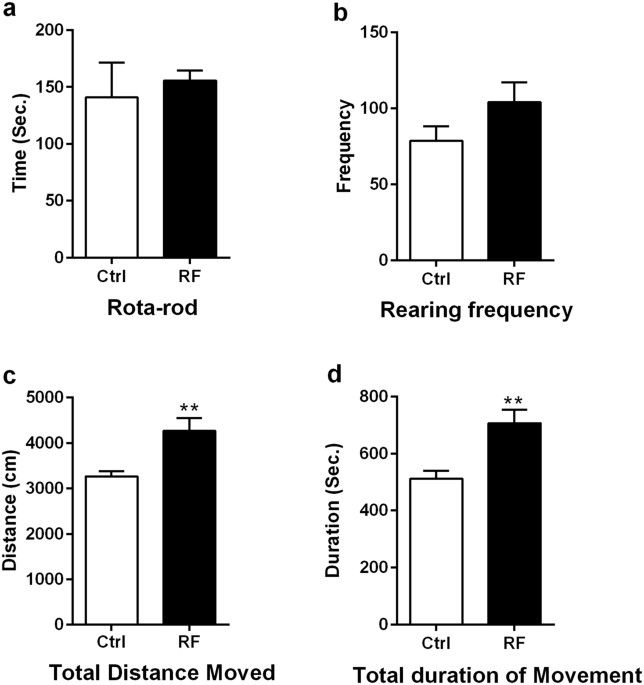


@Helios_Movement - George Ferman
So i hope that we can all agree now that there's not a single health issue that can't be exacerbated (or even caused) by them. Now of course, we are somewhat resilient creatures so the effects won’t be felt overnight. But long term exposure to them is truly disastrous for our health. It doesn't matter if you want to avoid brain cancer or you want to improve your mood or sleep, managing nnEMFs matters.

@Helios_Movement - George Ferman
Now the seven key biological mechanisms underlying the negative effects of nnEMFs include: 1. Oxidative stress. nnEMFs, particularly RF fields, can increase reactive oxygen species (ROS) like superoxide or hydroxyl radicals and cause lipid peroxidation in cells, thus alterling antioxidant enzyme levels (such as superoxide dismutase) and damaging cell membranes, proteins and DNA. 2. Calcium channel dysregulation. nnEMFs, increase intracellular calcium through voltage-gated calcium channels (VGCCs). VGCCs are large protein complexes that “open” in response to electrical signals (they open when the membrane depolarizes (becomes less negative)), in order for calcium ions to enter cells (due to its concentration gradient (higher outside than inside cells)) and nnEMFs act as an external electrical stimulus. VGCCs trigger neurotransmitter release (particularly glutamate), initiate contraction in cardiac and skeletal muscle for example, eegulate hormone secretion, control gene expression, enzyme activity and apoptosis.
@Helios_Movement - George Ferman
3. DNA damage. nnEMFs, may induce single- and double-strand DNA breaks, directly (through energy transfer) or indirectly (through ROS). 4. Melatonin suppression. This happens possibly by altering neuronal signaling or mimicking some signals of light exposure but human and animal studies show reduced melatonin levels after RFR exposure, particularly at night. 5. Increasing blood-brain barrier permeability. This is well documented in animal studies that show increased blood-brain barrier leakage after RFR exposure, but it’s true that human research is limited. Yet based on the 4 previous mechanisms that were just discussed this isn’t unlikely and nnEMFs probably increase permeability of endothelial cells in barriers in humans as well, probably through oxidative stress or calcium-mediated tight junction disruption.
@Helios_Movement - George Ferman
6. Autonomic nervous system dysregulation. It’s documented that nnEMFs alter sympathetic and parasympathetic activity thus affecting heart rate variability and of course animal studies show even altered neurotransmitter levels. 7. Disruption of cellular electrical balance. Our cells maintain a negative membrane potential (resting potential) and nnEMFs interfere with ion channels altering membrane potential and disrupting processes like nerve signaling, muscle contraction or enzyme function. Then of course there are other ones such as heat shock protein induction for example (cell culture studies show increased HSP expression after EMF exposure, even at non-thermal levels).
@Helios_Movement - George Ferman
So here are some practical suggestions that won't turn you into a lunatic. Number 1: Limit your exposure to them / distance yourself form them. Without this the rest of the tips won't really help. But you don't have to turn into a lunatic while implementing this. Leave devices you're not using in other rooms, have your phone on airplone mode when you're not using it/need it, ditch your air pods, close the wifi at night (big one)/when you're not using it, spend more time in nature instead of watching netflix, don't be on your phone for no reason, use ethernet cables and so on.

@Helios_Movement - George Ferman
Number 2: Go and ground. We carry a constant flow of electrical charge which we week to discharge and if we never do this and thus never restore and maintain the body’s natural electrical state, disease will inevitably happen. The surface of the earth, possesses a limitless and continuously renewed supply of free or mobile electrons as a consequence of a global atmospheric electric circuit. A direct earth connection enables both diurnal electrical rhythms-free electrons to flow from the earth to the body and neutralize the positively charged free radicals. *You can use grounding mats, pads etc if you outlet pubmed.ncbi.nlm.nih.gov/22291721/ pubmed.ncbi.nlm.nih.gov/25848315/ pubmed.ncbi.nlm.nih.gov/31831261/ pubmed.ncbi.nlm.nih.gov/28987038/ pubmed.ncbi.nlm.nih.gov/36481428/

@Helios_Movement - George Ferman
Number 3: Endogenous glutathione max Glutathione is a substance made from the amino acids glycine, cysteine, and glutamic acid. It is naturally produced in the cytosol (an intracellular matrix) and helps with many processes varying from detoxification, protecting the mitochondria from oxidative stress, heart health and the immune system all the way to thyroid hormone conversion. Here's how to boost glutathione production 101 0) Stop consuming alcohol and if you have issues such as candida address them now. 1) Expose yourself to the sunrise/sunset light. 2) Manage your blood sugar levels, don't go vegan and avoid environmental toxins. 3)Consume sulfur rich foods. 4)Consume vitamin C and E rich foods. 5)Consume selenium rich foods. 6) If your kidney health is fine and you're not struggling with low DHT, you can try turmeric a couple of times a week since turmeric and even curcumin can increase glutathione levels (most studied in animals). *Milk thistle can also help. 7) Get enough glycine, sunlight, magnesium and B vitamins. 8)Add NAC on occasion (tweak your copper intake)
@Helios_Movement - George Ferman
Number 4: Get enough minerals.
@Helios_Movement - George Ferman
What you need to know about minerals in case you are interested in having better athletic performance, gut health, skin health, mood, hormonal health and a lot more. Thread🧵

@Helios_Movement - George Ferman
Number 5: Vitamin C, E, high quality seafood. pubmed.ncbi.nlm.nih.gov/33794719/ https://www.sciencedirect.com/science/article/pii/S2213879X17300792 https://pmc.ncbi.nlm.nih.gov/articles/PMC5106548/

@Helios_Movement - George Ferman
Number 6: Glutamate serves a role, but given the effects of nnEMFs on nmda it is a good idea to avoid free forms of glutamate and support GABA. Regarding free forms of glutamate you maintly want to avoid: ● MSG ● Monopotassium glutamate ● Soy sauce and soy products in general ● Wheat gluten ● Maltodextrin ● Modified food starch ● Corn starch and corn syrup ● Barley malt ● Calcium caseinate ● Rice syrup and brown rice syrup ● Xanthan gum ● Carrageenan ● Bouillon ● Citric acid Regarding GABA, block the artificial blue light, cycle all stimulants, get enough magnesium, B6, provide enough thiamine (vitamin B1), vitamin C, vitamin D (sunlight), vitamin A, copper, zinc, magnesium, taurine and vitamin E.
@Helios_Movement - George Ferman
Number 7: Further "lower" intracellular calcium through sunlight, nutrition, supplements and taking care of your thyroid. Nutrition wise you will need: -Magnesium -Vitamin K2 -Glycine -Thiamine (indirectly (CO2 prevents the accumulation of intracellular calcium)) -Vitamin E -Boron -Zinc Which you can get from c.water, magnesium supplements, oysters, raw dairy, bone-in meats, short-term usage of b.yeast or a thiamine supplement, grass-fed organs (this does not mean eat a pound of liver/day), sun-dried fruits, a boron supplement occasionally and red palm oil.
@Helios_Movement - George Ferman
Number 8: Do not use your electronic devices (iphone, laptop etc) while they are charging. Number 9: Hydrate properly.
@Helios_Movement - George Ferman
Dehydration can lead to headaches, fatigue, impaired detoxification, skin issues, heart issues, kidney issues, constipation, and also injuries at the gym among other things. So a thread on how to properly hydrate yourself🧵

@Helios_Movement - George Ferman
Number 10: Manage your exposure to heavy metals. https://fitandball.gumroad.com/l/detox2/detox50
@Helios_Movement - George Ferman
That was it. If you learned something from this make sure to leave a like/RT. https://t.co/qvjCFZYEqk
@Helios_Movement - George Ferman
One of the main reasons why more and more people are getting sick is constant exposure to nnEMFs and we have the undeniable evidence to back up this claim. Here are some things you must know in order to navigate our nnEMF -filled world better and avoid sickness. An in depth thread🧵


@Helios_Movement - George Ferman
The lymphatic system and understanding why neglecting its importance is a one-way ticket to never solving health issues. Thread🧵

@Helios_Movement - George Ferman
In just about 5 minutes you’ll get familiar with a concept that can be one of the most crucial puzzle pieces in optimizing your health. Why? Well first of all, remember that blood is a fluid that goes through a bunch of arteries, veins and capillaries that carry nutrients, oxygen, antibodies and in general, things that are crucial for supporting our health on a daily basis.

@Helios_Movement - George Ferman
Now blood has 4 components for the most part: 1. The red blood cells 2. The white blood cells 3. The platelets and 4. The plasma If you want an overall test, a complete blood count (CBC) could be a good start since it counts all of the above and if you want to know more about the function of your immune system specifically you can check this:
@Helios_Movement - George Ferman
Understanding and optimizing the function of your immune system. Thread🧵 https://x.com/Helios_Movement/status/1616067662152343558/photo/1

@Helios_Movement - George Ferman
Heart health wise, you can give this a read:
@Helios_Movement - George Ferman
Food can often be the ultimate medicine. In this thread, i will share with you some foods and herbs that can support your heart health🧵

@Helios_Movement - George Ferman
Okay so here’s the deal now: 55% of the whole blood, is plasma which carries clotting proteins, antibodies, waste products, damaged cells, minerals, hormones and a lot more throughout the body. Out of the 20 liters of plasma that get out of the capillary walls (capillaries -> the smallest blood vessels) and provide everything that was just mentioned in the surrounding areas, only 17 get back to the circulatory system through the capillary walls which leaves us with 3 liters of plasma still in the tissues/spaces around the cells.

@Helios_Movement - George Ferman
And now we can enter the importance of the lymphatic system. This subsystem of the circulatory system and the immune system, is responsible for filtering out waste products, absorbing fats from the intestines, releasing lymphocytes, gathering the excess fluid from the tissues and bringing it back into the bloodstream in order for us to maintain normal fluid levels.

@Helios_Movement - George Ferman
It’s primarily made out of: -The spleen The spleen is a blood-filtering organ that removes microbes and destroys old or damaged red blood cells. It also makes disease-fighting components of the immune system (including antibodies and lymphocytes). Now let’s also give some dietary tips right off the bat for this one. In order to support spleen health, start adding in your diet: vitamin C rich foods (hibiscus, camu camu, acerolla cherry, berries etc), B12 rich foods (octopus for example), sprouted bone broth rice, you can add cold pressed blackseed oil once in a while and of course eating beef spleen.

@Helios_Movement - George Ferman
-Bone marrow Bone marrow is the spongy tissue found inside your bones. It produces the red blood cells our bodies need to carry oxygen, the white blood cells we use to fight infection, and the platelets we need to help our blood clot.

@Helios_Movement - George Ferman
-The thymus The thymus filters and monitors your blood content. It produces the white blood cells called T-lymphocytes. Vitamin A, Zinc, vitamin B6, and vitamin C are perhaps the most critical nutrients of a healthy thymus.

@Helios_Movement - George Ferman
-The lymphatic fluid (lymph). The lymph is a collection of the extra fluid that was mentioned a bit earlier over here. -The lymph nodes We have 600 of these (you might be able to feel the ones in your armpits and neck) and they are glands responsible for “cleaning up” damaged cells, storing lymphocytes, regulating the lymph -The MALT (mucosa-associated lymphoid tissue). This lines up our airways, tonsils but also the appendix and the small intestine in order to protect us from potentially harmful organisms like germs. -The lymphatic vessels. Now some people mention separately the lymphatic vessels and capillaries but we’ll view them as a “subcategory”.

@Helios_Movement - George Ferman
Note: Lymphatic capillaries have larger diameters and closed ends (fluid can get in but can’t get out) compared to blood capillaries. These capillaries help us pick up lymph and “send it” to the lymphatic vessels until it reaches the ducts (the right lymphatic and thoracic duct) in our chest in order for the lymph to be emptied with the help of the subclavian veins and the pulses of the arteries nearby. This overall process is also crucial for maintaining our blood pressure and volume. -The collecting ducts. These were just mentioned (the ducts in our upper chest). -The tonsils. These are in the back of the throat and help us keep pathogens away. -The adenoids. These are behind the nasal cavity and serve the same purpose. .


@Helios_Movement - George Ferman
As you might be able already tell, a congested lymphatic system can have negative consequences such as: -Reduced capacity for detoxification and thus toxin accumulation -Blood pressure issues -Immune issues such as infections -Circulatory issues -Fatigue -Skin issues On the short term.
@Helios_Movement - George Ferman
And on the long term issues such as: -Cellulitis -Lymphedema -Joint issues and migraines (the fluid can put pressure on the joints and nerves) -Autoimmune conditions You can also keep in mind that the more congested the lymphatic system is, the more inflation there will be if it helps you better understand these points.
@Helios_Movement - George Ferman
Now, let’s see some tips (none of which are medical advice) when it comes to how we can keep our lymphatic system healthy (the tips are numbered but all of them are of equal importance). Number 1: Non NPC lymphatic massage approach. By “non NPC” i mean the following. There’s the “superficial part” of our lymphatic system and the “deep part”. By using lymphatic massages, we will help areas such as our skin but then we need to also keep in mind that parts of the fluid at the end of the day will get filtered through the colon and liver. So first and foremost give something simple like "the big 6" a go.
@Helios_Movement - George Ferman
While also focusing on proper liver and gut health. This could help you get the ball rolling regarding these:
@Helios_Movement - George Ferman
Liver disease is unfortunately on the rise so i thought i’d try to put together the “ultimate” liver thread🧵 Aka attempt to put in a 10 minute read what you need to know about the function of the liver and the non-negotiables regarding preventing (but also improving) issues such as NAFLD.

@Helios_Movement - George Ferman
Number 2: Get enough magnesium. If we don’t have enough magnesium, we can’t properly regulate the flow of lymph. Magnesium glycinate, taurate, MgCl, epsom salt baths are all great.
@Helios_Movement - George Ferman
Number 3: Avoid the regular usage of vasoconstrictors such as alcohol, nicotine and caffeine. If the blood vessels constrict, this will prevent the blood from moving into the lymphatic system. Number 4: You might want to address the health of your mast cells and try a low histamine diet since it can inhibit lymphatic contractions when in excess. "Type my handle and histamine next to it, for some reason i can't link the thread right now". Thanks :)
@Helios_Movement - George Ferman
Number 5: A hot bath with some minerals is also a great idea. Number 6: Prioritize sleep. Sleep is of course crucial for tons of bodily processes and one of the most underrated factors when it comes to detoxification in general.
@Helios_Movement - George Ferman
Number 7: Stay hydrated. No hydration -> No lymphatic system health Number 8: Avoid exposure to toxic chemicals such as heavy metals, commercial hygiene and beauty products, herbicides and pesticides. Number 9: Don’t get giant tattoos.


@Helios_Movement - George Ferman
Dehydration can lead to headaches, fatigue, impaired detoxification, skin issues, heart issues, kidney issues, constipation, and also injuries at the gym among other things. So a thread on how to properly hydrate yourself🧵

@Helios_Movement - George Ferman
Number 10: Move throughout the day. This can't be skipped i'm afraid. You have to move. Bonus: Get in the sauna (unless your prolactin is sky high or struggle with fertility problems). That was pretty much it for now. If you enjoyed this thread and found it helpful, you can leave a like or RT at the first tweet.
@Helios_Movement - George Ferman
The lymphatic system and understanding why neglecting its importance is a one-way ticket to never solving health issues. Thread🧵 https://x.com/Helios_Movement/status/1840781629377204429/photo/1

@Helios_Movement - George Ferman
And if you want to understand more about how our bodies work, what they need to be healthy and understand what can lead to problems such as insomnia, low testosterone, skin issues, gut issues and so on, you can check this: https://fitandball.gumroad.com/l/thesystem23?layout=profile
@Helios_Movement - George Ferman🚀
Most supplements are mid. These aren't👇 *Standard disclaimer that nothing in here is a substitute for medical advice* First and foremost, supplements are tools and they will not move the middle if other lifestyle factors are not set in place. That being said, a very high amount of people are purchasing supplements and since your next order could easily be $500 filled with compounds that sound good but don't really work, here are some that actually work. First of all, we need to understand that herbs have been used for thousands of years for their benefits under certain conditions. They key phrase here is "under certain conditions". So as a rule of thumb, if it ain't broke, don't try to fix it. Also just as a lot of supplements can be beneficial under certain circumstances, they can also be problematic under others. So if 10.000 people read this, at least a couple of handfuls of them will have a minor negative reaction which is why it's crucial to only consume 1/3 of the recommended dose of all of them when first trying any of these out. Also: cycle everything, especially the most potent ones. Now here are some supplements whose monetary investment justifies their effects. Number 1: Grass fed beef gelatin. I'm going to mention this one first because i truly consider it one of the most powerful "supplements" out there that everyone should be using. Adding some quality gelatin in your daily diet has such as high ROI. For example, it's a great source of glycine which is crucial for gut health and our nervous system, protects the liver, supports energy metabolism, protects against muscle loss, lowers stress hormones, protects the adrenals and lowers excessive serotonin. Our bodies got adapted into getting every amino acid that an animal has to offer since we could not afford wasting any part of it. But in today’s society that we tend to eat too much muscle meat and little to none organ meats, bone marrow and the rest of the animal parts, the amino acid profile of our diets is nothing but balanced and when something gets out of balance in the human body health problems will rise sooner or later. So consider getting some quality gelatin. Note: The needs for glycine also depend if you are struggling with any MTHFR mutation. Number 2: Lion's mane. Hou tou gu (lion's mane) is probably the most underrated dietary source of potassium, manganese, zinc, thiamine, riboflavin, and niacin. Lion's mane can help you with: 1. Brain health (one of the best supplemental foods for recovering from brain injuries (neurogenesis maxing)) 2. Heart health 3. Improving your lipid panel 4. Blood sugar regulation 5. Ulcers 6. Depression 7. Anxiety That being said, is a heavy duty supplement and needs cycling. Only start with 1-2/week. Number 3: Cistanche. Some of its benefits include stuff such as: 1. Improved fertility (especially for men) 2. Increased testosterone and progesterone 3. Anti-aging benefits 4. Liver supportive 5. Neuroprotection 6. Increased libido 7. Mild heart protective and blood sugar lowering properties 8. Mild immune system supportive benefits 9. Protects the testicles against xenoestrogen toxicity This also needs frequent cycling as well. Number 4: M. blue Methylene blue increases NAD/NADH ratio (one of the reasons why it was used to treat schizophrenia), is a great antioxidant, it stimulates glucose metabolism and increases oxygen in brain cells. It is a great short term tool in order to restore OXPHOS if one has the common sense to use a low dose, cycle it, use pharmacological grade and replenish B vitamins first. A lot of people have been consuming m. blue for a long amount of time without any side effects apparently, but in my opinion it's a tool so potent that will dysregulate something in the long run so i recommend cycling it. Number 5: Magnesium glycinate This form is recommended in particular because for most people it will be the safest form. I personally like taurate but it can upset the stomach of some people for example. Magnesium is obviously crucial for our health. It is involved in over 3700 enzymatic reactions in the body, lowers SHBG, increases free testosterone, optimizes GABA, improves sleep, protects the heart, helps us utilize vitamin D better, it is a crucial calcium regulator and protects our nervous system. Number 6: Lactoferrin A great tool to promote the growth of certain probiotic strains, while inhibiting the growth of pathogens, it can also help our immune system, bones, address unbound iron and help with bile metabolism among other things. That being said, colostrum, would be preferable to straight up lactoferrin if you can digest dairy well. Number 7: Taurine Taurine accounts for even up to 60% of the free amino acid pool in our bodies, it’s a great antioxidant, crucial for heart health, GABA optimization, androgen optimization, it boosts dopamine, lower serotonin, supports energy metabolism, helps iron homeostasis, boosts cognitive functions and in general it is a great supplement. The only downside is that it can upset the stomach in a lot of people. Obviously, if you have access to quality seafood, stick to that instead of a supplement. Number 8: Cordyceps This one is pretty expensive and if you are not competing a sport or take part in heavy duty training, try other ones first. Cordyceps improves the way our bodies use oxygen, reduces bone loss, has anti-aging properties, improves kidney function, skyrockets libido and can help battle certain types of cancer. Number 9: Sodium butyrate It can support a healthy gut lining/colonocyte health, improve insulin secretion, can help people with IBS-C, it is pro dopamine, BDNF, GDNF and NGF. Number 11: Quality shilajit It can stop the abnormal buildup of tau protein and reduce inflammation, potentially improving Alzheimer’s symptoms. It can also help heart diseases, low HDL, blood sugar, testosterone and sperm count. Number 12: Thiamine (make sure you have enough magnesium, B2 and B6). Thiamine helps the body's cells change carbohydrates into energy, plays a role in muscle contraction and conduction of nerve signals and is essential for the metabolism of pyruvate. It also helps prevent complications in the nervous system, brain, muscles, heart, stomach, intestines and is also involved in the flow of electrolytes into and out of muscle and nerve cells. Thiamine is important for mitochondrial membrane development and synaptosomal membrane function as well. Now more supplements can be mentioned. Mucuna for example, can be a good tool if you need to boost dopamine and LH levels fast, lower anxiety, improve your memory and it can even be a good tool for people with Parkinson’s. Pine pollen can increase testosterone without raising estrogen. Agmatine could also help with focus, withdrawal symptoms and a lot of other things. Same for bacopa, bromantane and so on. Then binders such as zeolites can be great for detoxing. But this is a post, not a book. So optimize your overall lifestyle and when you read or hear about any supplement do your own research. -George For more on supplements, their usage, timing and interactions: fitandball.gumroad.com/l/thesystem23