reSee.it - Tweets Saved By @MorePerfectUS

Saved - June 22, 2024 at 4:42 PM

@MorePerfectUS - More Perfect Union

NEW: One billionaire couple owns almost all the water in California. In a series of secret meetings in 1994, the Resnicks seized control of California’s public water supply. Now they’ve built a business empire by selling it back to working people. https://t.co/Twp4JaKDDN

Video Transcript AI Summary
A billionaire couple, the Resniks, control a large portion of California's water system, acquired through secretive meetings. They own The Wonderful Company, worth billions, and influence water policies to profit from selling water back to the state. Their political connections, including with Senator Dianne Feinstein, help them secure control over water systems and funding. The Resniks' actions harm California's water resources, environment, and economy. They exploit workers, manipulate studies, and prioritize profits over public welfare. Legislative changes are needed to prevent individuals like the Resniks from exploiting essential public resources.
Full Transcript
Speaker 0: While 40,000,000 Californians suffer through unprecedented drought, 1 billionaire couple owns a massive share of the state's water system, seized in a series of secretive meetings 2 decades ago. That system was largely paid for by the very taxpayers whose water these billionaires hold hostage. Urban water systems are desperate for water, but in 2023, they'll receive just 5% of what they requested from the state. The Resniks are the biggest farmers in California. As of 2007, they owned 4 San Francisco's worth of farmland. And nearly half of Americans buy at least one of their products. Their pistachios, their pomegranate juice, their mandarins, their flowers. It's all under one massive umbrella, The Wonderful Company, a privately owned company worth at least $5,000,000,000 The majority owners, the Resniks, are worth at least 8,000,000,000. How were they able to take over such a large percentage of what should be a shared public resource? This is the classroom from More Perfect Union. And today, we're looking at how the Resniks got rich. Linda is a former child actress, the daughter of Jack Harris, a successful movie distributor of the 19 fifties, most well known for The Blob. Starring Steve McQueen and a cast of exciting young people. At 19, she founded her own advertising agency. Stewart was born to a middle class New Jersey family and started his first business, a janitorial service, in grad school. He eventually acquired American Protection Services, a burglar alarm and security company. Linda approached him about marketing services for the company and they hit it off, not knowing that one day they'd work together to take over California's water. The lovebirds became business partners. They bought Teleflora, the flower delivery company, and the Franklin Mint, purveyors of inane little tchotchkes. Linda was the marketing person and Stuart was in charge of business. As Linda told the LA Times in 1993, I've always said that Stewart and I together make one perfect person. Like little salt and pepper shakers. In the late eighties, they found their primary industry, agriculture. They got into the pistachio business. Linda said, we've done more for the pistachio than anyone ever since it was planted in the Garden of Eden. My husband should be canonized for all the work he's done. They started branching into other products, almonds, pomegranates, citrus, wine, and acquiring more and more land to cover it, including some very important land in Kern County, which granted them water rights in the area. As the Resniks were building their empire, the state of California was building new water infrastructure with taxpayer money. California's natural water supply is very inconsistent. Vastly differing amounts of rainfall means the state can go from surplus to drought and back very easily. So they build water banks to store water during surpluses to have during droughts. One important storage facility is the Kern Water Bank started in 1988. The facility was built with 100 of 1,000,000 of taxpayer dollars, which could have been a good thing. The people of California would have owned the water. But there were 2 Californians thirstier than the rest, and they wanted more water. Linda and Stuart Resnick. And they had a lot of political power. We'll get to that. In 1994, state water officials, water infrastructure contractors, and agricultural landowners with water rights arranged a secretive meeting at a resort in Monterey Bay, California. These groups, a mix of private companies and public agencies, rewrote California's water rules without any input from voters, taxpayers, or legislators. The new rules, called the Monterrey Plus Agreement or the Monterrey Amendments, were devastating for working Californians and great for agriculture billionaires. The original code included urban preference, a long standing rule that in times of drought, the State Water Board would give urban areas, where people live, access to water supplies before agricultural interests. Monterrey axed that. That means that in times of drought, the water systems for normal Californians would have to buy water from private companies because they weren't getting it from the state. The new agreement also loosened regulations on paper water. That's water that doesn't necessarily exist anywhere but on paper. The full quantities of water that providers could have, but don't actually need to have. Today, 5 times as much water has been promised and sold as actually exists. And importantly, the meeting changed ownership of the current water bank. What once belonged to the state was transferred to a few private water contractors. One of which was West Side Mutual, a wholly owned subsidiary of Wonderful Foods. The wonderful employee who runs West Side, Bill Fillmore, is the chairman of the public organization that manages the Kern Water Bank. Boom. One secret meeting and the Resniks owned nearly 60% of an important California water resource built with 100 of 1,000,000 of dollars in taxpayer money. The new ownership combined with the rules on paper and surplus water meant that during times of drought, the Resniks could sell Kern water back to the state water systems. They took Californian taxpayers' water and sold it back to them, both literally as the water supply and also to grow expensive food like gourmet pistachios and pomegranate juice. They converted the people's water into products many can't afford. And that's just one water bank. The Resniks also have control of other water boards and have been sued for directing more water towards their properties. So how do they get away with this Chinatown level chicanery? Speaker 1: Gonna be a lot of irate citizens when they find out that they're paying for water that they're not gonna get. Speaker 0: With philanthropy. The Resniks donate 1,000,000 of dollars to politicians and research institutions, which help them secure control over water systems and even get more water and more taxpayer funding. One important project is the proposed California Delta Tunnel, a taxpayer funded project which would send water from Northern support the tunnel project. But their favorite politician is senator Dianne Feinstein. You come in here and you say it has to be my way or the highway. Chair of the energy and water subcommittee. She's a close personal friend of the Resniks, attending their holiday party in Aspen and maintaining their financial interests. A quick look through the bills she sponsored shows several which would direct money to current adjacent water projects. The Resniks even ask her for things directly. When a pesky study about endangering salmon and shad fisheries threatened the Delta tunnel, Stewart wrote a letter to Feinstein demanding a new study. She immediately forwarded it to the Obama administration who agreed to spend $750,000 on a new study. It returned the same results as the first one. Can't buy science. But the Resniks have tried. They are among the top donors to the University of California system with their donations focusing on agricultural and ecological studies. The Resniks have basically bought entire departments who put out studies on how water systems should be managed and where funding should go. That leads to even more federal and state taxpayer dollars being used to fix up what the Resniks profit off of. This is all bad for California even in a capitalistic sense. Agriculture uses 80% of California's water but only represents 2% of its GDP. The Resnick's water monopoly is just one way their quest for wealth hurts the rest of us. They allegedly lobby for increased tensions with Iran to keep embargoes on superior Iran and pistachios. Their giant crops lead to monocultures which kill important pollinators. They siphon taxpayer dollars into the company town charter schools they own, set up to train children to work for their farms. And of course, like any company of this size, they exploit their workers. We need to treat water for what it is, A necessary public resource. A human right. And something that shouldn't be owned by anyone. And work towards legislative change that stops people like the Resniks from stealing it.
Saved - January 16, 2024 at 10:03 PM
reSee.it AI Summary
An Indiana Republican has proposed a bill allowing 14-year-olds to drop out and work on corporate farms during school hours. This bill raises concerns about child labor, especially since Indiana already has issues with it. Nationally, child labor violations have increased by 50% in 2023. Iowa has also passed a law putting more kids to work, with corporate money influencing the decision. The law allows 16-year-olds to work in mining, 15-year-olds on assembly lines, and 14-year-olds in meat coolers.

@MorePerfectUS - More Perfect Union

BREAKING: An Indiana Republican has filed a bill that would allow kids as young as 14 to drop out and work on corporate farms during school hours. Kids would only need to complete 8th grade in order to work 40 hours a week as a farm laborer.

@MorePerfectUS - More Perfect Union

It's hard to believe, but here's the text of the bill: https://iga.in.gov/pdf-documents/123/2024/house/bills/HB1062/HB1062.01.INTR.pdf

@MorePerfectUS - More Perfect Union

Indiana already has a problem with child labor, like teens working in dangerous and illegal meat processing jobs. https://www.indystar.com/story/money/2023/02/17/2-underage-teens-illegally-employed-in-indiana-factory/69914857007/

@MorePerfectUS - More Perfect Union

Nationally child labor is surging, and laws like this do the exact opposite of protecting children from being put to work in dangerous jobs. Child labor violations were up 50% in 2023. https://news.bloomberglaw.com/daily-labor-report/documented-child-labor-violations-up-by-50-in-fiscal-year-2023

Child Labor Violations Up 50% in 2023 Amid Federal Crackdown The US Department of Labor found nearly 6,000 minors working in illegal conditions in the US in fiscal year 2023, a nearly 50% increase from FY 2022. news.bloomberglaw.com

@MorePerfectUS - More Perfect Union

Last year we looked into the law Iowa was passing to put more kids to work. To no one's surprise we found corporate money pushing the bill. https://x.com/MorePerfectUS/status/1675902129293217792?s=20

@MorePerfectUS - More Perfect Union

A devastating new child labor law has gone into effect in Iowa. Employers can now hire 16-year-olds for mining jobs, 15-year-olds on assembly lines, and 14-year-olds for work in meat coolers. We dug into the bill and found the corporations that pushed this dangerous law. https://t.co/bCASYKXO5N

Video Transcript AI Summary
Iowa state senator Jason Schultz is sponsoring a bill that would roll back child labor protections, allowing kids as young as 14 to work in dangerous environments like meatpacking plants and fast food chains. The bill is part of a larger national effort funded by big corporations and PACs to weaken child labor laws. The Iowa Restaurant Association and other corporate lobbyists are pushing for these changes, with the support of organizations like the Koch-funded Americans for Prosperity. The bill also benefits companies like Hy Vee, one of Iowa's largest employers and a frequent violator of child labor laws. The legislation disregards the negative impact on education and safety for young workers.
Full Transcript
Speaker 0: Do you have a quick minute to do, like What Speaker 1: is it on? Speaker 0: Quick to use in finance. Speaker 1: Oh, I'm gonna pass on that. That's Iowa state senator Jason Schultz. He's the sponsor of the most dramatic rollback of child labor protections in the nation even if he doesn't wanna talk about it. Speaker 0: Nothing to Speaker 1: say No. I'm gonna pass on that. Speaker 2: I'm just kinda stepping back on that one. I'm I'm gonna not get into any conversations. I'm gonna stay away from that. Although you might find out Speaker 1: later why. Oh. There you go. There's your tease. Senator Schultz is clearly proud of his work. But as our investigation will show you, he's just one part of a shadowy national effort funded by big corporations and PACs to roll back child labor laws that have been in place since 19 thirties. Speaker 3: More states are considering changes to child labor laws as they try To fill jobs, Maine and Michigan lowered the required age to serve alcohol. New Jersey raised the limit on the number of hours teens can work over the summer. Minnesota, a new bill would allow Tall 16 and 17 year olds to work construction jobs. In Iowa, proposed law would let 14 and 15 year olds work certain jobs in meat packing plants. Speaker 1: The Iowa bill takes child labor law rollbacks to the next level. Think kids in ultra dangerous meatpacking facilities, high volume Pepsi bottling plants, and working for cheap on the hearing hot ovens of fast food chains like McDonald's for 30 plus hours a week. No, for real. Iowa Republicans want to allow kids between the ages of 14 to 17 to work in incredibly dangerous, often deadly workplaces, places like construction sites where more than five 1,000 workers died last year. As it's set up now, there would be virtually no restrictions. The job would just have to be part of an education program, something that the company could invent itself. It's true that more than a third of teenagers across the US worked summer jobs in 2021, but serving ice cream I mean, isn't exactly the same as working in building demolition. So why would lawmakers put kids who are just finishing middle school into Such dangerous situations. Here's what Rep. Deo, the house sponsor of the bill, says. Speaker 0: Right now, kids can be out till 10 o'clock if they're out for a sport Or school activity. And so why why are they not able to be able to work until, say, for example, 9 o'clock? Speaker 1: An actual expert Speaker 4: who we spoke to, firmly disagreed. It's a bizarre argument to argue that playing team sports is akin to working in a factory or some other dangerous environment. We like Kids not to work more than 20 hours a week, because that's kind of a cutoff for damage that's done to them educationally. Speaker 1: Okay. So why are lawmakers actually doing this? Speaker 2: The bill was, really spearheaded by the restaurant association. This word came along. We were asked to be, we were invited to come along. Speaker 1: That's Brad Epperle, a lobbyist who works for big corporate clients like the Iowa Grocery Industry Association. He's outright admitting to us that the Iowa Restaurant Association was the driving force behind behind this bill. They're an affiliate of the National Restaurant Association, a trade group that represents some of the biggest names in fast food, like Burger King and Taco Bell. They also lobby for big corporations like PepsiCo and Sysco. And from one look at their newsletter from this time last year, You can tell they've been hard at work spreading the gospel about the benefits of young labor. The hands on internship at the slaughterhouse is their big priority this year, But we can't give them all the credit. This child labor law rollback originated at a meeting of the Iowa Workforce Development Board, which is overseen seen by governor Kim Reynolds. Most of its members are corporate CEOs and lobbyists, and they meet up several times a year to come up with policies. This bill was a product of a meeting in November. The WDB is chaired by Jay Iverson, executive officer of the Association of Iowa Builders, insists on kids using band saws on worksites. Lobbyists from the Iowa Association of Business and Industry are well represented on the board, which gives member corporations like John Deere and Google seats at the table. And of course, no race to the bottom would be complete without the Koch funded Americans for Prosperity and Opportunity Solutions Network, also lobbying on the bill. Given their obvious enthusiasm, we tried to get some of these lobbyists to talk to us about the many benefits bits of child Speaker 0: labor. Speaker 1: But they were a bit shy to take credit for their work. The next part of the bill was clearly written for the Iowa Restaurant Association, Hotel and Lodging Association, and National Bureau Independent businesses, the state leaders in low wage jobs. It would allow 14 year olds to work in giant freezing Hit lockers and raised their mandatory clock out time from 7 pm to 9 pm and then 11 pm in the summer. Speaker 4: The research that has been done has Has found pretty clearly that 20 hours is kind of a cutoff, and when kids work more than that during the school week, their grades their grades start to plummet, And their school completion rate starts to plummet. Speaker 1: Many businesses like retail, restaurants, and fast food joints love to hire kids because they'll take a lower paycheck. If they can Stay at work even longer. Places like McDonald's, which loves hiring kids, don't even need to worry about hiring adults who can fill those jobs, let alone paying them living wages. Children's Speaker 4: brains are not fully developed, especially that part of the brain that exercises caution, that tells a person that, oh, this is dangerous. I might get hurt. That part of the brain is just not quite there yet, and it doesn't really fully develop until the early or or mid twenties. Speaker 1: The bill would also let 16 and 17 year olds handle alcohol on the job, which effectively puts them in pubs and bars with intoxicated adults. Consider these all big wins for BlackRock, Vanguard, Wellington, JPMorgan, Fidelity, those Wall Street titans naturally own big stakes in the multinational food distribution powerhouses Cisco and Performance Missouri News. 2 of the top donors to the Iowa Restaurant Association, truly the voice of small business. But there's one company that benefits more over any other. Speaker 5: Hy Vee, where there's a helpful smile In every aisle. Speaker 1: Hy Vee is one of the biggest employers in Iowa and one of its most prolific violators of child labor Every few years, a new report seems to come out about all the minors unlawfully working for them. Since 2000, Hyvee has been fined over 700 dollars for more than 30 labor law violations, including a big fine last year for safety violations. But as much as they forked over to OSHA. Hy Vee has been even more generous to Kim Reynolds and Iowa Republicans shelling out over $815,000 over the last decade alone. Reynolds even kicked off her 2018 campaign for governor out of Hy Vee and appeared on their bespoke talk show. Speaker 5: Hy Vee is a great example of a phenomenal employer. They one of our largest employers in the state of of Iowa. They're in small communities all across this great state, and one of the major employers in these small community. So, very, very grateful to that helpful smile in every aisle. Speaker 1: It's unclear how many kids were working there at the time, Hy Vee is just one of many corporations that are now regularly being caught violating child labor law. For a bill pitched as a cure for so called worker shortages in Iowa, where the minimum wage is still 7.25 and so many other states, the reality is damning. You've seen the headlines, including the huge recent expose in the New York Times about the proliferation of child labor. Since the pandemic began, violations have exploded and were up by 37% last year. Packer sanitation services, Hyundai Kia in Alabama, Blackstone owned PSSI, a sanitation company with systemic violations. Instead of cracking down, states are lining up to legalize the practices, 10 over the past two 2 years alone. It's much the same story in Arkansas, Ohio, and Wisconsin. Big donations by big corporations are leading to laws that put kids at risk in order to save a few bucks. The intention is written in plain English. The original version of the Iowa bill called for total corporate immunity If a kid got injured at a dangerous workplace, lawmakers were forced to scrub that last part. But employers will still avoid liability if a kid gets into an accident While driving home after working late into the night, exploit a kid's cheap labor, then send them packing. And no responsibility when there are consequences. It should go without saying, but such a textbook example of corporate greed and corruption shouldn't qualify as educational experience.
Saved - December 5, 2023 at 11:09 PM

@MorePerfectUS - More Perfect Union

NEW: If Kroger and Albertsons merge, they'd create the biggest supermarket chain in the country and your sky-high grocery bill will get even higher. We already saw this happen 9 years ago, when Albertsons combined with Safeway. But this time, the government could stop it. https://t.co/RGLrn7lV1C

Video Transcript AI Summary
In 2019, cereal prices were $2.49, but by October 2023, they increased by $2, an 80% hike. Americans are angry about rising food prices. Kroger plans to buy Albertsons, making it the 4th largest grocer. People worry that this merger will lead to higher prices and fewer choices. The FTC previously allowed a merger between Safeway and Albertsons, but it didn't go well. The new company sold some stores to maintain fair competition, but the buyer, Haggen, went bankrupt within a year. Now, Kroger's proposed merger with Albertsons faces scrutiny from the FTC. The FTC is concerned about the potential for higher prices, lower quality, and reduced benefits. The decision will have significant implications for consumers and the food industry.
Full Transcript
Speaker 0: Look at these ads from 2019. Kroger has cereal on sale for 2.49. Pretty standard, right? But fast forward to October 2023, and that same cereal, the same size and everything, costs $2 more. That's an 80% price hike in four 3 years. Americans are furious about food prices, and they're looking for answers. Speaker 1: Prices are through the roof. And And at work every day, I hear people talking about how they can afford groceries, how they can afford to put diapers on their child. Speaker 0: I'm a father of 6. I'm concerned about low prices. Eggs. I already have a problem feeding my Speaker 2: 10.5%. Egg price, 70.1%. Potatoes, 12.4%. Groceries overall have increased 11.3%. That's just since March. Speaker 0: Right in the thick of all this inflation, Kroger management drops a bombshell. They wanna buy Albertsons, and Albertsons agrees. And just like that, the 4th biggest grocer is about to be swallowed up by number 2. Over 20 different stores like Smith's, Jewel, and Safeway, all one company. Speaker 3: This mess here, Albertsons has had better deals and lower prices 2 by far. If this merger goes through, I will no longer have that option. Here's for spare ribs Speaker 4: at at Albertsons, 1.47 pound at Smith's, Speaker 0: it's 2.77 pound. These groups merge. Speaker 4: They're 2. They're gonna deal with that price, whatever they want it to be. Speaker 5: I don't see this as a merger. I see it as a monopoly. Our prices will go up. Our choices will go down. And the quality of everything is going to Speaker 2: be gone. You don't have to be an economist to realize competition benefits the consumer. 2 And it drives prices to an affordable amount. And this is what we need, competition. Speaker 0: This is more than just to a merger. This is where and who millions of people buy food from. It's a society changer. And for the first time in a long time, the federal government may actually step in to stop 2 corporate giants from getting even bigger. Speaker 6: I don't have a lot of, Speaker 2: confidence with the FTC. Speaker 7: I'm just seeing history repeat itself. I live close to an hour since, and I live close to a SNES. One of those is gonna go on. Speaker 0: There's a reason people are concerned. 9 years ago, the FTC, the agency in charge of reviewing mega mergers, led Safeway and Albertsons, 2 of the biggest grocers in America combined. The agency had the new company sell some stores to keep local competition fair. It's to the same promise Kroger is making today. Speaker 8: The FTC looked at this merger and said, if this goes through, you're going to have Very high market share in a number of these local grocery markets, but you can fix that. Speaker 0: The fix was called a divest, sell off a chunk of stores to keep the local market to fair. It's how the FTC manages most major monopoly power issues. Speaker 8: It's really not enforcement. It's real it's 2 More like a behind closed doors negotiation between the government and the company to use that modern merge. Speaker 0: But the fix didn't go according to plan. Speaker 7: I remember the Albertsons and Safeway merger. They agreed to sell 146 stores to a company called Hayden's. They were a small grocer, maybe 30 stores or so suddenly took on all these stores. They were lied to by Albertsons on the price of groceries they were getting 2. And their prices that they were selling. Within 6 months or so, Hagin's was done. They were bankrupt, out of business. Speaker 8: Haggen was just not qualified to buy and operate these stores. You know, it was a fairly small regional supermarket chain. Even the most gifted executive is going to have a hard time Speaker 0: Within a year, Hagin was accused of violating union contracts and started closing stores. Not long after, they went bankrupt. And guess who comes in to buy back some of the stores? Yep, Albertsons. 20th, and that leads us back to the looming Kroger and Albertsons merger. Speaker 8: So these are 2 of the largest, supermarket chains in the country. They compete Against each other in a number of local grocery markets. So I think a main concern is if they merge, they will have more power to raise prices This is on groceries, produce, meat, eggs, milk, packaged goods. Speaker 0: Kroger's management is aware of to the monopoly dilemma. They've already submitted a blueprint to sell stores to CNS, a heavyweight in food distribution, not a typical grocer. But the Federal Trade Commission is now under the leadership of Lena Khan, and she's been holding listening sessions with everyday people. Speaker 6: Jose, first of all, I fully appreciate your frustrations. Because all the workers are proposed, the CEOs come to DC, try to sell they'll Speaker 0: trip for customers and for shareholders. You showed me without a doubt the possibility on the Evo but Fed meeting that you could help bring the cost of food down to many Americans. Speaker 6: But ultimately, people regularly will adopt this account. Speaker 0: We don't know for certain, but but after holding listening sessions in 3 states, the FTC appears likely to reject the merger. Speaker 6: This would be one of the largest 2. Mergers that we've seen in the grocery sector in quite some time. Whenever you have deals of this significance, It has the possibility of really shifting people's day to day lives. It could lead to higher prices, lower quality, reduced wages for to Workers, reduced benefits. Speaker 0: And as we've heard, this merger would likely lead to less competition and put more power in the hands of a single mega grocery chain. Speaker 6: That process of competition itself is what is best likely to guarantee lower Prices, more and better job opportunities, higher quality. And so for fore enforcers, our job is to preserve that competition. Speaker 0: 2. Executives are gearing up for a courtroom showdown to get the deal through. Meanwhile, the FTC is mulling over a game plan to block it. This isn't just about to shareholders or executives, it's bigger. Are we okay with the idea of a few mega companies controlling our food? Or do we want an actual marketplace. Speaker 8: It would send a clear and powerful message that the Biden administration is Committed to addressing high prices, addressing inflation, protecting workers, protecting jobs, promoting higher wages. Given the concerns about Centralization of power, the the disastrous safe way Albertsons pressed in. I think the agency just has to say no here.
Saved - September 18, 2023 at 2:26 PM
reSee.it AI Summary
The head of bargaining for Stellantis JeepChrysler spent two weeks in Mexico during contract negotiations. UAW President Shawn Fain claims Stellantis proposed cuts to medical coverage, additional wage tiers, and stricter penalties for absenteeism. Stellantis made a record $121 billion profit this year, while their CEO earned $248 million. Factory workers start at just $15.78/hour.

@MorePerfectUS - More Perfect Union

This is the head of bargaining for Stellantis (Jeep/Chrysler). Instagram posts show he's spent the past two weeks at his second house in Mexico, during contract negotiations. Meanwhile he's sending letters calling for UAW to "focus on reality."

@MorePerfectUS - More Perfect Union

UAW President Shawn Fain says Stellantis has proposed cuts to existing medical coverage, additional tiers of wages, and more punishments for workers who miss work. Stellantis made a record $12.1 billion in profit in the first half of this year. https://apnews.com/article/auto-workers-stellantis-pay-raises-strike-contract-8296f66135dbaaf466a594398e588cfb

Tensions rise in United Auto Workers contract talks with Stellantis as strike threat looms Tensions rose in contract talks between the United Auto Workers and Stellantis on Tuesday with the union president accusing the company of seeking concessions in contract talks when the union wants gains. apnews.com

@MorePerfectUS - More Perfect Union

Stellantis’s CEO Carlos Tavares made $24.8 million last year. Their head of bargaining Mark Stewart recently bought the most expensive house in Detroit. The workers who run their factories start at just $15.78/hour.

Saved - February 16, 2023 at 8:24 PM
reSee.it AI Summary
Multiple organizations are helping those affected by the train derailment in East Palestine. River Valley Organizing, The Brightside Project, The Comedy Resistance, and a GoFundMe for a family in need are all linked in this thread. Verified fundraisers and a letter to sign are also available. An event is being held for locals. Contact us with more ways to help.

@MorePerfectUS - More Perfect Union

By now you've seen a ton about East Palestine, Norfolk Southern, and the train derailment disaster. But it's been hard for groups helping people on the ground to break through, so we put them all in one place. A thread. 🧵

@MorePerfectUS - More Perfect Union

River Valley Organizing /2

@MorePerfectUS - More Perfect Union

The Brightside Project /3 https://www.brightsideprojectohio.org/

The Brightside Project brightsideprojectohio.org

@MorePerfectUS - More Perfect Union

The Comedy Resistance /4

@MorePerfectUS - More Perfect Union

A GoFundMe for a family in need /5 https://www.gofundme.com/f/get-the-velezes-the-hell-out-of-east-palestine?member=25048901&utm_campaign=p_cp+share-sheet&utm_content=undefined&utm_medium=copy_link_all&utm_source=customer&utm_term=undefined
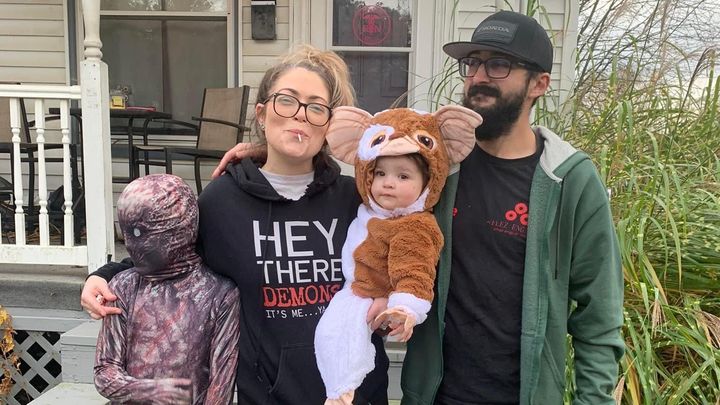
Get the Velezes the Hell out of East Palestine, organized by Ty Boor UPDATE: We've added Nate's Fox News interview with Jesse Watters to the links … Ty Boor needs your support for Get the Velezes the Hell out of East Palestine gofundme.com

@MorePerfectUS - More Perfect Union

And a link for verified fundraisers across the broader community /6 https://www.gofundme.com/c/act/ohio-train-help
Ohio Train Derailment: How to Help You can help those recovering from the effects of the East Palestine, Ohio train derailment by donating to verified fundraisers. gofundme.com

@MorePerfectUS - More Perfect Union

A letter you can sign linked here /7 https://t.co/q6ROZHV0d1

@MorePerfectUS - More Perfect Union

And for folks in the area, an event this evening here /8 https://t.co/JadO3wtViF

@MorePerfectUS - More Perfect Union

If you have more organizations we can link folks to, or ways people can help support East Palestine, please send us a message to let us know, and we'll add it to this thread. Thank you. /9

Saved - February 11, 2023 at 3:23 AM
reSee.it AI Summary
A Norfolk Southern freight train derailed in Ohio, causing a fire that burned for five days. Union rail workers warned of a ticking time bomb due to increased train length and tonnage, reduced maintenance, and fewer workers. Rail companies prioritize profit over safety and lobby against regulation. The derailment highlights a systemic problem. The community's health risks are unknown. Union workers have been advocating for solutions, but we need to listen.

@MorePerfectUS - More Perfect Union

On February 3, a horrifying railroad accident took place. A Norfolk Southern freight train derailed in East Palestine, Ohio. You might've seen images of the flames, but you probably haven't heard that unions were trying to prevent this exact accident. 🧵

@MorePerfectUS - More Perfect Union

Union rail workers with @railroadworkers have warned of a "ticking time bomb" saying, “In the last 10 years, Class I carriers have dramatically increased both the length and tonnage of the average train while cutting back maintenance and inspection.” /2 https://myemail.constantcontact.com/Special-Report--Monster-Train-Wreck-in-Ohio.html?soid=1116509035139&aid=fzMOujXbqBo

Constant Contact : File Not Found myemail.constantcontact.com

@MorePerfectUS - More Perfect Union

@railroadworkers And remember last fall when rail workers were about to strike? They repeatedly expressed that rail companies' system of running their lines, which they call “Precision Scheduled Railroading," was really about profit-maximization at the expense of worker and public safety. /3

@MorePerfectUS - More Perfect Union

@railroadworkers Even more fundamental to the union argument was and is that railroads are trying to run these complex operations with fewer and fewer workers. They've cut 22% of jobs since 2017. This approach, which the wealthy owners bill as “efficiency,” really means overworked workers. /4

@MorePerfectUS - More Perfect Union

@railroadworkers Overburdened and exhausted workers means more dangerous situations for the folks making our trains run on no days off and no sick leave. And it’s not because the rail companies don’t have the money. /5

@MorePerfectUS - More Perfect Union

@railroadworkers Norfolk Southern, the company running the trains that derailed in East Palestine with toxic chemicals on board, brought in over $12 billion in revenue last year, a record. /6 http://www.nscorp.com/content/nscorp/en/news/norfolk-southern-reports-q4-and-full-year-2022-results.html

Norfolk Southern Reports Q4 and Full-year 2022 Results Norfolk Southern Corporation (NYSE: NSC) today announced fourth quarter and full-year 2022 financial results. The company marked fourth quarter and annual records for railway operating revenue and income from railway operations. nscorp.com

@MorePerfectUS - More Perfect Union

@railroadworkers Norfolk also announced a new $10 billion stock buyback program last year. /7 http://www.nscorp.com/content/nscorp/en/news/norfolk-southern-announces-new--10-billion-stock-repurchase-prog.html

Norfolk Southern Announces New $10 Billion Stock Repurchase Program Norfolk Southern Corporation (NYSE: NSC) today announced that its Board of Directors has authorized a new program for the repurchase of up to $10 billion of its common stock beginning April 1, 2022. The company’s current program will be terminated on March 31, 2022. nscorp.com

@MorePerfectUS - More Perfect Union

@railroadworkers And all this money, for stock buybacks that line the pockets of rich investors, is money that’s not being used to improve safety and make the upgrades that unions have been pushing for. It’s also money that’s not going to exhausted workers. /8

@MorePerfectUS - More Perfect Union

@railroadworkers Not only are rail profits not helping workers, they’re instead being used to lobby against regulation. @TheLever found that rail companies spent big to block stricter safety rules, specifically for trains with hazardous materials like the one in Ohio. /9 https://www.levernews.com/rail-companies-blocked-safety-rules-before-ohio-derailment/
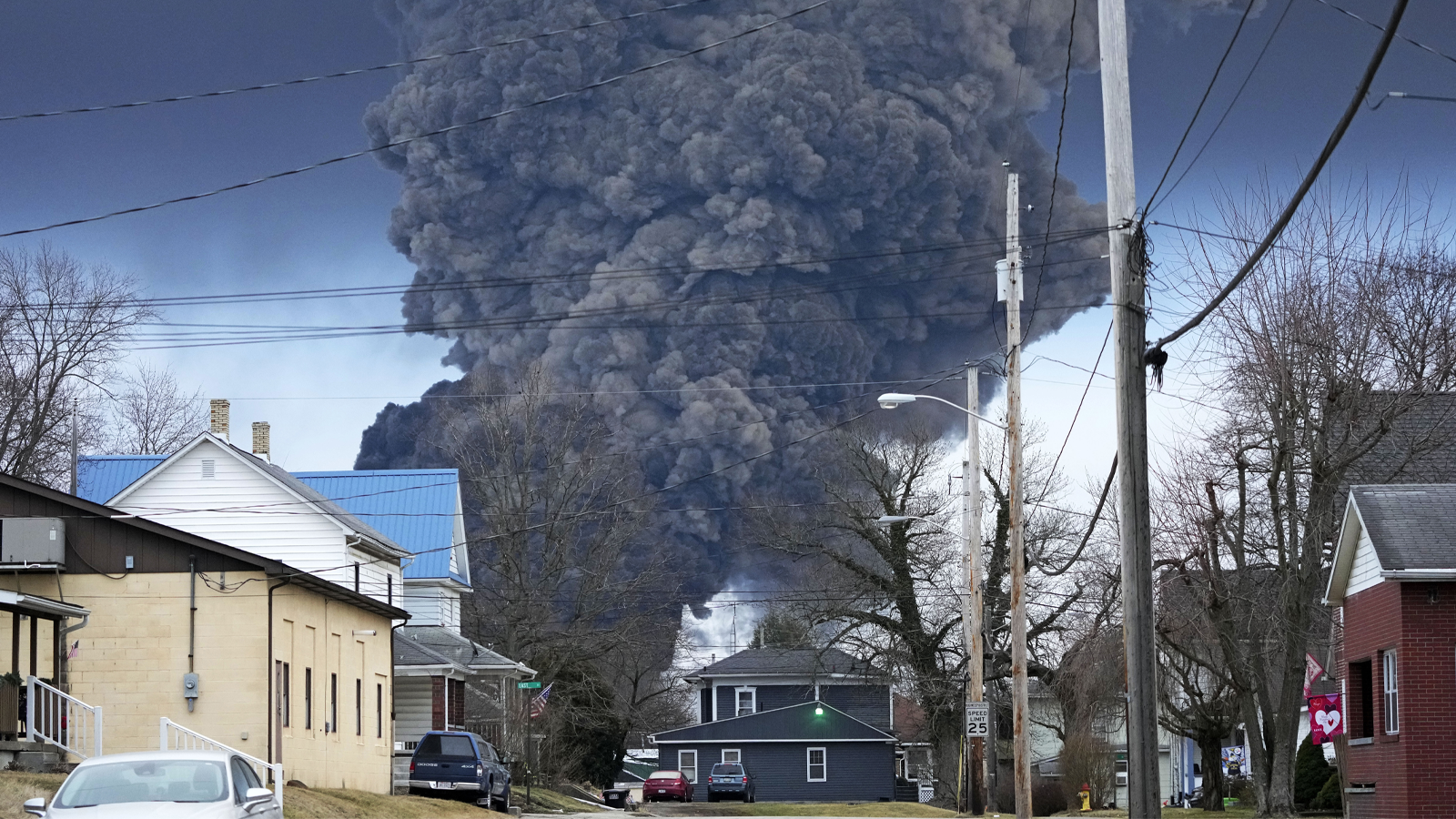
Rail Companies Blocked Safety Rules Before Ohio Derailment The train derailment came after Norfolk Southern helped convince government officials to repeal brake rules and lobbyists watered down safety regulations. levernews.com

@MorePerfectUS - More Perfect Union

@railroadworkers @thelever The derailed Ohio train had 20 cars carrying toxic chemicals. They carried out a "controlled release" of hazardous gas from several tankers at risk of exploding. The fires burned for 5 days. The health risks to the community are unknown. /10 https://t.co/2T2hAO295s

@MorePerfectUS - More Perfect Union

@railroadworkers @thelever So when a train derails, and we see images of balls of fire in the sky over Ohio, know it’s not just a freak accident. It’s a systemic problem with lucrative railroad companies putting profit over people again and again. /11 https://t.co/KbYj0DqMdN

@MorePerfectUS - More Perfect Union

@railroadworkers @thelever And know that there are answers. Union railroad workers have been clearly stating them repeatedly, especially last fall when their labor struggle grabbed national headlines, but also before and after. Now, we need to listen. 12/12

View Full Interactive Feed