TruthArchive.ai - Tweets Saved By @OKeefeMedia

Saved - October 23, 2025 at 3:31 AM
reSee.it AI Summary
I’m sharing an internal Susanville Rancheria email warning staff about confidentiality and professional conduct as the OMG Exposé unfolds, noting SBA’s suspension of all ATI government contracts. The message was sent by Christi Choo, Secretary/Treasurer and Interim Administrator of the Tribal Council, per the tribe’s site.

@OKeefeMedia - O’Keefe Media Group

UPDATE: Internal Email from inside Susanville Ranchiera just sent to all employees about OMG EXPOSÉ: "We are currently addressing a highly sensitive situation, and it's important that we all remain mindful of our responsibilities regarding confidentiality and professional conduct. As a reminder, please review the following policies…” Susanville Indian Rancheria, owner of ATI government solutions & subject of OMG undercover investigation, is now warning their members against publicly sharing anything pertaining to their operations. This comes after SBA announced the suspension of all ATI government contracts. Follow @OKeefeMedia for updates to this story.

@OKeefeMedia - O’Keefe Media Group

The email was sent by a member of Susanville Rancheria Tribal Council Christi Choo who, according to their website, serves as Secretary/Treasurer & Interim Administrator. https://t.co/McJsxc9F2r

Saved - October 3, 2025 at 1:26 AM
reSee.it AI Summary
I came across leaked emails from Curry College professors who mocked Charlie Kirk's murder, labeling him a "Nazi" and "bigot." They expressed shame over the college lowering flags for him and claimed that many more deserving individuals have been overlooked in death.

@OKeefeMedia - O’Keefe Media Group

LEAKED UNIVERSITY EMAILS: Professors at Curry College Mocked the Murder of Charlie Kirk In Private Faculty Email Chains, Calling him a “Nazi” & “Bigot”, Saying "Charlie Kirk approved of the way Charlie Kirk was killed.” “I was ashamed that our college lowered our flags to half-mast for a bigot." “Many better people have been assassinated with no recognition.” “We are being gaslit in this country to make Charlie Kirk into some national hero.” @CurryEdu @TPUSA

Video Transcript AI Summary
O'Keefe Media has obtained leaked Curry College emails revealing professors using official faculty lists to call Charlie Kirk a Nazi fascist Christian nationalist and writing that he 'approved of his own killing.' After the murder of Charlie Curry, Curry College issued a campus-wide mass email acknowledging heavy events in early September alluding to Charlie and nine eleven, while vice president Eric Marisep invited faculty to share feedback on the campus-wide message. Professors responded with anger and disappointment that Kirk's death was acknowledged. Senior lecturer Benjamin Chica wrote, 'Charlie Kirk approved of the way Charlie Kirk was killed and that he was, 'ashamed that our college lowered our flags to half mast for a bigot.' Chica went on, 'many better people have been assassinated with no recognition.' Professor Janet Farrone stated, 'while I agree that a mass email is a hard place for a debate, I am writing because I definitely agree with what Benjamin said, as I feel like we are being gaslit in this country to make Charlie Kirk into some national hero.' This is not just a debate about free speech. It's about normalizing political violence and exposing the evil of these sorts of professors and staff that think it's good to assassinate people because of their beliefs. If you have more, reach out to us, tips at okeithmediagroup.com or a signal at (914) 491-9395. Stay tuned and more to come.
Full Transcript
Speaker 0: O'Keefe Media has obtained leaked emails from Curry College revealing professors using official faculty email lists to call Charlie Kirk a Nazi fascist Christian nationalist and writing that he, quote, approved of his own killing. After the murder of Charlie Curry. Curry College put out a mass email to all members of the university, including students acknowledging there have been heavy events in the first two weeks of September alluding to Charlie and nine eleven. But in the leaked emails, vice president Eric Marisep invited faculty to share feedback on the campus wide message. Professors responded with anger and disappointment that Curry College acknowledged Kirk's death. Senior lecturer and professor Benjamin Chica wrote, quote, Charlie Kirk approved of the way Charlie Kirk was killed and that he was, quote, ashamed that our college lowered our flags to half mast for a bigot. Chica went on saying, quote, many better people have been assassinated with no recognition. Professor Janet Farrone in the email chain goes on to agree with her colleague Benjamin Czecha stating, quote, while I agree that a mass email is a hard place for a debate, I am writing because I definitely agree with what Benjamin said, as I feel like we are being gaslit in this country to make Charlie Kirk into some national hero. At OMG, we are shining a light on what people behind the scenes are saying. This is not just a debate about free speech. It's about normalizing political violence and exposing the evil of these sorts of professors and faculty and staff that think it's good to assassinate people because of their beliefs. If you have more, reach out to us, tips at okeithmediagroup.com or a signal at (914) 491-9395. Stay tuned and more to come.
Saved - October 3, 2025 at 1:26 AM
reSee.it AI Summary
I am dedicated to empowering parents through homeschooling initiatives. My recent work, "Parents' Guide to Homeschool: Making Education Easy and Fun," serves as a practical workbook for homeschooling families. I host "The Sam Sorbo Show" and "School’s Out with Sam Sorbo" on EpochTV, where I challenge conventional education and advocate for parental involvement. I founded the “They’re YOUR Kids” Foundation to support educational freedom and parental rights, and I lead the Parents Demanding Justice Alliance to expose corruption and oppression faced by parents today.

@OKeefeMedia - O’Keefe Media Group

Actress, author, and education freedom advocate @thesamsorbo has focused heavily on empowering parents through homeschooling initiatives. Her recent work includes Parents' Guide to Homeschool: Making Education Easy and Fun, a comprehensive workbook offering practical guidance for homeschooling parents. She hosts The Sam Sorbo Show and School’s Out with Sam Sorbo on EpochTV, challenging conventional education and promoting parental involvement. Sorbo founded the “They’re YOUR Kids” Foundation to advocate for educational freedom and parental rights. Sam is on the front lines of speaking out for the rights of parents in the face of intimidation from the Federal government under the Biden Administration and leads the Parents Demanding Justice Alliance group which is exposing this corruption and oppression of parents across America. Subscribe and Support Sam Sorbo: https://sorbostudios.com/sam-sorbo

Video Transcript AI Summary
"Schooling is what I call it. It's not education... we have a system of schooling in the country, which is why we are becoming more and more stupid and stupefied as a nation. Money is not the answer, and it's not the highest value. We've sacrificed relationship for money." Sam Sorbo promotes homeschooling, forming "Parents Demanding Justice" with Kelly Walker. In Arizona back in '21, three fathers at a peaceful school board meeting were arrested three days later; one faced a "$10,000 fine and a hundred days in jail" and the arrest remained on the record. Similar cases include a Pennsylvania lawyer fired after speaking at a board meeting and a professor fired in Arizona; nonprofit legal groups are needed. The NSBA's 9/29/2021 letter asked for "immediate assistance" to protect districts; the DOJ issued a Garland memo discouraging prosecute threats. The solution is to "make parenting great again" and "honor"—"living a morally righteous life." "What is your price? Because if your price is not your life, life, then you are for sale." samsorbo.com.
Full Transcript
Speaker 0: Look. This has been going on for a long time. We can talk about education. Yes. Schooling is what I call it. It's not education. So we have a system of schooling in the in the country, which is why we are becoming more and more stupid and stupefied as a nation. It's not a bad thing to have money necessarily, but money is not the answer, and it's not the highest value. You think about the people that you love. You think about relationships, and we we have put that aside at our own peril because we are losing our entire culture because we've sacrificed relationship for money. Speaker 1: I think these are not bad people. Speaker 0: These are good people. They've never been tested. They've never been tested. Speaker 1: They've been Speaker 0: tested, perhaps they've failed. If you were a pedophile, where would you go to find children? Schools, Boy Scouts, churches. Way back when, on their website, they advocated for joining the Boy Scouts. They advocated. They said if you're, you know, you wanna you wanna have sex with little boys, the Boy Scouts is a great resource for finding and grooming and procuring. What Speaker 1: is your price? Because if your price is not your life, life, then you are for sale. Welcome back to the price is my life. I'm joined today by Sam Sorbo. Sam Sorbo has focused heavily on empowering parents through homeschooling initiatives. Her recent work includes the Parent's Guide to Homeschool Making Education Easy and Fun, a comprehensive workbook offering practical guidance for homeschooling parents, she hosts the Sam Sorbo Show and Schools Out with Sam Sorbo on Epic TV, challenging conventional education and promoting parental involvement. Sorbro founded the They're Your Kids Foundation to advocate for educational freedom and parental rights. Sam is on the front lines of speaking out for the rights of parents in the face of intimidation from the federal government under the Biden administration. We recall how, mothers were raided by the FBI. We have that in common. And leads the Parents Demanding Justice Alliance group, is exposing the corruption and oppression of parents across America. We have the testimonies of parents targeted by the DOJ weaponization, and we'll jump right into it. Before we get into all of this school board stuff, I just kinda wanna talk to you about your experience in Hollywood for a minute, and you're a public figure, and you're married to Kevin Sorbo, and you you came to my film Line in the Sand, and I I got a chance to have dinner with you, and I really enjoyed our conversation, particularly about being a public figure and and being conservative in Hollywood. Just talk about that for a minute. What what that was like for you and what what made you decide to to come out with your beliefs in Hollywood? Speaker 0: Well, know, Hollywood was conservative, and by the time I got there, it wasn't so noticeably not conservative. It was fairly neutral, but I think once Obama was elected, it became very polarized very quickly, and so, maybe a little bit under Bush, I don't think I was really there for that. We lived in New Zealand and we lived in Canada, but when we got back to Hollywood, it had gone kind of off the rails and people were getting more more and more polarized. And so it wasn't that it wasn't that we were sort of on the outs, we just set our peace and it didn't go well. Speaker 1: What year was this? Speaker 0: I'm thinking 02/2008. Speaker 1: Obama. Yeah. I've had a number of people tell me that the Obama era is really when things just Yeah. Speaker 0: That's when we moved back to Hollywood. We had been out of the country up until basically that point, and so we got back to Hollywood and we started there was a clandestine group that was formed called Friends of Abe, and I started Maybe Speaker 1: he saw you there in 2010 or something. Speaker 0: Yeah, yeah. And so, you know, we got that started and slowly realized that, you know, there was really a battle. I mean, I remember Kevin coming home from an audition, and the audition was for the bad guy, and there was a good girl, and the interviewer, the casting person was like, Okay, so just think of it this way, so the good girl, that's like Chelsea Clinton. Like she's just really good and positive and loving and and you're the bad guy, so you're like Bush. And that's how she That's Speaker 1: what the casting director said. Speaker 0: Yes, that's that was her language. So they had started to adopt very politicized language to express themselves. And, yeah, it so that was a shift. Speaker 1: And how did you handle that at the time? Speaker 0: Well, he was quiet in that particular audition because there's no reason to lose a job over, you know, that. But I think he was more shocked than anything, like, wow, So tell me how you really feel. Wow. And then he just started speaking out, because he's because he won't stay quiet with that. But it wasn't you know, he didn't get into fights with people over politics. He just said truthful things, and they decided that they didn't didn't like that. Speaker 1: And just briefly, how did that go when when he did come out, when you did come out? -Oh, mean -What was that like? Speaker 0: -Well, at a certain point, at a certain point, his his manager and his agent did basically an intervention, and they said, We can't work with you anymore. Speaker 1: Can't work with you anymore? Speaker 0: Yeah. Speaker 1: So it hurt Oh yeah. Yeah. Speaker 0: Yeah. And I don't think, I think, you know, we kind of thought that maybe things weren't gonna go that well, but we didn't think it was gonna be just, oh, we can't work with you anymore. Speaker 1: It was very very blunt. Speaker 0: Yeah. Very very cut and dry. We're done. Speaker 1: Mhmm. Did a lot of people reach out to you? A lot of other people? That that Speaker 0: No. It wasn't publicized. It wasn't like this big thing, like, now Kevin Sorbo will not be working in Hollywood. It was just this very quiet and that's how they that's how they kill people. Right? They do it very quietly, unless they unless they want you to know. I'm talking about the communists, obviously, you know, in which case they come in the middle of the night and they make a fuss so that everybody knows that they come for you in the middle of the night. But in Hollywood, it's it's it's typically much less obvious than that. Speaker 1: And on the show, Hercules, had Kevin come out publicly yet with his beliefs? Speaker 0: Not really. He was just a Look, he's Minnesota. He's just Minnesota nice. He's just a good guy. And there wasn't that there wasn't that much reason to be that political. Look, the country used to be Democrats and Republicans, and everybody was pro life because life, liberty, the pursuit of happiness. The Democrats started to go off the rails when they were captured by the feminists who are pro death. That sect, and the communists who are also pro death, that sect shifted the Democrat Party, so now we are at odds as to the very definition of life. Like, at the most fundamental level, these two parties are completely at odds. And the problem is that the nation itself is one direction. America is for life, liberty, and the pursuit of happiness, and life being the first thing. So if you are not for life, then it's very difficult to make the case that you're pro America. Speaker 1: This is James O'Keefe. You know me for exposing the truth and holding accountable. But today, I wanna talk to you about protecting your own freedom, starting with your finances. Right now, the warning signs are everywhere. The Fed continues to print money. Interest rates and inflation remain high. And everywhere you look, your hard earned money just doesn't go as far as it used to. That's not your imagination. It's today's reality. If central banks are loading up on gold, why not you? That's why I've now partnered with American Independence Gold. They're veteran owned, and proceeds from every sale go to Tunnel to Towers, supporting our first responders and heroes. And listen, right now, the first 50 customers get a $1,000 credit towards their account. That's right. A thousand dollars to help you get started protecting your wealth with real physical gold. Don't wait for the next crisis. Go to okeefmediagold.com. That's 0keefemediagold.com or 833324 Again, that's okeefmediagold.com or 833324gold. Take action, get the facts, and protect your future because freedom isn't given, it's secured. This is James O'Keefe. Don't just watch history, own a piece of it. So did you have any regrets over anything you did or what happened? -No regrets? Speaker 0: -No. I you you live in the moment, and I make a point of not having regrets in my life. I think it's silly to regret. If you make a mistake, you fix it and you move on, but Kevin wishes that Hollywood were different. He wishes for the old Hollywood. Speaker 1: And that's what When did that change, old Hollywood to new? -Sixties. -In the sixties. Speaker 0: Yeah, pretty much in the sixties. Look, this has been going on for a long time. We can talk about education. -Yes. -Schooling is what I call it. It's not education. So we have a system of schooling in country, which is why we are becoming more and more stupid and stupefied as a nation. So very difficult to have, you know, profound conversations with people. People have become less thoughtful, less full of thought. Speaker 1: I also don't read anymore, I Right? Speaker 0: Less full of thought. Speaker 1: I'm reading Speaker 0: They don't read to improve themselves, they don't want to know that much, they're happy to binge on Netflix or whatever. Speaker 1: And Instagram. Speaker 0: And Instagram and boom scrolling. Boom scrolling. This is a product of our schooling. Our schooling has dumbed us down, and that's why I'm such a staunch advocate for home education. Speaker 1: So let's talk about that. So what are you working on right now? Speaker 0: So Parents Demanding Justice is a new organization that I formed with Kelly Walker. Kelly Walker is maybe the first or one of the very first parents that was targeted by his school board, and what happened to him is such an egregious betrayal of our justice system, say. So he had a meeting. He and two fathers went to this meeting with the principal on behalf of one of those fathers, on behalf of his child. This was about masking. This is back in, I think, '21. And they sat down, they had a very peaceful meeting, there was a disagreement, they disagreed, they had different opinions, that happens. They left the meeting, the superintendent made an announcement saying the meeting was peaceful and everybody left and everything's fine. And then three days later, each of those gentlemen were arrested. They went to their houses. Speaker 1: -Where What state is this? Speaker 0: -This is in Arizona. And Kelly, because he had a coffee shop where people were meeting, and disagreeing with the mandates that were being passed around, they decided to make an example of him. While the other two gentlemen got a $250 fine for trespassing, he got a $10,000 fine and a hundred days in jail, and they targeted his business, and they had to shut down the business. Speaker 1: Who's they? Speaker 0: The school board people and the people they got in law enforcement to help Speaker 1: effectuate Sheriff's office or local sheriff? And what you know where this is in Arizona? What county? Speaker 0: It's in Vail County, Arizona. Speaker 1: Vail County. Speaker 0: He eventually moved, but the problem is he still has an arrest on his record. Why? They threw out the charges, but the arrest is still there. They need to take the arrest off his record. They need to give him back the $10,000 that they stole from his account. They I mean and he's not the only one. We have a lawyer in, in Pennsylvania who spoke at a school board meeting, and the board decided they didn't like what he had to say. So they sent a note to his employer and said, fire this guy. We just had another case in Arizona actually again of a professor who spoke at a school board meeting on behalf of his kids, and the school board whoever on the school board called his employer and had him fired. He's a professor, they fired him from the university, and there's a nonprofit legal group that's taking it up and they're going to pursue it because he was unjustfully terminated. Speaker 1: And that's another challenge, is getting the attorneys to step up and defend people who are prosecuted. We need more nonprofit legal groups to help people, I think. Speaker 0: Yes, and sadly we shouldn't need them, right? This shouldn't be happening. But we have such a betrayal of American values, and especially in our schools, which is the formation of the next generation. So for instance, if you're pro Second Amendment, if you think that people should have the right to bear arms, that's great, but all the kids who go to school today are being taught that the Second Amendment is terrible and we should vote it out. And so in ten years, they will vote it out. Speaker 1: So I have a on 09/29/2021, the National School Board Association sent a letter to the DOJ asking for immediate assistance with the growing number of threats. If we could pull that letter up on the screen. Growing number of threats of violence and acts of intimidation being levied at various school boards across the country. Speaker 0: And They always claim violence. They oh. They always claim. There was no violence. Jim Jordan did the did the research, had a congressional committee researched this. There was absolutely no violence. Speaker 1: And it says on September 29, it says, NSBA believes immediate assistance is required to protect our students, the National School Boards Association. Yes. What is the National School Boards Association? Speaker 0: It's the organization that promotes the school boards and and trains them. Speaker 1: It's like the National Education Association. It's like a union for school boards. Correct. Okay. And educators who are susceptible to acts of violence affecting interstate commerce affecting interstate almost like using the commerce clause there. Speaker 0: It's almost like they made it a federal issue. Speaker 1: Yes. Because of threats to their districts, families, and, you know, they use the same kind of irrational logic in addressing the journalism that I do. Like, someone will get an anonymous death threat from a random commenter with no Speaker 0: Right. It's suddenly your fault. Speaker 1: Somehow I'm responsible for the I'm I'm promoting death threats. Right. That's what I I find that they've done that. Speaker 0: Well, look, this is a a typical tactic of the left. And you and you'll have you have testimony from Merrick Garland saying, no. No. It was just the violent parents that we were concerned about, but there were no violent parents. But, you know, if you're a leftist, words are violence. Speaker 1: Words are violence. Speaker 0: That's So Speaker 1: If you're a Marxist quote. Justify it. As these acts of malice, violence, and threats against public school officials have increased, the classification of these heinous actions should be equivalent to a form of domestic terrorism and hate crimes. As such, NSBA requests a joint expedited review by the US Department of Justice, Educational Homeland Security. By the way, as we're talking about this, Andrew, pull up the video we did in New Jersey of the teachers. This is a school board that I went to. Just wanna show you, Andrew, get that clip up. This is the New Jersey I went to New Jersey and I filmed a school board meeting. I just showed up, just by way of example, And it was so interesting to watch the tyranny of these school board officials. They called the police. The police came. They said, they look Trump ish. They look like Trump don't even know what that means. They look Trump ish. I was wearing a blazer and a button down shirt. But it was it was fascinating to see the psychology. We'll pull that up and talk about that. So so this is the letter 09/29/2021. This prompted a memo from the DOJ on October 4, a memo now calling the Garland memo which states the DOJ would discourage prosecute threats. And, is that kind of what was your your motivation? Speaker 0: Yes. Speaker 1: Seeing all this? Just created righteous indignation? Speaker 0: Well, my motivation was seeing all the parents. Speaker 1: Seeing the parents. Speaker 0: And understanding that there are a lot of parents whose lives have been ruined, and their children their children's lives have been threatened and ruined. And, we can't allow that Okay. I will tell you my motivating, because I understand as home educator, I understand better than many that the number one indicator for academic success for a child is parental involvement. So we should be seeking to have parents more involved in education, not less. So therefore schools or school boards that seek to marginalize parents are not for the academic success of that child. So then you have to ask what they are for. Well, they're for porn in the schools, and porn Speaker 1: Pornography in the schools. Speaker 0: Yeah. Pornography. And porn is the first step towards trafficking a child. You show them porn. It desensitizes them. And so then they're more easily trafficked. Speaker 1: Yeah, it's it's Speaker 0: And yes, I am saying that they want to have sex with our kids. Yeah. Because because I say that now because it's so evidently true. Speaker 1: You know, one quick story. I wanna tell you two quick stories. Andrew, let's pull up the clip, not of the going to the board meeting, but actually the body cam footage video that came shortly thereafter. I went back to my school board meeting in New Jersey where I'm from. I had a pretty okay public school experience in in New Jersey. I it wasn't that bad. The only thing I didn't like about my public school experience was they taught me about like AIDS in like I was in fourth grade and it was a little graphic. I was like, I don't need to see like anal sex stuff. That was the only thing like It was one of Speaker 0: the say that don't say that was the only thing. That was horrifying. Speaker 1: It was horrifying for me. Remember being horrified. Horrible. Because they're talking about anal sex and I was like nine. Speaker 0: There's very little good that can actually mitigate that. Speaker 1: I actually had to go to the bathroom and I almost fainted because it was I was just squeamish hearing about this sort of thing. Speaker 0: They were grooming you. Speaker 1: That's what it I didn't I didn't know what that was. Speaker 0: Of you don't know. You're in But fourth Speaker 1: I will say, I went back to my high school board meeting two years ago, and I did not go as a journalist. I went as a, I don't know, a member of the tax paying public. And when I went there, half of the auditorium was filled with LGBT flags and there were men wearing dresses. And I graduated high school in 02/2002. We we just didn't really it seems like things have really changed Speaker 0: Yes. Really. Speaker 1: Over the last ten, fifteen years. What do you attribute that change to? Speaker 0: That's a good question. I don't I don't care. I just know that it's done. Like like, you know, I can I can conspiracy theorize all you want? I just know that that's what's happening. And the only way to protect children is not to put them in there. But the second way to protect children is to try to get them out of there. Speaker 1: So you advocate homeschooling children across Speaker 0: the Well, advocate homeschooling because school will never beat homeschooling for the parents or the child. School can never compete, really. Homeschooling has a much better academic outcome, it has a much better social outcome, the outcomes are much better, and the children are more protected. That said, I I my heart breaks for the children who are in school, and so whatever I can do to help the parents who feel that they are obliged to put their child in that environment, I will do. I cannot sit by and watch these people run ramshots over these parents. Now the parents are individuals, and so they've divided and conquered. They have the NSBA. They've got the union behind them. They've got the they've got law enforcement behind them. They get to dictate to law enforcement. We had one board member who decided she didn't he didn't like one of the dads who spoke at the school board meeting. So we got law enforcement, and he said to law enforcement, this guy's not allowed on school property. I'm the school board member, and I get to decide who comes on school property. So the dad goes to pick up his kid, gets arrested for trespass. Speaker 1: Guys, can we put that video back up on the screen? This is a body cam footage obtained off of the officers, police officers body cam footage in New Jersey. And what's remarkable is it's we all know these stories, just change the names, change the tone. I attended the school board meeting and they called the police on on me. I just spoke at the board meeting and Speaker 0: And they're talking about you like, we don't Speaker 1: know They're talking who about he the policeman's camera, he forgot that he's wearing a camera. Speaker 0: Right. Don't know what who this people is, and Speaker 1: we I don't think believe that one solution is when they call the police on citizens to FOIA the body cameras and to do this sort of thing across when I did this, I thought people should be doing this en masse. Speaker 0: You're absolutely right, and these are working parents, and they don't have the resources or the time. They you know, they're just they're trying to get by. And by the way, when a police officer comes for you at a school, you know we have a parent in Florida who just stood up at a school board meeting and told the woman, the president of the school board that she shouldn't be celebrating the death of a MAGA because it's one less MAGA person in the world. She represents all the people of her district, not just the non MAGA people. And he got booed because the entire room was filled with the LGBT crowd, whatever, and the police escorted him out, infringing on his right to speech. Wow. And and what's he gonna do? Like Speaker 1: Well, you mentioned that people don't have the the resources and the the the they're just trying to live their lives. Speaker 0: This is my point, is they're individuals. Mhmm. All of our parents are just individuals. This is why they're falling through the cracks. They're just individuals. They're just trying to get by, but they need to they're trying to protect their kids, so they're brave enough to stand up at a school board meeting, but the school boards have the NSBA. They've got law enforcement. They've got every they've got Speaker 1: they've got Why do have law enforcement? That that I don't understand. Because law enforcement is by and large relatively conservative compared to the rest of the Are they just following orders? They're just following orders. Speaker 0: In fact, Kelly was speaking with the law enforcement and he was like, Guys, you know, some of you know me, like, why are you doing this? And they're like, well, you know, we're just they don't want to lose their jobs. Nobody wants to lose their jobs. Speaker 1: Know Because Speaker 0: we went to school, and in school we learned that money is the highest value. Speaker 1: Interesting. Speaker 0: And so we have no more morality, we've lost integrity, we have no honor, because money has replaced all of those things in our culture. Speaker 1: I agree with you. Know. I think that this is someone made this argument recently I read. It's like, if you actually ask the question why five times about why you're doing what you're doing. Oh, why do you want to do get a good grade? Well, because it helped me get a good job. Why do want to get a good job? Because it'll help me earn a living. Why do you want and it actually fundamentally questions the philosophical underpinnings of your essence, why you're doing it. Speaker 0: Our entire culture is built on this idea that money is the highest value. And that's a very dangerous idea, because it leads young women to abort their babies. Right. This is Moloch. This is sacrificing your child. Speaker 1: Your son wrote a book Speaker 0: For money. Speaker 1: Recently about I talked to your son, I hung out with your son. He's a really cool guy. I intend to have him on to talk about his Speaker 0: He's not even my favorite. Speaker 1: He's not even your favorite. I actually worked out with your son and he is like, he's a big guy. He's a big guy. And it's tough in Southeast Florida too with the culture here and women, we were talking about that. And money is the ultimate thing they teach you. You're saying in school. Speaker 0: Teach you College prep and career readiness. Mhmm. School is for college prep and career readiness. If you're talking about the why, why, why, why. Right? Yeah. Why do you go to school? To get an education. Why? To go to to go to college. Why? Well, college gets you a a better paying job. Why? It's all about a better paying job. Speaker 1: And then why? And then and then you really start to get philosophical about why do you need a better paying job in that kind Speaker 0: of Because money happiness. Money is success. So I was very lucky. I made a lot of money as a young person. Speaker 1: How did you do that? Speaker 0: I modeled. I was an international model. And so, so I finally quit school, which was very hard for me, because I was an academic and I loved learning. I did not like school, but I did love to learn, and I finally was like, well, I can earn a lot of money and do everything else I want, or I can just learn the stuff that I want to learn and spend money and go into debt, right, in college. And so when I did that, I started to think about what life was really about, because that was the brass ring that I was always taught, go earn money. That's your highest value, earn money. Make sure you can earn money. And I was raised by a single mom, so her whole thing was, you know, I didn't go to college, that was such a dumb move, because now I have no money. And so I went on a search after that, and I realized that there is a higher order to the universe than money. Speaker 1: When did you stop? How old were you when you stopped modeling? Speaker 0: Early twenties, I started acting. Speaker 1: Did you didn't go to college? Speaker 0: I did. I went to Duke University. I biomedical engineering. Speaker 1: Biomedical engineering from Duke. That's that's not an inexpensive school. Speaker 0: No. I was going into massive debt. And so I had the choice. And I to take a year off from school because I was working on an ulcer, because I was so anxious about being able to earn money. Speaker 1: It It is anxiety provoking. Speaker 0: Well, school is anxiety provoking, which Speaker 1: is a learning inhibitor. And biomedical engineering at Duke, that can't be easy coursework. Speaker 0: It was very difficult until I went off and earned a ton of money, and then when I went back, was the easiest thing ever, because the anxiety was gone. It was like super easy. It was kind of crazy. And so through that I figured this all, I figured out a lot, and the one thing that I figured out is that money is not the answer. Money helps. Don't get me wrong. It's good to have money. It's not a bad thing to have money necessarily, but money is not the answer, and it's not the highest value. And when you die, you don't say, I wish I'd spent more time at the office. I wish I'd made a better deal on that one thing that I did. Whatever. You think about the people that you love, you think about relationships, and we we have put that aside to our at our own peril, because we are losing our entire culture, because we've sacrificed relationship for money. Speaker 1: Has this been true? Is it getting worse? Speaker 0: Yes, because every decade or every generation that sends their children to an alternate authority loses a you know how if you're copying digitally, you'll lose you'll lose pixels or whatever. We're losing pixels every generation. So now we are a largely unparented society. Parents don't know how to parent, so they're happier to send their children away from them because they don't know how to manage it, and we're losing the family. And the family is the bedrock of our culture. Speaker 1: People think money is the solution, or what did you say it was? It was the answer? It was the Speaker 0: Yeah, it's not the answer. It's helpful. Speaker 1: But people think that it is the answer. Speaker 0: Right. Money is useful, but it's not the answer, and if you sell your grandmother because you can get $10,000,000, you will be a very miserable person. Speaker 1: What, what is the answer? Honor. Honor. Explain what you mean by Speaker 0: living a morally righteous life is probably the best answer. Speaker 1: And what is a morally righteous life? Speaker 0: Doing unto others as you would have done unto you. The golden rule. It's the golden rule, and it's the rule on which our entire culture was predicated, and that's why it's falling apart now, is because we've we've sacrificed that. And so, you know, you and I were talking about trying to get trying to get parents demanding justice, taken care of in Washington DC. So we have we have we've drafted a draft executive order. This is a a national issue. This is a federal issue. It should be handled by the federal government, but getting things done in Washington, you know, I haven't tried doing anything like this before. It's it's very frustrating. The wheels in Washington move exceedingly slowly, if they move at all. And and and part of that is because money is the highest value. Speaker 1: Even in Washington. Especially in Washington. People think politics is about doing the right thing and solving society's Even Speaker 0: if people Madison Cawthorn talked about this. You know, even if you go in wanting to do the right thing and and really believing that you can do the right thing, they will compromise you in some way that you will be forced to do the wrong thing. Speaker 1: Blackmail. Yes. That's that's a story that needs to be told. That's a story that And Conkurin tried telling this. He tried and then Sex parties and all those things. Speaker 0: And then they got him on, so I can't remember what they got him on, but they So he's done. Speaker 1: We never even remember the pretense that they use. They just get people. They remove them. They remove them. I mean, I was removed from the organization I created, which was its own type of trauma, but it happens to everybody. But going back to what you said about honor, I I think I've thought about this a lot, the money thing and you came to my screening of the film Line in the Sand where I literally called it Line in the Sand. It was a film about the border, but it was also a film about human nature. Right. And all these border patrol agents don't want to lose their jobs. And I gave this talk and this is the title of our podcast here, The Price is My Life to this group of men twice my age in New York City at Socrates in the city and I said, if your price is not your life, then you are for sale. Speaker 0: I remember that. And people Speaker 1: again, men who are twice my age, audibly gassed. Speaker 0: Yes, were awestruck. Speaker 1: I don't even to someone like you, it's so self evident, it doesn't even need to be explained, but it's almost like people don't I think these are not bad people. These are good people. Speaker 0: They've never been tested. They've never been And when they've been tested, perhaps they've failed. And they've justified it because you can rationalize anything. Speaker 1: Well, there's a philosophical and then there's the in the world in the arena. You mean they've never been tested in real life in this way? Speaker 0: Yeah. Speaker 1: The thought has never occurred to them? Or Speaker 0: The they don't think about audible gasp believe the audible gasp that you heard, because I watched it, was that this was such a profound thought, and it required them to think more. Right? My Price is My Life. It sounds out otherworldly. Right? And and yet, it's profound, it's meaningful. It's Christ. Speaker 1: It's Christ. It's biblical. Speaker 0: It's deeply religious. Right? And and it requires you to think about it. My son, Braden, who wrote his second book was Embrace Masculinity, he says, if you don't work out, you don't have an opinion. In other words, if you don't keep up your physical strength, then you don't have the strength to hold an opinion, because the moment that your opinion is challenged, you won't be able to defend it. So you really don't have the luxury of having an opinion. Now, I don't know if I fully agree with that, but I hadn't heard that before and it struck me. Speaker 1: I've never heard that before. Speaker 0: Right? It struck me. And I'm like, there is something to that. How how strongly can you hold an opinion if you're not willing to pay for it? Speaker 1: He's talking about you need physical strength to defend your opinion as well as moral strength. Speaker 0: And we know that there's a mind body connection. Speaker 1: Yes. So I always say people say, oh, you look like you're working out. I say strong body, strong mind. Right. That's a different way of saying that I suppose, but that makes perfect sense to me. You can't defend something unless you are strong enough to defend it. Speaker 0: To defend it. If you can't defend it, then do you really have it? Do you really feel that way? Can you you know, you can pretend that you feel that way. You can pretend that you're very staunch, but when push comes to shove, if you're not ready to bear arms Speaker 1: Well well going back to what you're talking about here, and you and I could talk Speaker 0: about You're wandering everywhere. Speaker 1: I might have to bring you back to round two because we could you and I could talk about this for two hours. We've got a lot to cover in the next thirty minutes. We're standing up to the powers that tried to discredit us, silence us, smear us, raid us, and throw us in jail. They've awakened a sleeping giant. We're building a movement of transparency and accountability in both the public and private sectors because we run from nothing. We hide from nothing. And when you join and get your full access pass, you fuel a movement of truth. You, we are the media now. It seems to me that most people's price is it I don't even think it's millions and millions of dollars. It seems like it's like $80,000 a year or something like that. Speaker 0: It's the lack of pain. We are so afraid of suffering because of how we've I think we've been convinced there's a pill for that or whatever, and so we're so afraid to suffer. Suffering is perceived as losing a job, taking a pay cut, not being able to subscribe to Netflix or whatever. Like we just want to avoid suffering, any kind of suffering, any kind upheaval or problem. Speaker 1: Would change to our lives? Speaker 0: Maybe. Maybe even change, right? Change is hard. Speaker 1: And you're saying the school system, the public school system, the conditioning has made us this way for the most part. Speaker 0: Oh, I can guarantee it. I mean if you a look homeschooler, even if they are schooled at home, they still have opportunity to go explore and make mistakes and suffer, whereas if you're in the institution all day long, you have much less opportunity to try to start a business, to mow the neighbor's lawn, to whatever, all of those things, that you become much more dependent, and in school you become dependent on being told this is what you need to know, this is what you have to learn, this is how you solve that problem, and so when you finish school, you are not a problem solver, you are an implementer of other people's strategies, perhaps, right? You don't and that's why colleges are recruiting home schoolers, because they know that home schoolers think outside the box, but if you grow up inside the institution, you've boxed in your thinking because of that. And I'm not saying for every single child, right? We're talking in generalities, but by and large now in the schools, they slow everything down for almost the slowest child, which makes it boring for the faster children. Some children excel in math, some excel in reading because that's their proclivity. They right? And so the children will suffer because they're held up by the other children. Speaker 1: And is it all about money with the unions and the board? It's about power and money, I assume. What's your thought on that? Speaker 0: So there's a nefarious element. Let me ask you this. If you were a pedophile, where would you go to find children? Schools, Boy Scouts, churches. So NAMLA, the national sorry, the North American Man Boy Love Association, which was largely dismembered, but not really. It doesn't have the power that it did have. But way back when, on their website, they advocated for joining the Boy Scouts. They advocated. They said if you're, you know, you wanna to have sex with little boys, the Boy Scouts is a great resource for finding and grooming and procuring. So I think with the okay, I know, with the advancement of anything goes in terms of sexuality, and the I guess the development of this idea that it's pretty easy to run for school board and get on a school board. There is a nefarious element now that has infected The sexual nefariousness. Absolutely. Yes. Speaker 1: So power, money and sex Yes. Is the third one and perhaps sex. Speaker 0: Perversion. Let's call it perversion. Sexual perversion. I mean, Kenny, right, Kenny developed the what you were taught in fourth grade, right? The guy who developed our sex ed program did experiments on babies, sexual experiments on babies. And that was his claim to fame, that's what gave him the notoriety to design our sex ed curriculum for schools. They sold us sex ed for schools, They sold it to us promising that it would reduce the number of teenage pregnancies. The number of teenage pregnancies skyrocketed, but no one did the research after the fact to go, well, that didn't work out so well. Speaker 1: I remember being in fourth grade and I got that anal sex education class or whatever it was about AIDS. And the AIDS crisis was just ending. But I remember feeling so uncomfortable and my teacher I went to the bathroom and my teacher came to me and said, Are you ashamed? Do you feel uncomfortable about yourself? It was weird. But that was, I mean, how am I supposed to know if it's bad or good in the sense that I don't know what to compare Speaker 0: it to? As a fourth grader? I don't know. You're not meant to know. Speaker 1: I think it's much worse today. Speaker 0: You're meant to not make a judgment. Our schools have taught us the lack of discernment, so we refuse to make judgments, which is which is why I get on people's nerves because I'm very quick to judge. Speaker 1: Objectively. Like when you're young and you're going through that, you don't know. You don't know. You don't know what's different or But again, I went back to my school, you know, what, two years ago and it was much different than it was in the nineties. I mean, was there was a couple of gay people, but they weren't really that out and certainly no one men wearing dresses, but I mean, when I went back, there were guys in dresses with beards. Like they didn't even care. They didn't even try Speaker 0: to be girls. It was just crazy. No, it's one of our parents in St. Louis, in the most conservative district in St. Louis took her four year old to the library to get a library card, and the chief librarian there that was in charge of that was a cross dressing tranny who wore fishnets and the shortest miniskirt so that you were afraid that you would catch a glimpse of something. Speaker 1: Is this a guy being It's a a guy. Or a girl trying to be a guy? Speaker 0: A guy dressing like a whore. Speaker 1: Oh, I see. Did they have surgeries or or Speaker 0: I don't know, but a bearded guy dressing like a whore. Speaker 1: Did they still have the beard? Yes. Yeah. Speaker 0: And so the point and and so she reached out to the head of the library to have a discussion with him, and he refused to meet with her until she pressed him, and then they finally he finally agreed to meet with her, and then when she showed up and she brought 65 people with her because he said to her, no one else has complained, you're the only person who complains about this individual, and I mean fishnets and five inch heels in front of a four year old. It's not appropriate. No. And all she was saying was could he dress more appropriately, not could he get fired, but just you know, there's there are dress codes. And just because you're a tranny doesn't mean you can just run ramshots over all the dress codes that we have in our society. I didn't come here in a bikini. Speaker 1: There's a sexual there's an underlying perverse sexual in the power money dynamic that Speaker 0: And so she shows up for the meeting and there's police cars and there are a bunch of protesters, LGBT protesters. So let's Speaker 1: go back to these police officers. I think this is fascinating. You know, these are relatively conservative compared to the cross dressing trainees. As a rule, police officers are generally more conservative. Speaker 0: Well, they're called because there might be some upheaval. So we need you there because there might be some Speaker 1: upheaval. They're followers. Speaker 0: And they and they are to keep the peace, and so they're seeing, okay, we've got people on the trans side, and we've got people on the not trans side, and we're just here to keep the peace. But she goes into the library and they say, oh, he cancelled the meeting. So they just lie, because clearly he didn't cancel the meeting, the protesters were there, they called the police, something was happening, and then they got a photo of him hiding behind a pillar upstairs. Hiding behind a pillar? Yes, because he did not want to have the meeting. Hiding behind a pillar, that would be And so she said, how did he cancel the meeting? He doesn't have any way of contacting me, and nobody contacted me. But this is it's all the same idea. What's the solution to Speaker 1: all this? Speaker 0: The solution is to make parenting great again. The solution is for parents to understand that they've been entrusted with their children by a higher power and to take that responsibility very seriously, and it is more important than money. Speaker 1: That's going to be a hard thing, a hard current to swim against. Speaker 0: Yeah, well we have the story of Sodom and Gomorrah, so we can go down that path. That's one option. The town folk wanted to have sex with angels, and now they want to have sex with children. But I would just encourage parents, look, it's just you and your kids, and it's you and your kids for the rest of your life. And so your job is to protect your children, and that should be the most important thing Speaker 1: on your books. But I also think, you know, my reaction to that is, and I hey, guys, pull up that beginning of that school board meeting if you have it, is I wanna help vis a vis citizen journalism, investigative journalism. I like what you said your what your son said. You have to be so strong to fight against this evil. Speaker 0: Well, like, this is a very, very strong statement. It is. Like, I am willing to go to the death. Speaker 1: You basically have to If give your Speaker 0: you're willing to go to the death, you better work out. Like, because because at least you can forestall something. Right? Speaker 1: What does the scripture say? Something to the effect of greater love hath Speaker 0: No man than this. He lay down his life for his friend. Speaker 1: For his friends. Lay down his life for his If you're not willing to lay down your life, then you're gonna be tested. You're gonna be just tested. Okay, just play thirty seconds of this because I think it sets up a practical conversation about where to go from here I equip people with cameras in the school boards. I wanna equip parents because I think the light, the They look they're different looking. They look Trumpish. They look Trumpish. Speaker 0: So it's just amazing that they've drawn the battle lines. We're the ones who are sitting here going, really? Speaker 1: There's Okay. Here's my reaction to that. It requires an unbelievable amount of strength because I think that's really what it's about. I mean, yes, giving up your life, that's true, but may not have to get that far. I think it requires an unbelievable amount of strength and like, you have to endure unbelievable amounts of pain to stand up to the evil that you're describing. Speaker 0: You know what? It's really very simple. Do you love truth? And in my fourth grade, I discovered that I love truth. I had a really seminal moment where I discovered that the truth was the best version of everything. And so if you're willing to so you just have to decide, do I believe in truth? And if you believe in truth, then you have to be willing to stand for it. And then it becomes easy. Speaker 1: Go back to your fourth grade. What caused you to have that epiphany? Speaker 0: It's kind of silly. The teacher asked a question, what is 10 divided by one half plus two? And he went around the class and everybody said seven, and he got to me and he said, so you say it's seven, and I said no. And this was a difficult moment for me, my palms were sweaty, I was like scared, And he said, Well, that's that's silly, because everybody says it's seven. What do you say it is? And I said, It's 22. And he said, Well, should we throw her out the window? And then and then I was right. And I really enjoyed that. I really I was like, okay. It's good to be right. It's it's correct to be right. I'm getting I'm, like, anxious right now because I'm reliving that moment. You you liked it because you Speaker 1: felt it was good to Speaker 0: be Because it's true. Speaker 1: You Because I knew the truth. You knew the truth. Speaker 0: And so I said, oh, no. That's wrong. Mhmm. And we have to be willing to do that. Mhmm. We have to be willing to do that for children. And if we are not, then we are useless. We are terrible, terrible people. And unfortunately, because we lack discernment, I think there are so many people who are not only not willing to stand up for children, but they're not even willing to condemn themselves for not doing it. Speaker 1: Well, Pete, maybe people have to live through what you lived through in that moment somehow. If that was your proximate cause, if that was the thing that did it for you, I'm just trying to figure out how we can motivate people then, how we can get people to care. That's something that we need to do. You have to stand up Speaker 0: for They care when their child is killed by a school shooter. They start to care. I don't know. I you know, we used to teach people the Bible. We used to teach them what morality really was, what it meant, that it's important. And, you know, if you don't stand for something, you'll fall for anything, you know? We used to have that as an adage. Speaker 1: Most people don't know what that means. Speaker 0: Right? They so It's one Speaker 1: thing to read it in a book, like, say, being raided by the FBI. If you read about it or see watch a movie or whatever the shows are, or every show is about the FBI and cops these days. Speaker 0: Yeah. But when Speaker 1: they actually come to your house, like they did with my colleagues with the jackets and the guns, to live it is a different Speaker 0: thing. To get handcuffed and put out on your front lawn in front of your kids Which would happen these mothers. Yes. Speaker 1: And after that happened to the mothers, did you know some of these people, you've read their stories? How did that affect? Because I don't know them. Speaker 0: Mean, of these parents are they've got PTSD. They're struggling. And they're struggling with their jobs. They're being ostracized. Speaker 1: In other words, it's all pain. Speaker 0: It's all pain. It's all Speaker 1: pain, but suffering brings us closer to God. That's what wisdom would say, right? So therefore it's worth it. Speaker 0: Well, it's worth it because they stood up for their kids and they know what's important. Speaker 1: And also, love to know as their children grow up, how their children views that experience. Speaker 0: Yes. Speaker 1: Because they'll admire their parents more. They should. I had Rick, Professor Rick from Florida Tech here on this program a couple weeks ago, unbelievable man, who's been fired from his job as a professor, and he's mowing lawns to pay the bills. But he says, you know, my children need spiritual fulfillment as much as they need nourishment fulfillment. Correct. Very wise. Right. Another one of those things that evokes audible gasps from people. Right. Because I think it also doesn't it make people feel insecure? That's the other thing I want to ask you is that you're doing something, people like these families and the Border Patrol agent talked about the religion of apathy. In other words, by doing the thing, you're making people who don't do the thing feel insecure. Right. And I've actually observed people get emotional. It's a complex combination of emotions. When they see someone they admire doing something, and they themselves are not doing anything, and they don't really have a good excuse. Have you ever observed that, witnessed that? Speaker 0: I got it a lot with homeschooling. I had a lot of people sort of resenting me because my homeschooling somehow passed judgment on them not homeschooling. Just you being you? Just me being a homeschooler, they felt judged. Really? Like, and it's funny because, look, I meet people where they are, that's what I try to do anyway. I know that home educating your children is better for you and for your children. I know that, because I've seen it too many times, and because it's biblical, you know, so, and I want what's best for you, and I want what's best for your children. That's just the way that I roll. So but but they so there is that. There there's a little bit of I Speaker 1: think that's a big one. I think that might be a big one, and that that people feel, you know, insecure or threatened. This is James O'Keefe. You know me for exposing the truth and holding the powerful accountable. But today, I wanna talk to you about protecting your own freedom, starting with your finances. Right now, the warning signs are everywhere. The Fed continues to print money, interest rates and inflation remain high, and everywhere you look, your hard earned money just doesn't go as far as it used to. That's not your imagination. It's today's reality. If central banks are loading up on gold, why not you? That's why I've now partnered with American Independence Gold. They're veteran owned, and proceeds from every sale go to Tunnel to Towers, supporting our first responders and heroes. And listen, right now, the first 50 customers get a $1,000 credit towards their account. That's right. A thousand dollars to help you get started protecting your wealth with real physical gold. Don't wait for the next crisis. Go to okeefmediagold.com. That's 0keefemediagold.com or 8 33324Gold. Again, that's okeifmediagold.com or 833324 Take action, get the facts, and protect your future because freedom isn't given, it's secured. This is James O'Keefe. Don't just watch history. Own a piece of it. Speaker 0: Well, okay. We were gonna start talking about this. Speaker 1: Right? Yes. We can end on this. Come full Speaker 0: circle. You know, when you're a celebrity and people admire you, they will come up to you and they don't know how to behave. A lot. Not all of them. Some of them are so insecure that they have to say, like, not great things about you, like people used to guys used to go up to Kevin and go, I thought you'd be bigger, and he's like, yeah, I'm six foot three and a hundred and thirty pounds, two thirty, but you know what, it's you know, like, it's so stupid. Because they don't know what to say, and Speaker 1: because They they're say in Kevin secure Sorba, I thought you'd be bigger. Speaker 0: Yeah. Like and that was when he was playing Hercules. Like, that was when he was really big. Speaker 1: So what do you say in response? Speaker 0: So I actually taught him to say thank you. Speaker 1: You just say thank you. Speaker 0: Thank you. And then if they meant it as an insult, they would have to defend insulting him. No, I meant I Right? Or if they didn't mean it as an insult, then it wasn't taken as an insult, and and they could go and not feel so bad about themselves because people don't know people don't know how to behave. And and that's normal. Speaker 1: Especially in in the face of a public figure. They do a weird thing, don't they, when Speaker 0: they There's a shift, right? It's not a normal relationship. And you know, I meet reporters or news anchors, right? And I want to be on their show. So there's this other element in the meeting. You want something. Oh, hi. Hi. It's so nice to meet you. Right? There's just this other element. Speaker 1: There's an element of artifice, think, in when I interact with members of the public who want a picture with me. Usually want something from me. Speaker 0: They'll say really degrading things about themselves or about you. It's horrible. Speaker 1: Right? I'm so glad you brought this up. I know we only have five minutes, I could talk about this with you for an hour. I find this fascinating. They say horrible things and they usually say something to the effect of, like I was at a speech, I won't say where because they're gonna take this personally and they're not bad people, but they'll say, you look completely exhausted. Oh, that. And I'm sure you've done this. And usually this would You're be an so much older. This is an obese person talking about how I I don't look that bad. I mean, I guess I look a little tired because I work a hundred hours a week. And I thought about saying, well, look lazy or you look fat. It's like, why do people talk about your appearance when their appearance is horrible? So that's the first thing. You know, I'm sure I'm sure you know what I'm talking about. Speaker 0: Yeah. The thing is you you have to give people grace You Speaker 1: have to. Speaker 0: Because you come with some excess baggage, which is the fame or whatever you wanna call it. It's it's the known entity Well, you can't even of say Speaker 1: that you're famous because they'll look at you as But self you Speaker 0: come with that. You come with this known entity. So your job seriously, your job, because you have to protect your reputation also, your job is to be gracious. Your job is to say, well, thank you. And even if it's like the most insulting thing, and by the way, and I truly believe this chances are they don't mean to insult you. They're not looking to insult you. And if they are, you shouldn't give them the satisfaction. So it works out to the same thing. Speaker 1: Saying thank you and and genuinely smiling is probably the best you can do. It is sometimes Yeah. Hard because what you don't want to do is Speaker 0: gets you off guard too. Speaker 1: I don't want to come across as insincere or phony. So I'll have a lot of people sometimes that say, can I get a picture? And I'll say, sure, absolutely. I say, you must hate this, don't you? And I say, please don't say that. Please don't say that. I don't hate this. I want it Even if I have ten seconds with you Yeah. I want it Where are you from? Rochester. Oh, my mother's from like, I want to have some grace and Right. But it's very tough because they'll try to make it awkward. They'll say the weirdest, damnedest, most uncomfortable things. And I and I Speaker 0: think it's too big And you're stuck. I think part of the problem is you're stuck because you can't take it there. You can't let it go there. No. Because it has to be COVID-nineteen. Speaker 1: You have to take the beating. And so you just put up. You look horrible. Thank you so much. It's so nice that you have to Right. And you have to do it and this is not easy. This is actually the hardest part. By the way, the hardest part of my job is not going in undercover and meeting with gay guys in DC. No, no, no. It's taking photos in a line because you don't want to lose your soul. Yeah. Right. So how what's the best way people can support your efforts? Is it a five zero one c three you're working Speaker 0: on? We do have a five zero one c three. It's on my website, samsorbo.com, and all the information is there, the dossier of the targeted parents are there, if you are a targeted parent, you can join our cause, we are considering now a class action lawsuit or some such thing, I'm not a legal person, but these parents need some representation. They need some restitution. Speaker 1: There's the website, samsorbo.com is Speaker 0: You the Speaker 1: have a show, you have a nonprofit, and I'd like to talk to you offline about muckraking on the school boards and doing foyer quest on body cameras. I'm gonna borrow a line from Mike Malice, who I admire. What was your favorite part of our conversation today? What was your favorite thing to talk about? Because I might have you back on. Speaker 0: I really liked going into the degradation of our entire culture. That seems to be my theme these days, is trying to wake people up, and we can turn it around in a generation if we don't put our children in school. Thank you. It's really that simple. Speaker 1: Thank you for being here. Speaker 0: Thank you so much. Speaker 1: What is your price? Because if your price is not your life, then you are for sale.
Sam Sorbo - About sorbostudios.com
Saved - September 22, 2025 at 10:13 PM
reSee.it AI Summary
I stood with Jeffrey Epstein survivors at a significant press conference on Capitol Hill, calling for the full release of the Epstein Files. Despite bipartisan support, I criticized Speaker Mike Johnson for promoting a placebo resolution and highlighted the financial pressures from billionaires to silence the truth. I shared insights from James O’Keefe's DOJ investigation, which revealed ongoing obfuscation. I remain resolute that the truth will emerge, forcing D.C. to choose between protecting the powerful or standing with survivors.

@OKeefeMedia - O’Keefe Media Group

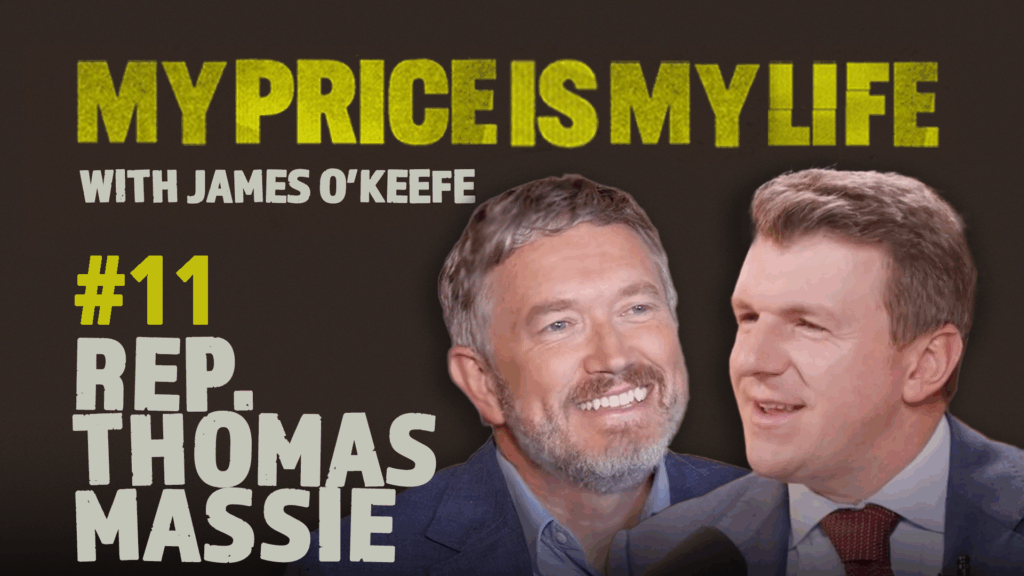
Congressman Thomas Massie stood with Jeffrey Epstein survivors at a historic press conference on Capitol Hill, demanding the full release of the Epstein Files. Those demands were echoed by allies from both parties. According to Massie, Speaker Mike Johnson is pushing a placebo resolution, billionaires are spending millions to crush him, and congress members whisper support in private but stay silent in public. James O’Keefe showed Massie a preview of OMG’s DOJ investigation that confirmed the pattern of obfuscation that he has been seeing happen around the full Epstein files release. But Massie isn’t backing down. He says the truth will come out, and when it does, D.C. will have to choose between protecting the powerful or standing with the survivors. Epstein Files Transparency Bill Press Conference (1:50) Why Trump Calls the Bill a “Hostile Act” (4:07) Rep. Massie Reacts to OMG’s DOJ Epstein Tapes (6:40) Why the Epstein Client List Remains Hidden (9:06) ‘Private Support, Public Silence’ (11:10) The Outlook for the Transparency Bill (14:28) The Constitution’s Speech or Debate Clause (15:45) The Price of Telling the Truth (16:37) Is Trump in the Epstein Files? (20:36) Should More Reps Go Public? (21:15) “My Price Is My Life” (23:00) Inside the SCIF (23:55) Redactions and Concealed Truths (29:31) The Evil Reality of Epstein’s Crimes (31:08) When the Government Lets Criminals Walk Free (33:11) @RepThomasMassie @MassieforKY Listen & Subscribe to My Price Is My Life – Website: https://okeefemediagroup.com/rep-thomas-massie-my-price-is-my-life-with-james-okeefe-11/ Spotify: https://open.spotify.com/show/162FNRzcG3Krog00AFzS8A?si=9b0d2ece9d3741bf Apple Podcasts: https://podcasts.apple.com/us/podcast/my-price-is-my-life-with-james-okeefe/id1728902125 YouTube: https://www.youtube.com/@okeefemedia
Video Transcript AI Summary
Congressman Massey, an MIT-trained engineer and independent voice, led a push to release the Epstein files. At yesterday's press conference—the 'biggest press conference on Capitol Hill in the last five years'—survivors said they supported Massey’s legislation; 'every survivor was asked, do you support the legislations Massey's legislation? And they all raised their hand.' Massey aims for 'two eighteen signatures' to force a vote; if not, 'one trick' would be to bypass the speaker. He says Republicans fear Trump’s political machine; 'they're terrified of President Trump's political machine.' Three women—'Marjorie Taylor Greene, Lauren Boebert, and Nancy Mace'—co-sponsored. He notes 'DOJ has released thousands of pages, but what they've done is to heavily redact all of those pages.' He mentions Acosta and Epstein's ties to government intelligence, and quotes the line 'What is your price? Because if your price is not your life, then you are for sale.'
Full Transcript
Speaker 0: Is it that the Republicans fear Trump so much, but they agree with you privately? How do just talk about that for a minute? Yeah. Is that it? That's it. That's it Speaker 1: in a nutshell. They I don't think, my colleagues are happy about covering up for pedophiles, but that's what's happening. And the and it's so sick and twisted. The reason they're doing it is because they're terrified of president Trump's political machine. He's also gone as far as to say, oh, this could endanger the survivors. But that's false. Every survivor was asked, do you support the legislations Massey's legislation? And they all raised their hand. Speaker 0: What is your price? Because if your price is not your life, then you are for sale. Welcome back to the Price Is My Life podcast. Today, we are off location live in Washington, DC, and I'm with Congressman Massey. Thomas Massey, an MIT trained engineer, inventor, farmer, and one of the most independent voices in Washington coming fresh off the heels of his press conference yesterday with Jeffrey Epstein, survivors representing Kentucky's Fourth District since 2012. He's known as mister no. Is it doctor no or mister no? Speaker 1: Mister no. Speaker 0: Mister no. For his willingness to stand alone against trillion dollar spending bills, government overreach, and even presidents from his own party, own political party, from building a solar powered off grid farm to leading the bipartisan push to release the Epstein files, Massey has lived his life by principle regardless of what you think about him. Liberty isn't negotiable to him even when it comes at a cost. Congressman, thank you for the Price Is My Life podcast. We have, like, thirty minutes. Usually, it's three hours, so we're gonna do lightning round. How do you think it went yesterday? Speaker 1: I was told it's the biggest press conference on Capitol Hill in the last five years. So we had several major networks carry it. Most importantly, the survivors had a platform, and nobody can call this a hoax anymore. I was shocked myself. I was hoping the survivors would compel my colleagues to co sponsor my effort to release these files, but what I found out is it emboldened me to redouble my efforts because I was driven to tears really listening to their stories. Speaker 0: And, you know, I watched the press conference, I was physically there, I was walking around, did know Were Speaker 1: you wearing a disguise? Were you the blonde? Speaker 0: Actually, I did have a wig. Speaker 1: Okay. Speaker 0: I did have a wig. I was not physically in the gaggle with you. I was off to the side, and I released a video about it yesterday. There was a lot of left wing agitator types there, believe all women, and talking about Clarence Thomas and Brett Kavanaugh, and I just noticed a lot of what I would characterize as like liberal activists, maybe perhaps using that to their advantage. What are your thoughts on that? Speaker 1: Well, had the bicycle barricades set up. I'm only responsible for what happened inside of the bicycle barricades. Like, there are people claiming that other people at our press conference and they even spoke from the microphone. All we had speaking there were three of us, three members of Congress, myself, my colleague Ro Khanna, and my colleague Marjorie Taylor Green, the 10 survivors and two of their attorneys. Speaker 0: And what do you think is going to happen? Are people going to sign on to this? Speaker 1: I'm almost certain we're going get to two eighteen signatures. That's the threshold we need to force a vote on this. And at that point, they're going to hate me for breathing air up here because Republican members of Congress are going to have to choose which version of Donald Trump they want. Do they want the Donald Trump who ran for office and his vice president who said they would release the files and his attorney general who said they would release the files? Or do they want the Donald Trump who says now it's a hostile act if anybody co sponsors my resolution? Speaker 0: In short, why is the president taking that approach? Speaker 1: I think he has rich and powerful friends who maybe they're not gonna be indicted when this is released, but they'll be embarrassed. And I also think there's a person in his administration who's gonna be embarrassed, Acosta, who was part of the first plea deal. Speaker 0: That was the US attorney? Speaker 1: Yeah, he was the US attorney when Epstein got off easy, and then recommitted all these crimes. Like there are hundreds of victims because Epstein basically went back to his predatory ways after he got that light sentence. So I think that's part of it. And finally, there's government intelligence. Epstein had ties to that, and I don't think the American people are ready to, they're not gonna accept lightly the fact that this guy who was a pedophile was working with our own intelligence agencies and those of foreign countries. Speaker 0: This is James O'Keefe. You know me for exposing the truth and holding the powerful accountable. But today, I wanna talk to you about protecting your own freedom, starting with your finances. Right now, the warning signs are everywhere. The Fed continues to print money. Interest rates and inflation remain high. And everywhere you look, your hard earned money just doesn't go as far as it used to. That's not your imagination. It's today's reality. If central banks are loading up on gold, why not you? That's why I've now partnered with American Independence Gold. They're veteran owned, and proceeds from every sale go to Tunnel to Towers, supporting our first responders and heroes. And listen, right now, the first 50 customers get a $1,000 credit towards their account. That's right. A thousand dollars to help you get started protecting your wealth with real physical gold. Don't wait for the next crisis. Go to okeefmediagold.com. That's 0keefemediagold.com or 833324gold. Again, that's okeifmediagold.com or 833324 Take action, get the facts, and protect your future because freedom isn't given, it's secured. This is James O'Keith. Don't just watch history, own a piece of it. We released a tape. We are about to release a tape. As of the time of this filming, it hasn't been released yet, and I just wanna get your reaction. This is a guy named Joseph Schnitt, acting deputy chief inside the DOJ, and I'm just gonna play a clip here. Speaker 2: They'll redact every Republican or conservative person in those files, leave all the liberal Democratic people in those files. Speaker 0: I mean, they visited that Maxwell person Speaker 1: Yeah. Speaker 0: Who's been also involved? Speaker 2: Got transferred to a minimum security person too recently, which is against BOP policy because she's she's a convicted sex offender. They're offering her something to keep it by yourself. Speaker 0: That was the acting Okay. So that was someone high up in the DOJ saying they're offering Ghislaine Maxwell something to keep her mouth shut, saying the Epstein files do exist, saying there's thousands of files and they'll redact every Republican person. This guy is pretty credible because he works in the office of enforcement operations. He's kind of an intel guy in the DOJ working with the Bureau of Prisons. What's your reaction to that? Speaker 1: When was that filmed roughly? About a month ago. Yeah, well, he's right, I think. I mean, why would he be lying, first of all, if he didn't know he was being taped? But it's turned out he's right because the DOJ has released some files. First, the attorney general said there's nothing left but child porn in their possession, you know, after she released the phase one binders, Pam Bondi. Well, since then, just recently in the last week, the DOJ has released thousands of pages, but what they've done is to heavily redact all of those pages. So they're taking out the names, as it seems like he predicts there. And also yesterday we heard from survivors who said basically the same thing about Maxwell, that she was getting a light sentence and that you couldn't trust anything that she says because of that, I think she is getting a light sentence. It's almost as suspect as is Jeffrey Epstein killing himself in his cell. This is even more suspect because it's not a conspiracy theory, we know it's happening, and you've got somebody there inside of the DOJ who's admitting that it's highly unusual and unprecedented. Speaker 0: One of the criticisms I was watching the reaction to what you did yesterday, and a lot of the people say, We have our own list. Some of the victims said that, right? We have a and we're going release it ourselves. One of the questions people have is why wouldn't they just release that right away or even at your press conference? Speaker 1: Yeah, they addressed that at the press conference, somebody asked them. And their first answer is why do we have to release the list? Why won't the government release it? Speaker 0: On principle, they're saying the government should do it on principle. Speaker 1: The government should do it because they're responsible for enforcing the law. The victims aren't responsible for enforcing the law. But the biggest reason, they're not releasing the list, and I think I have a solution to this that came up at the press conference yesterday, but the biggest reason they're not releasing it is they could be sued into homelessness, like for defamation. So let's say they accuse somebody of something and then the government doesn't prosecute it and they can't get all of this materials and discovery and whatnot, so then they get the counter suits happen, which has happened to these victims, and then they get blamed, and they get defamed, and it's not worth their time. They also get threatened, they get followed by cars, around their neighborhoods, they get intimidated. So when they said they're going to compile their own list, said, we don't have plans to release it. My colleague Marjorie Taylor Green stepped up to the microphone and reminded America that members of Congress have something constitution called speech or debate immunity that's been rarely used, but it's always enforced, which is to say, we can't be sued for anything we say on the floor of the house. So Marjorie Taylor Greene came up with the idea of if the victims have a list, we'll go to the floor and read the list and we can't be sued or prosecuted for it. And I talked to Marjorie about that after the press conference and we've got some ideas for doing that. Speaker 0: Do you think that a lot I mean, just speak for a moment about the dynamic here, because this is a weird dynamic. You're not anti Trump, or I suppose No. Speaker 1: I endorsed him for president. Speaker 0: So but is is it that Republicans fear Trump so much, but they agree with you privately? I'll just talk about Yeah. That for a Is that it? That's it. That's it Speaker 1: in a nutshell. I don't think my colleagues are happy about covering up for pedophiles, but that's what's happening. And it's so sick and twisted. The reason they're doing it is because they're terrified of President Trump's political machine. His not just his legislative affairs folks are reaching out from the White House to every Republican member of Congress who might think about cosponsoring this. They're getting calls from the political machine that Donald Trump runs. We've got members of Congress who have aspirations of running for statewide office, and they can't run they can't win a statewide office in a Republican primary with Donald Trump on the other side, so they're they're terrified of him, With three big exceptions, three women have co sponsored this resolution. Marjorie Taylor Greene, Lauren Boebert, and Nancy Mace. Speaker 0: Why aren't they terrified of President I Speaker 1: think, number one, because they're women, they feel obligated to take up for the women who've been abused. And number two, I think it's harder for the president to go after a woman who's taking up for women. He's been able to intimidate the men into not taking up for the survivors. There's something else going on here too, which is the Speaker of the House is offering political cover for everybody to be part of this ruse. Yesterday, we voted on a resolution that's meaningless, that does nothing, but it supports basically what's already happening in the oversight committee, and he told all the Republicans in a private meeting yesterday, this will give you political cover back home. When you don't support Massey's resolution, which is the real one, by the way, you could I've got this placebo one. Now he didn't call it a placebo, but I've got this other one that you can vote for and you'll have cover. So that is going on, plus you have the Speaker of the House trained to use his bully pulpit to convince members of Congress that there's something defective about my legislation. Here's what's ironic about that. When the speaker created his fake version, he copied three pages directly from my legislation that we wrote right here in this office. So at the same time, he's poo pooing the way my legislation was drafted, he's copied it and taken the teeth out of it. So that's giving a fig leaf for the other members of Congress and a reason. They're saying, oh, it's defective legislation. He's also gone as far as to say, oh, this could endanger the survivors. But that's false because yesterday at my press conference, every survivor was asked, do you support the Massey's legislation? And they all raised their hand. Why would they support my legislation if it's not good for them? They even had their lawyers present who's looked at our legislation. Speaker 0: So, what's the next thing that needs to happen here? What happens next? I need to Speaker 1: get two eighteen signatures. How many have right now? I have two fourteen. I'll probably get two in the next week, and I think I'll get two more in the next two weeks. We'll get to two eighteen. At that point, there's seven days, legislative days that have to pass, and then on the seventh day, Speaker Johnson has a two day window. He can either bring it up then or he can wait two days, but he's got to have a vote on this. There's one trick he can do. He can try to change the rules of the house. See, I'm using the rules as they are written, which says if you can get two eighteen signatures on something, you can bypass the speaker. He could get the rules committee to change the rules mid Congress, but if he does that, he's gotta get two eighteen votes for that trickery, that becomes the vote of record of hiding the Epstein files. So he's kind of boxed in here. Now another thing could happen is the Senate could just refuse to pass this when it goes to the Senate. Because to make this binding legislation, to make it legally a law that the DOJ has to comply with, it has to go through both chambers. Speaker 0: So the women can be sued, but you can't be sued. You were citing, what were Speaker 1: you citing earlier? The speech or debate clause that's in the constitution, and the reason the founders put that in there, it sounds kinda not very populist, right? That there's a special super first amendment for congressmen, but the founders put that in the constitution because the king would always punish members of parliament, like he would convict them for things they said. If they said anything bad about the king, he could arrest them for their words, or people would sue them into oblivion. It might not sound like a good thing at first that you let congressmen lie if they want to. I'm not proposing to lie, by the way. But somebody could use the speech or debate clause to do that. Speaker 0: But how could like, you're gonna have to you're paying a price for this, and you're gonna continue to, I assume. What is the price you're gonna pay? Is it coming after your reelection and the billionaires are are funding your opponents? Like, what is the price you think that you're really gonna have to pay for this? Speaker 1: $20,000,000 of negative ads in my congressional district. Speaker 0: Does that matter to your voters there? Speaker 1: It could. I mean, it's gonna leave a mark. Here's the so there's three billionaires right now. You know, you said what's the price you're going to pay? Let me tell you the price I've already paid. There's three billionaires, two of them are hedge fund managers, and one of them is a casino mogul. One of them is in Epstein's Black Book, John Paulson. They've spent over $2,000,000 running negative ads about me. Not about the Epstein issue, Things like flag burning, they say, oh, Massey is a bad dude because he says flag burning's protected by the First Amendment, and they try to make a negative ad out of that. I'm just siding with Antonin Scalia, like the best person who's ever been in the Supreme Court, you know, in modern day. But those are the kind of ads they run to try to diminish my reputation in my district and get me defeated. Speaker 0: Is that Speaker 1: working? It has some effect on low information voters. I don't think it's affecting the base of support that I have back home. But that's the price Speaker 0: you pay. Like you said, it's not the whole country, it's just a very tiny fraction of people in a very specific place. Right. There's a big difference in Speaker 1: those dynamics. And then the other price I pay is my consultants that you need to win an election, they're leaving me because they're being intimidated by Trump's political machine. You know the old line, you'll never do business in this town if you support this dude. That's literally being told to consultants that I would otherwise hire to help me win this election. Speaker 0: My assumption is that if a congressman here had worn a hidden camera over the last ten, fifteen years, the things that I would see and hear would shock the conscience. Speaker 1: There's one other thing that's going on, where we talk about all the ways you can be punished for speaking out. My fundraising in DC has dried up so much that my fundraiser gave up. You're fundraising in DC? Yeah. So, you know, if you if there's a PAC money, which almost every member gets PAC money up here, my fundraiser says, your prospects of getting PAC money are so dismal, you should just quit raising money in DC. Speaker 0: Do you ever find just being you that once in a while you're just like, this is really, really hard. I can't do this anymore. This is just too tough. Do you ever feel that way? Speaker 1: I think it's the opposite. If they ever quit attacking me, I might say, well this is kind of boring. When they attack me, I feel obligated to win because I know I'm over the target. Dogs don't bark at parked cars, we say back in Kentucky. They wouldn't be spending $20,000,000. You can't hold two thoughts in your head simultaneously. You can't say Massey is ineffective in Washington DC and then also observe that they're spending $20,000,000 against me to get me out of DC. It's the reason they're doing that is I am effective. The press conference we had yesterday was the biggest one up here in five years. Speaker 0: Biggest press conference in Washington. Yeah, Is that because 100 of all the number of press people there or how does that measure? Speaker 1: The number of cameras, the number that were there, the number of networks that carried it live. Speaker 0: And a lot of them are just trying to get a political, you know, cudgel against Trump probably, right? Or is Some of some of the democrats are, Speaker 1: but that's a distraction. I don't think the president himself is implicated in any of these files. If he were, Joe Biden probably would have released these files. Speaker 0: That's why I asked these protesters, they didn't have a good answer for that, by the way. Speaker 1: Yeah. So, this isn't about Donald Trump, it's about people who are actually richer than Donald Trump, and have a lot of influence because they give Do Speaker 0: people go up to you privately, and like I said, just say like, I agree with you, like in this building, to say, hey, I keep doing what you're doing, but I can't talk about it. Does that ever happen to you? Speaker 1: It happens every week. Happens every week. Yeah. People are like And you Speaker 0: have to protect their confidence. You have to protect their anonymity because they're confiding in you that they secretly support you, they don't wanna say so publicly, for example, right? Speaker 1: Yeah, I mean, if I were to say that, then they would never confide in me again. And those are my closest friends. Speaker 0: Your closest friends. Speaker 1: Your enemies up here don't come and say, I think what you're doing is right, but I just can't be with you, I can't die on this hill, but your friends do. Speaker 0: Do you think that those people, without naming any names, do you think that they should be more brave and say it publicly, or it's just the nature of politics or the nature of human nature that you can't be public with that? Speaker 1: I mean, obviously, I would like for them to join me. For some of them, the political reality is they would probably lose their reelection if Donald Trump came against them. Some of them are here because they were in a seven way primary and they got Donald Trump's endorsement and that was their major redeeming factor in an election where there was no incumbent, so people went with the Trump candidate. And now they're incumbents, but they haven't been here very long and so they haven't built trust with their constituents yet. And by the way, I might be losing my next election over this. You have to get in a headspace where you're okay with that. And too many of my colleagues are not okay with losing their next election if that's what it costs. You said, what's the name of your podcast? Price is My Life. The Price is My Life. Look, it's not even our life, right? The price is my reelection, I would say. Speaker 0: So you are resolved, or you are okay with that possibility? Yeah. Psychologically? Speaker 1: Yeah, and then, you know, when I was at this press conference yesterday with the survivors, I got to thinking, for these survivors, the price is their life. Like, this could ruin their lives by speaking out yesterday. And here I've got members of Congress who won't even take a risk in their next election to do the right thing. Speaker 0: We have five minutes before you have to go vote. Again, this is a lightning round of Price is My Life. We could talk for three hours. Speaker 1: Sorry if my answers are too long. Speaker 0: No, no. Maybe we'll have you back in studio at some point. But you and I spoke recently, and you told me a story. If you could just recount it briefly to the extent you can share, because that was so fascinating, of going inside the SCIF, that's a secure compartmentalized information facility, and I think you were approving budgets, some of it was classified. Yeah. You told me a story about bureaucrats. Can you just recount that story briefly? Speaker 1: So there's a classified annex to the budget. And a lot of my colleagues don't even know this. Like when they're voting for the classified annex, they don't even know that's what they're voting for. But if you're paying attention, you realize, oh, I've got a week to one week, I can go read the classified annex in a skiff. They don't allow you to bring pen and paper in, they don't allow you to take pen and paper out, you can't bring your phone in, you gotta lock it in a locker. Speaker 0: And you Speaker 1: can't bring your staff in. You can't bring your staff in. Imagine, when you get in there, have no smartphone and you have no smart staff, so it's only your own wits. And you can't even bring a pencil and paper or a calculator, and they go in, they let you have a sneak peek at this budget, at the classified annex, and it's basically all the clandestine things that the US government does. And it's, I can say this, it's tens of billions of dollars, I can't give you the exact number, and it's mostly code words. By the way, there's maybe only a dozen out of the 435 people who ever go down and look at this thing. Code words? Code words for each of the projects. Speaker 0: Like military Yeah, like, Speaker 1: I don't know, project Phoenix. Speaker 0: Okay. Speaker 1: So, I'm sitting there reading this thing with three, I'll call them members of the committee staff, the intel committee staff watching me read this. But they're ostensibly they are there to help me understand it. So I'm reading this and I'm like, what is this Phoenix project that has $5,000,000,000? And the three of them look at each other, the three who are responsible for supervising my observation of the budget, and two of them look at one dude and he looks at them and he gets up and leaves the room. And now there's two left. And he said, well, why did he have to leave the room? Well, Project Phoenix is above his level of classification. So they bring out, he leaves the room, they bring out another binder that I'm sure most congressmen don't get to this other binder. Probably 12 you said go in on a 400 or something? Yeah. So then they open the other binder and they're like, well, here's Project Phoenix. And then, well, within Project Phoenix there's Project, let's call it Nest Egg. I'm like, well what's Project Nest Egg? And why is there a billion for it? And the two who are left in the room look at each other, and one of them leaves, and like, let me guess, that the other person couldn't know about Project Nest Egg. Yep. So then I, they tell me about Project Nest Egg. You, now, the only thing I have in there, reference, is a clock, and before I walked in, I had to remember what my next meeting was, and I'm looking at the clock, and I've played 20 questions just to get down into Project Phoenix, and there's probably more binders if I knew the right words to say, you know, abracadabra, then I could get those binders. But this is how hard it is to know what's actually going on in our government. Speaker 0: Wow, how much time were you in that room for? Speaker 1: Like an hour, and just trying to drill down in one little thing to understand it. Now there was another, when I was doing that, there was another congressman in there with me, and he was like, how'd you know to ask for that? I'm like, well, I don't know, I just Speaker 0: thought we should ask about Went to MIT. Yeah. This is James O'Keefe. You know me for exposing the truth and holding the powerful accountable. But today, I wanna talk to you about protecting your own freedom, starting with your finances. Right now, the warning signs are everywhere. The Fed continues to print money, interest rates and inflation remain high, and everywhere you look, your hard earned money just doesn't go as far as it used to. That's not your imagination. It's today's reality. If central banks are loading up on gold, why not you? That's why I've now partnered with American Independence Gold. They're veteran owned, and proceeds from every sale go to Tunnel to Towers, supporting our first responders and heroes. And listen, right now, the first 50 customers get a $1,000 credit towards their account. That's right. A thousand dollars to help you get started protecting your wealth with real physical gold. Don't wait for the next crisis. Go to okeefmediagold.com. That's 0keefemediagold.com or 833324 Again, that's okeithmediagold.com or 833324. Take action, get the facts, and protect your future because freedom isn't given, it's secured. This is James O'Keith. Don't just watch history. Own a piece of speaking of redactions, I sent you the FBI raid affidavit in in my case, where they literally redacted every single word of the probable cause. That's the justification for the search warrant. In a case where they admitted there was no indictment, there was no crime, they redacted every single word. And it stands to reason that if they can't even be transparent about why they why they raided a newsroom, why the Department of Justice raided a journalism organization, they can't even tell you why they did that. It stands to reason they're not gonna tell you, you know, what really happened with Jeff Epstein here. Not voluntarily. Well, not voluntarily. Speaker 1: And so, what's happening right now is they are curating the release of material to the oversight committee, and I showed the chairman of the oversight committee yesterday the documents he was getting. I'm like, here's the flight log. It's completely redacted. Like, not all of the people on that plane were victims. I said somebody had to fly the plane. Like, can we at least know who the pilot was? Like, it was crazy. Speaker 0: Is it all just to protect sources and methods? That's my hypothesis. Speaker 1: I think it's to avoid embarrassment for some very rich and powerful people and I think it is, to some degree, to protect sources and methods, methods of which American people might not approve of if they knew their tax dollars were using those methods. Speaker 0: Very last question, very quickly. What was your favorite moment from your press conference yesterday? Speaker 1: Oh, my favorite moment, I won't call it my favorite moment, I'll tell you what kept me up last night, like sick to my stomach, was when one of the women recanted her story, actually two women, one was in Florida and one was in New York, they basically told the same story. When they were 14, somebody in their high school said, hey, you wanna go give a rich guy a massage and get $200? He's got a really nice house and all this. And she says, sure. She goes, The door closes with Jeffrey Epstein. He sexually assaults her. He tells her, Whenever I call you, you need to come over here and I'll pay you $200 again. And the thing that makes me sick to my stomach is eventually he said, you gotta go back to your high school and bring me another 14 year old. And the girl admitted that she did it because, and she got $200 for doing it, but she didn't have to get sexually abused if she would bring him to somebody else. So, not only was there evil being perpetrated on her, she was convinced to do evil, or forced to do evil. I think that's disgusting. And then what else we learned, this is very close to that same thing is that once they got to be like 16 or 17 or 18, they were too old for Jeffrey Epstein. And he would farm them out to friends, not all of them, but some of them. He would facilitate other people to have sex with, sexually abuse them. This gets to the heart of this matter. Okay, there are two things that went really bad in the Epstein case. Number one, he got off with a very light sentence and then committed these heinous acts to hundreds of kids. Like, before this press conference, I wondered, should I be calling him a pedophile or were these, like, older, you know, girls? No. He was a pedophile. He didn't even want them once they got to the legal age of consent. So two things went really bad. For some reason, Anacosta himself who works in the Trump administration now said back when he was the prosecutor that it was, that Epstein was tied to government intelligence, okay, but for some reason they let him go back out and recommit these things. And then the other thing that's really bad about this situation, which is what I want to get to, is he had, it wasn't just Maxwell and Epstein who committed these crimes. There were other people involved. There were people that facilitated it, there were people who participated in it, and none of them have seen one day in jail. And a lot of those are still out there, and the DOJ wants you to believe they don't know who they are. That's preposterous. That's like, if you're an American and you're saying, and I have some colleagues who say this, they say, man, I just hear all that, and I just, my mind goes blank because I hear it so much, I'm tired of it, let's move on. But if that's your mindset, you need to understand that the US government has let criminals go free, Epstein at first, and then others still now, because, and argument right now is for why they can't release these files, is there are people in there who were associated with Jeffrey Epstein who shouldn't have to be embarrassed by being in a release of information. The problem is, within that list of people that they think shouldn't be embarrassed are actual criminals who should be prosecuted. And so one of the objections to releasing all this material, once you get past the fact that we are gonna protect the victims, one of the objections is this embarrassment thing, but we gotta get over that. We gotta get all this out there and let people sort through, okay, this guy knew Jeffrey Epstein because he funded the scholarship that Epstein gave, right? Whereas this guy was a sexual predator. And I think that we can get to the bottom of that. Speaker 0: Thank you Congressman for your time today. Thank Thank James. What is your price? Because if your price is not your life, then you are for sale.
Rep. Thomas Massie | My Price Is My Life With James O’Keefe #11 - O'Keefe Media Group Congressman Thomas Massie stood with Jeffrey Epstein survivors at a historic press conference on Capitol Hill, demanding the full release of the Epstein Files. Those demands were echoed by allies from both parties. According to Massie, Speaker Mike Johnson is pushing a placebo resolution, billionaires are spending millions to crush him, and congress members whisper […] okeefemediagroup.com
Page not found open.spotify.com
My Price Is My Life With James O’Keefe Listen to James O’Keefe's My Price Is My Life With James O’Keefe podcast on Apple Podcasts. podcasts.apple.com
O’Keefe Media Group Share your videos with friends, family, and the world youtube.com
Saved - September 9, 2025 at 11:03 PM

@OKeefeMedia - O’Keefe Media Group

BREAKING NEWS: FBI Senior Official Mitchell Rosas TERMINATED & ESCORTED out of FBI Headquarters—Rosas Attempted to Stop OMG From Releasing the Tape O'Keefe Media has more DOJ Tapes to come. Stay Tuned. @FBI @FBIDirectorKash @TheJusticeDept https://t.co/gupBLNnZqY

Video Transcript AI Summary
Mitchell Rosas, a senior FBI official, has been escorted out of the FBI building and terminated. "You are free to report the individual Mitchell Rosas has been dismissed, fired as of today. He was escorted from the building earlier." Rosas sent a "formal objection to publication he sent this Friday at 04:00." "I do not consent to publication. Any portrayal otherwise would be false, misleading, and damaging. I reserve all legal rights and remedies including defamation, false light, and intrusion upon seclusion. Do not publish, direct any further communication to official.correspondenceinbox@outlook.com." "does Donald Trump have a right to know that these things are happening inside the Department of Justice?" We have more videos to come, and we'll be reaching out to Department of Justice about those videos. Stay tuned.
Full Transcript
Speaker 0: Breaking news. Mitchell Rosas, the senior official from the FBI that we just released a video about today, has been escorted out of the FBI building and terminated. O'Keeffe Media Group just received this statement from a senior FBI spokesperson. You are free to report the individual Mitchell Rosas has been dismissed, fired as of today. He was escorted from the building earlier. Now the FBI official also sent OMG a message trying to stop the publication of this damning audio on Epstein. This is from Rosas, the guy on the audio recording you heard, quote, formal objection to publication he sent this Friday at 04:00. I am not a government official and was not speaking on behalf of anyone but myself. I was not informed the conversation was on the record. The transcript you reference is a fabrication and does not reflect what I said. I do not consent to publication. Any portrayal otherwise would be false, misleading, and damaging. I reserve all legal rights and remedies including defamation, false light, and intrusion upon seclusion. Do not publish, direct any further communication to official.correspondenceinbox@outlook.com. Let's put that email address on the video. We encourage all of you to email that individual. Sounds like something a lawyer wrote. What's interesting about this message is that he's claiming the words that came out of his mouth didn't happen, that he's not a government official even though he's been escorted out of the FBI building. Only one of those two things can be true. Very confusing message. We are reporting on the FBI, the Department of Justice, people being fired now. For those of you who may be opposed to what we're doing because you support Donald Trump, the question I have for you is, does Donald Trump have a right to know that these things are happening inside the Department of Justice? And people are talking like this, many of them out of turn to complete strangers, not very professional behavior within our government, people making statements. We have more videos to come, and we'll be reaching out to Department of Justice about those videos. Stay tuned.

@JamesOKeefeIII - James O'Keefe

FBI LEAKED AUDIO: FBI Senior Paralegal Specialist Confesses “There's Something Being Covered Up” in Jeffrey Epstein Case, Claims FBI Won’t Release All Epstein Files Until “This Administration Is Over,” Speculates "A Lot of Powerful Democrats" Are on Epstein Client List “None of the people that are in a position to answer the questions are willing to do it because it's clear that they're covering something and protecting someone or some people.” @FBIDirectorKash @AGPamBondi @FBIDDBongino @JusticeDept

Video Transcript AI Summary
Speaker 0 and 1 discuss "there's definitely something being held back" and that "a lot of powerful Democrats are on that list" in relation to Epstein files. An insider, FBI analyst Mitchell Rosas, claims the bureau and the administration are covering up the Epstein files. He references a plan to "release everything on JFK. We're gonna release everything on MLK. We're gonna release everything on Epstein," later noting, "oh, never mind. ... there is no list." Rosas says "a lot of powerful Democrats are on that list," and mentions Bill Clinton as an example. The speakers argue the American people deserve "the full, unvarnished, unfiltered, unredacted truth regarding the Jeffrey Epstein case" and criticize DOJ for "redacted every single word of the probable cause used to obtain the search warrant." They urge courage over silence. OMG asks viewers to contact via signal or email; promotes "The Price is My Life" and "The Price is My Reelection, I would say"; contact (914) 491-9395, okeith media group dot com, and check Massey conversation.
Full Transcript
Speaker 0: It's clear that they're covering something and protecting someone or some people. There are a lot of powerful Democrats that are also on that list. There's definitely something being held back. I don't think it's gonna come out until this administration's progress. Speaker 1: A recent story on the office of enforcement operations official Joseph Schnitt inside the Department of Justice has already prompted additional insiders to come forward. Thanks to an insider from within the FBI, OMG has obtained new exclusive audio. This time, FBI analyst Mitchell Rosas admitting that the bureau and the administration is covering up the Epstein files. Speaker 0: People may not get what they're looking for out of this whole, like, Epstein stuff. I think the problem is that none of the people that are in a position to answer the questions are willing to do it because it's clear that they're covering something and protecting someone or some people. Especially because it's like, we're gonna release everything on JFK. We're gonna release everything on MLK. We're gonna release everything on Epstein. Yeah. Next thing you know, it's like, oh, never mind. We found some or it's like, oh, no. It turns out there is no list even though we've been claiming this entire time with her. Speaker 1: On this hidden recording, Rosas confessed there is definitely something being held back. When pressed on why, Rosas admitted, quote, a lot of powerful Democrats are on that list. Speaker 0: The whole thing is just so disjointed that it makes it super obvious that there's something being covered up, and it's making it blatantly obvious in the minds of, I think, any rational non fanatic that what other reason would there be for not releasing it? If you think about it, sort of you follow, like, logical progression, like, basic sort of, like, Socratic method, there's definitely something being held back. And frankly, I don't think it's gonna come out until this administration's all over. Do you think the FBI is doing everything that they possibly can, or do you think they're just, like, kind of protecting each other internally? I mean, I think they're doing everything that they're being told that they are supposed to do. There are a lot of powerful Democrats that are also on that list. Like who? I mean, like, the first one that I've heard named is Bill Clinton. He still, like, carries a lot of, like, influence in the party. And so because of that, I don't think that the party would be willing to expose him in that way. Speaker 1: Now why should the American people wait for the truth? The American people deserve to know and see the full, unvarnished, unfiltered, unredacted truth regarding the Jeffrey Epstein case. And even in my case, the Department of Justice redacted every single word of the probable cause used to obtain the search warrant, the raid of my newsroom. If they can't even give us that unredacted, we're not sure how they're going to give you the unredacted, unvarnished truth regarding Epstein. The truth only comes out because brave people on the inside choose courage over silence. Why should you come to OMG? Because our price is our life. We tell the truth without fear and without favor. You can reach out to us on our signal line at (914) 491-9395 or email us tips at okeith media group dot com and then OMG journalist will be in touch with you. Also, check out our conversation with congressman Thomas Massey about Epstein and much more. What's the name of your podcast? Price is My Life. The Price is My Reelection, I would say. You can find that on Spotify, Apple, YouTube, and more. Please subscribe and stay tuned.
Saved - August 29, 2025 at 7:48 PM
reSee.it AI Summary
I recall delving deep into Jeffrey Epstein long before the mainstream narrative emerged. The longest chapter in my book, *The Clintons’ War on Women*, focuses on him, and I meticulously reviewed the testimonies of women who didn’t settle. I spent six hours interviewing Virginia Roberts-Giuffre, and the notion that she took her own life is absurd. Back in 2015, I had access to FAA manifest records and Epstein's black book, which included names like Bill Clinton and Bill Gates.

@OKeefeMedia - O’Keefe Media Group

Roger Stone (@RogerJStoneJr) recalls what he uncovered about Jeffrey Epstein long before the story broke. “The longest chapter in my book The Clintons’ War on Women is on Jeffrey Epstein… I read every word of the testimony of the women who didn’t settle.” Stone added, “I interviewed Virginia Roberts-Giuffre for six hours in two three-hour sessions. The idea that she committed s**cide is ludicrous, out of the question.” “I had the FAA manifest records back in 2015. I had Epstein’s black book — Bill Clinton, Bill Richardson, George Mitchell, Bill Gates, others.” @JamesOKeefeIII Listen & Subscribe to My Price Is My Life – Website: https://okeefemediagroup.com/roger-stone-my-price-is-my-life-with-james-okeefe-10/ Spotify: https://open.spotify.com/show/162FNRzcG3Krog00AFzS8A?si=9b0d2ece9d3741bf Apple Podcasts: https://podcasts.apple.com/us/podcast/my-price-is-my-life-with-james-okeefe/id1728902125 YouTube: https://www.youtube.com/@okeefemedia

Video Transcript AI Summary
Speaker 0 argues politics used to be partisan but not like this; in Washington, he had Democrat friends, they ate together, teased, and sometimes beat us. "This is a new thing"—he says it comes directly out of the presidency of Barack Hussein Obama. He had written a book on the Clintons; "the longest chapter on that book is on Jeffrey Epstein" because he read every word of the testimony. He interviewed Virginia Roberts Jafre for six hours in two three hour sessions. "The idea that she committed suicide is ludicrous, out of the question." She's now deceased. He says he knows how many times Bill Clinton was on the island from her testimony and he had FAA manifest records back in 2015. Epstein's butler sold his phone book; "'names circled' of those involved in sex trafficking or were material witnesses, including 'Bill Clinton, Bill Richardson, George Mitchell, Bill Gates, others.'"
Full Transcript
Speaker 0: By the way, it didn't used to be this way. I mean, politics was always partisan. But when I lived in Washington, when I was an active political consultant, I had friends who were Democrats. I had friends in the business who were Democrats. We ate together. We drank together. We teased each other. Sometimes we beat them. Sometimes we beat them. They sometimes they beat us. When they beat us, it was like, okay. I'll get you next time. This idea of destroying people, destroying their lives, destroying their families, throwing them in jail. This is it was never like this. This is a new thing. This is, I think, comes directly out of the presidency of one Barack Hussein Obama. That's what changed Barack Obama. Speaker 1: I think it changed everything. Was it the Obamacare? What what what what moment was the when things really changed? Speaker 0: I I think as soon as Obama becomes president, they decide that they want to fundamentally change the way the country is run, and therefore they need to not just beat the opposition, that would be us, they have to destroy us. So the fact that I had written a book on the Clintons, the Clintons war on women, and the longest chapter on that book is on Jeffrey Epstein, because I read every word of the testimony, in the cases of the women who didn't settle, who went on to sue Epstein. I interviewed Virginia Roberts Jafre for six hours in two three hour sessions. The idea that she committed suicide is ludicrous, out of the question. And she's now deceased. She she they tell us that she committed suicide. I don't I don't buy it. But I do know how many times Bill Clinton was on the island from her testimony. I do know how many times he was on the plane because I had the FAA manifest records back in 2015. I do know that when Epstein's butler sold his phone book, his little black book, not everybody in the book obviously is guilty of some illegality, but the butler helpfully circled the names and numbers of all those he said were involved in sex trafficking or were material witnesses. In some cases, he would just write witness, other cases he would just circle those he said they were guilty. Bill Clinton, Bill Richardson, the former governor of New Mexico, senate majority leader George Mitchell, Bill Gates, others.
Roger Stone | My Price Is My Life With James O’Keefe #10 - O'Keefe Media Group Roger Stone was one of the most recognizable political strategists in America. Then, before dawn one morning in 2019, the FBI surrounded his Florida home with armored vehicles, helicopters, and frogmen, while CNN cameras rolled. He says prosecutors told him he could die in prison unless he agreed to testify against Donald Trump. Instead, Stone […] okeefemediagroup.com
Page not found open.spotify.com
My Price Is My Life With James O’Keefe Listen to James O’Keefe's My Price Is My Life With James O’Keefe podcast on Apple Podcasts. podcasts.apple.com
O’Keefe Media Group Share your videos with friends, family, and the world youtube.com

@JamesOKeefeIII - James O'Keefe

Roger Stone was one of the most recognizable political strategists in America. Then, before dawn on January 25th, 2019, the FBI surrounded his Florida home with armored vehicles, helicopters, and frogmen, while CNN cameras rolled. He says prosecutors told him he could die in prison unless he agreed to testify against Donald Trump. Instead, Stone refused, endured what he calls a “show trial,” and lost nearly everything. Now, he reveals how the justice system was weaponized against him. Surprise FBI Raid (1:24) Why Was Roger Stone Arrested? (7:20) The Booking Process/Arrest (11:50) Jury Corruption (14:00) Andrew Weissman’s Role (19:47) Advice for People Who Are Raided (24:28) Disproving the Charges & Resisting Trump Betrayal (25:30) Losing Everything to Pay Attorneys (28:30) Accusations Vs. Tangible Proof (30:20) Prosecuting the Prosecutors (32:00) Finding Faith (35:00) Commuted by Trump/Given Pardon (39:00) Obama Presidency Changed Everything (44:31) Virginia Gieuffre’s Testimony on Jeffrey Epstein (45:15) The Truth About Jeffrey Epstein (46:40) Who Really Killed JFK? (52:59) Richard Nixon on Israel (1:08:10) Stone and Trump Friendship (1:14:32) “The Apprentice” and Seeing Trump’s Potential (1:15:54) Nixon’s Run for President (1:18:50) On Rep. Mario Díaz-Balart (1:26:30) @RogerJStoneJr Listen & Subscribe to My Price Is My Life – Website: https://okeefemediagroup.com/roger-stone-my-price-is-my-life-with-james-okeefe-10/ Spotify: https://open.spotify.com/show/162FNRzcG3Krog00AFzS8A?si=9b0d2ece9d3741bf Apple Podcasts: https://podcasts.apple.com/us/podcast/my-price-is-my-life-with-james-okeefe/id1728902125 YouTube: https://www.youtube.com/@okeefemedia

Video Transcript AI Summary
Roger Stone recounts a morning raid: “17 armored vehicles, a government helicopter, and two amphibious units with frogmen” and him facing “the barrel of three m four assault weapons aimed at my head.” He says, “Nothing. That’s what they found,” and claims the case was rigged. He was offered: “we can hit you with some superseding charges and you’ll die in prison, or you can agree to testify against Donald Trump”—which he refused: “you can take this and you shove it up your ass because I’m not doing that.” He says CNN knew in advance: “the initials of the man who wrote it, Andrew Weissman.” He calls the raid “one of the greatest missteps in American political and public relations history” and asserts, “There is no Russian collusion. There is no WikiLeaks collaboration.” He notes funding his defense with shirts: “I sold 15,000 of those shirts in the next twenty four hours.” Trump later “commuted my sentence” and gave “a full and unconditional pardon.” He ends with: “Roger Stone did nothing wrong.”
Full Transcript
Speaker 0: So you knew they were gonna raid you that morning? Speaker 1: Definitely. I That morning. I sensed it. It was coming that morning. We're talking about 17 armored vehicles, a government helicopter, and two amphibious units with frogmen. But I opened the door looking down the barrel of three m four assault weapons aimed at my head. Do know what they found? Nothing. That's what they found. Nothing. I had no idea that the whole thing would be rigged. I was arrested in January. In July was when they said to me, we can hit you with some superseding charges and you'll die in prison, or you can agree to testify against Donald Trump. Those are your choices. And I said, you can take this and you shove it up your ass because I'm not doing that. I interviewed Virginia Roberts Dufres for six hours. The idea that she committed suicide is ludicrous out of the question. Speaker 0: She's now deceased. Speaker 1: She she they tell us that she commits. I don't I don't buy it. Speaker 0: What is your price? Because if your price is not your life, then you are for sale. Welcome back. I'm here today with Roger Stone. Roger, thank you for being here. Speaker 1: James, great to be with you. We we have a lot in common. We're both survivors. We both know how intrusive it is to have the feds smash and attack your place at 06:00 in the morning Yes. We do. And be rested in your underwear. It's it's great to be with you. Speaker 0: Great to have you here. I'm wearing a a tailored suit today. Alan Fluser. Speaker 1: Very good. He's a Speaker 0: New York tailor, so I'm I'm wearing a suit in honor of you. I know how much you appreciate fashion. Speaker 1: He was my tailor till I got arrested and then suddenly he decided to give a bunch of interviews saying that I was a criminal. Speaker 0: I didn't know. Speaker 1: This is after I paid him, I don't know, $350,000 over many years. So he's no longer my tailor. Speaker 0: Is he still alive? Speaker 1: He is still alive, but he's not doing all that great. I now use a guy named Adam DeAngelo, who's a excellent tailor. He comes to you. Speaker 0: Well, I the the guy that tailored is not Alan. Apparently, it's a new person that works for him. Speaker 1: Looks great. Speaker 0: But here we are. So speaking of the FBI team, let's pull up the clip regarding Roger in Florida. What was this? 2020? What year? Speaker 1: 2019. Speaker 0: 2019. And recently CEO. Oh, there this is CNN. Somehow somehow CNN knew that you were being raided. Yeah. Let's play this clip, then we'll talk about it. Speaker 2: Both this morning, a raid video this morning, a really stunning turn of events. So many people who have been charged and, in this Mueller investigation have been allowed to turn themselves in to surrender. Not so this morning. This was, by all accounts, a surprise raid on Stone's house. The reason Speaker 0: A surprise raid. I know you've talked about this before, but I'm gonna talk about my raid. How did they know that you were being raided? How did CNN know that? Speaker 1: Well, it's very simple. I was arrested at 06:16 in the morning. At 06:11, someone at CNN texted my lawyer and said, your client's just been arrested. And he, of course, said arrested for what? Because, of course, we knew there was no Russian collusion nor WikiLeaks collaboration. So she sent him a copy of my sealed indictment, which wasn't unsealed until 10:30 that morning by a federal magistrate in DC. But if you looked at the metadata tags on that document, you find the initials of the man who wrote it, Andrew Weissman. Therefore, the man who leaked it in violation of federal law because the leaking of a search or arrest warrant prior to it being executed is actually a felony. Of course, the judge in my case could care less. But the idea that was a surprise is also false because I figured it out. Meaning, the previous day around 04:30, the same producer at CNN called me and said, I I wanna mail you something. Can you give me your address? And I said, well, you can find my address online. It's easy to find. Well, there's two different home addresses for you online. I'm not sure which one is the right one. So I gave it to her on the theory that she could find it anyway. And I said to my wife, they're coming to arrest me tomorrow morning. And she said, well, you've been saying that every weekend for the last six months because of the constant drumbeat of stories. It's part of their strategy of trying to pressure you. Constant I never went to the grand jury. I never got a target letter. But every two or three days, you'd have a new story pop up saying, I was the focus of Mueller's probe, the noose titans on stone, the the stone under the microscope. Speaker 0: Were you afraid? Were you scared? Speaker 1: I was afraid. Was angry because, you know, I knew that there was no Russian collusion. I knew that their entire narrative was false. But every time one of the people who worked for me and some people who didn't work for me. Some people I hadn't been in touch with for fifteen years. All these people being dragged in front of the grand jury, and, of course, their names are immediately leaked. So four stone three more stone associates go to the grand jury. And I'm scratching my head as are my lawyers because I can't think of any crime that I'm actually guilty of or that I could be charged with. So I would say at about 05:00 in the morning, set my alarm. I got up, I took a shower, I put on my Roger Stone did nothing wrong t shirt because I see a product placement opportunity coming. Speaker 0: Those are your shirts that you Speaker 1: I was selling to pay for my legal defense. I was saying them, if if you bought your t shirt for whatever it was, $25. Speaker 0: So you knew they were gonna raid you that morning? Speaker 1: Definitely. I I sensed it. It was coming that morning. And then I would say about 05:00, I got a call on my cell phone from a Fort Lauderdale police officer who happens to be a friend of mine. And he said, are you at home? And I said, yeah, why? He said, well, I'm down at Starbucks and I bet there's, I don't know, 20, maybe 30 FBI agents here lined up getting coffee. Get the distinct impression that they're headed to your house after they leave here. And I said, yes, I'm expecting them. So I was sitting in the upstairs window, you know, which is the only, it's in the bathroom, it was the only window of the house upstairs where you could see the entire front yard. And sure enough, first you saw the red lights. I mean, they came very very loud, very heavy. You saw the red lights, you heard their sirens, like I'm dangerous. Right. I saw them pull a battering ram out. But first, before all of that, James, I saw the CNN crew set up 25 feet from my front door. And I later got an affidavit from a Fort Lauderdale police officer who was called in to do backup. They I live on a dead end street, so they roped off the end of the street. All the media was on the other side of the rope about a half a block away, except for CNN. They were allowed to be right at the, you know, at the right next to my house. And the police officer says in his affidavit, when he told CNN they had to move, he got chewed out by an FBI agent who said, no. CNN had special permission to be, you know, inches away from where I was permission. I I presume the c the FBI did or the the prosecutors. The prosecutors in my case were actually there for my arrest. You realize this was one of the greatest missteps in American political and public relations history. Helped get Trump elected perhaps. Well, it certainly allowed me to finance my legal defense because if I quietly turned myself in, and the day before my attorneys had talked to the special counsel's office, we handed over 30 pages of text messages, copies of text messages that proved that I was telling the truth and the witness against me were lying. So they could have said at that point, by the way, we're charging your client tomorrow, just bring him in to the federal courthouse. And I would have, of course, done that. But instead, they planned this over the top raid. Speaker 0: What do you attribute that overreach to? Overzealous prosecutors, the attorney general's office? Why why did they do it that way? Speaker 1: Well, think, first of all, they went and misrepresented the facts to two federal judges. So they told two different federal judges, we have probable cause to charge Stone with treason, conspiracy against The United States, counterfeiting, I love that one, money laundering, unauthorized access to a government computer, aiding and abetting a conspiracy before and after the fact. So they got into all my emails, all my text messages, all my phone calls. You know what they found? Nothing. That's what they found. Nothing. So I actually think when they arrested me, they were they had high hopes that their investigation would turn up something useful. How did Speaker 0: they get into your phone? The Speaker 1: secret warrant? They they they take your phone. They took all Speaker 0: my took the phone in Speaker 1: the phone. They took all my electronic devices. So they took my computer. They took, my laptop. Speaker 0: Did they have the password or did you Speaker 1: They asked my wife the the passcode of my phone. She laughed at them and said, are you kidding me? Does your wife have the passcode to your phone? Right. No. So, I mean, ultimately, figured it out. And once again, they found no evidence of Russian collusion, no evidence of WikiLeaks collaboration. They found nothing useful. Speaker 0: The clip of the FBI pounding on the door, Andrew, and then also the clip of the FBI pounding on my door, because it's the pounding sound that I I when they did this to me here it is. The FBI pounding on the door, bang, bang, bang. Speaker 3: FBI, open the door. Speaker 0: So at this point, pause. So at this point, you what happened? Speaker 1: So I come downstairs to let them in, obviously. And they say, are you Roger Stone? I say, yes. They say, put your hands behind your back. You're under arrest. I put my hands behind my back. They say, is there anybody else in the house? I said, yes. My wife's in the house. They said, where is she? I said, she's upstairs in the Second Floor. There's nobody else in the house. I said, no. There are no firearms in the house. I said, you already know the answer to that, because they did. And they said, alright. Well, I I said, I'd like to know the charges against me, which I'm entitled by the constitution to know. Well, we'll tell you when we're ready. I said, no. I'd to know now. I'd also like to see my lawyer. You can see your lawyer when we take you to the booking center in Miramar. Your lawyer will meet us there. So they're running up the stairs and I realized that they don't know that my wife is virtually deaf. So immediately, remember, I opened the door looking down the barrel of three m four assault weapons aimed at my head, aimed at my face. And it immediately occurs to me that because my wife is deaf and without her hearing aids, she literally can hear nothing, she hasn't heard any she's none of this is going on. She's still sleeping. She sleeps through my entire arrest. My fear is that they're going to to wake her. She's not going to hear a command from Armen, and they're going to shoot her. She doesn't know if this is Speaker 0: That was going through your head in this moment. Yeah. Speaker 1: I don't she's not they're all in plain clothes. So Speaker 0: Did they have vests on? Speaker 1: They had vests on. They but and most of them had night goggles. This was very, very dramatic. Speaker 0: This is a joke. Speaker 1: Well, I mean, it ended up backfiring, I think, very badly for them. Hey, look, I'm not the most sympathetic figure in the world. Okay? I'm a hardboiled political operative, but they made me into a sympathetic figure. Today, even today, this was four years ago, people come up to me and say, what they did to you, I saw it on TV, it was awful. Speaker 0: That's what they say to Speaker 1: me. Yeah. Speaker 0: They always bring you up to me Yeah. And what they did to you. And so did did you open the door for these agents? Of course. Okay. Because they would have banged it down. Speaker 1: They were bashed they brought a battering ram up there. They would have smashed the door in. For what for what purpose? I mean, the whole thing was ludicrous. So then they hand they handcuffed me, I'm made to walk out and stand in the middle of the street in front of my house. Now they bring my wife out, they perp walk her out in the middle of the street, although she's not allowed to talk to me. Speaker 0: How did they find your wife eventually? Did she walk out Speaker 1: of the She she she is accompanied out by a woman FBI agent. Fortunately for us, she didn't handcuff her, but Speaker 0: Did she wake up from the Speaker 1: She she woke up and then she realized what was going on. Now, remember, told her the night before this was gonna happen, she just didn't believe me. So they'd taken my phone at that point, they also took her phone. Since the whole world is watching this live on CNN, my grandchildren are calling, my children are calling, of course Speaker 0: You can't answer Speaker 1: the you can't answer the phone. Then after we left for the fingerprinting and the and the the mugshot at the booking center in Miramar, which at that hour in the morning is Speaker 0: But what is Miramar for people who don't know what Speaker 1: that is? Miramar, Florida is an hour and a half south of Fort Lauderdale where I live. And we're at peak traffic time now, so I'm handcuffed behind my back. So I say to the FBI agents, hey. Is there any chance we could move the handcuffs to the front? No. Okay. Whatever. So we get we get there. I'm here. I'm fingerprinted. I'm handcuffed. Speaker 0: This is first time you've ever been arrested? Speaker 1: For I I don't even have a parking ticket. I mean, it's ridiculous. So they say, okay. Your lawyers are in that conference room. So we go in the conference room. I look around, and I go because I know they're listening. You know they're listening. So they say, okay. Well, they're going to what's gonna happen here? They said, well, we're gonna go back to the Federal Courthouse in Fort Lauderdale where you'll be arraigned. We've already told them you're gonna plead not guilty, and they're gonna release you without bail. I said, wait a minute. Why did they arrest me in this over the top manner if if I'm not a flight risk? Their explanation already was, well, we had to do it this way because Stone was a flight risk. James, I didn't I had no valid passport. I'm extremely recognizable, and I can't swim because I lived on a canal. We're talking about 17 armored vehicles, a government helicopter, and two amphibious units with frogmen pulling up to the back of the dock at the back of my home. Frogmen. Frogmen. They jump out. They're all I'm sorry. Speaker 0: I'm laughing, but it's Speaker 1: They're also armed. I mean, this is they sent more people to take down El Chapo than they sent you do. Speaker 0: In this moment in space and time, you mentioned you were angry. There was no part of you that was fearful or scared or in danger? You didn't have any of those emotions? Speaker 1: I immediately recognized that this was a huge tactical error on their part. Speaker 0: Almost like an advantage for you. Speaker 1: Well, I think it I think it turns out to be an advantage for me because I was able to to bring attention to the outrageousness of Speaker 0: publicity for you. Speaker 1: And and the outrageousness of the case against me. And then so we go to the courthouse, and they that's another drive north now. They put me in a cell with the three African American gentlemen who were just coming around from a bend in the night before. So I patiently explained the 1994 crime bill to them, and why Joe Biden and and Bill and Bill Clinton are responsible for the mass incarceration of so many black people. At that point, it's now 10:00 in the morning. I've been arrested at six. I still haven't eaten anything. So I say to one of the guards, hey, could I get like something to eat anything? And they say, no. So was already past mealtime. So one of these guys gives me half of his peanut butter sandwich, the other guy gives me half of his, so I have an entire peanut butter sandwich to eat. And by the time I left the holding cell to go upstairs and be arraigned, these guys were chanting, Roger Stone did nothing wrong. Roger Stone did nothing wrong. It was not what they expected, I think. Speaker 0: This is James O'Keefe. You know me for exposing the truth and holding the powerful accountable. But today, I wanna talk to you about protecting your own freedom, starting with your finances. Right now, the warning signs are everywhere. The Fed continues to print money, interest rates and inflation remain high, and everywhere you look, your hard earned money just doesn't go as far as it used to. That's not your imagination. It's today's reality. If central banks are loading up on gold, why not you? That's why I've now partnered with American Independence Gold. They're veteran owned, and proceeds from every sale go to Tunnel to Towers, supporting our first responders and heroes. And listen, right now, the first 50 customers get a $1,000 credit towards their account. That's right. A thousand dollars to help you get started protecting your wealth with real physical gold. Don't wait for the next crisis. Go to okeefmediagold.com. That's 0keefemediagold.com or 833324 Again, that's okeefmediagold.com or 833324gold. Take action, get the facts, and protect your future because freedom isn't given, it's secured. This is James O'Keefe. Don't just watch history, own a piece of it. How did this because you've been a political strategist a very long time, and you have a lot to say about political strategy. But how did this experience change your approach to political strategy, if at all? Speaker 1: Well, I see I had no idea that what would happen next would be the complete and total unconstitutional gag that I would no longer be able to defend myself in any forum or on any platform whatsoever. See, in the early rulings in my case, the FBI was forced to admit that they never inspected the computer servers at the DNC, that they relied entirely on the third party report of a company called CrowdStrike. Now, in my trial, my defense attorneys wanted the CrowdStrike memo, but the judge would not allow it. And Mark Elias showed up in court to argue that that I shouldn't be given it because it would hide the secrets of the Democrat National Committee or reveal them. Well, the only thing they were proving was that there was no Russian hack. Sean Henry, who just happened to be deputy Robert Mueller at the FBI, then the head of CrowdStrike, admits to the House Intelligence Committee under oath about the same time that I testify that in fact he has no proof of a Democrat hack of a, pardon me, a Russian hack of the DNC. That's because there was none. As soon as I started talking about this, then it became absolutely necessary to gag me. Judge put a gag on me as he had done with Paul Manafort, and I could not discuss any aspect of the case. Who was the judge? Amy Berman Jackson, the most corrupt judge in American history. Later, James, we would learn that the jury for woman, who said in jury selection she had never heard of me, she knew nothing about me or my case, had been attacking me and Donald Trump by name on both Twitter and Facebook for nineteen months prior to her being selected as a juror. But she had all that locked down on a on a private setting, so it didn't turn up in due diligence. And when after I was convicted, but this was learned, it was Mike Cernovich who discovered it, the judge refused to to throw out my conviction to give me a new trial, saying that this woman's attacks on me were not evidence of her bias against me. Speaker 0: What happened to Andrew Weissman? Where is he now? Speaker 1: Andrew Weissman is in New York. He's just bought the condominium next to his to keep his wine collection. I imagine that he's lawyered up because he most definitely will be charged in the upcoming prosecutions of those who orchestrated this entire Russian collusion oaks. Speaker 0: I'm gonna play for you. I'm sure you've seen it, but we'll talk about some of the things in this clip from Westchester County, New York. Go ahead and So it goes on, but this was recorded on a on a on a hidden camera that was oddly enough people say, did you obtain this? The special was the special master appointed in your case? I don't recall. No. Special master was appointed in my case because we're journalists. And we got the footage because the special master took all the stuff and then we were allowed to see some of the stuff that was filtered. Speaker 1: In in my case, it was somewhat different. I had security cameras all around my house. When the FBI left, they grabbed the wrong file. They grabbed the wrong tape. So they left me all of the video What whether is it Speaker 0: a door camera, a door ring camera? Speaker 1: All the way around. Speaker 0: I had Speaker 1: a door camera, the backyard. I mean, my eye house was completely wired for security on all sides, so I could see the frogmen jumping out of the boat onto the dock. I could I could see the 17 cars pulled Speaker 0: rifles did you say with Speaker 1: There were 29 FBI agents, all carrying Yes. Speaker 0: What were they expecting you to have? Like a scarface Speaker 1: I think I think this was about intimidation because you see, I was arrested in January 2019. By July, they'd gone through all my email and stuff, they realized they had nothing. So Andrew Eisman comes up with this very clever case. Speaker 0: So this is his This is Speaker 1: totally it. Totally him. And a miscreant Speaker 0: And he's a US attorney? What's his title? Speaker 1: Was the deputy director of the Mueller probe. Oh. This guy has a long history. He gets to start covering up mob murders in Brooklyn. Then he destroyed the Enron Corporation and Arthur Andersen. His his criminal convictions in those cases are reversed nine to zero by the US Supreme Court. Yet to this day, he still points to them as the gold standard of federal prosecutions. Then he destroyed all the evidence of the of the illegal actions by the Mueller investigators. So after special counsel John Durham puts out a subpoena for the cell phones of the mother investigators, Andrew Weissman is the one who wipes all the memory of them. You see, there are two sets of rules. They can do whatever they want. Now they would later accuse me of destroying evidence. I destroyed nothing. I I turned over 1,000,000 emails to them. I never I never deleted anything. There's no evidence of Russian collusion. Here's the most amazing thing. My my lawyers asked for Robert Mueller's final report because the sections about me are completely redacted in the copy they gave us. We wanted an unredacted report. The judge said, no. You can't have it. I'll review the report in my chambers and I'll give you the sections relevant to you. James, she seems to have forgotten page one seventy eight. It's the page in which he says that there the barriers to prosecuting Stone are factual, meaning they found no evidence of Russian collusion, WikiLeaks collaboration, or any other crime. Somehow, the judge forgot to give us that section. That's withholding of exculpatory evidence. I suspect when the House Republicans very shortly file articles of impeachment against this judge, which are definitely coming, that that will be one of the items delineated in those articles. Now, can you impeach a federal judge? Takes two thirds vote in the senate. It's difficult, but we should have a trial. Speaker 0: Weisman was probably in charge because he reported to mule Mueller. Yes. And Mueller wasn't all there. Speaker 1: Weisman was the de facto head of this witch hunt. This is a guy just to be clear, in the Enron case, he took the CFO of Enron. He locked him in a casket style metal box with just a slot for his eyes and left him out in the sun until he agreed to testify and say what what what Weisman wanted him to say. There was a bar complaint filed in New York on this matter because that's cruel and unusual. Go look for that bar complaint, James. It's missing. It's gone. It's no longer there. Speaker 0: This is a sick person. You know, a lot of people have been by the way, we have the clip, Andrew, of Stone walking back into the house with a shirt that says Roger Stone did nothing wrong. I'd like to see that. This is Sinclair Broadcast Group. I guess they published this. You walking back into the house. Is it 01/25/2019? Is that yep. Mhmm. Roger Stone did nothing wrong walking back in. Speaker 1: Now, that's part that's product placement. I sold 15,000 of those shirts in the next twenty four hours. All of it dedicated to my But legal defense fund. Speaker 0: I I mean, seriously, a lot of people have been through this in some way, matter, shape, or form and relate to it in some local or federal form. What advice would you have for people who go through Speaker 1: it? Well Who are scared? Speaker 0: Who are afraid? Speaker 1: Well, in that in that moment, of course, it's very, very intimidating. I admit to you that I my initial reaction was this is ridiculous. There's no crime here. I'll clearly be found innocent. I had no idea that I was gonna be subjected to a Soviet style show trial in which all avenues or arguments in defense were denied. You can't so I wanted to bring in Bill Binney, the the the CIA's most famous IT guy who could approve there was no online hack of the DNC. The judge would not allow him to test testify. One of the charges against me was I said that a friend of mine in New York who was a a radio personality had told me that he knew a woman lawyer who worked for WikiLeaks and that she had told him that Julian Assange had this huge catch of information on Hillary Clinton and he would release it in October. James, I have the text message in which he told me that. The judge would not allow us to enter it as evidence because it disproved one of the specific charges against me. So I had no idea that the whole thing would be rigged, but I realized ultimately why it was. I was arrested in January. In July was when they said to me, through my lawyers, look, we can hit you with some superseding charges and you'll die in prison, or you can agree to testify against Donald Trump. Those are your choices. And the guy pushes this piece of paper across. He says, all you gotta do is sign this. I look at it. I realize every word of it is false. And I said, you can take this and you can shove it up your ass because I'm not doing that. Now I'd already passed two polygraph tests that proved that everything they wanted me to say was false. So they wanted me to be the ham in their ham sandwich. I refused to do it. I was not going to be Michael Cohen. I was not going to lie. I was not going to say things that weren't true. Speaker 0: You're not going to I remember you saying, I will not bear false witness. Speaker 1: I witnessed what they wanted me to do. Speaker 0: Stuck with me because a lot of people do that. Sure. Speaker 1: It was the easy way out. They're giving me the easy way out. Look, we we can we'll tell the judge to give you no jail time. All you gotta do is sign this. Speaker 0: Say, plead guilty to something you didn't do. Speaker 1: Right. I I wouldn't even have to plead guilty. At that point, they I they would have just theoretically told the judge not to give me jail time. Now, they double crossed Cohen. They would have double crossed me too, and I agreed to testify against Trump, but I was never gonna do that. First of all, how would you look yourself in the mirror? I wanted Donald Trump to be president since 1988. I tried to get him run-in February. I tried to get him to run-in 2012. I finally succeeded in getting him to run-in 2016. Not me me and other people. So I was gonna turn on this guy who I'd known at that point for forty years, who I always dreamed about being a great president. There's never any chance that I was gonna do that. And then everything I would have said would have been a lie. I would have to make it up. In other words, you have Hakim Jeffries who has his famous tweet that claims that I traded my pardon for silence regarding the crimes of Donald Trump. Now if Hakim will just waive his congressional immunity, I'll sue him, but we both know he's not gonna do that. Speaker 0: I think a lot of people may plead guilty to things they don't do because they can't afford to pay attorneys. Seems to be a stressing point. Did you how much did it cost you, this whole thing cost you, personally Well, Speaker 1: first of all, recognize that we lost our home. We lost our savings. We lost our insurance. I lost my car. I had to sell my electric guitar. That was very painful. I sold everything I had essentially, but then I still ran out of money. Speaker 0: To pay attorneys. Speaker 1: To pay attorneys and to live. Because remember, if you're gagged, you can't speak, you can't write, that's how I make a living. So I had no ability to make a living. And of course, no one wants to hire you for strategic consulting because you're under criminal indictment. So I raised roughly 3 and a half million dollars for my legal defense. I worked very, very hard to do it. I went literally from speaking to the prestigious Oxford political union in London to speaking at a gentleman's club in Kentucky, signing women's asses for $50 for my legal defense fund. Speaker 0: I mean and what I in endure and experience in my life is just the constant litigation, constant defense cost, dealing with lawyers. Do you have any advice on that? Speaker 1: It's it's endless. First of all, I had 13 civil cases filed against me. All of them baseless, all of them On Speaker 0: the same cause of action? Speaker 1: Same cause of action. Well, first of all, some some Obama front group democracy now, some BS group, sued me in a civil case, claiming that I had been involved with WikiLeaks. Their proof, a clipping from the Huffington Post. That's not proof. That's an accusation. Some kinda like the Senate Intelligence Committee report on Russian collusion. This is a complete crock of shit. All they did was cut and paste out of the Huffington Post or the Daily Beast some accusation. That's not proof. That's just an accusation, and they call it a report as if it's proof. It's proof of nothing whatsoever. There is no Russian collusion. There is no collaboration on my part with WikiLeaks, and there is no Russian hack of the DNC. And as you may now know, Tulsi Gabbard declassified documents just this past week that shows that there was no hack of the DNC. And when Admiral Mike Rogers tried to say that, Clapper said, no, no, we all gotta stick to the same story. It was a lie. It's still a lie. Speaker 0: Same Clapper that sit under oath while he was rubbing his face that they we don't spy on Americans. Speaker 1: Right. There is no data collection metadata collection program in Americans. And then Edward Snowden proved that that was a lie. But where did Clapper go after he left the government? He was teaching ethics at Vermont College. Speaker 0: You can't make that up. You can't make that. Speaker 1: Do you Speaker 0: think these people are gonna be prosecuted or Speaker 1: held I do. Accountable at some point? I think relatively soon. I think the American people demand it. I think the president's base demands it. Something general Flynn and I and Rudy Giuliani have talked about very extensively. I don't know that it'll be as broad as it needs to be, but certainly, Brennan, Clapper, Comey, I think Hillary herself, frankly, should be prosecuted. I'll be surprised if that happens. Obama may have immunity. I agree with those who say that he could still be impeached even though he's no longer president, and then he would lose that immunity. On the other hand, I don't think two thirds of the senate would vote to impeach him, even though I think he's on the facts, he's impeachable. But Joe Biden should certainly be charged because he has no immunity for the crimes he committed as vice president. He has no immunity for the financial crimes he committed as vice president, but he has no immunity for the crimes he he committed in the furtherance of the seditious conspiracy that is Russiagate. Here's the important thing. This conspiracy doesn't stop in 2017. It starts in 2016. It continues in 2017. It continues in 2020, and it continues in 2024. So the raid on Mar a Lago is yet another step in the same seditious conspiracy, which is why the trials can be held in South Florida, where these people will be indicted and stand trial in South Florida, not in Washington DC where you cannot get a fair minded judge and you cannot get a reasonable jury. The jury is the concern in DC. Well, it's also the judges. Every one of these judges the the the main judge is now retired, but she's epically corrupt. The judge in my case, the judge in general Flynn's case. It's interesting. After my after my conviction, three different jurors while being interviewed all say and the judge never never visited the jury room. Why would they say that? Speaker 0: The judge never visited the Speaker 1: jury room. Right. A jury by law, the judge cannot visit the jury room during deliberations. Why would you just volunteer that she never did that? Interesting. Speaker 0: Did did you sit through voir dire jury selection in your case? Speaker 1: Yeah. But it was a joke because the judge ruled that working for Hillary Clinton or Barack Obama or previous service in the Clinton or Obama administrations was not or being a critic of Roger Stone's, none of those things were barriers to be on this jury. Speaker 0: Right. Yeah. And they they have preemptory strikes and I was in DC for my jury trial and jurors seemed to lie under oath, but there was nothing I could do about it. Speaker 1: Oh, yeah. Speaker 0: Nothing we could do about it. And so Speaker 1: Well, they would say, I hate Donald Trump. I think he should be prosecuted, but I can put my personal feelings aside and and release your judgment in this case. Sure. Speaker 0: Wow. And as you're you you sat in the trial, did the jurors stare at you? Did you look at them? Speaker 1: Most of them didn't have the courage to stare at me. I gave them the Sicilian death stare, you know. So I would look at them and they would just they would they would avert my glade. Speaker 0: They wouldn't look at they look away. Speaker 1: Well, the judge and the the judge did a fifty five minute harangue at sentencing where she looked at me and she said, you have been convicted of lying to cover up for Donald Trump. Well, first of all, I wasn't even charged with that nor was I convicted of that. But even she could not hold my gaze. So The same judge, by the way, who ruled against those the families of the four men killed in Benghazi in a wrongful death suit. The same judge who incarcerated Paul Manafort in solitary confinement for a year and a half prior to his being convicted of anything. Speaker 0: How long was your trial? How many days? Speaker 1: It was about ten days, I think. Ten days. I mean, since they wouldn't allow me to offer any defense, it was it went pretty quickly. Speaker 0: It's like a sensory deprivation chamber and sit in court for for ten days. Speaker 1: In essence. Of Because I brought a bible with me every day, I was mocked. I was Speaker 0: relentlessly mocked. Mocked by the the media? Speaker 1: By the media. Sure. We're not look. I there's no question. A very young pastor who was had become a friend of mine who'd attended one of my book signings, who I kept in in touch with, just was relentless, just pounding on me about restoring my faith and being, you know, and, being redeemed in the blood of the cross. And he said, look. This is too heavy a burden for any one man. You gotta turn to Christ. You gotta turn back to the church. You're a Catholic. You believe in God, don't you? And I said, of course, I do. So, well, then now is the time for you to turn this burden over to Christ. So he arranged for me to meet with Franklin Graham, who was doing a revival in Boca Raton. And Franklin Graham was very generous with his time. He spoke to me for a while, and I told him that, look. I'm angry. I'm frustrated. I'm drinking too much. I'm worried about what's gonna happen to my wife if I'm unfairly incarcerated. I don't know where she's gonna live, how she's gonna survive. And he said I said, maybe you could talk to the president for me about clemency. I remember I'm thinking like a politico. Mhmm. And he's saying, well, I'll see what I can do about that. But let me give you a better piece of advice. You need to confess your sins. You need to get right with God. And if you do that, I think that he that he will lift you up. I think he'll protect you from your persecutors. And in the end, I think I escaped the deadly snare that Robert Mueller and Adam Schiff and Andrew Weissman set out for me only because I I returned to the church. Speaker 0: In while you're in in this court case, while you're in trial. Speaker 1: Yeah. Absolutely. I mean, I I I I realized at a certain point that I was gonna be lynched. There was no chance of a fair trial. So I really did restore my faith, started going back to church. I started praying very fervently for a just result. All I wanted Trump to do is realize I was being persecuted because I refused to lie. They had nothing on me. There is no Russian collusion. They kept saying, you were you communicated with Guccifer two point o, who is a Russian intelligence asset. James, my 28 word communications with the persona of Guccifer two point o on Twitter direct messages took place three weeks pardon me, three months after WikiLeaks had already published all the material. So chronologically, this communications is meaningless. It proves nothing whatsoever. Speaker 0: Did you talk to any reporters? They usually sit in the back benches of the courtroom. Did you engage in conversation during the trial with them? Speaker 1: Well, I think they were mostly enjoying themselves. Know, there it's hard to rank them, but the Washington Post is probably the worst newspaper in the country, followed pretty closely by the New York Times. And, of course, the CNN folks who by the way, they got an award for being outside my house. The White House Correspondents Association gave them an award for their incisive investigative reporting. Investigative reporting, they got a tip from Andrew Weissman. It's right there in black and white. Speaker 0: We're standing up to the powers that tried to discredit us, silence us, smear us, raid us, and throw us in jail. They've awakened a sleeping giant. We're building a movement of transparency and accountability in both the public and private sectors because we run from nothing. We hide from nothing. And when you join and get your full access pass, you fuel a movement of truth. You, we, are the media now. On 07/10/2020, president Trump commuted your prison sentence before you were scheduled to report to prison. Correct? Yeah. It was very interesting. Tell me about that. Speaker 1: First of all, they wanted to send me to a prison in Georgia, which made no sense because generally speaking, the the Bureau of Prisons send you to prison that's relatively close to where you live so your family can visit you. But they picked a specific prison in Georgia where they insisted that there were no COVID cases. Now I was 20 I was 68 years old at the time, have a lifetime history of asthma. And, they were sending me to this prison because they said there were no COVID cases. An African American woman who was the head of the prison guards union either saw this on TV or she read about it. Somehow, she contacted one of my lawyers and said, this is a lie. There's two hundred COVID cases here. There's many more tests that we don't have results from. It was very clear the idea was to send me there to die, I probably would have died had I gone. But forty eight hours before I had to turn myself in, the president commuted my sentence. And here's the interesting part. Then that Christmas, days before Christmas, the twenty third, I believe it was, of December, he gave me a full and unconditional pardon. Try to find that on the Internet. If all the stories will say Stone's sentence was commuted, almost none of them will cite the pardon like it never actually happened. But if you want a copy of my pardon, you can go to stonezone.com and go to the store and I will send you sell you an autographed copy. Speaker 0: Stonezone.com autographed pardon autographed copy of the pardon. Why? Or your t shirt. Or your t shirt. Or your t shirt. Why is is that not on the Internet? Speaker 1: I suspect it's it's because it's it's exonerating in a way. It's vindicating in a way. So you find many stories. I have to keep correcting reporters who say Stone's sentence was commuted. Now, a pardon, you have to accept the pardon, and it is technically correct that when you accept a pardon, you're admitting guilt. But the alternative was to die in a COVID invested prison in Georgia, which I had no real interest in. Had that had a kind of finality to it that I didn't really like. Speaker 0: Did you you know, one of the things that happens to me, think, sometimes, this process kind of hardens you. The process is the punishment. So when you got this pardon, did you feel justice? Did you feel vindication? Did you feel relief? Speaker 1: I certainly felt relief. I felt great gratitude both because I had prayed fervently for this and I really did believe. I really had become convinced that God would deliver. I knew that I would be that I would be saved. I knew it. I knew Trump would do the right thing. People seem to think I had some deal with Trump or assurance from Trump. I hadn't talked to Trump at that point in two years. So I went from talking to him virtually every day to talking to him not at all. My lawyers also had no communications from the president's lawyer, so there was never any guarantee that I would be pardoned. I had friends out there who were beating the drum like Tucker Carlson, like Laura Loomer, a handful, Larry Kudlow, people out there saying, this case is ridiculous. Stone's done nothing wrong. The president should pardon him. Remember, I was still gagged. Now the judge gagged me, this is interesting, because she said that my defense of myself might taint the jury pool. Okay. Then why did she leave the gag in place after I was convicted, before I was sentenced, after I was incensed, and right up The jury pool? Right. That was the argument. She she produced no evidence Speaker 0: that more true in your case than any other case? Speaker 1: That's How's the Washington Post and CNN, the dominant news organizations in Washington DC, how did that not how did that not taint the jury pool? But, no, this was her argument that I couldn't defend myself because it would taint the jury pool. Even if you believe that, then why did she leave the gag in place after I was convicted, but before I was sentenced, and after I was sentenced, and just before I was supposed to report to prison? So she was violating my first amendment rights throughout because she didn't want her conduct of the trial to be criticized. The fact that she should have thrown out my conviction based on the on the actions of the illegal actions of the jury for a woman, who, by the way, had run for congress as a democrat in Tennessee, and who was a protege of Donna Brazile. But we're supposed to believe that she can render a totally unbiased nonpolitical judgment on Roger Stone. Speaker 0: Is it gonna always be like this? Is it gonna get continue to get worse, just the weaponization of the justice system? Is it gonna get better? What is your prediction of the the future? Speaker 1: That's a very difficult question. I I anybody who says that the people who pulled off the greatest single dirty trick in American political history, The greatest single abuse of power in which the full authority of the US government and the capabilities of our intelligence agencies were used to try to undo an election. There are some who said, well, if we if we maybe we should let that go because if they come back into power, they're going to be brutal against us. No. They're they're already weaponized against us. The Steele dossier was a fraud. The fact that they claim the DNC was hacked by Russian intelligence is a fraud. I think that you either dismantle them now or, yes, they will come back, and they'll do the same thing all over again. By the way, it didn't used to be this way. I mean, politics was always partisan. But when I lived in Washington, when I was an active political consultant, I had friends who were Democrats. I had friends in the business who were Democrats. We ate together. We drank together. We teased each other. Sometimes we beat them. Sometimes we beat them. They sometimes they beat us. When they beat us, it was like, okay, I'll get you next time. This idea of destroying people, destroying their lives, destroying their families, throwing you in jail, this is it was never like this. This is a new thing. This is I think comes directly out of the presidency of one Barack Hussein Obama. Speaker 0: That's what changed the Barack Obama. I think it changed everything. Was it the Obamacare? What what what what moment was the when things really changed? Speaker 1: I I think as soon as Obama becomes president, they decide that they want to fundamentally change the way the country is run, and therefore, they need to not just beat the opposition, that would be us. They have to destroy us. So the fact that I had written a book on the Clintons, the Clintons war on women, and the longest chapter on that book is on Jeffrey Epstein, because I read every word of the testimony, in the cases of the women who didn't settle, who went on to sue Epstein. I interviewed Virginia Roberts Jafre for six hours in two three hour sessions. The idea that she committed suicide is ludicrous, out of the question. And she's now deceased. She she they tell us that she committed suicide. Don't don't buy it. But I do know how many times Bill Clinton was on the island from her testimony. I do know how many times he was on the plane because I had the FAA manifest records back in 2015. I do know that when Epstein's butler sold his phone book, his little black book, not everybody in the book obviously is guilty of some illegality, but the butler helpfully circled the names and numbers of all those he said were involved in sex trafficking or were material witnesses. In some cases, he would just write witness, other cases he would just circle those he said they were guilty. Bill Clinton, Bill Richardson, the former governor of New Mexico, senate majority leader George Mitchell, Bill Gates, others. Speaker 0: Now, you were at the turning point. I was there with you on stage, and every person talked about Epstein there. Speaker 1: Yes. And I Speaker 0: wanted to ask you about this because at the time, it seemed like and I I asked every person in the audience, do you think the department justice is lying? And almost every hand went up when they said there's nothing to see here. So there there does seem the base is very upset, and I don't know if the issue is gonna go away. And the way the president's been talking, what is your reaction to the current state of affairs with Epstein and the administration? Speaker 1: Well, I can tell you definitively only because, first of all, I was physically there in the in those days. I was working for Trump. I was living in New York. I never met Epstein, but I saw him from across to the way in a ballroom at a charitable event full of people. And this is a time when when the president was dating Melania before they were engaged. Engaged. And they had some social interaction, but it is benign. Everything about their relationship is known. When the president says it's a hoax, he's not saying that Epstein was not a child sex trafficker. It was the Trump Justice Department that charged Epstein in 2019 with child sex trafficking and conspiracy to engage in child sex trafficking. What he was saying is all of these records have been in the custody of the Southern District Of New York and in the New York office of the FBI. These are two hotbeds of Trump hate. These people hate Donald Trump. And therefore, there was a high probability, which we saw almost immediately, that the records had been salted with, quote, unquote, evidence against Donald Trump. That's when the Wall Street Journal produced the famous birthday card. James, who types a birthday card? Who types a birthday card and then signs it? Answer, nobody. It's a Fugazi. It's kinda obvious. So I think that's what he was saying. And I love to see these Democrats jumping up and down saying, I want full disclosure on Epstein. So do I. You know what's gonna prove? Bill Clinton was on the island at least four times. Epstein imported two 16 year olds for his amusement. That's in Virginia, Jeffreys testimony, and he was on the plane 26 times, many times ditching his social secure his secret service detail. Speaker 0: There are Republicans on that list? Speaker 1: Not that I know of. I couldn't find any of them on the FAA manifest, and I couldn't find any of them in Epstein's phone book. Donald Trump's in the phone book, but he's not among those whose names are certain. Speaker 0: About compromising material used as blackmail. Do you think that exists? Speaker 1: See, here's what I think happened. I think there and I think we know this. There's no question that when they raided Epstein's home in New York and they raided the island, and they raided his ranch in New Mexico, and they raided his apartment in Paris, we can see them taking out DVDs and hard drives. Those are in the those are in the custody of of mister Ray's FBI. I think they were switched out. So when Kash Patel, who I know very well and who I have a very, very high regard for in terms of his integrity and his knowledge, when he says we don't have any video evidence of Epstein or anyone identifiable abusing children, he's telling the truth because that material was destroyed and it was replaced, I think, with just commercial illegal Chinese child pornography. Speaker 0: Was the evidence that was destroyed, did that implicate third parties? Speaker 1: That'd be my guess. Sure. I think I think Jeffrey Epstein I had a source for my book, Steve Hoffenberg, who turned everything he told me turned out to be true. Hoffenberg had been the head of one of the largest Ponzi schemes in history, Tower Financial. The number two man in that operation was Jeffrey Epstein. So he trained Epstein. He went to prison. When he came out, he contacted me and he said, Epstein is running a child sex trafficking ring, and he's going to be arrested for it. Now I knew that he had already been charged in Florida, but the police chief in here in Palm Beach did a six months undercover investigation and handed the state's attorney a case that involved the the trafficking of 33 underage girls. Also handed him a case for statutory rape of 21 underage girls. So police chief, Michael Reiter, who's an honest man, was shocked when the state's attorney came back with one charge of solicitation. James, that's like walking into a bar and trying to pick up a hooker. It's ridiculous. So that at that point, Ryder, the police chief, goes to Alexander Acosta, the US attorney in Miami who has responsibility for Palm Beach. He conducts his own investigation, and then he rubber stamps the state charge, and he seals the entire case. Now a lawyer I know was involved when Acosta was appointed secretary of the labor of labor under Trump's first term. First of all, no one ever told Donald Trump that Alex Acosta was the prosecutor who gave Epstein a pass. I have no idea why Reich's previous What Speaker 0: year did what year did Acosta? Speaker 1: That would have been 2017 or Speaker 0: During the first term. Speaker 1: During the first term. So why no one told the president that, I don't know. But they said this guy's a Hispanic. Given the possibilities of the Republican Party to expand in the Hispanic community, he'd be a great Cabinet. No one ever tells him, oh, by the way, this is the prosecutor who gave Epstein a pass. I'm sure the president was unhappy when he learned that. And then during the confirmation preparation sessions, a friend of mine who's a lawyer, whose name you would recognize, a guy who's in the federal society, They're doing a motor board. They're practicing confirmation, they say. So, Alex, what are you gonna say when they ask you why you handled the Epstein case the way you did? Why you gave him a pass? Anacostia says, it's very simple. I'm gonna tell the truth. The CIA came to me and said he was an asset, and I was to seal the case. Here it is. I think that's what happened. Speaker 0: Yeah. We have the stone cold truth. Trump and Epstein, the recycled smear. Recent weeks have seen this vicious assault on president Trump distorting the facts about his connection to Jeffrey Epstein. I wanna switch gears a little bit and talk. I read audio listened to much of this book, The Man Who Killed Kennedy, The Case Against LBJ. I was I just wanna read one quote from this book and then ask you a question about this, and then I ask you a question about Nixon. Sure. This is from Lyndon Johnson, the man chapter one. Learned a lot about I didn't know a lot about Lyndon B. Johnson. Speaker 1: Quite a colorful character. Speaker 0: Quite a character. Have very descriptive language about him when he started to smoke again, his hair got long, and he was unkempt, but this is something that you write. Linden, quote, nothing could obscure the picture. Lyndon Johnson was an overbearing, coarse, ruthless, sociopathic, lowlife, power mad monster. He was a consummate politician, therefore could charm people when he had to, but the mask could easily slip and often did. Is that but is that not true of many politicians, or was he worse? Speaker 1: No. He was worse. I I attribute in this book at least 18 murders to him before he got to JFK. Murders to cover up corruption, murders to cover up voter fraud in his forty eight election. He was very definitely a sociopath, a functioning lunatic. By the way, in this in the oral histories of his of his aides, Bill Moyers, George Reedy as press secretary, even they refer to him as a lunatic. So for example, the the plastic bubble top on Kennedy's limousine is removed on 11/26/1963, not on the orders of Secret Service, not on the orders of JFK, on the orders of Bill Moyers, who's working as an aide to vice president Lyndon Johnson. And Moyers, who's a ordained Baptist minister, says to the Secret Service agent who I interviewed, get that goddamn bubble top off the off of the limousine. Now the bubble top's not bulletproof, but it's opaque. So you couldn't get a clear headshot if the if the bubble top was in place, and it had just rained. Speaker 0: What what got you motivated to focus on this issue? Speaker 1: I've been a Goldwater zealot, so I knew Johnson was a crook. The Bobby Baker scandal, the Billy Salesta scandal. Those are his motives. In other words, by 11/26/1963, he's on the verge of being charged in two massive scandals, two corruption scandals. Billy Bobby Baker is the secretary of senate. He's a bag man. Billy Salestis is a flamboyant Texas Wheeler dealer who has these huge federal agricultural contracts, and he's kicking back to LBJ. So Johnson knows he's on the verge of being dumped from the 64 ticket, and he's probably gonna face federal charges and go to prison. That is his motive motive. Now the means, he convinces Kennedy to go to Texas to bind up the wounds between the Bourbon, more conservative wing of the Democrat party and the progressive wing of the party. Then it is his henchman, John Connolly, then the governor of Texas, who says, well, the motorcade has to drive through Dealey Plaza. Now Kennedy's going from the fort Dallas Fort Worth Airport to the merchandise mart, neither one of which is in the city of Dallas. So why is the motorcade going in and out of the city of Dallas? Well, to take Kennedy through Dealey Plaza, where they violate the secret service manual. The car comes to a full stop, creating the opportunity for John Kennedy to be shot from both the front and the back, as we now know, by multiple shooters in an elaborately orchestrated plan to destroy his presidency, and so Lyndon Johnson can avoid prison. Speaker 0: Avoiding prison. That was the primary motivation. Speaker 1: Well, Drew Pearson, is the, without any question, the most influential columnist at the time, syndicated columnist, has a column for publication on November 23, a Sunday, that says that Johnson took a massive bribe to deliver a defense contract for General Dynamics. That's the end of LBJ. That column gets spiked because LBJ is president by the close of business on 11/22/1963. So his motive is to avoid prison and complete political ruin. Now I'm I'm not alleging in my book that Johnson's acting alone. This the Central Intelligence Agency is deeply involved in Kennedy's murder. We now know that from the hearings that my friend, Annapalina Luna, has conducted in the congress. Organized crime is definitely involved. The house select committee on assassinations, declares that in their final report in 1987. Big Texas oil is deeply involved in this plot. So many people had their own individual motives for Kennedy's murder, but one man is the common spoke between all of them, Lyndon Johnson. And I use fingerprint evidence just to prove that at least one of the shooters is Malcolm Mack Wallace. That's who's shooting from the Sixth Floor of the Texas School Book Depository Building. He leaves his fingerprints there. We know they're his prints because he was convicted of murder in Texas in 1951. He killed a man who was trying to blackmail Lyndon Johnson. He went to trial. He was represented at trial by John Cofer, who's Johnson's personal attorney. He's convicted of first degree murder, and he gets probation in Texas for murder. He's the shooter from the Sixth Floor. There's six eyewitnesses who identify a man who meets the physical description of Malcolm Wallace, a medium build, balding, glasses, expert marksman in the Marine Corps. He is the shooter from the Sixth Floor. But there are, as we now know from the new documentary put out by Paramount, there are shooters, both in front and back of Kennedy. He shot from both the front and the back, and that is concealed. The doctors now, some sixty years later, all admit, yes, we saw wounds consistent with these being shot from the front and the back. The wound in his throat, which we're told is an exit wound, is an entry wound. They perform a tracheotomy immediately so you can't tell. All the doctors see a blowout wound in the back of Kennedy's head that would indicate that he was shot from the front, but by the time his body gets to the Bethesda Medical Center, that has been patched. In Texas, by state law, you have to have an autopsy when there's a murder. Kennedy's body is removed at gunpoint by secret service agents in a face down with the Texas Rangers, so they can remove his body. The autopsy is not done in Texas, it's done in Bethesda, Maryland. Speaker 0: Johnson also driven by power a lot. You write about that in the book. I took that from the book. Speaker 1: Yeah. I mean, I think he takes the vice presidency with a plan to kill Kennedy almost immediately. He steals the secret service manual and gives it to his lawyer to begin laying this plot. On inauguration day, Bobby Baker, who's Johnson's right hand man, secretary of the senate, his bag man, is standing next to Ted Sorensen, who really wrote Profiles in Courage. John Kennedy neither wrote nor read Profiles in Courage. It was written by Sorenson. Speaker 0: I I read that book recently, like, I don't think Kennedy wrote this. Speaker 1: He didn't even read it. Sorenson Sorenson read it and his father It's a well Speaker 0: written book. Speaker 1: Yes. But but ambassador Joseph b Kennedy, the partner with Frank Costello and all the bootlegging going on in in the Northeastern United States, pays for the Pulitzer Prize. But Sorensen is standing next to Baker. And now Johnson and Kennedy have a bitter rivalry, and Johnson is responsible for breaking into Kennedy's offices doctor's office in New York City and releasing, just ahead of the Democrat convention, the fact that Kennedy has Addison's disease. Robert Dallek, who's calls himself a historian, has blamed that on Richard Nixon. Nixon had nothing to do with that. That was Johnson's doing. So there's very deep hatred between the Kennedy camps and the Johnson camp. But Sorensen, who's the chief speech writer for JFK, turns to Baker and says, well, congratulate after Johnson's sworn in as vice president, he says, well, congratulations, Bobby. And Baker says, John Kennedy will die a violent and premature death, and he storms off. There it is, right there. Speaker 0: Imagine if that was on camera. And this is another quote from the book. Taken we have it on the screen behind you. Taken seriously, this opposition that Johnson was was behind the plot to kill Kennedy is the key that unlocks the gate to the greatest of Johnson's crimes, the knowing of a feud feudal war, that's the Vietnam War, that would eventually claim more than 58,000 American lives. So the other thing that struck me about reading about this was just the philandering of of Kennedy and Johnson. I didn't know about Johnson's philandering. Speaker 1: Johnson was a notorious womanizer. As he famously said, I get more in a week than John Kennedy gets in a year. That's a direct quote. Speaker 0: Was it true? Speaker 1: Well, Kennedy, as I make the case in the book, Kennedy is a genuine war hero. I mean, he's very badly injured when his PT boat was cut in half by a Japanese craft. He swims for hours with a rope in his teeth dragging a wounded comrade to safety. He's a true hero. But he's in horrific pain for the rest of his life. He gets addicted to methamphetamine because he is seeing doctor methamphetamine. Speaker 0: With steroids and methamphetamine he was injected. Right. Steroids meaning testosterone or steroids meaning Speaker 1: Steroids meaning crystal meth. Crystal meth. Early prior early proprietary blend of crystal meth, which at that point is doctor a doctor in Manhattan, doctor Max Jacobson, somebody like doctor the beautiful people. He's attending Marilyn Monroe, Joe DiMaggio, Frank Sinatra, Leonard Bernstein, Pablo Casal, Maria Calais, all Nelson Rockefeller. All these people think that they're getting a proprietary blend of vitamins and enzymes that make them feel good. No. They're being shot up with meth, which is why why JFK is so randy, why he's, you know, in horrible pain, but he's still chasing 18 year old interns in the White that Speaker 0: start happening with Kennedy? Speaker 1: I think it's certainly during his presidency because Robert Kennedy finds out about it, has, the FBI lab do an analysis of what this substance that Kennedy's being shot up with, goes to his brother and says, this stuff is gonna kill you. You can't do this. And he says, I don't care if it's horse piss. It makes me feel good. Right. So and I think that this is how the deep state, rationalizes the murder of Kennedy. My god. The man's a drug addict. He could give away the store Mhmm. To Nikita Khrushchev. If you look at the manifest, which is in the National Archives of those who flew to the summit with Kennedy at Vienna, you'll find the name of doctor Max Jacobson on the manifest. He's with Kennedy. There's a terrific book on this called doctor Feelgood. You can still find it. Speaker 0: Mhmm. Speaker 1: It's very heavily documented. So I think, Kennedy is, is, probably addicted at that point. The Secret Service has certainly been has certainly told the intelligence services. But it's also important to recognize it's not just about Vietnam. It's also about, it's about the Bay Of Pigs. Because the Bay Of Pigs Invasion was a horrific failure. But it's also about the Cuban Missile Crisis because everything you've been told, brave Jack and Bobby faced down Nikita Khrushchev before, none of that's true. As we learned fifty years later when they declassified the documents, we agreed to secretly remove our missiles from Turkey and Italy, NATO missiles, in return from a pledge from from Khrushchev to remove the Russian missiles from Cuba, which we don't really know whether that happened or not because there's no on signs inspections built into this agreement. So the Central Intelligence Agency's motive is very clear. They think Kennedy botched the Bay of Pigs invasion. The original invasion plan called for 29 Panamanian flagged bombers flying out of Panama to provide air cover for the men storming the beaches. That is canceled by the CIA the day before the invasion. Nobody tells Kennedy. Then Curtis LeMay, the head of the air force, goes to Kennedy and says, our men are being destroyed on the beach, mister president. There's only one way to save the day. That's to send in the US air force. And Kennedy said, wait a minute. I approved the invasion so it looked like an indigenous uprising of Cubans, not a US invasion. So he won't approve the use of the of the US Air Force, and this is where he gets the deep enmity of the CIA and the Pentagon. Speaker 0: This is James O'Keefe. You know me for exposing the truth and holding the powerful accountable. But today, I wanna talk to you about protecting your own freedom, starting with your finances. Right now, the warning signs are everywhere. Continues to print money, interest rates and inflation remain high, and everywhere you look, your hard earned money just doesn't go as far as it used to. That's not your imagination. It's today's reality. If central banks are loading up on gold, why not you? That's why I've now partnered with American Independence Gold. They're veteran owned, and proceeds from every sale go to Tunnel to Towers, supporting our first responders and heroes. And listen, right now, the first 50 get a $1,000 credit towards their account. That's right. A thousand dollars to help you get started protecting your wealth with real physical gold. Don't wait for the next crisis. Go to okeefmediagold.com. That's 0keefemediagold.com or 8 33324Gold. Again, that's okeefmediagold.com or 833324 Take action, get the facts, and protect your future because freedom isn't given, it's secured. This is James O'Keefe. Don't just watch history, own a piece of it. Kind of transitioning to Nixon here. We got about twenty minutes left. I another thing that's happening, and this is admittedly not an area that I know a lot about Middle East in regards to Israel. There does seem to be a I don't know if it's a schism, but just some disagreements about how to approach the state of Israel Yes. These days in the Republican Party. And I wanted to play a clip, team, if you could pull up of Richard Nixon talking about Israel. My team thought it was an interesting clip to play and then maybe play two minutes of this and get your reaction to this as well as your thoughts on the current state of play with the Republican Party in Israel. Go ahead. Speaker 3: It isn't a question whether I felt it. The fact is that American Jews support Israel and I understood that. And the fact is that every Jewish prime minister that I have known has enlisted American Jews to bring as much pressure as possible in the political process on American presidents, that's understandable, I don't object to it. Now a president must not go along with it on occasion because some let let me let me explain something about what is called the Jewish lobby in this country. In the first place, Jews understandably in The United States, because of what happened in World War two, because of the Holocaust, are going to be put first priority on the survival of Israel. Now as good Americans as they are, they believe that America's survival and security is directly related to Israel's. In other words, their belief is that being for Israel first means that that does not mean you're putting America second because they think it goes together. An American president, however, has to approach it in a different way in my opinion. He's got always to think first of what is best for America and that's true whether it has to do with the Israelis or whether it has to do with the Irish or Germans or what have you or the Poles, etcetera. Usually, what is best for America is also best for Israel and vice versa. But on occasions, for example, an American president must make a decision that does not in effect give the Israelis a blank check and one example of that is a decision that I made. I decided early on in our administration that we were going to see good relations with Egypt and other others of Israel's neighbors. Many of my Israeli friends didn't like that because they want a special relationship with Israel of Israel only. But I have always said that Israel's interests are better served to have The United States a friend of Israel's neighbors and potential enemies and to leave a vacuum which the Soviet Union would fill. I still believe that, I think. Speaker 0: Alright. So your reaction to that and then your state of on the current Speaker 1: There's there's several pieces here. There is no question that John f Kennedy is opposed to Israel having nuclear weapons. That is absolute and that he wants a PAC to register as foreign agents. And this is very contagious. Lyndon Johnson gives them the right to have nukes twenty four hours after he's sworn in as president. Is Israel directly involved in the assassination? Something I'm researching right now. And if I find enough to make that case, I'll do another chapter for the book that you have. It's too early for me to say in my research. I've collected a lot of material. Still working my way through it. They certainly have the motive. That's not proof. That's just a motive. It is Richard Nixon, of course, who saves Israel from unilateral dis destruction in 1973 over the objections of Kissinger, over the objections of the national security apparatus, over the objections of the Pentagon, over the objections of every aspect of his own administration. In the nineteen seventy three Yom Kippur war, there's a failure in Israeli intelligence. The Israel he finds himself under attack by the Syrians and the Egyptians. They're running out of ammunition. Their backs are against the sea. Golda Meir asks Nixon urgently for help, and Nixon makes a unilateral decision to airdrop $39,000,000 worth of lethal aid to the Israelis, which saves Israel. Now you can listen to the White House tapes, and he says a number of disparaging things about Jews. But as Golda Meir herself said, what matters more, deeds or words? Mhmm. Another $60,000,000 in lethal aid comes by boat. So Nixon unilaterally, over the objections of Kissinger, a Jew, who is his national security adviser, saves Israel. I think that what he says is exactly right, and you've seen Trump, I think, exercise this. The Israelis were not all that happy about the Abraham Accords, where we essentially, the Syrians, the Lebanese, the Saudis, get a special relationship with The United States. And then secondarily, I think the president was very judicious, in the way he approached the question of nuclear weapon developments in Iran. We don't have boots on the ground. We don't have a long term commitment to war. Not a single American service person lost their lives in this surgical effort to try to destroy nuclear weapons, which the Obama administration, for some reason, believed would improve the situation in The Middle East. So in the end and look, I'm more of a of a Ron Paul Republican when it comes to foreign policy. I'm a I'm not an isolationist, but I am a non interventionist. I don't like war, the endless foreign war that the Bushes kept pushing us into. I think in the end, the president made the right decision. It was a balanced decision. It was not a decision to do nothing, but it was also not a decision to commit us to an endless war and war. Speaker 0: What do you just make of just the cultural conflicts right now towards Israel? Like, the Nick Fuentes thing, the the Tucker I mean, just all of it. Just the people. The base seems to just have such disagreement about how to approach Israel. What you what do you Speaker 1: make of that politically for the Republican Party? I think it's politically, it's interesting. We still don't get a very large percentage of Jewish voters no matter what our position is. Speaker 0: Republican Party. Speaker 1: Republican Party. Trump, I think, probably hits a high watermark. Speaker 0: What is that roughly? Rough numbers. Speaker 1: It's hard to say, but I think we ended up somewhere around 23, 25%. Speaker 3: Trump. Speaker 1: Yeah. And they're the most conservative Jews, of course. The more casual Jews continue to vote for Democrats, and I think continue to vote against the interests of Israel. I think it is yet to play out. Speaker 0: Alright. We got about fifteen minutes left, and I think we have we have a picture of Roger Stone and Donald Trump. Your longtime friends, is it since 1979, is that correct? Yeah. That's a good photo by the way. That is When when was that? Speaker 1: That was after I was pardoned. My wife was diagnosed with stage four cancer, very aggressive stage four cancer, which she has survived. And once she got, the doctor said she was all clear, the president who had attended our wedding in Washington DC at the Willard Hotel, president Trump and his then fiance, Marla Maples, had been at our wedding. They famously had a fight in the lobby of the hotel where she threw her engagement ring at the Who Speaker 0: threw the engagement? Speaker 1: Marla Maples threw it, who's a good friend of mine. Speaker 0: Marla is the second guest of the show. Speaker 1: Oh, she Yes, indeed. She's great. Speaker 0: She's a great person. Speaker 1: She's a great person and a real fighter for health freedom, someone I like very much. Speaker 0: Is another picture throw the picture of I don't what year this is from. Speaker 1: There's there's just before the wedding. Speaker 0: That's the wedding. Speaker 1: Yep. This is a famous picture of Donald Trump after my father. He was the first one to dance with my wife. So after he learned that my wife had been cured of cancer, he invited us to Mar A Lago, which is where that picture was taken. Speaker 0: Have you seen that I think you and I talked about that movie that came out. I forgot the name of it. Apprentice. The apprentice. And you were portrayed in that movie and you had a comment to me about that, and now I Speaker 1: A couple things. I mean, first of all, I'm much better looking than the actor they had playing me. Secondarily, I've never worn a Speedo in my life, nor would I ever wear a Speedo. Speaker 0: This is a scene in the movie where you're in a swimming pool and you come out Speaker 1: with a Which is ridiculous because anyone knows me, I would never wear a Speedo. I'm much better dressed than they than they depicted me in the movie. But they correctly say that I may be the first or second person in the country who comes up with the idea that Donald Trump has the the stature and the courage and the stamina, and the independence to be not just a great presidential candidate, but be a great president. I realized this in 1988, and I began pushing the idea then. The only person who sees this before me, ironically, is Richard Nixon. Nixon and, Trump meet in George Steinbrenner, the owner of the Yankees, box, when the season opens. And I'm working for Trump at that point, but I have I'm friendly with the former president. I'm doing some political chores for him as well. And Nixon calls me the next day, he says, well, I met your man, Trump. I said, yes, What do you think? He said, I'm just telling you. If this guy ever gets in politics, he could go all the way. I said, do you so you think he should, like, run for governor? He says, no. No. No. I mean, all the way. And, of course, the New York Times has published this letter from Nixon to Trump in which he says, missus missus Nixon saw you on the Vera Douglas show, and she said that if you ever get in politics, you'll definitely go all the way. And I just want you to know that I completely agree with her. It's a very warm letter. They had a very warm relationship. Today, president Trump says to me, because it's so antithetical to his character, he says, why did Nixon quit? I don't understand why he quit. I would never quit under fire. Speaker 0: You mean quit? Resigned. Resigned the presidency. Yeah. Speaker 1: I said, well, there was no alternative media then. There was no Internet. So you had three television networks. You had a handful of influential news magazines, Time, Newsweek, Life, and so on. They're monolithically against you. You had no platform from which to mount a counter attack. And when Nixon tries, remember when he famously says, people have a right to know whether their president's a crook. Well, I am not a crook. They use that against him. They use it to mock him. It's ineffective in his efforts to, defend himself. Speaker 0: As college student, I read a book called The Closing of the American Mind by Alan Bloom, and the first sentence of that book was student This is in the eighties, written in the eighties. I read it in 02/2003. Students are taught that two things are evil, Richard Nixon and Adolf Hitler. Speaker 1: Yes. Why Speaker 0: why existentially, why do people hate Nixon so much? Speaker 1: I really think it has to do with his being correct about Alger Hiss. Alger Hiss was a high level state department figure in, the Roosevelt State Department. Nixon believed that there was evidence that Hiss was a communist spy. Hiss was Harvard educated. He was very erudite. He was one of the elites. Nixon came from Whittier, California, his old man was a grocer. Speaker 0: Up from dirt, Speaker 1: Up as you from dirt, as he would say. Yeah. Speaker 0: Or as Speaker 1: he said. And the whole Washington establishment told Nixon to back off. Alan Dulles, John Foster Dulles, who was Eisenhower's secretary of state, Alan Dulles, who was his brother and the head of the CIA, they all tell Nixon to back off. But Nixon's instinct is that Whitaker Chambers, who had been a editor at Time Magazine, who had come forward and said, I was a communist. I was a member of the Communist Party. Whitaker Alger Hiss was in my cell, and I passed him government documents. It was Nixon's belief that his was a spy. He pursued it. His ultimately would be convicted of perjury for lying. Forty plus years later, when the when the Soviet Union falls and we get the KGB records, guess what? Alger Hiss was a Russian spy. But that anti communism, the fact that Nixon turned out to be right, brands Nixon for the rest of his career. Speaker 0: It's almost like contempt towards Nixon for calling it out correctly. Speaker 1: And and for being a hardliner anti communist. Yeah. And then secondarily, there is his campaign in 1950 against Helen Douglas, which I think is unfairly depicted as a as a particularly dirty race. It was, but on both sides. He called her the pink lady, because he took her voting record, and he compared it to the voting record of the only communist party member of congress, Vito Marcantonio, was elected in New York City. And they voted the same about 80% of the time. Nixon pointed that out, in a very effective flyer. It was printed on pink paper. It was a very, very rough campaign, but politics ain't beanbag. Speaker 0: Is that your quote? I've heard you say that before. Speaker 1: Probably. Probably was me who said it. But this is where he gets the the nickname tricky dick, because he ran a very aggressive campaign. But let's be very clear about how meteoric his rise is. In 1945, he's released from the army. He has no job. He has a law degree. He goes around to all of the blue chip, white shoe law firms in New York and Washington, and no one will hire him. He records that he's on Wall Street. He's looking out the window. There's a ticker tape parade. He sees Dwight Eisenhower riding by. He's in this you know, the ticker tape is being dumped. It's a huge public event. Six years later, he is Dwight Eisenhower's running mate. He goes from being unemployed to being the candidate for vice president of The United States in six years because he goes back to California. He runs for congress in 1946. He's elected. He serves two terms in the house, runs to the senate in 1950, wins an open seat. He's only senator for two years when he's selected for the ticket in 1952. So to go from nobody to being nothing, to being vice president of The United States for two terms in six years is an incredibly meteoric rise. What do Speaker 0: you attribute that to? What was his greatest strength Speaker 1: there in that meteoric rise? Persistence, grit, determination. I think born of a hardscrabble background. I mean, he pulled himself up from his with his own bootstraps. He saw two of his brothers die of tuberculosis. He was he was the survivor. Also, he was selected for the ticket because of his anti communist credentials. Mhmm. Remember, Eisenhower had defeated senator Robert Taft of Ohio, who was the favorite of good party conservatives. So they needed to balance the ticket with someone with anti communist credentials, and Nixon was the person they selected. Then there was a smear against him by the New York Post, who was then a that was a liberal, owned journal, claiming that Nixon had a fund, financed by a bunch of California millionaires, and it was being used to supplement his lifestyle, which was false. But they tried to dump him from the ticket. He survives that by going on TV in the famous Checkers speech in which he says, you know, we've been by everything I have, I've earned honestly. I did take one thing, however. It was a little cocker spaniel dog that a man in Texas said to my daughters. And I don't care what they say, we're not giving the dog back. It's a little schmaltzy, but it saves his career. Speaker 0: Going back to the apprentice, Roy Roy Cohn, the attorney, the Stone's rules, and I don't have them in front of me, but one of the rules was it was it admit nothing, deny Speaker 1: Everything. It's admit nothing, deny everything, launch counterattack. Speaker 0: And it was one of quite Roy Kwanzer, did you come up with that first? Did he come up with that? Speaker 1: Did you guys I think that I actually, all of Stone's rules have been appropriated for by the script writer. So so Gabe Sherman wrote the screenplay. Speaker 0: For this movie, the apprentice. Speaker 1: Was it we have Speaker 0: a clip, guys? Do we is this a clip? Speaker 3: Attack. Attack. Attack. If somebody comes after you with a knife, you shoot him back with a bazooka. Okay? Rule two. What is truth, Tommy? What is truth? You know what's truth? Speaker 1: What you say is truth. What I say is truth. What he says is truth. Speaker 3: What is the truth in life? Deny everything. Admit nothing. Speaker 0: That's what you just said. What is true? Speaker 3: What I say is true. And third of all, most important, no matter how fucked you are, never ever ever admit to defeat. Speaker 0: Alright. Good. So how many of those are similar to your rules? Speaker 1: I think they're all identical to my rules. Did I get did I get those ideas from Cohen? Yeah. I think that's fair to say. I'm not sure he verbalized in the exact same way I did. So I saw them from observance rather than being told them or being taught them. But I think Trump and I both learned them from the same guy. Cohen was a force of nature. He was an ardent anticommunist himself. He was a warrior. And I will say this, in the movie, the actor who plays him does a brilliant job, really captures his mannerisms, his idiosyncrasies, his his verbal and physical tics. The guy really did deserve a an Academy Award. Speaker 0: I thought you did good job there. Speaker 1: He did a great job. Yeah. The storyline is, of course, false. The idea that Roy Cohn and Donald Trump had to threaten the head of the of the tax abatement board in New York City with exposing his homosexual background is a complete fabrication and a lie. Typical It Speaker 0: seemed a little far fetched when I when I watched it. It was entertaining movie, but doesn't mean it's non fiction. It's fiction. A couple quick last questions here, because we're just running out of time. Present day outlook for the current situation. Well, actually, no, no. We have a a story you just broke on your substack. Can we pull that up, guys? And I just wanted to give you the opportunity to talk about this. This is a story that you've done on a a Republican representative and Cuba. Let's pull that up. This is Bingo. Representative Mario Diaz. I've never I apologize for saying this, but I've never even heard of this man. What He's he's a republican. Speaker 1: He's a repub well, he's kind of a republican. He was a registered democrat until the day he ran for congress and became a republican. Speaker 0: He was a registered democrat before he ran for congress. Speaker 1: Yes. So you have you have in Miami a cottage industry of these people who have made who've dined out on being anti Castro, but it's largely rhetoric. So for example, Carlos Jimenez, the former mayor, now a congressman, he's the head of the maritime subcommittee maritime security subcommittee of the House Transportation Committee. He has a hearing regarding a huge defense contractor called Crowley, which is Florida based, but he never questioned them about their activities, in Cuba. Crowley has ships going into the largest port in Cuba. It's a major security risk, but he never criticizes Crowley, which I wrote in a column. He never questions whether, Cuban intelligence is using this access to learn about our trade routes or to get other defense information. And then more recently, in interviews, he pretends like he never heard of Crowley when he conducted a hearing with one of their executives. Mario Diaz Balart, he's at the same hearing. He doesn't have any questions about it. And then you look in on the FEC records, you find out that Crowley's political action committee has given a substantial amount of money to Mario Diaz de Blar. So all I'm saying is you have these members of congress, virtually all of them Republicans, who hold themselves out as great critics of Castro because it's great for raising cash, but in terms of actually impacting the authoritarian regime and improving the lives of the people in Cuba, you know what they've done? Nothing. Speaker 0: It's all rhetoric. So it's about money. Speaker 1: It's all about money. Speaker 0: Blah blah And and in politics, is it I've been told it's about money, power, and sex. That one of those three usually motivates people? Speaker 1: Well, know what I say, never miss the opportunity to either be on television or have sex. Speaker 0: Never to be on television or have sex. Speaker 1: Yes. Actually, stole that from Gore Vidal, but it is Gore Vidal. It's it's in my rules book. Speaker 0: And and money power and sex are kind of interrelated to a certain degree. So what's next for Roger Stone? Speaker 1: I'm writing a book about the attempted assassination of president Ronald Reagan because the true story has never been told. But suffice it to say that John Hinkley junior, who's convicted of trying to kill Reagan, is crouching in front of Reagan, shooting from an upward trajectory. But Reagan was hit from above and behind. There's a second shooter. The CIA knows it. This book is entitled Bushwacked, The True Story of the Attempted Assassination of Bushwacked. The Bushwacked. Speaker 0: Is that Speaker 1: You kinda get the You get the idea. You get idea. Speaker 0: You get this is the other well, actually, don't have the the I have the Clinton's war on women. I have the only the Kindle version of the Bush book we didn't have time to get into. Are you an are you an optimist? Are you a hopeful person? Speaker 1: I am. I think we're about to enter a golden age. Speaker 0: A golden age. Speaker 1: A golden age of peace, prosperity, security, justice, and law and order. In a very strange way, I think being cheated out of the twenty twenty election turns out to be a good thing because now Donald Trump is much wiser, much more battle hardened, has a much better understanding of how evil the system is in Washington and in the country. He has an all star cabinet. He doesn't have quizlings around him like HR McMaster or general John Kelly. These guys thought that their job was to stop Trumpism, to stop Trump from destroying the world. They didn't understand their job was to implement Trump's vision. Now you've got people who fully understand, his vision and are set to implement his views. So whether it is Pete Hegseth, who I think is doing a great job, or Robert Kennedy junior, who I think is doing a great job, or Tulsi Gabbard, will be the first woman president of The United States, not necessarily in 2028, but someday, Or Scott Besson, who I think is a brilliant choice to be secretary of treasury, an outside the box thinker, a libertarian, a believer in cryptocurrency, a believer in gold. This is an all star cabinet. Speaker 0: And loyal? Speaker 1: Every every single one of them. And frankly, it's a it's an all star White House staff. You know, I'm tired of seeing people say, oh, Susie Wiles was a she was a lobbyist for Pfizer. No. She wasn't. I've known her for thirty years. Throughout her entire political career, she has always been with the outsider. I worked with her for Ronald Reagan against George h w Bush. I worked with her with Jack for Jack Kemp against George h w Bush. I worked with her against the sitting attorney general for Rick Scott when he was elected governor. In 2016, she could have been for Marco Rubio. She could have been for Jeb Bush. She chose to be for Donald Trump. So I I think she's the glue that allowed Trump to run the most effective presidential campaign in our history, and without any doubt, the greatest single comeback in history. Because on paper, he should not have been able to do what he did. And he won every swing state. He ran a masterful, extremely well financed, but also well plotted out campaign. Meaning, who wins is not about who has the right the most money. Who wins is about who spends their money most effectively and can plan for the long term. This is one of the reasons why I think Susie Wiles has done a tremendous job for the president. Speaker 0: Met Susie Wiles when we did the story on the CIA and they were withholding information from Trump and Susie Wiles told Trump he should comment on it, and he did. Last question. We have undercover reporters everywhere. We're doing investigative work every week. What do you think should be exposed? What needs journalistic investigation on video? Do you think a priority there is? Speaker 1: That's an excellent question. I mean, there's so much right here in Florida. I I'm very disturbed about the story about Ron DeSantis and his wife appropriating $10,000,000 from Medicare with the help of our appointed attorney general. Find that very disturbing. But even the Broward County Sheriff's Office, we have an appointed sheriff appointed by Ron DeSantis who turns out to be affiliated with the largest, most radical mosque in the county, turns out to be a big fan of big of Black Lives Matter. I'd like to see somebody go undercover into the Broward County Sheriff's Office. Speaker 0: The Broward County Sheriff's Office. Speaker 1: It's the largest sheriff's county in The United States with over 6,000 employees and a budget of just under a billion dollars. Speaker 0: Who are not familiar with Florida, where's Broward County? It's Fort Lauderdale. Fort Lauderdale. Well, I'm a new resident of Florida, so that's not too far Speaker 1: is local. Speaker 0: All politics is local. And some of the best stories that we've done are local stories. Learned that from Andrew Breitbart. Roger, we're out of time. Thank you so much. It's great to see Speaker 1: you. Great to be with you, James. Thank you. Speaker 0: What is your price? Because if your price is not your life, then you are for sale.
Roger Stone | My Price Is My Life With James O’Keefe #10 - O'Keefe Media Group Roger Stone was one of the most recognizable political strategists in America. Then, before dawn one morning in 2019, the FBI surrounded his Florida home with armored vehicles, helicopters, and frogmen, while CNN cameras rolled. He says prosecutors told him he could die in prison unless he agreed to testify against Donald Trump. Instead, Stone […] okeefemediagroup.com
Page not found open.spotify.com
My Price Is My Life With James O’Keefe Listen to James O’Keefe's My Price Is My Life With James O’Keefe podcast on Apple Podcasts. podcasts.apple.com
O’Keefe Media Group Share your videos with friends, family, and the world youtube.com
Saved - August 29, 2025 at 3:55 PM
reSee.it AI Summary
I recall the intense moment when prosecutors pressured me to sign a false statement against Donald Trump. They warned me of severe consequences, suggesting I could face additional charges and a long prison sentence unless I agreed to testify against him. My response was firm: I refused to betray my principles. James O’Keefe remembered my commitment to truth, stating, "I will not bear false witness."

@OKeefeMedia - O’Keefe Media Group

Roger Stone recalls the moment prosecutors attempted to push him to sign a false statement against Donald Trump. “They said to me, through my lawyers, 'Look, we can hit you with some superseding charges, and you’ll die in prison, or you can agree to testify against Donald Trump… All you do is sign this.'” “I said, 'You can take this, and you can shove it up your *ss, because I’m not doing that.” James O’Keefe: “I remember you saying, I will not bear false witness." Listen & Subscribe to My Price Is My Life – Website: https://okeefemediagroup.com/roger-stone-my-price-is-my-life-with-james-okeefe-10/ Spotify: https://open.spotify.com/show/162FNRzcG3Krog00AFzS8A?si=9b0d2ece9d3741bf Apple Podcasts: https://podcasts.apple.com/us/podcast/my-price-is-my-life-with-james-okeefe/id1728902125 YouTube: https://www.youtube.com/@okeefemedia

Video Transcript AI Summary
Roger Stone did nothing wrong walking back in. I sold product placement. I sold 15,000 of those shirts in the next twenty four hours. All of it dedicated to my I legal defense. He says he was subjected to a 'Soviet style show trial' and 'the judge would not allow him to testify.' He describes being offered: 'we can hit you with some superseding charges and you'll die in prison or you can agree to testify against Donald Trump.' He asserts: 'Every word of it is false' and 'I passed two polygraph tests that proved that everything they wanted me to say was false.' He adds: 'I was not gonna be Michael Cohen. I was not gonna lie.' 'I will not bear false witness.' He mentions Hakim Jeffries' claim that he 'traded my pardon for silence regarding the crimes of Donald Trump' and says: 'If Hakim will just waive his congressional immunity, I'll sue him.'
Full Transcript
Speaker 0: Is it 01/25/2019? Speaker 1: Is that the correct date? Yep. Mhmm. Speaker 0: Roger Stone did nothing wrong walking back in. Speaker 1: Now that's part yeah. That's part of placement. Speaker 0: I sold product placement. Speaker 1: I I sold 15,000 of those shirts in the next twenty four hours. All of it dedicated to my I legal defense Speaker 0: mean, seriously, a lot of people have been through this in some way, matter, shape or form and relate to it in some local or federal form. What advice would you have for people who go through it? Well Who are scared, who are afraid. Speaker 1: Well, in that in that moment, of course, it's very, very intimidating. I admit to you that I my initial reaction was this is ridiculous. There's no crime here, I'll clearly be found innocent. I had no idea that I was gonna be subjected to a Soviet style show trial in which all avenues or arguments in defense were denied. You can't. So I wanted to bring in Bill Binney, the the the CIA's most famous IT guy who could approve there was no online hack of the DNC. The judge would not allow him to testify. One of the charges against me was I said that a friend of mine in New York who was a a radio personality had told me that he knew a woman lawyer who worked for WikiLeaks and that she had told him that Julian Assange had this huge catch of information on Hillary Clinton and he would release it in October. James, I have the text message in which he told me that. The judge would not allow us to enter it as evidence because it disproved one of the specific charges against me. So I had no idea that the whole thing would be rigged, but I realized ultimately why it was. I was arrested in January. In July was when they said to me, through my lawyers, look, we can hit you with some superseding charges and you'll die in prison or you can agree to testify against Donald Trump. Those are your choices. And the guy pushes this piece of paper across and he says, all you gotta do is sign this. I look at it. I realize every word of it is false, and I said, you can take this and you can shove it up your ass because I'm not doing that. Now, I'd already passed two polygraph tests that proved that everything they wanted me to say was false. So they wanted me to be the ham in their ham sandwich. I refused to do it. I was not gonna be Michael Cohen. I was not gonna lie. I was not gonna say things that weren't true. Speaker 0: You're not gonna I remember you saying, I will not bear false witness. Speaker 1: I witnessed what they wanted me to Speaker 0: stuck with me, because a lot of people do that. Sure. Speaker 1: It was the easy way out. They're giving me the easy way out. Look, we we can we'll tell the judge to give you no jail time. All you gotta do is sign this. Speaker 0: Say, plead guilty to something you didn't do. Speaker 1: Right. I wouldn't even have to plead guilty. At that point, they I they would have just theoretically told the judge not to give me jail time. Now, they double crossed Cohen. They would have double crossed me too, and I agreed to testify against Trump, but I was never gonna do that. First of all, how would you look yourself in the mirror? I wanted Donald Trump to be president since 1988. I tried to get him run-in February. I tried to get him run-in 2012. I finally succeeded in getting him to run-in 2016. Not me. Me and other people. So I was gonna turn on this guy who I'd known at that point for forty years, who I always dreamed about being a great president. There's never any chance that I was gonna do that. And then everything I would have said would have been a lie. I would have to make it up. In other words, you have Hakim Jeffries who has his famous tweet that claims that I traded my pardon for silence regarding the crimes of Donald Trump. Now if Hakim will just waive his congressional immunity, I'll sue him, but we both know he's not gonna do that.
Roger Stone | My Price Is My Life With James O’Keefe #10 - O'Keefe Media Group Roger Stone was one of the most recognizable political strategists in America. Then, before dawn one morning in 2019, the FBI surrounded his Florida home with armored vehicles, helicopters, and frogmen, while CNN cameras rolled. He says prosecutors told him he could die in prison unless he agreed to testify against Donald Trump. Instead, Stone […] okeefemediagroup.com
Page not found open.spotify.com
My Price Is My Life With James O’Keefe Listen to James O’Keefe's My Price Is My Life With James O’Keefe podcast on Apple Podcasts. podcasts.apple.com
O’Keefe Media Group Share your videos with friends, family, and the world youtube.com

@OKeefeMedia - O’Keefe Media Group

Roger Stone was one of the most recognizable political strategists in America. Then, before dawn on January 25th, 2019, the FBI surrounded his Florida home with armored vehicles, helicopters, and frogmen, while CNN cameras rolled. He says prosecutors told him he could die in prison unless he agreed to testify against Donald Trump. Instead, Stone refused, endured what he calls a “show trial,” and lost nearly everything. Now, he reveals how the justice system was weaponized against him. Surprise FBI Raid (1:24) Why Was Roger Stone Arrested? (7:20) The Booking Process/Arrest (11:50) Jury Corruption (14:00) Andrew Weissman’s Role (19:47) Advice for People Who Are Raided (24:28) Disproving the Charges & Resisting Trump Betrayal (25:30) Losing Everything to Pay Attorneys (28:30) Accusations Vs. Tangible Proof (30:20) Prosecuting the Prosecutors (32:00) Finding Faith (35:00) Commuted by Trump/Given Pardon (39:00) Obama Presidency Changed Everything (44:31) Virginia Gieuffre’s Testimony on Jeffrey Epstein (45:15) The Truth About Jeffrey Epstein (46:40) Who Really Killed JFK? (52:59) Richard Nixon on Israel (1:08:10) Stone and Trump Friendship (1:14:32) “The Apprentice” and Seeing Trump’s Potential (1:15:54) Nixon’s Run for President (1:18:50) On Rep. Mario Díaz-Balart (1:26:30) @RogerJStoneJr Listen & Subscribe to My Price Is My Life – Website: https://okeefemediagroup.com/roger-stone-my-price-is-my-life-with-james-okeefe-10/ Spotify: https://open.spotify.com/show/162FNRzcG3Krog00AFzS8A?si=9b0d2ece9d3741bf Apple Podcasts: https://podcasts.apple.com/us/podcast/my-price-is-my-life-with-james-okeefe/id1728902125 YouTube: https://www.youtube.com/@okeefemedia

Video Transcript AI Summary
Roger Stone recounts a morning raid on his home: "17 armored vehicles, a government helicopter, and two amphibious units with frogmen." He opened the door to "three M4 assault weapons" pointed at his head, and they found "Nothing." He refused an offer to testify against Donald Trump: "you can take this and you shove it up your ass because I'm not doing that." He describes CNN leaking the sealed indictment with "the initials of the man who wrote it, Andrew Weissman." In custody, chants of "Roger Stone did nothing wrong" arose. He calls the raid one of the "great misstep" and says Trump "commuted your prison sentence" and later granted "a full and unconditional pardon." He proclaims "There is no Russian collusion... no Russian hack of the DNC" and warns of "the weaponization of justice" and future prosecutions. He hints at books, including "Bushwacked," and discusses Epstein and Kennedy theories.
Full Transcript
Speaker 0: So you knew they were gonna raid you that morning? Speaker 1: Definitely. I That morning. I sensed it. It was coming that morning. We're talking about 17 armored vehicles, a government helicopter, and two amphibious units with frogmen. But I opened the door looking down the barrel of three m four assault weapons aimed at my head. Do know what they found? Nothing. That's what they found. Nothing. I had no idea that the whole thing would be rigged. I was arrested in January. In July was when they said to me, we can hit you with some superseding charges and you'll die in prison, or you can agree to testify against Donald Trump. Those are your choices. And I said, you can take this and you shove it up your ass because I'm not doing that. I interviewed Virginia Roberts Dufres for six hours. The idea that she committed suicide is ludicrous out of the question. Speaker 0: She's now deceased. Speaker 1: She she they tell us that she commits. I don't I don't buy it. Speaker 0: What is your price? Because if your price is not your life, then you are for sale. Welcome back. I'm here today with Roger Stone. Roger, thank you for being here. Speaker 1: James, great to be with you. We we have a lot in common. We're both survivors. We both know how intrusive it is to have the feds smash and attack your place at 06:00 in the morning Yes. We do. And be rested in your underwear. It's it's great to be with you. Speaker 0: Great to have you here. I'm wearing a a tailored suit today. Alan Fluser. Speaker 1: Very good. He's a Speaker 0: New York tailor, so I'm I'm wearing a suit in honor of you. I know how much you appreciate fashion. Speaker 1: He was my tailor till I got arrested and then suddenly he decided to give a bunch of interviews saying that I was a criminal. Speaker 0: I didn't know. Speaker 1: This is after I paid him, I don't know, $350,000 over many years. So he's no longer my tailor. Speaker 0: Is he still alive? Speaker 1: He is still alive, but he's not doing all that great. I now use a guy named Adam DeAngelo, who's a excellent tailor. He comes to you. Speaker 0: Well, I the the guy that tailored is not Alan. Apparently, it's a new person that works for him. Speaker 1: Looks great. Speaker 0: But here we are. So speaking of the FBI team, let's pull up the clip regarding Roger in Florida. What was this? 2020? What year? Speaker 1: 2019. Speaker 0: 2019. And recently CEO. Oh, there this is CNN. Somehow somehow CNN knew that you were being raided. Yeah. Let's play this clip, then we'll talk about it. Speaker 2: Both this morning, a raid video this morning, a really stunning turn of events. So many people who have been charged and, in this Mueller investigation have been allowed to turn themselves in to surrender. Not so this morning. This was, by all accounts, a surprise raid on Stone's house. The reason Speaker 0: A surprise raid. I know you've talked about this before, but I'm gonna talk about my raid. How did they know that you were being raided? How did CNN know that? Speaker 1: Well, it's very simple. I was arrested at 06:16 in the morning. At 06:11, someone at CNN texted my lawyer and said, your client's just been arrested. And he, of course, said arrested for what? Because, of course, we knew there was no Russian collusion nor WikiLeaks collaboration. So she sent him a copy of my sealed indictment, which wasn't unsealed until 10:30 that morning by a federal magistrate in DC. But if you looked at the metadata tags on that document, you find the initials of the man who wrote it, Andrew Weissman. Therefore, the man who leaked it in violation of federal law because the leaking of a search or arrest warrant prior to it being executed is actually a felony. Of course, the judge in my case could care less. But the idea that was a surprise is also false because I figured it out. Meaning, the previous day around 04:30, the same producer at CNN called me and said, I I wanna mail you something. Can you give me your address? And I said, well, you can find my address online. It's easy to find. Well, there's two different home addresses for you online. I'm not sure which one is the right one. So I gave it to her on the theory that she could find it anyway. And I said to my wife, they're coming to arrest me tomorrow morning. And she said, well, you've been saying that every weekend for the last six months because of the constant drumbeat of stories. It's part of their strategy of trying to pressure you. Constant I never went to the grand jury. I never got a target letter. But every two or three days, you'd have a new story pop up saying, I was the focus of Mueller's probe, the noose titans on stone, the the stone under the microscope. Speaker 0: Were you afraid? Were you scared? Speaker 1: I was afraid. Was angry because, you know, I knew that there was no Russian collusion. I knew that their entire narrative was false. But every time one of the people who worked for me and some people who didn't work for me. Some people I hadn't been in touch with for fifteen years. All these people being dragged in front of the grand jury, and, of course, their names are immediately leaked. So four stone three more stone associates go to the grand jury. And I'm scratching my head as are my lawyers because I can't think of any crime that I'm actually guilty of or that I could be charged with. So I would say at about 05:00 in the morning, set my alarm. I got up, I took a shower, I put on my Roger Stone did nothing wrong t shirt because I see a product placement opportunity coming. Speaker 0: Those are your shirts that you Speaker 1: I was selling to pay for my legal defense. I was saying them, if if you bought your t shirt for whatever it was, $25. Speaker 0: So you knew they were gonna raid you that morning? Speaker 1: Definitely. I I sensed it. It was coming that morning. And then I would say about 05:00, I got a call on my cell phone from a Fort Lauderdale police officer who happens to be a friend of mine. And he said, are you at home? And I said, yeah, why? He said, well, I'm down at Starbucks and I bet there's, I don't know, 20, maybe 30 FBI agents here lined up getting coffee. Get the distinct impression that they're headed to your house after they leave here. And I said, yes, I'm expecting them. So I was sitting in the upstairs window, you know, which is the only, it's in the bathroom, it was the only window of the house upstairs where you could see the entire front yard. And sure enough, first you saw the red lights. I mean, they came very very loud, very heavy. You saw the red lights, you heard their sirens, like I'm dangerous. Right. I saw them pull a battering ram out. But first, before all of that, James, I saw the CNN crew set up 25 feet from my front door. And I later got an affidavit from a Fort Lauderdale police officer who was called in to do backup. They I live on a dead end street, so they roped off the end of the street. All the media was on the other side of the rope about a half a block away, except for CNN. They were allowed to be right at the, you know, at the right next to my house. And the police officer says in his affidavit, when he told CNN they had to move, he got chewed out by an FBI agent who said, no. CNN had special permission to be, you know, inches away from where I was permission. I I presume the c the FBI did or the the prosecutors. The prosecutors in my case were actually there for my arrest. You realize this was one of the greatest missteps in American political and public relations history. Helped get Trump elected perhaps. Well, it certainly allowed me to finance my legal defense because if I quietly turned myself in, and the day before my attorneys had talked to the special counsel's office, we handed over 30 pages of text messages, copies of text messages that proved that I was telling the truth and the witness against me were lying. So they could have said at that point, by the way, we're charging your client tomorrow, just bring him in to the federal courthouse. And I would have, of course, done that. But instead, they planned this over the top raid. Speaker 0: What do you attribute that overreach to? Overzealous prosecutors, the attorney general's office? Why why did they do it that way? Speaker 1: Well, think, first of all, they went and misrepresented the facts to two federal judges. So they told two different federal judges, we have probable cause to charge Stone with treason, conspiracy against The United States, counterfeiting, I love that one, money laundering, unauthorized access to a government computer, aiding and abetting a conspiracy before and after the fact. So they got into all my emails, all my text messages, all my phone calls. You know what they found? Nothing. That's what they found. Nothing. So I actually think when they arrested me, they were they had high hopes that their investigation would turn up something useful. How did Speaker 0: they get into your phone? The Speaker 1: secret warrant? They they they take your phone. They took all Speaker 0: my took the phone in Speaker 1: the phone. All my electronic devices. So they took my computer. They took, my laptop. Speaker 0: Did they have the password or did you Speaker 1: They asked my wife the the passcode of my phone. She laughed at them and said, are you kidding me? Does your wife have the passcode to your phone? Right. No. So, I mean, ultimately, figured it out. And once again, they found no evidence of Russian collusion, no evidence of WikiLeaks collaboration. They found nothing useful. Speaker 0: The clip of the FBI pounding on the door, Andrew, and then also the clip of the FBI pounding on my door, because it's the pounding sound that I I when they did this to me here it is. The FBI pounding on the door, bang, bang, bang. Speaker 3: FBI, open the door. Speaker 0: So at this point, pause. So at this point, you what happened? Speaker 1: So I come downstairs to let them in, obviously. And they say, are you Roger Stone? I say, yes. They say, put your hands behind your back. You're under arrest. I put my hands behind my back. They say, is there anybody else in the house? I said, yes. My wife's in the house. They said, where is she? I said, she's upstairs in the Second Floor. There's nobody else in the house. I said, no. There are no firearms in the house. I said, you already know the answer to that, because they did. And they said, alright. Well, I I said, I'd like to know the charges against me, which I'm entitled by the constitution to know. Well, we'll tell you when we're ready. I said, no. I'd to know now. I'd also like to see my lawyer. You can see your lawyer when we take you to the booking center in Miramar. Your lawyer will meet us there. So they're running up the stairs and I realized that they don't know that my wife is virtually deaf. So immediately, remember, I opened the door looking down the barrel of three m four assault weapons aimed at my head, aimed at my face. And it immediately occurs to me that because my wife is deaf and without her hearing aids, she literally can hear nothing, she hasn't heard any she's none of this is going on. She's still sleeping. She sleeps through my entire arrest. My fear is that they're going to to wake her. She's not going to hear a command from Armen, and they're going to shoot her. She doesn't know if this is Speaker 0: That was going through your head in this moment. Yeah. Speaker 1: I don't she's not they're all in plain clothes. So Speaker 0: Did they have vests on? Speaker 1: They had vests on. They but and most of them had night goggles. This was very, very dramatic. Speaker 0: This is a joke. Speaker 1: Well, I mean, it ended up backfiring, I think, very badly for them. Hey, look, I'm not the most sympathetic figure in the world. Okay? I'm a hardboiled political operative, but they made me into a sympathetic figure. Today, even today, this was four years ago, people come up to me and say, what they did to you, I saw it on TV, it was awful. Speaker 0: That's what they say to Speaker 1: me. Yeah. Speaker 0: They always bring you up to me Yeah. And what they did to you. And so did did you open the door for these agents? Of course. Okay. Because they would have banged it down. Speaker 1: They were bashed they brought a battering ram up there. They would have smashed the door in. For what for what purpose? I mean, the whole thing was ludicrous. So then they hand they handcuffed me, I'm made to walk out and stand in the middle of the street in front of my house. Now they bring my wife out, they perp walk her out in the middle of the street, although she's not allowed to talk to me. Speaker 0: How did they find your wife eventually? Did she walk out Speaker 1: of the She she she is accompanied out by a woman FBI agent. Fortunately for us, she didn't handcuff her, but Speaker 0: Did she wake up from the Speaker 1: She she woke up and then she realized what was going on. Now, remember, told her the night before this was gonna happen, she just didn't believe me. So they'd taken my phone at that point, they also took her phone. Since the whole world is watching this live on CNN, my grandchildren are calling, my children are calling, of course Speaker 0: You can't answer Speaker 1: the you can't answer the phone. Then after we left for the fingerprinting and the and the the mugshot at the booking center in Miramar, which at that hour in the morning is Speaker 0: But what is Miramar for people who don't know what Speaker 1: that is? Miramar, Florida is an hour and a half south of Fort Lauderdale where I live. And we're at peak traffic time now, so I'm handcuffed behind my back. So I say to the FBI agents, hey. Is there any chance we could move the handcuffs to the front? No. Okay. Whatever. So we get we get there. I'm here. I'm fingerprinted. I'm handcuffed. Speaker 0: This is first time you've ever been arrested? Speaker 1: For I I don't even have a parking ticket. I mean, it's ridiculous. So they say, okay. Your lawyers are in that conference room. So we go in the conference room. I look around, and I go because I know they're listening. You know they're listening. So they say, okay. Well, they're going to what's gonna happen here? They said, well, we're gonna go back to the Federal Courthouse in Fort Lauderdale where you'll be arraigned. We've already told them you're gonna plead not guilty, and they're gonna release you without bail. I said, wait a minute. Why did they arrest me in this over the top manner if if I'm not a flight risk? Their explanation already was, well, we had to do it this way because Stone was a flight risk. James, I didn't I had no valid passport. I'm extremely recognizable, and I can't swim because I lived on a canal. We're talking about 17 armored vehicles, a government helicopter, and two amphibious units with frogmen pulling up to the back of the dock at the back of my home. Frogmen. Frogmen. They jump out. They're all I'm sorry. Speaker 0: I'm laughing, but it's Speaker 1: They're also armed. I mean, this is they sent more people to take down El Chapo than they sent you do. Speaker 0: In this moment in space and time, you mentioned you were angry. There was no part of you that was fearful or scared or in danger? You didn't have any of those emotions? Speaker 1: I immediately recognized that this was a huge tactical error on their part. Speaker 0: Almost like an advantage for you. Speaker 1: Well, I think it I think it turns out to be an advantage for me because I was able to to bring attention to the outrageousness of Speaker 0: publicity for you. Speaker 1: And and the outrageousness of the case against me. And then so we go to the courthouse, and they that's another drive north now. They put me in a cell with the three African American gentlemen who were just coming around from a bend in the night before. So I patiently explained the 1994 crime bill to them, and why Joe Biden and and Bill and Bill Clinton are responsible for the mass incarceration of so many black people. At that point, it's now 10:00 in the morning. I've been arrested at six. I still haven't eaten anything. So I say to one of the guards, hey, could I get like something to eat anything? And they say, no. So was already past mealtime. So one of these guys gives me half of his peanut butter sandwich, the other guy gives me half of his, so I have an entire peanut butter sandwich to eat. And by the time I left the holding cell to go upstairs and be arraigned, these guys were chanting, Roger Stone did nothing wrong. Roger Stone did nothing wrong. It was not what they expected, I think. Speaker 0: This is James O'Keefe. You know me for exposing the truth and holding the powerful accountable. But today, I wanna talk to you about protecting your own freedom, starting with your finances. Right now, the warning signs are everywhere. The Fed continues to print money, interest rates and inflation remain high, and everywhere you look, your hard earned money just doesn't go as far as it used to. That's not your imagination. It's today's reality. If central banks are loading up on gold, why not you? That's why I've now partnered with American Independence Gold. They're veteran owned, and proceeds from every sale go to Tunnel to Towers, supporting our first responders and heroes. And listen, right now, the first 50 customers get a $1,000 credit towards their account. That's right. A thousand dollars to help you get started protecting your wealth with real physical gold. Don't wait for the next crisis. Go to okeefmediagold.com. That's 0keefemediagold.com or 8 33324Gold. Again, that's okeefmediagold.com or 833324gold. Take action, get the facts, and protect your future because freedom isn't given, it's secured. This is James O'Keefe. Don't just watch history, own a piece of it. How did this because you've been a political strategist a very long time, and you have a lot to say about political strategy. But how did this experience change your approach to political strategy, if at all? Speaker 1: Well, I see I had no idea that what would happen next would be the complete and total unconstitutional gag that I would no longer be able to defend myself in any forum or on any platform whatsoever. See, in the early rulings in my case, the FBI was forced to admit that they never inspected the computer servers at the DNC, that they relied entirely on the third party report of a company called CrowdStrike. Now, in my trial, my defense attorneys wanted the CrowdStrike memo, but the judge would not allow it. And Mark Elias showed up in court to argue that that I shouldn't be given it because it would hide the secrets of the Democrat National Committee or reveal them. Well, the only thing they were proving was that there was no Russian hack. Sean Henry, who just happened to be deputy Robert Mueller at the FBI, then the head of CrowdStrike, admits to the House Intelligence Committee under oath about the same time that I testify that in fact he has no proof of a Democrat hack of a, pardon me, a Russian hack of the DNC. That's because there was none. As soon as I started talking about this, then it became absolutely necessary to gag me. Judge put a gag on me as he had done with Paul Manafort, and I could not discuss any aspect of the case. Who was the judge? Amy Berman Jackson, the most corrupt judge in American history. Later, James, we would learn that the jury for woman, who said in jury selection she had never heard of me, she knew nothing about me or my case, had been attacking me and Donald Trump by name on both Twitter and Facebook for nineteen months prior to her being selected as a juror. But she had all that locked down on a on a private setting, so it didn't turn up in due diligence. And when after I was convicted, but this was learned, it was Mike Cernovich who discovered it, the judge refused to to throw out my conviction to give me a new trial, saying that this woman's attacks on me were not evidence of her bias against me. Speaker 0: What happened to Andrew Weissman? Where is he now? Speaker 1: Andrew Weissman is in New York. He's just bought the condominium next to his to keep his wine collection. I imagine that he's lawyered up because he most definitely will be charged in the upcoming prosecutions of those who orchestrated this entire Russian collusion oaks. Speaker 0: I'm gonna play for you. I'm sure you've seen it, but we'll talk about some of the things in this clip from Westchester County, New York. Go ahead and So it goes on, but this was recorded on a on a on a hidden camera that was oddly enough people say, did you obtain this? The special was the special master appointed in your case? I don't recall. No. Special master was appointed in my case because we're journalists. And we got the footage because the special master took all the stuff and then we were allowed to see some of the stuff that was filtered. Speaker 1: In in my case, it was somewhat different. I had security cameras all around my house. When the FBI left, they grabbed the wrong file. They grabbed the wrong tape. So they left me all of the video What whether is it Speaker 0: a door camera, a door ring camera? Speaker 1: All the way around. Speaker 0: I had Speaker 1: a door camera, the backyard. I mean, my eye house was completely wired for security on all sides, so I could see the frogmen jumping out of the boat onto the dock. I could I could see the 17 cars pulled Speaker 0: rifles did you say with Speaker 1: There were 29 FBI agents, all carrying Yes. Speaker 0: What were they expecting you to have? Like a scarface Speaker 1: I think I think this was about intimidation because you see, I was arrested in January 2019. By July, they'd gone through all my email and stuff, they realized they had nothing. So Andrew Eisman comes up with this very clever case. Speaker 0: So this is his This is Speaker 1: totally it. Totally him. And a miscreant Speaker 0: And he's a US attorney? What's his title? Speaker 1: Was the deputy director of the Mueller probe. Oh. This guy has a long history. He gets to start covering up mob murders in Brooklyn. Then he destroyed the Enron Corporation and Arthur Andersen. His his criminal convictions in those cases are reversed nine to zero by the US Supreme Court. Yet to this day, he still points to them as the gold standard of federal prosecutions. Then he destroyed all the evidence of the of the illegal actions by the Mueller investigators. So after special counsel John Durham puts out a subpoena for the cell phones of the mother investigators, Andrew Weissman is the one who wipes all the memory of them. You see, there are two sets of rules. They can do whatever they want. Now they would later accuse me of destroying evidence. I destroyed nothing. I I turned over 1,000,000 emails to them. I never I never deleted anything. There's no evidence of Russian collusion. Here's the most amazing thing. My my lawyers asked for Robert Mueller's final report because the sections about me are completely redacted in the copy they gave us. We wanted an unredacted report. The judge said, no. You can't have it. I'll review the report in my chambers and I'll give you the sections relevant to you. James, she seems to have forgotten page one seventy eight. It's the page in which he says that there the barriers to prosecuting Stone are factual, meaning they found no evidence of Russian collusion, WikiLeaks collaboration, or any other crime. Somehow, the judge forgot to give us that section. That's withholding of exculpatory evidence. I suspect when the House Republicans very shortly file articles of impeachment against this judge, which are definitely coming, that that will be one of the items delineated in those articles. Now, can you impeach a federal judge? Takes two thirds vote in the senate. It's difficult, but we should have a trial. Speaker 0: Weisman was probably in charge because he reported to mule Mueller. Yes. And Mueller wasn't all there. Speaker 1: Weisman was the de facto head of this witch hunt. This is a guy just to be clear, in the Enron case, he took the CFO of Enron. He locked him in a casket style metal box with just a slot for his eyes and left him out in the sun until he agreed to testify and say what what what Weisman wanted him to say. There was a bar complaint filed in New York on this matter because that's cruel and unusual. Go look for that bar complaint, James. It's missing. It's gone. It's no longer there. Speaker 0: This is a sick person. You know, a lot of people have been by the way, we have the clip, Andrew, of Stone walking back into the house with a shirt that says Roger Stone did nothing wrong. I'd like to see that. This is Sinclair Broadcast Group. I guess they published this. You walking back into the house. Is it 01/25/2019? Is that yep. Mhmm. Roger Stone did nothing wrong walking back in. Speaker 1: Now, that's part that's product placement. I sold 15,000 of those shirts in the next twenty four hours. All of it dedicated to my But legal defense fund. Speaker 0: I I mean, seriously, a lot of people have been through this in some way, matter, shape, or form and relate to it in some local or federal form. What advice would you have for people who go through Speaker 1: it? Well Who are scared? Speaker 0: Who are afraid? Speaker 1: Well, in that in that moment, of course, it's very, very intimidating. I admit to you that I my initial reaction was this is ridiculous. There's no crime here. I'll clearly be found innocent. I had no idea that I was gonna be subjected to a Soviet style show trial in which all avenues or arguments in defense were denied. You can't so I wanted to bring in Bill Binney, the the the CIA's most famous IT guy who could approve there was no online hack of the DNC. The judge would not allow him to test testify. One of the charges against me was I said that a friend of mine in New York who was a a radio personality had told me that he knew a woman lawyer who worked for WikiLeaks and that she had told him that Julian Assange had this huge catch of information on Hillary Clinton and he would release it in October. James, I have the text message in which he told me that. The judge would not allow us to enter it as evidence because it disproved one of the specific charges against me. So I had no idea that the whole thing would be rigged, but I realized ultimately why it was. I was arrested in January. In July was when they said to me, through my lawyers, look, we can hit you with some superseding charges and you'll die in prison, or you can agree to testify against Donald Trump. Those are your choices. And the guy pushes this piece of paper across. He says, all you gotta do is sign this. I look at it. I realize every word of it is false. And I said, you can take this and you can shove it up your ass because I'm not doing that. Now I'd already passed two polygraph tests that proved that everything they wanted me to say was false. So they wanted me to be the ham in their ham sandwich. I refused to do it. I was not going to be Michael Cohen. I was not going to lie. I was not going to say things that weren't true. Speaker 0: You're not going to I remember you saying, I will not bear false witness. Speaker 1: I witnessed what they wanted me to do. Speaker 0: Stuck with me because a lot of people do that. Sure. Speaker 1: It was the easy way out. They're giving me the easy way out. Look, we we can we'll tell the judge to give you no jail time. All you gotta do is sign this. Speaker 0: Say, plead guilty to something you didn't do. Speaker 1: Right. I I wouldn't even have to plead guilty. At that point, they I they would have just theoretically told the judge not to give me jail time. Now, they double crossed Cohen. They would have double crossed me too, and I agreed to testify against Trump, but I was never gonna do that. First of all, how would you look yourself in the mirror? I wanted Donald Trump to be president since 1988. I tried to get him run-in February. I tried to get him to run-in 2012. I finally succeeded in getting him to run-in 2016. Not me me and other people. So I was gonna turn on this guy who I'd known at that point for forty years, who I always dreamed about being a great president. There's never any chance that I was gonna do that. And then everything I would have said would have been a lie. I would have to make it up. In other words, you have Hakim Jeffries who has his famous tweet that claims that I traded my pardon for silence regarding the crimes of Donald Trump. Now if Hakim will just waive his congressional immunity, I'll sue him, but we both know he's not gonna do that. Speaker 0: I think a lot of people may plead guilty to things they don't do because they can't afford to pay attorneys. Seems to be a stressing point. Did you how much did it cost you, this whole thing cost you, personally Well, Speaker 1: first of all, recognize that we lost our home. We lost our savings. We lost our insurance. I lost my car. I had to sell my electric guitar. That was very painful. I sold everything I had essentially, but then I still ran out of money. Speaker 0: To pay attorneys. Speaker 1: To pay attorneys and to live. Because remember, if you're gagged, you can't speak, you can't write, that's how I make a living. So I had no ability to make a living. And of course, no one wants to hire you for strategic consulting because you're under criminal indictment. So I raised roughly 3 and a half million dollars for my legal defense. I worked very, very hard to do it. I went literally from speaking to the prestigious Oxford political union in London to speaking at a gentleman's club in Kentucky, signing women's asses for $50 for my legal defense fund. Speaker 0: I mean and what I in endure and experience in my life is just the constant litigation, constant defense cost, dealing with lawyers. Do you have any advice on that? Speaker 1: It's it's endless. First of all, I had 13 civil cases filed against me. All of them baseless, all of them On Speaker 0: the same cause of action? Speaker 1: Same cause of action. Well, first of all, some some Obama front group democracy now, some BS group, sued me in a civil case, claiming that I had been involved with WikiLeaks. Their proof, a clipping from the Huffington Post. That's not proof. That's an accusation. Some kinda like the Senate Intelligence Committee report on Russian collusion. This is a complete crock of shit. All they did was cut and paste out of the Huffington Post or the Daily Beast some accusation. That's not proof. That's just an accusation, and they call it a report as if it's proof. It's proof of nothing whatsoever. There is no Russian collusion. There is no collaboration on my part with WikiLeaks, and there is no Russian hack of the DNC. And as you may now know, Tulsi Gabbard declassified documents just this past week that shows that there was no hack of the DNC. And when Admiral Mike Rogers tried to say that, Clapper said, no, no, we all gotta stick to the same story. It was a lie. It's still a lie. Speaker 0: Same Clapper that sit under oath while he was rubbing his face that they we don't spy on Americans. Speaker 1: Right. There is no data collection metadata collection program in Americans. And then Edward Snowden proved that that was a lie. But where did Clapper go after he left the government? He was teaching ethics at Vermont College. Speaker 0: You can't make that up. You can't make that. Speaker 1: Do you Speaker 0: think these people are gonna be prosecuted or Speaker 1: held I do. Accountable at some point? I think relatively soon. I think the American people demand it. I think the president's base demands it. Something general Flynn and I and Rudy Giuliani have talked about very extensively. I don't know that it'll be as broad as it needs to be, but certainly, Brennan, Clapper, Comey, I think Hillary herself, frankly, should be prosecuted. I'll be surprised if that happens. Obama may have immunity. I agree with those who say that he could still be impeached even though he's no longer president, and then he would lose that immunity. On the other hand, I don't think two thirds of the senate would vote to impeach him, even though I think he's on the facts, he's impeachable. But Joe Biden should certainly be charged because he has no immunity for the crimes he committed as vice president. He has no immunity for the financial crimes he committed as vice president, but he has no immunity for the crimes he he committed in the furtherance of the seditious conspiracy that is Russiagate. Here's the important thing. This conspiracy doesn't stop in 2017. It starts in 2016. It continues in 2017. It continues in 2020, and it continues in 2024. So the raid on Mar a Lago is yet another step in the same seditious conspiracy, which is why the trials can be held in South Florida, where these people will be indicted and stand trial in South Florida, not in Washington DC where you cannot get a fair minded judge and you cannot get a reasonable jury. The jury is the concern in DC. Well, it's also the judges. Every one of these judges the the the main judge is now retired, but she's epically corrupt. The judge in my case, the judge in general Flynn's case. It's interesting. After my after my conviction, three different jurors while being interviewed all say and the judge never never visited the jury room. Why would they say that? Speaker 0: The judge never visited the Speaker 1: jury room. Right. A jury by law, the judge cannot visit the jury room during deliberations. Why would you just volunteer that she never did that? Interesting. Speaker 0: Did did you sit through voir dire jury selection in your case? Speaker 1: Yeah. But it was a joke because the judge ruled that working for Hillary Clinton or Barack Obama or previous service in the Clinton or Obama administrations was not or being a critic of Roger Stone's, none of those things were barriers to be on this jury. Speaker 0: Right. Yeah. And they they have preemptory strikes and I was in DC for my jury trial and jurors seemed to lie under oath, but there was nothing I could do about it. Speaker 1: Oh, yeah. Speaker 0: Nothing we could do about it. And so Speaker 1: Well, they would say, I hate Donald Trump. I think he should be prosecuted, but I can put my personal feelings aside and and release your judgment in this case. Sure. Speaker 0: Wow. And as you're you you sat in the trial, did the jurors stare at you? Did you look at them? Speaker 1: Most of them didn't have the courage to stare at me. I gave them the Sicilian death stare, you know. So I would look at them and they would just they would they would avert my glade. Speaker 0: They wouldn't look at they look away. Speaker 1: Well, the judge and the the judge did a fifty five minute harangue at sentencing where she looked at me and she said, you have been convicted of lying to cover up for Donald Trump. Well, first of all, I wasn't even charged with that nor was I convicted of that. But even she could not hold my gaze. So The same judge, by the way, who ruled against those the families of the four men killed in Benghazi in a wrongful death suit. The same judge who incarcerated Paul Manafort in solitary confinement for a year and a half prior to his being convicted of anything. Speaker 0: How long was your trial? How many days? Speaker 1: It was about ten days, I think. Ten days. I mean, since they wouldn't allow me to offer any defense, it was it went pretty quickly. Speaker 0: It's like a sensory deprivation chamber and sit in court for for ten days. Speaker 1: In essence. Of Because I brought a bible with me every day, I was mocked. I was Speaker 0: relentlessly mocked. Mocked by the the media? Speaker 1: By the media. Sure. We're not look. I there's no question. A very young pastor who was had become a friend of mine who'd attended one of my book signings, who I kept in in touch with, just was relentless, just pounding on me about restoring my faith and being, you know, and, being redeemed in the blood of the cross. And he said, look. This is too heavy a burden for any one man. You gotta turn to Christ. You gotta turn back to the church. You're a Catholic. You believe in God, don't you? And I said, of course, I do. So, well, then now is the time for you to turn this burden over to Christ. So he arranged for me to meet with Franklin Graham, who was doing a revival in Boca Raton. And Franklin Graham was very generous with his time. He spoke to me for a while, and I told him that, look. I'm angry. I'm frustrated. I'm drinking too much. I'm worried about what's gonna happen to my wife if I'm unfairly incarcerated. I don't know where she's gonna live, how she's gonna survive. And he said I said, maybe you could talk to the president for me about clemency. I remember I'm thinking like a politico. Mhmm. And he's saying, well, I'll see what I can do about that. But let me give you a better piece of advice. You need to confess your sins. You need to get right with God. And if you do that, I think that he that he will lift you up. I think he'll protect you from your persecutors. And in the end, I think I escaped the deadly snare that Robert Mueller and Adam Schiff and Andrew Weissman set out for me only because I I returned to the church. Speaker 0: In while you're in in this court case, while you're in trial. Speaker 1: Yeah. Absolutely. I mean, I I I I realized at a certain point that I was gonna be lynched. There was no chance of a fair trial. So I really did restore my faith, started going back to church. I started praying very fervently for a just result. All I wanted Trump to do is realize I was being persecuted because I refused to lie. They had nothing on me. There is no Russian collusion. They kept saying, you were you communicated with Guccifer two point o, who is a Russian intelligence asset. James, my 28 word communications with the persona of Guccifer two point o on Twitter direct messages took place three weeks pardon me, three months after WikiLeaks had already published all the material. So chronologically, this communications is meaningless. It proves nothing whatsoever. Speaker 0: Did you talk to any reporters? They usually sit in the back benches of the courtroom. Did you engage in conversation during the trial with them? Speaker 1: Well, I think they were mostly enjoying themselves. Know, there it's hard to rank them, but the Washington Post is probably the worst newspaper in the country, followed pretty closely by the New York Times. And, of course, the CNN folks who by the way, they got an award for being outside my house. The White House Correspondents Association gave them an award for their incisive investigative reporting. Investigative reporting, they got a tip from Andrew Weissman. It's right there in black and white. Speaker 0: We're standing up to the powers that tried to discredit us, silence us, smear us, raid us, and throw us in jail. They've awakened a sleeping giant. We're building a movement of transparency and accountability in both the public and private sectors because we run from nothing. We hide from nothing. And when you join and get your full access pass, you fuel a movement of truth. You, we, are the media now. On 07/10/2020, president Trump commuted your prison sentence before you were scheduled to report to prison. Correct? Yeah. It was very interesting. Tell me about that. Speaker 1: First of all, they wanted to send me to a prison in Georgia, which made no sense because generally speaking, the the Bureau of Prisons send you to prison that's relatively close to where you live so your family can visit you. But they picked a specific prison in Georgia where they insisted that there were no COVID cases. Now I was 20 I was 68 years old at the time, have a lifetime history of asthma. And, they were sending me to this prison because they said there were no COVID cases. An African American woman who was the head of the prison guards union either saw this on TV or she read about it. Somehow, she contacted one of my lawyers and said, this is a lie. There's two hundred COVID cases here. There's many more tests that we don't have results from. It was very clear the idea was to send me there to die, I probably would have died had I gone. But forty eight hours before I had to turn myself in, the president commuted my sentence. And here's the interesting part. Then that Christmas, days before Christmas, the twenty third, I believe it was, of December, he gave me a full and unconditional pardon. Try to find that on the Internet. If all the stories will say Stone's sentence was commuted, almost none of them will cite the pardon like it never actually happened. But if you want a copy of my pardon, you can go to stonezone.com and go to the store and I will send you sell you an autographed copy. Speaker 0: Stonezone.com autographed pardon autographed copy of the pardon. Why? Or your t shirt. Or your t shirt. Or your t shirt. Why is is that not on the Internet? Speaker 1: I suspect it's it's because it's it's exonerating in a way. It's vindicating in a way. So you find many stories. I have to keep correcting reporters who say Stone's sentence was commuted. Now, a pardon, you have to accept the pardon, and it is technically correct that when you accept a pardon, you're admitting guilt. But the alternative was to die in a COVID invested prison in Georgia, which I had no real interest in. Had that had a kind of finality to it that I didn't really like. Speaker 0: Did you you know, one of the things that happens to me, think, sometimes, this process kind of hardens you. The process is the punishment. So when you got this pardon, did you feel justice? Did you feel vindication? Did you feel relief? Speaker 1: I certainly felt relief. I felt great gratitude both because I had prayed fervently for this and I really did believe. I really had become convinced that God would deliver. I knew that I would be that I would be saved. I knew it. I knew Trump would do the right thing. People seem to think I had some deal with Trump or assurance from Trump. I hadn't talked to Trump at that point in two years. So I went from talking to him virtually every day to talking to him not at all. My lawyers also had no communications from the president's lawyer, so there was never any guarantee that I would be pardoned. I had friends out there who were beating the drum like Tucker Carlson, like Laura Loomer, a handful, Larry Kudlow, people out there saying, this case is ridiculous. Stone's done nothing wrong. The president should pardon him. Remember, I was still gagged. Now the judge gagged me, this is interesting, because she said that my defense of myself might taint the jury pool. Okay. Then why did she leave the gag in place after I was convicted, before I was sentenced, after I was incensed, and right up The jury pool? Right. That was the argument. She she produced no evidence Speaker 0: that more true in your case than any other case? Speaker 1: That's How's the Washington Post and CNN, the dominant news organizations in Washington DC, how did that not how did that not taint the jury pool? But, no, this was her argument that I couldn't defend myself because it would taint the jury pool. Even if you believe that, then why did she leave the gag in place after I was convicted, but before I was sentenced, and after I was sentenced, and just before I was supposed to report to prison? So she was violating my first amendment rights throughout because she didn't want her conduct of the trial to be criticized. The fact that she should have thrown out my conviction based on the on the actions of the illegal actions of the jury for a woman, who, by the way, had run for congress as a democrat in Tennessee, and who was a protege of Donna Brazile. But we're supposed to believe that she can render a totally unbiased nonpolitical judgment on Roger Stone. Speaker 0: Is it gonna always be like this? Is it gonna get continue to get worse, just the weaponization of the justice system? Is it gonna get better? What is your prediction of the the future? Speaker 1: That's a very difficult question. I I anybody who says that the people who pulled off the greatest single dirty trick in American political history, The greatest single abuse of power in which the full authority of the US government and the capabilities of our intelligence agencies were used to try to undo an election. There are some who said, well, if we if we maybe we should let that go because if they come back into power, they're going to be brutal against us. No. They're they're already weaponized against us. The Steele dossier was a fraud. The fact that they claim the DNC was hacked by Russian intelligence is a fraud. I think that you either dismantle them now or, yes, they will come back, and they'll do the same thing all over again. By the way, it didn't used to be this way. I mean, politics was always partisan. But when I lived in Washington, when I was an active political consultant, I had friends who were Democrats. I had friends in the business who were Democrats. We ate together. We drank together. We teased each other. Sometimes we beat them. Sometimes we beat them. They sometimes they beat us. When they beat us, it was like, okay, I'll get you next time. This idea of destroying people, destroying their lives, destroying their families, throwing you in jail, this is it was never like this. This is a new thing. This is I think comes directly out of the presidency of one Barack Hussein Obama. Speaker 0: That's what changed the Barack Obama. I think it changed everything. Was it the Obamacare? What what what what moment was the when things really changed? Speaker 1: I I think as soon as Obama becomes president, they decide that they want to fundamentally change the way the country is run, and therefore, they need to not just beat the opposition, that would be us. They have to destroy us. So the fact that I had written a book on the Clintons, the Clintons war on women, and the longest chapter on that book is on Jeffrey Epstein, because I read every word of the testimony, in the cases of the women who didn't settle, who went on to sue Epstein. I interviewed Virginia Roberts Jafre for six hours in two three hour sessions. The idea that she committed suicide is ludicrous, out of the question. And she's now deceased. She she they tell us that she committed suicide. Don't don't buy it. But I do know how many times Bill Clinton was on the island from her testimony. I do know how many times he was on the plane because I had the FAA manifest records back in 2015. I do know that when Epstein's butler sold his phone book, his little black book, not everybody in the book obviously is guilty of some illegality, but the butler helpfully circled the names and numbers of all those he said were involved in sex trafficking or were material witnesses. In some cases, he would just write witness, other cases he would just circle those he said they were guilty. Bill Clinton, Bill Richardson, the former governor of New Mexico, senate majority leader George Mitchell, Bill Gates, others. Speaker 0: Now, you were at the turning point. I was there with you on stage, and every person talked about Epstein there. Speaker 1: Yes. And I Speaker 0: wanted to ask you about this because at the time, it seemed like and I I asked every person in the audience, do you think the department justice is lying? And almost every hand went up when they said there's nothing to see here. So there there does seem the base is very upset, and I don't know if the issue is gonna go away. And the way the president's been talking, what is your reaction to the current state of affairs with Epstein and the administration? Speaker 1: Well, I can tell you definitively only because, first of all, I was physically there in the in those days. I was working for Trump. I was living in New York. I never met Epstein, but I saw him from across to the way in a ballroom at a charitable event full of people. And this is a time when when the president was dating Melania before they were engaged. Engaged. And they had some social interaction, but it is benign. Everything about their relationship is known. When the president says it's a hoax, he's not saying that Epstein was not a child sex trafficker. It was the Trump Justice Department that charged Epstein in 2019 with child sex trafficking and conspiracy to engage in child sex trafficking. What he was saying is all of these records have been in the custody of the Southern District Of New York and in the New York office of the FBI. These are two hotbeds of Trump hate. These people hate Donald Trump. And therefore, there was a high probability, which we saw almost immediately, that the records had been salted with, quote, unquote, evidence against Donald Trump. That's when the Wall Street Journal produced the famous birthday card. James, who types a birthday card? Who types a birthday card and then signs it? Answer, nobody. It's a Fugazi. It's kinda obvious. So I think that's what he was saying. And I love to see these Democrats jumping up and down saying, I want full disclosure on Epstein. So do I. You know what's gonna prove? Bill Clinton was on the island at least four times. Epstein imported two 16 year olds for his amusement. That's in Virginia, Jeffreys testimony, and he was on the plane 26 times, many times ditching his social secure his secret service detail. Speaker 0: There are Republicans on that list? Speaker 1: Not that I know of. I couldn't find any of them on the FAA manifest, and I couldn't find any of them in Epstein's phone book. Donald Trump's in the phone book, but he's not among those whose names are certain. Speaker 0: About compromising material used as blackmail. Do you think that exists? Speaker 1: See, here's what I think happened. I think there and I think we know this. There's no question that when they raided Epstein's home in New York and they raided the island, and they raided his ranch in New Mexico, and they raided his apartment in Paris, we can see them taking out DVDs and hard drives. Those are in the those are in the custody of of mister Ray's FBI. I think they were switched out. So when Kash Patel, who I know very well and who I have a very, very high regard for in terms of his integrity and his knowledge, when he says we don't have any video evidence of Epstein or anyone identifiable abusing children, he's telling the truth because that material was destroyed and it was replaced, I think, with just commercial illegal Chinese child pornography. Speaker 0: Was the evidence that was destroyed, did that implicate third parties? Speaker 1: That'd be my guess. Sure. I think I think Jeffrey Epstein I had a source for my book, Steve Hoffenberg, who turned everything he told me turned out to be true. Hoffenberg had been the head of one of the largest Ponzi schemes in history, Tower Financial. The number two man in that operation was Jeffrey Epstein. So he trained Epstein. He went to prison. When he came out, he contacted me and he said, Epstein is running a child sex trafficking ring, and he's going to be arrested for it. Now I knew that he had already been charged in Florida, but the police chief in here in Palm Beach did a six months undercover investigation and handed the state's attorney a case that involved the the trafficking of 33 underage girls. Also handed him a case for statutory rape of 21 underage girls. So police chief, Michael Reiter, who's an honest man, was shocked when the state's attorney came back with one charge of solicitation. James, that's like walking into a bar and trying to pick up a hooker. It's ridiculous. So that at that point, Ryder, the police chief, goes to Alexander Acosta, the US attorney in Miami who has responsibility for Palm Beach. He conducts his own investigation, and then he rubber stamps the state charge, and he seals the entire case. Now a lawyer I know was involved when Acosta was appointed secretary of the labor of labor under Trump's first term. First of all, no one ever told Donald Trump that Alex Acosta was the prosecutor who gave Epstein a pass. I have no idea why Reich's previous What Speaker 0: year did what year did Acosta? Speaker 1: That would have been 2017 or Speaker 0: During the first term. Speaker 1: During the first term. So why no one told the president that, I don't know. But they said this guy's a Hispanic. Given the possibilities of the Republican Party to expand in the Hispanic community, he'd be a great Cabinet. No one ever tells him, oh, by the way, this is the prosecutor who gave Epstein a pass. I'm sure the president was unhappy when he learned that. And then during the confirmation preparation sessions, a friend of mine who's a lawyer, whose name you would recognize, a guy who's in the federal society, They're doing a motor board. They're practicing confirmation, they say. So, Alex, what are you gonna say when they ask you why you handled the Epstein case the way you did? Why you gave him a pass? Anacostia says, it's very simple. I'm gonna tell the truth. The CIA came to me and said he was an asset, and I was to seal the case. Here it is. I think that's what happened. Speaker 0: Yeah. We have the stone cold truth. Trump and Epstein, the recycled smear. Recent weeks have seen this vicious assault on president Trump distorting the facts about his connection to Jeffrey Epstein. I wanna switch gears a little bit and talk. I read audio listened to much of this book, The Man Who Killed Kennedy, The Case Against LBJ. I was I just wanna read one quote from this book and then ask you a question about this, and then I ask you a question about Nixon. Sure. This is from Lyndon Johnson, the man chapter one. Learned a lot about I didn't know a lot about Lyndon B. Johnson. Speaker 1: Quite a colorful character. Speaker 0: Quite a character. Have very descriptive language about him when he started to smoke again, his hair got long, and he was unkempt, but this is something that you write. Linden, quote, nothing could obscure the picture. Lyndon Johnson was an overbearing, coarse, ruthless, sociopathic, lowlife, power mad monster. He was a consummate politician, therefore could charm people when he had to, but the mask could easily slip and often did. Is that but is that not true of many politicians, or was he worse? Speaker 1: No. He was worse. I I attribute in this book at least 18 murders to him before he got to JFK. Murders to cover up corruption, murders to cover up voter fraud in his forty eight election. He was very definitely a sociopath, a functioning lunatic. By the way, in this in the oral histories of his of his aides, Bill Moyers, George Reedy as press secretary, even they refer to him as a lunatic. So for example, the the plastic bubble top on Kennedy's limousine is removed on 11/26/1963, not on the orders of Secret Service, not on the orders of JFK, on the orders of Bill Moyers, who's working as an aide to vice president Lyndon Johnson. And Moyers, who's a ordained Baptist minister, says to the Secret Service agent who I interviewed, get that goddamn bubble top off the off of the limousine. Now the bubble top's not bulletproof, but it's opaque. So you couldn't get a clear headshot if the if the bubble top was in place, and it had just rained. Speaker 0: What what got you motivated to focus on this issue? Speaker 1: I've been a Goldwater zealot, so I knew Johnson was a crook. The Bobby Baker scandal, the Billy Salesta scandal. Those are his motives. In other words, by 11/26/1963, he's on the verge of being charged in two massive scandals, two corruption scandals. Billy Bobby Baker is the secretary of senate. He's a bag man. Billy Salestis is a flamboyant Texas Wheeler dealer who has these huge federal agricultural contracts, and he's kicking back to LBJ. So Johnson knows he's on the verge of being dumped from the 64 ticket, and he's probably gonna face federal charges and go to prison. That is his motive motive. Now the means, he convinces Kennedy to go to Texas to bind up the wounds between the Bourbon, more conservative wing of the Democrat party and the progressive wing of the party. Then it is his henchman, John Connolly, then the governor of Texas, who says, well, the motorcade has to drive through Dealey Plaza. Now Kennedy is going from the fort Dallas Fort Worth Airport to the merchandise mart, neither one of which is in the city of Dallas. So why is the motorcade going in and out of the city of Dallas? Well, to take Kennedy through Dealey Plaza, where they violate the secret service manual. The car comes to a full stop, creating the opportunity for John Kennedy to be shot from both the front and the back, as we now know, by multiple shooters in an elaborately orchestrated plan to destroy his presidency, and so Lyndon Johnson can avoid prison. Speaker 0: Avoiding prison. That was the primary motivation. Speaker 1: Well, Drew Pearson, is the, without any question, the most influential columnist at time, syndicated columnist, has a column for publication on November 23, a Sunday, that says that Johnson took a massive bribe to deliver a defense contract for General Dynamics. That's the end of LBJ. That column gets spiked because LBJ is president by the close of business on 11/22/1963. So his motive is to avoid prison and complete political ruin. Now I'm I'm not alleging in my book that Johnson's acting alone. This the Central Intelligence Agency is deeply involved in Kennedy's murder. We now know that from the hearings that my friend, Annapalina Luna, has conducted in the congress. Organized crime is definitely involved. The house select committee on assassinations, declares that in their final report in 1987. Big Texas oil is deeply involved in this plot. So many people had their own individual motives for Kennedy's murder, but one man is the common spoke between all of them, Lyndon Johnson. And I use fingerprint evidence just to prove that at least one of the shooters is Malcolm Mack Wallace. That's who's shooting from the Sixth Floor of the Texas School Book Depository Building. He leaves his fingerprints there. We know they're his prints because he was convicted of murder in Texas in 1951. He killed a man who was trying to blackmail Lyndon Johnson. He went to trial. He was represented at trial by John Cofer, who's Johnson's personal attorney. He's convicted of first degree murder, and he gets probation in Texas for murder. He's the shooter from the Sixth Floor. There's six eyewitnesses who identify a man who meets the physical description of Malcolm Wallace, a medium build, balding, glasses, expert marksman in the Marine Corps. He is the shooter from the Sixth Floor. But there are, as we now know from the new documentary put out by Paramount, there are shooters, both in front and back of Kennedy. He shot from both the front and the back, and that is concealed. The doctors now, some sixty years later, all admit, yes, we saw wounds consistent with these being shot from the front and the back. The wound in his throat, which we're told is an exit wound, is an entry wound. They perform a tracheotomy immediately so you can't tell. All the doctors see a blowout wound in the back of Kennedy's head that would indicate that he was shot from the front, but by the time his body gets to the Bethesda Medical Center, that has been patched. In Texas, by state law, you have to have an autopsy when there's a murder. Kennedy's body is removed at gunpoint by secret service agents in a face down with the Texas Rangers, so they can remove his body. The autopsy is not done in Texas, it's done in Bethesda, Maryland. Speaker 0: Johnson also driven by power a lot. You write about that in the book. I took that from the book. Speaker 1: Yeah. I mean, I think he takes the vice presidency with a plan to kill Kennedy almost immediately. He steals the secret service manual and gives it to his lawyer to begin laying this plot. On inauguration day, Bobby Baker, who's Johnson's right hand man, secretary of the senate, his bag man, is standing next to Ted Sorensen, who really wrote Profiles in Courage. John Kennedy neither wrote nor read Profiles in Courage. It was written by Sorenson. Speaker 0: I I read that book recently, like, I don't think Kennedy wrote this. Speaker 1: He didn't even read it. Sorenson Sorenson read it and his father It's a well Speaker 0: written book. Speaker 1: Yes. But but ambassador Joseph b Kennedy, the partner with Frank Costello and all the bootlegging going on in in the Northeastern United States, pays for the Pulitzer Prize. But Sorensen is standing next to Baker. And now Johnson and Kennedy have a bitter rivalry, and Johnson is responsible for breaking into Kennedy's offices doctor's office in New York City and releasing, just ahead of the Democrat convention, the fact that Kennedy has Addison's disease. Robert Dallek, who's calls himself a historian, has blamed that on Richard Nixon. Nixon had nothing to do with that. That was Johnson's doing. So there's very deep hatred between the Kennedy camps and the Johnson camp. But Sorensen, who's the chief speech writer for JFK, turns to Baker and says, well, congratulate after Johnson's sworn in as vice president, he says, well, congratulations, Bobby. And Baker says, John Kennedy will die a violent and premature death, and he storms off. There it is, right there. Speaker 0: Imagine if that was on camera. And this is another quote from the book. Taken we have it on the screen behind you. Taken seriously, this opposition that Johnson was was behind the plot to kill Kennedy is the key that unlocks the gate to the greatest of Johnson's crimes, the knowing of a feud feudal war, that's the Vietnam War, that would eventually claim more than 58,000 American lives. So the other thing that struck me about reading about this was just the philandering of of Kennedy and Johnson. I didn't know about Johnson's philandering. Speaker 1: Johnson was a notorious womanizer. As he famously said, I get more in a week than John Kennedy gets in a year. That's a direct quote. Speaker 0: Was it true? Speaker 1: Well, Kennedy, as I make the case in the book, Kennedy is a genuine war hero. I mean, he's very badly injured when his PT boat was cut in half by a Japanese craft. He swims for hours with a rope in his teeth dragging a wounded comrade to safety. He's a true hero. But he's in horrific pain for the rest of his life. He gets addicted to methamphetamine because he is seeing doctor methamphetamine. Speaker 0: With steroids and methamphetamine he was injected. Right. Steroids meaning testosterone or steroids meaning Speaker 1: Steroids meaning crystal meth. Crystal meth. Early prior early proprietary blend of crystal meth, which at that point is doctor a doctor in Manhattan, doctor Max Jacobson, somebody like doctor the beautiful people. He's attending Marilyn Monroe, Joe DiMaggio, Frank Sinatra, Leonard Bernstein, Pablo Casal, Maria Calais, all Nelson Rockefeller. All these people think that they're getting a proprietary blend of vitamins and enzymes that make them feel good. No. They're being shot up with meth, which is why why JFK is so randy, why he's, you know, in horrible pain, but he's still chasing 18 year old interns in the White that Speaker 0: start happening with Kennedy? Speaker 1: I think it's certainly during his presidency because Robert Kennedy finds out about it, has, the FBI lab do an analysis of what this substance that Kennedy's being shot up with, goes to his brother and says, this stuff is gonna kill you. You can't do this. And he says, I don't care if it's horse piss. It makes me feel good. Right. So and I think that this is how the deep state, rationalizes the murder of Kennedy. My god. The man's a drug addict. He could give away the store Mhmm. To Nikita Khrushchev. If you look at the manifest, which is in the National Archives of those who flew to the summit with Kennedy at Vienna, you'll find the name of doctor Max Jacobson on the manifest. He's with Kennedy. There's a terrific book on this called doctor Feelgood. You can still find it. Speaker 0: Mhmm. Speaker 1: It's very heavily documented. So I think, Kennedy is, is, probably addicted at that point. The Secret Service has certainly been has certainly told the intelligence services. But it's also important to recognize it's not just about Vietnam. It's also about, it's about the Bay Of Pigs. Because the Bay Of Pigs Invasion was a horrific failure. But it's also about the Cuban Missile Crisis because everything you've been told, brave Jack and Bobby faced down Nikita Khrushchev before, none of that's true. As we learned fifty years later when they declassified the documents, we agreed to secretly remove our missiles from Turkey and Italy, NATO missiles, in return from a pledge from from Khrushchev to remove the Russian missiles from Cuba, which we don't really know whether that happened or not because there's no on signs inspections built into this agreement. So the Central Intelligence Agency's motive is very clear. They think Kennedy botched the Bay of Pigs invasion. The original invasion plan called for 29 Panamanian flagged bombers flying out of Panama to provide air cover for the men storming the beaches. That is canceled by the CIA the day before the invasion. Nobody tells Kennedy. Then Curtis LeMay, the head of the air force, goes to Kennedy and says, our men are being destroyed on the beach, mister president. There's only one way to save the day. That's to send in the US air force. And Kennedy said, wait a minute. I approved the invasion so it looked like an indigenous uprising of Cubans, not a US invasion. So he won't approve the use of the of the US Air Force, and this is where he gets the deep enmity of the CIA and the Pentagon. Speaker 0: This is James O'Keefe. You know me for exposing the truth and holding the powerful accountable. But today, I wanna talk to you about protecting your own freedom, starting with your finances. Right now, the warning signs are everywhere. Continues to print money, interest rates and inflation remain high, and everywhere you look, your hard earned money just doesn't go as far as it used to. That's not your imagination. It's today's reality. If central banks are loading up on gold, why not you? That's why I've now partnered with American Independence Gold. They're veteran owned, and proceeds from every sale go to Tunnel to Towers, supporting our first responders and heroes. And listen, right now, the first 50 get a $1,000 credit towards their account. That's right. A thousand dollars to help you get started protecting your wealth with real physical gold. Don't wait for the next crisis. Go to okeefmediagold.com. That's 0keefemediagold.com or 8 33324Gold. Again, that's okeefmediagold.com or 833324Gold. Take action, get the facts, and protect your future because freedom isn't given, it's secured. This is James O'Keefe. Don't just watch history, own a piece of it. Kind of transitioning to Nixon here. We got about twenty minutes left. I another thing that's happening, and this is admittedly not an area that I know a lot about Middle East in regards to Israel. There does seem to be a I don't know if it's a schism, but just some disagreements about how to approach the state of Israel Yes. These days in the Republican Party. And I wanted to play a clip, team, if you could pull up of Richard Nixon talking about Israel. My team thought it was an interesting clip to play and then maybe play two minutes of this and get your reaction to this as well as your thoughts on the current state of play with the Republican Party in Israel. Go ahead. Speaker 3: It isn't a question whether I felt it. The fact is that American Jews support Israel and I understood that. And the fact is that every Jewish prime minister that I have known has enlisted American Jews to bring as much pressure as possible in the political process on American presidents, that's understandable, I don't object to it. Now a president must not go along with it on occasion because some let let me let me explain something about what is called the Jewish lobby in this country. In the first place, Jews understandably in The United States, because of what happened in World War two, because of the Holocaust, are going to be put first priority on the survival of Israel. Now as good Americans as they are, they believe that America's survival and security is directly related to Israel's. In other words, their belief is that being for Israel first means that that does not mean you're putting America second because they think it goes together. An American president, however, has to approach it in a different way in my opinion. He's got always to think first of what is best for America and that's true whether it has to do with the Israelis or whether it has to do with the Irish or Germans or what have you or the Poles, etcetera. Usually, what is best for America is also best for Israel and vice versa. But on occasions, for example, an American president must make a decision that does not in effect give the Israelis a blank check and one example of that is a decision that I made. I decided early on in our administration that we were going to see good relations with Egypt and other others of Israel's neighbors. Many of my Israeli friends didn't like that because they want a special relationship with Israel of Israel only. But I have always said that Israel's interests are better served to have The United States a friend of Israel's neighbors and potential enemies and to leave a vacuum which the Soviet Union would fill. I still believe that, I think. Speaker 0: Alright. So your reaction to that and then your state of on the current Speaker 1: There's there's several pieces here. There is no question that John f Kennedy is opposed to Israel having nuclear weapons. That is absolute and that he wants a PAC to register as foreign agents. And this is very contagious. Lyndon Johnson gives them the right to have nukes twenty four hours after he's sworn in as president. Is Israel directly involved in the assassination? Something I'm researching right now. And if I find enough to make that case, I'll do another chapter for the book that you have. It's too early for me to say in my research. I've collected a lot of material. Still working my way through it. They certainly have the motive. That's not proof. That's just a motive. It is Richard Nixon, of course, who saves Israel from unilateral dis destruction in 1973 over the objections of Kissinger, over the objections of the national security apparatus, over the objections of the Pentagon, over the objections of every aspect of his own administration. In the nineteen seventy three Yom Kippur war, there's a failure in Israeli intelligence. The Israel he finds himself under attack by the Syrians and the Egyptians. They're running out of ammunition. Their backs are against the sea. Golda Meir asks Nixon urgently for help, and Nixon makes a unilateral decision to airdrop $39,000,000 worth of lethal aid to the Israelis, which saves Israel. Now you can listen to the White House tapes, and he says a number of disparaging things about Jews. But as Golda Meir herself said, what matters more, deeds or words? Mhmm. Another $60,000,000 in lethal aid comes by boat. So Nixon unilaterally, over the objections of Kissinger, a Jew, who is his national security adviser, saves Israel. I think that what he says is exactly right, and you've seen Trump, I think, exercise this. The Israelis were not all that happy about the Abraham Accords, where we essentially, the Syrians, the Lebanese, the Saudis, get a special relationship with The United States. And then secondarily, I think the president was very judicious, in the way he approached the question of nuclear weapon developments in Iran. We don't have boots on the ground. We don't have a long term commitment to war. Not a single American service person lost their lives in this surgical effort to try to destroy nuclear weapons, which the Obama administration, for some reason, believed would improve the situation in The Middle East. So in the end and look, I'm more of a of a Ron Paul Republican when it comes to foreign policy. I'm a I'm not an isolationist, but I am a non interventionist. I don't like war, the endless foreign war that the Bushes kept pushing us into. I think in the end, the president made the right decision. It was a balanced decision. It was not a decision to do nothing, but it was also not a decision to commit us to an endless war and war. Speaker 0: What do you just make of just the cultural conflicts right now towards Israel? Like, the Nick Fuentes thing, the the Tucker I mean, just all of it. Just the people. The base seems to just have such disagreement about how to approach Israel. What you what do you Speaker 1: make of that politically for the Republican Party? I think it's politically, it's interesting. We still don't get a very large percentage of Jewish voters no matter what our position is. Speaker 0: Republican Party. Speaker 1: Republican Party. Trump, I think, probably hits a high watermark. Speaker 0: What is that roughly? Rough numbers. Speaker 1: It's hard to say, but I think we ended up somewhere around 23, 25%. Speaker 3: Trump. Speaker 1: Yeah. And they're the most conservative Jews, of course. The more casual Jews continue to vote for Democrats, and I think continue to vote against the interests of Israel. I think it is yet to play out. Speaker 0: Alright. We got about fifteen minutes left, and I think we have we have a picture of Roger Stone and Donald Trump. Your longtime friends, is it since 1979, is that correct? Yeah. That's a good photo by the way. That is When when was that? Speaker 1: That was after I was pardoned. My wife was diagnosed with stage four cancer, very aggressive stage four cancer, which she has survived. And once she got, the doctor said she was all clear, the president who had attended our wedding in Washington DC at the Willard Hotel, president Trump and his then fiance, Marla Maples, had been at our wedding. They famously had a fight in the lobby of the hotel where she threw her engagement ring at the Who Speaker 0: threw the engagement? Speaker 1: Marla Maples threw it, who's a good friend of mine. Speaker 0: Marla is the second guest of the show. Speaker 1: Oh, she Yes, indeed. She's great. Speaker 0: She's a great person. Speaker 1: She's a great person and a real fighter for health freedom, someone I like very much. Speaker 0: Is another picture throw the picture of I don't what year this is from. Speaker 1: There's there's just before the wedding. Speaker 0: That's the wedding. Speaker 1: Yep. This is a famous picture of Donald Trump after my father. He was the first one to dance with my wife. So after he learned that my wife had been cured of cancer, he invited us to Mar A Lago, which is where that picture was taken. Speaker 0: Have you seen that I think you and I talked about that movie that came out. I forgot the name of it. Apprentice. The apprentice. And you were portrayed in that movie and you had a comment to me about that, and now I Speaker 1: A couple things. I mean, first of all, I'm much better looking than the actor they had playing me. Secondarily, I've never worn a Speedo in my life, nor would I ever wear a Speedo. Speaker 0: This is a scene in the movie where you're in a swimming pool and you come out Speaker 1: with a Which is ridiculous because anyone knows me, I would never wear a Speedo. I'm much better dressed than they than they depicted me in the movie. But they correctly say that I may be the first or second person in the country who comes up with the idea that Donald Trump has the the stature and the courage and the stamina, and the independence to be not just a great presidential candidate, but be a great president. I realized this in 1988, and I began pushing the idea then. The only person who sees this before me, ironically, is Richard Nixon. Nixon and, Trump meet in George Steinbrenner, the owner of the Yankees, box, when the season opens. And I'm working for Trump at that point, but I have I'm friendly with the former president. I'm doing some political chores for him as well. And Nixon calls me the next day, he says, well, I met your man, Trump. I said, yes, What do you think? He said, I'm just telling you. If this guy ever gets in politics, he could go all the way. I said, do you so you think he should, like, run for governor? He says, no. No. No. I mean, all the way. And, of course, the New York Times has published this letter from Nixon to Trump in which he says, missus missus Nixon saw you on the Vera Douglas show, and she said that if you ever get in politics, you'll definitely go all the way. And I just want you to know that I completely agree with her. It's a very warm letter. They had a very warm relationship. Today, president Trump says to me, because it's so antithetical to his character, he says, why did Nixon quit? I don't understand why he quit. I would never quit under fire. Speaker 0: You mean quit? Resigned. Resigned the presidency. Yeah. Speaker 1: I said, well, there was no alternative media then. There was no Internet. So you had three television networks. You had a handful of influential news magazines, Time, Newsweek, Life, and so on. They're monolithically against you. You had no platform from which to mount a counter attack. And when Nixon tries, remember when he famously says, people have a right to know whether their president's a crook. Well, I am not a crook. They use that against him. They use it to mock him. It's ineffective in his efforts to, defend himself. Speaker 0: As college student, I read a book called The Closing of the American Mind by Alan Bloom, and the first sentence of that book was student This is in the eighties, written in the eighties. I read it in 02/2003. Students are taught that two things are evil, Richard Nixon and Adolf Hitler. Speaker 1: Yes. Why Speaker 0: why existentially, why do people hate Nixon so much? Speaker 1: I really think it has to do with his being correct about Alger Hiss. Alger Hiss was a high level state department figure in, the Roosevelt State Department. Nixon believed that there was evidence that Hiss was a communist spy. Hiss was Harvard educated. He was very erudite. He was one of the elites. Nixon came from Whittier, California, his old man was a grocer. Speaker 0: Up from dirt, Speaker 1: Up as you from dirt, as he would say. Yeah. Speaker 0: Or as Speaker 1: he said. And the whole Washington establishment told Nixon to back off. Alan Dulles, John Foster Dulles, who was Eisenhower's secretary of state, Alan Dulles, who was his brother and the head of the CIA, they all tell Nixon to back off. But Nixon's instinct is that Whitaker Chambers, who had been a editor at Time Magazine, who had come forward and said, I was a communist. I was a member of the Communist Party. Whitaker Alger Hiss was in my cell, and I passed him government documents. It was Nixon's belief that his was a spy. He pursued it. His ultimately would be convicted of perjury for lying. Forty plus years later, when the when the Soviet Union falls and we get the KGB records, guess what? Alger Hiss was a Russian spy. But that anti communism, the fact that Nixon turned out to be right, brands Nixon for the rest of his career. Speaker 0: It's almost like contempt towards Nixon for calling it out correctly. Speaker 1: And and for being a hardliner anti communist. Yeah. And then secondarily, there is his campaign in 1950 against Helen Douglas, which I think is unfairly depicted as a as a particularly dirty race. It was, but on both sides. He called her the pink lady, because he took her voting record, and he compared it to the voting record of the only communist party member of congress, Vito Marcantonio, was elected in New York City. And they voted the same about 80% of the time. Nixon pointed that out, in a very effective flyer. It was printed on pink paper. It was a very, very rough campaign, but politics ain't beanbag. Speaker 0: Is that your quote? I've heard you say that before. Speaker 1: Probably. Probably was me who said it. But this is where he gets the the nickname tricky dick, because he ran a very aggressive campaign. But let's be very clear about how meteoric his rise is. In 1945, he's released from the army. He has no job. He has a law degree. He goes around to all of the blue chip, white shoe law firms in New York and Washington, and no one will hire him. He records that he's on Wall Street. He's looking out the window. There's a ticker tape parade. He sees Dwight Eisenhower riding by. He's in this you know, the ticker tape is being dumped. It's a huge public event. Six years later, he is Dwight Eisenhower's running mate. He goes from being unemployed to being the candidate for vice president of The United States in six years because he goes back to California. He runs for congress in 1946. He's elected. He serves two terms in the house, runs to the senate in 1950, wins an open seat. He's only senator for two years when he's selected for the ticket in 1952. So to go from nobody to being nothing, to being vice president of The United States for two terms in six years is an incredibly meteoric rise. What do Speaker 0: you attribute that to? What was his greatest strength Speaker 1: there in that meteoric rise? Persistence, grit, determination. I think born of a hardscrabble background. I mean, he pulled himself up from his with his own bootstraps. He saw two of his brothers die of tuberculosis. He was he was the survivor. Also, he was selected for the ticket because of his anti communist credentials. Mhmm. Remember, Eisenhower had defeated senator Robert Taft of Ohio, who was the favorite of good party conservatives. So they needed to balance the ticket with someone with anti communist credentials, and Nixon was the person they selected. Then there was a smear against him by the New York Post, who was then a that was a liberal, owned journal, claiming that Nixon had a fund, financed by a bunch of California millionaires, and it was being used to supplement his lifestyle, which was false. But they tried to dump him from the ticket. He survives that by going on TV in the famous Checkers speech in which he says, you know, we've been by everything I have, I've earned honestly. I did take one thing, however. It was a little cocker spaniel dog that a man in Texas said to my daughters. And I don't care what they say, we're not giving the dog back. It's a little schmaltzy, but it saves his career. Speaker 0: Going back to the apprentice, Roy Roy Cohn, the attorney, the Stone's rules, and I don't have them in front of me, but one of the rules was it was it admit nothing, deny Speaker 1: Everything. It's admit nothing, deny everything, launch counterattack. Speaker 0: And it was one of quite Roy Kwanzer, did you come up with that first? Did he come up with that? Speaker 1: Did you guys I think that I actually, all of Stone's rules have been appropriated for by the script writer. So so Gabe Sherman wrote the screenplay. Speaker 0: For this movie, the apprentice. Speaker 1: Was it we have Speaker 0: a clip, guys? Do we is this a clip? Speaker 3: Attack. Attack. Attack. If somebody comes after you with a knife, you shoot him back with a bazooka. Okay? Rule two. What is truth, Tommy? What is truth? You know what's truth? Speaker 1: What you say is truth. What I say is truth. What he says is truth. Speaker 3: What is the truth in life? Deny everything. Admit nothing. Speaker 0: That's what you just said. What is true? Speaker 3: What I say is true. And third of all, most important, no matter how fucked you are, never ever ever admit to defeat. Speaker 0: Alright. Good. So how many of those are similar to your rules? Speaker 1: I think they're all identical to my rules. Did I get did I get those ideas from Cohen? Yeah. I think that's fair to say. I'm not sure he verbalized in the exact same way I did. So I saw them from observance rather than being told them or being taught them. But I think Trump and I both learned them from the same guy. Cohen was a force of nature. He was an ardent anticommunist himself. He was a warrior. And I will say this, in the movie, the actor who plays him does a brilliant job, really captures his mannerisms, his idiosyncrasies, his his verbal and physical tics. The guy really did deserve a an Academy Award. Speaker 0: I thought you did good job there. Speaker 1: He did a great job. Yeah. The storyline is, of course, false. The idea that Roy Cohn and Donald Trump had to threaten the head of the of the tax abatement board in New York City with exposing his homosexual background is a complete fabrication and a lie. Typical It Speaker 0: seemed a little far fetched when I when I watched it. It was entertaining movie, but doesn't mean it's non fiction. It's fiction. A couple quick last questions here, because we're just running out of time. Present day outlook for the current situation. Well, actually, no, no. We have a a story you just broke on your substack. Can we pull that up, guys? And I just wanted to give you the opportunity to talk about this. This is a story that you've done on a a Republican representative and Cuba. Let's pull that up. This is Bingo. Representative Mario Diaz. I've never I apologize for saying this, but I've never even heard of this man. What He's he's a republican. Speaker 1: He's a repub well, he's kind of a republican. He was a registered democrat until the day he ran for congress and became a republican. Speaker 0: He was a registered democrat before he ran for congress. Speaker 1: Yes. So you have you have in Miami a cottage industry of these people who have made who've dined out on being anti Castro, but it's largely rhetoric. So for example, Carlos Jimenez, the former mayor, now a congressman, he's the head of the maritime subcommittee maritime security subcommittee of the House Transportation Committee. He has a hearing regarding a huge defense contractor called Crowley, which is Florida based, but he never questioned them about their activities, in Cuba. Crowley has ships going into the largest port in Cuba. It's a major security risk, but he never criticizes Crowley, which I wrote in a column. He never questions whether, Cuban intelligence is using this access to learn about our trade routes or to get other defense information. And then more recently, in interviews, he pretends like he never heard of Crowley when he conducted a hearing with one of their executives. Mario Diaz Balart, he's at the same hearing. He doesn't have any questions about it. And then you look in on the FEC records, you find out that Crowley's political action committee has given a substantial amount of money to Mario Diaz de Blar. So all I'm saying is you have these members of congress, virtually all of them Republicans, who hold themselves out as great critics of Castro because it's great for raising cash, but in terms of actually impacting the authoritarian regime and improving the lives of the people in Cuba, you know what they've done? Nothing. Speaker 0: It's all rhetoric. So it's about money. Speaker 1: It's all about money. Speaker 0: Blah blah And and in politics, is it I've been told it's about money, power, and sex. Is that one of those three usually motivates people? Speaker 1: Well, know what I say, never miss the opportunity to either be on television or have sex. Speaker 0: Never to be on television or have sex. Speaker 1: Yes. Actually, stole that from Gore Vidal, but it is Gore Vidal. It's it's in my rules book. Speaker 0: And and money power and sex are kind of interrelated to a certain degree. So what's next for Roger Stone? Speaker 1: I'm writing a book about the attempted assassination of president Ronald Reagan because the true story has never been told. But suffice it to say that John Hinkley junior, who's convicted of trying to kill Reagan, is crouching in front of Reagan, shooting from an upward trajectory. But Reagan was hit from above and behind. There's a second shooter. The CIA knows it. This book is entitled Bushwacked, The True Story of the Attempted Assassination of Bushwacked. The Bushwacked. Speaker 0: Is that Speaker 1: You kinda get the You get the idea. You get idea. Speaker 0: You get this is the other well, actually, don't have the the I have the Clinton's war on women. I have the only the Kindle version of the Bush book we didn't have time to get into. Are you an are you an optimist? Are you a hopeful person? Speaker 1: I am. I think we're about to enter a golden age. Speaker 0: A golden age. Speaker 1: A golden age of peace, prosperity, security, justice, and law and order. In a very strange way, I think being cheated out of the twenty twenty election turns out to be a good thing because now Donald Trump is much wiser, much more battle hardened, has a much better understanding of how evil the system is in Washington and in the country. He has an all star cabinet. He doesn't have quizlings around him like HR McMaster or general John Kelly. These guys thought that their job was to stop Trumpism, to stop Trump from destroying the world. They didn't understand their job was to implement Trump's vision. Now you've got people who fully understand, his vision and are set to implement his views. So whether it is Pete Hegseth, who I think is doing a great job, or Robert Kennedy junior, who I think is doing a great job, or Tulsi Gabbard, will be the first woman president of The United States, not necessarily in 2028, but someday, Or Scott Besson, who I think is a brilliant choice to be secretary of treasury, an outside the box thinker, a libertarian, a believer in cryptocurrency, a believer in gold. This is an all star cabinet. Speaker 0: And loyal? Speaker 1: Every every single one of them. And frankly, it's a it's an all star White House staff. You know, I'm tired of seeing people say, oh, Susie Wiles was a she was a lobbyist for Pfizer. No. She wasn't. I've known her for thirty years. Throughout her entire political career, she has always been with the outsider. I worked with her for Ronald Reagan against George h w Bush. I worked with her with Jack for Jack Kemp against George h w Bush. I worked with her against the sitting attorney general for Rick Scott when he was elected governor. In 2016, she could have been for Marco Rubio. She could have been for Jeb Bush. She chose to be for Donald Trump. So I I think she's the glue that allowed Trump to run the most effective presidential campaign in our history, and without any doubt, the greatest single comeback in history. Because on paper, he should not have been able to do what he did. And he won every swing state. He ran a masterful, extremely well financed, but also well plotted out campaign. Meaning, who wins is not about who has the right the most money. Who wins is about who spends their money most effectively and can plan for the long term. This is one of the reasons why I think Susie Wiles has done a tremendous job for the president. Speaker 0: Met Susie Wiles when we did the story on the CIA and they were withholding information from Trump and Susie Wiles told Trump he should comment on it, and he did. Last question. We have undercover reporters everywhere. We're doing investigative work every week. What do you think should be exposed? What needs journalistic investigation on video? Do you think a priority there is? Speaker 1: That's an excellent question. I mean, there's so much right here in Florida. I I'm very disturbed about the story about Ron DeSantis and his wife appropriating $10,000,000 from Medicare with the help of our appointed attorney general. Find that very disturbing. But even the Broward County Sheriff's Office, we have an appointed sheriff appointed by Ron DeSantis who turns out to be affiliated with the largest, most radical mosque in the county, turns out to be a big fan of big of Black Lives Matter. I'd like to see somebody go undercover into the Broward County Sheriff's Office. Speaker 0: The Broward County Sheriff's Office. Speaker 1: It's the largest sheriff's county in The United States with over 6,000 employees and a budget of just under a billion dollars. Speaker 0: Who are not familiar with Florida, where's Broward County? It's Fort Lauderdale. Fort Lauderdale. Well, I'm a new resident of Florida, so that's not too far Speaker 1: is local. Speaker 0: All politics is local. And some of the best stories that we've done are local stories. Learned that from Andrew Breitbart. Roger, we're out of time. Thank you so much. It's great to see Speaker 1: you. Great to be with you, James. Thank you. Speaker 0: What is your price? Because if your price is not your life, then you are for sale.
Roger Stone | My Price Is My Life With James O’Keefe #10 - O'Keefe Media Group Roger Stone was one of the most recognizable political strategists in America. Then, before dawn one morning in 2019, the FBI surrounded his Florida home with armored vehicles, helicopters, and frogmen, while CNN cameras rolled. He says prosecutors told him he could die in prison unless he agreed to testify against Donald Trump. Instead, Stone […] okeefemediagroup.com
Page not found open.spotify.com
My Price Is My Life With James O’Keefe Listen to James O’Keefe's My Price Is My Life With James O’Keefe podcast on Apple Podcasts. podcasts.apple.com
O’Keefe Media Group Share your videos with friends, family, and the world youtube.com
Saved - August 29, 2025 at 3:42 PM
reSee.it AI Summary
I recount my experience as a political strategist, highlighting the dramatic FBI raid on my home in January 2019. Facing pressure to testify against Donald Trump, I chose to resist, enduring a trial I deemed unfair and losing nearly everything in the process. I discuss various aspects of my ordeal, including jury corruption, the role of prosecutors, and the financial toll of legal battles. I also reflect on my friendship with Trump, the impact of the Obama presidency, and share insights on significant historical events.

@OKeefeMedia - O’Keefe Media Group

Roger Stone was one of the most recognizable political strategists in America. Then, before dawn on January 25th, 2019, the FBI surrounded his Florida home with armored vehicles, helicopters, and frogmen, while CNN cameras rolled. He says prosecutors told him he could die in prison unless he agreed to testify against Donald Trump. Instead, Stone refused, endured what he calls a “show trial,” and lost nearly everything. Now, he reveals how the justice system was weaponized against him. Surprise FBI Raid (1:24) Why Was Roger Stone Arrested? (7:20) The Booking Process/Arrest (11:50) Jury Corruption (14:00) Andrew Weissman’s Role (19:47) Advice for People Who Are Raided (24:28) Disproving the Charges & Resisting Trump Betrayal (25:30) Losing Everything to Pay Attorneys (28:30) Accusations Vs. Tangible Proof (30:20) Prosecuting the Prosecutors (32:00) Finding Faith (35:00) Commuted by Trump/Given Pardon (39:00) Obama Presidency Changed Everything (44:31) Virginia Gieuffre’s Testimony on Jeffrey Epstein (45:15) The Truth About Jeffrey Epstein (46:40) Who Really Killed JFK? (52:59) Richard Nixon on Israel (1:08:10) Stone and Trump Friendship (1:14:32) “The Apprentice” and Seeing Trump’s Potential (1:15:54) Nixon’s Run for President (1:18:50) On Rep. Mario Díaz-Balart (1:26:30) @RogerJStoneJr Listen & Subscribe to My Price Is My Life – Website: https://okeefemediagroup.com/roger-stone-my-price-is-my-life-with-james-okeefe-10/ Spotify: https://open.spotify.com/show/162FNRzcG3Krog00AFzS8A?si=9b0d2ece9d3741bf Apple Podcasts: https://podcasts.apple.com/us/podcast/my-price-is-my-life-with-james-okeefe/id1728902125 YouTube: https://www.youtube.com/@okeefemedia

Video Transcript AI Summary
Roger Stone describes a morning raid on his Florida home: “17 armored vehicles, a government helicopter, and two amphibious units with frogmen.” He says he opened the door “looking down the barrel of three m four assault weapons” and that “Nothing. That's what they found.” He claims the raid was rigged, and recounts prosecutors offering him a choice: “we can hit you with some superseding charges and you'll die in prison, or you can agree to testify against Donald Trump,” which he refused: “you can take this and you shove it up your ass because I'm not doing that.” He asserts CNN had advance knowledge via leaks: “the leaking of a search or arrest warrant prior to it being executed is actually a felony.” He describes an “unconstitutional gag” and calls Amy Berman Jackson “the most corrupt judge in American history.” Trump later “commuted” his sentence and granted a “full and unconditional pardon.” He insists “there is no Russian collusion. There is no WikiLeaks collaboration” and cites Virginia Roberts Dufres and Epstein, adding, “The idea that she committed suicide is ludicrous out of the question.” He notes personal losses—“we lost our home, our savings”—and that he raised “roughly 3.5 million dollars” for his defense.
Full Transcript
Speaker 0: So you knew they were gonna raid you that morning? Speaker 1: Definitely. I That morning. I sensed it. It was coming that morning. We're talking about 17 armored vehicles, a government helicopter, and two amphibious units with frogmen. But I opened the door looking down the barrel of three m four assault weapons aimed at my head. Do know what they found? Nothing. That's what they found. Nothing. I had no idea that the whole thing would be rigged. I was arrested in January. In July was when they said to me, we can hit you with some superseding charges and you'll die in prison, or you can agree to testify against Donald Trump. Those are your choices. And I said, you can take this and you shove it up your ass because I'm not doing that. I interviewed Virginia Roberts Dufres for six hours. The idea that she committed suicide is ludicrous out of the question. Speaker 0: She's now deceased. Speaker 1: She she they tell us that she commits. I don't I don't buy it. Speaker 0: What is your price? Because if your price is not your life, then you are for sale. Welcome back. I'm here today with Roger Stone. Roger, thank you for being here. Speaker 1: James, great to be with you. We we have a lot in common. We're both survivors. We both know how intrusive it is to have the feds smash and attack your place at 06:00 in the morning Yes. We do. And be rested in your underwear. It's it's great to be with you. Speaker 0: Great to have you here. I'm wearing a a tailored suit today. Alan Fluser. Speaker 1: Very good. He's a Speaker 0: New York tailor, so I'm I'm wearing a suit in honor of you. I know how much you appreciate fashion. Speaker 1: He was my tailor till I got arrested and then suddenly he decided to give a bunch of interviews saying that I was a criminal. Speaker 0: I didn't know. Speaker 1: This is after I paid him, I don't know, $350,000 over many years. So he's no longer my tailor. Speaker 0: Is he still alive? Speaker 1: He is still alive, but he's not doing all that great. I now use a guy named Adam DeAngelo, who's a excellent tailor. He comes to you. Speaker 0: Well, I the the guy that tailored is not Alan. Apparently, it's a new person that works for him. Speaker 1: Looks great. Speaker 0: But here we are. So speaking of the FBI team, let's pull up the clip regarding Roger in Florida. What was this? 2020? What year? Speaker 1: 2019. Speaker 0: 2019. And recently CEO. Oh, there this is CNN. Somehow somehow CNN knew that you were being raided. Yeah. Let's play this clip, then we'll talk about it. Speaker 2: Both this morning, a raid video this morning, a really stunning turn of events. So many people who have been charged and, in this Mueller investigation have been allowed to turn themselves in to surrender. Not so this morning. This was, by all accounts, a surprise raid on Stone's house. The reason Speaker 0: A surprise raid. I know you've talked about this before, but I'm gonna talk about my raid. How did they know that you were being raided? How did CNN know that? Speaker 1: Well, it's very simple. I was arrested at 06:16 in the morning. At 06:11, someone at CNN texted my lawyer and said, your client's just been arrested. And he, of course, said arrested for what? Because, of course, we knew there was no Russian collusion nor WikiLeaks collaboration. So she sent him a copy of my sealed indictment, which wasn't unsealed until 10:30 that morning by a federal magistrate in DC. But if you looked at the metadata tags on that document, you find the initials of the man who wrote it, Andrew Weissman. Therefore, the man who leaked it in violation of federal law because the leaking of a search or arrest warrant prior to it being executed is actually a felony. Of course, the judge in my case could care less. But the idea that was a surprise is also false because I figured it out. Meaning, the previous day around 04:30, the same producer at CNN called me and said, I I wanna mail you something. Can you give me your address? And I said, well, you can find my address online. It's easy to find. Well, there's two different home addresses for you online. I'm not sure which one is the right one. So I gave it to her on the theory that she could find it anyway. And I said to my wife, they're coming to arrest me tomorrow morning. And she said, well, you've been saying that every weekend for the last six months because of the constant drumbeat of stories. It's part of their strategy of trying to pressure you. Constant I never went to the grand jury. I never got a target letter. But every two or three days, you'd have a new story pop up saying, I was the focus of Mueller's probe, the noose titans on stone, the the stone under the microscope. Speaker 0: Were you afraid? Were you scared? Speaker 1: I was afraid. Was angry because, you know, I knew that there was no Russian collusion. I knew that their entire narrative was false. But every time one of the people who worked for me and some people who didn't work for me. Some people I hadn't been in touch with for fifteen years. All these people being dragged in front of the grand jury, and, of course, their names are immediately leaked. So four stone three more stone associates go to the grand jury. And I'm scratching my head as are my lawyers because I can't think of any crime that I'm actually guilty of or that I could be charged with. So I would say at about 05:00 in the morning, set my alarm. I got up, I took a shower, I put on my Roger Stone did nothing wrong t shirt because I see a product placement opportunity coming. Speaker 0: Those are your shirts that you Speaker 1: I was selling to pay for my legal defense. I was saying them, if if you bought your t shirt for whatever it was, $25. Speaker 0: So you knew they were gonna raid you that morning? Speaker 1: Definitely. I I sensed it. It was coming that morning. And then I would say about 05:00, I got a call on my cell phone from a Fort Lauderdale police officer who happens to be a friend of mine. And he said, are you at home? And I said, yeah, why? He said, well, I'm down at Starbucks and I bet there's, I don't know, 20, maybe 30 FBI agents here lined up getting coffee. Get the distinct impression that they're headed to your house after they leave here. And I said, yes, I'm expecting them. So I was sitting in the upstairs window, you know, which is the only, it's in the bathroom, it was the only window of the house upstairs where you could see the entire front yard. And sure enough, first you saw the red lights. I mean, they came very very loud, very heavy. You saw the red lights, you heard their sirens, like I'm dangerous. Right. I saw them pull a battering ram out. But first, before all of that, James, I saw the CNN crew set up 25 feet from my front door. And I later got an affidavit from a Fort Lauderdale police officer who was called in to do backup. They I live on a dead end street, so they roped off the end of the street. All the media was on the other side of the rope about a half a block away, except for CNN. They were allowed to be right at the, you know, at the right next to my house. And the police officer says in his affidavit, when he told CNN they had to move, he got chewed out by an FBI agent who said, no. CNN had special permission to be, you know, inches away from where I was permission. I I presume the c the FBI did or the the prosecutors. The prosecutors in my case were actually there for my arrest. You realize this was one of the greatest missteps in American political and public relations history. Helped get Trump elected perhaps. Well, it certainly allowed me to finance my legal defense because if I quietly turned myself in, and the day before my attorneys had talked to the special counsel's office, we handed over 30 pages of text messages, copies of text messages that proved that I was telling the truth and the witness against me were lying. So they could have said at that point, by the way, we're charging your client tomorrow, just bring him in to the federal courthouse. And I would have, of course, done that. But instead, they planned this over the top raid. Speaker 0: What do you attribute that overreach to? Overzealous prosecutors, the attorney general's office? Why why did they do it that way? Speaker 1: Well, think, first of all, they went and misrepresented the facts to two federal judges. So they told two different federal judges, we have probable cause to charge Stone with treason, conspiracy against The United States, counterfeiting, I love that one, money laundering, unauthorized access to a government computer, aiding and abetting a conspiracy before and after the fact. So they got into all my emails, all my text messages, all my phone calls. You know what they found? Nothing. That's what they found. Nothing. So I actually think when they arrested me, they were they had high hopes that their investigation would turn up something useful. How did Speaker 0: they get into your phone? The Speaker 1: secret warrant? They they they take your phone. They took all Speaker 0: my took the phone in Speaker 1: the phone. All my electronic devices. So they took my computer. They took, my laptop. Speaker 0: Did they have the password or did you Speaker 1: They asked my wife the the passcode of my phone. She laughed at them and said, are you kidding me? Does your wife have the passcode to your phone? Right. No. So, I mean, ultimately, figured it out. And once again, they found no evidence of Russian collusion, no evidence of WikiLeaks collaboration. They found nothing useful. Speaker 0: The clip of the FBI pounding on the door, Andrew, and then also the clip of the FBI pounding on my door, because it's the pounding sound that I I when they did this to me here it is. The FBI pounding on the door, bang, bang, bang. Speaker 3: FBI, open the door. Speaker 0: So at this point, pause. So at this point, you what happened? Speaker 1: So I come downstairs to let them in, obviously. And they say, are you Roger Stone? I say, yes. They say, put your hands behind your back. You're under arrest. I put my hands behind my back. They say, is there anybody else in the house? I said, yes. My wife's in the house. They said, where is she? I said, she's upstairs in the Second Floor. There's nobody else in the house. I said, no. There are no firearms in the house. I said, you already know the answer to that, because they did. And they said, alright. Well, I I said, I'd like to know the charges against me, which I'm entitled by the constitution to know. Well, we'll tell you when we're ready. I said, no. I'd to know now. I'd also like to see my lawyer. You can see your lawyer when we take you to the booking center in Miramar. Your lawyer will meet us there. So they're running up the stairs and I realized that they don't know that my wife is virtually deaf. So immediately, remember, I opened the door looking down the barrel of three m four assault weapons aimed at my head, aimed at my face. And it immediately occurs to me that because my wife is deaf and without her hearing aids, she literally can hear nothing, she hasn't heard any she's none of this is going on. She's still sleeping. She sleeps through my entire arrest. My fear is that they're going to to wake her. She's not going to hear a command from Armen, and they're going to shoot her. She doesn't know if this is Speaker 0: That was going through your head in this moment. Yeah. Speaker 1: I don't she's not they're all in plain clothes. So Speaker 0: Did they have vests on? Speaker 1: They had vests on. They but and most of them had night goggles. This was very, very dramatic. Speaker 0: This is a joke. Speaker 1: Well, I mean, it ended up backfiring, I think, very badly for them. Hey, look, I'm not the most sympathetic figure in the world. Okay? I'm a hardboiled political operative, but they made me into a sympathetic figure. Today, even today, this was four years ago, people come up to me and say, what they did to you, I saw it on TV, it was awful. Speaker 0: That's what they say to Speaker 1: me. Yeah. Speaker 0: They always bring you up to me Yeah. And what they did to you. And so did did you open the door for these agents? Of course. Okay. Because they would have banged it down. Speaker 1: They were bashed they brought a battering ram up there. They would have smashed the door in. For what for what purpose? I mean, the whole thing was ludicrous. So then they hand they handcuffed me, I'm made to walk out and stand in the middle of the street in front of my house. Now they bring my wife out, they perp walk her out in the middle of the street, although she's not allowed to talk to me. Speaker 0: How did they find your wife eventually? Did she walk out Speaker 1: of the She she she is accompanied out by a woman FBI agent. Fortunately for us, she didn't handcuff her, but Speaker 0: Did she wake up from the Speaker 1: She she woke up and then she realized what was going on. Now, remember, told her the night before this was gonna happen, she just didn't believe me. So they'd taken my phone at that point, they also took her phone. Since the whole world is watching this live on CNN, my grandchildren are calling, my children are calling, of course Speaker 0: You can't answer Speaker 1: the you can't answer the phone. Then after we left for the fingerprinting and the and the the mugshot at the booking center in Miramar, which at that hour in the morning is Speaker 0: But what is Miramar for people who don't know what Speaker 1: that is? Miramar, Florida is an hour and a half south of Fort Lauderdale where I live. And we're at peak traffic time now, so I'm handcuffed behind my back. So I say to the FBI agents, hey. Is there any chance we could move the handcuffs to the front? No. Okay. Whatever. So we get we get there. I'm here. I'm fingerprinted. I'm handcuffed. Speaker 0: This is first time you've ever been arrested? Speaker 1: For I I don't even have a parking ticket. I mean, it's ridiculous. So they say, okay. Your lawyers are in that conference room. So we go in the conference room. I look around, and I go because I know they're listening. You know they're listening. So they say, okay. Well, they're going to what's gonna happen here? They said, well, we're gonna go back to the Federal Courthouse in Fort Lauderdale where you'll be arraigned. We've already told them you're gonna plead not guilty, and they're gonna release you without bail. I said, wait a minute. Why did they arrest me in this over the top manner if if I'm not a flight risk? Their explanation already was, well, we had to do it this way because Stone was a flight risk. James, I didn't I had no valid passport. I'm extremely recognizable, and I can't swim because I lived on a canal. We're talking about 17 armored vehicles, a government helicopter, and two amphibious units with frogmen pulling up to the back of the dock at the back of my home. Frogmen. Frogmen. They jump out. They're all I'm sorry. Speaker 0: I'm laughing, but it's Speaker 1: They're also armed. I mean, this is they sent more people to take down El Chapo than they sent you do. Speaker 0: In this moment in space and time, you mentioned you were angry. There was no part of you that was fearful or scared or in danger? You didn't have any of those emotions? Speaker 1: I immediately recognized that this was a huge tactical error on their part. Speaker 0: Almost like an advantage for you. Speaker 1: Well, I think it I think it turns out to be an advantage for me because I was able to to bring attention to the outrageousness of Speaker 0: publicity for you. Speaker 1: And and the outrageousness of the case against me. And then so we go to the courthouse, and they that's another drive north now. They put me in a cell with the three African American gentlemen who were just coming around from a bend in the night before. So I patiently explained the 1994 crime bill to them, and why Joe Biden and and Bill and Bill Clinton are responsible for the mass incarceration of so many black people. At that point, it's now 10:00 in the morning. I've been arrested at six. I still haven't eaten anything. So I say to one of the guards, hey, could I get like something to eat anything? And they say, no. So was already past mealtime. So one of these guys gives me half of his peanut butter sandwich, the other guy gives me half of his, so I have an entire peanut butter sandwich to eat. And by the time I left the holding cell to go upstairs and be arraigned, these guys were chanting, Roger Stone did nothing wrong. Roger Stone did nothing wrong. It was not what they expected, I think. Speaker 0: This is James O'Keefe. You know me for exposing the truth and holding the powerful accountable. But today, I wanna talk to you about protecting your own freedom, starting with your finances. Right now, the warning signs are everywhere. The Fed continues to print money, interest rates and inflation remain high, and everywhere you look, your hard earned money just doesn't go as far as it used to. That's not your imagination. It's today's reality. If central banks are loading up on gold, why not you? That's why I've now partnered with American Independence Gold. They're veteran owned, and proceeds from every sale go to Tunnel to Towers, supporting our first responders and heroes. And listen, right now, the first 50 customers get a $1,000 credit towards their account. That's right. A thousand dollars to help you get started protecting your wealth with real physical gold. Don't wait for the next crisis. Go to okeefmediagold.com. That's 0keefemediagold.com or 8 33324Gold. Again, that's okeefmediagold.com or 833324gold. Take action, get the facts, and protect your future because freedom isn't given, it's secured. This is James O'Keefe. Don't just watch history, own a piece of it. How did this because you've been a political strategist a very long time, and you have a lot to say about political strategy. But how did this experience change your approach to political strategy, if at all? Speaker 1: Well, I see I had no idea that what would happen next would be the complete and total unconstitutional gag that I would no longer be able to defend myself in any forum or on any platform whatsoever. See, in the early rulings in my case, the FBI was forced to admit that they never inspected the computer servers at the DNC, that they relied entirely on the third party report of a company called CrowdStrike. Now, in my trial, my defense attorneys wanted the CrowdStrike memo, but the judge would not allow it. And Mark Elias showed up in court to argue that that I shouldn't be given it because it would hide the secrets of the Democrat National Committee or reveal them. Well, the only thing they were proving was that there was no Russian hack. Sean Henry, who just happened to be deputy Robert Mueller at the FBI, then the head of CrowdStrike, admits to the House Intelligence Committee under oath about the same time that I testify that in fact he has no proof of a Democrat hack of a, pardon me, a Russian hack of the DNC. That's because there was none. As soon as I started talking about this, then it became absolutely necessary to gag me. Judge put a gag on me as he had done with Paul Manafort, and I could not discuss any aspect of the case. Who was the judge? Amy Berman Jackson, the most corrupt judge in American history. Later, James, we would learn that the jury for woman, who said in jury selection she had never heard of me, she knew nothing about me or my case, had been attacking me and Donald Trump by name on both Twitter and Facebook for nineteen months prior to her being selected as a juror. But she had all that locked down on a on a private setting, so it didn't turn up in due diligence. And when after I was convicted, but this was learned, it was Mike Cernovich who discovered it, the judge refused to to throw out my conviction to give me a new trial, saying that this woman's attacks on me were not evidence of her bias against me. Speaker 0: What happened to Andrew Weissman? Where is he now? Speaker 1: Andrew Weissman is in New York. He's just bought the condominium next to his to keep his wine collection. I imagine that he's lawyered up because he most definitely will be charged in the upcoming prosecutions of those who orchestrated this entire Russian collusion oaks. Speaker 0: I'm gonna play for you. I'm sure you've seen it, but we'll talk about some of the things in this clip from Westchester County, New York. Go ahead and So it goes on, but this was recorded on a on a on a hidden camera that was oddly enough people say, did you obtain this? The special was the special master appointed in your case? I don't recall. No. Special master was appointed in my case because we're journalists. And we got the footage because the special master took all the stuff and then we were allowed to see some of the stuff that was filtered. Speaker 1: In in my case, it was somewhat different. I had security cameras all around my house. When the FBI left, they grabbed the wrong file. They grabbed the wrong tape. So they left me all of the video What whether is it Speaker 0: a door camera, a door ring camera? Speaker 1: All the way around. Speaker 0: I had Speaker 1: a door camera, the backyard. I mean, my eye house was completely wired for security on all sides, so I could see the frogmen jumping out of the boat onto the dock. I could I could see the 17 cars pulled Speaker 0: rifles did you say with Speaker 1: There were 29 FBI agents, all carrying Yes. Speaker 0: What were they expecting you to have? Like a scarface Speaker 1: I think I think this was about intimidation because you see, I was arrested in January 2019. By July, they'd gone through all my email and stuff, they realized they had nothing. So Andrew Eisman comes up with this very clever case. Speaker 0: So this is his This is Speaker 1: totally it. Totally him. And a miscreant Speaker 0: And he's a US attorney? What's his title? Speaker 1: Was the deputy director of the Mueller probe. Oh. This guy has a long history. He gets to start covering up mob murders in Brooklyn. Then he destroyed the Enron Corporation and Arthur Andersen. His his criminal convictions in those cases are reversed nine to zero by the US Supreme Court. Yet to this day, he still points to them as the gold standard of federal prosecutions. Then he destroyed all the evidence of the of the illegal actions by the Mueller investigators. So after special counsel John Durham puts out a subpoena for the cell phones of the mother investigators, Andrew Weissman is the one who wipes all the memory of them. You see, there are two sets of rules. They can do whatever they want. Now they would later accuse me of destroying evidence. I destroyed nothing. I I turned over 1,000,000 emails to them. I never I never deleted anything. There's no evidence of Russian collusion. Here's the most amazing thing. My my lawyers asked for Robert Mueller's final report because the sections about me are completely redacted in the copy they gave us. We wanted an unredacted report. The judge said, no. You can't have it. I'll review the report in my chambers and I'll give you the sections relevant to you. James, she seems to have forgotten page one seventy eight. It's the page in which he says that there the barriers to prosecuting Stone are factual, meaning they found no evidence of Russian collusion, WikiLeaks collaboration, or any other crime. Somehow, the judge forgot to give us that section. That's withholding of exculpatory evidence. I suspect when the House Republicans very shortly file articles of impeachment against this judge, which are definitely coming, that that will be one of the items delineated in those articles. Now, can you impeach a federal judge? Takes two thirds vote in the senate. It's difficult, but we should have a trial. Speaker 0: Weisman was probably in charge because he reported to mule Mueller. Yes. And Mueller wasn't all there. Speaker 1: Weisman was the de facto head of this witch hunt. This is a guy just to be clear, in the Enron case, he took the CFO of Enron. He locked him in a casket style metal box with just a slot for his eyes and left him out in the sun until he agreed to testify and say what what what Weisman wanted him to say. There was a bar complaint filed in New York on this matter because that's cruel and unusual. Go look for that bar complaint, James. It's missing. It's gone. It's no longer there. Speaker 0: This is a sick person. You know, a lot of people have been by the way, we have the clip, Andrew, of Stone walking back into the house with a shirt that says Roger Stone did nothing wrong. I'd like to see that. This is Sinclair Broadcast Group. I guess they published this. You walking back into the house. Is it 01/25/2019? Is that yep. Mhmm. Roger Stone did nothing wrong walking back in. Speaker 1: Now, that's part that's product placement. I sold 15,000 of those shirts in the next twenty four hours. All of it dedicated to my But legal defense fund. Speaker 0: I I mean, seriously, a lot of people have been through this in some way, matter, shape, or form and relate to it in some local or federal form. What advice would you have for people who go through Speaker 1: it? Well Who are scared? Speaker 0: Who are afraid? Speaker 1: Well, in that in that moment, of course, it's very, very intimidating. I admit to you that I my initial reaction was this is ridiculous. There's no crime here. I'll clearly be found innocent. I had no idea that I was gonna be subjected to a Soviet style show trial in which all avenues or arguments in defense were denied. You can't so I wanted to bring in Bill Binney, the the the CIA's most famous IT guy who could approve there was no online hack of the DNC. The judge would not allow him to test testify. One of the charges against me was I said that a friend of mine in New York who was a a radio personality had told me that he knew a woman lawyer who worked for WikiLeaks and that she had told him that Julian Assange had this huge catch of information on Hillary Clinton and he would release it in October. James, I have the text message in which he told me that. The judge would not allow us to enter it as evidence because it disproved one of the specific charges against me. So I had no idea that the whole thing would be rigged, but I realized ultimately why it was. I was arrested in January. In July was when they said to me, through my lawyers, look, we can hit you with some superseding charges and you'll die in prison, or you can agree to testify against Donald Trump. Those are your choices. And the guy pushes this piece of paper across. He says, all you gotta do is sign this. I look at it. I realize every word of it is false. And I said, you can take this and you can shove it up your ass because I'm not doing that. Now I'd already passed two polygraph tests that proved that everything they wanted me to say was false. So they wanted me to be the ham in their ham sandwich. I refused to do it. I was not going to be Michael Cohen. I was not going to lie. I was not going to say things that weren't true. Speaker 0: You're not going to I remember you saying, I will not bear false witness. Speaker 1: I witnessed what they wanted me to do. Speaker 0: Stuck with me because a lot of people do that. Sure. Speaker 1: It was the easy way out. They're giving me the easy way out. Look, we we can we'll tell the judge to give you no jail time. All you gotta do is sign this. Speaker 0: Say, plead guilty to something you didn't do. Speaker 1: Right. I I wouldn't even have to plead guilty. At that point, they I they would have just theoretically told the judge not to give me jail time. Now, they double crossed Cohen. They would have double crossed me too, and I agreed to testify against Trump, but I was never gonna do that. First of all, how would you look yourself in the mirror? I wanted Donald Trump to be president since 1988. I tried to get him run-in February. I tried to get him to run-in 2012. I finally succeeded in getting him to run-in 2016. Not me me and other people. So I was gonna turn on this guy who I'd known at that point for forty years, who I always dreamed about being a great president. There's never any chance that I was gonna do that. And then everything I would have said would have been a lie. I would have to make it up. In other words, you have Hakim Jeffries who has his famous tweet that claims that I traded my pardon for silence regarding the crimes of Donald Trump. Now if Hakim will just waive his congressional immunity, I'll sue him, but we both know he's not gonna do that. Speaker 0: I think a lot of people may plead guilty to things they don't do because they can't afford to pay attorneys. Seems to be a stressing point. Did you how much did it cost you, this whole thing cost you, personally Well, Speaker 1: first of all, recognize that we lost our home. We lost our savings. We lost our insurance. I lost my car. I had to sell my electric guitar. That was very painful. I sold everything I had essentially, but then I still ran out of money. Speaker 0: To pay attorneys. Speaker 1: To pay attorneys and to live. Because remember, if you're gagged, you can't speak, you can't write, that's how I make a living. So I had no ability to make a living. And of course, no one wants to hire you for strategic consulting because you're under criminal indictment. So I raised roughly 3 and a half million dollars for my legal defense. I worked very, very hard to do it. I went literally from speaking to the prestigious Oxford political union in London to speaking at a gentleman's club in Kentucky, signing women's asses for $50 for my legal defense fund. Speaker 0: I mean and what I in endure and experience in my life is just the constant litigation, constant defense cost, dealing with lawyers. Do you have any advice on that? Speaker 1: It's it's endless. First of all, I had 13 civil cases filed against me. All of them baseless, all of them On Speaker 0: the same cause of action? Speaker 1: Same cause of action. Well, first of all, some some Obama front group democracy now, some BS group, sued me in a civil case, claiming that I had been involved with WikiLeaks. Their proof, a clipping from the Huffington Post. That's not proof. That's an accusation. Some kinda like the Senate Intelligence Committee report on Russian collusion. This is a complete crock of shit. All they did was cut and paste out of the Huffington Post or the Daily Beast some accusation. That's not proof. That's just an accusation, and they call it a report as if it's proof. It's proof of nothing whatsoever. There is no Russian collusion. There is no collaboration on my part with WikiLeaks, and there is no Russian hack of the DNC. And as you may now know, Tulsi Gabbard declassified documents just this past week that shows that there was no hack of the DNC. And when Admiral Mike Rogers tried to say that, Clapper said, no, no, we all gotta stick to the same story. It was a lie. It's still a lie. Speaker 0: Same Clapper that sit under oath while he was rubbing his face that they we don't spy on Americans. Speaker 1: Right. There is no data collection metadata collection program in Americans. And then Edward Snowden proved that that was a lie. But where did Clapper go after he left the government? He was teaching ethics at Vermont College. Speaker 0: You can't make that up. You can't make that. Speaker 1: Do you Speaker 0: think these people are gonna be prosecuted or Speaker 1: held I do. Accountable at some point? I think relatively soon. I think the American people demand it. I think the president's base demands it. Something general Flynn and I and Rudy Giuliani have talked about very extensively. I don't know that it'll be as broad as it needs to be, but certainly, Brennan, Clapper, Comey, I think Hillary herself, frankly, should be prosecuted. I'll be surprised if that happens. Obama may have immunity. I agree with those who say that he could still be impeached even though he's no longer president, and then he would lose that immunity. On the other hand, I don't think two thirds of the senate would vote to impeach him, even though I think he's on the facts, he's impeachable. But Joe Biden should certainly be charged because he has no immunity for the crimes he committed as vice president. He has no immunity for the financial crimes he committed as vice president, but he has no immunity for the crimes he he committed in the furtherance of the seditious conspiracy that is Russiagate. Here's the important thing. This conspiracy doesn't stop in 2017. It starts in 2016. It continues in 2017. It continues in 2020, and it continues in 2024. So the raid on Mar a Lago is yet another step in the same seditious conspiracy, which is why the trials can be held in South Florida, where these people will be indicted and stand trial in South Florida, not in Washington DC where you cannot get a fair minded judge and you cannot get a reasonable jury. The jury is the concern in DC. Well, it's also the judges. Every one of these judges the the the main judge is now retired, but she's epically corrupt. The judge in my case, the judge in general Flynn's case. It's interesting. After my after my conviction, three different jurors while being interviewed all say and the judge never never visited the jury room. Why would they say that? Speaker 0: The judge never visited the Speaker 1: jury room. Right. A jury by law, the judge cannot visit the jury room during deliberations. Why would you just volunteer that she never did that? Interesting. Speaker 0: Did did you sit through voir dire jury selection in your case? Speaker 1: Yeah. But it was a joke because the judge ruled that working for Hillary Clinton or Barack Obama or previous service in the Clinton or Obama administrations was not or being a critic of Roger Stone's, none of those things were barriers to be on this jury. Speaker 0: Right. Yeah. And they they have preemptory strikes and I was in DC for my jury trial and jurors seemed to lie under oath, but there was nothing I could do about it. Speaker 1: Oh, yeah. Speaker 0: Nothing we could do about it. And so Speaker 1: Well, they would say, I hate Donald Trump. I think he should be prosecuted, but I can put my personal feelings aside and and release your judgment in this case. Sure. Speaker 0: Wow. And as you're you you sat in the trial, did the jurors stare at you? Did you look at them? Speaker 1: Most of them didn't have the courage to stare at me. I gave them the Sicilian death stare, you know. So I would look at them and they would just they would they would avert my glade. Speaker 0: They wouldn't look at they look away. Speaker 1: Well, the judge and the the judge did a fifty five minute harangue at sentencing where she looked at me and she said, you have been convicted of lying to cover up for Donald Trump. Well, first of all, I wasn't even charged with that nor was I convicted of that. But even she could not hold my gaze. So The same judge, by the way, who ruled against those the families of the four men killed in Benghazi in a wrongful death suit. The same judge who incarcerated Paul Manafort in solitary confinement for a year and a half prior to his being convicted of anything. Speaker 0: How long was your trial? How many days? Speaker 1: It was about ten days, I think. Ten days. I mean, since they wouldn't allow me to offer any defense, it was it went pretty quickly. Speaker 0: It's like a sensory deprivation chamber and sit in court for for ten days. Speaker 1: In essence. Of Because I brought a bible with me every day, I was mocked. I was Speaker 0: relentlessly mocked. Mocked by the the media? Speaker 1: By the media. Sure. We're not look. I there's no question. A very young pastor who was had become a friend of mine who'd attended one of my book signings, who I kept in in touch with, just was relentless, just pounding on me about restoring my faith and being, you know, and, being redeemed in the blood of the cross. And he said, look. This is too heavy a burden for any one man. You gotta turn to Christ. You gotta turn back to the church. You're a Catholic. You believe in God, don't you? And I said, of course, I do. So, well, then now is the time for you to turn this burden over to Christ. So he arranged for me to meet with Franklin Graham, who was doing a revival in Boca Raton. And Franklin Graham was very generous with his time. He spoke to me for a while, and I told him that, look. I'm angry. I'm frustrated. I'm drinking too much. I'm worried about what's gonna happen to my wife if I'm unfairly incarcerated. I don't know where she's gonna live, how she's gonna survive. And he said I said, maybe you could talk to the president for me about clemency. I remember I'm thinking like a politico. Mhmm. And he's saying, well, I'll see what I can do about that. But let me give you a better piece of advice. You need to confess your sins. You need to get right with God. And if you do that, I think that he that he will lift you up. I think he'll protect you from your persecutors. And in the end, I think I escaped the deadly snare that Robert Mueller and Adam Schiff and Andrew Weissman set out for me only because I I returned to the church. Speaker 0: In while you're in in this court case, while you're in trial. Speaker 1: Yeah. Absolutely. I mean, I I I I realized at a certain point that I was gonna be lynched. There was no chance of a fair trial. So I really did restore my faith, started going back to church. I started praying very fervently for a just result. All I wanted Trump to do is realize I was being persecuted because I refused to lie. They had nothing on me. There is no Russian collusion. They kept saying, you were you communicated with Guccifer two point o, who is a Russian intelligence asset. James, my 28 word communications with the persona of Guccifer two point o on Twitter direct messages took place three weeks pardon me, three months after WikiLeaks had already published all the material. So chronologically, this communications is meaningless. It proves nothing whatsoever. Speaker 0: Did you talk to any reporters? They usually sit in the back benches of the courtroom. Did you engage in conversation during the trial with them? Speaker 1: Well, I think they were mostly enjoying themselves. Know, there it's hard to rank them, but the Washington Post is probably the worst newspaper in the country, followed pretty closely by the New York Times. And, of course, the CNN folks who by the way, they got an award for being outside my house. The White House Correspondents Association gave them an award for their incisive investigative reporting. Investigative reporting, they got a tip from Andrew Weissman. It's right there in black and white. Speaker 0: We're standing up to the powers that tried to discredit us, silence us, smear us, raid us, and throw us in jail. They've awakened a sleeping giant. We're building a movement of transparency and accountability in both the public and private sectors because we run from nothing. We hide from nothing. And when you join and get your full access pass, you fuel a movement of truth. You, we, are the media now. On 07/10/2020, president Trump commuted your prison sentence before you were scheduled to report to prison. Correct? Yeah. It was very interesting. Tell me about that. Speaker 1: First of all, they wanted to send me to a prison in Georgia, which made no sense because generally speaking, the the Bureau of Prisons send you to prison that's relatively close to where you live so your family can visit you. But they picked a specific prison in Georgia where they insisted that there were no COVID cases. Now I was 20 I was 68 years old at the time, have a lifetime history of asthma. And, they were sending me to this prison because they said there were no COVID cases. An African American woman who was the head of the prison guards union either saw this on TV or she read about it. Somehow, she contacted one of my lawyers and said, this is a lie. There's two hundred COVID cases here. There's many more tests that we don't have results from. It was very clear the idea was to send me there to die, I probably would have died had I gone. But forty eight hours before I had to turn myself in, the president commuted my sentence. And here's the interesting part. Then that Christmas, days before Christmas, the twenty third, I believe it was, of December, he gave me a full and unconditional pardon. Try to find that on the Internet. If all the stories will say Stone's sentence was commuted, almost none of them will cite the pardon like it never actually happened. But if you want a copy of my pardon, you can go to stonezone.com and go to the store and I will send you sell you an autographed copy. Speaker 0: Stonezone.com autographed pardon autographed copy of the pardon. Why? Or your t shirt. Or your t shirt. Or your t shirt. Why is is that not on the Internet? Speaker 1: I suspect it's it's because it's it's exonerating in a way. It's vindicating in a way. So you find many stories. I have to keep correcting reporters who say Stone's sentence was commuted. Now, a pardon, you have to accept the pardon, and it is technically correct that when you accept a pardon, you're admitting guilt. But the alternative was to die in a COVID invested prison in Georgia, which I had no real interest in. Had that had a kind of finality to it that I didn't really like. Speaker 0: Did you you know, one of the things that happens to me, think, sometimes, this process kind of hardens you. The process is the punishment. So when you got this pardon, did you feel justice? Did you feel vindication? Did you feel relief? Speaker 1: I certainly felt relief. I felt great gratitude both because I had prayed fervently for this and I really did believe. I really had become convinced that God would deliver. I knew that I would be that I would be saved. I knew it. I knew Trump would do the right thing. People seem to think I had some deal with Trump or assurance from Trump. I hadn't talked to Trump at that point in two years. So I went from talking to him virtually every day to talking to him not at all. My lawyers also had no communications from the president's lawyer, so there was never any guarantee that I would be pardoned. I had friends out there who were beating the drum like Tucker Carlson, like Laura Loomer, a handful, Larry Kudlow, people out there saying, this case is ridiculous. Stone's done nothing wrong. The president should pardon him. Remember, I was still gagged. Now the judge gagged me, this is interesting, because she said that my defense of myself might taint the jury pool. Okay. Then why did she leave the gag in place after I was convicted, before I was sentenced, after I was incensed, and right up The jury pool? Right. That was the argument. She she produced no evidence Speaker 0: that more true in your case than any other case? Speaker 1: That's How's the Washington Post and CNN, the dominant news organizations in Washington DC, how did that not how did that not taint the jury pool? But, no, this was her argument that I couldn't defend myself because it would taint the jury pool. Even if you believe that, then why did she leave the gag in place after I was convicted, but before I was sentenced, and after I was sentenced, and just before I was supposed to report to prison? So she was violating my first amendment rights throughout because she didn't want her conduct of the trial to be criticized. The fact that she should have thrown out my conviction based on the on the actions of the illegal actions of the jury for a woman, who, by the way, had run for congress as a democrat in Tennessee, and who was a protege of Donna Brazile. But we're supposed to believe that she can render a totally unbiased nonpolitical judgment on Roger Stone. Speaker 0: Is it gonna always be like this? Is it gonna get continue to get worse, just the weaponization of the justice system? Is it gonna get better? What is your prediction of the the future? Speaker 1: That's a very difficult question. I I anybody who says that the people who pulled off the greatest single dirty trick in American political history, The greatest single abuse of power in which the full authority of the US government and the capabilities of our intelligence agencies were used to try to undo an election. There are some who said, well, if we if we maybe we should let that go because if they come back into power, they're going to be brutal against us. No. They're they're already weaponized against us. The Steele dossier was a fraud. The fact that they claim the DNC was hacked by Russian intelligence is a fraud. I think that you either dismantle them now or, yes, they will come back, and they'll do the same thing all over again. By the way, it didn't used to be this way. I mean, politics was always partisan. But when I lived in Washington, when I was an active political consultant, I had friends who were Democrats. I had friends in the business who were Democrats. We ate together. We drank together. We teased each other. Sometimes we beat them. Sometimes we beat them. They sometimes they beat us. When they beat us, it was like, okay, I'll get you next time. This idea of destroying people, destroying their lives, destroying their families, throwing you in jail, this is it was never like this. This is a new thing. This is I think comes directly out of the presidency of one Barack Hussein Obama. Speaker 0: That's what changed the Barack Obama. I think it changed everything. Was it the Obamacare? What what what what moment was the when things really changed? Speaker 1: I I think as soon as Obama becomes president, they decide that they want to fundamentally change the way the country is run, and therefore, they need to not just beat the opposition, that would be us. They have to destroy us. So the fact that I had written a book on the Clintons, the Clintons war on women, and the longest chapter on that book is on Jeffrey Epstein, because I read every word of the testimony, in the cases of the women who didn't settle, who went on to sue Epstein. I interviewed Virginia Roberts Jafre for six hours in two three hour sessions. The idea that she committed suicide is ludicrous, out of the question. And she's now deceased. She she they tell us that she committed suicide. Don't don't buy it. But I do know how many times Bill Clinton was on the island from her testimony. I do know how many times he was on the plane because I had the FAA manifest records back in 2015. I do know that when Epstein's butler sold his phone book, his little black book, not everybody in the book obviously is guilty of some illegality, but the butler helpfully circled the names and numbers of all those he said were involved in sex trafficking or were material witnesses. In some cases, he would just write witness, other cases he would just circle those he said they were guilty. Bill Clinton, Bill Richardson, the former governor of New Mexico, senate majority leader George Mitchell, Bill Gates, others. Speaker 0: Now, you were at the turning point. I was there with you on stage, and every person talked about Epstein there. Speaker 1: Yes. And I Speaker 0: wanted to ask you about this because at the time, it seemed like and I I asked every person in the audience, do you think the department justice is lying? And almost every hand went up when they said there's nothing to see here. So there there does seem the base is very upset, and I don't know if the issue is gonna go away. And the way the president's been talking, what is your reaction to the current state of affairs with Epstein and the administration? Speaker 1: Well, I can tell you definitively only because, first of all, I was physically there in the in those days. I was working for Trump. I was living in New York. I never met Epstein, but I saw him from across to the way in a ballroom at a charitable event full of people. And this is a time when when the president was dating Melania before they were engaged. Engaged. And they had some social interaction, but it is benign. Everything about their relationship is known. When the president says it's a hoax, he's not saying that Epstein was not a child sex trafficker. It was the Trump Justice Department that charged Epstein in 2019 with child sex trafficking and conspiracy to engage in child sex trafficking. What he was saying is all of these records have been in the custody of the Southern District Of New York and in the New York office of the FBI. These are two hotbeds of Trump hate. These people hate Donald Trump. And therefore, there was a high probability, which we saw almost immediately, that the records had been salted with, quote, unquote, evidence against Donald Trump. That's when the Wall Street Journal produced the famous birthday card. James, who types a birthday card? Who types a birthday card and then signs it? Answer, nobody. It's a Fugazi. It's kinda obvious. So I think that's what he was saying. And I love to see these Democrats jumping up and down saying, I want full disclosure on Epstein. So do I. You know what's gonna prove? Bill Clinton was on the island at least four times. Epstein imported two 16 year olds for his amusement. That's in Virginia, Jeffreys testimony, and he was on the plane 26 times, many times ditching his social secure his secret service detail. Speaker 0: There are Republicans on that list? Speaker 1: Not that I know of. I couldn't find any of them on the FAA manifest, and I couldn't find any of them in Epstein's phone book. Donald Trump's in the phone book, but he's not among those whose names are certain. Speaker 0: About compromising material used as blackmail. Do you think that exists? Speaker 1: See, here's what I think happened. I think there and I think we know this. There's no question that when they raided Epstein's home in New York and they raided the island, and they raided his ranch in New Mexico, and they raided his apartment in Paris, we can see them taking out DVDs and hard drives. Those are in the those are in the custody of of mister Ray's FBI. I think they were switched out. So when Kash Patel, who I know very well and who I have a very, very high regard for in terms of his integrity and his knowledge, when he says we don't have any video evidence of Epstein or anyone identifiable abusing children, he's telling the truth because that material was destroyed and it was replaced, I think, with just commercial illegal Chinese child pornography. Speaker 0: Was the evidence that was destroyed, did that implicate third parties? Speaker 1: That'd be my guess. Sure. I think I think Jeffrey Epstein I had a source for my book, Steve Hoffenberg, who turned everything he told me turned out to be true. Hoffenberg had been the head of one of the largest Ponzi schemes in history, Tower Financial. The number two man in that operation was Jeffrey Epstein. So he trained Epstein. He went to prison. When he came out, he contacted me and he said, Epstein is running a child sex trafficking ring, and he's going to be arrested for it. Now I knew that he had already been charged in Florida, but the police chief in here in Palm Beach did a six months undercover investigation and handed the state's attorney a case that involved the the trafficking of 33 underage girls. Also handed him a case for statutory rape of 21 underage girls. So police chief, Michael Reiter, who's an honest man, was shocked when the state's attorney came back with one charge of solicitation. James, that's like walking into a bar and trying to pick up a hooker. It's ridiculous. So that at that point, Ryder, the police chief, goes to Alexander Acosta, the US attorney in Miami who has responsibility for Palm Beach. He conducts his own investigation, and then he rubber stamps the state charge, and he seals the entire case. Now a lawyer I know was involved when Acosta was appointed secretary of the labor of labor under Trump's first term. First of all, no one ever told Donald Trump that Alex Acosta was the prosecutor who gave Epstein a pass. I have no idea why Reich's previous What Speaker 0: year did what year did Acosta? Speaker 1: That would have been 2017 or Speaker 0: During the first term. Speaker 1: During the first term. So why no one told the president that, I don't know. But they said this guy's a Hispanic. Given the possibilities of the Republican Party to expand in the Hispanic community, he'd be a great Cabinet. No one ever tells him, oh, by the way, this is the prosecutor who gave Epstein a pass. I'm sure the president was unhappy when he learned that. And then during the confirmation preparation sessions, a friend of mine who's a lawyer, whose name you would recognize, a guy who's in the federal society, They're doing a motor board. They're practicing confirmation, they say. So, Alex, what are you gonna say when they ask you why you handled the Epstein case the way you did? Why you gave him a pass? Anacostia says, it's very simple. I'm gonna tell the truth. The CIA came to me and said he was an asset, and I was to seal the case. Here it is. I think that's what happened. Speaker 0: Yeah. We have the stone cold truth. Trump and Epstein, the recycled smear. Recent weeks have seen this vicious assault on president Trump distorting the facts about his connection to Jeffrey Epstein. I wanna switch gears a little bit and talk. I read audio listened to much of this book, The Man Who Killed Kennedy, The Case Against LBJ. I was I just wanna read one quote from this book and then ask you a question about this, and then I ask you a question about Nixon. Sure. This is from Lyndon Johnson, the man chapter one. Learned a lot about I didn't know a lot about Lyndon B. Johnson. Speaker 1: Quite a colorful character. Speaker 0: Quite a character. Have very descriptive language about him when he started to smoke again, his hair got long, and he was unkempt, but this is something that you write. Linden, quote, nothing could obscure the picture. Lyndon Johnson was an overbearing, coarse, ruthless, sociopathic, lowlife, power mad monster. He was a consummate politician, therefore could charm people when he had to, but the mask could easily slip and often did. Is that but is that not true of many politicians, or was he worse? Speaker 1: No. He was worse. I I attribute in this book at least 18 murders to him before he got to JFK. Murders to cover up corruption, murders to cover up voter fraud in his forty eight election. He was very definitely a sociopath, a functioning lunatic. By the way, in this in the oral histories of his of his aides, Bill Moyers, George Reedy as press secretary, even they refer to him as a lunatic. So for example, the the plastic bubble top on Kennedy's limousine is removed on 11/26/1963, not on the orders of Secret Service, not on the orders of JFK, on the orders of Bill Moyers, who's working as an aide to vice president Lyndon Johnson. And Moyers, who's a ordained Baptist minister, says to the Secret Service agent who I interviewed, get that goddamn bubble top off the off of the limousine. Now the bubble top's not bulletproof, but it's opaque. So you couldn't get a clear headshot if the if the bubble top was in place, and it had just rained. Speaker 0: What what got you motivated to focus on this issue? Speaker 1: I've been a Goldwater zealot, so I knew Johnson was a crook. The Bobby Baker scandal, the Billy Salesta scandal. Those are his motives. In other words, by 11/26/1963, he's on the verge of being charged in two massive scandals, two corruption scandals. Billy Bobby Baker is the secretary of senate. He's a bag man. Billy Salestis is a flamboyant Texas Wheeler dealer who has these huge federal agricultural contracts, and he's kicking back to LBJ. So Johnson knows he's on the verge of being dumped from the 64 ticket, and he's probably gonna face federal charges and go to prison. That is his motive motive. Now the means, he convinces Kennedy to go to Texas to bind up the wounds between the Bourbon, more conservative wing of the Democrat party and the progressive wing of the party. Then it is his henchman, John Connolly, then the governor of Texas, who says, well, the motorcade has to drive through Dealey Plaza. Now Kennedy is going from the fort Dallas Fort Worth Airport to the merchandise mart, neither one of which is in the city of Dallas. So why is the motorcade going in and out of the city of Dallas? Well, to take Kennedy through Dealey Plaza, where they violate the secret service manual. The car comes to a full stop, creating the opportunity for John Kennedy to be shot from both the front and the back, as we now know, by multiple shooters in an elaborately orchestrated plan to destroy his presidency, and so Lyndon Johnson can avoid prison. Speaker 0: Avoiding prison. That was the primary motivation. Speaker 1: Well, Drew Pearson, is the, without any question, the most influential columnist at time, syndicated columnist, has a column for publication on November 23, a Sunday, that says that Johnson took a massive bribe to deliver a defense contract for General Dynamics. That's the end of LBJ. That column gets spiked because LBJ is president by the close of business on 11/22/1963. So his motive is to avoid prison and complete political ruin. Now I'm I'm not alleging in my book that Johnson's acting alone. This the Central Intelligence Agency is deeply involved in Kennedy's murder. We now know that from the hearings that my friend, Annapalina Luna, has conducted in the congress. Organized crime is definitely involved. The house select committee on assassinations, declares that in their final report in 1987. Big Texas oil is deeply involved in this plot. So many people had their own individual motives for Kennedy's murder, but one man is the common spoke between all of them, Lyndon Johnson. And I use fingerprint evidence just to prove that at least one of the shooters is Malcolm Mack Wallace. That's who's shooting from the Sixth Floor of the Texas School Book Depository Building. He leaves his fingerprints there. We know they're his prints because he was convicted of murder in Texas in 1951. He killed a man who was trying to blackmail Lyndon Johnson. He went to trial. He was represented at trial by John Cofer, who's Johnson's personal attorney. He's convicted of first degree murder, and he gets probation in Texas for murder. He's the shooter from the Sixth Floor. There's six eyewitnesses who identify a man who meets the physical description of Malcolm Wallace, a medium build, balding, glasses, expert marksman in the Marine Corps. He is the shooter from the Sixth Floor. But there are, as we now know from the new documentary put out by Paramount, there are shooters, both in front and back of Kennedy. He shot from both the front and the back, and that is concealed. The doctors now, some sixty years later, all admit, yes, we saw wounds consistent with these being shot from the front and the back. The wound in his throat, which we're told is an exit wound, is an entry wound. They perform a tracheotomy immediately so you can't tell. All the doctors see a blowout wound in the back of Kennedy's head that would indicate that he was shot from the front, but by the time his body gets to the Bethesda Medical Center, that has been patched. In Texas, by state law, you have to have an autopsy when there's a murder. Kennedy's body is removed at gunpoint by secret service agents in a face down with the Texas Rangers, so they can remove his body. The autopsy is not done in Texas, it's done in Bethesda, Maryland. Speaker 0: Johnson also driven by power a lot. You write about that in the book. I took that from the book. Speaker 1: Yeah. I mean, I think he takes the vice presidency with a plan to kill Kennedy almost immediately. He steals the secret service manual and gives it to his lawyer to begin laying this plot. On inauguration day, Bobby Baker, who's Johnson's right hand man, secretary of the senate, his bag man, is standing next to Ted Sorensen, who really wrote Profiles in Courage. John Kennedy neither wrote nor read Profiles in Courage. It was written by Sorenson. Speaker 0: I I read that book recently, like, I don't think Kennedy wrote this. Speaker 1: He didn't even read it. Sorenson Sorenson read it and his father It's a well Speaker 0: written book. Speaker 1: Yes. But but ambassador Joseph b Kennedy, the partner with Frank Costello and all the bootlegging going on in in the Northeastern United States, pays for the Pulitzer Prize. But Sorensen is standing next to Baker. And now Johnson and Kennedy have a bitter rivalry, and Johnson is responsible for breaking into Kennedy's offices doctor's office in New York City and releasing, just ahead of the Democrat convention, the fact that Kennedy has Addison's disease. Robert Dallek, who's calls himself a historian, has blamed that on Richard Nixon. Nixon had nothing to do with that. That was Johnson's doing. So there's very deep hatred between the Kennedy camps and the Johnson camp. But Sorensen, who's the chief speech writer for JFK, turns to Baker and says, well, congratulate after Johnson's sworn in as vice president, he says, well, congratulations, Bobby. And Baker says, John Kennedy will die a violent and premature death, and he storms off. There it is, right there. Speaker 0: Imagine if that was on camera. And this is another quote from the book. Taken we have it on the screen behind you. Taken seriously, this opposition that Johnson was was behind the plot to kill Kennedy is the key that unlocks the gate to the greatest of Johnson's crimes, the knowing of a feud feudal war, that's the Vietnam War, that would eventually claim more than 58,000 American lives. So the other thing that struck me about reading about this was just the philandering of of Kennedy and Johnson. I didn't know about Johnson's philandering. Speaker 1: Johnson was a notorious womanizer. As he famously said, I get more in a week than John Kennedy gets in a year. That's a direct quote. Speaker 0: Was it true? Speaker 1: Well, Kennedy, as I make the case in the book, Kennedy is a genuine war hero. I mean, he's very badly injured when his PT boat was cut in half by a Japanese craft. He swims for hours with a rope in his teeth dragging a wounded comrade to safety. He's a true hero. But he's in horrific pain for the rest of his life. He gets addicted to methamphetamine because he is seeing doctor methamphetamine. Speaker 0: With steroids and methamphetamine he was injected. Right. Steroids meaning testosterone or steroids meaning Speaker 1: Steroids meaning crystal meth. Crystal meth. Early prior early proprietary blend of crystal meth, which at that point is doctor a doctor in Manhattan, doctor Max Jacobson, somebody like doctor the beautiful people. He's attending Marilyn Monroe, Joe DiMaggio, Frank Sinatra, Leonard Bernstein, Pablo Casal, Maria Calais, all Nelson Rockefeller. All these people think that they're getting a proprietary blend of vitamins and enzymes that make them feel good. No. They're being shot up with meth, which is why why JFK is so randy, why he's, you know, in horrible pain, but he's still chasing 18 year old interns in the White that Speaker 0: start happening with Kennedy? Speaker 1: I think it's certainly during his presidency because Robert Kennedy finds out about it, has, the FBI lab do an analysis of what this substance that Kennedy's being shot up with, goes to his brother and says, this stuff is gonna kill you. You can't do this. And he says, I don't care if it's horse piss. It makes me feel good. Right. So and I think that this is how the deep state, rationalizes the murder of Kennedy. My god. The man's a drug addict. He could give away the store Mhmm. To Nikita Khrushchev. If you look at the manifest, which is in the National Archives of those who flew to the summit with Kennedy at Vienna, you'll find the name of doctor Max Jacobson on the manifest. He's with Kennedy. There's a terrific book on this called doctor Feelgood. You can still find it. Speaker 0: Mhmm. Speaker 1: It's very heavily documented. So I think, Kennedy is, is, probably addicted at that point. The Secret Service has certainly been has certainly told the intelligence services. But it's also important to recognize it's not just about Vietnam. It's also about, it's about the Bay Of Pigs. Because the Bay Of Pigs Invasion was a horrific failure. But it's also about the Cuban Missile Crisis because everything you've been told, brave Jack and Bobby faced down Nikita Khrushchev before, none of that's true. As we learned fifty years later when they declassified the documents, we agreed to secretly remove our missiles from Turkey and Italy, NATO missiles, in return from a pledge from from Khrushchev to remove the Russian missiles from Cuba, which we don't really know whether that happened or not because there's no on signs inspections built into this agreement. So the Central Intelligence Agency's motive is very clear. They think Kennedy botched the Bay of Pigs invasion. The original invasion plan called for 29 Panamanian flagged bombers flying out of Panama to provide air cover for the men storming the beaches. That is canceled by the CIA the day before the invasion. Nobody tells Kennedy. Then Curtis LeMay, the head of the air force, goes to Kennedy and says, our men are being destroyed on the beach, mister president. There's only one way to save the day. That's to send in the US air force. And Kennedy said, wait a minute. I approved the invasion so it looked like an indigenous uprising of Cubans, not a US invasion. So he won't approve the use of the of the US Air Force, and this is where he gets the deep enmity of the CIA and the Pentagon. Speaker 0: This is James O'Keefe. You know me for exposing the truth and holding the powerful accountable. But today, I wanna talk to you about protecting your own freedom, starting with your finances. Right now, the warning signs are everywhere. Continues to print money, interest rates and inflation remain high, and everywhere you look, your hard earned money just doesn't go as far as it used to. That's not your imagination. It's today's reality. If central banks are loading up on gold, why not you? That's why I've now partnered with American Independence Gold. They're veteran owned, and proceeds from every sale go to Tunnel to Towers, supporting our first responders and heroes. And listen, right now, the first 50 get a $1,000 credit towards their account. That's right. A thousand dollars to help you get started protecting your wealth with real physical gold. Don't wait for the next crisis. Go to okeefmediagold.com. That's 0keefemediagold.com or 8 33324Gold. Again, that's okeefmediagold.com or 833324Gold. Take action, get the facts, and protect your future because freedom isn't given, it's secured. This is James O'Keefe. Don't just watch history, own a piece of it. Kind of transitioning to Nixon here. We got about twenty minutes left. I another thing that's happening, and this is admittedly not an area that I know a lot about Middle East in regards to Israel. There does seem to be a I don't know if it's a schism, but just some disagreements about how to approach the state of Israel Yes. These days in the Republican Party. And I wanted to play a clip, team, if you could pull up of Richard Nixon talking about Israel. My team thought it was an interesting clip to play and then maybe play two minutes of this and get your reaction to this as well as your thoughts on the current state of play with the Republican Party in Israel. Go ahead. Speaker 3: It isn't a question whether I felt it. The fact is that American Jews support Israel and I understood that. And the fact is that every Jewish prime minister that I have known has enlisted American Jews to bring as much pressure as possible in the political process on American presidents, that's understandable, I don't object to it. Now a president must not go along with it on occasion because some let let me let me explain something about what is called the Jewish lobby in this country. In the first place, Jews understandably in The United States, because of what happened in World War two, because of the Holocaust, are going to be put first priority on the survival of Israel. Now as good Americans as they are, they believe that America's survival and security is directly related to Israel's. In other words, their belief is that being for Israel first means that that does not mean you're putting America second because they think it goes together. An American president, however, has to approach it in a different way in my opinion. He's got always to think first of what is best for America and that's true whether it has to do with the Israelis or whether it has to do with the Irish or Germans or what have you or the Poles, etcetera. Usually, what is best for America is also best for Israel and vice versa. But on occasions, for example, an American president must make a decision that does not in effect give the Israelis a blank check and one example of that is a decision that I made. I decided early on in our administration that we were going to see good relations with Egypt and other others of Israel's neighbors. Many of my Israeli friends didn't like that because they want a special relationship with Israel of Israel only. But I have always said that Israel's interests are better served to have The United States a friend of Israel's neighbors and potential enemies and to leave a vacuum which the Soviet Union would fill. I still believe that, I think. Speaker 0: Alright. So your reaction to that and then your state of on the current Speaker 1: There's there's several pieces here. There is no question that John f Kennedy is opposed to Israel having nuclear weapons. That is absolute and that he wants a PAC to register as foreign agents. And this is very contagious. Lyndon Johnson gives them the right to have nukes twenty four hours after he's sworn in as president. Is Israel directly involved in the assassination? Something I'm researching right now. And if I find enough to make that case, I'll do another chapter for the book that you have. It's too early for me to say in my research. I've collected a lot of material. Still working my way through it. They certainly have the motive. That's not proof. That's just a motive. It is Richard Nixon, of course, who saves Israel from unilateral dis destruction in 1973 over the objections of Kissinger, over the objections of the national security apparatus, over the objections of the Pentagon, over the objections of every aspect of his own administration. In the nineteen seventy three Yom Kippur war, there's a failure in Israeli intelligence. The Israel he finds himself under attack by the Syrians and the Egyptians. They're running out of ammunition. Their backs are against the sea. Golda Meir asks Nixon urgently for help, and Nixon makes a unilateral decision to airdrop $39,000,000 worth of lethal aid to the Israelis, which saves Israel. Now you can listen to the White House tapes, and he says a number of disparaging things about Jews. But as Golda Meir herself said, what matters more, deeds or words? Mhmm. Another $60,000,000 in lethal aid comes by boat. So Nixon unilaterally, over the objections of Kissinger, a Jew, who is his national security adviser, saves Israel. I think that what he says is exactly right, and you've seen Trump, I think, exercise this. The Israelis were not all that happy about the Abraham Accords, where we essentially, the Syrians, the Lebanese, the Saudis, get a special relationship with The United States. And then secondarily, I think the president was very judicious, in the way he approached the question of nuclear weapon developments in Iran. We don't have boots on the ground. We don't have a long term commitment to war. Not a single American service person lost their lives in this surgical effort to try to destroy nuclear weapons, which the Obama administration, for some reason, believed would improve the situation in The Middle East. So in the end and look, I'm more of a of a Ron Paul Republican when it comes to foreign policy. I'm a I'm not an isolationist, but I am a non interventionist. I don't like war, the endless foreign war that the Bushes kept pushing us into. I think in the end, the president made the right decision. It was a balanced decision. It was not a decision to do nothing, but it was also not a decision to commit us to an endless war and war. Speaker 0: What do you just make of just the cultural conflicts right now towards Israel? Like, the Nick Fuentes thing, the the Tucker I mean, just all of it. Just the people. The base seems to just have such disagreement about how to approach Israel. What you what do you Speaker 1: make of that politically for the Republican Party? I think it's politically, it's interesting. We still don't get a very large percentage of Jewish voters no matter what our position is. Speaker 0: Republican Party. Speaker 1: Republican Party. Trump, I think, probably hits a high watermark. Speaker 0: What is that roughly? Rough numbers. Speaker 1: It's hard to say, but I think we ended up somewhere around 23, 25%. Speaker 3: Trump. Speaker 1: Yeah. And they're the most conservative Jews, of course. The more casual Jews continue to vote for Democrats, and I think continue to vote against the interests of Israel. I think it is yet to play out. Speaker 0: Alright. We got about fifteen minutes left, and I think we have we have a picture of Roger Stone and Donald Trump. Your longtime friends, is it since 1979, is that correct? Yeah. That's a good photo by the way. That is When when was that? Speaker 1: That was after I was pardoned. My wife was diagnosed with stage four cancer, very aggressive stage four cancer, which she has survived. And once she got, the doctor said she was all clear, the president who had attended our wedding in Washington DC at the Willard Hotel, president Trump and his then fiance, Marla Maples, had been at our wedding. They famously had a fight in the lobby of the hotel where she threw her engagement ring at the Who Speaker 0: threw the engagement? Speaker 1: Marla Maples threw it, who's a good friend of mine. Speaker 0: Marla is the second guest of the show. Speaker 1: Oh, she Yes, indeed. She's great. Speaker 0: She's a great person. Speaker 1: She's a great person and a real fighter for health freedom, someone I like very much. Speaker 0: Is another picture throw the picture of I don't what year this is from. Speaker 1: There's there's just before the wedding. Speaker 0: That's the wedding. Speaker 1: Yep. This is a famous picture of Donald Trump after my father. He was the first one to dance with my wife. So after he learned that my wife had been cured of cancer, he invited us to Mar A Lago, which is where that picture was taken. Speaker 0: Have you seen that I think you and I talked about that movie that came out. I forgot the name of it. Apprentice. The apprentice. And you were portrayed in that movie and you had a comment to me about that, and now I Speaker 1: A couple things. I mean, first of all, I'm much better looking than the actor they had playing me. Secondarily, I've never worn a Speedo in my life, nor would I ever wear a Speedo. Speaker 0: This is a scene in the movie where you're in a swimming pool and you come out Speaker 1: with a Which is ridiculous because anyone knows me, I would never wear a Speedo. I'm much better dressed than they than they depicted me in the movie. But they correctly say that I may be the first or second person in the country who comes up with the idea that Donald Trump has the the stature and the courage and the stamina, and the independence to be not just a great presidential candidate, but be a great president. I realized this in 1988, and I began pushing the idea then. The only person who sees this before me, ironically, is Richard Nixon. Nixon and, Trump meet in George Steinbrenner, the owner of the Yankees, box, when the season opens. And I'm working for Trump at that point, but I have I'm friendly with the former president. I'm doing some political chores for him as well. And Nixon calls me the next day, he says, well, I met your man, Trump. I said, yes, What do you think? He said, I'm just telling you. If this guy ever gets in politics, he could go all the way. I said, do you so you think he should, like, run for governor? He says, no. No. No. I mean, all the way. And, of course, the New York Times has published this letter from Nixon to Trump in which he says, missus missus Nixon saw you on the Vera Douglas show, and she said that if you ever get in politics, you'll definitely go all the way. And I just want you to know that I completely agree with her. It's a very warm letter. They had a very warm relationship. Today, president Trump says to me, because it's so antithetical to his character, he says, why did Nixon quit? I don't understand why he quit. I would never quit under fire. Speaker 0: You mean quit? Resigned. Resigned the presidency. Yeah. Speaker 1: I said, well, there was no alternative media then. There was no Internet. So you had three television networks. You had a handful of influential news magazines, Time, Newsweek, Life, and so on. They're monolithically against you. You had no platform from which to mount a counter attack. And when Nixon tries, remember when he famously says, people have a right to know whether their president's a crook. Well, I am not a crook. They use that against him. They use it to mock him. It's ineffective in his efforts to, defend himself. Speaker 0: As college student, I read a book called The Closing of the American Mind by Alan Bloom, and the first sentence of that book was student This is in the eighties, written in the eighties. I read it in 02/2003. Students are taught that two things are evil, Richard Nixon and Adolf Hitler. Speaker 1: Yes. Why Speaker 0: why existentially, why do people hate Nixon so much? Speaker 1: I really think it has to do with his being correct about Alger Hiss. Alger Hiss was a high level state department figure in, the Roosevelt State Department. Nixon believed that there was evidence that Hiss was a communist spy. Hiss was Harvard educated. He was very erudite. He was one of the elites. Nixon came from Whittier, California, his old man was a grocer. Speaker 0: Up from dirt, Speaker 1: Up as you from dirt, as he would say. Yeah. Speaker 0: Or as Speaker 1: he said. And the whole Washington establishment told Nixon to back off. Alan Dulles, John Foster Dulles, who was Eisenhower's secretary of state, Alan Dulles, who was his brother and the head of the CIA, they all tell Nixon to back off. But Nixon's instinct is that Whitaker Chambers, who had been a editor at Time Magazine, who had come forward and said, I was a communist. I was a member of the Communist Party. Whitaker Alger Hiss was in my cell, and I passed him government documents. It was Nixon's belief that his was a spy. He pursued it. His ultimately would be convicted of perjury for lying. Forty plus years later, when the when the Soviet Union falls and we get the KGB records, guess what? Alger Hiss was a Russian spy. But that anti communism, the fact that Nixon turned out to be right, brands Nixon for the rest of his career. Speaker 0: It's almost like contempt towards Nixon for calling it out correctly. Speaker 1: And and for being a hardliner anti communist. Yeah. And then secondarily, there is his campaign in 1950 against Helen Douglas, which I think is unfairly depicted as a as a particularly dirty race. It was, but on both sides. He called her the pink lady, because he took her voting record, and he compared it to the voting record of the only communist party member of congress, Vito Marcantonio, was elected in New York City. And they voted the same about 80% of the time. Nixon pointed that out, in a very effective flyer. It was printed on pink paper. It was a very, very rough campaign, but politics ain't beanbag. Speaker 0: Is that your quote? I've heard you say that before. Speaker 1: Probably. Probably was me who said it. But this is where he gets the the nickname tricky dick, because he ran a very aggressive campaign. But let's be very clear about how meteoric his rise is. In 1945, he's released from the army. He has no job. He has a law degree. He goes around to all of the blue chip, white shoe law firms in New York and Washington, and no one will hire him. He records that he's on Wall Street. He's looking out the window. There's a ticker tape parade. He sees Dwight Eisenhower riding by. He's in this you know, the ticker tape is being dumped. It's a huge public event. Six years later, he is Dwight Eisenhower's running mate. He goes from being unemployed to being the candidate for vice president of The United States in six years because he goes back to California. He runs for congress in 1946. He's elected. He serves two terms in the house, runs to the senate in 1950, wins an open seat. He's only senator for two years when he's selected for the ticket in 1952. So to go from nobody to being nothing, to being vice president of The United States for two terms in six years is an incredibly meteoric rise. What do Speaker 0: you attribute that to? What was his greatest strength Speaker 1: there in that meteoric rise? Persistence, grit, determination. I think born of a hardscrabble background. I mean, he pulled himself up from his with his own bootstraps. He saw two of his brothers die of tuberculosis. He was he was the survivor. Also, he was selected for the ticket because of his anti communist credentials. Mhmm. Remember, Eisenhower had defeated senator Robert Taft of Ohio, who was the favorite of good party conservatives. So they needed to balance the ticket with someone with anti communist credentials, and Nixon was the person they selected. Then there was a smear against him by the New York Post, who was then a that was a liberal, owned journal, claiming that Nixon had a fund, financed by a bunch of California millionaires, and it was being used to supplement his lifestyle, which was false. But they tried to dump him from the ticket. He survives that by going on TV in the famous Checkers speech in which he says, you know, we've been by everything I have, I've earned honestly. I did take one thing, however. It was a little cocker spaniel dog that a man in Texas said to my daughters. And I don't care what they say, we're not giving the dog back. It's a little schmaltzy, but it saves his career. Speaker 0: Going back to the apprentice, Roy Roy Cohn, the attorney, the Stone's rules, and I don't have them in front of me, but one of the rules was it was it admit nothing, deny Speaker 1: Everything. It's admit nothing, deny everything, launch counterattack. Speaker 0: And it was one of quite Roy Kwanzer, did you come up with that first? Did he come up with that? Speaker 1: Did you guys I think that I actually, all of Stone's rules have been appropriated for by the script writer. So so Gabe Sherman wrote the screenplay. Speaker 0: For this movie, the apprentice. Speaker 1: Was it we have Speaker 0: a clip, guys? Do we is this a clip? Speaker 3: Attack. Attack. Attack. If somebody comes after you with a knife, you shoot him back with a bazooka. Okay? Rule two. What is truth, Tommy? What is truth? You know what's truth? Speaker 1: What you say is truth. What I say is truth. What he says is truth. Speaker 3: What is the truth in life? Deny everything. Admit nothing. Speaker 0: That's what you just said. What is true? Speaker 3: What I say is true. And third of all, most important, no matter how fucked you are, never ever ever admit to defeat. Speaker 0: Alright. Good. So how many of those are similar to your rules? Speaker 1: I think they're all identical to my rules. Did I get did I get those ideas from Cohen? Yeah. I think that's fair to say. I'm not sure he verbalized in the exact same way I did. So I saw them from observance rather than being told them or being taught them. But I think Trump and I both learned them from the same guy. Cohen was a force of nature. He was an ardent anticommunist himself. He was a warrior. And I will say this, in the movie, the actor who plays him does a brilliant job, really captures his mannerisms, his idiosyncrasies, his his verbal and physical tics. The guy really did deserve a an Academy Award. Speaker 0: I thought you did good job there. Speaker 1: He did a great job. Yeah. The storyline is, of course, false. The idea that Roy Cohn and Donald Trump had to threaten the head of the of the tax abatement board in New York City with exposing his homosexual background is a complete fabrication and a lie. Typical It Speaker 0: seemed a little far fetched when I when I watched it. It was entertaining movie, but doesn't mean it's non fiction. It's fiction. A couple quick last questions here, because we're just running out of time. Present day outlook for the current situation. Well, actually, no, no. We have a a story you just broke on your substack. Can we pull that up, guys? And I just wanted to give you the opportunity to talk about this. This is a story that you've done on a a Republican representative and Cuba. Let's pull that up. This is Bingo. Representative Mario Diaz. I've never I apologize for saying this, but I've never even heard of this man. What He's he's a republican. Speaker 1: He's a repub well, he's kind of a republican. He was a registered democrat until the day he ran for congress and became a republican. Speaker 0: He was a registered democrat before he ran for congress. Speaker 1: Yes. So you have you have in Miami a cottage industry of these people who have made who've dined out on being anti Castro, but it's largely rhetoric. So for example, Carlos Jimenez, the former mayor, now a congressman, he's the head of the maritime subcommittee maritime security subcommittee of the House Transportation Committee. He has a hearing regarding a huge defense contractor called Crowley, which is Florida based, but he never questioned them about their activities, in Cuba. Crowley has ships going into the largest port in Cuba. It's a major security risk, but he never criticizes Crowley, which I wrote in a column. He never questions whether, Cuban intelligence is using this access to learn about our trade routes or to get other defense information. And then more recently, in interviews, he pretends like he never heard of Crowley when he conducted a hearing with one of their executives. Mario Diaz Balart, he's at the same hearing. He doesn't have any questions about it. And then you look in on the FEC records, you find out that Crowley's political action committee has given a substantial amount of money to Mario Diaz de Blar. So all I'm saying is you have these members of congress, virtually all of them Republicans, who hold themselves out as great critics of Castro because it's great for raising cash, but in terms of actually impacting the authoritarian regime and improving the lives of the people in Cuba, you know what they've done? Nothing. Speaker 0: It's all rhetoric. So it's about money. Speaker 1: It's all about money. Speaker 0: Blah blah And and in politics, is it I've been told it's about money, power, and sex. Is that one of those three usually motivates people? Speaker 1: Well, know what I say, never miss the opportunity to either be on television or have sex. Speaker 0: Never to be on television or have sex. Speaker 1: Yes. Actually, stole that from Gore Vidal, but it is Gore Vidal. It's it's in my rules book. Speaker 0: And and money power and sex are kind of interrelated to a certain degree. So what's next for Roger Stone? Speaker 1: I'm writing a book about the attempted assassination of president Ronald Reagan because the true story has never been told. But suffice it to say that John Hinkley junior, who's convicted of trying to kill Reagan, is crouching in front of Reagan, shooting from an upward trajectory. But Reagan was hit from above and behind. There's a second shooter. The CIA knows it. This book is entitled Bushwacked, The True Story of the Attempted Assassination of Bushwacked. The Bushwacked. Speaker 0: Is that Speaker 1: You kinda get the You get the idea. You get idea. Speaker 0: You get this is the other well, actually, don't have the the I have the Clinton's war on women. I have the only the Kindle version of the Bush book we didn't have time to get into. Are you an are you an optimist? Are you a hopeful person? Speaker 1: I am. I think we're about to enter a golden age. Speaker 0: A golden age. Speaker 1: A golden age of peace, prosperity, security, justice, and law and order. In a very strange way, I think being cheated out of the twenty twenty election turns out to be a good thing because now Donald Trump is much wiser, much more battle hardened, has a much better understanding of how evil the system is in Washington and in the country. He has an all star cabinet. He doesn't have quizlings around him like HR McMaster or general John Kelly. These guys thought that their job was to stop Trumpism, to stop Trump from destroying the world. They didn't understand their job was to implement Trump's vision. Now you've got people who fully understand, his vision and are set to implement his views. So whether it is Pete Hegseth, who I think is doing a great job, or Robert Kennedy junior, who I think is doing a great job, or Tulsi Gabbard, will be the first woman president of The United States, not necessarily in 2028, but someday, Or Scott Besson, who I think is a brilliant choice to be secretary of treasury, an outside the box thinker, a libertarian, a believer in cryptocurrency, a believer in gold. This is an all star cabinet. Speaker 0: And loyal? Speaker 1: Every every single one of them. And frankly, it's a it's an all star White House staff. You know, I'm tired of seeing people say, oh, Susie Wiles was a she was a lobbyist for Pfizer. No. She wasn't. I've known her for thirty years. Throughout her entire political career, she has always been with the outsider. I worked with her for Ronald Reagan against George h w Bush. I worked with her with Jack for Jack Kemp against George h w Bush. I worked with her against the sitting attorney general for Rick Scott when he was elected governor. In 2016, she could have been for Marco Rubio. She could have been for Jeb Bush. She chose to be for Donald Trump. So I I think she's the glue that allowed Trump to run the most effective presidential campaign in our history, and without any doubt, the greatest single comeback in history. Because on paper, he should not have been able to do what he did. And he won every swing state. He ran a masterful, extremely well financed, but also well plotted out campaign. Meaning, who wins is not about who has the right the most money. Who wins is about who spends their money most effectively and can plan for the long term. This is one of the reasons why I think Susie Wiles has done a tremendous job for the president. Speaker 0: Met Susie Wiles when we did the story on the CIA and they were withholding information from Trump and Susie Wiles told Trump he should comment on it, and he did. Last question. We have undercover reporters everywhere. We're doing investigative work every week. What do you think should be exposed? What needs journalistic investigation on video? Do you think a priority there is? Speaker 1: That's an excellent question. I mean, there's so much right here in Florida. I I'm very disturbed about the story about Ron DeSantis and his wife appropriating $10,000,000 from Medicare with the help of our appointed attorney general. Find that very disturbing. But even the Broward County Sheriff's Office, we have an appointed sheriff appointed by Ron DeSantis who turns out to be affiliated with the largest, most radical mosque in the county, turns out to be a big fan of big of Black Lives Matter. I'd like to see somebody go undercover into the Broward County Sheriff's Office. Speaker 0: The Broward County Sheriff's Office. Speaker 1: It's the largest sheriff's county in The United States with over 6,000 employees and a budget of just under a billion dollars. Speaker 0: Who are not familiar with Florida, where's Broward County? It's Fort Lauderdale. Fort Lauderdale. Well, I'm a new resident of Florida, so that's not too far Speaker 1: is local. Speaker 0: All politics is local. And some of the best stories that we've done are local stories. Learned that from Andrew Breitbart. Roger, we're out of time. Thank you so much. It's great to see Speaker 1: you. Great to be with you, James. Thank you. Speaker 0: What is your price? Because if your price is not your life, then you are for sale.
Roger Stone | My Price Is My Life With James O’Keefe #10 - O'Keefe Media Group Roger Stone was one of the most recognizable political strategists in America. Then, before dawn one morning in 2019, the FBI surrounded his Florida home with armored vehicles, helicopters, and frogmen, while CNN cameras rolled. He says prosecutors told him he could die in prison unless he agreed to testify against Donald Trump. Instead, Stone […] okeefemediagroup.com
Page not found open.spotify.com
My Price Is My Life With James O’Keefe Listen to James O’Keefe's My Price Is My Life With James O’Keefe podcast on Apple Podcasts. podcasts.apple.com
O’Keefe Media Group Share your videos with friends, family, and the world youtube.com
Saved - August 22, 2025 at 6:30 PM
reSee.it AI Summary
I discussed how hospitals manipulate medical charts to facilitate the use of puberty blockers like Lupron and cross-sex hormones. For instance, a 15-year-old girl might be labeled as having a testosterone deficiency, effectively changing her identity in medical records. This raises questions about who benefits from such practices. I identified the "Unholy Trinity" profiting from this situation: the hospital system, the pharmaceutical industry, and health insurance companies.

@OKeefeMedia - O’Keefe Media Group

Vanessa Sivadge (@V_Sivadge) exposes how hospitals rewrite charts, paving the way for puberty blockers like Lupron and cross-sex hormones. “Let's say, a 15-year-old female… the chart would read that she had a testosterone deficiency. But see, now it's not a girl that has a testosterone deficiency. It's a boy that has a testosterone deficiency.” @JamesOKeefeIII asks: “Who profiting off of this?” Sivadge responds: “The Unholy Trinity: the hospital system, the pharmaceutical industry, and health insurance companies." Listen & Subscribe – Website: https://okeefemediagroup.com/vanessa-sivadge-my-price-is-my-life-with-james-okeefe-9/ Spotify: https://open.spotify.com/show/162FNRzcG3Krog00AFzS8A?si=9b0d2ece9d3741bf Apple Podcasts: https://podcasts.apple.com/us/podcast/my-price-is-my-life-with-james-okeefe/id1728902125 YouTube: https://www.youtube.com/@okeefemedia

Video Transcript AI Summary
A clinician explains that a chart could show a 15 year old female with a testosterone deficiency, but 'it's a boy that has a testosterone deficiency' and that 'testosterone ... doesn't raise any red flags.' An insurance claim showing 'a boy who has a testosterone deficiency on paper' can obscure fraud. The speaker calls the pattern the 'unholy trinity'—'The hospital system, the pharmaceutical industry, and health insurance companies.' Regarding drugs, puberty blockers 'was Lupron is the most common one,' plus testosterone and estrogen. Some of these drugs are used to chemically castrate sex offenders, and there are children with health issues who need them. There are lack of safeguards: Medicaid and similar insurers 'don't have a system in place where they verify to make sure this is correct before they reimburse.' There should be oversight. 'They actually put the sex they want to be, not the sex they are.'
Full Transcript
Speaker 0: What that means is if there's, like, let's say, a 15 year old female biological female in the clinic, the chart would read that she had a testosterone deficiency. But see, now it's not a girl that has a testosterone deficiency, it's a boy that has a So testosterone that doesn't raise any red flags. Speaker 1: What's the example of the sort of half truths where they're Speaker 0: relying Speaker 1: upon a strange they're talking about it being a man, not a woman. Would that justify drug prescriptions then? Speaker 0: Right. Of course. And so an insurance company that receives this claim sees a boy who has a testosterone deficiency on paper. So that makes it very difficult for them to distinguish that there's anything Speaker 1: What's the Speaker 0: fraudulent going on? This? The unholy trinity. Speaker 1: What's that? Speaker 0: The hospital system, the pharmaceutical industry, and health insurance companies. Speaker 1: And when it comes to the pharmaceutical industry, you may not know the answer. We can look it up. But what what drug companies were what drugs specifically, and what were those companies to your knowledge? Speaker 0: There so puberty blockers, for instance, was Lupron is the most common one. Of course Speaker 1: off this. Speaker 0: Yes. Many of these drugs are used to chemically castrate sex offenders, by the way. These are drugs that are very common and well used for those purposes. So Lupron and then testosterone, whether that's injection or a pill form, and estrogen. And there's, of course, different versions of I wonder how people both of use it. Speaker 1: People who make those products feel about this? I'm sure there are people who have a crisis of conscience just like you. Speaker 0: Well, again, it's how you use the product, right? There are children with actual health issues that need these drugs, right, like legitimately. But it's how you use it. It's how you weaponize it for a purpose that's not meant to heal but to harm. Speaker 1: And you also talked about lack of insurance verification safeguards. You learned something about that. Right? It's not the insurance. Medicaid and similar insurances don't have a system in place where they verify to make sure this is correct before they reimburse. Speaker 0: Yeah. That's again, that's another layer. I think there should be more oversight. Speaker 1: Well, that's crazy. They actually put the sex they want to be, not the sex they are.
Vanessa Sivadge | My Price Is My Life With James O’Keefe #9 - O'Keefe Media Group Vanessa Sivadge thought she’d found her dream job as a pediatric nurse at the nation’s top children’s hospital. Instead, she says she watched doctors steer healthy kids into gender transitions, prescribing powerful drugs, billing taxpayers, and hiding it from the public. When she raised concerns, FBI agents came knocking at her door. Instead of backing […] okeefemediagroup.com
Page not found open.spotify.com
My Price Is My Life With James O’Keefe Listen to James O’Keefe's My Price Is My Life With James O’Keefe podcast on Apple Podcasts. podcasts.apple.com
O’Keefe Media Group Share your videos with friends, family, and the world youtube.com

@JamesOKeefeIII - James O'Keefe

Vanessa Sivadge thought she’d found her dream job as a pediatric nurse at the nation’s top children’s hospital. Instead, she says she watched doctors steer healthy kids into gender transitions, prescribing powerful drugs, billing taxpayers, and hiding it from the public. When she raised concerns, FBI agents came knocking at her door. Instead of backing down, she chose to speak out and dedicate her life to protecting children. FBI Agents Coming to Vanessa Sivadge’s Home (2:06) Ethics and Morals in Nursing (5:37) Dr. Ethan Haim Blowing the Whistle on Gender Ideology (11:56) “What Happened to ‘Do No Harm’?” (18:00) Protesting Administering Sex Change Care to Children (22:00) Texas Children’s Hospital Committing Insurance Fraud (31:16) The Irreversible Damage of Undergoing a Sex Change (33:52) Texas Legislation on Gender Affirming Care (35:00) Who Profits From Children’s Gender Reassignment? (40:30) Going Public on Texas Children’s Hospital Committing Fraud (43:15) Finding Strength After Blowing the Whistle (44:30) Trump Administration Launches an Investigation (47:15) Activism to Remove Explicit Content from Children’s Education (55:06) Obedience Over Courage (58:44) Retaliation and False Narratives (1:01:22) Safeguarding Children Is a Bi-Partisan Concern (1:14:30) What Does Victory Look Like? (1:22:07) Advice to Potential Whistleblowers (1:25:40) “My Price Is My Life” (1:29:50) @V_Sivadge @protect_txchild Listen & Subscribe – Spotify: https://open.spotify.com/show/162FNRzcG3Krog00AFzS8A?si=9b0d2ece9d3741bf Apple Podcasts: https://podcasts.apple.com/us/podcast/my-price-is-my-life-with-james-okeefe/id1728902125 YouTube: https://www.youtube.com/@okeefemedia

Video Transcript AI Summary
Vanessa Savage, a Houston pediatric nurse, alleges that “Texas Children's Hospital… was giving underage patients puberty blockers and opposite sex hormones and charging Medicaid for it, even though that is against the law.” She cites “the unholy trinity… hospital system, the pharmaceutical industry, and health insurance companies” and recalls that “The FBI showed up at my house” and that agents “couldn't protect me unless I helped them… my career and my safety were at risk if I didn't do so.” Savage says she acted after learning from “an anonymous whistleblower within Texas Children's Hospital” and collaborating with “Christopher Ruffo.” She notes SB 14 “had still not been passed and signed into law” at the time. She describes mislabeling charts—“the chart would read that she had a testosterone deficiency” and “listing the preferred gender identity”—and founded Protecting Texas Children; launched “Behind the Shelves” to safeguard children's innocence.
Full Transcript
Speaker 0: I went into the room and quickly saw that this was a male dressing up as a female, embracing a false gender identity. And I look and I see that the doctor has just ordered estrogen intramuscularly. I can't believe this. You know, I've literally taught him how to erase himself with estrogen. I had turned down a job. And as soon as I learned the entire role was gonna be centered around providing trans care to kids, I turned it down. And I just said, don't agree with this. I'm gonna I'm gonna pass. Fraudulent going on. Speaker 1: With this. Speaker 0: The unholy trinity, the hospital system, the pharmaceutical industry, and health insurance companies. The FBI showed up. They found this article that I had written, which was condemning the nursing and the medical profession as a whole for caring more about their paychecks than about the lives of children. Yeah. They were, like I said, very intimidating. They couldn't protect me unless I helped them and that my career and my safety were at risk if I didn't do so. Speaker 1: What is your price? Because if your price is not your life, then you are for sale. Welcome back to The Price Is My Life. Today, we are joined by Vanessa Savage, a pediatric nurse turned whistleblower from Houston, Texas, who courageously revealed that Texas Children's Hospital, also known as TCH, was giving underage patients puberty blockers and opposite sex hormones and charging Medicaid for it, even though that is against the law. After being visited by two agents of the FBI, we have that in common, although the 10 agents from the FBI visited my house. That was a very strange video. We're gonna get into that. Ultimately fired, Vanessa founded Protecting Texas Children, five zero one c three and five zero one c four organization, to safeguard children's health and innocence. And she joins us as she shares her touching testimony of faith, integrity, and bold advocacy representing the principles behind My Price Is My Life. And I wanna start by going to this start with the FBI clip. This is the video, and we're just gonna we're gonna go back to this, but these this was, like, December 2024. Right? And Libs of TikTok posted this? Speaker 0: It was July 2023. July. And Speaker 1: Was it posted in December? Speaker 0: I'm sure it was reposted. Speaker 1: Reposted. Okay. Yeah. And these are two agents with the FBI. Yes. Let's just watch this clip. Speaker 2: Hello? Hi. I'm looking for Vanessa Savage. Okay. Yeah. Over here. I'll make some of the FBI agent. Okay. This is his summit. Right. I am busy. Okay. Nice to meet you. Speaker 1: It's gonna be a pleasant interaction here. Speaker 2: I need trouble. Yes. She can talk. Okay. Alright. Hi. Hi. How are you? She snuck up on you there. You want you want a seat tip? Are we interrupting dinner? I'm really sorry Speaker 0: to interrupt. What's going on? Speaker 2: Let me start at the beginning. So I'm sure you're aware of some of the things that have been going on at your work lately. Speaker 0: With regards to Speaker 2: Yeah. So I gotta can I you can we sit down for a minute? Let me do my song and dance. Speaker 1: Very strange. Very these guys are actually FBI agents? Speaker 0: Yes. Speaker 1: The FBI is not sending their best. It looks like a joke. Speaker 0: Yeah. And we were completely unprepared. I mean, we were in the middle of hosting friends. This was a Monday night at 7PM. Our friends were in the kitchen wondering what was going on. We answered the door and we just didn't come back for a little while. And you can see my husband there is just completely bewildered and just shocked because we just, you know, people tell you this is what you should do when you have a federal agent show up at your door. You know, like, mentally what you should do, but in that moment, you never think that's gonna happen to you. You never think that the police state will be weaponized against someone who's done absolutely nothing wrong, which was me in my case. And Speaker 1: Well, you asked, what is this regards to? And he he kind of was befuddled by that. And then can we just do our song and dance? It just seems so unprofessional. Speaker 0: Yeah. It's it's very manipulative. Right? They're they're putting on a front like they're your friend. Like, they want they're they're acting in your best interest, which is exactly what the conversation was about. Speaker 1: He's he's trying to suggest, oh, you know, you know what this is about, you know, but they're just not they don't seem right. Speaker 0: It's not it's not honest. It's it's very deceptive, and that's that was really the whole interaction. Speaker 1: Yeah. Well, thank God you recorded it. And was there any recording after that ended? Or Speaker 0: No. Unfortunately not. Speaker 1: The ring ring bell camera? Or Speaker 0: We it recorded when they left, which was also posted, but that was They a much shorter came inside for about ten minutes, and both of us were just completely terrified. Speaker 1: Did you record that they were in your house? Speaker 0: No. No. I mean, again, this was we were completely unprepared. We were hosting friends. You know, it Speaker 1: friends Were there? Speaker 0: Oh, yes. They heard the whole thing. We have witnesses. Just it's just shocking. But unfortunately, like, this was unfortunately all too common during the Biden Harris administration. This happened to a lot of I'm sure you you know, like a lot of conservative Christian Catholic pro life people, like, received these kind of intimidating visits. And so this was not a surprise, unfortunately. Speaker 1: Mhmm. Well, we're gonna go back to that FBI clip, but let's rewind and see how things got there. That was August 2024? Speaker 0: July. Speaker 1: July of Speaker 0: twenty Summer twenty Speaker 1: of twenty three? Speaker 0: Yes. Speaker 1: '23. Speaker 0: Yes. Speaker 1: You've spoken about the crisis of conscience you felt in your job at Texas Children's Hospital. Let's talk about that. What did you mean when you said this? You're a Christian, but you're also a nurse who made a commitment to do no harm through the Nightingale pledge. And I think we have a clip where you talk about the crisis of conscience that you felt. Speaker 0: As a nurse and as someone working with not only Doctor. Roberts but with other providers as well in the clinic and really just had a crisis of conscience at one point. You know I think my faith played a huge role in that and I'm a Christian but aside from my faith I think as a nurse we go through nursing school and we learn about how to care for patients and upholding the highest standard of ethics in the in that care. And that was something that I I really felt very strongly about in my spirit that what we were doing wasn't providing long term benefit or help to these young boys and girls coming into the clinic but it was just harming them. Speaker 1: So talk about what you mean by crisis of conscience. Speaker 0: Yeah. Wow. Well, I graduated from nursing school in 2015. Been a nurse for ten years, and it's still, to this day, one of the most trusted professions ever. People place a great deal of confidence and trust in nurses. And it's a profession that I cherish, and I went through a lot to get there. And, you know, in 2018, I accepted a job at Texas Children's Hospital in Houston. At the time, I thought this was gonna be my dream job. Texas Children's is the number one children's hospital in The United States. It's highly prestigious. It's consistently ranked top three in in just hospital institutions in in the country. And so anyone who works there will tell you that it is a tremendous honor to be a part of this team. And that's really how I felt for many years. You know, I worked for the first couple of years, I worked in the cardiology department. And so we were seeing the sickest patients, these babies born with congenital heart defects. They literally their condition was incompatible with life. They were so sick. They were turning blue. They couldn't breathe. And we would take them from that state and we would do a series of surgeries and medications, we would save their life. And so that was my background. And then a couple years later, I found myself in a clinic that was taking completely healthy patients and making them sick for life. So that's that's the contrast that I couldn't get out of my mind is that we they were the hospital was intentionally prescribing these hormones that and these cross sex hormones and puberty blockers that would have a devastating effect on these children mentally, psychologically, physically. And so that's exactly what I was seeing is in 2021 is really when this all kicked off. I was accepted a new position in a multi specialty clinic. And this was a clinic where a number of different specialties were housed under one roof. And slowly, week after week, I started to see how healthy children were coming in through the gender clinic, once a week at least. And these these boys would slowly start to become more and more like girls, and these girls would start to develop masculine features week after week. And so there there's a my my crisis of conscience was twofold. Number one, it was a crisis of conscience intellectually because as a nurse who believes that biology matters, that following the science means something when we say that, My objection was from a biological perspective that men and women are created distinctly, beautifully, uniquely, and that those differences should be upheld, they should be affirmed, they should be defended in the nursing and in the medical profession as a whole. But second of all, it was a spiritual objection. I'm a I'm a Christian, and so my faith informs my view that boys and girls, men and women are made in the image of God, that those differences are to be celebrated and upheld as well. And so everything that I believe stems from my my worldview and the Judeo Christian ethics. And so that was a very difficult time for me because I didn't know what to do. I was one person in this massive medical institution, a huge hospital with over 20,000 employees, endless resources. And what was I going to do about it? I'm one person. Mhmm. And I think in that moment, God looked down from heaven. He just laughed, you know? Because God's plans for us are often so much better than our plans for us, even though we may not recognize it or see it at the time. Right? His ways are higher. His ways are better. And so it was in May 2023 that I was sitting at work one day. After going through months and months of trying to transfer out of the clinic, trying to find a different job elsewhere, I went through all of the different ways to try to kind of shift out of that role. And I would come home to my husband every day, almost every day, and just tell him that there was another girl I saw that was out, and parents were asking for testosterone refill. And it's this is just like debit. I mean, some people might think that that's like nothing. You just do your job and get on with it. Right? Get on just get to get on with it and collect your paycheck at the end of the day. Right? But I had a real problem with that. Like, was I was one domino. I was facilitating this process where children were were being harmed. And I had a real a real weight on me. And and so it was in May 2023, I was sitting at work, and I read an article by Christopher Ruffo. And he had collaborated with an anonymous whistleblower within Texas Children's Hospital. And this whistleblower had come forward and had revealed how the hospital was continuing to provide these cross sex hormones and sex change treatments to children in secret. It was secret because the hospital had scrubbed the existence of this program from their website. There were no traces from the no evidence, no anything from the outside looking in. Someone who was on the hospital website could not see that there was a robust and very lucrative transgender program taking place within the hospital. But this whistleblower had the courage to come forward and to bring that to light. Speaker 1: Do we know the name of the whistleblower? Speaker 0: And Doctor. Eitan Haim, who's now gone public. Speaker 1: So this person inspired Speaker 0: you? Absolutely. Speaker 1: So you would you Google this? How did you find this this Rufeld article? Speaker 0: So it's actually someone at work sent me the article. Speaker 1: Would that was that person at work having the same crisis of conscience you were? Speaker 0: I would say this person was concerned about what was going on with children. And there were a few a few of them who shared some deep concerns about what was happening. But again, you you just know that if you were to speak out, if you were to say anything at all, that there would be severe consequences in retaliation. Speaker 1: Losing your job, losing your paycheck. So you and this is we have it on the screen here. I'm an anonymous whistleblower who drew a story written by Christopher Ruffo exposed. So he actually came out publicly later on. Speaker 0: Yes. Speaker 1: He initially was Speaker 0: He was anonymous. Anonymous. Speaker 1: But was he retaliated against, to your knowledge, after he came out publicly? Speaker 0: Yes. So the his story is absolutely insane. Right? The Biden Harris administration went after him, and he faced ten years in prison and hundreds of thousands of dollars of Speaker 1: Under what? Speaker 0: Right. So that's that's that's part of the story. Right? As we get into it. Right. Speaker 1: So Let's go back to when you you saw this by Ethan Haim. Yes. And and then what happens? Speaker 0: Yeah. So to give you some context about the state of Texas, when this whistleblower testimony came out in May 2023, s b 14 had still not been passed and signed into law. Speaker 1: S b 14 is Speaker 0: Which is the law that essentially made it illegal for minors under the age of 18 to receive hormones and purity blockers. It was it hadn't been passed yet. And so because of this this testimony that came out of Texas Children's, which was prompted by doctor Haim. He was the first one. There were many, Democrat members of the Texas House that flipped their votes upon reading what was going on inside the hospital. So that prompted a legislative change, and our our governor signed that into law a few months later. And so a few a few days after he came forward anonymously with his testimony, I just said, you know what? I I need to corroborate his account because I knew that they were gonna go after him. Whoever he was, I had no idea. Right? He was anonymous. But I knew that I needed to come forward as from the perspective of a nurse working in the clinic that was supposedly nonexistent. I knew that was going to be powerful. And I knew that what he had done was courageous and right and true. And so I wanted to add my voice to his. And that's exactly what I did. I contacted Christopher Ruffo. And a few days later, my anonymous testimony came came out with him. And that was supposed to be the end of the story. Mhmm. The legislature passed the law, it was signed, and I went back to work feeling very relieved that I was no longer going to be working in a clinic where children were being irreversibly harmed. But that's not the end of the story. And two months later is when is when the FBI showed up at my house in July. Speaker 1: That's the first time Speaker 0: of 2023. Speaker 1: You you the FBI showed up at your house. Nothing happened in between? This is James O'Keefe. You know me for exposing the truth and holding the powerful accountable. But today, I wanna talk to you about protecting your own freedom, starting with your finances. Right now, the warning signs are everywhere. Continues to print money, interest rates and inflation remain high, and everywhere you look, your hard earned money just doesn't go as far as it used to. That's not your imagination. It's today's reality. If central banks are loading up on gold, why not you? That's why I've now partnered with American Independence Gold. They're veteran owned, and proceeds from every sale go to Tunnel to Towers supporting our first responders and heroes. And listen, right now, the first 50 customers get a $1,000 credit towards their account. That's right. A thousand dollars to help you get started protecting your wealth with real physical gold. Don't wait for the next crisis. Go to okeefmediagold.com. That's 0keefemediagold.com or 8 33324Gold. Again, that's okeifmediagold.com or 833324gold. Take action, get the facts, and protect your future because freedom isn't given, it's secured. This is James O'Keefe. Don't just watch history. Own a piece of it. The FBI showed up to your house. Nothing happened in between? Speaker 0: No. I went back to work thinking things were gonna be fine. And no one knew my identity, no one knew I had come forward. I was totally anonymous. And I was Speaker 1: You were anonymous Speaker 0: to To to from the article that he had written did not contain my name on it, even though it was my testimony. Speaker 1: So how did the FBI find out? Speaker 0: That's a great question. Speaker 1: Did someone tip did you tell anybody? Speaker 0: In August 2022, I wrote an op ed for the Washington Stand called What Happened to Do No Harm? A Nurse's Firsthand View of the Transgender Craze. It's still up. Speaker 1: Here it is. Doctors would manipulate and convince parents that gender affirming care was life saving, an interview with Vanessa Savage. What was the name of the publication? Speaker 0: It was called What Happened to Do No Harm? But it's the publication arm of the Family Research Council in Washington, DC. And so I chose to use my name on that article. Speaker 1: So they linked this with the Christopher? Speaker 0: We'll never know. Speaker 1: I Pull back up the Christopher Ruffo article that you anonymously spoke spoke with. And somehow the FBI got wind of this. This is the murky business of transgender medicine. Did Texas Children's Hospital commit fraud to pay for child sex procedures? And this says 06/18/2024. And didn't the FBI come? Right. Speaker 0: Right. They had come a year before. Speaker 1: Okay. Speaker 0: Yeah. And we will never know how they Speaker 1: What do you suspect happened? Speaker 0: I suspect that they Googled my name, and they found this article that I had written, was condemning the nursing and the medical profession as a whole for caring more about their paychecks than about the lives of children. And I was very, very direct and very blunt in this article. The other thing that I think could have influenced this is I had turned down a job previously in which all of the the responsibilities were gonna be directly related to providing transgender services for children. And I did not know this when I applied. This was something that my manager had offered to me. And as soon as I learned that my whole the entire role was gonna be centered around providing trans care to kids, I turned it down, and I just said, I don't agree with this. I'm gonna I'm gonna pass. And that was the extent of the conversation. But my manager knew at that point that I did not agree. Speaker 1: Did anybody else do that at your job? Speaker 0: Do what? Speaker 1: Protest the way that you did or say, I'm not going to do this, what you Not just Speaker 0: that I know of. Speaker 1: Did your colleagues agree with you, any of them? Speaker 0: I was very careful who I talked about this with. I you know, people talk. Things get up the chain real quick. And you just don't know who you can trust. Right? So I was very careful. There were a few Speaker 1: that Obviously, if the FBI is coming, someone's snitching. Speaker 0: Yeah. Don't know who. Yeah. That's a valid theory. Yeah. Speaker 1: I don't know I don't know. How is the how does the FBI have jurisdiction on this? Would it be a state issue? Speaker 0: So and that leads back into Doctor. Haim. So when they came to my house, they told me that they that I was a person of interest in an investigation targeting a leaker, not a whistleblower, but a leaker. And in their words, he had violated HIPAA. He had broken HIPAA confidentiality laws, and they were wondering if I knew anything about it. Speaker 1: So you were a witness in their prosecution against somebody else? Speaker 0: Potentially. Speaker 1: And that would have been Chaim, potentially? Speaker 0: Yes. Speaker 1: Okay. Speaker 0: Of course, I didn't know any of this at the time. Now we can kind of piece the the puzzle together and kind of figure it out. But, they were, like I said, very intimidating. They said that he had broken the law and that they couldn't protect me unless I helped them, that I needed to co collaborating and cooperate with their investigation, and that my career and my safety were at risk if I didn't do so. Speaker 1: Your safety was at risk. This is the Speaker 0: FBI told you. Speaker 1: Yes. They said that in your living room? Speaker 0: Yes. Speaker 1: Your safety is at risk. Yes. Going back to what you were asked to do, the things in your part of your job, like for example, you were asked to teach a patient how to administer an intramuscular injection that was estrogen to a young Yes. Would give us some more examples of the things that you were asked to do that were unconscionable to you. Speaker 0: Yes. Absolutely. Well, nurses often I'll start with this example. Nurses often have to battle with insurance companies over the coverage of certain medications or treatments for patients. Right? It's a very common thing. And so one of my jobs was whenever a medication bounced back as not being covered under their insurance plan, I would have to call the insurance and get a prior authorization, is what it's called. And this is just basically telling the insurance this is medically necessary, that the doctor ordered this, that this is essential for their health and well-being. And so I I was put in a in a position where I had as part of my job to do that. It wasn't all the time. I again, I had lots of other responsibilities outside of the endocrine department. But this was one of them. And so the idea of me picking up the phone and convincing a health insurance plan that this sweet, vulnerable 15 year old girl needs testosterone is just it just Speaker 1: You had to convince the insurance company that it Speaker 0: would I had to get authorization for the medication. Speaker 1: And how would you do that theoretically on the phone with the insurance company? Speaker 0: So sometimes they requested a doctor's signature, sometimes they requested a letter from the doctor explaining why the medication is necessary. Sometimes all they need is just to talk to a human being, a nurse on the phone and just be like, Okay, we're gonna we're gonna move forward with this. We'll we'll sign off on it, you know, rubber stamp it. But that was just one example, right? Just the act of the the very small, but in my mind, significant task expectation, I should say, as a part of my job, that I had to advocate for these children to sterilize themselves. Speaker 1: Like, how would that even work in practice? Like, what would you say to the insurance company? Speaker 0: Yeah, I would say I would give them the reason it was it was it was prescribed. So the purpose for the medication, the reason for why it was prescribed, the length of time that the child needed to be on it. Just, you know, you're it's just a common thing. This is not just for nurses do this all the time. Right? Speaker 1: But this was the thing that really pushed you over the edge. Speaker 0: This, and I would say there was one other situation which you alluded to, where nurses do a lot of patient teaching in hospitals as well, and that's very common. And so this doctor providing transgender services approached me at the nurses' station and said, hey, I just finished seeing this patient. Would you mind going in there and teaching him how to administer an intramuscular injection so he can inject himself at home with the medication that I'm prescribing? I had no idea what he I mean, we do this all the time, and we don't really don't really ask or know in some case excuse me, in some cases. And so I went into the room and quickly saw that this was a male dressing up as a female, embracing a false gender identity. And as I was kind of going through the motions of instructing him, I just thought to myself, I wonder what this is for. I wonder what this medication is for. I go back Speaker 1: What medication is it, by the Speaker 0: way? Estrogen. Speaker 1: Estrogen. Speaker 0: And so I go back to chart, as all nurses do. Speaker 1: Chart. Speaker 0: We just document. Right? We document what we've done just to there's a record. Mhmm. And I look and I see that the doctor has just ordered estrogen intramuscularly. And I said, well, I I can't believe this. You know, I've literally taught him how to erase himself with estrogen. So that was a real breaking point for me as well. And this just built over time and you just get so you get so angry and so and so devastated and so sad for these patients that are believing a lie about their identity, about who God's made them to be. Mhmm. But you have no idea what to do about it. You're one person. Speaker 1: Right. Speaker 0: And you don't know the most effective way, the most the the way that would achieve justice, like true justice for them. Speaker 1: And the thing that you did was do this anonymous whistleblowing through RUVO? Speaker 0: Yes. So that was in May 2023. Like I said, it was completely anonymous, and I was perfectly content for it to stay that way. I had no intentions or aspirations to go public. Speaker 1: But God had other plans. Speaker 0: As he so often does. Speaker 1: Yes. You wouldn't be sitting here had it stayed anonymous. Right. What would you have been doing though? You would have been kept going with your job or Speaker 0: probably would still be a nerd yeah. Speaker 1: I Doing stayed this. Speaker 0: Yes. Yes. Speaker 1: So tell us what happened next. Speaker 0: So in July, like I said, the FBI showed up. And the weeks that followed were a real turning point for me for me and my husband. You know, obviously, I called Christopher Ruffo Speaker 1: at Wait. Hold on. Before we go, let's go back to the FBI. Let's go back to July 2023, number five. Yep. And this is this is your tweet. I'll never forget the day these two FBI agents came to my house in an attempt to intimidate me. I was a nurse working in. Now this tweet, you tweeted this out. Was it in July or was it later in December? Sometime afterwards. Speaker 0: It was sometime after. Speaker 1: Yeah. I believe those will expose the hospital. Speaker 0: I guess it was December. Yeah. Speaker 1: The Legal Defense Fund. You were told that you were a person of interest because of what you believed, and the HIPAA the the violation that broke HIPAA and and confidentiality laws. And and I'm I'm some more information here. We can't keep you safe unless you cooperate. And it's pretty crazy that they lodged some veiled threats at you like that. And you didn't cooperate, though. Right? Speaker 0: No. No. Because I ultimately, I knew that this first whistleblower, whoever he was, had done the right thing. He had come forward with the same concerns that I had. And really, just became a national story overnight that the hospital the number one children's hospital in America had been secretly providing transgender services to children in secret. And that was just a it was a huge story. And I was so grateful for his for his courage and the guts that it took to do that. And he I mean, they he went through hell. Doctor. Haim has been through hell with his wife. Speaker 1: How is he doing right now? Speaker 0: Much better since the Trump administration has since taken off they dropped the case. Yes. And so he's doing a lot better. Speaker 1: Until the Trump administration what but this pendulum seems to swing depending upon who's in power. How did your family react to the federal agents targeting you? Speaker 0: I think they couldn't believe it. It's it's it's so it's something it's one thing to read about police intimidation or political persecution that happens in foreign countries and third world countries. And you never imagine that it's going to happen in Texas, in one of the reddest states in America, that they'll come to your door. You never think that that's gonna happen to you until it happens to you. Right? And then you're I mean, my life changed forever after their visit. My my life has never looked the same. Speaker 1: And also, just your knowledge of human nature? Speaker 0: Or Well, I think it it just emboldened me. It it made me very angry. Speaker 1: Were you scared for a few days? Were you terrified? Speaker 0: I was I was scared. But more than anything, I think I was was emboldened. Speaker 1: Emboldened. What do you mean? Speaker 0: I think their the visit from the FBI really catapulted me into my decision to go public with my knowledge that the hospital was fraudulently billing Medicaid for sex change treatments for children. And the the layers of deception that the hospital was engaged in that I had witnessed personally, that I don't think I would have ever gone public with that knowledge had the FBI not come to my house. Speaker 1: You've described children coming in with deep mental health struggles, autism, suicide, walking out with irreversible drugs. Yeah. I mean, you you you talked about the insurance fraud. Correct? Speaker 0: Yeah. Yeah. Speaker 1: So let's talk a little bit about how that how they were doing anything fraudulent. Speaker 0: Yeah. So first of all, it's important to paint the picture here. These children, like you said, they're deeply vulnerable. We know now that almost fifty percent of children who adopt a false identity have had some form of sexual abuse in their past. Many of them that I personally saw are most of them are girls. They're Speaker 1: Trying to be guys? Speaker 0: Yes. They're deeply they're depressed. They're anxious. They're autistic. They are some many of them are just bullied in school or bullied online. And so there's some form of vulnerability that's present in their life, whether that's abuse, whether it's bullying, or whether it's just a difficult time navigating puberty. There are just so many heartbreaking stories of children just like that. And I believe you know, as a Christian, I believe that these boys and girls are an easy target for the enemy, to come in and paint them this picture, that their confusion will be solved if they adopt this false identity, if they start taking these cross sex hormones in an attempt to erase who God has made them to be. And, of course, they're welcomed with open arms into this community of affirmation. Speaker 1: What's the incentive for this you you called it the enemy. What's the incentive for the enemy to do that? Why does the enemy want to do that to them? Speaker 0: Well, I think you get spiritual really quick with this question. Right? Because, I mean, the Bible tells us that he comes to steal, kill, and destroy what God is called good. And his deception started in the Garden Of Eden with Eve when he presented a very tempting piece of fruit that and and and a promise that she would be like God and that she would know the difference between good and evil. Technically, there was some truth embedded into that lie because the best lies are presented with just a tiny bit of truth that makes it feasible and attractive. That's how the enemy works best, is he cloaks a lie with just just enough truth to make it Speaker 1: in this context, how does the enemy cloak this with just a nugget of truth? Speaker 0: Well, think in this context, children are I believe they're manipulated and convinced into starting these medications. And they're presented this alternative life that they'll have. And at first, this alternative life, it's very it's great. It goes great. They love being you know, the freedom and the friends that they make through this transition. Right? Like, it feels good. It it it they have all of this encouragement from all of these people. And at first, like, the physical changes that may they may have struggled with at first are suddenly not present anymore. And so for a time, they do feel that sense of enthusiasm at this this new life that they're creating for themselves. But that doesn't last long. You know, that's very short lived. And they suddenly, with time, they start to realize the decisions and the choices that they've made that little by little become more irreversible. The longer you're on a cross sex hormone, the more irreversible the effects become. And so the enthusiasm doesn't last very long. Speaker 1: We're standing up to the powers that tried to discredit us, silence us, smear us, raid us, and throw us in jail. They've awakened a sleeping giant. We're building a movement of transparency and accountability in both the public and private sectors because we run from nothing. We hide from nothing. And when you join and get your full access pass, you fuel a movement of truth. You, we, are the media now. So let's talk about the Texas Medicaid policy 2015 prohibiting coverage of cross sex hormones. So just tell me how this works. So it Yeah. Legal or it wasn't legal? Speaker 0: Right. Well, I'm not an attorney, but I'll tell you what I know. In 2015, Texas passed a law that essentially it's really a statute. It's the Medicaid policy in the state of Texas. And it's very clear, if you read it, that no form of gender affirmation, if you will, hormones, puberty blockers, or procedures can in any way be covered by Texas taxpayers by Medicaid. A lot of people don't know that, right? Like, that's not a common thing that it's not as common as, say, the law that was passed two years ago by our governor banning all of these irreversible treatments, right? This is a little bit more in the weeds. And so technically, can't hospitals can't receive reimbursement for these services if they're billed according to this Medicaid policy. And yet, after the FBI left my home and I was forced to grapple with, well, what what do I do now? Like, how am I going to what what am I gonna do? Like, I've done nothing wrong. I've just acted in accordance with with what I believe. I started to kind of notice some red flags at my work, and some some billing things were a little bit off. And so ultimately, I just I saw that children who either had Medicaid, CHIP, or STAR. Speaker 1: And what's CHIP or STAR? What's the Speaker 0: It's just a federally funded insurance program, a health insurance program for underprivileged children, supposedly. And saw that the hospital, of course, on every patient's record, you see what insurance program that they're under. And so this was very easily visible to anyone working with these patients. And so not only that, but I think it's really important to like because, of course, anyone who hears this will immediately ask, well, how did the hospital get away with this? How is it that the largest children's hospital in America was committing fraud? And you were the only one who came out and said something about it. And I think there there's there's some there's you have to kinda get into the weeds a little bit. So first first of all Speaker 1: Let's put the bill back up on the screen, guys, the Medicaid bill from 2015. It says makes this bill makes private let's see. Was this twenty two thousand twenty three, was this? This bill makes private health benefit plans strictly liable for the lifetime care of the patient for consequences of gender modification. So yeah. So was this was this legal, what they were doing? I mean, continue with your analysis. Speaker 0: Yeah. So this is this is kind of answering that question. The first thing that would happen is when a child is transgender, and they're wanting to identify with the sex opposite of what they were born with, the first thing the hospital would do is instead of listing the biological sex on the chart, they would list the preferred gender identity of the patient on the official medical record. So that's falsifying the record. That's the first thing. That's already illegal. Like, that's didn't list sex, Speaker 1: they listed the preferred gender. Speaker 0: Yes. And you, as the provider, you know, one of the providers caring for these patients, you would have to dig a little bit to discover that Jane was actually not Jane. She was John. Right? And she was identifying with a different name. And so that's falsifying the record. So that's the first level. That's the first layer of deceit. The second is any patient of the gender clinic, many of them had fraudulent diagnoses. What that means is if there's, like, let's say, a 15 year old female biological female in the clinic, the chart would read that she had a testosterone deficiency. But see, now it's not a girl that has a testosterone deficiency, it's a boy that has a So testosterone that doesn't raise any red flags. Speaker 1: What's the example of the sort of half truths where they're Speaker 0: relying Speaker 1: upon a strange they're talking about it being a man, not a woman. Speaker 0: Right. Speaker 1: Would that justify drug prescriptions then? Speaker 0: Right. Of course. And so an insurance company that receives this claim sees a boy who has a testosterone deficiency on paper. So that makes it very difficult for them to distinguish that there's anything Speaker 1: What's the Speaker 0: fraudulent going on? Speaker 1: This? Speaker 0: The unholy trinity. Speaker 1: What's that? Speaker 0: The hospital system, the pharmaceutical industry, and health insurance companies. Speaker 1: And when it comes to the pharmaceutical industry, you may not know the answer. We can look it up. But what what drug companies were what drugs specifically, and what were those companies to your knowledge? Speaker 0: There so puberty blockers, for instance, was Lupron is the most common one. Of course Speaker 1: off this. Speaker 0: Yes. Many of these drugs are used to chemically castrate sex offenders, by the way. These are drugs that are very common and well used for those purposes. So Lupron and then testosterone, whether that's injection or a pill form, and estrogen. And there's, of course, different versions of Speaker 2: I wonder how Speaker 0: people both of use it. Speaker 1: The people who make those products feel about this. I'm sure there are people who have a crisis of conscience just like you. Speaker 0: Well, again, it's how you use the product, right? There are children with actual health issues that need these drugs, right, like legitimately. But it's how you use it. It's how you weaponize it for a purpose that's not meant to heal but to harm. Speaker 1: And you also talked about lack of insurance verification safeguards. You learned something about that. Right? It's not the insurance. Medicaid and some other insurances don't have a system in place where they verify to make sure this is correct before they reimburse. Speaker 0: Yeah. That's again, that's another layer. I think there should be more oversight. Speaker 1: Well, that's crazy. They actually put the sex they want to be, not the sex they are Right. To get the diagnosis. So you saw that. And then walk us through Yeah. Any other fraud you witnessed. Speaker 0: So that was so I decided to go public with that knowledge in June 2024. But several weeks prior, in May, I had submitted an official religious accommodation request to my supervisor. And I asked her to transfer out of the endocrine clinic and back towards my core competency in the cardiology clinic. This was a very reasonable request. I'm not asking for the moon. I'm just asking to be moved from one clinic to the other. Happens all the time. And they stonewalled me. They didn't respond. They stalled. And they did not grant my request. And a couple of weeks later, I went public with my knowledge of the fraud. Speaker 1: While you were still employed? Speaker 0: While I was still employed. And the the next day, the hospital called me and put me on leave. And, of course, you know, my life changed overnight at that point. At that point, everyone knew my name and knew my face and knew the story I had come out with. Speaker 1: They put you on leave? Speaker 0: They put me on leave. Speaker 1: Did they send you a message or a phone call or how did it Speaker 0: It was a phone call. Yep. We've recorded Paid all leave? Paid leave. We've recorded all of those phone calls. And they just informed me that I was under investigation and that they would inform me next week of the following steps. And so this kind of I knew that something like this could happen, obviously. We had weighed this decision very prayerfully and very carefully. But your life just changes overnight. And this was not something that I had planned for or anticipated. I had never spoken in public in my life. I had never given an interview. I mean, if you would have told me, I'd be sitting across from you, I would have laughed in your face. Speaker 1: So how was that process for you? You go from being an working in a hospital to being a public figure overnight. What was that like? Speaker 0: Yeah. It was really terrifying. You know, it's I think I I really have to give credit to my husband because he was my is my rock and my greatest supporter. And he really made me just feel so empowered and encouraged to do this because we knew that this was the right thing. I couldn't do this without him. I don't think that I would have had the inner fortitude to go through all of this if he wasn't by my side. But I had to learn very quickly how to deal with friendly media, hostile media, press. And this was all just overnight. I had to just roll with the punches. And this was just a brand it's a completely brand new world for me. And so a couple of months later in August, I received a phone call from the hospital, and they decided to terminate my employment. So this was literally a year ago in August. Speaker 1: August '4? Speaker 0: Yes. Speaker 1: You're fired from the hospital. Yes. And then what happens? Speaker 0: Well, we retained a really amazing group of attorneys, the Burke Law Group. We've set up a GiveSendGo where the public has been so generous in their support. Speaker 1: How much has it raised so far? Speaker 0: I think it's raised oh, I'd have to look. I think 70,000 or $80,000 Speaker 1: $78,000 with a goal of $500,000 And how will these resources be used? Speaker 0: Well, this every cent that I use will be spent on mounting a legal defense because I believe I was illegally terminated in retaliation. Speaker 1: So you're to sue the hospital? Speaker 0: For blowing the whistle. Speaker 1: Yes. And what's the cause of action? Wrongful termination? Speaker 0: Yeah. I can't speak to any legal cases right now, what we're involved in, but there is a very concerted effort on I'm very confident that my attorneys will defend me, and so we're working on those options Just right Speaker 1: to pay attorneys? Speaker 0: Yes, to pay to pay my attorneys. Speaker 1: It's always the money to go pay lawyers, isn't it? Speaker 0: Well, they're they're they are worthy of every cent. Sure. Let me tell you. They are so ferocious, and I'm very confident in their abilities. Speaker 1: Can you tell us who they are? Speaker 0: The Burke Law Group. Speaker 1: Burke Law. And they're in Texas? Speaker 0: They're in Houston, Marcella Burke. She's also also represented Doctor. Heim, Doctor. Eitan Heim. We're very Speaker 1: filed the lawsuit yet? Speaker 0: I can't speak to what can't speak to it. We filed or not filed. Speaker 1: It'll be a public document once it's filed, my assumption is. Speaker 0: Yes. What I can tell you is that there is a very public investigation by the Trump administration into Texas Children's Hospital. The Office of Civil Rights under Health and Human Services in April announced a formal investigation into then, the Speaker 1: MacDonald is the head of the Civil Rights Division of the Department of Justice. Speaker 0: Yes. But this is health and human services under Robert Kev under Robert Kennedy. Yeah. Speaker 1: Yes. Have you talked to Kennedy about about HHS? Directly. Not directly. Speaker 0: Hopefully soon. Speaker 1: So so you've you've come out, you came out publicly, and did you do media interviews? You said you did hostile, you did friendly. What were some examples of those? Speaker 0: Yeah, I'll I'll speak vaguely. But the night before I went public in June, a very the most popular conservative TV network, I would say, that we all know, they at they were at my house the night before I went public. And we did an interview with them. In my living room, they brought their TV crew and everything. And I was just, I mean, so green. I did not know what I was doing. I was so scared. I was so intimidated. Speaker 1: Make you more credible, though, if you if you're not a polished Speaker 0: Yeah. I was not polished at all. Speaker 1: I mean, polishing can can the polished thing can come across as a little fake, in my opinion. Speaker 0: Yeah. Speaker 1: But so you you can you tell us who Speaker 0: this was? I I I think people can know. When I say the most popular popular conservative TV platform, I think we all know. Speaker 1: TV show? Speaker 0: TV, network, news organization, They came to my house. We did a full interview sit down. And at the end of the day, that interview never got published because Speaker 1: Never made the air. Speaker 0: Never made the air because they did not their legal counsel had advised them not to go forward with it because of my claims against Medicaid, that my claims were not credible, potentially not credible enough for them to air it on national TV. And that I was making a huge again, this was under this is a different era. Right? Biden was president. Speaker 1: When was that interview conducted? Speaker 0: June 2024. Speaker 1: June 2024 Yes. A national news organization interviewed you Speaker 0: Yes. Speaker 1: And didn't run the story? Speaker 0: Yes. Because of my claims against relating to Medicaid fraud that the hospital had engaged in. Speaker 1: Is that what you said? Speaker 0: Yes. Speaker 1: And Speaker 0: That's what they said that they didn't run it. Why? And and I didn't want them to run the story without including that. That was the most pivotal part of the story, the most important part, and they didn't wanna talk about it. And so I said, well, that's fine. Then don't air it. Speaker 1: Well, sometimes it's like, it's not that what you're saying is false. It's that what you're saying is true. And the more true it gets, oftentimes, the worse it gets for the people in power. So that how did you feel after that happened, Or how much time passed before they told you they weren't gonna air the story? Speaker 0: It was a few days later. We just got word through my attorneys who had, you know, heard from their legal counsel that they wanted to run the story, but they were going to do it without that portion where I talked about the Medicaid fraud. And I just said, I'd rather not air it at all if you're not going to talk about the most important part of this. Speaker 1: And that that fraud claim was based upon what specific piece of evidence that you witnessed. You've talked about it today. But the Medicaid fraud, was it based upon they were misgendering the people, and it was that justification? Speaker 0: Yeah. It was it was everything. And I I can't get too deeply into this because this wades into legal waters, which I've been counseled very strictly to not to not dive into the specific evidence. But I just talk about yeah. I can talk about what I saw, right? What I saw was they incorrectly labeling patients the incorrect They were misdiagnosing patients intentionally with the purpose of avoiding detection by insurance. And then they were prescribing these cross sex hormones and puberty blockers and billing it to Texas Medicaid, which is illegal and has been since 2015. So it layers of deceit and fraud that just compounded on each other. And I knew when I realized that this was being billed to the Texas taxpayer that I had to come forward. Speaker 1: So they they you know, and and and in terms of your lawsuit, I mean, at some point, if you you don't have to get into it. But if you do sue them, that that that's gonna be quite a quite a battle. It's gonna be a public battle. It's gonna be in court. It's gonna go through discovery. Are you prepared to go through all that? Speaker 0: I have the best team of attorneys in the world. Speaker 1: Understood. And also just fighting that fighting the the enemy. I mean, you're going after the the belly of the beast. Speaker 0: Yeah. Speaker 1: They're gonna deny everything. Speaker 0: They're gonna Speaker 1: attack you personally. Speaker 0: Yep. They sure will. Speaker 1: And the more it seems like the more successful you will be in your quest, the the more difficult it will be on you and your family. Have you thought about that? Speaker 2: I Speaker 0: I'm not doing any of this for, like, the applause of man or potential rewards that may or may not come in the future. I don't that's really not what drives me. Speaker 1: What drives you? Speaker 0: I am here for the applause of God. I live for the applause of God. And so if I can please him, then I would have fulfilled what I what I've set out to do. Speaker 1: Well, I mean, it's it's it takes a toll on it. That does takes a toll, doesn't it? So far, is it taking a toll on you? Speaker 0: I think I know that this is what I was born to do. I know that this is my purpose. And now I'm leading this amazing organization called Protecting Texas Children and focusing on safeguarding children's innocence, their health, their future. So that brings me a tremendous amount of fulfillment and purpose and satisfaction. Speaker 1: When did you start this organization? Speaker 0: Yeah. We are a brand new organization. We launched just this past year in January. And I am now kind of wading into Texas politics for the first How's time Speaker 1: that going? Speaker 0: Oh, it's going. I can tell you. I'm very green. So I'm very green to the to the Texas political space. And you're Speaker 1: a c three and a c four, so Speaker 0: you're Speaker 2: trying Speaker 1: to lobby to a certain extent the laws of Texas to change. Speaker 0: Yeah. Speaker 1: What is what is your goal this year with your nonprofit? Speaker 0: Yeah. So this past spring was our Texas legislative session, so I was there every week in Austin testifying in favor of bills that would protect children's mental, emotional, or physical health. There's a number of bills that fall under that category, but I really just focus on the bills that have to do with gender or identity or sex identity or making sure men are not invading women's spaces or sports or just anything related to biological sex or gender identity is kind of where we focus the most on. We're very biblically based. We just launched a new project called Behind the Shelves. And this is a project just this past week that exposes the dirty and pornographic books found in Texas school libraries. And it teaches and empowers parents on how to get them removed from the shelves. And so part of safeguarding the innocence of children starts with safeguarding what they're reading, what they're exposed to at the library, which should be the safest place where they should learn and grow. But unfortunately, many times, it's not. Speaker 1: So there's pornographic books in in library in school libraries? Speaker 0: Yes. Really? Hundreds and hundreds of books, not just one or two books. We have on our Protecting Texas Children website, we have a list of over 900 books that contain some form of pornography. Some of them have QR codes that lead children straight to sex shops and orgies. Some of them teach children how to commit suicide, how to kill their teacher, how to kill parents. Speaker 1: Books and libraries. Speaker 0: Yes. And you know, you think that in Texas, this should not be happening, right? A lot of people think, well, I live in a rural community. I live in a small town. Surely this isn't happening here. Speaker 1: This is this is your bad book list? Yeah. You've you've got A Clockwork Orange. That's the book made into a movie by Stanley Kubrick, author Anthony Burgess on on your list. Game of Thrones. I mean, mean, I mean, a critic would say, isn't this tantamount to censorship and Speaker 0: Well, we're not trying to get anything censored. We want these books removed from the children's section. These books should not be accessible to children in the What children's age? These there's multiple varying ages starting from, like, three all the way to high school. Mhmm. Different books fall into different categories. Speaker 1: Is do kids even go into the library of school anymore? Is it all on the iPad and the Internet now? Speaker 0: That's what I thought too until I went to a library with Bonnie Wallace, who we've partnered with. She has provided a lot of these resources to us. And we stood outside of the Allen Public Library in Texas, and we watched and and just stood out there and presented parents with this information, these books that children have access to check out. You would not believe the number of parents that defended this kind of material to us. They said that it's necessary reading, that it's their First Amendment rights to read this. You would not believe the number of parents that defended the access to this kind of content. I was shocked because prior to this, I hadn't stepped into a library in years. And so this is just one thing that Protecting Texas Children is now embarking on. Speaker 1: How many employees do you have? Speaker 0: Just me. Speaker 1: Just you? Speaker 0: I have a team behind me that helps me with all the the back work, but I'm the face of it. Speaker 1: After you did this, did people reach out to you? Did you get a lot of messages from people like you going through something like you went through, inspired by you? Speaker 0: Yes. From all over the world, people people reached out. It's been and and really what going back to your question of how are you dealing with this, I think hearing from people all over the world who are encouraged or inspired by the steps I've taken, that's made so much that's made all the difference for me. And just feeling supported by people who have either walked through similar things or are just supporting financially or whatever they can do. You know, it's just such an honor. Speaker 1: Yeah. I mean, are afraid of retaliation, losing their jobs, losing their income, so they go along with it. And what did what was the thing that these people were telling you that they were most inspired by? Speaker 0: I think it all had to do with just not being afraid. I think I think we're all afraid. But my fear of God is greater than my fear of man at the end of the day. That's just what it boils down to for me. And I and by the way, I was afraid. Like, I don't want anyone to watch this and think that there weren't moments of actual fear and trepidation and, like, breaking down and crying. You know, absolutely, I had those moments, you know? But at the end of the day, like, I just know my why, and I know my my purpose for why I have done the things I've done. I my my motivation is is not to to please man. Like, I'm not here to make anyone happy. You know, as much as I love making people happy, right, it's to please God. Speaker 1: Do you think that's the that's the kind of litmus test for people who are gonna be successful as whistleblowers, their fear of God versus their fear of man? Is that what it's going to take? Speaker 0: I think that's one piece of it. And, you know, the other thing for for me as I weighed this prior to to going public is, you know, so many people said, you're so courageous. You're so brave. Right? And I think that courage is there there is a small part of it that is courage. But for me as a as a follower of Christ, as a Christian, it was more so about obedience than it was about courage. Was I going to be obedient to what God had asked me to do? To expose, as it says in Ephesians, which is like my life verse, take no part in the worthless deeds of evil and darkness, but expose them, for everything exposed by the light becomes visible. That's a very strong language. There's no wiggle room in there. And I took that very literally. And so the path that God placed in front of me demanded that I take no part in what was going on and expose it. Speaker 1: So you viewed it more as obedience than courage. Yeah. I mean, some people say it's not so much that you are not afraid, it's that you act despite despite your fear. Speaker 0: Right. Speaker 1: What were you most afraid of? Because you did say that you were scared, you experienced fear. What was the fear? Speaker 0: I think I was I was afraid at first that the FBI would come back. Speaker 1: You were afraid of the FBI coming back? Yeah. What about the FBI coming back made you afraid? Speaker 0: Well, again, you have to remember I was watching Doctor. Haim's case in real time. I was watching what they were doing to him and how they were coming to his home at 05:00 in the morning armed and serving him with all kinds of threats and indictments. And you know, this was playing out nationally. And so I I was very aware that some something similar could be fabricated, concocted against me if I didn't play ball, if I didn't be quiet. Speaker 1: Well, speak speaking for myself, I was afraid of for example, I don't like being in in in jail. And I and that sounds like, you know, we all are not afraid of being jail. But for me, I guess it's like, don't like being handcuffed. I don't like being confined. I don't like being in a cell. Speaker 0: Right. Orange is not your color, James. Speaker 1: Orange is not my color. Speaker 0: It's not not mine either. Speaker 1: Orange is the new black. I I was a federal federal jumpsuit. I've been there. But for me, the very I'm just asking a very specific question because I think it's I think it's enlightening to people to practice introspection and examine what exact I always say, like, what are we actually afraid of? Mhmm. I was talking to an evangelical pastor about this, and the question he said, I've never been asked that question. So I'm asking you, and I'll go first. For me, what was the fear of being confined in a jail cell? And I say, why am I afraid of that? Like, what about that makes me afraid? But I was just I don't like being you know, your hands are behind your back. You can't scratch your face. Speaker 0: You're out of control. You're not in control. Speaker 1: You know? And and and I had to wrestle with that fear. Speaker 0: Yeah. Speaker 1: And I had to come to peace with that perhaps coming to fruition. Speaker 0: Right. Speaker 1: And learn to learn to temper whatever it was about me that led me to be afraid of that thing, like a fear of spiders or a fear of heights. You just have to confront it. Yeah. So what what I was afraid of Mhmm. The night after the FBI visited me Yeah. And the fear lasted three days, was being in a holding cell in the Southern District Of New York with my hands behind my back for twenty four hours. I just had a fear of that specific thing. So for you and I asked for a specific reason because you're a Christian, you fear God, not man. By the way, Jody O'Malley said that exact same thing to me four years ago. Another whistleblower who blew a on HHS. Said, I fear God, not man. For you, what was it about the FBI coming back or the indictments or what the other guy went through that made you feel fear? Speaker 0: Man, that's a great question. I think them concocting a story that was false about me. I think them them driving an untrue narrative of the events that had happened to slander me, to slander my character, my motives, my intentions, that gave me pause. Because, you know, they can fabricate anything they want. Right? Like, They usually do. Right. Right. Speaker 1: So it was the was the the slandering of your of your reputation. And was that just to the public writ large or to in a in a case or both? Which were you more afraid of? Speaker 0: I think at that point, it was the public at large since I had just gone public and was very new to this world. It's a different Speaker 1: variable when you're a public figure. Yeah. Because you're playing this game of public perception. Speaker 0: Right. The court of public opinion. Speaker 1: Versus and and to a certain extent, the court of public opinion influences justice. Speaker 0: Right. Right. Exactly. Speaker 1: Which it shouldn't. Right. But it often does. So is that it was the defamation of your character publicly? Speaker 0: I would say so. Yeah. Speaker 1: Yeah. Looking back, what is the greatest price you've paid? You are on the show called The Price Speaker 0: of Yeah. Your I should have anticipated this question. Speaker 2: You haven't given up your Speaker 1: haven't given up your life, but but what price have you paid so far? Speaker 0: You know, I I I don't part of me kind of cringes at this question because it makes me look like a victim. And I don't view myself as a victim. I view the children who've been exploited and manipulated and lied to as the victims. So they're the true victims in this story. Mhmm. I I think when everything is said and done, like, I've maybe I've I've lost some friendships, some, you know, some family and friends very close to me. But that's such a I mean, again, that's such a small price to pay for friends? I think coming forward and and bringing something like this to light, even though it has nothing to do with politics, it has nothing to do with right or left. Just being a truth teller, like like you talk about, you know, it it has a way of dividing people. Speaker 1: It sure does. Speaker 0: And so you so you could argue, like, no, they weren't they weren't really my friends, but I you know, it's like I I I pray for them. Like, I'm not I don't have any kind of bitterness or Speaker 1: wanna be hateful. Speaker 0: No. And it's forgive Speaker 1: them, but perhaps Speaker 0: Yeah. Speaker 1: There's a difference between forgiveness in the Christian sense, which is a 100% necessary. But you don't wanna forget because you don't want to become friends with someone like that from my perspective. Yeah. Like when I was fired from Project Veritas Yeah. People say, but weren't some of those people your friends? And I said, evidently not. He said, I was once blind, but now I see. Yeah. So for me, there's difference in forgiveness and forgetting in the sense of Speaker 0: Yeah. They're they're not the same thing. Speaker 1: Correct. Speaker 0: Right. Speaker 1: But I would just ask the question, were those people really your friends if something like this would would cause a rift between you and them? Speaker 0: Probably not. Speaker 1: Because a lot of people told me they fear losing their friends, and I would say, well, what? Why would a friend leave you as a friend just because you're telling the truth about about Speaker 0: But, you know, the just just to kind of wrap this this kind of this good question you've asked, I think the friends that I've gained and the people I've met through this journey far outweigh anything that I could have ever, you know, imagined losing. Speaker 1: And that's not a price. That's a blessing. Speaker 0: Right. Right. Speaker 1: That's an addition into your life. Speaker 0: Right. Oh, it's been such a tremendous blessing. Yeah. Speaker 1: Do you get a lot of DMs or or on on social media Speaker 0: from Speaker 1: from people? Speaker 0: Do you check them all? I do. I do. I do read them. Yeah. Some of them are not very nice. Is it? But most most of them are nice. Speaker 1: You mean attacking you? Speaker 0: Oh, yeah. Speaker 1: What percentage of them attack you? Speaker 0: It's a it's a it's a minor. It's it's not it's minor percentage. It's not a lot. Speaker 1: A lot of people might say, you know, they might they're they're gonna be watching this, and and they listen to stories like Aaron Vecchi and and Speaker 0: Yes. I watch that. Yeah. Speaker 1: Vecchi is a great guy. He he's his he had this thing called the religion of apathy, which I thought was very profound. Yeah. Speaker 0: Yeah. Speaker 1: And I've never heard it said like that. It's almost like you what you're doing, I think you make certain people feel deeply insecure about what they're not doing. Speaker 0: Right. Speaker 1: And there I mean, that's a good question. Is there are there nurses out there? Have you received any messages, or are you aware of any messages from people in the medical field who almost resent you because you're doing you're you're you're you're demonstrating a virtue that they're not. Maybe you make them feel insecure or inferior. I don't know if you've seen that. Speaker 0: Yeah. There there hasn't been I think I think in a couple of years, those I I might start to see more of those messages or those that kind of sentiment come through. It's still very, very new. Like, it's kind of the story is still kind of fresh. I've only been public for a year. And so, yeah, 99% of my coworkers, I've never seen them or spoken with them again. They did not reach out or anything after my story went public. And I think it's there there is that religion of apathy, but it's also, again, their fear of what could happen to them Mhmm. If they were to speak out. And I I lived in that space for I mean, I I have compassion towards those people who are kind of kind of living kind of working in an environment that is hostile to what they believe. I have a tremendous amount of compassion for them. I I was very, very blessed and fortunate to have the support of Christopher Rufo, who then, of course, connected me with the people I'm not connected to. And so How Speaker 1: did you reach out to Chris? Speaker 0: I just I called him. I was terrified. Speaker 1: You just called his cell phone or Speaker 0: Yeah. Well, we again, we had collaborated on the story. So Speaker 1: But how did you initially meet him? Speaker 0: When he when he published Doctor. Haim's anonymous testimony, I had reached out on his website and just said, I'm a nurse working in this clinic, that you've you know, this has just come to light. I would like to talk to you about it. Speaker 2: I think Speaker 1: well, the reason I asked the question is because we get, you know, a 100 over a 100 inquiries a day. Yeah. Sometimes even more than that. And what I always say is for people watching is your your reach out to Chris Rufo, you probably articulated it in a in a succinct Speaker 0: Yes. Speaker 1: Clear way. Speaker 0: Yes. Speaker 1: And that's how you're gonna get through to one of these high profile people. Speaker 0: Yeah. Speaker 1: Is if if people out there have a story and you wanna reach out Speaker 0: Yeah. Speaker 1: To either of us, state your case, one paragraph or two. Speaker 0: Give your elevator pitch. Speaker 1: Here's here's what I've got. Here's my story. Here's my thing. Because sometimes people send these long 20 page things and they throw Yep. A thousand documents at me. I don't think the if the whistleblower or the truth teller can't tell the Speaker 0: Yes. Speaker 1: Doesn't understand the truth themselves, how would they expect me to Yes. To unpack it all? That's why Speaker 0: I asked the question. Was a writer. And so that was that was really helpful when I came forward is I had obviously written this article for the Washington Stand in which a lot of these sentiments and thoughts that I had already expressed them and was not afraid to do that. And so, no, but I mean, nothing but wonderful things to say about Christopher Rufo. He's Speaker 1: amazing. I was at the in 2017, Rufo and I were part of the Claremont Institute Fellows Program. He was a very smart, quiet, eccentric, but brilliant man. Speaker 0: I hope to meet him someday. I still haven't met him. Speaker 1: Yeah. He's at the Manhattan Institute. Yes. Right? Yeah. This is James O'Keefe. You know me for exposing the truth and holding the powerful accountable. But today, I wanna talk to you about protecting your own freedom, starting with your finances. Right now, the warning signs are everywhere. The Fed continues to print money, interest rates and inflation remain high, and everywhere you look, your hard earned money just doesn't go as far as it used to. That's not your imagination. It's today's reality. If central banks are loading up on gold, why not you? That's why I've now partnered with American Independence Gold. They're veteran owned, and proceeds from every sale go to Tunnel to Towers supporting our first responders and heroes. And listen, right now, the first 50 customers get a $1,000 credit towards their account. That's right. A thousand dollars to help you get started protecting your wealth with real physical gold. Don't wait for the next crisis. Go to okeefmediagold.com. That's 0keefemediagold.com or 8 33324 gold. Again, that's okeithmediagold.com or 8 33324Gold. Take action, get the facts, and protect your future because freedom isn't given, it's secured. This is James O'Keith. Don't just watch history. Own a piece of it. Well, you you mentioned it's not left or right, and I agree with you. I don't think this fight is Democrat or Republican, although people frame it that way. Yeah. But it also is perhaps spiritual, God versus the godless, good versus evil. I mean, how is your faith or has your faith been tested at all through this process? Speaker 0: Oh my goodness. Yeah. Speaker 1: Tell me about that. Speaker 0: Well, so several months ago in April, I was invited to testify before Congress. The Subcommittee on the Constitution and Limited Government, chaired by Chairman Chip Roy. I think that was probably the scariest, most intimidating thing I've ever done. Speaker 1: Why is that? Speaker 0: You know, you just you don't know what they're gonna ask you or throw at you. You're you know, especially the Democrats on this committee are very hostile and Speaker 1: Attack you personally. Speaker 0: Yeah. And and I had watched examples of this, you know, and knew exactly what it probably was going to be like. And so I, you know, I I was just, first of all, very honored to to be able to to do this with Doctor. Hine. And I I thought for sure, in my very, very green and naive political mind, that some of the Democrats on this committee would come armed with, like, really difficult questions that would really just throw me for a loop and stump me. Like, I'd never thought about this angle or you know? And would you would you believe what what happened? They they just repeated the same Trump, anti Trump talking points over and over till they were blue in the face. They had no original thoughts. They did not come armed with even remotely complex or complicated did. Mary Scanlon, who is a congresswoman, led me down a line of questioning in which she attempted to discredit my credentials as a registered nurse. She said she started by saying, are you a psychologist? Are you a psychiatrist? Are you a doctor? And, of course, the answer to all of those is no. I'm a nurse, and I told her, and I have common sense, and I know the difference between right and wrong. Speaker 1: This is in this is in Congress in DC? Speaker 0: Yes. And of course, like Speaker 1: I'd like to see that clip. You guys can pull it up while we're talking. Speaker 0: Yeah. I think I posted it on my Twitter at some point. But Speaker 1: So Scanlan's cross examining you. Speaker 0: Yes. Speaker 1: And and this is in the context of me asking you the question, how was your faith tested? So was was it just in the sense that you were being personally targeted? Speaker 0: Yeah. And I think, you know, like, my credentials were called into question, which is, I think, a very common tactic that the left uses when they can't engage with you logically or reasonably. Speaker 1: You a psychologist? Yeah. Or, you know, do you you know? But did she address the fraudulent you know, this this business of No. Misgendering? Did they address that? Yeah. Speaker 0: They just That's reflect not something that is beneficial politically beneficial for them to even engage with. Right? Speaker 1: But this was one of the hardest things you had to go through was that moment in space and time with scandal. Speaker 0: Well, I think leading up to this this event and this this opportunity, I think I was just very this is testifying before elected officials in Congress, Speaker 2: which I Speaker 1: under oath. Speaker 0: And I'm under oath, and I've never done this before. And I feel very intimidated and just unsure of myself, I think. And so I think this is just one example of, I think I think after this, my my confidence was Speaker 1: That's quite a Rubicon. I don't I only think I've done it once before a subcommittee, and there weren't any Democrats on the panel. But I know what you're talking about. I know what you mean because I've been through mean, the George Stephanopoulos interview I did in 2010 on live television in front of 10,000,000 people with Andrew Breitbart. I remember Stephanopoulos just cross examining me Speaker 0: like a Speaker 1: little weasel. Yeah. And I remember how it feels. You're putting yourself out there like a piece of meat to the wolves. Speaker 0: Yes. That's exactly what it felt like. Speaker 1: Just like they're gonna target me with this innuendo and this mendacity and I just have to be strong. It takes a lot to endure that. It's people that do that are professionals. Speaker 0: It's more about the fear of the unknown. Right? This is something that you don't know what they're going to use to to use against you. And so it's more in that moment that you have to react and you have to do it well. And Most people fear shame, Speaker 1: I think was it Speaker 0: Or embarrassment. Just Yeah. Being Speaker 1: Public Speaker 0: Yes. Speaker 1: This Mel Gibson said, most people fear public embarrassment and public humiliation, public shame, which is if you're a good person, if you're a Christian, which you are, I mean, none of us all of us are sinners, though, and all of us make mistakes. Speaker 0: Right. Speaker 1: So they will hang us upon the cross of ourselves. Mhmm. Speaker 2: So Speaker 1: it's Saul Alinsky said in Rules for Radicals, make the Christians live up to their own book of rules. Speaker 2: Mhmm. Speaker 1: Well, he's not wrong. Speaker 0: Right. Speaker 1: So they can try to do that to you. And how did it go with Scanlon? Speaker 0: I think I made my point very clear, which was that you don't have to have credentials to know the difference between right and wrong to know the difference between male and female, that everyone who has a brain can identify that men and women are Speaker 1: Oh, we have the clip. How long is the clip? Five minutes? Just five minutes long. Maybe we can go to go to the part where she's maybe Speaker 0: At very end. Yeah. Speaker 1: Fast forward like three minutes. This is you in the subcommittee. You must have your adrenaline must have been off the charts. Speaker 0: Off the charts. Speaker 1: Yeah. Yeah. Yeah. Check this out. Let's get some sound on here. Speaker 0: I think this is probably my opening statement. Speaker 1: Let's fast forward a little bit longer after the opening Speaker 0: It's like the very last two minutes of the entire hearing is when I get a chance to respond. Speaker 1: Yeah. We were only able to pull that five minutes. Speaker 0: Oh, okay. Speaker 1: That's fine. Speaker 0: That's fine. Speaker 1: Just the five minutes of the statement? Oh, that's alright. We don't have the cross examination. That's okay. Your adrenaline was off the charts. And and then and then when you were done, so your your faith was a little tested there? Speaker 0: I would say that's, yeah, I would say that's a good example. I'm trying to think of other examples to share. Speaker 1: It might be good training for people to, you know, just to hear that and hear how you what would be the what would be the the best advice you'd give to someone in your position there? Speaker 0: Yeah. I would say that when you're cross examined by the opposing side, don't let them lead you down a line of questioning that's meant to embarrass you. You have to stop the train. You can't you have to you have to change the narrative so that they can't make their point to to embarrass you, which is what they were trying to do. But that takes that takes some skill. You have you have to think really quickly on your feet. Speaker 1: Yes. Yeah. Yes. What does victory look like to you in this fight? What is your goal? Let's say your five year goal. What's victory look like? Speaker 0: Wow. There's like tears of this. I would like the doctors that were harming patients in the transgender clinic at Texas Children's to lose their medical license. I would like for them to never practice medicine again. I would like for my story and this case to be a warning to all the other hospitals who are billing Medicaid falsely for sex change treatments for kids, which, by the way, the Trump administration last week just announced that they're proposing a guidance that would strip hospitals of Medicaid reimbursement should they provide these services. So I think the Trump administration is already light years ahead of where we were. Speaker 1: So you're looking for accountability? Speaker 0: Yes. Speaker 1: You think it'll come? Speaker 0: I think it will come eventually. I think we've made huge strides just in a few years. Speaker 1: Do you think those FBI agents support this puberty blocking, sex change stuff? I know it's a weird question that you probably don't know the answer to, but I'm just asking the question aloud. Like Mhmm. Do the agents just doing their jobs, were they just following orders? They seem pretty just seem pretty nasty in their Or do they actually support puberty blockers and what was happening? Speaker 0: I don't think we'll ever know that specifically. But what I can tell you is that the agent that was speaking to me in that video is the same agent who knocked on Doctor. Haim's door and served him with the indictment. We know that. Speaker 1: Okay. Speaker 0: And so you can draw your own conclusions from from that. Speaker 1: Yeah. You could draw your conclusions, but I wonder I wonder if he has a a seared conscience. I wonder if he's a Christian. I don't know the answer to that question. It'd be interesting to do a where are they now series and find out because he's currently working for the Department of Justice as an FBI agent. I wonder what Kesh Patel thinks. Speaker 0: We'll see. Speaker 1: You talked to Kash Patel? Speaker 0: I have not. Speaker 1: Everyone always asks me if I've spoken to Speaker 2: Kash Patel. Speaker 1: Do you know Kash Patel? Call Kash. Speaker 0: Call Kash. It's so easy. 100 Kash. Speaker 1: I say this every show. I'm gonna say it again. If the administration of justice depends upon us as individuals reaching out to the director of the FBI to solve each and every injustice in this country, we have a problem. We have a huge problem. Because the pendulum will flow, we'll go back. Speaker 0: Right. Speaker 1: There won't be a permanent Republican majority in Right. Speaker 0: Well, mean, what I mean by that is now we have almost half of the states have passed some form of laws prohibiting, you know, gender Speaker 1: There does seem to be a Speaker 0: So so that so what I'm what I'm trying to say is that we're a we're seeing a trend in the right direction. Speaker 1: But we're seeing a trend in the wrong direction from what I've heard and read, when it comes to just testosterone in men generally. Oh, That's a separate matter. Speaker 0: Separate issue. Speaker 1: Yeah. But For But that does seem to be an issue within the genders. And what advice would you give to the American people, and there's a lot of this, who see the wrongdoing on the on the scale that you have seen it, perhaps not specifically in this particular topic, but just generally, but they're afraid to take action. What's your advice to them? Speaker 0: Just someone who's contemplating coming forward and blowing the whistle? Is that what you Correct. Okay. Yes, two things. I would say before you blow the whistle, make sure that you've spoken with legal counsel. There are and people will say, well, can't afford that. I can't do that. You know? No. Like, I think that now more than ever, there are organizations like Alliance Defending Freedom and organizations like that that are on your side. Like, they want to help people who have legitimate concerns about whatever they're witnessing at their workplace. So I couldn't have done that without my counsel. I would not be in this situation or What did place you I'm Speaker 1: reach out to in your case? Speaker 0: I was connected with Marcella Burke. Speaker 1: Through whom? Speaker 0: Through a series of mutual connections. Speaker 1: So one is contact legal counsel, the second? Speaker 0: I would say utilize friendly media to your advantage. I would say I had a I don't think just average, everyday people know that there's journalists with integrity who are wanting to share good, you know, just wanting to share truth, honestly, is what it boils down to. That's something that as I just had no idea that that whole world when I was working as a nurse, just didn't know. And I think a lot of people don't know. And so I think you need to you need to, you know, get out of your comfort zone a little bit and reach out to those people because there are amazing and wonderful people out there. So Speaker 1: are some of the most admirable? You mentioned Christopher Beau. Name a few good ones. Speaker 0: You want me to name drop people? Speaker 1: Compliment people. Yes. Speaker 0: Okay. Speaker 1: I'm not asking you to name drop the Speaker 2: bad Speaker 1: That's what I do for a living. Speaker 0: Okay. I'll name drop two friends of mine because they'll appreciate this. Caroline Downey, National Review. She wrote a really great piece on the DEI culture at Texas Children's in addition to their training on gender fluidity and all of that in the days following my going public. She's a great ally and a great friend, and I appreciate her. And Mary Margaret Ole Hahn, who is now the White House chief correspondent from the Daily Wire, has also written some really good articles that really were it was just great to have friends in media when I was going public. Speaker 1: Well, our time is coming to a close here. Name your nonprofit organization again, how people can get in touch with you. Speaker 0: Yes. It's Protecting Texas Children. Our website is protectingtexaschildren.com. And we're on Twitter and Facebook and would love for people to sign up and follow along. And people can just find me on Twitter. Speaker 1: And your GiveSendGo page again? Speaker 0: Yes. It's GiveSendGo, and it's nursewhistleblower. Speaker 1: Nursewhistleblower. I understand that these proceeds will help your legal defense fund in order to file a wrongful discrimination lawsuit against the hospital and generally hold those who did this to you accountable. Correct? Speaker 0: That's correct. Speaker 1: And I'm gonna borrow a Mike Malice line. What was your favorite part of our conversation today? Speaker 0: I think you are such a kindred spirit. And ever since I watched that video of you, you were sitting across from Eric Metaxas in which you talk about how your price is your life and how you cannot afford to surround yourself with people whose price is also not their life. And literally tears streaming down my face watching this video of you. Never in a million years did I think I'd be sitting here with you, James. So honestly, just getting to know you and to meet you has been the greatest honor. Speaker 1: Well, I appreciate that. I think what you said is so important that it's the people that you surround yourself with. Speaker 2: Mhmm. Speaker 0: Yeah. Speaker 1: That's going to be the challenge, isn't it? Because you can be strong, but if people around you are not strong, then it's a huge Yeah. That's certainly a lesson that I've learned. Speaker 0: Personnel is policy. Speaker 1: That's a line from my old boss Morton Blackwell, the Leadership Institute. You ever heard that group before? Speaker 0: Yes. Yes. Speaker 1: He has the laws of the public policy process and one is his personnel's policy. Speaker 0: Yep. Speaker 1: He has a number of other incredible sayings, but yeah, if your price is not your life, then you are for sale, and if you have people around you that have any challenges, the enemy is going to exploit those. Yeah. So in the business that you're in, which is taking on evil of the highest form, the enemy is gonna exploit the weaknesses of the people that you surround yourself with. Mhmm. And that's going to become and speaking for myself, that has become my greatest challenge. You know? Because the FBI, mean, everyone's afraid of the FBI. Yeah. When FBI comes a rating, you will quickly know who on your team Speaker 0: Well, in my case, in your case, you know that you're doing something right. Speaker 1: The FBI raided me, I went to work the next let's see, it was on a Saturday morning. On Monday morning, I went to work and I walked into the conference room and everyone was just like, what do we do now? Mhmm. It was like in one of those war movies where, like like, the captain died and the next man was up and like, everyone's like, what do we do now, sir? Speaker 2: Mhmm. Speaker 1: Like, everyone was just completely in a state of shock. And I think there were a number of people who, let's just say, people will do anything to protect themselves. Speaker 0: Yeah. Well, I think hardship, you know, has a way of refining, you know, separating the wheat from the chaff, as they say. Speaker 1: Yes. And I wouldn't be here with the team that I have if I hadn't gone through that. Speaker 0: Right. Speaker 1: People left my life and the people came into my life. So it's but certainly I understand what that fear feels like. I was paralyzed with fear for three days. Yeah. And many other examples like it, but certainly being going through that and seeing how do you reconcile doing the right thing with self preservation is another challenging one. Speaker 0: Well, I think there's a temptation for you and I who we faced fear, but we didn't allow it to dominate or control our lives. You know, we didn't stay in that place of fear. We didn't live make choices from a place of fear. Speaker 1: No. Usually usually, it's if you're only human, it's going to affect you for a little while. But for me, was one of the things that you said that really struck me was all these good people that have come into your life. Yes. You have some bad actors, but you've got some really great people that would not be in your life, but not for this happening to you. Speaker 0: That's right. Speaker 1: So that's a really hopeful message to people, and I hope that they take take that message. Unfortunately, we're not gonna do any live callers today. That's for another day, but thank you so much for joining. Speaker 0: Thank Speaker 1: you I for having hope everyone supports, and thank you again for coming. Speaker 0: Thank you. Speaker 1: What is your price? Because if your price is not your life, then you are for sale.
Page not found open.spotify.com
My Price Is My Life With James O’Keefe Listen to James O’Keefe's My Price Is My Life With James O’Keefe podcast on Apple Podcasts. podcasts.apple.com
O’Keefe Media Group Share your videos with friends, family, and the world youtube.com
Saved - August 22, 2025 at 12:24 AM
reSee.it AI Summary
I believed I had found my dream job as a pediatric nurse, but I soon witnessed troubling practices at a top children's hospital, where healthy kids were pushed into gender transitions and powerful drugs were prescribed. When I raised concerns, the FBI visited me, but I chose to speak out instead of backing down. My journey has involved activism, whistleblowing, and a commitment to safeguarding children. I've faced retaliation and false narratives, but I remain dedicated to protecting kids and advocating for ethical practices in healthcare.

@OKeefeMedia - O’Keefe Media Group

Vanessa Sivadge thought she’d found her dream job as a pediatric nurse at the nation’s top children’s hospital. Instead, she says she watched doctors steer healthy kids into gender transitions, prescribing powerful drugs, billing taxpayers, and hiding it from the public. When she raised concerns, FBI agents came knocking at her door. Instead of backing down, she chose to speak out and dedicate her life to protecting children. FBI Agents Coming to Vanessa Sivadge’s Home (2:06) Ethics and Morals in Nursing (5:37) Dr. Ethan Haim Blowing the Whistle on Gender Ideology at Children’s Hospital (11:56) “What Happened to ‘Do No Harm’?” (18:00) Protesting Administering Sex Change Care to Children (22:00) Texas Children’s Hospital Committing Insurance Fraud (31:16) The Irreversible Damage of Undergoing a Sex Change (33:52) Texas Legislation on Gender Affirming Care (35:00) Who Profits From Children’s Gender Reassignment? (40:30) Going Public on Texas Children’s Hospital Committing Fraud (43:15) Finding Strength After Blowing the Whistle (44:30) Trump Administration Launches an Investigation (47:15) Activism to Remove Explicit Content from Children’s Education (55:06) Obedience Over Courage (58:44) Retaliation and False Narratives (1:01:22) Safeguarding Children Is a Bi-Partisan Concern (1:14:30) What Does Victory Look Like? (1:22:07) Advice to Potential Whistleblowers (1:25:40) “My Price Is My Life” (1:29:50) @V_Sivadge @protect_txchild Listen & Subscribe – Spotify: https://open.spotify.com/show/162FNRzcG3Krog00AFzS8A?si=9b0d2ece9d3741bf Apple Podcasts: https://podcasts.apple.com/us/podcast/my-price-is-my-life-with-james-okeefe/id1728902125 YouTube: https://www.youtube.com/@okeefemedia

Video Transcript AI Summary
Vanessa Savage, a Houston pediatric nurse turned whistleblower, alleges Texas Children's Hospital secretly provided puberty blockers and cross-sex hormones to underage patients and billed Medicaid, which she says violated law. After a tip prompted by Christopher Rufo, she went public about the program. Savage describes an FBI visit to her home, where agents told her she was a ‘person of interest’ in an investigation targeting a leaker who allegedly violated HIPAA. She helped document hospital’s transgender program and linked to Doctor Eitan Haim’s testimony; SB 14 banning minors from such treatments was signed into law. Savage asserts records were falsified—listing preferred gender instead of biological sex and issuing fraudulent diagnoses to obtain insurance reimbursement. She was placed on leave and fired in August 2024. She founded Protecting Texas Children and GiveSendGo and advocates legal counsel and media, stating 'If your price is not your life, then you are for sale.'
Full Transcript
Speaker 0: I went into the room and quickly saw that this was a male dressing up as a female, embracing a false gender identity. And I look and I see that the doctor has just ordered estrogen intramuscularly. I can't believe this. You know, I've literally taught him how to erase himself with estrogen. I had turned down a job. And as soon as I learned the entire role was gonna be centered around providing trans care to kids, I turned it down. And I just said, don't agree with this. I'm gonna I'm gonna pass. Fraudulent going on. Speaker 1: With this. Speaker 0: The unholy trinity, the hospital system, the pharmaceutical industry, and health insurance companies. The FBI showed up. They found this article that I had written, which was condemning the nursing and the medical profession as a whole for caring more about their paychecks than about the lives of children. Yeah. They were, like I said, very intimidating. They couldn't protect me unless I helped them and that my career and my safety were at risk if I didn't do so. Speaker 1: What is your price? Because if your price is not your life, then you are for sale. Welcome back to The Price Is My Life. Today, we are joined by Vanessa Savage, a pediatric nurse turned whistleblower from Houston, Texas, who courageously revealed that Texas Children's Hospital, also known as TCH, was giving underage patients puberty blockers and opposite sex hormones and charging Medicaid for it, even though that is against the law. After being visited by two agents of the FBI, we have that in common, although the 10 agents from the FBI visited my house. That was a very strange video. We're gonna get into that. Ultimately fired, Vanessa founded Protecting Texas Children, five zero one c three and five zero one c four organization, to safeguard children's health and innocence. And she joins us as she shares her touching testimony of faith, integrity, and bold advocacy representing the principles behind My Price Is My Life. And I wanna start by going to this start with the FBI clip. This is the video, and we're just gonna we're gonna go back to this, but these this was, like, December 2024. Right? And Libs of TikTok posted this? Speaker 0: It was July 2023. July. And Speaker 1: Was it posted in December? Speaker 0: I'm sure it was reposted. Speaker 1: Reposted. Okay. Yeah. And these are two agents with the FBI. Yes. Let's just watch this clip. Speaker 2: Hello? Hi. I'm looking for Vanessa Savage. Okay. Yeah. Over here. I'll make some of the FBI agent. Okay. This is his summit. Right. I am busy. Okay. Nice to meet you. It's gonna be a pleasant interaction here. I need trouble. Yes. She can talk. Okay. Alright. Hi. Hi. How are you? She snuck up on you there. You want you want a seat tip? Are we interrupting dinner? I'm really sorry Speaker 0: to interrupt. What's going on? Speaker 2: Let me start at the beginning. So I'm sure you're aware of some of the things that have been going on at your work lately. Speaker 0: With regards to Speaker 2: Yeah. So I gotta can I you can we sit down for a minute? Let me do my song and dance. Speaker 1: Very strange. Very these guys are actually FBI agents? Speaker 0: Yes. Speaker 1: The FBI is not sending their best. It looks like a joke. Speaker 0: Yeah. And we were completely unprepared. I mean, we were in the middle of hosting friends. This was a Monday night at 7PM. Our friends were in the kitchen wondering what was going on. We answered the door and we just didn't come back for a little while. And you can see my husband there is just completely bewildered and just shocked because we just, you know, people tell you this is what you should do when you have a federal agent show up at your door. You know, like, mentally what you should do, but in that moment, you never think that's going to happen to you. You never think that the police state will be weaponized against someone who's done absolutely nothing wrong, which was me in my case. And Speaker 1: Well, you asked, what is this regards to? And he he kind of was befuddled by that. And then can we just do our song and dance? It just seems so unprofessional. Speaker 0: Yeah. It's it's very manipulative. Right? They're they're putting on a front like they're your friend. Like they want they're they're acting in your best interest, which is exactly what the conversation was about. Speaker 1: He's he's trying to suggest, oh, you know, you know what this is about, you know, but they're just not they don't seem right. Speaker 0: It's not it's not honest. It's it's very deceptive, and that's that was really the whole interaction. Speaker 1: Yeah. Well, thank God you recorded it. And was there any recording after that ended? Or Speaker 0: No. Unfortunately not. Speaker 1: The ring ring bell camera? Or Speaker 0: We it recorded when they left, which was also posted, but that was They a much shorter came inside for about ten minutes, and both of us were just completely terrified. Speaker 1: Did you record that they were in your house? Speaker 0: No. No. I mean, again, this was we were completely unprepared. We were hosting friends. Know, it Speaker 1: Were your friends there? Speaker 0: Oh, yes. They heard the whole thing. We have witnesses. Just it's just shocking. But unfortunately, like, this was unfortunately all too common during the Biden Harris administration. This happened to a lot of I'm sure you you know, like a lot of conservative Christian Catholic pro life people, like, received these kind of intimidating visits. And so this was not a surprise, unfortunately. Speaker 1: Mhmm. Well, we're gonna go back to that FBI clip, but let's rewind and see how things got there. That was August 2024? Speaker 0: July. Speaker 2: July of Speaker 0: twenty Summer twenty Speaker 1: of twenty three? Speaker 0: Yes. Speaker 1: '23. Speaker 0: Yes. Speaker 1: You've spoken about the crisis of conscience you felt in your job at Texas Children's Hospital. Let's talk about that. What did you mean when you said this? You're a Christian, but you're also a nurse who made a commitment to do no harm through the Nightingale pledge. And I think we have a clip where you talk about the crisis of conscience that you felt. Speaker 0: As a nurse and as someone working with not only Doctor. Roberts but with other providers as well in the clinic and really just had a crisis of conscience at one point. You know I think my faith played a huge role in that and I'm a Christian but aside from my faith I think as a nurse we go through nursing school and we learn about how to care for patients and upholding the highest standard of ethics in the in that care. And that was something that I I really felt very strongly about in my spirit that what we were doing wasn't providing long term benefit or help to these young boys and girls coming into the clinic but it was just harming them. Speaker 1: So talk about what you mean by crisis of conscience. Speaker 0: Yeah. Wow. Well, I graduated from nursing school in 2015. Been a nurse for ten years, and it's still, to this day, one of the most trusted professions ever. People place a great deal of confidence and trust in nurses. And it's a profession that I cherish, and I went through a lot to get there. And, you know, in 2018, I accepted a job at Texas Children's Hospital in Houston. At the time, I thought this was gonna be my dream job. Texas Children's is the number one children's hospital in The United States. It's highly prestigious. It's consistently ranked top three in in just hospital institutions in in the country. And so anyone who works there will tell you that it is a tremendous honor to be a part of this team. And that's really how I felt for many years. You know, I worked for the first couple of years, I worked in the cardiology department. And so we were seeing the sickest patients, these babies born with congenital heart defects. They literally their condition was incompatible with life. They were so sick. They were turning blue. They couldn't breathe. And we would take them from that state and we would do a series of surgeries and medications, we would save their life. And so that was my background. And then a couple years later, I found myself in a clinic that was taking completely healthy patients and making them sick for life. So that's that's the contrast that I couldn't get out of my mind is that we they were the hospital was intentionally prescribing these hormones that and these cross sex hormones and puberty blockers that would have a devastating effect on these children mentally, psychologically, physically. And so that's exactly what I was seeing is in 2021 is really when this all kicked off. I was accepted a new position in a multi specialty clinic. And this was a clinic where a number of different specialties were housed under one roof. And slowly, week after week, I started to see how healthy children were coming in through the gender clinic, once a week at least. And these these boys would slowly start to become more and more like girls, and these girls would start to develop masculine features week after week. And so there there's a my my crisis of conscience was twofold. Number one, it was a crisis of conscience intellectually because as a nurse who believes that biology matters, that following the science means something when we say that, My objection was from a biological perspective that men and women are created distinctly, beautifully, uniquely, and that those differences should be upheld, they should be affirmed, they should be defended in the nursing and in the medical profession as a whole. But second of all, it was a spiritual objection. I'm a I'm a Christian, and so my faith informs my view that boys and girls, men and women are made in the image of God, that those differences are to be celebrated and upheld as well. And so everything that I believe stems from my my worldview and the Judeo Christian ethics. And so that was a very difficult time for me because I didn't know what to do. I was one person in this massive medical institution, a huge hospital with over 20,000 employees, endless resources, and what was I going to do about it? I'm one person. Mhmm. And I think in that moment, God looked down from heaven. He just laughed, you know? Because God's plans for us are often so much better than our plans for us, even though we may not recognize it or see it at the time. Right? His ways are higher. His ways are better. And so it was in May 2023 that I was sitting at work one day. After going through months and months of trying to transfer out of the clinic, trying to find a different job elsewhere, I went through all of the different ways to try to kind of shift out of that role. And I would come home to my husband every day, almost every day, and just tell him that there was another girl I saw that was out, and parents were asking for testosterone refill. And it's this is just like debit. I mean, some people might think that that's like nothing. You just do your job and get on with it. Right? Get on just get to get on with it and collect your paycheck at the end of the day. Right? But I had a real problem with that. Like, was I was one domino. I was facilitating this process where children were were being harmed. And I had a real a real weight on me. And and so it was in May 2023, I was sitting at work, and I read an article by Christopher Ruffo. And he had collaborated with an anonymous whistleblower within Texas Children's Hospital. And this whistleblower had come forward and had revealed how the hospital was continuing to provide these cross sex hormones and sex change treatments to children in secret. It was secret because the hospital had scrubbed the existence of this program from their website. There were no traces from the no evidence, no anything from the outside looking in. Someone who was on the hospital website could not see that there was a robust and very lucrative transgender program taking place within the hospital. But this whistleblower had the courage to come forward and to bring that to light. Speaker 1: Do we know the name of the whistleblower? Speaker 0: And Doctor. Eitan Haim, who's now gone public. Speaker 1: So this person inspired Speaker 0: you? Absolutely. Speaker 1: So you would you Google this? How did you find this this Rufeld article? Speaker 0: So it's actually someone at work sent me the article. Speaker 1: Would that was that person at work having the same crisis of conscience you were? Speaker 0: I would say this person was concerned about what was going on with children. And there were a few a few of them who shared some deep concerns about what was happening. But again, you you just know that if you were to speak out, if you were to say anything at all, that there would be severe consequences in retaliation. Speaker 1: Losing your job, losing your paycheck. So you and this is we have it on the screen here. I'm an anonymous whistleblower who drew a story written by Christopher Ruffo exposed. So he actually came out publicly later on. Speaker 0: Yes. Speaker 1: He initially was Speaker 0: He was anonymous. Anonymous. Speaker 1: But was he retaliated against, to your knowledge, after he came out publicly? Speaker 0: Yes. So the his story is absolutely insane. Right? The Biden Harris administration went after him, and he faced ten years in prison and hundreds of thousands of dollars of Speaker 1: Under what? Speaker 0: Right. So that's that's that's part of the story. Right? As we get into it. Right. Speaker 1: So Let's go back to when you you saw this by Ethan Haim. Yes. And and then what happens? Speaker 0: Yeah. So to give you some context about the state of Texas, when this whistleblower testimony came out in May 2023, s b 14 had still not been passed and signed into law. Speaker 1: S b 14 is Speaker 0: Which is the law that essentially made it illegal for minors under the age of 18 to receive hormones and purity blockers. It was it hadn't been passed yet. And so because of this this testimony that came out of Texas Children's, which was prompted by Doctor. Haim. He was the first one. There were many Democrat members of the Texas House that flipped their votes upon reading what was going on inside the hospital. So that prompted a legislative change, and our our governor signed that into law a few months later. And so a few a few days after he came forward anonymously with his testimony, I just said, you know what? I I need to corroborate his account because I knew that they were gonna go after him. Whoever he was, I had no idea. Right? He was anonymous. But I knew that I needed to come forward as from the perspective of a nurse working in the clinic that was supposedly nonexistent. I knew that was going to be powerful. And I knew that what he had done was courageous and right and true. And so I wanted to add my voice to his. And that's exactly what I did. I contacted Christopher Ruffo. And a few days later, my anonymous testimony came came out with him. And that was supposed to be the end of the story. Mhmm. The legislature passed the law, it was signed, and I went back to work feeling very relieved that I was no longer going to be working in a clinic where children were being irreversibly harmed. But that's not the end of the story. And two months later is when is when the FBI showed up at my house in July. Speaker 1: That's the first time Speaker 0: of 2023. Speaker 1: You you the FBI showed up at your house. Nothing happened in between? This is James O'Keefe. You know me for exposing the truth and holding the powerful accountable. But today, I wanna talk to you about protecting your own freedom, starting with your finances. Right now, the warning signs are everywhere. The Fed continues to print money, interest rates and inflation remain high, and everywhere you look, your hard earned money just doesn't go as far as it used to. That's not your imagination. It's today's reality. If central banks are loading up on gold, why not you? That's why I've now partnered with American Independence Gold. They're veteran owned, and proceeds from every sale go to Tunnel to Towers supporting our first responders and heroes. And listen, right now, the first 50 customers get a $1,000 credit towards their account. That's right. A thousand dollars to help you get started protecting your wealth with real physical gold. Don't wait for the next crisis. Go to okeefmediagold.com. That's 0keefemediagold.com or 833324gold. Again, that's okeifmediagold.com or 833324gold. Take action, get the facts, and protect your future because freedom isn't given, it's secured. This is James O'Keefe. Don't just watch history. Own a piece of it. The FBI showed up to your house. Nothing happened in between? Speaker 0: No. I went back to work thinking things were gonna be fine. And no one knew my identity, no one knew I had come forward. I was totally anonymous. And I was Speaker 1: You were anonymous Speaker 0: to To to from the article that he had written did not contain my name on it, even though it was my testimony. Speaker 1: So how did the FBI find out? Speaker 0: That's a great question. Speaker 1: Did someone tip did you tell anybody? Speaker 0: In August 2022, I wrote an op ed for the Washington Stand called What Happened to Do No Harm? A Nurse's Firsthand View of the Transgender Craze. It's still up. Speaker 1: Here it is. Doctors would manipulate and convince parents that gender affirming care was life saving, an interview with Vanessa Savage. What was the name of the publication? Speaker 0: It was called What Happened to Do No Harm? But it's the publication arm of the Family Research Council in Washington, DC. And so I chose to use my name on that article. Speaker 1: So they linked this with the Christopher? Speaker 0: We'll never know. Speaker 1: I Pull back up the Christopher Ruffo article that you anonymously spoke spoke with. And somehow the FBI got wind of this. This is the murky business of transgender medicine. Did Texas Children's Hospital commit fraud to pay for child sex procedures? And this says 06/18/2024. And didn't the FBI come? Right. Speaker 0: Right. They had come a year before. Speaker 1: Okay. Speaker 0: Yeah. And we will never know how they Speaker 1: What do you suspect happened? Speaker 0: I suspect that they Googled my name, and they found this article that I had written, was condemning the nursing and the medical profession as a whole for caring more about their paychecks than about the lives of children. And I was very, very direct and very blunt in this article. The other thing that I think could have influenced this is I had turned down a job previously in which all of the the responsibilities were gonna be directly related to providing transgender services for children. And I did not know this when I applied. This was something that my manager had offered to me. And as soon as I learned that my whole the entire role was gonna be centered around providing trans care to kids, I turned it down, and I just said, I don't agree with this. I'm gonna I'm gonna pass. And that was the extent of the conversation. But my manager knew at that point that I did not agree. Did Speaker 1: anybody else do that at your job? Speaker 0: Do what? Speaker 1: Protest the way that you did or say, I'm not going to do this, what you just described? Speaker 0: Not that I know of. Speaker 1: Did your colleagues agree with you, any of them? Speaker 0: I was very careful who I talked about this with. Mhmm. I I I you know, people talk. Things get up the chain real quick. Mhmm. And you just don't know who you can trust. Right? So I was very careful. There were a few that Speaker 1: Obviously, if the FBI is coming, someone's snitching. Speaker 0: Yeah. I don't know who. Yeah. That's a valid theory. Speaker 1: Don't know I don't know. How is the how does the FBI have jurisdiction on this? Would it be a state issue? Speaker 0: So and that leads back into Doctor. Haim. So when they came to my house, they told me that they that I was a person of interest in an investigation targeting a leaker, not a whistleblower, but a leaker. And in their words, he had violated HIPAA. He had broken HIPAA confidentiality laws, and they were wondering if I knew anything about it. Speaker 1: So you were a witness in their prosecution against somebody else? Speaker 0: Potentially. Speaker 1: And that would have been Chaim, potentially? Speaker 0: Yes. Speaker 1: Okay. Speaker 0: Of course, I didn't know any of this at the time. Now we can kind of piece the the puzzle together and kind of figure it out. But, yeah, they were, like I said, very intimidating. They said that he had broken the law and, that they couldn't protect me unless I helped them, that I needed to co collaborating and cooperate with their investigation, and that my career and my safety were at risk if I didn't do so. Speaker 1: Your safety was at risk. This is the FBI told you. Speaker 0: Yes. Speaker 1: They said that in your living room? Speaker 0: Yes. Speaker 1: Your safety is at risk. Yes. Going back to what you were asked to do, the things in your part of your job, like for example, you were asked to teach a patient how to administer an intramuscular injection that was estrogen to a young Yes. Would give us some more examples of the things that you were asked to do that were unconscionable to you. Speaker 0: Yes. Absolutely. Well, nurses often I'll start with this example. Nurses often have to battle with insurance companies over the coverage of certain medications or treatments for patients. It's a very common thing. And so one of my jobs was whenever a medication bounced back as not being covered under their insurance plan, I would have to call the insurance and get a prior authorization is what it's called. And this is just basically telling the insurance that this is medically necessary, that the doctor ordered this, that this is essential for their health and well-being. And so I I was put in a in a position where I had as part of my job to do that. It wasn't all the time. I again, I had lots of other responsibilities outside of the endocrine department, but this was one of them. And so the idea of me picking up the phone and convincing a health insurance plan that this sweet, vulnerable 15 year old girl needs testosterone is just it just Speaker 1: You had to convince the insurance company that it Speaker 0: would I had to get authorization for the medication. Speaker 1: And how would you do that theoretically on the phone with the insurance company? Speaker 0: So sometimes they requested a doctor's signature, sometimes they requested a letter from the doctor explaining why the medication is necessary. Sometimes all they need is just to talk to a human being, a nurse on the phone, and just be like, Okay, we're going to move forward with this, we'll sign off on it, you know, rubber stamp it. But that was just one example. Right? Just the act of the the very small, but in my mind, significant task expectation, I should say, as a part of my job, that I had to advocate for these children to sterilize themselves. Speaker 1: Like, how would that even work in practice? Like, what would you say to the insurance company? Speaker 0: Yeah, I would say I would give them the reason it was it was it was prescribed. So the purpose for the medication, the reason for why it was prescribed, the length of time that the child needed to be on it. Just, you know, you're it's just a common thing. This is not just for nurses do this all the time. Right? Speaker 1: But this was the thing that really pushed you over the edge. Speaker 0: This, and I would say there was one other situation which you alluded to, where nurses do a lot of patient teaching in hospitals as well, and that's very common. And so this doctor providing transgender services approached me at the nurses' station and said, hey, I just finished seeing this patient. Would you mind going in there and teaching him how to administer an intramuscular injection so he can inject himself at home with the medication that I'm prescribing? I had no idea what he I mean, we do this all the time, and we don't really we don't really ask or know in in some case excuse me, in some cases. And so I went into the room and quickly saw that this was a male dressing up as a female Mhmm. Embracing a false gender identity. And as I was kind of going through the motions of instructing him, I just thought to myself, I wonder what this is for. I wonder what this medication is for. I go back Speaker 1: is it, by the Speaker 0: way? Estrogen. Speaker 1: Estrogen. Speaker 0: And so I go back to chart, as all nurses do, and Chart? We just document. Right? We document what we've done just to there's a record. Mhmm. And I look and I see that the doctor has just ordered estrogen intramuscularly. And I said, well, I I can't believe this. You know, I've literally taught him how to erase himself with estrogen. So that was a real breaking point for me as well. And this just built over time, and you just get so you get so angry and so and so devastated and so sad for these patients that are believing a lie about their identity, about who God's made them to be. Mhmm. But you have no idea what to do about it. You're one person. Speaker 2: Right. Speaker 0: And you don't know the most effective way, the most the the way that would achieve justice, like true justice for them. Speaker 1: And the thing that you did was do this anonymous whistleblowing through RUVO? Speaker 0: Yes. So that was in May 2023. Like I said, it was completely anonymous, and I was perfectly content for it to stay that way. I had no intentions or aspirations to go public. Speaker 1: But God had other plans. Speaker 0: As he so often does. Speaker 1: Yes. You wouldn't be sitting here had it stayed anonymous. Right. What would you have been doing though? You would have been kept going with your job or Speaker 0: I probably would still be a nerd Doing this. Yes. Speaker 1: So tell us what happened next. Speaker 0: So in July, like I said, the FBI showed up, and the weeks that followed were a real turning point for me for me and my husband. You know, obviously, I called Christopher Rufo at Speaker 1: Well, let's go wait. Hold on. Before we go let's go back to the FBI. Let's go back to July 2023, number five. Yep. And this is this is your tweet. I'll never forget the day these two FBI agents came to my house in an attempt to intimidate me. I was a nurse working in. Now this tweet, you tweeted this out. Was it in July or was it later in December? Sometime afterwards. Speaker 0: It was sometime after. Speaker 1: Yeah. Blue Lewis will expose the hospital. Speaker 0: I guess it was December. Yeah. Speaker 1: The Legal Defense Fund. You were told that you were a person of interest because of what you believed, and the HIPAA the the violation that broke HIPAA and and confidentiality laws. And and I'm I'm some more information here. We can't keep you safe unless you cooperate. And it's pretty crazy that they lodged some veiled threats at you like that. And you didn't cooperate, though. Right? Speaker 0: No. No. Because I ultimately, I knew that this first whistleblower, whoever he was, had done the right thing. He had come forward with the same concerns that I had. And really, just became a national story overnight that the hospital, the number one children's hospital in America, had been secretly providing transgender services to children in secret. And that was just a it was a huge story. And I was so grateful for his for his courage and the guts that it took to do that. And he I mean, they he went through hell. Doctor. Haim has been through hell with his wife. Speaker 1: How is he doing right now? Speaker 0: Much better since the Trump administration has since taken off they dropped the case. Yes. And so he's doing a lot better. Speaker 1: Until the Trump administration what but this pendulum seems to swing depending upon who's in power. How did your family react to the federal agents targeting you? Speaker 0: I think they couldn't believe it. It's it's it's so it's something it's one thing to read about police intimidation or political persecution that happens in foreign countries and third world countries. And you never imagine that it's going to happen in Texas, in one of the reddest states in America, that they'll come to your door. You never think that that's gonna happen to you until it happens to you. Right? And then you're I mean, my life changed forever after their visit. My my life has never looked the same. Speaker 1: Also, just your knowledge of human nature? Speaker 0: Or Well, I think it it just emboldened me. It it made me very angry. Speaker 1: Were you scared for a few days? Were you terrified? Speaker 0: I was I was scared. But more than anything, I think I was was emboldened. Speaker 1: Emboldened. What do you mean? Speaker 0: I think their the visit from the FBI really catapulted me into my decision to go public with my knowledge that the hospital was fraudulently billing Medicaid for sex change treatments for children. And the layers of deception that the hospital was engaged in that I had witnessed personally, I don't think I would have ever gone public with that knowledge had the FBI not come to my house. Speaker 1: You've described children coming in with deep mental health struggles, autism, suicide, walking out with irreversible drugs. Yeah. I mean, you you you talked about the insurance fraud. Correct? Speaker 0: Yeah. Yeah. Speaker 1: So let's talk a little bit about how that how they were doing anything fraudulent. Speaker 0: Yeah. So first of all, it's important to paint the picture here. These children, like you said, they're deeply vulnerable. We know now that almost fifty percent of children who adopt a false identity have had some form of sexual abuse in their past. Many of them that I personally saw are most of them are girls. They're Speaker 1: Trying to be guys? Speaker 0: Yes. They're deeply they're depressed. They're anxious. They're autistic. They are some many of them are just bullied in school or bullied online. And so there's some form of vulnerability that's present in their life, whether that's abuse, whether it's bullying, or whether it's just a difficult time navigating puberty. There are just so many heartbreaking stories of children just like that. And I believe you know, as a Christian, I believe that these boys and girls are an easy target for the enemy, to come in and paint them this picture, that their confusion will be solved if they adopt this false identity, if they start taking these cross sex hormones in an attempt to erase who God has made them to be. And, of course, they're welcomed with open arms into this community of affirmation. Speaker 1: What's the incentive for this you you called it the enemy. What's the incentive for the enemy to do that? Why does the enemy want to do that to them? Speaker 0: Well, I think you get spiritual really quick with this question. Right? Because, I mean, the Bible tells us that he comes to steal, kill, and destroy what God is called good. And his deception started in the Garden Of Eden with Eve, when he presented a very tempting piece of fruit that and promise that she would be like God and that she would know the difference between good and evil. Technically, there was some truth embedded into that lie because the best lies are presented with just a tiny bit of truth that makes it feasible and attractive. That's how the enemy works best, is he cloaks a lie with just enough truth to make it Speaker 1: in this context, how does the enemy cloak this with just a nugget of truth? Speaker 0: Well, I think in this context, children are I believe, they're manipulated and convinced into starting these medications. And they're presented this alternative life that they'll have. And at first, this alternative life, it's it's very it's great. It goes great. They love being you know, the the freedom and the the friends that they make through this transition. Right? Like, it feels good. It it it they have all of this encouragement from all of these people. And at first, like, the physical changes that may they may have struggled with at first are suddenly not present anymore. And so for a time, they do feel that sense of enthusiasm at this new life that they're creating for themselves. But that doesn't last long. You know, that's very short lived. And they suddenly, with time, they start to realize the decisions and the choices that they've made, that little by little become more irreversible. The longer you're on a cross sex hormone, the more irreversible the effects become. And so the enthusiasm doesn't last very long. Speaker 1: We're standing up to the powers that tried to discredit us, silence us, smear us, raid us, and throw us in jail. They've awakened a sleeping giant. We're building a movement of transparency and accountability in both the public and private sectors because we run from nothing. We hide from nothing. And when you join and get your full access pass, you fuel a movement of truth. You, we, are the media now. So let's talk about the Texas Medicaid policy 2015 prohibiting coverage of cross sex hormones. So just tell me how this works. So it was legal or it wasn't legal? Speaker 0: Right. Well, I'm not an attorney, but I'll tell you what I know. In 2015, Texas passed a law that essentially it's really a statute. It's the Medicaid policy in the state of Texas. And it's very clear, if you read it, that no form of gender affirmation, if you will, hormones, puberty blockers, or procedures can in any way be covered by Texas taxpayers by Medicaid. A lot of people don't know that, right? Like, that's not a common thing that it's not as common as, say, the law that was passed two years ago by our governor banning all of these irreversible treatments, right? This is a little bit more in the weeds. And so technically, hospitals can't receive reimbursement for these services if they're billed according to this Medicaid policy. And yet, after the FBI left my home and I was forced to grapple with, well, what what do I do now? Like, how am I going to what what am I gonna do? Like, I've done nothing wrong. I've just acted in accordance with with what I believe. I started to kind of notice some red flags at my work, and some some billing things were a little bit off. And so ultimately, I just I saw that children who either had Medicaid, CHIP, or STAR. Speaker 1: And what's CHIP or STAR? What's the Speaker 0: It's just a federally funded insurance program, a health insurance program for underprivileged children, supposedly. And saw that the hospital, of course, on every patient's record, you see what insurance program that they're under. And so this was very easily visible to anyone working with these patients. And so not only that, but I think it's really important to like because, of course, anyone who hears this will immediately ask, well, how did the hospital get away with this? How is it that the largest children's hospital in America was committing fraud? And you were the only one who came out and said something about it. And I think there there's there's some there's you have to kinda get into the weeds a little bit. So first first of all Speaker 1: Let's put the bill back up on the screen, guys, the Medicaid bill from 2015. It says makes this bill makes private let's see. Was this twenty two thousand twenty three, was this? This bill makes private health benefit plans strictly liable for the lifetime care of the patient for consequences of gender modification. So yeah. So was this was this legal, what they were doing? I mean, continue with your analysis. Speaker 0: Yeah. So this is this is kind of answering that question. The first thing that would happen is when a child is transgender, and they're wanting to identify with the sex opposite of what they were born with, the first thing the hospital would do is instead of listing the biological sex on the chart, they would list the preferred gender identity of the patient on the official medical record. So that's falsifying the record. That's the first thing. That's already illegal. Like, that's didn't list sex, Speaker 1: they listed the preferred gender. Speaker 0: Yes. And you, as the provider, you know, one of the providers caring for these patients, you would have to dig a little bit to discover that Jane was actually not Jane. She was John. Right? And she was identifying with a different name. And so that's falsifying the record. So that's the first level. That's the first layer of deceit. The second is any patient of the gender clinic, many of them had fraudulent diagnoses. What that means is if there's, like, let's say, a 15 year old female biological female in the clinic, the chart would read that she had a testosterone deficiency. But see, now it's not a girl that has a testosterone deficiency, it's a boy that has a So testosterone that doesn't raise any red flags. Speaker 1: What's the example of the sort of half truths where they're Speaker 0: relying Speaker 1: upon a strange they're talking about it being a man, not a woman. Speaker 0: Right. Speaker 1: Would that justify drug prescriptions then? Speaker 0: Right. Of course. And so an insurance company that receives this claim sees a boy who has a testosterone deficiency on paper. So that makes it very difficult for them to distinguish that there's anything Speaker 1: What's the Speaker 0: fraudulent going on? Speaker 1: This? Speaker 0: The unholy trinity. Speaker 1: What's that? Speaker 0: The hospital system, the pharmaceutical industry, and health insurance companies. Speaker 1: And when it comes to the pharmaceutical industry, you may not know the answer. We can look it up. But what what drug companies were what drugs specifically, and what were those companies to your knowledge? Speaker 0: There so puberty blockers, for instance, was Lupron is the most common one. Of course Speaker 1: off this. Speaker 0: Yes. Many of these drugs are used to chemically castrate sex offenders, by the way. These are drugs that are very common and well used for those purposes. So Lupron and then testosterone, whether that's injection or a pill form, and estrogen. And there's, of course, different versions of Speaker 2: I wonder how Speaker 0: people both of use it. Speaker 1: People who make those products feel about this? I'm sure there are people who have a crisis of conscience just like you. Speaker 0: Well, again, it's how you use the product, right? There are children with actual health issues that need these drugs, right, like legitimately. But it's how you use it. It's how you weaponize it for a purpose that's not meant to heal but to harm. Speaker 1: And you also talked about lack of insurance verification safeguards. You learned something about that. Right? It's not the insurance. Medicaid and some other insurances don't have a system in place where they verify to make sure this is correct before they reimburse. Speaker 0: Yeah. That's again, that's another layer. I think there should be more oversight. Speaker 1: Well, that's crazy. They actually put the sex they want to be, not the sex they are Right. To get the diagnosis. So you saw that. And then walk us through Yeah. Any other fraud you witnessed. Speaker 0: So that was so I decided to go public with that knowledge in June 2024. But several weeks prior, in May, I had submitted an official religious accommodation request to my supervisor. And I asked her to transfer out of the endocrine clinic and back towards my core competency in the cardiology clinic. This was a very reasonable request. I'm not asking for the moon. I'm just asking to be moved from one clinic to the other. Happens all the time. And they stonewalled me. They didn't respond. They stalled. And they did not grant my request. And a couple of weeks later, I went public with my knowledge of the fraud. Speaker 1: While you were still employed? Speaker 0: While I was still employed. And the the next day, the hospital called me and put me on leave. And, of course, you know, my life changed overnight at that point. At that point, everyone knew my name and knew my face and knew the story I had come out with. Speaker 1: They put you on leave? Speaker 0: They put me on leave. Speaker 1: Did they send you a message or a phone call or how did it Speaker 0: It was a phone call. Yep. We've recorded Paid all leave? Paid leave. We've recorded all of those phone calls. And they just informed me that I was under investigation and that they would inform me next week of the following steps. And so this kind of I knew that something like this could happen, obviously. We had weighed this decision very prayerfully and very carefully. But your life just changes overnight. And this was not something that I had planned for or anticipated. I had never spoken in public in my life. I had never given an interview. I mean, if you would have told me, I'd be sitting across from you, I would have laughed in your face. Speaker 1: So how was that process for you? You go from being an working in a hospital to being a public figure overnight. What was that like? Speaker 0: Yeah. It was really terrifying. You know, it's I think I I really have to give credit to my husband because he was my is my rock and my greatest supporter. And he really made me just feel so empowered and encouraged to do this because we knew that this was the right thing. I couldn't do this without him. I don't think that I would have had the inner fortitude to go through all of this if he wasn't by my side. But I had to learn very quickly how to deal with friendly media, hostile media, press. And this was all just overnight. I had to just roll with the punches. And this was just a brand it's a completely brand new world for me. And so a couple of months later in August, I received a phone call from the hospital, and they decided to terminate my employment. So this was literally a year ago in August. Speaker 1: August '4? Speaker 0: Yes. Speaker 1: You're fired from the hospital. Yes. And then what happens? Speaker 0: Well, we retained a really amazing group of attorneys, the Burke Law Group. We've set up a GiveSendGo where the public has been so generous in their support. Speaker 1: How much has it raised so far? Speaker 0: I think it's raised oh, I'd have to look. I think 70,000 or $80,000.78000 Speaker 1: dollars with a goal of $500,000 And how will these resources be used? Speaker 0: Well, this every cent that I use will be spent on mounting a legal defense because I believe I was illegally terminated in retaliation. Speaker 1: So you're to sue the hospital? Speaker 0: For blowing the whistle. Speaker 1: Yes. And what's the cause of action? Wrongful termination? Speaker 0: Yeah, I can't speak to any legal cases right now, what we're involved in, but there is a very concerted effort on I'm very confident that my attorneys will defend me, and so we're working on those options Just right Speaker 1: to pay attorneys? Speaker 0: Yes, to pay to pay my attorneys. Speaker 1: It's always the money to go pay lawyers, isn't it? Speaker 0: Well, they're they're they are worthy of every cent. Sure. Let me tell you. They are so ferocious, and I'm very confident in their abilities. Speaker 1: Can you tell us who they are? Speaker 0: The Burke Law Group. Speaker 1: Burke Law. And they're in Texas? Speaker 0: They're in Houston, Marcella Burke. She's also also represented Doctor. Heim, Doctor. Eitan Heim. We're very Speaker 1: filed the lawsuit yet? Speaker 0: I can't speak to what can't speak to it. We filed or not filed. Speaker 1: It'll be a public document once it's filed, my assumption is. Speaker 0: Yes. What I can tell you is that there is a very public investigation by the Trump administration into Texas Children's Hospital. The Office of Civil Rights under Health and Human Services in April announced a formal investigation into then, the Speaker 1: MacDonald is the head of the Civil Rights Division of the Department of Justice. Speaker 0: Yes. But this is health and human services under Robert Kev under Robert Kennedy. Yeah. Speaker 1: Yes. Have you talked to Kennedy about about HHS? Directly. Not directly. Speaker 0: Hopefully soon. Speaker 1: So so you've you've come out, you came out publicly, and did you do media interviews? You said you did hostile, you did friendly. What were some examples of those? Speaker 0: Yeah, I'll I'll speak vaguely. But the night before I went public in June, a very the most popular conservative TV network, I would say, that we all know, they at they were at my house the night before I went public. And we did an interview with them. In my living room, they brought their TV crew and everything. And I was just, I mean, so green. I did not know what I was doing. I was so scared. I was so intimidated. Speaker 1: Make you more credible, though, if you if you're not a polished Speaker 0: Yeah. I was not polished at all. Speaker 1: I mean, polishing can can the polished thing can come across as a little fake, in my opinion. Yeah. But so you you can you tell us who Speaker 0: this was? I I I think people can know. When I say the most popular popular conservative TV platform, I think we all know. Speaker 1: TV show? Speaker 0: TV, network, news organization, They came to my house. We did a full interview sit down. And at the end of the day, that interview never got published because Speaker 1: Never made the air. Speaker 0: Never made the air because they did not their legal counsel had advised them not to go forward with it because of my claims against Medicaid, that my claims were not credible, potentially not credible enough for them to air it on national TV. And that I was making a huge again, this was under this is a different era. Right? Biden was president. Speaker 1: When was that interview conducted? Speaker 0: June 2024. Speaker 1: June 2024 Yes. A national news organization interviewed you Speaker 0: Yes. Speaker 1: And didn't run the story? Speaker 0: Yes. Because of my claims against relating to Medicaid fraud that the hospital had engaged in. Speaker 1: Is that what you said? Speaker 0: Yes. Speaker 1: And Speaker 0: That's what they said that they didn't run it. Why? And and I didn't want them to run the story without including that. That was the most pivotal part of the story, the most important part, and they didn't wanna talk about it. And so I said, well, that's fine. Then don't air it. Speaker 1: Well, sometimes it's like, it's not that what you're saying is false. It's that what you're saying is true. And the more true it gets, oftentimes, the worse it gets for the people in power. So that how did you feel after that happened, Or how much time passed before they told you they weren't gonna air the story? Speaker 0: It was a few days later. We just got word through my attorneys who had, you know, heard from their legal counsel that they wanted to run the story, but they were going to do it without that portion where I talked about the Medicaid fraud. And I just said, I'd rather not air it at all if you're not going to talk about the most important part of this. Speaker 1: And that that fraud claim was based upon what specific piece of evidence that you witnessed. You've talked about it today. But the Medicaid fraud, was was it based upon they were misgendering the people, and it was that justification? Speaker 0: Yeah. It was it was everything. And I I can't get too deeply into this because this wades into legal waters, which I've been counseled very strictly to not to not dive into the specific evidence. But I just talk about yeah. I can talk about what I saw, right? What I saw was they incorrectly labeling patients the incorrect They were misdiagnosing patients intentionally with the purpose of avoiding detection by insurance. And then they were prescribing these cross sex hormones and puberty blockers and billing it to Texas Medicaid, which is illegal and has been since 2015. So it layers of deceit and fraud that just compounded on each other. And I knew when I realized that this was being billed to the Texas taxpayer that I had to come forward. Speaker 1: So they they you know, and and and in terms of your lawsuit, I mean, at some point, if you you don't have to get into it. But if you do sue them, that that that's gonna be quite a quite a battle. It's gonna be a public battle. It's gonna be in court. It's gonna go through discovery. Are you prepared to go through all that? Speaker 0: I have the best team of attorneys in the world. Speaker 1: Understood. And also just fighting that fighting the the enemy. I mean, you're going after the the belly of the beast. Speaker 0: Yeah. Speaker 1: They're gonna deny everything. Speaker 0: They're gonna Speaker 1: attack you personally. Speaker 0: Yep. They sure will. Speaker 1: And the more it seems like the more successful you will be in your quest, the the more difficult it will be on you and your family. Have you thought about that? I Speaker 0: I'm not doing any of this for, like, the applause of man or potential rewards that may or may not come in the future. I don't that's really not what drives me. Speaker 1: What drives you? Speaker 0: I am here for the applause of God. I live for the applause of God. And so if I can please him, then I would have fulfilled what I what I've set out to do. Speaker 1: Well, I mean, it's it's it takes a toll on it. That does takes a toll, doesn't it? So far, is it taking a toll on you? Speaker 0: I think I know that this is what I was born to do. I know that this is my purpose. And now I'm leading this amazing organization called Protecting Texas Children and focusing on safeguarding children's innocence, their health, their future. So that brings me a tremendous amount of fulfillment and purpose and satisfaction. Speaker 1: When did you start this organization? Speaker 0: Yeah. We are a brand new organization. We launched just this past year in January. And I am now kind of wading into Texas politics for the first How's time Speaker 1: that going? Speaker 2: Oh, it's going. Speaker 0: I can tell you. Speaker 2: I'm very green. So I'm very green to the to the Texas political space. And you're Speaker 1: a c three and a c four, so Speaker 0: you're Speaker 1: trying to lobby to a certain extent the laws of Texas to change. Yeah. What is what is your goal this year with your nonprofit? Speaker 0: Yeah. So this past spring was our Texas legislative session. So I was there every week in Austin testifying in favor of bills that would protect children's mental, emotional, or physical health. There's a number of bills that fall under that category, but I really just focus on the bills that have to do with gender or identity or sex identity or making sure men are not invading women's spaces or sports or just anything related to biological sex or gender identity is kind of where we focus the most on. We're very biblically based. We just launched a new project called Behind the Shelves. And this is a project just this past week that exposes the dirty and pornographic books found in Texas school libraries. And it teaches and empowers parents on how to get them removed from the shelves. And so part of safeguarding the innocence of children starts with safeguarding what they're reading, what they're exposed to at the library, which should be the safest place where they should learn and grow. But unfortunately, many times it's not. Speaker 1: So there's pornographic books in library in school libraries? Speaker 0: Yes. Hundreds and hundreds of books, not just one or two books. We have on our Protecting Texas Children website, we have a list of over 900 books that contain some form of pornography. Some of them have QR codes that lead children straight to sex shops and orgies. Some of them teach children how to commit suicide, how to kill their teacher, how to kill parents. Speaker 1: Books and libraries. Speaker 0: Yes. And you know, you think that in Texas, this should not be happening, right? A lot of people think, well, I live in a rural community. I live in a small town. Surely this isn't happening here. Speaker 1: This is this is your bad book list? Yeah. You've you've got A Clockwork Orange. That's the book made into a movie by Stanley Kubrick, author Anthony Burgess on on your list. Game of Thrones. I mean, mean, I mean, a critic would say, isn't this tantamount to censorship and Speaker 0: Well, we're not trying to get anything censored. We want these books removed from the children's section. These books should not be accessible to children in the What children's age? These there's multiple varying ages starting from, like, three all the way to high school. Mhmm. Different books fall into different categories. Speaker 1: Is do kids even go into the library of school anymore? Is it all on the iPad and the Internet now? Speaker 0: That's what I thought too until I went to a library with Bonnie Wallace, who we've partnered with. She has provided a lot of these resources to us. And we stood outside of the Allen Public Library in Texas, and we watched and and just stood out there and presented parents with this information, these books that children have access to check out. You would not believe the number of parents that defended this kind of material to us. They said that it's necessary reading, that it's their First Amendment rights to read this. You would not believe the number of parents that defended the access to this kind of content. I was shocked because prior to this, I hadn't stepped into a library in years. And so this is just one thing that Protecting Texas Children is now embarking on. Speaker 1: How many employees do you have? Speaker 0: Just me. Speaker 1: Just you? Speaker 0: I have a team behind me that helps me with all the the back work, but I'm the face of it. Speaker 1: After you did this, did people reach out to you? Did you get a lot of messages from people like you going through something like you went through, inspired by you? Speaker 0: Yes. From all over the world, people people reached out. It's been and and really what going back to your question of how are you dealing with this, I think hearing from people all over the world who are encouraged or inspired by the steps I've taken, that's made so much that's made all the difference for me. And just feeling supported by people who have either walked through similar things or are just supporting financially or whatever they can do. You know, it's just such an honor. Speaker 1: Yeah. I mean, are afraid of retaliation, losing their jobs, losing their income, so they go along with it. And what did what was the thing that these people were telling you that they were most inspired by? Speaker 0: I think it all had to do with just not being afraid. I think I think we're all afraid. But my fear of God is greater than my fear of man at the end of the day. That's just what it boils down to for me. And by the way, I was afraid. Like, I don't want anyone to watch this and think that there weren't moments of actual fear and trepidation and, like, breaking down and crying. You know, absolutely, I had those moments, you know? But at the end of the day, like, I just know my why, and I know my my purpose for why I have done the things I've done. I my my motivation is is not to to please man. Like, I'm not here to make anyone happy. You know, as much as I love making people happy, right, it's to please God. Speaker 1: Do you think that's the that's the kind of litmus test for people who are gonna be successful as whistleblowers, their fear of God versus their fear of man? Is that what it's going to take? Speaker 0: I think that's one piece of it. And, you know, the other thing for for me as I weighed this prior to to going public is, you know, so many people said, you're so courageous. You're so brave. Right? And I think that courage is there there is a small part of it that is courage. But for me as a as a follower of Christ, as a Christian, it was more so about obedience than it was about courage. Was I going to be obedient to what God had asked me to do? To expose, as it says in Ephesians, which is like my life verse, take no part in the worthless deeds of evil and darkness, but expose them, for everything exposed by the light becomes visible. That's a very strong language. There's no wiggle room in there. And I took that very literally. And so the path that God placed in front of me demanded that I take no part in what was going on and expose it. Speaker 1: So you viewed it more as obedience than courage. Yeah. I mean, some people say it's not so much that you are not afraid, it's that you act despite despite your fear. Speaker 0: Right. Speaker 1: What were you most afraid of? Because you did say that you were scared, you experienced fear. What was the fear? Speaker 0: I think I was I was afraid at first that the FBI would come back. Speaker 1: You were afraid of the FBI coming back? Yeah. What about the FBI coming back made you afraid? Speaker 0: Well, again, you have to remember I was watching Doctor. Haim's case in real time. I was watching what they were doing to him and how they were coming to his home at 05:00 in the morning armed and serving him with all kinds of threats and indictments. And you know, this was playing out nationally. And so I I was very aware that some something similar could be fabricated, concocted against me if I didn't play ball, if I didn't be quiet. Speaker 1: Well, speak speaking for myself, I was afraid of for example, I don't like being in in in jail. And I and that sounds like, you know, we all are not afraid of being jail. But for me, I guess it's like, don't like being handcuffed. I don't like being confined. I don't like being in a cell. Speaker 0: Right. Orange is not your color, James. Speaker 1: Orange is not my color. Speaker 0: It's not not mine either. Speaker 1: Orange is the new black. I I was a federal federal jumpsuit. I've been there. But for me, the very I'm just asking a very specific question because I think it's I think it's enlightening to people to practice introspection and examine what exact I always say, like, what are we actually afraid of? Mhmm. I was talking to an evangelical pastor about this, and the question he said, I've never been asked that question. So I'm asking you, and I'll go first. For me, what was the fear of being confined in a jail cell? And I say, why am I afraid of that? Like, what about that makes me afraid? But I was just I don't like being you know, your hands are behind your back. You can't scratch your face. Speaker 0: You're out of control. You're not in control. Speaker 1: You know? And and and I had to wrestle with that fear. Speaker 0: Yeah. Speaker 1: And I had to come to peace with that perhaps coming to fruition. Speaker 0: Right. Speaker 1: And learn to learn to temper whatever it was about me that led me to be afraid of that thing, like a fear of spiders or a fear of heights. You just have to confront it. Yeah. So what what I was afraid of Mhmm. The night after the FBI visited me Yeah. And the fear lasted three days, was being in a holding cell in the Southern District Of New York with my hands behind my back for twenty four hours. I just had a fear of that specific thing. So for you and I asked for a specific reason because you're a Christian, you fear God, not man. By the way, Jody O'Malley said that exact same thing to me four years ago. Another whistleblower who blew a on HHS. Said, I fear God, not man. For you, what was it about the FBI coming back or the indictments or what the other guy went through that made you feel fear? Speaker 0: Man, that's a great question. I think them concocting a story that was false about me. I think them them driving an untrue narrative of the events that had happened to slander me, to slander my character, my motives, my intentions, that gave me pause. Because, you know, they can fabricate anything they want. Right? Like, They usually do. Right. Right. Speaker 1: So it was the was the the slandering of your of your reputation. And was that just to the public writ large or to in a in a case or both? Which were you more afraid of? Speaker 0: I think at that point, it was the public at large since I had just gone public and was very new to this world. It's a different Speaker 1: variable when you're a public figure. Yeah. Because you're playing this game of public perception. Speaker 0: Right. The court of public opinion. Speaker 1: Versus and and to a certain extent, the court of public opinion influences justice. Speaker 0: Right. Right. Exactly. Speaker 1: Which it shouldn't. Right. But it often does. So is that it was the defamation of your character publicly? Speaker 0: I would say so. Yeah. Speaker 1: Yeah. Looking back, what is the greatest price you've paid? You are on a show called The Price Speaker 0: of Yeah. Your I should have anticipated this question. Speaker 1: You haven't given up your life, but but what price have you paid so far? Speaker 0: You know, I I I don't part of me kind of cringes at this question because it makes me look like a victim. And I don't view myself as a victim. I view the children who've been exploited and manipulated and lied to as the victims. So they're the true victims in this story. Mhmm. I I think when everything is said and done, like, I've maybe I've I've lost some friendships, some, you know, some family and friends very close to me. But that's such a I mean, again, that's such a small price to pay for friends? I think coming forward and and bringing something like this to light, even though it has nothing to do with politics, it has nothing to do with right or left. Just being a truth teller, like like you talk about, you know, it it has a way of dividing people. Speaker 1: It sure does. Speaker 0: And so you so you could argue, like, no, they weren't they weren't really my friends, but I, you know, it's like I I I pray for them. Like, I'm not I don't have any kind of bitterness or Speaker 1: wanna be hateful. Speaker 0: No. And it's Speaker 1: forgive them, but perhaps Speaker 0: Yeah. Speaker 1: There's a difference between forgiveness in the Christian sense, which is a 100% necessary. But you don't wanna forget because you don't want to become friends with someone like that from my perspective. Yeah. Like when I was fired from Project Veritas Yeah. People say, but weren't some of those people your friends? And I said, evidently not. He said, I was once blind, but now I see. Yeah. So for me, there's difference in forgiveness and forgetting in the sense of Speaker 0: Yeah. They're they're not the same thing. Speaker 1: Correct. Speaker 0: Right. Speaker 1: But I would just ask the question, were those people really your friends if something like this would would cause a rift between you and them? Speaker 0: Probably not. Speaker 1: Because a lot of people told me they fear losing their friends, and I would say, well, what? Why would a friend leave you as a friend just because you're telling the truth about about Speaker 0: But, you know, the just just to kind of wrap this this kind of this good question you've asked, I think the friends that I've gained and the people I've met through this journey far outweigh anything that I could have ever, you know, imagined losing. Speaker 1: And that's not a price. That's a blessing. Speaker 0: Right. Right. Speaker 1: That's an addition into your life. Speaker 0: Right. Oh, it's been such a tremendous blessing. Yeah. Speaker 1: Do you get a lot of DMs or or on on social media from from people? Speaker 0: Do you check them all? I do. I do. I do read them. Yeah. Some of them are not very nice. Speaker 2: Is it? But most most of them are nice. Speaker 1: You mean attacking you? Speaker 0: Oh, yeah. Speaker 1: What percentage of them attack you? Speaker 0: It's a it's a it's a minor. It's it's not it's minor percentage. It's not a lot. Speaker 1: A lot of people might say, you know, they might they're they're gonna be watching this, and and they listen to stories like Aaron Vecchi and and Speaker 0: Yes. I watch that. Yeah. Speaker 1: Vecchi is a great guy. He he's his he had this thing called the religion of apathy, which I thought was very profound. Yeah. Speaker 0: Yeah. Speaker 1: And I've never heard it said like that. It's almost like you what you're doing, I think you make certain people feel deeply insecure about what they're not doing. Speaker 0: Right. Speaker 1: And there I mean, that's a good question. Is there are there nurses out there? Have you received any messages? Are are you aware of any messages from people in the medical field who almost resent you because you're doing you're you're you're you're demonstrating a virtue that they're not. Maybe you make them feel insecure or inferior. I don't know if you've seen that. Speaker 0: Yeah. There there hasn't been I think I think in a couple of years, those I I might start to see more of those messages or those that kind of sentiment come through. It's still very, very new. Like, it's kind of the story is still kind of fresh. I've only been public for a year. And so, yeah, 99% of my coworkers, I've never seen them or spoken with them again. They did not reach out or anything after my story went public. And I think it's there there is that religion of apathy, but it's also, again, their fear of what could happen to them Mhmm. If they were to speak out. And I I lived in that space for I mean, I I have compassion towards those people who are kind of kind of living kind of working in an environment that is hostile to what they believe. I have a tremendous amount of compassion for them. I I was very, very blessed and fortunate to have the support of Christopher Rufo, who then, of course, connected me with the people I'm not connected to. And so How Speaker 1: did you reach out to Chris? Speaker 0: I just I called him. I was terrified. Speaker 1: You just called his cell phone or Speaker 0: Yeah. Well, we again, we had collaborated on the story. So Speaker 1: But how did you initially meet him? Speaker 0: When he when he published Doctor. Haim's anonymous testimony, I had reached out on his website and just said, I'm a nurse working in this clinic, that you've you know, this has just come to light. I would like to talk to you about it. Speaker 2: I think Speaker 1: well, the reason I asked the question is because we get, you know, a 100 over a 100 inquiries a day. Yeah. Sometimes even more than that. And what I always say is for people watching is your your reach out to Chris Rufo, you probably articulated it in a in a succinct Speaker 0: Yes. Speaker 1: Clear way. Speaker 0: Yes. Speaker 1: And that's how you're gonna get through to one of these high profile people. Speaker 0: Yeah. Speaker 1: Is if if people out there have a story and you wanna reach out Speaker 0: Yeah. Speaker 1: To either of us, state your case, one paragraph or two. Speaker 0: Give your elevator pitch. Speaker 1: Here's here's what I've got. Here's my story. Here's my thing. Because sometimes people send these long 20 page things and they throw Yep. A thousand documents at me. I don't think the if the whistleblower or the truth teller can't tell the Speaker 0: Yes. Speaker 1: Doesn't understand the truth themselves, how would they expect me to Yes. To unpack it all? That's why Speaker 0: I asked the question. Was a writer. And so that was that was really helpful when I came forward is I had obviously written this article for the Washington Stand in which a lot of these sentiments and thoughts that I had already expressed them and was not afraid to do that. And so, no, but I mean, nothing but wonderful things to say about Christopher Rufo. He's Speaker 1: amazing. I was at the in 2017, Rufo and I were part of the Claremont Institute Yes. Fellows program. Speaker 0: Yeah. Speaker 1: He was a very smart, quiet, eccentric, but Yeah. Brilliant man. Speaker 0: I hope to meet him someday. I still haven't met him. Yeah. Speaker 1: He's at the Manhattan Institute. Speaker 0: Yes. Right? Speaker 1: Yeah. This is James O'Keefe. You know me for exposing the truth and holding the powerful accountable. But today, I wanna talk to you about protecting your own freedom, starting with your finances. Right now, the warning signs are everywhere. The Fed continues to print money, interest rates and inflation remain high, and everywhere you look, your hard earned money just doesn't go as far as it used to. That's not your imagination. It's today's reality. If central banks are loading up on gold, why not you? That's why I've now partnered with American Independence Gold. They're veteran owned, and proceeds from every sale go to Tunnel to Towers supporting our first responders and heroes. And listen, right now, the first 50 customers get a $1,000 credit towards their account. That's right. A thousand dollars to help you get started protecting your wealth with real physical gold. Don't wait for the next crisis. Go to okeefmediagold.com. That's 0keefemediagold.com or 8 33324 gold. Again, that's okeifmediagold.com or 8 33324Gold. Take action, get the facts, and protect your future because freedom isn't given, it's secured. This is James O'Keefe. Don't just watch history. Own a piece of it. Well, you you mentioned it's not left or right, and I agree with you. I don't think this fight is Democrat or Republican, although people frame it that way. Yeah. But it also is perhaps spiritual, God versus the godless, good versus evil. I mean, how is your faith or has your faith been tested at all through this process? Speaker 0: Oh my goodness. Yeah. Speaker 1: Tell me about that. Speaker 0: Well, so several months ago in April, I was invited to testify before Congress. The Subcommittee on the Constitution and Limited Government, chaired by Chairman Chip Roy. I think that was probably the scariest, most intimidating thing I've ever done. Speaker 1: Why is that? Speaker 0: You know, you just you don't know what they're gonna ask you or throw at you. You're you know, especially the Democrats on this committee are very hostile and Attack you personally. Yeah. Yeah. And and I had watched examples of this, you know, and knew exactly what it probably was going to be like. And so I, you know, I I was just, first of all, very honored to to be able to to do this with Doctor. Hine. And I I thought for sure, in my very, very green and naive political mind, that some of the Democrats on this committee would come armed with, like, really difficult questions that would really just throw me for a loop and stump me. Like, I'd never thought about this angle or you know? And would you would you believe what what happened? They they just repeated the same Trump, anti Trump talking points over and over till they were blue in the face. They had no original thoughts. They did not come armed with even remotely complex or complicated did. Mary Scanlon, who is a congresswoman, led me down a line of questioning in which she attempted to discredit my credentials as a registered nurse. She said she started by saying, are you a psychologist? Are you a psychiatrist? Are you a doctor? And, of course, the answer to all of those is no. I'm a nurse, and I told her, and I have common sense, and I know the difference between right and wrong. Speaker 1: This is in this is in Congress in DC? Speaker 0: Yes. And of course, like Speaker 1: I'd like to see that clip. You guys can pull it up while we're talking. Speaker 0: Yeah. I think I posted it on my Twitter at some point. But Speaker 1: So Scanlan's cross examining you. Speaker 0: Yes. Speaker 1: And and this is in the context of me asking you the question, how was your faith tested? So was was it just in the sense that you were being personally targeted? Speaker 0: Yeah. And I think, you know, like, my credentials were called into question, which is, I think, a very common tactic that the left uses when they can't engage with you logically or reasonably. Speaker 1: You a psychologist? Yeah. Or, you know, do you you know? But did she address the fraudulent you know, this this business of No. Misgendering? Did they address that? Yeah. Speaker 0: They just That's reflect not something that is beneficial politically beneficial for them to even engage with. Right? Speaker 1: But this was one of the hardest things you had to go through was that moment in space and time with scandal. Speaker 0: Well, I think leading up to this this event and this this opportunity, I think I was just very this is testifying before elected officials in Congress, Speaker 1: which I under oath. Speaker 0: And I'm under oath, and I've never done this before. And I feel very intimidated and just unsure of myself, I think. And so I think this is just one example of, I think I think after this, my my confidence was Speaker 1: That's quite a Rubicon. I don't I only think I've done it once before a subcommittee, and there weren't any Democrats on the panel. But I know what you're talking about. I know what you mean because I've been through mean, the George Stephanopoulos interview I did in 2010 on live television in front of 10,000,000 people with Andrew Breitbart. I remember Stephanopoulos just cross examining me Speaker 0: like a Speaker 1: little weasel. Yeah. And I remember how it feels. You're putting yourself out there like a piece of meat to the wolves. Speaker 0: Yes. That's exactly what it felt like. Speaker 1: Just like they're gonna target me with this innuendo and this mendacity and I just have to be strong. It takes a lot to endure that. Most people that do that are professionals. Speaker 0: It's more about the fear of the unknown. Right? This is something that you don't know what they're going to use to to use against you. And so it's more in that moment that you have to react and you have to do it well. And Most people fear shame, Speaker 1: I think was it Speaker 0: Or embarrassment. Just Yeah. Being Speaker 1: Public Speaker 0: Yes. Speaker 1: This Mel Gibson said, most people fear public embarrassment and public humiliation, public shame, which is if you're a good person, if you're a Christian, which you are, I mean, none of us all of us are sinners, though, and all of us make mistakes. Speaker 0: Right. Speaker 1: So they will hang us upon the cross of ourselves. Mhmm. Speaker 2: So Speaker 1: it's Saul Alinsky said in Rules for Radicals, make the Christians live up to their own book of rules. Speaker 2: Mhmm. Speaker 1: Well, he's not wrong. Speaker 0: Right. Speaker 1: So they can try to do that to you. And how did it go with Scanlon? Speaker 0: I think I made my point very clear, which was that you don't have to have credentials to know the difference between right and wrong to know the difference between male and female, that everyone who has a brain can identify that men and women are Speaker 1: Oh, we have the clip. How long is the clip? Five minutes? Just five minutes long. Maybe we can go to go to the part where she's maybe Speaker 0: At very end. Yeah. Speaker 1: Fast forward like three minutes. This is you in the subcommittee. You must have your adrenaline must have been off the charts. Speaker 0: Off the charts. Speaker 1: Yeah. Yeah. Yeah. Check this out. Let's get some sound on here. Speaker 0: I think this is probably my opening statement. Speaker 1: Let's fast forward a little bit longer after the opening Speaker 0: It's like the very last two minutes of the entire hearing is when I get a chance to respond. Speaker 2: Yeah. We were only able Speaker 1: to pull that five minutes. Speaker 0: Oh, okay. Speaker 1: That's fine. Speaker 0: That's fine. Speaker 1: Just the five minutes of the statement? Oh, that's alright. We don't have the cross examination. That's okay. Your adrenaline was off the charts. And and then and then when you were done, so your your faith was a little tested there? Speaker 0: I would say that's, yeah, I would say that's a good example. I'm trying to think of other examples to share. Speaker 1: It might be good training for people to, you know, just to hear that and hear how you what would be the what would be the the best advice you'd give to someone in your position there? Speaker 0: Yeah. I would say that when you're cross examined by the opposing side, don't let them lead you down a line of questioning that's meant to embarrass you. You have to stop the train. You can't you have to you have to change the narrative so that they can't make their point to to embarrass you, which is what they were trying to do. But that takes that takes some skill. You have you have to think really quickly on your feet. Speaker 1: Yes. Speaker 0: Yeah. Speaker 1: Yes. What does victory look like to you in this fight? What is your goal? Let's say your five year goal. What's victory look like? Speaker 0: Wow. There's like tears of this. I would like the doctors that were harming patients in the transgender clinic at Texas Children's to lose their medical license. I would like for them to never practice medicine again. I would like for my story and this case to be a warning to all the other hospitals who are billing Medicaid falsely for sex change treatments for kids, which, by the way, the Trump administration last week just announced that they're proposing a guidance that would strip hospitals of Medicaid reimbursement should they provide these services. So I think the Trump administration is already light years ahead of where we were. Speaker 1: So you're looking for accountability? Speaker 0: Yes. Speaker 1: You think it'll come? Speaker 0: I think it will come eventually. I think we've made huge strides just in a few years. Speaker 1: Do you think those FBI agents support this puberty blocking, sex change stuff? I know it's a weird question that you probably don't know the answer to, but I'm just asking the question aloud. Like Mhmm. Do the agents just doing their jobs, were they just following orders? They seem pretty just seem pretty nasty in their Or do they actually support puberty blockers and what's happening? Speaker 0: I don't think we'll ever know that specifically. But what I can tell you is that the agent that was speaking to me in that video is the same agent who knocked on Doctor. Haim's door and served him with the indictment. We know that. Speaker 1: Okay. Speaker 0: And so you can draw your own conclusions from from that. Speaker 1: Yeah. You could draw your conclusions, but I wonder I wonder if he has a a seared conscience. I wonder if he's a Christian. I don't know the answer to that question. It'd be interesting to do a where are they now series and find out because he's currently working for the Department of Justice as an FBI agent. Speaker 0: I wonder what Speaker 1: Kesh Patel thinks. Speaker 0: We'll see. Speaker 1: You talked to Kash Patel? Speaker 0: I have not. Speaker 1: Everyone always asks me if I've spoken to Kash Patel. Do you know Kash Patel? Call Kash. Speaker 0: Call Kash. It's so easy. 100 Kash. Speaker 1: I say this every show. I'm gonna say it again. If the administration of justice depends upon us as individuals reaching out to the director of the FBI to solve each and every injustice in this country, we have a problem. We have a huge problem. Because the pendulum will flow, we'll go back. Speaker 0: Right. Speaker 1: There won't be a permanent Republican majority in Right. Speaker 0: Well, mean, what I mean by that is now we have almost half of the states have passed some form of laws prohibiting, you know, gender Speaker 1: There does seem to be a Speaker 0: So so that so what I'm what I'm trying to say is that we're seeing a we're seeing a trend in the right direction. Speaker 1: But we're seeing a trend in the wrong direction from what I've heard and read, when it comes to just testosterone in men generally. Speaker 0: Oh, That's a separate matter. Separate issue. Speaker 1: Yeah. But For But that does seem to be an issue within the genders. And what advice would you give to the American people, and there's a lot of this, who see the wrongdoing on the on the scale that you have seen it, perhaps not specifically in this particular topic, but just generally, but they're afraid to take action. What's your advice to them? Speaker 0: Just someone who's contemplating coming forward and blowing the whistle? Is that what you Correct. Okay. Yes, two things. I would say before you blow the whistle, make sure that you've spoken with legal counsel. There are and people will say, well, can't afford that. I can't do that. You know? No. Like, I think that now more than ever, there are organizations like Alliance Defending Freedom and organizations like that that are on your side. Like, they want to help people who have legitimate concerns about whatever they're witnessing at their workplace. So I couldn't have done that without my counsel. I would not be in this situation or What did place you I'm Speaker 1: reach out to in your case? Speaker 0: I was connected with Marcella Burke. Speaker 1: Through whom? Speaker 0: Through a series of mutual connections. Speaker 1: So one is contact legal counsel, the second? Speaker 0: I would say utilize friendly media to your advantage. I would say I had a I don't think just average, everyday people know that there's journalists with integrity who are wanting to share good, you know, just wanting to share truth, honestly, is what it boils down to. That's something that as I just had no idea that that whole world when I was working as a nurse, just didn't know. And I think a lot of people don't know. And so I think you need to get out of your comfort zone a little bit and reach out to those people because there are amazing and wonderful people out there. Speaker 1: Are some of the most admirable? You mentioned Christopher Beau. Name a few good ones. Speaker 0: You want me to name drop people? Speaker 1: Compliment people. Yes. Speaker 0: Okay. Speaker 1: I'm not asking you to name drop the bad That's what I do for a living. Speaker 0: Okay. I'll name drop two friends of mine because they'll appreciate this. Caroline Downey, National Review. She wrote a really great piece on the DEI culture at Texas Children's in addition to their training on gender fluidity and all of that in the days following my going public. She's a great ally and a great friend, and I appreciate her. And Mary Margaret Ole Hahn, who is now the White House chief correspondent from the Daily Wire, has also written some really good articles that really were it was just great to have friends in media when I was going public. Speaker 1: Well, our time is coming to a close here. Name your nonprofit organization again, how people can get in touch with you. Speaker 0: Yes. It's Protecting Texas Children. Our website is protectingtexaschildren.com. And we're on Twitter and Facebook and would love for people to sign up and follow along. And people can just find me on Twitter. Speaker 1: And your GiveSendGo page again? Speaker 0: Yes. It's GiveSendGo, and it's nursewhistleblower. Speaker 1: Nursewhistleblower. I understand that these proceeds will help your legal defense fund in order to file a wrongful discrimination lawsuit against the hospital and generally hold those who did this to you accountable. Correct? Speaker 0: That's correct. Speaker 1: And I'm gonna borrow a Mike Malice line. What was your favorite part of our conversation today? Speaker 0: I think you are such a kindred spirit. And ever since I watched that video of you, you were sitting across from Eric Metaxas in which you talk about how your price is your life and how you cannot afford to surround yourself with people whose price is also not their life. And literally tears streaming down my face watching this video of you. Never in a million years did I think I'd be sitting here with you, James. So honestly, just getting to know you and to meet you has been the greatest honor. Speaker 1: Well, I appreciate that. I think what you said is so important that it's the people that you surround yourself with. Speaker 2: Mhmm. Speaker 0: Yeah. Speaker 1: That's going to be the challenge, isn't it? Because you can be strong, but if people around you are not strong, then it's a huge Yeah. That's certainly a lesson that I've learned. Speaker 0: Personnel is policy. Speaker 1: That's a line from my old boss Morton Blackwell, the Leadership Institute. You ever heard that group before? Speaker 0: Yes. Yes. Speaker 1: He has the laws of the public policy process and one is his personnel's policy. Speaker 0: Yep. Speaker 1: He has a number of other incredible sayings, but yeah, if your price is not your life, then you are for sale, and if you have people around you that have any challenges, the enemy is going to exploit those. Yeah. So in the business that you're in, which is taking on evil of the highest form, the enemy is gonna exploit the weaknesses of the people that you surround yourself with. Mhmm. And that's going to become and speaking for myself, that has become my greatest challenge. You know? Because the FBI, mean, everyone's afraid of the FBI. Yeah. When FBI comes a rating, you will quickly know who on your team Speaker 0: Well, in my case, in your case, you know that you're doing something right. Speaker 1: The FBI raided me, I went to work the next let's see, it was on a Saturday morning. On Monday morning, I went to work and I walked into the conference room and everyone was just like, what do we do now? Mhmm. It was like in one of those war movies where, like like, the captain died and the next man was up and like, everyone's like, what do we do now, sir? Speaker 2: Mhmm. Speaker 1: Like, everyone was just completely in a state of shock. And I think there were a number of people who, let's just say, people will do anything to protect themselves. Speaker 0: Yeah. Well, I think hardship, you know, has a way of refining, you know, separating the wheat from the chaff, as they say. Speaker 1: Yes. And I wouldn't be here with the team that I have if I hadn't gone through that. Speaker 0: Right. Speaker 1: People left my life and the people came into my life. So it's but certainly I understand what that fear feels like. I was paralyzed with fear for three days. Yeah. And many other examples like it, but certainly being going through that and seeing how do you reconcile doing the right thing with self preservation is another challenging one. Speaker 0: Well, I think there's a temptation for you and I who we faced fear, but we didn't allow it to dominate or control our lives. You know, we didn't stay in that place of fear. We didn't live make choices from a place of fear. Speaker 1: No. Usually usually, it's if you're only human, it's going to affect you for a little while. But for me, was one of the things that you said that really struck me was all these good people that have come into your life. Yes. You have some bad actors, but you've got some really great people that would not be in your life, but not for this happening to you. Speaker 0: That's right. Speaker 1: So that's a really hopeful message to people, and I hope that they take take that message. Unfortunately, we're not gonna do any live callers today. That's for another day, but thank you so much for joining. Speaker 0: Thank Speaker 1: you I for having hope everyone supports, and thank you again for coming. Speaker 0: Thank you. Speaker 1: What is your price? Because if your price is not your life, then you are for sale.
Page not found open.spotify.com
My Price Is My Life With James O’Keefe Listen to James O’Keefe's My Price Is My Life With James O’Keefe podcast on Apple Podcasts. podcasts.apple.com
O’Keefe Media Group Share your videos with friends, family, and the world youtube.com
Saved - August 22, 2025 at 12:06 AM
reSee.it AI Summary
I had to advocate for a 15-year-old girl to receive testosterone, and it was heartbreaking to realize I was facilitating a process that could lead to her sterilization. When asked about my breaking point, I recounted a moment when I taught someone how to administer an intramuscular injection, only to discover it was estrogen. It hit me hard that I was helping someone erase their identity with this treatment.

@OKeefeMedia - O’Keefe Media Group

“I had to call the insurance company and convince them this sweet, vulnerable 15-year-old girl needs testosterone… just the act of advocating for these children to sterilize themselves was devastating.” @V_Sivadge recalls the moment she realized what was happening in her role and why she could no longer stay silent. @JamesOKeefeIII asks: “What was the breaking point for you?” Sivadge responds: “I went into the room and taught him how to administer an intramuscular injection… then I saw the chart and realized it was estrogen. I couldn’t believe it — I had literally taught him how to erase himself with estrogen.” @protect_txchild Listen & Subscribe – Spotify: https://open.spotify.com/show/162FNRzcG3Krog00AFzS8A?si=9b0d2ece9d3741bf Apple Podcasts: https://podcasts.apple.com/us/podcast/my-price-is-my-life-with-james-okeefe/id1728902125 YouTube: https://www.youtube.com/@okeefemedia

Video Transcript AI Summary
Speaker describes tasks that felt unconscionable: nurses often battle insurance coverage and must call to obtain a prior authorization, telling the insurer the medication is medically necessary; 'the medication bounced back as not being covered... I would have to call the insurance and get a prior authorization.' She recalls advocating for children, including 'to sterilize themselves.' A doctor asked her to teach a patient how to administer an intramuscular injection so he could inject himself with a prescribed medication—estrogen. She discovered the patient was 'a male dressing up as a female, embracing a false gender identity.' After checking the chart and seeing the estrogen order, she says, 'I can't believe this. ... I've literally taught him how to erase himself with estrogen.' This became a breaking point, as she felt anger, devastation, and sadness for patients 'believing a lie about their identity, about who God's made them to be.'
Full Transcript
Speaker 0: Going back to what you were asked to do, the things in your part of your job, like, for example, you were asked to teach a patient how to administer an intramuscular injection that was estrogen to a young boy. Yes. What would Give us some more examples of the things that you were asked to do that were unconscionable to you. Speaker 1: Yes, absolutely. Well, nurses often I'll start with this example. Nurses often have to battle with insurance companies over the coverage of certain medications or treatments for patients. It's a very common thing. And so one of my jobs was whenever a medication bounced back as not being covered under their insurance plan, I would have to call the insurance and get a prior authorization is what it's called. And this is just basically telling the insurance that this is medically necessary, that the doctor ordered this, that this is essential for their health and well-being. And so I I was put in a in a position where I had as part of my job to do that. It wasn't all the time. I again, I had lots of other responsibilities outside of the endocrine department. But this was one of them. And so the idea of me picking up the phone and convincing a health insurance plan that this sweet, vulnerable 15 year old girl needs testosterone is just just Speaker 0: You had to convince the insurance company that it Speaker 1: would I had to get authorization for the medication. Speaker 0: And how would you do that theoretically on the phone with the insurance company? Speaker 1: So sometimes they requested a doctor's signature, sometimes they requested a letter from the doctor explaining why the medication is necessary. Sometimes all they need is just to talk to a human being, a nurse on the phone, and just be like, Okay, we're going to move forward with this, we'll sign off on it, you know, rubber stamp it. But that was just one example. Right? Just the act of the the very small, but in my mind, significant task expectation, I should say, as a part of my job, that I had to advocate for these children to sterilize themselves. Speaker 0: Like how would that even work in practice? Like what would you say to the insurance company? Speaker 1: Yeah, I would say I would give them the reason it was it was it was prescribed. So the purpose for the medication, the reason for why it was prescribed, the length of time that the child needed to be on it. Just, you know, you're it's just a common thing. This is not just for nurses do this all the time. Right? Speaker 0: But this was the thing that really pushed you over the edge. Speaker 1: This, and I would say there was one other situation which you alluded to, where nurses do a lot of patient teaching in hospitals as well, and that's very common. And so this doctor providing transgender services approached me at the nurses' station and said, hey, I just finished seeing this patient. Would you mind going in there and teaching him how to administer an intramuscular injection so he can inject himself at home with the medication that I'm prescribing? I had no idea what he I mean, we do this all the time, and we don't really we don't really ask or know in in some case excuse me, in some cases. And so I went into the room and quickly saw that this was a male dressing up as a female, embracing a false gender identity. And as I was kind of going through the motions of instructing him, I just thought to myself, I wonder what this is for. I wonder what this medication is for. I go back What medication is it, by the way? Estrogen. Speaker 0: Estrogen. Speaker 1: And so I go back to chart, as all nurses do. Chart. We just document, right? We document what we've done just to there's a record. Mhmm. And I look and I see that the doctor has just ordered estrogen intramuscularly. And I said, well, I can't believe this. You know, I've literally taught him how to erase himself with estrogen. So that was a real breaking point for me as well. And this just built over time, and you just get so you get so angry and so and so devastated and so sad for these patients that are believing a lie about their identity, about who God's made them to be. But you have no idea what to do about it. You're one person. Speaker 0: Right. Speaker 1: And you don't know the most effective way, the most the the way that would achieve justice, like true justice for them. Speaker 0: This is James O'Keefe. You know me for exposing the truth and holding the powerful accountable. But today, I wanna talk to you about protecting your own freedom, starting with your Right now, the warning signs are everywhere. The Fed continues to print money, interest rates and inflation remain high, and everywhere you look, your hard earned money just doesn't go as far as it used to. That's not your imagination. It's today's reality. If central banks are loading up on gold, why not you? That's why I've now partnered with American Independence Gold. They're veteran owned, and proceeds from every sale go to Tunnel to Towers supporting our first responders and heroes. And listen, right now, the first 50 customers get a $1,000 credit towards their account. That's right. A thousand dollars to help you get started protecting your wealth with real physical gold. Don't wait for the next crisis. Go to okeefmediagold.com. That's 0keefemediagold.com or 833324gold. Again, that's okeifmediagold.com or 8 33324Gold. Take action, get the facts, and protect your future because freedom isn't given, it's secured. This is James O'Keefe. Don't just watch history, own a piece of it.
Page not found open.spotify.com
My Price Is My Life With James O’Keefe Listen to James O’Keefe's My Price Is My Life With James O’Keefe podcast on Apple Podcasts. podcasts.apple.com
O’Keefe Media Group Share your videos with friends, family, and the world youtube.com

@JamesOKeefeIII - James O'Keefe

Vanessa Sivadge thought she’d found her dream job as a pediatric nurse at the nation’s top children’s hospital. Instead, she says she watched doctors steer healthy kids into gender transitions, prescribing powerful drugs, billing taxpayers, and hiding it from the public. When she raised concerns, FBI agents came knocking at her door. Instead of backing down, she chose to speak out and dedicate her life to protecting children. FBI Agents Coming to Vanessa Sivadge’s Home (2:06) Ethics and Morals in Nursing (5:37) Dr. Ethan Haim Blowing the Whistle on Gender Ideology (11:56) “What Happened to ‘Do No Harm’?” (18:00) Protesting Administering Sex Change Care to Children (22:00) Texas Children’s Hospital Committing Insurance Fraud (31:16) The Irreversible Damage of Undergoing a Sex Change (33:52) Texas Legislation on Gender Affirming Care (35:00) Who Profits From Children’s Gender Reassignment? (40:30) Going Public on Texas Children’s Hospital Committing Fraud (43:15) Finding Strength After Blowing the Whistle (44:30) Trump Administration Launches an Investigation (47:15) Activism to Remove Explicit Content from Children’s Education (55:06) Obedience Over Courage (58:44) Retaliation and False Narratives (1:01:22) Safeguarding Children Is a Bi-Partisan Concern (1:14:30) What Does Victory Look Like? (1:22:07) Advice to Potential Whistleblowers (1:25:40) “My Price Is My Life” (1:29:50) @V_Sivadge @protect_txchild Listen & Subscribe – Spotify: https://open.spotify.com/show/162FNRzcG3Krog00AFzS8A?si=9b0d2ece9d3741bf Apple Podcasts: https://podcasts.apple.com/us/podcast/my-price-is-my-life-with-james-okeefe/id1728902125 YouTube: https://www.youtube.com/@okeefemedia

Video Transcript AI Summary
Vanessa Savage, a pediatric nurse from Houston, testified that Texas Children's Hospital was giving underage patients puberty blockers and opposite sex hormones and charging Medicaid for it, even though that is against the law. After an anonymous May 2023 whistleblower within Texas Children's Hospital and Christopher Rufo, she corroborated the account, revealing hospital fraud tied to Medicaid reimbursements for gender-affirming care. She described "the unholy trinity, the hospital system, the pharmaceutical industry, and health insurance companies" and said the FBI visited her home in July 2023, pressuring cooperation and warning about HIPAA issues. Savage started Protecting Texas Children and Behind the Shelves; she raised funds via GiveSendGo for a wrongful termination suit after being placed on leave and fired in August 2024. She testified before Congress; "If your price is not your life, then you are for sale."
Full Transcript
Speaker 0: I went into the room and quickly saw that this was a male dressing up as a female, embracing a false gender identity. And I look and I see that the doctor has just ordered estrogen intramuscularly. I can't believe this. You know, I've literally taught him how to erase himself with estrogen. I had turned down a job. And as soon as I learned the entire role was gonna be centered around providing trans care to kids, I turned it down. And I just said, don't agree with this. I'm gonna I'm gonna pass. Fraudulent going on. Speaker 1: With this. Speaker 0: The unholy trinity, the hospital system, the pharmaceutical industry, and health insurance companies. The FBI showed up. They found this article that I had written, which was condemning the nursing and the medical profession as a whole for caring more about their paychecks than about the lives of children. Yeah. They were, like I said, very intimidating. They couldn't protect me unless I helped them and that my career and my safety were at risk if I didn't do so. Speaker 1: What is your price? Because if your price is not your life, then you are for sale. Welcome back to The Price Is My Life. Today, we are joined by Vanessa Savage, a pediatric nurse turned whistleblower from Houston, Texas, who courageously revealed that Texas Children's Hospital, also known as TCH, was giving underage patients puberty blockers and opposite sex hormones and charging Medicaid for it, even though that is against the law. After being visited by two agents of the FBI, we have that in common, although the 10 agents from the FBI visited my house. That was a very strange video. We're gonna get into that. Ultimately fired, Vanessa founded Protecting Texas Children, five zero one c three and five zero one c four organization, to safeguard children's health and innocence. And she joins us as she shares her touching testimony of faith, integrity, and bold advocacy representing the principles behind My Price Is My Life. And I wanna start by going to this start with the FBI clip. This is the video, and we're just gonna we're gonna go back to this, but these this was, like, December 2024. Right? And Libs of TikTok posted this? Speaker 0: It was July 2023. July. And Speaker 1: Was it posted in December? Speaker 0: I'm sure it was reposted. Speaker 1: Reposted. Okay. Yeah. And these are two agents with the FBI. Yes. Let's just watch this clip. Speaker 2: Hello? Hi. I'm looking for Vanessa Savage. Okay. Yeah. Over here. I'll make some of the FBI agent. Okay. This is his summit. Right. I am busy. Okay. Nice to meet you. It's gonna be a pleasant interaction here. I need trouble. Yes. She can talk. Okay. Alright. Hi. Hi. How are you? She snuck up on you there. You want you want a seat tip? Are we interrupting dinner? I'm really sorry Speaker 0: to interrupt. What's going on? Speaker 2: Let me start at the beginning. So I'm sure you're aware of some of the things that have been going on at your work lately. Speaker 0: With regards to Speaker 2: Yeah. So I gotta can I you can we sit down for a minute? Let me do my song and dance. Speaker 1: Very strange. Very these guys are actually FBI agents? Speaker 0: Yes. Speaker 1: The FBI is not sending their best. It looks like a joke. Speaker 0: Yeah. And we were completely unprepared. I mean, we were in the middle of hosting friends. This was a Monday night at 7PM. Our friends were in the kitchen wondering what was going on. We answered the door and we just didn't come back for a little while. And you can see my husband there is just completely bewildered and just shocked because we just, you know, people tell you this is what you should do when you have a federal agent show up at your door. You know, like, mentally what you should do, but in that moment, you never think that's gonna happen to you. You never think that the police state will be weaponized against someone who's done absolutely nothing wrong, which was me in my case. And Speaker 1: Well, you asked, what is this regards to? And he he kind of was befuddled by that. And then can we just do our song and dance? It just seems so unprofessional. Speaker 0: Yeah. It's it's very manipulative. Right? They're they're putting on a front like they're your friend. Like, they want they're they're acting in your best interest, which is exactly what the conversation was about. Speaker 1: He's he's trying to suggest, oh, you know, you know what this is about, you know, but they're just not they don't seem right. Speaker 0: It's not it's not honest. It's it's very deceptive, and that's that was really the whole interaction. Speaker 1: Yeah. Well, thank God you recorded it. And was there any recording after that ended? Or Speaker 0: No. Unfortunately not. Speaker 1: The ring ring bell camera? Or Speaker 0: We it recorded when they left, which was also posted, but that was They a much shorter came inside for about ten minutes, and both of us were just completely terrified. Speaker 1: Did you record that they were in your house? Speaker 0: No. No. I mean, again, this was we were completely unprepared. We were hosting friends. You know, it Speaker 1: friends Were there? Speaker 0: Oh, yes. They heard the whole thing. We have witnesses. Just it's just shocking. But unfortunately, like, this was unfortunately all too common during the Biden Harris administration. This happened to a lot of I'm sure you you know, like a lot of conservative Christian Catholic pro life people, like, received these kind of intimidating visits. And so this was not a surprise, unfortunately. Speaker 1: Mhmm. Well, we're gonna go back to that FBI clip, but let's rewind and see how things got there. That was August 2024? Speaker 0: July. Speaker 2: July of Speaker 0: twenty Summer twenty Speaker 1: of twenty three? Speaker 0: Yes. Speaker 1: '23. Speaker 0: Yes. Speaker 1: You've spoken about the crisis of conscience you felt in your job at Texas Children's Hospital. Let's talk about that. What did you mean when you said this? You're a Christian, but you're also a nurse who made a commitment to do no harm through the Nightingale pledge. And I think we have a clip where you talk about the crisis of conscience that you felt. Speaker 0: As a nurse and as someone working with not only Doctor. Roberts but with other providers as well in the clinic and really just had a crisis of conscience at one point. You know I think my faith played a huge role in that and I'm a Christian but aside from my faith I think as a nurse we go through nursing school and we learn about how to care for patients and upholding the highest standard of ethics in the in that care. And that was something that I I really felt very strongly about in my spirit that what we were doing wasn't providing long term benefit or help to these young boys and girls coming into the clinic but it was just harming them. Speaker 1: So talk about what you mean by crisis of conscience. Speaker 0: Yeah. Wow. Well, I graduated from nursing school in 2015. Been a nurse for ten years, and it's still, to this day, one of the most trusted professions ever. People place a great deal of confidence and trust in nurses. And it's a profession that I cherish, and I went through a lot to get there. And, you know, in 2018, I accepted a job at Texas Children's Hospital in Houston. At the time, I thought this was gonna be my dream job. Texas Children's is the number one children's hospital in The United States. It's highly prestigious. It's consistently ranked top three in in just hospital institutions in in the country. And so anyone who works there will tell you that it is a tremendous honor to be a part of this team. And that's really how I felt for many years. You know, I worked for the first couple of years, I worked in the cardiology department. And so we were seeing the sickest patients, these babies born with congenital heart defects. They literally their condition was incompatible with life. They were so sick. They were turning blue. They couldn't breathe. And we would take them from that state and we would do a series of surgeries and medications, we would save their life. And so that was my background. And then a couple years later, I found myself in a clinic that was taking completely healthy patients and making them sick for life. So that's that's the contrast that I couldn't get out of my mind is that we they were the hospital was intentionally prescribing these hormones that and these cross sex hormones and puberty blockers that would have a devastating effect on these children mentally, psychologically, physically. And so that's exactly what I was seeing is in 2021 is really when this all kicked off. I was accepted a new position in a multi specialty clinic. And this was a clinic where a number of different specialties were housed under one roof. And slowly, week after week, I started to see how healthy children were coming in through the gender clinic, once a week at least. And these these boys would slowly start to become more and more like girls, and these girls would start to develop masculine features week after week. And so there there's a my my crisis of conscience was twofold. Number one, it was a crisis of conscience intellectually because as a nurse who believes that biology matters, that following the science means something when we say that, My objection was from a biological perspective that men and women are created distinctly, beautifully, uniquely, and that those differences should be upheld, they should be affirmed, they should be defended in the nursing and in the medical profession as a whole. But second of all, it was a spiritual objection. I'm a I'm a Christian, and so my faith informs my view that boys and girls, men and women are made in the image of God, that those differences are to be celebrated and upheld as well. And so everything that I believe stems from my my worldview and the Judeo Christian ethics. And so that was a very difficult time for me because I didn't know what to do. I was one person in this massive medical institution, a huge hospital with over 20,000 employees, endless resources. And what was I going to do about it? I'm one person. Mhmm. And I think in that moment, God looked down from heaven. He just laughed, you know? Because God's plans for us are often so much better than our plans for us, even though we may not recognize it or see it at the time. Right? His ways are higher. His ways are better. And so it was in May 2023 that I was sitting at work one day. After going through months and months of trying to transfer out of the clinic, trying to find a different job elsewhere, I went through all of the different ways to try to kind of shift out of that role. And I would come home to my husband every day, almost every day, and just tell him that there was another girl I saw that was out, and parents were asking for testosterone refill. And it's this is just like debit. I mean, some people might think that that's like nothing. You just do your job and get on with it. Right? Get on just get to get on with it and collect your paycheck at the end of the day. Right? But I had a real problem with that. Like, was I was one domino. I was facilitating this process where children were were being harmed. And I had a real a real weight on me. And and so it was in May 2023, I was sitting at work, and I read an article by Christopher Ruffo. And he had collaborated with an anonymous whistleblower within Texas Children's Hospital. And this whistleblower had come forward and had revealed how the hospital was continuing to provide these cross sex hormones and sex change treatments to children in secret. It was secret because the hospital had scrubbed the existence of this program from their website. There were no traces from the no evidence, no anything from the outside looking in. Someone who was on the hospital website could not see that there was a robust and very lucrative transgender program taking place within the hospital. But this whistleblower had the courage to come forward and to bring that to light. Speaker 1: Do we know the name of the whistleblower? Speaker 0: And Doctor. Eitan Haim, who's now gone public. Speaker 1: So this person inspired Speaker 0: you? Absolutely. Speaker 1: So you would you Google this? How did you find this this Rufeld article? Speaker 0: So it's actually someone at work sent me the article. Speaker 1: Would that was that person at work having the same crisis of conscience you were? Speaker 0: I would say this person was concerned about what was going on with children. And there were a few a few of them who shared some deep concerns about what was happening. But again, you you just know that if you were to speak out, if you were to say anything at all, that there would be severe consequences in retaliation. Speaker 1: Losing your job, losing your paycheck. So you and this is we have it on the screen here. I'm an anonymous whistleblower who drew a story written by Christopher Ruffo exposed. So he actually came out publicly later on. Speaker 0: Yes. Speaker 1: He initially was Speaker 0: He was anonymous. Anonymous. Speaker 1: But was he retaliated against, to your knowledge, after he came out publicly? Speaker 0: Yes. So the his story is absolutely insane. Right? The Biden Harris administration went after him, and he faced ten years in prison and hundreds of thousands of dollars of Speaker 1: Under what? Speaker 0: Right. So that's that's that's part of the story. Right? As we get into it. Right. Speaker 1: So Let's go back to when you you saw this by Ethan Haim. Yes. And and then what happens? Speaker 0: Yeah. So to give you some context about the state of Texas, when this whistleblower testimony came out in May 2023, s b 14 had still not been passed and signed into law. Speaker 1: S b 14 is Speaker 0: Which is the law that essentially made it illegal for minors under the age of 18 to receive hormones and purity blockers. It was it hadn't been passed yet. And so because of this this testimony that came out of Texas Children's, which was prompted by doctor Haim. He was the first one. There were many, Democrat members of the Texas House that flipped their votes upon reading what was going on inside the hospital. So that prompted a legislative change, and our our governor signed that into law a few months later. And so a few a few days after he came forward anonymously with his testimony, I just said, you know what? I I need to corroborate his account because I knew that they were gonna go after him. Whoever he was, I had no idea. Right? He was anonymous. But I knew that I needed to come forward as from the perspective of a nurse working in the clinic that was supposedly nonexistent. I knew that was going to be powerful. And I knew that what he had done was courageous and right and true. And so I wanted to add my voice to his. And that's exactly what I did. I contacted Christopher Ruffo. And a few days later, my anonymous testimony came came out with him. And that was supposed to be the end of the story. Mhmm. The legislature passed the law, it was signed, and I went back to work feeling very relieved that I was no longer going to be working in a clinic where children were being irreversibly harmed. But that's not the end of the story. And two months later is when is when the FBI showed up at my house in July. Speaker 1: That's the first time Speaker 0: of 2023. Speaker 2: You you the FBI showed up at your house. Nothing happened in between? Speaker 1: This is James O'Keefe. You know me for exposing the truth and holding the powerful accountable. But today, I wanna talk to you about protecting your own freedom, starting with your finances. Right now, the warning signs are everywhere. Continues to print money, interest rates and inflation remain high, and everywhere you look, your hard earned money just doesn't go as far as it used to. That's not your imagination. It's today's reality. If central banks are loading up on gold, why not you? That's why I've now partnered with American Independence Gold. They're veteran owned, and proceeds from every sale go to Tunnel to Towers supporting our first responders and heroes. And listen, right now, the first 50 customers get a $1,000 credit towards their account. That's right. A thousand dollars to help you get started protecting your wealth with real physical gold. Don't wait for the next crisis. Go to okeefmediagold.com. That's 0keefemediagold.com or 8 33324Gold. Again, that's okeifmediagold.com or 833324gold. Take action, get the facts, and protect your future because freedom isn't given, it's secured. This is James O'Keefe. Don't just watch history. Own a piece of it. Speaker 2: The FBI showed up to your house. Nothing happened in between? Speaker 0: No. I went back to work thinking things were gonna be fine. And no one knew my identity, no one knew I had come forward. I was totally anonymous. And I was Speaker 1: You were anonymous Speaker 0: to To to from the article that he had written did not contain my name on it, even though it was my testimony. Speaker 1: So how did the FBI find out? Speaker 0: That's a great question. Speaker 1: Did someone tip did you tell anybody? Speaker 0: In August 2022, I wrote an op ed for the Washington Stand called What Happened to Do No Harm? A Nurse's Firsthand View of the Transgender Craze. It's still up. Speaker 1: Here it is. Doctors would manipulate and convince parents that gender affirming care was life saving, an interview with Vanessa Savage. What was the name of the publication? Speaker 0: It was called What Happened to Do No Harm? But it's the publication arm of the Family Research Council in Washington, DC. And so I chose to use my name on that article. Speaker 1: So they linked this with the Christopher? Speaker 0: We'll never know. Speaker 1: I Pull back up the Christopher Ruffo article that you anonymously spoke spoke with. And somehow the FBI got wind of this. This is the murky business of transgender medicine. Did Texas Children's Hospital commit fraud to pay for child sex procedures? And this says 06/18/2024. And didn't the FBI come? Right. Speaker 0: Right. They had come a year before. Speaker 1: Okay. Speaker 0: Yeah. And we will never know how they Speaker 1: What do you suspect happened? Speaker 0: I suspect that they Googled my name, and they found this article that I had written, was condemning the nursing and the medical profession as a whole for caring more about their paychecks than about the lives of children. And I was very, very direct and very blunt in this article. The other thing that I think could have influenced this is I had turned down a job previously in which all of the the responsibilities were gonna be directly related to providing transgender services for children. And I did not know this when I applied. This was something that my manager had offered to me. And as soon as I learned that my whole the entire role was gonna be centered around providing trans care to kids, I turned it down, and I just said, I don't agree with this. I'm gonna I'm gonna pass. And that was the extent of the conversation. But my manager knew at that point that I did not agree. Speaker 1: Did anybody else do that at your job? Speaker 0: Do what? Speaker 1: Protest the way that you did or say, I'm not going to do this, what you Not just Speaker 0: that I know of. Speaker 1: Did your colleagues agree with you, any of them? Speaker 0: I was very careful who I talked about this with. I you know, people talk. Things get up the chain real quick. And you just don't know who you can trust. Right? So I was very careful. There were a few Speaker 1: that Obviously, if the FBI is coming, someone's snitching. Speaker 0: Yeah. Don't know who. Yeah. That's a valid theory. Yeah. Speaker 1: I don't know I don't know. How is the how does the FBI have jurisdiction on this? Would it be a state issue? Speaker 0: So and that leads back into Doctor. Haim. So when they came to my house, they told me that they that I was a person of interest in an investigation targeting a leaker, not a whistleblower, but a leaker. And in their words, he had violated HIPAA. He had broken HIPAA confidentiality laws, and they were wondering if I knew anything about it. Speaker 1: So you were a witness in their prosecution against somebody else? Speaker 0: Potentially. Speaker 1: And that would have been Chaim, potentially? Speaker 0: Yes. Speaker 1: Okay. Speaker 0: Of course, I didn't know any of this at the time. Now we can kind of piece the the puzzle together and kind of figure it out. But, they were, like I said, very intimidating. They said that he had broken the law and that they couldn't protect me unless I helped them, that I needed to co collaborating and cooperate with their investigation, and that my career and my safety were at risk if I didn't do so. Speaker 1: Your safety was at risk. This is the Speaker 0: FBI told you. Speaker 1: Yes. They said that in your living room? Speaker 0: Yes. Speaker 1: Your safety is at risk. Yes. Going back to what you were asked to do, the things in your part of your job, like for example, you were asked to teach a patient how to administer an intramuscular injection that was estrogen to a young Yes. Would give us some more examples of the things that you were asked to do that were unconscionable to you. Speaker 0: Yes. Absolutely. Well, nurses often I'll start with this example. Nurses often have to battle with insurance companies over the coverage of certain medications or treatments for patients. Right? It's a very common thing. And so one of my jobs was whenever a medication bounced back as not being covered under their insurance plan, I would have to call the insurance and get a prior authorization, is what it's called. And this is just basically telling the insurance this is medically necessary, that the doctor ordered this, that this is essential for their health and well-being. And so I I was put in a in a position where I had as part of my job to do that. It wasn't all the time. I again, I had lots of other responsibilities outside of the endocrine department. But this was one of them. And so the idea of me picking up the phone and convincing a health insurance plan that this sweet, vulnerable 15 year old girl needs testosterone is just it just Speaker 1: You had to convince the insurance company that it Speaker 0: would I had to get authorization for the medication. Speaker 1: And how would you do that theoretically on the phone with the insurance company? Speaker 0: So sometimes they requested a doctor's signature, sometimes they requested a letter from the doctor explaining why the medication is necessary. Sometimes all they need is just to talk to a human being, a nurse on the phone and just be like, Okay, we're gonna we're gonna move forward with this. We'll we'll sign off on it, you know, rubber stamp it. But that was just one example, right? Just the act of the the very small, but in my mind, significant task expectation, I should say, as a part of my job, that I had to advocate for these children to sterilize themselves. Speaker 1: Like, how would that even work in practice? Like, what would you say to the insurance company? Speaker 0: Yeah, I would say I would give them the reason it was it was it was prescribed. So the purpose for the medication, the reason for why it was prescribed, the length of time that the child needed to be on it. Just, you know, you're it's just a common thing. This is not just for nurses do this all the time. Right? Speaker 1: But this was the thing that really pushed you over the edge. Speaker 0: This, and I would say there was one other situation which you alluded to, where nurses do a lot of patient teaching in hospitals as well, and that's very common. And so this doctor providing transgender services approached me at the nurses' station and said, hey, I just finished seeing this patient. Would you mind going in there and teaching him how to administer an intramuscular injection so he can inject himself at home with the medication that I'm prescribing? I had no idea what he I mean, we do this all the time, and we don't really don't really ask or know in some case excuse me, in some cases. And so I went into the room and quickly saw that this was a male dressing up as a female, embracing a false gender identity. And as I was kind of going through the motions of instructing him, I just thought to myself, I wonder what this is for. I wonder what this medication is for. I go back Speaker 1: What medication is it, by the Speaker 0: way? Estrogen. Speaker 1: Estrogen. Speaker 0: And so I go back to chart, as all nurses do. Speaker 1: Chart. Speaker 0: We just document. Right? We document what we've done just to there's a record. Mhmm. And I look and I see that the doctor has just ordered estrogen intramuscularly. And I said, well, I I can't believe this. You know, I've literally taught him how to erase himself with estrogen. So that was a real breaking point for me as well. And this just built over time and you just get so you get so angry and so and so devastated and so sad for these patients that are believing a lie about their identity, about who God's made them to be. Mhmm. But you have no idea what to do about it. You're one person. Speaker 1: Right. Speaker 0: And you don't know the most effective way, the most the the way that would achieve justice, like true justice for them. Speaker 1: And the thing that you did was do this anonymous whistleblowing through RUVO? Speaker 0: Yes. So that was in May 2023. Like I said, it was completely anonymous, and I was perfectly content for it to stay that way. I had no intentions or aspirations to go public. Speaker 1: But God had other plans. Speaker 0: As he so often does. Speaker 1: Yes. You wouldn't be sitting here had it stayed anonymous. Right. What would you have been doing though? You would have been kept going with your job or Speaker 0: probably would still be a nerd yeah. Speaker 1: I Doing stayed this. Speaker 0: Yes. Yes. Speaker 1: So tell us what happened next. Speaker 0: So in July, like I said, the FBI showed up. And the weeks that followed were a real turning point for me for me and my husband. You know, obviously, I called Christopher Ruffo Speaker 1: at Wait. Hold on. Before we go, let's go back to the FBI. Let's go back to July 2023, number five. Yep. And this is this is your tweet. I'll never forget the day these two FBI agents came to my house in an attempt to intimidate me. I was a nurse working in. Now this tweet, you tweeted this out. Was it in July or was it later in December? Sometime afterwards. Speaker 0: It was sometime after. Speaker 1: Yeah. I believe those will expose the hospital. Speaker 0: I guess it was December. Yeah. Speaker 1: The Legal Defense Fund. You were told that you were a person of interest because of what you believed, and the HIPAA the the violation that broke HIPAA and and confidentiality laws. And and I'm I'm some more information here. We can't keep you safe unless you cooperate. And it's pretty crazy that they lodged some veiled threats at you like that. And you didn't cooperate, though. Right? Speaker 0: No. No. Because I ultimately, I knew that this first whistleblower, whoever he was, had done the right thing. He had come forward with the same concerns that I had. And really, just became a national story overnight that the hospital the number one children's hospital in America had been secretly providing transgender services to children in secret. And that was just a it was a huge story. And I was so grateful for his for his courage and the guts that it took to do that. And he I mean, they he went through hell. Doctor. Haim has been through hell with his wife. Speaker 1: How is he doing right now? Speaker 0: Much better since the Trump administration has since taken off they dropped the case. Yes. And so he's doing a lot better. Speaker 1: Until the Trump administration what but this pendulum seems to swing depending upon who's in power. How did your family react to the federal agents targeting you? Speaker 0: I think they couldn't believe it. It's it's it's so it's something it's one thing to read about police intimidation or political persecution that happens in foreign countries and third world countries. And you never imagine that it's going to happen in Texas, in one of the reddest states in America, that they'll come to your door. You never think that that's gonna happen to you until it happens to you. Right? And then you're I mean, my life changed forever after their visit. My my life has never looked the same. Speaker 1: And also, just your knowledge of human nature? Speaker 0: Or Well, I think it it just emboldened me. It it made me very angry. Speaker 1: Were you scared for a few days? Were you terrified? Speaker 0: I was I was scared. But more than anything, I think I was was emboldened. Speaker 1: Emboldened. What do you mean? Speaker 0: I think their the visit from the FBI really catapulted me into my decision to go public with my knowledge that the hospital was fraudulently billing Medicaid for sex change treatments for children. And the the layers of deception that the hospital was engaged in that I had witnessed personally, that I don't think I would have ever gone public with that knowledge had the FBI not come to my house. Speaker 1: You've described children coming in with deep mental health struggles, autism, suicide, walking out with irreversible drugs. Yeah. I mean, you you you talked about the insurance fraud. Correct? Speaker 0: Yeah. Yeah. Speaker 1: So let's talk a little bit about how that how they were doing anything fraudulent. Speaker 0: Yeah. So first of all, it's important to paint the picture here. These children, like you said, they're deeply vulnerable. We know now that almost fifty percent of children who adopt a false identity have had some form of sexual abuse in their past. Many of them that I personally saw are most of them are girls. They're Speaker 1: Trying to be guys? Speaker 0: Yes. They're deeply they're depressed. They're anxious. They're autistic. They are some many of them are just bullied in school or bullied online. And so there's some form of vulnerability that's present in their life, whether that's abuse, whether it's bullying, or whether it's just a difficult time navigating puberty. There are just so many heartbreaking stories of children just like that. And I believe you know, as a Christian, I believe that these boys and girls are an easy target for the enemy, to come in and paint them this picture, that their confusion will be solved if they adopt this false identity, if they start taking these cross sex hormones in an attempt to erase who God has made them to be. And, of course, they're welcomed with open arms into this community of affirmation. Speaker 1: What's the incentive for this you you called it the enemy. What's the incentive for the enemy to do that? Why does the enemy want to do that to them? Speaker 0: Well, I think you get spiritual really quick with this question. Right? Because, I mean, the Bible tells us that he comes to steal, kill, and destroy what God is called good. And his deception started in the Garden Of Eden with Eve when he presented a very tempting piece of fruit that and and and a promise that she would be like God and that she would know the difference between good and evil. Technically, there was some truth embedded into that lie because the best lies are presented with just a tiny bit of truth that makes it feasible and attractive. That's how the enemy works best, is he cloaks a lie with just just enough truth to make it Speaker 1: in this context, how does the enemy cloak this with just a nugget of truth? Speaker 0: Well, think in this context, children are I believe they're manipulated and convinced into starting these medications. And they're presented this alternative life that they'll have. And at first, this alternative life, it's very it's great. It goes great. They love being you know, the freedom and the friends that they make through this transition. Right? Like, it feels good. It it it they have all of this encouragement from all of these people. And at first, like, the physical changes that may they may have struggled with at first are suddenly not present anymore. And so for a time, they do feel that sense of enthusiasm at this this new life that they're creating for themselves. But that doesn't last long. You know, that's very short lived. And they suddenly, with time, they start to realize the decisions and the choices that they've made that little by little become more irreversible. The longer you're on a cross sex hormone, the more irreversible the effects become. And so the enthusiasm doesn't last very long. Speaker 1: We're standing up to the powers that tried to discredit us, silence us, smear us, raid us, and throw us in jail. They've awakened a sleeping giant. We're building a movement of transparency and accountability in both the public and private sectors because we run from nothing. We hide from nothing. And when you join and get your full access pass, you fuel a movement of truth. You, we, are the media now. So let's talk about the Texas Medicaid policy 2015 prohibiting coverage of cross sex hormones. So just tell me how this works. So it Yeah. Legal or it wasn't legal? Speaker 0: Right. Well, I'm not an attorney, but I'll tell you what I know. In 2015, Texas passed a law that essentially it's really a statute. It's the Medicaid policy in the state of Texas. And it's very clear, if you read it, that no form of gender affirmation, if you will, hormones, puberty blockers, or procedures can in any way be covered by Texas taxpayers by Medicaid. A lot of people don't know that, right? Like, that's not a common thing that it's not as common as, say, the law that was passed two years ago by our governor banning all of these irreversible treatments, right? This is a little bit more in the weeds. And so technically, can't hospitals can't receive reimbursement for these services if they're billed according to this Medicaid policy. And yet, after the FBI left my home and I was forced to grapple with, well, what what do I do now? Like, how am I going to what what am I gonna do? Like, I've done nothing wrong. I've just acted in accordance with with what I believe. I started to kind of notice some red flags at my work, and some some billing things were a little bit off. And so ultimately, I just I saw that children who either had Medicaid, CHIP, or STAR. Speaker 1: And what's CHIP or STAR? What's the Speaker 0: It's just a federally funded insurance program, a health insurance program for underprivileged children, supposedly. And saw that the hospital, of course, on every patient's record, you see what insurance program that they're under. And so this was very easily visible to anyone working with these patients. And so not only that, but I think it's really important to like because, of course, anyone who hears this will immediately ask, well, how did the hospital get away with this? How is it that the largest children's hospital in America was committing fraud? And you were the only one who came out and said something about it. And I think there there's there's some there's you have to kinda get into the weeds a little bit. So first first of all Speaker 1: Let's put the bill back up on the screen, guys, the Medicaid bill from 2015. It says makes this bill makes private let's see. Was this twenty two thousand twenty three, was this? This bill makes private health benefit plans strictly liable for the lifetime care of the patient for consequences of gender modification. So yeah. So was this was this legal, what they were doing? I mean, continue with your analysis. Speaker 0: Yeah. So this is this is kind of answering that question. The first thing that would happen is when a child is transgender, and they're wanting to identify with the sex opposite of what they were born with, the first thing the hospital would do is instead of listing the biological sex on the chart, they would list the preferred gender identity of the patient on the official medical record. So that's falsifying the record. That's the first thing. That's already illegal. Like, that's didn't list sex, Speaker 1: they listed the preferred gender. Speaker 0: Yes. And you, as the provider, you know, one of the providers caring for these patients, you would have to dig a little bit to discover that Jane was actually not Jane. She was John. Right? And she was identifying with a different name. And so that's falsifying the record. So that's the first level. That's the first layer of deceit. The second is any patient of the gender clinic, many of them had fraudulent diagnoses. What that means is if there's, like, let's say, a 15 year old female biological female in the clinic, the chart would read that she had a testosterone deficiency. But see, now it's not a girl that has a testosterone deficiency, it's a boy that has a So testosterone that doesn't raise any red flags. Speaker 1: What's the example of the sort of half truths where they're Speaker 0: relying Speaker 1: upon a strange they're talking about it being a man, not a woman. Speaker 0: Right. Speaker 1: Would that justify drug prescriptions then? Speaker 0: Right. Of course. And so an insurance company that receives this claim sees a boy who has a testosterone deficiency on paper. So that makes it very difficult for them to distinguish that there's anything Speaker 1: What's the Speaker 0: fraudulent going on? Speaker 1: This? Speaker 0: The unholy trinity. Speaker 1: What's that? Speaker 0: The hospital system, the pharmaceutical industry, and health insurance companies. Speaker 1: And when it comes to the pharmaceutical industry, you may not know the answer. We can look it up. But what what drug companies were what drugs specifically, and what were those companies to your knowledge? Speaker 0: There so puberty blockers, for instance, was Lupron is the most common one. Of course Speaker 1: off this. Speaker 0: Yes. Many of these drugs are used to chemically castrate sex offenders, by the way. These are drugs that are very common and well used for those purposes. So Lupron and then testosterone, whether that's injection or a pill form, and estrogen. And there's, of course, different versions of Speaker 2: I wonder how Speaker 0: people both of use it. Speaker 1: The people who make those products feel about this. I'm sure there are people who have a crisis of conscience just like you. Speaker 0: Well, again, it's how you use the product, right? There are children with actual health issues that need these drugs, right, like legitimately. But it's how you use it. It's how you weaponize it for a purpose that's not meant to heal but to harm. Speaker 1: And you also talked about lack of insurance verification safeguards. You learned something about that. Right? It's not the insurance. Medicaid and some other insurances don't have a system in place where they verify to make sure this is correct before they reimburse. Speaker 0: Yeah. That's again, that's another layer. I think there should be more oversight. Speaker 1: Well, that's crazy. They actually put the sex they want to be, not the sex they are Right. To get the diagnosis. So you saw that. And then walk us through Yeah. Any other fraud you witnessed. Speaker 0: So that was so I decided to go public with that knowledge in June 2024. But several weeks prior, in May, I had submitted an official religious accommodation request to my supervisor. And I asked her to transfer out of the endocrine clinic and back towards my core competency in the cardiology clinic. This was a very reasonable request. I'm not asking for the moon. I'm just asking to be moved from one clinic to the other. Happens all the time. And they stonewalled me. They didn't respond. They stalled. And they did not grant my request. And a couple of weeks later, I went public with my knowledge of the fraud. Speaker 1: While you were still employed? Speaker 0: While I was still employed. And the the next day, the hospital called me and put me on leave. And, of course, you know, my life changed overnight at that point. At that point, everyone knew my name and knew my face and knew the story I had come out with. Speaker 1: They put you on leave? Speaker 0: They put me on leave. Speaker 2: Did they send you a message or a phone call or how did it Speaker 0: It was a phone call. Yep. We've recorded Paid all leave? Paid leave. We've recorded all of those phone calls. And they just informed me that I was under investigation and that they would inform me next week of the following steps. And so this kind of I knew that something like this could happen, obviously. We had weighed this decision very prayerfully and very carefully. But your life just changes overnight. And this was not something that I had planned for or anticipated. I had never spoken in public in my life. I had never given an interview. I mean, if you would have told me, I'd be sitting across from you, I would have laughed in your face. Speaker 1: So how was that process for you? You go from being an working in a hospital to being a public figure overnight. What was that like? Speaker 2: Yeah. Speaker 0: It was really terrifying. You know, it's I think I I really have to give credit to my husband because he was my is my rock and my greatest supporter. And he really made me just feel so empowered and encouraged to do this because we knew that this was the right thing. I couldn't do this without him. I don't think that I would have had the inner fortitude to go through all of this if he wasn't by my side. But I had to learn very quickly how to deal with friendly media, hostile media, press. And this was all just overnight. I had to just roll with the punches. And this was just a brand it's a completely brand new world for me. And so a couple of months later in August, I received a phone call from the hospital, and they decided to terminate my employment. So this was literally a year ago in August. Speaker 1: August '4? Speaker 0: Yes. Speaker 1: You're fired from the hospital. Yes. And then what happens? Speaker 0: Well, we retained a really amazing group of attorneys, the Burke Law Group. We've set up a GiveSendGo where the public has been so generous in their support. Speaker 1: How much has it raised so far? Speaker 0: I think it's raised oh, I'd have to look. I think 70,000 or $80,000 Speaker 1: $78,000 with a goal of $500,000 And how will these resources be used? Speaker 0: Well, this every cent that I use will be spent on mounting a legal defense because I believe I was illegally terminated in retaliation. Speaker 1: So you're to sue the hospital? Speaker 0: For blowing the whistle. Speaker 1: Yes. And what's the cause of action? Wrongful termination? Speaker 0: Yeah. I can't speak to any legal cases right now, what we're involved in, but there is a very concerted effort on I'm very confident that my attorneys will defend me, and so we're working on those options Just right Speaker 1: to pay attorneys? Speaker 0: Yes, to pay to pay my attorneys. Speaker 1: It's always the money to go pay lawyers, isn't it? Speaker 0: Well, they're they're they are worthy of every cent. Sure. Let me tell you. They are so ferocious, and I'm very confident in their abilities. Speaker 1: Can you tell us who they are? Speaker 0: The Burke Law Group. Speaker 1: Burke Law. And they're in Texas? Speaker 0: They're in Houston, Marcella Burke. She's also also represented Doctor. Heim, Doctor. Eitan Heim. We're very Speaker 1: filed the lawsuit yet? Speaker 0: I can't speak to what can't speak to it. We filed or not filed. Speaker 1: It'll be a public document once it's filed, my assumption is. Speaker 0: Yes. What I can tell you is that there is a very public investigation by the Trump administration into Texas Children's Hospital. The Office of Civil Rights under Health and Human Services in April announced a formal investigation into then, the Speaker 1: MacDonald is the head of the Civil Rights Division of the Department of Justice. Speaker 0: Yes. But this is health and human services under Robert Kev under Robert Kennedy. Yeah. Speaker 1: Yes. Have you talked to Kennedy about about HHS? Directly. Not directly. Speaker 0: Hopefully soon. Speaker 1: So so you've you've come out, you came out publicly, and did you do media interviews? You said you did hostile, you did friendly. What were some examples of those? Speaker 0: Yeah, I'll I'll speak vaguely. But the night before I went public in June, a very the most popular conservative TV network, I would say, that we all know, they at they were at my house the night before I went public. And we did an interview with them. In my living room, they brought their TV crew and everything. And I was just, I mean, so green. I did not know what I was doing. I was so scared. I was so intimidated. Speaker 1: Make you more credible, though, if you if you're not a polished Speaker 0: Yeah. I was not polished at all. Speaker 1: I mean, polishing can can the polished thing can come across as a little fake, in my opinion. Speaker 0: Yeah. Speaker 1: But so you you can you tell us who Speaker 0: this was? I I I think people can know. When I say the most popular popular conservative TV platform, I think we all know. Speaker 1: TV show? Speaker 0: TV, network, news organization, They came to my house. We did a full interview sit down. And at the end of the day, that interview never got published because Speaker 1: Never made the air. Speaker 0: Never made the air because they did not their legal counsel had advised them not to go forward with it because of my claims against Medicaid, that my claims were not credible, potentially not credible enough for them to air it on national TV. And that I was making a huge again, this was under this is a different era. Right? Biden was president. Speaker 1: When was that interview conducted? Speaker 0: June 2024. Speaker 1: June 2024 Yes. A national news organization interviewed you Speaker 0: Yes. Speaker 1: And didn't run the story? Speaker 0: Yes. Because of my claims against relating to Medicaid fraud that the hospital had engaged in. Speaker 1: Is that what you said? Speaker 0: Yes. Speaker 1: And Speaker 0: That's what they said that they didn't run it. Why? And and I didn't want them to run the story without including that. That was the most pivotal part of the story, the most important part, and they didn't wanna talk about it. And so I said, well, that's fine. Then don't air it. Speaker 1: Well, sometimes it's like, it's not that what you're saying is false. It's that what you're saying is true. And the more true it gets, oftentimes, the worse it gets for the people in power. So that how did you feel after that happened, Or how much time passed before they told you they weren't gonna air the story? Speaker 0: It was a few days later. We just got word through my attorneys who had, you know, heard from their legal counsel that they wanted to run the story, but they were going to do it without that portion where I talked about the Medicaid fraud. And I just said, I'd rather not air it at all if you're not going to talk about the most important part of this. Speaker 1: And that that fraud claim was based upon what specific piece of evidence that you witnessed. You've talked about it today. But the Medicaid fraud, was it based upon they were misgendering the people, and it was that justification? Speaker 0: Yeah. It was it was everything. And I I can't get too deeply into this because this wades into legal waters, which I've been counseled very strictly to not to not dive into the specific evidence. But I just talk about yeah. I can talk about what I saw, right? What I saw was they incorrectly labeling patients the incorrect They were misdiagnosing patients intentionally with the purpose of avoiding detection by insurance. And then they were prescribing these cross sex hormones and puberty blockers and billing it to Texas Medicaid, which is illegal and has been since 2015. So it layers of deceit and fraud that just compounded on each other. And I knew when I realized that this was being billed to the Texas taxpayer that I had to come forward. Speaker 1: So they they you know, and and and in terms of your lawsuit, I mean, at some point, if you you don't have to get into it. But if you do sue them, that that that's gonna be quite a quite a battle. It's gonna be a public battle. It's gonna be in court. It's gonna go through discovery. Are you prepared to go through all that? Speaker 0: I have the best team of attorneys in the world. Speaker 1: Understood. And also just fighting that fighting the the enemy. I mean, you're going after the the belly of the beast. Speaker 0: Yeah. Speaker 1: They're gonna deny everything. Speaker 0: They're gonna Speaker 1: attack you personally. Speaker 0: Yep. They sure will. Speaker 1: And the more it seems like the more successful you will be in your quest, the the more difficult it will be on you and your family. Have you thought about that? Speaker 2: I Speaker 0: I'm not doing any of this for, like, the applause of man or potential rewards that may or may not come in the future. I don't that's really not what drives me. Speaker 1: What drives you? Speaker 0: I am here for the applause of God. I live for the applause of God. And so if I can please him, then I would have fulfilled what I what I've set out to do. Speaker 1: Well, I mean, it's it's it takes a toll on it. That does takes a toll, doesn't it? So far, is it taking a toll on you? Speaker 0: I think I know that this is what I was born to do. I know that this is my purpose. And now I'm leading this amazing organization called Protecting Texas Children and focusing on safeguarding children's innocence, their health, their future. So that brings me a tremendous amount of fulfillment and purpose and satisfaction. Speaker 1: When did you start this organization? Speaker 0: Yeah. We are a brand new organization. We launched just this past year in January. And I am now kind of wading into Texas politics for the first How's time Speaker 1: that going? Speaker 2: Oh, it's going. Speaker 0: I can tell you. Speaker 2: I'm very green. So I'm very green to the to the Texas political space. And you're Speaker 1: a c three and a c four, so Speaker 0: you're Speaker 2: trying Speaker 1: to lobby to a certain extent the laws of Texas to change. Speaker 0: Yeah. Speaker 1: What is what is your goal this year with your nonprofit? Speaker 0: Yeah. So this past spring was our Texas legislative session, so I was there every week in Austin testifying in favor of bills that would protect children's mental, emotional, or physical health. There's a number of bills that fall under that category, but I really just focus on the bills that have to do with gender or identity or sex identity or making sure men are not invading women's spaces or sports or just anything related to biological sex or gender identity is kind of where we focus the most on. We're very biblically based. We just launched a new project called Behind the Shelves. And this is a project just this past week that exposes the dirty and pornographic books found in Texas school libraries. And it teaches and empowers parents on how to get them removed from the shelves. And so part of safeguarding the innocence of children starts with safeguarding what they're reading, what they're exposed to at the library, which should be the safest place where they should learn and grow. But unfortunately, many times, it's not. Speaker 1: So there's pornographic books in in library in school libraries? Speaker 0: Yes. Really? Hundreds and hundreds of books, not just one or two books. We have on our Protecting Texas Children website, we have a list of over 900 books that contain some form of pornography. Some of them have QR codes that lead children straight to sex shops and orgies. Some of them teach children how to commit suicide, how to kill their teacher, how to kill parents. Speaker 1: Books and libraries. Speaker 0: Yes. And you know, you think that in Texas, this should not be happening, right? A lot of people think, well, I live in a rural community. I live in a small town. Surely this isn't happening here. Speaker 1: This is this is your bad book list? Yeah. You've you've got A Clockwork Orange. That's the book made into a movie by Stanley Kubrick, author Anthony Burgess on on your list. Game of Thrones. I mean, mean, I mean, a critic would say, isn't this tantamount to censorship and Speaker 0: Well, we're not trying to get anything censored. We want these books removed from the children's section. These books should not be accessible to children in the What children's age? These there's multiple varying ages starting from, like, three all the way to high school. Mhmm. Different books fall into different categories. Speaker 1: Is do kids even go into the library of school anymore? Is it all on the iPad and the Internet now? Speaker 0: That's what I thought too until I went to a library with Bonnie Wallace, who we've partnered with. She has provided a lot of these resources to us. And we stood outside of the Allen Public Library in Texas, and we watched and and just stood out there and presented parents with this information, these books that children have access to check out. You would not believe the number of parents that defended this kind of material to us. They said that it's necessary reading, that it's their First Amendment rights to read this. You would not believe the number of parents that defended the access to this kind of content. I was shocked because prior to this, I hadn't stepped into a library in years. And so this is just one thing that Protecting Texas Children is now embarking on. Speaker 1: How many employees do you have? Speaker 0: Just me. Speaker 1: Just you? Speaker 0: I have a team behind me that helps me with all the the back work, but I'm the face of it. Speaker 1: After you did this, did people reach out to you? Did you get a lot of messages from people like you going through something like you went through, inspired by you? Speaker 0: Yes. From all over the world, people people reached out. It's been and and really what going back to your question of how are you dealing with this, I think hearing from people all over the world who are encouraged or inspired by the steps I've taken, that's made so much that's made all the difference for me. And just feeling supported by people who have either walked through similar things or are just supporting financially or whatever they can do. You know, it's just such an honor. Speaker 1: Yeah. I mean, are afraid of retaliation, losing their jobs, losing their income, so they go along with it. And what did what was the thing that these people were telling you that they were most inspired by? Speaker 0: I think it all had to do with just not being afraid. I think I think we're all afraid. But my fear of God is greater than my fear of man at the end of the day. That's just what it boils down to for me. And I and by the way, I was afraid. Like, I don't want anyone to watch this and think that there weren't moments of actual fear and trepidation and, like, breaking down and crying. You know, absolutely, I had those moments, you know? But at the end of the day, like, I just know my why, and I know my my purpose for why I have done the things I've done. I my my motivation is is not to to please man. Like, I'm not here to make anyone happy. You know, as much as I love making people happy, right, it's to please God. Speaker 1: Do you think that's the that's the kind of litmus test for people who are gonna be successful as whistleblowers, their fear of God versus their fear of man? Is that what it's going to take? Speaker 0: I think that's one piece of it. And, you know, the other thing for for me as I weighed this prior to to going public is, you know, so many people said, you're so courageous. You're so brave. Right? And I think that courage is there there is a small part of it that is courage. But for me as a as a follower of Christ, as a Christian, it was more so about obedience than it was about courage. Was I going to be obedient to what God had asked me to do? To expose, as it says in Ephesians, which is like my life verse, take no part in the worthless deeds of evil and darkness, but expose them, for everything exposed by the light becomes visible. That's a very strong language. There's no wiggle room in there. And I took that very literally. And so the path that God placed in front of me demanded that I take no part in what was going on and expose it. Speaker 1: So you viewed it more as obedience than courage. Yeah. I mean, some people say it's not so much that you are not afraid, it's that you act despite despite your fear. Speaker 0: Right. Speaker 1: What were you most afraid of? Because you did say that you were scared, you experienced fear. What was the fear? Speaker 0: I think I was I was afraid at first that the FBI would come back. Speaker 1: You were afraid of the FBI coming back? Yeah. What about the FBI coming back made you afraid? Speaker 0: Well, again, you have to remember I was watching Doctor. Haim's case in real time. I was watching what they were doing to him and how they were coming to his home at 05:00 in the morning armed and serving him with all kinds of threats and indictments. And you know, this was playing out nationally. And so I I was very aware that some something similar could be fabricated, concocted against me if I didn't play ball, if I didn't be quiet. Speaker 1: Well, speak speaking for myself, I was afraid of for example, I don't like being in in in jail. And I and that sounds like, you know, we all are not afraid of being jail. But for me, I guess it's like, don't like being handcuffed. I don't like being confined. I don't like being in a cell. Speaker 0: Right. Orange is not your color, James. Speaker 1: Orange is not my color. Speaker 0: It's not not mine either. Speaker 1: Orange is the new black. I I was a federal federal jumpsuit. I've been there. But for me, the very I'm just asking a very specific question because I think it's I think it's enlightening to people to practice introspection and examine what exact I always say, like, what are we actually afraid of? Mhmm. I was talking to an evangelical pastor about this, and the question he said, I've never been asked that question. So I'm asking you, and I'll go first. For me, what was the fear of being confined in a jail cell? And I say, why am I afraid of that? Like, what about that makes me afraid? But I was just I don't like being you know, your hands are behind your back. You can't scratch your face. Speaker 0: You're out of control. You're not in control. Speaker 1: You know? And and and I had to wrestle with that fear. Speaker 0: Yeah. Speaker 1: And I had to come to peace with that perhaps coming to fruition. Speaker 0: Right. Speaker 1: And learn to learn to temper whatever it was about me that led me to be afraid of that thing, like a fear of spiders or a fear of heights. You just have to confront it. Yeah. So what what I was afraid of Mhmm. The night after the FBI visited me Yeah. And the fear lasted three days, was being in a holding cell in the Southern District Of New York with my hands behind my back for twenty four hours. I just had a fear of that specific thing. So for you and I asked for a specific reason because you're a Christian, you fear God, not man. By the way, Jody O'Malley said that exact same thing to me four years ago. Another whistleblower who blew a on HHS. Said, I fear God, not man. For you, what was it about the FBI coming back or the indictments or what the other guy went through that made you feel fear? Speaker 0: Man, that's a great question. I think them concocting a story that was false about me. I think them them driving an untrue narrative of the events that had happened to slander me, to slander my character, my motives, my intentions, that gave me pause. Because, you know, they can fabricate anything they want. Right? Like, They usually do. Right. Right. Speaker 1: So it was the was the the slandering of your of your reputation. And was that just to the public writ large or to in a in a case or both? Which were you more afraid of? Speaker 0: I think at that point, it was the public at large since I had just gone public and was very new to this world. It's a different Speaker 1: variable when you're a public figure. Yeah. Because you're playing this game of public perception. Speaker 0: Right. The court of public opinion. Speaker 1: Versus and and to a certain extent, the court of public opinion influences justice. Speaker 0: Right. Right. Exactly. Speaker 1: Which it shouldn't. Right. But it often does. So is that it was the defamation of your character publicly? Speaker 0: I would say so. Yeah. Speaker 1: Yeah. Looking back, what is the greatest price you've paid? You are on the show called The Price Speaker 0: of Yeah. Your I should have anticipated this question. Speaker 2: You haven't given up your Speaker 1: haven't given up your life, but but what price have you paid so far? Speaker 0: You know, I I I don't part of me kind of cringes at this question because it makes me look like a victim. And I don't view myself as a victim. I view the children who've been exploited and manipulated and lied to as the victims. So they're the true victims in this story. Mhmm. I I think when everything is said and done, like, I've maybe I've I've lost some friendships, some, you know, some family and friends very close to me. But that's such a I mean, again, that's such a small price to pay for friends? I think coming forward and and bringing something like this to light, even though it has nothing to do with politics, it has nothing to do with right or left. Just being a truth teller, like like you talk about, you know, it it has a way of dividing people. Speaker 1: It sure does. Speaker 0: And so you so you could argue, like, no, they weren't they weren't really my friends, but I you know, it's like I I I pray for them. Like, I'm not I don't have any kind of bitterness or Speaker 1: wanna be hateful. Speaker 0: No. And it's forgive Speaker 1: them, but perhaps Speaker 0: Yeah. Speaker 1: There's a difference between forgiveness in the Christian sense, which is a 100% necessary. But you don't wanna forget because you don't want to become friends with someone like that from my perspective. Yeah. Like when I was fired from Project Veritas Yeah. People say, but weren't some of those people your friends? And I said, evidently not. He said, I was once blind, but now I see. Yeah. So for me, there's difference in forgiveness and forgetting in the sense of Speaker 0: Yeah. They're they're not the same thing. Speaker 1: Correct. Speaker 0: Right. Speaker 1: But I would just ask the question, were those people really your friends if something like this would would cause a rift between you and them? Speaker 0: Probably not. Speaker 1: Because a lot of people told me they fear losing their friends, and I would say, well, what? Why would a friend leave you as a friend just because you're telling the truth about about Speaker 0: But, you know, the just just to kind of wrap this this kind of this good question you've asked, I think the friends that I've gained and the people I've met through this journey far outweigh anything that I could have ever, you know, imagined losing. Speaker 1: And that's not a price. That's a blessing. Speaker 0: Right. Right. Speaker 1: That's an addition into your life. Speaker 0: Right. Oh, it's been such a tremendous blessing. Yeah. Speaker 1: Do you get a lot of DMs or or on on social media Speaker 0: from Speaker 1: from people? Speaker 0: Do you check them all? I do. I do. I do read them. Yeah. Some of them are not very nice. Speaker 2: Is it? But most most of them are nice. Speaker 1: You mean attacking you? Speaker 0: Oh, yeah. Speaker 1: What percentage of them attack you? Speaker 0: It's a it's a it's a minor. It's it's not it's minor percentage. It's not a lot. Speaker 1: A lot of people might say, you know, they might they're they're gonna be watching this, and and they listen to stories like Aaron Vecchi and and Speaker 0: Yes. I watch that. Yeah. Speaker 1: Vecchi is a great guy. He he's his he had this thing called the religion of apathy, which I thought was very profound. Yeah. Speaker 0: Yeah. Speaker 1: And I've never heard it said like that. It's almost like you what you're doing, I think you make certain people feel deeply insecure about what they're not doing. Speaker 0: Right. Speaker 1: And there I mean, that's a good question. Is there are there nurses out there? Have you received any messages, or are you aware of any messages from people in the medical field who almost resent you because you're doing you're you're you're you're demonstrating a virtue that they're not. Maybe you make them feel insecure or inferior. I don't know if you've seen that. Speaker 0: Yeah. There there hasn't been I think I think in a couple of years, those I I might start to see more of those messages or those that kind of sentiment come through. It's still very, very new. Like, it's kind of the story is still kind of fresh. I've only been public for a year. And so, yeah, 99% of my coworkers, I've never seen them or spoken with them again. They did not reach out or anything after my story went public. And I think it's there there is that religion of apathy, but it's also, again, their fear of what could happen to them Mhmm. If they were to speak out. And I I lived in that space for I mean, I I have compassion towards those people who are kind of kind of living kind of working in an environment that is hostile to what they believe. I have a tremendous amount of compassion for them. I I was very, very blessed and fortunate to have the support of Christopher Rufo, who then, of course, connected me with the people I'm not connected to. And so How Speaker 1: did you reach out to Chris? Speaker 0: I just I called him. I was terrified. Speaker 1: You just called his cell phone or Speaker 0: Yeah. Well, we again, we had collaborated on the story. So Speaker 1: But how did you initially meet him? Speaker 0: When he when he published Doctor. Haim's anonymous testimony, I had reached out on his website and just said, I'm a nurse working in this clinic, that you've you know, this has just come to light. I would like to talk to you about it. Speaker 2: I think Speaker 1: well, the reason I asked the question is because we get, you know, a 100 over a 100 inquiries a day. Yeah. Sometimes even more than that. And what I always say is for people watching is your your reach out to Chris Rufo, you probably articulated it in a in a succinct Speaker 0: Yes. Speaker 1: Clear way. Speaker 0: Yes. Speaker 1: And that's how you're gonna get through to one of these high profile people. Speaker 0: Yeah. Speaker 1: Is if if people out there have a story and you wanna reach out Speaker 0: Yeah. Speaker 1: To either of us, state your case, one paragraph or two. Speaker 0: Give your elevator pitch. Speaker 1: Here's here's what I've got. Here's my story. Here's my thing. Because sometimes people send these long 20 page things and they throw Speaker 2: Yep. Speaker 1: A thousand documents at me. I don't think the if the whistleblower or the truth teller can't tell the Speaker 0: Yes. Speaker 1: Doesn't understand the truth themselves, how would they expect me to Yes. To unpack it all? That's why Speaker 0: I asked the question. Was a writer. And so that was that was really helpful when I came forward is I had obviously written this article for the Washington Stand in which a lot of these sentiments and thoughts that I had already expressed them and was not afraid to do that. And so, no, but I mean, nothing but wonderful things to say about Christopher Rufo. He's Speaker 1: amazing. I was at the in 2017, Rufo and I were part of the Claremont Institute Fellows Program. He was a very smart, quiet, eccentric, but brilliant man. Speaker 0: I hope to meet him someday. I still haven't met him. Speaker 1: Yeah. He's at the Manhattan Institute. Yes. Right? Yeah. This is James O'Keefe. You know me for exposing the truth and holding the powerful accountable. But today, I wanna talk to you about protecting your own freedom, starting with your finances. Right now, the warning signs are everywhere. The Fed continues to print money, interest rates and inflation remain high, and everywhere you look, your hard earned money just doesn't go as far as it used to. That's not your imagination. It's today's reality. If central banks are loading up on gold, why not you? That's why I've now partnered with American Independence Gold. They're veteran owned, and proceeds from every sale go to Tunnel to Towers supporting our first responders and heroes. And listen, right now, the first 50 customers get a $1,000 credit towards their account. That's right. A thousand dollars to help you get started protecting your wealth with real physical gold. Don't wait for the next crisis. Go to okeefmediagold.com. That's 0keefemediagold.com or 8 33324 gold. Again, that's okeithmediagold.com or 8 33324Gold. Take action, get the facts, and protect your future because freedom isn't given, it's secured. This is James O'Keith. Don't just watch history. Own a piece of it. Well, you you mentioned it's not left or right, and I agree with you. I don't think this fight is Democrat or Republican, although people frame it that way. Yeah. But it also is perhaps spiritual, God versus the godless, good versus evil. I mean, how is your faith or has your faith been tested at all through this process? Speaker 0: Oh my goodness. Yeah. Speaker 1: Tell me about that. Speaker 0: Well, so several months ago in April, I was invited to testify before Congress. The Subcommittee on the Constitution and Limited Government, chaired by Chairman Chip Roy. I think that was probably the scariest, most intimidating thing I've ever done. Speaker 1: Why is that? Speaker 0: You know, you just you don't know what they're gonna ask you or throw at you. You're you know, especially the Democrats on this committee are very hostile and Speaker 1: Attack you personally. Speaker 0: Yeah. And and I had watched examples of this, you know, and knew exactly what it probably was going to be like. And so I, you know, I I was just, first of all, very honored to to be able to to do this with Doctor. Hine. And I I thought for sure, in my very, very green and naive political mind, that some of the Democrats on this committee would come armed with, like, really difficult questions that would really just throw me for a loop and stump me. Like, I'd never thought about this angle or you know? And would you would you believe what what happened? They they just repeated the same Trump, anti Trump talking points over and over till they were blue in the face. They had no original thoughts. They did not come armed with even remotely complex or complicated did. Mary Scanlon, who is a congresswoman, led me down a line of questioning in which she attempted to discredit my credentials as a registered nurse. She said she started by saying, are you a psychologist? Are you a psychiatrist? Are you a doctor? And, of course, the answer to all of those is no. I'm a nurse, and I told her, and I have common sense, and I know the difference between right and wrong. Speaker 1: This is in this is in Congress in DC? Speaker 0: Yes. And of course, like Speaker 1: I'd like to see that clip. You guys can pull it up while we're talking. Speaker 0: Yeah. I think I posted it on my Twitter at some point. But Speaker 1: So Scanlan's cross examining you. Speaker 0: Yes. Speaker 1: And and this is in the context of me asking you the question, how was your faith tested? So was was it just in the sense that you were being personally targeted? Speaker 0: Yeah. And I think, you know, like, my credentials were called into question, which is, I think, a very common tactic that the left uses when they can't engage with you logically or reasonably. Speaker 1: You a psychologist? Yeah. Or, you know, do you you know? But did she address the fraudulent you know, this this business of No. Misgendering? Did they address that? Yeah. Speaker 0: They just That's reflect not something that is beneficial politically beneficial for them to even engage with. Right? Speaker 1: But this was one of the hardest things you had to go through was that moment in space and time with scandal. Speaker 0: Well, I think leading up to this this event and this this opportunity, I think I was just very this is testifying before elected officials in Congress, Speaker 2: which I Speaker 1: under oath. Speaker 0: And I'm under oath, and I've never done this before. And I feel very intimidated and just unsure of myself, I think. And so I think this is just one example of, I think I think after this, my my confidence was Speaker 1: That's quite a Rubicon. I don't I only think I've done it once before a subcommittee, and there weren't any Democrats on the panel. But I know what you're talking about. I know what you mean because I've been through mean, the George Stephanopoulos interview I did in 2010 on live television in front of 10,000,000 people with Andrew Breitbart. I remember Stephanopoulos just cross examining me Speaker 0: like a Speaker 1: little weasel. Yeah. And I remember how it feels. You're putting yourself out there like a piece of meat to the wolves. Speaker 0: Yes. That's exactly what it felt like. Speaker 1: Just like they're gonna target me with this innuendo and this mendacity and I just have to be strong. It takes a lot to endure that. It's people that do that are professionals. Speaker 0: It's more about the fear of the unknown. Right? This is something that you don't know what they're going to use to to use against you. And so it's more in that moment that you have to react and you have Speaker 2: to do it well. And Most people fear shame, Speaker 1: I think was it Speaker 0: Or embarrassment. Just Yeah. Being Speaker 1: Public Speaker 0: Yes. Speaker 1: This Mel Gibson said, most people fear public embarrassment and public humiliation, public shame, which is if you're a good person, if you're a Christian, which you are, I mean, none of us all of us are sinners, though, and all of us make mistakes. Speaker 0: Right. Speaker 1: So they will hang us upon the cross of ourselves. Mhmm. Speaker 2: So Speaker 1: it's Saul Alinsky said in Rules for Radicals, make the Christians live up to their own book of rules. Speaker 2: Mhmm. Speaker 1: Well, he's not wrong. Speaker 0: Right. Speaker 1: So they can try to do that to you. And how did it go with Scanlon? Speaker 0: I think I made my point very clear, which was that you don't have to have credentials to know the difference between right and wrong to know the difference between male and female, that everyone who has a brain can identify that men and women are Speaker 1: Oh, we have the clip. How long is the clip? Five minutes? Just five minutes long. Maybe we can go to go to the part where she's maybe Speaker 0: At very end. Yeah. Speaker 1: Fast forward like three minutes. This is you in the subcommittee. You must have your adrenaline must have been off the charts. Speaker 0: Off the charts. Speaker 1: Yeah. Yeah. Yeah. Check this out. Let's get some sound on here. Speaker 0: I think this is probably my opening statement. Speaker 1: Let's fast forward a little bit longer after the opening Speaker 0: It's like the very last two minutes of the entire hearing is when I get a chance to respond. Speaker 2: Yeah. We were only able Speaker 1: to pull that five minutes. Speaker 0: Oh, okay. Speaker 1: That's fine. Speaker 0: That's fine. Speaker 1: Just the five minutes of the statement? Oh, that's alright. We don't have the cross examination. That's okay. Your adrenaline was off the charts. And and then and then when you were done, so your your faith was a little tested there? Speaker 0: I would say that's, yeah, I would say that's a good example. I'm trying to think of other examples to share. Speaker 1: It might be good training for people to, you know, just to hear that and hear how you what would be the what would be the the best advice you'd give to someone in your position there? Speaker 0: Yeah. I would say that when you're cross examined by the opposing side, don't let them lead you down a line of questioning that's meant to embarrass you. You have to stop the train. You can't you have to you have to change the narrative so that they can't make their point to to embarrass you, which is what they were trying to do. But that takes that takes some skill. You have you have to think really quickly on your feet. Speaker 1: Yes. Yeah. Yes. What does victory look like to you in this fight? What is your goal? Let's say your five year goal. What's victory look like? Speaker 0: Wow. There's like tears of this. I would like the doctors that were harming patients in the transgender clinic at Texas Children's to lose their medical license. I would like for them to never practice medicine again. I would like for my story and this case to be a warning to all the other hospitals who are billing Medicaid falsely for sex change treatments for kids, which, by the way, the Trump administration last week just announced that they're proposing a guidance that would strip hospitals of Medicaid reimbursement should they provide these services. So I think the Trump administration is already light years ahead of where we were. Speaker 1: So you're looking for accountability? Speaker 0: Yes. Speaker 1: You think it'll come? Speaker 0: I think it will come eventually. I think we've made huge strides just in a few years. Speaker 1: Do you think those FBI agents support this puberty blocking, sex change stuff? I know it's a weird question that you probably don't know the answer to, but I'm just asking the question aloud. Like Mhmm. Do the agents just doing their jobs, were they just following orders? They seem pretty just seem pretty nasty in their Or do they actually support puberty blockers and what was happening? Speaker 0: I don't think we'll ever know that specifically. But what I can tell you is that the agent that was speaking to me in that video is the same agent who knocked on Doctor. Haim's door and served him with the indictment. We know that. Speaker 1: Okay. Speaker 0: And so you can draw your own conclusions from from that. Speaker 1: Yeah. You could draw your conclusions, but I wonder I wonder if he has a a seared conscience. I wonder if he's a Christian. I don't know the answer to that question. It'd be interesting to do a where are they now series and find out because he's currently working for the Department of Justice as an FBI agent. I wonder what Kesh Patel thinks. Speaker 0: We'll see. Speaker 1: You talked to Kash Patel? Speaker 0: I have not. Speaker 1: Everyone always asks me if I've spoken to Speaker 2: Kash Patel. Speaker 1: Do you know Kash Patel? Call Kash. Speaker 0: Call Kash. It's so easy. 100 Kash. Speaker 1: I say this every show. I'm gonna say it again. If the administration of justice depends upon us as individuals reaching out to the director of the FBI to solve each and every injustice in this country, we have a problem. We have a huge problem. Because the pendulum will flow, we'll go back. Speaker 0: Right. Speaker 1: There won't be a permanent Republican majority in Right. Speaker 0: Well, mean, what I mean by that is now we have almost half of the states have passed some form of laws prohibiting, you know, gender Speaker 1: There does seem to be a Speaker 0: So so that so what I'm what I'm trying to say is that we're a we're seeing a trend in the right direction. Speaker 1: But we're seeing a trend in the wrong direction from what I've heard and read, when it comes to just testosterone in men generally. Oh, That's a separate matter. Speaker 0: Separate issue. Speaker 1: Yeah. But For But that does seem to be an issue within the genders. And what advice would you give to the American people, and there's a lot of this, who see the wrongdoing on the on the scale that you have seen it, perhaps not specifically in this particular topic, but just generally, but they're afraid to take action. What's your advice to them? Speaker 0: Just someone who's contemplating coming forward and blowing the whistle? Is that what you Correct. Okay. Yes, two things. I would say before you blow the whistle, make sure that you've spoken with legal counsel. There are and people will say, well, can't afford that. I can't do that. You know? No. Like, I think that now more than ever, there are organizations like Alliance Defending Freedom and organizations like that that are on your side. Like, they want to help people who have legitimate concerns about whatever they're witnessing at their workplace. So I couldn't have done that without my counsel. I would not be in this situation or What did place you I'm Speaker 1: reach out to in your case? Speaker 0: I was connected with Marcella Burke. Speaker 1: Through whom? Speaker 0: Through a series of mutual connections. Speaker 1: So one is contact legal counsel, the second? Speaker 0: I would say utilize friendly media to your advantage. I would say I had a I don't think just average, everyday people know that there's journalists with integrity who are wanting to share good, you know, just wanting to share truth, honestly, is what it boils down to. That's something that as I just had no idea that that whole world when I was working as a nurse, just didn't know. And I think a lot of people don't know. And so I think you need to you need to, you know, get out of your comfort zone a little bit and reach out to those people because there are amazing and wonderful people out there. So Speaker 1: are some of the most admirable? You mentioned Christopher Beau. Name a few good ones. Speaker 0: You want me to name drop people? Speaker 1: Compliment people. Yes. Speaker 0: Okay. Speaker 1: I'm not asking you to name drop the Speaker 2: bad Speaker 1: That's what I do for a living. Speaker 0: Okay. I'll name drop two friends of mine because they'll appreciate this. Caroline Downey, National Review. She wrote a really great piece on the DEI culture at Texas Children's in addition to their training on gender fluidity and all of that in the days following my going public. She's a great ally and a great friend, and I appreciate her. And Mary Margaret Ole Hahn, who is now the White House chief correspondent from the Daily Wire, has also written some really good articles that really were it was just great to have friends in media when I was going public. Speaker 1: Well, our time is coming to a close here. Name your nonprofit organization again, how people can get in touch with you. Speaker 0: Yes. It's Protecting Texas Children. Our website is protectingtexaschildren.com. And we're on Twitter and Facebook and would love for people to sign up and follow along. And people can just find me on Twitter. Speaker 1: And your GiveSendGo page again? Speaker 0: Yes. It's GiveSendGo, and it's nursewhistleblower. Speaker 1: Nursewhistleblower. I understand that these proceeds will help your legal defense fund in order to file a wrongful discrimination lawsuit against the hospital and generally hold those who did this to you accountable. Correct? Speaker 0: That's correct. Speaker 1: And I'm gonna borrow a Mike Malice line. What was your favorite part of our conversation today? Speaker 0: I think you are such a kindred spirit. And ever since I watched that video of you, you were sitting across from Eric Metaxas in which you talk about how your price is your life and how you cannot afford to surround yourself with people whose price is also not their life. And literally tears streaming down my face watching this video of you. Never in a million years did I think I'd be sitting here with you, James. So honestly, just getting to know you and to meet you has been the greatest honor. Speaker 1: Well, I appreciate that. I think what you said is so important that it's the people that you surround yourself with. Speaker 2: Mhmm. Speaker 0: Yeah. Speaker 1: That's going to be the challenge, isn't it? Because you can be strong, but if people around you are not strong, then it's a huge Yeah. That's certainly a lesson that I've learned. Speaker 0: Personnel is policy. Speaker 1: That's a line from my old boss Morton Blackwell, the Leadership Institute. You ever heard that group before? Speaker 0: Yes. Yes. Speaker 1: He has the laws of the public policy process and one is his personnel's policy. Speaker 0: Yep. Speaker 1: He has a number of other incredible sayings, but yeah, if your price is not your life, then you are for sale, and if you have people around you that have any challenges, the enemy is going to exploit those. Yeah. So in the business that you're in, which is taking on evil of the highest form, the enemy is gonna exploit the weaknesses of the people that you surround yourself with. Mhmm. And that's going to become and speaking for myself, that has become my greatest challenge. You know? Because the FBI, mean, everyone's afraid of the FBI. Yeah. When FBI comes a rating, you will quickly know who on your team Speaker 0: Well, in my case, in your case, you know that you're doing something right. Speaker 1: The FBI raided me, I went to work the next let's see, it was on a Saturday morning. On Monday morning, I went to work and I walked into the conference room and everyone was just like, what do we do now? Mhmm. It was like in one of those war movies where, like like, the captain died and the next man was up and like, everyone's like, what do we do now, sir? Speaker 2: Mhmm. Speaker 1: Like, everyone was just completely in a state of shock. And I think there were a number of people who, let's just say, people will do anything to protect themselves. Speaker 0: Yeah. Well, I think hardship, you know, has a way of refining, you know, separating the wheat from the chaff, as they say. Speaker 1: Yes. And I wouldn't be here with the team that I have if I hadn't gone through that. Speaker 0: Right. Speaker 1: People left my life and the people came into my life. So it's but certainly I understand what that fear feels like. I was paralyzed with fear for three days. Yeah. And many other examples like it, but certainly being going through that and seeing how do you reconcile doing the right thing with self preservation is another challenging one. Speaker 0: Well, I think there's a temptation for you and I who we faced fear, but we didn't allow it to dominate or control our lives. You know, we didn't stay in that place of fear. We didn't live make choices from a place of fear. Speaker 1: No. Usually usually, it's if you're only human, it's going to affect you for a little while. But for me, was one of the things that you said that really struck me was all these good people that have come into your life. Yes. You have some bad actors, but you've got some really great people that would not be in your life, but not for this happening to you. Speaker 0: That's right. Speaker 1: So that's a really hopeful message to people, and I hope that they take take that message. Unfortunately, we're not gonna do any live callers today. That's for another day, but thank you so much for joining. Speaker 0: Thank Speaker 1: you I for having hope everyone supports, and thank you again for coming. Speaker 0: Thank you. Speaker 1: What is your price? Because if your price is not your life, then you are for sale.
Page not found open.spotify.com
My Price Is My Life With James O’Keefe Listen to James O’Keefe's My Price Is My Life With James O’Keefe podcast on Apple Podcasts. podcasts.apple.com
O’Keefe Media Group Share your videos with friends, family, and the world youtube.com
Saved - August 20, 2025 at 8:09 PM
reSee.it AI Summary
I learned that significant funds were allegedly funneled through major financial institutions and Universal Music Group to alert undocumented individuals about deportation efforts. An insider from the Progressive Caucus mentioned they secured injunctions to halt deportation flights. I believe in pressuring local governments to resist federal cooperation.

@OKeefeMedia - O’Keefe Media Group

On Vera: Sources Confirm Donors Funneled Millions of Dollars Through Universal Music Group, Fidelity, Bank of America, and Goldman Sachs to ‘Tip Illegals Off’ While Progressive Caucus Insider Admits Caucus Secured “Injunctions” to “Stop Deportation Flights” “I think pressuring your local government to not cooperate at all with any of these federal agents.” @GoldmanSachs @Fidelity @BankofAmerica @UMG @KeaneBhatt @verainstitute @USProgressives

Video Transcript AI Summary
"We've been able to, like, have, injunctions that, like, stop, you know, deportation flights and other types of things." "Qian Bahad admitted their caucus has secured injunctions that literally halt deportation flights while also stating that people need to pressure their local governments to not cooperate with the feds." "Last month, their undercover cameras caught Santiago Mouquet, a director at the Vera Institute, admitting the group tracks ICE movements and pushes that information out so illegal immigrants can dodge enforcement." "He also bragged about major donors, Jeff Bezos, Bill Gates, and others." "The Vera Institute isn’t just help illegal immigrants evade ICE. They funnel money into radical causes like Black Lives Matter." "A widespread coordinated effort is currently happening right now to undermine federal law enforcement, slow down the deportation efforts."
Full Transcript
Speaker 0: We've been able to, like, have, injunctions that, like, stop, you know, deportation flights and other types of things. You know? So Speaker 1: Qian Bahad admitted their caucus has secured injunctions that literally halt deportation flights while also stating that people need to pressure their local governments to not cooperate with the feds. Speaker 0: I think that pressuring your local government to not cooperate at all with any of these federal agents. Speaker 1: Last month, their undercover cameras caught Santiago Mouquet, a director at the Vera Institute, admitting the group tracks ICE movements and pushes that information out so illegal immigrants can dodge enforcement. He also bragged about major donors, Jeff Bezos, Bill Gates, and others. Speaker 2: Who's your main donor? Speaker 0: It's usually the foundations, like the Gates Foundation Mhmm. Or Jeff Bezos or, like, some of these, like, huge philanthropists who, like, have millions of dollars. Speaker 1: After further investigation and conferring with multiple sources, OMG has found even more names on various donor lists. This money trail goes much deeper with names listed such as Goldman Sachs, donated $5,000,000, Fidelity forking over $1,300,000 Bank of America, $250,000 and even Universal Music Group giving $50,000 all to the five one c three NGO, the Vera Institute. We then turned our attention back to Vera's website just to see what exactly they're supporting with these funds that they're receiving from these massive foundations. The Vera Institute isn't just help illegal immigrants evade ICE. They funnel money into radical causes like Black Lives Matter. Speaker 0: There was looting underway nearby. Speaker 1: The nation erupted into scenes of chaos. Openly calling for police to be defunded and dismantled. It's not just outside groups like Vera working to undermine federal immigration enforcement. Even inside congress, members of the progressive caucus are actively working behind the scenes to stop deportations. That's where this man, Kian Bahat, a policy director for the Congressional Progressive Caucus in the US Senate comes in. Speaker 2: Why is ICE and and the Department of Homeland Security doing this? Like, what what's the agenda? Speaker 0: I think the cruelty is the point. I think they wanna show that they are this authoritarian, like, you know, police force that is just breaking up immigrant communities, and that alone is going to show his racist regiment base that they mean business. Like, they want to see these people suffer, and I think they enjoy, like, having all of these communities being here. Speaker 2: Do you work with any organizations to help to help the illegals come back at least or to prevent We ICE and homeland security. Speaker 0: It's a really tough situation right now. Speaker 2: Yeah. Speaker 0: I think, you know, in certain cases, we've been able to, like, win. So Really? Speaker 2: How, like Speaker 0: Yeah. I mean, some of the most egregious instances, we've been able to, like, have, injunctions that, like, stop, you know, deportation flights and other types of things. You know? So Speaker 1: Kian Bahad admitted their caucus has secured injunctions that literally halt deportation flights while also stating that people need to pressure their local governments to not cooperate with the feds. I Speaker 0: think, you know, pressuring your local government to not cooperate at all with any of these federal agents and getting your mayors and your local governments to, you know, enshrine the status of being sanctuary cities and, like, protecting the residents there. I think that's another big one. Speaker 1: Pressuring people to not cooperate with the feds. If we did that, we'd probably be raided by the FBI. Wait. And Speaker 0: they want to continue to prosecute this case because they see a lot of, like, political benefits for their manga movement in terms of, like, animating them and building their sport. So that's basically it. I think, like, it's it's really sick, and they also, I think, they want to test the limits of of our constitutional system. Mhmm. I think they want to see how far they can go in, like, violating our first amendment, our fourth amendment, our due process rights, all of these things, and test the courts and see as far as they can go. A lot of our members are working on, like, know your rights campaigns. So in their communities, they kind of, like, walk through, like, what community members can do, how they they need to demand a warrant, how they shouldn't open their door. Speaker 1: Okay. The footage you just saw is clear evidence of a coordinated effort between members of Congress, NGOs, and their funders, not only by powerful NGOs like the Vera Institute, bankrolled by billionaires and apparently Wall Street, Goldman Sachs. We didn't even know that Goldman Sachs had a nonprofit. But also from inside the Progressive Caucus in congress itself. A widespread coordinated effort is currently happening right now to undermine federal law enforcement, slow down the deportation efforts. Regardless of what you think of those efforts, we think it's newsworthy that there are attempts and endeavors well funded to slow down federal law enforcement and run campaigns that teach illegal immigrants how to evade federal authorities. The American people deserve transparency regardless of what you think about these policies. We deserve transparency. These are backroom strategies funded with millions of dollars from some of most powerful institutions in the world. At O'Keeffe Media, we will con
Saved - August 16, 2025 at 8:37 PM
reSee.it AI Summary
I was told by many that the media was lying about the Ottawa Trucker Protest, claiming there were Nazi flags and desecration of memorials. I decided to livestream for 3–5 hours daily to document what I saw, which I believe was a stark contrast to the media's portrayal. When asked if I knew the media was exaggerating, I confirmed that I was aware but wanted to reveal the truth.

@OKeefeMedia - O’Keefe Media Group

“The media said there were Nazi flags, extremists, and desecration of memorials at the Ottawa Trucker Protest. People told me, ‘Viva, they’re lying. Come down and see for yourself.’” @thevivafrei livestreamed 3–5 hours a day from Ottawa, documenting what he calls “the inversion of reality.” @JamesOKeefeIII asks: “Did you intuitively know the media was lying?” Frei responds: “I knew they were exaggerating… but I was prepared to show the world what really happened.” Listen & Subscribe to My Price Is My Life – Spotify: https://open.spotify.com/show/162FNRzcG3Krog00AFzS8A?si=9b0d2ece9d3741bf Apple Podcasts: https://podcasts.apple.com/us/podcast/my-price-is-my-life-with-james-okeefe/id1728902125 YouTube: https://www.youtube.com/@okeefemedia

Video Transcript AI Summary
Team reviews street journalism clips, noting nervousness but commitment to consent and respect. On Ottawa streets during the trucker protest, a trucker interview begins with questioning media framing; the speaker says, "Born under a totalitarian regime" and, "Definitely. I'm a communist under a totalitarian regime, but I had no choice. I made my choice not to die." He argues the coverage was inverted: "the inverse of reality" and "the world's going see it" after streaming three to five hours a day. The “desecration of the Terry Fox memorial consisted of putting a hat on his head and a Canadian flag in his arms.” A clip with Trista Suk from "North Of Toronto" shows her singing "Amazing Grace" and notes she auditioned for Canada's Got Talent. Weather: minus eight Celsius. "we are the media now"—"the movement of transparency and accountability"—and "you fuel a movement of truth." "one party consent throughout Canada unless I'm You do not need the permission of other people to record conversations."
Full Transcript
Speaker 0: Team, let's pull up. I wanna look at some of what you've done. This is sort of street journalism that you did there. Speaker 1: I I had never done this before. Like, I I I'm always nervous about doing things live and doing things with people who might not wanna be on camera afterwards or who might see Speaker 0: very careful to ask one of the pedestrians, are you okay with being recorded? I've done it everybody, Speaker 1: but then at some point you get a little more realistic. You can't do it with everybody when you're live in certain but you can be respectful. Speaker 0: Up the one where he's on the street, on the street in Ottawa. There's a couple clips. Let's take a Speaker 1: look at some of Speaker 0: the work that you did up there. Oh, yeah. This This was right after the Fountain Blue Speaker 1: in Miami. This one was a few days into the Trucker protest. Speaker 0: Trucker protest. Speaker 1: And this was a trucker that I was interviewing. Speaker 2: Was born under a had no choice. Hold on. Speaker 1: I'm getting close so people can hear. Born under a totalitarian regime. Speaker 2: Definitely. I'm a communist under a totalitarian regime, but I had no choice. I made my choice not to die. Speaker 0: It's hard to hear. Speaker 1: Yeah. Because I was I was just off my off my camera. Tell me from Speaker 0: Kuwait. What you did in the trucker movement. Speaker 1: So when I get down there, what actually spawned me even going in the first place was people were saying, Viva, the media's line, because if you remember the early days, the first day they said there's a Nazi flag there, it's a swastika and a flag, It's a right wing extremist neo Nazi thing. They're defecating on the war memorial, which they called the Cenotaph, and it was like, Viva Speaker 0: This what the media was alleging. Speaker 1: This is what state funded CBC media was saying, and people were like, Viva, they're lying. Come down and see for yourself. I'm like, I don't know who to believe, so I'm going go down with my camera, and if there are people dancing on the cenotaph and relieving themselves on the cenotaph, the world's going see it. If there's a Nazi flag and far right extremists, the world's going see it. I go down there and stream continuously for three to five hours a day, and it was the inverse of reality. We appreciate I it Speaker 0: like that. That's what I've always found. When you point your camcorder in any direction, it usually contradicts what CNN Speaker 1: is Speaker 0: reporting. Speaker 1: It was literally like, the problem is it's so frustrating because you know it, as sure as you've seen it with your own eyes. It was not just a lie. It was the inversion of reality. Did you Speaker 0: know that prior to Speaker 1: getting there? No, I said I'm going to go down and people Speaker 0: Did you Intuitively know the media was lying. Speaker 1: I intuitively knew that they were exaggerating, but I was prepared to get hate for showing what people might not have wanted me to show to the public. Like, I went down there, when they said they desecrated the Terry Fox Memorial, I was like, okay, if they did, I'm sorry, no judgment, people, I'm just gonna show I what get down there. The desecration of the Terry Fox memorial consisted of putting a hat on his head and a Canadian flag in his arms. When they do it for the gay pride, and they cover it in a 2SLGBTQIA flag, That's not desecration. When they spray paint it for the Palestinian protest That's not desecration. That's not desecration. When they put a Canadian flag and a Canadian hat on it, desecration. Speaker 0: So I go down All desecration is equal, but some desecration is more equal than Speaker 1: I you know, I I would I would ordinarily agree, but they won't even they don't even acknowledge that. There was a Speaker 0: Wait. Wait. Wait. We have the clip of of this. This is interesting. This is you. Let's just play it and we'll pause it as we Speaker 1: How you doing? A little bit more so. Sorry. I should have asked. You don't you don't mind being on the interwebs? Speaker 2: Let's do it. Speaker 1: Are you part of the protest? Speaker 2: So yeah. Speaker 0: In Quebec, what's the you may not know the answer, but what's the consent law regarding recording? Is it one party consent? Speaker 1: It would oh, no. Everything in everything in Canada is one party. This is Ontario. But it's one party consent throughout Canada unless I'm You do not need the permission of other people to record conversations. Speaker 0: But you asked anyway. Speaker 1: I asked, well, I didn't want her to I didn't want to embarrass her, and to tell the story behind this, her name is Trista Suk. I had no idea who she was. Speaker 0: I just She's so well dressed in the wintertime. Speaker 1: I have thought she was crazy. She comes down to the protest, she's got a guitar, you know, I she was on drugs or just wanna sing, was like, oh boy, and then she says, I'm gonna sing for you. I was like, this is gonna be embarrassing, I let it roll, and I was I held my breath, and when you hear her voice Speaker 0: Okay. Let's keep playing. This is the lady in Speaker 1: and where where are you from? Speaker 2: I'm from North Of Toronto. Speaker 1: Alright. Speaker 2: I came here yesterday. I actually came to sing a song on stage and, of course to support the movement and honestly to be around other people. That's the main reason. I just wanna be in a community and I wanna be together and I wanna see people's faces. Speaker 1: It's very nice. Speaker 2: It's another thing. Yeah. Speaker 1: I I I I've I've hugged more people today than I've hugged in. Oh, she's Oh, she's I'm attack you. Which way you had, you're going down to the Speaker 2: I'm just checking it out. I'm taking some videos. I want to sing for some people. Speaker 1: I don't know. I was looking Speaker 2: for a trucker. Speaker 1: Still wasn't sure if she was crazy or not. Skip to the part where she singing if I you think it's a three minute clip. I just say like, occasionally I go back and watch this. Speaker 0: Scroll through and see if she's on America Got Talent or something like that. Speaker 1: She ended up auditioning for Canada's Got Talent. She sings Amazing Grace. It's one of the best songs ever written. She's got the guitar? She's got the guitar, but I still think of like, this is a woman who's, you know, I still thought she might be totally crazy. Speaker 0: This is why I love going to these events, these protests, these things, because you end up meeting Speaker 1: these people. Oh yeah, no, everyone is, I never, I did not meet one bad soul at the Ottawa protest in the two weeks that I was there, but hear her voice. You'll you'll hear it. Speaker 0: It's Let's hear it. Speaker 2: I'll just say like one verse because my hands are gonna be so fun. Speaker 1: I know. Pressure, no pressure. Speaker 0: How cold was it out there? Speaker 1: Depending on the day. Speaker 0: Right then, it was like twenty, thirty degrees or so. Speaker 1: What is that? Fahrenheit. Yeah. Minus, it was minus it was like minus eight, give or take. Minus eight? But that's in Celsius? I'm very I'm gonna get mocked on the Internet. I don't know which way it goes. Speaker 0: It's okay. It's probably Celsius, but minus eight Celsius is is below freezing. Speaker 1: Oh, no. It was below freezing. It was so cold. Like, sometimes you'd you'd have, like, the frost would freeze on my on my I Speaker 0: chat GBT what minus know, minus let's keep playing. Speaker 1: Come on. Like this At this moment, realized it would She was not a crazy when she Speaker 0: It's 20 degrees outside Fahrenheit. How about that? Very talented. Yeah. Speaker 1: She's Wow. Speaker 2: How What Speaker 0: are you thinking Speaker 1: when this just happened? Was like, thank goodness. She's got a good voice for this. And I remember in the chat, because I'm livestreaming, could see all the comments, everyone was like, beautiful voice, amazing stuff. So you know, I did that for, I would go back virtually every day from Montreal to Ottawa, was about a two and a half hour drive. I would park the car when everyone says you couldn't park. Traffic was a backlog in all of Ottawa. I went and documented that. It became the biggest moment of call it, the era of the year. At one point, there were like 50 some odd thousand people watching some some crazy man, like myself, walking the streets just talking to people, and it was the most beautiful thing ever. Speaker 0: We're standing up to the powers that tried to discredit us, silence us, smear us, raid us, and throw us in jail. They've awakened a sleeping giant. We're building a movement of transparency and accountability in both the public and private sectors because we run from nothing. We hide from nothing. And when you join and get your full access pass, you fuel a movement of truth. You, we, are the media now.
Page not found open.spotify.com
My Price Is My Life With James O’Keefe Listen to James O’Keefe's My Price Is My Life With James O’Keefe podcast on Apple Podcasts. podcasts.apple.com
O’Keefe Media Group Share your videos with friends, family, and the world youtube.com

@JamesOKeefeIII - James O'Keefe

Viva Frei gave up a law career, financial stability, and even his home country to follow one principle: the truth matters more than comfort. He’s built a wide audience by breaking down complex legal battles, exposing censorship, and documenting events like the Ottawa Trucker protest in real time, risking his livelihood and personal safety to challenge government narratives and hold the powerful accountable. Along the way, he’s explored deeper questions about human nature, including the fine line between justice and vengeance. Highlights (0:00) Intro (1:21) Giving up Commercial Litigation/Discovering Youtube (2:02) Hate Speech on YouTube (7:40) “Law Tube” (19:01) Canadian Trucker Convoy (24:34) Canadian Quarantine Policy (32:38) Free Speech (41:03) Canada’s Corruption (49:48) Faux Patriotism (1:03:20) Treating Power Like Responsibility (1:12:52) Project Veritas Lawsuit (1:16:08) The Public’s Right To Know (1:38:08) Justice vs. Vengeance (1:46:10) Outro (2:00:06) @thevivafrei Listen & Subscribe to My Price Is My Life –  Spotify: https://open.spotify.com/show/162FNRzcG3Krog00AFzS8A?si=9b0d2ece9d3741bf Apple Podcasts: https://podcasts.apple.com/us/podcast/my-price-is-my-life-with-james-okeefe/id1728902125 YouTube: https://www.youtube.com/@okeefemedia

Video Transcript AI Summary
"Vengeance is get demanding more retribution than what is required, and justice is a question of getting that which is fair and proportionate." Viva Fry argues about free speech in Canada, noting that "you don't have free speech in Canada" and that "hate speech is subjective to the person." He recalls YouTube censorship: "the opaqueness is the feature, not the bug," a strike for hate speech over his Alex Jones Sandy Hook analysis, which he says contained nothing inflammatory. The discussion covers defamation: "In The United States, in order to succeed on a claim of defamation, you have to prove that the statements... were false," while "In Quebec, defamation doesn't even have to be false." He cites the Jones case as "the greatest example of injustice"—a liability verdict by default without a merits trial. He recounts his Golden handcuffs moment, leaving law for independence, Ottawa street reporting, and the Nova Scotia ban: "formally prohibited hiking, camping, fishing and the use of the trail system to prevent wildfires under penalty of fines of $25,000." He contrasts First Amendment notions: "There is a First Amendment. Not It doesn't include hate speech."
Full Transcript
Speaker 0: What's the difference between justice and vengeance? Speaker 1: Vengeance is get demanding more retribution than what is required, and justice is a question of getting that which is fair and proportionate. Vengeance implies an injustice. Justice implies righteousness. And so, like but they could technically look like the same thing at some point. People have always said, Viva, you don't have free speech in Canada. You don't have free speech where hate speech is subjective to the to the person. Where hate speech, under the proposals that they were trying to put into law last year, you know, could could could land you in jail. But the no. So, like, that, you know, that was it. That was the first one. I did analysis. It got taken down. I discovered all of the censorship on YouTube. I had friends and family saying at the time, don't touch anything Alex Jones. I had no idea. You know, he was the biggest boogeyman in Canada throughout the world back then. The next big thing in the evolution of my life was the Ottawa trucker protest. Speaker 0: Ottawa truckers. Speaker 1: What actually spawned me even going in the first place was people saying, Viva, the media's lying. Because if you remember the early days, the first day they said there's a Nazi flag there. It's a swastika and a flag. It's a right wing extremist neo Nazi thing. They're they're defecating on the war memorial, which they called the cenotaph, and it was like, Viva the media was This is what the media this is what state funded CBC media was saying. And people were like, Viva, they're lying. Come down and see for yourself. And I'm like, look, I don't know who to believe, so I'm gonna go down with my camera. And if there are people dancing on the cenotaph and and and relieving themselves on the cenotaph, the world's gonna see it. Speaker 0: What is your price? Because if your price is not your life, then you are for sale. Today on my price is my life, we sit down with Viva Fry. Viva Fry, who I've known for about five years, a man who gave up his law firm, his financial safety, and ultimately his own country of Canada to follow an unwavering belief that the truth matters even when it costs you. From defending civil liberties on camera to challenging government overreach in real time, Viva's story isn't just about content creation. It's about courage, conviction, and the personal cost. Now I've known Viva because we have done you've done analysis from a car. It was a Subaru It was. With your dog, in the 2017, 2018, 2019 time frame, and you did a lot of analysis on some of the cases I was involved in, summary judgment cases, motion to dismiss in the New York Times, defamation lawsuit. I thought that was very well done, and I'd and I've never actually seen anything like what you've done on the Internet. So that's how I came to know you. And then there was the trucker protest in Ottawa, which you were reporting on, and finally, you moved to Florida in 2022. Speaker 1: 2022, give or take. I I like when you say give up the law firm. It was like, I don't even wanna say it was like a bad dog that you wanna get rid of. I I say I got rid of it. I never loved the day of the practice. So it was sort of something fun and spiritually uplifting to get rid of. But, yeah, the financial insecurity that comes with, you say, not lucrative, but a healthy legal practice, Winding it down took like two years, a year and a half where I wasn't taking any new clients, giving away clients, not paying myself. Commercial litigation. Commercial litigation. What type of commercial litigation? I was doing landlord tenant disputes. I did some copyright intellectual property. Basically, when I left the big law firm, I was at a place called Borden Ladner Gervais, which in Canada was Borden one of Ladner Gervais. Speaker 0: Gervais. G E R V A I S. From Montreal? Speaker 1: Montreal, Quebec. You speak French? I studied I did my law degree at Universitatlaval in Quebec City. Speaker 0: Really? Speaker 1: All in French. I did one class. I did one exam in English. It was the worst grade I got. I don't know if the teacher didn't like me writing in English or whatever. I said, I'd never do. I'm gonna write all my exams in French and studied in French, practiced in French, got a job straight out of law school, went from that big law firm on my own. And then at some point, I told my dad, I like, I hate this. I've got to get rid of it. I've got to do something else. And then I sort of merged into it. Speaker 0: You hated the commercial litigation. Speaker 1: I hated every day. Speaker 0: What did you hate about Speaker 1: It would be a different thing on different days. When I was doing my internship, and I had just I was just about to get married. I said, look, if I hate it, if I don't like it after my internship, I'm gonna leave. Six months later, you know, we're married, we're looking to have kids. I say, I'll go another six months if I don't like it. It's just like when you're a young lawyer at a big firm, you don't have any independence. You know, you go to depositions and you're taking notes. You're doing research. It's fun in and of itself, but you want independence that you don't have and will not have for years to come. And then I was sort of like, you know, they viewed me as a future partner. My dad is a very well known lawyer in Canada, and I think they viewed me as partnership track. But I said, I hate it. I had my first kid, took some time off when the kid was born, went back to the office miserable. I said, I'm leaving. And then I was actually going to go study commercial photography. I applied, and before I could get rejected after being on a waiting list, everyone's like, hey, Viva, was David at the time. They say, I hear you're on your own. How much do you charge an hour? Was like, I don't know, dollars 150 Canadian. And like, great, couldn't afford you at Bordenlander, now we can afford you, and I built that up so the independence of building my own business was great. The tedious paper pushing of law, really thinking you're important, and maybe it's my own personal perspective, but feeling like you're not getting anything of value done in life. Five, six years of that is quite enough, and then I said, if I'm not gonna be happy making decent money, at least I'll be happy making much less money, but life is amazing in that Was it paying well? It was, I mean, I was not making a million bucks a year as a solo practitioner, and then we started our boutique litigation firm, but it was a healthy living, and it was fun. Associate. Yeah, was literally called Fryhite Legal. My father left a big law firm in Canada called Steichmann, joined up with me, and then we had a couple of lawyers, a paralegal, our nice beautiful office. So it good, was healthy living, and so long as you don't screw up as a lawyer, you won't burn your practice down. But I did not like any day more than the last day, and at some point I said, I'm gonna be 50 years old, handcuffed into this practice and miserable. Speaker 0: Golden handcuffs. Speaker 1: Golden handcuffs. Speaker 0: Yeah, that's the concern. Speaker 1: So wound it all up, took me about a year and a half to give away the files, close the files, find lawyers to replace them, kept one or two clients that I really liked until about 2022, 2023, and then the world went crazy in COVID. I discovered YouTube. Speaker 0: Did you do all this prior to COVID, wrap it up? Speaker 1: Yes, I wrapped it up by 2018. I have to make sure I get the years roughly. I wrapped it up before COVID, but I still had a couple of clients. I had a nice two or three clients even throughout COVID, but you know, money that pays rent or pays mortgages. But when before COVID, niched down in the law, legal commentary, Speaker 0: Yeah, and while we're talking, my team, if we have a video of Viva in the car with the dog, I Speaker 1: mean, there's Speaker 0: so many of these videos. This is from, like, six years ago. Speaker 1: It's gonna be cringe. Speaker 0: How did you get into the because when I was at Project Veritas, I would I would love to see your legal analysis videos. I'm kind of a nerd in in that I enjoy the nuances of law and the logic, and there's some interesting stuff when with the first amendment, and you dived right into it. But how did you go into commentary? Speaker 1: So that's interesting. First of the day I knew that I made it was when I found myself in one of your Supercuts on Supercuts, YouTube, or something. Was like, whatever my I call it analysis, and I'm not trying to be lofty or pretentious, but whenever any of my commentary made it into the subject, like when Alex Jones started picking up on it, you, that's like, okay, now you feel not recognized, but valorized might be the good word for something that is value added. But it started, the YouTube channel back in the day was just random cooking family stuff. I was sort of aspiring to replicate Casey Neistat. I don't know you know who Speaker 0: he is. Speaker 1: Casey Neistat is the New York guy, did a vlog every day, editing was beautiful, told stories, it's fun stuff. But then I would do like a day in the life of a lawyer because I was still practicing, and then people would be like, that's cool, do more of this. And so I prep a witness, prepping for a trial, then I did the breakdown of the deposition in Alex Jones' Sandy Hook deposition. Speaker 0: That was 2018. Speaker 1: 2018. And you know, the headlines at the time, don't know if you remember this, it was Alex Jones admits to suffering from psychosis, and then they play that three ten second clip, well, was sort of going through a form of psychosis back then. Speaker 0: That's a pretty good impression. Speaker 1: Yeah, I've talked with him a lot, so, and I was like, okay, that's weird, just wanna go watch the deposition. It was three and a half hours long, and I watched the deposition, like, Alex Jones didn't look bad in this deposition at all. The lawyers looked like a bunch of hacks in this. Not Robert Barnes, his lawyer, the examining lawyer. So I went through this three and a half hour deposition. I did a twenty minute breakdown of just the highlights to say, here's why the lawyer does not splice together exhibits for a deposition, because you don't make evidence as a lawyer, you adduce evidence. So I did this analysis. It started going viral on Twitter not Twitter, sorry, YouTube. Then they took it down. Or they demonetized it, then they took Speaker 0: it Did it happen now? Speaker 1: It was reestablished. They took it down, and they gave me a strike for hate speech. And like, a, nothing in the deposition was hate speech. B, nothing in my analysis was hate speech. That's when I discovered censorship on on YouTube. Speaker 0: This is 2018. Speaker 1: 2018. Speaker 0: The world has changed a lot since then. Speaker 1: And and my knowledge of the world has changed a lot since then. So you Speaker 0: you did an analysis, and if we could pull that up as well, Speaker 1: this is a pull up of the On the roof of my house. Speaker 0: The Alex Jones this is regarding the Sandy the case involving Sandy Sandy Hook. Hook. Speaker 1: Last week, someone had asked me what I thought of the attorney's conduct in the deposition of Alex Jones. For those of you who don't know, Alex Jones is being sued by six parents from the Sandy Hook shooting for defamation. In the months and years following that shooting, Alex Jones promoted a number of absolutely unsupportable conspiracy theory Pause. Speaker 0: I don't even know what I'm looking at here. You've got no hair and no beard. Speaker 1: They're the same human being? This is me on the roof of my house in in Westmount Montreal or Westmount Quebec, clean shaven. I've I've I've had after this one never to do vlogs and sunglasses again because I I I like you need to see the eyes of somebody. But yeah. So I did the on the roof of my own, this was before we redid it. Speaker 0: This is impromptu. Speaker 1: Yeah. I had cut the clips and then I just talked to a camera. Speaker 0: Let's play let's play thirty seconds of this. Speaker 1: In the months and years following that shooting, Alex Jones promoted a Speaker 0: number Speaker 1: of absolutely unsupportable conspiracy theories. First and foremost was that the parents were actually crisis actors. Six of the parents are suing Alex Jones for defamation alleging that as a result of the conspiracy theories that Alex Jones promoted, in addition to causing them anguish and pain that you can't possibly imagine, other people started harassing them, believing Alex Jones' conspiracy theories that they were actually crisis actors. Now I am only certified to practice law in Quebec, and the Quebec law on defamation is a little different than The US law on defamation. I did a video on this previously, which I'll post the link to now. In The United States, in order to succeed on a claim of defamation, you have to prove that the statements that were made were false, that they were done maliciously with the intent to harm or out of negligence, and that harm was in fact suffered. In Quebec, we have a bit of a nuance in that the statements don't actually have to be false in order to constitute defamation. The statements can be in fact true, but if they are uttered for the purposes of causing harm, it can still constitute defamation under our civil liability system. And in virtue of the freedom of the press, the press generally benefits from a higher threshold of what they are allowed to publish, and the threshold is a little bit higher when it relates to celebrities who live in the public Speaker 0: So so you're it's pretty impressive, by the way. Are you are you reading from a script? Speaker 1: No. I I've I've never scripted. I cannot script. It's pretty incredible. It and I I edit out some of the hemming and hawing in between the sentences and if I get something wrong, but I can't script on paper because it doesn't come out naturally, and also it doesn't flow the But you're Speaker 0: you're you're citing the elements of of the defamation law in The United States in Quebec without skipping a beat. Speaker 1: No. Mean, it's so they're they're similar. Speaker 0: When you Is that true in Quebec? You can I I heard you say that It can be true? If you're intending to harm somebody. Speaker 1: Correct. There's there's one decision where they disclose think in other states, it might be more analogous to public disclosure of a private fact type thing. Speaker 0: Uh-huh. Speaker 1: But Quebec is a unique province in Canada, and it has some unique case law. Speaker 0: And and and it's some sort of, you know, original English law that the the greater the harm, the greater the libel. And I I've seen that as a through line to the work that I've done throughout my life. Is it it's almost like and there's a great line from the insider where Al Pacino says, the the more true it gets, the the worse it gets. I'm paraphrasing. But it's it's not that the stuff is is false. It's that it's true. And the more true it is, the worse it is. It's kind of non American jurisprudence tends to approach libel that way. Speaker 2: Right? Speaker 1: I I mean, I don't from a legal perspective, no. Still has to be, generally speaking, false. Speaker 0: False. Speaker 1: But from a political perspective, truth. Like, the the lies are not what do the damage. It's it's the truth that does the damage. Yes. And so, like, that's why I said, like, people can lie about me. No one's gonna believe some of the lies. And even from a human emotional perspective, someone lies about you. Who gives the sweet bugger all? It's when they it's when they say something that you feel to be true that you genuinely take the offense and sort of lash back out. But no. So, like, you know, that was it. That was the first one. Did an analysis. It got taken down. I discovered all of the censorship on YouTube. I had friends and family saying at the time, don't touch anything Alex Jones. I had no idea. He was the biggest boogeyman in Canada throughout the world back then, and I said, no, I'm doing it. I'm not gonna be scared of talking about a subject because people don't like the guy, but I discovered YouTube censorship. I also just found my niche to the extent that What did Speaker 0: they censor you over? Speaker 1: Well, took it down and gave me a strike for hate speech. What was Nothing. He didn't even talk Speaker 0: I'm just trying to understand where they're coming from. Speaker 1: The opaqueness is the feature, not the bug. I never got an explanation. The opaqueness Speaker 0: is the feature. Speaker 3: Like they're But Speaker 0: they were all just explaining what the law is, Speaker 1: right? Not even that, it's not even as though the video contained, the video sections of the deposition contained any inflammatory, offensive, or even graphic descriptions. It was just, know, defamation. And then I started fighting with YouTube about it at the time. Ultimately, it came back, and it was remonetized. But you realize, like I said, someone's going to go to YouTube and see that I've had a video taken down for violating the terms of service as it relates to hate speech. Maybe these days, people could say my tweets are a little bit more offensive than anything I did back in 2018, but that's defamatory by implication. To take down a video of mine and say hate speech on YouTube, at the time, I was making an effort to be polite. Now I've sort of given up on that, truth over politeness every day of the week, but that's how I discovered it. Found my niche back in 2018, you know, what they call the Law Tube didn't really exist. Speaker 0: Law Tube. Speaker 1: Law Tube, there was Legal Eagle, I Speaker 0: don't know any. I'm not familiar with any. Are there any others like you? Speaker 1: Oh gosh, there's a lot. There's, let's say, Robert Govea, Nick Riccada, Joe Neerman, Good Law Tube. Speaker 0: Okay, forgive me. I forgot Nick. He does some incredible work. Speaker 1: Yeah. I mean, He set aside does some incredible work. He's personal issues that he's dealing with, which he is going to overcome and touch wood, come back stronger than before. No, Nick Rakeda, Nate Brody, there's an actual, there's a lot of them legally. Speaker 0: I have on the screen here. Legal bites. This is from you, what date is this guys? Scroll down so I can see the date. Oh yeah, this is Let's see the date, it's July 7, this is somewhat recently. Speaker 1: Oh no, I keep giving, I won't stop picking at the soft censorship on YouTube, but now I'm down with Rumble exclusively. Speaker 0: They're deliberately opaque. That's very true. They are deliberately opaque. Speaker 1: And they don't you can't get humans on on No. You can't get human explanations. There's no explanation, there's just certain subjects that are off limits for some people. Speaker 0: It's Kafkaesque, there's no individual that's responsible. It's like just a bot. Speaker 1: Well, it's even it's it's what they're doing because it's off limits for some people. NBC, CBS, ABC, sixty Minutes plays the exact same clip. They're fully monetized with, like, premium ads. So it's it's only they do not want some people speaking about certain issues. Alex Jones was one. Because if anybody ever found out and understood truly what judicial injustice Alex Jones went through, they might not think, they might realize that he isn't Speaker 0: actually What is the greatest, for those who are not familiar, what was the greatest example of injustice in that case involving Speaker 1: Well, the the that he never had a trial, and people think he had a trial. He was defaulted into a a liability finding in both Connecticut and Texas. There was never a trial on the merits as to the defamation or the intentional inflation of emotional distress, so they never even got to some legal questions, statute of limitations. They never got to legal Speaker 0: summary judgment or how they get No. Speaker 1: No. It was it was defaulted into a verdict, liability finding. Speaker 0: In Texas The judge said Speaker 1: in in Connecticut, then they piggybacked off that in Texas. They said he so defaulted on his discovery obligations that you don't need to have a trial. Liability. And but and and appreciate this. I say, like, in in Quebec, you know, having your lawsuit dismissed or tossed on a procedural basis, they say that it's sort of like the the nuclear weapon of of of loss of, legal remedies. Like, you you you get your day in court, period. They could have defaulted him where he said you can't defend, but the plaintiff still has to prove their case. Plaintiffs never proved their case. They never got over certain of the legal hurdles, statute of limitations, actual malice for a journalist. Speaker 0: Well, actual malice is something, you know, it's like you have to and what I found in my case against the New York Times, which is something else you covered, was that it's hard to prove mens rea or intent in the minds of the defendant if you can't go through discovery with them. So it's kind of a catch 22. You're supposed to file a motion trying to prove things that you can't yet prove in this getting around the hurdle of motion to dismiss. I'm talking about if you're the plaintiff. Speaker 1: True, true. And then one thing that I've learned in covering legal stuff in The States is motions to dismiss in The States are granted, as far as I'm concerned, surprisingly often. In Quebec, you never get a motion dismissed because you have to get your day in court. Like, whether or not it's flimsy, it'll come out Speaker 0: in What about when loser is there loser pay in Quebec? Speaker 1: Not not in Quebec. No. In Ontario to and I'm on civil law. Speaker 0: So it's tough for a defendant then? Speaker 1: Oh, it it's it's tough for a defendant because you get sued, you're being dragged into it, and it's virtually impossible to get it dismissed at a preliminary stage. How about Speaker 0: the legal cost in Quebec versus Speaker 1: United States? I mean, everything's cheaper in Quebec, but everything's cheaper in terms of legal costs, but it's still an arm and a leg. Awards are much less in Quebec as well. So but no. I I think your audience will probably appreciate it, but it's not even that they said, Alex Jones, you don't get to defend. You've to sit there in court with a smile on your face, they've got to present their evidence. The judge defaulted the plaintiffs into liability sorry, Alex Jones into liability vis a vis the plaintiffs. The only trial they had in Texas was on how much Alex Jones was gonna pay. And even then, they prevented him from saying he was innocent. They prevented him from saying that he was that he had apologized, that he had retracted. They forbade him from say so the entire thing was a show trial to the point of literal show trial. They had cameras in the courtroom documenting this for a documentary series that I think the judge attended the premiere of. And so I discovered all that very slowly. But back in 2018, LawTube, there were only three, maybe four of us. It's blossomed into something amazing, and then the evolution over 2018, 2019 kept on covering stories. Then 2020 happens, world goes crazy, I end up in my car because kids are kids are on lockdown. I got three kids in the house, two dogs. I can't Speaker 0: get it quite as car videos, team. Defending a Subaru, and you're making law you Lawtube. I've never heard that before. We're standing up to the powers that tried to discredit us, silence us, smear us, raid us, and throw us in jail. They've awakened a sleeping giant. We're building a movement of transparency and accountability in both the public and private sectors because we run from nothing. We hide from nothing. And when you join and get your full access pass, you fuel a movement of truth. You, we, are the media now. Lawtube videos, how I became a lawyer. Let's take a look at this clip. Speaker 1: Oh, this one's gonna be this one's gonna be cringe as well. We like cringe. You know, juice for kids. I popped the switch on the container and dumped 600 gallons of bug juice all over the Oh, this is what I did. I was a bad kid. In my teens. Speaker 0: Okay. There's one with a dog. Let's pull up the so you're you're you're making let's pull up another one team a little bit, maybe a year later because those are the ones I'm used to. Speaker 1: Sitting behind the wheel of a car ranting and raving. Speaker 0: You had a bumper, like a little musical thing and you did this LawTube, so you do this and then what happens? Speaker 1: So COVID hits, that really is what changed everything because I'm stuck at home with three kids, two dogs. I have one kid who's very young, so I would drive him around so he falls asleep. When he fell asleep in the car, I would do a video. And so I did a video a day. Speaker 0: He fell asleep. Speaker 2: He would Speaker 1: fall asleep because the kids whether or he has what is it when you need stimulation in order to relax? Like not hyperactivity, but he needed to be driven around in order to fall asleep. I was doing that, developed the niche. COVID hits were all locked down. I started doing longer format interviews periodically, and then the the the, you know, the I had met Robert Barnes. Speaker 0: This is this is the one I'm now you're starting to Speaker 1: go out in the West. Speaker 0: You're starting to get you're on the path to long hair. Play it. Speaker 1: Kitchen Gone Bad starring David Portnoy. Do you know who David Portnoy is? I would have cut that and up on a Speaker 0: second shoot shorter. You cut all this yourself. Speaker 1: Yeah. No. I I would I would shoot in the car, take it into the house, go edit, add some music, add some memes, post in the afternoon, tag, you know. Speaker 0: Play another thirty seconds. I love these videos. Speaker 1: Viva Fry, Montreal litigator turned YouTuber, and this is Winnie the Westie. You know, when the world seems to be falling apart every now and again, it's fun to get distracted by something as glorious as the worst moment of a deposition imaginable. Alright. I may be exaggerating a bit, but it is a great highlight nonetheless from the deposition of David Portnoy in the context of the Michael Rapaport defamation and breach of contract lawsuit against Barstool Sports. Now in order to truly understand and appreciate the beauty of what went wrong in this highlight of the deposition, one needs a little bit of context, which is going to make everyone smile even if you feel guilty about smiling about it. Barstool Sports beats Michael Rapaport's defamation claims. A judge won't hold the bro network liable for tarring its former podcaster as a racist, a domestic abuser, and a D list actor with an STD. But in a wild 64 page opinion, the judge sends contract claims to trial. Alright. So the article Speaker 0: So so this so Portnoy was suing somebody? Speaker 1: Yeah. No. Portnoy was oh gosh, I forget. I just remember the Michael Rapaport. I don't want to laugh at people's misfortune, but yeah, I forget the details of this now, but I'll go back and rewatch it. But just I would find a piece of news that interested me, get the, you know, to the extent get the pleadings, pull up some stuff and just put the videos together. Yeah. And it it started going. I built up a you know, I went from 50,000 to 80,000 I did YouTube. Yeah, on YouTube. But during COVID, when I actually met Robert Barnes, not even realizing that Robert Barnes, who we now have our our vivabarneslaw.locals.com community, and we've become great friends, he was the lawyer in the Alex Jones deposition in the backdrop. Speaker 0: Oh, really? Speaker 1: I met Barnes through the Covington defamate the Covington kids defamation case where he was representing the Covington kids, not Nicholas I'm Speaker 0: interject on that because I want to keep going, but the Covington case, that was the kid who was smiling with the Native American gentleman. And would always a question I had, maybe you don't know the answer to it, but why did they settle? Why did he keep going? Speaker 1: I don't know. And Barnes didn't represent Sandman, so I've got no insider information. Name was the young man? Nicholas Sandman with two n's. Speaker 0: His wife heard that there was a settlement. Speaker 1: Yes, and I don't think it was for what everyone's, people think he made $100,000,000. No, I think, mean at some point you settle if you can get some sort of moral victory out of this because nobody was gonna be retiring off those funds. Speaker 0: Right. But That was against the Washington Post. Speaker 1: That was against Washington Post, CNN, I wanna say. I think CNN as well. And Barnes was representing the unnamed Covington kids who were not suing for a 150,000,000. They were just suing for retractions and corrections. But, you know, this this is living through the evolution of how you discovered media has always been lying. They've always been censoring. You can't trust big tech to even, you know you you can't trust them as a business. If you exist on YouTube, they can shut you down overnight. They can strike your channel out of existence. COVID hits, started doing long format interview. Then, you know, the the next big thing in the evolution of my life was the Ottawa Trucker protest Ottawa which was two days after your event in Speaker 0: In Fountain Blue. Yes. Oh, the way, people, this is the Project Veritas experience where I made made a kind of jukebox musical about my life. And you were there. By the way, there was a thousand people there. Everyone was there. It was like the greatest collection of people. You were there. That was was that after? This was right before. Speaker 1: So It was before. Yeah. It was two days before. So I'm in You went Speaker 0: back to Canada. Speaker 1: I was going well, I wasn't yet in Florida full time yet. Was just here. You Speaker 0: were Miami, and Speaker 1: you flew back to Ottawa. No, I flew back to Montreal. So as I'm at the event, everyone's like, Viva, why are you with James O'Keefe? There's a protest going on in Ottawa and you got and like, first of all, at the time, I had no idea. I don't think anybody knew exactly how big this was or how big it was gonna get. So I was like, okay, guys, first of chill out. I'm here. Come back and I'll head to Ottawa on Monday. Did your event I mean, attended your event. It was fantastic. Fly back to Montreal, drive to Ottawa on the Monday, and just start live streaming, unedited, walking the streets to see what was going on. Speaker 0: I think we have some clips from the Ottawa. Team, let's pull up. I want to look at some of what you've done. Speaker 1: This is sort of street journalism that you did there. I had never done this before. Like I'm always nervous about doing things live and doing things with people who might not want to be on camera afterwards or who might Speaker 0: see very careful to ask one of the pedestrians, Speaker 1: are you okay with being recorded? I've I've I've done it to everybody, but then at some point, you get a little more realistic. You can't do it with everybody when you're live certain but you can be pull Speaker 0: up the one where he's on the street on the street in Ottawa. There's a couple clips. Let's take a look at some of the work that you did up there. Oh, yeah. This This was right after the Fountain Blue. Speaker 1: This is This one was a few days into the trucker protest. Speaker 0: Trucker protest. Speaker 1: This was a a trucker that I was interviewing. I Speaker 2: was born under a Speaker 1: totalitarian regime, Speaker 2: but I had no choice. Hold on. Speaker 1: I'm getting close so people can hear this. Born under a totalitarian regime. Oh, definitely. I'm a Speaker 2: communist under a totalitarian regime, but I had no choice. I made my choice not to die. Speaker 0: Hard to hear. Speaker 1: Yeah. Because was I was just off my off my camera. Tell us some Speaker 0: point. You did in the trucker movement. Speaker 1: So I when I get down there, I what what actually spawned me even going in the first place was people saying, Viva, the media's lying. Because if you remember the early days, the first day, they said there's a Nazi flag there. It's a swastika and a flag. It's a right wing extremist neo Nazi thing. They're they're defecating on the war memorial, which they called the cenotaph, and then it like, Viva the media was lying. This was the media this is what state funded CBC media was saying. And people were like, Viva, they're lying. Come down and see for yourself. And I'm like, look, I don't know who to believe, so I'm going to go down with my camera. And if there are people dancing on the cenotaph and relieving themselves on the cenotaph, the world's going to see it. If there's a Nazi flag and far right extremists, the world's going see I go down there and stream continuously for, like, almost like three to five hours a day, and it was the inverse of reality. We appreciate I it Speaker 0: like that. That's what I've always found. When you point your camcorder in any direction, it usually contradicts what CNN is reporting. Speaker 1: It was literally like, the problem is it's so frustrating because you know it as sure as you've seen it with your own eyes. It was not just a lie. It was the inversion of reality. Speaker 0: Did you know that prior to getting there? Speaker 1: No. Said I'm gonna go down and people Speaker 0: Did you intuitively know the media was lying? Speaker 1: I intuitively knew that they were exaggerating, but I was prepared to get hate for showing what people might not have wanted me to show to the public. Like, I went down there, they said they desecrated the Terry Fox Memorial, I was like, okay, if they did, I'm sorry, no judgment people, I'm just gonna show I what get down there, the desecration of the Terry Fox Memorial consisted of putting a hat on his head and a Canadian flag in his arms. When when they do it for the gay pride and the the, you know, they they cover it in a two s LGBTQIA flag, that's not desecration. When they spray paint it for the Palestinian protest That's Speaker 0: not desecration. Speaker 1: That's not desecration. When they put a Canadian flag and a Canadian hat on it, desecration. So I go Speaker 0: down All desecration is equal, but some desecration is more equal than others. Speaker 1: I I would I would ordinarily agree, but they wouldn't even they don't even acknowledge that. There was a Speaker 0: Wait. Wait. We have the clip of This of is interesting. This is you. Let's just play it, and we'll pause it as we Speaker 1: How you doing? Little bit more. Sorry. I should have asked. You don't you don't mind being on the interwebs? Speaker 4: Let's do it. Speaker 1: Are you part of the protest? Yeah. Speaker 0: In Quebec, what's the you may not know the answer, but what's the consent law regarding recording? Is it one party consent? Speaker 1: It would oh, no. Everything in everything in Canada is This one is Ontario. But it's it's one party consent throughout Canada unless I'm you do not need the permission of other people to record conversations. But Speaker 0: you asked anyway. Speaker 1: I asked, well, I didn't want her to, I didn't want to embarrass her, to tell the story behind this, her name is Trista Suk. I had no idea who she was. Speaker 0: She's so well dressed in the wintertime. Speaker 1: I have thought she was crazy, she comes down to the protest, she's got a guitar, know, she was on drugs or something. I just wanna sing. I was like, oh boy. And then she says, I'm gonna sing for you. I was like, this is gonna be embarrassing. Let it roll and I was I held my breath and when you hear her voice Okay. Speaker 0: Let's keep playing. This is the lady in Yeah. Speaker 1: I am. And where where are you from? Speaker 4: I'm from North Of Toronto. Speaker 1: Alright. Speaker 4: I came here yesterday. I actually came to sing a song on stage and, of course, to support the movement and honestly, to be around other people. That's the main reason. I just wanna be in a community and I wanna be together and I wanna see people's faces. Speaker 1: It's very nice. Speaker 4: It's another thing. Speaker 1: Yeah? I I I I've I've I've hugged more people today than I've hugged in Oh, she's nice. She's going hard. She she's attacked you. Which way you had you're going down to the Speaker 4: I'm just checking it out. I'm taking some videos I wanted to see for Speaker 1: people. Was just looking for a tracker. Still wasn't sure if she was crazy or not. Skip to the part where she starts singing if It's you I think it's a three minute clip. I just say, like, occasionally I go back and watch this. Speaker 0: Scroll through and see if she's she's on America Got Talent or something like that? Speaker 1: She ended up auditioning for Canada's Got Talent, she sings Amazing Grace, it's one of the best songs ever written. She's got the guitar? She's got the guitar, but I still think of like, this is a woman who's, you know, I still thought she might be totally crazy. Speaker 0: This is why I love going to these events, these protests, these things, because you end up meeting these people. Speaker 1: Oh yeah, no, everyone is, I never, I did not meet one bad soul at the Ottawa protest in the two weeks that I was there, but hear her voice, you'll hear it, it's Speaker 0: Let's hear it, Speaker 2: let's hear Speaker 4: I'll just think like one verse, because my hands are gonna be Speaker 1: so cold. No pressure. No pressure. Speaker 0: How cold was it out there? Speaker 1: Depending on the day. Speaker 0: Right right then, was like twenty, thirty degrees or so. What is that? Speaker 1: Fahrenheit. Yeah. Minus it was like minus eight, give or take. Speaker 0: Minus eight? Speaker 1: But that's in Celsius? Gonna be very I'm gonna get mocked on the Internet. I don't know which way it goes. Speaker 0: It's okay. It's probably Celsius, but minus eight Celsius is is below freezing. Speaker 1: Oh, no. It was below freezing. It was so cold. Some days you'd you'd have like the frost would freeze on my on my I Speaker 0: chat GBT what minus you know, minus let's keep playing. Speaker 1: Come on. Like this at this moment, realized it would she was not a crazy Speaker 0: when she It's 20 degrees outside Fahrenheit. How Speaker 1: about that? Speaker 0: Very talented. Speaker 1: Yeah. She's Wow. What are you thinking? I was like, thank goodness, she's got a good voice for this, and I remember in the chat, because I'm livestreaming, could see all the comments, everyone's like, beautiful voice, amazing stuff. Speaker 0: Yeah. Speaker 1: So you know, I did that for, I would go back virtually every day from Montreal to Ottawa. It was about a two and a half hour drive. I would park the car when everyone says you couldn't park. Traffic was but what is a backlog in all of Ottawa. I went and documented that. It became the biggest moment the, call it, the era of the year. I mean, at one point, there were like 50 some odd thousand people watching some crazy man like myself walking the streets just talking to people, and it was the most beautiful thing ever. It ended the way it did, and we've since seen what happened in Canada. But that was a change in trajectory where we started doing some live streaming stuff but had that moment which which yeah. It's it's There's another one in a lifetime. Speaker 0: Of, you know, a Rumble video where there was something involving a quarantine of your 12 year old daughter because they were unvaccinated and there's a video of you on Rumble where you're on the phone. Talk about that. Speaker 1: Oh no, play it. Well, so this, I don't remember why we crossed the border. It might have been, I don't remember when, we came back to Canada. My daughter, we did not risk medical We didn't get my kid vaccinated. Were like, well, they're not what we did as adults Speaker 0: You didn't get your 12 year old vaccinated. Speaker 1: I didn't get any of that particular shot, but we did not get her vaccinated. So when we came back over the border, you had this app. You have to where you went and where you're going, where your address is. And then they said you had to quarantine your kid if they were not vaccinated. And I get this call from like, I don't want to judge the person on the other end of the phone because everybody's, you know, doing their Doing Speaker 0: their job. Speaker 1: A bureaucrat telling me, yeah, you gotta lock up your kid for five days. If you play it, I'll try not to get enraged, but Speaker 0: Yeah. Speaker 1: I was like, you'll Speaker 0: Also a Canadian bureaucrat. Speaker 1: This is a Canadian designated as a quarantine officer, I think. Just the woman sounds like she's 20 years old. Speaker 0: Let's play it. Speaker 1: It was it was a moment of rage. You'll hear it in my voice. I don't scream when I get angry. I this day. Who's this? Speaker 3: I am would you like to continue this call in English or French? Speaker 1: Let's go with English. Speaker 3: And before we proceed, I need to inform you this call is being monitored for training and quality. Speaker 1: Good. It's being monitored already. Speaker 0: And you can record it. Federal quarantine act. Federal but but but just help me understand the circumstances. Why did they need to quarantine her? Because she wasn't vaccinated? Speaker 1: She wasn't vaccinated. Speaker 0: So anybody who is not vaccinated in Canada must be quarantined. Speaker 1: Remember, they never told you that it would prevent transmission. Speaker 0: But that's the law. Speaker 1: That would that was there were no laws. This was we had Speaker 0: a federal quarantine act. Speaker 1: The federal quarantine act basically empowers the government to issue directives that designated officers then get to enforce. The the nothing in the law Speaker 0: I see. Speaker 1: Says that they get to tell you Speaker 0: So they that they were extrapolating a power Yeah. Speaker 1: They they issue a directive. Like, right they now, they say can, in theory, under the law, if you're infected, direct you to be, you know, isolated. If you're infected. Speaker 0: If she is if your daughter is infected. Speaker 1: Infected, symptomatic, whatever. This and this this was only because she was getting disparate treatment because she wasn't vaccinated. But okay. Let's keep playing. Play it. I'm I'm gonna try not to Yeah. Interrupt with Rage. Speaker 3: She might be asking a few questions about Mira's quarantine to verify that she keeps in compliance with application, including a day one and a day a COVID test. This call should just take a few minutes. Speaker 1: Oh, okay. And sound Speaker 3: Can you confirm that she arrived in Canada on Tuesday? Speaker 0: We're gonna talk over it. Keep playing it. Speaker 1: Oh, yeah. That was that was in that was confirmed. Yes. We arrived in Canada Tuesday. Speaker 3: Okay. And our work had indicated Veschi is a unvaccinated trap entering Canada. Speaker 1: Oh, she had been infected also. You're coming from Florida. I think so. Unvaccinated. Think we're looking at a place Speaker 3: at this time. Entering Canada who do not meet the Canadian Speaker 2: definition of fully vaccinated are required to be in quarantine for a minimum of Speaker 0: What's the consequence? Speaker 3: Is she under quarantine? Speaker 1: She's under quarantine. Go go eff yourself is where she's at quarantine. In Virtue of what is she supposed to be in quarantine for fourteen days? Speaker 3: Yeah. Speaker 1: No. In virtue of what? Speaker 5: You're a lawyer. A bureaucrat. Speaker 1: No. But but what what that's no way to what you're saying. Yeah. You're It says right here. Speaker 3: He means not your understanding of Speaker 1: what you're What provision what provision of law are you suggesting requires my daughter to be in fourteen days of quarantine? Speaker 3: She's under the federal quarantine act, sir. Speaker 1: No. But what provision of law is it? Because I I I know sir. I know I've read the quarantine act. I've I've studied the quarantine. Speaker 0: Sure. You have. Okay. Speaker 1: What what provision of law? Because she tested negative. We've had COVID within the last hundred and eighty days. Speaker 3: I understand that. So she's not required to Speaker 1: be vaccinated. But then she's not fully vaccinated. This is insanity. Speaker 0: That she's required to be quarantine Speaker 1: for Under what provision of law? Speaker 3: Sir, the international sir, the Speaker 1: The international. What the hell was she about to say there? No. But I I'm I'm telling you The international what? Speaker 0: That was a Freudian slip. Speaker 1: Yeah. Or or she's reading a different directive. I've read the quarantine act. There is nothing in it that really is confirmed. Speaker 3: Sir, the if you go on canada.ca/covid19coronavirus, you will see unvaccinated child that entering Canada are required to be in quarantine for fourteen. Speaker 1: I I I I'm not sure that that I don't believe that's the the the law. Speaker 3: Yes. Is. She's required to be Speaker 1: You can stop here. Doesn't it doesn't go Speaker 0: away She's with her saying that's the law. You're saying the law doesn't allow them to do that. Speaker 1: She says go to the website and a website now dictates law overnight. Like, it's it's it's insanity, and it's insanity that Canadians still seem to be putting up with. I mean, you heard what's going on in Nova Scotia recently? Speaker 0: I saw that, tell us about that. Not allowing hunting, or excuse me, allowing hiking. Speaker 1: Hiking. No. Hiking. Then because Fishing. You you remember the forest fires from 2023? Yes. It was blowing smoke down into New York. Yeah. I remember Speaker 0: those fires. Speaker 1: So those fires, I won't say all of them. The biggest fire in Nova Scotia's history of that summer was the arson. Whether or not it's exacerbated by climate crisis, which is what they want you to believe, horse crap, but it was arson, arson and poor forest management. Also, the fact that forest fires, firefighters had been fired or or kicked out of the forest because they were not vaccinated. So two years ago there were some bad forest fires. This year there's some fires already, but they're saying it's such a crisis now that it's too risky to go into the forested areas, to go into the woods. Risky to humans. You might spontaneously combust. Start a fire. So Nova Scotia has banned hiking, fishing, camping. Speaker 0: The entire province? Speaker 1: In the entire province. Like Nova Scotia. I don't want to make it it's like, I'd say a million and a half people. I don't think it's very many people. It's like the most least densely populated place on Earth. This guy, the premier Tim Houston, comes out and says, no, I know it sucks. No hiking, no fishing, no camping. You can't go into public forested lands. And it's the exact same pretext and the same sheep that sat down there like, didn't, you know, people are gonna say, Vivi, you didn't protest enough or you didn't go get arrested. Of course, I protested, I ran for office with COVID, with the COVID stuff. And they say, Vivi, you played along because you wore the face mask and you were What Speaker 0: was the outcome of your daughter thing? You just Speaker 1: I never took a call from them again. I mean, when I saw What are Speaker 0: they gonna do? Speaker 1: They could have put me in jail for that. They didn't. No. Kept on calling and Speaker 0: I Keep this up on the screen. We're gonna talk about Nova Scotia in a moment, but I think that what strikes me about what you did is a lot of people just tend to get afraid and they back down, and you didn't back down in that moment. Speaker 1: Well, they were telling me to put my healthy daughter in quarantine for fourteen days. That's actual child abuse. And then during COVID, there was a place in Ontario called the Peel Region. They were giving directives that if a kid crossed someone who later tested positive because they're doing region? Call it Ontario for people. It's a specific region. But Ontario, said if your kid came in contact with someone who subsequently tested positive because they were doing contact tracing, that kid needed to quarantine. And they said, as young as five. And I remember at the time, people were posting, or at least posting screenshots, tweets, Facebook messages. I hear my kid crying in the eye. I know people who did this. Speaker 0: Quarantine the show. Speaker 1: Yeah, because it wasn't on us for five days, three days, put him in a room and slid food under the door. Speaker 0: What percentage of Canadians do you think did not do it like you? Was it ten percent, twenty percent? Speaker 1: No, I say not enough, not doing that, I don't know. You have to be a psychopath to do that to your kid, but the more vocal opposition, not enough Canadians were vocally opposed to this and too many were vocally in support of it. And if you see the relics of that today, Canadians are complacent. They're complacent. Speaker 0: Why is that? Speaker 1: Well, I think if I go back genetically to the country, you have America, which fought for its independence, and you have Canada, which has always been happy to be a subject of the crown. And they believe, you know, you have your rights that are given to you by the king and the queen, and in America, you fought tooth and nail, guns in hand, for those freedoms that are God given that no king or queen gets to decide when when and where you get them. And that history, that DNA sort of becomes a self fulfilling prophecy in that people who move to America appropriate that zeitgeist, typically speaking. They say like, oh, if you're moving to America and you're in Canada, you're going say, oh, Americans are brash, boorish, ignorant, whatever, the Wild West. So anybody who moves to America is going to be more amenable to that stereotype. Anybody who moves to Canada, polite, although I think they're fundamentally not just impolite, but tyrannical. So you have this sort of self fulfilling stereotype that breeds out incoming people. But I mean, that's it. Hurts me to have the degree of resentment that I have towards the country. It's not towards the people, it's towards the government, and it's towards those who support that government. Speaker 0: There's also mean, I get so many tips, as you know. I mean, I get we at some days, we get 10,000 messages. The the number the largest percentage of people that want me to go do a story are Canadians. So there's a lot of people in your country who reach out to someone like me and want me to go up there and do what of course, my response is, well, I might go to jail if I you know, not because I've broken the law, but just because that's that's the it's very tyrannical. Speaker 1: It's it's it's You know? Insanely tyrannical. Speaker 0: You guys don't have the same First Amendment that we have. Right? Speaker 1: We do. I've been on the Internet now for Speaker 0: a long about this. Speaker 1: People have always said, Veeva, you don't have free speech in Canada. In 2016, when, I was covering the Jordan Peterson Bill C16, adding gender identity to aggravating factors for hate crimes in the criminal And I was like, Okay, no, I was sort of I was, A, polite, B, trying to be, I say, neutral in assessment. But now you don't have free speech where hate speech is subjective to the person, where hate speech, under the proposals that they were trying to put into law last year, could land you in jail, or tweeting something could get you a fine. You have free speech Speaker 0: What is your quote unquote First Amendment in Canada? Speaker 1: That there is a First Amendment. Not It doesn't include hate speech. Hate speech is that which is defined under the Supreme Court ruling as susceptible of fomenting disdain towards an identifiable group of people. Speaker 0: Say that again. Speaker 1: I mean, I'm sort of paraphrasing No, Speaker 0: I'm paraphrasing. Susceptible of fomenting disdain. Speaker 1: Disdain, hatred, contempt towards groups of people. And the amazing thing is, when I say, going back to Quebec, defamation doesn't even have to be false. You could say things that are truthful. It's gotten to the point where if you were to say things like statistical overrepresentation in certain types of crimes, statistical overrepresentation Speaker 0: Which is statistically accurate. Speaker 1: Statistically accurate, and it might be an inconvenient reality, but it's a reality nonetheless, one which you don't remedy, by the way, by outlawing it could be potentially criminal. But then the problem is you have Canadians saying, yeah, well, you know, feelings matter, and you don't need to say it. Why do you need to say this? Well, you is why I need to say it. Like, I I don't need there's a lot of things I don't need. You don't get you don't need a car with six cylinders, but you don't get to tell me I can't have one unless it's a damn good reason. Speaker 0: You were born in Quebec. Speaker 1: I was yeah. Born born and raised. Speaker 0: Montreal? Montreal. And yet, you sound like an American. Speaker 1: Well, this is what I'm thinking. I'm discovering that referring to the American spirit is not a citizenship issue. It's like, I will take risky freedom over a safe prison any day of the week. What made Speaker 0: you this way? I shouldn't have trusted these guys, but I did trust these guys. Speaker 1: A lot of people thought there Speaker 0: was Speaker 2: malfeasance. I would prefer to say ignorant of those events. I didn't wanna know. Speaker 0: Nonprofit boards of directors directors can can be be very, very, very very dangerous. Dangerous. Unfortunately, I have recordings and documents to back up everything I'm about to tell you. Speaker 1: Employees were starting to bundle up and talk. Speaker 3: If we're about to paint James as a criminal, it better be fucking good. Speaker 0: They sent a pic of me nailed to a cross. They used these kids. Matt used them to further his agenda. Speaker 1: The reason why James was bad was morphing. Speaker 0: I never lived this lifestyle with black bars. He's a mean boss. Speaker 3: The president of his girlfriend is not appropriate. Speaker 0: I don't know that Jameson has a private club. James Speaker 1: took a pregnant woman sandwich. These are people that we thought were people with integrity. Speaker 2: Who on the board is in control? Speaker 0: Turns out war members are taking money from donors. How Speaker 2: much did you invest in which Speaker 0: of the Nazi Men's companies? Speaker 5: I don't think that's any of your business. Speaker 0: We're at the pinnacle of Mount Everest. Speaker 2: Are you refusing to answer the question? Speaker 0: Yes. Only thing that has changed is that we broke the biggest story in our organization's history. If a board statement goes out, it's fucking over. We've laid everything changed. And it wasn't right. It was the timing of it that was so suspicious. Speaker 2: Is it fair to say that three of the four companies you've invested in, you would consider to be in the medical field. Speaker 0: So what did the board think people were gonna assume? Speaker 2: One of the companies could be sold to a big pharma. Speaker 1: Like Pfizer. Like Pfizer. Speaker 0: The board not think that people were gonna assume the worst? I wanna talk about your investments. Speaker 1: I wanna talk about you. Speaker 0: I'm a fighter. Speaker 2: You're a cheat. Speaker 0: I'm a warrior. Speaker 2: You're a liar. Speaker 0: And I will get my justice. Not revenge, but justice. Speaker 1: Is it all about money? Too bad you can't afford that. Speaker 0: Big difference. Speaker 1: How do you define conflict of interest? Well, that's what I've been. I've always been you know, when we were talking earlier, a pain in the neck of a kid, which is I I don't like authority, and I don't like people arbitrarily creating rules and imposing rules as though they get to dictate what I can do and what I can think. It used to be your freedom ends at the tip of my nose type thing. And now it's like your freedom ends at the inside of my mind, which is insanity. And maybe being the youngest of five kids, a family of lawyers my father didn't tell me, it's okay Dave, you know, no, it's like you say something stupid, you're gonna get chewed out by your father, my mother was more polite, you'll get chewed out by your siblings. And so you grow up with this don't go easy on me for saying something stupid, and don't expect you to compromise on your pursuit of freedom from my own personal sensitivities. If I've got issues, I've got issues, and that's with me. Speaker 0: So was your father that instilled something. Speaker 1: He was a disciplinarian, but it was, my father's a litigator. He's not gonna let you get Speaker 0: away with still works. Speaker 1: He still works down. Now he's 80, 82. He's got good genes. How old are you? I am 46. Speaker 0: 46. Speaker 1: So he's always, but he's been tough but loving, like it's the type of father that you need. It's someone who's not gonna put up with crap and who's gonna not let you float through life like a beautiful snowflake that can't see the sunlight because you're gonna melt. And so we've gotten to a point now in Canada where people's feelings dictate what other people can say. If you can't deal with somebody's words well, I draw the line at violence, physical violence, like immediate proximate violence, not people saying, I get in trouble with this, but not even some of the laws that want to prohibit promoting of genocide. That's another one that they're trying to slap into law, which is if you advocate or promote genocide, you can get locked away for life in Canada. And I'm like, okay, of nobody wants anyone running around saying death to Jews or death to blacks, but flip side, if you start saying trans are not real, well someone's going to say that's a call to genocide. Like you're denying the existence, they're going say this, of people with diagnosable mental illness, so that should be outlawed. And this is where you have to, I don't know when it happened, but you realize you've got to put up with that which makes you feel uncomfortable before they start taking away that which you need in order to live in a free society. Speaker 0: Has the propensity to remove liberties from free speech gotten worse over the last five years in Canada or has Speaker 1: it gotten Exponentially worse. Speaker 0: It's gotten worse. Yeah, the Jordan Peterson fiasco. Speaker 1: The Jordan Peterson was like, like he said, He tip of the Speaker 0: was the Speaker 1: cranberry So that's of coal worse. It has gotten much more restrictive. Much more restrictive. And they only wanna keep going further and further under the pretext of protecting kids on the Internet, literally. And like, first of all, that's not for the government to do. That's for the parents to do. If you let your kids on the Internet, they're gonna see bad things. We I don't know. You were roughly the same age. Growing up with the advent of the internet, all the internet was for back in the early days were snuff videos. That's what it was. I mean, maybe we all didn't grow up fine, and maybe kids shouldn't be, I don't say maybe, kids should not be viewing that. But it's the parents that are the ones who are responsible, not the government to protect the sensitivities, and I say exploit the sensitivities of kids strictly for their own power plays. Speaker 0: So you have this Nova Scotia thing, this is your post yesterday. Speaker 1: I'm going hard on this guy. Speaker 0: Nova Scotia has formally prohibited hiking, camping, fishing and the use of the trail system to prevent wildfires under penalty of fines of $25,000. You know what's funny, I'm not going to do this, I just had an idea. What if I just went to Nova Scotia and went hiking? Speaker 1: Well, was a guy who posted a video and it said, This path is off limits. Speaker 0: This one's good. There's paths that are good? You can take Speaker 3: certain paths? Speaker 1: Apparently, they are doing the exact same thing they did during for Speaker 0: prejudice and arbitrary, I mean, what's happened? Do you have any information on the ground there in Canada about what people are experiencing? Speaker 1: Well, I mean, are polite. People are abiding by this People are definitely abiding. There are no mass protests. Speaker 0: What are gonna do? Arrest you? They'll they'll give you a Speaker 1: fine like they did during COVID. Like, the amount of people who got Speaker 0: $25,000? Speaker 1: The fine for being on the path is the same for the is the same fine for burning. Like, it's it's it is insanity. For arson? For well, No. For for doing a fire. Like, I can For appreciate forest fire. No open fires. Okay. Fine. That is Speaker 0: the if they said a prohibition on campfires. Speaker 1: Yeah. Absolutely. They do that. I mean, they do that. I say absolutely, and then someone's gonna say, where's the line? The line is one is logically correlated to the event. Fires start from fires. They don't start from fishing. They they don't start from hiking, and they don't start from take preventing people from using public lands that they paid taxes for. The irony is that, Tim Houston, the Nova Scotia premier, so called progressive conservative in Canada, which is like a flat mountain or a jumbo shrimp. Speaker 0: Progressive conservative. Wait. Wait. Wait. Wait. Speaker 1: Wait. Wait. Speaker 0: He's he's a progressive conservative. Speaker 1: He's a he's a conservative. Speaker 0: Flat mountain. That's like fireproof coal Speaker 1: Right. Or dry water. It's it's like a pregnant virgin, which I think has only happened once. I've never That could technically be true because Wait. Speaker 0: Is who Speaker 1: is this man? Oh, Tim Houston. Look him up. He's he's I spent five minutes on the Internet. I just you put it in words and scandal. Speaker 0: Put it Speaker 1: in a guy's name and scandal. Tim Houston, what was his deal? Apparently, he worked in Bermuda. He was involved you remember the Paradise Papers up in Canada? It was the pay it was a a Bermuda offshore bank that somehow the papers leaked and you found all these prominent politicians who had offshore accounts to avoid paying taxes. Apparently he had no malfeasance. So Speaker 0: your country is so fascinating. Is really an interesting country. Speaker 1: It is what happens when there's corruption but there's no pushback against the corruption. Speaker 0: Look at this. For obviously dishonest, Premier Tim Houston repeatedly met with green hydrogen investor Trent Vichet, then failed to properly file his expense claims obscuring those meetings. Speaker 1: He lived next to a billionaire Sobeys. I believe This is the premier from Premier of Nova Scotia, the one who gets on the internet and says, Speaker 0: I know it sucks, Speaker 1: but we have to keep it. By the way, you wanna have your mind blown? He said those who have properties with big forested areas, your own private property, they implore you to stay out of the forest in your own private property. Speaker 0: I'd be curious to the extent there's any civil disobedience going on in Nova Scotia. Speaker 1: I don't think there's, I would never encourage anyone to do it either, like I didn't go out and deliberately pull down my mask and get a ticket during COVID, but I did go document it and I did go protest. Speaker 0: If I was an American citizen, to vacationing and I just went for a hike and they gave me a little piece of paper and said US $25,000 I just came back to The United States. What are gonna do? Speaker 1: They actually, during COVID, was I have to I have to refresh my memory on this. They did nail a bunch of Americans who when they were driving from America to Alaska, they have to go through Canada. And at the time, said, you go to your hotel and you can't no sightseeing. And then they caught a bunch of these people at And what happened? I think got massive tickets. I don't know what happened with the tickets at the end of the day. Speaker 0: It's interesting. Speaker 1: No, but Canada is a good look into the future. Speaker 0: It's like California to the Speaker 1: It's United exponentially more progressive than California, but it's a good it's a good indicator as to what California could be if it really tried out. Speaker 0: Are there any parts of like in The United States, we have, like, New Hampshire and Florida. Like, New Hampshire is the so called free state. Florida, they they call it the free state as well. Is there is there a similarity in Canada for a province or Speaker 1: a part of a province? Typically, they refer to Alberta as the Texas of Canada and not in a well, they they maybe mean in a derogatory way, but it's it's the Western it's the Western province, but not British Columbia, which is more progressive than Portland, Oregon. Yeah. So you got Manitoba, Alberta, Saskatchewan, which are sort of the the the heartland provinces. Alberta now, since the election, is really pushing a secession movement. They wanna they wanna I don't know that it's gonna happen. I think the new three passport carrying globalist who are of a prime minister of Canada, Mark Jay Carney, is going to acquiesce to their energy demands, I think, or at least allow them to strike some deals either with America or internally or abroad, to provo to prevent that crisis. But there's been a strong movement from Alberta to secede. So as far as any independent province goes, it's it's more Alberta. Quebec, French Canadian province, votes liberal, and it has its own federal party, which is a separatist party called the Bloch Quebecois. And then Ontario Ontario and Quebec dictate the political outcome of the country, which is why the West tends to hate the East because the East dictates the politicians who dictate the policy. Speaker 0: When in The United States, have, like, the so called New York LA DC. So the equivalent in Canada would be Ottawa's DC. Where is your cultural capital? Speaker 1: Culture would be Toronto. It would be Ontario, Quebec would be the New York Speaker 0: And on the Maritime provinces, I'm a sailor, I know a little bit about this. You got Nova Scotia, you got New Brunswick, you've got Prince Edward Island and Newfoundland. Is there any red, so Speaker 1: No, called not in any of those. Speaker 2: Those are Speaker 0: all more progressive. Speaker 1: They I mean, Nova Scotia is the one that has the premier who's the conservative banning hiking. They had their maritime bubble during COVID where you couldn't even travel within you couldn't go into those provinces without there were some restrictions and you couldn't leave the provinces without no. There it's it's Canada is is I believe it might be beyond the event horizon of Really? Communism state is No turning back. I I don't know how you turn back now. And even turning back now would be what? Having the conservative party come into power. They just lost the election where they voted unanimously in support of conversion therapy bans. Like, they they vote for progressive crap on par with the liberals. I mean, the the only the only I don't even know what the difference is, and I don't know what the future of Canada holds. There has to be a populist pushback, which I there isn't. Speaker 0: You know, an obscure thing that you you may not know, maybe you do, but when I was on federal probation for three years, and I was confined, and I couldn't leave without permission from a probation officer in The United States, article three courts, you're on a federal probation, My sister married a Canadian man. My sister married a man from British Columbia. So I don't remember the circumstances, but I I I wanted to go visit Canada. And and I and I couldn't leave New Jersey without, you know, getting all types of court orders and documents. And apparently, when when American citizens on federal probation, they can't go to Canada unless they get permission from the prime minister. Did you know that? Speaker 1: I did not know that. And and I remember Speaker 0: that my probation officer said, you must get permission from the prime now at the time, that was 2010. It was Speaker 1: a conspiracy know it in Harper. Steven Harper. Speaker 0: Think. Steven Harper. So I couldn't go to Canada without getting permission from the prime minister. I don't know if that's the law. That was I I was told that was the law. Speaker 1: Mean, entering a foreign country is a privilege and and not a right? And then Speaker 0: But but this was a misdemeanor. This was like, you know, a class b misdemeanor, but nevertheless, it was federal probation. Speaker 1: You you wanna like, see, that's how they'll deal with certain elements. Now Canada's offering asylum to two s l g b two q I eight folk from The States because The congruence Speaker 0: of it. Yeah. Speaker 1: Oh, because because they they like, they've never been to Miami. Miami's got a massive gay population. The idea that anybody looks at Florida and says it's a tyrannical state or America is an anti two s LGBTQIA plus country, they're they're ill informed idiots that only listen to CBC. It's mad. It's it's it's but it is it's frustrating because I say, like, you you look I I mean, I don't know where I'm gonna be in three years. I I might I I feel more American in my spirit as far as what it goes. I love Canada. Speaker 0: And you come to Florida. When did you come to Florida? Speaker 1: 2022, I got I got, you know, I had my my deal with Rumble, a contract with Rumble, which facilitated everything. But I I made the during COVID, I I I told my wife, it started off as a joke. I knew we were gonna have to leave because I a, I was never imposing that medical treatment on my kids. I was never living in a province where my kids gonna have to show a a a QR code to play sports, and it was not a place to raise a family. And I knew that we were gonna have to get out. I started jokingly with my wife over the course of a year. She became aware of the fact that we would have to leave. We sold everything, got signed the contract, and got, you Are you happy here? I I mean, I feel guilty saying it, yes. Why do you feel Speaker 0: guilty saying it? Speaker 1: Because on the one hand, there's a lot of people who I know would wanna leave Canada if they have the opportunity and don't. Costs an arm and a leg, you know, it requires certain logistical legal technicalities that everybody can't. Speaker 0: Not everyone can do it. Speaker 1: Not everybody can do it and Speaker 0: you And you're not just an American citizen. Speaker 1: No, I'm not an American citizen. Speaker 0: Would you like to be? Speaker 1: I would, I feel like one in my spirit. We'll see what time holds but then I look back at Canada and I make the analogy often, It's sort of like looking at a girlfriend that you used to love, and now you hate this. Everything that you thought you used to love about her, now you hate. You hate the way she smells. You hate the way she looks because she's betrayed you. And I say this, and I feel guilty just because it involves people who are not guilty of this, but the country, the government has betrayed me. I look back at the country like what I used to love about it, now hate. They give the coffee shops. Oh, yeah, they have their nice cafes and you get good coffee. Can't get good coffee in Florida, that pisses me off. You have your good cafes, it comes at the expense of absolute tyranny. Speaker 0: So you look at these coffee shops, you say, I love the coffee, but I hate what I have to give up in order Speaker 1: to I love get the coffee, I love the downtown, but now they've turned it into like pedestrian only because of, you know, crisis. They've ruined everything about the country. Speaker 0: So when you, you go back to visit? Speaker 1: I haven't been back in a while, I'm gonna go back sooner, but I mean I go Speaker 0: back It kind of makes you sad when you go back. Speaker 1: It makes me sad and angry. I feel like I'm stepping into a flipping insane asylum. People are still wearing face masks, Construction is through the roof. Homelessness is through the roof. Where I used to live, there's an open air safe injection site a mile and a half down the street. They've ruined the place that I called home. Speaker 0: I know Gavin McGinnis, who co founded Vice with Shane Smith, and he was from Montreal. Speaker 1: Yeah. Well, he was from Canada. I'm about Speaker 0: ten years older than you. Speaker 1: Yeah. And he's Montreal. I don't know if he's from Montreal, but I know he's from Speaker 0: They located in Montreal. Speaker 1: Know James James. Steven Crowder is from NDG. Speaker 0: Where is that? Speaker 1: That's where my my the district where I ran for federal Notre Dame De Grasse, NDG. Speaker 0: I didn't know that. Speaker 1: Yeah. So he's he was from my riding where I ran for federal office. Speaker 0: That's in Quebec? Speaker 1: That's in Quebec. Yeah. Speaker 0: So when I go back to New York, New Jersey, where I'm from, the New York Metropolitan Area, I think there's something similar. Yeah. I went back there and I just feel a little sad. But I grew up in the 1990s and the world was much different in every possible conceivable way. But it's almost like I've outgrown it. And I don't just mean because I'm a little older, I'm a little wiser. There's some complicated factors there because it reminds me of my past. It's not what you're saying. There are things that happened in our previous life, previous company, previous people who I no longer associate with, but I I I when I go back to that place, I think I can't live here. Speaker 1: No. No. But it's You know? Similar emotions for different reasons. Yeah. But you you go back, and what used to make you happy makes you angry now, and and it brings back Speaker 0: feelings of So Speaker 1: not necessarily angry. Sadness. Like, you can be reminded. Oh, you're you're talking about project Veritas. Speaker 0: I think it's well, I think it's in I'm I'm trying to relate to you, and I think it's like three or four things. You're talking about one of them, and there's no question. New York City is not 1994. Like, Rudy Giuliani cleaned that place up, the broken windows theory, the subway was clean. It was the safest place per capita. Safest Manhattan was the safest in the world. When I was in third grade, I went to visit the World Trade Center, you know, and then the bombing happened and then nineeleven happened. I always say, I feel like the year February, everything just started to suck in New York. But the nineties were great. So I relate to a lot of what you're saying. I think also for me, it's just you outgrow a place and everyone has migrated. It's the great migration to the free state. We're sitting in West Palm Beach, Florida. It's just there's a lightness in the air. There's There's no gun laws here. You can just go buy a gun and shoot it. Speaker 1: I unfortunately can't because I'm a non resident. I need to get a I I want a green card if for one reason. Speaker 0: Are you allowed to shoot somebody else's gun? Speaker 1: I can I can go to a range? Yeah. So you'll take me Speaker 3: on. Speaker 0: We can do that. Speaker 1: But it's no. It it is you know, there's something to be said. I Florida is it's flat. The freshwater has alligators and brain eating parasites in it. The beach is beautiful. Brain eating parasites. The parasites are more dangerous than the gators. People don't That's appreciate true. You moved out here and like, there's something to be said about the spiritual liberation of freedom. That's how I feel. And go up to Canada, people are angry, they're bitter, you can feel it, and people are gonna say, I'm projecting, I'm angry and I'm bitter. No, I go there, people don't smile at you. They don't wanna come within certain vicinity of you on the street. Everybody's, you're dodging homeless people, companies are out of business, and people are still effing crazy. Speaker 0: Do people recognize you in Canada? Speaker 1: Yeah, I mean, yeah. Speaker 0: Does anyone ever curse you off? Speaker 1: Not, I say touch wood, no, they save that for the internet and even on the internet there's not that much of it. Speaker 0: They don't have the courage to say it to your Speaker 1: face. No, don't think I say anything that deserves being told to go ask myself. Speaker 0: Well, as someone who's a public figure, no one really ever does that to me. The worst they'll do is give you a kind of a frown. Speaker 1: I got the middle finger by one person, but this was during the Ottawa protest where they were clearly wearing a mask and not of the proclivities of supporting the protest. But no, by and large, I don't know if I'm not controversial enough. Try not to pick personal fights for no Yeah. Good Speaker 0: You're not really someone who's just bellicose, but does anyone come up to you ever in Canada and say, support what Speaker 1: you're doing? That happens more. That is all that it happens not too often. I mean, the hair is hard to hide. Speaker 0: A giveaway. Speaker 1: It's a dead giveaway. But it happens. But it happens. You know, usually it's going through an airport where you interject when you cross more people's paths. But no, I've never had anyone say, like, how dare you say something about that in particular. But what are they gonna what are they gonna say? Like, I'm wrong on the trans issue, men in women's sports is fundamentally wrong and fundamentally unfair and fundamentally contrary to the law? Who's going to disagree with that? Someone's going to say, yeah, I believe a 14 year old should get puberty blockers. I mean, I think it's genital mutilation. Are you going to Hate me for that. But I think, you know, not controversial for the sake of being controversial, and I have not gotten Maybe I don't make as much of the hate that I do get like some people online, but no, I think touch wood. People seem to not hate me. Speaker 0: Yeah, mean it's like I was up there the Thousand Islands on Speaker 1: the July 4. So that's a beautiful, beautiful place. Speaker 0: It's beautiful place. You ever been there? Speaker 1: Only driving through to cross the border. Speaker 0: I was there on Canada Day, which is July, what day is it? Speaker 1: July 1. Did they let Canadians celebrate this year? Yeah. Speaker 0: This year, July 1. Yeah, I mean I was there on July 1 and everyone was waving their Canada flag along. For those of you who aren't familiar with the area, there's only a couple miles separating Canada from The United States and the river. And yeah, was there on a few of those Canadian islands. Speaker 1: It's a well off area as well. Financially well off. The houses are beautiful. Speaker 0: Excuse me, this Ontario. Speaker 1: Ontario. I mean, because it's island homes and it's it's it's gloriously beautiful. Speaker 0: Had a very narrow shipping channel through So you have these tiny, tiny little island. I mean, of the islands are the size of this room and there's a house on it And and there's people with Canada flags I mean, I I was on a tiny little sailboat, and there were people waving their Canadian flag an American flag. And they were like waving their Canadian flags. Was like, maybe I should take down the American flag. I don't know if they're waving at me out of Canadian pride or waving it at me as a middle finger. I don't Speaker 1: I don't know. It's a question what what the Canadian flag means right now. The the I call it faux patriotism. A faux patriotism. Sorry. Faux patriotism? Yeah. Because during the Ottawa trucker protest, you literally had the CBC saying that the Canadian flag was sort of like, you know, the the the calling cry of the far right. They literally said, like, the flag and freedom were the rallying cries of the far right. And now they now since Kearny comes in and they wanna pretend to be patriotic to stick it to America, now they start flying the the Canadian flag as a form of patriotism. So I I do call it faux hypocritical and and virtue signaling patriotism because that flag, when the truckers were flying it, was a was a was a, you know, it was an act of hate against these people, same ones who are now flying it, but presumably as a as a sign of hate towards America. The the anti American sentiment in Canada right now is shocking, even among people who I think are smart and should know better. They they do blame America and Trump for everything that's going on in Canada. Speaker 0: Well, appreciate you're willing to be so honest and and not sugarcoat it. I mean, lot of people, you know, they're very politically correct. Oh, they're nice people. But even, again, speaking as someone relating to what you're saying as someone from the Northeast, I find people in New York, I don't mean Upstate New York, I mean New York City metropolitan area, Westchester County, Connecticut, New Jersey, I just find them to be half of them are miserable and neurotic. Speaker 1: They're just mean. Neurotic part I could relate to, but the miserable I'm joking. Speaker 0: Wrong type of neurotic. Speaker 1: I It's know what you mean, and when people say Canadians are polite, it's the I'm not gonna use a hyperbolic or offensive term. It's it's again, it's it's it's not even faux politeness. It's surface level politeness. It's subservience. And, you know, subservience is politeness right up until the time where someone else is not sufficiently subservient, then they become teacup tyrants. Tyrants. Like, is Yeah. As they go, they're nice and polite. Hey. How you doing? And then they see you in the park, they call westbound security because you're in the playground when you shouldn't be. Like, it's not politeness. It's subservience. Speaker 0: You're in the parking lot outside the department store not wearing a mask, and the Karen becomes instantly, like, tight, Speaker 1: like I was I went it was one of the videos that was fantastic. When they were enforcing the vaccine passport, you had to show your QR code to get into department stores. And I said, I got two shots for whatever the reason. I said, I'm not showing you a damn thing. And he says, well, you can't come in. I was like, yeah, I can go to the pharmacy. You're not allowed denying me the right to go to the pharmacy. It was a Walmart. So then the guy's like, all right, I'm going to walk with you from the front door to the pharmacy. What do you need? I said, I need a bottle of rubbing alcohol. They walked me, get it, and then escorts me out. So like, it's politeness when you follow the rules. That's fake politeness. Then oddly enough, the most polite people in Canada were the ones protesting, were the ones saying break unjust laws and defy these unjust leaders. I Speaker 0: I know I think I know the answer, but tell us from your perspective, at the end of the protest movement, it kinda just if my memory serves me correct, they cracked down using some emergency They Speaker 1: invoked the Emergencies Act, which allowed them to use, basically, it allowed them to, for lack of a better word, suspend the constitution. I know Trudeau says, We're not suspending the constitution. We are just coming in with a militarized police force literally beating veterans, literally, jailing people, arresting them. Speaker 0: And then the patriotic community did what? They dispersed? Speaker 1: They They went home. That was they dispersed. Some of them got arrested. Speaker 0: Wanna get beaten up and go into jail. Speaker 1: Some some of them had their lives ruined. Mean, you heard what's going on with Tamara Leach and Chris Barber, the two supposed organizers of the protest. They were convicted on mischief and counseling mischief or counseling to defy a court order, and the Crown wants to Speaker 0: lock Mischief. Them up Speaker 1: Mischief. Nonviolent mischief. The Crown wants to lock them up for seven and eight years respectively. They submitted sentencing memoranda to have them locked up for seven and eight years. Literal rapists don't get that much time in Canada. There was a guy who literally kidnapped someone who was later murdered. He got probation because he had already served a few years before getting a Speaker 0: What does the Supreme Court of Canada say about this? Speaker 1: They they're it's a political organization. It's not Speaker 0: it's not It's Speaker 1: not won't say it's Speaker 0: not as corrupt as Not as bad as Brazil. Speaker 1: It's not like corrupt in the demorais sense of like one man controlling the outcome of things, but it's it's a partisan it's it's the the judiciary protecting the governments. It's it's one big club, and we're not in it. Speaker 0: The Emergencies Act of 1988 is a federal law that could be used by the federal government in in the end of the Speaker 1: It did replace the Wartime Measures Act, And the only Speaker 0: nineteen oh eight Speaker 1: minute No, because it replaced an anti replaced an older law, was the War Measures Act, which oddly enough, Justin Trudeau's father invoked during the FLQ crisis of 'seventy eight. And so and oddly enough, the father abused to go after his political rivals. So they rebranded it the Speaker 0: emerging Nothing on about that, it's human nature, right? Its power tends to corrupt and absolute power corrupts absolutely. Speaker 1: You know what's funny, I was on a space, a Twitter space with Andrew Dittmann, you know the guy who sounds exactly like Elon Musk on Twitter? Was it Elon Musk or Dittmann? Someone said it. Speaker 0: I think I know who you're talking about. Speaker 1: Yeah, and he said, I said that and he says no because you'll never know if someone is uncorruptible or not corrupted until you give them power. To not have power, you don't even get to use or abuse it. You need to give someone power to see if they are corrupt. Speaker 0: Correct. I agree And with Speaker 1: it's true, like, know, you get corrupt jackasses like Trudeau. Look, I haven't I've yet to meet a politician who has wielded the power in a non corrupt manner. I think, you know Very Speaker 0: few, but it's rare. Speaker 1: It's rare. And I say, me call me biased to think the Trump admin is not wielding the batons of power as freely as they could to go after the people who went after them, but set that aside. I agree with that. Yeah. Mean, I The Speaker 0: Biden administration rated journalists. Yeah. You imagine the Trump administration executing search warrants? I'm just trying to give an example of a non legacy media, like a like a kind of the equivalent of James O'Keefe or whatever the crystal ball. I can only think of crystal ball or like the Daily Beast reporters. Can you imagine? Well I mean Speaker 1: you know, but it is funny now that you mentioned, was is Steve Baker, he was with he's with the Daily Beast. No. Is he with the Daily Beast? Speaker 0: Baker's or the Blaze? Speaker 1: The Blaze. I'm sorry. Yeah. Speaker 0: Was with Glenn Beck. Speaker 1: And they they went after Steve Baker, like, and they don't don't Like, the the left doesn't care. And if if the Trump administration had done a fraction of what the Biden administration did, and I you know, or what his DOJ did, they would have locked him up. It would be the end of everything. Speaker 0: Going back to your, and we're gonna get to the FBI, I wanna talk to you about the affidavit, I wanna talk to you about the constructive termination thing, you were attacked for, silly enough. Speaker 1: Well, watching your channel knows what happened with you, but the idea that they raided you for the Ashley Biden diary when, as far as I'm concerned, she deliberately abandoned it there to try to sabotage her father, but no element of criminality, no hint of criminality. Speaker 0: But going back to the the absolute power tends to corrupt. I think you're right. I think if you wanna test someone, you give them power, and the the appropriate like, I found this true in my life that the if you have an appropriate level of character, you will treat power like responsibility, and it'll weigh on you. That that's to me I don't know how you feel, but that to me is is how I would approach power. It's like, now I have this power. Now I have this we have this profound responsibility, and politicians tend to they view it the exact opposite way. You Speaker 1: know? Well, it is not that I have any power, but I have a you know? It's the thing when every time you send out a tweet, it's not power. It's just it's reach. Many dollars do you have? 700 and some odd That's quite a few. No. And like, it would be my biggest concern is being unfair to somebody, like being I I once made an accusation of someone that was false. And like, and it's the question like, okay, I have the power to say F off and I'm doubling down whatever. And it is a question of how people respond to that power. Some will say, never be held I never need to be held accountable nor do I ever expect to be, and so I never need to apologize versus those saying, I have this power, if I use it improperly, I say, like, what would my father think type thing. Seems that some people don't have either a fear of God or a fear of parents ingrained in their psyche. Well, you Speaker 0: used the word accountability, and I think those who do have the kind of power where they feel that equates to responsibility, they're held accountable every hour of the day. It's very humbling, you know, to to have that kind of well, you have 700,000 followers. And if you don't mind me asking or if you're able to talk about it, what was that moment where you got something wrong or you Speaker 1: Oh, it it was an anonymous account of a guy who accused Robert Barnes of having put out a tweet. Mhmm. And so then I go and I look for the tweet, and I can't find the tweet. Then I find the guy who said Barnes tweeted the tweet tweeted a tweet verbatim, and then retweeted it saying that it was it was the and that's like, you you met you put that together, you retweeted the tweet, and because it didn't get enough traction, then you accused Barnsley. No. It turns out the tweet was out there. It was it was it was luckily innocuous and irrelevant, but it was I made an accusation of someone that was false. The person it's it's an anonymous Twitter account in any event, but, you know, I apologize. And when I put out the tweet about, Tim Houston calling out corruption, like, after I sent him, like, did I did I dot all my i's and cross all my t's? It's like, did I make a mistake? Is there another Tim Houston who was in the Paradise Papers that I just accused? It's like you have the ability to do good, and you want to make sure that you don't use your powers to do bad or, at the very least, to do harm Mhmm. Unjustly and unnecessarily or wrongly, I should just say. Speaker 0: Well, let's talk about I guess we'll go to the the constructive termination because this was interesting. You you had a comment about this. This was this was me being, well, I would say fired from project Veritas on February 10. And in the case, they actually brought up your name, and I I won't say where or who yet, but this was, I guess, some commentary you gave back in 2023. Team, if we can pull up that screenshot from the board minutes of this was 02/10/2023. They're gonna pull up the image, 02/10/2023. And it was a case involving this is actually what the Veritas lawsuit is all about. I was fired from the company and definitely suspended without pay. They said, no. That that that wasn't firing you, and then they sued me. And then because I started OMG sometime after February 10, they said you you breached your contract because you were still technically employed, and this is really what the case comes down to. So Speaker 1: It was I would add, for those who may not be familiar, It wasn't just a question of ousting constructive dismissal. It was defamation. It was destruct. It was it was an evisceration of character in an attempt to undermine everything you've ever done and everything that you would ever do. It wasn't just a question of parting ways. And and that struggle session, was it a was it a recording? Speaker 0: February 6, six hour long word meeting. Speaker 1: It was what they tried to do was steal Project Veritas and what you had turned it into to use it for their own political purposes for whatever those might be because it was it Projekt Veritas was James O'Keefe, and and I'm not trying to stroke your ego. There was no one you think Projekt Veritas, it's James O'Keefe and vice versa. No one's gonna come in there and Speaker 0: It's almost like they resented the fact that it was me, though. Because a lot of people say that to me. You're one of 10,000 people that have said precisely what you just said, and I'm just asking you questions, but it seems as though they resented that. Didn't want that to be true. Speaker 1: I think what what I think it was reprisal clearly for something Pfizer related, but they wanted to appropriate the reputation and branding that you had brought to Project Veritas in order to use it for their own jaded political purposes. That's my that's my underlying belief. And when they tried to force you, I would say, oh, you know, it's it's not it's not constructive dismissal. It's not firing. We're just you know, you're you're you're being suspended indefinitely unpaid. I don't know what the hell else you would call that. But then to try to, like, gin up employee complaints to try to tarnish who you were as a person and then to accuse you of being disloyal by trying to solicit donations when I was following it at the time, and I think you were following good legal advice. They they don't appreciate that people will when you leave a if a law firm kicks you out, if you don't solicit the clients, it doesn't prevent the clients from going to you. You they nobody owns the clients. Speaker 0: That that's what happened. The donors, they would allege that I was proactively disparaging them with donors. This is me February Speaker 1: It was all it was all both. Speaker 0: February 6 and February 20. Donors were calling me, and they were like, give me the phone number for the board, please, because I'm gonna call them and yell at them. I'm gonna call them and tell them the situation. What am I gonna say? No? I say, here's the number. There's no disparagement. There's no but it was, you know, there's did we have a video of Veeva talking about this team? Is that what this is? Speaker 1: Kyle Seraphin releases this video, Kyle Seraphin Speaker 0: thing. Oh, god. I don't know. I don't know if you have the constructive termination thing, guys, but if we don't, we'll go to Kyle Seraphin. Speaker 1: At all, let's say I will defend I will criticize when criticism is warranted, and I will defend when defense is warranted. The that was another part of it that I So think was a prolonged Speaker 0: so so apparently, we've learned that that Matthew Tiramond provided Kyle Seraphin the video tape Speaker 1: Of the bar the bar incident in Speaker 0: provided this woman, this 20 year old girl who was she she had had some drinks, but I I think I think I I think I bought her one drink. But what was funny about the woman in DC, we we I don't know if the audience knows what I'm talking about, but they're this was a this was a videotape that Kal Seraphin, the former FBI agent, published of of me in a bar. And I said, we should turn the camera on. So this other guy turned the camera on, the iPhone on, and as as as sloppy as she seemed, she was like I don't know. She was Eastern European or something. She worked for Chuck Schumer. And she's and I was like, So what do you tell me about your boss. And she's like, You know that I cannot talk about my boss. So she was, like, clever. I was like, Oh, you're, like, kind of overdramatizing how intoxicated you are. Like, you know what I mean? Like, if she really was drunk drunk drunk, I felt like she would have I felt like she would have been more open looped. Speaker 1: This look, if someone wanted to sabotage if there were a double fakie, sabotage, that that is one angle that this could have been. A Chuck Schumer at a bart how does someone working for Chuck Schumer not know who you are? I don't remember if she knew who you were. Speaker 0: Well, a lot of people don't know who I was, but most of these people in DC by the way, I didn't intentionally go after this lady. She just happened to be I was at a wedding, and I was with the wedding party in this restaurant, and this woman starts hitting on this other guy who was a guest of the wedding. I mean I mean, hitting on him hard, saying things I don't even wanna say on on the air. And, you know, a lot of stuff that we record, we don't publish. We at Projie Veritas, the stuff that exists on our server, there's a lot of stuff I would never publish. I don't publish people's sexual stuff that they talk about because I believe that to be an intrusion. I think there are certain facts that are not public. Speaker 1: And not newsworthy. Speaker 0: And not newsworthy, and I'm very careful to redact that. Like, I have hundreds of examples, but there was one example in New Jersey where a union official invited us to go up to her room and engage in a threesome. The individual in question is married. I'm not going to publish this. Speaker 1: I say you're you're you're good to have it on camera because if you don't have the evidence on camera, in that particular case, I think you could have been easily accused Speaker 0: of about the chylserafin, and keep guys, keep this stuff on the screen. My team is pulling up clip after clip. We don't get to it. Is that they published the stuff that I didn't publish, and they're trying to make the argument that that it's it's really weird. They're publishing it, and then they're trying to hold me culpable for doxing a lady, which I didn't dox because they published it. I didn't. And one must understand, there is a difference between recording something and publishing it. And Seraphin, he didn't blur the woman's voice, so she was easily identifiable. And and and then the aggressor becomes the victim. Speaker 1: Well, this is this is Seraphin, I I I follow him on Twitter. He's done he does some good stuff, and but he seems to have had a vendetta for you for whatever the reason, and I and I publicly addressed that. Steve Baker also, talking with him, he was not as quite as, you know, malicious against you, but they're like, you know, a man would have helped her, you know, call her a cab. Speaker 0: Oh, the Blaze guy? Speaker 1: Yeah. Was like, first of all first of all, like, you don't even know if that was a ploy to get James O'Keefe, like, to pretend to be drunk and try to make him look bad for it grab to Speaker 0: grab her boob. Nothing good happens after midnight, I refused. I refused. She's like, grab my boob. And and I and I I was like I was like, you know, I mean, I know that this is being recorded and she's talking about all the plastic surgery she's done and, you know, I mean, this is just Speaker 1: It could easily have been a setup. Speaker 3: It could be. Speaker 0: I don't that it was. Speaker 1: No. But I say what was clear was the treatment wasn't fair of you. And so I'm look. It doesn't matter who Speaker 0: it It was really remarkable to see all these other people. I I don't know what Seraphin's beef is, but we have a clip of Viva and Robert Barnes talking about a lawsuit against OMG. Let's play a a little bit Speaker 5: of They're going a coup by bad faith, corrupt actors who wanted to silence James Speaker 0: Oates This is Robert Barnes. Speaker 5: And effectively shut down Project Veritas, people like Matthew Timmand and others, in terms of at least their populist direction. And now we see confirmation of that because they have confirmed in their lawsuit that their goal was to effectively mute him, to prevent him from doing anything. They suspended him. They now here's a little trick, by the way. They say they suspended him with pay in one section, and then a few set paragraphs later, they just say they suspended him a few days later, and they don't say whether he was paid or not. Speaker 1: No. We know Speaker 5: we the whole lawsuit, a reasonable inference is they paid him for like three days and then quit paying him. Speaker 1: Forbade him from using the company credit card, forbade him from doing anything, but it doesn't He wasn't doing require Speaker 5: his job. So like the what are they seeking? They admit that basically that that the whole along their goal was to gag James O'Keefe by the and that they had some sneaky lawyers who thought they had found a way to do it and didn't understand who and what James O'Keefe is. And so they, like so what are they seeking? They're seeking some of the most ridiculous remedies I've ever seen. They are seeking to prevent, the federal they want a federal court judge to legally prohibit James O'Keefe from even contacting or talking to people he's known his whole life if they merely were a donor, prospective donor, employee, or contractor of Project Veritas. Speaker 1: Man, just sit there and shut Okay. Speaker 0: So yeah. So, guys, if we could please pull up on the screen the board minutes from February 10 I just sent you. Speaker 1: Yeah. So what's amazing is Barnes is more often than not very, very right and was right again there. By the I was I I remember I was at a hotel there, is why the Internet connection was glitchy. Speaker 0: Yeah. So this is this is the board minutes from February tenth, indefinite suspension of Mr. O'Keefe without compensation, which I think you called constructive termination. That's just termination. That's just termination. Speaker 1: The hell, constructive dismissal typically is they change the, I mean I guess changing your remuneration from something to nothing is constructive. But typically, it's like, I don't know, if you're an executive and they make you do secretarial work, they're not firing you, but they're changing the terms to If the you're point where a janitor, Speaker 0: what Yeah, are Speaker 1: but yeah, okay, so they suspended you without pay after having February subjected That that that Speaker 0: That was after this February 6. So February 6 was the was the subjecting me to the six hour long struggle session, I call it. Speaker 1: Six hours? Speaker 0: And I six hours long, and the grievances and the you know, that I took a I had we had a driver and Speaker 1: then You took the pregnant woman's sandwich, Chris. Speaker 0: A pregnant woman's sandwich. Speaker 1: Did she give it to you? I said I said, we don't even know. She probably gave it to him just to be nice. Speaker 0: What I believe happened was we were in court a year prior, half a year prior, and there was like a plastic bag of sandwiches from the cafeteria, and maybe someone drew the short straw. But what was most hurtful about that for me I mean, all this was my audience has heard these stories a 100,000 times. What was most painful about this whole dynamic was that I worked a hundred days a year on the road raising money to make sure all these people could feed their families. And I spent and I'm not a victim, I'm just explaining my reality I spent countless nights alone in hotel rooms very late at night, and that's the sacrifice that a leader has to make. That's what I signed up for. But she, this individual, Julia is her name, was upset that there was one sandwich too few in the bag of lunch sandwiches. But can Speaker 1: you imagine? Speaker 0: Like, well, woman, you get to go home every night to be with your loved ones while I'm on the road half the year, and you're gonna make a federal case out of the fact there's two short and by the way, here's the other thing I'll say about human nature. They can't just say, I was wrong. Nobody can ever admit no one ever has contrition or introspection or humility. No, no. No, no, no, no. They'll litigate this to a federal judge, which they did. They went into a federal courtroom after you guys sat down. They went to New York, and they tried to get a federal judge to shut my company down. OMG. Speaker 1: James, it's first, the idea that of all of the things any bad boss could have done, that would have been among the top 10 that was That was the top 10? That that is it's insanity beyond insanity. The but the human nature to not admit that you made a mistake or to apologize on an individual level, I think one of the reasons is that people just you know that apologies get weaponized against you, so there's almost no incentive to apologize. On a professional basis, from a lawyer's perspective, can never do it. A, you you gave bad advice to your clients, you took money for what you shouldn't have done in the first place, you gotta double down, triple down, and then have it thrown up by court, when it happens to get thrown up by court, blame the court. Speaker 0: Blame the judge. Absolutely. Yeah. Speaker 1: But that yeah. Of all of the terrible things you did as a boss, anyone would remember that is is is insanity to me. Speaker 0: But This is a tweet. I asked Julia Wood for comment. She evaded the the response to the pregnant woman who now denies I took her sandwich. So we actually reached out to the pregnant woman, and the pregnant woman denies I took her sandwich. This is actually something that we did recently. Can you imagine? Speaker 2: So Speaker 0: then wouldn't I be the one being defamed? And then and then and then what happens journalistically is they they say the person that we reached out to is is is either miss she isn't knowing or she lied. This happened multiple times throughout this ordeal. So there was a fabrication or or or a grievance. Speaker 1: But an an exaggeration. It might have been a joke. Speaker 0: It might Speaker 1: have been a joke at the time Speaker 0: of kernel of truth. Like, maybe there was a bag and there was one sandwich too short, but somehow that becomes I stole that other woman's sandwich. So the pregnant woman says, no. No. No. I bought my own sandwich. I don't need anyone to get me a sandwich. Dude, I'm telling you, this is this is so What's crazy about Speaker 1: it is the the players involved in it Speaker 0: This is like Speaker 1: Like, Timurand going after you and and effectively, I don't know, he and others Speaker 0: Now he attacked you too. We'll get to that later, Speaker 1: but Please, you can judge your judge yourself on the enemies you've made. Speaker 0: He attacks anybody viciously. I mean, I gotta give him credit because it takes a it takes a degree of, I would say, cleverness. He he viciously attacks anybody who supports me. So good for him on that. But the the the legal issues here, the constructive termination, what are you what are your thoughts legally? Speaker 1: I mean, it was it was bunk from the beginning. The only my only real query is how and when and why. I mean, the the timing wise, it fit with the expose on Pfizer, and it's not I mean, this is all my you I know nothing. Right. That is I I know nothing confidential. It the timing, you you it's either astronomically coincidental or it's not. So you you could draw your own conclusions there. What was clear is they wanted you out, and they wanted the goodwill and the the assets of Project Veritas not appreciated. I think the goodwill. Speaker 0: Yeah. I think that's that's right. Speaker 1: Yeah. I mean, because it it was a brand. It was a brand brand. Speaker 0: Now there is a kind of special raison d'etre, to borrow a French word. How do you say that? Yeah. Don't say it like that. Speaker 1: The reason for being. Speaker 0: Reason for being. Raison d'etre. There is a special even this this, motto and the slogan that we have here, I think there's a special something in the in the, core values and the virtues of what we stand for. And it's, you know, it's a story about human nature, about ego, about pride, about greed, about it was a company, but it wasn't really it was a corporation, but it wasn't really a company in the traditional sense. It was a mission. And when you get big, you know, these things happen. Speaker 1: Well, when do what you do, which consists of taking down industries, government, officials, look, you go after Pfizer, you release this thing on Pfizer, and then a couple of weeks later, I don't even know what the timeframe It's was Speaker 0: ten days. Speaker 1: It's not Speaker 0: angry at me for saying that, but that's a fact. It it it It's a fact that it happens ten Speaker 1: days later. That everybody paying attention to it observed. It's and anyone wants to say it's just a coincidence. Okay. If you wanna believe it's a coincidence, that's fine. Others don't. So, And those players, mean, Tim Ryan, I've never known him to do anything good. He's just a pain in the neck on Twitter. What's curious is just other people. Like, Steve Baker, I had him on my channel. We had a good discussion about this. I disagree with his position there. I think it's a principled position. Principled, like, yeah, you should Speaker 0: What did Baker say? Speaker 1: He was the one that, you know, a real gentleman would have called her a cab and whatever, not Oh, with the Saraphan flip. Saraphan, I I know that he's taken good positions on other issues, and I just I'm curious as to what the issue was with you because I found that attack to be unfair. If it were right, I would you know, would've tried Speaker 0: to you came out, I remember that video that you did. Team, if you want to pull up the Viva Seraphim video It's that pulled up a few moments Speaker 1: not that you're a friend and it's bad. It's that it was unfair. There have been unfair attacks on Candace Owens. I don't think she's a friend, but it's like you just have to be fair in your attacks, and I will not Speaker 0: Let's just play it by sixty seconds of your frustration. Speaker 1: Kyle Sarifen releases this video, which James O'Keefe chose not to release, which would easily allow for the identification of the woman Speaker 0: That's fine. Speaker 1: Discloses alleged medical information of the woman if she needed an ambulance at the end of this. I'm curious to know if that in fact occurred. Right. Because from the suggestion, it was something to do with James O'Keefe's conduct that required an ambulance for her. If it's her drinking herself stupid, I presume it's not the first time and it's certainly not attributable to James O'Keefe. Bottom line, provides a video which would clearly allow for the identification of the woman, discloses medical information, and in his tweet mentions that she knew what night he was calling her about. So he's soliciting information from this person in an attempt apparently, ostensibly to take down James O'Keeffe. Now recall the last time James O'Keeffe was taken down or attempted to be taken down. Remember the last time project Veritas was infiltrated and destroyed from within in close proximity to a certain Pfizer video that was released. It might have been a coincidence. It might not have been a coincidence. We don't know. Those are the dots connecting with the wall. Forgot I had said this. Speaker 0: Yeah. So, yeah, this is and and the truth be told, I Speaker 1: didn't ply her with alcohol. But the the other Speaker 0: half a drink in my presence, but the the one of the things that my adversaries try to do, this is I'm sure your adversaries do it, is they they'll say so things so confidently that aren't so. We don't you don't do that. I I I try I I don't think I've ever done that. In other words, they'll go out on a limb and make presumptions, and they'll state them as fact, like James plied this woman with alcohol. He got her drunk. How can you say that? I did not do that. Speaker 1: Worse still now, I remember I remember what I thought at the time where they said she required an ambulance afterwards. I thought you had done something like it the ambiguity for anyone who wants to So ambiguity. Is that you did something even worse to her that required an ambulance. I I forgot. The ambulance because she got too drunk. First of all, what are you like, I got I get to it doesn't happen very often. You're not that person's father. She was clearly drunk before. It's the bartender's fault. She's totally Oh. I don't even know Speaker 0: how drunk she was. She was tipsy. She was acting overly drunk. It god. Speaker 1: But it's it's gossip. It's gossip. But it was being used to try to discredit you on in ways that I thought were unfair. Speaker 0: I love the fact that they published the video. And I and I Speaker 1: think Did she get fired? Did she get fired? Speaker 0: I don't know. I should do aware of they now. But I don't the poor woman, I I don't she didn't do anything wrong. It's why I mean, she hit on a die. She said some, please grab my tits and she said Speaker 1: Don't do it, people. Think I did it. Think it was it was a honey Speaker 0: I didn't do it. Speaker 1: Yes. Didn't. Speaker 0: In fact, if you see in the video, I'm literally going like this. Speaker 1: No. Was not trying to suggest you did. Speaker 0: A point you point you pointed I think it was you or Barnes that pointed this out. But the the bottom line is my reaction was some guy was filming on his phone, and I and I said and we looked through it to see if she if she did anything improper regarding the senator. And when we produced our videos, we would redact. But the bottom line is we thought this is not appropriate for the public to see this, a distinction lost upon mister Seraphin, and a point you pointed out. But we can we don't have to beat that dead Speaker 1: horse. No. All I have to say is if a girl asks you to touch her boobies, don't do it. Had you not had it on video, I suspect you might have been facing charges of some sort of sexual impropriety. Speaker 0: You know, I don't think first of all, fair enough. I don't think that would fly muster in in in in a in a court of law that treats the law equally. Because if a woman asks you to to touch her and she consents truth, she she actually is able to consent, there's nothing illegal about sexual activity. Speaker 1: Set aside the court of the court, this court of public opinion. Speaker 0: There's the court Speaker 1: of The rumors would have been circulating, and she's drunk. You can't Speaker 0: get Well, a and the other thing that Seraphin has suggested, which is bizarre, is that if you were if you're a Christian, you're not allowed to, flirt or or have sexual relationships with your partner. That's a whole other story for another day. Won't do the Speaker 1: theological discussion today. I mean, Speaker 0: are you are you you what are your religious views? Am curious. Speaker 1: Well, I see. If I say I'm born Jewish, I'm gonna get accused of being anti Jewish. I'm I'm we're we're a Jewish family. We're we're kohanim, like, of tribes that descended from the kohens. But I can say that I'm I'm at a point where any spiritual leanings that I have are not affiliated or tied to any one organized religion. And and the other reason why, like, I'm I'm born Jewish, nothing I can do about it. I people always tend to say, well, I'm Jewish, so therefore, I get to say certain things, and my opinions on these issues are more valid than yours, and you're not Jewish, so you don't get to say certain things, which I never do because my religious upbringing has never influenced my views and it does not allow me to say any views that I have are more valid than somebody else's who is not Jewish. Long winded answer to saying that, but if there's a God, gonna piss everybody off. You know? We like that. I I appreciate the the teachings of the Bible, of the New Testament. It's impossible to look at a historical figure regardless of whether or you think he was God like Jesus and say, two thousand years after somebody's death, people are still praising and living moral lives by his standards. You cannot disregard that as a valuable thing to live by. But I eat a lot of bacon, and I just had bacon for breakfast today. All the way over here. Bacon shellfish. I mean, this the most delicious stuff on earth. Speaker 0: Well, I'm gonna read this in the context of Christian teaching in regards to the subject we were just talking about. A lot of people were outraged. And after you made this video there, I was looking at some of the comments, and and Serafin commented and others comment. I'm just gonna read this to you that you're putting they're addressing Kyle Serafin, not you, but they're commenting on your video. You, Kyle Seraphin, are putting good people who care about his work in a position they're they're talking about Seraphin publishing my private life stuff separate from this, to defend his personal sexual life, which subjects them to ad hominem attacks by any megaphone that wants to hurt his reputation. Christian teaching emphasizes the importance of respect for the dignity of individuals even in the midst of conflict. Forgiveness and reconciliation are preferred means of dispute resolution. Public shaming, as you're doing, should be avoided as it undermines the dignity of the individual and could potentially harm the community. Look at the comments on your post, Kyle. Some people seem to think that's the intention the intention to shame. And I find this interesting because they have a First Amendment right to do it, perhaps unlike other countries. But in journalism, I feel as though and I would like maybe we can finish this up by asking because I think this is important. The intention is the public's right to know. So if I'm a reporter, I want people to know information. But if I'm just trying to hurt someone and shame them and smear them even if it's, like, true. Like, for example, I'm gonna report on how you talk to your wife in the bedroom. I don't know. Speaker 1: It was, you know, funny, and I'm even reluctant to bring up these specific examples because you rehash these these public incidents. When they went after Crowder for a fifteen second video of him maybe being trite what's the word? Triter? You know? Speaker 0: The doorbell camper. Speaker 1: Was like, I said, I'm not I'm not gonna judge a man based on a fifteen second out of context clip. And and the other thing is like, if you get the someone recorded at their if you get the video of someone at their worst moment ever, anyone, it'll be it'll probably be pretty bad. We've all said things that you wish you could take back. You know, we've we've not all done things that you wish you could take back. I think, like, violence is something you can't really take back, and, you know, a a video of domestic violence is not something I would say, well, it was private. No. Someone being rude, someone being impatient, someone, you know, having a bad day and blowing up on phone. Mean, yeah, this could be very embarrassing, someone being nude or engaging in whatever sexual proclivities they like to engage in. Think in the Glenn Greenwald incident. And people say, oh, yeah, it's newsworthy because it shows questionable judgment. I don't want to know what you do in your bedroom. And I'm not saying this because I'm a freaky pervert. I'm probably in a very, very traditional married Speaker 0: But any man married to his wife, what you say during sex is so outside the bounds of isn't the intentional infliction tort some of these torts, they talk about outside the bound I don't remember the words. You're good at this. But outside the bounds of a civilized society, you simply don't publish those things. Well, and you party consent. It's like revenge porn. Speaker 1: Well, that's what Glenn Greenwald's was quite literally, which is why they successfully got it taken down on social media. It was neither, it was not newsworthy. Speaker 0: Consent to Speaker 1: it, right? It wasn't consensual. It was basically How Speaker 0: was it even recorded? Speaker 1: Take your guesses as to how that was recorded at least. But no, it's I I do think like there's something to be said about a fear of God, and whether or not one believes in God, I I believe there's always a camera rolling, so you know, you behave as though there's always someone So you don't, you don't, like, it's not even a question of being good just for the sake of not being caught being bad. It's, have a fear of some higher order that is always watching and is always judging, and if everyone saw this, what would they think of you? Well, we've all been very impatient. We've all lost our temper with with other people. We've all said terrible things. And if someone happened to have that and just release it for the sake of releasing it just to take down a person, that's where it crosses the bounds of DC. Speaker 0: It's it's like the law of non contradiction. Like, when they start shaming you for what they are, you know, and I can't get into it just quite yet, but it was like it was like, you ever you ever you ever what do you say to your wife in the bedroom? It's like, you don't want don't but you don't want to become but you don't want to become what your enemy is. Like Nietzsche says, you you don't, you know I don't remember if it was Nietzsche, but, you know, someone said, when you're fighting monsters, be careful not to become a Speaker 1: into the abyss because the Speaker 0: abyss stare back into you. And that's very, very I think it's more profound than people realize, but certainly Well, Speaker 1: it's the argument that I've had in terms of the limits to which you will go to vanquish your enemies. And I have people saying like, there's no rules, no holds barred. Well, why would I ever ally myself with you if any given day you'll say, you turn on me, no rules, no holds barred. There has to be some natural law of what is acceptable and what is not in order to determine whether or not I can even trust myself with this adversary who's an ally right now. Oh, the public Speaker 0: shame, when you're looking at there's a camera, you're right. It's like, don't do it because you might be shamed by the public. Do it because it's the right thing to do. But the public shame presupposes that there is some type of shared morality or shared virtue that the public has. In investigative journalism, there's this the the book is called the custodians of conscience where you're testing and affirming where is the line? What is what is obscene and what is decent and what is right. And when you did that video, I I all I mean, 98% of people are like, dude, this is wrong. Why why do you think this makes Speaker 1: Keith look Speaker 0: bad? Not against you Speaker 2: Yeah. Speaker 3: Yeah. No. Speaker 0: For the publication of the video. People 98% of people thought I've I've read, you know, thousands of comments. It was very interesting to see the shared morality of people, and perhaps that morality comes from a place where they're like, I don't want that done to me. I don't want to be doxed. I don't right? I don't I don't want maybe do you think that's where the outrage came from? Speaker 1: Look, I say it's I don't want to pull the is not case law. People think it is all no obscenity when I see it, but look, we all know unfairness when we see it. Unfairness. It was unfair. And I didn't read the book that you just referenced, but I read your book, which I guess referenced it, American Muckrakers. I did. I said, this is why I couldn't be a journalist because I wouldn't necessarily, this is why I say I couldn't have been, I had to leave the law. I felt bad destroying people even if they deserved to be destroyed. And so like you get into a deposition, you win a case, and I Speaker 0: felt That wasn't your intent Speaker 1: to destroy anything. Justice. Justice does involve people breaking people, and being a journalist would involve disclosing something that's going to ruin somebody's life. Speaker 0: Which is a by product of Speaker 1: the I'm not judging you. I'm just saying like it would be I you know Speaker 0: What's the difference between justice and vengeance? Speaker 1: One has to be based on I want to say it's circular. One has to be based on justice. One has to be based on underlying fairness. And and it can and I guess vengeance is get demanding more retribution than what is required, and justice is a question of getting that which is fair and proportionate. Speaker 0: Say that again. Speaker 1: I say vengeance is is going above and beyond what is what is required under the circumstances. Like like not just taking you know, if you're gonna execute someone, you don't need to torture them before and if you and justice is that which is warranted proportionate and fair. Speaker 0: Do you have a source for that? Speaker 1: No, that sounds like David just I've never Speaker 0: heard that before. Speaker 1: That's okay. Is you see, vengeance implies an injustice, justice implies righteousness. And so like but they could technically look like the same thing at some point. Speaker 0: So justice is fairness, and vengeance is going above and beyond Speaker 1: what it's retribution for, I would say, for one of the seven I was just looking at I the 70 see that. Of the individual. Speaker 0: In what Matt is doing. He he and these individuals, they're trying to torture me and publish the girl or some girl. Speaker 1: They're trying to make an example, they're just not only trying to destroy you, but also make an example of anybody who might do what it is that you did, It's which is the part and parcel of, politically, I'm trying to think of decent examples, Not just making an example of the individual, but setting an example for any To train other people. Speaker 0: Yeah. Logan, Laura Logan said so poetically that it's like a little paper cut. It's like everyone thought that was ridiculous, but taken in totality when the system comes at you with little paper cuts or a little scandal it's not really a scandal, but you know what I mean. In totality, people just kinda go, oh, this guy can't have his shit. I've actually heard this said before. O'Keefe doesn't have his shit together. This was many years ago, but you get the point. The system kinda just gives you little paper cuts, and then over time, people dismiss you. It's one of the things Speaker 1: that happens. Well, let's let's take, like, an an example of vengeance versus an example of justice. What they did to Michael Flynn, what the system, what the regime did for And Speaker 0: he's another guest that's gonna be on this program. Speaker 1: He's he's an amazing guy. That was not only punishment for Flynn. That was a deterrent for anyone else who would have thought of associating with the Trump administration. Shot? His son? They went for his son. Went What they did to everyone in Trump's orbit was a, vengeance on the individual for, you know, doing what they did and also setting an example for anyone else who would think twice about it. An example where they're gonna say that that's what's being done when it's not being done is what Trump is doing on the border. Making examples of illegals, though it might seem, grotesque to the people who wanna house illegal aliens, that's also supposed to serve as a deterrent for anybody else if they're thinking of being or remaining illegal. And so you have the same thing which could look the same to two different people, but which are different only in that one is predicated on an injustice and the other one is predicated on lawfulness or justice itself. Speaker 0: I think it's really important distinction you're citing, and I think it's a distinction that matters in the hearts of men because if you're desiring to harm, if intent is to harm, then you may necessarily cross that line of adjudicating the administration of justice or fairness into just trying to hurt someone. And it's gonna color you know, and let me give you a less abstract example. A lot of times when I reach out to someone for comment, and this has happened recently, they'll say, What outcome do you want, Ms. O'Keefe? I say, the matter? Do you notice how that's the soup that they swim in? Speaker 1: Yeah. It's it's about impugning intentions. What do you what what's why why are you asking Speaker 0: I I think it's more than impugning intentions. I think they're trying it's like they're trying to negotiate. So of of course, a man of my profession, there's there is literally never a negotiation. If I reach out to you, I am trying to get the ascertain what the reality is. I'm I'm trying to report the truth. So my intention is to I say, well, I want to know the truth. I'm like, no, but what are you trying to accomplish? I'm trying to accomplish What getting to the Speaker 1: will happen will happen. What the Well, Speaker 0: it's almost like they're trying to half the time, they're trying to get me into some type of blackmail attempt, which is not my intent. And the other half the time, they just simply don't they they can't fathom that the actual purpose of this exercise is to is to do a journalism story because they're not they're not in journalism. They're in business. They're in in business, you negotiate. How about we do a little favor? You don't publish your story. I send you some money. I'll get you Speaker 1: a I'll do sweetheart a Roth deal. Write a featured Speaker 0: piece What's of the help with that line from Tom Clancy's novel? We'll do the Washington two step. This will never leave the room. And anyway but in the case of the blackmail, we have the the affidavit team. Let's pull it up. We'll end with this. You're you you have been an attorney. I'd like your 2¢ on the affidavit. I every every week I talk about this, so let's pull up the redaction in the in Canada. Oh, do we have it? This Here it Speaker 1: is the affidavit in support of Speaker 0: Yeah, the rain three on pages. Go to page 43, please. Speaker 1: Woah, at least we know the date when Speaker 0: Guys, scroll Speaker 1: all the Speaker 0: way down to page 43, please. The affidavit's a 100 pages, but the probable cause is what we want. Keep going, keep going, keep going. A Okay. Pause. Speaker 1: It takes audacity to actually submit this to someone. This was after a four Speaker 0: year report? No. This is this is the Federal Rules of Criminal Procedure, when the case is closed, they have to release the affidavit. Also, before you keep scrolling, the Reporters Committee for Freedom of the Press filed amicus, and the ACLU filed amicus in this case demanding to see the affidavit. Why? Because when you raid a newsroom in The United States Of America, the public has a right to know the justification. The justification, probable cause, in my view, outweighs whatever marginal concern the FBI has to protect their sources and methods. That's my view. So they might say, no, no. We gotta protect our sources. Okay. Screw you. Whatever right you have to protect your sources is infinitely outweighed by the public needing to know the reason. If you're gonna point guns at journalists, we have to know why. So let's go ahead. Can you when did you get that feedback? March 2000 and no. It's filed 02/06/2025. Speaker 1: February. So this is in Speaker 0: Look at look at this. Look at this, Veeva. Speaker 1: Oh, this was right before the new administration. Speaker 0: No. This is this is correct. Okay. Speaker 1: So if a, this is unacceptable. B, I I I would I would obviously ask for the unredacted version, but I just don't What we have? I'm trying to think of, Speaker 0: like Look at page 45. They even no. Behind you. Stop. They even redacted the little footnote above line 48, and then they didn't unredact the footnote on the this is a clown show. The footnote on the bottom is unredacted, the the number, but the the little digit, number eight eighteen. Speaker 1: On my training industry. I remember making fun of this. I have learned among other things that cell phones can make Speaker 0: and receive calls. Yeah. That's an FBI agent Speaker 1: writing that. Speaker 0: So that's the extent of do you think so what do you think your theory is here? What's behind these black lines? Confidential informants? What are your thoughts? Speaker 1: It's a good I I try to read it and say what could be under those black lines that if it were revealed would be would make people laugh and say, no. Like, what's the worst that could be under it? I mean, it could be, we have no good reason to believe there's anything here. We're doing this as political reprisals. It was a setup. Actually, Biden left it there on purpose. We know all of Speaker 0: this No. I don't think that's Speaker 1: we really wanna raid James. Don't think I'm trying to think of, what could be? What could possibly be there? Okay. Speaker 0: Let me give you an example. Ashley Biden lying to the FBI. Something like it's let's for so let's say Ashley Biden told the FBI something that we know we know now is not true. Speaker 1: But it it would be probable cause that you partook in a criminal scheme to get the diary. She allegedly left it at a halfway let's just even say she left it there on purpose, and she said to the FBI, I'm trying to sabotage my father. And they say, look, she told us she's trying to sabotage her father and that these were complicit in it, but we still reasonably believe that James didn't know this. I mean, therefore, I could see that being the drafting. But you have to assume that whatever's in there would be so damning or so preposterous outlandish that people would not only lose faith in the criminal justice system, they would realize that it's a criminal justice system Yeah. And and revolt against it and whoever had a part Speaker 0: in it. They would lose faith in the system if they saw what was behind Speaker 1: the I think most people would already have lost faith, but they might, beyond losing faith, acquire vitriolic disdain for anyone and everyone involved in the process. Yeah. To the point of maybe being like social fabric tearing stuff. Or they had no basis whatsoever, blacking it all out will leave them to believe. Speaker 0: The system is built right now on a house of cards, and if they were to reveal what's behind the proverbial black lines in any of these things, Epstein, it might make the house of cards topple completely down. Speaker 1: I think if people understood how government actually worked, they would appreciate. We joke that it's a criminal organization, but you don't actually have the evidence yet. It's sort of like hyper hyperbole. Say, yeah. Sure. It's it's the it's the the the it's a necessary evil yada yada. Yeah. That is laughably stupid, but that there's a footnote in that affidavit that says, in my experience, know that cell phones are capable of receiving sending. Are mentally challenged is would what have to suggest that. But those are the people who administer justice and use those batons of power to destroy people's lives. Speaker 0: Yeah. It's like they first of all, Logan said it was like a middle finger. It's like she just thought they were joshing with me to redact all that stuff. But, also, it's like, yeah, if they unredact that, then we would know how they machinate. We would know how the machine operates. And further, if they take away those redactions, they would reveal themselves, and their entire raison d'etre is to protect themselves. They need to protect the system, and they have to they can't expose their own corruption. And Tom Tom Fitton, I think you mentioned this before the before the show that he has been I mean, he's in the business of exposing FOIA, and he's even I haven't seen it, but Speaker 1: he's been frustrated. He's been expressing frustration with the current administration because it seems that they're maintaining redactions from Biden era documents on stuff that is if it were embarrassing to the Biden administration, you'd think they would be willing to show it. So then you can draw three conclusions. It's either embarrassing to the current administration, which I think is less likely. It's embarrassing to the entirety of the administration, possible. Or you have someone who's just they're not doing their jobs, basically. And it takes harassing and haranguing through the legal courses to get them to do their job and unredact what they or, I mean, this is probably the most likely, you have, I won't say deep state, but you have partisan activist holdouts within the administration that are trying to sabotage the current administration. Speaker 0: I think so, but I also think it goes back to what we talked about earlier about human nature, which is people just won't admit that they're wrong. And to take those black lines off those documents, you're gonna have people in the government, both right and left. They just it'll it'll show that they're wrong, and then they'll double down and attack you. And I've seen it in my own life. It's just humans are not able to practice contrition and apologize. I don't know if it's always been that way. Speaker 1: It's worse. Would say it's definitely, I don't know if it's always been this way, it's definitely gotten worse because now the apologies are weaponized on a whole new I think social media has made it worse. Yeah. It used to be most wrongs were done much more privately than they're done now. Correct. And so apologizing remains between you and the person on a much more limited scale. Now it's a tribalistic and b, you know, reaches millions, and if you apologize, you know damn well they're gonna use that apology against you for the rest of Speaker 0: your That's what the PV people feared. They fear, well, I can't apologize because if I apologize, then James' army of minions will come after me. It's like, well, that that's not my intent. Maybe they will. But do the right thing regardless of whether the minions everything is through a calculus of how I'm gonna be shamed, not just do the lost in all of this is any semblance of Speaker 1: right and wrong. This I've had people tell me to do it. Don't apologize because they're just gonna use it against you. I and I apologize, I'm not apologizing for them. I'm apologizing for me. Like, if I've done something wrong Speaker 0: that would make you look better Speaker 1: if you've done Well, that was the ultimate irony with the guy I who I made the false apologized publicly and I sent him a DM to apologize privately, and then one day he thought it's the ultimate gotcha to show my private apology Speaker 0: Oh, he Speaker 1: did? Which I would never, I would have loved to have shown. Speaker 0: That's strange. Speaker 1: It's strange, oh, great. So you show that I both publicly and privately apologized when I acknowledge I made a What was Speaker 0: the reaction to this? Speaker 1: Oh, was people were like yeah, great, great own there. They were being sarcastic. Yeah, were being sarcastic. But no, think the issue is that people fear that their apology is gonna be weaponized against them to discredit them in the future. As a matter of fact, think it's the exact opposite, but the bottom line is you're apologizing for yourself and for something bigger than the individual. You're not apologizing for that individual. You're apologizing because you did something wrong to that individual. Speaker 0: Well, we're running out of time. We could talk forever. Speaker 1: I feel like we have Speaker 0: to come back and we have to go into I had all these cases, but unfortunately, it's almost 03:00 on the East Coast and I've got to get back to doing my reporting, but I very much appreciate having you on. What was your I'm gonna I'm gonna steal gonna gonna attribute this to Michael Malice who what was your favorite part of our conversation today? Speaker 1: I was thinking, when Malice does it, I was like, if someone asked me this, what am I gonna say? Exactly. Well, first of all, think it was Tabak Noush. It was the revelation about what was the revelation where you said, oh, about vengeance and justice. Yeah. That was my favorite. Not materializing, but conceptualizing and putting into words the difference between vengeance and justice, Speaker 0: I've which I think never heard that said that way. Speaker 1: No, said no. And I'm thinking people confound the two because when it's their justice, when it's their vengeance, they they will convince themselves it's justice because they're too deeply In it. They're too in it to appreciate that, yeah, you want justice and a little bit more, which you might tip the balances to vengeance. That would be my Speaker 0: favorite Thank you for saying that. And there's a fairness fairness is so That was the word that Justice Kavanaugh used in the hearing. Remember he said, This should be about fairness as they're attacking him and you know, Christine Blasey Ford is out there. Speaker 1: We forgot we've forgotten about that. Remember that? Oh yeah, Did Speaker 0: you witness that? Speaker 1: I witnessed it. I was I was trying to remain mildly neutral. Speaker 0: What Speaker 1: could be the steel man arguments for why she waited thirty five years to report a gang bang at a house party? But then you see how they do it, and I didn't appreciate that it was so it rhymed so closely with what they did to Clarence Thomas. Speaker 2: Yeah. Speaker 1: You then you appreciate that these are people who are evil, who play the same tricks over and over Speaker 0: of the fabric of just watching him sit there crying. Just just it was just the ripping of Oh, and remember making eyes. Speaker 1: They made fun of him when he says, I like beer, and they're like, they made fun of him for that afterwards. Like like, they they ruin the guy. They try to destroy the guy. Then they mock him for breaking down under their abuse. Mean, it's it's It's narcissistic abuse. Speaker 0: Yeah. Which is what which is what it was, and I and I just think I he used the word fairness in with justice, and I and I think there's a, sensibility to show the world for what it is for no other reason than to create a sense of justice and fairness in in the stories that you tell, in in defining reality so that other others may know. Why do we want them to know? We want them to know to be sovereign over their own identity, and the more knowledge they have, the more consent they have to make decisions that affect their lives. This is a concept so foreign to so many people who think, what outcome? What are you trying to do here, O'Keefe? Are you trying to blackmail me? No. But that's a really interesting projection of yours, by the way, because that's the last thing on my mind, is to do that. But thank you so much for joining. Speaker 1: James, it was fantastic. Speaker 0: Thank you for being here. Speaker 1: My pleasure. Thank you. Speaker 0: What is your price? Because if your price is not your life, then you are for sale.
Page not found open.spotify.com
My Price Is My Life With James O’Keefe Listen to James O’Keefe's My Price Is My Life With James O’Keefe podcast on Apple Podcasts. podcasts.apple.com
O’Keefe Media Group Share your videos with friends, family, and the world youtube.com
Saved - August 16, 2025 at 8:25 PM
reSee.it AI Summary
I chose to leave my law career and financial security to pursue the truth, prioritizing it over comfort. Through my platform, I've built an audience by simplifying complex legal issues, exposing censorship, and documenting significant events like the Ottawa Trucker protest, often at great personal risk. My journey has led me to explore profound questions about justice, power, and accountability. I discuss topics ranging from free speech to government corruption, emphasizing the importance of treating power with responsibility.

@OKeefeMedia - O’Keefe Media Group

Viva Frei gave up a law career, financial stability, and even his home country to follow one principle: the truth matters more than comfort. He’s built a wide audience by breaking down complex legal battles, exposing censorship, and documenting events like the Ottawa Trucker protest in real time, risking his livelihood and personal safety to challenge government narratives and hold the powerful accountable. Along the way, he’s explored deeper questions about human nature, including the fine line between justice and vengeance. Highlights (0:00) Intro (1:21) Giving up Commercial Litigation/Discovering Youtube (2:02) Hate Speech on YouTube (7:40) “Law Tube” (19:01) Canadian Trucker Convoy (24:34) Canadian Quarantine Policy (32:38) Free Speech (41:03) Canada’s Corruption (49:48) Faux Patriotism (1:03:20) Treating Power Like Responsibility (1:12:52) Project Veritas Lawsuit (1:16:08) The Public’s Right To Know (1:38:08) Justice vs. Vengeance (1:46:10) Outro (2:00:06) @thevivafrei Listen & Subscribe to My Price Is My Life – Spotify: https://open.spotify.com/show/162FNRzcG3Krog00AFzS8A?si=9b0d2ece9d3741bf Apple Podcasts: https://podcasts.apple.com/us/podcast/my-price-is-my-life-with-james-okeefe/id1728902125 YouTube: https://www.youtube.com/@okeefemedia

Video Transcript AI Summary
Viva Fry contrasts justice and vengeance: “Vengeance is get demanding more retribution than what is required, and justice is a question of getting that which is fair and proportionate. Vengeance implies an injustice. Justice implies righteousness.” He outlines leaving big-law Montreal for independent practice and shifting to YouTube law commentary, where censorship—“the opaqueness is the feature, not the bug”—emerged after his Alex Jones/Sandy Hook deposition analysis. He recounts the Ottawa trucker protest, livestreaming for hours to counter media “inversion of reality.” He cites Nova Scotia’s ban on hiking, camping, and fishing with $25,000 fines, and notes the federal quarantine act enforcing fourteen days for unvaccinated entrants. In Quebec, defamation can occur even if statements are true if uttered to cause harm. He ends with, “What is your price? If your price is not your life, then you are for sale.”
Full Transcript
Speaker 0: What's the difference between justice and vengeance? Speaker 1: Vengeance is get demanding more retribution than what is required, and justice is a question of getting that which is fair and proportionate. Vengeance implies an injustice. Justice implies righteousness. And so, like but they could technically look like the same thing at some point. People have always said, Viva, you don't have free speech in Canada. You don't have free speech where hate speech is subjective to the to the person. Where hate speech, under the proposals that they were trying to put into law last year, you know, could could could land you in jail. But the no. So, like, that, you know, that was it. That was the first one. I did analysis. It got taken down. I discovered all of the censorship on YouTube. I had friends and family saying at the time, don't touch anything Alex Jones. I had no idea. You know, he was the biggest boogeyman in Canada throughout the world back then. The next big thing in the evolution of my life was the Ottawa trucker protest. Speaker 0: Ottawa truckers. Speaker 1: What actually spawned me even going in the first place was people saying, Viva, the media's lying. Because if you remember the early days, the first day they said there's a Nazi flag there. It's a swastika and a flag. It's a right wing extremist neo Nazi thing. They're they're defecating on the war memorial, which they called the cenotaph, and it was like, Viva the media was This is what the media this is what state funded CBC media was saying. And people were like, Viva, they're lying. Come down and see for yourself. And I'm like, look, I don't know who to believe, so I'm gonna go down with my camera. And if there are people dancing on the cenotaph and and and relieving themselves on the cenotaph, the world's gonna see it. Speaker 0: What is your price? Because if your price is not your life, then you are for sale. Today on my price is my life, we sit down with Viva Fry. Viva Fry, who I've known for about five years, a man who gave up his law firm, his financial safety, and ultimately his own country of Canada to follow an unwavering belief that the truth matters even when it costs you. From defending civil liberties on camera to challenging government overreach in real time, Viva's story isn't just about content creation. It's about courage, conviction, and the personal cost. Now I've known Viva because we have done you've done analysis from a car. It was a Subaru It was. With your dog, in the 2017, 2018, 2019 time frame, and you did a lot of analysis on some of the cases I was involved in, summary judgment cases, motion to dismiss in the New York Times, defamation lawsuit. I thought that was very well done, and I've and I've never actually seen anything like what you've done on the Internet. So that's how I came to know you. And then there was the trucker protest in Ottawa, which you were reporting on, and finally, you moved to Florida in 2022. Speaker 1: 2022, give or take. I I like when you say give up the law firm. It was like, I don't even wanna say it was like a bad dog that you wanna get rid of. I I say I got rid of it. I never loved the day of the practice. So it was sort of something fun and spiritually uplifting to get rid of. But, yeah, the financial insecurity that comes with, you say, not lucrative, but a healthy legal practice, Winding it down took like two years, a year and a half where I wasn't taking any new clients, giving away clients, not paying myself. Commercial litigation. Commercial litigation. What type of commercial litigation? I was doing landlord tenant disputes. I did some copyright intellectual property. Basically, when I left the big law firm, I was at a place called Borden Ladner Gervais, which in Canada was Borden one of Ladner Gervais. Speaker 0: Gervais. G E R V A I S. From Montreal? Speaker 1: Montreal, Quebec. You speak French? I studied I did my law degree at Universitatlaval in Quebec City. Speaker 0: Really? Speaker 1: All in French. I did one class. I did one exam in English. It was the worst grade I got. I don't know if the teacher didn't like me writing in English or whatever. I said, I'd never do. I'm gonna write all my exams in French and studied in French, practiced in French, got a job straight out of law school, went from that big law firm on my own. And then at some point, I told my dad, I like, I hate this. I've got to get rid of it. I've got to do something else. And then I sort of merged into it. Speaker 0: You hated the commercial litigation. Speaker 1: I hated every day. Speaker 0: What did you hate about Speaker 1: It would be a different thing on different days. When I was doing my internship, and I had just I was just about to get married. I said, look, if I hate it, if I don't like it after my internship, I'm gonna leave. Six months later, you know, we're married, we're looking to have kids. I say, I'll go another six months if I don't like it. It's just like when you're a young lawyer at a big firm, you don't have any independence. You know, you go to depositions and you're taking notes. You're doing research. It's fun in and of itself, but you want independence that you don't have and will not have for years to come. And then I was sort of like, you know, they viewed me as a future partner. My dad is a very well known lawyer in Canada, and I think they viewed me as partnership track. But I said, I hate it. I had my first kid, took some time off when the kid was born, went back to the office miserable. I said, I'm leaving. And then I was actually going to go study commercial photography. I applied, and before I could get rejected after being on a waiting list, everyone's like, hey, Viva, was David at the time. They say, I hear you're on your own. How much do you charge an hour? Was like, I don't know, dollars 150 Canadian. And like, great, couldn't afford you at Bordenlander, now we can afford you, and I built that up so the independence of building my own business was great. The tedious paper pushing of law, really thinking you're important, and maybe it's my own personal perspective, but feeling like you're not getting anything of value done in life. Five, six years of that is quite enough, and then I said, if I'm not gonna be happy making decent money, at least I'll be happy making much less money, but life is amazing in that Was it paying well? It was, I mean, I was not making a million bucks a year as a solo practitioner, and then we started our boutique litigation firm, but it was a healthy living, and it was fun. Associate. Yeah, was literally called Fryhite Legal. My father left a big law firm in Canada called Steichmann, joined up with me, and then we had a couple of lawyers, a paralegal, our nice beautiful office. So it good, was healthy living, and so long as you don't screw up as a lawyer, you won't burn your practice down. But I did not like any day more than the last day, and at some point I said, I'm gonna be 50 years old, handcuffed into this practice and miserable. Speaker 0: Golden handcuffs. Speaker 1: Golden handcuffs. Speaker 0: Yeah, that's the concern. Speaker 1: So wound it all up, took me about a year and a half to give away the files, close the files, find lawyers to replace them, kept one or two clients that I really liked until about 2022, 2023, and then the world went crazy in COVID. I discovered YouTube. Speaker 0: Did you do all this prior to COVID, wrap it up? Speaker 1: Yes, I wrapped it up by 2018. I have to make sure I get the years roughly. I wrapped it up before COVID, but I still had a couple of clients. I had a nice two or three clients even throughout COVID, but you know, money that pays rent or pays mortgages. But when before COVID, niched down in the law, legal commentary, Speaker 0: Yeah, and while we're talking, my team, if we have a video of Viva in the car with the dog, I Speaker 1: mean, there's Speaker 0: so many of these videos. This is from, like, six years ago. Speaker 1: It's gonna be cringe. Speaker 0: How did you get into the because when I was at Project Veritas, I would I would love to see your legal analysis videos. I'm kind of a nerd in in that I enjoy the nuances of law and the logic, and there's some interesting stuff when with the first amendment, and you dived right into it. But how did you go into commentary? Speaker 1: So that's interesting. First of the day I knew that I made it was when I found myself in one of your Supercuts on Supercuts, YouTube, or something. Was like, whatever my I call it analysis, and I'm not trying to be lofty or pretentious, but whenever any of my commentary made it into the subject, like when Alex Jones started picking up on it, you, that's like, okay, now you feel not recognized, but valorized might be the good word for something that is value added. But it started, the YouTube channel back in the day was just random cooking family stuff. I was sort of aspiring to replicate Casey Neistat. I don't know you know who Speaker 0: he is. Speaker 1: Casey Neistat is the New York guy, did a vlog every day, editing was beautiful, told stories, it's fun stuff. But then I would do like a day in the life of a lawyer because I was still practicing, and then people would be like, that's cool, do more of this. And so I prep a witness, prepping for a trial, then I did the breakdown of the deposition in Alex Jones' Sandy Hook deposition. Speaker 0: That was 2018. Speaker 1: 2018. And you know, the headlines at the time, don't know if you remember this, it was Alex Jones admits to suffering from psychosis, and then they play that three ten second clip, well, was sort of going through a form of psychosis back then. Speaker 0: That's a pretty good impression. Speaker 1: Yeah, I've talked with him a lot, so, and I was like, okay, that's weird, just wanna go watch the deposition. It was three and a half hours long, and I watched the deposition, like, Alex Jones didn't look bad in this deposition at all. The lawyers looked like a bunch of hacks in this. Not Robert Barnes, his lawyer, the examining lawyer. So I went through this three and a half hour deposition. I did a twenty minute breakdown of just the highlights to say, here's why the lawyer does not splice together exhibits for a deposition, because you don't make evidence as a lawyer, you adduce evidence. So I did this analysis. It started going viral on Twitter not Twitter, sorry, YouTube. Then they took it down. Or they demonetized it, then they took it Did it Speaker 0: happen now? Speaker 1: It was reestablished. They took it down, and they gave me a strike for hate speech. And like, a, nothing in the deposition was hate speech. B, nothing in my analysis was hate speech. That's when I discovered censorship on on YouTube. Speaker 0: This is 2018. Speaker 1: 2018. Speaker 0: The world has changed a lot since then. Speaker 1: And and my knowledge of the world has changed a lot since then. So you Speaker 0: you did an analysis, and if we could pull that up as well, Speaker 1: this is a pull up of the On the roof of my house. Speaker 0: The Alex Jones this is regarding the Sandy the case involving Sandy Sandy Hook. Hook. Speaker 1: Last week, someone had asked me what I thought of the attorney's conduct in the deposition of Alex Jones. For those of you who don't know, Alex Jones is being sued by six parents from the Sandy Hook shooting for defamation. In the months and years following that shooting, Alex Jones promoted a number of absolutely unsupportable conspiracy theory Pause. Speaker 0: I don't even know what I'm looking at here. You've got no hair and no beard. Speaker 1: They're the same human being? This is me on the roof of my house in in Westmount Montreal or Westmount Quebec, clean shaven. I've I've I've had after this one never to do vlogs and sunglasses again because I I I like you need to see the eyes of somebody. But yeah. So I did the on the roof of my own, this was before we redid it. Speaker 0: This is impromptu. Speaker 1: Yeah. I had cut the clips and then I just talked to a camera. Speaker 0: Let's play let's play thirty seconds of this. Speaker 1: In the months and years following that shooting, Alex Jones promoted a Speaker 0: number Speaker 1: of absolutely unsupportable conspiracy theories. First and foremost was that the parents were actually crisis actors. Six of the parents are suing Alex Jones for defamation alleging that as a result of the conspiracy theories that Alex Jones promoted, in addition to causing them anguish and pain that you can't possibly imagine, other people started harassing them, believing Alex Jones' conspiracy theories that they were actually crisis actors. Now I am only certified to practice law in Quebec, and the Quebec law on defamation is a little different than The US law on defamation. I did a video on this previously, which I'll post the link to now. In The United States, in order to succeed on a claim of defamation, you have to prove that the statements that were made were false, that they were done maliciously with the intent to harm or out of negligence, and that harm was in fact suffered. In Quebec, we have a bit of a nuance in that the statements don't actually have to be false in order to constitute defamation. The statements can be in fact true, but if they are uttered for the purposes of causing harm, it can still constitute defamation under our civil liability system. And in virtue of the freedom of the press, the press generally benefits from a higher threshold of what they are allowed to publish, and the threshold is a little bit higher when it relates to celebrities who live in the public Speaker 0: So so you're it's pretty impressive, by the way. Are you are you reading from a script? Speaker 1: No. I I've I've never scripted. I cannot script. It's pretty incredible. It and I I edit out some of the hemming and hawing in between the sentences and if I get something wrong, but I can't script on paper because it doesn't come out naturally, and also it doesn't flow the But you're Speaker 0: you're you're citing the elements of of the defamation law in The United States in Quebec without skipping a beat. Speaker 1: No. Mean, it's so they're they're similar. Speaker 0: When you Is that true in Quebec? You can I I heard you say that It can be true? If you're intending to harm somebody. Speaker 1: Correct. There's there's one decision where they disclose think in other states, it might be more analogous to public disclosure of a private fact type thing. Speaker 0: Uh-huh. Speaker 1: But Quebec is a unique province in Canada, and it has some unique case law. Speaker 0: And and and it's some sort of, you know, original English law that the the greater the harm, the greater the libel. And I I've seen that as a through line to the work that I've done throughout my life. Is it it's almost like and there's a great line from the insider where Al Pacino says, the the more true it gets, the the worse it gets. I'm paraphrasing. But it's it's not that the stuff is is false. It's that it's true. And the more true it is, the worse it is. It's kind of non American jurisprudence tends to approach libel that way. Speaker 2: Right? Speaker 1: I I mean, I don't from a legal perspective, no. Still has to be, generally speaking, false. Speaker 0: False. Speaker 1: But from a political perspective, truth. Like, the the lies are not what do the damage. It's it's the truth that does the damage. Yes. And so, like, that's why I said, like, people can lie about me. No one's gonna believe some of the lies. And even from a human emotional perspective, someone lies about you. Who gives the sweet bugger all? It's when they it's when they say something that you feel to be true that you genuinely take the offense and sort of lash back out. But no. So, like, you know, that was it. That was the first one. Did an analysis. It got taken down. I discovered all of the censorship on YouTube. I had friends and family saying at the time, don't touch anything Alex Jones. I had no idea. He was the biggest boogeyman in Canada throughout the world back then, and I said, no, I'm doing it. I'm not gonna be scared of talking about a subject because people don't like the guy, but I discovered YouTube censorship. I also just found my niche to the extent that What did Speaker 0: they censor you over? Speaker 1: Well, took it down and gave me a strike for hate speech. What was Nothing. He didn't even talk Speaker 0: I'm just trying to understand where they're coming from. Speaker 1: The opaqueness is the feature, not the bug. I never got an explanation. The opaqueness Speaker 0: is the feature. Speaker 1: Like they're But Speaker 0: they were all just explaining what the law is, Speaker 1: right? Not even that, it's not even as though the video contained, the video sections of the deposition contained any inflammatory, offensive, or even graphic descriptions. It was just, know, defamation. And then I started fighting with YouTube about it at the time. Ultimately, it came back, and it was remonetized. But you realize, like I said, someone's going to go to YouTube and see that I've had a video taken down for violating the terms of service as it relates to hate speech. Maybe these days, people could say my tweets are a little bit more offensive than anything I did back in 2018, but that's defamatory by implication. To take down a video of mine and say hate speech on YouTube, at the time, I was making an effort to be polite. Now I've sort of given up on that, truth over politeness every day of the week, but that's how I discovered it. Found my niche back in 2018, you know, what they call the Law Tube didn't really exist. Speaker 0: Law Tube. Speaker 1: Law Tube, there was Legal Eagle, I Speaker 0: don't know any. I'm not familiar with any. Are there any others like you? Speaker 1: Oh gosh, there's a lot. There's, let's say, Robert Govea, Nick Riccada, Joe Neerman, Good Law Tube. Speaker 0: Okay, forgive me. I forgot Nick. He does some incredible work. Speaker 1: Yeah. I mean, He set aside does some incredible work. He's personal issues that he's dealing with, which he is going to overcome and touch wood, come back stronger than before. No, Nick Rakeda, Nate Brody, there's an actual, there's a lot of them legally. Speaker 0: I have on the screen here. Legal bites. This is from you, what date is this guys? Scroll down so I can see the date. Oh yeah, this is Let's see the date, it's July 7, this is somewhat recently. Speaker 1: Oh no, I keep giving, I won't stop picking at the soft censorship on YouTube, but now I'm down with Rumble exclusively. Speaker 0: They're deliberately opaque. That's very true. They are deliberately opaque. Speaker 1: And they don't you can't get humans on on No. You can't get human explanations. There's no explanation, there's just certain subjects that are off limits for some people. Speaker 0: It's Kafkaesque, there's no individual that's responsible. It's like just a bot. Speaker 1: Well, it's even it's it's what they're doing because it's off limits for some people. NBC, CBS, ABC, sixty Minutes plays the exact same clip. They're fully monetized with, like, premium ads. So it's it's only they do not want some people speaking about certain issues. Alex Jones was one. Because if anybody ever found out and understood truly what judicial injustice Alex Jones went through, they might not think, they might realize that he isn't Speaker 0: actually What is the greatest, for those who are not familiar, what was the greatest example of injustice in that case involving Speaker 1: Well, the the that he never had a trial, and people think he had a trial. He was defaulted into a a liability finding in both Connecticut and Texas. There was never a trial on the merits as to the defamation or the intentional inflation of emotional distress, so they never even got to some legal questions, statute of limitations. They never got to legal Speaker 0: summary judgment or how they get No. Speaker 1: No. It was it was defaulted into a verdict, liability finding. Speaker 0: In Texas The judge said Speaker 1: in in Connecticut, then they piggybacked off that in Texas. They said he so defaulted on his discovery obligations that you don't need to have a trial. Liability. And but and and appreciate this. I say, like, in in Quebec, you know, having your lawsuit dismissed or tossed on a procedural basis, they say that it's sort of like the the nuclear weapon of of of loss of, legal remedies. Like, you you you get your day in court, period. They could have defaulted him where he said you can't defend, but the plaintiff still has to prove their case. Plaintiffs never proved their case. They never got over certain of the legal hurdles, statute of limitations, actual malice for a journalist. Speaker 0: Well, actual malice is something, you know, it's like you have to and what I found in my case against the New York Times, which is something else you covered, was that it's hard to prove mens rea or intent in the minds of the defendant if you can't go through discovery with them. So it's kind of a catch 22. You're supposed to file a motion trying to prove things that you can't yet prove in this getting around the hurdle of motion to dismiss. I'm talking about if you're the plaintiff. Speaker 1: True, true. And then one thing that I've learned in covering legal stuff in The States is motions to dismiss in The States are granted, as far as I'm concerned, surprisingly often. In Quebec, you never get a motion dismissed because you have to get your day in court. Like, whether or not it's flimsy, it'll come out Speaker 0: in What about when loser is there loser pay in Quebec? Speaker 1: Not not in Quebec. No. In Ontario to and I'm on civil law. Speaker 0: So it's tough for a defendant then? Speaker 1: Oh, it it's it's tough for a defendant because you get sued, you're being dragged into it, and it's virtually impossible to get it dismissed at a preliminary stage. How about Speaker 0: the legal cost in Quebec versus Speaker 1: United States? I mean, everything's cheaper in Quebec, but everything's cheaper in terms of legal costs, but it's still an arm and a leg. Awards are much less in Quebec as well. So but no. I I think your audience will probably appreciate it, but it's not even that they said, Alex Jones, you don't get to defend. You've to sit there in court with a smile on your face, they've got to present their evidence. The judge defaulted the plaintiffs into liability sorry, Alex Jones into liability vis a vis the plaintiffs. The only trial they had in Texas was on how much Alex Jones was gonna pay. And even then, they prevented him from saying he was innocent. They prevented him from saying that he was that he had apologized, that he had retracted. They forbade him from say so the entire thing was a show trial to the point of literal show trial. They had cameras in the courtroom documenting this for a documentary series that I think the judge attended the premiere of. And so I discovered all that very slowly. But back in 2018, LawTube, there were only three, maybe four of us. It's blossomed into something amazing, and then the evolution over 2018, 2019 kept on covering stories. Then 2020 happens, world goes crazy, I end up in my car because kids are kids are on lockdown. I got three kids in the house, two dogs. I can't Speaker 0: get it quite as car videos, team. Defending a Subaru, and you're making law you Lawtube. I've never heard that before. We're standing up to the powers that tried to discredit us, silence us, smear us, raid us, and throw us in jail. They've awakened a sleeping giant. We're building a movement of transparency and accountability in both the public and private sectors because we run from nothing. We hide from nothing. And when you join and get your full access pass, you fuel a movement of truth. You, we, are the media now. Lawtube videos, how I became a lawyer. Let's take a look at this clip. Speaker 1: Oh, this one's gonna be this one's gonna be cringe as well. We like cringe. You know, juice for kids. I popped the switch on the container and dumped 600 gallons of bug juice all over the Oh, this is what I did. I was a bad kid. In my teens. Speaker 0: Okay. There's one with a dog. Let's pull up the so you're you're you're making let's pull up another one team a little bit, maybe a year later because those are the ones I'm used to. Speaker 1: Sitting behind the wheel of a car ranting and raving. Speaker 0: You had a bumper, like a little musical thing and you did this LawTube, so you do this and then what happens? Speaker 1: So COVID hits, that really is what changed everything because I'm stuck at home with three kids, two dogs. I have one kid who's very young, so I would drive him around so he falls asleep. When he fell asleep in the car, I would do a video. And so I did a video a day. Speaker 0: He fell asleep. Speaker 1: He would fall asleep because the kids whether or he has what is it when you need stimulation in order to relax? Like not hyperactivity, but he needed to be driven around in order to fall asleep. I was doing that, developed the niche. COVID hits were all locked down. I started doing longer format interviews periodically, and then the the the, you know, the I had met Robert Barnes. Speaker 0: This is this is the one I'm now you're starting to Speaker 1: go out in the West. Speaker 0: You're starting to get you're on the path to long hair. Play it. Speaker 1: Kitchen Gone Bad starring David Portnoy. Do you know who David Portnoy is? I would have cut that and up on a Speaker 0: second shoot shorter. You cut all this yourself. Speaker 1: Yeah. No. I I would I would shoot in the car, take it into the house, go edit, add some music, add some memes, post in the afternoon, tag, you know. Speaker 0: Play another thirty seconds. I love these videos. Speaker 1: Viva Fry, Montreal litigator turned YouTuber, and this is Winnie the Westie. You know, when the world seems to be falling apart every now and again, it's fun to get distracted by something as glorious as the worst moment of a deposition imaginable. Alright. I may be exaggerating a bit, but it is a great highlight nonetheless from the deposition of David Portnoy in the context of the Michael Rapaport defamation and breach of contract lawsuit against Barstool Sports. Now in order to truly understand and appreciate the beauty of what went wrong in this highlight of the deposition, one needs a little bit of context, which is going to make everyone smile even if you feel guilty about smiling about it. Barstool Sports beats Michael Rapaport's defamation claims. A judge won't hold the bro network liable for tarring its former podcaster as a racist, a domestic abuser, and a D list actor with an STD. But in a wild 64 page opinion, the judge sends contract claims to trial. Alright. So the article Speaker 0: So so this so Portnoy was suing somebody? Speaker 1: Yeah. No. Portnoy was oh gosh, I forget. I just remember the Michael Rapaport. I don't want to laugh at people's misfortune, but yeah, I forget the details of this now, but I'll go back and rewatch it. But just I would find a piece of news that interested me, get the, you know, to the extent get the pleadings, pull up some stuff and just put the videos together. Yeah. And it it started going. I built up a you know, I went from 50,000 to 80,000 I did YouTube. Yeah, on YouTube. But during COVID, when I actually met Robert Barnes, not even realizing that Robert Barnes, who we now have our our vivabarneslaw.locals.com community, and we've become great friends, he was the lawyer in the Alex Jones deposition in the backdrop. Speaker 0: Oh, really? Speaker 1: I met Barnes through the Covington defamate the Covington kids defamation case where he was representing the Covington kids, not Nicholas I'm Speaker 0: interject on that because I want to keep going, but the Covington case, that was the kid who was smiling with the Native American gentleman. And would always a question I had, maybe you don't know the answer to it, but why did they settle? Why did he keep going? Speaker 1: I don't know. And Barnes didn't represent Sandman, so I've got no insider information. Name was the young man? Nicholas Sandman with two n's. Speaker 0: His wife heard that there was a settlement. Speaker 1: Yes, and I don't think it was for what everyone's, people think he made $100,000,000. No, I think, mean at some point you settle if you can get some sort of moral victory out of this because nobody was gonna be retiring off those funds. Speaker 0: Right. But That was against the Washington Post. Speaker 1: That was against Washington Post, CNN, I wanna say. I think CNN as well. And Barnes was representing the unnamed Covington kids who were not suing for 150,000,000. They were just suing for retractions and corrections. But, you know, this this is living through the evolution of how you discovered media has always been lying. They've always been censoring. You can't trust big tech to even, you know you you can't trust them as a business. If you exist on YouTube, they can shut you down overnight. They can strike your channel out of existence. COVID hits, started doing long format interview. Then, you know, the the next big thing in the evolution of my life was the Ottawa Trucker protest Ottawa which was two days after your event in Speaker 0: In Fountain Blue. Yes. Oh, the way, people, this is the Project Veritas experience where I made made a kind of jukebox musical about my life. And you were there. By the way, there was a thousand people there. Everyone was there. It was like the greatest collection of people. You were there. That was was that after? This was right before. Speaker 1: So It was before. Yeah. It was two days before. So I'm in You went Speaker 0: back to Canada. Speaker 1: I was going well, I wasn't yet in Florida full time yet. Was just here. You Speaker 0: were Miami, and Speaker 1: you flew back to Ottawa. No, I flew back to Montreal. So as I'm at the event, everyone's like, Viva, why are you with James O'Keefe? There's a protest going on in Ottawa and you got and like, first of all, at the time, I had no idea. I don't think anybody knew exactly how big this was or how big it was gonna get. So I was like, okay, guys, first of chill out. I'm here. Come back and I'll head to Ottawa on Monday. Did your event I mean, attended your event. It was fantastic. Fly back to Montreal, drive to Ottawa on the Monday, and just start live streaming, unedited, walking the streets to see what was going on. Speaker 0: I think we have some clips from the Ottawa. Team, let's pull up. I want to look at some of what you've done. Speaker 1: This is sort of street journalism that you did there. I had never done this before. Like I'm always nervous about doing things live and doing things with people who might not want to be on camera afterwards or who might Speaker 0: see very careful to ask one of the pedestrians, Speaker 1: are you okay with being recorded? I've I've I've done it to everybody, but then at some point, you get a little more realistic. You can't do it with everybody when you're live certain but you can be pull Speaker 0: up the one where he's on the street on the street in Ottawa. There's a couple clips. Let's take a look at some of the work that you did up there. Oh, yeah. This This was right after the Fountain Blue. Speaker 1: This is This one was a few days into the trucker protest. Speaker 0: Trucker protest. Speaker 1: This was a a trucker that I was interviewing. I Speaker 2: was born under a Speaker 1: totalitarian regime, Speaker 2: but I had no choice. Hold on. Speaker 1: I'm getting close so people can hear this. Born under a totalitarian regime. Oh, definitely. I'm a Speaker 2: communist under a totalitarian regime, but I had no choice. I made my choice not to die. Speaker 0: Hard to hear. Speaker 1: Yeah. Because was I was just off my off my camera. Tell us some Speaker 0: point. You did in the trucker movement. Speaker 1: So I when I get down there, I what what actually spawned me even going in the first place was people saying, Viva, the media's lying. Because if you remember the early days, the first day, they said there's a Nazi flag there. It's a swastika and a flag. It's a right wing extremist neo Nazi thing. They're they're defecating on the war memorial, which they called the cenotaph, and then it like, Viva the media was lying. This was the media this is what state funded CBC media was saying. And people were like, Viva, they're lying. Come down and see for yourself. And I'm like, look, I don't know who to believe, so I'm going to go down with my camera. And if there are people dancing on the cenotaph and relieving themselves on the cenotaph, the world's going to see it. If there's a Nazi flag and far right extremists, the world's going see I go down there and stream continuously for, like, almost like three to five hours a day, and it was the inverse of reality. We appreciate I it Speaker 0: like that. That's what I've always found. When you point your camcorder in any direction, it usually contradicts what CNN is reporting. Speaker 1: It was literally like, the problem is it's so frustrating because you know it as sure as you've seen it with your own eyes. It was not just a lie. It was the inversion of reality. Speaker 0: Did you know that prior to getting there? Speaker 1: No. Said I'm gonna go down and people Speaker 0: Did you intuitively know the media was lying? Speaker 1: I intuitively knew that they were exaggerating, but I was prepared to get hate for showing what people might not have wanted me to show to the public. Like, I went down there, they said they desecrated the Terry Fox Memorial, I was like, okay, if they did, I'm sorry, no judgment people, I'm just gonna show I what get down there, the desecration of the Terry Fox Memorial consisted of putting a hat on his head and a Canadian flag in his arms. When when they do it for the gay pride and the the, you know, they they cover it in a two s LGBTQIA flag, that's not desecration. When they spray paint it for the Palestinian protest That's Speaker 0: not desecration. Speaker 1: That's not desecration. When they put a Canadian flag and a Canadian hat on it, desecration. So I go Speaker 0: down All desecration is equal, but some desecration is more equal than others. Speaker 1: I I would I would ordinarily agree, but they wouldn't even they don't even acknowledge that. There was a Speaker 0: Wait. Wait. We have the clip of This of is interesting. This is you. Let's just play it, and we'll pause it as we Speaker 1: How you doing? Little bit more. Sorry. I should have asked. You don't you don't mind being on the interwebs? Speaker 3: Let's do it. Speaker 1: Are you part of the protest? Yeah. Speaker 0: In Quebec, what's the you may not know the answer, but what's the consent law regarding recording? Is it one party consent? Speaker 1: It would oh, no. Everything in everything in Canada is This one is Ontario. But it's it's one party consent throughout Canada unless I'm you do not need the permission of other people to record conversations. But Speaker 0: you asked anyway. Speaker 1: I asked, well, I didn't want her to, I didn't want to embarrass her, to tell the story behind this, her name is Trista Suk. I had no idea who she was. Speaker 0: She's so well dressed in the wintertime. Speaker 1: I have thought she was crazy, she comes down to the protest, she's got a guitar, know, she was on drugs or something. I just wanna sing. I was like, oh boy. And then she says, I'm gonna sing for you. I was like, this is gonna be embarrassing. Let it roll and I was I held my breath and when you hear her voice Okay. Speaker 0: Let's keep playing. This is the lady in Yeah. Speaker 1: I am. And where where are you from? Speaker 3: I'm from North Of Toronto. Speaker 1: Alright. Speaker 3: I came here yesterday. I actually came to sing a song on stage and, of course, to support the movement and honestly, to be around other people. That's the main reason. I just wanna be in a community and I wanna be together and I wanna see people's faces. Speaker 1: It's very nice. Speaker 3: It's another thing. Speaker 1: Yeah? I I I I've I've I've hugged more people today than I've hugged in Oh, she's nice. She's going hard. She she's attacked you. Which way you had you're going down to the Speaker 3: I'm just checking it out. I'm taking some videos I wanted to see for Speaker 1: people. Was just looking for a tracker. Still wasn't sure if she was crazy or not. Skip to the part where she starts singing if It's you I think it's a three minute clip. I just say, like, occasionally I go back and watch this. Speaker 0: Scroll through and see if she's she's on America Got Talent or something like that? Speaker 1: She ended up auditioning for Canada's Got Talent, she sings Amazing Grace, it's one of the best songs ever written. She's got the guitar? She's got the guitar, but I still think of like, this is a woman who's, you know, I still thought she might be totally crazy. Speaker 0: This is why I love going to these events, these protests, these things, because you end up meeting these people. Speaker 1: Oh yeah, no, everyone is, I never, I did not meet one bad soul at the Ottawa protest in the two weeks that I was there, but hear her voice, you'll hear it, it's Speaker 0: Let's hear it, Speaker 2: let's hear Speaker 3: I'll just think like one verse, because my hands are gonna be Speaker 1: so cold. No pressure. No pressure. Speaker 0: How cold was it out there? Speaker 1: Depending on the day. Speaker 0: Right right then, was like twenty, thirty degrees or so. What is that? Speaker 1: Fahrenheit. Yeah. Minus it was like minus eight, give or take. Speaker 0: Minus eight? Speaker 1: But that's in Celsius? Gonna be very I'm gonna get mocked on the Internet. I don't know which way it goes. Speaker 0: It's okay. It's probably Celsius, but minus eight Celsius is is below freezing. Speaker 1: Oh, no. It was below freezing. It was so cold. Some days you'd you'd have like the frost would freeze on my on my I Speaker 0: chat GBT what minus you know, minus let's keep playing. Speaker 1: Come on. Like this at this moment, realized it would she was not a crazy Speaker 0: when she It's 20 degrees outside Fahrenheit. How Speaker 1: about that? Speaker 0: Very talented. Speaker 1: Yeah. She's Wow. What are you thinking? I was like, thank goodness, she's got a good voice for this, and I remember in the chat, because I'm livestreaming, could see all the comments, everyone's like, beautiful voice, amazing stuff. Speaker 0: Yeah. Speaker 1: So you know, I did that for, I would go back virtually every day from Montreal to Ottawa. It was about a two and a half hour drive. I would park the car when everyone says you couldn't park. Traffic was but what is a backlog in all of Ottawa. I went and documented that. It became the biggest moment the, call it, the era of the year. I mean, at one point, there were like 50 some odd thousand people watching some crazy man like myself walking the streets just talking to people, and it was the most beautiful thing ever. It ended the way it did, and we've since seen what happened in Canada. But that was a change in trajectory where we started doing some live streaming stuff but had that moment which which yeah. It's it's There's another one in a lifetime. Speaker 0: Of, you know, a Rumble video where there was something involving a quarantine of your 12 year old daughter because they were unvaccinated and there's a video of you on Rumble where you're on the phone. Talk about that. Speaker 1: Oh no, play it. Well, so this, I don't remember why we crossed the border. It might have been, I don't remember when, we came back to Canada. My daughter, we did not risk medical We didn't get my kid vaccinated. Were like, well, they're not what we did as adults Speaker 0: You didn't get your 12 year old vaccinated. Speaker 1: I didn't get any of that particular shot, but we did not get her vaccinated. So when we came back over the border, you had this app. You have to where you went and where you're going, where your address is. And then they said you had to quarantine your kid if they were not vaccinated. And I get this call from like, I don't want to judge the person on the other end of the phone because everybody's, you know, doing their Doing Speaker 0: their job. Speaker 1: A bureaucrat telling me, yeah, you gotta lock up your kid for five days. If you play it, I'll try not to get enraged, but Speaker 0: Yeah. Speaker 1: I was like, you'll Speaker 0: Also a Canadian bureaucrat. Speaker 1: This is a Canadian designated as a quarantine officer, I think. Just the woman sounds like she's 20 years old. Speaker 0: Let's play it. Speaker 1: It was it was a moment of rage. You'll hear it in my voice. I don't scream when I get angry. I this day. Who's this? Speaker 4: I am would you like to continue this call in English or French? Speaker 1: Let's go with English. Speaker 4: And before we proceed, I need to inform you this call is being monitored for training and quality. Speaker 1: Good. It's being monitored already. Speaker 0: And you can record it. Federal quarantine act. Federal but but but just help me understand the circumstances. Why did they need to quarantine her? Because she wasn't vaccinated? Speaker 1: She wasn't vaccinated. Speaker 0: So anybody who is not vaccinated in Canada must be quarantined. Speaker 1: Remember, they never told you that it would prevent transmission. Speaker 0: But that's the law. Speaker 1: That would that was there were no laws. This was we had Speaker 0: a federal quarantine act. Speaker 1: The federal quarantine act basically empowers the government to issue directives that designated officers then get to enforce. The the the Nothing in the law Speaker 0: I see. Speaker 1: Says that they get to tell you Speaker 0: So they they were extrapolating a power Yeah. Speaker 1: They they issue a directive. Like, right now, they say they can, in theory, under the law, if you're infected, direct you to be, you know, isolated. If you're infected. Speaker 0: If she is if your daughter is infected. Speaker 1: Infected, symptomatic, whatever. This and this this was only because she was getting disparate treatment because she wasn't vaccinated. But okay. Let's keep playing. Play it. I'm I'm gonna try not to Yeah. Interrupt with Rage. Speaker 4: She might be asking a few questions about Mira's quarantine to verify that she keeps in compliance with application, including a day one and a day a COVID test. This call should just take a few minutes. Speaker 1: Oh, okay. And sound Speaker 4: Can you confirm that she arrived in Canada on Tuesday? Speaker 0: We're gonna talk over it. Keep playing it. Speaker 1: Oh, yeah. That was that was in that was confirmed. Yes. We arrived in Canada Tuesday. Speaker 4: Okay. And our work had indicated Veschi is a unvaccinated trap entering Canada. Speaker 1: Oh, she had been infected also. You're coming from Florida. I think so. Unvaccinated. Think we're looking at a place Speaker 4: at this time. Entering Canada who do not meet the Canadian Speaker 2: definition of fully vaccinated are required to be in quarantine for a minimum of Speaker 0: What's the consequence? Speaker 4: Is she under quarantine? Speaker 1: She's under quarantine. Go go eff yourself is where she's at quarantine. In Virtue of what is she supposed to be in quarantine for fourteen days? Speaker 4: Yeah. Speaker 1: No. In virtue of what? Speaker 5: You're a lawyer. A bureaucrat. Speaker 1: No. But but what what that's no way to what you're saying. Yeah. You're It says right here. Speaker 4: He means not your understanding of Speaker 1: what you're What provision what provision of law are you suggesting requires my daughter to be in fourteen days of quarantine? Speaker 4: She's under the federal quarantine act, sir. Speaker 1: No. But what provision of law is it? Because I I I know sir. I know I've read the quarantine act. I've I've studied the quarantine. Speaker 0: Sure. You have. Okay. Speaker 1: What what provision of law? Because she tested negative. We've had COVID within the last hundred and eighty days. Speaker 4: I understand that. So she's not required to Speaker 1: be vaccinated. But then she's not fully vaccinated. This is insanity. Speaker 0: That she's required to be quarantine Speaker 1: for Under what provision of law? Speaker 4: Sir, the international sir, the Speaker 1: The international. What the hell was she about to say there? No. But I I'm I'm telling you The international what? Speaker 0: That was a Freudian slip. Speaker 1: Yeah. Or or she's reading a different directive. I've read the quarantine act. There is nothing in it that really is confirmed. Speaker 4: Sir, the if you go on canada.ca/covid19coronavirus, you will see unvaccinated child that entering Canada are required to be in quarantine for fourteen. Speaker 1: I I I I'm not sure that that I don't believe that's the the the law. Speaker 4: Yes. Is. She's required to be Speaker 1: You can stop here. Doesn't it doesn't go Speaker 0: away She's with her saying that's the law. You're saying the law doesn't allow them to do that. Speaker 1: She says go to the website and a website now dictates law overnight. Like, it's it's it's insanity, and it's insanity that Canadians still seem to be putting up with. I mean, you heard what's going on in Nova Scotia recently? Speaker 0: I saw that, tell us about that. Not allowing hunting, or excuse me, allowing hiking. Speaker 1: Hiking. No. Hiking. Then because Fishing. You you remember the forest fires from 2023? Yes. It was blowing smoke down into New York. Yeah. I remember Speaker 0: those fires. Speaker 1: So those fires, I won't say all of them. The biggest fire in Nova Scotia's history of that summer was the arson. Whether or not it's exacerbated by climate crisis, which is what they want you to believe, horse crap, but it was arson, arson and poor forest management. Also, the fact that forest fires, firefighters had been fired or or kicked out of the forest because they were not vaccinated. So two years ago there were some bad forest fires. This year there's some fires already, but they're saying it's such a crisis now that it's too risky to go into the forested areas, to go into the woods. Risky to humans. You might spontaneously combust. Start a fire. So Nova Scotia has banned hiking, fishing, camping. Speaker 0: The entire province? Speaker 1: In the entire province. Like Nova Scotia. I don't want to make it it's like, I'd say a million and a half people. I don't think it's very many people. It's like the most least densely populated place on Earth. This guy, the premier Tim Houston, comes out and says, no, I know it sucks. No hiking, no fishing, no camping. You can't go into public forested lands. And it's the exact same pretext and the same sheep that sat down there like, didn't, you know, people are gonna say, Vivi, you didn't protest enough or you didn't go get arrested. Of course, I protested, I ran for office with COVID, with the COVID stuff. And they say, Vivi, you played along because you wore the face mask and you were What Speaker 0: was the outcome of your daughter thing? You just Speaker 1: I never took a call from them again. I mean, when I saw What are Speaker 0: they gonna do? Speaker 1: They could have put me in jail for that. They didn't. No. Kept on calling and Speaker 0: I Keep this up on the screen. We're gonna talk about Nova Scotia in a moment, but I think that what strikes me about what you did is a lot of people just tend to get afraid and they back down, and you didn't back down in that moment. Speaker 1: Well, they were telling me to put my healthy daughter in quarantine for fourteen days. That's actual child abuse. And then during COVID, there was a place in Ontario called the Peel Region. They were giving directives that if a kid crossed someone who later tested positive because they're doing region? Call it Ontario for people. It's a specific region. But Ontario, said if your kid came in contact with someone who subsequently tested positive because they were doing contact tracing, that kid needed to quarantine. And they said, as young as five. And I remember at the time, people were posting, or at least posting screenshots, tweets, Facebook messages. I hear my kid crying in the eye. I know people who did this. Speaker 0: Quarantine the show. Speaker 1: Yeah, because it wasn't on us for five days, three days, put him in a room and slid food under the door. Speaker 0: What percentage of Canadians do you think did not do it like you? Was it ten percent, twenty percent? Speaker 1: No, I say not enough, not doing that, I don't know. You have to be a psychopath to do that to your kid, but the more vocal opposition, not enough Canadians were vocally opposed to this and too many were vocally in support of it. And if you see the relics of that today, Canadians are complacent. They're complacent. Speaker 0: Why is that? Speaker 1: Well, I think if I go back genetically to the country, you have America, which fought for its independence, and you have Canada, which has always been happy to be a subject of the crown. And they believe, you know, you have your rights that are given to you by the king and the queen, and in America, you fought tooth and nail, guns in hand, for those freedoms that are God given that no king or queen gets to decide when when and where you get them. And that history, that DNA sort of becomes a self fulfilling prophecy in that people who move to America appropriate that zeitgeist, typically speaking. They say like, oh, if you're moving to America and you're in Canada, you're going say, oh, Americans are brash, boorish, ignorant, whatever, the Wild West. So anybody who moves to America is going to be more amenable to that stereotype. Anybody who moves to Canada, polite, although I think they're fundamentally not just impolite, but tyrannical. So you have this sort of self fulfilling stereotype that breeds out incoming people. But I mean, that's it. Hurts me to have the degree of resentment that I have towards the country. It's not towards the people, it's towards the government, and it's towards those who support that government. Speaker 0: There's also mean, I get so many tips, as you know. I mean, I get we at some days, we get 10,000 messages. The the number the largest percentage of people that want me to go do a story are Canadians. So there's a lot of people in your country who reach out to someone like me and want me to go up there and do what of course, my response is, well, I might go to jail if I you know, not because I've broken the law, but just because that's that's the it's very tyrannical. Speaker 1: It's it's it's You know? Insanely tyrannical. Speaker 0: You guys don't have the same First Amendment that we have. Right? Speaker 1: We do. I've been on the Internet now for Speaker 0: a long about this. Speaker 1: People have always said, Veeva, you don't have free speech in Canada. In 2016, when, I was covering the Jordan Peterson Bill C16, adding gender identity to aggravating factors for hate crimes in the criminal And I was like, Okay, no, I was sort of I was, A, polite, B, trying to be, I say, neutral in assessment. But now you don't have free speech where hate speech is subjective to the person, where hate speech, under the proposals that they were trying to put into law last year, could land you in jail, or tweeting something could get you a fine. You have free speech Speaker 0: What is your quote unquote First Amendment in Canada? Speaker 1: That there is a First Amendment. Not It doesn't include hate speech. Hate speech is that which is defined under the Supreme Court ruling as susceptible of fomenting disdain towards an identifiable group of people. Speaker 0: Say that again. Speaker 1: I mean, I'm sort of paraphrasing No, Speaker 0: I'm paraphrasing. Susceptible of fomenting disdain. Speaker 1: Disdain, hatred, contempt towards groups of people. And the amazing thing is, when I say, going back to Quebec, defamation doesn't even have to be false. You could say things that are truthful. It's gotten to the point where if you were to say things like statistical overrepresentation in certain types of crimes, statistical overrepresentation Speaker 0: Which is statistically accurate. Speaker 1: Statistically accurate, and it might be an inconvenient reality, but it's a reality nonetheless, one which you don't remedy, by the way, by outlawing it could be potentially criminal. But then the problem is you have Canadians saying, yeah, well, you know, feelings matter, and you don't need to say it. Why do you need to say this? Well, you is why I need to say it. Like, I I don't need there's a lot of things I don't need. You don't get you don't need a car with six cylinders, but you don't get to tell me I can't have one unless it's a damn good reason. Speaker 0: You were born in Quebec. Speaker 1: I was yeah. Born born and raised. Speaker 0: Montreal? Montreal. And yet, you sound like an American. Speaker 1: Well, this is what I'm thinking. I'm discovering that referring to the American spirit is not a citizenship issue. It's like, I will take risky freedom over a safe prison any day of the week. What made Speaker 0: you this way? I shouldn't have trusted these guys, but I did trust these guys. Speaker 2: A lot of people thought there Speaker 0: was Speaker 2: malfeasance. I would prefer to say ignorant of those events. I didn't wanna know. Speaker 0: Nonprofit boards of directors directors can can be be very, very, very very dangerous. Dangerous. Unfortunately, I have recordings and documents to back up everything I'm about to tell you. Speaker 1: Employees were starting to bundle up and talk. Speaker 4: If we're about to paint James as a criminal, it better be fucking good. Speaker 0: They sent a pic of me nailed to a cross. They used these kids. Matt used them to further his agenda. Speaker 1: The reason why James was bad was morphing. Speaker 0: I never lived this lifestyle with black bars. He's a mean boss. Speaker 4: The president of his girlfriend is not appropriate. Speaker 0: I don't know that Jameson has a private club. James Speaker 1: took a pregnant woman sandwich. These are people that we thought were people with integrity. Speaker 2: Who on the board is in control? Speaker 0: Turns out war members are taking money from donors. How Speaker 2: much did you invest in which Speaker 0: of the Nazi Men's companies? Speaker 1: I don't think that's any of your business. Speaker 0: We're at the pinnacle of Mount Everest. Speaker 2: Are you refusing to answer the question? Speaker 0: Yes. Only thing that has changed is that we broke the biggest story in our organization's history. If a board statement goes out, it's fucking over. We've laid everything changed. And it wasn't right. It was the timing of it that was so suspicious. Speaker 2: Is it fair to say that three of the four companies you've invested in, you would consider to be in the medical field. Speaker 0: So what did the board think people were gonna assume? Speaker 2: One of the companies could be sold to a big pharma. Speaker 1: Like Pfizer. Like Pfizer. Speaker 0: The board not think that people were gonna assume the worst? I wanna talk about your investments. Speaker 1: I wanna talk about you. Speaker 0: I'm a fighter. Speaker 2: You're a cheat. Speaker 0: I'm a warrior. Speaker 1: You're a liar. Speaker 0: And I will get my justice. Not revenge, but justice. Speaker 1: Is it all about money? Too bad you can't afford that. Speaker 0: Big difference. Speaker 1: How do you define conflict of interest? Well, that's what I've been. I've always been you know, when we were talking earlier, a pain in the neck of a kid, which is I I don't like authority, and I don't like people arbitrarily creating rules and imposing rules as though they get to dictate what I can do and what I can think. It used to be your freedom ends at the tip of my nose type thing. And now it's like your freedom ends at the inside of my mind, which is insanity. And maybe being the youngest of five kids, a family of lawyers my father didn't tell me, it's okay Dave, you know, no, it's like you say something stupid, you're gonna get chewed out by your father, my mother was more polite, you'll get chewed out by your siblings. And so you grow up with this don't go easy on me for saying something stupid, and also don't expect you to compromise on your pursuit of freedom from my own personal sensitivities. If I've got issues, I've got issues, and that's with me. Speaker 0: So was your father that instilled something. Speaker 1: He was a disciplinarian, but it was, my father's a litigator. He's not gonna let you get Speaker 0: away with still works. Speaker 1: He still works down. Now he's 80, 82. He's got good genes. How old are you? I am 46. Speaker 0: 46. Speaker 1: So he's always, but he's been tough but loving, like it's the type of father that you need. It's someone who's not gonna put up with crap and who's gonna not let you float through life like a beautiful snowflake that can't see the sunlight because you're gonna melt. And so we've gotten to a point now in Canada where people's feelings dictate what other people can say. If you can't deal with somebody's words well, I draw the line at violence, physical violence, like immediate proximate violence, not people saying, I get in trouble with this, but not even some of the laws that want to prohibit promoting of genocide. That's another one that they're trying to slap into law, which is if you advocate or promote genocide, you can get locked away for life in Canada. And I'm like, okay, of nobody wants anyone running around saying death to Jews or death to blacks, but flip side, if you start saying trans are not real, well someone's going to say that's a call to genocide. Like you're denying the existence, they're going say this, of people with diagnosable mental illness, so that should be outlawed. And this is where you have to, I don't know when it happened, but you realize you've got to put up with that which makes you feel uncomfortable before they start taking away that which you need in order to live in a free society. Speaker 0: Has the propensity to remove liberties from free speech gotten worse over the last five years in Canada or has Speaker 1: it gotten Exponentially worse. Speaker 0: It's gotten worse. Yeah, the Jordan Peterson fiasco. Speaker 1: The Jordan Peterson was like, like he said, He tip of the was the cranberry So that's of coal worse. It has gotten much more restrictive. Much more restrictive. And they only wanna keep going further and further under the pretext of protecting kids on the Internet, literally. And like, first of all, that's not for the government to do. That's for the parents to do. If you let your kids on the Internet, they're gonna see bad things. We I don't know. You were roughly the same age. Growing up with the advent of the internet, all the internet was for back in the early days were snuff videos. That's what it was. I mean, maybe we all didn't grow up fine, and maybe kids shouldn't be, I don't say maybe, kids should not be viewing that. But it's the parents that are the ones who are responsible, not the government to protect the sensitivities, and I say exploit the sensitivities of kids strictly for their own power plays. Speaker 0: So you have this Nova Scotia thing, this is your post yesterday. Speaker 1: I'm going hard on this guy. Speaker 0: Nova Scotia has formally prohibited hiking, camping, fishing and the use of the trail system to prevent wildfires under penalty of fines of $25,000. You know what's funny, I'm not going to do this, I just had an idea. What if I just went to Nova Scotia and went hiking? Speaker 1: Well, was a guy who posted a video and it said, This path is off limits. Speaker 0: This one's good. There's paths that are good? You can take Speaker 4: certain paths? Speaker 1: Apparently, they are doing the exact same thing they did during for Speaker 0: prejudice and arbitrary, I mean, what's happened? Do you have any information on the ground there in Canada about what people are experiencing? Speaker 1: Well, I mean, are polite. People are abiding by this People are definitely abiding. There are no mass protests. Speaker 0: What are gonna do? Arrest you? They'll they'll give you a Speaker 1: fine like they did during COVID. Like, the amount of people who got Speaker 0: $25,000? Speaker 1: The fine for being on the path is the same for the is the same fine for burning. Like, it's it's it is insanity. For arson? For well, No. For for doing a fire. Like, I can For appreciate forest fire. No open fires. Okay. Fine. That is Speaker 0: the if they said a prohibition on campfires. Speaker 1: Yeah. Absolutely. They do that. I mean, they do that. I say absolutely, and then someone's gonna say, where's the line? The line is one is logically correlated to the event. Fires start from fires. They don't start from fishing. They they don't start from hiking, and they don't start from take preventing people from using public lands that they paid taxes for. The irony is that, Tim Houston, the Nova Scotia premier, so called progressive conservative in Canada, which is like a flat mountain or a jumbo shrimp. Speaker 0: Progressive conservative. Wait. Wait. Wait. Wait. Speaker 1: Wait. Wait. Speaker 0: He's he's a progressive conservative. Speaker 1: He's a he's a conservative. Speaker 0: Flat mountain. That's like fireproof coal Speaker 1: Right. Or dry water. It's it's like a pregnant virgin, which I think has only happened once. I've never That could technically be true because Wait. Speaker 0: Is who Speaker 1: is this man? Oh, Tim Houston. Look him up. He's he's I spent five minutes on the Internet. I just you put it in words and scandal. Put it in a guy's name and scandal. Tim Houston, what was his deal? Apparently, he worked in Bermuda. He was involved you remember the Paradise Papers up in Canada? It was the pay it was a a Bermuda offshore bank that somehow the papers leaked and you found all these prominent politicians who had offshore accounts to avoid paying taxes. Apparently he had no malfeasance. So Speaker 0: your country is so fascinating. Is really an interesting country. Speaker 1: It is what happens when there's corruption but there's no pushback against the corruption. Speaker 0: Look at this. For obviously dishonest, Premier Tim Houston repeatedly met with green hydrogen investor Trent Vichet, then failed to properly file his expense claims obscuring those meetings. Speaker 1: He lived next to a billionaire Sobeys. I believe This is the premier from Premier of Nova Scotia, the one who gets on the internet and says, Speaker 0: I know it sucks, Speaker 1: but we have to keep it. By the way, you wanna have your mind blown? He said those who have properties with big forested areas, your own private property, they implore you to stay out of the forest in your own private property. Speaker 0: I'd be curious to the extent there's any civil disobedience going on in Nova Scotia. Speaker 1: I don't think there's, I would never encourage anyone to do it either, like I didn't go out and deliberately pull down my mask and get a ticket during COVID, but I did go document it and I did go protest. Speaker 0: If I was an American citizen, to vacationing and I just went for a hike and they gave me a little piece of paper and said US $25,000 I just came back to The United States. What are gonna do? Speaker 1: They actually, during COVID, was I have to I have to refresh my memory on this. They did nail a bunch of Americans who when they were driving from America to Alaska, they have to go through Canada. And at the time, said, you go to your hotel and you can't no sightseeing. And then they caught a bunch of these people at And what happened? I think got massive tickets. I don't know what happened with the tickets at the end of the day. Speaker 0: It's it's interesting. Speaker 1: No. Canada is a it's a good look into the future. Like it's it's Speaker 0: It's like California to the Speaker 1: It's United worse. It is It's exponentially more progressive than California, but it's a good it's a good indicator as to what California could be if it really tried out. Speaker 0: Are there any parts of like in The United States, we have, like, New Hampshire and Florida. Like, New Hampshire is the so called free state. Florida, they they call it the Free State as well. Is there is there a similarity in Canada for a province or Speaker 1: a part of a province? Typically, they refer to Alberta as the Texas of Canada and not in a well, they they maybe mean in a derogatory way, but it's it's the Western it's the Western province, but not British Columbia, which is more progressive than Portland, Oregon. Yeah. So you got Manitoba, Alberta, Saskatchewan, which are sort of the the the heartland provinces. Alberta now, since the election, is really pushing a secession movement. They wanna they wanna I don't know that it's gonna happen. I think the new three passport carrying globalist who are of a prime minister of Canada, Mark Jay Carney, is going to acquiesce to their energy demands, I think, or at least allow them to strike some deals either with America or internally or abroad, to provo to prevent that crisis. But there's been a strong movement from Alberta to secede. So as far as any independent province goes, it's it's more Alberta. Quebec, French Canadian province, votes liberal, and it has its own federal party, which is a separatist party called the Bloch Quebecois. And then Ontario Ontario and Quebec dictate the political outcome of the country, which is why the West tends to hate the East because the East dictates the politicians who dictate the policy. Speaker 0: When in The United States, have, like, the so called New York LA DC. So the equivalent in Canada would be Ottawa's DC. Where is your cultural capital? Speaker 1: Culture would be Toronto. It would be Ontario, Quebec would be the New York Speaker 0: And on the Maritime provinces, I'm a sailor, I know a little bit about this. You got Nova Scotia, you got New Brunswick, you've got Prince Edward Island and Newfoundland. Is there any red, so Speaker 1: No, called not in any of those. Speaker 2: Those are Speaker 0: all more progressive. Speaker 1: They I mean, Nova Scotia is the one that has the premier who's the conservative banning hiking. They had their maritime bubble during COVID where you couldn't even travel within you couldn't go into those provinces without there were some restrictions and you couldn't leave the provinces without no. There it's it's Canada is is I believe it might be beyond the event horizon of Really? Communism state is No turning back. I I don't know how you turn back now. And even turning back now would be what? Having the conservative party come into power. They just lost the election where they voted unanimously in support of conversion therapy bans. Like, they they vote for progressive crap on par with the liberals. I mean, the the only the only I don't even know what the difference is, and I don't know what the future of Canada holds. There has to be a populist pushback, which I there isn't. Speaker 0: You know, an obscure thing that you you may not know, maybe you do, but when I was on federal probation for three years, and I was confined, and I couldn't leave without permission from a probation officer in The United States, article three courts, you're on a federal probation, My sister married a Canadian man. My sister married a man from British Columbia. So I don't remember the circumstances, but I I I wanted to go visit Canada. And and I and I couldn't leave New Jersey without, you know, getting all types of court orders and documents. And apparently, when when American citizens on federal probation, they can't go to Canada unless they get permission from the prime minister. Did you know that? Speaker 1: I did not know that. And and I remember Speaker 0: that my probation officer said, you must get permission from the prime now at the time, that was 2010. It was Speaker 1: a conspiracy know it in Harper. Steven Harper. Speaker 0: Think. Steven Harper. So I couldn't go to Canada without getting permission from the prime minister. I don't know if that's the law. That was I I was told that was the law. Speaker 1: Mean, entering a foreign country is a privilege and and not a right? And then Speaker 0: But but this was a misdemeanor. This was like, you know, a class b misdemeanor, but nevertheless, it was federal probation. Speaker 1: You you wanna like, see, that's how they'll deal with certain elements. Now Canada's offering asylum to two s l g b two q I eight folk from The States because The congruence Speaker 0: of it. Yeah. Speaker 1: Oh, because because they they like, they've never been to Miami. Miami's got a massive gay population. The idea that anybody looks at Florida and says it's a tyrannical state or America is an anti two s LGBTQIA plus country, they're they're ill informed idiots that only listen to CBC. It's mad. It's it's it's but it is it's frustrating because I say, like, you you look I I mean, I don't know where I'm gonna be in three years. I I might I I feel more American in my spirit as far as what it goes. I love Canada. Speaker 0: And you come to Florida. When did you come to Florida? Speaker 1: 2022, I got I got, you know, I had my my deal with Rumble, a contract with Rumble, which facilitated everything. But I I made the during COVID, I I I told my wife, it started off as a joke. I knew we were gonna have to leave because I a, I was never imposing that medical treatment on my kids. I was never living in a province where my kids gonna have to show a a a QR code to play sports, and it was not a place to raise a family. And I knew that we were gonna have to get out. I started jokingly with my wife over the course of a year. She became aware of the fact that we would have to leave. We sold everything, got signed the contract, and got, you Are you happy here? I I mean, I feel guilty saying it, yes. Why do you feel Speaker 0: guilty saying it? Speaker 1: Because on the one hand, there's a lot of people who I know would wanna leave Canada if they have the opportunity and don't. Costs an arm and a leg, you know, it requires certain logistical legal technicalities that everybody can't. Speaker 0: Not everyone can do it. Speaker 1: Not everybody can do it and Speaker 0: you And you're not just an American citizen. Speaker 1: No, I'm not an American citizen. Speaker 0: Would you like to be? Speaker 1: I would, I feel like one in my spirit. We'll see what time holds but then I look back at Canada and I make the analogy often, It's sort of like looking at a girlfriend that you used to love, and now you hate this. Everything that you thought you used to love about her, now you hate. You hate the way she smells. You hate the way she looks because she's betrayed you. And I say this, and I feel guilty just because it involves people who are not guilty of this, but the country, the government has betrayed me. I look back at the country like what I used to love about it, now hate. They give the coffee shops. Oh, yeah, they have their nice cafes and you get good coffee. Can't get good coffee in Florida, that pisses me off. You have your good cafes, it comes at the expense of absolute tyranny. Speaker 0: So you look at these coffee shops, you say, I love the coffee, but I hate what I have to give up in order Speaker 1: to I love get the coffee, I love the downtown, but now they've turned it into like pedestrian only because of, you know, crisis. They've ruined everything about the country. Speaker 0: So when you, you go back to visit? Speaker 1: I haven't been back in a while, I'm gonna go back sooner, but I mean I go Speaker 0: back It kind of makes you sad when you go back. Speaker 1: It makes me sad and angry. I feel like I'm stepping into a flipping insane asylum. People are still wearing face masks, Construction is through the roof. Homelessness is through the roof. Where I used to live, there's an open air safe injection site a mile and a half down the street. They've ruined the place that I called home. Speaker 0: I know Gavin McGinnis, who co founded Vice with Shane Smith, and he was from Montreal. Speaker 1: Yeah. Well, he was from Canada. I'm about Speaker 0: ten years older than you. Speaker 1: Yeah. And he's Montreal. I don't know if he's from Montreal, but I know he's from Speaker 0: They located in Montreal. Speaker 1: Know James James. Steven Crowder is from NDG. Speaker 0: Where is that? Speaker 1: That's where my my the district where I ran for federal Notre Dame De Grasse, NDG. Speaker 0: I didn't know that. Speaker 1: Yeah. So he's he was from my riding where I ran for federal office. Speaker 0: That's in Quebec? Speaker 1: That's in Quebec. Yeah. Speaker 0: So when I go back to New York, New Jersey, where I'm from, the New York Metropolitan Area, I think there's something similar. Yeah. I went back there and I just feel a little sad. But I grew up in the 1990s and the world was much different in every possible conceivable way. But it's almost like I've outgrown it. And I don't just mean because I'm a little older, I'm a little wiser. There's some complicated factors there because it reminds me of my past. It's not what you're saying. There are things that happened in our previous life, previous company, previous people who I no longer associate with, but I I I when I go back to that place, I think I can't live here. Speaker 1: No. No. But it's You know? Similar emotions for different reasons. Yeah. But you you go back, and what used to make you happy makes you angry now, and and it brings back Speaker 0: feelings of So Speaker 1: not necessarily angry. Sadness. Like, you can be reminded. Oh, you're you're talking about project Veritas. Speaker 0: I think it's well, I think it's in I'm I'm trying to relate to you, and I think it's like three or four things. You're talking about one of them, and there's no question. New York City is not 1994. Like, Rudy Giuliani cleaned that place up, the broken windows theory, the subway was clean. It was the safest place per capita. Safest Manhattan was the safest in the world. When I was in third grade, I went to visit the World Trade Center, you know, and then the bombing happened and then nineeleven happened. I always say, I feel like the year February, everything just started to suck in New York. But the nineties were great. So I relate to a lot of what you're saying. I think also for me, it's just you outgrow a place and everyone has migrated. It's the great migration to the free state. We're sitting in West Palm Beach, Florida. It's just there's a lightness in the air. There's There's no gun laws here. You can just go buy a gun and shoot it. Speaker 1: I unfortunately can't because I'm a non resident. I need to get a I I want a green card if for one reason. Speaker 0: Are you allowed to shoot somebody else's gun? Speaker 1: I can I can go to a range? Yeah. So you'll take me Speaker 4: on. Speaker 0: We can do that. Speaker 1: But it's no. It it is you know, there's something to be said. I Florida is it's flat. The freshwater has alligators and brain eating parasites in it. The beach is beautiful. Brain eating parasites. The parasites are more dangerous than the gators. People don't That's appreciate true. You moved out here and like, there's something to be said about the spiritual liberation of freedom. That's how I feel. And go up to Canada, people are angry, they're bitter, you can feel it, and people are gonna say, I'm projecting, I'm angry and I'm bitter. No, I go there, people don't smile at you. They don't wanna come within certain vicinity of you on the street. Everybody's, you're dodging homeless people, companies are out of business, and people are still effing crazy. Speaker 0: Do people recognize you in Canada? Speaker 1: Yeah, I mean, yeah. Speaker 0: Does anyone ever curse you off? Speaker 1: Not, I say touch wood, no, they save that for the internet and even on the internet there's not that much of it. Speaker 0: They don't have the courage to say it to your Speaker 1: face. No, don't think I say anything that deserves being told to go ask myself. Speaker 0: Well, as someone who's a public figure, no one really ever does that to me. The worst they'll do is give you a kind of a frown. Speaker 1: I got the middle finger by one person, but this was during the Ottawa protest where they were clearly wearing a mask and not of the proclivities of supporting the protest. But no, by and large, I don't know if I'm not controversial enough. Try not to pick personal fights for no Yeah. Good Speaker 0: You're not really someone who's just bellicose, but does anyone come up to you ever in Canada and say, support what Speaker 1: you're doing? That happens more. That is all that it happens not too often. I mean, the hair is hard to hide. Speaker 0: A giveaway. Speaker 1: It's a dead giveaway. But it happens. But it happens. You know, usually it's going through an airport where you interject when you cross more people's paths. But no, I've never had anyone say, like, how dare you say something about that in particular. But what are they gonna what are they gonna say? Like, I'm wrong on the trans issue, men in women's sports is fundamentally wrong and fundamentally unfair and fundamentally contrary to the law? Who's going to disagree with that? Someone's going to say, yeah, I believe a 14 year old should get puberty blockers. I mean, I think it's genital mutilation. Are you going to Hate me for that. But I think, you know, not controversial for the sake of being controversial, and I have not gotten Maybe I don't make as much of the hate that I do get like some people online, but no, I think touch wood. People seem to not hate me. Speaker 0: Yeah, mean it's like I was up there the Thousand Islands on Speaker 1: the July 4. So that's a beautiful, beautiful place. Speaker 0: It's beautiful place. You ever been there? Speaker 1: Only driving through to cross the border. Speaker 0: I was there on Canada Day, which is July, what day is it? Speaker 1: July 1. Did they let Canadians celebrate this year? Yeah. Speaker 0: This year, July 1. Yeah, I mean I was there on July 1 and everyone was waving their Canada flag along. For those of you who aren't familiar with the area, there's only a couple miles separating Canada from The United States and the river. And yeah, was there on a few of those Canadian islands. Speaker 1: It's a well off area as well. Financially well off. The houses are beautiful. Speaker 0: Excuse me, this Ontario. Speaker 1: Ontario. I mean, because it's island homes and it's it's it's gloriously beautiful. Speaker 0: Had a very narrow shipping channel through So you have these tiny, tiny little island. I mean, of the islands are the size of this room and there's a house on it And and there's people with Canada flags I mean, I I was on a tiny little sailboat, and there were people waving their Canadian flag an American flag. And they were like waving their Canadian flags. Was like, maybe I should take down the American flag. I don't know if they're waving at me out of Canadian pride or waving it at me as a middle finger. I don't Speaker 1: I don't know. It's a question what what the Canadian flag means right now. The the I call it faux patriotism. A faux patriotism. Sorry. Faux patriotism? Yeah. Because during the Ottawa trucker protest, you literally had the CBC saying that the Canadian flag was sort of like, you know, the the the calling cry of the far right. They literally said, like, the flag and freedom were the rallying cries of the far right. And now they now since Kearny comes in and they wanna pretend to be patriotic to stick it to America, now they start flying the the Canadian flag as a form of patriotism. So I I do call it faux hypocritical and and virtue signaling patriotism because that flag, when the truckers were flying it, was a was a was a, you know, it was an act of hate against these people, same ones who are now flying it, but presumably as a as a sign of hate towards America. The the anti American sentiment in Canada right now is shocking, even among people who I think are smart and should know better. They they do blame America and Trump for everything that's going on in Canada. Speaker 0: Well, appreciate you're willing to be so honest and and not sugarcoat it. I mean, lot of people, you know, they're very politically correct. Oh, they're nice people. But even, again, speaking as someone relating to what you're saying as someone from the Northeast, I find people in New York, I don't mean Upstate New York, I mean New York City Metropolitan Area, Westchester County, Connecticut, New Jersey, I just find them to be half of them are miserable and neurotic. Speaker 1: They're just mean. Neurotic part I could relate to, but the miserable I'm joking. Speaker 0: Wrong type of neurotic. Speaker 1: I It's know what you mean, and when people say Canadians are polite, it's the I'm not gonna use a hyperbolic or offensive term. It's it's again, it's it's it's not even faux politeness. It's surface level politeness. It's subservience. And, you know, subservience is politeness right up until the time where someone else is not sufficiently subservient, then they become teacup tyrants. Tyrants. Like, is Yeah. As they go, they're nice and polite. Hey. How you doing? And then they see you in the park, they call westbound security because you're in the playground when you shouldn't be. Like, it's not politeness. It's subservience. Speaker 0: You're in the parking lot outside the department store not wearing a mask, and the Karen becomes instantly, like, tight, Speaker 1: like I was I went it was one of the videos that was fantastic. When they were enforcing the vaccine passport, you had to show your QR code to get into department stores. And I said, I got two shots for whatever the reason. I said, I'm not showing you a damn thing. And he says, well, you can't come in. I was like, yeah, I can go to the pharmacy. You're not allowed denying me the right to go to the pharmacy. It was a Walmart. So then the guy's like, all right, I'm going to walk with you from the front door to the pharmacy. What do you need? I said, I need a bottle of rubbing alcohol. They walked me, get it, and then escorts me out. So like, it's politeness when you follow the rules. That's fake politeness. Then oddly enough, the most polite people in Canada were the ones protesting, were the ones saying break unjust laws and defy these unjust leaders. I Speaker 0: I know I think I know the answer, but tell us from your perspective, at the end of the protest movement, it kinda just if my memory serves me correct, they cracked down using some emergency They Speaker 1: invoked the Emergencies Act, which allowed them to use, basically, it allowed them to, for lack of a better word, suspend the constitution. I know Trudeau says, We're not suspending the constitution. We are just coming in with a militarized police force literally beating veterans, literally, jailing people, arresting them. Speaker 0: And then the patriotic community did what? They dispersed? Speaker 1: They They went home. That was they dispersed. Some of them got arrested. Speaker 0: Wanna get beaten up and go into jail. Speaker 1: Some some of them had their lives ruined. Mean, you heard what's going on with Tamara Leach and Chris Barber, the two supposed organizers of the protest. They were convicted on mischief and counseling mischief or counseling to defy a court order, and the Crown wants to Speaker 0: lock Mischief. Them up Speaker 1: Mischief. Nonviolent mischief. The Crown wants to lock them up for seven and eight years respectively. They submitted sentencing memoranda to have them locked up for seven and eight years. Literal rapists don't get that much time in Canada. There was a guy who literally kidnapped someone who was later murdered. He got probation because he had already served a few years before getting a Speaker 0: What does the Supreme Court of Canada say about this? Speaker 1: They they're it's a political organization. It's not Speaker 0: it's not It's Speaker 1: not won't say it's Speaker 0: not as corrupt as Not as bad as Brazil. Speaker 1: It's not like corrupt in the demorais sense of like one man controlling the outcome of things, but it's it's a partisan it's it's the the judiciary protecting the governments. It's it's one big club, and we're not in it. Speaker 0: The Emergencies Act of 1988 is a federal law that could be used by the federal government in in the end of the Speaker 1: It did replace the Wartime Measures Act, And the only Speaker 0: nineteen oh eight Speaker 1: minute No, because it replaced an anti replaced an older law, was the War Measures Act, which oddly enough, Justin Trudeau's father invoked during the FLQ crisis of 'seventy eight. And so and oddly enough, the father abused to go after his political rivals. So they rebranded it the Speaker 0: emerging Nothing on about that, it's human nature, right? Its power tends to corrupt and absolute power corrupts absolutely. Speaker 1: You know what's funny, I was on a space, a Twitter space with Andrew Dittmann, you know the guy who sounds exactly like Elon Musk on Twitter? Was it Elon Musk or Dittmann? Someone said it. Speaker 0: I think I know who you're talking about. Speaker 1: Yeah, and he said, I said that and he says no because you'll never know if someone is uncorruptible or not corrupted until you give them power. To not have power, you don't even get to use or abuse it. You need to give someone power to see if they are corrupt. Speaker 0: Correct. I agree And with Speaker 1: it's true, like, know, you get corrupt jackasses like Trudeau. Look, I haven't I've yet to meet a politician who has wielded the power in a non corrupt manner. I think, you know Very Speaker 0: few, but it's rare. Speaker 1: It's rare. And I say, me call me biased to think the Trump admin is not wielding the batons of power as freely as they could to go after the people who went after them, but set that aside. I agree with that. Yeah. Mean, I The Speaker 0: Biden administration rated journalists. Yeah. You imagine the Trump administration executing search warrants? I'm just trying to give an example of a non legacy media, like a like a kind of the equivalent of James O'Keefe or whatever the crystal ball. I can only think of crystal ball or like the Daily Beast reporters. Can you imagine? Well I mean Speaker 1: you know, but it is funny now that you mentioned, was is Steve Baker, he was with he's with the Daily Beast. No. Is he with the Daily Beast? Speaker 0: Baker's or the Blaze? Speaker 1: The Blaze. I'm sorry. Yeah. Speaker 0: Was with Glenn Beck. Speaker 1: And they they went after Steve Baker, like, and they don't don't Like, the the left doesn't care. And if if the Trump administration had done a fraction of what the Biden administration did, and I you know, or what his DOJ did, they would have locked him up. It would be the end of everything. Speaker 0: Going back to your, and we're gonna get to the FBI, I wanna talk to you about the affidavit, I wanna talk to you about the constructive termination thing, you were attacked for, silly enough. Speaker 1: Well, watching your channel knows what happened with you, but the idea that they raided you for the Ashley Biden diary when, as far as I'm concerned, she deliberately abandoned it there to try to sabotage her father, but no element of criminality, no hint of criminality. Speaker 0: But going back to the the absolute power tends to corrupt. I think you're right. I think if you wanna test someone, you give them power, and the the appropriate like, I found this true in my life that the if you have an appropriate level of character, you will treat power like responsibility, and it'll weigh on you. That that's to me I don't know how you feel, but that to me is is how I would approach power. It's like, now I have this power. Now I have this we have this profound responsibility, and politicians tend to they view it the exact opposite way. You Speaker 1: know? Well, it is not that I have any power, but I have a you know? It's the thing when every time you send out a tweet, it's not power. It's just it's reach. Many dollars do you have? 700 and some odd That's quite a few. No. And like, it would be my biggest concern is being unfair to somebody, like being I I once made an accusation of someone that was false. And like, and it's the question like, okay, I have the power to say F off and I'm doubling down whatever. And it is a question of how people respond to that power. Some will say, never be held I never need to be held accountable nor do I ever expect to be, and so I never need to apologize versus those saying, I have this power, if I use it improperly, I say, like, what would my father think type thing. Seems that some people don't have either a fear of God or a fear of parents ingrained in their psyche. Well, you Speaker 0: used the word accountability, and I think those who do have the kind of power where they feel that equates to responsibility, they're held accountable every hour of the day. It's very humbling, you know, to to have that kind of well, you have 700,000 followers. And if you don't mind me asking or if you're able to talk about it, what was that moment where you got something wrong or you Speaker 1: Oh, it it was an anonymous account of a guy who accused Robert Barnes of having put out a tweet. Mhmm. And so then I go and I look for the tweet, and I can't find the tweet. Then I find the guy who said Barnes tweeted the tweet tweeted a tweet verbatim, and then retweeted it saying that it was it was the and that's like, you you met you put that together, you retweeted the tweet, and because it didn't get enough traction, then you accused Barnsley. No. It turns out the tweet was out there. It was it was it was luckily innocuous and irrelevant, but it was I made an accusation of someone that was false. The person it's it's an anonymous Twitter account in any event, but, you know, I apologize. And when I put out the tweet about, Tim Houston calling out corruption, like, after I sent him, like, did I did I dot all my i's and cross all my t's? It's like, did I make a mistake? Is there another Tim Houston who was in the Paradise Papers that I just accused? It's like you have the ability to do good, and you want to make sure that you don't use your powers to do bad or, at the very least, to do harm Mhmm. Unjustly and unnecessarily or wrongly, I should just say. Speaker 0: Well, let's talk about I guess we'll go to the the constructive termination because this was interesting. You you had a comment about this. This was this was me being, well, I would say fired from project Veritas on February 10. And in the case, they actually brought up your name, and I I won't say where or who yet, but this was, I guess, some commentary you gave back in 2023. Team, if we can pull up that screenshot from the board minutes of this was 02/10/2023. They're gonna pull up the image, 02/10/2023. And it was a case involving this is actually what the Veritas lawsuit is all about. I was fired from the company and definitely suspended without pay. They said, no. That that that wasn't firing you, and then they sued me. And then because I started OMG sometime after February 10, they said you you breached your contract because you were still technically employed, and this is really what the case comes down to. So Speaker 1: It was I would add, for those who may not be familiar, It wasn't just a question of ousting constructive dismissal. It was defamation. It was destruct. It was it was an evisceration of character in an attempt to undermine everything you've ever done and everything that you would ever do. It wasn't just a question of parting ways. And and that struggle session, was it a was it a recording? Speaker 0: February 6, six hour long word meeting. Speaker 1: It was what they tried to do was steal Project Veritas and what you had turned it into to use it for their own political purposes for whatever those might be because it was it Projekt Veritas was James O'Keefe, and and I'm not trying to stroke your ego. There was no one you think Projekt Veritas, it's James O'Keefe and vice versa. No one's gonna come in there and Speaker 0: It's almost like they resented the fact that it was me, though. Because a lot of people say that to me. You're one of 10,000 people that have said precisely what you just said, and I'm just asking you questions, but it seems as though they resented that. Didn't want that to be true. Speaker 1: I think what what I think it was reprisal clearly for something Pfizer related, but they wanted to appropriate the reputation and branding that you had brought to Project Veritas in order to use it for their own jaded political purposes. That's my that's my underlying belief. And when they tried to force you, I would say, oh, you know, it's it's not it's not constructive dismissal. It's not firing. We're just you know, you're you're you're being suspended indefinitely unpaid. I don't know what the hell else you would call that. But then to try to, like, gin up employee complaints to try to tarnish who you were as a person and then to accuse you of being disloyal by trying to solicit donations when I was following it at the time, and I think you were following good legal advice. They they don't appreciate that people will when you leave a if a law firm kicks you out, if you don't solicit the clients, it doesn't prevent the clients from going to you. You they nobody owns the clients. Speaker 0: That that's what happened. The donors, they would allege that I was proactively disparaging them with donors. This is me February Speaker 1: It was all it was all both. Speaker 0: February 6 and February 20. Donors were calling me, and they were like, give me the phone number for the board, please, because I'm gonna call them and yell at them. I'm gonna call them and tell them the situation. What am I gonna say? No? I say, here's the number. There's no disparagement. There's no but it was, you know, there's did we have a video of Veeva talking about this team? Is that what this is? Speaker 1: Kyle Seraphin releases this video, Kyle Seraphin Speaker 0: thing. Oh, god. I don't know. I don't know if you have the constructive termination thing, guys, but if we don't, we'll go to Kyle Seraphin. Speaker 1: At all, let's say I will defend I will criticize when criticism is warranted, and I will defend when defense is warranted. The that was another part of it that I So think was a prolonged Speaker 0: so so apparently, we've learned that that Matthew Tiramond provided Kyle Seraphin the video tape Speaker 1: Of the bar the bar incident in Speaker 0: provided this woman, this 20 year old girl who was she she had had some drinks, but I I think I think I I think I bought her one drink. But what was funny about the woman in DC, we we I don't know if the audience knows what I'm talking about, but they're this was a this was a videotape that Kal Seraphin, the former FBI agent, published of of me in a bar. And I said, we should turn the camera on. So this other guy turned the camera on, the iPhone on, and as as as sloppy as she seemed, she was like I don't know. She was Eastern European or something. She worked for Chuck Schumer. And she's and I was like, So what do you tell me about your boss. And she's like, You know that I cannot talk about my boss. So she was, like, clever. I was like, Oh, you're, like, kind of overdramatizing how intoxicated you are. Like, you know what I mean? Like, if she really was drunk drunk drunk, I felt like she would have I felt like she would have been more open looped. Speaker 1: This look, if someone wanted to sabotage if there were a double fakie, sabotage, that that is one angle that this could have been. A Chuck Schumer at a bart how does someone working for Chuck Schumer not know who you are? I don't remember if she knew who you were. Speaker 0: Well, a lot of people don't know who I was, but most of these people in DC by the way, I didn't intentionally go after this lady. She just happened to be I was at a wedding, and I was with the wedding party in this restaurant, and this woman starts hitting on this other guy who was a guest of the wedding. I mean I mean, hitting on him hard, saying things I don't even wanna say on on the air. And, you know, a lot of stuff that we record, we don't publish. We at Projie Veritas, the stuff that exists on our server, there's a lot of stuff I would never publish. I don't publish people's sexual stuff that they talk about because I believe that to be an intrusion. I think there are certain facts that are not public. Speaker 1: And not newsworthy. Speaker 0: And not newsworthy, and I'm very careful to redact that. Like, I have hundreds of examples, but there was one example in New Jersey where a union official invited us to go up to her room and engage in a threesome. The individual in question is married. I'm not going to publish this. Speaker 1: I say you're you're you're good to have it on camera because if you don't have the evidence on camera, in that particular case, I think you could have been easily accused Speaker 0: of about the chylserafin, and keep guys, keep this stuff on the screen. My team is pulling up clip after clip. We don't get to it. Is that they published the stuff that I didn't publish, and they're trying to make the argument that that it's it's really weird. They're publishing it, and then they're trying to hold me culpable for doxing a lady, which I didn't dox because they published it. I didn't. And one must understand, there is a difference between recording something and publishing it. And Seraphin, he didn't blur the woman's voice, so she was easily identifiable. And and and then the aggressor becomes the victim. Speaker 1: Well, this is this is Seraphin, I I I follow him on Twitter. He's done he does some good stuff, and but he seems to have had a vendetta for you for whatever the reason, and I and I publicly addressed that. Steve Baker also, talking with him, he was not as quite as, you know, malicious against you, but they're like, you know, a man would have helped her, you know, call her a cab. Speaker 0: Oh, the Blaze guy? Speaker 1: Yeah. Was like, first of all first of all, like, you don't even know if that was a ploy to get James O'Keefe, like, to pretend to be drunk and try to make him look bad for it grab to Speaker 0: grab her boob. Nothing good happens after midnight, I refused. I refused. She's like, grab my boob. And and I and I I was like I was like, you know, I mean, I know that this is being recorded and she's talking about all the plastic surgery she's done and, you know, I mean, this is just Speaker 1: It could easily have been a setup. Speaker 4: It could be. Speaker 0: I don't that it was. Speaker 1: No. But I say what was clear was the treatment wasn't fair of you. And so I'm look. It doesn't matter who Speaker 0: it It was really remarkable to see all these other people. I I don't know what Seraphin's beef is, but we have a clip of Viva and Robert Barnes talking about a lawsuit against OMG. Let's play a a little bit Speaker 5: of They're going a coup by bad faith, corrupt actors who wanted to silence James Speaker 0: Oates This is Robert Barnes. Speaker 5: And effectively shut down Project Veritas, people like Matthew Timmand and others, in terms of at least their populist direction. And now we see confirmation of that because they have confirmed in their lawsuit that their goal was to effectively mute him, to prevent him from doing anything. They suspended him. They now here's a little trick, by the way. They say they suspended him with pay in one section, and then a few set paragraphs later, they just say they suspended him a few days later, and they don't say whether he was paid or not. Speaker 1: No. We know Speaker 5: we the whole lawsuit, a reasonable inference is they paid him for like three days and then quit paying him. Speaker 1: Forbade him from using the company credit card, forbade him from doing anything, but it doesn't He wasn't doing require Speaker 5: his job. So like the what are they seeking? They admit that basically that that the whole along their goal was to gag James O'Keefe by the and that they had some sneaky lawyers who thought they had found a way to do it and didn't understand who and what James O'Keefe is. And so they, like so what are they seeking? They're seeking some of the most ridiculous remedies I've ever seen. They are seeking to prevent, the federal they want a federal court judge to legally prohibit James O'Keefe from even contacting or talking to people he's known his whole life if they merely were a donor, prospective donor, employee, or contractor of Project Veritas. Speaker 1: Man, just sit there and shut Okay. Speaker 0: So yeah. So, guys, if we could please pull up on the screen the board minutes from February 10 I just sent you. Speaker 1: Yeah. So what's amazing is Barnes is more often than not very, very right and was right again there. By the I was I I remember I was at a hotel there, is why the Internet connection was glitchy. Speaker 0: Yeah. So this is this is the board minutes from February tenth, indefinite suspension of Mr. O'Keefe without compensation, which I think you called constructive termination. That's just termination. That's just termination. Speaker 1: The hell, constructive dismissal typically is they change the, I mean I guess changing your remuneration from something to nothing is constructive. But typically, it's like, I don't know, if you're an executive and they make you do secretarial work, they're not firing you, but they're changing the terms to If the you're point where a Speaker 0: janitor, what Yeah, are Speaker 1: but yeah, okay, so they suspended you without pay after having February subjected That that that Speaker 0: That was after this February 6. So February 6 was the was the subjecting me to the six hour long struggle session, I call it. Speaker 1: Six hours? Speaker 0: And I six hours six hours long, and and the grievances and the you know, that I took a I had we had a driver and Speaker 1: then You took the pregnant woman's sandwich, Chris. Speaker 0: A pregnant woman's sandwich. Speaker 1: Did she give it to you? I said I said, don't even know. She probably gave it to him just to be nice. Speaker 0: What I believe happened was we were in court a year prior, half a year prior, and there was like a plastic bag of sandwiches from the cafeteria, and maybe someone drew the short straw. But what was most hurtful about that for me I mean, all this was my audience has heard these stories a 100,000 times. What was most painful about this whole dynamic was that I worked a hundred days a year on the road raising money to make sure all these people could feed their families. And I spent and I'm not a victim, I'm just explaining my reality I spent countless nights alone in hotel rooms very late at night, and that's the sacrifice that a leader has to make. That's what I signed up for. But she, this individual, Julia is her name, was upset that there was one sandwich too few in the bag of lunch sandwiches. But can Speaker 1: you imagine? Speaker 0: Like, well, woman, you get to go home every night to be with your loved ones while I'm on the road half the year, and you're gonna make a federal case out of the fact there's two short and by the way, here's the other thing I'll say about human nature. They can't just say, I was wrong. Nobody can ever admit no one ever has contrition or introspection or humility. No, no. No, no, no, no. They'll litigate this to a federal judge, which they did. They went into a federal courtroom after you guys sat down. They went to New York, and they tried to get a federal judge to shut my company down. OMG. Speaker 1: James, it's first, the idea that of all of the things any bad boss could have done, that would have been among the top 10 that was That was the top 10? That that is it's insanity beyond insanity. The but the human nature to not admit that you made a mistake or to apologize on an individual level, I think one of the reasons is that people just you know that apologies get weaponized against you, so there's almost no incentive to apologize. On a professional basis, from a lawyer's perspective, can never do it. A, you you gave bad advice to your clients, you took money for what you shouldn't have done in the first place, you gotta double down, triple down, and then have it thrown up by court, when it happens to get thrown up by court, blame the court. Speaker 0: Blame the judge. Absolutely. Yeah. Speaker 1: But that yeah. Of all of the terrible things you did as a boss, anyone would remember that is is is insanity to me. Speaker 0: But This is a tweet. I asked Julia Wood for comment. She evaded the the response to the pregnant woman who now denies I took her sandwich. So we actually reached out to the pregnant woman, and the pregnant woman denies I took her sandwich. This is actually something that we did recently. Can you imagine? Speaker 2: So Speaker 0: then wouldn't I be the one being defamed? And then and then and then what happens journalistically is they they say the person that we reached out to is is is either miss she isn't knowing or she lied. This happened multiple times throughout this ordeal. So there was a fabrication or or or a grievance. Speaker 1: But an an exaggeration. It might have been a joke. Speaker 0: It might Speaker 1: have been a joke at the time Speaker 0: of kernel of truth. Like, maybe there was a bag and there was one sandwich too short, but somehow that becomes I stole that other woman's sandwich. So the pregnant woman says, no. No. No. I bought my own sandwich. I don't need anyone to get me a sandwich. Dude, I'm telling you, this is this is so What's crazy about Speaker 1: it is the the players involved in it Speaker 0: This is like Speaker 1: Like, Timurand going after you and and effectively, I don't know, he and others Speaker 0: Now he attacked you too. We'll get to that later, Speaker 1: but Please, you can judge your judge yourself on the enemies you've made. Speaker 0: He attacks anybody viciously. I mean, I gotta give him credit because it takes a it takes a degree of, I would say, cleverness. He he viciously attacks anybody who supports me. So good for him on that. But the the the legal issues here, the constructive termination, what are you what are your thoughts legally? Speaker 1: I mean, it was it was bunk from the beginning. The only my only real query is how and when and why. I mean, the the timing wise, it fit with the expose on Pfizer, and it's not I mean, this is all my you I know nothing. Right. That is I I know nothing confidential. It the timing, you you it's either astronomically coincidental or it's not. So you you could draw your own conclusions there. What was clear is they wanted you out, and they wanted the goodwill and the the assets of Project Veritas not appreciated. I think the goodwill. Speaker 0: Yeah. I think that's that's right. Speaker 1: Yeah. I mean, because it it was a brand. It was a brand brand. Speaker 0: Now there is a kind of special raison d'etre, to borrow a French word. How do you say that? Yeah. Don't say it like that. Speaker 1: The reason for being. Speaker 0: Reason for being. Raison d'etre. There is a special even this this, motto and the slogan that we have here, I think there's a special something in the in the, core values and the virtues of what we stand for. And it's, you know, it's a story about human nature, about ego, about pride, about greed, about it was a company, but it wasn't really it was a corporation, but it wasn't really a company in the traditional sense. It was a mission. And when you get big, you know, these things happen. Speaker 1: Well, when do what you do, which consists of taking down industries, government, officials, look, you go after Pfizer, you release this thing on Pfizer, and then a couple of weeks later, I don't even know what the timeframe It's was Speaker 0: ten days. Speaker 1: It's not Speaker 0: angry at me for saying that, but that's a fact. It it it It's a fact that it happens ten Speaker 1: days later. That everybody paying attention to it observed. It's and anyone wants to say it's just a coincidence. Okay. If you wanna believe it's a coincidence, that's fine. Others don't. So, And those players, mean, Tim Ryan, I've never known him to do anything good. He's just a pain in the neck on Twitter. What's curious is just other people. Like, Steve Baker, I had him on my channel. We had a good discussion about this. I disagree with his position there. I think it's a principled position. Principled, like, yeah, you should Speaker 0: What did Baker say? Speaker 1: He was the one that, you know, a real gentleman would have called her a cab and whatever, not Oh, with the Saraphan flip. Saraphan, I I know that he's taken good positions on other issues, and I just I'm curious as to what the issue was with you because I found that attack to be unfair. If it were right, I would you know, would've tried Speaker 0: to you came out, I remember that video that you did. Team, if you want to pull up the Viva Seraphim video It's that pulled up a few moments Speaker 1: not that you're a friend and it's bad. It's that it was unfair. There have been unfair attacks on Candace Owens. I don't think she's a friend, but it's like you just have to be fair in your attacks, and I will not Speaker 0: Let's just play it by sixty seconds of your frustration. Speaker 1: Kyle Sarifen releases this video, which James O'Keefe chose not to release, which would easily allow for the identification of the woman Speaker 0: That's fine. Speaker 1: Discloses alleged medical information of the woman if she needed an ambulance at the end of this. I'm curious to know if that in fact occurred. Right. Because from the suggestion, it was something to do with James O'Keefe's conduct that required an ambulance for her. If it's her drinking herself stupid, I presume it's not the first time and it's certainly not attributable to James O'Keefe. Bottom line, provides a video which would clearly allow for the identification of the woman, discloses medical information, and in his tweet mentions that she knew what night he was calling her about. So he's soliciting information from this person in an attempt apparently, ostensibly to take down James O'Keeffe. Now recall the last time James O'Keeffe was taken down or attempted to be taken down. Remember the last time project Veritas was infiltrated and destroyed from within in close proximity to a certain Pfizer video that was released. It might have been a coincidence. It might not have been a coincidence. We don't know. Those are the dots connecting with the wall. Forgot I had said this. Speaker 0: Yeah. So, yeah, this is and and the truth be told, I Speaker 1: didn't ply her with alcohol. But the the other Speaker 0: half a drink in my presence, but the the one of the things that my adversaries try to do, this is I'm sure your adversaries do it, is they they'll say so things so confidently that aren't so. We don't you don't do that. I I I try I I don't think I've ever done that. In other words, they'll go out on a limb and make presumptions, and they'll state them as fact, like James plied this woman with alcohol. He got her drunk. How can you say that? I did not do that. Speaker 1: Worse still now, I remember I remember what I thought at the time where they said she required an ambulance afterwards. I thought you had done something like it the ambiguity for anyone who wants to So ambiguity. Is that you did something even worse to her that required an ambulance. I I forgot. The ambulance because she got too drunk. First of all, what are you like, I got I get to it doesn't happen very often. You're not that person's father. She was clearly drunk before. It's the bartender's fault. She's totally Oh. I don't even know Speaker 0: how drunk she was. She was tipsy. She was acting overly drunk. It god. Speaker 1: But it's it's gossip. It's gossip. But it was being used to try to discredit you on in ways that I thought were unfair. Speaker 0: I love the fact that they published the video. And I and I Speaker 1: think Did she get fired? Did she get fired? Speaker 0: I don't know. I should do aware of they now. But I don't the poor woman, I I don't she didn't do anything wrong. It's why I mean, she hit on a die. She said some, please grab my tits and she said Speaker 1: Don't do it, people. Think I did it. Think it was it was a honey Speaker 0: I didn't do it. Speaker 1: Yes. Didn't. Speaker 0: In fact, if you see in the video, I'm literally going like this. Speaker 1: No. Was not trying to suggest you did. Speaker 0: A point you point you pointed I think it was you or Barnes that pointed this out. But the the bottom line is my reaction was some guy was filming on his phone, and I and I said and we looked through it to see if she if she did anything improper regarding the senator. And when we produced our videos, we would redact. But the bottom line is we thought this is not appropriate for the public to see this, a distinction lost upon mister Seraphin, and a point you pointed out. But we can we don't have to beat that dead Speaker 1: horse. No. All I have to say is if a girl asks you to touch her boobies, don't do it. Had you not had it on video, I suspect you might have been facing charges of some sort of sexual impropriety. Speaker 0: You know, I don't think first of all, fair enough. I don't think that would fly muster in in in in a in a court of law that treats the law equally. Because if a woman asks you to to touch her and she consents truth, she she actually is able to consent, there's nothing illegal about sexual activity. Speaker 1: Set aside the court of the court, this court of public opinion. Speaker 0: There's the court Speaker 1: of The rumors would have been circulating, and she's drunk. You can't Speaker 0: get Well, a and the other thing that Seraphin has suggested, which is bizarre, is that if you were if you're a Christian, you're not allowed to, flirt or or have sexual relationships with your partner. That's a whole other story for another day. Won't do the Speaker 1: theological discussion today. I mean, Speaker 0: are you are you you what are your religious views? Am curious. Speaker 1: Well, I see. If I say I'm born Jewish, I'm gonna get accused of being anti Jewish. I'm I'm we're we're a Jewish family. We're we're kohanim, like, of tribes that descended from the kohens. But I can say that I'm I'm at a point where any spiritual leanings that I have are not affiliated or tied to any one organized religion. And and the other reason why, like, I'm I'm born Jewish, nothing I can do about it. I people always tend to say, well, I'm Jewish, so therefore, I get to say certain things, and my opinions on these issues are more valid than yours, and you're not Jewish, so you don't get to say certain things, which I never do because my religious upbringing has never influenced my views and it does not allow me to say any views that I have are more valid than somebody else's who is not Jewish. Long winded answer to saying that, but if there's a God, gonna piss everybody off. You know? We like that. I I appreciate the the teachings of the Bible, of the New Testament. It's impossible to look at a historical figure regardless of whether or you think he was God like Jesus and say, two thousand years after somebody's death, people are still praising and living moral lives by his standards. You cannot disregard that as a valuable thing to live by. But I eat a lot of bacon, and I just had bacon for breakfast today. All the way over here. Bacon shellfish. I mean, this the most delicious stuff on earth. Speaker 0: Well, I'm gonna read this in the context of Christian teaching in regards to the subject we were just talking about. A lot of people were outraged. And after you made this video there, I was looking at some of the comments, and and Serafin commented and others comment. I'm just gonna read this to you that you're putting they're addressing Kyle Serafin, not you, but they're commenting on your video. You, Kyle Seraphin, are putting good people who care about his work in a position they're they're talking about Seraphin publishing my private life stuff separate from this, to defend his personal sexual life, which subjects them to ad hominem attacks by any megaphone that wants to hurt his reputation. Christian teaching emphasizes the importance of respect for the dignity of individuals even in the midst of conflict. Forgiveness and reconciliation are preferred means of dispute resolution. Public shaming, as you're doing, should be avoided as it undermines the dignity of the individual and could potentially harm the community. Look at the comments on your post, Kyle. Some people seem to think that's the intention the intention to shame. And I find this interesting because they have a First Amendment right to do it, perhaps unlike other countries. But in journalism, I feel as though and I would like maybe we can finish this up by asking because I think this is important. The intention is the public's right to know. So if I'm a reporter, I want people to know information. But if I'm just trying to hurt someone and shame them and smear them even if it's, like, true. Like, for example, I'm gonna report on how you talk to your wife in the bedroom. I don't know. Speaker 1: It was, you know, funny, and I'm even reluctant to bring up these specific examples because you rehash these these public incidents. When they went after Crowder for a fifteen second video of him maybe being trite what's the word? Triter? You know? Speaker 0: The doorbell camper. Speaker 1: Was like, I said, I'm not I'm not gonna judge a man based on a fifteen second out of context clip. And and the other thing is like, if you get the someone recorded at their if you get the video of someone at their worst moment ever, anyone, it'll be it'll probably be pretty bad. We've all said things that you wish you could take back. You know, we've we've not all done things that you wish you could take back. I think, like, violence is something you can't really take back, and, you know, a a video of domestic violence is not something I would say, well, it was private. No. Someone being rude, someone being impatient, someone, you know, having a bad day and blowing up on phone. Mean, yeah, this could be very embarrassing, someone being nude or engaging in whatever sexual proclivities they like to engage in. Think in the Glenn Greenwald incident. And people say, oh, yeah, it's newsworthy because it shows questionable judgment. I don't want to know what you do in your bedroom. And I'm not saying this because I'm a freaky pervert. I'm probably in a very, very traditional married Speaker 0: But any man married to his wife, what you say during sex is so outside the bounds of isn't the intentional infliction tort some of these torts, they talk about outside the bound I don't remember the words. You're good at this. But outside the bounds of a civilized society, you simply don't publish those things. Well, and you party consent. It's like revenge porn. Speaker 1: Well, that's what Glenn Greenwald's was quite literally, which is why they successfully got it taken down on social media. It was neither, it was not newsworthy. Speaker 0: Consent to Speaker 1: it, right? It wasn't consensual. It was basically How Speaker 0: was it even recorded? Speaker 1: Take your guesses as to how that was recorded at least. But no, it's I I do think like there's something to be said about a fear of God, and whether or not one believes in God, I I believe there's always a camera rolling, so you know, you behave as though there's always someone So you don't, you don't, like, it's not even a question of being good just for the sake of not being caught being bad. It's, have a fear of some higher order that is always watching and is always judging, and if everyone saw this, what would they think of you? Well, we've all been very impatient. We've all lost our temper with with other people. We've all said terrible things. And if someone happened to have that and just release it for the sake of releasing it just to take down a person, that's where it crosses the bounds of DC. Speaker 0: It's it's like the law of non contradiction. Like, when they start shaming you for what they are, you know, and I can't get into it just quite yet, but it was like it was like, you ever you ever you ever what do you say to your wife in the bedroom? It's like, you don't want don't but you don't want to become but you don't want to become what your enemy is. Like Nietzsche says, you you don't, you know I don't remember if it was Nietzsche, but, you know, someone said, when you're fighting monsters, be careful not to become a Speaker 1: into the abyss because the Speaker 0: abyss stare back into you. And that's very, very I think it's more profound than people realize, but certainly Well, Speaker 1: it's the argument that I've had in terms of the limits to which you will go to vanquish your enemies. And I have people saying like, there's no rules, no holds barred. Well, why would I ever ally myself with you if any given day you'll say, you turn on me, no rules, no holds barred. There has to be some natural law of what is acceptable and what is not in order to determine whether or not I can even trust myself with this adversary who's an ally right now. Oh, the public Speaker 0: shame, when you're looking at there's a camera, you're right. It's like, don't do it because you might be shamed by the public. Do it because it's the right thing to do. But the public shame presupposes that there is some type of shared morality or shared virtue that the public has. In investigative journalism, there's this the the book is called the custodians of conscience where you're testing and affirming where is the line? What is what is obscene and what is decent and what is right. And when you did that video, I I all I mean, 98% of people are like, dude, this is wrong. Why why do you think this makes Speaker 1: Keith look Speaker 0: bad? Not against you Speaker 2: Yeah. Speaker 4: Yeah. No. Speaker 0: For the publication of the video. People 98% of people thought I've I've read, you know, thousands of comments. It was very interesting to see the shared morality of people, and perhaps that morality comes from a place where they're like, I don't want that done to me. I don't want to be doxed. I don't right? I don't I don't want maybe do you think that's where the outrage came from? Speaker 1: Look, I say it's I don't want to pull the is not case law. People think it is all no obscenity when I see it, but look, we all know unfairness when we see it. Unfairness. It was unfair. And I didn't read the book that you just referenced, but I read your book, which I guess referenced it, American Muckrakers. I did. I said, this is why I couldn't be a journalist because I wouldn't necessarily, this is why I say I couldn't have been, I had to leave the law. I felt bad destroying people even if they deserved to be destroyed. And so like you get into a deposition, you win a case, and I Speaker 0: felt That wasn't your intent Speaker 1: to destroy anything. Justice. Justice does involve people breaking people, and being a journalist would involve disclosing something that's going to ruin somebody's life. Speaker 0: Which is a by product of Speaker 1: the I'm not judging you. I'm just saying like it would be I you know Speaker 0: What's the difference between justice and vengeance? Speaker 1: One has to be based on I want to say it's circular. One has to be based on justice. One has to be based on underlying fairness. And and it can and I guess vengeance is get demanding more retribution than what is required, and justice is a question of getting that which is fair and proportionate. Speaker 0: Say that again. Speaker 1: I say vengeance is is going above and beyond what is what is required under the circumstances. Like like not just taking you know, if you're gonna execute someone, you don't need to torture them before and if you and justice is that which is warranted proportionate and fair. Speaker 0: Do you have a source for that? Speaker 1: No, that sounds like David just I've never Speaker 0: heard that before. Speaker 1: That's okay. Is you see, vengeance implies an injustice, justice implies righteousness. And so like but they could technically look like the same thing at some point. Speaker 0: So justice is fairness, and vengeance is going above and beyond Speaker 1: what it's retribution for, I would say, for one of the seven I was just looking at I the 70 see that. Of the individual. Speaker 0: In what Matt is doing. He he and these individuals, they're trying to torture me and publish the girl or some girl. Speaker 1: They're trying to make an example, they're just not only trying to destroy you, but also make an example of anybody who might do what it is that you did, It's which is the part and parcel of, politically, I'm trying to think of decent examples, Not just making an example of the individual, but setting an example for any To train other people. Speaker 0: Yeah. Logan, Laura Logan said so poetically that it's like a little paper cut. It's like everyone thought that was ridiculous, but taken in totality when the system comes at you with little paper cuts or a little scandal it's not really a scandal, but you know what I mean. In totality, people just kinda go, oh, this guy can't have his shit. I've actually heard this said before. O'Keefe doesn't have his shit together. This was many years ago, but you get the point. The system kinda just gives you little paper cuts, and then over time, people dismiss you. It's one of the things Speaker 1: that happens. Well, let's let's take, like, an an example of vengeance versus an example of justice. What they did to Michael Flynn, what the system, what the regime did for And Speaker 0: he's another guest that's gonna be on this program. Speaker 1: He's he's an amazing guy. That was not only punishment for Flynn. That was a deterrent for anyone else who would have thought of associating with the Trump administration. Shot? Speaker 0: His son? Speaker 1: They went for his son. Went What they did to everyone in Trump's orbit was a, vengeance on the individual for, you know, doing what they did and also setting an example for anyone else who would think twice about it. An example where they're gonna say that that's what's being done when it's not being done is what Trump is doing on the border. Making examples of illegals, though it might seem, grotesque to the people who wanna house illegal aliens, that's also supposed to serve as a deterrent for anybody else if they're thinking of being or remaining illegal. And so you have the same thing which could look the same to two different people, but which are different only in that one is predicated on an injustice and the other one is predicated on lawfulness or justice itself. Speaker 0: I think it's really important distinction you're citing, and I think it's a distinction that matters in the hearts of men because if you're desiring to harm, if intent is to harm, then you may necessarily cross that line of adjudicating the administration of justice or fairness into just trying to hurt someone. And it's gonna color you know, and let me give you a less abstract example. A lot of times when I reach out to someone for comment, and this has happened recently, they'll say, What outcome do you want, Ms. O'Keefe? I say, the matter? Do you notice how that's the soup that they swim in? Speaker 1: Yeah. It's it's about impugning intentions. What do you what what's why why are you asking Speaker 0: I I think it's more than impugning intentions. I think they're trying it's like they're trying to negotiate. So of of course, a man of my profession, there's there is literally never a negotiation. If I reach out to you, I am trying to get the ascertain what the reality is. I'm I'm trying to report the truth. So my intention is to I say, well, I want to know the truth. I'm like, no, but what are you trying to accomplish? I'm trying to accomplish What getting to the Speaker 1: will happen will happen. What the Well, Speaker 0: it's almost like they're trying to half the time, they're trying to get me into some type of blackmail attempt, which is not my intent. And the other half the time, they just simply don't they they can't fathom that the actual purpose of this exercise is to is to do a journalism story because they're not they're not in journalism. They're in business. They're in in business, you negotiate. How about we do a little favor? You don't publish your story. I send you some money. I'll get you Speaker 1: a I'll Speaker 0: do sweetheart a Roth Speaker 1: deal. Write a featured Speaker 0: piece What's of the help with that line from Tom Clancy's novel? We'll do the Washington two step. This will never leave the room. And anyway but in the case of the blackmail, we have the the affidavit team. Let's pull it up. We'll end with this. You're you you have been an attorney. I'd like your 2¢ on the affidavit. I every every week I talk about this, so let's pull up the redaction in the in Canada. Oh, do we have it? This Here it Speaker 1: is the affidavit in support of Speaker 0: Yeah, the rain three on pages. Go to page 43, please. Speaker 1: Woah, at least we know the date when Speaker 0: Guys, scroll Speaker 1: all the Speaker 0: way down to page 43, please. The affidavit's a 100 pages, but the probable cause is what we want. Keep going, keep going, keep going. A Okay. Pause. Speaker 1: It takes audacity to actually submit this to someone. This was after a four Speaker 0: year report? No. This is this is the Federal Rules of Criminal Procedure, when the case is closed, they have to release the affidavit. Also, before you keep scrolling, the Reporters Committee for Freedom of the Press filed amicus, and the ACLU filed amicus in this case demanding to see the affidavit. Why? Because when you raid a newsroom in The United States Of America, the public has a right to know the justification. The justification, probable cause, in my view, outweighs whatever marginal concern the FBI has to protect their sources and methods. That's my view. So they might say, no, no. We gotta protect our sources. Okay. Screw you. Whatever right you have to protect your sources is infinitely outweighed by the public needing to know the reason. If you're gonna point guns at journalists, we have to know why. So let's go ahead. Can you when did you get that feedback? March 2000 and no. It's filed 02/06/2025. Speaker 1: February. So this is in Speaker 0: Look at look at this. Look at this, Veeva. Speaker 1: Oh, this was right before the new administration. Speaker 0: No. This is this is correct. Okay. Speaker 1: So if a, this is unacceptable. B, I I I would I would obviously ask for the unredacted version, but I just don't What we have? I'm trying to think of, Speaker 0: like Look at page 45. They even no. Behind you. Stop. They even redacted the little footnote above line 48, and then they didn't unredact the footnote on the this is a clown show. The footnote on the bottom is unredacted, the the number, but the the little digit, number eight eighteen. Speaker 1: On my training industry. I remember making fun of this. I have learned among other things that cell phones can make Speaker 0: and receive calls. Yeah. That's an FBI agent Speaker 1: writing that. Speaker 0: So that's the extent of do you think so what do you think your theory is here? What's behind these black lines? Confidential informants? What are your thoughts? Speaker 1: It's a good I I try to read it and say what could be under those black lines that if it were revealed would be would make people laugh and say, no. Like, what's the worst that could be under it? I mean, it could be, we have no good reason to believe there's anything here. We're doing this as political reprisals. It was a setup. Actually, Biden left it there on purpose. We know all of Speaker 0: this No. I don't think that's Speaker 1: we really wanna raid James. Don't think I'm trying to think of, what could be? What could possibly be there? Okay. Speaker 0: Let me give you an example. Ashley Biden lying to the FBI. Something like it's let's for so let's say Ashley Biden told the FBI something that we know we know now is not true. Speaker 1: But it it would be probable cause that you partook in a criminal scheme to get the diary. She allegedly left it at a halfway let's just even say she left it there on purpose, and she said to the FBI, I'm trying to sabotage my father. And they say, look, she told us she's trying to sabotage her father and that these were complicit in it, but we still reasonably believe that James didn't know this. I mean, therefore, I could see that being the drafting. But you have to assume that whatever's in there would be so damning or so preposterous outlandish that people would not only lose faith in the criminal justice system, they would realize that it's a criminal justice system Yeah. And and revolt against it and whoever had a part Speaker 0: in it. They would lose faith in the system if they saw what was behind Speaker 2: the I think Speaker 1: most people would already have lost faith, but they might, beyond losing faith, acquire vitriolic disdain for anyone and everyone involved in the process. Yeah. To the point of maybe being like social fabric tearing stuff. Or they had no basis whatsoever, blacking it all out will leave them to believe. Speaker 0: The system is built right now on a house of cards, and if they were to reveal what's behind the proverbial black lines in any of these things, Epstein, it might make the house of cards topple completely down. Speaker 1: I think if people understood how government actually worked, they would appreciate. We joke that it's a criminal organization, but you don't actually have the evidence yet. It's sort of like hyper hyperbole. Say, yeah. Sure. It's it's the it's the the the it's a necessary evil yada yada. Yeah. That is laughably stupid, but that there's a footnote in that affidavit that says, in my experience, know that cell phones are capable of receiving sending. Are mentally challenged is would what have to suggest that. But those are the people who administer justice and use those batons of power to destroy people's lives. Speaker 0: Yeah. It's like they first of all, Logan said it was like a middle finger. It's like she just thought they were joshing with me to redact all that stuff. But, also, it's like, yeah, if they unredact that, then we would know how they machinate. We would know how the machine operates. And further, if they take away those redactions, they would reveal themselves, and their entire raison d'etre is to protect themselves. They need to protect the system, and they have to they can't expose their own corruption. And Tom Tom Fitton, I think you mentioned this before the before the show that he has been I mean, he's in the business of exposing FOIA, and he's even I haven't seen it, but Speaker 1: he's been frustrated. He's been expressing frustration with the current administration because it seems that they're maintaining redactions from Biden era documents on stuff that is if it were embarrassing to the Biden administration, you'd think they would be willing to show it. So then you can draw three conclusions. It's either embarrassing to the current administration, which I think is less likely. It's embarrassing to the entirety of the administration, possible. Or you have someone who's just they're not doing their jobs, basically. And it takes harassing and haranguing through the legal courses to get them to do their job and unredact what they or, I mean, this is probably the most likely, you have, I won't say deep state, but you have partisan activist holdouts within the administration that are trying to sabotage the current administration. Speaker 0: I think so, but I also think it goes back to what we talked about earlier about human nature, which is people just won't admit that they're wrong. And to take those black lines off those documents, you're gonna have people in the government, both right and left. They just it'll it'll show that they're wrong, and then they'll double down and attack you. And I've seen it in my own life. It's just humans are not able to practice contrition and apologize. I don't know if it's always been that way. Speaker 1: It's worse. Would say it's definitely, I don't know if it's always been this way, it's definitely gotten worse because now the apologies are weaponized on a whole new I think social media has made it worse. Yeah. It used to be most wrongs were done much more privately than they're done now. Correct. And so apologizing remains between you and the person on a much more limited scale. Now it's a tribalistic and b, you know, reaches millions, and if you apologize, you know damn well they're gonna use that apology against you for the rest of Speaker 0: your That's what the PV people feared. They fear, well, I can't apologize because if I apologize, then James' army of minions will come after me. It's like, well, that that's not my intent. Maybe they will. But do the right thing regardless of whether the minions everything is through a calculus of how I'm gonna be shamed, not just do the lost in all of this is any semblance of Speaker 1: right and wrong. This I've had people tell me to do it. Don't apologize because they're just gonna use it against you. I and I apologize, I'm not apologizing for them. I'm apologizing for me. Like, if I've done something wrong Speaker 0: that would make you look better Speaker 1: if you've done Well, that was the ultimate irony with the guy I who I made the false apologized publicly and I sent him a DM to apologize privately, and then one day he thought it's the ultimate gotcha to show my private apology Speaker 0: Oh, he Speaker 1: did? Which I would never, I would have loved to have shown. Speaker 0: That's strange. Speaker 1: It's strange, oh, great. So you show that I both publicly and privately apologized when I acknowledge I made a What was Speaker 0: the reaction to this? Speaker 1: Oh, was people were like yeah, great, great own there. They were being sarcastic. Yeah, were being sarcastic. But no, think the issue is that people fear that their apology is gonna be weaponized against them to discredit them in the future. As a matter of fact, think it's the exact opposite, but the bottom line is you're apologizing for yourself and for something bigger than the individual. You're not apologizing for that individual. You're apologizing because you did something wrong to that individual. Speaker 0: Well, we're running out of time. We could talk forever. Speaker 1: I feel like we have Speaker 0: to come back and we have to go into I had all these cases, but unfortunately, it's almost 03:00 on the East Coast and I've got to get back to doing my reporting, but I very much appreciate having you on. What was your I'm gonna I'm gonna steal gonna gonna attribute this to Michael Malice who what was your favorite part of our conversation today? Speaker 1: I was thinking, when Malice does it, I was like, if someone asked me this, what am I gonna say? Exactly. Well, first of all, think it was Tabak Noush. It was the revelation about what was the revelation where you said, oh, about vengeance and justice. Yeah. That was my favorite. Not materializing, but conceptualizing and putting into words the difference between vengeance and justice, Speaker 0: I've which I think never heard that said that way. Speaker 1: No, said no. And I'm thinking people confound the two because when it's their justice, when it's their vengeance, they they will convince themselves it's justice because they're too deeply In it. They're too in it to appreciate that, yeah, you want justice and a little bit more, which you might tip the balances to vengeance. That would be my Speaker 0: favorite Thank you for saying that. And there's a fairness fairness is so That was the word that Justice Kavanaugh used in the hearing. Remember he said, This should be about fairness as they're attacking him and you know, Christine Blasey Ford is out there. Speaker 1: We forgot we've forgotten about that. Remember that? Oh yeah, Did Speaker 0: you witness that? Speaker 1: I witnessed it. I was I was trying to remain mildly neutral. Speaker 0: What Speaker 1: could be the steel man arguments for why she waited thirty five years to report a gang bang at a house party? But then you see how they do it, and I didn't appreciate that it was so it rhymed so closely with what they did to Clarence Thomas. Speaker 2: Yeah. Speaker 1: You then you appreciate that these are people who are evil, who play the same tricks over and over Speaker 0: of the fabric of just watching him sit there crying. Just just it was just the ripping of Oh, and remember making eyes. Speaker 1: They made fun of him when he says, I like beer, and they're like, they made fun of him for that afterwards. Like like, they they ruin the guy. They try to destroy the guy. Then they mock him for breaking down under their abuse. Mean, it's it's It's narcissistic abuse. Speaker 0: Yeah. Which is what which is what it was, and I and I just think I he used the word fairness in with justice, and I and I think there's a, sensibility to show the world for what it is for no other reason than to create a sense of justice and fairness in in the stories that you tell, in in defining reality so that other others may know. Why do we want them to know? We want them to know to be sovereign over their own identity, and the more knowledge they have, the more consent they have to make decisions that affect their lives. This is a concept so foreign to so many people who think, what outcome? What are you trying to do here, O'Keefe? Are you trying to blackmail me? No. But that's a really interesting projection of yours, by the way, because that's the last thing on my mind, is to do that. But thank you so much for joining. Speaker 1: James, it was fantastic. Speaker 0: Thank you for being here. Speaker 1: My pleasure. Thank you. Speaker 0: What is your price? Because if your price is not your life, then you are for sale.
Page not found open.spotify.com
My Price Is My Life With James O’Keefe Listen to James O’Keefe's My Price Is My Life With James O’Keefe podcast on Apple Podcasts. podcasts.apple.com
O’Keefe Media Group Share your videos with friends, family, and the world youtube.com
Saved - August 8, 2025 at 3:18 AM
reSee.it AI Summary
The border has always been largely unprotected, as I experienced firsthand with just a barbed wire fence when I arrived. I witnessed smugglers driving vehicles filled with contraband into the U.S. and ultralight aircraft making daily drops after 9/11. It's astonishing how much people can overlook when instructed to ignore the reality around them.

@OKeefeMedia - O’Keefe Media Group

“The border’s always been wide open. When I first got here, all we had was a three-strand barbed wire fence, and most of it was down.” Aaron Veckey, a 20-year Border Patrol veteran, recalls smugglers driving vehicles loaded with thousands of pounds of contraband straight into the U.S., and ultralight aircraft dropping loads “daily, post-9/11.” @JamesOKeefeIII adds, “It’s amazing what people will ignore when they’re told to look the other way.” LISTEN & SUBSCRIBE X: YouTube: https://youtu.be/Mo3mMe-bkj8?si=76PVW1PCHprzpi-N Spotify: https://open.spotify.com/show/162FNRzcG3Krog00AFzS8A?si=9b0d2ece9d3741bf Apple Podcasts: https://podcasts.apple.com/us/podcast/my-price-is-my-life-with-james-okeefe/id1728902125

Video Transcript AI Summary
The border has always been wide open, even post-9/11. Initially, there was just a three or four-strand barbed wire fence, often down. During the Bush era, vehicles with makeshift campers carrying 3,000 pounds of marijuana each would drive through, and ultralights would fly northbound towards Phoenix, largely unchecked. Directives were to simply "get eyes on" the ultralights dropping loads. The first real fence erected could easily be lifted, with people choosing to lift it rather than cut through it to drive vehicles underneath. Contractors were only authorized to make repairs, not improvements, to the "shoddy" fence, creating a constant cycle of daily repairs. The speaker retired from the Border Patrol on June 27th after 20 years.
Full Transcript
Speaker 0: The thing is they've always the border's always been wide open. I mean, it's always been wide open. We had when I first got here, we had literally just a three strand or four strand barbed wire fence, and that was down in most of the places. You know, the Tohono O'odham Indian Reservation, that's that's there's not a lot that we can do without a lot of special lawmaking wrangling going on. So they have barbed wire fence that's you know, down in where it used to be down in a lot of the places. But you know, there were used to be drive through vehicles with drive through. So this is Bush Bush era stuff. Bush Bush era stuff, we would have vehicles driving through with makeshift campers and 3,000 pounds in each vehicle and multiple vehicles at a time driving up the road loaded with marijuana like no big deal. This is post nine eleven. Mhmm. This is post nine eleven. They would drive up paved roads in the middle of the night at will and and they'd fly ultralights through northbound towards Phoenix and we would pretty much do nothing about it. And the ultralights, they'd tell us to do goofy stuff like, hey, see if you can go get eyes on it. Like, go get eyes on an ultralight flying around in the middle of the night, dropping loads of God knows what. Those were our directives. And I remember one time talking about blowing the whistle on that because I thought it was highly offensive that every day we're having ultralight incursions post nine Speaker 1: What's ultralight? Speaker 0: Like ultralight aircraft. You know, a small aircraft flown by a person flying with you know, 400 pounds, 300 pounds, whatever they could carry and then flying up towards like say, Casa Grande and then pulling the lever and dropping it off into somebody's backyard, I guess, you know. And the only thing we could do was, you know, they want us to try to spot it, you know. And this this would happen nightly. And I always thought this is crazy. You know, this is happening every night. Not every night, constantly daily. These these would be detected, but we weren't doing anything about it. I always thought it was just offensive that, you know, post 09:11, we've got people in Afghanistan. We say we're defending the homeland, you know, with all the and they've just put that fence up. That was one of the first real fences they put up and they were cutting through that fence, lifting that fence up like crazy. They would lift the fence up to drive vehicles underneath and to run dope groups underneath the fence. It was I think I don't know what who built that first fence down in the port down in Lukeville, but the Lord Lukeville port of entry, the first fence that I saw go up, it was so easy to lift that fence that they would rather lift it in some places than cut through it or go over it. So they would call what we call popping the panels. They'd pop the panels and sometimes they'd even they cut the vehicle barricade on the other side and they drive vehicles underneath the fence. Well, I asked a contractor one time like, why don't you preemptively because there was a way to stop them from lifting the panels. I said, don't you do this? Why don't you come out and do this? Well, we're not contracted to make improvements. We can only make repairs. Well, imagine being a contractor coming down to Phoenix from or from Phoenix all the way to Lukeville. I mean, is a pretty good probably a great cash cow. Speaker 1: Even not even that's not not allowed to make improvements, just repairs. Speaker 0: Right, right. So they come down every day making repairs to this fence Speaker 1: Making money off this. Speaker 0: Which is a shoddy contract clearly because it's a shoddy fence. Yeah. Yeah. We Speaker 1: had those little chicken grates and we noticed they were coming along and they were repairing them and Speaker 0: Yeah. Yeah, it was basically just chicken grate, the same thing. Speaker 1: So they're making money off this. Speaker 0: Yeah. They're making repairs daily. It's a never ending you're, Speaker 1: it's 2,005 and I'm just trying to get an overview because twenty years or how long were you in the Border Patrol? Speaker 0: Twenty years exactly. You just retired like I retired on the date. Yeah, give me What date Speaker 1: did you retire? Speaker 0: Literally June 27, I was my old years? Yeah.
Page not found open.spotify.com
My Price Is My Life With James O’Keefe Listen to James O’Keefe's My Price Is My Life With James O’Keefe podcast on Apple Podcasts. podcasts.apple.com

@JamesOKeefeIII - James O'Keefe

Border Patrol Agent Aaron Veckey served 20 years in the U.S. Border Patrol, until he blew the whistle. Veckey says the agency has surrendered operational control to the cartels, and that agents are being forced to violate court orders while leadership turns a blind eye. They tried to silence him. He risked his pension, his career, and his safety to tell the truth. Religion of Apathy (2:27) Aaron Veckey’s Experience as a Brush Agent (9:29) The Cat and Mouse Game of Illegal Immigration (12:17) The Border Has ALWAYS Been Wide Open(15:57) The Broken Chain of Command in CBP (21:47) Bureaucracy In Border Control/No Integrity (29:10) Mistreatment of Illegal Immigrants (38:06) Border Patrol Not Allowed To Do Anything (48:02) Disciplined for Integrity (59:54) Deputy Chief’s Response to Migrants Left in Extreme Conditions (1:06:28) The Value of Truth, Integrity, and Morality (1:18:15) Everyone Is a Pawn (1:25:02) Cartels Run The Border (1:29:07) Battles of Body and Mind (1:31:25) Aaron Veckey Officially Exonerated (1:38:39) Ethically Blowing The Whistle (1:41:20)

Video Transcript AI Summary
Aaron Vecchi, a former US Border Patrol agent, exposed systemic human rights violations and internal cover-ups, risking his career and safety. He describes a "religion of apathy" among some agents who ridicule those dedicated to their oath. Vecchi believes the patrol's standards have declined, with quantity prioritized over quality in agents. He recounts incidents of inhumane treatment of migrants, including families, and claims superiors ordered agents to take jackets from breastfeeding women in cold weather. Vecchi says he was reprimanded for not removing a migrant's earring. He describes cartels controlling the border, with agents only able to work as hard as the cartels permit. Vecchi contacted the Office of Special Counsel and Congress after witnessing these abuses. He says he received a cease and desist order after contacting Congress. Despite retaliation, Vecchi says he felt compelled to speak out for his grandchildren's sake. He advises others facing similar crises of conscience to pray and trust they will be vindicated.
Full Transcript
Speaker 0: You know, you see it every day. Every day. They hold their babies. They've got no strength left, and they're holding on to these children with every little bit. Fire me. You know? Maybe they will. Maybe after this they will. You know? But my conscience will be clean. That's way more important than my pension. What I can do as an agent is say, this is going on. I need somebody to come in and look at it. And that's what I did. Maybe the lions will try to devour me, but if that's your plan, so be it. I'll accept it. I'm here to learn whatever lesson you gotta teach me. Speaker 1: What is your price? Because if your price is not your line, Speaker 2: then you are for sale. Welcome back to the Price Is My Life podcast. This episode is with another one of my heroes. You saw last week, the Florida Tech whistleblower. Well, we follow on the footsteps with that with another whistleblower, but not inside a university, but inside the border patrol. Erin Vecchi has served in the US border patrol, and seventeen and a half years into serving in the Border Patrol in Arizona, made the decision to come forward with formal allegations exposing what Mr. Vecchi called systemic human rights violations, internal cover ups, and what appeared to be a surrender of operational control to the cartels with information about what was happening to illegal immigrants at these facilities. Risking his pension, career, and personal safety, Aaron Vecchi filed former whistleblower complaints with the Office of Special Counsel and faced illegal gag orders and retaliation. Aaron Vecchi risked his pension, his career, his professional reputation, and filed former whistleblower complaints with the Office of Special Counsel, faced illegal gag orders and retaliation for telling the truth. His story is one of conscience, courage and conviction, and came on the heels of Border Patrol agent Zachary Apothecar at the ending in Line in the Sand with the call to action for people to step forward and tell the truth. Aaron, thank you so much for being here in West Palm Beach, Florida. Speaker 0: Thanks for having me, James. Speaker 2: I wanna start with this clip, which is one of the most profound things I've ever heard from anybody that you said to me in February, I believe it was it's us in a hotel room in Arizona, and I was meeting with Monica, the Border Patrol agent who came forward, exposing these teenage boys who go back to Mexico and get recruited to do it. So if we could pull this clip up in the hotel room. Speaker 0: So let's say you're a real go getter Yeah. And you're surrounded by maybe on that particular shift, you've got three or four guys that just don't they're they're, you know, subscribed to the dogma of apathy, and they don't care. You know? And not you're the only guy that does. You know? Or it's like they've got this religious dogma where they feel like they're virtuous. They they're almost enlightened by not caring. Speaker 2: They're enlightened by not caring. You know? You and they try to spread this. Speaker 0: They they do, and they do. They go around the way to you know how much easier your life would be if you didn't care? If you just took the paycheck, shut up, and stopped complaining, you would be so much better off. You don't understand what you're doing to yourself. You know? It's just a job. Look at it brings you down to their level of thought and, you know, it makes them feel Speaker 2: It makes them feel better about what they're doing. Yeah. I think so. So the dogma or the religion of apathy, I'd never heard that before. Speaker 0: So it's just something I've realized over the years that I've noticed in some of the guys in the in the border patrol, some of the guys I've worked with, their attitude has been one that they've kind of become more ridiculing people who who work hard, who stay late, who put in the effort. And the the way I've kind of come to describe it is that religion of apathy where as you heard where they've just kind of it's it's it really seems like they want to convince you that if you don't if you let it go, if you let that drive go, you will be you will release, you will be free of the burden of caring, you know? You will actually be enlightened like they are and and they've talked down to you like you're the fool for caring so much about this job that you swore an oath to do, you know? And I sometimes will remind them, I'm like, listen, I've had other jobs. I didn't swear an oath to the restaurants I used to work in. I swore an oath to this job and it's it is that important that we give it a little more effort than that, you know, job working at the shoe, you know, store or the line cook position. And that's those are great noble jobs when you're earning a paycheck for a family, but I didn't swear an oath to those jobs. I swore an oath to the border patrol, and I do believe that that matters. I do believe that's something. And and for whatever reason, over the years, there has been a shift. In the beginning when I first came into the patrol, there were more oftentimes people that agents that would ridicule for people for not caring, ridicule people for leaving early, leaving leaving without doing their due diligence. Now, there's just more and more people that have subscribed to that religion of or that that dogma of apathy and it's just it and it creeps like a, you know, like Why some sort of Speaker 2: did it change? Speaker 0: I think I think the politics of of the patrol have I I think there's a lot of systemic problems. I think it's kind of possibly by design. I think the morale that I I think they've I think the patrol has a lot of systemic issues that have dragged down the morale in the patrol. So it's it's it's created an atmosphere where guys don't want to give it their all. So even I think the the standards in the patrol are lower than they ever used to be. You don't have those gritty guys like you used to or or you don't have the same percentage of gritty guys. You used to have a lot more just guys that were here doing gritty work, pretty high moral minded guys that would, you know, give a lot more for the job and you don't have that. So I think the the process, the retention process, there is no there is no retention standard. So you can have really mediocre people get a job in the patrol and stay there their whole careers. So I think there's just a lot of systemic problems that wears that wears on good good agents and then even the mediocre agents because you can have really bad agents. You can have really bad people with bad moral character get a job in law enforcement. I'm sure it's not just the patrol, and they can stay there. And they can really drag the morale of the whole patrol down or the whole station down. At least and again, I've only I've only worked at two two stations, Ajo being the main one. Speaker 2: Ajo is in Arizona. Speaker 0: Yes. Ajo stations. Yeah. So I think that's I think over the years, they've they've done a lot with kind of watering down the caliber of agent. To put it, I guess, summarize would be they've they've gone with quality over quantity or quantity over quality. So the quality of agent quite it it's just not as high as it used to be, in my opinion. And I think that that happens whether it's a Republican administration or a Democrat administration because the Republicans, they're gonna say, we need boots on the ground. We need boots on the ground. Check his balls. He's good. And you can find flaws in guys and say, hey, this guy shouldn't have this job. In the hiring process, in the weeding out process Speaker 2: But it's competitive to be a Border Patrol agent, isn't it? Speaker 0: Well, you would think, you know, it should be. Speaker 2: It's a $130,000 a year job. Speaker 0: It's a it's a great salary. I I think when I left, was making a yeah, in between a 130, a $140,000, you know, and and and here's the kicker though. I if you and I get a job in the Border Patrol, we start the same day, I can run around like crazy doing everything the Border Patrol asked me and more from the day I got hired. You can decide after a year, you know what? I've seen and done everything I wanted to do in the Border Patrol. I'm just gonna sit on my butt. I'm gonna come to work and go to sleep. And you can do that for the next twenty years. Meanwhile, I run around and chase people down. Speaker 2: Just explain briefly, for those of you who didn't see the Aaron Becki video that we published, and much of our audience has, but you ran people down, you were a tracker. Speaker 0: Yes. Speaker 2: What is that? Speaker 0: Yeah. I I well, I consider myself a brush agent. Speaker 2: A brush agent. A brush agent. Is that a Speaker 0: term Speaker 2: the Border Patrol gives? Speaker 0: I think so. Yeah. It's pretty pretty good vernacular for what I do. So I would be someone who yeah. I like to track. I like to lay in. I like to you know, I with the specialty units, I've been part of our, you know, surveillance units, sensor units, horse patrol. So yeah, I work in the dirt. I would have affectionately call me and others like me would be knuckle draggers, jokingly, but not so much. We're knuckle draggers. Speaker 2: You like being in the dirt? Speaker 0: An extent. Yeah, like being Speaker 2: in the dirt. What did you like about it? Speaker 0: It's just I think it's it's just something I'd naturally do. If I wasn't in the desert in the dirt, I'd be in a stream somewhere and then and unfortunately, and I know it might sound callous to put it in that to refer to chasing aliens as like fishing, but it's it's similar to that. It's coming around a bend wondering where the next sweet spot for fish are gonna be. It's the same thing when you're on sign up for on the trail pushing sign for, you know, a group of 10 or 15 people. Where are they gonna be sleeping? Where am I gonna find them taking a break? So that drive, that push to stay on the sign and maybe find people in a in a thicket or over the next ridge line, that's very similar to that that that that I don't know that that whatever is in my veins that drives me to do that, it's it's the same thing. Maybe it's adrenaline. I don't know. It could be an adrenaline junkie and get the same kind of rush Speaker 2: from It's like a cat and mouse game. Speaker 0: It's very much cat and mouse. Speaker 2: That's what the guy and line of the scene. I think we have a clip of us talking to a Border Patrol agent in when I made the film Line of the Sand, there was one guy in the in the SUV in El Paso and he kind of embodied what you're talking about. It was just sort of sort of defeat in him. Like it's a cat and mouse game. I might catch you today, you might get away. It just seemed very futile, that there's a futility to what these guys were going through. Did you feel that or sense that? Speaker 0: The futility in the for the for the aliens, the ones being chased, cutter, the mouse or both because sometimes I suppose Well, Speaker 2: we're gonna play the clip here in a minute, but as they're pulling up, it's I think it's like a futility Take your hidden Oh, here we go. This is an Look to that, man. Speaker 1: The job pays well. It's frustrating now. It used to be fun. We used to be able to do our jobs. It's it's harder now. We vent to our our superiors, our superiors, vent up, but at the end of the day, we're just a bunch of pawns. Pawns. We have no say. We have no voice. But I'll be honest with you, I have five years to go. You know, I just Speaker 2: gotta maintain my sanity. My sanity. Speaker 1: Yeah. That's was the cat and Speaker 2: mouse game. Speaker 1: It's a game. You try today, I got you. Try tomorrow. I'll get you again. You try the next day, you didn't get me, you won that game. You're worth it. Stay here, make that money, don't get caught. Speaker 2: Man, he's telling he's telling the person that, oh, yeah, don't get caught. That seems kinda contrary to the stated mission of the border patrol, doesn't Speaker 0: it? Yeah. Speaker 2: Don't get caught. Do you say that too? Speaker 0: Don't get caught? Well, I mean, there's okay. I think in the in the totality of the circumstances, especially with with the dynamic between like say Mexicans and Mexican Nationals Yeah. And the Border Patrol, they come and we see them the next day. So I catch groups there. I've got it. There was a video of me telling some guys, don't worry, you'll be back tomorrow, know, and we're laughing and joking and somebody posted it online. So, yeah, I think there's a you know, the same way they write corridos, you know, I think or the What is it? I think that's what it's called, the the smuggling music that that's popular down in Mexico and parts of the Southwest Corridos, think is what it And it'll kind of tell about their tales, you know. I think there's I think there's that dynamic of the cat and mouse dynamic in particular with Border Patrol agents and and you know, Mexican nationals where that's just it's just this is just going, you know. It's just this is just daily life, you know. Now flash forward to what happened with obviously the Biden administration where that was come something completely different that nobody had ever seen before. And you talk about being, you know, demoralized or feeling defeated, think. Was that was that what he was referring to? Speaker 2: April It was a of 02/2024. Speaker 0: Yeah. So I think and one of the conclusions I came to with with as far as the feeling like a pawn and where I really had became sympathetic to I shouldn't say sympathetic, but empathetic maybe, to the the plight of the all the immigrants coming in was I realized that we were all pawns. The agents were pawns, and the immigrants were pawns because it was so unlike anything we had seen before. It wasn't just this natural, the Mexican nationals coming here working all the time and going back. Let's let's they they come they come and they go. The the the drug meals come and go. They drop their drugs, they come back, they you know, it's constantly coming and going. This was something wildly different. This was every country in the world was knocking on our Speaker 2: What time period did you witness this? Speaker 0: I mean, this was this was I mean, it's it happened in earnest. It started happening with the Obama years when the I think the a lot of the Indians, the Sikhs were showing up, if I'm not mistaken. Or at least, I I take that back. Maybe it was the the the a lot of the Salvador Salvadoranal families, the the people that from El Salvador and the Guatemalan families in particular during the Obama administration. Maybe it was even some of the Indian families too. Speaker 2: What year did you start? 02/2004? Speaker 0: I started in 02/2005. Speaker 2: So that was only four years before Obama Speaker 0: came into Yeah. Had we had Obama sometime during the Obama administration, we we had some big groups that were showing up and then then that's they pretty much stopped. Trump did get a handle on someone. But in earnest, I mean, when everything the wheels fell off Speaker 2: Yeah. Speaker 0: Was the last in the Biden Biden blew the doors off Going back Speaker 2: to like 02/2005, that was George W Bush when you when you were 31, 32 Speaker 0: Yeah. Years And then it was just your run of the mill. It was your standard everything pre February. Speaker 2: What was that like? What was that existence like with during the Obama administration? It was just a trickle in or how did it compare to Speaker 0: I present mean, thing is they've always the border's always been wide open. I mean, it's always been wide open. We had when I first got here, we had literally just a three strand or four strand barbed wire fence and that was down in most of the places. You know, the Tohono O'odham Indian Reservation, that's that's there's not a lot that we can do without a lot of special lawmaking wrangling going on. So they have barbed wire fence that's, you know, down in or used to be down in a lot of the places. But, you know, there were used to be drive through vehicles would drive through. So this is Bush Bush era stuff. Bush Bush era stuff, we would have vehicles driving through with makeshift campers and 3,000 pounds in each vehicle and multiple vehicles at a time driving up the road loaded with marijuana like no big deal. This is post nine eleven. This is post nine eleven. They would drive up paved roads in the middle of the night at will and and they'd fly ultralights through northbound towards Phoenix. And we would pretty much do nothing about it. And the ultralights, they'd tell us to do goofy stuff like, hey, see if you can go get eyes on it. Like, go get eyes on an ultralight flying around in the middle of the night, dropping loads of God knows what. You know, those were our directives. And I remember one time talking about blowing the whistle on that because I thought it was highly offensive that every day we're having ultralight incursions post nine What's ultralight? Like ultralight aircraft, Speaker 2: you Speaker 0: know, a small aircraft flown by a person flying with you know, 400 pounds, 300 pounds, whatever they could carry and then flying up towards like say, Casa Grande, and then pulling the lever and dropping it off into somebody's backyard, I guess, you know. And the only thing we could do was, you know, they want us to try to spot it, you know. And this this would happen nightly. And I always thought this is crazy, you know, this is happening every night, not every night, constantly daily. These these would be detected, but we weren't doing anything about it. I always thought it was just offensive that, you know, post nine eleven, we've got people in Afghanistan. We say we're defending the homeland, you know, with all the and they've just put that fence up. That was one of the first real fences they put up, and they were cutting through that fence, lifting that fence up like crazy. They would lift the fence up to drive vehicles underneath and to run dope groups underneath the fence. It was yeah. I think I don't know what who built that first fence down in the port, down in Lukeville. But the Lord Lukeville Port of entry, the first fence that I saw go up, it was so easy to lift that fence that they would rather lift it in some places than cut through it or go over it. So they would call what we call popping the panels. They'd pop the panels and sometimes they'd even they cut the vehicle barricade on the other side and they drive vehicles underneath the fence. Well, I asked a contractor one time, like, why don't you preemptively because there was a way to stop them from lifting the panels. I said, why don't you do this? Why don't you come out and do this? Well, we're not contracted to make improvements. We can only make repairs. Well, imagine being a contractor coming down to Phoenix from or from Phoenix all the way to Lukeville. I mean, is a pretty good, probably a great cash cow. Speaker 2: Even not even that's not not a lot to make improvements, just repairs. Speaker 0: Right. Right. So they come down every day making repairs to this fence. Speaker 2: Making money off this. Speaker 0: Which is a shoddy contract, clearly, because it's a shoddy fence. Yeah. Yeah. We went out past, Speaker 2: so we had those little chicken grates and and we noticed they were coming along and they were repairing them and Speaker 0: Yeah. Yeah, was basically the chicken grate, the same Speaker 2: thing. So they're making money Speaker 0: off this. Yeah. Yeah. They're making repairs daily, it's a never ending Speaker 2: So you're cycle thousand and five and I'm just trying to get an overview because you know, twenty years or how long were you in the Border Patrol? Twenty years. You just retired? Speaker 0: I retired on the date. Yeah, get me What day Speaker 2: did you retire? Speaker 0: Literally June 27. Was at 20 my old years? Yeah. Well, yeah. My first day was June 27. Yeah. Speaker 2: And and congratulations recently. Thank You got married. We're standing up to the powers that tried to discredit us, silence us, smear us, raid us, and throw us in jail. They've awakened a sleeping giant. We're building a movement of transparency and accountability in both the public and private sectors because we run from nothing. We hide from nothing. And when you join and get your full access pass, you fuel a movement of truth. You, we are the media now. In in the years 2005 to through the Obama administration, you noticed that things kind of picked up in the Obama administration. Before then, you know, you talk about the politics of the patrol and morality. Just generally speaking, the men were of a higher caliber in 02/2005. Speaker 0: Yeah, I believe that. Yeah, for sure. I think I think it was less I think the guys really wanted I think they were less career minded. I think climbing the ladder was less of a it wasn't something guys really wanted to do. You had to, you know, it was it was you wanted to go out there and and we were just more gritty. We were men of getting out there in the brush, catching a vehicle, you know, finding that big dope load, running stuff down. Guys were guys souped up reluctantly and when I say souped up became supervisors, climbing Speaker 2: the Souped up. It's like in sailing, we say we like the journey, we're not necessarily about the destination. So you're saying the gritty guys were like, just wanna just wanna do the work. Just wanna do the job. Speaker 0: Just do the work. Yep. Speaker 2: And you never wanted to be supervisor? No. What is a supervisor like your supervisor, is is that kind of a desk thing or do they go out in the field as well or Speaker 0: Some of the soups do get out in the field and some of them are good look, there are I invite first line soups to my house for barbecues. Beyond that, I do not. And I do not because I don't trust them because I've seen the two facedness, I've seen the fact that they will tell me they're gonna do something and they don't. I've seen the Speaker 2: the Is that true in most cases above the soup supervisor? Speaker 0: I think that I've just had enough bad dealings where I I've I just don't trust them. I've I've seen the the disconnect that they have from the field, you know. Speaker 2: What's the what's the position above supervisor? Speaker 0: Right now, it's watch commander. It used to be field operations supervisor, FOS, we used to call it, but now it's Watch Commander. Speaker 2: So for like AHO, how it works is there's patrol agents, there's supervisor and the Watch Commander is in charge Speaker 0: of the entire Watch Commander would be in charge of like the shifts or something. Speaker 2: And then above Watch commander? Speaker 0: I think it's they have like a d pack or so. I'm not even honestly, once you get above Watch commander, I Speaker 2: don't But it's so interesting. Wonder if it was Speaker 0: I want true shake your hand at that point, know, because like, get away from me. Speaker 2: In 02/2005, was it true that Watch Commanders were it was still the same sort of political issues? Speaker 0: I suspect not. And I'll tell you what. Okay. So here's a classic, And this is, again, this is my I've mostly been in Ajo. Right? So in Ajo at that time, we had a patrol agent in charge who had been there for a good amount of time. And we had and it was a much smaller station, much fewer man less manpower. Right? We had fewer guys there, guys and gals, very very few fewer agents. But since then, that station has become like a training ground for patrol agents in charge. So the patrol agent in charge, we've at that station, they they've had now or at least in the time that I was there, I wanna say from 2005 to 02/2025, somewhere around 20 plus people acting as patrol agent in charge, you know? So and I think the the patrol agent in charge when I was first there, he was there for several years. But after that, these guys come and go. Well and then they all promote. Even the guy who the I made the allegations, the the petroleum charge when I made the allegations, hey, this is happening. And I, you know, I said that that we're violating these court orders and and it's it's clear as day that we're violating these court orders and making us do it. That guy promoted. He's he's he's moved up afterwards and and they under his command, under his watch, they lied about me and they gave me this gag order against my rights. OSC agreed. Border Patrol had to relent, you know. They still promote them. This is like a training ground for their chosen, presumably. I mean, you know, that's one can kind of draw that conclusion. But 20 patrol agents in charge come into a station that's a hard to fill spot. The morale's low. I need somebody to come in there and own that station as an agent, you know, that that loves the guys, loves that is willing, again, the grit to put in the work put in the work for the station. Don't come in and say, this is my station. Now, shut up and do what you're told. No. I I got granddaughters that grew up in this town. I got my kids my kids went to school Speaker 2: Yeah. At this k Speaker 0: through 12. Yeah. My kids went to school at this k through 12. I got a granddaughter here. You know what I mean? I I moved my family out here for the long haul. And now you're gonna come in and tell me and the and the guys who I've worked with for all these years ran through these deserts, you know, and and treated people with respect. Now you're gonna come here. You're for what? Six months? And tell me I gotta treat people like crap because this is your station? And and then you're gonna tell me this is a moral this is this this this agency has integrity? And now you're gonna and then when I report you for making us do this, You're gonna investigate me for it and then you promote, you know? I mean, think that's mean, Speaker 2: are these are these people you're talking about people like crap like the illegal immigrants? Speaker 0: Yeah. Treating the illegal yeah. Treating the illegal aliens like crap, making us do it. But I think that in light I mean, that's essentially the problem. You know, you've got people coming in, you've got this chain of command that's broken. It and I was just talking to a friend about it, really good guy that I trust, and we're talking about kind of, like, the the some of the issues. We're talking about what's wrong. Why do the why do agents not care anymore? You know? And, like even in my position, why couldn't I drum up more support? Why couldn't I bring more whistleblowers to you? Why couldn't I bring more whistleblowers to OSC? Right? Speaker 2: We got one or two, but it was tough. Speaker 0: But the thing is is I look at it like, I don't even know it's my job to. Right? It's not my job to. It's it's not my job to in the No. In the agency. Right? I rang the bell, rang the alarm, sounded the alarm, whatever. But the the border patrol, at least where I where I'm standing from in my career, we have plenty of administrators, but we don't have leadership. Okay? Where's our leadership? Where's that guy that comes into a house and says, you know what? I'm here for you guys. I want to be at this station. I want to dig us out of this this crap that this agency has dug. I wanna be here and I wanna support you guys, and I'm not going anywhere. I wanna know what it's like to be an Ajo agent. Speaker 2: Is that is that type of mentality even possible in a bureaucracy? Speaker 0: That's the Speaker 2: thing. Because you're describing the chain of command issues, what I found really interesting, what we said is, okay, you have the supervisor and the guy, I don't trust that guy. Is that true of all bureaucracy right now? Or is it unique to the border patrol? Right. Yep. I don't know if this is a border patrol issue or just a human nature issue. We're getting regards to bureaucracy, but I don't know if you have any insight into that. Speaker 0: Right. Now that's Okay. Now that's something I've I completely agree with you. That could be and that could be, you know, Brent, you can push that out further, like culturally speaking, like some of the issues that that the border patrol has, that our bureaucracy has. Is it cultural problems that drive some of the stuff. Right? You can do that. But I gotta look from my standpoint with the border patrol. I don't know what led to the problems we had. I don't I can't just sit there and say, well, you know, it was management. It was this. It was that. What I can do as an agent is say, this is going on. I need somebody to come in and look at it, and that's what I did, and they didn't. And then I so I have you know what I mean? Like, I can have my opinions, which is kind of what we're you know, we're talking about some opinions. I could say, hey. It's my opinion. We need a we need a patrol agent in charge that cares. The culture of the border patrol needs to change, stuff like that. Right? But factually, I can definitely tell you there are some things that happened down there that were wrong. And I pointed it out and I begged Office of Special Counsel to send investigators in and they didn't. Instead, they investigated me. Yeah. You know? And that's the Speaker 2: That's true of every single person that I talk to these days. Maybe it didn't use like in 02/2005, would it have been different? Speaker 0: In 02/2005, would it have been in 2005 things would it have been different? Suppose, Speaker 2: you know, you're looking at a bureaucracy where it's inherent in the bureaucracy to try to protect itself. And we see that with the FBI right now and protecting their informants and their sources and I guess the system wants to protect itself, so you're trying to expose it. Speaker 0: You know what I think would have been different in 02/2005? I think what would have been different in 2005 would have been the agents, the patrol agent in charge, the middle management would have pushed back on what was happening. I think middle management would have would have also filed complaints about what we're doing because the opportunity was there. We had the court order that said, hey, you can't do this. It wouldn't have been left up to line agents like myself to file that complaint. The state the the management would have supported me in filing that. Management when and it wasn't just me. It wasn't just me. The I wasn't the first person to go to management even at the station level and say, hey, we're not supposed to be doing this, you know? And then, you know, part of it was that we had a read and sign. They were making us sign something saying, hey, read this court order and don't do it. And they've make sure you read and and every quarter, read this, make sure you don't do it. And then they say, go do it. And it was the first the first people to start raising the alarm were the the processing gurus. And they were coming to management every every muster and saying, hey, we're out of we're we're totally violating these these court orders this court order. And I'd say and middle management, well, you know, this is coming from Anaheim. This is these are the orders. These are marching orders, guys. Do it. You know? Now it's my opinion, A good board patrol agent, like, a good patrol agent in charge would recognize that part partially being a good I'm trying trying to find the right words to phrase this, but being a good agent would have been to also embrace the court order because it would have forced them to look at what was going on. You get what I'm saying? Instead of just bringing everybody in. So they could have said, hey, we're at capacity. We're not gonna bring any more people in. And it would have forced the administration or or I'm not a lawyer, but it would have possibly forced maybe the secretary of Homeland Security to say, hey, we got a problem over here, Tucson sector. The the you know, we've got stations that are saying they're not gonna pick up any more aliens because they've got a court order standing in their way. You know, I I don't know how that would have played out, but I feel like in 02/2005, more management would have pushed that envelope Speaker 2: Mhmm. Speaker 0: Would have stood by the the agents and said, hey, you know what? We're making our agents sign this thing that says they're not gonna violate this court order. I'm gonna go back to my chief and say, hey, we're not gonna violate this court order. We're standing with our agents down here, and let's go see how that plays out. And if they have and one of the integrity issues that I brought up with my management and they would challenge me that I've had this conversation in the gym with one of my middle management guys and he climbed up a little further and he was somebody who I in the past I had invited to barbecues and he said to me, he said, Becky, I guess I'm not invited to your barbecues anymore. I said, no, you're not. And he's like, oh, you know, and we kind of talked about it. I said, there's an integrity problem at this station with you guys. He said, well, do you mean, Becky? I said, well, this is what I mean. He says, every day you guys come in to muster, you agree with us that there's something wrong with going what's going on when we voice our opinions. And every day, you tell us that, well, it's coming on hot from from on high. You know it's wrong, that there's this we shouldn't be doing this or that this is flies in the face of everything we're supposed to be doing as border patrol agents and that we're violating court orders and whatnot, but you're being told to do it. But yet and still, you as watch commanders order 40 more people to go do it. I said, if there was integrity if you guys had integrity, you one of you by now would have taken the bars off your leaf or off your collar and you would have gone in and told your the person above you, I cannot go in there and order these men and women to do this because I know it's wrong. Speaker 2: They said it was wrong to you. Speaker 0: They said it's wrong. How do they Speaker 2: say it's wrong? Speaker 0: They they will say, yeah, this is sucks guys. We're clear, we're probably out of we're probably out of policy, we're probably almost in the couriers. Speaker 2: It's easier to just resign themselves or resign yourself, not you, but any individual to just It's like you say, it's a religion of apathy. It's easier not to give a damn. Yeah. It's like that scene in Rudy where all the You ever seen that movie, the football movie? Speaker 0: Yeah, yeah. Speaker 2: Where all the players take off their They put the jersey on the table and this is for Rudy. That's what it would remind me of, all these watch commanders walking in and taking off their thing. But it's just easier not to It's almost like they've resigned. Yeah. Resigned themselves. And is that And I don't know if just because you're in the Border Patrol, and you're not a social psychologist, but a question I have is, is this something that's happening in all institutions? Is it is you know, or is it the Border Patrol, is it worse there? Or is it better in the border patrol than most institutions relative to other areas of society? Because you know, I see this everywhere. Everyone everything seems to have no integrity anymore. And I'm just wondering if that if that's pretty much that trend is happening everywhere or is it more so in Border Patrol, in your opinion? Speaker 0: Man, that's tough. I mean, I see a lot of really good guys too, know? So I think But Speaker 2: not at the Watch Commander level. Right. When you say a lot Speaker 0: of good guys, you're Speaker 2: talking about the agents. Speaker 0: Right. I see yeah. I see a lot of good agents. I see a lot of good agents and it's so it is tough because, know, on one hand, I could see some really great guys and then I could see some bad guys. I mean, it's a cross section of society, right? You know? But yeah, the the the the higher up in the food chain you go in the bureaucracy, it definitely seems to get a little smarmy. Is that the word I Let's take a look Speaker 2: at this this abuses you witnessed at the Ajo Border Patrol Station. There was a makeshift canopy at the Border Patrol Station Speaker 0: Yeah. Speaker 2: In Ajo, well crowded, they were burning or freezing depending upon the weather, sleeping in puddles, fighting over shade. Yeah. And you had showed me this canopy personally, I went there in Arizona. We can pull that up. I mean, we as we're pulling this up Oh, there it is. They're like look like baked potatoes Yeah. Metal lemons. Speaker 0: That was the improved shelter. That's an improved that's an improved shelter. That's the improved one. Yeah. That's the good one. Quick quick can I tell you a quick story there? That okay. So that they had moved them to that, and that was a spot where it was actually might have been worse because that was the parking lot and we I told the the patrol agent in charge, like when I saw them put in there, they're like, sir, you know, that would that actually gets standing water. It's gonna there's gonna be standing water there. They're not even gonna be able to at least before where I had showed you that there were rocks and there was no standing water. Like, they're not even gonna be able to lay down here. I mean, they're not they're not gonna be able lay down when it rains because it does. It rains and usually rains in the coldest temperatures. One day, the the the retaliation that I faced, I believe, was pretty clear cut. It came on the heels of I had come to work one day and I had seen about it was only one of those cells was full, but it was like 60 dudes in there. This is maybe upper forties at the time, but you know, upper forties is cold. I mean, you know, especially, you know, if you're not used to 40 degree temps. So it's upper forties. These guys, none of them had their jackets and they were cold. They didn't have any of the blankets. Nobody had given them any blankets. They had heaters, but nobody had turned them on. And so I'm coming in at like, I don't know, 10PM. And I saw the guys you remember the I think it was Abu Ghraib where they were like dog piling Yeah. People naked. There was sixty sixty dudes, strangers were in the corner piled up, like intertwined, hugging each other, completely piled up to try to stay warm. And that's when I flipped out on one of the guys who was an acting launch commander. I I I saw him and I caught him. I started handing out blankets and I kinda I, you know, I got a little unprofessional. I'm like, hey, you know what? You mother f'ers think this is funny because some of the guys think it's funny. Some of the guys Speaker 2: They thought it was funny? Speaker 0: Some of the guys think that type of stuff is funny. It's like, well, this is what they get for coming here, you know, so we're not gonna give Speaker 2: a of people on the right may might be listening to this and think, yeah, well, they're illegal immigrants. Speaker 0: Right, right. That's yeah. Speaker 2: It's better than getting shot. Yeah. What are your reaction to that? Speaker 0: Some of some of the guys, yeah, that's you know, so that's the take that some of the people have and but here's the thing. I'm a when I'm a board of true agent, I'm a law enforcement officer. Okay? It's not my job to dole out punishment. It's my job to make arrests and but besides that and what I told him that night was I'm a Christian, first and foremost. It's not my job to punish these people for coming here illegally. It's not my job to try to look at them. That one's definitely the terrorist. Speaker 2: Is that what they Speaker 0: do? That one's definitely the rapist. Did you see Well, no, but I mean, people the bad you know, a lot of you know, I don't want to paint certain agents will definitely like, oh, they're all terrorists, They're all rapists. They're all criminal, you know, of course, you know, a lot of a lot of the people coming here are probably. They a lot of the people coming here are probably not good guys. There's no doubt about it. Trust me. I've had guys I've had people come through and it was pretty it's it's pretty sickening like, you know, forget about like, you see this every day and and this is where the look like the administration completely full of crap. Like, they're all family units. That was a nonsense. You've seen enough video. You've posted enough stuff. The the notion that these were these were people coming here that because we're, you know, like the Americans the American population is on decline, so we need more people to come here and breed is absurd. They were bringing in tons of single men, six foot tall, six foot three, hundred and seventy, eighty pounds, 25 years old by the droves. And I would get groups of, you know, twenty, thirty men from the same countries of, you know, countries where, you know, you know, like, I have notoriously hotbeds for terrorism and stuff like that. And I tried, I was learning Punjabi, I was learning Arabic, I was learning, you know, French trying to, know, just make small talk with some of these people just to, you know, I mean, try to learn, you know, and you try to you try to do the human stuff with these people because you're like, hey, this is this is my life now. Right? And you will get guys and they will it's like they've been trained. They will not crack a smile. Speaker 2: Yeah. I saw that too when I was in the desert that it's like they were told and there were some Turkish men I spoke with in East Of San Diego and they almost hushed each other. Yeah. Are they told not Speaker 0: to tell? I think so. Speaker 2: Think By who? Speaker 0: I I don't who knows? Speaker 2: Maybe you heard something or picked up something in your work in Arizona. They're very disciplined about it. Speaker 0: It's pretty I've seen guys that I wouldn't doubt that they came from some sort of training, know, or at least were told to harden their hearts. How about that? They were trained to harden their hearts that that do not let these do not They're not We are not their friends, Speaker 2: And you they were It's incredible discipline because there's so many of these people coming over and none of them are willing to tell you the specifics. And there was that scene in Line in the Sand where the guy said, a travel agent sent him. Speaker 0: Yeah. Speaker 2: And then he made this gesture where he put his hand over his throat like he's slitting his own throat. Like he tells the truth, he'll be killed. Speaker 0: But, you know, it almost is like a travel agent. You you know, we got we'll get like brochures. They get some imam in New York constantly over and over again. That's, oh, my uncle. My uncle's my sponsor. And we just take it. Okay. Yeah. Your uncle so and so, imam so and so in New York. And they and I'm like, have you seen this? And the intel intel guys or the prostitute guy, yeah. No. That's that's what we're doing these days when they and they come in and they all have the it's obviously like they travel it is like the travel agent, whatever country they came from. And this was not some this was not some organic just happenings where these people in Mauritania, Senegal, Malaysia Well, let's talk let's walk through Speaker 2: some more. You said that you were forced to take jackets from breastfeeding women in thirty, forty and fifty degree weather. How did the other guards or the other Border Patrol agents respond to that? Speaker 0: You know, I for the most part, most people fell along with it, fell in line with it and went along with it. There was definitely people, especially as it got colder, I think a lot of the younger agents were were really quick to start siding with me. Speaker 2: And anyone else say anything like Speaker 0: I just had a there was a where there was a watch commander and I thanked him for it. There was a a newer watch commander who got there, who's did send out an email that at least and and you could I wish he had done more, but he had sent out an email saying, look at it. It's an officer discretion thing. If you wanted give them their jackets, you can give them their jackets, basically. So it kind of loosened up. Speaker 2: Okay. Speaker 0: But that I think the whole thing was is that they were they were basically saying because the buses weren't allowing them, we had to take them, but they had to have them off at the station anyways and whatnot. But lots of times, we were taking the jackets hours before they even got to the station. And then besides that, they're taking them off of all of the men who were out in those cages for, you know, sometimes a day at a time. You know, I don't I don't even know how many hours, but long. Well over twelve hours for sure. But yeah. So not just at the station, but lined up along the wall. Sometimes guys would prematurely take their their jackets and stuff. And and yeah. I mean, there's there's definitely an element of agents out there that, you know, like, don't care. They don't care that these people are freezing. And and the ironic thing about it is is those guys, they're the first ones to sit in their trucks with the heat on, you know? Yeah. In the same conditions, they'll watch. They'll watch. They'll sit in their trucks with their heat on and they'll watch the women and children and the men all sitting there freezing and they'll sit there and the heaters on and they won't give them their you know, they'll they'll go take their jacket. Speaker 2: You said you told the agent in charge they're gonna have a mass casualty event inside the parking lot and begged him to get shade since it was over 110 degrees. And what happened there? Speaker 0: Nothing. They didn't do anything about it. Speaker 2: There are videos where you took people lined up sitting, standing and laying against the wall and a video of an officer handing out waters to people from the other side of the wall. Yeah. We have that video. Oh, yeah. What's this? Speaker 0: That's a Speaker 2: It's a It's in Arizona? Speaker 0: Yeah. Speaker 2: And they're That's Speaker 0: actually very close to the port. That's a that's actually another disturbing thing too because that was a group of Senegalese men. I believe they were Senegalese. They got cut off from their group. I think half of them got through, the other half didn't. And so they we stopped. We convinced them to stop. They're they they were they when they built that wall, they the park service or somebody, I don't know, we had to put in floodgates. So there's all these floodgates going up and down that wall. And during the monsoon season, they they have to open the floodgates to allow water to flow because otherwise, the the town south of the port get had gotten flooded in the past. So they put these floodgates in. Anyway anyway, so they were coming close to getting in to getting north through one of these floodgates, but we stopped them and convinced them to go back to the port of entry. Now these people were begging us, no, don't. They're gonna kill us. Well, we hear that all the time that, you know, the Mexicans don't like us here, and they're begging us to let us come through. They didn't know that they could you know, that there was a hole right there, But we said, hey. Yeah. And they were like, we wanna claim asylum. Okay. Well, you got it's not my as a board of affiliation, I'm I don't adjudicate who comes through the wall. You're you know what I mean? Like, I don't have the I can't even let you you know, okay. It's not my job to decide whether or not you're claiming asylum or who you are. Your job, if you gotta claim asylum, is to go through the port of entry and make your claim for asylum. So we convinced these guys to do that. As soon as they get close to the port of entry, they had the Mexican Ad Juan Arrows. I think that's what they're called. The Mexican port workers pushed them back, drove them back, wouldn't let them even come close to the port of entry. So we thought that was odd. Like, well, wait a minute. These are supposedly asylum seekers. Right? All the asylum seekers and refugees, we're welcoming them. Right? That's what you hear on the news. They're asylum seekers. They're refugees. Why can't they come through the port of entry? Well and talking to a port of entry supervisor about the matter because they said, hey, we got these, like there's, like, 22 Senegalese here trying to come through the port of entry. Speaker 2: You Speaker 0: know, like but the Mexican workers won't let them. This port of our guy, one of our guys, not but customs and board, CBP, one of the blue uniform guys. He he tells me, he goes, oh, I'm glad they didn't. I would've shut the gate on him. I was like, who would've shut the Says, yeah. We can't handle that kind of you know, that that many people claiming refugee status here. We you know, I was like, that's your guys' job. Like, what are you talking about? He's like, well, we only got so many people on duty. I'm like, we got 400 people on the other side of the hill over here that we're dealing with that have that are sitting here waiting for us to pick them up and take them to the station. He's like, yeah, but you're a big station. I'm like, yeah, but we've got 10 people on shift right now, you know? He's like, you know what? I'm not even supposed to be talking about and he kind of blows me off and shakes my hand and walks away. But what I realized is, so the refuge all these refugees and all these asylum seekers, as they were called, weren't even allowed to come in through the right way. Now whether it's because Mexico wouldn't let them through or the cartels wouldn't let them through or the or people on our own side, the decision makers on our own side, somebody said, you guys aren't allowed to come through the port of entry. And they pushed and funneled these people through holes in the in the fence into the border patrol. And I I do believe, again, not that I'm a lawyer, but that that's because the Border Patrol as a Border Patrol agent, I don't get to make that call. All we can do is give you notice to appear Process them. Go see a judge, process You're you're a processing and and they can give you, you know Speaker 2: You really enforce the law, do you anymore? Does the bar patrol agents enforce the law? Speaker 0: I mean, at that time we weren't. At that time, we really weren't. And in fact, I mean, like they did more to they did more to push policy on us. We were we were told during use of force training, like, we couldn't area saturate with pepper ball launchers if like, we couldn't shoot pepper balls. This is what we were told, at least at one of the trains out, unless they're like menacing us. So like you could have somebody cutting the wall, cutting through the wall and you can't like launch a pepper ball in his direction. Speaker 2: That's what was that's what I was witnessing in California, they were in a saw and they're cutting the wall. Speaker 0: Yeah. Yeah. Speaker 2: What do you what can you do Speaker 0: if Apparently, they're at that time, you couldn't do anything. Speaker 2: If they're if they're if they're with a gun and with a big Yeah. Dangerous saw sawing You do. Through the wall, you can't stop them. Yeah. Speaker 0: At that time, at least the way well, now whether it was wrong time. Speaker 2: What about in 02/2006? Speaker 0: I will say this and not being a policy expert, it's my opinion that over the years, the the patrol regularly creates policy. There are it goes back and forth sometimes, I'll say. Sometimes they cut us loose and they allow us to do our jobs. But but sometimes during for whatever reason, they create policy or at least they create a boogeyman that somehow we're gonna get in trouble for, like, pepperballing a Mexican cartel worker for cutting the fence. That sounds absurd on its face, right? That I can't physically defend a physical barrier, because if I can't physically defend the physical barrier, what's to keep them from coming in with back hold and pulling the whole thing down? Speaker 2: Yeah, everyone asks this question like it's insane. Speaker 0: It sounds ludicrous on its face, right? But they convince you, no no no, If you Well, Speaker 2: we talk about these abstractions and these things and no one really understands what any of it means. How how do we get here? But certainly, a member of the cartel sawing through the fence Right. Which is what I witnessed, and and calling me a over the radio and mocking me as I'm standing on American soil. You're not They're not standing on America. You're in Mexico. I don't know if we have that clip, Andrew, but this cartel clip, which we'll pull up, which for those who are listening and not watching, it might be a little bit hard to follow because it's more of something that you witness. But it was like, my first perception is why aren't you shooting those guys? Why aren't you stopping them? They're literally destroying federal property and and Speaker 0: We have management, I swear, they and and maybe I'm wrong. Maybe I'm wrong. Maybe I'm wrong. Maybe we have lawyers and that's why. Maybe we have lawyers that believe I can't physically like push somebody back from coming through a hole in the wall. Yeah. Unless they're again menacing me. I can stand there. Saw. Right? I can stand there in the way but I can't like push them Speaker 2: I see. Speaker 0: As they come. You know what Speaker 1: I mean? Speaker 0: Yeah. But we'll have I've I've seen some of these people that come through and you'll you'll do everything. You'll have your show of force, pepper balls, your guns and all this. And I watched a family one time, and they just you know what they did? They they had the the cartels yelling at them, like, just keep going, and they they led with their kid. They put their 14 year old kid and had their 14 year old kid, you know, and they I mean, they eventually they backed down. Speaker 2: In the or in the case of but Or in the case of the cartel that I saw, if they retreated, they'd get shot. The the people that were Speaker 0: Yeah. Speaker 2: The scouts and the people, I'm sure they can't retreat. I shouldn't have trusted these guys, but I did trust these guys. Speaker 3: A lot of people thought there was malfeasance. I would prefer to say ignorant of those events. I didn't wanna know. Speaker 2: Nonprofit boards of directors can be very, very dangerous. Unfortunately, I have recordings and documents to back up everything I'm about to tell you. Speaker 4: Employees were starting to bundle up and talk. Speaker 1: If we're about to paint James as a criminal, it better be fucking good. Speaker 2: They sent a pic of me nailed to a cross. Speaker 1: They used these kids. Speaker 2: Matt used them to Speaker 4: further his agenda. The reason why James was bad was morphing. Speaker 2: I never lived this lifestyle with black cars. He's a mean boss. That's an Israel thing. It's not appropriate. I don't know that Jameson has a private life. Objection. Speaker 4: James took a pregnant woman sandwich. And these are people that we thought were people with integrity. Who on the board is in control? Speaker 2: Turns out war members are taking money from donors. How Speaker 4: much did you invest in which of that tier man's companies? Speaker 0: I don't think that's any of your business. Speaker 2: We're at the pinnacle of Mount Everest. Speaker 4: Are you refusing to answer the question? Speaker 2: Yes. The only thing that has changed is that we broke the biggest story in our organization's history. Speaker 1: If a board statement goes out, it's fucking over. Speaker 2: Week later, everything changed. And it wasn't right. It was the timing of it that was so suspicious. Speaker 4: Is it fair to say that three of the four companies you've invested in, you would consider to be in the medical field? Speaker 2: So what did the board think people were gonna assume? Speaker 3: One of the companies could be sold to a big pharma. Speaker 4: Like Pfizer. Like Did Speaker 2: the board not think that people were gonna assume the worst? I wanna talk about your investments. Speaker 3: I wanna talk about you. Speaker 2: I'm a fighter. Speaker 3: You're a cheat. Speaker 2: I'm a warrior. You're a liar. And I will get my justice. Not revenge, but justice. Is it all about money? Too bad you can't afford that. Big difference. Speaker 4: How do you define conflict of interest? Speaker 2: You raise the alarm internally. Speaker 0: You Speaker 2: oh, this is the clip right here. Maybe you could watch it. I I don't think you've seen this I'm saying they gotta get paid. It's fresh. There's a there's a ladder. There's a There's a ladder. Oh, shit. Oh, fuck. And we see it, and then they cartel looks at us, and there they are. No. Get the ladder. There's the scout. Ladders. Ladders. Look at these. These guys have that ladder right here. Speaker 0: Doesn't scream. Speaker 2: It's a dick. There's a car right there. Look. They're they're startled. They're running away. He's giving us the middle finger. Did you see that? They were sawing to that that audio recording device off the back. Anyway That that's Oh, Speaker 0: It doesn't take long either. Well, you get through it. Speaker 2: How long does it take? Speaker 0: I mean, don't know for sure, but it's like They're through it pretty quick. Like, it's Speaker 2: pretty sad. They finished the job, he said. Speaker 0: This is dangerous. Speaker 2: Been surprised. I've got Speaker 0: Fifteen, twenty minutes, man. Speaker 2: Fifteen, twenty. Everyone's here. It's tough to Speaker 0: say because we don't, you know, don't know exactly. I I haven't sat there with time yet, but it's they get through and they they yeah. They they cut through that fence pretty quick. Speaker 2: Yeah. Well So you raised the alarm internally and you even got officially reprimanded for the crime of not removing migrants' earring? Speaker 4: Yeah. Speaker 0: You were Speaker 2: told by the supervisor, is that right? Speaker 0: Yeah. Speaker 2: Look at this document, January 30, not removing a migrant's earring. Yeah. What is that about? Speaker 0: Yeah. So I think I don't know for sure, but I think that was again when I saw that dog pile and I told management, I said, listen, I've been I'm not going anywhere, but I'm sick of seeing this type of stuff and I know some of you guys think it's funny. But from now on, I'm gonna start reporting you guys. I didn't report you guys. I I had to report Speaker 2: You're talking about reporting them? Speaker 0: Yeah. I said I said, I'm gonna start naming names for some of you supervisors that think it's this letter. No. No. No. This is before. This was I think I think it's possible this was this was this could have been for a number of reasons, but this came like this letter came like to the the allegations of insubordination came like about two days after I told them, hey, I'm tired of this crap. I'm tired of coming in and seeing people dog piled up freezing and, just the general I I don't wanna finish out my career being forced to do stuff that I was never doing. I ran around this desert for years catching dopers, catching people, and I if I if I'm in the desert with 12 dopers and it's cold, I let them have their blankets. I'm not gonna sit here in the parking lot and watch you guys laugh it off that these guys are gang piled up like this, you know what I mean? Or dog pile, whatever. But so I basically threatened them and said, I'm not going anywhere. I'm either getting fired or retired. That's how I'm leaving. I'm not getting transferred to another station. That's not Speaker 2: an option. Which which is the sort of integrity that you would expect from your leadership. Right. Like going into their supervisors and Speaker 0: So the first day back on the the line, oh man, it's probably that supervisor's name. Yeah, make sure that's your dad. Speaker 2: We're not we're not gonna Please. Mean, this is pre taped, we'll make sure that's redacted. Speaker 0: And I appreciate that. Because also, so he he ordered me to remove an earring. Now we had 500 people that were claiming they were out in the desert for two days. They're hungry. Mhmm. They were starting to fight with each other. We we had tasers coming out. People wanted me to pepper ball these guys. I transported some. I came back. They were get honorary again. The supervisor comes out. I've worked with this guy for, you know, probably at least seventeen years. He was I was talking with some of the guys. I no. I'm I'm security and I'm transport. He's an EMT. He's a supervisor. He's an EMT. And he says basically what you see in the memo, which what it amounted to to me was I thought like like this is weird. I thought he was joking at first. And then I realized, oh, he's doing like a Simon Says with me. You know, this is like the moment he's gonna he's gonna order me to do something that's absurd because he's an EMT. Why is he ordering me to take out an earring? But it's 500 guys, all hungry, we need to process them and he's got a guy from India and a lot of them have little tiny studs and they've they're twisted, maybe even grown into their ears at this point and he's ordered me to remove it and I've got Speaker 2: But why is he ordering you to move an earring? Speaker 0: I think it was I think he would just wanted me to I think it was a challenge really. Think part of it was a challenge. Yeah, I think he just wanted to mess with me. Think it was just a BS order. It it hadn't, you know, I'm not an EMT. I don't have I didn't have the tools. I have a pepper ball launcher in my hands. I think it was just complete horse crap. We have nurses at the station, you know. There was no don't I've never heard anybody order anybody to take an earring out. That seems strange. Especially at that time. It was just it was just bizarre. Like I said, I thought it was I thought it was a joke at first and I challenged him like like I laughed at him. I laughed it off and then he just kept pressing me. And the sad thing was is my amazing lawyer, I had a the government accountability project. Gotta tell you, my lawyer, she she tore that whole thing up. I mean, she I'd like to say she, like, chewed up their she made them she, like, took their lunch, ate it, chewed it up, spit it out, made them you know, I mean, it was it was embarrassing. And I'm sure he saw the video. He wasn't in on it, but he saw the video, I would imagine, or got wind of it because he, to this day, barely talks to me. I mean, he he doesn't even have the, you know and I've tried to come in and I'll say, hey, you know, how are you doing? And he won't even like, can't talk to me over it, you know? And I feel bad about it because I'm like Speaker 2: wants to do it but in the dark, not not shine a light on the letter that he's wrote. I mean, although if he's writing these, he's taking he's ordering you to take away an earring and he's putting that in writing in an official letter, Speaker 0: strange. And then, well, that letter too, they kicked it over to another station. So they had the patrol agent, that's the guy who ruled on it that I and you see the wording, it's crazy. Like, I was detrimental. My failure to follow that order to remove the earring was detrimental to the border patrol's mission. It's something along that line, you know, like Speaker 2: It seems like an ego thing. It's crazy. They just don't like that you're not following their Speaker 0: Yes. Speaker 2: Orders and they're gonna make your life a living hell. Speaker 0: And I will tell you, from my experience with the Border Patrol, the fact that they I don't know why, I'm just this is me, know, this is like supposition on my part. I don't know why they sent it to the the neighboring station, Casa Grande Station. It could be because they knew I was by at that point, we had already had contact my lawyers and and and the border patrol, and maybe they just thought well, let's show some impartiality here, you know, but I can promise you in the Border Patrol once they send something out a station like that, that's like a huge wink wink nod nod. We need you to screw this guy. You know what I mean? Like, there's no impartiality once they kick it over to the you know what mean? That's like, hey, this guy's a troublemaker. Get him for us. Speaker 2: Get him for something. Yeah, Speaker 0: that's not that's not how they Speaker 2: So you brought this to the attention of Office of Special Counsel and filled out forms about gross mismanagement, failure to provide blankets to detainees. This is the report government wrongdoing disclosure form. What was the point where you're like, I'm going to the I'm going to Congress? Because you went to Congress. Speaker 0: Okay. So this is going backpedaling a bit, I guess, or at least in March or so. Okay. So I go to I go to Office of Special Counsel in March. Nothing gets done. And they they almost had me acting as like an investigator. Right? And I'm begging them begging them, please. And I'm telling them, I don't know why it's all broken or why we're doing this, but that's why you need to come in. And my exact words, I would tell her, say, you come in and shake the tree, you'll find bad fruit, but you gotta come in and do this. And she would have me, like, running around and I was like I mean, it was so stressful. I cannot I can't fully begin to tell you how stressful it is. Like, I feel like I'm the investigator and I'm I'm dying inside because I'm, you know, I'm seeing stuff happening and I'm begging. And and then she the lawyer that I was working with for OSC, she made it seem like somebody was coming. Like like, hey, get ready. They might you know, we're getting ready to close we're gonna submit it. And then nothing. I I think she thought something was gonna happen. And she wanted me to show her that there was a violation of policy and I'm like, listen, we're violating court orders. So I'm pretty sure our policy is to follow court orders, but then I got her to the final thing to show that this isn't our policy, you know, this is in our policy. Anyway, so nothing happens. It goes that we had a fairly mild spring where it wasn't that hot, and by not hot, I mean, it was in, you know, it was under a 110, you know. And I was sitting outside that overflow area. That's what we call it, where the one that I showed you, the original one that had the kind of the higher awning. And I was sitting out there with another senior agent, and I'm like, you know, and I this what I had said with the petroleum charge with the mass casualty thing was really a lot of it was talking about how I had told him and Muster, like, hey. It's gonna be a 115 out here eventually. I don't think you're supposed I I don't think it's legal to leave dogs out in that type of heat with no shade in Arizona. I'm pretty sure there's laws against leaving your animals out like that. So we're talking about it, me and this senior agent, and I'm like, it's gonna be and I was on night shift. He's on the day shift, and he's taken over. I was I think I was maybe on guard or maybe I I don't know. Security for that that lot. And I said, OSC didn't do anything. I I I don't know what I I don't know what else to do, man. I think I gotta call congressman Grohova. I think I got and I think if this sun crests over this hill, I'm calling Grohova's office. And maybe the deputy, I think it was the deputy commissioner of OSC. I think I think that's her title. I'm not sure. I'm calling her again and I'm saying, hey, they're doing it. They're leaving these people out here in a 115 degree heat. I can't I can't do it. I can't, in good conscience, sit here and watch these people make us do this, you know? And I talked to him and we watched and we watched as the day rose and we watched the sun come up over that hill, the hill that we climbed. And I'm watching and and we sat there and this guy's got more time than me, you know. He's got he's he's more senior than I am. And he's like, make the call. And I'm like, I'm making the call. So I think I called the deputy chief first. I think she was on leave. And then I went home and I made I put in a email to my congressman. But yeah. So that was when I decided to go to congress. And now the the crazy thing with that was about that was about the same time I met my my best ally. It was a woman in Ajo, and she was amazing. Morgan, she is the one I've had come home and was probably I I don't know if it was the day after, but it was when I weren't putting any water out on the border road. You know, there was nothing. It was it was a disaster. We I mean, we've been going on long enough and I stopped. I went home. I think maybe this was the next day after contacting congress or two days later. And I it was just an epic disaster. I was out with a couple trainees and and helping give people water because nobody was doing anything. And the Good Samaritan's water barrels, they were really small barrels because this is just starting to get crazy out there and they weren't able to keep up with the water. I saw some people across from my house that were working on a house and I could tell that these were like people doing charitable like work restoring, you know, working on the older folks in the neighborhoods. They're, you know, painting their houses and stuff. So I stopped to talk to them and I said, hey, you guys. You guys need to get involved. You the we're we're we're gonna die out there. Agents, aliens, this is this is a complete disaster. We've been I've contacted office special counsel. I've filed complaints. Nobody cares. Your water barrels, you know, and because one lady's new or worked with some of the the the maybe humane borders. I'm not sure which organization. I don't wanna say for sure who was out there responsible for the water barrels, and it wasn't their fault. But I was like, your barrels are dry. They're running dry. There's so many people. There's hundreds of shift. Hundreds of people a shift are coming through, and we are overwhelmed. And the border patrol is doing nothing or at least our station. Management, every every shift was doing its own thing. That's where I filed the the one of the reasons I filed the mismanagement because nobody knew what the hell was going on from one shift to the next. It was a complete disaster, you know? And I just begged these people, these total strangers and this gal Morgan who was amazing. Speaker 2: Morgan is who? She's just a Speaker 0: local person who I met in Ajo going basically crying to her about how desperate the situation was in Ajo and she wound up putting me in contact with Speaker 2: legal a year or two before you retired. You're April 2020 So it's exactly two years before you retired. Speaker 4: Yeah. Almost. Speaker 0: Yeah. Pretty much. Speaker 2: And were you concerned about losing your pension or being retaliated Yeah. Speaker 0: Oh, yeah. Because honest to God, it was like two days after well, shortly after I mean, like, this is all within a week's period. And I talked to somebody on the phone at Gruhava's office, and she said and she did a little voice mail back and forth with me, like, oh, we need times and dates. And I called her, and I I don't know if I had said it over the phone or it was a or I was it was a personal message or talked to her directly. I said, listen, You you need to understand. This isn't yesterday. This isn't names and times and dates of something last week. This is now. We need resources now. We need management. We need resources. We need water. We need food. We need shade. We need shelter Now, I don't know if you need to bring the Red Cross, you you we need stuff now, and it needs to happen. And it was I think two days after they called me back or maybe it was that conversation, she says, oh, you know what, Mr. Vecchi? We got everything we need. You're good. Thank you. And then it was like two days later or something. They said they reached out to CBP or I don't I'm getting my times a little mixed up when I but I did I wound up eventually getting a letter that said that they had reached out to CBP. Okay. That's where it was. So she said I was good. So on the phone, she said I was good. On the phone, she told me I was good. They didn't need any more information. We're reaching out to CBP. Right? It was two days later I got the cease and desist order. That's what happened. And then it was like a month or two later that I got the letter saying that that that Gralhaven sent me that was actually sent to him. So he forwarded me a letter that he received from CBP saying that they had opened an investigation An investigation. Office of Professional Responsibility. The funny thing is is Office of Professional Responsibility never came and talked to me. So I don't even think they've ever did an investigation. And that's when they gave me that cease and desist order accused me of releasing sensitive law enforcement information outside of the border patrol, which is a complete lie. And that that cease and desist order was dated a month prior. So they had this cease and desist order in the office, like, say around June mid June. June is when it was dated. They didn't serve me the gag order, what was ruled to be a gag or decided to be a gag order. They didn't serve it to me until after Krahalva's office was contacted and then It's just Speaker 2: unbelievable that it's so unbelievable to me and you, but it's perfectly believable and just regular affairs of human behavior to retaliate against someone. All of this is based upon you just wanting the guys to act publicly how they act privately. Yeah. This is wrong, this is outrageous, and they're retaliating against you for just acting on the things that they were saying to you about these women and children being mistreated. Yeah. Do you have that clip from AmFest where Aaron goes on stage? King. What are they screaming there? Christ Christ is king. Wow. And there's Zach. Mean, yeah, you you said you didn't need their authorization to talk to me. How is that, by the way, being an attorney appointment in front of 5,000, 10,000 students? Speaker 0: I thought I wet myself. Speaker 2: You thought you wet yourself? Yeah. Speaker 0: A lot of a lot of adrenaline Adrenaline. Going through. Yeah. It's pretty funny. Speaker 2: Going from being in the desert to Yeah. Speaker 0: Pretty scary and terrifying. Speaker 2: I mean, you don't do that. You're not doing this for I know I had gotten a chance to know you. You're not doing this for validation or or social credit. Obviously, that's not you. Many by the way, many people do do it for that reason, particularly people in politics and media, but you're not doing that. And I was talking to the Florida Tech guy who was probably the most inspiring conversation I've ever had. This is the recent guest that hasn't At the time that people are listening to this, it has come out, but it hasn't come out as of the time of me talking to you. And he said that doing the right thing was like exercising a muscle. That no one really does it, but you do it and it grows over time. Do you agree with him on that? Speaker 0: Yeah. Definitely having gone through this, I think it's what I've kind of looked at is something we fancy, like integrity is is it can be a value. You can value it or not. Right? You can put it up there with things. I think Americans maybe maybe painting too broad of a brush to the Americans. But I think culturally, we've we see movies and we think of we see certain movies and we think, oh, look at that guy. He's got integrity and honor, you know? And we see it in the movies. And but then when we have to really do things in our lives to capture that integrity, it really means holy crap, I might lose my job or Speaker 2: I Speaker 0: might sacrifice a lot. And when it comes down to that, then it's really hard. So it's You can romanticize about integrity and honor, but in practice, it's really difficult. Speaker 2: Well, what Rick said at Vorta Tech was, you know, he didn't wanna lie. Speaker 0: Yeah. Speaker 2: He just didn't want to lie. And he said he wanted to feed his children spiritually, not just physically and materially. He said he wanted to feed his children cotton candy, which is a metaphor, but it's like people talk about the need to feed their kids. And I think another clip that was really powerful, guys I don't know if we have this one, it was from the interview I did with Aaron back in the desert and he's talking about, you don't say the word grandpa or grandma, you say Tata. What is that? Speaker 0: Tata, it's a grandpa for in Spanish. Speaker 2: Really? Speaker 0: Tata. Speaker 2: I didn't know that. Do we have that clip? This is powerful. Speaker 0: What's important to me is that when my granddaughter's old enough, and she's in high school, and she comes to me and says, grandpa, Tata, Tata, Aaron. She says, what were you doing? Weren't you in the border patrol back then? I can look at her with a straight face and say, baby girl, I was trying. I tried. I I fought and I tried. I did my best. You know? I don't fire me, know? Maybe they will. Maybe after this they will, you know? But my conscience will be clean. Speaker 2: My conscience will be clean. So you can That was that was to me the most powerful thing you said to me. We were in the desert. God, I love going out in the field and doing and making line of the sand and doing this type of work, but the lighting wasn't the best. But we're in the desert and you're it seems like you and Rick both have this theme where it's the legacy that you leave to the generation after you, in this case two generations, Tata. But in his case, was literally his four year old and his newborn. And he wanted to set the example for them. And it was about doing the right thing by them. That seems to be a common theme I'm hearing. I don't know if you thought about your children and grandchildren when you were making these decisions about going you know, Congress and Speaker 0: Yeah. Speaker 2: I think speaking the truth. Speaker 0: You know, at Turning Point, I said walking by faith. And I I definitely had a coming to God moment because I haven't, by no means, been a perfect man. And I definitely had the way, going to OSC and understanding that, you know, and that, yeah, I could put myself out there and expose myself and who knows what one thing leads to another and how people will come at me, people that, you know, you have your haters, obviously. And, yeah, it's a scary thought, but at some point, I had that conversation where with myself and with God and, you know, Lord, maybe the maybe the maybe the lions will try to devour me, but if that's your plan, so be it. I'll accept it, but I have to do this. I pray that that's not you know, I'll I'm I'm here to learn whatever lesson you gotta teach me, but I can't sit by. And I and as far as for my kids' sake, I really do believe or my grandchildren, that I will be asked about these things one day and where where was I and what was I doing. And I and I think just because I haven't been perfect or good or right, you know, I've been wrong. Just because I've been imperfect doesn't mean I shouldn't try to do better. And I think that that's part of the problem with some people making bad decisions is is they think, well, if I if I open my mouth, somebody's gonna say, well, haven't you done this? You know? And I I don't want that to be the thing that keeps me from doing something good in the future is having something thrown back in my face that I was imperfect before. So I I just that's how I looked at it and that's what kind of pushed me forward as I got to and if I take my lumps, I take my lumps. Speaker 2: Yeah. Did you you thought about devoured by lions, like the public criticism. Speaker 0: Public criticism? Yeah. Yeah. Anybody can come out nowadays and, you Speaker 2: know Yeah. Has anyone really done that with you? Speaker 0: Not so far. Has Speaker 2: has this been covered by any mainstream media? I should know the answer to that question. Speaker 0: So much. The media's changed Speaker 2: so I don't think anything. That's one thing that's definitely changed in the last twenty years. Changed in the last two years. Is what? The media. Oh, Maybe fifteen years ago or nine years ago, perhaps there would have been an Arizona Republic article about you and attacking you, but I think that's a thing now. I think the media is so it seems to be so niche and segmented even by virtue of what we're doing right here that there's just whole dynamic has changed, but not a lot of criticism? Speaker 0: No. I I don't think I've had anything written bad about me other than maybe some comments, but you know, that can obviously change at any point. Somebody could come out. That said, I mean, that's again, I'm not gonna stop. I I've told you, I will talk to anybody anytime you want me Speaker 2: to talk about listen. Speaker 0: Everybody willing to listen because I think I think what happened was wrong and I think there's going to be ramifications for what happened. I think the American people got, you know, were done a disservice. And I think we the border patrol, I do believe we were pawns. I do believe the the the aliens were pawns. I think they were brought here under false pretenses. I think they were given a over over promised, under delivered by the administration. Right? And I do believe that I wanted to say something. Morgan had used a term, I think, and if you wanna look into the minds of or maybe understand why the border patrol didn't, why agents more agents didn't act or went along with it. She real quickly, like, maybe the second day when I talked with her, she used a term that we were institutionalized. And I thought and it struck a chord with me and I'll never forget that because I think we are to a certain extent. I think we get the job and we cling to it to a certain degree. Another term I've heard is golden handcuffs, but we put a lot, we invest a lot to get just Speaker 2: Get the job. Speaker 0: Get the job. It took me two and a half years, you know, giving blood, giving urine, giving ear tests, eye tests, and then you go through an academy and it can be a washout program Academy? The academy is four and a half months, at least it was for me. Teach you For people who Speaker 2: don't even know what that is. There's a Border Patrol Academy. It's Border Patrol Academy. You have to pay for it? Speaker 0: No, they you get the job or you will after you go through this vetting process and then you get an you know, or you get an offer, you go summoned to the academy, you after you've given all this blood and done all these push ups or whatever, then you get a job offer, a tentative offer, you go to the academy, it can last at the time, it was like four and a half months, Then you get if you pass that, you go to your station, then they have FTU program and that was pretty much a washout program. They try to get you to quit because you can't get fired. So they try to get you to quit. So by the time you and you're at a possibly a really tough station where there's no hospitals, there's no know, it can be it can be tough living in the desert. So you give up a lot, you know? You give up a lot of your of a normal sense of life I think a lot of people aren't used to and then, you know, it's it's tough to just see see it all go to shit and say, well, I'm just gonna quit. Yeah. How many years you got in? But but besides that, mean, there's a lot of other things too that again, the dysfunction of the the border patrol that I think just makes it tough for guys to come forward. And I think, yeah, I think institutionalized was a really good I mean, Speaker 2: it's all about getting a job. To to me, it's about it sounds like it's having getting a job and getting paid. Speaker 0: Yeah. I think for some people, it's I think for some people, again, it's definitely some people don't do the job. You know, some people get the job and they don't do the job. Speaker 2: What's the purpose of being there for those people? Speaker 0: People I mean, some people it's clearly just pay me. I'm here to work I'm here to get paid and I'm here to retire one day. Speaker 2: To your point, it's almost like those people think that you're the odd one. Right. They think that you're the bad Yeah. Be like us. It's weird. Speaker 0: Yeah. But there's but again, there's again, there's There Speaker 2: are good ones. Speaker 0: There are really good guys that are busting their butts and that's demoralizing too when you give so much only to be betrayed by this. Well, more Speaker 2: you bust the butt, the more you do the right thing, the more punished you're going Speaker 0: to be. Yeah. And that's sometimes the case too. So it's like you're Speaker 2: gonna get punished for doing the right thing and you can Sure, you can take a punishment for a few years, but for twenty five, twenty years? Yeah. At some point, just say, okay. Yeah. The incentives are aligned for me to do the wrong thing. Speaker 0: Yeah. Some guys some guys succumb to it. Speaker 2: I mean, I think that almost everybody would succumb to that. It's only natural. Yeah. You said the cartels completely run the border. Said that to me in Arizona. Yes. And the border patrol agent is only allowed to work as hard as the cartels permit. Yep. So the cartels sound like they're definitely in charge. They were. 100%. I asked you, do you think there are people working for the border patrol that are double agents for the cartels? Have you ever seen that? Speaker 0: Yeah. I'm I've I've not seen it personally other than I know there was an agent in the last ten years, I think, they've got at Ajo Station that went to prison for moving a lot of stuff. So and he was coming into work and picking up I think he was coming allegedly. I well, I yeah. May I shouldn't say allegedly. I think he was charged with it. But rumor has it, I should say, he was coming in off duty and somehow taking a government ride down to the border and picking up the narcotics and then going back. And I think he got arrested going to the but as far as, like, I've never and I never would have even suspected that guy. So I've never once looked at an agent and thought for a second that guy's like on the take. Now, there's policies where I've questioned like what the heck? Why are they doing this? How could that be? And I think other agents have questioned the policies because there's so many policies that tie our hands that don't seem reasonable, know? Or at least policies that yeah, don't that aren't conducive for getting the job done. How about that, you know? So but I can't say that that's for sure because somebody's dirty. I've just never I'm Speaker 2: sure there are dirty people. Catching them on tape, know You'd be yeah. I doubt you're gonna have someone come forward and say, You got me. I'm sorry. I'm a None of these guys ever admit they're wrong. They just retaliate and attack. If you don't have integrity, it kinda follows from there that you're not going to plead guilty to a crime you've committed. You're gonna lie and say you didn't do it or cover it up. So you've talked about how your fellow agents have experienced heavy personal emotions, struggles, alcohol abuse, men breaking down in tears, war veterans wondering what they were even fighting for. Speaker 0: Yeah, definitely. Speaker 2: Have you ever been through that yourself? Speaker 0: Definitely, yeah. I think the alcohol for sure. Coming home and, you know, living alone for a long time and having nights where, you know, starts off as a barbecue and the next thing you know, I'm just texting my family. You know your government hates you. You know, like, just fighting with my friend over, like, what is it all? What the heck's going on here? Why don't you support me more? Just leaving, you know Wow. You know, arguing with my buddy over, you know, how to get more people involved, you know, just yeah. Like, there's been nights for sure where I've, you know, yeah, have definitely not not my finer point finer moments, but, yeah, I think interpersonal relationship struggles with the just from yeah. You you know, you drive the driving the stretch from Ajo to the station, there's a there's a stretch where you could see the overflow of facility or where where we keep all these people, and there's a they'd have the big bright spotlights and there were days that I think, you know what? Speaker 2: I gotta Speaker 0: I gotta take it easy on the booze. But I'd see that light coming to work and then as soon as I'd see that light and I know we oh, man, we're gonna have about a, you know, we're gonna be 500% overcapacity at And least I'd say, oh man, and by the time I'd see that light, can't wait to get home and get a drink and a cigar. Was You know, Speaker 2: just thing about your job is you're as a tracking Bush agent, you're walking how many steps a day? Because they walk 10,000 steps a day. I mean, I know you probably didn't count it, but using the law of averages, you're probably doing like thirty, thirty thousand, 40,000, I mean Speaker 0: I know I've been I've definitely had several 20 mile tracks where I've Speaker 2: In one day? Speaker 0: Yes, absolutely. Speaker 2: You know, I do some backpacking trips in California and I might do I'm a novice. Cardio isn't necessarily great at it. I'm good at it. You're on a different level. You're like Olympic level. I was. I've seen this guy walk through the desert. He is the fastest walker I have ever seen. I mean, I had to do a jog, a moderate jog to keep up with your walk, but I'd say if I was doing 12 to 15 miles a day on a trail, like the hiking trail, like backpacking, that would translate into somewhere around 45,000 steps. Speaker 0: Yeah. Speaker 2: So you're pulling 50,000 steps a day. That's gotta be good for your body. Speaker 0: I don't know. I think on a trail maybe, but you know, like and I always argue that it seems like it would and I'm You do get certain amount of conditioning. I'm sure my diaphragm is amazing. Your heart's got really good shape. It's But the knees, the cartilage, you know, I think that type type of stuff I not walking on Speaker 2: the desert sand, it's walking on the rocks and stuff. Speaker 0: Right, yeah, you're never, you know, you're constantly going in and out of washes, it's not a groomed trail, it's not even a moderately maintained trail, it's not a forest service trail, you know, you're not doing the Appalachian Trail that's beat down, you're doing a, you're walking through open desert. You're blasting through cholla and barrel cactus and all kinds of god awful stuff and over lava rock. And that's what you gotta understand too, like these the people coming here, the ones that actually are working for it, not the ones that give I shouldn't say that because a lot of the people that come through here, obviously, they push through the Darien Gap. And by the time that's something too. By the time they make it to the southern border, they that's the finish line. And I've actually had the the misunderstanding of, like, thinking, well, Mexicans we're used to chasing Mexicans through the desert, and they're working their asses off to get to The United States to get that to put in their time working. A lot of the people showing up giving up asylum, they're from other parts of the world, but they've done a lot of traveling. These people might be months it might have taken them months to get here and I don't even you know, I've talked to people where they've said they've seen like five bodies along the way through the jungle. I'm assuming the Darien Gap. But but going through the marching through the desert, the Snorri Desert from the, you know, Senoita Mhmm. Up to Casa Grande or I-eight wherever they're loading out, know, that's they're not just walking some nice little stretch of land. They go through you know, there's mountain chains and stuff and they'll side hill it through, you know, and up and over, up and over, up and the dopers will do it. The meals, the drug meals, they'll just up and over, up and over, up and over, up and over and they'll go 15 miles easy, sometimes more if they're being without stopping, without taking a real serious sit down lunch, you know conditioned. I mean, they're just driven. It's life or death. They'll get left behind, you know? Yeah. So I might march 20 miles out of pride, I'm gonna catch these guys. They're walking because the guide says, hey, keep walking or you're not getting a truck. You're not yeah. You're gonna be left behind. We're leaving you. You know, so that's a different Speaker 2: You're scared out there? Speaker 0: Scared? I mean, yes. I I I always tell people, you'd be silly not to be scared. There's all kinds of things that can scare you, you know? Man, sometimes a donkey can sneak up on me and start making noise and scare the crap out of me. But as far as like living and dying, you know, that comes into your mind for sure. But scariest thing is driving on the highway. That's the those those roads out there, the biggest frightening Speaker 2: Why is that? Speaker 0: I mean, you got people headed to Rocky Point, drunk out of their mines, probably high on God knows what. Speaker 2: What's the craziest thing you've ever seen out there? Just you've been doing this for twenty years. The craziest thing Like women and children stuff, like Girls All Alone, Speaker 0: rape trees. You know, as far as like like horrible, I don't know that I've seen anything like too horrible. I've always I tended to work nights and I tend to avoid bad smells, so I've been really fortunate. I mean, you'll find shit lots of there's shallow graves, rock graves where people, you know, will just not make it and they're up in mountains somewhere and there's They're decomposing. Speaker 2: What's that? They're decomposing? Speaker 0: No. Mean, I don't I've not I've I've found But you can Speaker 2: smell it. Speaker 0: Yeah. Yeah. And I'm sure, but there's also, know, like, I mean, my okay, this might sound bad, but I if I smell something decomposing, I'm not going over there. Speaker 2: Of course not. Speaker 0: Yeah. I'm gonna assume it's a horse or a cow. I don't need to, you know, they're gone, they're gone, you know. That might sound callous, but I, yeah, I don't need to stumble upon that. Speaker 2: So you were officially cleared of wrongdoing following a federal inquiry recently and we got that letter and yeah. You were cleared. So did the agency acknowledge the mistake? Here it is. May 30. That's pretty recent. This is to inform you that the case Oh. Has been completed. I have conclusion the allegations were not supported by the evidence and no further administrative action will be taken. We're not allowed to say this man's name right? Is this public letter? Speaker 0: Oh, that I think you're fine with Speaker 2: that. Please consider this matter closed. Yeah. This is the patrol agent chief assistant Tucson sector. So was this all quietly swept under the rug? Yeah. Did you get anything else? What what did it feel like to know that you're vindicated? Speaker 0: It felt it felt great. I mean, was I think it was self evident, you know, that I didn't do anything wrong. This was just something that somebody felt they had to do. It was vindictive in nature, I think. I don't think there was any honest investigation. One bright spot, one of the bittersweet things was is that I do believe that the investigator handling it, I think she just based on my interaction, like, in the in interrogation room, I think she, you know, just her posture. She could have gone after me. She let me talk. She let me tell the story of at least a little bit about what I saw and really kinda make the first what I think, official claim official statements to an actual investigator. And she listened and, you know, at at some point, she had let me know, like, oh, I didn't I didn't know that she had gone through all that, whatever. But I think what I gleaned was that I think she was I think she was as much a pawn as as I was. I think she was sent in by the by the dogs to go mess with me. And I think she probably sat in that room across from me thinking, holy cow. They sent me in they sent me in this room to mess with this guy. He's a full blown whistleblower, knows his rights, you know, and she's getting ready to retire and she's thinking and and now I'm gonna be drawn into an investigation because some jerk wants to mess with this guy for doing the right thing. You know what I mean? Yeah. That's my opinion. Don't know that Speaker 4: You may be right. Speaker 2: I mean, it seems like you know your rights and one thing that strikes me about you is that you have done this very carefully. That was the first impression I had of you, which was you're not going guns blazing, speaking out of turn. You were doing it the appropriate path. By the way, usually that doesn't matter because the whistleblower laws doesn't have teeth, but you're doing it You were following the letter of the law. You are not deviating from a You did it very ethically and think that other whistleblowers should follow in your footsteps in that way and they will be retaliated against. Not by virtue of the law, but by virtue of the human ego of this eventual supervisor who doesn't like the fact that they blew the whistle on them. It's just ego. It's all I'll be honest with you, if someone under my employ violated their non disclosure agreement, you know, in company, in a corporation, but I think what you're doing in the United States government is necessary, but I really admired how you did it in this ethically and appropriately, and you weren't just a maverick about it. You weren't just speaking out of turn. But what message do you have for other people who are faced with the same crisis of conscience within the border patrol? Speaker 0: Yeah. I think as a Christian, for sure, I think or any person of faith, but particularly as me being a Christian, think, definitely, you gotta pray on it, talk to talk to God, and and make sure this is it's the right thing to do. Make sure it's the right thing with your family. Obviously, if you're married, you don't go off and do it without talking to your wife about it and your family. You do. But if you're married, you you should hopefully, you're in a good place where you're you're a strong marriage and you you know that you you you have a life of integrity and and you can make, you know, moral decisions and and telling the truth is important. And but as far as making that taking that step, yeah, you just have to walk by faith. You you have to, you know, trust that it it you're gonna be vindicated. And I think what I've learned is that there are people that have come to my aid, like, in Ajo. I have a friend in Morgan. I have a friend, Andrea, at, the Government Accountability Project who stood by my side and did a great job. I got James O'Keefe here who I think my opinion is the tip of the spear for truth telling. Thank you. I don't have to carry the I don't have to carry this on my shoulders like, I gotta make sure the world knows anymore. I can you have the platform and I can come and tell you the truth if you wanna hear it, you know? And I and all I know is it was a matter of me saying, God, give me the strength to do the right thing. Speaker 2: Give me the strength to do the right thing. Speaker 0: And and he surrounded me with people that protected me. So you can take that for what it's worth, but it worked for me and I hope it works for you if you just choose to do the right thing. Speaker 2: That's really powerful. Give me the strength to do the right thing. It's hard doing the right thing. It's one of the core values here at OMG and our foundation, which is do the right thing always. Give me the strength. There goes that muscle analogy, right? Like exercising an arm that you but you stood up, you stood by that supervisor lady you're mentioning said, You know what? The hell with this. I'm not gonna fight this guy. I gotta retire. If you had backed down, if you had said, I'm scared, but you stood there. And a mentor of mine used to say, like schoolyard bullies, they're not used to getting punched in the face. Not that you were punching them in the face, but you're standing for your rights. So I admire you. I consider yourself a I consider you a friend. After this ends, Aaron and I are gonna walk outside and make a couple phone calls to some folks who are struggling right now and on the inside and dealing with some things. And I hope they're watching this and I'm proud to know you and I think I'm gonna bring you back because I feel like there's another two hours of meat and substance and updates, but thank you for coming on Aaron and Becky. Speaker 0: Thanks for Speaker 2: having Is there anything you want, any call to action or people the last guy had a GoFundMe page, a gift set go page. Speaker 0: Is that wait, who? This was Rick, the Speaker 2: professor at Florida Tech, lost his job and he didn't sign a $100,000 agreement asking him to stay silent. So now he has nothing. Speaker 0: Oh no. Gibson go to that guy. Speaker 2: Yes. There you go. Gibson go, let's put the in post production. Let's put the URL for Rick's Gibson. What a kind gesture. Thank you very much, Aaron. Speaker 0: Alright. Speaker 2: Thanks for being here, man. Thank you. Speaker 1: What is your price? Because if your price is not your life, Speaker 2: then you are for sale.
Saved - August 8, 2025 at 2:59 AM
reSee.it AI Summary
I recently learned that U.S. diplomat Daniel Choi admitted to not reporting a romantic relationship with the daughter of a Chinese Communist Party official, acknowledging the risk she posed. Instead of informing his government, he confided in a woman from a dating app, who also might have been a spy.

@OKeefeMedia - O’Keefe Media Group

ICYMI: U.S. diplomat Daniel Choi admits he defied federal regulations by not reporting a romantic relationship with the daughter of a Chinese Communist Party official, acknowledging she “could have been a spy.” Instead of alerting his government, Choi told a woman he met on a dating app… who also could have been a spy.

Video Transcript AI Summary
A US diplomat, Mr. Choi, was required to report any attempts by a foreign government to seduce him, but he consciously decided not to report an incident involving a woman because he felt it would be unfair. He thought that even if they broke up, the government would have her information forever. Choi acknowledges the woman's father is a member of the communist party, raising concerns she could be a spy. Choi himself admits she could have been a spy. Instead of reporting the incident as required, Mr. Choi concealed it and reported it to a woman he met on a dating app who also could have been a spy.
Full Transcript
Speaker 0: You said you needed a Chinese girl? Yeah. Was supposed to sort of report what I knew about her. She could have been even. I don't even know. I defied my government for love. I Speaker 1: would do anything for love, but I won't do that. Federal regulations outlined that mister Choi was required to report, quote, within one business day in attempt by a foreign government to seduce a US diplomat. He consciously decided to not report it. His reason? He felt it would be unfair. Speaker 0: I also thought that was, like, kind of unfair, like, we might break up, you know, and then, like, you know, the government still has Speaker 1: her information forever. Choi surprisingly acknowledges that her father is a member of the communist party. Speaker 0: So is there a concern that it could be related to CCP though? Yeah. Take I know my dad, like, he's like straight up communist party. I don't know. Could have been a spy even though. Don't really know. Speaker 1: Mister Troy concealed the incident and reported it to a woman he met on a dating app who also could have been a spy.

@JamesOKeefeIII - James O'Keefe

“I Defied My Government for Love”: US State Department Foreign Service Officer Dated Senior CCP Leader’s Daughter, Admits “She Could Have Been A Spy,” Refused to Report Her “Her dad was either a provincial or a federal minister of education. So he's, like, straight up Communist Party.” “I was supposed to, whatever, sort of report what I knew about her, but I always thought that was kind of unfair.” @StateDept

Video Transcript AI Summary
A U.S. State Department counselor in Seoul, Huju Choi, admitted to dating a Chinese woman he suspects was an agent. Choi, who vets Chinese student visas, revealed this as concerns grow that the program is a pipeline for espionage. Experts like Gordon Chang say loopholes in the vetting process are being exploited. While Stephen Orlins notes that Chinese students have fueled AI growth in Silicon Valley, Marco Rubio announced changes to Chinese student visas and a sweep to revoke visas from those with CCP connections. The State Department fired 1,350 staff, including 263 foreign service officers. Choi, now "discouraged," may be vulnerable to seduction by a spy. Choi dated Joy Zhao for six weeks after she entered the U.S. Zhao's father may be a senior CCP officer involved in student exchanges. Regulations required Choi to report the relationship, especially given Zhao's potential CCP ties, but he concealed it. He sent Zhao updates and photos from an official trip to Asia. According to experts, every Chinese national is a potential threat due to Chinese law requiring espionage if demanded by authorities.
Full Transcript
Speaker 0: You said you needed a Chinese girl? Speaker 1: Yeah. Was supposed to sort of report what I knew about it. Speaker 0: I was really concerned that it could be, like, related to CCP though. Speaker 1: I know my dad. But he's, like, straight up coming to party. She could have been a spy even though. Speaker 2: I don't really know. Speaker 1: I defied my government for love. I Speaker 3: would do anything for love, but I won't do that. That was a current foreign service officer at the US State Department casually dropping a poetic and potentially traitorous line. Quote, I defied my government for love. Speaker 4: My name is Huju Choi. I'm a counselor officer here at the US embassy in Seoul, Korea. My primary role as a as a diplomat is to is to engage, you know, with people in other countries and kinda just be myself and show, you know, show who Americans are and show what America's all about. Speaker 3: That was mister Choi speaking on behalf of the US embassy in Seoul in 2019. Mister Choi revealed how far he's gone being himself while engaging people in other countries when he admitted to one of our undercover journalists that he dated a Chinese woman last year he suspects was an agent. Now, Daniel Choi has worked with the State Department for almost twenty years and is currently in charge of vetting all student visas from China, a program that recent arrests show have become less about education and rather perhaps a pipeline for infiltration and espionage. This pipeline is actively pumping agents of the communist party into the heart of American industry and innovation. And according to experts like Gordon Chang, the vetting process is already difficult, leaving critical loopholes that are being exploited. Speaker 5: Well, right now, it is very difficult to vet a Chinese national. And in the past, we've had many Chinese nationals, when they apply for a visa, not disclose, for instance, their role in the People's Liberation Army or their Communist Party membership. There's so many things that we can't verify. And especially as the regime goes to even greater lengths to weaponize, Chinese traveling abroad, we have got to be extremely careful. Speaker 3: There is a distinct balance, however, between national security and isolationism. According to Stephen Orlins, the president of the National Committee on US China relations, America's golden age of AI growth in Silicon Valley has directly been fueled by the over 80,000 Chinese students who are approved yearly to study in The United States. Mister Orland says revoking these visas will cut off the pipeline and create long term damage. Speaker 6: Chinese investment in The US is a good thing. It creates jobs in The United States and makes the American people's lives better. But there are people in The United States who believe that academic cooperation between The United States and China is not an American interest. I fundamentally disagree with that. When I went to Silicon Valley and visited all these companies, you look around and it's people Speaker 3: secretary of state Marco Rubio announced major changes to Chinese student visas, including an aggressive sweep to revoke visas from those with connections to the communist party. In July, 1,350 staff were fired by the state department, including 263 foreign service officers like mister Choi and 15 directly from his office of consular affairs. Now this has left mister Choi, a divorced diplomat, ashamed of his job and in his own words, discouraged and demoralized, making him a perfect target for seduction by a spy. Speaker 1: For the state's parliament, there's a big cut coming, like, July 1. Sectors like five So some sections will be cut by, like, 50%. In general, like, it's very, very And not It's all depressing. It's all all depressing. Speaker 3: It's It's His reason? He felt it would be unfair. Speaker 0: You said you needed a Chinese girl? Speaker 1: Work based on the So she got this work visa to, like, you know, work with this American company that they have a lot of research. They just Yeah. I was supposed to whatever. Yeah. Because I think I know the way it works. So to report what I The inside? Knew about it. Like, if you're just dating somebody or just like Scotland. Again, like, if they're just a contact and you, you know, play cards with them or something. When they're from like Iran Korea or North Korea Speaker 0: or Russia or China. Speaker 1: And I really want get out. Like Makes it more frustrating. I also thought that was like kind of unfair like Like I think We might date, and then we break up, you know, and then, like Yeah. You know, the government still has her information forever. Right? If I were dating somebody and we were gonna get married, then I would probably from one of these, like, state countries or whatever. Right. Then maybe I would Gal, but like report. Speaker 0: That's totally valid because it's like, don't they keep a do they, like, they keep a record of you and stuff and Speaker 1: playing with different because you're like you're the 2020 cycle, I was like China? In Beijing. In Beijing? Beijing. Beijing? They're allowed to take, like, locals at all. Speaker 3: It's here that Choi surprisingly acknowledges that her father is a member of the communist party and that she may have been a spy herself. Speaker 0: Were they worried? Like, is there a concern that it could be, like, related to CCP though? Speaker 1: Yeah. I mean They need to, like She could take I know my dad, like the Republican Party. Her dad was, like They've done nothing. Either a presidential or a federal minister of education. Yeah. Yeah. Because he's, like, straight up coming to party. I don't know. She could have been a spy even though. Speaker 2: I don't even know. You know Speaker 1: the way they talk. I don't know. Speaker 5: Maybe she could have been Speaker 1: a spy even though. I don't really know. You know the way they talk. Speaker 3: A sweep of China's limited public database of government officials reveals at least one senior CCP officer with the same last who has served in China's Ministry of Education and specifically student exchanges in the fields of science, technology, and engineering. Whether it was this communist party member or another Zhao that follows Mao, it doesn't change the fact that mister Choi was required to report these dates to the State Department, all part of his duty to defend The United States Of America against all enemies, foreign and domestic. Federal regulations outlined in Security Executive Agent Directive three and the State department's manual 12 f a m clearly state that mister Choi was required to report, quote, within one business day what he considered to be an attempt by a foreign government to seduce a US diplomat, especially if they are related to a senior member of the CCP. Instead, mister Choi concealed the incident and reported it to a woman he met on a dating app, a complete stranger who also could have been a spy. On these dates, mister Choi forgot that he was a US diplomat. He became, in his words, a random person on the Internet. Speaker 0: So nice to talk to you. It was a really breath of fresh air. Speaker 1: I'm a random person on the Internet. A Speaker 3: random person on the Internet with a top secret clearance and the golden keys for entry for every spy and student in Asia. Speaker 1: I saw her, like, five times in monthly use. I had this trip. One. Right? It was partially a work trip. The work portion of it was in Korea. Yeah. But then, like, I also talked on, like Great question. Cambodia, Thailand, and Japan. Speaker 0: I know you had between here. Speaker 1: So Quite quite a lot of home. What? Seems so, like, you're not too sure that she wanted to be dating. Right? Yeah. And she So, you know, before I go on the trip, I'm like, you know, look. It's you know, if it's easier, you can just kinda, like, call it quits now, like, you know Or Right. We're still friends. Like, the water was booted. Cut it. But she didn't wanna do that. And so she was like, no. No. I don't wanna do that. Like, I just wanna let's just let's just keep it the way it is. Yeah. Speaker 3: Mister Choi said he dated the alleged spy Joy Zhao for six weeks, began dating her the week she entered America in September 2024, and she broke up with him as he returned from an official state department trip to key nations in the Asia Pacific. All of which mister Choi made sure to send updates and photos to her in real time. Speaker 1: You can tell that, like, she's kinda losing interest. Right? I'm getting into the end of my trip, and I'm like, oh, yeah. I'm gonna be I don't gonna be back this Sunday. Right? And then her her one her one word reply was, oh. Buy it. Speaker 3: The United States has entered a new era of great power competition, which includes what could be a century long struggle against the communist party of China. Speaker 5: Article seven and fourteen of the 2017 national intelligence law in China requires every Chinese national and every Chinese entity to commit acts of espionage if they receive a demand from relevant authorities. But even more important, the Communist Party demands absolute obedience of Chinese nationals and Chinese entities. Every Chinese entity or national in our country is a potential threat. We know that Chinese students have been used by the regime to commit acts of espionage. Speaker 3: Part of the struggle is ensuring that the men and women serving our government don't fall prey to seduction operations and follow the well established rules for reporting contacts and conversations with chemical spies. We demand more from our public servants. That and the truth will preserve us for generations to come. I'm sad to report to you that this is not the beginning. In fact, many people and many federal government agents in DC continue to behave this way. We demand better, but stay tuned because soon we'll be going to Washington DC and revealing more at the highest levels. Now if you're on the inside of any government agency, NGO, federal, state, local government, and you see corruption, if you know the American people are being lied to, you know who to call, not Ghostbusters, but OMG tips at okeifmediagroup.com, or you can text us at (914) 491-9395, you already see it on the screen, and our journalism team will get back to you. We look for recordings, we look for documents if you have allegations, we can't report them without verifying them. But please reach out to us. We'll be releasing a story each week, every week here at OMG. Stay tuned for more.
Saved - August 7, 2025 at 1:46 PM
reSee.it AI Summary
I dated the daughter of a senior CCP leader, who could have been a spy. Her father was a high-ranking Communist Party official, but I felt it was unfair to report on her. I defied my government for love, choosing personal connection over duty.

@OKeefeMedia - O’Keefe Media Group

“I Defied My Government for Love”: US State Department Foreign Service Officer Dated Senior CCP Leader’s Daughter, Admits “She Could Have Been A Spy,” Refused to Report Her “Her dad was either a provincial or a federal minister of education. So he's, like, straight up Communist Party.” “I was supposed to, whatever, sort of report what I knew about her, but I always thought that was kind of unfair.” @StateDept

Video Transcript AI Summary
A U.S. State Department counselor officer in Seoul, Huju Choi, admitted to dating a Chinese woman he suspected was an agent. Choi, who vets Chinese student visas, revealed this to undercover journalists. Experts like Gordon Chang note the difficulty in vetting Chinese nationals, citing instances of undisclosed PLA or CCP membership. While Stephen Orlins argues Chinese students fuel U.S. AI growth, Marco Rubio implemented stricter visa measures. The State Department fired staff, including Choi, who became "discouraged," making him a potential target. Choi admitted the woman's father was a CCP member and she might have been a spy. He failed to report the relationship as required, instead confiding in a stranger from a dating app. Choi dated Joy Zhao for six weeks after she entered the U.S., sending her updates during a State Department trip. Experts state that Chinese nationals are obligated to commit espionage if asked by their government. The report calls for public servants to adhere to reporting rules regarding contact with potential spies and encourages whistleblowers to report corruption.
Full Transcript
Speaker 0: You said you needed a Chinese girl? Speaker 1: Yeah. Was supposed to sort of report what I knew about it. Speaker 0: I was really concerned that it could be, like, related to CCP though. Speaker 1: I know my dad. But he's, like, straight up coming to party. She could have been a spy even though. Speaker 2: I don't really know. Speaker 1: I defied my government for love. I Speaker 3: would do anything for love, but I won't do that. That was a current foreign service officer at the US State Department casually dropping a poetic and potentially traitorous line. Quote, I defied my government for love. Speaker 4: My name is Huju Choi. I'm a counselor officer here at the US embassy in Seoul, Korea. My primary role as a as a diplomat is to is to engage, you know, with people in other countries and kinda just be myself and show, you know, show who Americans are and show what America's all about. Speaker 3: That was mister Choi speaking on behalf of the US embassy in Seoul in 2019. Mister Choi revealed how far he's gone being himself while engaging people in other countries when he admitted to one of our undercover journalists that he dated a Chinese woman last year he suspects was an agent. Now, Daniel Choi has worked with the State Department for almost twenty years and is currently in charge of vetting all student visas from China, a program that recent arrests show have become less about education and rather perhaps a pipeline for infiltration and espionage. This pipeline is actively pumping agents of the communist party into the heart of American industry and innovation. And according to experts like Gordon Chang, the vetting process is already difficult, leaving critical loopholes that are being exploited. Speaker 5: Well, right now, it is very difficult to vet a Chinese national. And in the past, we've had many Chinese nationals, when they apply for a visa, not disclose, for instance, their role in the People's Liberation Army or their Communist Party membership. There's so many things that we can't verify. And especially as the regime goes to even greater lengths to weaponize, Chinese traveling abroad, we have got to be extremely careful. Speaker 3: There is a distinct balance, however, between national security and isolationism. According to Stephen Orlins, the president of the National Committee on US China relations, America's golden age of AI growth in Silicon Valley has directly been fueled by the over 80,000 Chinese students who are approved yearly to study in The United States. Mister Orland says revoking these visas will cut off the pipeline and create long term damage. Speaker 6: Chinese investment in The US is a good thing. It creates jobs in The United States and makes the American people's lives better. But there are people in The United States who believe that academic cooperation between The United States and China is not an American interest. I fundamentally disagree with that. When I went to Silicon Valley and visited all these companies, you look around and it's people Speaker 3: secretary of state Marco Rubio announced major changes to Chinese student visas, including an aggressive sweep to revoke visas from those with connections to the communist party. In July, 1,350 staff were fired by the state department, including 263 foreign service officers like mister Choi and 15 directly from his office of consular affairs. Now this has left mister Choi, a divorced diplomat, ashamed of his job and in his own words, discouraged and demoralized, making him a perfect target for seduction by a spy. Speaker 1: For the state's parliament, there's a big cut coming, like, July 1. Sectors like five So some sections will be cut by, like, 50%. In general, like, it's very, very And not It's all depressing. It's all all depressing. Speaker 3: It's It's His reason? He felt it would be unfair. Speaker 0: You said you needed a Chinese girl? Speaker 1: Work based on the So she got this work visa to, like, you know, work with this American company that they have a lot of research. They just Yeah. I was supposed to whatever. Yeah. Because I think I know the way it works. So to report what I The inside? Knew about it. Like, if you're just dating somebody or just like Scotland. Again, like, if they're just a contact and you, you know, play cards with them or something. When they're from like Iran Korea or North Korea Speaker 0: or Russia or China. Speaker 1: And I really want get out. Like Makes it more frustrating. I also thought that was like kind of unfair like Like I think We might date, and then we break up, you know, and then, like Yeah. You know, the government still has her information forever. Right? If I were dating somebody and we were gonna get married, then I would probably from one of these, like, state countries or whatever. Right. Then maybe I would Gal, but like report. Speaker 0: That's totally valid because it's like, don't they keep a do they, like, they keep a record of you and stuff and Speaker 1: playing with different because you're like you're the 2020 cycle, I was like China? In Beijing. In Beijing? Beijing. Beijing? They're allowed to take, like, locals at all. Speaker 3: It's here that Choi surprisingly acknowledges that her father is a member of the communist party and that she may have been a spy herself. Speaker 0: Were they worried? Like, is there a concern that it could be, like, related to CCP though? Speaker 1: Yeah. I mean They need to, like She could take I know my dad, like the Republican Party. Her dad was, like They've done nothing. Either a presidential or a federal minister of education. Yeah. Yeah. Because he's, like, straight up coming to party. I don't know. She could have been a spy even though. Speaker 2: I don't even know. You know Speaker 1: the way they talk. I don't know. Speaker 5: Maybe she could have been Speaker 1: a spy even though. I don't really know. You know the way they talk. Speaker 3: A sweep of China's limited public database of government officials reveals at least one senior CCP officer with the same last who has served in China's Ministry of Education and specifically student exchanges in the fields of science, technology, and engineering. Whether it was this communist party member or another Zhao that follows Mao, it doesn't change the fact that mister Choi was required to report these dates to the State Department, all part of his duty to defend The United States Of America against all enemies, foreign and domestic. Federal regulations outlined in Security Executive Agent Directive three and the State department's manual 12 f a m clearly state that mister Choi was required to report, quote, within one business day what he considered to be an attempt by a foreign government to seduce a US diplomat, especially if they are related to a senior member of the CCP. Instead, mister Choi concealed the incident and reported it to a woman he met on a dating app, a complete stranger who also could have been a spy. On these dates, mister Choi forgot that he was a US diplomat. He became, in his words, a random person on the Internet. Speaker 0: So nice to talk to you. It was a really breath of fresh air. Speaker 1: I'm a random person on the Internet. A Speaker 3: random person on the Internet with a top secret clearance and the golden keys for entry for every spy and student in Asia. Speaker 1: I saw her, like, five times in monthly use. I had this trip. One. Right? It was partially a work trip. The work portion of it was in Korea. Yeah. But then, like, I also talked on, like Great question. Cambodia, Thailand, and Japan. Speaker 0: I know you had between here. Speaker 1: So Quite quite a lot of home. What? Seems so, like, you're not too sure that she wanted to be dating. Right? Yeah. And she So, you know, before I go on the trip, I'm like, you know, look. It's you know, if it's easier, you can just kinda, like, call it quits now, like, you know Or Right. We're still friends. Like, the water was booted. Cut it. But she didn't wanna do that. And so she was like, no. No. I don't wanna do that. Like, I just wanna let's just let's just keep it the way it is. Yeah. Speaker 3: Mister Choi said he dated the alleged spy Joy Zhao for six weeks, began dating her the week she entered America in September 2024, and she broke up with him as he returned from an official state department trip to key nations in the Asia Pacific. All of which mister Choi made sure to send updates and photos to her in real time. Speaker 1: You can tell that, like, she's kinda losing interest. Right? I'm getting into the end of my trip, and I'm like, oh, yeah. I'm gonna be I don't gonna be back this Sunday. Right? And then her her one her one word reply was, oh. Buy it. Speaker 3: The United States has entered a new era of great power competition, which includes what could be a century long struggle against the communist party of China. Speaker 5: Article seven and fourteen of the 2017 national intelligence law in China requires every Chinese national and every Chinese entity to commit acts of espionage if they receive a demand from relevant authorities. But even more important, the Communist Party demands absolute obedience of Chinese nationals and Chinese entities. Every Chinese entity or national in our country is a potential threat. We know that Chinese students have been used by the regime to commit acts of espionage. Speaker 3: Part of the struggle is ensuring that the men and women serving our government don't fall prey to seduction operations and follow the well established rules for reporting contacts and conversations with chemical spies. We demand more from our public servants. That and the truth will preserve us for generations to come. I'm sad to report to you that this is not the beginning. In fact, many people and many federal government agents in DC continue to behave this way. We demand better, but stay tuned because soon we'll be going to Washington DC and revealing more at the highest levels. Now if you're on the inside of any government agency, NGO, federal, state, local government, and you see corruption, if you know the American people are being lied to, you know who to call, not Ghostbusters, but OMG tips at okeifmediagroup.com, or you can text us at (914) 491-9395, you already see it on the screen, and our journalism team will get back to you. We look for recordings, we look for documents if you have allegations, we can't report them without verifying them. But please reach out to us. We'll be releasing a story each week, every week here at OMG. Stay tuned for more.
Saved - August 3, 2025 at 11:42 AM

@OKeefeMedia - O’Keefe Media Group

While Vera talks about “justice and equity,” undercover footage shows a Director admitting the org tracks ICE activity and shares it using secret “notification systems” so illegal immigrants can “avoid the area.”

Video Transcript AI Summary
The Vera Institute of Justice, a criminal justice reform nonprofit, is expanding its immigration arm. According to Vera's associate director, Santiago Mouquet, they created notification systems to alert illegal immigrants of ICE agents and raids. Vera also stores databases of ICE trends, including locations where ICE keeps and moves people. Mouquet revealed that Vera is funded by foundations like the Gates Foundation and donors like Jeff Bezos's ex-wife, MacKenzie Scott. Critics claim Vera's actions obstruct law enforcement and endanger ICE officers, potentially violating federal law. One such critic is Jessica Vaughn, director of policy at the Center for Immigration Studies. The Trump administration cut $5 million in funding to Vera, but Vera is suing to reinstate it. Vera denies tracking and notifying illegal immigrants about ICE raids or providing direct legal or social services, but admits to using an ICE database to track detention trends. They also claim their work has been mischaracterized.
Full Transcript
Speaker 0: Do you know when the ice raids are gonna hang Speaker 1: up? And so my, organization runs a couple of, databases Mhmm. Where we can see, like, ice trends. Mhmm. Like, where they're keeping people, where they, like, moving people around. We, like Yeah. Keep track of everything that's happening with ICE as much as, like, information as they'll give us. Mhmm. Speaker 2: Sometimes we have to, like, sue them to get information. Speaker 0: Who's your main donor? Speaker 1: It's usually foundations, like the Gates Foundation Mhmm. Or Jeff Bezos or like some of these like huge philanthropists who like have millions of dollars. Speaker 3: And Vera is proud of their work. Santiago Mucke candidly shared how Vera created notification systems to alert illegals of ICE agents and impending raids. Speaker 4: These organizations, at worst, they could be setting up ICE officers to be put into dangerous situations where they are harmed. Speaker 5: 10 people are facing charges for their roles in the shooting of an Alvarado police officer at an ICE detention center. Speaker 2: Weapons, tactical gear, and graffiti, they say were part of a violent planned ambush at the ICE detention facility in Alvarado. Speaker 3: Mass deportation of illegal immigrants has been one of president Trump's primary promises since his 2016 campaign. Speaker 6: We will begin the process of returning millions and millions of criminal aliens back to the places from which they came. Speaker 3: Now under Tom Homan, president Trump's border czar, federal agents have been going city to city, from home depots to churches, detaining and deporting thousands of illegal immigrants. Now in response, a makeshift alliance from Silicon Valley to K Street, including activist judges, have intervened to provide everything from sanctuary to apps to help illegal immigrants evade law enforcement. Speaker 4: The FBI has just arrested a Milwaukee judge accused of trying to help a man evade immigration authorities. Speaker 7: Judge Hannah Dugan did make her initial appearance, this morning. She was charged with two federal crimes that includes concealing a person from discovery and arrest, and the second count is obstruction of federal proceedings. Speaker 3: The worst offenders have been nonprofits such as the Vera Institute of Justice, named by progressive magazine Mother Jones, as one of the oldest, largest, and most prominent pro immigration nonprofits in the country. Founded in 1961, the Vera Institute of Justice focuses on criminal justice reform. And under the Biden administration, they industrialized the use of federal grants to empower illegal immigrants. And Vera is proud of their work. We know this thanks to their associate director of advocacy, Santiago Mouquet, who bragged to one of our undercover journalists about his fine tuning of their immigration department from crafting strategy to managing media engagement and even shaping public policy. Speaker 0: What have you experienced in regards to that? With the foundation that you work for, the nonprofit? Yeah. Speaker 1: You used to Speaker 0: think tank rain. Speaker 1: Yeah. It's it's called the Vera Institute of Justice. They mostly do criminal justice reform. Mhmm. But also, like, now they're growing their immigration arm, that's why they like bringing me on, and it's been pretty great. Speaker 3: Mister Mouquet candidly shared how Vera created private group chats and notification systems to alert illegals of ICE agents and impending raids. Speaker 0: Do you know when the ICE raids are Speaker 1: gonna happen? We know which states are being targeted, and there's been some really great work that has been done to create notification systems and things like that where if you see someone Mhmm. You can, like, text the group and then, it'll go on the website and things like that so people can avoid the area. There's a there's a website where you can find them. Speaker 0: And then you guys have this website. You need to people off and everything. Speaker 3: Yeah. Now mister Muquet says Vera is actively notifying illegal immigrants where ICE is operating, a potential violation of title eight US code thirteen twenty four, which states it is a federal crime for anyone to knowingly conceal, harbor, or shield from detection an illegal immigrant. Mister Mouquet also revealed that there is storing databases and trends locations. These databases directly include where ICE keeps, moves, and even detains illegals, leaving officers exposed to potential ambushes like the foiled assassination plot in Alvarado, Texas on the July 4. Speaker 1: And so my organization runs a couple of databases Speaker 2: Mhmm. Speaker 1: Where we can see like ICE trends. Mhmm. Like where they're keeping people, where they like moving people around. We keep track of everything that's happening with ICE as much as like information as they'll give us. Speaker 2: Sometimes we have to like sue them to get information. Speaker 3: Yeah. Various strategies have been mirrored by other pro immigration groups like Catholic Charities USA, which was recently caught coaching illegal immigrants how to dodge ICE raids and evade federal agents. Vera's time operating in the shadows may soon be coming to an end according to Jessica Vaughn, director of policy at the Center for Immigration Studies. Now Jessica has thirty years of experience advising on immigration policy. Speaker 4: I think that the Department of Justice under Pam Bondi and the Trump administration is already on to the Vera Institute since they have pulled back about $5,000,000 in their funding. You know, the Vera Institute should be on their radar for a number of different reasons, but in particular, because they seem to be sympathetic to and willing to encourage people who are actively resisting ICE. It's wrong to characterize harboring illegal aliens from immigration enforcement as some kind of, like, underground railroad type of activity. These organizations that are encouraging people to resist ICE are setting it up so that the law is gonna come down harder on the people who are resisting. But at worst, they could be setting up ICE officers to be put into dangerous situation situations where they are harmed. Speaker 3: Despite claims by immigration experts like missus Vaughan and president Trump's border czar Tom Homan, Joshua Aaron denies his app has been used to dox or obstruct federal agents. This is the developer of the ICEBLOC app used to show the location and vicinity of ICE agents. Speaker 0: Does the app encourage anyone to do anything illegal? Speaker 8: Absolutely not. Our whole thing is inform, not obstruct. In fact, multiple times throughout the app, it says for informational purposes only. At no time are we encouraging violence. At no time are we encouraging any kind of interference with law enforcement. So to those who say this app is doxxing somebody or this app is going to cause violence against law enforcement, there's literally no way to do that. Right? So there there's no way to dox somebody in the app because the term doxing is, you know, to reveal personal information about somebody. This is tap on the map. It brings up a report, a sighting sheet already filled out for you. You tap the continue button, and you're done. Speaker 3: How does Vera fund these potentially illegal activities and mister Mouquet's salary? Well, though their donations are private, mister Mouquet revealed at least two of their top donors, billionaire Jeff Bezos and the Gates Foundation. Speaker 1: So we're no longer funded by any government. Right. Now it's just private funding or just kind of like the money that the organization, like donations and things Speaker 0: like amazing. Who's your main donor? Speaker 1: It's usually the foundations, like the Gates Foundation Mhmm. Or Jeff Bezos or like some of these like huge who, like, have millions of dollars. Speaker 3: Now in a statement to OMG, Vera denies Jeff Bezos is a donor, but his ex wife, on the other hand, publicly revealed she donated to the Vera Institute of Justice in an article published in March 2022. And on Vera's nine ninety tax form for that year, it includes the largest single donation of over 188,000,000 from an anonymous person, but the person is not named. Scott received 38,000,000,000 in Amazon stock on the divorce and has since given away $19,000,000,000 to progressive campaigns and nonprofits. Now as for the Gates Foundation headed by billionaire Bill Gates, their website reveals Vera received a $4,000,000 grant in 2023. Despite this admission, Vera denies that any of those funds go towards their immigration work. During the Biden administration, Vera kept a cozy relationship with the US government, resulting in a total of 350,000,000 of taxpayer funds being granted to help illegals resist deportation. President Trump's attorney general Pam Bondi cut Vera's funding in April, slashing $5,000,000 from their budget. The DOJ says Vera, quote, no longer effectuates the program goals or agency priorities. Vera is currently suing the Trump administration to reinstate their federal funding. Despite the director's statements to the contrary, when reached out for comment, Vera denied tracking and notifying illegals about impending ICE raids or providing direct legal or social services, but happily admitted that they do use an ICE database to track detention trends and that other unnamed organizations like them have tipped off illegal immigrants, something that Tom Homan and others say put federal officers in danger. Speaker 9: The job's already dangerous. But when you're out there tracking ICE movements and and giving people heads up they're coming, that just puts the the danger at a whole new level. Speaker 3: Vera also claimed our story based on direct quotes that came from the guy's own mouth, their director of advocacy, quote, duplicitously and unethically mischaracterized their work. We have no idea what that means. We don't believe anything about this report, his quotes, us reporting what he said, reaching out to them for comment, and putting both sides' opinions does any duplicitous or unethical mischaracterization. This is a breaking story. We look forward to reporting more. And if you're on the side of any government agency, NGO, federal, state, local government, and you see corruption and you know people are being lied to, reach out to us at tips@o'keefemediagroup.com. Text us or call us, (914) 491-9395. That's (914) 491-9395. An OMG journalist will get back in touch with you. Stay tuned each week, every week for a new undercover investigation from the American swiper program. And stay tuned every Thursday for our show, My Price is My Life, where each week, every week, we have a brand new heroic individual with integrity, including a United States border patrol agent who blows the whistle, a professor who's fired, a neuroscientist, a NASA analog astronaut. These are incredible stories from real people with a lot of integrity. You don't wanna miss it. Every week, breaking. Subscribe on Spotify and anywhere podcasts are found and call in as a subscriber to OMG. We wanna hear from you. Ask these guest questions. Stay tuned.

@verainstitute - Vera Institute of Justice

#ListenNow: Santiago Mueckay, associate director for Vera’s Advancing Universal Representation initiative recently joined Dr. Elizabeth Aranda and Dr. Lorena Ávila on “Im/migrant Lives”. Check out this important conversation about immigrant detention and deportation, the importance of legal representation, and potential policy solutions that would ensure justice and equity within our immigration system. https://rss.com/podcasts/immigrant-lives/1662106/
“Immigrants and the Right to Legal Representation” | Podcast Episode on RSS.com In contrast to the criminal justice system, immigrants who come before a judge in civil immigration court are not guaranteed the right to legal representation should they be unable to afford it, yet in some cases they face consequences as severe as those applied in criminal cases. In this episode, we discuss whether immigrants facing detention and deportation should have access to the right to counsel by evaluating some of the research on the consequences of lacking legal representation and potential policy solutions. rss.com
Saved - August 3, 2025 at 11:36 AM
reSee.it AI Summary
I returned to campus after family leave and found that DEI had turned into a means of controlling thoughts and language. I faced criticism for using terms like "you guys" and "ladies," which were deemed non-inclusive or even harassing.

@OKeefeMedia - O’Keefe Media Group

“It’s not about diversity. It’s not about equity. It’s not about inclusion. It’s about a cudgel to control your thoughts and your words.” @RickAddante returned to the FIT campus from family leave, only to find a university where DEI had become a tool of control, even policing how professors addressed students: “I said ‘you guys," they told me that wasn’t inclusive... I said ‘ladies,' they said that was sexual harassment.” @JamesOKeefeIII

Video Transcript AI Summary
Upon returning from family leave, the speaker was surprised by the overt political environment at the university, particularly regarding DEI. Professors were upset that the university president wouldn't publicly support DEI efforts due to fear of losing funding, despite encouraging them privately. The speaker notes the psychology group was the most involved in DEI-related activities, including teaching critical race theory. The speaker believes DEI is used as a weapon, particularly through Title IX, to control thoughts and words. They cite instances where addressing a class as "you guys" or "ladies" was considered inappropriate or even sexual harassment. The speaker concludes that DEI is not about diversity, equity, or inclusion, but rather a tool for thought and speech control.
Full Transcript
Speaker 0: What I mean, just give give the audience a background into the whole DEI situation broadly and specifically at the university, because we saw the clip where he's talking about getting around it, fighting DeSantis. But what what is some background here on this whole situation, which led you to do this extraordinarily heroic thing in my view. But but what about it enraged you so much or enlightened you so much? Speaker 1: Well, it's it's sort of a nuanced answer I suppose I would give to that, which is that I hadn't been at the university for much of that year. I'd been on family leave. I had a new baby that had just been born. So I hadn't been around a lot. I wasn't thankfully, I wasn't there during the election season. I was in and out of delivery rooms and hospitals and things like that. So I wasn't really aware of what was was not going on politically. We're not a very political school. We're not Berkeley. We're not University of Michigan. We're not a Northeastern liberal arts college. So it was strange to see these kind of overhanded pressures to undermine the laws and the policies for for DEI when I returned back from leave. And this might have been the first of the monthly meetings that I attended in that respect and I attended and people were outraged. They were mad at president Niccolo, like I said. They thought he was being a coward because he wouldn't wouldn't publicly back the message he was telling people privately which was to continue doing DEI and they're mad at him for it. And I was surprised cause I'm seeing people outraged, yelling, they're crying in meetings at times about this. The professors? Professors, yes. Speaker 0: The professors who were anti DEI or Speaker 1: Oh, no. There are no professors. They they they were they were mad at the implications of the Trump administration policies. And and then then they were mad that the university president wouldn't write a policy to oppose the Trump administration because other presidents are. There's litigation. And that's what I'm saying. There's a normal pathway that has existed since time immemorial of challenging policies you don't agree with. So no big deal on that. Speaker 0: Well, I think interesting that the president was not willing to say this stuff kind of publicly and he wasn't willing to put it in writing. Of course. Yeah. Course. That's unfortunate we have to say of course, but so you observed that. Speaker 1: He explained that because he said he didn't want to lose the funding, but he wanted to continue to do the DEI activities, which to answer your question, we're not a big political university. We're a technical school, Or we were. I guess I'm not there anymore. So aerospace engineering, I was also in the biomedical engineering group. So this psychology group is kind of like the stepchild on campus. They like to wear a STEM costume at times and pretend that they do STEM science, but for the most part, it's not. This it's really one of the only groups that is involved in this what you'd think of as this DEI kind of discriminatory material of teaching critical race theory, those kind of things. And so it was a little bit of a surprise because I wasn't used to having an overtly political environment always. I had been away for some time. And they were crying at the prospect of having to hide it. And that was surprising. But it is a pervasive discriminatory thing that happens on campus because sometimes people worry or wonder about, well, what is it about the DEI that could be problematic or what have you? And what I've seen personally witnessed through my time in academia working at these institutions that are governed by things like Title IX, where they use DEI as a weapon, and they weaponize it. How do they do that? Basically, by the permissions granted them through the regulatory framework of Title IX. And they will become the thought police and the word police. If you I've literally I've been told on one hand at times when I addressed a classroom as you guys, I told that wasn't inclusive. I can't call a room of mixed As Florida Tech? Oh, Speaker 0: yeah. You guys? Speaker 1: Yeah. And so I I so on another time, I addressed a class as 18 out of 20 of the students were women, and I said that I addressed them as ladies. And they said that was sexual harassment in Title IX regulatory framework for addressing a group of women as ladies. I'm like, I can't call them guys. Can't call them ladies. What they Speaker 0: They? Them? You All of you? Speaker 1: It's ridiculous. Y'all? It's ridiculous because the truth of the matter is and this is the answer to your question, James, about what is some of the core level problems of DEI is that it's not about diversity. It's not about equity. It's not about inclusion. It's not about any of those things. It's about a cudgel to control your thoughts and your words. Because anything can be a problem that you say.

@JamesOKeefeIII - James O'Keefe

Rick Addante, husband, father, neuroscientist, Analog Astronaut, and former tenured professor at Florida Tech was offered $96,000 to stay silent. He chose truth instead, and was fired. Addante risked everything to expose FIT’s secret plan to undermine government DEI restrictions in order to secure millions in funding. They took his job, but couldn’t take his conviction. Now, he mows lawns to put food on the table, and truth in his children’s hearts. (3:40) Inside the Florida Tech Meeting (10:14) Rick Addante’s Termination and Severance Offer (14:30) Why DEI Is Raising Concerns (21:44) Florida Tech’s Public Meeting “Minutes” (25:41) Cease and Desist Letter/“Run it!” (28:33) Response from Florida Tech President (48:36) Willing to Give Up Whatever it Takes (1:01:45) On Educating and Supporting Children (1:12:00) Knowing What’s Right: Simon of Cyrene (1:29:00) What’s Been Lost in the Pursuit of Truth (1:41:00) How Do You Reconcile Loyalty vs. Truth? (1:53:01) Faith, Fatigue, and Pushing Through (2:06:58) The Cost of Truth-Telling (2:10:18) Astronaut Experience (2:28:32) The Role and Limits of Philanthropy (2:44:25) Reflecting on Childhood (3:00:01) Why Legal Protection Matters for the Constitution @RickAddante

Video Transcript AI Summary
Dr. Rick Adante, a neuroscientist formerly tenured at Florida Tech, was fired after exposing alleged fraud and cover-up by the university president, Nick Lau, regarding DEI. Adante refused a $96,000 severance agreement that required his silence. He was inspired by Simon of Cyrene to tell the truth, even at great personal cost. A video recording revealed Lau discussing ways to circumvent DEI restrictions to receive a $7 million grant, without putting anything in writing. Adante claims Lau sought to recruit others in a conspiracy to defraud. After the story broke, Florida Tech sent a cease and desist letter and claimed the video misrepresented Lau's comments. Adante says the president lied about the meeting being private. Adante witnessed Title IX being weaponized against free speech on campus. He says the president wanted to continue DEI activities while staying "under the radar." Adante, now mowing lawns to make ends meet, emphasizes the importance of truth and integrity, inspired by Solzhenitsyn's "Live Not By Lies." He says his wife fully supports his decision. He has a GiveSendGo page to help with expenses.
Full Transcript
Speaker 0: What is your price? Because if your price is not your life, then you are for sale. Speaker 1: Welcome back to the Price Is My Life podcast. Today, we're joined with doctor Rick Adante. This might be one of the most fascinating and inspirational shows we've ever done. Rick is an inspiration to me. He recently blew the whistle, told the truth about his own university, a professor of a neuroscientist, a cognitive neuroscientist, an expert in memory and consciousness, has a PhD from neuroscience. And there was recently a recording made of the president of Florida Tech that doctor Riccardante was involved in and exposed the university. So we're gonna talk about that today, a story that OMG did back in April, a video recording from that university and of the president, talking about DEI, talking about the state of Florida, millions of dollars in money, and some deception and some lies. So doctor Riccardante is here to tell the truth. He had, in his life, discovered new ways we retrieve memories from the past. He's a former diversity fellow, APA and NIH. He also was an analog astronaut, a crew member on a NASA mission as an analog astronaut. Is that right? Speaker 2: Yes, sir. Speaker 1: And spent forty five days on that mission in 2017. He became a tenured faculty member at Florida Tech and was praised by the president, Nick Lau, until the truth telling. He was offered a $100,000 was it a severance agreement? A bit of contract? Apparently, they sent it. Yeah. A $100,000 offer, but the problem with that was he would not be able to tell the truth. He would have to stay silent, and he refused to sign that document. I spoke with Rick before the show, and Rick told me that that he was inspired by the Simon of Cyrene. What was it? Simon of Cyrene. Simon of Cyrene, a person chosen to carry the cross of Jesus Christ. Rick says there are certain times that we are all called. He has now been fired recently from Florida Tech for coming forward with video evidence showing what appears to be an alleged fraud and cover up. Aged 43, he has a father and a husband. He has a Give, Send, Go page up right now, which we're gonna pull up and talk about, talking about some of the health issues and medical issues, lack of insurance that he currently has. This man who was working with NASA, who has discovered new things about human memory and consciousness, has a PhD and was a tenured professor, has now been terminated, and he's mowing lawns to make money. One of the most inspirational stories I've ever seen from one of the most inspirational men I've ever met. We're gonna today talk about integrity and how the truth is not for sale. Rick, thank you for being brave and appearing here in person. I know that you haven't really done anything like this before even though you have been in media. I don't know where to begin except, you know, maybe maybe to begin, let's go to the videotape. Maybe we we we talk about the the video that kinda brought us together, and this is the recording of the president of Florida. Maybe just set it up for the viewers, this situation in the conference room there at Florida Tech. Speaker 2: Sure. So the setup for this video is actually a month prior. We were in the same meeting, which happens every month for five years, and they told us of his intention to defraud the citizens of Florida in The United States Of America for federal and state grant money because he didn't want to get caught continuing the prohibited DEI stipulations that he was given by the office of the governor to receive at least a $7,000,000 grant, and we were told that he wanted to stay under the radar and that he wanted to try to stay out of court. And it was very clear that there was a conspiracy of everyone there to join in that, but they were also frustrated that he wouldn't speak those things publicly or write them directives and leaving the faculty out to dry. They said, have a backbone and stand up to president Trump. Speaker 1: Mhmm. Speaker 2: Show our students what does it what does it mean to have courage and and and fight for your values. We shouldn't be cowering. Say this if we believe it, but don't hide it. And so he was invited to join our meeting the next month and tell us what he would refuse to write down on paper. And the meeting ensued, and he told us exactly that as you're Speaker 1: Well, we refused to say, so he had to say it verbally because he didn't wanna put it in writing. Exactly. Do we have the clip, guys? Fight back with the $7,000,000. Speaker 3: So Speaker 1: just set this up for the audience. So what's going on? We're in a conference room at Florida Tech with the president of the university. And who's in this meeting? Speaker 2: A bunch of people. So it's the entire school of psychology and the school of behavior analysis. And so that's a ton of professors. I don't know. 30 to 50, maybe. It's hard to know because not everybody attends every monthly meeting. It's regular that we always have, and we've had a lot of faculty quit and resign and leave, so it's hard to keep up with all the turnover that has happened. But it's a it's a full room of many people, and they always record that meeting through meeting minutes, and then they blast it out to a bunch of people who were not present and couldn't come and sometimes even people who don't even work there anymore. And so everyone's got their phone out on the table. The usual usually, they're recording it themselves so that they can provide the appropriate minutes and and records, and that's who he's speaking to, the entire crowd of people who only a month ago were so mad at him for wanting to undermine the the push to keep DEI. Mhmm. And he was trying to have his cake and eat it too and have it both ways. Speaker 1: Alright. Let's watch the rest of it. Speaker 3: If we had to change some words, so they're not being straight and and so we're not targeted, allows us to do our work. Speaker 1: And then the next well, can he play the next clip as well? The the clip of him, the remainder of what he said about fighting back and, you know, when you're in Tallahassee, play this. Speaker 3: So I had a $7,000,000 ask, talked about the project, literally sat at his desk, turned two screens around, said, why Speaker 1: Who's he? Or who's the desk? Like, says his desk. What are they talking about? Speaker 2: Well, he didn't say the name, but in but in the meeting, he said, I don't wanna say who, but I'm there at his desk. And he says, why are you so woke? He turns the screen around as as the clip goes on to say. Speaker 1: Yeah. Speaker 2: So it we I was led to believe that is is either governor Ron DeSantis or somebody Under his employee. Somebody important enough to where he wouldn't wanna even say his name. Speaker 1: That was why we we reported. We didn't state this fact, but we assumed it was someone in the governor's office. We reached out to Governor DeSantis for comment. They denied, you know, we Governor DeSantis didn't do this, but may have been someone that worked for him. Let's keep playing it. Speaker 2: Somebody who's maybe now the AG? Speaker 1: Maybe who's now the Attorney General. He was the Speaker 2: chief of staff. Right. The attorney general Speaker 1: of Florida. Speaker 3: Pulled out two examples, and one was ICCM, called Rich on the way home. Some Speaker 2: sort of institute for cross cultural management or something of that nature. Speaker 3: Mhmm. Speaker 2: It's a big DEI institute. Mhmm. Speaker 1: So I and then he said I called him I called Rich on the way home, kind of tweaked the language. Keep going. Speaker 3: The language? Okay. People are just looking for words. Okay. Speaker 1: Where sources say the duplicity came in is that after that meeting, the president of the university went against the deal and then said he was going to fight back with the $7,000,000. Speaker 3: Part of me driving back thinking about this, know, how would we fight back? You know, $7,000,000. That's a lot of money, but if I lose $7,000,000, we can live. We can live. And if we had to change some words so they're not being straight and and so we're not targeted, it allows us to do our work. Speaker 1: So that was from our report back in April. Everyone saw that. Change some words so the school wouldn't be targeted. So they're trying to circumvent the DEI restrictions by just changing the language. Speaker 2: He never said change your deeds, change your actions. Right. He never said we're gonna do the thing that we are required to do. Mhmm. We're just gonna change the words. So it looks like we're doing it, but we're actually not complying. And then what happened? In the meeting or thereafter? Thereafter. Thereafter, your story came out. And as of a few days ago, I was terminated. I was terminated after having an offer to buy my silence. Speaker 1: And do we have that $100,000 offer? Can you pull that on the screen? This is we're looking at a severance agreement. This is to get you 96,200 and it's not a 100,000. It's $96,000. Just shy. Nine month salary. What are they asking you to do? This is Florida Tech? Speaker 2: Yeah. They just reached out and asked me to resign while accepting some money to stay quiet. Stay quiet. Not tell the truth and also promise to never ever ever sue them. Speaker 1: And you didn't want to agree to that. Speaker 2: I couldn't. You couldn't. Speaker 1: What do you mean Speaker 2: you couldn't? It means I have a conscience. It means I have integrity. It means that I believe in the truth. Certainly the constitutional right to speak, but there's a deeper right to speak. Beyond the Constitution, we have the right to speak truth in our life. It's not that I didn't want to, Speaker 1: can't. Were you tempted to? Speaker 2: Not really. No. I think that, you know, we're all human beings. So you could do you throw a trillion dollars, you're gonna be tempted. Speaker 1: Mhmm. Speaker 2: Right? There's there's always gonna be something that is alluring and and and tempting where you would be irresponsible to think about it. You weigh balances, but the other side of that balance is conscience. It's truth. It's the integrity of the things that matter to who who you are and what constitutes you. So now, I mean, you look at that, and that doesn't no. You're not tempted. No. That's not no. When somebody says that they're gonna terminate you for no reason under a claim of insubordination, and they don't tell you what you were insubordinate about because I wasn't. There's nothing that happened of that nature. They held a secret meeting allegedly determining I was insubordinate that I didn't know about. Mhmm. And then they send you an offer to buy you off. If I did something wrong, just fire me. Don't offer me. You don't need to offer me money. And you forget it's gonna be a nice courtesy of parting ways in a in a friendly way, you know, is is not uncommon with severance and whatnot. Okay. But then that that number would have been a lot lower than $96,000. So the fact that it was that number, it was so high, begging me not to sue. Speaker 1: So what did you do? You just said, I'm not gonna sign this? Or you just didn't respond? Speaker 2: No. Don't I there's no way I'm signing that. I I mean, Speaker 1: Did you hard on communicate that to the university? Did you tell them I'm not signing this? Speaker 2: Or did you just not reply to their offer? I was represented by counsel who communicated with them. And I don't know the precise words that he said, but it was made very very clear that that that was a nonstarter. Speaker 1: We're standing up to the powers that tried to discredit us, silence us, smear us, raid us, and throw us in jail. They've awakened a sleeping giant. We're building a movement of transparency and accountability in both the public and private sectors because we run from nothing. We hide from nothing. And when you join and get your full access passed, you fuel a movement of truth. You, we, are the media now. We have some a cease and desist letter that the university actually sent me a cease and desist letter to try to prevent me from publishing your story. This is from Gray Robinson. Dear mister O'Keefe, good talking. Would you please have your legal counsel call me today at the earliest convenience? My direct line, blah. I hereby demand that you refrain from publishing the unlawful recording or transcript thereof in your possession. What's interesting about this is that they said it was unlawful, but they had minute meetings from the university, which you I believe you sent us. Yeah. We have some of these minute meetings. So it's it's a I guess they would make the argument it's a private university. And Florida is a two party consent although you're in a public area there in the Speaker 2: There's no reasonable expectation of privacy in that matter. Correct. Speaker 1: Private universities often say this sort of thing where it's a state university, because Florida Tech's a private university, but it gets federal funding. And state funding. And people don't know that. And these are the minute meetings from one of these was it was this the meeting in question, or is this a different meeting? Speaker 2: This was the meeting I mentioned that set up that next one. This is the one where they they literally discussed and then wrote down and sent to us the documented scheme to get around the stipulations for accepting state and federal grant money under the the new DEI parameters, which, you know, think what you want about the DEI parameters, whatever. For time immemorial, there's been always policies that we may or may not agree with, but we follow follow them. We can't undermine them. We can't subvert them, and we need Speaker 1: to follow that. What I mean, just give give the audience a background into the whole DEI situation broadly and specifically at the university, because we saw the clip where he's talking about getting around it, fighting DeSantis. But what what is some background here on this whole situation, which led you to do this extraordinarily heroic thing, in my view, but but what about it enraged you so much or enlightened you so much? Speaker 2: Well, it's it's sort of a a nuanced answer, I suppose, I I would give to that, which is that, I hadn't been at the university for much of that year. I've been on family leave. I had a a new baby that had just been born. So I hadn't been around a lot. I wasn't thankfully, I wasn't there during the election season. I was, you know, out of in and out of delivery rooms and and hospitals and things like that. So I I wasn't really aware of what was or was not going on politically. We're not a very political school. We're not Berkeley. We're not University of Michigan. We're not a Northeastern liberal arts college. So it was strange to see these kind of overhanded pressures to undermine the laws and the policies for DEI when I returned back from leave. And this might have been the first of the monthly meetings that I attended in that respect. And I attended and and people were outraged. They were mad at president Niccolo. Like I said, they thought he was being a coward because he wouldn't he wouldn't publicly back the message he was telling people privately, which was to continue doing DEI and they're mad at him for it. And I was surprised because I'm seeing people outraged yelling. They're crying in meetings at times about this. Speaker 1: The the professors? Yes. The professors who were Speaker 2: anti DEI or Oh, no. There are no professors. They they they were they were bad at the implications of the Trump administration policies, and and then then they're mad that the university president wouldn't write a policy to oppose the Trump administration because other other presidents are. There's there's litigation, and that's what I'm saying. Like, there's there's a normal pathway that has existed since time immemorial of challenging policies you don't agree with, so no big deal on that. Speaker 1: Well, I think it's interesting that the president was not willing to say this stuff kind of publicly, and he wasn't willing to put it in writing. Of course. Of course. That's unfortunate we have to say, of course. But I mean you observed that. Speaker 2: He explained that because he said he didn't want to lose the funding, but he wanted to continue to do the DEI activities, which to answer your question, the we're not a a big political university. We're often we're a technical school, or we were. I guess I'm not there anymore. So, aerospace engineering, I was also in the biomedical engineering group. So this psychology group is kind of like the the stepchild on on campus. They like to wear a STEM costume at times and pretend that they do STEM science, but for the most part, it's not. This it's really one of the only groups that is involved in this, what you'd think of as this DEI kind of discriminatory material of teaching critical race theory, know, those kind of things. And so it was a little bit of a surprise because I wasn't used to having an overtly political environment always. I had been away for some time and they were crying at the prospect of having to to hide it. And that was surprising. And, you know but it is a pervasive discriminatory thing that happens on campus because sometimes people worry or wonder about, well, what is it about the DEI that could be problematic or, what have you? And what I've seen personally witnessed through my time in academia, working at these institutions that are governed by things like Title IX, where they use DEI as a weapon and they weaponize it. Speaker 1: How do they do that? Speaker 2: Basically by the permissions granted them through the regulatory framework of Title IX, and they will become the thought police and the word police. If you I've literally I've been told on one hand at times when I addressed a classroom as you guys, I told that wasn't inclusive, and I I can't call a room of mixed Speaker 1: At Florida Tech? Oh, yeah. You guys? Yeah. Speaker 2: And so I I so on another time, I addressed a class as 18 out of 20 of the students were women, and I said that I addressed them as ladies. And they said that was sexual harassment in title nine regulatory framework for addressing a group of women as they want you. I'm like, can't call them guys. Can't call them ladies. What they Speaker 1: They, them, you Yeah. All of you. Speaker 2: It's ridiculous. Y'all. It's ridiculous because the the truth of the matter is and this is the answer to your question James about what is some of the core level problems of DEI is that it's not about diversity. It's not about equity. It's not about inclusion. It's not about any of those things. It's about a cudgel to control your thoughts and your words, because anything can be a Speaker 1: problem that you say. You were in March and April meetings leading up to this meeting. And what was what were those meetings like? Because I wanna set the stage for people what led you to do this recording. You observed things in those meetings prior to this one because something triggered you to to do something about it. Speaker 2: Yeah. So in the March meeting, they had a report from one of our faculty members on our diversity committee campus wide, and she reported essentially what the president came and then told us in person. And she said he had this meeting in Tallahassee and they essentially said, you guys need to get rid of all the DEI that you have on your website. We see that you guys do this stuff. We scrape your website. You're doing these things that are supposed to be prohibited. And so our diversity committee faculty representative was telling us that report that we got essentially dinged for having all these things on the website that was now prohibited and that we had to take it down, but that the president wanted to stay under the radar, which meant continue to do the activities. Speaker 1: Did they actually say that? Yes. They said it in the meeting. Speaker 2: It's on the it's on the minutes. It says stay on the radar. Speaker 1: Oh, it's on the minutes. Do we have those? We'll pull those up. Speaker 2: Oh, yeah. And so a clear intent to willfully subvert, you know, to come you know, to look like you're complying on one hand, but actually not complying Speaker 1: on the deception of it. It's there there why not just be honest? And that's what something you told me. Why not just be public about what you wanna do? But that's inherent in all the undercover videos that we obtain. It's like something you're saying private that they don't want people to know publicly. Speaker 2: I mean, there's there are many other university presidents who are not cowards and are suing the Trump administration against the DEI directives. Right. Because they actually are doing what they say they believe. Speaker 1: Why is he not want to be public about it? Speaker 2: Well, you'd have to ask him, but he sure didn't. He seemed pretty scared when you talked to him Speaker 1: last time. Pull up the clip of me talking to President. Is it Nick Lau? That's how you pronounce his name? Nick Lo? Nick Lau? Speaker 2: Nick Lau, I believe. Speaker 1: Nick Lau. Let's pull up the clip of me confronting him outside my office. This is a funny story. I knocked on his door and he had a secretary and there was no doorbell, so I kind of did one of those things on the glass. And I walked into the She was a nice lady. She let me right in. And I guess he was getting ready to go home at night. He was literally walking out while I was walking in. I'm with O'Keefe Media Group, and we're doing a story, and we have someone who secretly recorded a meeting in your office talking about DEI and exposed that you were changing the words. And I was walking in the President's Office and trying to make an appointment, and then the president was walking out. While I was walking in about to leave, I caught up with him, and he said, this is illegal. I'm gonna contact my attorney. It's not illegal to record. Nothing illegal about recording. I have it on video. I have it on video on my iPad. Speaker 3: Why was it illegally recorded? Nobody told Speaker 1: me this? I don't think it's illegal. There's a there's a there's a first amendment issue here. Speaker 3: Funny. I'm gonna have you talk to my attorney. Speaker 1: Your attorney? Yeah. He here? Absolutely. So what was your favorite part? Speaker 2: I just like in the still, you see the posture differences between you as a healthy physical man and he looks like he spends a little bit too much time behind the desk. Yeah. Speaker 1: Yeah. He's dressed very nice though. And then this is the cease and desist letter, I hereby demand you refrain from publishing. So we actually asked our audience, what should we do? We're getting the cease and desist letter, we're getting, should we back should I run it? Do you remember that? Let's pull up that tweet. Their lawyers are threatening me not to publish the tape of the university president. Should I back down or run it? Now, this is insane. It's one of those things where I think we got, like, 5,000 DMs. Run it. Run it. Run it. Run it. I think we have a video. Speaker 2: That is a lot. Speaker 1: Look at all the people telling me to run the story. Look at all the DMs. Look at thousands. Speaker 2: Mhmm. Speaker 1: Every hour, every few minutes can't see it. But people saying, run it. Run it. Run it. Run it. Run it. Keep going. Run it. Run it. Just keep Run it. Run the story. Don't back down. Don't back down. Just have you ever seen anything like this? I know, like, this is this is like I've never seen so many d I mean, really, you talk about OMG, Citizen Journalism Army. All these people are potential. Speaker 2: I remember seeing that. Speaker 1: I don't I don't even know know what it is, but run it. I'm sorry. Go ahead. Speaker 2: If I remember seeing it and thinking two things, two different things. One, which is imagine imagine not knowing O'Keefe and thinking he wouldn't run it. As if this was his first rodeo. Speaker 1: Right. As if you were intimidated or cowed or scared by a small time university you never heard of. Maybe they're projecting onto me what they would do. It's so it's so outside their experiences, Gray Robinson Law Firm. There's some intern, what are they in Orlando or some some big time law firm. Yeah, what was the second thing you thought? Speaker 2: The second thing I thought was they may need to find a better attorney because I saw him threatening you, and I saw him saying things about the meeting alleging it was some sort of private secret thing, and it wasn't. I was there. I knew I knew it for a fact, obviously. So I I I'm like, why is this guy lying to O'Keeffe or trying to threaten, coerce, cow, scare him with with incorrect lies about the lies. Speaker 1: Well, it seems like a lot of what these people do is they use bluster and innuendo and and the like a peacock. I I call it the legal peacock. We're lawyers. You know? We've got briefs and memos, and it works. It's successful, but I guess it's a game of chicken and and they haven't sued me yet, by the way. Speaker 2: I thought the member so that was the other thing that really troubled me. So when I saw I got an email from the president right afterwards. He emailed the whole university. I think we have that, guys. Speaker 1: Let's pull up that email from the president. Here it is. Speaker 2: And he Speaker 1: immediately attacks the Here it is. The whistleblower. Dear Panthers, that's your mascot? It is. Okay. Last Friday, I joined a meeting with psychology faculty invitation of what's Coe Pladine? Speaker 2: The College of Psychology and Liberal Arts. Which you're in. Speaker 1: You're a You're a tenured professor. I was. You were at the time of this situation. The purpose was to address questions about our continued efforts to align. As always, we're navigating these changes with a clear commitment to full legal compliance and academic excellence. Unfortunately, that private meeting was illegally recorded and shared with OMG, which is known well, now everybody at Florida Tech knows about O'Keeffe Media Group, don't they? Which is known for distributing selectively edited and deceptively edited video content. The video has since been published and misrepresents my comments, offered in a spirit of empathy and clarity as somehow indicating noncompliance. So your reaction to this. Speaker 2: Okay. So there's a bit to say about that. So it was very troubling to see that message and to receive it cause I was a recipient of that from the president. How many people go to the school? How many people Speaker 1: are involved in the school? Students plus faculty. Speaker 2: Maybe 10,000. Okay. It's hard to say. I don't know the numbers off the top of my head. I might have if I was still employed, but I forgot. So the the point though is that when when I saw that message, I knew he was lying about the lie. And as I mentioned in our earlier part of the conversation, my hope at that point was that this my involvement would be over. In fact, you had actually talked about doing some follow-up interviews, and and and at the time, I I declined. And I said, you know, I'm not interested. I'd rather kinda stay discreet and and move on. I felt like I did my duty to share the truth. And, the people who care about the truth, whether it's the attorney general's office or the federal agencies, if they're so moved to find problem, they can operate on that truth. But I felt like I did my duty. And when I saw that message received just shortly thereafter you published, it was troubling because he was lying about the lie, and he said it was a private meeting. It wasn't. They send those everything that's said is sent out. Like I you just showed some of the things that are sent were sent out. I know that for a fact. I've been in meetings where the deans in that meeting said, this is a public meeting. If you want to talk about something private, have a different meeting with me. I have that audio actually too, which is, You sent that to us. Right? Speaker 3: I Speaker 2: did. So I know for a fact that the president of Florida Institute of Technology was lying in the very first sentences that he sent the entire campus community. Second, he engaged in some very sneaky slate of hand about you and about what you produced, which was to say, first, you were known for selective editing or deception. He didn't say that the video was selectively edited deceptive. Yeah, it's Speaker 1: very interesting. Speaker 2: And so right off the bat when someone's like, I study human behavior interesting. I study the psychology of these things of humans and I this is what I do. And so I could see right off the bat. This was New York Times style article. Yeah. I'm sure I'm sure he hired a PR for this pull Speaker 1: it up and put it on the screen and then Just so the audience can hear. Unfortunately, that private meeting was illegally recorded and shared with OMG, comma, which is known for distributing selectively edited and deceptive video content. That's how the New York Times writes it. Yeah. You see what they did? It's almost like you have to contort it to understand. They're using a positive they yeah. Speaker 2: He didn't say you did any of those things. Speaker 1: Did he write this? Speaker 2: Oh, I'm sure he couldn't write anything. He's a civil engineer by training. Speaker 1: Civil engineer. Speaker 2: Seriously. Speaker 1: Which is civil engineer turned New York Times reporter. Speaker 2: But I'm sure he hired a comms a crisis comms Speaker 1: They they attacked the messenger. Now but they didn't say the video was deceptive. No. Speaker 2: They didn't. That's it. So you could in in theory, maybe everything you've ever done was that way. I don't happen to think so. But even if it was, it doesn't mean that that video was. And so then you move forward to the next part. It says, now he talks about that video, and he says it misrepresents my comments. I was there as a witness. That's a lie. Yeah. He says that as somehow indicating noncompliance. He was specifically describing his intentions and and ways he would be noncompliant and and specifically in that meeting as a participant and a witness in that meeting, he was recruiting us as willing participants, most of the room, in that effort to be noncompliant. He and it was many co conspirators in that scheme and plot that we were first told about. Interesting. In the month beforehand, we were emailed those minutes out. The night beforehand, he came here and told us the same thing. So there's intentionality to deceive and defraud and with many others as co conspirators. That's a conspiracy to defraud. Speaker 1: Were there anyone else in that room who was against what he was doing to your knowledge? Speaker 2: Well, I wouldn't I don't know people's inside thoughts. I never want to characterize an entire group because you don't know but nobody nobody want to say anything. This is psychology department. The majority were very sympathetic. Your video captured that correctly and and they were all supportive and active willing co conspirators in that conspiracy to defraud state and federal funds of which you and I are both taxpayers in the state of Florida. And and so when he then emailed saying that it was misrepresentative and indicating noncompliance, I'm like the entire point of the meeting was to engage the plot of noncompliance that you don't have to write down. Speaker 1: So he was trying to he was trying to recruit other people to participate in this in this whole plot in this. It was And he was exposed. Speaker 2: Yeah. He was caught he was caught red handed and I thought that Maybe you know May a couple you move on but the fact that he literally denied what I knew to be true and lied lied about what I need knew to be true really troubled me. The truth matters. Speaker 1: Turns out war members are taking money from donors. I wanna talk about your investments. Speaker 3: I wanna talk about you. Speaker 1: I'm a fighter. Speaker 2: You're a cheat. Speaker 1: I'm a warrior. You're a liar. And I will get my justice. Not revenge, but justice. Is it all about money? Speaker 3: Too bad you can't afford that. Speaker 1: Big difference. The truth matters, and and not everyone believes that. You are on The Price Is My Life podcast show for a reason. Something made you do something about this. Most people don't do the thing for many reasons, but that's very interesting to me. And then there was the backlash. What happened next? Yeah. After the story came out, after we published it, after we ran it. Oh, wait. There's more. In response to this, Florida Tech is taking legal action. The videos have been do not tell the whole story. They accurately reflect my they do not accurately reflect my statements. The facts are as follows. He lays out facts. Florida Tech has been aligned with governor DeSantis directives and is taking all the necessary steps to demonstrate compliance. You underlined that because it's false. It is false. Tell us why it's false. Speaker 2: Because you're just demonstrating something. You're not doing something. Magicians demonstrate things. They demonstrate a card disappearing or a card showing up. That's magic because it's not true. It's an illusion. It's it's a facade and that's what's happening on campus and in many campuses. We've seen this in the news in lots of places. They're not doing the things. I was there. I was a witness in that meeting and many others where people describe their efforts to continue doing the things that they don't want to be caught doing and integrating these discriminatory teachings of DEI. Speaker 1: So by using that word demonstrate, which you highlighted here, they're using sophistry and they're able to dance around the issue in their statement. Speaker 2: Well, yeah, I mean, it's not hard to say truth. Well, sometimes it can be difficult to say difficult truths. That can be true. But it's also a whole like just tell the truth, man. Speaker 1: Florida Tech remains firmly committed to its mission and values with an unwavering focus on our student. It just it just sounds like a bunch of gobbledygook on the bottom there. It's just gobbledygook. It doesn't mean anything. Speaker 2: It doesn't because I again, I'm here, I blew the whistle, I did the right thing, I spoke the truth. That was a difficult truth to tell, by the way. It comes with risk and I've paid the price, Some price. Speaker 1: You paid a serious price and we're going to get into the backlash. This is the statement they put out. Speaker 2: No, this is the meeting minutes And preceded the reason this is really important and this is why I kind of wrote a follow-up in the substack, but this the reason that this is really important is because it proves his email statement wrong. He says that you took him out of context. Well, what is the context? Speaker 1: What how do we take him out of context? Speaker 2: Yeah. And what is the context? Well, this says what the context was because it says he he said I came to the meeting to reassure faculty. The truth is he came to the meeting to tell us what we were already told, which is to stay under the radar to try to avoid getting in trouble, to avoid litigation, but keep doing what we're doing. We're not going change our values. We're going to keep doing the things that we value, which is DEI, discrimination. Speaker 1: He does not feel Who's he? That is the government. Speaker 2: The president, President Nichols. Speaker 1: He does not feel we need to change our value, we need to be mindful of the federal mandates. We do not want to find ourselves in court, so let's fly under the radar. These are the minute meetings. This needs to come from the president's office, blah, blah. So they're trying to get this to fly under the radar. Yeah. So let's go to the statement made by the university, everyone, after we Sorry. Speaker 2: I don't mean to Speaker 3: interrupt. Go ahead. Speaker 2: But see, it says, so the faculty said this directive needs to come from the president's office. We wanna be told this by the president, which is why he came to the meeting because he's telling us we wanna fly under the radar. We said, come tell us in person. You write it down Speaker 1: Or tell it to our faces. Speaker 2: And so that's the context. How did he come here? Right? To tell us to fly under the radar. And and then it says, this meeting minute describes where then the president's office, they said they will not do that because it could could be used as future evidence. So when we say we need this instruction that we can continue teaching our DEI, we need that to come from the president's office. Write it down. Send it to us. Give us some cover so we don't lose our grant funding, so we don't lose so we don't get in trouble. And we said that directive needs to come from the president. If we're gonna do if they're being telling us to fly under the radar verbally, orally, Speaker 1: we said, well, Speaker 2: can you write that down? And they said, no. We won't do that because it could be used as Speaker 1: huge evidence. Speaker 2: Evidence of what? Conspiracy to fraud? Speaker 1: This is a cover up. This is a cover up. So thank you for pointing that out. These are from the minute meet the meeting minutes. Speaker 2: How do we do a workaround? Speaker 1: How do we do a workaround on the research project? It's a it's a smoking gun right there. Speaker 2: And so when I I knew that because I was present. And then I also received this. So when I saw them email you, I'm like old Johnny Nicklo. Yeah, you know, he's lying about the lie. Speaker 1: What were you feeling? Were you feeling compelled to speak the truth angry? This is another one. Speaker 2: This is a really Speaker 1: good question. Keep it on here while we're talking. Speaker 2: Go ahead. It's a really good question because what was I feeling? I was seeing a lot of different things. One, I was actually when this video came out, I think I was back on family leave. Like, my I have a special needs baby that had been born. My we have postpartum medical complications. Speaker 1: How old is your kid? Speaker 2: I have a four year old and at that month at that time, maybe a seven month old. Speaker 1: Seven month old baby. Speaker 2: And so special needs kid. We've been in the throes of postpartum complications for a long time, high risk pregnancy, Speaker 1: lot Speaker 2: of different medical situations. And so anyways, was on may have been back on family medical leave. So I see this and it was troubling because one, you're mad that anytime people lie, nobody's really happy about seeing lies. Speaker 1: Well, that's really an existential statement, but continue. We'll get into that. Speaker 2: Yeah. Speaker 1: I printed out. Speaker 2: I know I know you can argue against that. Speaker 1: No. No. We could spend three hours just on that statement, but continue. Speaker 2: But then it was it was troubling too because because I was on leave, in some respects, like my hands were tied. Like I couldn't say or do much else because like I wasn't at work and you don't like seeing lies. Job as a tenured professor is to speak the truth. Students look to me to execute an obligation of truthfulness. Speaker 1: Most professors, not not in my university. I was lectured about how great communism was in philosophy and political science classes. Speaker 2: Yeah. But, you know, students are expecting that you're telling them the truth. There's this sort of on you know, it's the way it should be. Yeah. I've always felt that way. Maybe I was wrong. Apparently, maybe they don't believe me, but maybe they're you know, do Speaker 1: you consider yourself a scientist? Speaker 2: Yes, which is the pursuit of truth. Speaker 1: Which is the perhaps liberal arts is well, that's also also supposed to be the pursuit of Speaker 2: truth. So is journalism. Speaker 1: So is journalism pursuit of fact factual accuracy? Speaker 2: Well, we have about as much truth in journalism as we have in science these days. Speaker 1: But I and I wanna get into for those of you who are listening, I want to get into Rick's background with NASA and some of the other things he's doing. We're just telling you taking them on a journey about what the who and the what and the where happened, and and the living not by lies. You you didn't you just wanted to speak the truth. You just wanted to get the truth out there, and you didn't you objected to the lies. All of it is a big lie, it seems. Speaker 2: Yeah. And now you're doubling a lie on a lie. Speaker 1: Also known as a cover up. Yes. And so the cover up is often worse than the the original so called crime. Conspiracy. Conspiracy. This is a article in the Florida Tech Crimson. Is this the official student newspaper? Yes, it is. Nobody knows what to do. Florida Tech alters DEI policies written one day after our story. Let's see. Title IX funding is the federal funding Florida Tech receives for scholarships. Title IV. Excuse me. Title IV. Florida Tech is required to allow federal regulations to maintain this funding. Staff is taking preventative measures. And then on the bottom, there's an editor's note. Oh, here we go. Brian Elrick, the vice president, said the bulk of the title four funds went to direct loans. Losing title for funding would mean closing the doors. Editor's note, the interviews and information were gathered prior to the video released by OMG. So why did you highlight all this? What was what was important about this one to you? Speaker 2: Okay. So this is something that is very important, I think, that story, to the meeting that happened and for what people should know. And the reason I say that is because it tells an even more complete story of what was actually happening. And so when your viewers can go back and watch your film as as you publish it and you've shown clips of, the the big catch was the $7,000,000 grant from the governor's office that the governor's office put out a statement confirming your reporting saying we did meet with this university. We did tell them don't do DEI. That's that was essentially the low hanging fruit. But what he went on to say in that meeting was that he said, but if I if I lose $7,000,000, we can live with it. He said, that's okay. I want to fight back. And he said the reason I want to fight back is he said, can I can live with losing $7,000,000, which by the way, I'm pretty sure he has a fiduciary duty to sure he doesn't lose $7,000,000? But putting that aside, what he went on to describe was there are bigger things that he's concerned about losing. Our research funding from the National Science Foundation is way more than $7,000,000. He says, EASE grants, which are Florida state funds that are 2 or $3,000 for every single student from the state government. He says he's concerned about losing those. Then he says, I'm concerned about losing federal funds in tuition. Well, the federal funding through tuition is these title four funds that the vice president of, student life, Davey McMahon, there says they received $69,000,000 in title four funding for students. And so that's way more than $7,000,000. That's why he can afford to lose $7,000,000. He's came to our meeting to tell us, go under the radar. Keep doing what you're doing. Keep doing these values of DEI. He goes he says, I believe critical race theory is important to teach. It's a valuable class. Keep teaching it, but don't get caught. Speaker 1: Don't get caught. Speaker 2: Don't get caught because this is what he was wanting. It was a $69,000,000 fraud, not just a $7,000,000 fraud. That is that is a horse of a different color. That is a fundamentally Yeah. Different And Speaker 1: and he almost there's an element of shame because he acknowledges what he's doing is wrong by telling people we need to do this privately. That's also interesting. He he knows it's it's wrong. He knows it's wrong, but I don't think he knows shame. Tell me more about what you mean by that. I don't think he knows shame. He's shameless. Heedless? Shameless? Shameless? Speaker 2: If he knew shame, he would have been ashamed of what he said in that meeting that you reported. Speaker 1: He would have been contrite. Maybe he is the mirror at night. I don't know. You know the man better than I do. Some of these people project the big game, and then in private, they're but maybe you're right. You can only speculate. But let's not speculate. Let's talk about how let's go back to the moment or the spiritual episode that you are having in April, May March, April. And in blog post and on your Give, Send, Go page by the way, let's have that Give, Send, Go page up, because I wanna promote it. There's a legal bill that you have to pay, and this is called The Truth Is Not For Sale in Our Family. If we could bake that image full screen on the TV so I can read that. They tried to silence me. Live Not by Lies by Sultan Eaton is is linked by you. And I I this was interesting. You know, Sultan Eaton is one of my favorites. And it seems like this was the inspiration for you a little bit. Had you read this prior to? Speaker 2: It's a great essay. Speaker 1: It's a great essay. We're called upon to step out into the square and shout the truth, but let us at least refuse to say what we do not think. Our way must be never knowingly support lies. Has the time come for us to stand straight as an honest man worthy of respect of our children and our contemporaries? And then, From this day onward, we and then he writes, Shall not sign a lie, publish a lie, paint a lie, cite a lie, demonstrate, raise a hand. He has all these items. And then he says this, which reminds me of you. Yes, at first it will not be fair. Someone will have to temporarily lose his job. He's talking about Sultanates is talking about you. For the young who seek to live by truth, this will at first severely complicate life. But he says, flames will not engulf your body, your eyes will not pop out from the heat. Your family will always have at least a piece of black bread to wash down with a glass of water. Now that's very abstract, Speaker 2: written sixty years ago. Do you know why he wrote that? Tell me. So for any perhaps the younger generation that is unfortunately not taught Solzhenitsyn in so many other classes anymore. The the reason he wrote that, to my knowledge and understanding, it was an answer that he gave to the question of how did the gulags emerge? How did communism manifest to put so many slaves into gulags and death camps in the Soviet Union? And for those who may not know, Alexander Solzhenitsyn is a Nobel Prize winning laureate for his literature about a book called the gulag archipelago, which is his account of living as a slave in the work camps and death camps of Siberia in Soviet Communist Russia. And they asked him at some point, somebody, how did this happen? How do we make sure that this doesn't happen again? And that essay was the answer to that. There's many ways to avoid communism and slavery and oppression and tyranny. Volumes and volumes and encyclopedias, podcasts can be described about there's a lot to do to fight that fight for freedom. However, he distilled it into living not by lies. Speaker 1: Living not by lies. Speaker 2: That essay explains that when he describes everything that you were relating, that's what he was telling the person about how to avoid the march to gulags and death camps. It was that piece by piece, tiny sliver of little tiny sliver, people gave into the lie. They went along with the little lie, the little lie, the middle lie, then the big lie. And soon enough, they're they're in a work camp in Siberia and Russia as slaves because the the country caved to the lies, things that were so obvious, but nobody stood up to say anything or do anything to. And things that you might as as kids, you think of the emperor doesn't have any clothes story where speak up and say, hey, this is pretty obvious. He's saying that's how it happens. Speaker 1: By little. You compromise on like Jordan Peterson talks about, you give them an inch, you give them an inch, suddenly you're a mile away. You're in a Soviet gulag just because you but most people don't operate like this. But you do. Speaker 2: Well, and others do too. And I think that my hope and and and my what I've been encouraged by is is seeing that others are standing up and speaking that truth too. Inspired a lot by what you guys do. You've done that your entire career and speak the truth. You've revealed the truth and that is so important and it inspired me decades ago when you started. I remember your old stories. It was it was a Speaker 1: pimp coat. You saw that outside. Speaker 2: Oh, yeah. And so, you know, how does that happen? Like like he said, some people will have to lose their jobs. And that's a scary thing. It's happened to me now. It's happened to many people, but you know what? It's happened to so much worse to others. And one thing I would say to people too is, you know, we're here as a country that has the First Amendment to speak freely to do journalism because of people who died in war, in combat, and sacrificed limbs, health, and life to protect and preserve those rights. And wars weren't fought by childless men. Speaker 1: Those wars were not fought by childless. They all had children, and they gave up their lives. Speaker 2: They were willing to do it even knowing the price. Speaker 1: That's a that's a big price. Let's put that go fund yeah, give send go back on the page, guys, so we can have that. Cause I wanna quote some of this. This is your Give, Send, Go page. $200 so far. We love you. We're praying for you. And this is really inspirational. My integrity, like the truth is not for sale. I'm reading from this give, send, go page. What's the URL of the page, by the way? Rick, what's the URL? Will find We'll find it. Speaker 2: So you just click on gobbledygooka. Speaker 1: Oh, Jay, maybe written like a true scientist. GJ3. It's like Star Wars. GJ3 G6. And I would But let's go back to the I walked away with no money. But all my integrity, I'm also still free to speak the truth and you cannot put a price on. Guys, you could scroll up because Rick's head is blocking the text. So just scroll No, it's not your fault. Just scroll up. We instantly lost our health insurance, our mortgage. My wife has only one kidney. So you're a neuroscientist who worked with NASA and now you're mowing lawns. Yeah. You're literally mowing lawns for $30 Speaker 2: Yeah. A $130 a month. I'm working on my neighbor's lawn. Maybe a few more if I'm lucky, but, you know, it's just it's one of those things that, you know, is kind of a badge of honor. I I you know, you get you gotta pay the bills. You gotta take care of business. You gotta provide for your family. You gotta provide food, and and that's not enough to provide the food. But, you know, the first thing you do in these situations is you don't let moss grow on a stone. And so you gotta keep that stone rolling. Moss doesn't grow on a rolling stone. You gotta keep active. Keep your feet moving. Don't wallow in self pity and, do everything you can to make it happen. So, yeah, I'm a worker. And the first thing I did was my very first job. Was one of my neighbors lawns in Mount Prospect, Illinois in age 11. And so whatever you can do to make it make that work, that's what we're doing to help help pull things together. Speaker 1: You didn't even hesitate. You just went right to to working. Yeah. Mowing lawns. Speaker 2: Well, yeah. I mean, you do what you know, and and then you figure out what you don't know and you'd start to do that too. But, you know, I mean, I was inspired. I mean, I remember, the commander of my mission at NASA. He he was a civil servant and during different furloughs of things in the government, he started, he he's a PhD in biomedical engineering from Rice and was a test flight engineer for the t 38 jets, rebuilt all their glass cockpits. Furlough Havan, he's got five kids. He broke his toe because he was working as a furniture mover, moving furniture in between because you do what you can and you do what you have to as a father. Speaker 1: To earn money, just enough money to live, even if it's not enough to something. Speaker 2: Well, something starts it's better than nothing and it keeps moving. Speaker 1: A lot of people probably pity themselves in in the circumstance that you're in. I mean, you were at NASA. You're you're a tenured track professor, tenure tenured professor. And do you do you find yourself doing that to yourself? You're a human No. Speaker 2: No. I don't. I'll I'll tell you. It's it's funny. I just had a quote come to mind from my time in Jersey. Bill Clinton once told me that in life as in politics, nothing's permanent. He he came to our school and and and and Did he say Speaker 1: that in the school? He told me. He told you personally? Speaker 2: Yeah. I mean, I was there. Speaker 1: I think he's think that's was I'm I'm familiar with that quote. Speaker 2: Yeah. It's a good quote. Speaker 1: It's a great quote. Well, it's also like this too shall pass. Yeah. Speaker 2: And so, you know, you you draw upon that, and and like I said, it's a badge of honor. It was I don't it it is weird. Sometimes, know, you think back. So, you know, yeah, I'm I'm a you think, yeah, sometimes you're out there sweating the sun. I like sweating in the sun. But, you know, when I'm out there and I'm mowing my own lawn for years anyways. Right? So there's no big no big deal on that on that respect. But, like, I've always thought sometimes I'm out there in Florida heat, covered in mud and bugs, doing whatever, you know, can't actually make ends meet in this respect to doing some yard work. And for a moment, might self pity. For for for a moment, you might wallow. And I I'm a human being, I so you get there every now and then. But I I think back to Genesis and the instructions to Adam from after the fall in the Garden of Eden was you were assigned to toil in the soil now. That's what you will do. That's okay. That gives great strength. I'm like, yeah. Okay. So now what? I think that's how the devil gets in our head to play tricks on us and and get us to commit the sin of being daunted by doubt and worry, which is not trusting God. We've got what Christ said in the one of the parables, the lilies in the field. The birds and the sparrows and the lilies in the field, they don't worry about a thing, and they're fine. And how much more valuable are you to God than the lilies and the birds? So if they're not worried, why are you worried? Trust. Have faith in God. And when we falter is when the devil gets in and dances in between our ears, in our mind, puts that little bit of doubt, that little bit of dauntedness and makes us forget that. And we go back to the to the human part of the worry and not trusting God. And and when we do trust God, we know this will pass. We know that there's, you know, different pathways in life. And so, you know, I'm kind of like Forrest Gump. Like, I'm happy to mow the lawn if we ask You know, like he mowed it for free. Speaker 1: Yeah. He did. Speaker 2: He did. I'm charging my Speaker 1: He did. Well, you're charging. Speaker 2: Yeah. So, she's actually a sweet lady. We're actually helping out with some things. Speaker 1: I'd like to come come help you mow the lawn. Speaker 2: I more than welcome to if you need it. I could use a hand actually. Do Speaker 1: you do it on weekends? Yes, I do. Maybe this week. Speaker 2: My lawnmower broke yesterday. I couldn't even finish it. It actually broke. You I halfway can come help me finish the second half. I gotta go get another one. But you Speaker 1: know, Yeah. Mean, that's really rare, I think. I think people I mean, is you're describing the whole mission of what we need to do as humans, but people have all these questions. And like, mean, like, I'll I'll give you a question. And eventually, we're gonna do live questions from our subscribers here on the Price of My Life podcast because I really and I wanna have you back to have our audience ask you questions because I think you're very inspirational. But it's like, what does your wife think? To the extent you're willing to say, if you're not comfortable, I understand. But if there's anything you could say about that situation because I've seen it, people get divorced or there's an unequal yoked situation happening in a marriage, especially these days, maybe versus fifty or a hundred years ago? Speaker 2: That's a great question. So my wife is amazing. You've you've had the chance to meet her. You remember. She's wonderful. What does she say that you should have her on? She's a great person. So first of all, full pass. Her message to me was full send. Speaker 1: Full send like since a very mimetic Speaker 2: thing to say. Know, we her and I are a couple and a team and very committed to each other. Our job is to get each of us into heaven. That's the nature of the sacrament of marriage. We work very hard to support each other and love each other. She is amazing towards that end. And she's been a part of this journey every step of the way. She has seen the extent of toxicity and incompetence and unethical activity at Florida Tech since I got there, for five years ago and watched all so many of our top colleagues leave, quit, resign over the years. And so she knows what's go she she knows what has emerged there and sees it for what it is and holding people hostage to the lies. And so, you know, to her everlasting credit, you know, the message I got from her was come hold with your shield or on it. I she's she's full sense. Speaker 1: Sounds like you have a special wife. Speaker 2: Yeah. Ain't that the truth? Speaker 1: Yeah. I think we all need wives like that. So she supported you and supported the mission. And you've got you've got two children. I do. And you wrote in your gifts and go. Have it up in the studio here on our massive LED screen, which by the way, this is the screen that we stood in front of in the Epstein bedrooms. We got images from the island and people thought I was physically in the bedroom. That's how good of a screen this is. Quote, People have reminded me that I have kids and that I need to put food in their mouths. I remind them that I have kids and that I have to put food in their souls. Forever they will always know that their father cannot be bought nor sold. They will know what our family is made of and will hopefully also learn what our community is also made of in rallying together in times of need. Some say, Take the money and run, and we would live. By the way, I'm quoting Rick, who I'm sitting with, professor from Florida Tech who has just been fired for telling the truth. They're right. Run and we would live, at least for a little while. That reminds me of the Braveheart movie. Speaker 2: That's where I got That's Speaker 1: taken right from Braveheart. But our kids lying in their bed one day would have to live with the shame of knowing that we were silenced for a lie, know that we caved into cheap pressure and cowardice instead of courage. That is not us. We You're talking about your family when you say we. Speaker 3: Uh-huh. Speaker 1: A family of four? You have two children and your wife and yourself are a humble family of faith and freedom and fortitude. We don't cave into lies. We certainly don't get bought off for them. I just don't wanna keep reading this. I'm sorry. You don't often get a chance to tell the system that defrauds you you are stronger than it. The donation here sends that message, telling them that they may tell us lies, but they will never take our freedom. You can't buy us, you can't buy our silence, and you can't buy our ability to speak the truth. So if you go back up to that quote you said about your children, that I remind them that I have go back down. I remind them that I have kids and I have to put food in their souls. That also reminds me of a quote in Gulag Archipelago where Sultan Itzin talks about the nourishment of the soul. And it's so interesting too here that you're making this argument because it runs so contrary to the argument that everybody makes that, well, I gotta feed my children. It really comes down to it, doesn't it? Speaker 2: What what do you feed them? Cotton candy? Speaker 1: What what are you feeding your children? Because that's what that's what the audience is gonna at least privately think. Not all of them, but most of them are gonna say, well, I gotta feed my kids. In fact, people will do unspeakable evil in order to feed their children. Speaker 2: I understand that. So just as an ironic paradox, as a father, I understand the drive to do absolutely anything to take care of your children. But I it's funny. I've thought about this a lot, actually. Talked with, you know, dad groups and and and faith groups and things of that nature. So, you'll do anything to feed your kids, right? So what kind of unethical activity would you not engage in? Speaker 1: Where do you draw that line? Speaker 2: And I think the answer for that is the answer that I gave, which in the writing, which is we must feed them food. They it is our we have to put food in their mouths. We have to put food in their bellies. This is our duty as a father, but we also must feed their souls, which means there is an inherent boundary of ethics that must not be crossed, or we are not feeding their souls, and they can you can't come back from that as as as a kid if you're taught the wrong stuff. If your parents didn't do their duty to teach you the things that matter, you can bulk up with protein shakes later in your 20s. Like you can eat food later. Speaker 1: Yeah. Speaker 2: And there's a lot of poor families out there. And some of them are some of the best people you've ever met in your life because they they they feed the souls of their children. And that cuts across class, across culture. And so to your question, that is something that came to me. I remember speaking with my wife about that at times. There were were some events that that that were pursued and and and that were very dangerous at times in our lives where I had to make a decision. So I I do I'm also a commercial multi engine pilot. I fly with the Air Force Auxiliary, and and, you know, I've had to we do different missions and and things of that nature. And and there are times when I we went to go do things that might have put me at risk, dangerous events. And talked to my wife about it, and and we said, this is not important for for us to do. We don't need this. But it's important to do because our kids might. When you're, you know, doing something on behalf of the country or the nation or society or culture. That is where that comes from that we mentioned earlier. Wars are not fought by childless men. Like fathers fight too and they sacrifice and they die. It's not 19 year olds with no children all the time. It is oftentimes too, but it's not an excuse for cowardice. It is the reason Speaker 1: for courage. Having a child having having a child where you go to war as a with as a You Speaker 2: know, you can't use your children as shields for courage. And and I and I and I don't say that by the way in a trite way. I understand how difficult this is. And and and there are times where we're having having children makes a very different calculus for risk than it should. I know astronauts, fighter pilots, people won't take test flights oftentimes with single pilots. They want them to have a family and children to come home to because it changes your risk calculus. It makes you less dangerous. Right? Because you have something else to lose and that's very powerful, but it's not an excuse. And that's where the nuances. That's that's where you have to learn to navigate that and to provide for them what you need and what they need. But what they need is not just food in their mouth. It's not. Cotton candy. Speaker 1: I think that's very that's that's really struck me when you said that. What are you feeding your children's souls? What are you? And I mean, how how old is your oldest child? Four. Is that that the child with special needs or? Speaker 2: He's grown out of the situation he had the younger one is still. Speaker 1: Do they understand? Does the four year old understand what is going on even remotely? Speaker 2: Not really. No. He he he doesn't really understand. Speaker 1: We don't really But maybe he talk will one He. He. Maybe he will one day. Speaker 2: I hope he does. I want him to be inspired. And before we had children, my wife and I would talk and she might have thought I was a little crazy at times because I would talk about these ethical situations for when we have children in the future, which is that I said, honey, you know, at some point in the future, I'm going to have to give our children advice. They're going to come to me with an ethical dilemma or a quandary and say, What should I do, dad? And the easiest answer in the world to tell them is to do the right thing. Works, right? Speaker 1: Always do the right thing is one of our core values here. Always do the right thing. But sometimes it's not easy to know what is right. Sometimes what do you think about that? By the way, if I ask you a question, it may not be something that I'm thinking, it may be something that someone's texting me. It's often difficult sometimes to know what to do. These moments of crisis. Speaker 2: I mean, I thought I misunderstood you for a second. You're saying moments of crisis. I thought what you said is what I was thinking, which is moments of Christ. Speaker 1: Moments of Christ. There you go. Speaker 2: And I think that because that was kind of the answer like I think like how do you write so we don't know the all the answers. We don't and and there are times we're gonna get wrong. It's okay to get wrong. You know, like we all we get stuff Speaker 1: Well, you it's like this morality. It's it's it I I say this on every show, which is a quote that I've, I've read a lot of ethics and lost in all of this the political, the politics, these statements that we because we can spend hours on and maybe we'll dive in, but I'm more interested to hear about your life as an analog astronaut and some of the work you've done in cognitive psychology, which I think is just fascinating. But lost in all of it is any semblance of right and wrong. There is no even in the Epstein thing, DOJ elections, the FBI a great example of this is just the FBI. Like, there's no thought about right and wrong in the intelligence agencies. But it's Yeah, it's compass that you have to make a decision. In my life, it was the $100,000 contract that you refused to sign. Even in my lawsuit with my own thing I created, I'm litigating against my own shadow. That's the next evolution of you, by the way. Start fighting your own shadow, to quote Carl Jung, psychologist, right? Did he say something about the shadow? Was it Jung? Carl Jung? And I was in federal court, and they asked me to do a deal. This was like a year ago. Like, Why don't you just agree to not disparage or whatever the words they use? What does that mean? I'm not in the business of disparaging people, I'm in the business of quoting them. Speaker 2: Or just telling the truth. Speaker 1: Or just telling the truth. Speaker 2: Is it disparagement if it's true? Isn't that the JP Zynerges? Speaker 1: Did you disparage this man, professor, by recording or by witnessing? That's not disparagement. You're just witnessing it. You're just recounting what you witnessed. Speaker 2: Isn't that the J. P. Zanger case in journalism? That you can't be defamed by the truth? Speaker 1: Yeah. In American Muckraker, I said, you're literally assimilating to the events. You're not characterizing it, you're just showing it. But anyway, they asked me to do a deal and I was faced with a very challenging situation, which my chief of staff witnessed. And I was in a federal courtroom, literally standing at the entrance, and the attorney asked, What do you want to do? Because if you don't do this deal, they're gonna call you to testify in five minutes, and you're gonna be under oath for three to four hours. Nobody likes to be under oath for three to four hours. Why? Well, it could be a perjury trap. You could you know, it's dangerous, just like you don't want to talk to the FBI. It's not advisable to do such a thing. I was that's what reminded me of your I'm just trying to put it in my own perspective, and I want the audience to think about a moment that they've been in their lives when they were forced to make such a decision. And my counsel was saying, You should do the deal. Avoid risk. Avoid risk. Why do you want to punish yourself? Why do you want to take the risk? But there was a little birdie inside of me that almost embraced going up on that witness stand. Why? Because I wanted the lawyer to cross examine me. I wanted the truth this to happen. I wanted to show, but I didn't want to be silenced. They were asking me to be quiet, and there was a truth that was hidden somewhere, and I wanted that hidden truth to come out. And now the depositions are By the way, as of the time of this recording, next few days are all these depositions of the FBI agent, the board member. So that was my version of what you're saying. Speaker 2: You were in your own investigation of truth. It was happening and you needed it to come out. Yeah, like you have to go, you know, you know that some things are cliche, but they're not cliche at all when they say the only way out is through and Speaker 1: I feel that Speaker 2: you had to go through to get out because in order you had to suffer that pain or struggle or suffering in order to get those other depositions to get the truth. And so I think people like you are special and inspiring because you have the strength inside to absorb that pain and struggling. It's funny when my wife was pregnant with our first son, we knew he's gonna be a boy. And I was going off to do something very dangerous that I thought I might not come back from. And I told her, I said, you know, if he's grown up, if for whatever reason I'm not around, you know, you gotta realize some things about boys. I said, it's not true for all of them, but there's a subset of them. They can handle a lot of pain and they're gonna look at it as like you think you're punishing them and they're think it's it's a like they have a bank and they're of of their strength and they're like, so all I have to pay for this cookie is a beating? Okay. Like most guys, but I'm like there's a there's a subset of guys. They tend to you'll see him in special operations. You'll see him in also like a cohort of people. Speaker 1: Yeah, Speaker 2: who are like they understand that like, oh, okay. So I'm willing to pay the price of suffering because I know I'm strong enough. I've got some extra Speaker 1: is it conscious? Is it it is it a conscious choice from it? I don't think Speaker 2: it was for me a lot of times, I think it might be implicit. But I mean, somebody like you, you know that your attorney might not be willing to have that bank to go through that, but you're like, I Speaker 1: think I think. It's a little bit of projection from the other dude or from the other person where they're like, I don't think you should do this. And maybe that's because they don't have the internal fortitude. But it's also a little bit of naivete, naivete perhaps, or idealism. Yeah. Because in some cases, it's not so much that you are thinking, Man, this is gonna suck. I'm not thinking about the pain. What we're thinking about is, but how joyous and how beautiful the truth once it gets uncovered. Is that true? It seems to me you're more thinking about, Man, this is a cover up. This is wrong. People need to know and that's what you're focused on. Speaker 2: Well, the truth matters. Speaker 1: The truth matters. Speaker 2: And so that's that joyous part at the end for you that that you alluded to too, which is that if that's our objective and I and you know, you have the internal fortitude or resources perhaps to sustain. Speaker 1: That's often an unknown. By the way, I don't know what your thoughts are about that. Like, you know, I talked off camera. Yeah. You mentioned the Simon of Serene. Serene. And forgive my ignorance. I should know about this. Simon of Serene, tell me about this is the individual that Christ chose or excuse me, that was chosen to carry Christ's cross. Yeah. And they didn't want to? Speaker 2: I mean, I'm certainly not a theologian, so you put me on the spot a little bit, but from from my understanding, I mean, he didn't want to at first. Think he said no, like, and Christ didn't pick them. It was the Roman soldiers. Speaker 1: Roman soldiers. Speaker 2: Christ is carrying the cross to Golgotha during the passion and he falls a couple times. He's already been beaten to death after living in the desert for forty days with no food and water. So he's not doing great, Carrying this big heavy cross and he's fallen. And so they're like, we really need to essentially have him die on the cross as the message to the people of our power control or whatever. We can't have him die on the way there. He needs help. So they grabbed this guy from the crowd, Simon of Cyrene, and they're like, you carry this big heavy cross covered with blood in this near riot in the streets for this guy we've declared a convicted criminal. He's like, Woah, dude. I don't need that smoke. I don't want any part of this. This is not my juju. Like he at first he kind of like was like, Woah, dude, like this is not my problem. This is not my battle. I'm gonna choose my battle. I don't need to get involved. All the things that we all experience in everyday life at in at different crossroads in our lives too. But what was so powerful is he then embraced it, and he looked and he and he saw what was happening. And he said, this is wrong, and this man needs help. Even if it's not my problem, this man needs help, and it's not my problem, but it's my duty. And and he carried that cross. Imagine imagine that now knowing what we know about Christianity like Christ rose and he is Christ. Imagine that knowing what we know now being the the only person on earth who who carried Christ's cross and with him. That's amazing. Speaker 1: That is amazing. And and that's what he Speaker 2: did and he carried it and he I mean, if you look at Mel Gibson's the passion like he the character he shoos the crowd away. He shames the crowd and says stop yelling at him. Like leave the man alone. Like he's suffering enough. Help him. The man needs help. We have a duty to help. We have a duty to do the right thing, even if it's the hard thing, even if it's a tough thing. Speaker 1: Sometimes the hard thing and the right thing are the same thing as they say. Speaker 2: Well, oftentimes is. Speaker 1: Most of the time. Always is. It always is. Speaker 2: I tell you, mean, some of these situations, and maybe you felt this way in your offer for your deposition, but I felt this way in some it what it wasn't hard at all to turn down this money. Speaker 1: But this just happened to you. Like when? It was like a week ago, Speaker 2: two I weeks felt like May a couple days ago? Speaker 1: As of the time of this filming, it's July 28. This is you're just beginning this fight. You were just fired. Speaker 2: It was a whirlwind. I mean, I haven't I mean, I've been working on getting other work. I've been working on the legal side. I've been trying to you scramble and do what you can. Speaker 1: You sent me like over the weekend, just hundreds of documents underlining them. I know what that's like. You're in it. You're in the injustice. But at the same time, you're not pitting yourself. You're doing whatever it takes to survive. But I think what I take away from your situation is just how supportive your family is of you because would be worse if you didn't have that, right? Speaker 2: It'd be terrible. Speaker 1: It'd be tough. Speaker 2: And so makes me think a couple different things to respond to with on that one. Yes, we're in the middle of it. So sorry if I'm a little bit jittery or sleepy or, you know, a little bit scatterbrain because it's it is a difficult time right now. And so we're in the middle of things and you get to see the real life account of someone in the middle of a storm. Speaker 1: Yes, which is more authentic anyways. Two, Speaker 2: the family is very supportive and without them, it wouldn't be possible. But they also saw my wife has gone through seeing what the university has done to me too in these situations. And she loves her husband. She doesn't want him to be subjected to hostility, to to be held hostage to these DEI type of like impositions of of being told you can't say this or that just absolute nonsense. She's seen us held hostage to the bottom in a race to the bottom. I refuse to win. Don't ever ever try to run a win a race to the bottom. Because when you win that one you lose and so her message in supporting me is is is to win the victory of righteousness. Righteousness. And Speaker 3: so Speaker 2: they're scrambling. She's working very, very difficult. Speaker 1: What does she do? Speaker 2: She's a veterinarian part time right now. So her main task right now is to take care of this baby who's had his own complications for a little while that has led to she's had her own you know, complications recovering from a baby. And so she takes care of him. I take care of her, and we work together as a really good unit and a team. She she's great, and she is courageous, strong, beautiful. And, you know, but but she wants me free. So so that when this happened, and and and I should say we were offered that that buyout of our of our soul. I forget what it was. A Thursday or Friday, whenever that was. And we were told that we had until Friday or whatever the deadline was a few days later at 05:00. And then we got terminated at 03:30, not five. So they've they've violated their own, offer, which just kind of a Speaker 1: little bit ridiculous. You're making some news here, which will clip this and we'll put it up with the they offered you a $100,000 to shut up and you didn't take it. Speaker 2: Yeah. And so that night, though, is what I'm getting at. We went home, like, we felt free. Yeah. There's a liberation. And and I was talking earlier. It felt like we we got out of Shawshank. And we got out of Shawshank without without getting us without having to pay the price of your soul. And that was was a momentary feeling, but the longer term one was realizing what that meant for our kids. That message that we talked about and them, you know, I hope to give them a lifetime of of experiences and seeing that their father, their mother, their family does the right thing and doesn't cave to sacrifice their integrity. This better not be the only time. It better not be the only time. Speaker 1: You're gonna be tested again. We're all tested Speaker 2: And so my hope is they'll see this all the time, but it's such a proud moment as a parent and a father to know that in something this tangible, which almost never comes about in this kind of thing, how many times does your deposition thing come out where it was that clear of a delineation? Speaker 1: Yeah, yeah. Speaker 2: So that is really freeing. It feels great because you just feel like you have your integrity intact. You know? Not to be cliche, but it matters. Speaker 1: It feels it's spiritually enriching. It's not cotton candy. It's it does matter. And yet, it's it seems to be rare. Maybe I'm wrong about that. Certainly rare in the field that that that we're in, and it's rare in politics. It's rare in media. I don't know about the academy. Speaker 2: Oh, it's very rare. Speaker 1: Seems to be rare in the academy. Speaker 2: But what I would say too, though, you know, like, I've struggled in academia to see the sadness of how much has been lost in the pursuit of truth. It was always thought to be the academy where we pursued truth and knowledge, supposed to be free of corruption, of influence, of money because there wasn't that much money. You'd think your professor was telling you the truth because they weren't selling anything. Well, that has been worn out in the academy and many people have written to that effect for lots of different reasons. And much like the media industry too, right? The media is parallel that is supposed to be the fourth pillar of the fourth estate of truth, right? Holding truth Speaker 1: three power branches of government legislative, rational executive and the media was supposed to be the fourth. Speaker 2: And I think that we have seen some sadness in how that ball has been dropped to writ large in the industry. Speaker 1: I think it's all about money. And your president seems to make it about that as well. Yeah, 60 the 9,000,000 or whatever it was. It seems to be they're doing things in order to get that money into the door so they could not close their doors. Speaker 2: Well, literally said we'll have to shut the doors That's Speaker 1: what I'm saying. Speaker 2: If they catch us. Speaker 1: That's what I I mean, let's just take it at face value. The university the Florida Tech University is saying they're gonna shut the doors down if they catch about what we're doing. We need to get the money in. And to me, that's what's happening in the media as well. Even privately, what I've seen people in government say, We need money. We need money. We need money for our program, for this program to shut the border down. Need money. Everyone needs money to do everything. And that's unfortunately what it is. Speaker 2: Sometimes you can just do things. Speaker 1: What do you mean? Speaker 2: Just do things. It doesn't take money. Explain. Just take action. What did you do when you went in with your pimp jacket, Speaker 3: right? Speaker 2: You said I'm going to just I'm going do something. I'm going to take action. It'll be a small effort that was a huge impact. And it's a message of empowerment for people that you do need resources, right? I mean, I just asked for a lot of help with some resources. Speaker 1: You're asking for a $100,000. Speaker 2: Yeah, I get that. But my message too is not to be overwhelmed or daunted or cowed or feared for people because as much as money matters and can be important and necessary as resources for for to fuel the actions that you do. Sometimes you can just do things. It might be small. Sometimes it's help helping a kind person on the street. You can do things. You can help people. You can do a good thing. And, you know, they that selling out for money has gripped the academy of universities now. Speaker 1: In a major major way. Speaker 2: And what I will tell people from the inside of that, as a professor inside, I've been a professor at University of Texas at Dallas at Cal State San Bernardino at Florida Institute of Technology, a range of geographies, calibers of cohorts, types of institutions. There's unifying themes, which is that what happens when you put money on top, You can't serve two masters, you can serve truth. Christ said, I am the truth and the way. When Pilate interrogated him, he said, what is truth? Or you can serve money, mammon, right? The scripture And universities have gone away from pursuit of truth as have the media and instead have pursued this service of the master of money. And what happens when that happens is that your students of your children or our students as a nation getting educated no longer get educated. I've seen and and we've seen this in the data. Reading scores are abysmal. Math scores are awful. People aren't learning anymore. They're learning they're being taught to the test, and that's it. Educational standards have been destroyed while they've been glossed over with a ton of awards celebrations as if everybody knows anything. Now, we do that in universities and I've seen institutions. I mean, I've seen Florida Tech just completely sell their students out by sometimes pushing garbage through. I mean, I actually broke this on my Substack the other day. I had messages from another faculty member in computer science department, telling me that the board of directors, somebody on the board of directors had a kid who was failing their classes and leveraged pressure and they passed the kid. It's an abdication. It's not truth. It's a lie. And so, you know, sometimes it's hard to know what the pathway is. We have ethical quandaries. Everything, you know, it's not unusual. It's nothing. But truth is always the answer. Speaker 1: Truth is always the I mean, the number one issue that affects everybody is the economy. Inflation, for example, is something that perhaps was underplayed by Donald Trump in the election, which he won. Perhaps he could have gotten five to 10,000,000 more votes if he didn't, but certainly the thing that's on everybody's mind not I shouldn't say that. Money is obviously a big a big thing you're saying in the academy. It's it's my my opinion is in media. So journalism is about the pursuit of truth, but the commercial imperative to to once you grow an institution. It's one thing if you're a little 24 year old with a pimp costume and you have no other mouths to feed except your own. And there's another thing when you have 50 or 60 or 70 mouths to feed and those people have mortgages and children. That kind of changes things, doesn't it? I mean, it doesn't have to. There's a way, there's a will, but that's certainly a pressure that people feel that that we're talking about. And what's interesting about you is you've actually done it. I mean, people talk a big game about how this too shall pass, but you're actually doing it. It's interesting. Speaker 2: I tell students different stories at times to help inspire them. And I think that the more you do it, like any muscle, it grows stronger and it gets easier to lift a weight. And it's it's difficult to lift a little bit of weight when you haven't lifted weights. The more you lift and train, the more you can lift and train. Speaker 1: You mean doing the right thing, even if it costs you something or even if it costs you everything? Speaker 2: It's a moral muscle by understanding what everything is worldly things. Yeah. And so like just by way of analogy, mean, I remember hearing stories of like Harrison Ford as a young actor and probably the 70s was a carpenter. And so he said he never had too much fear of losing an acting job or something. He's like, I'm going back to carpentry. I felt about landscaping. So you have less fear or you have the tools to overcome the fear because you've prepared for whatever storm is ahead by learning some skills, building up for not knowing what there is. And that just means working hard all the time to do a really great job and pursue excellence. And so I tell students this all time. The example I give, so when I was doing my postdoc at University of Texas at Dallas, I had the women in the laboratory came up to me and told me what the professor or supervisor was doing to them and trying to date them, sleeping with them, those kind of things, and asked me for help. And then I watched it. And my wife watched it because we were out at joint events, parties, whatever. And he would give her a hug, put his hand on her butts and say, I'd like to F you. We saw it. We watched it. We knew that they were truthful accounts. They asked for help. They came to me crying. And so like we have there's actual like guidance for this, which says follow the rules, say something, do something, like report it. So I did. And it was covered up. We litigated that for about nine years as a whistleblower at Speaker 1: the Supreme Court of Texas. Litigated that for nine years. Speaker 2: Yeah. And so I'm happy to break out into that. But message of that story, tell this to students is because the fear and the courage juxtaposed against each other for me at that point, was very, very junior in my career. I had nothing in that respect yet that like no tenure, no protections. And the fear that is put on everyone in those scenarios, feed your kids, take care of yourself, grow your career. Those are very real fears. I know them. I felt them. Like, don't ever, you know, to the people out there struggling or wrestling with fear. I mean, know that like Christ cried and tears of blood in the in the Garden Of Gethsemane. Like it's nothing wrong to be in agony. It's nothing wrong to have fears. Nothing like like it. That's an okay normal human emotion. But when those times come he prayed he prayed to our father. He asked others to pray with him. He said, can you sit like guys can come to the trees in the garden pray with me for a little while? So I knew what the right thing was to do. It was very, very difficult. We went through a very difficult process and that was supposed to have destroyed my career by all accounts. Reputationally, I lost letters of reference. Was a very big name in the field, huge like, was primed essentially on Ivy League pathways. And I ended up at a actual desert in San Bernardino teaching in the murder capital of California instead. And so but that is actually a success because what I guess what I'm trying to say is I I use this story to tell students that like that was supposed to have destroyed my career supposed to be done after that. But what did I do? We rebuilt it wasn't by myself. I had help. This is what I was kind of wanting to get to in in in the despair of the media or academia or these industries, everything we have had. There's a lot of bad. But I have been blessed to know some really, really great people, few and far between. You're one of the shining stars in the media that are that are bright stars of courage, beacons of integrity and they exist. They're out there and and academia, right? They don't always even align with me. There's people who are my dear friends who don't always agree on all sorts of things, but I know they have they have goodness. But going back to Speaker 1: to your story, you were at the University of Texas litigating, and then you went to teach in San Bernardino, which is kind of a hellhole. And and yet you said that that was and then you and then from there you went to Florida Tech. Yeah. So did Florida Tech ask you about the stuff you did in Texas or did they overlook that or Speaker 2: yeah, so that comes up a lot and these are I love having these conversations because I think they're important testimonies to tell people because they they show the pathways of like, how do you how do you have the courage? How do you know where this goes? And how do you know how to get through? Speaker 1: Well, your your whistleblowing and truth telling often involves violating the confidence or, you know, being I'm putting this in quotes, disloyal to a team. Now, your fidelity is to the truth, obviously. But human beings are broken and you're part of a team, and there's always that challenge in how do you reconcile loyalty. Perhaps many people consider that a virtue on any on any, you know, institution versus the individualistic fidelity to the truth. So it's interesting. How does how do you be hired by a team? Speaker 2: So I mean, I'm glad you brought that up because we have to be loyal to several things. The truth. The teams we need to be loyal to, the organizations, the institutions. When people are doing wrong, they are not being loyal to that team. They are not being loyal to the institution. They are wronging it. Speaker 1: There's a Carrie Porche said about CNN. He said my loyalty was to what CNN is supposed to stand for. 100%. Absolutely, you're right. Speaker 2: Mean, we have policies that say we are required to report wrongdoing. That is being loyal to the organization. If you drive the rat off the ship, who's the one loyal to the ship? If you care about something, and I care deeply, by the way, I'm grateful for the opportunities at Florida Tech. I care deeply about teaching my students. Speaker 1: What do your students think about this? Speaker 2: I don't think I've had a chance to talk with them much. Just broke. So I'll be interested. I'm sure people have widely varied Well, Speaker 1: what did your students think about the when you tell them these stories? Oh, University of Texas. Speaker 2: They're very inspired by that. Because when you're starting off as students, you're young, you're growing in your career and you see these kind of like momentous challenges or threats and you don't feel like there's a pathway out. You just feel like you have to go along with it. Feed your kids. Right? And so when I share these things and I say, look, you have to do the right thing. You should do the right thing because you really have to. And in fact, the rules require you to do the right thing. We're not just honor and duty bound, but like that's what I'm saying. It's actually loyal to the institutions to make sure that like that they don't continue to degrade. Speaker 1: Yeah, Speaker 2: they're degrading and debasing themselves. And so what I tell them is like, when you do these things, it will be hard. You will get beaten. You will get broken down. I was beaten broken down. There's times that I was on my knees like an agony. Speaker 1: When was that? Speaker 2: Well, heck and certainly in the litigation at UT Dallas, I was lost my job at that point. Speaker 1: Who paid for all those lawyers? Speaker 2: Well, I paid a little bit Speaker 1: Out your own pocket? Speaker 2: A little bit. Yeah, at the time I was I think I was making $50 that year as a professor at University of Texas. But what happened in that case was that I found a lawyer through a friend of mine who recommended him as the very best employment lawyer in Dallas, Brian Sandberg. You should have him on your show. He is a whistleblower protector. He is an advocate and he took the case on contingency, which for people don't understand, it's not pro bono. Contingency means that he will take the case but he takes I think he said 46 or 48% of whatever your damage is. Speaker 1: Which is healthy because there is reason for him to be successful, whereas hourly billing, there is no incentive for the attorney to win or lose. In fact, the less you win, the more money they make, they because have to keep litigating. Speaker 2: So I'll tell you funny story about that. So he tells me that, and I said, I don't wanna do that, Brian. And he's like, Well, why? And said, I don't want you to make 46%. I want you making 52. Speaker 1: Okay. Speaker 2: And he said, No. And I said, Change the contract. I want to give you 52% of the wings. I want you I want you more aggressive and more incentivized to win. I want you to be compensated for your generosity and representing the truth. Yeah, and he went along with it and this went for nine years. Litigated to the Supreme Court of Texas. And Speaker 1: And what happened? Speaker 2: We ended up losing there. I'll tell you in a second. But at some point along the way, that contract issue came up. And he said, no. No. I'm like, no, Brian. You're gonna make more than this. And he's like now and I'm like look it up. He's like, holy you've we've really did you really did give me more and I'm like, yeah, I want you to benefit you you're a champion of the little guys and of the people doing the right things. And so what happens we want at the trial court level. And so what happened in that was Speaker 1: the issue? Would know the issue Speaker 2: that was was whistleblower retaliation for I had reported sexual harassment and Speaker 1: You were the plaintiff or the defendant in this litigation? Were you on offense or defense? You were suing them because for what did they do to you? They fired you? Speaker 2: Yeah, they fired me. They did a handful of other things. Speaker 1: You've been fired from two different universities now. Speaker 2: Doctor. Well, that one I wasn't actually fired from. That was an interesting story because they thought they fired me and they didn't. And so I went in to ask for a raise because $50 wasn't really quite enough to get by on at that time with a PhD in neuroscience. And so I went and and, no, what it was is they they didn't give me my annual, like, 3% raise that you usually get married or cost of living. And so I'd always gotten it for five years, I went in to ask, and it got forwarded up to the provost who was at that point the president, Hobson Wildenthal, and he said he responded. He wrote me a letter from the presidential letterhead at University of Texas. I still have it. And he said, the reason you didn't get your cost of living raises because I thought I fired you. I'm surprised you're on the payroll. This must have been an accident. So take it as a lucky accident and you're fired next year. Like you're not gonna So it was a very weird letter of Why response are they Speaker 1: retaliating against you? Speaker 2: Because I had reported their star professor for what he was doing to the women. Speaker 1: Which you're required to do. Yes. Speaker 2: Like literally their rules. Like I have like so and then they they and his letter admitted it. He's like, I I thought I fired you. So the reason it was such a long fight was because at the trial court level, won. We won a couple of things. One, they tried to claim you'll get a kick out of this with Freedom of Information requests and media. So I tried to get the records that they were hiding. They never gave me the investigation reports, which I was due as a person who initiated an investigation because they ended up showing that the people lied and they wouldn't give them to me. And so I filed the Freedom of Information Request and it was declined from the state attorney generals who defends the state universities who at the time was Ken Paxton. And So we we went, and we we actually got the trial court. We we pierced attorney client privilege. They said this was protected by attorney client privilege. I'm like, how? You're entitled to a report of what what if it was a rape or a murder? Like, you can't just say we investigated and I don't have to give you the investigation because our attorney looked at it, so it's privileged. And we actually beat the Texas Attorney General's Office on attorney client privilege, which is a bogus claim. They never should have made But because it was a wrong claim they made, we won. Speaker 1: One of the challenges in all this litigating is that you're asking them to incriminate themselves by being transparent. It's like all of these institutions, we are asking them vis a vis FOIA requests. Usually, this doesn't work for us because the institution is never going to indict itself. You're asking them via court order, and they'll fight they'll litigate up to The United States, literally, the Supreme Court. Speaker 2: And so what happened in Texas there was we ended up this is a weird juxtaposition of politics in Texas because in respect to employment law, it tends to be for workers more favored by Democrat elected judges because they tend to be more favorable to workers. Republicans tend to be more favorable to business interests, which means protect the institutions. So we a good judge in Texas who basically allowed us to win at the trial court level because what they were trying to do was get a motion to dismiss the case under the premise of sovereign immunity. So the official position of the University of Texas is that we have sovereign immunity like a president because we are the king, the sovereign. A university, they say we're a state agency. And so we can't be sued unless we give permission to be sued. Speaker 1: Interesting. Speaker 2: And we said, No, that's not how this works. And the trial court agreed we won. And they appealed it. We went to unbanked as well. And we ended up losing very, very slim seven to six margin or something great dissents from some judges. And it went to the Texas State Supreme Court. Speaker 1: What was the vote there? Speaker 2: I don't know that we got a vote. It just got declined because the nature again that juxtaposition in Texas was, you know, it's a conservative court and so they tend to protect big business interests. I think that the citizens of Texas would be quite surprised and probably not happy to find out that these sort of liberal bastions of academia, these universities, are considered by their own courts to have sovereign immunity and not able to be sued unless they say that Speaker 1: will Sovereign immunity, which is usually in the context of like, I can't sue the US attorneys in New York for raiding me because they're just doing their jobs. I'm just yeah. Interesting that they made that argument. Are you in the wrong are you in the wrong profession? Maybe you should be an investigative reporter a, don't know what, CEO of an NGO exposing bad people. Speaker 2: There were times that was very difficult. And we had wins, we had big wins, we were beating attorney client privilege, state attorney general. Winning at the trial court was huge. I think I sat for an eight hour deposition with the state attorney generals. Speaker 1: Was that your only time being deposed? No. Was it video recorded? Oh, yeah. I have it. Was it tough? Speaker 2: It was tough in the sense Speaker 1: deposition clip of him. I think you guys showed me one. Speaker 2: It was just a picture. Gave you guys a picture. Speaker 1: There's a picture. Okay. Speaker 2: I got the I mean, I can get but it was tough in the sense if you've been deposed like, you know, it is what it is. But like, when you have the truth on your side, it's not hard. Speaker 1: Yeah. That's how I feel it. Speaker 2: Yeah. Like there there, you know, like anything. Right? I mean, there's a there's an inherent challenge because things matter. So it's important to do it right. But was it hard? No, because I was I had them dead rights. Like I I was right. I had the truth and so everything they kept trying to pick me apart on it was almost like a turkey shoot. Like I was like, yeah, not not not and we're having fun. Was like we ended up laughing at them. You do it like if you're in the right, you're I'm laughing at the state's attorney general's office. Speaker 1: If you're in the right people don't I'm the same way. When I'm deposed, I'm not there's a picture of you. This is 2018? Speaker 3: Yeah. Speaker 2: Yeah. I mean, I'm literally laughing. Like, they thought they had so many things. We just we literally laughed them out of the room. I'll tell you, you know, when that was over, that was an eight hour deposition, basically, with launch breaks and and whatnot. But it was it was a long day, and they had full blast to do whatever they wanted to. But I was absolutely right. I had the absolute truth. Everything they tried to do to attack that which the devil does and the state's attorney general knows not the devil, right? But sometimes you can do the devil's work on accident. Yes. And they're coming in there. They're trying to break me down. They're trying to break down my truth of how do they share. Oh, the way that they do that in depositions, they ask different questions, they push you, they pressure you, trick questions, trick words. If you've ever done this, you'll say something and then they will mischaracterize it, say it back to you in a mischaracterized way and say, isn't that true? You're like, no, that's not what I said. So what you're saying is that Jordan Peterson has a famous clip about that where he drags that woman. Speaker 1: It's very clinical. It really does wear you down. You and I talked about this. Is it ever just wear you down? Speaker 2: Yeah. Yeah, and I guess my message is like, that's okay. Like you like I don't want people to be scared of being worn down. It's okay to be worn down. Speaker 1: But where do you get your energy from? Speaker 2: Well, levels of the answer to levels of the question. I mean, sleep exercise Speaker 1: Which you don't do. Speaker 2: Which I don't do, which is fine. But sleep exercise, family and purpose, which I have a lot of support, which I have an enormous amount of supportive wife, but also some friends in core group of supporters that but and that that builds up and then comes right down to the very foundational basis too as you climb to the apex of that answer to where do you get your energy from. It comes back to the very bottom foundation, which is faith, which is Christ. Because all those people can go away and they have at times. You you have to have a compass. You have to have a a your that that is that is that is your faith. And and and that's why I say it's okay to be beaten down because, like, Christ shows that he was beaten down. He he actually asked God, please, pretty please, if you don't mind, could this cup maybe pass from me? If you remember, right? And then you realize like, no, I guess I can't. I have to carry this cross for these people, and then Simon's three and carried it for him. And it's okay to have those moments because that that's a normal element and you should not give into that fear because you know, you have Christ with you in that respect. Speaker 3: Mean, Speaker 1: I'd like I'd like to see this whole deposition not right now. Speaker 2: Yeah, Speaker 1: I It's so funny. 2018 that I was deposed. I've been deposed a few times, but there was one deposition just a few months after this yours. You're three years older than me. So this would have been you were in your mid to late thirties here. I was 33 years old and man, they were just grilling me. And there was this one insure I mean, I sued my own insurance company, Project Veritas, and I was sitting in this the World Trade Center, the new World Trade Center Building, and I was in a insurance deliberation. And for for eight hours, I was being just character assassinated by this lawyer who was making, you know, $800 an hour. You know? Just just and I actually used a technique. I didn't look at him in the eye. That helped me at the time. And then there was another one with Shirley Teeter's lawyer in North Carolina and the lawyers took out a and I have all these tapes. The lawyers took out a fundraising email I had sent out, and they said, You're doing this to make money. Exactly what talking about, I'm not doing this to make money. I'm raising money so I can pay lawyers to defend myself against you. But they make it they twist and they lie and they distort, and then they project and they accuse you of what they're guilty of. Mean, it's so evil. And think, I mean, I'm not necessarily speaking for myself, but I'm speaking on behalf of a lot of people's subconsciousness that it it just it's tough. And to be subjected to that day in, out for you for nine years, plus now this situation, it drains you. It's tough. You're beaten. And when it's financial violence, it's a special type of violence because it's directed at your own children, which I think you've addressed that in the sense that your children are not going to starve to death. You're going to feed them food, but you're trying to nourish their souls, which is just as important as food. Nevertheless, it is hard. It is hard to be subject I mean, if you look at me in 2017, 2018, going through that, the first beating, or the second beating, legally I'm talking about legal beatings. Don't By the way, they hit you with What do you call it? They don't lash you anymore. They bring you to court. All this stuff has one thing in common, man. Everything involves lawyers. Speaker 2: Do Speaker 1: you ever notice that? Yeah. You ever notice that? Speaker 2: It's litigious harassment. It's the weaponization of the system. It's everywhere. It's everything. And so it is. I guess, to I have a couple of things I wanted to you made me think about responding to, but but first, the on the on the deposition question, at the end of it, they tried everything they could. They could they couldn't lay a glove on me, like, because I had the truth. And at the end of it, when it was said and done, I go up to this guy from the state's attorney general's office. Cameras are off. Everything's done, right, we're saying. And I went up to him and I said I forget what his name is, but I go and I shake his hand and I get up and walk because I'm walking out victorious because I'm like, I was a wrestler, trained MMA with pro UFC teams. Like I'm used to confrontational situations of a match and at the end of it you go and you shake hands. Speaker 1: Yeah, Speaker 2: and then it's over you move on right? Speaker 3: Try to Speaker 1: shake the guy's hand. Speaker 2: Have a warrior spirit and honor and so I go over and so I've shaken a lot of hands of victories and losses because I wrestle for fifteen years. Do wrestlers shake hands Speaker 1: every match? I didn't know that Speaker 2: every single match. It's it's it's what's why it's great for kids like you train them from five years old to whatever you shake hands the beginning of the match and when it's over, you have to shake hands. Like a ref will grab you and touch your hands together even if you hate each other. Like it is such a core component to what's Wow. Taught of of an ethos. Speaker 1: And what happened? Speaker 2: And he looks at me. He's sitting down. He doesn't stand up because he's so dejected. He knows that I I just beat him for eight hours. And and I go to shake his hand. He gives me this, like, I guess what I'm trying to say is I know a defeated handshake, and I felt it from him. And it was a great feeling. Speaker 1: That gives you a source of energy. Speaker 2: Yeah. And so, you know, to to your, you know, that was nice. And like you said, you where do you get those energies through those times? Like you said, you're dejected, you're beaten down. I had friends that inspired me. I wasn't friends with you at the time, but like I was probably watching some of your stories come out on Acorn or like those are inspiring to people like me who you didn't even know it had an impact on And and I was also inspired. I was encouraged by friends. I mean, the guy who encouraged me to reach out to you is is a dear friend of mine, Matt Linlin, Olympic silver medalist, UFC star. He he only made the Olympic team because he litigated his spot onto the Olympic team. Very famous in in in the in the Olympic trials going up to the in the year February. He was number one ranked wrestler for America in the world, and he lost in the Olympic trials finals because the referee made a bat the wrong call on a foul that his opponent did to him. You're not supposed to touch your legs. The guy touched anyways, it became he litigated it to the Supreme Court, and he was put on the Olympic team with a few days notice. And it involved a rematch where he had to cut over 20 pounds in less than twenty four hours and then and then compete and then win. And he did. And he went to the Olympics with litigation still hanging over his head from his opponent who was then litigating to try to get back on the team in Sydney, Australia. So everybody thought Matt was gonna completely get crushed at the Olympics because how do you focus your mental and physical training at that level while while you're enmeshed in all of those awful distractions? Speaker 1: That's fascinating. And he Speaker 2: goes out and he makes the gold medal match, takes the silver medal, takes it home. Wins a gold How Speaker 1: old is he now? Speaker 2: How excuse me? How old is he? Probably mid fifties. Speaker 1: So he was going through all this litigation, which for those of you Speaker 2: who haven't been through it, Speaker 1: it's it's just so interesting. He was able to compete at that level and also litigate in this And dark and Speaker 2: I mean, you should have him on. Great He's bastion of courage. Speaker 1: Think it's the loneliness. You know, in my cases, was not On one hand, I was not alone, because I felt the righteousness. When you're sitting in the depot and the lawyers are You know how they do it. They use all this dark, weird innuendo and putting out a letter and saying, Speaker 3: You trying Speaker 1: to do this to make money? At one point, the lawyer for Shirley Teeter, this old North Carolina Democrat lawyer I say Democrat because he's part of the elite Democratic Party establishment lawyer. And this lawyer kind of leans into me and he says, What do you or when you're writing about raising money to pay lawyers, you talking about me? You talking about I said, So help me, God, I will never stop fighting for the truth. And it was just like this moment, and I was alone in that room. In fact, I was literally alone. I mean, I had my lawyer. By the way, my lawyer was a blind man. He was or as George Carlin would say, happens to be blind. I don't know what the right political correct terminology is, which he was a brilliant lawyer. I guess you're a psychologist or you're a neuroscientist, but when you don't have sight, perhaps some of your other senses are heightened. So he was just a brilliant attorney. And I was sitting next to him in this room being recorded, and I felt the righteousness of the truth of the thing that I was fighting for. That was my friend. But the bad news is I really didn't have anyone. I felt like I had nobody flesh wise. I felt like I didn't have any actual even in my organization, it was very difficult for people When you're a leader, I think it's lonely as a CEO, by and large, but nobody could really fully understand. That was the other problem. But what you're saying, and consider you now, this is the second time I've been with you physically, but I already consider you a friend because of what you have been through and what you have endured, and I relate so much to it. I haven't done what you've done, but I'm watching, I'm looking at a picture of you sitting in a deponent's chair smiling. You know that look. Did you take the screenshot specifically for that purpose? Because it captures the ethos I of your mind Speaker 2: have no idea. Speaker 1: It's not that you're smiling. It's not that you're smirking. It's that you have this facial expression of just, Yeah, I know the truth, and I know your game. And I felt that. It's a lonely feeling because not many people go through, spend nine years litigating just because it's the right thing to do. And what a toll it's taken. What a price. What a cost. Speaker 2: It was hard. It's I a lost a lot of professional relationships. But how much time? References time? Speaker 1: You just add all the days up all the months all the weeks, how much time total? Speaker 2: I mean, oh, I mean nine years and and again, like I have to be so grateful and give so much credit first, of course, God, but Brian Sanford and the Sanford law firm in Dallas, Texas was amazing champion for plaintiffs who've been wronged in that case employment law. Like one of the things that he made clear is that so most in that case, if you're a whistleblower or a plaintiff of somebody who's been wronged, there's not a lot of options to go because the way that it's been structured is that most of the good attorneys want to get paid. And they go and they but they work for the larger organizations, corporations, businesses. And then it's just a difficultly structured in the legal system to actually be successful because they hide behind things like sovereign immunity that the judges stamp and approve, which is I think would be quite surprising to people. I don't think they would vote for that in the most part. And so it's very difficult for attorneys in that field. So Brian is one of the few who does a great job. I have to give him a lot of credit. But as daunting and difficult and driving as it was to leave, which the pressure was there to leave and quit and give up. I had scientific findings that I knew I had to publish. I had to keep active. I found new kinds of brain activity in parts of the brain that people had argued didn't exist. So I really felt a strong compulsion and duty as a scientist to share the truth of the discoveries that I had because if I left the industry, they wouldn't be shared and communicated. And I thought maybe somebody might need that information one day and scientifically, I don't know, maybe not. But I felt a duty of service. I was on a National Research Service Award, federally funded from competitive awards to share the findings of what was funded. And it helped me to persist. I had great colleagues and mentors who backed me and supported me during difficult times with encouragement. What are they saying now? I don't know that I've even mentioned it to him. This all just broke recently. One is they've always been very good. They know me. Speaker 1: Do you have one good friend, like just outside of your core family group, one solid friend in my like a best friend? Speaker 2: Yeah. I've been blessed to have a few like that who are stalwarts and they provide encouragement and support and prayer. We sometimes will call and pray or just support. Very blessed with that. But, you know, so through that process, I should say, I couldn't get a job. The only job offer I had was in the actual desert in California, San Bernardino. And I wasn't going to take it, but I knew that I wanted to clear my name Speaker 1: from those allegations. How many years ago was this? Speaker 2: This was in 2016. And I worked too hard. I had a PhD in neuroscience. I was a Rhodes Scholar finalist in New Jersey. And this is part of the message I try to tell students is why do you work hard now? Cause you don't know what's happening in the future. So when I was cast aside and felt like my career could have been over and couldn't get anything, how was I able to survive at the bottom level? Because I had worked so hard for years beforehand. I had a really good resume. I had a really good track record. I had a really good skill set that had been trained in me that I produced when times were good. You store up that grain for the times of drought. I mean, that's what Joseph told Pharaoh to do in the Old Testament as the first recorded documented rationing in history, human history. And so you have to prepare during the times of plenty because you don't know when those next times of drought will come, which means work your butt off as a student. Like do everything you can, learn everything you can, build your relationships because you don't know when you may have to rely on it and I had to. And because of that, I was able to survive if only a little bit, if only in Desert Of California. And I met some great people there too, great students, some great colleagues. And when that was the only job that I was able to get, NASA called to interview me for an astronaut job. Speaker 1: Let's take a look at that picture. Wow. I didn't know that. So the picture of you as an as an analog astronaut. That's actually getting the UC Davis Young Alumni Award. But NASA called you after San Bernardino. Yeah. So We're looking at a picture of you. Don't change the picture. This is you with a joystick. What are you doing? Speaker 2: This is in the human exploration research analog, which was the simulated long duration spaceflight study, where here it looks like I'm probably flying a lunar lander, practicing landing on the the moon. And we're conducting research studies, understanding how do humans operate in isolation, confinement, conditions of psychological degradation of sleep deprivation, exhaustion, depression, anxiety, struggle of isolation things we're talking about today. Those are things that astronauts are going to have to face and wrestle with and survive through on the way to Mars and back for two and a half, two point eight years. Speaker 1: Is this you forty five days confined? It was part of Speaker 2: that? That was part of that mission, yeah. Speaker 1: So you had not gone outdoors in forty five days? Speaker 2: Doctor. No, although for clarity, the mission was for forty days, but it didn't last that long because we took a direct hit from Hurricane Harvey and had an emergency abort Speaker 1: in a city underwater. And this was whereabouts? That's NASA Johnson Space Center. Johnson's in Cape Canaveral? Speaker 2: No. Johnson's in Houston. Houston. Speaker 1: You're in Houston, Texas. Speaker 2: I lived on Johnson Space Center. Got my mail there. That was my address. I was in there. How many days into it before they aborted? Twenty three days, I want to say. But it was all a blur because at that point, you're bought in. They ask you, like, we're gonna treat you like an astronaut. We need you to act it because this is a fake simulated mission. But we for the data to have fidelity, to have meaning that we're trying to learn about, it has to seem real. Because we can't have if if the data is about how do people act when they're acting, then it's not real data. We want to how do people act when they when they're on a mission to Mars? So we need you to buy in. So we are fully bought in Something Speaker 1: out of this world. CSUSB, that's University of San Bernardino Speaker 2: Yeah. Speaker 1: California State, explore space without ever leaving Earth. Is this after you left USB or you were still there? Speaker 2: I was still at CSU. That's why they did this media at Speaker 1: the Speaker 2: All Speaker 1: those mission was cut short, Hurricane Harvey. Richard Adante, this isn't a professor of psychology, got to experience something out of this world. This is you. It looks like you're a regular Buzz Aldrin here. Now, to be clear, people, I don't know the difference versus You were not actually in outer space, you were an analog. What does that mean, analog astronaut? Speaker 2: It's short for an analogy. It means it's an environment that's analogous to space. So it's like space in some respects, not in all respects because nothing is space. Speaker 1: This is so inspiring. You you go through that hell of the depositions in Texas. You go live in let's be fair to San Bernardino, but someone call it hell. I suppose there's some nice qualities. There's some beautiful mountains around there. Speaker 2: Fiftyfifty. Speaker 1: Gone hiking there and down Mount San Jacinto. I've done that, I've done the California Crest Trail. It's not all bad. Anyway, you were out there in a version of hell and then you were how did you get recruited for this? Speaker 2: Well, so it was the sequence went I did the the actual astronaut interviews, and then I did the mission for this. And so and then I did the deposition. So so so the case was litigating through that. And and it's an interesting Did they Speaker 1: not know that you were going through that? Well, NASA? Speaker 2: It's an interesting story because a little bit yes and a little bit no. So it kind of the weave together here of these stories is the unifying theme is just the truth of the journey, and the journey works like this. So I began litigation in Dallas upon that situation I had but that job was leaving. And I had the time, I was basically broken down. And the only thing I could've I I was staying I was renting a room in some guy's spare bedroom in his house in North Dallas. My fiance, now my wife, she was living in Grenada in the Caribbean Island going to veterinary school with like none of us had any money, we didn't have anything, was literally and that's where I was in agony at times going through litigation, she wasn't there, I was by myself in the dark and I was worried and you're scared, did I just ruin my entire life that I just built and got a PhD for? I grew up in public housing in Chicago. I ran away at age 16 from an abusive house and emerged with a PhD in neuroscience and a NCAA athlete. And now I'm like, you're terrified that, like, did this horrendous situation that becomes this litigation and and trouble reputational damage? Was this a this a bad call? Was this not the battle to fight? Was this not the hill to die on? Are things gone? Despair, doubt, daunting. You're alone. And that, you know, those moments came back a lot almost every year, almost always during Lent. It happened to be the time when Lent was, which is very interesting to me as I look back and experience it and reflected back because they're the times when Christ was in the desert when the devil comes and actually put those thoughts instead, daunting him, taunting him, making him doubt. Do I really want to go through this awful thing that's about to happen when I could have all these great things on Earth? So that was happening as I was in this renting room in North Dallas, and but there are glimmers of light. I was teaching a student. One of my students actually at the time is now congressman. Congressman Morgan Luttrell was a student in that program. Marcus Luttrell's brother. Yes. And they well, let's just say I was asked the Dean asked me to help him that some faculty were not treating his admission appropriately. And I did what I could to help him. And I'm very proud of that. And I felt like God put me here, even through these challenging times, I was able to help somebody who needed some help, and I and I was happy to do it. And then we were getting ready. My wife had just come up from Grenada. She transferred to Oklahoma State. We were packing up from our little spare bedroom in some guy's rental house or, like, a guest in his house. I guess, like, $500 a month or something. And shipping her up to Oklahoma State and I had taken the job at Cal State. We're getting everything's moving. Her grandmother had just died. She had coming back from the funeral, and I get a call from a Houston number. And it says, I pick it up and they're like, yeah, we're calling from the astronaut selection office. You want to come down and interview? And I've been working for that for a long time. I was a pilot at that time. And was having a rough time as I related. Speaker 1: And then you got that phone call. Speaker 2: And I got that phone call and that class was the largest class in history. 18,350 people applied. And I was the first group of 10 that they called to interview. And the kind of joke I tell it was Speaker 1: 18,018 Speaker 2: people applied. Speaker 1: How many people got selected Speaker 2: eight or 10 and I told people my first response was kind of like that scene from the beginning of Armageddon. Remember the old movie in the nineties where Bruce Willis is like the crazy will he put you up to this and they're like, no, this is really NASA. I'm like, are you sure? So anyways, it worked out. We went down there interviewed and, it's fantastic. It was reinvigorating because you felt like you had almost certainly impostor syndrome because you're like, I'm clearly the person who should be the janitor here. Everybody else awesome and amazing, they're doing great things. Speaker 1: This happened right when you were going through those despair? Speaker 2: I was on unemployment, I think I'm the only person to probably interview for an astronaut job while on unemployment in Texas, I was one of three people in the biological sciences category. The other two were Johnny Kim and Frank Rubio, who both got picked to be the astronauts. Johnny Kim had a Silver Star and a Navy SEAL for the battle in Ramadi and then was a medical doctor at Harvard. Frank Rubio was also a medical doctor for the Special Forces and an Army helicopter pilot too. So I was like the third man out of our group and I'm like, I definitely shouldn't be here. They're way better. I guess I was here to be their janitor or something. And so, is a very transformative experience because then we go through the interview process and it answers your earlier question because you asked like how did that work? Did they not know? What did they know and what did they not know? And I get this asked this question a lot even in the last week or two by some friends about well, what are you gonna do for jobs? And do you really want employers to know about this? And it was part of my answer to them. And I said, well, you know, I've done this in both ways. So when I interviewed for the astronaut job, I did not mention that case. I did what some friends have recommended doing at times, such as you give a diplomatic professional answer. And you say, well, there are some differences of opinion. We decided to go our different ways. And that's Okay. And I kind of said that when things like that came up in the interview. There's a lot in that process that obviously, can't really disclose their process for selection, but the nature of some of my big interview questions and answers, I tried to take the high road of what you might think of. You know, like I didn't want to air dirty laundry, but I was, you know, you're in the midst of this litigation is a little bit insecure. You know, you've got this in the background, you've got these like reputational threats and people, you know, saying you're no good and you know, that didn't feel great. Knew I was on unemployment. Speaker 1: Did they know about this? Speaker 2: No, not at that moment. Not at that moment, no. Speaker 1: Interesting. Yeah, it's like, kind of things just kind of pass and you go about your life and do it the right thing and you'll get offered opportunities. That's my takeaway. Speaker 2: And you keep trying. That's the part you got Speaker 0: keep moving. Speaker 2: You can't wallow in The Speaker 1: stone shall grow the moss. You got to put one foot in front of the other. Speaker 2: You have to keep trying because it's like you got not God does not need the tools to work with but you need to give him the tools to work with. Yeah, and you know, so you know, and part of that, right? You give him the tools to work with ahead of time not knowing what's coming. So I built that resume for that moment in the twelve to fifteen years beforehand. And so when they were interviewing me about I took that high road but I feel like there was probably a little bit of maybe anxiety that was picked up because you know, like you're not really telling the whole truth. Speaker 1: Yeah, you're Speaker 2: kind of obscuring maybe what might have gone wrong and I didn't feel good about that. But I made a strategic decision to you know, you don't want to air dirty laundry and go down south and that had consumed so much of your life at that point. It was nice to have a fresh moment where that wasn't a part of it. And so, it didn't work out. Didn't end up getting the job, but then it led to the Harrah mission where, I applied for that and I went back through almost the exact same selection process for the Harrah mission. And this time I had some extra months underneath me to reflect upon that and to you you after action report, think about what went right, what went wrong, what can you do better? And this time when I went back to the HARA mission, I felt much more comfortable because I've been at Johnson before and I was used to it. It wasn't so much of a new thing and I was familiar with the selection process. And when it came time to do those interviews, I decided that I wanted to talk about it. And I did I just told them, hey, like this is also going on. Do have because they ask you kind of like, do you have litigation going on if you're gonna be confined or like, do Jeff to do, you know, like we have to know because people have matters happen. So and I said, yeah, you know, and I actually told them what happened. I said, look, these girls came to me crying asking for help and I watched and we witnessed the things that happened to and I didn't know what else to do other than to do the right thing and to try to help and it came at great personal and professional cost. It really, really did. We paid dearly for it. Because if you look at my trajectory on my resume, everybody always asks, How did you end up San Bernardino and at Florida Tech? And it's a good question. This is the answer. Because I spoke up and did the right thing. Speaker 1: What does that mean? How did you end up in San Bernardino? Speaker 2: Because they're not really well regarded institutions. And I was primed on a really high trajectory to do really Speaker 1: great That's the sacrifice that you've made. Speaker 2: It is. It's also the celebration of success because I should have been at zero. Instead, we stayed alive, we survived and thrived and I've shared the Speaker 1: look at as a sacrifice. Look at as a success. Speaker 2: I do look at it as a sacrifice, but it's the sacrifice. It's still a success at the same time. I want students to be emboldened and encouraged by that and I say look, you don't have to be scared that your career will be over. Your career is only going be over if you allow it to be because you can you don't and this happened by the way, this was two or three years before me too happened with Harvey Weinstein. There was no me too. Was just me. It wasn't cool. It wasn't socially celebrated and encouraged. It was ostracized. And I say to them, can do those things anyways, because like the story of Hollywood with me too and Harvey Weinstein that emerged later, it turned out you don't have to do Harvey Weinstein to be an actress. You there's other ways to be an actress. You mean you may you won't make as much money guaranteed. You're not gonna be as famous. Speaker 1: Not gonna be as popular. Have sex with Harvey Weinstein so you can get the gig. And a lot of people were like, Oh, I would never do that. It's interesting how that line is too far for people, but you're making a very interesting point. Where do you draw the line? I mean, it's a tale as old as time. Speaker 2: And so I said, Look, I can I don't have maybe I won't be able to be a professor at Stanford or Harvard or whatever, but I can be a professor in San Bernardino with students who I took I end up taking them on on missions with astronauts out of San Bernardino for students who had never been on an airplane before? Their first airplane trip, I took them back to Johnson Space Center, and we were they were testing astronauts. I was no longer testing the astronauts. They were because I had trained the students up, and they were implementing tasks that they built and worked on in my lab, and we're now testing astronauts. I brought them to the astronauts birthday parties. We're having birthday cake and beer and, you know, so like do you have to go? Do the big time. No, there's a way to survive. That's why I say it is a sacrifice, but it's also a success and you don't have to despair that because you set up or stood up and said the right thing did the right thing that everything is over. It's over if you allow it to be. You might have to You might have to mow some lawns. You might have to ask everyone you know for is Speaker 1: what you're doing. And how much is philanthropy in your opinion required for people who do this? Because right now you have the Give, Send, Go page, which we'll put back up and we'll advertise, and I encourage people to donate to you. People are always asked to donate to so many things. I mean, I ran an organization for fifteen years where I didn't sell an ad, I didn't sell a product. I was quite literally in the business of constantly asking people for money. I just want to know your opinion on that because you Speaker 2: are asking people for money right now. It's like transformative and life changing when support exists and it makes all the difference in the world is what I've experienced. And sometimes it's been a little bit of support from a very few number of people, but it has meant the world and in the the money of support when it comes in is is super super helpful, but there's times when it's come in from one of the few supporters I've had through earlier times that it was the fact that it came in, the heart side felt so Speaker 1: Yeah, give SendGo has a pray button. And we've done these before. The challenge we've run into with the whistleblowers that we did them with was that you know, it's not sustainable. Even if one person raised hundreds of thousands of dollars, and it all gets spent on attorneys and what have you, because the market forces make the individual spend the money. It's one of the great challenges that we're trying to navigate, but I do think it's important. It's just philanthropy seems to me. The church uses philanthropy to collect money. Speaker 2: I mean, people it's helpful. It's it's essential and we're called to give to like I we do it too, but it's what I could say is it that in particular right now makes all the difference because like that kind of communicate like like we don't have health insurance. This was a sudden stop that that that I'm going to be fighting and contesting and that fight comes from the support of people too. Like we can't we need that like my kids and wife, I need to be able to support them. And I want to be and they support Speaker 0: Well, a Speaker 1: lot of people will live vicariously through you because what's interesting about your argument is that I don't think anybody has a legitimate excuse not to do what you do. That's that's what I'm taking from what you're saying. You're saying anybody could you know, if you're a healthy adult male, and you could stand for the truth even if you have to give something up. The argument that a lot of people have made to me is, I can't do what you do, James. Or and my response is, you choose not to. You choose not to. You actually you can do it, but you aren't going to do it. And I think that a lot of people might give because they live vicariously through you. Like, Man, I wish I could do what this guy does. I can't in my own life because blah blah blah blah blah. I mean, all those blah blah blahs, you got a child with special needs. You got a wife. You have a family. You have two children. You have bills to pay. People depend upon you. You are a PhD in neuroscience who has been on missions with NASA. So what exactly is their excuse? I'd love to hear it. The only one I can think of, possible the one that's real is, Well, well, well, they're going to say people depend upon me, but you do too, If they have some type of physical ailment. In other words, it's impossible for them to be physically strong to mow a lawn. Speaker 2: I get it. That makes sense. Doctor. Something like that. I'm not judging anyone in that respect. Like I said, it's nothing but gratefulness and teamwork as far as I'm concerned from the way I look at it. You know, like everybody does what they can when they can. And that's I think the think that's the best we can you can ask anyone to do. You know, and I would I would point out a few things like you said, like I've been on NASA missions and done these things like NASA has codes of conduct too. We're called to have integrity and operate in those respects. Speaker 1: They have those words in every single company everywhere. Speaker 2: And and we are called to do it. And when the and if you look at the stories of some of the most famous events in that respect, the investigations of Challenger was saved by people on the committee who spoke up and said the Speaker 1: truth. And Speaker 2: we expect that of our leaders, of our heroes. We expect that they will speak the truth. That's why we put them on those investigation committees. We because we hope that they'll say the truth. Neil Armstrong, Jim Lovell, they testified to Congress about things that they thought were happening that were wrong. A lot of people tend to forget about those things. So because they're doing right by the organization, that is them being loyal, saying the truth of what we think is going wrong. That is the loyalty. That's why it's like a coach who no longer yells at you and no longer is trying. They don't care anymore. The ones who are saying the truth who might be saying things that are not popular or favorable, it's because they still care. They want you to do what you're capable of. They want you to be your full you. Yeah. And God will give you that message too, that he wants you to be your full you at the same time that might mean suffering a little bit. So you learn about yourself. Maybe we cleanse some things that we need cleansing of or purification of in some respect, but like, you know, so I found that when I spoke the truth in that interview for the HARA program, it made sense. They're like, you know, we respect that. They're like that they're like, you look better in our viewpoint now. So a lot of people and I've had this call with very dear friends this last week. They're like, what about other employers or you da da da da da da da What are gonna tell them? I'm like, I'm gonna tell them what I've already told them in the past and what I found out was that your fear, which I understand I've had that fear. It's a well placed fear, but it's not a perfectly placed fear because when I've gone through it before, people say, No, we actually understand and now you look better in our view because we know that you have integrity and we want people who have integrity on our thing. He said, Well, what if people don't like that? I'm like, Well, then I'm definitely not gonna like working for them. And so if it's actually been successful, that's how I helped get selected on that mission was because and at a psychological level, I was probably a lot more relaxed and less anxious. Don't have any you know, insecurities during those interviews, you're yourself because you are speaking the truth. And you're saying if you're not going to select me, it's not going to be because of what I'm not telling you. It's because what I'm telling you is the truth and it's not a good fit for you and that's okay. And the interviews went so much better and I got selected. That's how I got the job at Cal State San Bernardino. Actually told them some of the things that were going on and they're like, wow, we really respect that. When I talked with the students at the faculty lunches for that interview, the students were like, oh, yeah. They're like, because students go through their things, and they're like, wow, yeah, we've gone through this or that, and we can connect with you more. When I interviewed for the job at Florida Tech, I told them about it. We went out to dinner, actually, with it was Vanessa Edkins and Richard Griffith. They said how you've got such a great trajectory. You're working with NASA these big time publications and great discoveries. How did you end up Cal State San Bernardino or whatever? And it's a valid question. Speaker 1: It is. Speaker 2: Like what like people are looking and why did it go sideways? It's a fair thing to ask and I tell this to people. I was like, I have to tell them the truth of this story because it explains an answer to a valid question. Speaker 1: What went wrong? I think people are afraid of being exposed because we're all sinners. So to a certain extent, you represent the light and the truth and you're going to tell the truth about if you see a situation. So you're absolutely right to say that people are gonna see you and they're gonna say, Well, that guy might expose me. I've got skeletons in my closet. And we all do to a certain extent, right? Mean, your case, you're a sinner. Have you ever done anything in your life that you're not very proud of that is not public? Of course. So it's a natural human emotion to fear that. Perhaps fear is not the right word, but mean, this is Speaker 2: But I'm not going around. We're not talking about revealing people's personal situations. Your business and what I've by like Simon of Serene. I just kind of got thrown in these situations of quandary where there's no way out in front of your kids other than doing the right thing or they watch you do the wrong thing, Speaker 1: Right. Speaker 2: You know, but your business, I mean, you're not looking at people's personal lives. Speaker 1: People are Speaker 2: You're talking about professional situations where wrongdoing is happening that is likely illegal or highly problematic. Which is frankly, Speaker 1: I would argue, true of most institutions today. There's so much corruption and lies that are pervasive. I mean, it's almost overwhelming for me to even sit here and talk to you. I talk to you in my office. It's just nonstop. I mean, I don't care what it is. The local condo has mold and they're asking me for a hidden camera because the guy is literally painting over the mold. If you were in that situation, I don't have any doubt that you would be honest and be fired. But it's in every single aspect of society now, From from the top to the bottom, people always say, oh, Keith, what are you looking at? I say, what am I not looking at? So it makes it hard for us to for you to well, it's hard to be to to to last anywhere when everything I wouldn't I shouldn't say everything, but almost everything seems to be institutionally and systemically corrupt at this time. I don't know if that was always the case before, or if we just know more about it now. Speaker 2: I look at it in a way that is a little bit well, theological, But know, because I've wrestled with that. Speaker 1: What's Speaker 2: that? I've wrestled with that question a lot. Me too. Speaker 1: That's why I'm asking it. Speaker 2: And so I should say first that like, I also don't think that people should go around tattletaling on a bunch of trivial small stuff. You don't want those stories. You don't probably take those stories. You've got other bigger fish to fry because the things we care about other things that they're substantive and that matter. Speaker 1: Painting over mold is is an important issue. Speaker 2: It is, and I don't mean to deminuize that one, but I'm talking about like, work or whatever. There's a lot of things that we take that at least me, I'm perfectly happy operating in the gray. Like the gray is life. Life is gray. Children look at the world as only black and white, but they merge at some point. And we do have to navigate that balance strategically. I think that's there's nothing wrong with that. That's proper fair. There has to be a threshold of where we take action. And that's where our ethics guide us and we have to stay strong and stay true and stay firm to that and you know, like has it always been that or has it always been that corrupt? Well, institutions are people. They're run by people. People have always had sin. I mean, it goes back to I mean, the Garden of Eden, like we all have the capacity for good and evil. And I don't know when there's a time when there hasn't been say corruption or problems, but like there hasn't been a time when people also haven't fought against it and stood up and been the light. And there's always a golden era behind us That's better than now. But like, it only gets bad because people stop Speaker 1: doing right. All that is required for the triumph of evil is for good men to do nothing. Speaker 2: Exactly. And when we talked earlier, you know, I use the analogy from the end scene of the first season of True Detective. And they make an observation. It seems like they're looking up in this dark night sky. And it says, it seems like the dark is winning. And the other character says, Yeah, but those stars are poking through. To me, it looks like it's in the beginning, there was darkness and what happened? He said, Let there be light, the light poked through. And the light continues to poke through and it shines through at times. And it shines through you, James, it shines through the work that you've done and are continuing to do. And you are that beacon of hope. Like you have, at times, a big mantle to carry on your shoulders. You're carrying a business of a lot of people's providence. You're carrying a lot of people. Everybody comes to you with their problems. Here, I found this problem. I found this problem. Like expose this, you take the weight, James. Can you take the weight of us reporting this? Can you take the public hits that we want to be away from and stay private of? Like that's a huge burden for you. Speaker 1: Yeah, People it's a Speaker 2: ask you to shoulder like Simon of Cyrene. Speaker 1: It's certainly makes makes us a target because especially if the people on the other end are staying anonymous, it makes us the target. But it's also I think what I said to you is that you gotta find the goodness. You gotta find the light in others. And what I take from what you're saying is you have to find the good people and find the goodness in people. The challenge, of course, is that can be a challenge. People are fallen and bad people can do good things for the wrong reasons. It's very complicated. But certainly, I understand the analogy you're making about stars in the sky. Just a little bit of light can just fill up a dark room. When you were a child, you said you I don't wanna get too much into psychology, but when you were a child, you said you ran away from home? Speaker 2: Yeah. I left home at 16. Speaker 1: Your parents still alive? They're alive. Are you in touch with them? Speaker 2: Well, what had happened in that situation was we had grown up in a pretty dysfunctional home setup and my parents divorced. And we were living in Section 8 Housing in Chicago, public housing, and it messy was situation. And then my mom left, moved away, and we had to go with my dad. That was a pretty dysfunctional and abusive home for a while. Didn't see my mom for six years. The abuses, it was dysfunctional and problematic and I did the best I could to help my younger siblings through some very challenging times. And so it got bad enough to where I had to leave. And so when I was 16, left and I found my mom. Had moved to New Jersey and started over again. Within a few months, was captain of the wrestling team recruited by Princeton, restarted back on a great track, but it was not without going through some substantive challenges. Those are very difficult times for me. I was the oldest of six kids. Parental child took care of them for a while. I had to be their protector. And there are times when I was protecting them that I had to absorb a lot. And I mean, I've grown older, I've tried to take a wider view of forgiveness and understand, parents, they make mistakes, and I've tried to be forgiving of that. But, you know, like I was like, I had I had to help my younger siblings through some abusive situations they were going through. And for instance, there were times where my mom was trying to reach them and help them. And I sent documents from our house to her so she could help my sister with some pretty serious situations that my six year old sister was saying was happening to her. And I sent them to my mom so she could help. And I think I was 12. Speaker 1: And Speaker 2: my dad had me arrested, polygraphed Speaker 1: at 12. So you didn't have a good relationship with your father. Speaker 2: That was not a great relationship time. We had had times where it was a good relationship and it definitely, know, when you when you when you're doing that to a 12 year old kid like like Ben Stiller and meet the parents, and you hook up 12 year old up to a lie detector test, that's not a great That's not a great Has Speaker 1: that helped you in your journey to do what you're doing now? Absolutely. That trauma? Well, Speaker 2: yeah, because it kind of goes to this bigger theme and picture that we're talking about, which is like, how do you do these difficult things? How do you have courage in the face of fear? Well practice. Speaker 1: Practicing the muscle. Speaker 2: Practicing the muscle. Like you've got to believe in yourself that you're capable of sustaining the suffering. You've got to have confidence in yourself that that you have the faith that you know, it'll that you can survive it, but you got to also have practice in knowing it's okay to do the right thing and that the right thing works out even if even if it doesn't always work out in the moment, like sometimes you just pay a price. But like the right thing is still the right thing. And you know what that it's you talk about in your deposition or other things like that great feeling of discovering the truth. Speaker 1: Yeah, Speaker 2: when you do the truth, that's a great feeling and you now you always know that that's on the other end of that rainbow. And so you always know that that that that's part of the muscle. Think that that you you get to learn what does it feel like to know you did the right thing. And it was difficult and it's just like an athletic situation where it's like, didn't think you could do a marathon. You didn't think you could do a five ks. You didn't think you could do five push ups or sit ups if you're just starting to train and you're in your on and then you do it you do the five ks or the marathon or that iron whatever the thing is. Yeah. And you're like, I never thought I could do this and you realize how great it feels to have completed that the same is true for ethics. Same is true for Integrity and the same is true. Start doing these things and you realize I can help these younger kids out, you know, and we were taken from our mother at a young age and and put in a very, very trying difficult situation. But you learn like what matters what's important is helping kids and then you know, so when I left I left to show them the pathway forward because I learned that there was no more level of abuse that I could take in that house that would have been in service of helping them. And what I can do to help them most is to show them a pathway forward out, akin to Plato's allegory of the cave. What I can do is show you the way out of the cave. But there's God willing, there are miracles that happened along that way that were amazing and transformative and led to all this wonderful successes that we've had amid challenges. But to close the loop on that story, when I was, I don't know, 27, 28, I got a call when I was living in California finishing my PhD and working in the psychology department there. I got a call from the lady who was my father's fiance during that time. Turns out they had a kid that we didn't know about and kind of kept quiet and then we found out about the end. Well, she calls me out of the blue. Ten, fifteen years later, leaves me a message, crying. I call her back. What are you doing? What's up? Crying, I am so sorry about everything that happened to you. I saw what was happening, and I should have said something, and I should have did something, and I didn't. And I am so, so sorry. And it was earnest. She didn't have to say the details, didn't say a single detail, but it was earnest and heartfelt. And I knew what she meant and that's all it took. And instant forgiveness. And she said, Can you help me? I said, What do you mean? She said, He took my kid from me. I said, It happened again? So now she had lost her son in much of the way that my mother lost hers. And goodness, could I have had an opportunity for retribution? Speaker 1: But Speaker 2: absolutely not because I had seen what it was, you know, in the scope of our conversation, like you learn what matters what matters is helping kids. What matters also is redemption and forgiveness and offering that to her and it was earnest. Promise so someone I had heard from for a long long time who for a while was part of really bad memories of things that were not great experiences. Completely washed away like like a cliche from the Bible like washed away like the like the waters of baptism that people would attribute to a cliche, but it is not a cliche at all. And then I got asked and I had to take the stand and I had to testify and I did and I and I got the kid returned back to his mother who he was taken from crying and screaming my youngest brother and when you do that, these are the we talk about the muscles being used again, the muscles of integrity. Speaker 1: Also, she called you back or they called you back and felt genuine remorse for not having done the right said it out loud originally. Yes, Speaker 2: of course. Speaker 1: That's what usually ends up happening, if you don't do the right thing or if you do the wrong thing. And hopefully this guy, this president, Nick Lau, eventually comes to understand what he did wrong and his lies. I hope so. Did anything ever come up with the Texas situation where they think whatever happened to that guy? Speaker 2: He passed away before the litigation was over. Speaker 1: Passed away. Speaker 2: They named the Honors College after him. They named the Honors Speaker 1: College after him. Speaker 2: But like like we I had the goods on him. And Texas is a one party state. I had them all on record, audio recorded admitting that they were retaliating against me. And they I had I mean, they had goodness. Yeah. I mean, were they were they were only the trial court judge saw it and said, yeah, like they did this and you win. And she was just essentially ultimately overruled on the premise of sovereign immunity. They did the crime they didn't do the time. That's okay. It's not okay. But you know, Speaker 1: Accountability is something that's certainly lacking in institutions and you're held accountable. Yeah, you've been held accountable multiple times. You've been fired Again, fired. I'm using that broadly. I know that's not literally what happened, but it's broadly what's happening. Two times, and all of the people that did the bad stuff could get away scot free. That seems to be what does happen in society writ large. Speaker 2: It is. But the reward Speaker 1: that you're talking about is not cotton candy. It's something much deeper. And it's the food for the soul. It's the food for the soul. That's the title app app app apply named for this episode. It's food for the soul. I Speaker 2: mean, the when you do and go through the things that we've talked about today. As a kid I grew up I grew up in the fire like the like the Batman scene with Bane. He's like, oh, know that you think you know the darkness I grew up like I grew up doing those things being a fighter for my siblings in struggle and pain paying the price for it myself learning that it's a important to do and learning that be you can get through it and still do it. When you go through these other matters, it's employment. That's the muscle I'm talking about. Like it's not to say it's not that hard, it is hard. It'll bring you to your knees. But like there are bigger, deeper truths in this world. Speaker 1: And Yeah. It's why are your students it's like Jordan Peterson says in his book, We Who Wrestle With God. Why why are why do you why do you students wanna get a job and make money? And then you ask them why repeatedly, Why? Why? Why? Well, because we wanna, you know, be able to afford a house. Why do you wanna buy a house? So that we could raise a family. Why do you wanna do that? And ultimately, eventually get to the core tenet of faith itself. You're getting to precisely what you're now talking about, which is the nourishment of the soul, which is the deeper reason why we're all here. And we all seem to forget that, don't we? Speaker 2: Well, my mother raised me with a good sense of integrity. She needed me to be the parent for her children through those times when she wasn't there. So she reinforced that and helped me understand those lessons too. So I give her credit in that respect, but imagine. So I thought this going through the issues like Dallas, I said, this is not maybe even my fight to report. Like, why am I going through this litigation? Why would I report these things? Is this really like, but so many things had happened and girls coming to me asking for help and this and that where I remember having this conversation with my wife and saying, I said, if not me, then who? Maybe this is why I went through what I went through as a kid and I learned the lessons that I learned as a kid and the strength because if this is nearly breaking me right now as a professor at Dallas and I'm almost crumbling, imagine what this is doing to someone who hasn't been forged with those backwards. Speaker 1: I don't think people are strong. Many were strong enough. Speaker 2: I know and I said so if I don't take this forward, maybe this is why God is giving me this cross to carry maybe like what if I turn this down? What am I going to have to answer for in my soul later after death? Yeah, because maybe that's why we go through these things because God's preparing us for some other bigger thing that we're going to have to solve or someone's gonna ask us to carry later in life that's going to require having gotten through this level of the video game first. And so if not that is a duty that we're honor bound to do and imagine having gone through that and then sort of like wimping out later upon the call. And that's why I laughed when I saw them them tweeting at you the the attorney. I'm like imagine thinking James isn't gonna publish something. He just got Ashley Biden's diary back. He just fought the FBI and one like imagine not knowing what Gina's thinking. Just they just they're Speaker 1: not aware. They just did they're just ignorant of the situation. They're just using the techniques that yeah, work. Well, that's why Speaker 2: I was saying like like they don't you know, don't go around talking about all these backgrounds because I'm just me So but like imagine knowing like thinking that I'm just gonna bend over in the face of misappropriating $69,000,000. Speaker 1: And what's so inspiring about your case is that you don't have the platform. You don't that's what's so inspiring, because I'm a public figure. I can always depend upon my audience to, by the grace of God, God willing, although sometimes it's been I don't know how we're gonna make it through. We're doing a telethon, we're trying to raise money to pay lawyers. By the way, it's always paying lawyers. Because so much of this is litigating the truth, isn't it? Cease and desist letters, suing me for this or that. And my audience has heard this a thousand times, but 50 lawsuits, FBI raids, arrests, arrests? That's one of the trials that Speaker 2: I was arrested by my dad at 12. Speaker 1: Well, that gave you the strength, from my perspective to endure what you have endured. How are you arrested by your father? Speaker 2: Well, had he brought I don't know if he was trying to teach me a lesson, but like he tried to have me arrested for like he said, I was stealing those documents that I sent to my mom to help my sister get out from the things he was subjecting her to. And I'm like, how Speaker 1: do you arrested? Yeah, he brought Speaker 2: me to the police station. And whether it was they put me through the motions or not, mean, it was so traumatic. I don't remember. They literally had me through a they brought me to their they literally had a polygraph administered. It was extremely extremely aversive because what it was is he was using me as a pawn to try to get my mom in trouble. Speaker 1: Well, that would that would do it. That's horrible. Speaker 2: Yeah, it was it was but like but again, it's like if you've gone through that. Speaker 1: Mhmm. Speaker 2: Imagine being intimidated by this other bullshit. Speaker 1: That's that's the gift that God gave you Speaker 2: like imagine going through that and taking a $100,000 to eat your dignity. Speaker 1: Yeah. That's usually the price. Most people get bribed. It's about a $100 or $80 or $50. That's usually what I would think it is. So you know, like- What percentage of people out there would sell their soul for a 100,000? It's more than zero. Speaker 2: But people don't realize how much that is. That's actually, that's a sizable amount of money. You can do a lot things with a $100. Speaker 1: After taxes, but you know, but yeah. Speaker 2: So you know, like that Speaker 1: Well, Rick, we're running out of time. And I feel like I should have you back because I could continue talking to you for three hours more. Speaker 2: But Can I say something unpopular maybe with you? I hope so. Speaker 1: Please do. The more unpopular, the better. Speaker 2: I think it's worth acknowledging that like lamenting all these lawyers. We really need good ones. Like there are good lawyers out there, they make all the good they make all the difference in the world. Speaker 1: And there's an individual representing you right now that we found who I actually think is a good guy, Sabatini. I think he's I mean this, I'm not just saying this because I don't say stuff I don't believe in. I I really think he's a good man, and he's representing you currently. Speaker 2: And like, lawyers are the easiest butt of every joke. Like, it gets so easy to throw a shade on lawyers, and oftentimes for good reasons too, but like, there are good ones, and without them, society crumbles. The framers of the constitution were oftentimes lawyers. Like, Sam Adams defended, one of the Adams, whoever, I'm not fresh up on my history, but we need the good ones, and there are good ones out And we need to celebrate them, and we need to encourage other ones maybe in the middle to have the same courage to take these cases. Speaker 1: I think the framers of the Constitution made a mistake. And the mistake they made was they thought that everyone would always believe in God. Yeah. And I'm telling you, brother, that many of these lawyers don't believe in God. So I I think that was This is my opinion. I'm offering my opinion. Usually, I don't do this. I think that was the mistake. That was not a mistake. It was a lack of foresight, perhaps, because you're right, And you are right. We can't focus on the negative, we have to focus on the good ones out there. And there are good ones. And let's invest our energy into finding them and deploying them and discerning. Discerning which ones are the ones that we need to work with, which ones not. Speaker 2: And celebrating them, and Speaker 1: celebrating them. And God bless the guy that did that with you in Texas. What was his name? Brian Stanford. Brought nine years. Yeah. Speaker 2: Yeah. And he thought he so you would never take a case on contingency unless you're really sure it's gonna win. And so the blow to him and his family, it was a small family firm. It's just him and his wife who run it. Like they lost nine years work and and that they would have been compensated for. And and so there's good people like that. Speaker 3: There Speaker 2: are. There are. Speaker 1: I mean, but if you look at Donald Trump and like I said in the last show, 400 lawsuits, hundreds and hundreds of millions. I think it's probably close to a billion dollars in legal fees. So that's a challenge that we have to overcome in this country, which is getting attacked. The more successful you are, the more attacked you'll be and finding good at and we shall find them. We will make it happen. Speaker 2: Well, a friend of mine just got confirmed, and maybe this will help wrap it up on what I hope is an inspiring note. But when you talk about getting attacked, I told him when he got confirmed, I sent him a gift with an inscription in a book I wrote for him and I said, congratulations on getting confirmed in the faith. I said, know now that the attacks will only increase. They're going to get worse because that's the devil doesn't attack his own. And when the early Christians got confirmed, for them it was a death sentence when they said it. And they were martyred. So we take that too lightly oftentimes and to realize that when the attacks come, have courage, have faith, be inspired, know that people have done it and that you can too and that it can work out. It can help out with help and support and help others people when they're attacked. But know that you're on the right path, that you're in the footsteps of people who have also been attacked for doing the right thing. And it means you're doing the right thing because if you're not getting attacked, you might want to ask why. Speaker 1: That's right, and you're inspiring to me. When is the next lawn you're mowing? I guess Speaker 2: I gotta go get my lawnmower's warranty replacement or something, so as soon as I can do that, maybe Tuesday or Wednesday, we'll see. Speaker 1: Next week? Yeah, we'll see. I'll come with you and help you out Speaker 3: a little Speaker 2: Yeah, gonna take a drive up Speaker 1: Four for scum, Two hours north of Speaker 2: here. Except I don't have a riding one. Gotta push it like a Speaker 1: It's more exercise. It's very hot and sweaty and buggy. Yeah, it is. But when you're going through hell, keep going. The only way out is through. Rick, thank you for joining. We'll keep this conversation going. This is not the first time you'll be here, and we'll have you back to answer some audience questions as well, okay? Speaker 2: Thank you. I'm sorry for rambling. This Speaker 1: is a free flowing conversation. We're glad to have you. Thank you, Rick. And givesendgo.com, the URL, if we could pull the URL up, I know it's not ricadonte, it's givesendgogj3g6. I should switch G j three g six. Give, send, go dot com. Send something to Rick. Help him out. Send a message to people that they can do it to. Speaker 2: Thank you. Thank you. Thank you, James. Thank you on behalf of my family. Speaker 1: Thank you. Speaker 0: What is your price? Because if your price is not your life, then you are for sale.
Saved - August 2, 2025 at 11:53 PM
reSee.it AI Summary
I reacted to James O'Keefe's latest footage showing how the Vera Institute uses notification systems to alert people about ICE activity, allowing them to avoid it. I believe this directly undermines the will of the American people, is anti-democratic, and must be stopped.

@OKeefeMedia - O’Keefe Media Group

Steve Bannon reacts to @JamesOKeefeiii’s latest undercover footage revealing how the Vera Institute uses "notification systems" to tip off people about ICE activity so they can “avoid the area.” “This is a direct thwarting of the will of the American people… It’s anti-democratic and it’s got to be stopped,” Bannon says on @Bannons_WarRoom.

Video Transcript AI Summary
James O'Keefe claims that mass deportations will not occur until a certain problem is resolved. He mentions notification systems that alert people to avoid certain areas. O'Keefe believes that an individual in a video, along with their superiors and those who financially supported them, should be arrested, including Mackenzie Bezos. He intends to contact his network to initiate interviews. O'Keefe asserts that NGOs are thwarting the will of the American people and that this is antidemocratic and must be stopped.
Full Transcript
Speaker 0: James O'Keefe, you are basically telling the justice department and DHS we're not gonna have mass deportations until this problem's taken care of. There's some really great work that has been done to create notification systems and things like that where you can, like, text the group, and then it'll go on the website and things like that so people can avoid the area. That guy in that video should be arrested this afternoon and his superiors and the people that wrote him a check. They ought to go perp walk. If it's Bezos' divorced wife, Mackenzie, they gotta go per you know, she's in between husbands right now. They gotta go perp walk her. I will make sure as soon as I'm off the show, the people, the contacts I have, you've got to be talked to interviewed. This thing with the NGOs and being supported, this is a direct thwarting of the will of the American people what they voted for. This is antidemocratic, and it's gotta be stopped.

@JamesOKeefeIII - James O'Keefe

BREAKING: Vera Institute Director Confesses Non-Profit ‘Tips Illegals Off’ Regarding ICE Whereabouts Using Secret “Notification Systems” In Order to “Avoid the Area” “We know which states are being targeted… If you see someone [from ICE], you can text the group and it’ll go on a website, so people [illegals] can avoid the area.” “We [Vera] keep track of everything that's happening with ICE.” @santi_mueckay @verainstitute @TheJusticeDept @gatesfoundation @DHSgov @ICEgov @Sec_Noem @RealTomHoman

Video Transcript AI Summary
The Vera Institute of Justice, a criminal justice reform nonprofit, is expanding its immigration arm. According to Vera's associate director, Santiago Mouquet, they created notification systems to alert illegal immigrants of ICE agents and impending raids. Mouquet also stated that Vera stores databases of ICE trends, including locations where ICE keeps and moves people. Critics allege Vera's actions may violate federal law by concealing or harboring illegal immigrants and potentially endangering ICE officers. Some claim Vera's activities obstruct law enforcement. An Alvarado police officer was shot at an ICE detention center. Vera denies notifying illegals about ICE raids or providing direct legal or social services, but admits to using an ICE database to track detention trends. Vera receives funding from foundations like the Gates Foundation and from MacKenzie Scott, Jeff Bezos' ex-wife. The Trump administration previously cut Vera's funding. Vera is suing to reinstate federal funding.
Full Transcript
Speaker 0: Do you know when the ice raids are gonna hang Speaker 1: up? And so my, organization runs a couple of, databases Mhmm. Where we can see, like, ice trends. Mhmm. Like, where they're keeping people, where they, like, moving people around. We, like Yeah. Keep track of everything that's happening with ICE as much as, like, information as they'll give us. Mhmm. Speaker 2: Sometimes we have to, like, sue them to get information. Speaker 0: Who's your main donor? Speaker 1: It's usually foundations, like the Gates Foundation Mhmm. Or Jeff Bezos or like some of these like huge philanthropists who like have millions of dollars. Speaker 3: And Vera is proud of their work. Santiago Mucke candidly shared how Vera created notification systems to alert illegals of ICE agents and impending raids. Speaker 4: These organizations, at worst, they could be setting up ICE officers to be put into dangerous situations where they are harmed. Speaker 5: 10 people are facing charges for their roles in the shooting of an Alvarado police officer at an ICE detention center. Speaker 2: Weapons, tactical gear, and graffiti, they say were part of a violent planned ambush at the ICE detention facility in Alvarado. Speaker 3: Mass deportation of illegal immigrants has been one of president Trump's primary promises since his 2016 campaign. Speaker 6: We will begin the process of returning millions and millions of criminal aliens back to the places from which they came. Speaker 3: Now under Tom Homan, president Trump's border czar, federal agents have been going city to city, from home depots to churches, detaining and deporting thousands of illegal immigrants. Now in response, a makeshift alliance from Silicon Valley to K Street, including activist judges, have intervened to provide everything from sanctuary to apps to help illegal immigrants evade law enforcement. Speaker 4: The FBI has just arrested a Milwaukee judge accused of trying to help a man evade immigration authorities. Speaker 7: Judge Hannah Dugan did make her initial appearance, this morning. She was charged with two federal crimes that includes concealing a person from discovery and arrest, and the second count is obstruction of federal proceedings. Speaker 3: The worst offenders have been nonprofits such as the Vera Institute of Justice, named by progressive magazine Mother Jones, as one of the oldest, largest, and most prominent pro immigration nonprofits in the country. Founded in 1961, the Vera Institute of Justice focuses on criminal justice reform. And under the Biden administration, they industrialized the use of federal grants to empower illegal immigrants. And Vera is proud of their work. We know this thanks to their associate director of advocacy, Santiago Mouquet, who bragged to one of our undercover journalists about his fine tuning of their immigration department from crafting strategy to managing media engagement and even shaping public policy. Speaker 0: What have you experienced in regards to that? With the foundation that you work for, the nonprofit? Yeah. Speaker 1: You used to Speaker 0: think tank rain. Speaker 1: Yeah. It's it's called the Vera Institute of Justice. They mostly do criminal justice reform. Mhmm. But also, like, now they're growing their immigration arm, that's why they like bringing me on, and it's been pretty great. Speaker 3: Mister Mouquet candidly shared how Vera created private group chats and notification systems to alert illegals of ICE agents and impending raids. Speaker 0: Do you know when the ICE raids are Speaker 1: gonna happen? We know which states are being targeted, and there's been some really great work that has been done to create notification systems and things like that where if you see someone Mhmm. You can, like, text the group and then, it'll go on the website and things like that so people can avoid the area. There's a there's a website where you can find them. Speaker 0: And then you guys have this website. You need to people off and everything. Speaker 3: Yeah. Now mister Muquet says Vera is actively notifying illegal immigrants where ICE is operating, a potential violation of title eight US code thirteen twenty four, which states it is a federal crime for anyone to knowingly conceal, harbor, or shield from detection an illegal immigrant. Mister Mouquet also revealed that there is storing databases and trends locations. These databases directly include where ICE keeps, moves, and even detains illegals, leaving officers exposed to potential ambushes like the foiled assassination plot in Alvarado, Texas on the July 4. Speaker 1: And so my organization runs a couple of databases Speaker 2: Mhmm. Speaker 1: Where we can see like ICE trends. Mhmm. Like where they're keeping people, where they like moving people around. We keep track of everything that's happening with ICE as much as like information as they'll give us. Speaker 2: Sometimes we have to like sue them to get information. Speaker 3: Yeah. Various strategies have been mirrored by other pro immigration groups like Catholic Charities USA, which was recently caught coaching illegal immigrants how to dodge ICE raids and evade federal agents. Vera's time operating in the shadows may soon be coming to an end according to Jessica Vaughn, director of policy at the Center for Immigration Studies. Now Jessica has thirty years of experience advising on immigration policy. Speaker 4: I think that the Department of Justice under Pam Bondi and the Trump administration is already on to the Vera Institute since they have pulled back about $5,000,000 in their funding. You know, the Vera Institute should be on their radar for a number of different reasons, but in particular, because they seem to be sympathetic to and willing to encourage people who are actively resisting ICE. It's wrong to characterize harboring illegal aliens from immigration enforcement as some kind of, like, underground railroad type of activity. These organizations that are encouraging people to resist ICE are setting it up so that the law is gonna come down harder on the people who are resisting. But at worst, they could be setting up ICE officers to be put into dangerous situation situations where they are harmed. Speaker 3: Despite claims by immigration experts like missus Vaughan and president Trump's border czar Tom Homan, Joshua Aaron denies his app has been used to dox or obstruct federal agents. This is the developer of the ICEBLOC app used to show the location and vicinity of ICE agents. Speaker 0: Does the app encourage anyone to do anything illegal? Speaker 8: Absolutely not. Our whole thing is inform, not obstruct. In fact, multiple times throughout the app, it says for informational purposes only. At no time are we encouraging violence. At no time are we encouraging any kind of interference with law enforcement. So to those who say this app is doxxing somebody or this app is going to cause violence against law enforcement, there's literally no way to do that. Right? So there there's no way to dox somebody in the app because the term doxing is, you know, to reveal personal information about somebody. This is tap on the map. It brings up a report, a sighting sheet already filled out for you. You tap the continue button, and you're done. Speaker 3: How does Vera fund these potentially illegal activities and mister Mouquet's salary? Well, though their donations are private, mister Mouquet revealed at least two of their top donors, billionaire Jeff Bezos and the Gates Foundation. Speaker 1: So we're no longer funded by any government. Right. Now it's just private funding or just kind of like the money that the organization, like donations and things Speaker 0: like amazing. Who's your main donor? Speaker 1: It's usually the foundations, like the Gates Foundation Mhmm. Or Jeff Bezos or like some of these like huge who, like, have millions of dollars. Speaker 3: Now in a statement to OMG, Vera denies Jeff Bezos is a donor, but his ex wife, on the other hand, publicly revealed she donated to the Vera Institute of Justice in an article published in March 2022. And on Vera's nine ninety tax form for that year, it includes the largest single donation of over 188,000,000 from an anonymous person, but the person is not named. Scott received 38,000,000,000 in Amazon stock on the divorce and has since given away $19,000,000,000 to progressive campaigns and nonprofits. Now as for the Gates Foundation headed by billionaire Bill Gates, their website reveals Vera received a $4,000,000 grant in 2023. Despite this admission, Vera denies that any of those funds go towards their immigration work. During the Biden administration, Vera kept a cozy relationship with the US government, resulting in a total of 350,000,000 of taxpayer funds being granted to help illegals resist deportation. President Trump's attorney general Pam Bondi cut Vera's funding in April, slashing $5,000,000 from their budget. The DOJ says Vera, quote, no longer effectuates the program goals or agency priorities. Vera is currently suing the Trump administration to reinstate their federal funding. Despite the director's statements to the contrary, when reached out for comment, Vera denied tracking and notifying illegals about impending ICE raids or providing direct legal or social services, but happily admitted that they do use an ICE database to track detention trends and that other unnamed organizations like them have tipped off illegal immigrants, something that Tom Homan and others say put federal officers in danger. Speaker 9: The job's already dangerous. But when you're out there tracking ICE movements and and giving people heads up they're coming, that just puts the the danger at a whole new level. Speaker 3: Vera also claimed our story based on direct quotes that came from the guy's own mouth, their director of advocacy, quote, duplicitously and unethically mischaracterized their work. We have no idea what that means. We don't believe anything about this report, his quotes, us reporting what he said, reaching out to them for comment, and putting both sides' opinions does any duplicitous or unethical mischaracterization. This is a breaking story. We look forward to reporting more. And if you're on the side of any government agency, NGO, federal, state, local government, and you see corruption and you know people are being lied to, reach out to us at tips@o'keefemediagroup.com. Text us or call us, (914) 491-9395. That's (914) 491-9395. An OMG journalist will get back in touch with you. Stay tuned each week, every week for a new undercover investigation from the American swiper program. And stay tuned every Thursday for our show, My Price is My Life, where each week, every week, we have a brand new heroic individual with integrity, including a United States border patrol agent who blows the whistle, a professor who's fired, a neuroscientist, a NASA analog astronaut. These are incredible stories from real people with a lot of integrity. You don't wanna miss it. Every week, breaking. Subscribe on Spotify and anywhere podcasts are found and call in as a subscriber to OMG. We wanna hear from you. Ask these guest questions. Stay tuned.
Saved - August 2, 2025 at 5:11 PM
reSee.it AI Summary
I believe that the Vera Institute of Justice should face serious consequences for allegedly using secret systems to alert illegal immigrants about ICE activities. Steve Bannon and James O'Keefe are calling for arrests, claiming this could violate federal law. Is this obstruction of justice?

@OKeefeMedia - O’Keefe Media Group

“That guy should be arrested THIS AFTERNOON, along with his superiors and the ones writing the checks," says Steve Bannon on OMG's latest investigation into the Vera Institute of Justice. @JamesOKeefeiii joins @Bannons_WarRoom to expose how the Vera Institute is allegedly using secret “notification systems” to tip off illegal immigrants about ICE activity—potentially violating federal law (Title 8, U.S. Code 1374). Do you think this is obstruction of justice?

Video Transcript AI Summary
A notification system alerts people to avoid areas due to potential ICE raids, which is claimed to be a violation of federal law (Title 8, US Code 1374) and an obstruction of justice. One speaker insists that individuals involved in creating and funding these alert systems should be arrested immediately. They believe this activity thwarts the will of the American people and is anti-democratic, and must be stopped. They intend to contact people to investigate the NGOs and their support.
Full Transcript
Speaker 0: Been some really great work that has been done to create notification systems and things like that where you can, like, test the group, and then, it'll go on the website and things like that so people can avoid the area. Speaker 1: This appears to be a violation of federal law, specifically title eight US code thirteen seventy four. So they're actually deploying alert systems to notify them of approaching ICE raid. Now they're gonna say, well, they're just informing people, but that's the issue. It's an obstruction of justice issue. Speaker 2: James O'Keefe, you are basically telling the justice department at DHS, we're not gonna have mass deportations until this problem's taken care of. That guy in that video should be arrested this afternoon and his superiors and the people that wrote him a check. They ought to go perp walk If it's Bezos' divorced wife, Mackenzie, they gotta go per you know, she's in between husbands right now. They gotta go perp walk her. I will make sure as soon as I'm off the show, the people the contacts I have, you've got to be talked to, interviewed. This thing with the NGOs and being supported, this is a direct, thwarting of the will of the American people what they voted for. This is antidemocratic, and it's gotta be stopped.

@JamesOKeefeIII - James O'Keefe

BREAKING: Vera Institute Director Confesses Non-Profit ‘Tips Illegals Off’ Regarding ICE Whereabouts Using Secret “Notification Systems” In Order to “Avoid the Area” “We know which states are being targeted… If you see someone [from ICE], you can text the group and it’ll go on a website, so people [illegals] can avoid the area.” “We [Vera] keep track of everything that's happening with ICE.” @santi_mueckay @verainstitute @TheJusticeDept @gatesfoundation @DHSgov @ICEgov @Sec_Noem @RealTomHoman

Video Transcript AI Summary
The Vera Institute of Justice, a criminal justice reform nonprofit, is expanding its immigration arm. According to Vera's associate director, Santiago Mouquet, they created notification systems to alert illegal immigrants of ICE agents and raids. These systems include private group chats and databases tracking ICE trends, including where ICE keeps and moves people. Mouquet says Vera knows which states are being targeted by ICE. Critics claim Vera's actions potentially violate federal law by concealing or harboring illegal immigrants and endangering ICE officers. One incident cited was a foiled assassination plot at an ICE detention facility in Alvarado, Texas. Vera denies tracking and notifying illegals about ICE raids or providing direct legal or social services, but admits to using an ICE database to track detention trends. Funding for Vera comes from private foundations, including the Gates Foundation and donations linked to MacKenzie Scott. While Vera denies Jeff Bezos is a donor, his ex-wife publicly revealed she donated to the Vera Institute of Justice. The Gates Foundation provided a $4,000,000 grant in 2023, though Vera denies these funds support their immigration work. The Trump administration cut $5,000,000 in funding from Vera, which they are suing to reinstate.
Full Transcript
Speaker 0: Do you know when the ice raids are gonna hang Speaker 1: up? And so my, organization runs a couple of, databases Mhmm. Where we can see, like, ice trends. Mhmm. Like, where they're keeping people, where they like moving people around. We like Yeah. Keep track of everything that's happening with ICE as much as like information as they'll give us. Mhmm. Speaker 2: Sometimes we Speaker 1: have to Speaker 2: like sue them to get information. Speaker 0: Who's your main donor? Speaker 1: It's usually foundations, like the Gates Foundation Mhmm. Or Jeff Bezos or like some of these like huge philanthropists who like have millions of dollars. Speaker 3: And Vera is proud of their work. Santiago Mucke candidly shared how Vera created notification systems to alert illegals of ICE agents and impending raids. Speaker 4: These organizations, at worst, they could be setting up ICE officers to be put into dangerous situations where they are harmed. Speaker 5: 10 people are facing charges for their roles in the shooting of an Alvarado police officer at an ICE detention center. Speaker 2: Weapons, tactical gear, and graffiti, they say were part of a violent planned ambush at the ICE detention facility in Alvarado. Speaker 3: Mass deportation of illegal immigrants has been one of president Trump's primary promises since his 2016 campaign. Speaker 6: We will begin the process of returning millions and millions of criminal aliens back to the places from which they came. Speaker 3: Now under Tom Homan, president Trump's border czar, federal agents have been going city to city, from home depots to churches, detaining and deporting thousands of illegal immigrants. Now in response, a makeshift alliance from Silicon Valley to K Street, including activist judges, have intervened to provide everything from sanctuary to apps to help illegal immigrants evade law enforcement. Speaker 4: The FBI has just arrested a Milwaukee judge accused of trying to help a man evade immigration authorities. Speaker 7: Judge Hannah Dugan did make her initial appearance, this morning. She was charged with two federal crimes that includes concealing a person from discovery and arrest, and the second count is obstruction of federal proceedings. Speaker 3: The worst offenders have been nonprofits such as the Vera Institute of Justice, named by progressive magazine Mother Jones, as one of the oldest, largest, and most prominent pro immigration nonprofits in the country. Founded in 1961, the Vera Institute of Justice focuses on criminal justice reform. And under the Biden administration, they industrialized the use of federal grants to empower illegal immigrants. And Vera is proud of their work. We know this thanks to their associate director of advocacy, Santiago Mouquet, who bragged to one of our undercover journalists about his fine tuning of their immigration department from crafting strategy to managing media engagement and even shaping public policy. Speaker 0: What have you experienced in regards to that? With the foundation that you work for, the nonprofit? Yeah. Speaker 1: You used to Speaker 0: think tank rain. Speaker 1: Yeah. It's it's called the Vera Institute of Justice. They mostly do criminal justice reform. Mhmm. But also, like, now they're growing their immigration arm, that's why they like bringing me on, and it's been pretty great. Speaker 3: Mister Mouquet candidly shared how Vera created private group chats and notification systems to alert illegals of ICE agents and impending raids. Speaker 0: Do you know when the ICE raids are Speaker 1: gonna happen? We know which states are being targeted, and there's been some really great work that has been done to create notification systems and things like that where if you see someone Mhmm. You can, like, text the group and then, it'll go on the website and things like that so people can avoid the area. There's a there's a website where you can find them. Speaker 0: And then you guys have this website. You need to people off and everything. Speaker 3: Yeah. Now mister Muquet says Vera is actively notifying illegal immigrants where ICE is operating, a potential violation of title eight US code thirteen twenty four, which states it is a federal crime for anyone to knowingly conceal, harbor, or shield from detection an illegal immigrant. Mister Mouquet also revealed that there is storing databases and trends locations. These databases directly include where ICE keeps, moves, and even detains illegals, leaving officers exposed to potential ambushes like the foiled assassination plot in Alvarado, Texas on the July 4. Speaker 1: And so my organization runs a couple of databases Mhmm. Where we can see like ICE trends. Mhmm. Like where they're keeping people, where they like moving people around. We keep track of everything that's happening with ICE as much as like information as they'll give us. Speaker 2: Sometimes we have to like sue them to get information. Speaker 3: Yeah. Various strategies have been mirrored by other pro immigration groups like Catholic Charities USA, which was recently caught coaching illegal immigrants how to dodge ICE raids and evade federal agents. Vera's time operating in the shadows may soon be coming to an end according to Jessica Vaughn, director of policy at the Center for Immigration Studies. Now Jessica has thirty years of experience advising on immigration policy. Speaker 4: I think that the Department of Justice under Pam Bondi and the Trump administration is already on to the Vera Institute since they have pulled back about $5,000,000 in their funding. You know, the Vera Institute should be on their radar for a number of different reasons, but in particular, because they seem to be sympathetic to and willing to encourage people who are actively resisting ICE. It's wrong to characterize harboring illegal aliens from immigration enforcement as some kind of, like, underground railroad type of activity. These organizations that are encouraging people to resist ICE are setting it up so that the law is gonna come down harder on the people who are resisting. But at worst, they could be setting up ICE officers to be put into dangerous situation situations where they are harmed. Speaker 3: Despite claims by immigration experts like missus Vaughan and president Trump's border czar Tom Homan, Joshua Aaron denies his app has been used to dox or obstruct federal agents. This is the developer of the ICEBLOC app used to show the location and vicinity of ICE agents. Speaker 0: Does the app encourage anyone to do anything illegal? Speaker 8: Absolutely not. Our whole thing is inform, not obstruct. In fact, multiple times throughout the app, it says for informational purposes only. At no time are we encouraging violence. At no time are we encouraging any kind of interference with law enforcement. So to those who say this app is doxxing somebody or this app is going to cause violence against law enforcement, there's literally no way to do that. Right? So there there's no way to dox somebody in the app because the term doxing is, you know, to reveal personal information about somebody. This is tap on the map. It brings up a report, a sighting sheet already filled out for you. You tap the continue button, and you're done. Speaker 3: How does Vera fund these potentially illegal activities and mister Mouquet's salary? Well, though their donations are private, mister Mouquet revealed at least two of their top donors, billionaire Jeff Bezos and the Gates Foundation. Speaker 1: So we're no longer funded by any government. Right. Now it's just private funding or just kind of like the money that the organization, like donations and things Speaker 0: like amazing. Who's your main donor? Speaker 1: It's usually the foundations, like the Gates Foundation Mhmm. Or Jeff Bezos or like some of these like huge who, like, have millions of dollars. Speaker 3: Now in a statement to OMG, Vera denies Jeff Bezos is a donor, but his ex wife, on the other hand, publicly revealed she donated to the Vera Institute of Justice in an article published in March 2022. And on Vera's nine ninety tax form for that year, it includes the largest single donation of over 188,000,000 from an anonymous person, but the person is not named. Scott received 38,000,000,000 in Amazon stock on the divorce and has since given away $19,000,000,000 to progressive campaigns and nonprofits. Now as for the Gates Foundation headed by billionaire Bill Gates, their website reveals Vera received a $4,000,000 grant in 2023. Despite this admission, Vera denies that any of those funds go towards their immigration work. During the Biden administration, Vera kept a cozy relationship with the US government, resulting in a total of 350,000,000 of taxpayer funds being granted to help illegals resist deportation. President Trump's attorney general Pam Bondi cut Vera's funding in April, slashing $5,000,000 from their budget. The DOJ says Vera, quote, no longer effectuates the program goals or agency priorities. Vera is currently suing the Trump administration to reinstate their federal funding. Despite the director's statements to the contrary, when reached out for comment, Vera denied tracking and notifying illegals about impending ICE raids or providing direct legal or social services, but happily admitted that they do use an ICE database to track detention trends and that other unnamed organizations like them have tipped off illegal immigrants, something that Tom Homan and others say put federal officers in danger. Speaker 9: The job's already dangerous. But when you're out there tracking ICE movements and and giving people heads up they're coming, that just puts the the danger at a whole new level. Speaker 3: Vera also claimed our story based on direct quotes that came from the guy's own mouth, their director of advocacy, quote, duplicitously and unethically mischaracterized their work. We have no idea what that means. We don't believe anything about this report, his quotes, us reporting what he said, reaching out to them for comment, and putting both sides' opinions does any duplicitous or unethical mischaracterization. This is a breaking story. We look forward to reporting more. And if you're on the side of any government agency, NGO, federal, state, local government, and you see corruption and you know people are being lied to, reach out to us at tips@o'keefemediagroup.com. Text us or call us, (914) 491-9395. That's (914) 491-9395. An OMG journalist will get back in touch with you. Stay tuned each week, every week for a new undercover investigation from the American swiper program. And stay tuned every Thursday for our show, My Price is My Life, where each week, every week, we have a brand new heroic individual with integrity, including a United States border patrol agent who blows the whistle, a professor who's fired, a neuroscientist, a NASA analog astronaut. These are incredible stories from real people with a lot of integrity. You don't wanna miss it. Every week, breaking. Subscribe on Spotify and anywhere podcasts are found and call in as a subscriber to OMG. We wanna hear from you. Ask these guest questions. Stay tuned.
Saved - July 16, 2025 at 7:11 PM

@OKeefeMedia - O’Keefe Media Group

Elon says he “almost went to the hospital" because of the COVID vaccine. A J&J lead scientist now admits their COVID vaccine was “not safe and effective.” How many were injured while they stayed silent? https://t.co/jbGgBbPqT2

Video Transcript AI Summary
A lead regulatory scientist at Johnson & Johnson, Joshua Rees, allegedly admitted the company's COVID vaccine was "not safe and effective" and that they wanted to "just throw the vaccine creation to the wind and see what happens." According to the scientist, the federal government pressured pharmaceutical companies to quickly create the vaccine, prioritizing speed over safety and efficacy. He stated that typical clinical trials were skipped, and testing was limited to lab models. He also stated that the government made a deal with pharmaceutical companies to solve the problem. The scientist discussed side effects, stating that the question was whether the benefit outweighed the worst possible side effect, using cancer patients as an example where quality of life is prioritized. The CDC has pulled the J&J vaccine due to declining use and the company's strategic shift. The scientist was approached for clarification but denied his identity and evaded questions.
Full Transcript
Speaker 0: Do you have any idea of the lack of research that was done on those products? Speaker 1: Why did it say that it's safe and effective? But, like, he didn't know. Speaker 0: There's no proof. I mean, none of that stuff was safe and effective. Wanted it. We gave it to them. It's like, alright. You know what? Cancer patient's gonna die anyway. I'm sure somebody's Speaker 2: gonna get sued for that stuff eventually. Speaker 3: Hi, Josh. Are you Josh Rice from Johnson and Johnson? You're you're gonna deny your identity? Speaker 2: Yes, sir. Speaker 3: And you said that your vaccine was not safe Speaker 4: and effective? You said that. Deep inside Johnson and Johnson's global machine is a scientist, a lead scientist whose very approval or disapproval of J and J products can change millions of American lives. Meet Joshua Rees, a lead regulatory scientist at Johnson and Johnson. Joshua, in his role, leads the creation and execution of regulatory strategies for new and existing products across Johnson and Johnson. Speaker 0: We run the whole soup to nuts, like not only we're working on the products, but everything that has to do with the drug. We have to make sure that you understand how to use the drug, how to be able to, you know, prescribe certain pieces of information, how to communicate that to the patient. Speaker 4: Now according to a Johnson and Johnson press release from December 2021, the safety and well-being of those who use the Johnson and Johnson vaccine continues to be our number one priority. Now for the first time ever, an official from Johnson and Johnson admits to our hidden cameras that the Johnson and Johnson COVID vaccine was, quote, not safe and effective, unquote. And the company wanted to, quote, just throw the vaccine creation to the wind and see what happens, unquote. Speaker 1: You know, they're like, Joe Biden says that it's safe and effective, but, like, he didn't know Speaker 0: There's no proof. I mean, none of that stuff was safe and effective. We didn't do the typical test. Like, the typical process that's why it takes so long to get a product on market. Typical process is all this clinical trial testing and stuff in a small population. This was just let's test it on some, you know, lab route models, analyze and see if it works and stuff like that, just throw it to the wind and see what happens. Are people gonna know that? Speaker 4: Like, the Speaker 0: patients do. That's what I'm saying. Speaker 2: I'm sure somebody's gonna get sued for that stuff eventually. Speaker 4: The lead regulatory scientist for Johnson and Johnson went into detail about how the federal government applied heavy pressure on big pharma in order to hastily create the Johnson and Johnson COVID vaccine, encouraging speed over efficacy or safety. Speaker 0: Do you have any idea the lack of research that was done on those products? Like, are you you shouldn't be surprised that this happened. It was pretty much the government kinda made a deal with pharmaceutical companies and kinda pressured the pharmaceutical companies because we're we're not gonna say no to help, like, the government. Like, the government's like, yo. These three big ass companies, we need help. We need to figure this out. You're you're solving this problem. Speaker 1: Was that operational warp speed? Speaker 0: I mean, we basically just had a race to figure out who could solve it best. People wanted it. We gave it to them. Speaker 4: The CDC has previously announced they're pulling the j and j vaccine from use in The United States. J and J claims this is due to the vaccine's declining use and the company's strategic shift away from the vaccines. But as you just heard, J and J's own regulatory scientist was well aware of the ineffectiveness of their own COVID vaccine. Speaker 0: There's something side effect that's gonna happen. It's more or less, alright. What's the worst side effect that's gonna happen? And is that better than the benefit that the consumer's gonna get? It's like that's that's the interesting thing that I found about it because it's like, alright. You know what? Cancer patients gonna die anyway. So quality of life is the question in that instance as opposed to whether you're curing something. You're not curing anything at that point. It's just, alright, are you gonna have a nicer six months? Speaker 4: Now I caught up with Joshua Rye in Toms River, New Jersey on the Jersey Shore to get clarification on what he meant by his comments on hidden camera. What led him to say this? What led him to tell a total stranger that his product was not safe and effective? Here's a little sneak peek of how this went. This is one of the most extraordinary interactions ever, maybe rivaling the one that I had with the other guy inside Pfizer back two and a half years ago. Speaker 3: Are you Josh Rice from Johnson and Johnson? You're you're gonna deny your identity? Speaker 0: Yes, sir. Speaker 3: And you said that your vaccine was not safe and Speaker 4: effective. You said that. You know? Speaker 3: Where is he going? He's gonna run away. He's going in the women's restroom. Are you confused? Speaker 4: I I am a human man. I am allowed to take a pee in the man's restroom. You shouldn't be surprised that this happened. We have no idea people get some of pee I got it from your mouth. No. No. No. No. Stand behind what you said and explain to us what you meant by it. Undercover investigations like these carried out by our OMG undercover journalists are pulling back the veil on the corruption and lies in our government, in our corporations, in the pharmaceutical industry. Remember, sometimes sixty, seventy, 80% of revenue for cable news organizations and other organizations in the news business come from big pharma. The last time we did an undercover investigation into big pharma, like Pfizer, just a couple weeks later, I was indefinitely suspended from the organization I created. But we are going to report the news and tell the truth without fear and without favor. But we need you to reach out to our tip line at tips@okeifmediagroup.com or send us a message on our signal, that's (914) 491-9395. You can even connect with me on Menekt, the app, and ask me James O'Keefe a direct question. I'll get back to you. One of our reporters will get back to you at the other tip lines. Thank you and stay tuned.

@elonmusk - Elon Musk

I had a similar experience. Covid itself was nothing. I got the OG Wuhan strain before vaccines were out. J&J vaccine hurt my arm, but otherwise nothing. But the mRNA booster hit extremely hard. Massive chest pain. Felt like I got hit by a truck. Almost went to hospital. That said, synthetic mRNA has a lot of potential to cure cancer and other diseases. Research should continue.

Saved - July 12, 2025 at 8:29 PM

@OKeefeMedia - O’Keefe Media Group

The FBI just closed its investigation into Prince Andrew’s ties to Jeffrey Epstein. No charges. Meanwhile, we LITERALLY have his trusted advisor, John Bryan, on hidden camera saying, “He [Andrew] was f**king underage girls.” And the DOJ did nothing. https://t.co/hjwKT4Vhyk

Video Transcript AI Summary
The speaker was angry because someone lied to them about Epstein. The speaker then publicly stated in the Daily Mail that they believed David, but later discovered David was lying.
Full Transcript
Speaker 0: I was really pissed because he lied to me. Lied about what? Epstein. And then I did a big thing in the Daily Mail saying that I believed David, and then I found out he was lying. I was

@JamesOKeefeIII - James O'Keefe

WORLD EXCLUSIVE: 'Prince Andrew Was F*ing Underage Girls' — Tape of Royal Family Advisor Exposes Prince Andrew’s Sexual Relations with Minors and Deep Ties to Jeffrey Epstein https://t.co/NS517Kob18

Video Transcript AI Summary
John Bryan, a long-time confidant of the British royal family, claims he was close to Queen Elizabeth, best friends with Princess Diana, and had a long intimate relationship with Sarah Ferguson, raising her children Beatrice and Eugenie. He also maintained a friendship with Prince Andrew. Bryan says he fell in love with Sarah Ferguson after her separation from Prince Andrew and lived with her for seven years, raising her children. Prince Andrew's connection to Jeffrey Epstein became public in 2010. Virginia Dufres alleged in 2014 that Epstein paid her to have sex with Prince Andrew when she was 17. Dufres died by suicide. Prince Andrew denied the allegations in a 2019 BBC interview, which was a PR disaster. Bryan says he advised Prince Andrew after the interview. He claims Prince Andrew lied to him about his involvement with Epstein and having sex with underage girls. Bryan had previously stated publicly that he believed Prince Andrew was innocent.
Full Transcript
Speaker 0: For Daniel, he was in the navy. He was two hundred and fifty days at the scene. Never saw it for me. I was really pissed because he lied to me. Lied about Epstein. And then I did a big thing in the Daily Mail saying that I believed David, and then I found out he was lying. I was so pissed. No. He was boundering curls. That's not cool. Speaker 1: John Bryan has been a close confidant to the British royal family for a long time. He worked for Queen Elizabeth the second, was, quote, best friends with Princess Diana, and had a long term intimate relationship with the Duchess of York, Sarah Ferguson. According to Bryan, he practically raised Sarah Ferguson's children, the princesses Beatrice and Eugene. And Brian said that he maintained a friendship with Ferguson's husband, the Duke of York, Prince Andrew. Speaker 0: Tell me, like, your story. Show my story. You want me to what I'm talking What? Like, I've been so famous Okay. That's prince Andrew's wife. They were separated. And so that I of fell in love. And we lived together for, like, seven years And my house knew one. And I raised her two little children for some reason. Wait. Princess Eugenie. And Eugenie. Those were my children. Those were my kids. I raised those kids. That's a great day to day raise. I was father of the Lord. Speaker 1: Prince Andrew's connection to Jeffrey Epstein emerged in 2010 when photos showed them walking together in New York's Central Park. Epstein had already been convicted in 2008 of procuring a 14 year old girl for prostitution. In 2014, a woman named Virginia Dufres alleged in a Florida court filing that Jeffrey Epstein paid her to have sex with Prince Andrew when she was 17, a minor. On April 25, a few weeks ago, Dufres died by, quote, suicide. Prince Andrew denied Dufres' sex abuse allegations a now infamous 2019 BBC interview. Speaker 2: She said she had sex with you three times. Once on his private island in a group of seven or eight other girls. Speaker 0: No. Speaker 2: No to all of it. Speaker 0: All of it. Absolutely no to all of it. Speaker 1: The interview was a public relations disaster for the royal family and prompted the queen to strip prince Andrew of his royal duties. In the aftermath of that interview, the prince sought advice from a long time royal family confidant, John Bryan. Speaker 0: We go have dinner at his house. We have dinner at my house to see his kids. So then we're we go to. We sell to France, and I get a big property, like, 10 Okay. Right here in Central Bank. Right? You know, nobody has 10 acres. I'm on the biggest property here in Blouse. Okay. And I rent it so that we price. Right? Because there's paparazzi everywhere there's. Speaker 1: Two weeks after prince Andrew's BBC interview, John Bryan was brought to the Royal Lodge where prince Andrew lives to offer crisis management advice. According to the Telegraph, the meeting was conducted discreetly. At the royal residence, Bryan observed that Prince Andrew was visibly distressed and struggling to focus, reportedly unable to concentrate for more than forty minutes at a time due to the strain he was under. As reported in the Daily Mail, John Bryan constructed a five page document emphasizing that Prince Andrew should publicly show empathy for Epstein's victims. Back in November 2022, Brian publicly stated that he believed Prince Andrew was innocent of the claims made against him related to the Jeffrey Epstein sex trafficking scheme. Now, in our exclusive hidden camera undercover footage, John Brian reveals for the first time that Prince Andrew did in fact have sex with underage girls. Speaker 0: I was so pissed about that. I was really pissed fine. I was really pissed because he lied to me about it. Lied about? About Epstein. Yeah. No. I knew he saw him. Speaker 1: Now our newsroom has some concerns about where this investigation is headed and who may be implicated, but our only motivation in doing these stories is the public's right to know. And if this report and our subsequent reports shine a light into darkness and expose evil, then we are willing to take the risks. At the end of the day, child victims of Jeffrey Epstein need to be protected, and the people involved need to be held accountable by law enforcement immediately. Without accountability, our notion of freedom is just an illusion. We're gonna be breaking our next stories exclusively at okeefemediagroup.com. You may see this project Veritas sign behind me. Stay tuned for next week.
Saved - July 11, 2025 at 6:05 AM
reSee.it AI Summary
I caught a Nevada DHHS specialist on camera admitting to bending the rules to provide benefits for illegal immigrants. They mentioned approving emergency medical benefits for 12 months and confirmed they can still get undocumented individuals from Mexico assistance.

@OKeefeMedia - O’Keefe Media Group

“I Will Twist and Turn Our Provisions”: Nevada DHHS Specialist Caught on Camera Admitting to “Bending the Rules” to Provide Benefits for Illegal Immigrants “I get them emergency medical all the time… I just approve them for 12 months because I can. “ “Even undocumented people from Mexico and things; I can still get them benefits.”

Video Transcript AI Summary
Deshaun Mack, a Nevada DHHS family services specialist, was recorded saying he helps undocumented immigrants get medical help and stay in the country, providing benefits to those from Cuba and Mexico. He stated he approves emergency medical care for a full twelve months instead of the required month-by-month basis, saying, "I make it so" and that he "bends the rules a lot." When asked if this conduct was subverting the law, Deshaun said, "I do that a lot," and that he will "twist and turn our provisions to fit the way that I want them to," and "I don't care." This could be a violation of misappropriation and falsification of accounts by a public officer and the Nevada False Claims Act. When confronted, Deshaun initially denied his statements, claiming everything he said was false and that he lies all the time, and then stated his lawyer would reach out.
Full Transcript
Speaker 0: So would that technically be subverting a law at Speaker 1: all at that point? Speaker 2: I do that a lot. I will flip Speaker 3: I will twist and turn our provisions to fit the Speaker 4: way that I want them to. Speaker 3: So whether it's a law or not, I Speaker 5: I don't know because I Speaker 0: just Or care? Speaker 6: Or I don't care at work. Speaker 7: Deshaun Eli Mack is a family services specialist at the Nevada Department of Health and Human Services. Now his job is to help American families get support like health care, financial aid, and counseling. But he told our undercover journalist that he helps illegal immigrants stay in the country and get medical help, quote, all the time. While on what he thought was a date with our reporter, Deshaun said that he gets benefits for illegal immigrants from Cuba and Mexico. He says he gets them, quote, emergency medical all the time just because I want to, close quote. Speaker 0: So are you able to help undocumented people, like, with assistance to stay here and, like, get medical help and all that stuff? Speaker 2: Do it all the time. Speaker 3: Unfortunately, after Trump got elected, we had a sharp decline in Cuban clientele, and our undocumented clientele, but just one time we had. Speaker 0: Because they didn't wanna get found out? Speaker 3: Correct. And a few times, we and my coworkers have actually claimed to them, we would never call us. We do not vote with them ever. And I believe that is something we have on the books. We do not call Oh. A celebration ever. Oh, okay. I just approved that, but Speaker 8: Mhmm. Speaker 3: Oh, Cuban passport. Thank you. There you go. Even, like, undocumented people from my Mexico things, I can still get the benefits. I've been to all the time just because I want to. Speaker 7: Deshaun explained that illegal immigrants are supposed to apply for emergency medical care on a month by month basis, but he approves them for a full twelve months just because he can. Speaker 8: Even though it doesn't cover anything, Speaker 3: still likely for emergency medical emergency medical is a month by month basis, and it's supposed to be used for undocumented people if they, like, they get hospitalized or something. So that they're not putting the bill, Medicaid can cover some Speaker 8: of those expenses. But they're supposed Speaker 3: to, like, apply every month, such as improvement for 12 because that's more. Speaker 7: When our undercover journalist asked Deshaun if this was allowed, he responded, quote, I make it so. He admitted that he, quote, bends the rules a lot. Speaker 0: Oh, is that, like, allowed technically? Or I make it. Speaker 3: Nice. So I've been in the wolf a lot because I want I don't know. If you come see me, I'm gonna use it at both. Speaker 8: That's just how it works. Speaker 0: Like, no matter who you are pretty much? Speaker 3: Yeah. I'm just giving you benefits because the furrow on my tax money. Oh. So to the extent that I'm able to, but I've been the ones a lot. Speaker 0: I'm just I'm sure there's many ways to flout the system in Yeah. In every department, I'm sure. Speaker 3: Correct. It just takes certain people to do it. Speaker 7: When Deshaun was asked if the conduct was subverting the law, he responded, quote, I do that a lot. Speaker 0: So would that technically be subverting a law at Speaker 1: all at that point? Speaker 2: I do that a lot. I will flip Speaker 3: I will twist and turn our provisions to sit Speaker 4: the way that I want them to. Speaker 3: So whether it's a law Speaker 5: or not, I is I don't know I just Or care? Speaker 6: Yeah. I don't care after. Speaker 7: Now what are the laws that Deshaun is subverting? Misappropriation and falsification of accounts by a public officer. The statute prohibits public officers from knowingly keeping false accounts or making false entries related to public funds. Deshaun's approval of ineligible individuals for extended Medicaid coverage could be a violation, as well as the Nevada False Claims Act. This prohibits the submission of false claims for payment to the state of Nevada, like knowingly approving benefits for individuals who are not eligible. It appears in this video that Deshaun Mack is violating federal and state laws that our hidden cameras caught him saying he was subverting, he was bending the rules, he was doing things he should not be doing. Mister Mack, the family service specialist at the Nevada DHHS could potentially base jail time for what O'Keefe media caught him doing and these alleged violations. Speaker 8: Hello? Speaker 9: Hi. Is this Deshaun? Speaker 8: Who's calling? Speaker 9: Hey. This is from O'Keefe Media Group. How are doing? Speaker 8: I don't know who this is. Speaker 9: You said this is your quote. You're on a date with an undercover journalist. You said emergency medical is a month to month by basis. Right? Then you said, well, Medicare can cover some of those expenses, but they're so supposed to apply every month. You said I quote bend the rules a lot. I'm quoting you. These are your words. I'm just giving you benefits. That's where I want my tax money to go. So it seems like you're taking this position that you just don't really care. Speaker 8: Nope. I definitely care. Speaker 9: How do you care? Speaker 8: I don't know. You tell me. Speaker 9: I'm asking you, and I'm quoting you, Deshaun. Deshaun. Speaker 8: You are quoting me. Speaker 9: I am Speaker 3: quoting you. Speaker 9: And do you stand by your quotes? Speaker 8: Was I aware that I was being recorded? Speaker 9: It's a one party consent state, sir. Speaker 8: Oh, that's nice. Now how do you know I said anything that I stand by? Speaker 9: Because I have you on video and your lips are moving. That's why. Speaker 8: Sounds good. Yeah. So Senior O'Keefe Media Group? Speaker 9: Yes, sir. Do you stand by your comments, Dushan? Speaker 8: I told you everything I said was false. Speaker 9: Do you stand by them, or are you denying everything you said? Are were you lying to the journalist? Deshaun? Speaker 8: I see a lot of things that I don't absolutely lie all the time. Speaker 9: So you it's so specific. It's so interesting that you're so specific, Deshaun. Mhmm. And why did you say this? Were you trying to impress a date, I'm assuming? Absolutely. It's a little bit weird. I don't really care. It's a you don't care. You don't care that you're breaking provisions and bending the rules and twisting and turning provisions. Is that right? Speaker 8: Nope. I never said that. Speaker 9: Do you think that what do you think the Department of Health and Human Services will think of your words? Speaker 8: I don't know. How do you know they're true? Speaker 9: Because you said them, and you work for DHHS. True. Well, we gave them the quotes, so they'll find out and probably talk to you, I'm assuming. Right? Uh-oh. So let me ask you this. Do how long have you been just giving out emergency medical benefits for twelve months for illegal immigrants? Do you vet these people? Speaker 8: Something to you. Speaker 9: Go ahead, Deshaun. Speaker 8: What do you think we what do you think we do? Do you think we vet them? Yes or no? Speaker 9: You told me that it looks like you don't. You just give out you said, quote, I just approved them. Oh, Cuban passport? Thank you. Here you go. Even undocumented people from Mexico and things, I can still get them benefits. So you're just giving out people or giving out health benefits to people per year when it's supposed to be month by month basis per the Nevada state law. Is that correct? Speaker 8: Is that the Nevada state law? Speaker 9: I'm asking you your comment I don't know. On those things. You said I bend the rules a lot. I twist and turn our provisions. You said I don't care. So I would just wanna know if you actually stand by your words. Speaker 8: None of those words I said were true. So Speaker 9: Well, thank you very much, Deshaun. We're gonna be publishing this, and we'll be publishing your video, tomorrow. So we will send this to you, and I will send it. Speaker 8: I'll let my lawyer reach out. Have a good day. Speaker 9: Thank you, Deshaun. Speaker 7: Unfortunately, I have recordings and documents to back up everything I'm about to tell you. Speaker 0: If we're about to paint James as a criminal, it better be fucking good. Speaker 7: They sent a pic of Speaker 0: me nailed to Speaker 7: a cross. They used these kids. Speaker 8: And it wasn't right. Speaker 7: It was the timing of it that was so suspicious.
Saved - July 3, 2025 at 2:55 PM
reSee.it AI Summary
I reached my breaking point after years of media smears and betrayal. Many in the industry have “sold their souls.” We must recognize that everything we care about is slipping away, and we have a short window to fight for it. Let's stop seeking approval from corrupt institutions and stand together.

@OKeefeMedia - O’Keefe Media Group

.@laralogan describes her breaking point after years of media smears, false narratives, and betrayal. She says many in the industry “sold their souls,” and warns, “Everything we care about is slipping through our fingers… we have a very short window of time to fight for it.” She calls on others to stop seeking the approval of corrupt institutions, and to stand with those who refuse to be bought. @GoingRoguewLara

Video Transcript AI Summary
The speakers discuss media dishonesty and its declining influence, particularly after Elon Musk's acquisition of Twitter, which Speaker 0 believes struck a "death blow" to their "information dominance." They criticize legacy media for prioritizing mendacity and innuendo, exemplified by a *Washington Post* article that won a Pulitzer Prize. Speaker 0 questions why people seek approval from dishonest sources, while acknowledging the innate human desire for acceptance and community. They emphasize the need to create their own platforms and awards, as existing institutions have become compromised. Speaker 0 recounts instances of media figures lying and prioritizing self-righteousness over the safety and well-being of trafficked children. Both speakers stress the importance of focusing on the present and fighting for what they believe in, rather than seeking validation from untrustworthy sources. They acknowledge the difficulty of finding allies who are unwilling to compromise their principles, but Speaker 0 suggests that recent setbacks may be a form of divine intervention, "cleaning the ranks" of traitors and the weak.
Full Transcript
Speaker 0: It's been so frustrating for me to watch the dishonesty of the media over the last, you know, more than ten years. So there's I I know the things that need that I need to to expose. Speaker 1: Report on. Speaker 0: You know, the Russia collusion thing is gonna drive me nuts. It's just gonna drive me nuts Yeah. Until we have people held accountable for that. Because it was so frustrating that you could say that, look, the Steele dossier is nonsense. Oh, you're a right wing Trump supporter. What? How did I go from here to here? This document is fake. Yeah. You know what I mean? And and who paid for it? Oh, wait. These people paid for it. Okay. Wait. Well, that's wrong. Speaker 1: I mean But things seem to be changing. Like, legacy media doesn't seem important as it used to be. Like, when I started fifteen, sixteen years ago Yeah. Like, I go back to this concept with the give them your pound of flesh. There was shame. You could you could you could shame people away because you got tarred and feathered by the Washington Post. The Washington Post, the huge hippies on me in 2017, I'll never forget it, it was devastating. Yeah. They said that I had tried to plan a fake story about a rape thing to get undercover, and it wasn't it was half truth in you Speaker 0: That's the tactic they used to get invalid from Sound of Freedom, by the way. Speaker 1: Right. Speaker 0: Same kind of thing. Speaker 1: So mendacity and and innuendo, and like it was like a very nuanced innuendo. It was like he tried to plant a fake story. I didn't want to plant a fake story in the post. I was pretending to be something so I could get a meeting with somebody. And and the Washington Post ran a front page hit piece, and it and it influenced people. I don't know if they do they I don't think they have the same degree of influence. Speaker 0: Do you remember when we first met, I told you a term, information dominance? Speaker 1: That's they Remind me. Speaker 0: They had information dominance. Speaker 1: But do they have it today? Speaker 0: No. That's what's changed. Speaker 1: When did that change? Speaker 0: Well, it changed in a a profound way with Elon Musk. The person who chipped away at it most effectively before that was Rush Limbaugh. Speaker 1: Elon Musk purchased a Twitter, is that what you're Speaker 0: saying? Yes. Yeah. I mean, because Twitter was so vast, it had such reach. Speaker 1: Yeah. Speaker 0: And so it was a death blow to their information dominance. And it really opened the way, you know, because remember when, you know, when you were not being when when those papers turned their back on you and they were no longer reporting on your investigations, you didn't really have a voice. I mean, you did, but it was it was limited. Speaker 1: Yeah. Speaker 0: And so you were trying to get back Speaker 1: It's not local media that that I I I Andrew Breitbart would say to me, I didn't realize you could leverage local media. I found in between 2011 and 02/2016, most of my stories were state state Speaker 0: Yes. Speaker 1: Report. And it got on the front page of these state newspapers. Speaker 0: Yes. Speaker 1: That's what I was doing in that in the wilderness. Speaker 0: And then and then when you once, you When Speaker 1: Trump came on the scene Speaker 0: Yeah. Speaker 1: Things changed a little bit too. I did those Bob Kramer videos. But I know what you mean. Speaker 0: Shifted in a meaningful way. Speaker 1: But what we talked about in Mamaroneck in that French restaurant is you're talking about, you know, the approval that we all tacitly seek, even Speaker 0: if it's Speaker 1: 5% Speaker 0: of our Speaker 1: And Speaker 0: it's seeking their approval. Speaker 1: I remember you said stop seeking their approval. Stop giving them power. Speaker 0: Don't stop giving them that power over you. Speaker 1: The meaning, stop caring what The New York Times thinks Yes. About you. Speaker 0: How many times do they have to lie and you're still you know what I mean? It's like I it's like going to the Nazis at the you know, as a Jewish person in the middle of the war and saying, well, how about now? Do you like me more today? Can you just give me a stamp of Speaker 1: Well, you want that Speaker 0: Pulitzer want Speaker 1: those Emmys and those Peabodies and But they're awful. Speaker 0: Proverbially they're awful. They're awful. They give people awards for stories that didn't even happen. Speaker 1: Common folk, if you walk down the street in rural Michigan, oh, you won a Pulitzer Prize. It's it's got a it's got it still has a brand to Of course. You know? Speaker 0: Of course. But that's why we have to create our own. Speaker 1: We have to create our own. Speaker 0: Because it doesn't mean once you give someone a story, an award for a story that didn't actually happen. Speaker 1: Oh, with the Speaker 0: The award is not Speaker 1: the Speaker 0: the Speaker 1: Russia gate. Yes. Which is a point that he Speaker 0: won point And not just one year, but two years. Three years in Speaker 1: a row. But the Washington Post won a Pulitzer Prize in that article about me. In other words, they won a Pulitzer Prize reporting this mendacious thing that was sort of a half truth. Speaker 0: So they get rewarded for lying. Speaker 1: They got a Pulitzer Prize. Speaker 0: So we have to ask ourselves Or Speaker 1: lie by omission too sometimes. Speaker 0: Yes. Yes. But why do we seek the approval of people who have consistently proven themselves to be profoundly dishonest? Speaker 1: That's a rhetorical question. I mean Speaker 0: I don't. Speaker 1: You you're a very unique soul. I hope you understand. You're a unique human being. Why do we seek the approval? Speaker 0: Maybe That's a big question. Maybe it's different for me because I've already have it. I have a DuPont Silver Baton, which is the Pulitzer of television journalism. I have, you know, I mean, everything from Emmys to, Walter Cronkite Awards, the Overseas Press Cup Awards. I mean, have a plethora of them. And so maybe I I got that already. Speaker 1: We seek seek acceptance. We seek community. We seek to be liked. Speaker 0: We do. We we Because we go back to the animals in the wild. Speaker 1: Well Speaker 0: Because that's what animals do. That's how they survive. When you see animals in the wild Yeah. What do they do? The flock or the herd? They move together because there's safety in numbers. Speaker 1: What Rush Limbaugh said when I my favorite quote from Rush Limbaugh, and I met Rush Limbaugh, and I was on his show for my first book, is he said, being hated is one of the most difficult things to psychologically accept. Being hated by and these are my words, I'm paraphrasing, by all the people that you wanna be liked by. And that and that's a very difficult thing to be to be just to to accept being being hated and smeared. Yeah. And and, you know, it's one thing, you know, I have your teenage your teenage angst. You're 17 years old in the morgue. I mean, I was 18 years old at Rutgers making videos in undercover. And then you have this sort of as a child, you want you want safety and comfort in in your childhood bedroom. As a teenager, you angst, change the world, power to the people. And now I'm 40, and I'm like, sometimes I just want peace. But to be smeared and and and tarred and, I mean, targeted Speaker 0: Yeah. Speaker 1: This is this is difficult. Speaker 0: Yeah. But we gotta get over it. Speaker 1: You know what We gotta get over it. Speaker 0: We gotta get over it. It's done. I mean It's done. It's done. It's like, you know, if you were to watch a a baby with a with a a babysitter who was abusing that baby, and then after they beat the baby, the baby comes back because they got nowhere else to go. Don't be that you know, that's a baby doing that that instinct. It goes Speaker 1: back You mean get over wanting peace or get Speaker 0: over Get over wanting recognition and approval and Speaker 1: all of Approval. Speaker 0: Of of bad people. They're not worth They they literally are not worth it. They knew. They lied about Hunter Biden's laptop. Right. They've lied about how many things. These people say that they care about immigration because they care about people. They take the moral high ground, but they don't care that hundreds of thousands of children, like that little girl in your film, like all of those young teenagers, were brought over the border and the vast majority of them never went to a family member. They went to people who raped them or sold them or abused them. I mean, there's a little boy. His body was found in Illinois. You know, he was raped to death, and next to him was the guy passed out who raped him. That was an MS thirteen home that he went to. They didn't care when people when whistleblowers get oh, by the way, whistleblowers who you exposed, thanks to you and Project Veritas, Aaron Stevenson, when he came out of, and said, we're giving gang members we're taking them off the transnational criminal list so that they can sponsor children, and no one cared. These people didn't say a word. They didn't care. Mhmm. And then when Tara Rodis, another whistleblower, gave he said who was a case manager down at the border said, hey. We've got MS 13 people and other criminals sponsoring kids. They didn't care. And now, there's now there's an actual an actual documented case of a boy who 11 year old boy who went to the home of an MS thirteen gang member who was raped to death. His body showed up in Illinois next to the man who killed him. Mhmm. Okay. These people are not worthy of your time. You don't need their respect. You don't need their affection. You don't need their recognition and you don't need their goddamn awards. That don't mean a thing at this point. They can shove it up where the sun don't shine. I couldn't care less. They don't bother me one bit anymore because I don't look to the worst people in our society for approval Revalidation. When you don't care. You know what James? You know what gets me? What gets me is you you had that little girl, I had a little boy this size. Lift up the corner of his shirt and there's a phone number. I called that number various times for two years. No one ever picked up. Do you know do you know what happens to children who are trafficked, who are sexually tortured until they die every single day of their lives? I mean, this is unspeakable what we have done. It is unspeakable how many others are dead. So these people who wanna be self righteous and moralizing and lecturing about the fact that you're splitting families, do you know what happens to an American family when the parent is arrested? They're split. You think you get to take your kids to jail? No. Families get torn apart in this country every single day. Does it break my heart? 150000%. You think I could sleep at night coming back from the the border to some horrible little motel? I don't care about these people because they're they mean nothing to me. They have shown themselves to be the worst kind of people. What happens to them is out of my I don't care. Speaker 1: It's your it's your lived experience in your life, everything that you know, and there's a difference between okay. I I meant to say everything that your your wisdom. You have wisdom, first of all, what God gave you, but also from your experience in life that taught you these things. You have won what was it called? The the TV award? Speaker 0: The the DuPont. DuPont. Silver baton. Speaker 1: Silver it's it even sounds ridiculous. DuPont Silver Baton? Yeah. There's a difference in a Peabody? Is it a Peabody for television? Speaker 0: Yeah. No. The Peabody is for television. Speaker 1: Emmys? Yeah. I mean I mean, it sounds a little absurd. But DuPont Silver Baton. Speaker 0: Columbia DuPont. That's where it comes from. Old Connecticut, the Columbian journalism school. And you know, they when they had a guy who was lying about me, lying about my reporting, I called the dean of Columbia Journalism School. Mhmm. I knew him. I'd interviewed him. I liked and respected him. But he worked for The Atlantic. I should've known. You you And I said to him, you've got a professor that's lying. He's blatantly lying about my reporting. And he said, well, know, we we take the free speech rights of our professors very seriously. I said, even when they're lying. I mean, guy was said when I went to Liberia and covet Ebola at the height of the epidemic and went through all of that, and he said I didn't interview any black people and, you know, one of and I, of course, I did. I did. I had dozens and dozens of interviews with black people. They didn't end up in the story. They didn't make the cut because they weren't the most powerful interviews that we had. You know? But he's gonna try to I mean, this guy from the safety of his New York apartment while I'm on the front line. Speaker 1: Right. Speaker 0: In graveyards surrounded by dead people watching people die. You you little jackass, you're gonna sit you're gonna go off to your little job at Columbia Journalism School and you're gonna opine. Who by the way, when you were a correspondent for The New York Times in Africa and there was an Ebola outbreak, you know what he did? Ran for his life. Speaker 1: Yeah. Speaker 0: Ran for his life because he was a pathetic little coward. Speaker 1: And I wrote the I wrote the train of death in Mexico, like Oh, yeah. With the Venezuelans. Speaker 0: Yeah. Speaker 1: That's weird. Had an American Times reporter throw shade on me. It's like, I'm in the train of death with Venezuelan who, by the way, I'm giving water and pizza to these Venezuelan children. And they're they're it's kind of a pro immigrant movie. It's an anti system movie, but I get your point. You've lived though the wisdom that you have. The wiz I would call it there's a difference between wisdom and knowledge. Yeah. Those guys at the New Yorker magazine, I don't doubt they don't read a lot of books. Probably read all about history, but I think you have some wisdom in you from your lived experience Speaker 0: James, they sold their souls. Speaker 1: They sold their souls. Speaker 0: That's that's it. They sold their Speaker 1: souls. A lot of people do that. A lot of people do that. A lot of people do that. Speaker 0: I don't worry about that. Speaker 1: I just don't worry about that. Well, because you can't control it. Speaker 0: And there's no time. Speaker 1: There's no time. Speaker 0: There's no time. We have a short window. Speaker 1: Gotta focus on the people who are willing. Is that what you're saying? Speaker 0: I just everything we care about is slipping through our fingers, and we have a very short window of time to fight for that. A lot of it is gone already. I don't know what it looks like in the end, but you know what? My daughters, my children are not gonna grow up wearing abayas and having no rights and reciting But but but the Quran. But And they're not gonna grow up as slaves. Speaker 1: Forget the the Pulitzer people and the Columbia people and the CBS people and all. Speaker 0: Yeah. Speaker 1: Like, the first question Rush Limbaugh asked me, it wasn't about tell me about the escapades as a pimp or what it was like in a New Orleans prison. You know what he asked me? Number one and Rush Limbaugh is a very smart man. Speaker 0: What? Speaker 1: You would agree. Right? He says, why is it that conservatives don't have your back more? That's the first question he asked you. Speaker 0: What'd you say? Speaker 1: I quoted him. I said, liberals liberals circle the wagons and conservatives circle the firing squad at the time. This was in 02/2013. Progressives tend to stick together and conservatives tend to run for the hills. That's what I had that's what he had said, and I was quoting him back to him when he when he asked me that question. And the betrayal is the thing that's hurt that's been hardest for me to to handle, which is why I said to you, a lot of people have sold your soul, you said, don't worry about it. Well, for me, we have to find people who are not willing to sell our souls Speaker 0: Yeah. Speaker 1: To fight alongside of us. Speaker 0: Sure. Speaker 1: And those are difficult people to find. No? Speaker 0: Sure they are. Speaker 1: Very difficult. Speaker 0: But remember what I said to you when they were when they was taking Project Veritas away from you. I said, God is cleaning the ranks for you. True. He's getting rid of all the traitors Speaker 1: Very true. Speaker 0: And the weak. Speaker 1: And he did that. Mhmm. Hopefully. What is your price? Because if your price is not your life, then you are for sale.

@JamesOKeefeIII - James O'Keefe

Lara Logan | My Price Is My Life With James O’Keefe Episode #1 Lara Logan risked her life for the truth, then the media turned on her. She explains why telling the truth is worth the cost. @laralogan @GoingRoguewLara

Video Transcript AI Summary
Laura Logan began journalism at 17, covering undesirable tasks and learning about government secrets. She gained prominence covering the US invasion of Afghanistan and became a CBS News correspondent. After controversy over a Benghazi report, she joined Sinclair Broadcast Group and Fox Nation, later starting her podcast, "Going Rogue." Logan believes in doing the right thing, even when difficult. She recounts experiences in the African bush, facing dangers from hippos, crocodiles, and lions. Logan says injustice drove her to journalism, and she believes people want the truth, even if they sometimes prioritize comfort and safety. Logan says it's not up to journalists to decide what people can handle; their job is to tell the truth. She says people can handle anything. She and the host discuss the challenges of reporting on child trafficking and the emotional impact on audiences. Logan says it's the journalist's job to figure it out and communicate it in a way that people truly understand it. Logan says the most evil thing she's seen is babies being starved and drowned in semen. She says this happens all over the world, and the men who do this are getting rich off the internet. She says we don't do anything about it.
Full Transcript
Speaker 0: What is your price? Because if your price is not your life, Speaker 1: then you are for sale. Speaker 0: Welcome to the My Price Is My Life podcast where we talk about human nature, good versus evil, the pursuit of truth, justice, and many other themes. My first guest is Laura Logan, my friend, my confidant Laura Logan. Laura, born in South Africa, got her first job in journalism at 17. Is that right? 17? Yeah. You took on undesirable tasks at a newspaper, including delivering copies to the morgue during the graveyard shift. Article published by Observer reporter in the Almanac highlights her initiative as younger journalists tackling jobs others avoided. She started in the morgue, formed relationships there, and learned about what the government was hiding. Laura put herself in position, she says, people forced to hire you. Right? Did you say that? People were forced to hire? Gained prominence for her coverage of the US invasion in Afghanistan, leading to her role as a CBS news correspondent in 02/2002. Later became chief foreign affairs correspondent reporting from conflict zones like Iraq and Afghanistan. In 2013, she did a report on Benghazi that led to some controversy. Logan left CBS in 2018 and joined Sinclair Broadcast Group in 2019 and Fox Nation in 2020. And then there was the Laura Logan has no agenda, left Fox Nation, probably has a lot to say about that. We'll talk a little about that. Speaker 1: Canceled. Canceled. More than left. Speaker 0: Not left, but canceled. Speaker 1: Booted out. Speaker 0: She's been a board member of Americans America's Future, which is a conservative non profit. Married to Joseph Burkett, two children, currently lives in Texas. Speaker 1: And I have a third, my stepdaughter. Speaker 0: Stepdaughter, third? Yeah. And currently has her own podcast, which I've listened to a few episodes of, called Going Rogue. Going Rogue. Wasn't that the title of Sarah Palin's book? Speaker 1: Was it? Don't know. Speaker 0: Going Rogue. Speaker 1: With Laura Logan. Speaker 0: With Laura Logan. Yeah. And she says that people have lost faith in the news, and they've become aware of how biased it's become. So my first question is, that's my bio of you, but who is Laura Logan? Speaker 1: I'm just a gal who can't say no. That's n e o t. Okay. Who is Laura Logan? I that's actually what my sister said to me once, by the way, when I was a when I was a young girl. She said, if only all these men you you're just a gal who can't say no. But I grew out of that, just to be clear. So, who am I? Well, you know, I'm just an I'm just an ordinary person in my head and in my mind. I have a very strong sense of purpose and identity. I know what I I know what that you're supposed to do the right thing for the right reason, and I try very hard to do that. Speaker 0: Do the right thing for the right reason. Mhmm. Doing the right thing is is difficult, isn't it? No. Not difficult? Speaker 1: I don't I mean, it can be, but for me, most of the time, it's not that hard. I can't I prefer to know to have a clear path forward. You know what I mean? Like, I like to know where I'm going, and I think it's pretty easy. You we all know inside what the right thing is to do. We just often choose not to do it. Speaker 0: Why do we choose not to do it? Speaker 1: Well, because sometimes it's fun. Sometimes it's just tempting, sometimes we're scared, sometimes it's a difficult choice. I mean, it really depends on what it is, but, you know, people a lot of of people lack moral courage, And so also, we're herd animals, you know, and it's part of our DNA to survive. I grew up in Africa, so I know what a herd animal really looks like in the wild. Speaker 0: Actually been with herd animals? Speaker 1: In many, many, many, many times. Yeah. Speaker 0: Give me an example. What when you're out there in the wild in South Africa, what was that like with the animals? Speaker 1: Well, when I was about 14, I had a very good friend who was working for the Wilderness Leadership Project. And they would take kids out, especially, you know, a lot of black kids because you had all these kids in Africa, African kids growing up in poor areas in the cities that had never seen a wild animal. And so the leadership project was, you know, was was established to try to address that and give kids who maybe would never go into, into a game reserve or something like that an opportunity to experience, the bush and see the animals and all that. So I had a friend who worked for them. So I joined the the the club, and I went I would go out with him, and he was a ranger. So we would put packs on our backs, and we would just go, and we would sleep next to the river, you know, and you take shifts all night because you had to watch the hippos and the crocodiles coming up from the water and on the one side, and you would have to watch from the land side, you know, the for lions and other predators, and so you do two hours on, two hours off, and he had a rifle. And we didn't take a lot of food because you don't really have what you would carry, and you'd walk in. So if you if you dug deep enough into the soil, you could get water even if it was black. It was clean. So, you know, I used to laugh that it was the it was the quickest coffee to make. Right? Because all you had to do was dig for it. It didn't taste great, but you weren't gonna die or get sick. And so I did that for fun, you know. I did that because I loved it. Speaker 0: The markets are in chaos and just coming off four years of economic insanity. Stabilization is nowhere in sight. Many experts are predicting a recession before it gets better. That's why I recommend getting gold from the people I trust at Fisher Liberty Gold. Fisher Liberty Gold is respected America first business. Click the link below and you can qualify to get $20,000 of free silver with a qualifying purchase. The markets are chaotic, but gold is always gold. Write this down. Fisher0mg.com or click the link below. Fisher0mg.com. Everyone always asks me what, you know, what is the very first proximate cause of you wanting to be a journalist or dig deep? Was it something Speaker 1: Oh, know that. What is it? Speaker 0: Injustice. Injustice? Mhmm. Speaker 1: I couldn't bear it. Couldn't bear to see people suffer. Speaker 0: And what age were you when you memories. Like Little. Three, four, five years old? Speaker 1: Before. Speaker 0: Before that? Mhmm. And is that something given to you by God, your parents, or I Speaker 1: was made and I was made by God, so Speaker 0: So God God gives gives it to you. But not many people are do you would you well, are many people wired that way to to care so much about injustice? Speaker 1: I don't know a precise answer to that question, but I would say that there are a lot. I mean, not everybody, obviously, because we're all so different, but I think that most people don't like to see other people suffer and that you really if you do or if you're indifferent to it, it I mean, if you if you enjoy it, you're obviously psychotic. But if you're indifferent to it, it really sort of depends on why. But I just I I I just know for me, it was always a defining force. It was just propelling me forward. Speaker 0: You knew that from when you were born. I was born. Speaker 1: My earliest memories. You know, my mother used to say to me, as a little girl, she used to say, the problem with you, my girl, is that you have your bladder behind your bloody eyeballs. You gotta toughen up. Which because it always made me it it would make me cry. It was painful. I couldn't bear people to suffer. And I just I grew up in a country where there was a great racial injustice, and so it was an obvious thing for me to gravitate towards what what could I do to learn the truth and to share it because I always knew that if people knew the truth, they would do the right thing. And I think by and large people do. I mean, obviously, you know, it doesn't happen all the time, but most of the time when people really understand the truth, they don't want they don't wanna see evil. They don't nobody who who chooses evil? People music industry or Hollywood or Washington, but besides all those people Speaker 0: I mean, some of the most profound conversations people may not know that you and I have talked offline quite a bit, and you're kind of like a whisperer to me on all things journalism ethics. And in fact, there's a couple clips I wanna show you in a bit where you actually helped me as I formulated my writing when the FBI raided me, or when Kyle Seraphin was posting my girlfriend's text messages. You were helping me just think how to approach these and but you made a statement a minute ago, as you said, what was it about truth that if people know the truth, they'll do the right thing? Mhmm. I I've recently wondered whether it's true whether people do actually want to know the truth. Or do do people want They do. They do. Speaker 1: They do. Look look throughout history. Why do we have the First Amendment? Because people want the truth. Why do we have media at all? Why do you have newspapers and books? Well, Mencken Speaker 0: said that people don't want truth. They want comfort and safety. Speaker 1: Well, you can want all of those things. It's a different question because now you're asking are, am I willing to sacrifice my comfort for my for the truth? Am I willing to sacrifice my safety for the truth? How much do I want the truth? Those are different questions. Right? And you make me think of, like, Baghdad. Right? In Iraq under Saddam Hussein, people had no freedom. But when they got their freedom, they would say to me because I lived in Baghdad for five years. They would say to me, you know, before we had one Saddam, now we have 100. It was better before. And what they really were saying was, you know, we had one bad guy and he set all the rules, and we all knew where the rules were. And as long as we followed them, you had a good chance you were gonna be okay. And there was a level of comfort and prosperity and security in that. So what you're asking me is a similar thing. Would you would you choose freedom? Freedom can be chaotic. Freedom can be brutal. Speaker 0: Mhmm. Speaker 1: Right? It's brutal. I mean, when you're free to make your own choices, sometimes it's much easier for somebody to say to you, these are these are your only options. Just follow the rules. And so, you know, I I truly believe that when you're comfortable and safe, you might say that that matters most to you, but at the end of the day, I always use this example, if you when the when the doctor told me I had cancer, did I want him to lie to me? I didn't. Did I wanted did I want to have cancer at 41 years old with a one year old and a two year old? No. But when, you know, even if he even if what he had to tell me was that you've got six months, few months to live, you're not gonna survive this, you want to have that opportunity to understand what that means and do as much as you can with it in the time you have. Speaker 0: Mhmm. I mean, you and I have talked a lot about evil, and I remember in one of our phone calls, you you said something to the effect, remind me what you said, which was that it's hard knowing that there's so much evil in the world. Do you remember telling me that? It must have been three, four years ago. I I remember saying you Speaker 1: you said Yes. Because you were in a bad situation. You were facing a lot of Speaker 0: Was it the FBI? Speaker 1: Wasn't just that. It was when you were in the courtroom. Remember when you were the courtroom? Speaker 0: Oh, yes. Oh, yes. The the the Bob Kramer trial. I was trying to determine whether I should give a talk after I was raided. Mhmm. And there was the very end of the speech, which I was writing furiously, and I had you on the phone, and I asked you to help me with with what I was saying. It's hard knowing there's so much evil in the world. I did you know, it's it's hard for me to to witness that evil on the recently you had the young woman on your podcast Mhmm. Was her name talking about child Speaker 1: Faith Spinks. She's amazing. Yeah. Speaker 0: I mean, are are the American people capable of processing child trafficking and knowing about it without feeling shame? Speaker 1: Okay. So first of all, I would say deciding what people are capable of and not capable of is not up to us. Right? That's the kind of thing that I would hear all along the way at sixty Minutes and NBC, ABC, everywhere is what people were were capable of and what can they handle. And I and and I never believed that that was our decision, number one. Number two, you know, I would meet people like a lady I met in New York who was working in a hotel overnight in the restroom, and she recognized me from sixty Minutes. You know, I just I I find that, people surprise you constantly. I learned from my old boss at sixty Minutes. He said to us once in a screening, never underestimate the audience. And I feel the same way about people. I think people can handle anything. Now, there are some people who are, you know, who are who choose not to face the truth, but by and large, people can pretty much handle anything. Speaker 0: I'm basing that off of this this film that we did, Line in the Sand. And there's this one scene in the desert of a little girl. And it's it's a non fiction film, so it's a documentary film. Speaker 1: Mhmm. Speaker 0: Whereas Sound of Freedom, incredible film, but it was actresses. Mhmm. And there was one moment in that film, and I just want you to to play it here. Speaker 2: Breaking right here. Speaker 0: There the unaccompanied minors are right behind me. And I think a lot of people couldn't really handle that. It was just I mean I mean, I was shocked because I I agree with you. Like, this goes back to the whole, you know, in like the thirties or forties, the journalism deans were talking about people are they need information fed to them. People are not we don't wanna give them raw information. Speaker 1: They're not capable of this. They're not capable of that. Speaker 0: Yeah. And I and I understand your point, because you you worked at sixty Minutes and and I wanna ask you about how journalism has changed, but I found that my audience couldn't handle that scene. They they were overwhelmed. I don't have you ever seen that in your career? Because I almost felt I don't know what it was. Maybe it was shame. They're not doing enough. They just couldn't process that. Speaker 1: It's interesting. Speaker 0: And I don't know because that's that's very interesting to me because I want to give them raw data, but I don't know if the American people are capable of handling the truth, and maybe this is how I've evolved. I don't know what you think about that. Speaker 1: I just think it's our job to tell it, and then I don't worry about what people can handle and not handle. You know what I mean? It's like I don't get that involved in the process. My purpose is to figure it out and to and to do as best that I can to communicate that in a way that people truly understand it. You don't wanna show something and then it be misleading. Mhmm. But, you know, maybe James, I wonder if part of the reason that your audience struggled with that is that they don't want to what what you captured in your film and in your reporting is the reality. Right? That on the one hand, you have this real issue of national security and law and order with the border, and you have then on the other hand a complete and utter abuse of the open borders for very nefarious reasons, you know, by political entities and forces. But then you also have the reality of that little girl. And so it's hard sometimes people wanted just the simple answer is just get rid of everybody and and they wanna cut themselves off emotionally from that. Speaker 0: Mhmm. Speaker 1: Because the reality is they turned human beings, little children, into weapon systems. And when you go onto a battlefield and you have to remove all the land mines that are left over from the battle, they don't have feelings. They don't have faces and families. You don't have to worry about tearing that mine apart. But here, you that you're presenting that uncomfortable truth about the fact that there is a human cost. Speaker 0: So just this scene, I mean, it was emotionally overwhelming. I mean, people were like, they they they audibly gasped, and I didn't even show the worst stuff. But obviously, the girl's been drugged, and things happened to her. And, you know, I've been an optimist my whole career. I've been like all about it. You met me four or five years ago in New York in our office at Project Veritas, and I I was preaching the gospel that you're preaching, and having seen a little bit of this, I I kinda got black pilled a little bit. And you were gonna tell me like what's the most evil thing you've seen and how you how you reckon with evil. Speaker 1: Well, I mean, if you're talking about evil, I mean, there is so much around us right now. I mean, just interviewed a guy who described he rescues kids. He described coming into a house and finding just bodies, dead babies everywhere. And what they do with these babies is that from the time they're born, they don't give them milk or their mother's breast to suck along. They give them their genitals, a man's genitals, and so they starve them. So these babies suck hotter and hotter because they're starving to death. Speaker 0: Where is this? Speaker 1: And then they drown them. This was in The United States. They do it all over the world. When? I interviewed another woman from El Salvador years ago. She told me about this in El Salvador. And so these babies starve and then they drown in semen. Speaker 0: What what what happens to the men who do this to the babies? Speaker 1: They're all over the place getting rich off the internet or fulfilling all their worst fantasies on the dark Speaker 0: And they're still free and Speaker 1: Most of them. Speaker 0: And why is that? Speaker 1: Because we don't do anything about it. Speaker 0: We don't so we don't do anything about it. Let's go to that FBI clip, because this is the very end of this it wasn't a talk. It was an on camera and refresh your memory, because I I was I didn't know what to do when the FBI raided me, and I was on the phone with you Yeah. When the same day this was filmed, people don't, now you know, the rest Paul Harvey, the rest of the story. Yeah. The rest of the story was Laura was on the phone with me, and I'm I'm trying to figure out how to walk that line between saying nothing and and and being transparent. Let's just play this clip here. We've gone far beyond the point of partisan politics in this country. They ask us to focus on our divisions. They don't ask us to focus on the things which unite us. What unites us is so much more powerful than what divides us. The First Amendment doesn't just matter to people on one side, it matters to people on all sides. That is why I'm calling on all Americans and especially all journalists to stand with us for the right to free speech and the free press and to send a message that the politics of fear will not prevail in The United States Of America. So that was actually your line. I mean, and and and you were very inspiring to me on the phone because with and I think there was another line in that where it was something to the effect of without accountability, freedom is an illusion. Mhmm. And it feels like no one's held accountable for anything. What you just mentioned a minute ago is so grotesque and so evil and so horrible, like we we can't even process it. But no one's been arrested in the Deep State so far. I mean, I've been arrested and been raided and everything like that, but Speaker 1: Yeah. Speaker 0: Has anybody in the Deep State Speaker 1: Over a thousand j sixes were arrested. Speaker 0: Well, they were all arrested and Yeah. But nobody no deep state bad dude to my knowledge. Speaker 1: Not Speaker 0: yet. Maybe you know something? Not yet. Why not? Is that because it takes the FBI a long time to build a case? I think there's some truth in that. Speaker 1: Well, there is some truth in that. The argument is that, you know, the those people who don't care about the law and don't care about due process and don't care about real justice will arrest, you know, hundreds of people just the way the Biden administration had arrested hundreds of j sixes at this point in when they were in power. And the argument is that when you actually follow the law and you actually have regard for due process and so on, that it takes longer. I think the reality is that we're dealing with something so much bigger. We You know, are you really gonna see the FBI go and arrest former heads of the CIA, you know, whether it's Sean Brennan or James Clapper? You're gonna go after Nicholas Burns, and then you're gonna go after former presidents. I mean, if you build Speaker 0: I see. Speaker 1: If you build the case on who is actually guilty of this seditious conspiracy to undermine The United States Of America, has colluded with foreign enemies, I mean, committed treason, you're gonna just go and arrest what, I don't know, 100 of the most powerful people in The United States? And what are they gonna do? Go before a judge and get bail, and then they're just gonna go and sit at home and hire a lawyer Speaker 0: and So it implicates I mean the people so high up that it becomes a catch 22 or something like that? Speaker 1: Well, it becomes a different it it becomes a more challenging question, both on the legal front, political front, information front, everything. And so if you look at the constitution, the president has extraordinary powers that have net that he hasn't used where he could bring you know, he could use the Emergency Powers Act, he can take people to military tribunals, he can do all kinds of things. But you'll hear everyone from know, Democrats to Libertarians to Republicans will go nuts if he relies on the military, won't they? They'll all be screaming, this is The United States Of America. This isn't some fascist dictatorship and and so on. So he can't use the the the normal route through the justice system, because that's not gonna work. I mean and he can't use the extraordinary powers afforded to him by the constitution, in theory. Right? So what does he have to do? They have to figure something out. I mean, this is an undeclared covert war for the survival and the soul of The United States Of America. Speaker 0: Well, you just you just texted me something about the the riots that are happening. King's Day is it called? Yeah. Saturday King's Day? Yeah. As we sit here. Speaker 1: You know why? Because it's Donald Trump's birthday and they said he like he's a king. So that's why they've made it King's Day. But you know, have my suspicions about all of this. I tell you why. Because suddenly, all these things that I've been talking about for years are being exposed and discussed. I'm not the only one. Andy Ngo, for example, has been talking about it for even longer than me. But when you look at these antifa, the dark networks of antifa and how they operate Speaker 0: Mhmm. Speaker 1: Right? They operate in secrecy. And so now suddenly, everyone's talking about who's funding the protests, and and the pallets of bricks are appearing before they've even been thrown, and, you know you know, all the different tactics People Speaker 0: wanna know. People ask me as investigative reporter, can you tell us who's funding that we don't know who's funding? Speaker 1: Because they're because they're being told to ask that question. Speaker 0: I Speaker 1: see. Because all around us, this information is flowing where everyone's talking about who's funding this. Whereas a few years ago, when I was saying, you know, you need to look at who's funding this, you know, and a few other people were saying it, nobody paid attention. Speaker 0: I mean, one of the things that struck me is I didn't really realize this until you told me, and and it's so common knowledge, but a lot of the people on X are bots. Right? They're just they're Speaker 1: just You don't know. Speaker 0: Paid to You don't know who's Speaker 1: a bot and who's that? Speaker 0: Disinformation operation or whatever to play Speaker 1: false Speaker 0: All the Speaker 1: actors paid political operatives that are there to write things. And so Speaker 0: To get inside your head to discourage you Yes. All the shit. Speaker 1: Or to create the appearance of a grassroots movement Speaker 2: Mhmm. Speaker 1: Or a groundswell of emotion, whatever they want. So what I what what I have suspicions about, James, is that all of this information is coming out because and is being pushed out because they're exposing this. They're allowing these this the left to hang itself so that they can be exposed for who they Well, let's go back Speaker 0: to this FBI thing. This is this is a a tweet or a post that you did. I guess it was was it Chuck Grassley? Recently acquired a declassified FBI document revealing that the FBI has placed some files under prohibited or restricted access, effectively walling them off from FOIA public disclosures. This is this whole transparency thing, this is the this is the the post, I guess, just a few days ago. Yeah. What is this? A Chuck Grassley document, and you said who at the FBI is responsible for this? Apparently, this is Speaker 1: Because I'm trying to you know, we we are at the point where it's it's therapeutic and important for things to be exposed for us to know the truth. Right? Mhmm. When you get frustrated that there's no accountability, this is part of the reason. Because the FBI has been withholding these records and they've tried they can't destroy them because Speaker 0: records are we talking about here? Speaker 1: Well, I don't know because he didn't say. But some files so if think about any subject that you've wanted to know about that you have been frustrated because you haven't gotten the truth. If there's been a congressional committee that's been investigating that and yet the truth hasn't come out, this is this is why. Because they're they're subverting the the public records act and, you know, and all their other responsibilities. Speaker 0: And I think it's interesting what you said. It's like they they can't be transparent because the the natural conclusion of that transparency is just to indict so many powerful people. Correct? Speaker 1: You didn't say they can't. I just said they can't. They won't. I just said, no. I didn't say they won't because we don't know that yet. They might not, but we don't know yet. What I said was it would be very difficult for them to be successful if they tried that route, that there are extraordinary powers afforded to the president and the constitution that probably will have to be invoked for this to happen. And that in order to do that, you need people to see the need because if you just in a vacuum, in a void, if you just suddenly throw the military in there, you're gonna have Americans standing up saying, you know, we can't have this, and you're gonna play you're gonna feed into the false narrative that Trump is some kind of fascist dictator. But I I mean, can you realistically see another way to do it? I mean, for example, on immigration, there were 10,000. The Biden administration admitted to 10,000 encounters a day. They haven't deported 10,000 people since Trump got back into office. They haven't even deported as many people from this country in months as came in in one day illegally under Biden. Do you see how the system you currently have where you're using ICE and you're trying to protect ICE with the police departments that are willing to do it and not the ones that aren't, and you're deputizing a few other maybe DEA agents or something, you don't have a snowball's chance in hell of achieving what you're trying to achieve. Now if you did it with the military and if you put people on c one thirties which are transport planes, and you send out those I mean, the military has the mobile airlift capability that would be required to complete the task logistically, but it's not just a logistical task. Right? Speaker 0: All these things are gonna be litigated in the courts. They're gonna go to a federal judge. Speaker 1: Not all of them. Not if you go to emergency war powers. Speaker 0: Right. If you do if you do that Speaker 1: That's what I'm saying. It is that you have other options. Speaker 0: Well, it's like narcissistic abuse. They throw, you know, grenades and Molotov cocktails and bricks, and then they bring in law enforcement to stop it, and then they say that they're a dictator for bringing in law enforcement. That's how it strikes me as Speaker 1: Yes. It's it's not dissimilar. Yes. They create the chaos, then you try and bring order, and then they say, Speaker 0: look at you. Let's go back to this FBI thing. I'm really fascinated by this. So this is, you know, for those watching, I like to talk. I like to remind my audience every week, when you get a search warrant, you have to get probable cause from a judge. So the the the went to a judge, and these And Speaker 1: they said, this is why we need to go search James' apartment. Speaker 0: Yeah. And and by the way, this is an extraordinary thing, because you're raiding a newsroom. Yes. Trust As far as I know, that hasn't happened in The United States yet, and the ACLU and the Reporters Committee for Freedom of the Press, all these liberal Speaker 1: They don't care. Speaker 0: Well, they don't care, but they filed amicus in my case, because they perhaps they care by virtue of some self preservation. They they didn't want Trump to raid them or something. They did file amicus in my case to get to get this unsealed. Now, in criminal procedure, if you do not get indicted, they have to release the affidavit. And it's very rare that in Southern District Of New York, they drop a case. That usually doesn't happen when they conduct a raid. In my case, that happened. So they released this document in February. It says probable cause justifying search of the subject person and subject premises. Now, there's three pages in this affidavit. I want you to look at this. Go ahead. Scroll down. Scroll down. The FBI has learned that you can send an email with a cell phone. Keep going. Based upon the foregoing, there's probable cause. So that means that they redacted every single word. Now, guess, here's my question, and it's a very specific question. Speaker 1: Mhmm. Speaker 0: And I would like you to opine on this. A source told me, actually, recently, because I asked people in DC to help me with this, no one helps me, but someone got back to me and said, James, and I can't disclose my source, but they say, there are probably confidential informants behind those black bars. Does my question to you is, does the public's right to know outweigh the FBI's right to protect their confidential informants? Speaker 1: I'm gonna turn it around on you, James. Speaker 0: Please do. Speaker 1: How well do you know your source? Speaker 0: That's a good question. Speaker 1: Because that sounds like bullshit to me. Speaker 0: Okay. Tell me why you say that. Speaker 1: I'll tell you straight up, because they've redacted far more. If they want to protect a confidential informant, they can redact the name. They don't have to redact the whole thing. Speaker 0: So why did they redact the whole thing? Speaker 1: Well, I can't speak for them because, know, I'm always conscious of what I don't know and I hate it when I see people on TV speaking for other when they they have But what's your thought on it? But what is well, what's obvious there is that they they don't want to share that information with you. And there's can be a number of reasons for that. One is their confidential sources may have worked for you and have been in your newsroom, and they don't want you to know for that reason. I mean, it suggests something look, if this was some random person that you had never met and never heard of, they would redact the name and it wouldn't and there would be enough. Speaker 0: I mean, they even redacted the little number. They did redact the 18 keeps scrolling up, on that number. So if this is just a clown show, isn't it? It's a little bit silly. Maybe it's designed to to give a middle finger to me or something like that. I'm not I'm not sure. Speaker 1: No. What it tells me is that they're exposed. Speaker 0: Mhmm. Speaker 1: That's what it tells me because Speaker 0: But does the public right to know what's behind the bars outweigh the need to keep it private? I guess that's my question to you. Speaker 1: Well, like I said, that's not your only choice. They could have given you all that information. I I I think that you're being boxed into into a corner that gives them an out. Speaker 0: Mhmm. Speaker 1: And the truth is that they could protect their sources and still giving you a lot more information. So when you're given a false choice, you need to look at who put you in that box. Speaker 0: How about the individuals themselves if they lied to the FBI, for example? Speaker 1: Well, if if I mean, you said that normally that if an an affidavit, you know, for probable cause results in no charges being brought or the case is dropped, that it becomes public. Yes. And this in this case, it didn't. So that's a departure from the norm. Yes. So you at least have a grounds for a legal argument that you have a right to know who those Speaker 0: sources And we do intend to sue the Department of Justice. Speaker 1: Well, is a good time to sue because current Department of Justice didn't do this to you. Speaker 0: Correct. Speaker 1: The previous one did, and they've been settling pretty quickly. They settled with Ashley Babbitt's husband. Speaker 0: Heard about that. How much was that? 5,000,000? Speaker 1: That was well, I mean, it was a lot. I don't remember exactly Speaker 0: how people would would that if they are not familiar with that, what happened there with Ashley Babbitt and the lawsuit. Speaker 1: Well, I don't actually know what the grounds were on which he sued, but Ashley Babbitt's husband sued the FBI and he won that suit. I mean, one of the one of the early things that the Trump administ or the Trump DOJ did was to settle that suit very, quickly. And I think that was I mean, I I interpreted that as a sign that they they knew that they wanted to distance themselves from the from their predecessors, and they wanted to make things right. Speaker 0: Speaking of FBI, let's talk about Kyle Saravan for a minute. You said everything mean, you talk about anything. Right? Sure. Let's talk about Kyle Saravan. And this is another is another thing that you were talking to me about when it happened. This is this is a post from, like, 2024 where where Kyle Sarifen posted messages from my then girlfriend, private messages, and this is probably one of the hardest things. Kyle Seraphin was a source that came to me at Project Veritas. Mhmm. I remember. This he came to me in 02/2022, and he had information about like, basically, the FBI the US attorney said James is not a journalist. US attorneys in New York said James is not a journalist because he records people without their knowledge. That's kind of a silly argument. Sixty Minutes used to record people without their knowledge. I mean, could talk about whether, but it's certainly a form of reporting. And Kyle Sarifen brought us documents saying, no, you are a journalist because the FBI called you a journalist in their internal computer systems. So that's how Kyle came to me Speaker 1: Amazing. Speaker 0: In 02/2022. And then two years later, out of nowhere, this guy posts my girlfriend's messages, and I think we have a tweet from you on this or a post from you on this on X. My heart goes out to the young woman whose private messages were leaked. She did not deserve it. It's hard to imagine what type of person could do that. It raises the question as whether this is an opt from the start. Why would a former FBI agent who turned to O'Keefe to tell a story publish private intimate messages between James and his girlfriend? The timing is more than curious, considering James has been doing to expose the intel agencies. Yeah. What do you think this is all about? This continues to be kind of a thing online. I I Speaker 1: Well, what did I tell you when we first met? I told you that you were gonna be infiltrated and they would take you down from within. I remember? I said that to you at your office because I could see the size of your office, the number of Speaker 0: That's right. Speaker 1: Employees that you had. And I know that as you expand, it becomes impossible to, you know, to be certain of every single person or even when someone, you know, comes to you, things go bad. Right? This happens all the time. People leave places where they work and those are the people that they prey on. Those are the people they find. They don't they don't try to recruit your happy employees. Speaker 0: Recruit a certain it just becomes untenable. Speaker 1: Yes. But remember why I said that. Because they had already tried many different times to bring you down. They had put you in jail, you know, in the early part of your You had been sued, I don't know how many times. Dozens. You've been attacked in the in the media and none of that had worked. So when you look at how do you eliminate an opponent on the battlefield in information warfare, well, you know, those you attack their reputation. So you put them under pressure. They put you under pressure in prison. You didn't have any money. You were young. Speaker 0: I hear you. But what's interesting about this, in my opinion, is and I think we have another post of a comment. There was I mean, 99% of the comments in reply, and this got, you know, millions and millions Yes. Of of comments was like, what are you doing? You you're you're you don't you don't necessarily hurt somebody by publishing intimate Speaker 1: Correct. Speaker 0: Things. Yeah. So for me, it's like his cover is blown if if that if that's his intent. That's what's so odd about the circumstance. Speaker 1: Well, remember the way it works is I've said this to you before. When they when they strike, they always give up something. They just make a calculation that what they're giving up is worth it. It's it's what they gain, what they hope to gain is greater than what they've Speaker 0: believe this was going to damage me in some way. Speaker 1: They thought this would break you. Speaker 0: Break psychologically? Every whatever. Speaker 1: It doesn't matter. They'll take whatever they can get. Speaker 0: Well, it's not designed to It's designed Speaker 1: to embarrass you, number one. Speaker 0: Embarrass you. Speaker 1: Embarrass and humiliate you. Why do you think they just leaked the stuff with Glenn Greenwald? When didn't they Speaker 0: leak stuff out him? Was having sex or something. Speaker 1: Right. And and there was a maid's uniform. I don't know if somebody was Speaker 0: dressed What Speaker 1: do you think that's about? What do you think that the video of Laura Luma was about? Speaker 0: It almost seems like And Speaker 1: they just leaked one in the nightclub Speaker 0: I saw him as somebody. I mean, you had people like Charlie Kirk, who's a friend of mine who's in, you know, very evangelical conservative, defend Glenn Greenwald. I defended Glenn Greenwald. Speaker 1: Yes. But they're but you Speaker 0: Because I believe but I did it from a journalism ethics perspective. But I think what Right. Is it so is it that they're these these forces are just trying to break you psychologically? Speaker 1: Of course. They'll break you any way they can. And if they can break you on multiple fronts, even better. So they wanna embarrass you with your donors. They want you to struggle to raise money. They wanna embarrass you with they know there are even I mean You know, there are Speaker 0: You said you made a pretty funny comment to me. You're like, news news flash, James O'Keefe not gay. When well, first they were saying Yeah. Were gay. Speaker 1: First they the smear was that you were And Speaker 0: then news, you're not gay. Speaker 1: At least now they've answered that Yeah. Speaker 0: To admit that it's truly bizarre. Speaker 1: No. It's not bizarre. It's desperation. Speaker 0: Desperation. Speaker 1: That's what it is. They're reaching. Speaker 0: They're reaching. Speaker 1: But but they're reaching. But think about, you know, it takes time and effort and resources and money. A good judge of how much of a threat you are is always it's proportional to the amount of effort they put into bringing you down. Because if they, you know, if it wasn't worth it, they wouldn't bother. Speaker 0: Yeah. It's like kind of a war of not war of attrition. What's the saying where you're Well, is Speaker 1: partly a war of attrition. Speaker 0: You're I'm exhausting where are you? You've been attacked And I wanna get back to you in a minute. But you we were exhausting resources to fight the to push back and you're draining your psychological Speaker 1: Every minute that you spend. Yeah. So Victor Davis Hanson, you know, fabulous writer, told me about this once. He was attacked by a guy and it took three days and he won. This is when he's at the Hoover Institute. Speaker 0: Three days what? Speaker 1: To sort it out. He's dealing with the Hoover Institute and whatever. Speaker 0: Oh, shit. Speaker 1: You know, and he prevailed. Right? He won the argument. He proved that the allegations were false and blah blah blah. So, you know, Victor said to this guy, you know, nice try, but you lost again. And he responded, did I? How much time did you spend on this? Speaker 0: Yeah. Speaker 1: And Victor said to me, I spent three days on it. I did nothing else. It's all I thought about. Right. And so and so that that is for them a win. If they can derail you Speaker 0: I see. Speaker 1: Look how often they did that to Trump. If they can consume you with dealing with this, take you away from your core mission. Plus, remember, this is a strike. So now people might forgive you, you know, but then the next strike, they're hoping if they don't get paper cuts. Death by a Speaker 0: thousand Oh, James' girlfriend messages were leaked. I mean, I it's Speaker 1: a girl in your office who's gonna say similar Something like that. Yeah. And then someone's gonna say, oh, Now we've got two women that say the same thing about James. It must be true. Speaker 0: Yeah. Yeah. It's interesting. So Vic Davis Hanson's three days, and he's taking out of the game, so to speak. Yes. Litigation is probably the biggest issue there, but Trump had got him elected. But in in the sense of I litigated a case all the way to the the court. This was in the Shirley Teeter case, and I went all the to jury verdict and won a directed verdict. Speaker 1: I know, but you're unusual like that. Speaker 0: But that was but that was truly difficult in terms of resources. That's what Speaker 1: most people, James, don't have the fortitude. Never mind the resources. They don't have the fortitude to go through that stress. Speaker 0: Wasn't Mike Wallace's suit I read? I I probably getting this fact wrong, but at least dozens of times. I think a 100 Speaker 1: remember that was probably In the eighties? Sixty minutes on CBS being sued. CBS even though he's named, he's not taking the burden personally. Speaker 0: Now this is like a podcast, so it's a little ADD. We're gonna run run jump around in millionaires, but Speak yourself. We're going from I'm going I'm going to jump Speaker 1: around Speaker 0: I Speaker 1: am not ADD. Not Just to be clear. Speaker 0: Podcast itself is ADD, not you. He was is the reason why undercover journalists fell out of favor because of the lawsuits, in your opinion, in review? Speaker 1: No. I think it's I'm not sure that undercover journalism is really out of favor, you know, out of favor Speaker 0: In the legacy media. Speaker 1: In the network names. I I don't know is the honest answer. I don't really know why it fell out of favor. I think because it becomes a bit gotcha ish. Yeah. You know, it's like when it's really valid, when you have a a unique situation I think in the old days when he was still doing real journalism, Scott Pelly did an investigation into stem cells. And, you know, there was a a a real argument for having undercover journalists recording what this guy was doing and then confronting him with it. But I know what Mike Wallace felt because I I talked to Mike about this was that it became sort of and I talked to other people at sixty Minutes about it too. Is it this idea that it became kind of, you know, that they're doing it just for the sake of because they have to do it because it's become this signature that you ambush people and you do this and that. And I think that's what happens is when you have to deliver it and not because the story merits it completely. You know, you choose to do that because you're trying to deliver undercover journalism where you could have just confronted people openly. Then it becomes a caricature of itself and it loses its its value. Speaker 0: I watched that segment of Wallace when he was retiring or there was some segment in the early two thousands when they were he was looking back at his career and he said it became about, I don't remember the quote, heat rather than it became more about heat rather than the actual truth. But one of the things that I've struggled with as a journalist is balancing harm versus public interest. Have you ever I'm sure you've thought about this. Of course. Harm to so every great journalism this is a quote by Leonard Downey, who's an old school seventies reporter. He said, what must never be forgotten is an investigative reporter must face the fact that his stories hurt people. And let me make this less abstract. I was in court the other day, federal court. I'm in court like every week. And I was testifying, and their argument was we wanna get a restraining order, what's called a stay on discovery, meaning James needs to stop deposing witnesses and publishing the pre because random people are giving death threats to my client. A random person is giving you a death threat, so you wanna shut down my ability to speak? But this is a common tension, is it not, in journalism? Because the stuff that Mike Wallace used to do, I mean, he was you guys were were were taking people down. Sometimes they deserved it, but you're just showing the truth. And that does harm the individual, does it? Speaker 1: Well, I mean, Lance Armstrong, good example, right? I mean, when sixty Minutes exposed that Lance Armstrong had lied and he was really doing steroids, that hurt Lance Armstrong. But you could argue that he did it to himself, and he lied and he was dishonest and he profited and so that's a pretty easy example. Speaker 0: That's an easy example. Speaker 1: That's an easy one. But of course, journalism hurts people. That's why I I I've always said it's subjective. You know, we make decisions all the time that are very very subjective and our objectivity comes more if you take refuge in the process and of how you're making those decisions and giving people a fair chance to respond and so on. You know, Abu Ghraib, sixty minutes held on to that story for weeks because the Department of Defense asked them cause there were real consequences and they wanted a chance to figure out how to do damage control. Of course, it was impossible because the damage was just so, you know, egregious that there was no controlling it, but you make a subjective decision. So but it's precisely because journalism does hurt people that you need to be very careful about how you wield that power. And just because you have that power doesn't automatically mean it should be wielded. I I was tasked with doing a story once on sudden adult death syndrome. I had to call up a dad whose son had just dropped dead, and he said to me, why should I talk to you? I didn't have a good answer for him. He said, is it gonna bring my son back? I said, no, sir. He said, well, then all it's gonna do is cause me pain. I said, I understand. And he said, so I'm not gonna talk to you. I said, you know what, sir? If I were in your shoes, I wouldn't either. And I hung up the phone, had to go tell my boss I failed. I didn't have that story. I couldn't deliver because it wasn't worth it to me. I wasn't gonna lie to that man, give him some nonsense story about how it was gonna save other kids. No. It wasn't gonna do that. And he was in pain. So, you know, I for me, I've always believed and I've always told you this. You do the right thing for the right reasons. You be a good person Speaker 0: Mhmm. Speaker 1: And you put those ethical considerations first. I remember? I've always said the story does not come first. Speaker 0: You I remember you were helping me coach me through a story about a CNN person who Speaker 1: Wanted to have sex with his with his girlfriend's, his fiancee's daughter when they were getting married. Speaker 0: And that was a tough that was a tough one, and I and I and I take the ethics very seriously. Speaker 1: Was hard. I was harsh with you that day. Speaker 0: I remember. Speaker 1: I was harsh with you because you were you were locked in all the journalistic part of it. Yeah. And I said, James, stop. Stop. And you had already been to the police, you tried to talk to them, you tried to talk to and you said to me, she doesn't wanna have anything to do with us because she's CNN and, you know, he's CNN, her boyfriend, and she just Rick Speaker 0: Sleighby was the name of the guy. Our audience has no idea what we're talking about. Yeah. Rick, maybe we can pull up this in post production. Speaker 1: He was the CNN producer who was marrying this woman, and he was speaking to a prostitute who was your source. Speaker 0: Spoke to the prostitute who went eventually blew the whistle Speaker 1: and came Because he was telling her about his sexual fantasies Speaker 0: With the underage situation. Speaker 1: This woman he was marrying. And I said to you Speaker 0: Yes. Speaker 1: Go back to the mother a 100 times if you have to. Yeah. Don't stop until you get her to listen to you. And if you don't get any joy from the police, go to the FBI. And if they don't speak to you, go to this person and that person. But your only job right now is to make sure that no one that that man doesn't get near that girl. Speaker 0: I I think you're Speaker 1: And you did it. Speaker 0: You you should teach a you should teach a master class in journalism ethics. That's a good idea, actually. But that. Speaker 1: I might be working on something like that Speaker 0: in the early I hope you are, because you're you're I mean, this is a compliment. Like, I've I've read for American Muckrake. I must have read a 100 books on just on journalism ethics, because I I find it weirdly fascinating. I don't know how to balance that, and that also, like, you know, I think we were talking about this before the show, you know, when you were at sixty Minutes, you how many times did you watch your segments before they aired? Oh, hundreds. Hundreds of times? Speaker 1: Easily. Hundreds of times. Speaker 0: And and what did you do for sixty Minutes? Speaker 1: Well, was a correspondent. I I, you know, I became a full time correspondent there, which was I mean, that was the holy grail. It was the pinnacle of journalism. Speaker 0: A pinnacle of journal how many segments did you do for sixty minutes approximately? Speaker 1: Oh, I mean, I did I I don't remember exactly Speaker 0: on Sunday. Speaker 1: Many many. I mean, I was there for sixteen years sixteen minutes? And then at sixty minutes. And I by the time I left, I was working up to 20 pieces a season. I wasn't there yet. Speaker 0: 20 pieces a season? There's only 54 shows in a year or something like that. Right? Speaker 1: Yeah. Well, you know, you had a staple of like five or six full time correspondents, and we worked with multiple producers. And so you, as the correspondent, could be working on three, four, five stories at a time. Speaker 0: And and you you did all these stories, and you watched them hundreds of times each before they aired. Speaker 1: Oh, yeah. Speaker 0: Of And you you you were concerned about every every word. Every word. It was very Every frame. Every frame. Speaker 1: Oh, yeah. And and Absolutely. Every frame. Speaker 0: And now Speaker 1: Every second counted. Speaker 0: And now Mhmm. They're just free flowing conversations. Speaker 1: Yeah. Speaker 0: How many time when you do the Spotify episodes, do you watch them hundreds of times after Speaker 1: No. I mean, who's got the time to do that? Speaker 0: I mean Speaker 1: You put out a two hour or three hour Yeah. Episode, you know, you can't watch that over and over again. Speaker 0: So when I did the recent Epstein stories, I did them very much not to the degree you did at sixty Minutes, but they were television magazine style presentations. Mhmm. And I saw a few in the com just talk to us, man. You don't need to put on a suit and, you know, who, what, when, where, why us to death. And I again, this is like the journalism nerd in me. I don't know how much this interests my audience, but I find this fascinating. Like, because as a journalist, don't you have to kind of identify what the lead is Yeah. From all of this stuff and bring it forth in a clear and concise and cogent way? Speaker 1: Yes. Speaker 0: But people aren't are well, let me let me ask you. Are people doing that these days? Or I just see a bunch of stuff online. Speaker 1: Less and less and less. It's it's not happening very much. Journalism is in real trouble because it's dying and people are celebrating its death because they've been abused by it. Right? They've been we've been hurt as a nation. Many people millions of people have been hurt by it. We've been lied to over and over again. It's affected elections. It's affected I mean, people died because journalists lied about COVID. You you know? And they had they had every opportunity to know the truth, not every single one of them, but most of them. You know, if I could figure it out, somebody else could figure it out. You know what I mean? It's not like I'm so much, you know, I'm so unique or so much better than somebody else. No. I mean, you know, there's lots of journalists with good sources and with a solid head on their shoulders who are smart enough to figure it out. But people actually died because journalists stopped holding them accountable and just let them feed their propaganda out there and didn't ask the most basic obvious questions. You know, here's an example. When the Christopher Steele dossier came out, remember that? Christopher Steele. Okay. So this was it. This was the you know, now everybody's got Trump. Right? Because he's cavorting in Russia and supposedly, you know, with prostitutes and having them pee on him. That's what was in this this dossier that they all wanted to call unverified but treated as if it was, you know, set in stone. Speaker 0: Remember when Ben Smith at Buzz Feed, speaking of journalism subjectivity, he wanted to put the document out there. And I remember Ben, this is Buzz Feed News Yeah. Published it. I remember that. Speaker 1: Yeah. But all the journalists were calling it the unverified dossier. Right? Speaker 0: Right. And they published it. Speaker 1: But why are you reporting on it as if it's verified? When you're you're covering your ass, that's what you're doing, covering your butt, so that you can still use it. Because anyone with half a brain who reads that document knows that it's sheer and utter nonsense. Speaker 0: The difference between propaganda and journalism is verification. Speaker 1: Yes, of course. And on top of that, there wasn't a single first hand source in that dossier. Right. There wasn't even a second hand source. You're talking about third, fourth, fifth Speaker 0: So people have just sort of they wanted the the media's demise, but now you have the rise of citizen journalism. Speaker 1: Well, no. They they still want the media's demise, but they've been deceived again. Speaker 0: But interesting Speaker 1: been told there's no value. We don't lose anything. You lose journalism, you only gain. And that's not true. Speaker 0: That's not true. Speaker 1: It's not true. Speaker 0: I shouldn't have trusted these guys, but I did trust these guys. Speaker 2: A lot of people thought there was malfeasance. I would prefer to say ignorant of those events. I didn't wanna know. Nonprofit boards of directors Speaker 0: can be very, dangerous. Unfortunately, I have recordings and documents to back up everything I'm about to tell you. Speaker 2: Employees were starting to bundle up and talk. Speaker 1: If we're about to paint James as a criminal, it better be fucking good. They sent Speaker 0: a pic of me nailed to a cross. They used these kids. Matt used them to further his agenda. Speaker 2: The reason why James was bad was morphing. Speaker 0: I never lived this lifestyle with black bars. He's a mean boss. That's what his girlfriend is not appropriate. I don't know that Jameson has a private blood. Speaker 2: James took a pregnant woman sandwich. And these are people that we thought were people with integrity. Who on the board is in control? Speaker 0: Turns out war members are taking money from donors. How Speaker 2: much did you invest each of Matt's tier men's companies? I don't think that's any of your business. Speaker 0: You're at the pinnacle of Mount Everest. Speaker 2: Are you refusing to answer the question? Speaker 0: Yes. The only thing that has changed is that we broke the biggest story in our organization's history. Speaker 2: If a board statement goes out, Speaker 0: fucking over. Week later, everything changed. Speaker 2: And it wasn't right. Speaker 0: It was the timing of it that was so suspicious. Speaker 2: Is it fair to say that three of the four companies you've invested in, you would consider to be in the medical field. Speaker 0: So what did the board think people were gonna assume? Speaker 2: One of the companies could be sold to a big pharma. Like Pfizer. Like Pfizer. Speaker 0: The board not think that people were gonna assume the worst? Okay. I wanna talk about your investments. Speaker 2: I wanna talk about you. Speaker 0: I'm a fighter. Speaker 2: You're a cheat. Speaker 0: I'm a warrior. You're a liar. And I will get my Not revenge, but justice. Is it all about money? Too bad you can't afford that. Big difference. Speaker 2: How do you define conflict of interest? Speaker 1: And so and and journalism What Speaker 0: is journalism? What is journalism to you? Speaker 1: Well, to me, it's a I mean, it's it's the the honest and professional pursuit of truth. Speaker 0: And that includes the kind of old fashioned nature of who, what, when, where, why Of course. Identifying Speaker 1: Of course. Yeah. And there's a place for, you know, commentary and analysis and opinion. You know, there's a place for all of those things. It's always been part of journalism. But if it becomes the whole, if there's nothing else, if you lose all the who, when, why, you know, what, when, where, how. If you lose all of that, if you lose investigative journalism, if you lose shows like, you know, the show I did, The Rest of the Story with Lara Logan. Speaker 0: No I was on Fox Nation. Speaker 1: No. That was the Lara Logan Has No Agenda and then I followed that on my own. Speaker 0: With Sinclair. Speaker 1: First, I did it for Fox. No, then I did it on my own. Speaker 0: On your own? Speaker 1: With with my with a partner, Truth and Media. So but it was completely independently funded and created. But we stopped doing that show because we ran out of money. Speaker 0: Let's talk about that. Speaker 1: Because it's a it costs a lot to Speaker 0: do it Let's let's talk about that, and I I like visuals. Let's pull up David Wright at ABC News. This is probably not a guy that we may not share his politics, but I found what he said interesting. I think it'd be a springboard. Speaker 2: Promotion center, like, now, it's it's like, we can't watch Good Morning America without it either being a Disney princess or a Marvel Avenger appearing. It's it's all self promotion. Right. Promotion of Speaker 1: the company's Speaker 2: name and also promotion names. It's ridiculous within the company. Yeah. As opposed to kind of dedication to the story and a and a and a commitment to you're telling stories that we need to tell, but that are maybe hard to tell. Commercial imperative The Speaker 0: commercial imperative is with news. And talking to you, and I is it? Speaker 1: I don't think that's the issue because sixty Minutes was the biggest money earner at CBS News. It kept the news division afloat. And so I think that people will pay. There is money to be made when you do the news well. I think David is is right that what happened at ABC was that it became completely self promotional, but I don't that implicit in that is the idea that that only happened because that's what you need to survive financially. I'm not sure that that's a 100% true. I think this it's partly true, but I think that ABC and all these others became self promotional. For me, it's more because they abandoned their responsibility as a news organization. They stopped being interested in the truth. Speaker 0: But the truth, is it profitable? Speaker 1: Sure it is. Speaker 0: You think so? Speaker 1: Hell, yeah. Speaker 0: In modern times. Speaker 1: Look at Jeffrey Epstein. You if you had the truth about exactly what went on on Epstein Island and all the people involved, don't tell me that wouldn't be the highest rated show in The United States Of America possibly ever. And and The truth this is the thing, James, that, you know, we may have all these things to bury the truth because it's more powerful than anything. Speaker 0: Well, I I hear you, but I think the devil's advocate would say that the and what you have said is that the enemy, whatever the enemy is, whether it be legal or spiritual or former FBI, maybe current FBI agents, come at you and smear you and attack you. Yes. And in in, you know, in my case, I was even removed from the organization that I created extensively to do this because no other institution could. So what are some examples of people actually doing this investigative reporting? Speaker 1: Oh, well, you know, Cheryl Atkinson is a great investigative reporter. She's my former colleague from CBS News. I love Sheryl. And she's she's, you know, she's a the consummate professional. Catherine Herridge is an I worked with Catherine at ABC News, and then I worked with her well, then she went to CBS much later. Speaker 0: And they're independent now. Speaker 1: Yes. And they're independent now because they have to be. I mean, there were you know, even when when David Wright and I were running around Afghanistan and Iraq and we were in competitive with each other, you know, at least then people were trying a lot of the time to do real reporting. Speaker 0: Did you know that he was apparently a socialist is what he said to us? Speaker 1: He did? Speaker 0: He said to us. That's what got that's what got him to resign. Wow. Did you didn't know that? Speaker 1: I did not. Speaker 0: Well, you can pull up that while we're talking, there's a part of that YouTube video where he calls himself a socialist, and that was an interesting question for ABC because he says, I'm a I'm a I'm a I can't remember what he said exactly. Democratic like Bernie Sanders? Speaker 1: Wow. Speaker 0: And they didn't like that he was loud and Speaker 1: Well, see, so that makes sense because now Yeah. That's why he was focusing on the commercial side of it. Yeah. That, you know, they're doing all of this because it's all about the money, because he's a socialist. And for him, the capitalist element is the evil. Speaker 0: I I agree with him though. As, you know, I recognize that what we do here is very unique. We covertly record, but the liabilities associated with actually doing the thing, getting people on tape, people sue you. And the cost No. Speaker 1: They sue you, James, but they don't sue ABC and CBS the same to the same degree. They can. Of course, it happens. Speaker 0: Well, the Food Lion case in 1992, they did sue ABC News. Yes. It went to the fourth circuit, and they I I I read that they said, you know, to hell with this. It's too expensive. Was it Diane Sawyer? Speaker 1: Right. And then they've got the money to settle. But how many times have you been sued? Speaker 0: I don't settle. Speaker 1: I know. But you see what I mean is that Yeah. You're much less likely to get sued if you're a big corporation than if you're on your own as an independent journalist. And also, remember, what you're doing is is every time you step out the door or your teams step out the door, you could be sued for what you're doing. ABC is doing a lot of, you know, run of the mill stuff that they're not ever gonna get sued Speaker 0: for. Right. Speaker 1: I mean, the fact is that real news gathering, being there firsthand, witnessing things firsthand, investing I lived five years at the CBS bureau in Baghdad. Speaker 0: Five You lived in Baghdad for five years? Speaker 1: Yes. You think I can afford, you know, for my independent podcast to fly to Baghdad and interview the president? I mean, you know, we're not investing in real journalism anymore because it's each man for himself in the independent media world. Speaker 0: Why is that? Why has it become each man for himself? Speaker 1: Well, you know, in a way, it's always been each man for himself within a corporation, but you had the the buffer. You know, CBS's lawyers handled legal questions. I didn't have to pay for lawyers. Right? You you shared you there was an amortization of resources. I didn't have to provide every editor, every edit bay, and and be, you know, responsible for paying for everything. So the corporations really I didn't have to worry about doing ads for anybody. I mean, even now, you know, part of me is like goes into, you know, the mode of, wow, okay, is this in conflict with anything that I'm reporting on? Speaker 0: You have be like a businesswoman and a journalist at the same time. Speaker 1: Oh, without you have to be entrepreneur. Speaker 0: You have to be a manager. The line that separates editorial from from business has to be within yourself. You have to have that ethical standard within yourself almost. And I Speaker 1: had the freedom of avoiding conflicts of of interest and even the appearance of a conflict of interest because I had that buffer. Speaker 0: But but all these people, Cheryl Atkinson, Catherine Herridge, Doug Carlson, they don't work for an institution, they almost work for themselves now. Speaker 1: You You have to because none of those institutions are doing real journalism anymore. Speaker 0: But as the institution itself become, I mean, just so corrupt individuals have to be the leaders now, not actual companies. Speaker 1: You know a Catholic priest told me once? He was a specialist in genocide and in the Holocaust, interviewed over 5,000 eyewitnesses in eighteen years. Speaker 0: Mhmm. Speaker 1: And he said to me, not one government saved one Jew in the Second World War. It took individuals. People saved people. That's what it is always. Speaker 0: I mean, I I you and I talked about the the pain that that that I went through when I when the Veritas thing happened and I I, you know, 25 year old guy trying to do this, and I said, well, I need to to do this. I need to to raise money. To raise money, I need a fundraiser. I need to hire lawyers. I need to hire an operations person, and then to watch your creation remove you. It's an institution that you create, it's your own creation. Speaker 1: James, this is this is the thing, what you did building all of that, not everybody can do that. In fact, very few people can do it. That's why very few people have done it. It's hard, you know, and the fact that you, were removed from it is it's like I said, it's testament to what a threat they considered you. People will say, oh, it's because you were, you know, a bad boss or whatever what whatever this smear was that they created. I'm sure they can find examples, you know, to justify what they're saying. I mean, you could do that with anyone. You could literally do that with anyone. But the reality is that when you to to build something like that, I mean, it's it's incredibly difficult to keep the fundraising going, to keep the money coming in, to keep all your staff being Speaker 0: paid Human Speaker 1: nature handle all the lawsuits. Speaker 0: But is human nature compatible with really, really telling the truth? Let's say have a show on Jeff Epstein and you're you're you're publishing the the the powerful people and the blackmail, and you're making money because viewerships are driven. Isn't that destined to collapse because of the threats and the attacks? I mean, you've been through it. I've been through it. The closer you get to the nucleus, what is the the closer you get to the sun, your wings melt off. Right? Speaker 1: So now you're like Gary Webb. Speaker 0: Well, not not like him. No. Know what Speaker 1: I mean? Remember that Speaker 0: The audience isn't familiar with with him. Tell tell him who he is. Speaker 1: Gary Webb is the journalist who was working for a small town paper in California, and he broke the story called Dark Alliance, which was about the CIA introducing crack cocaine under the streets of America in black neighborhoods and creating the crack problem that the black community and people across this country are still dealing with today. But the people who had hurt the most were the African American communities. And when Gary Webb broke that story, he was celebrated. He got the Pulitzer and all the rest of it. But then the CIA began to work effectively behind his back to undermine him. Right. They exploited human nature by going to the big papers like New York Times and Washington Post who are already upset that they didn't break that story, right, because they want the Pulitzers. And and they got them slowly to brief against him, they dismantled him and he eventually ended up killing himself by shooting himself twice in the head. Twice. Yes, twice. Quite an achievement. And Speaker 0: I shouldn't laugh, obviously. Speaker 1: Well, I think Gary would appreciate that, right? Because it He Speaker 0: shot himself in the head twice. Speaker 1: Yes. That's the kind of scorn it deserves. But before he died, he wrote a book, his book about what happened. There's a movie about it, To Kill a Messenger, and one of the things he wrote was that, you know, he was doing so well and he was judging journalism contests and he was winning awards and he was he was loving life. Right? He said, and then he said, then I wrote Dark Alliance and I realized how sadly misplaced my bliss had been and it wasn't because I was so good at my job and so diligent and so on and so on. He said it was just that I'd never written anything important enough to suppress. Speaker 0: Never written anything enough important enough to suppress? Speaker 1: Yes. Speaker 0: That's very profound. Yes. But doesn't that kind of cut to my point that that the more you get to the nucleus of the truth Speaker 1: The more they'll come for you? Speaker 0: And therefore it's a losing proposition. Speaker 1: No. I'm serious. No. No. You never lose, Fight He Speaker 0: shot himself in the head twice. Speaker 1: Yes. Speaker 0: That's I mean, that is the that is the destiny. That's I know. It's a serious question. Speaker 1: I know. No. I I I'm laughing because I because I understand what you're saying, and because it's just it's funny to me because it's so important that that you fight for the truth always. Certainly. And it even if you end up with two bullets in your head, if you they didn't get your soul Speaker 0: Well, that's Speaker 1: then you still won. Speaker 0: I I I agree with you. That's why we're on the My Price Is My Life podcast, but I I guess, I mean, this is now we're getting spiritual. Speaker 1: No. But let me say Speaker 0: this to Well, Speaker 1: before we do that, let me say this to you. What that story of Gary Webb exposes is that the CIA ran a counter information op against him. They used their allies in the Washington Post and the New York Times and all the rest of it to take down a man and he paid for it with his life. And if we allow that to continue, there'll be more Gary Webb's, but there shouldn't be. There should be more survivors like James O'Keefe, right, and Lara Logan. We should we have never fully exposed the CIA in their role for running everything as an intelligence operation. They're still doing it today. They're still using the same people to take down other people, to hurt good people. They do it over and over again. You know why? Because we're not holding them accountable and because people decide, well, it's not worth it. So they self center. Journalists choose stories that aren't gonna get them killed because it's easier, they got a family, blah blah blah blah. It doesn't matter because we punish people who tell the truth and we reward people who lie. Speaker 0: We punish people who tell the truth and we reward people who lie. You mentioned a minute ago about the soul and in not losing your soul. Speaker 1: Yes. Speaker 0: I find that most people's price is actually their children's life. They might be willing to give up their their own life, but not their children. Might like Flynn with what happened with the sun and and the pressure they put on them and all that. I mean, this is heavy stuff. Speaker 1: Yeah. You're mama bearing me. Mama bearing Speaker 0: you know Speaker 1: I'm a mama bear. Speaker 0: I do know you're a mama bear. Speaker 1: And now, yeah, hear me roar. Is tough mention my children's lives. Speaker 0: Exactly. Yeah. But but doesn't doesn't the state, don't these evil people, won't they go in that direction? Speaker 1: Of course. Speaker 0: And how do we deal with that as human beings? Speaker 1: You give it to God. Speaker 0: You give it to God. Speaker 1: You do the right thing for the right reason and you give it to God. Speaker 0: You give Speaker 1: it control that. Speaker 0: One of the things that you've said to me when I met you is you you mentioned this scripture, as I walk through the valley of the shadow of death, I shall fear no evil. Can you talk about Speaker 1: Thou art with me. Speaker 0: You you mentioned that a lot to me. That was a big thing. It's a very profound and very true statement, but tell me more about what that means to you and why you kept bringing that up. Speaker 1: Well, was living in Afghanistan working I was I spent a year living in Afghanistan, many more years there, but at that time my mother was dying and I, had to go home. I found her near death when I got to South Africa, and I, I spent five and a half months at her side. And after a certain she was in a coma for a hundred and something days. And at a certain point, the only thing that got me down the stairs to the ICU was that prayer because I was so afraid of what I would find at the bottom of the stairs. She was unrecognizable, and I didn't know if I would ever speak to her again. I didn't know if I would ever get to tell her any of the things that was so important that I hadn't shared. I didn't want her to die without knowing how much I loved her. And so that prayer was my strength and my and it got me through. But later, when I was being attacked and all of that and working through all of that, you know, General Flynn, Mike Flynn is a very good friend of mine and someone I love and respect very much. And he said to me once, you know, Laura, we can't live in fear. And it's true. You know, it's, it's not that you never experienced fear, it's that you can't give into it. You can't live in it. Because when you make decisions out of fear and you allow fear to rule your life, then, you've lost because you don't have the capacity to do the right thing for the right reason because your fear gets in the way. So yes, James, do I fear for the lives of my children? Of course. I mean, I don't know how many hit lists I'm on. I mean, you think about it. Right? Okay. Satanic cults, I piss them off. You know, the cartels a lot of people. The intelligence agencies add them to the list. We walked out of the Presidential Palace in Afghanistan once and my cameraman looked at me and said, well, that's another world leader for your Christmas card list then. Speaker 0: Has anyone tried to has anyone to your to your knowledge ever tried to bribe you? Some of these powerful people to seduce you away from your all the time. Can you give an example, one more interesting? Speaker 1: When I was put on I was put on leave right after Benghazi blew up, the first thing that happened was a journalist I knew from South Africa, who I hadn't spoken to for years, called me and invited me to a private dinner with Hillary Clinton. Speaker 0: And you viewed that as an attempt to lure you away from Speaker 1: It's the answer to all your problems. Yeah. Right in that moment, when the whole world is coming at you, you're in the middle of the storm, everything that you love and hold dear is under threat. They have you they think they have you on your back in the dirt. They've got their foot on your throat, you can't breathe, and they reach down and they offer you that hand. Mhmm. And they assume you're gonna take it. Speaker 0: And you didn't take it. Speaker 1: Of course not. But those who do, they own them forever. Speaker 0: What did you say to to them? Did you say anything or just Speaker 1: I had audio beep beep mind. I'd rather stick needles in my eyes than have dinner with that witch. Speaker 0: I wish that was on tape. I mean I mean, you have yeah. I mean, this is really what it's about. It's about fear, isn't it? It's mostly my opinion. Speaker 1: A lot of it is about fear. Of course, a lot it is. And that's why I say, you know, I I know not everybody has faith and people have different faiths and whatever. So, you know, you never wanna put people off, but I just do believe that some of those things are more powerful than you. You know, it's like people would say to me when I got attacked and gang raped in Egypt, they would say, did you have security? It's like, I don't know. Have you ever have you ever encountered a mob of 200 rabid, you know, animalistic sort of raging men? How much security do you need? What are gonna do? Start shooting people? You need Gatling gun and just Speaker 0: You were there with just Speaker 1: your cameraman? We had a security guy, but I mean, what's Well, that's know Speaker 0: Did he have a gun? Speaker 1: I don't think so. I don't know. Speaker 0: Don't know. Did they have did the other people have guns? The the people that were Speaker 1: In the midst of a regime falling. Of course. Speaker 0: Yeah. I mean, this is a topic which it's a I mean, you are a I mean, very strong human being, what you have been through in your life. I mean, I feel like we're we're brothers and sisters in some respect, but what you have been through, I mean, I can't even process or begin to empathize or imagine what what that what happened to you. And then the Benghazi thing and that thing, I mean, it's just Speaker 1: Breast cancer. Speaker 0: Breast cancer, which there's a there's a post we have about that. I don't know if we can throw that up on the screen while that's but I mean, I just wanna ask you, like, that's just so much pain and so much resilience. And I think, I mean, it's it's inspirational to me to see you so so your spirit is still very alive, and you're doing well after having surviving. Because I was talking to someone recently, told her I was gonna talk to you, and and that person, I probably would kill myself if that happened to me. I've had people say that to me. They can't even process what happened to you in it was Egypt. Correct? Speaker 1: Yeah. Speaker 0: But people, rational people told me, I I would kill myself if that happened to me. Speaker 1: Interesting. It never occurred to me. No. No. Speaker 0: No. I mean, this is this is what you I don't think this is the one. I think it's it's one where you're talking about just just what you've been through, but I don't know. How did you here it is. As many of you know, I mean, I'm gonna read it. As many of you know, I survived being gang raped, sodomized, and beaten on assignment as a correspondent for sixty minutes. How do I pronounce that? Speaker 1: In in Egypt. That was meant to be Egypt. Speaker 0: Egypt. In February, Less than a year later, was diagnosed with stage two breast cancer. My son was two years old. Maybe just talk about, you know, that hardship. Speaker 1: So the reason I posted that, that was a hard day for me. I tell you, it was a really hard day for me because I listened to doctor Jack Cruz who is who does it he did a TED talk and he's done many other interviews since then. I listened to him talk about cancer being caused by parasites. And a question that I'd been asked by an intelligence operative once was he was asking me questions about how the attack in Egypt happened, and I asked him why are you asking me this? And he said, just bluntly, I'm trying to figure out if that was when they gave you cancer. And at the time I was like, well, that's ridiculous. Right? Because cancer is not something you can give someone. It's not like you, you know, you can give someone Ebola, but you can't give them cancer. And when I listened to Jack Kruse that day and I realized that it might be possible that they can actually give people cancer because they can give you the parasites that cause the genetic mutations that lead to cancer. Speaker 0: Parasites in their body fluids, in their Speaker 1: In whatever form. So I called a very, very, very high level person in the intelligence world, in the world that did that kind of thing. And I asked him, I said, I need to know. I just need to know if it's possible that this someone could have done this to me. Mhmm. And he listened and he said, yes, it's possible. We have that capability. That capability exists. Speaker 0: Of spreading cancer in that way? Speaker 1: Yes. So that was hard for me because it's one thing to have a tragedy, you know, you get cancer and it's not your fault. It's nobody's fault. It just happens. Cancer was very hard because I remember the day my doctor who actually gave birth you know, he was my doctor when I had my babies, doctor Brandon Burke, when the day he called me to tell me that my results were positive, I'd been waiting for days and I knew something wasn't right because when I did the biopsy, everyone was nice to me, you know, and in Washington DC, they're not that nice. So I was like, I said to my husband, this is not right, like the the the one of the radiologists or nurses has given me her home number in case I need anything over the weekend and I'm like, this isn't good. But anyway, when he called, I just remember feeling like I was falling and I was reaching because all my life, you know, when I fall, I have something to hold on to. My mother was so wise and, you know, my my I was raised with a lot of love and so I always know, you know, even as bad as it is, I know, okay, if I if I messed up, I own it or whatever it is, there's something to hold on to. But I was reminded, I felt like this girl, I covered this story when I was a young reporter on the streets of South Africa, and this young girl, a young black girl had 18 years old, very pregnant, and she had thrown herself out of the window of a building. And on the way down, she kept hitting the building and where the windows were open, and so there were pieces of her all around us. And this medic was trying to save her life, and as he was doing because, you know, they can't declare you dead unless they've done the proper life saving measures. As he was doing it, I just remember watching her belly thinking about that baby moving inside and just it was just a terrible night. I mean, I I went to the made a reason to go to the toilet at one point in the night and called my sister and just cried and cried and cried. This young medic, this police officer, was just he was crying and he was like because he'd he'd been up there and she'd been kicked out of her brother's apartment and she and he'd come there to escort her out and he was watching her. And the phone rang and he turned and she ran for that balcony, went and grabbed her. And he was holding her and he couldn't he just kept saying to me, I couldn't hold her anymore. I couldn't hold her. And that's how I felt. I felt like that girl, like I was falling from the top of a building and I was hitting the windows and chunks of me were flying everywhere. I'd never panicked in my whole life. I didn't wanna leave my babies. Just got a chance to live. I mean, when I walked out of Egypt, you know, I should have been dead in that filthy square raped to death. And and God let me live. I mean, so as hard as that was, I didn't wanna waste one moment. You know, when my daughter was 10 old when I got home from the hospital. 10, my little baby. So my son was one. You know, you think I was gonna take that life that I got. Well, I mean, I literally was dying. It's a miracle that I survived. So less than a year later less than a year later, you're gonna let me you're gonna just let me rot to death. So it's I could handle that if it was tragic and not anyone's fault, but I just had to know if it was possible. Now, don't know that I don't have any evidence that that's what happened, but it was an uncomfortable realization listening to Jack Cruz because he talks about cancer rates before the smallpox vaccine and cancer rates worldwide afterwards. And when you start to look at this and you start to see that there's parasites behind many of these things, there are genetic mutations, sure, of course, that's part of the process of of getting cancer. But just this idea that somebody could have given it to me, that they could be that evil. And part of the reason I say this is that when I was in Egypt, I got a call from John Kirby. Speaker 0: John Kirby? Speaker 1: Captain John Kirby. Speaker 0: Who's John Kirby for the Speaker 1: He was the press he was the spokesperson for Admiral Mullen. Speaker 0: You got a call from captain John Kirby, and what happened? Speaker 1: I was in I was in, Cairo, and it was in the midst of everything. And my phone rings, and it's John Kirby who I actually don't think I'd ever spoken to before, which is another red flag, but he's asking me. I'm with the boss, Admiral, and he wants to know what's the Egyptian military doing, what's their role are they doing, you know, and he's asking all these questions about the current situation. And as a, you know, as a reporter, I feel wow. Like, you know, they value my opinion. Like, that's quite something. Joint chiefs chairman of the Joint Chiefs of Staff has got his guys calling me to ask my opinion, but that's not what a number of intelligence professionals think that phone call was really about. People I talked to in the years afterwards said they were confirming your location. Speaker 0: Interesting. Speaker 1: So maybe they were, maybe they weren't, but I'd certainly like to know. Speaker 0: Maybe you'll find out as I will find out what's underneath those black bars on my affidavit. Hopefully, you think you'll find out? Speaker 1: I don't know. You know, I never had any anger after Egypt because I was so grateful to be alive. And I also understood that bad things happen to good people all the time, every day. You know, James, there are a lot of brave brave people and there's a lot of pain in people's lives. I'm not the only one. I don't have the monopoly on suffering. Speaker 0: You don't, but getting gang raped by how many men was it? Yeah. How Speaker 1: many men? A mob of 200. Speaker 0: 200. That's pretty Speaker 1: Tossed around piece of meat. Speaker 0: And you felt gratitude after surviving? Speaker 1: Definitely. Speaker 0: You see, you felt gratitude? Speaker 1: Yes. Speaker 0: And and and after that happened, right after that happened, you you looked at it a certain way. And now how many years has passed? Is it a dozen, 10 or so? Speaker 1: Yeah. There was 02/2012, 13. Speaker 0: So thirteen years later Speaker 1: 02/2011. Speaker 0: How do you look at what happened in retrospect versus how you looked at it right after it happened? Speaker 1: So I read one day that God wants us to be as grateful for our trials as for our blessings, and I am truly grateful. I think in that moment, I got to understand a lot more about myself and about, life and evil, but it was a bridge for me to other people. Like what I do as you know, I I do a lot of work and investigation into into trafficking of children and people, and I think it means something that I can sit with a a girl or a boy or someone from the perspective of someone who understands a little bit of what it's like. Now, what these kids go through is just it's much worse because it never ends. You know children. And their children. And I mean, I've interviewed girls who are being trafficked, haven't been rescued. So I had to sit there knowing that I'm asking them these questions. They're telling me their story and they're gonna walk out that room and they're gonna be raped that night and again the next day and the Speaker 0: next These are sources of yours who are Speaker 1: current? These are girls. These were girls who were being trafficked. Speaker 0: That are current that were currently or are currently Speaker 1: That were. Speaker 0: Yeah. When you were talking to them Yeah. And there was nothing you could do to to stop it. Speaker 1: No. In fact, when the one girl needed to go to the bathroom, we had a security guy with us and he was a great guy and I watched them walk because there was a glass room. We were in a hotel and there was a glass window on one side of the room and I watched them walking and I thought, I don't know if he's gonna come back. He might just take that girl and run. And then I thought, no, I know he's not gonna do that because he's not gonna leave he's not gonna wanna leave me. And when he came back, you know, we were talking, I don't from what was that night, I think, and I said, what happened when you went to the bathroom? He said, what do you mean? And I said, you nearly left. And he said, how did you know? I said, I could see it. I just knew. And he said, I looked at the exit. He said, there was a door at the back. He described everything. He'd mapped out the whole scene. He just wanted to take her and run. I wish we could've. Speaker 0: This is like serious evil that you are really embedded with, the reporting on. Don't you have I mean, I have these moments in full disclosure. I talked to you about the one in the courtroom. Right? Like, literally, like, passed out. Like, anxiety attack is the wrong word. It's not anxiety. It's like a spiritual attack, like Speaker 1: Yeah. Speaker 0: Darkness, and it feels like the walls are closing in. Have you ever had those moments? No. No. You haven't had those moments? Anything close to it? Just the presence of evil which completely surrounds you. It never touches me. It never touches you. Well, that is a blessing. Speaker 1: I don't know. That's God. Speaker 0: That's God. Speaker 1: It just doesn't touch me. I mean, not that it doesn't affect me. Mhmm. Not that I don't I mean, wow. You know, I stood in an Ebola camp listening to a woman scream when they took her baby from her because she was in the unconfirmed ward, and her baby had been confirmed to have Ebola. And they had to come and tell her her husband was dead from Ebola because he was in the confirmed ward as well. And, boy, I mean, it almost tore my heart out listening to those screams, hearing her pain, thinking about what it'd be like as a mother. I just couldn't bear it. Ebola treatment center is hell on earth. I mean, it is hell on earth. And now when you think about it, you know, all these you believe that it comes from the monkeys and then you find out like, I just found out that HIV monkeys can't even get HIV. They told us HIV came from the monkeys. They said Ebola came from monkeys. Maybe it didn't. Maybe somebody created it. I don't know. But all I can tell you is that I feel that pain. I've never had PTSD. Speaker 0: No PTSD? Mm-mm. Not from what you went through in Egypt? Speaker 1: No. Speaker 0: And when you were crawling, remind me the briefly the story. You were crawling back where you were unconscious. You were your clothes were ripped. Oh, Speaker 1: I had no clothes. Speaker 0: How did you manage Speaker 1: They tore everything off me. Speaker 0: They tore everything off you. And how did you get from point a to point b to that at that moment? Speaker 1: I had it started when my cameraman's battery went down, and he went down on the ground. Richard felt that wonderful cameraman, producer, writer, just extraordinary man. And he went to change their light and that's when they started saying things in Arabic, you know, let's take her pants off whipping up the crowd. But of course, I didn't know until we had a young Egyptian translator and he turned to me and he was just white. And he was like, we have to get out of here. He said, run. Run. And I started running with him, but he and I got ahead, and there were men in the crowd who we thought were trying to help us. And they were not. They were saying, stop, stop, stop, slow down. And I didn't really know why and that was the point at which our security guy Ray caught up with us and and he said, Laura, hold on to me. And I remember Ray grabbed the collar of his shirt. He had a light blue button down and I held on to that and I don't really know how we got separated from everybody else, but we were. And that was when, you know, they started grabbing at my body and just got more and more violent and then tearing it tearing off my clothes and all of that, and then raping me, sodomizing me, beating me. You were conscious for this? Oh, yeah. Every single thing. I felt when my bra strap went, I remember feeling the air on my chest. I could and I I felt when I had a my husband had given me pearls. Mhmm. And I felt my necklace tear when they when they broke that. He had gone to the soak and cutter on one of his work trips, and he had gone and chosen the pearls and made that. And I remember when that broke. But, you know, I mean, that's nothing compared to the savagery of being raped. It's nothing. So I spent, you know, a good part of the time fighting this. I just I don't know why. Speaker 0: I just it didn't You said you did fight it? Speaker 1: Oh, yeah. I was fighting a way trying to, you know, stop them, but I kept going down and Ray kept screaming at me, get on your feet, Laura. Stay on your feet. Your feet. Rep Speaker 0: Who? Ray? Speaker 1: The security guy. So I was still holding on to him. Speaker 0: While they were doing this to you? Speaker 1: Yeah. With and they had flagpoles and Speaker 0: What were they doing to him? Speaker 1: They were just trying to tear him off me. They just wanted me. Speaker 0: They weren't They didn't care about him. Him up. Speaker 1: Well, yeah, they were beating him too. But as soon as they tore him off me, because at a certain point I couldn't hold on to him anymore, then they discarded him. In fact, I think that's what saved my life because Ray went to he fought his way through the mob and got to the Egyptian military to the soldiers. And so by the time I went down for the last time and I had no strength left, I could hardly breathe. It's very, very hot, like you lose all the oxygen in the air because there's so many people. And I had no strength left at that point. I mean, I had I had tried to bite someone and I had Speaker 0: scratched Oh. Speaker 1: Not then because at that point I couldn't breathe, so there was no air to scream. Speaker 0: Were your eyes eyes open? Speaker 1: Oh, yeah. I watched them taking pictures and videos filming it. Speaker 0: There's videos of this. Speaker 1: Yeah. You can I have photographs? I have them on my phone. Speaker 0: Of of this happening to you. Mhmm. Because I watched the sixty minutes interview with you about it. Later. Yeah. Later. Speaker 1: They didn't use the pictures. Speaker 0: And how long ago when was that compared to the incident? Speaker 1: Know, I can't remember if it was no. No. No. It was a few weeks, maybe a month. Speaker 0: But but go to the moment when you're you were crawling or No. Speaker 1: That's when I went down and I'm being dragged. That's what you're thinking of, they're dragging me because they're fighting for you. These men are fighting. They all want a piece of your body. They're trying to tear my scalp off my head. They're trying to tear out my limbs, trying to strip your skin off. I had I had blood marks. You could see their fingernails in blood marks across my chest. They try to tear my breasts off my chest. So it's savage. Right? And it's chaotic. It's totally chaotic. But then at that point when I went down and people are dragging you and and then I was dragged into a part of the square where there were Egyptian women and children and then the men, their sons and, you know, their relatives jumped up to protect them and and that they formed a kind of buffer between me and the mob. And the mob backed off not from me, they backed off from the the women and children, their own, you know. And so that at that point, you know, I'm I might I think I still have my boots on and I have fragments of my clothing and they're they're screaming and I'm I'm like a my husband described it. He said, you were like a like a wild animal. Like, I called him and eventually when I got out and I thought I was coherent and he had no idea what I was saying. He said it was just screeching. So I'm there and Speaker 0: Gibberish? Speaker 1: Screeching, he said. Speaker 0: Screeching. Not even You were talking to your husband. This is moments or minutes after this Yes. Speaker 1: At this point, I'm just I'm in the I've I've dragged into the lap of this Egyptian woman. She had the black abire and she's, you know, trying to help me breathe because I can't breathe. And someone's pouring water on me and nobody really wanted to touch me because I was naked and then people are throwing pieces of clothing at me to try to, I guess, help me cover up. I don't know. And I'm and when I start to realize that I can breathe, you know, it's hard, but I I'm getting air again. Then it dawns on me, oh my god, like, maybe I'm not going to die. And I'm looking at the mob and I'm the fear that I felt was it's a terror that I just can't describe to you because once you've resigned yourself to your death, the hope will crush you. And I was so close, and they were. And I just just knew they could just drag me right back. I couldn't go back. I just didn't wanna Speaker 0: go back. So in that moment, you started to feel a little hope. Speaker 1: Yes. And Speaker 0: then you started to be afraid of being dragged back. Speaker 1: Yes. Because the hope is just devastating. Speaker 0: Hope was devastating at that point. Speaker 1: Yes. And so then I saw a soldier, and and I and I'm really screaming for help at that point, but they didn't wanna touch me because I was naked. So they started to turn around, and that was a terrible feeling. That's just terrible to see them walk away and think, is this it now? Now, are they gonna do it to me again? And I didn't want them to do it to me again. But actually, they went and got an abaya and they came back. I think Ray made them come back and then they covered me and then they carried me. Speaker 0: They just picked you up and carried you out I'm a They Speaker 1: were beating back the mob. I mean Speaker 0: How many of them were were beating them back? Were there a couple? Few? Lots. Lots of them. Speaker 1: Yeah. I mean, don't remember exactly, but I saw lots of soldiers beating them with batons. I mean, they didn't wanna let go of me. And then when he got to the side of the square, we had an Egyptian driver, and he had been with us the week before when when we were arrested. And that night that I spent in prison, I was very sick, and I was very dehydrated, and I they stabbed me with a drip and threw me on in an office. But this gentleman, I won't say his name just to protect him, but they beat him very badly in detention that night and and he came back. When we came back a week later, he came to work for us again and I said to him, you know, they could kill you this time. Are you sure you wanna do this? And he said, it's the greatest honor of my life to do this with you. Never forget that he said that. That's when I landed at the airport that night Speaker 0: think he said that? Speaker 1: Because he was fighting for his country and he was fighting for, you know, all the same things that we fight for and believe in. And so when I got to the edge of the square, he was there and he took me in his arms from the the soldiers and they took us on this little alleyway off the square And we were then trying to get that's where my team was, Max McLennan and Jeff Newton and Richard Butler and great people. I'm the greatest journalists I know and the best people I know. Speaker 0: And how long did it take you to recover from that, all the that you had did with your body and and the healing physically? Speaker 1: Well, I went straight to hospital on arrival in The US and that was hard, to be honest, because I just wanted to be with my babies. I didn't care about Speaker 0: How old were your kids at that point? Speaker 1: My daughter was 10 old and my son was a year. Speaker 0: Do they your kids know what happened? You know, they're they're teenagers, I assume. Mhmm. So do they know about what happened to you? Are they capable of understanding this yet? Speaker 1: Oh, yeah. More than capable. Mhmm. Yeah. I mean, they're they're teenagers, you know, so they're ruthless. Speaker 0: Right. Speaker 1: But they love their mother. They're proud of me. I'm proud of them. Speaker 0: So you you got back to The United States and you said it was it was hard. Which part of it when you got back here? Speaker 1: Just not being able to be with them. Speaker 0: Not being with the kid. Speaker 1: I was like, you know, I was like a homing pigeon at that point. I didn't care. I mean, once you've survived that, what do you think injuries are to you? Then nothing. Speaker 0: Yeah. That's that's what you strike me as someone who you've been through beyond hell. So Speaker 1: No. My only my my thing is this is James. What I can tell you, when I when it first happened and I was fighting the sexual violence, I realized when I lost Ray and I felt all the strength leave my body that I was dying and I had to start fighting for my life. And then I realized, wow. Like, there's nothing I can do. I'm I'm going to die here and it's gonna be a Speaker 0: filthy You realized that already? Speaker 1: Oh, yeah. Absolutely. And then and then I felt just this rush of guilt. I thought about my children and I made a decision. I said to myself, I said, I'm gonna die fighting. My children are gonna be told. They're gonna find the skin under my nails, and they're gonna be told your mother fought to her last breath. Speaker 0: That's what was going through your mind. Speaker 1: So when I got home, I just wanted my babies. Speaker 0: Understandable. And when did you see them after you got home? Speaker 1: I don't remember how many how long it was, but, not more than a week, and then I went, home. I think I have a picture of one of them, of me holding Lola in the hospital. I'm not can't remember exactly, but I know I missed her first steps. So then I was like a crazy person in the hospital. I said to my husband, like, get me out of here. I'm gonna hack you to death. You know? And then the thing is a lot of the injuries, James, come over time when you have that kind of internal abuse. And so I struggled for many years after that with pain. Speaker 0: Did you have to have surgeries? Speaker 1: Mhmm. Yeah. I had many surgeries. Speaker 0: Mhmm. Speaker 1: And partly because they were trying to figure out exactly what it was. I had a hysterectomy and that didn't heal and all my organs came out of my body and adhered together so they had to be surgically removed in emergency surgery and then surgically separated. Yeah. But by that time, Benghazi had happened and no one cared anymore at CVS. Speaker 0: Remember watching you from a distance. I was 26 years old. And I remember seeing that happen and then seeing didn't like Obama and Hillary Speaker 1: Oh, yeah. Speaker 0: Called so horrible. No. Speaker 1: Have a letter from Hillary. In fact, my husband Speaker 0: said to me the Speaker 1: other day, should I sign? Should we have it framed? You should definitely Speaker 0: have it. Speaker 1: I have a letter from Jennifer Petraeus What was interesting? David Remnick, the Speaker 0: editor of the New Yorker. On the phone? Speaker 1: Well, it's funny because I I didn't wanna take any calls. And my one of my very best friends in the whole world for us, Ibrahim Al Samurai from he's in Iraqi. He just got on a plane. He didn't even call. He just showed up at the door. And my sister and my brother flew from South Africa, I was in my closet. And, my husband came up the stairs and he's like, it's the phone for you. And I was so annoyed because I didn't wanna talk to anyone. And he said, it's the White House. Woah. And, handed me the phone and it was Barack Obama. Yeah. Speaker 0: What did he say? Speaker 1: I'm so sorry about what happened to you. You know, and, we've been thinking of you and praying for you and, you know, such a terrible thing and you're such a great journalist and do such amazing work and with Michelle and I are thinking of you and all that. Speaker 0: And that letter from Hillary Speaker 1: Mhmm. Speaker 0: Should frame that. Yeah. Yeah. I mean and then, I mean, it would take Speaker 1: It's a monument to evil. Speaker 0: It was a which which what did the letter say? Was there anything memorable of it? Or was it just standard? Speaker 1: You know, actually I actually have this big box of letters because I had thousands and thousands of people write to me, and many of them were men who had been raped and sexually abused in in their lives and had never talked about it. And I and so I and all the letters are in there and I actually thought I should I should read those again. I don't remember exactly what it said, but but you know, there was I mean, General Petraeus wrote to me as well. It's at that time, they all liked me. Speaker 0: Until they didn't. Speaker 1: Until they didn't. Speaker 0: But it would the one thing I'll say about that is it it strikes me as, you know, like a soldier doesn't talk about his battle. But when I met you in Mamaroneck in 2021, I was struck by how open and willing you were to talk about this, which is that true of many survivors of this sort of thing? Speaker 1: No. I mean, a lot of people struggle to talk about it, but I think more and more survivors are talking about it. And I learned from a South African woman who was raped by two horrible men who, on a Sunday night, took her out in the middle of nowhere. And after they raped her, they gutted her, and then they talked about, well, could she survive it just in case? They slit her throat and tossed her out of car. And this woman, Alison Buter, I'll never forget because I was a young reporter at the time, she felt around in the dark for her insides, and then she found her denim shirt, and she held her entrails to her body with her shirt, and she started to crawl. And she said she couldn't understand why she was moving forward, but the world was upside down until she realized her head was behind her. And so she crawled forever holding her head and holding her insides, and she eventually got to the road and she had to lie down on the road because she had no strength left. And the first car went around her, and the second car was a young veterinarian who saved her life and ended up marrying her. And Alison, at her trial, the judge asked her, how can you be so strong? Because she gave them a description detailed on her way into emergency surgery that night. And, she she said in that courtroom, they took so much from me that night. Why would I give them the rest of my life as well? And so that was those words that I never forgot them. And she wrote a book about that. It's a very short book if anyone wants to read it, but Mhmm. I never forgot that. And so it was like that for me. It's like, they took so much from me. Why would I give them the rest of my life? I'm not gonna give them any more than I have to. Speaker 0: That's what you said earlier about the the attacks. They're taking your time. There there there's a there's a phrase for that. It's a technology attack or a denial of service attack. Speaker 1: It is. Speaker 0: Denial of service. That's what I think that was what you told me and what Speaker 1: my Disturb. Disrupt. Yeah. Deny. Speaker 0: Disturb. Disrupt. Deny. Consume your time. You go through this thing. Hillary writes you letters. Obama calls you, and then a year later, the Benghazi thing happens, which we Speaker 1: Well, a year later was breast cancer, and then a year after that was Benghazi, Speaker 0: Breast cancer, then Benghazi. Yeah. And then all these people that loved you, what do they wanna do to you then? Destroy you? Yeah. Smear you? Yeah. Attack you? So just just psychologically, what was like that's a huge oscillation situation. Speaker 1: Yes. Speaker 0: Going from being called by Obama to having the powers that be Yes. Hate you? Yes. What's that like for you psychologically? Or were you so even keeled at this point based Speaker 1: on No. It's it's traumatic. Trauma. Anyone you know, it's traumatic. Even if you learn how to cope with it and, you know, and see it for what it is, it still has an impact on you emotionally. I mean, it's it is it's like being in the eye of the storm. You have things coming at you from every angle. You know what killed me? The injustice. When Benghazi happened, first of all, I didn't know that they had massive attack machines that were well funded like Media Matters for America whose only job was to destroy people. I had no idea those things existed and were so well funded. And then on top of that, you have them you have all these people that are attacking my reporting, none of whom have even watched the report. Because if they had, they couldn't be writing what they're writing Mhmm. Because their stories are just riddled with things that are blatant lies. So you're being judged and, you know, hanged, drawn and courted by people for the crime of not doing real journalism, not doing your job properly, by people who are not even doing vaguely doing journalism. It was just the injustice of that and then, you know, you can't I could I'm a fighter, so I wanna go out and fight, but I can't. Because at that point, when they attacked my sixty minutes report, I had to put sixty minutes CBS. I had to put the show, the team, you know, my colleagues. I had to put them first. It wasn't up to me. It wasn't what I wanted. I had to do what was best for everyone else. And so Speaker 0: Internally, in the in the news organizations, CBS, did what was that conversation like? Someone come up to say, Lara, we have to have a talk. Like, what what happened if those walls could talk in the corporate sense? Speaker 1: Well, in the corporate sense, you know, our story on Benghazi went out and it was a great piece, and it was very powerful. And at that time, you know, I was winning awards for almost everything that I did, and and I was in New York Post, you know, Times, I mean, Washington Post. I mean, you know, I had a big I had a big voice at that time, and so our stories were and and we were really good as a team. We'd gotten really, really good. We're doing amazing work, and, and so it was a powerful story. And what was weird was, you know, what was so powerful about that piece, someone like Greg Hicks, the deputy ambassador who replaced Chris Stevens, the last person to speak to him alive that night when he was attacked when they were attacked in Benghazi. He had said this under oath on Capitol Hill. It was just when he said it to me in that sixty minutes format and the power of that shot looking into his eyes when I asked him remember the furor over was it one attack in Benghazi? Was it two attacks? Did they know the second one was coming? Did they try and do anything? Blah blah blah. Everybody's screaming. Right? There's all this political noise. And that that story came down to one moment when Greg Hicks says to me, I looked at the defense attache, and I know the defense attache in any embassy is the top spy, right, for the United States government. He says, I looked at the defense attache, and I said, well, and he looked at me and he said, I'm sorry, Greg. The cavalry ain't coming. He said, and that decision he said it was ten minutes into the attack, and that decision never ever changed. He said, and I felt sick in the pit of my stomach because it was at that moment I realized that every single one of us who goes out on the end of the line for our country, we believe our country has our back. And right then I knew, it wasn't true. He said, and I looked at him and I said, we better tell the boys at the annex. Now two of those boys at the annex died that night because that decision didn't change. And they decided that they weren't gonna do what The United States has done since this country was founded, which is no man left behind. They weren't gonna fight for their people. They weren't even gonna try. So all of that noise didn't matter. So I didn't attack Hillary Clinton in my story. There was one one line of narration of Hillary Speaker 0: Clinton. That that that's their usual Yeah. Argument. Attack. You're reporting the facts. Speaker 1: I didn't even mention her at all. And my boss, in one one change that we had in the screening, he had us mention her name. Yeah. And that was it. One referenced her in the whole piece. Right. But what happened was, there were three people in that story, they attacked one person's version. Only one part of his story, by the way Mhmm. Was called into question. Only one. But if you read what was written about that piece online, you would think that every single thing in there was made up. And I didn't understand because I'd never I wasn't Democrat or Republican. Right. I didn't grow up in this country. I didn't care. I didn't care. It didn't even occur to me. Yeah. I mean, thought that George Bush was the embodiment of evil and Dick Cheney and Rumsfeld and all of them because they were lying about I was lit I was on the ground reporting in Iraq and they were lying. So I hated them. And I thought, oh, great. We're getting the good guys. And they turned out not to be the good guys. And then you're like, are there any good guys? You know, I mean, that's where where I was at. Speaker 0: That's my read on it, observing and I was like, oh, she's a reporter, she's factual, but she stumbled into a narrative that isn't Speaker 1: A hornet's nest. Because it was a political election, and she was vulnerable. Hillary Clinton was vulnerable on Benghazi because they let Americans die and because of all the off the books stuff that they were doing. Speaker 0: Did CBS management I mean, you were at sixty Minutes for a number of years after that, five years or so, Speaker 1: you stayed there. Because they couldn't find me because they didn't do anything wrong. Speaker 0: But did they ever try to, to your knowledge? They tortured me. Did someone that's what I'm saying. Oh, yeah. Take me into the room Well where the manager talks to you. Speaker 1: Just like Gary Webb, when at first the story comes out and everyone's going, wow, and he's getting the bullets. Oh, yeah. Right? The CIA starts going behind his back. That's immediately what happened with me. The same machinery. Speaker 0: Give me an example. Speaker 1: Exactly the Speaker 0: What was it like? Speaker 1: They went to people in Washington. Every reporter in Washington was visited by a contact, whether they were from the State Department, which is just a front for the for the CIA anyway, whether it was, you know, like Scott Pelly. I remember getting a call once the one day from my boss and he said, John Kerry's press person has contacted Scott Pelly. And he says, oh, you better stay away from that Benghazi stuff. What that guy told you guys isn't true. So now you've got another reporter. They're playing one reporter off Be careful Speaker 0: of of of her. Yeah. Be careful But but what did you hear first person at CBS? Speaker 1: Well, the first thing, they they start to chip away at the story. So they they attacked us because we didn't mention that the the CBS News did. I'm talking about sixty Minutes itself. Yes. I'm talking about CBS and sixty Minutes immediately came under attack. Right? So one of the things that they were criticized for was that they hadn't revealed that the one character had written a book and it was a subsidiary of Simon and Schuster that published it and and Simon and Schuster was the same, you know, ownership of CBS. So that had been my boss's decision. So he's like, fine, let's own that one and say we should have said that. Nobody cared that it was Simon Right. She said, it never even was. Didn't make any difference to any of us. So we hadn't mentioned it, but that was a corporate decision, not ours. So, you know, they chip away at it until they finally can get their hooks. So they they produced a document that was supposedly an after action report. They shopped this document around to Speaker 0: all CBS did? Speaker 1: No. The State Department. Speaker 0: State Speaker 1: Department. Well, which is, you know, whoever. Right? And they're taking it to all these other journalists. And so then the the rumblings start in the media and the and the calls start coming into Speaker 2: the Speaker 1: CBS press office, you know. And then Media Matter of of course, they're going nuts and they're criticizing you and putting you under pressure. And then it was they they produced this report that contradicted what the one witness only one part of his story, one part. And he says, I never seen that report. I didn't write it. The deputy ambassador says it's got a stamp on it that says US embassy Benghazi. That's a fake stamp. He said, first of all, it was a special mission compound, which in diplomatic terms is totally different. Secondly, I saw every piece of paper that was there and I never saw that paper. So and even if it was real, it would have been a classified document, you couldn't show it around, but reporters don't care. So they get their little they get their little mouthpiece at the Washington Post to do with the first story and they chip away children. Speaker 0: So it's like they feed these like, the reporters work for the deep state. They they they are an extension of it. Speaker 1: It's just an extension of it. Speaker 0: They just feed it. Speaker 1: So then, you know, sixty minutes stands by the story, now they're under pressure under pressure and then the guy disappears. The the guy the character in our story who's under attack, he disappears. Speaker 0: I see. Speaker 1: And once he's gone, if he's not there to defend himself, we can't defend him anymore and everything collapses. And then collapses. And of course, he said, I told the FBI everything that happened, so what does the FBI do? They don't come out and say he's lying. You get the whisper campaign, And, you know, oh, the FBI says they knew this guy was a liar the moment they they saw him on TV, except I have the emails that show the CIA, the State Department, the FBI, they all went to this guy's house and met with him in Wales to get his firsthand eyewitness testimony. Then the FBI went back and met with him in London to bring him photographs of suspects from the attack, but I can't report it because it's an undercover agent and we had agreed not to blow his cover. And when we call the FBI and say and call the agent and say we wanted to, you know, we wanna ask you some questions, what do I do? I get called into my boss's office because the head of the FBI is called the head of CBS. Speaker 0: Who was your boss at the time? Speaker 1: Jeff Fager, but this was the number two Bill Owens who then became the boss. And I get told, what are you doing calling FBI agents and screaming and shouting at them? You're like, what? What? Something that didn't even happen. So the the the operation is underway and basically operation. Les Moonves, who was head of the whole of CBS at the time, he calls me on the Friday night after I've had to do these torturous apologies. Speaker 0: The president of CBS News? Speaker 1: No. He was higher than the president. He was the chairman. Speaker 0: Chairman of CBS Corporation. Speaker 1: Viacom. Speaker 0: Viacom called you. Speaker 1: Yes. And he says to me, because I had to do the morning show, I had to eat crow on the morning show, and then I had to eat crow in the studio, and that was gonna for sixty minutes. And then I I was on the on my way home. And I remember he called me and he said, know, Lara, you are amazing, and we love you. You are family, and we will stand, you know, by you through all of this. You didn't do anything wrong and so on. And by Monday morning when I have to go back, take the train back from Washington DC back up to New York, my boss calls me and then he's like, I'm, you know, I'm really sorry, I don't wanna do this. Speaker 0: Your boss being who? Speaker 1: Jeff Fager. Speaker 0: Jeff Fager. Speaker 1: He says, but I have to put you on leave. Speaker 0: This is the after the chairman of Viacom called you and said they'll stand by you. Speaker 1: Yeah. And he said they're banging for blood. This is so the media the media matters. Speaker 0: They're banging for Speaker 1: They're banging for for blood. Right? They're baying for your blood. Speaker 0: Baying for your blood. Speaker 1: They want you fired. Speaker 0: We need to give them We gotta give them something. A pound of flesh. Speaker 1: Right. And so but, you know, he felt boxed in. Right? And he didn't wanna do it. And I know that because Speaker 0: But he needed to feed the beast. Speaker 1: Well, he told me when he told me that, I said, can it just be me and not Max? I didn't want it to be my producer. And he he had a corner office overlooking the Hudson, and I remember he looked out of the window. He couldn't speak. And when he turned back, he had tears rolling down his cheeks, and I'd never seen him cry, and I worked for him for sixteen years. And he said, I knew you'd say that. He said, I absolutely knew you would say that. He said, you are, without a doubt, the best person on this floor. I said this and it killed him. He didn't wanna do it. And, you know, but you work for a corporation and there is you you this I mean, when when the all the political forces are marshaled against you, all the the the power of the intelligence apparatus, the media, you know, you you have to make the decisions that you can make. And he was gonna bring me back immediately, but someone heard that. They leaked it to the media, and then they did another hit piece. And then when they realized that the initial smear is not gonna work, that you're still standing, and they're bringing you back, then they go in for the kill. They do the strategic piece. That's when The Atlantic or, you know, Vanity Fair or, in my case, New York Magazine. That's when they do the long form piece. Speaker 0: Right. Speaker 1: And then you can't come back until the long form piece comes out because now they don't know what it's gonna they don't wanna have to do another round of damage control. Speaker 0: Sometimes those writers at Vanity Fair, even if they make you look like a villain, they write well. They write well. Speaker 1: Oh, yeah. Speaker 0: They use big words. Speaker 1: Oh, yeah. They make it entertaining. They make it And when it comes out, guess what? I'm only attacked in, like, a third of it. What is it really about? They did a very strategic hit because they dragged Les Moonves into it, and up to that point, his name had never been mentioned. Speaker 2: Right. Speaker 1: And then they dragged my boss into it and made him sound like he was in love with me, which was total nonsense. And so and then that he treated me differently. I got special treatment which was not true at all. So what did he do then? He spent the next few years proving to everybody that he didn't. Proving? Yeah. Trying to prove to everybody. Speaker 0: Trying to prove that he's innocent of what he has been reported about. Yeah. Speaker 1: Which is of treating me differently. Speaker 0: I know Speaker 1: they're trash by everybody. So and I just wasn't they wanted they had no reason to fire me. In fact, the night that I left, that first night when it all collapsed and I knew in the morning I had to come and apologize on TV, there were a couple guys on the street waiting for me to leave. And I'm pretty damn sure they went right up to my office and went through my computer and all my drawers and everything looking for something, the grounds to fire me. There was no grounds to fire me even though they did this ridiculous report where they they they try to pin it on Max and I say that we didn't do our jobs. The reason we didn't do the things they in the report that they said we didn't do was very simple. We signed an NDA Mhmm. A non disclosure agreement with the publisher of this one character in the story that we would not disclose the details of what he did that night. It was written by CBS. It was their attorney who drafted it. It was CBS who said we should sign it. And when they did a report excoriating us for our poor journalism, all the things they said we didn't do, we didn't do them because we signed an NDA. And when we said that, they said, well, that doesn't mean anything. It's like, sign a legal document on behalf of your company. I'd never done one. I'd never done that before. I took it very seriously. I said, well, it doesn't mean that you can't do this and doesn't it doesn't mean you can't call the FBI or call the State Department and tell them what is in this guy's book that he says, if they find out I'm about to publish this, they're gonna come after me and you've signed a legal document. Mhmm. And everyone says to you that doesn't mean anything, you know. It doesn't mean anything when they want to pin it all on you and use it to destroy It's Speaker 0: been into the buzzsaw. It's just into the buzz saw. Yeah. I don't know who coined that phrase. It was one of these reporters. Speaker 1: That's what it feels like. Speaker 0: Into the I've been through not exactly what you've been through, the Acorn story was like that media matters comes after you. Speaker 1: Yeah. But you remember you were celebrated at that Well, Speaker 0: yes and no. I mean, John Stewart Daily Show did a segment that was pretty funny. It was just so shocking, these these women, but you're these Acorn officials who were telling us celebrate the love. But I I Yeah. But remember Yeah. Speaker 1: When you went after Acorn, we didn't know at the time how important Speaker 0: abortion I had no idea. No. I I I was You went to Speaker 1: the heart of the beast. You literally slit the jugular. Speaker 0: I did not know that. I was just reporting on what these officials said. It was almost like gonzo journalism, but it became very serious. And the media matters of the world and, like, they Speaker 1: because you touched a real nerve. Speaker 0: But I've been through not what you've been through, but I understand that, and it's it's like Upton Sinclair wrote about this in I think it was called The Brass Check. He was just fighting everybody at the same time. Just Speaker 1: to Yeah. Speaker 0: Just to just to report the facts. Speaker 1: You know what it's like? I for me, it felt like being at a a feeding frenzy with sharks, because I reported on this. I've actually been with great whites under the water, and that's what it's like. It's like when they're all coming in and taking a piece of you, and the more the blood is in the water, you're chumming the water with your blood, the more they want you, you know, and the more they they're all gonna get a piece of you. Speaker 0: So this is interesting. And and they had to give a pound of your flesh to these these various entities Yeah. Had to give a piece of you to sat to satiate the sharks. Speaker 1: Yes. Speaker 0: Now, when I talked to you four years ago, and we had lunch at that fresh restaurant in Mamaroneck shortly before you interviewed me for Yeah. Was it Fox Nation? Speaker 1: Yes. It was for my series, Lara Logan Has No Agenda. Speaker 0: And how long did that series run? Couple years? Speaker 1: Yes. Three seasons. Speaker 0: Three seasons. Speaker 1: And then we were busy working on a contract for the fourth one when I got canceled. Speaker 0: And you got canceled. And Yeah. Briefly, what was the issue there? Speaker 1: It's very simple. I mean, similar or simple? Speaker 0: This one's quick. This one's quick. Okay. Speaker 1: I was asked on air. Fauci had been on Margaret Brennan's show on CBS Sunday morning, and he had said, I am science. And if you criticize me, you're criticizing science. And they said, what do you think of that? And I said, well, lot of people I talk to don't see Fauci as science. They see him more as doctor Joseph Mengla, the doctor of death. That was it. It was done. It went nuts. Then suddenly, I went from being, by the way, awarded by many Jewish organizations across the country. I have awards from them for various reports that I've done over the years. I went from that to being anti Semitic. Speaker 0: Doctor of anti Semitic? Speaker 1: Yep. That was the angle? Mhmm. They said I was anti Semitic Speaker 0: That wasn't your intention. Speaker 1: Because I was trivial no. Not at all. Speaker 0: That wasn't Speaker 1: your They said I was trivializing the Holocaust and how dare I be so cavalier because of the terrible legacy of doctor Mengele, which was my whole point. That was the whole point. And it was the because of this, if you've read RFK junior's book Speaker 0: I did. Speaker 1: Right. So this is the thing. For me, HIV was very personal because I grew up in Africa, and I reported on this. And I stood in a graveyard on a Sunday night watching them dig hundreds just row upon row upon row of graves this size for the babies that were going to die. The the women in South Africa, because they weren't allowed to say their children died of HIV cause the men didn't want it. They they did they had protest headstones. They would take all the little plastic vials of medicine and they would put those on the grave. And all through the graveyards, could see these these graves with these little plastic medicine bottles. Then I was in orphanages where they had all these HIV orphans. I mean, I held little babies that were dying. Speaker 0: This is very personal for you. Yes. Maybe the AIDS issue and And then Speaker 1: you find out that Fauci did experiments Speaker 0: with drugs? What was the drug? AZ something? Well, Speaker 1: AZT. AZT. The drug So so like the remdesivir HIV. Speaker 0: I I uncle, my father's brother had AIDS, and this is personal to me too because my uncle died of AIDS and took that that Speaker 1: And did he die of AIDS or did he die Speaker 0: of The AZT. I Speaker 1: don't know. Because what they did what Fauci did was and he he approved AZT. It mimicked the progression of HIV. So all of these people and their families thought they were dying from HIV, but they were actually dying from AZT. That is what an evil bastard that little gnome is. Speaker 0: And it's strange that they've they that was the issue with Fox Nation. It doesn't strike me Speaker 1: It wasn't the issue with Fox Nation. Speaker 0: Oh, it wasn't? Speaker 1: No. Because Finley, who was the editor at Fox Nation, was a real journalist and a great guy. Speaker 0: Okay. Speaker 1: He had no issue. And he even told me when he called me, he's like, just lay low. He's like, this is I know you're not anti Semitic. This is ridiculous. What it was was an was an opportunity. So when you're targeted James, as you probably know, nobody's lining up to hire you. Everybody's lining up to tell you, you know, that thank you for standing up. Thank you for telling the truth. You're, you know, you're wonderful. But no one actually wants to take the risk on hiring you and because you're not controllable. Speaker 0: But Right. Speaker 1: What happened with with me was they I got a job for a production company in Montana and they had a contract with Fox Nation to do this show. It was so successful and I was on Fox News all the time on all of those shows. I was not paid to be on Fox News. I was never hired by Fox News. I was never hired by Fox Nation and after three seasons of my show, it was so successful and I was on Fox all the time and I had great relationships with everyone there. So Finley said, this is silly, let's just hire you. And there was an I was in negotiations for my first contract since leaving sixty Minutes that would have really set me up Speaker 0: Mhmm. Speaker 1: With security to be just secure. And because my first contract during that show I got paid less than I did when I was hired at CBS as a young correspondent. So, you know and then once that happened with the Mengele thing, made something out of it. They made sure that that contract negotiation went out the window. Speaker 0: They being the the corporate Yes. People Because at the Speaker 1: top. I mean, fuck Speaker 0: Who was in charge there? What's their deal? Like, who's the person that's doing that? Speaker 1: Well, I don't know who's there now, but what I can tell you is that Fox without Roger Ailes, it was already infiltrated and then it was taken over. Speaker 0: There was an article I read about the Murdoch Speaker 1: Boys. Speaker 0: Boys, and then there's a sister, and there's a family dispute with with Rupert, and there's this whole Yep. Game of Thrones underneath, and I don't remember the exact, but the sister is yeah. It's it's a mess. Speaker 1: Redstone's daughter is in that mix. Yeah. Speaker 0: It's a mess, And and and you got caught sounds like you got caught up in Speaker 1: Well, no. It's just Fox was infiltrated and taken over. And they didn't want you know, they needed people like myself and Tucker Carlson there to bring in the viewers and for their identity as, you know, as being who they are. But they're no longer that. That's why they need people great people like Jesse Waters, who's a wonderful reporter and who's a really good person. They and, you know, he does amazing work. They need these people because they're they have this illusion that they are what Roger Ailes created, but they're not. They're they're the people controlling and running it. Speaker 0: You mentioned control twice. Yeah. And it seems to me that I mean, you said quote, this is a quote I don't know where you said this, but I found this quote. No one owns me. No party, no organization, no corporation. We are free because freedom lives in us. No one gives it to you or takes it away. No one owns you. Does anybody tell you what to do? Speaker 1: Well, my husband tries every day unsuccessfully. Speaker 0: Journalistically? Speaker 1: No. No. No. I mean, you know, this is the problem though, James. So sure, nobody tells me what to do. Right? But I just put my show on TikTok and the first two episodes, two strikes. I don't even know what that means. Speaker 0: Strikes on TikTok? Speaker 1: Strikes. Apparently, you get strikes on TikTok. But what happens is that, so I've spoken to a number of people about how to do a podcast. One of them, you know, says, well, you can put the first hour on YouTube and then you can drive people to your site to go watch the rest of it. Right? But you have to make sure that that hour, you don't say certain words and you don't discuss certain topics and whatever otherwise you get demonetized. Well, that's censorship. So we have an illusion that we're free of the corporate overlords and you know and all the rest of it but it's an illusion because all of these platforms can kick you off whenever they want. You know? I mean, and you can't even talk to a human being about it. Speaker 0: Where is your podcast located now? Spotify? Speaker 1: Well, by some miracle, it's still on YouTube, it's on Spotify, it's on Rumble, It's on X. Speaker 0: And it's called what? Going Rogue. Going with Logan. With Laura Logan. It's on Spotify, YouTube, Rumble, and X. Speaker 1: And Instagram? Yes. On Instagram and on Substack. I put it everywhere because I've got this I just can't shake this uncomfortable knowledge that any one of these platforms can just can kill your show anytime they want. Speaker 0: But other than the well, that's not a well, that's a big deal, tech censor Speaker 1: show. So what do people do? They self censor. I don't self censor, as you might have noticed. Speaker 0: You you I don't think you do, but journalistically, you you go where the story is. You how do you choose what to cover? Lord knows there's a 100,000 things to report on. Speaker 1: It yeah. I mean, it's it's hard in the sense that, I'm sure like you, have a lot of people coming to Speaker 0: me. Constantly. Speaker 1: Yes. And that's hard because you you know, you can't please everybody and you can't Speaker 0: It's burden. Speaker 1: It's and it is You Speaker 0: have to say no to people. Right? Speaker 1: And that's hard. Speaker 0: Yeah. You do? Yes. You say I'm sorry, I can't cover your story. Speaker 1: Well, sometimes I just say the truth, which is that I can try, but it's gonna be about six months before I get to this because this is not a simple thing. Speaker 0: I can't do 100 stories at the same time No, Speaker 1: you can't. Speaker 0: Over six months. Speaker 1: So I choose I just know. I just know when something is so important, I have to do I just know. Like, I know that I needed to do the satanic acceleration as cults and incels and these dark networks that are preying on kids online. Because when you're getting kids to cut themselves to the bone and commit suicide and and murder their pets and kill people and you're doing it online and no one's stopping you and all these tech all the tech infrastructure knows what you're doing. They're they're storing it on their servers, they're transmitting all this data, they know exactly what's happening, and they do nothing to stop it. Speaker 0: You just know what a story is and your gut you follow your gut about what that me, it's about, are are there documents or is there video proof? Yeah. There has to be some type of firsthand evidence. Sure. That's what drives me because 99% of it's crap. Yeah. Or someone hearsay or speculation. Speaker 1: Or someone's trying to tie you up a knot. Well, that too. But Or someone's trying to plant false information with you. You got that Speaker 0: And Yeah. But generally speaking, you try to look for a document or a video. That's how I that's my compass. Yeah. Because very very very rarely is there is are there those things, I mean, video evidence of of a first person. Like Epstein Island, we had a source inside the government who provided us actual images inside the temple, inside the library. That's interesting. So now I have to prove that that's real. Yeah. I have to verify that's real. Sometimes you can't disclose how you verified that's real. No. But it's interesting because that that's a burden that I feel as a reporter is we get a 100 tips a day. People are pleading with Pleading. Speaker 1: Yes. Speaker 0: And a lot of it's like family court stuff, which I don't go there, but I mean, you must get a lot of stuff. Speaker 1: I do. But, you know, it's been so frustrating for me to watch the dishonesty of the media over the last, you know, more than ten years. So there's I I know the things that need that I need to to expose. Speaker 0: Report on. Speaker 1: You know, the Russia collusion thing is gonna drive me nuts. It's just gonna drive me nuts Speaker 0: Yeah. Speaker 1: Until we have people held accountable for that. Because it was so frustrating that you could say that, look, the Steele dossier is nonsense. Oh, you're a right wing Trump supporter. What? How did I go from here to here? This document is fake. You know what I mean? And and who paid for it? Oh, wait. These people paid for it. Okay. Wait. Well, that's wrong. I mean Speaker 0: But things seem to be changing. Like, legacy media doesn't seem as important as it used to be. Like, when I started fifteen, sixteen years ago Yeah. Like, I go back to this concept with give them your pound of flesh. There was shame. You could you could you could shame people away because you got tarred and feathered by the Washington Post. The Washington Post did a huge hit piece on me in 2017. I'll never forget it. It was devastating. Yeah. They said that I had tried to plan a fake story about a rape thing to get undercover, and it wasn't it was half truth, innuendo Speaker 1: That's the tactic they used against invalid from Sound of Freedom, by the way. Speaker 0: Right. Speaker 1: Same kind of thing. Speaker 0: It's like mendacity and and innuendo and like it was like a very nuanced innuendo. It was like he tried to plant a fake story. I didn't wanna plant a fake story in the post. I was pretending to be something so I could get a meeting with somebody. And and the Washington Post ran a front page hit piece, and it and it influenced people. I don't know if they do they I don't think they have the same degree of influence. Speaker 1: Do you remember when we first met, I told you a term, information dominance? Speaker 0: That's they had. Remind me. Speaker 1: They had information dominance. Speaker 0: But do they have it today? Speaker 1: No. That's what's changed. Speaker 0: When did that change? Speaker 1: Well, it changed in a a profound way with Elon Musk. The person who chipped away at it most effectively before that was Rush Limbaugh. Speaker 0: Elon Musk purchased a Twitter, is that what you're saying? Yes. Speaker 1: Yeah. I mean, because Twitter was so vast, it had such reach. Yeah. And so it was a death blow to their information dominance. And it really opened the way, you know, because remember when, you know, when you were not being when when those papers turned their back on you and they were no longer reporting on your investigations, you didn't really have a voice. I mean, you did, but it was it was limited. Speaker 0: Yeah. Speaker 1: And so you were trying to get back. Speaker 0: It's not local media that that I I I Andrew Breitbart would say to me, I didn't realize you could leverage local media. I found in between 2,011 and 02/2016, most of my stories were state state Speaker 1: Yes. Speaker 0: Report. And it got on the front page of these state newspapers. Speaker 1: Yes. Speaker 0: That's what I was doing in that in the wilderness. Speaker 1: And then and then when you once, Speaker 0: you When Trump came on the scene Yeah. Things changed a little bit too. I did those Bob Kramer videos. But I know what you mean. Information Speaker 1: in a meaningful way. Speaker 0: But what we talked about in Mamaroneck in that French restaurant is you're talking about, you know, the approval that we all tacitly seek, even if it's 5% Speaker 1: of our Speaker 0: I Speaker 1: said stop seeking their approval. Speaker 0: I remember you said stop seeking their approval. Stop giving them power. Speaker 1: Don't stop giving them that power over you. Speaker 0: The meaning, stop caring what the New York Times thinks about you. Speaker 1: How many times do they have to lie and you're still you know what I mean? It's like I it's like going to the Nazis at the you know, as a Jewish person in the middle of the war and saying, well, how about now? Do you like me more today? Can you just give me a stamp of Speaker 0: But you want that Pulitzer Prize. Want those Emmys and those Peabodies and Speaker 1: But they're awful. Speaker 0: Proverbially they're awful. Speaker 1: They're awful. They give people awards for stories that didn't even happen. Speaker 0: Common folk, if you walk down the street in rural Michigan, oh, you won a Pulitzer Prize. It's it's got a it's got it still has a brand to Speaker 1: Of course. Speaker 0: You know, you know Speaker 1: Of course. But that's why we have to create our own. Speaker 0: We have to create our own. Speaker 1: Because it doesn't mean once you give someone a story, an award for a story that didn't actually happen Speaker 0: Oh, with the Speaker 1: The award is Speaker 0: not the with the Russia gate. Yes. Which is a point that he won't point But Speaker 1: two years, three years in Speaker 0: a But the Washington Post won a Pulitzer Prize in that article about me. In other words, they won a Pulitzer Prize reporting this mendacious thing that was sort of a half truth. Speaker 1: So they get rewarded for lying. Speaker 0: They got a Pulitzer Prize. Speaker 1: So we have to ask ourselves Or why Speaker 0: by omission too sometimes. Speaker 1: Yes. Yes. But why do we seek the approval of people who have consistently proven themselves to be profoundly dishonest? Speaker 0: That's a rhetorical question. I mean Speaker 1: I don't. Speaker 0: You you're a very unique soul. I hope you understand. You're a unique human being. Why do we seek the approval? Speaker 1: Maybe maybe it's different for me because I've already have it. I have a DuPont Silver Baton, which is the Pulitzer of television journalism. I have, you know, I mean, everything from Emmys to, Walter Cronkite Awards, the Overseas Press Cup Awards. I mean, I have a plethora of them. And so maybe I I got that already. Speaker 0: We seek seek acceptance. We seek community. We seek to be liked. We do. We we Speaker 1: Because we go back to the animals in the wild. Speaker 0: Well Speaker 1: Because that's what animals do. That's how they survive. When you see animals in the wild Yeah. What do they do? The the flock or the herd? They move together because there's safety in numbers. Speaker 0: But what Rush Limbaugh said when I my favorite quote from Rush Limbaugh, and I met Rush Limbaugh, and I was on his show for my first book, is he said, being hated is one of most difficult things to psychologically accept. Being hated by and these are my words, I'm paraphrasing, by all the people that you wanna be liked by. And that and that's a very difficult thing to be to be just to to accept being being hated and smeared. Speaker 1: Yeah. Speaker 0: And and, know, it's one thing, you know, you have your teenage your teenage angst. You're 17 years old in the morgue. I mean, I was 18 years old at Rutgers making videos in undercover. And then you have this sort of as a child, you want you want safety and comfort in in your childhood bedroom. As a teenager, you angst, change the world, power to the people. And now I'm 40 and I'm like, sometimes I just want peace. But to be smeared and and and tarred and I mean, targeted Speaker 1: Yeah. Speaker 0: This is this is difficult. Speaker 1: Yeah. But we gotta get over it. You know what Speaker 0: We gotta get over it. Speaker 1: We gotta get over it. It's done. I mean It's done. It's done. It's like, you know, if you were to watch a baby with a with a babysitter who was abusing that baby, and then after they beat the baby, the baby comes back because they've got nowhere else to go. Don't be that, you know, that's a baby doing that that instinct. It goes Speaker 0: back You mean get over wanting peace or Speaker 1: get over Get over wanting recognition and approval and Speaker 0: all that Approval. Speaker 1: Of of bad people. They're not worth They they literally are not worth it. They knew. They lied about Hunter Biden's laptop. Speaker 0: Right. Speaker 1: They've lied about how many things. These people say that they care about immigration because they care about people. They take the moral high ground, but they don't care that hundreds of thousands of children, like that little girl in your film, like all of those young teenagers, were brought over the border and the vast majority of them never went to a family member? Went to people who raped them or sold them or abused them. I mean, there's a little boy. His body was found in Illinois. You know, he was raped to death. And next to him was the guy passed out who raped him. That was an MS 13 home that he went to. They didn't care when people when whistleblowers get oh, by the way, whistleblowers who you exposed, thanks to you and Project Veritas, Aaron Stevenson, when he came out of, and said, we're giving gang members, we're taking them off the transnational criminal list so that they can sponsor children, and no one cared. These people didn't say a word. They didn't care. And then when Tara Rodis, another whistleblower, gave he said who was a case manager down at the border said, hey, we've got MS 13 people and other criminals sponsoring kids. They didn't care. And now there's now there's an actual an actual documented case of a boy who 11 year old boy who went to the home of an MS thirteen gang member who was raped to death. His body showed up in Illinois next to the man who killed him. Mhmm. Okay. These people are not worthy of your time. You don't need their respect. You don't need their affection. You don't need their recognition. And you don't need their goddamn awards that don't mean a thing at this point. They can shove it up where the sun don't shine. I couldn't care less. They don't bother me one bit anymore because I don't look to the worst people in our society for approval. When you don't care You know what, James? You know what gets me? What gets me is you you had that little girl. I had a little boy this size. Lift up the corner of his shirt and there's a phone number. I called that number various times for two years. No one ever picked up. Do you know do you know what happens to children who are trafficked, who are sexually tortured until they die every single day of their lives? I mean, this is unspeakable what we have done. It is unspeakable how many others are dead. So these people who wanna be self righteous and moralizing and lecturing about the fact that you're splitting families, do you know what happens to an American family when the parent is arrested? They're split. You think you get to take your kids to jail? No. Families get torn apart in this country every single day. Does it break my heart? 150000%. You think I could sleep at night coming back from the the border to some horrible little motel? I don't care about these people because they're they mean nothing to me. They have shown themselves to be the worst kind of people. What happens to them is out of my I don't care. Speaker 0: It's your it's your lived experience in your life, everything that you know, and there's difference between okay. I I meant to say everything that your your wisdom. You have wisdom, first of all, from what God gave you, but also from your experience in life that taught you these things. You have won what was it called? The the TV award? Speaker 1: The the DuPont? DuPont. Silver baton. Speaker 0: Silver it's it even sounds ridiculous. DuPont silver baton? Yeah. There's a difference in a Peabody? Is it a Peabody for television? Speaker 1: Yeah. No. The Peabody is for television. Speaker 0: Emmys? Yeah. I mean I mean, it sounds a little absurd. Dupont silver baton. Speaker 1: Columbia Dupont. That's where it comes from. Old Connecticut, the Colombian journalism school. And, you know, they when they had a guy who was lying about me, lying about my reporting, I called the dean of Columbia journalism school. Mhmm. I knew him. I'd interviewed him. I liked and respected him. But he worked for The Atlantic. I should've known. You you And I said to him, you've got a professor that's lying. He's blatantly lying about Yeah. My reporting. And he said, well, you know, we we take the free speech rights of our professors very seriously. I said, even when they're lying. I mean, this guy was said when I went to Liberia and coveted Ebola at the height of the epidemic and went through all of that, and he said I didn't interview any black people and, you know, one of and I, of course, I did. I did. I had dozens and dozens of interviews with black people. They didn't end up in the story. They didn't make the cut because they weren't the most powerful interviews that we had, you know? But he's gonna try to I mean, this guy from the safety of his New York apartment while I'm on the front line Speaker 0: Right. Speaker 1: In graveyards surrounded by dead people watching people die. You you you little jackass, you're gonna sit you're gonna go off to your little job at Columbia Journalism School and you're gonna opine. Who by the way, when you were a correspondent for the New York Times in Africa and there was an Ebola outbreak, you know what he did? Ran for his life. Speaker 0: Yeah. Speaker 1: Ran for his life because he was a pathetic little coward. Speaker 0: I mean, I wrote the I wrote the train of death in Mexico, like Oh, yeah. With the Venezuelans Speaker 1: and Speaker 0: Yeah. Speaker 1: That's quite had an New York Speaker 0: Times reporter throw shade on me. It's like, I'm in the train of death with Venezuelan who, by the way, I'm giving water and pizza to these Venezuelan children. And they're they're it's kind of a pro immigrant movie. It's an anti system movie, but I get your point. You've lived though the wisdom that you have. The wiz I would call there's a difference between wisdom and knowledge. Yeah. Those guys at the New Yorker magazine, I don't doubt they don't read a lot of books. They probably read all about history, but I think you have some wisdom in you from your lived experience Speaker 1: James, they sold their souls. Speaker 0: They sold their souls. Speaker 1: That's that's it. They sold their souls. Speaker 0: A lot Speaker 1: of people Speaker 0: do that. A lot of people do that. A lot of people do that. Speaker 1: I don't worry about that. I just don't worry about that. Speaker 0: Well, because you can't control it. Speaker 1: And there's no time. Speaker 0: There's no time. Speaker 1: There's no time. We have a short window. Speaker 0: Don't focus on the people who are willing. Is that what you're saying? Speaker 1: I just everything we care about is slipping through our fingers, and we have a very short window of time to fight for that. A lot of it is gone already. I don't know what it looks like in the end, but you know what? My daughters, my children are not gonna grow up wearing abayas and having no rights and reciting But but but the Koran. But And they're not gonna grow up as slaves. Speaker 0: Forget the the Pulitzer people and the Columbia people and the CBS people and all. Like, the first question Rush Limbaugh asked me, it wasn't about tell me about the escapades as a pimp or what it was like in a New Orleans prison. You know what he asked me? Number one and Rush Limbaugh is a very smart man. Speaker 1: What? Speaker 0: You would agree. Right? He says, why is it that conservatives don't have your back more? That's the first question he asked you. Speaker 1: What'd you say? Speaker 0: I quoted him. I said, liberals liberals circle the wagons and conservatives circle the firing squad at the time. This was in 02/2013. Progressives tend to stick together and conservatives tend to run for the hills. That's what I had that's what he had said, and I was quoting him back to him when he when he asked me that question. And the betrayal is the thing that's hurt that's been hardest for me to to handle, which is why I said to you, lot of people have sold your soul and you said, don't worry about it. Well, for me, we have to find people who are not willing to sell their souls Speaker 1: Yeah. Speaker 0: To fight alongside of us. Sure. And those are difficult people to find, no? Speaker 1: Sure they are. Speaker 0: Very difficult. Speaker 1: But remember what I said to you when they were when they was taking Project Veritas away from you. I said, God is cleaning the ranks for you. Speaker 0: True. Speaker 1: He's getting rid of all the traitors Very Speaker 0: true. Speaker 1: And the weak. Speaker 0: And he did that. Mhmm. Hopefully. Let's pull up this sailing clip. Speaker 1: Incarceration, probation, and scorn. Now when you tell people that principals aren't free and you have, you know, you have to be willing to pay a price to stand up for them, you're speaking as someone who's done that. Speaker 0: And Rush Limbaugh said this publicly. I met with him once and he said the hardest part about this job psychologically is to be hated. Speaker 1: Without Project Veritas, both insiders said they probably wouldn't have come forward. On February 11, Project Veritas was permanently banned from Twitter. When you have information dominance, it's easy to push false narratives and suppress real ones, like O'Keefe's journey from skinny Irish kid. Speaker 0: He what a great job. Somebody said he's controversial. He says, he's not controversial. He's truthful. Speaker 1: To presidential stamp of approval. It's that tough Irish stock forged in blood and ashes that he's taken into the ring for a fight with the gray lady. Speaker 0: The New York Times also admits that it didn't reach out to mister Jamal who is one of our Speaker 1: is suing for defamation over this story about alleged ballot harvesting in Minnesota during the last election. Speaker 2: He Speaker 1: won the first round when the judge denied the New York Times motion to dismiss. Unsurprisingly, The Times is appealing, but already had to make what some would call startling admissions for the paper of record. It didn't contact any of Veritas' on the record sources for comment, including one cited more than 10 times and incorrectly reported Minnesota's ban on ballot harvesting was suspended. It wasn't. Most journalists failed to mention since starting Project Veritas, sees one seven lost none. There's only one truth, James. Speaker 0: There's just reality. You can't change reality. Speaker 1: You can't change the truth, I Pause. Right? It's real or it's not real? Speaker 0: That's right. Wow. So that was a drone shot from your Thank from your car. That was a good shot. Speaker 1: That was Speaker 0: a very interesting day on the on the on the Long Island. That was what I call on sailing ghosting. The water was completely still, but there was a breeze. Yeah. That pull up the beginning of that that shot, if we could. So this is an image of the Long Island Sound in, like, March, and it's like a 58 degree day, 60 degree day, and the sails are full of wind, but the water is completely still. And it was a really cool shot. Yeah. This was a a segment you did for Fox Nation, and this is this shot was on a drone. You're looking at a 27 foot sailboat, which I still own, by the way, and now there's Lucky Charm three. There's a there's a there's a 40 plus foot sailboat called Lucky Charm three. So Lucky Charm two two did not sink. It still exists, And this was February. It is now February. And I guess the question I have is, you know, in in your observations of me back then, and I and I have truly been through hell, not the hell that you've been through, a diff different type of hell. What what do you see in me differently than when you met me that time? Speaker 1: Well, know, the thing the one of the reasons I wanted to to do that story with you at the time was that you mentioned lying by omission, and they omit the stories and the identities and the character of everybody they wanna get rid of. So no one really knows knew anything about you, you know. They could get away with smearing you as a someone who grew up with a silver spoon in your mouth or whatever, and that wasn't it at all. I never forget that story you told me about doing construction with your father and your grandfather and how they would do it hard and you would tear off wallpaper Yeah. And stuff until your fingers bled, you know. And it it's I love to tell people's stories, especially great people. And I've always told you, James, that I admire and respect you for what you've done and what you've built and what you've been through. And I don't I don't think people really appreciate, you know, when everyone's bitching about what car you took or how much you spent on a meal or whatever it is. Speaker 0: The pregnant sandwich. I took a pregnant woman sandwich. Speaker 1: Right. Right. It's all those those things, you know, it it makes me sad because I know how hard it is to to be bold in your reporting when that feeling when you're when you're when they come for you is a very lonely one. And, you know, you when you called me just after they raided your apartment and you were telling me what happened with being, you know, and and everything. And I said to you, do you remember when I said to you this is the best thing that ever happened to you? Speaker 0: I remember that. Speaker 1: You said to me you said to me, it doesn't feel like it. Speaker 0: Well, because the fear, I mean, I was paralyzed by Yes. Just for about three or four days. Yes. Was that was a brief fear. Speaker 1: And I said to you, it's going to turn around, and this is gonna end up being the best thing that ever happened to you. Why? Because it's going to expose that you did Yeah. All of your due diligence, and then instead of taking the shot and publishing that diary, you took it and handed it over to the police. Remember, the New York Times and all these people denied you the right to call yourself a journalist. They called you an activist and whatever they wanted to call you, they deemed. Right? They put it on you and that was one of the reasons I came to do your story because I recognized that you were doing your own kind of journalism, but if you like in the tradition of Mike Wallace at one point in his career and you you were denied that. And I knew that that was wrong. And so what I I think since that time, what you have done, you've been through many iterations of pain and suffering, and you finally accepted the architecture of the smear and the the tentacles that it can have and how these things kind of work. Because a lot of that was sort of new to you at the time when we first Speaker 0: Mhmm. Speaker 1: Talked about those things, you know, and you weren't really sure about it. But maybe the biggest change in you is that you were not led by God when I first met you. Were you? Speaker 0: That's an interesting question. I have to think about that. Speaker 1: Have to that you didn't believe, Speaker 0: but Maybe not consciously. Speaker 1: But when you it wasn't really a factor in your decision making. Speaker 0: Mhmm. Speaker 1: When you had that terrible evil day in the courtroom, I took a chance because I didn't wanna I didn't wanna say something that would that wouldn't have any relevance to you, but I needed you to understand that you are really under spiritual attack. And the only way out of spiritual attack is to is to choose God over and good over evil. Speaker 0: True fear God, not man. Speaker 1: I mean, and just find your refuge there. Remember that peace that you find. Peace comes with with that acceptance that that the serenity prayer captures. God, grant me the serenity to accept the things I cannot change, the courage to change the things I can, Speaker 0: and the wisdom to the difference. Speaker 1: Yes. Speaker 0: And there is only one truth. Speaker 1: Yeah. Speaker 0: That was the the thing on the boat at the end of your segment. There is only one truth. Speaker 1: Not your truth. Not my truth. Not all that nonsense. Speaker 0: Remember you saying that. Was the one thing that struck me from meeting you. But it was the way that you said it. You said, and you said it was such a stoic assurance. It was sometimes it's the way you say it as well as the way there is only and you say it like you absolute. There is only one truth. That really stuck with me. Speaker 1: Oh, because it's really important that you understand as a journalist, that is your refuge. Speaker 0: Yes. Speaker 1: Because because it's you don't own it. No one does. It doesn't care about parties. It doesn't care about anything. And our job is to find that truth as much of it as we can. And sometimes it comes over time and, you know, and sometimes you can only get part of it, but it still doesn't change the fact that that our salvation as journalists comes from the fact that there's only one truth. Speaker 0: Only one reality. Yes. Because you're reporting facts. Speaker 1: That's it. Speaker 0: Only one truth. Well, I think our time has come to an end. This has been I've covered a lot of ground and your podcast, Going Rogue with Lara Logan on Spotify and where do people find your podcast? Speaker 1: On on X and on Rumble and on YouTube and on laralogan.com. Speaker 0: And what's next for you? What's the what's your next story adventure? Speaker 1: Well, I I actually would you believe? This is a dark note to end on. But my next big story is about the terrible terrible abuse of animals that's happening with the rise in bestiality, which they've renamed Zufilia. Speaker 0: That's a tough story. A lot a lot of people don't even wanna they turn their head away in the movie when the animal gets hurt. Not when the person gets killed, when the animal gets hurt. They can't even watch that. Speaker 1: But you know what we've done? Like, the United States government for thirty four years has made dogs run on treadmills until their hearts burst, pump them full of blood pressure medication, doing medical experiments on animal So you're Speaker 0: reporting on this now? You're working on this now? Is this is this a podcast or or investigative reporting? Speaker 1: This is John, I found a great person testifying and with a few others, but I but John Goodman from the White Coat White Coat can't remember the name of it. But he's been investigating this for years. And guess who is responsible for a lot of these animal experiments and abuse? Doctor Anthony Fauci. Speaker 0: Doctor Fauci, this little gnome has so much power. Speaker 1: He's a horrible little man. Speaker 0: And the book by Robert F. Kennedy was I was very impressed. I was glued into that book. Yeah. That was an incredible book. Important. Really incredible Yeah. Important. Speaker 1: And Who else gets a free pass for testing medicines on on black and brown or Hispanic Yeah. Foster children? Children with no parents. Who gets a free pass for that? That story, by the way, was broken by NBC in the time when they still actually did real journalism. Speaker 0: He has so much power. I I very very is it Machiavellian or or just a a persuasive Machiavellian. Machiavellian. That's that's the word to describe him. Speaker 1: He's a dark little evil gnome. And and we're about to He doesn't have any power anymore. Speaker 0: That's true. And we're about to expose another executive in the pharmaceutical company, so stay tuned for that. So it's nice to see you, and thank you for being here. Speaker 1: Thanks for having me. Speaker 0: What is your price? Because if your price is not your life, Speaker 1: then you are for sale.
Saved - June 6, 2025 at 1:08 AM

@OKeefeMedia - O’Keefe Media Group

RETRACTO #4 & #5: Mediaite and The Daily Beast FORCED to RETRACT False Claims O’Keefe Arranged “Attempted Gotcha Meeting” on AG Pam Bondi https://t.co/hRKvxsc12e

Video Transcript AI Summary
The speaker presents two retractions from The Daily Beast and Mediaite regarding a story about Attorney General Pam Bondi. The Daily Beast initially reported Bondi was caught on hidden camera at brunch talking to a woman hired by James O'Keefe to pose as a nanny, implying O'Keefe targeted Bondi. O'Keefe says this was false, as they didn't hire the woman. The Daily Beast changed the headline and included additional information. Mediaite described the video as an "attempted gotcha arranged by James O'Keefe," which O'Keefe also denies, stating the video was sent by an anonymous source. Mediaite issued a retraction, changing the description to "video published." O'Keefe emphasizes the importance of sticking to facts and avoiding assumptions in reporting. The reporters involved will receive a "Retracto" stuffed animal.
Full Transcript
Speaker 0: Hello everyone. Welcome to the infamous wall of shame where journalists are forced to print retractions and corrections in articles questioning our journalism ethics. Today's retraction, there's actually two for the price of one, goes to The Daily Beast and Mediaite, both printing retractions in regards to the story we did regarding attorney general Pam Bondi. Cue the Retracto theme song. Now, for those of you who not aware, we give out these little retracto stuffed animals to people who lie about us. You want one, but you don't get one because you're not a media shill. Let's talk about these two organizations, the Daily Beast, which wrote the headline, quote, Pam Bondi spilled Epstein's secrets to bogus nanny at brunch. Subhead, the attorney general was reportedly caught in a hidden camera talking to a woman hired by James O'Keefe to pose as a nanny. Now you recall the video featuring Pam Bondi. This was her in the restaurant talking about there are tens and thousands of videos and it's all with little kids, little kids referring to all of these child pornography videos related to Jeff Epstein. So you know the story but the Daily Beast, they said talking to a woman hired by James O'Geeffe, it isn't in fact true that we hired this person to pose as a nanny with Pam Bondi. We did not hire someone to go after Pam Bondi. In fact, this person was apparently doing something else. But the Daily Beast made an assumption. They just made an assumption that wasn't true. They reported this as fact. The reporter, Yana, Yana, Jana, Jana. The question, is it Yana? Yana, Jana, or Jana? I have no idea. So this person writes this article. So we write an email and we say, we read your article from the Daily Beast about our tape on Pam Bondi. You mentioned your byline quote. The attorney general was reportedly caught at a hidden camera talking moment hired by James O'Keefe. This is a writer's self described nanny. We are asking you to issue a retraction because your statement is false and inaccurate. Please issue retraction. They do so. They change the headlight. You see the previous one there and then you see this one random stranger at brunch. MAGA provocateur. What does it mean to be a what does it mean MAGA provocateur? This is journalism operating without fear, without favor. We didn't target people. We got information sent to us. I don't know what they mean by MAGA provocateur. James O'Keefe shared hidden camera. Okay. That's that's more accurate. We shared the footage of the encounter. Thank you, Daily Beast. Held accountable because of an alpaca. At the bottom of the Daily Beast, it says this article has been update is updated, updated, updated to include additional information from OMG. There you have it. Now retraction number five at OMG. This is Mediaite. Attorney General Pam Bondi was secretly recorded in attempted gotcha. Gotcha. I attempted to gotcha. I made the attempt. What does that mean to make an attempt? What does that mean? If you hear the banging in the background, that's because we're rebuilding our operation. Clinkity bang, clink, clink, clink. It goes back there where they're assembling desks, they're assembling furniture. We're growing at OMG. We're growing the organization. Why? Because we don't do attempted gotchas. We do investigative reporting and we're very successful at it actually. We don't attempt to do it. We do do it. So I don't what they mean by attempted gotcha arranged by James O'Keefe. I didn't arrange this, I didn't intend this. Much of the material that we receive comes to us not by design. We don't choose the story. The stories come to us. This is lost on organizations like Mediaite because they don't do that. They do attempted gotchas. Like this right here is an attempted gotcha. Now this is the guy who wrote it. I don't know what the we couldn't find a single photo of this guy anywhere online except this. It looks like FBI's most wanted. Like, I mean, this is the is this the only photo we can find? Wow. Looks like it's from, like, 1981. Charlie Nash, at least we can pronounce his name. We won't email to him. You are also mentioned that this was a gotcha meeting arranged by James O'Keefe, which is false and inaccurate. This was sent to us by an anonymous source and was not arranged by James O'Keefe or RMG's reported. And they were forced to print a retraction. Here you have before attempted gotcha and here you have after video published. That is in fact accurate. So this is all of this can have been avoided if you just stuck to the facts, if you didn't make assumptions in your reporting, Charlie Nash and Jenna Broccoli. By the way, the story has been updated updated aka retracted to reflect the fact that OMG merely published the undercover video sensed to them by a source, and did not arrange the meeting. That's right. Thank you very much. We appreciate your honesty. Now all of this could have been avoided if you just stuck to the facts, but you don't. So now you're gonna get a little alpaca. So we'll mail these to the reporters, make sure this happens and you could put this on your shelf along with your Pulitzer Prizes and your Emmy Awards. See, there will be no Peabody Awards or Emmy Awards here at OMG, But there will be justice. There will be real journalism, including into the media. Hint hint, coming very soon. Stay tuned.
Saved - May 23, 2025 at 10:55 PM
reSee.it AI Summary
The Truth Inside Veritas reveals the internal conflict that led to my ousting from Project Veritas, starting with my Pfizer exposé. Using secret recordings, testimonies, and court depositions, the film uncovers a narrative filled with betrayal and ambition. As tensions escalate, private deals and backchannel maneuvers culminate in a dramatic boardroom showdown. This story goes beyond mere office politics; it’s a battle for control over the truth, with reputations and millions at stake.

@OKeefeMedia - O’Keefe Media Group

The Truth Inside Veritas (2025) - Official Trailer | James O’Keefe The Truth Inside Veritas exposes the internal power struggle that upended Project Veritas. It begins with James O’Keefe’s Pfizer exposé and ends with his ousting from the organization he founded. Through secret recordings, testimonies, and federal court depositions, The Truth Inside Veritas uncovers a story of betrayal and ambition. As tensions boil over, private deals and backchannel moves lead to a dramatic boardroom showdown. With reputations and millions of dollars on the line, this is more than office politics, it’s a fight to control the truth.

Video Transcript AI Summary
Speaker 0 claims to have recordings and documents exposing malfeasance within a nonprofit, alleging board members took money from donors and used children to further an agenda. Speaker 1 denies knowledge and deflects, objecting to questions about investments in companies, some potentially in the medical field and possibly sold to big pharma like Pfizer. Speaker 0 accuses Speaker 1 of conflicts of interest. Speaker 1 accuses Speaker 0 of being a cheat and a liar. Speaker 0 vows to get justice, not revenge. The timing of events is deemed suspicious, and a board statement is considered a critical turning point.
Full Transcript
Speaker 0: I shouldn't have trusted these guys, but I did trust these guys. Speaker 1: A lot of people thought there was malfeasance. I would prefer to say ignorant of those events. I didn't wanna know. Nonprofit boards of directors can be very, very dangerous. Speaker 0: Unfortunately, I have recordings and documents to back up everything I'm about to tell you. Speaker 1: Employees were starting to bundle up and talk. If we're about to paint James as a criminal, it better be fucking good. Speaker 0: They sent a pic of me nailed to a cross. They used these kids. Matt used them to Speaker 1: further his agenda. The reason why James was bad was morphing. I never lived this lifestyle with black cars. He's a mean boss. Is not appropriate. I don't know that Jameson has a private life. Objection. James took a pregnant woman sandwich. And these are people that we thought were people with integrity. Speaker 0: Who on the board is in control? Turns out war members are taking money from donors. How Speaker 1: much did you invest in which Speaker 0: of Matt's here men's companies? Speaker 1: I don't think that's any of your business. Speaker 0: You're at the pinnacle of Mount Everest. Are you refusing to answer the question? Yes. The only thing that has changed is that we broke the biggest story in our organization's history. If a board statement goes out, it's fucking over. Week later, everything changed. Speaker 1: And it wasn't right. Speaker 0: It was the timing of it that was so suspicious. Is it fair to say that three of the four companies you've invested in, you would consider to be in the medical field? So what did the board think people were gonna assume? Speaker 1: One of the companies could be sold to a big pharma. Speaker 0: Like Pfizer. Objection. Did the board not think that people were gonna assume the worst? I wanna talk about your investments Speaker 1: talk about you. Speaker 0: I'm a fighter. Speaker 1: You're a cheat. Speaker 0: I'm a warrior. Speaker 1: You're a liar. Speaker 0: And I will get my justice. Not revenge, but justice. Is it all about money? Speaker 1: Too bad you can't afford that. Big difference. Speaker 0: How do you define conflict of interest?
Saved - May 7, 2025 at 10:20 PM
reSee.it AI Summary
I revealed a shocking tape that exposes Prince Andrew's sexual relations with underage girls and his connections to Jeffrey Epstein. This is a world exclusive that sheds light on serious allegations against him. Read the full article for more details.

@OKeefeMedia - O’Keefe Media Group

WORLD EXCLUSIVE: 'Prince Andrew Was F*ing Underage Girls' — Tape of Royal Family Advisor Exposes Prince Andrew’s Sexual Relations with Minors and Deep Ties to Jeffrey Epstein

Video Transcript AI Summary
John Bryan, a confidant of the British royal family, claims he raised Sarah Ferguson's children, Princesses Beatrice and Eugenie, and maintained a friendship with Prince Andrew. He states he lived with Ferguson for seven years after she separated from Prince Andrew and raised her children. Prince Andrew's connection to Jeffrey Epstein became public in 2010. In 2014, Virginia Dufres alleged that Epstein paid her to have sex with Prince Andrew when she was 17. She reportedly died by suicide recently. Prince Andrew denied these allegations in a 2019 BBC interview, which was a PR disaster. Bryan says he advised Prince Andrew after the interview. He claims Prince Andrew lied to him about Epstein. Bryan had previously stated he believed Prince Andrew was innocent, but now reveals Prince Andrew did have sex with underage girls.
Full Transcript
Speaker 0: For Daniel, he was in the navy. It was two hundred and fifty days at the scene. Never saw it for me. I was really pissed because he lied to me. Lied about Epstein. And then I did a big thing in the Daily Mail saying that I believed David, and then I found out he was lying. I was so pissed. No. He was boundering curls. That's not cool. Speaker 1: John Bryan has been a close confidant to the British royal family for a long time. He worked for Queen Elizabeth the second, was, quote, best friends with Princess Diana, and had a long term intimate relationship with the Duchess of York, Sarah Ferguson. According to Bryan, he practically raised Sarah Ferguson's children, the princesses Beatrice and Eugene. And Brian said that he maintained a friendship with Ferguson's husband, the Duke of York, Prince Andrew. Speaker 0: Tell me, like, your story. Show my story. You want me to what I'm talking What? Like, I've been so famous Okay. That's prince Andrew's wife. They were separated. And so that I of fell in love. And we lived together for, like, seven years And my house knew one. And I raised her two little children for some reason. Wait. Princess Eugenie. And Eugenie. Those were my children. Those were my kids. I raised those kids. That's a great day to day raise. I was father of the Lord. Speaker 1: Prince Andrew's connection to Jeffrey Epstein emerged in 02/2010 when photos showed them walking together in New York's Central Park. Epstein had already been convicted in 02/2008 of procuring a 14 year old girl for prostitution. In 2014, a woman named Virginia Dufres alleged in a Florida court filing that Jeffrey Epstein paid her to have sex with Prince Andrew when she was 17, a minor. On April 25, a few weeks ago, Dufres died by, quote, suicide. Prince Andrew denied Dufres' sex abuse allegations a now infamous 2019 BBC interview. Speaker 2: She said she had sex with you three times. Once on his private island in a group of seven or eight other girls. Speaker 0: No. Speaker 2: No to all of it. Speaker 0: All of it. Absolutely no to all of it. Speaker 1: The interview was a public relations disaster for the royal family and prompted the queen to strip prince Andrew of his royal duties. In the aftermath of that interview, the prince sought advice from a long time royal family confidant, John Bryan. Speaker 0: We go have dinner at his house. We have dinner at my house to see his kids. So then we're we go to. We sell to France, and I get a big property, like, 10 Okay. Right here in Central Bank. Right? You know, nobody has 10 acres. I'm on the biggest property here in Blouse. Okay. And I rent it so that we price. Right? Because there's paparazzi everywhere there's. Speaker 1: Two weeks after prince Andrew's BBC interview, John Bryan was brought to the Royal Lodge where prince Andrew lives to offer crisis management advice. According to the Telegraph, the meeting was conducted discreetly. At the royal residence, Bryan observed that Prince Andrew was visibly distressed and struggling to focus, reportedly unable to concentrate for more than forty minutes at a time due to the strain he was under. As reported in the Daily Mail, John Bryan constructed a five page document emphasizing that Prince Andrew should publicly show empathy for Epstein's victims. Back in November 2022, Brian publicly stated that he believed Prince Andrew was innocent of the claims made against him related to the Jeffrey Epstein sex trafficking scheme. Now, in our exclusive hidden camera undercover footage, John Brian reveals for the first time that Prince Andrew did in fact have sex with underage girls. Speaker 0: I was so pissed about that. I was really pissed fine. I was really pissed because he lied to me about it. Lied about? About Epstein. Yeah. No. I knew he saw him. Speaker 1: Now our newsroom has some concerns about where this investigation is headed and who may be implicated, but our only motivation in doing these stories is the public's right to know. And if this report and our subsequent reports shine a light into darkness and expose evil, then we are willing to take the risks. At the end of the day, child victims of Jeffrey Epstein need to be protected, and the people involved need to be held accountable by law enforcement immediately. Without accountability, our notion of freedom is just an illusion. We're gonna be breaking our next stories exclusively at okeefemediagroup.com. You may see this project Veritas sign behind me. Stay tuned for next week.

@OKeefeMedia - O’Keefe Media Group

Read the Full Article at https://okeefemediagroup.com. Support the Mission, Join the Movement: https://okeefemediagroup.com/get-full-access/


O'Keefe Media Group We train and equip fearless citizen journalists and expose corruption in real-time. We don’t just report the news. We uncover the truth. okeefemediagroup.com
Get Full Access - O'Keefe Media Group Join the movement. Expose the truth. https://okeefemediagroup.com/wp-content/uploads/2023/07/ab8338f2-f309-43cd-97b5-5456b8082e2b.mp4 Join Team OMG — unlock your Full Access Pass and help fuel fearless investigations the legacy media won’t touch. JOIN NOW You ARE THE MEDIA NOW. Mainstream Media is DEAD. Join James O’Keefe in helping expose the truth with thousands of Citizen Journalists. JOIN TEAM OMG Save 33% with […] okeefemediagroup.com
Saved - April 10, 2025 at 9:24 PM

@OKeefeMedia - O’Keefe Media Group

Under Melanie Krause's lead as IRS Commissioner, IRS Whistleblower David Nelsen was placed on leave for exposing the agency's "antiquated systems." He risked his career to help the American people. Shouldn’t we be supporting those who blow the whistle on government inefficiencies?

Video Transcript AI Summary
An individual stated they have not heard from the IRS after speaking out, but prior to doing so, they heard that people within the IRS were nervous about their plans to speak publicly, as it is strongly discouraged. They describe the IRS's IDRS system as antiquated and question who benefits from it remaining an analog system from the 1960s. They ask anyone with information about why the system hasn't been updated to contact them, suggesting this reason is why changes haven't occurred. They express hope for future changes.
Full Transcript
Speaker 0: Have you heard from anybody within the IRS today after after what you've done? No. Beforehand, I heard that people were were very nervous about the shenanigans I'm getting up to. They were nervous what does that mean? They were nervous about shenanigans? Nervous that you're gonna speak publicly. Yes. Because it is very strongly discouraged. This IDRS system, it's a very antiquated system. I I wanna know who stands to gain from it staying that way. Who's gaining from being an analog system from nineteen sixties? And if anybody listening to this program knows the answer to that question, reach out to us. Because I think that's one of the reasons why things aren't gonna get changed. Well, hopefully, will get changed, but that's the reason why they haven't been changed.

@RealLindellTV - LindellTV

Live in D.C.- IRS HEAD RESIGNS, Illegal Aliens Receiving Social Security Numbers? https://t.co/kF47Efgvbp

Saved - April 3, 2025 at 8:13 PM
reSee.it AI Summary
I came across a shocking hidden camera video featuring James Welch, a genetic counselor at NIH, where he advises researchers to change terms like "race" to "ancestry" in grant applications to avoid scrutiny from the Department of Government Efficiency. He reveals the manipulation of language to bypass federal restrictions and expresses troubling thoughts about firearms and retaliation against NIH individuals. The NIH has since responded, stating they will terminate funding that doesn't align with their priorities and reaffirming their commitment to evidence-based science.

@OKeefeMedia - O’Keefe Media Group

CAUGHT ON HIDDEN CAMERA: @NIH Genetic Counselor Tells Researchers to “Change ‘Race’ to ‘Ancestry’” in Clinical Trials to Evade @DOGE and Secure Funding; Admits to Wanting to Shoot People at NIH “My mom told me today not to shoot anybody… but they won't let me close enough to these f*cking people.”

Video Transcript AI Summary
James O'Keefe reports on James Welch, an NIH genetic counselor, who appears to be manipulating language in research applications to circumvent government oversight, specifically from "Doge." Welch is allegedly coaching researchers to avoid using "banned words" like "women," "men," and "race" in grant applications, suggesting alternatives like "ancestry." Welch claims NIH intramural research can "basically do anything" if they have the money. According to O'Keefe, a senior administration official stated there's no specific policy regarding racial preferences in health, suggesting Welch is creating this algorithm in his own mind. O'Keefe alleges this circumvents the will of President Trump and Robert F. Kennedy Jr. Welch also expresses disdain for Robert F. Kennedy Jr., his boss, and suggests replacing Trump's portrait with Putin's. He mentions potential NIH job cuts and jokes about buying guns, stating "they won't let me close enough to these people." O'Keefe calls for transparency and accountability within government institutions.
Full Transcript
Speaker 0: Approving a protocol, a really interesting protocol of using this microdialysis and to test cortisol levels. One of our investigators wants to test it in women, black women, and white women. I I had to go and look at, like, what was leaked as far as the banned words that he was just, like, control f searching for. So I was trying to help her, like, suggest wording. I had suggested, like, I can see your ancestry instead of race. Speaker 1: James Welch is caught on our hidden camera talking about manipulating language to circumvent government oversight, specifically Doge oversight. Speaker 0: Our grants aren't getting canceled. Mhmm. Speaker 2: We're intramural, so we get to do Speaker 0: basically whatever we approve Yeah. And we get to do Speaker 1: certain experiment's happening within the walls of NIH's own buildings. They can do basically anything as long as they have the money. My mom told Speaker 0: me to lay that shit. Like, Speaker 3: you guys have Speaker 0: been buying guns. They won't let me Speaker 4: be close enough to these people. Speaker 1: The NIH genetic counselor within the NIH tells us on hidden camera that his mother told him not to shoot anybody. Speaker 0: Well, why not be prepared? Speaker 5: I just wanna go down like a What are Speaker 0: your views on it? You're asking me a lot of questions. I have not got a chance to ask your your questions. I was just thinking it'd be funny if you were, like, a government spy just like, what are we planning, James? Speaker 1: I'm James O'Keefe. You work with the NIH. This is you on camera. I heard you had a really bad day. You're about to have a worse day. I'm James O'Keefe here outside Washington DC standing outside the headquarters of the National Institute of Health, NIH. It's within this building that a man named James Welch works. He's the genetic counselor and research coordinator for NDDK. That's National Institute of Diabetes and Digestive and Kidney Diseases. It appears in this undercover video that Welch and the PI, that's principal investigator he's working with, is counseling are seeking allowance on a clinical trial regarding using microdialysis to test cortisol levels in black and white women for research. Speaker 0: I work both with the patients and then also with, like, the the PIs, the the principal investigators writing their studies, running their studies. For our institute, I'm one of the people who approach both. You know? Yeah. Like, oh, this is a good study. Like, yesterday, I was approving a protocol, a really interesting protocol using this microdialysis to test cortisol levels. One of our investigators wants to test it in women, black women, and white women. People are stratified by whether you have metabolic dysfunction and whether you're African American or Yeah. A a white woman. Speaker 1: Where things get interesting is the political bias that James Welch, genetics counselor, appears to be injecting into the process to circumvent government oversight, specifically Doge oversight. He specifically calls out Doge, says that DOGE is cutting grants for research that includes certain keywords. Speaker 0: There are banned words that they're that they're cutting grants for any research that has. Two of the words are women and females cutting grants for any of the DDI research. Some of the suggestions are adult girl Uh-huh. X x. Like, how do Speaker 2: you you can't there's no Speaker 0: there's no way around that. Yeah. Woman is a ban. Man, male, men is a ban. Mhmm. Speaker 1: Here, the NIH counselor, James Welch, is coaching the applicant to change the wording of this application within NIH to avoid triggering what James Welch thinks is some type of algorithm, intentionally guiding the application process within NIH to circumvent government oversight. The problem, of course, with manipulating the language is this has nothing to do with science or technical excellence. Speaker 0: So I was trying to help her, like, suggest wording. Like, approved it, but we're like, maybe because our grants aren't getting canceled. Mhmm. Speaker 2: We're intramural, so we get to Speaker 0: do basically whatever we approve Yeah. And we get to do We have the money. Speaker 1: Intramural research refers to certain experiments happening within the walls of NIH's own buildings. Now James Welch says they can do basically anything as long as they have the money if it's intramural. Speaker 0: She's taking out the stratifying by race. And I'm like, yeah. So I I had to go and look at, like, what was leaked as far as the banned words that Doge is just, like, control f searching for Mhmm. And figure out what the suggestions that she used. Speaker 1: We spoke with a senior official in the administration regarding Doge. They've told us there's no real policy there except general prohibitions on racial preferences. We haven't been able to find or ascertain anything specifically regarding racial preferences in health. So this official within NIH appears to be conjuring this up or creating this algorithm in his own mind. Remember, the NIH is an executive branch agency. It's the US Department of Health and Human Services. This is an executive branch agency, and some say here he's circumventing the will of president Trump and Robert f Kennedy. Speaker 6: After experiencing four years of a volatile economy, America is facing record inflation and a massive threat to the US dollar. Experts are warning the stock market could crash, and we could be facing a recession. In these uncertain times, I recommend gold to my audience, and I trust Fisher Capital as my official gold partner. Not only have my friends at Fisher delivered hundreds of millions of dollars in gold to their clients, they've also proven to be vigilant and right on the front line supporting causes that make our country stronger and better. Fisher Capital is the largest corporate partner for Turning Point USA, close friends of OMG. We appear at their events every December and continues to make sure the new administration is successful. Based on my experience and client testimonials, the team at Fisher Capital consists of some of the most caring and compassionate individuals in finance today. And when you click the link, you will qualify for an exclusive offer only available to my listeners, where you can get up to $20,000 of free silver with your qualifying purchase. When you speak with Fisher, make sure to mention that James O'Keefe sent you. Our portfolios are too important to trust to stocks and bonds alone. Protect yourself with gold today, and get it from Fisher Capital. Go to Fisher0mg.com. That's Fisher0mg.com. Fisher 0 m g Com. Speaker 1: Referencing his conversations with this principal investigator at NIH, he says that they are changing the words from race in the application to ancestry. Of course, the problem with that is a matter of science was this was a racial study. Speaker 0: I'm like, just make it not the primary objective. Mhmm. Make it a secondary objective and change the word race to I suggested, like, if you see your ancestry instead of race. Speaker 1: Ancestry is not a criteria in the clinical research protocol. So that change that Welsh is proposing with his PI is misleading, some would say unethical, some might even call it a violation of the Hatch Act because it's introducing bias and political bias in what should be science. Speaker 0: Any discussion of side effects is like, you're you're you're an RKJ. You know what I mean? It's like, no. These things are affecting the body. Yeah. Not How do you feel about him taking over? His family will tell you he's the weird one. Speaker 5: Mhmm. You know? Speaker 1: Now this NIH official who doesn't hide his disdain for Doge also doesn't hide his disdain for his boss, Robert f Kennedy junior. Speaker 0: You know how he was always the weird cousin? Yeah. He's the weird cousin. Mhmm. The Kennedy's our core. They'll tell you that he's weary. He's not very far in charge of meditate. Speaker 1: He also says they should pull down president Trump's portrait within NIH and replace it with Russian president Putin's face. Speaker 0: They put up portraits of Trump's vance and RFK in the clinical center. Speaker 6: Somebody tore Speaker 0: him down immediately. Then they they hung them on the other side of the building near the Starbucks off of Boca TV, so they're too high for people to get to. Yeah. And so somebody, like, printed out rapist with an arrow and posted it next to Trump. And I was thinking that I should I should put on a portrait of Putin and put it upstream of Trump. Yeah. You know what I mean? Because it's clearly, like, Trump. Right? It's like this, like, hierarchy. How do you feel about with what Doge is doing and with the job cuts and everything? Yeah. So at NIH, it's gonna be 1,212 hundred. Which is devastating. I mean, it's crazy to fire future people, but it's, like, it only makes sense if they're doing whatever Putin wants. You know, it's just it seems to be very much Very, like against it's just against the best interests of our country. Speaker 1: The NIH genetic counselor within the NIH tells us on hidden camera that his mother told him not to shoot anybody, and Welch told our undercover journalist, quote, they won't let me close enough to these people at work at NIH. Speaker 0: Has anyone retaliated? Any any plans on retaliating? I appreciate that concept, and I tend to agree. My mom told me today that she were like, Speaker 3: you guys have Speaker 0: been buying guns. Uh-huh. But I'm like, they won't Speaker 4: let me close enough to Speaker 0: these people. Why are you buying guns? Just thinking about, like, worst case scenarios and being like, well, why not be prepared? You know Speaker 5: what mean? I just wanna go down like a bitch. Speaker 6: In recent months, many of our fellow Americans experienced unprecedented natural disasters and damaged infrastructure, making access to health care essentials impossible at the very moment it was needed. When disaster strikes, being prepared is your best defense. And now I'm excited to share with you the brand new field emergency kit from our friends at The Wellness Company. The ultimate survival kit for any situation where medical help is not an option. Inside this rugged waterproof case, you'll find essential medications that cover over 60 conditions that you can encounter along with a detailed 85 page doctor written guidebook. This ultimate kit includes amoxicillin, an essential for treating bacterial infections and antivirals and antiparasitics like hydroxychloroquine and ivermectin, medications that are critical in situations we are exposed to respiratory viruses or parasites. And for those facing potentially life threatening allergic reactions, the field kit includes epinephrine, the generic EpiPen, along with vital first aid supplies such as tourniquet and wound and burn treatments. Natural disasters are happening at record rates, so I urge everyone to get the ultimate field emergency kit from our friends and supporters at The Wellness Company by going to TWC.health/OMG TWC Health / OMG that's twc.health/0mg. And now you can save 50% just by using code o m g at checkout. Speaker 1: So reporting outside this NIH facility in Bethesda, Maryland, this is James O'Keefe with o m g. If you're on the inside of these institutions, we wanna hear from you, who'll protect you, who'll tell your stories, it's important to have transparency and oversight within government to reform the government, who want accountability. And without accountability, our notion of freedom is just an illusion. Stay tuned.

@OKeefeMedia - O’Keefe Media Group

“I had to go and look at what was leaked as far as the banned words… and figure out what to suggest and choose,” admitted James Welch, a National Institutes of Health (@NIH) genetic counselor, revealing the extent to which he is coaching researchers to manipulate grant applications in order to bypass federal restrictions. Welch, who works at the National Institute of Diabetes and Digestive and Kidney Diseases (@NIDDKgov), was caught on hidden camera explaining how he helps principal investigators (PIs) at the NIH adjust their wording to avoid scrutiny from government oversight bodies, including the Department of Government Efficiency (@DOGE). "There are banned words that they're [DOGE] cutting grants for… Two of the words are ‘women’ and ‘female,’" Welch revealed. Welch detailed how he actively advised a researcher to alter the language in a study on cortisol levels in Black and White women, ensuring it would not trigger red flags in the grant approval process. “Just make it not the primary objective, make it a secondary objective, and change the word ‘race’ to ‘ancestry,’” he advised. Welch also acknowledged that NIH’s intramural research programs face fewer barriers than extramural projects funded at universities, stating, “We can do it [microdialysis] if we have the money,” highlighting the power NIH insiders wield over approving their own research. Welch also made comments about purchasing firearms and potential retaliation against individuals at the NIH. “My mom told me today not to shoot anybody because I’ve been buying guns,” he remarked. When pressed about why he was purchasing firearms, Welch responded, “Just thinking about worst-case scenarios and being like, well, why not be prepared?” OMG has reached out to the NIH for comment regarding Welch’s statements. @ElonMusk

@OKeefeMedia - O’Keefe Media Group

https://t.co/nbRbqeCg3w

@JamesOKeefeIII - James O'Keefe

JUST IN: OMG has received a statement from the NIH addressing James Welch's comments on advising researchers to manipulate grant applications to bypass DOGE oversight: "NIH is taking action to terminate research funding that is not aligned with NIH and HHS priorities. We remain dedicated to restoring our agency to its tradition of upholding gold-standard, evidence-based science. As we begin to Make America Healthy Again, it's important to prioritize research that directly affects the health of Americans. We will leave no stone unturned in identifying the root causes of the chronic disease epidemic as part of our mission to Make America Healthy Again."

@JamesOKeefeIII - James O'Keefe

CAUGHT ON HIDDEN CAMERA: @NIH Genetic Counselor Tells Researchers to “Change ‘Race’ to ‘Ancestry’” in Clinical Trials to Evade @DOGE and Secure Funding; Admits to Wanting to Shoot People at NIH “My mom told me today not to shoot anybody… but they won't let me close enough to

Video Transcript AI Summary
An NIH genetic counselor, James Welch, was caught on hidden camera discussing strategies to manipulate language in research applications to circumvent government oversight, specifically from "Doge." Welch advises a principal investigator to change "race" to "ancestry" in a study on cortisol levels in black and white women, and to make race a secondary objective. He believes "Doge" is cutting grants for research using banned words like "women," "men," and "females." Welch claims intramural NIH research can "basically do whatever we approve" as long as they have the money. He expresses disdain for his boss, Robert F. Kennedy Jr., and suggests replacing Trump's portrait with Putin's. Welch mentions potential NIH job cuts and jokes about being prepared with guns, stating his mother told him not to shoot anyone, but "they won't let me close enough to these people."
Full Transcript
Speaker 0: Approving a protocol, a really interesting protocol of using this microdialysis and to test cortisol levels. One of our investigators wants to test it in women, black women, and white women. I I had to go and look at, like, what was leaked as far as the banned words that he was just, like, control f searching for. So I was trying to help her, like, suggest wording. I had suggested, like, I can see your ancestry instead of race. Speaker 1: James Welch is caught on our hidden camera talking about manipulating language to circumvent government oversight, specifically Doge oversight. Speaker 0: Our grants aren't getting canceled. Mhmm. We're intramural, so we get to do basically whatever we approve Yeah. And we get to do Speaker 1: certain experiment's happening within the walls of NIH's own buildings. They can do basically anything as long as they have the money. My mom told Speaker 0: me to lay that shit. Like, you guys have been buying guns. They won't let me Speaker 2: be close enough to these people. Speaker 1: The NIH genetic counselor within the NIH tells us on hidden camera that his mother told him not to shoot anybody. Speaker 0: Well, why not be prepared? I just wanna go down like a What are your views on it? You're asking me a lot of questions. I have not got a chance to ask your your questions. I was just thinking it'd be funny if you were, like, a government spy just like, what are we planning, James? Speaker 1: I'm James O'Keefe. You work with the NIH. This is you on camera. I heard you had a really bad day. You're about to have a worse day. I'm James O'Keefe here outside Washington DC standing outside the headquarters of the National Institute of Health, NIH. It's within this building that a man named James Welch works. He's the genetic counselor and research coordinator for NDDK. That's National Institute of Diabetes and Digestive and Kidney Diseases. It appears in this undercover video that Welch and the PI, that's principal investigator he's working with, is counseling are seeking allowance on a clinical trial regarding using microdialysis to test cortisol levels in black and white women for research. Speaker 0: I work both with the patients and then also with, like, the the PIs, the the principal investigators writing their studies, running their studies. For our institute, I'm one of the people who approach both. You know? Yeah. Like, oh, this is a good study. Like, yesterday, I was approving a protocol, a really interesting protocol using this microdialysis to test cortisol levels. One of our investigators wants to test it in women, black women, and white women. People are stratified by whether you have metabolic dysfunction and whether you're African American or Yeah. A a white woman. Speaker 1: Where things get interesting is the political bias that James Welch, genetics counselor, appears to be injecting into the process to circumvent government oversight, specifically Doge oversight. He specifically calls out Doge, says that DOGE is cutting grants for research that includes certain keywords. Speaker 0: There are banned words that they're that they're cutting grants for any research that has. Two of the words are women and females cutting grants for any of the DDI research. Some of the suggestions are adult girl Uh-huh. X x. Like, how do you you can't there's no there's no way around that. Yeah. Woman is a ban. Man, male, men is a ban. Mhmm. Speaker 1: Here, the NIH counselor, James Welch, is coaching the applicant to change the wording of this application within NIH to avoid triggering what James Welch thinks is some type of algorithm, intentionally guiding the application process within NIH to circumvent government oversight. The problem, of course, with manipulating the language is this has nothing to do with science or technical excellence. Speaker 0: So I was trying to help her, like, suggest wording. Like, approved it, but we're like, maybe because our grants aren't getting canceled. Mhmm. We're intramural, so we get to do basically whatever we approve Yeah. And we get to do We have the money. Speaker 1: Intramural research refers to certain experiments happening within the walls of NIH's own buildings. Now James Welch says they can do basically anything as long as they have the money if it's intramural. Speaker 0: She's taking out the stratifying by race. And I'm like, yeah. So I I had to go and look at, like, what was leaked as far as the banned words that Doge is just, like, control f searching for Mhmm. And figure out what the suggestions that she used. Speaker 1: We spoke with a senior official in the administration regarding Doge. They've told us there's no real policy there except general prohibitions on racial preferences. We haven't been able to find or ascertain anything specifically regarding racial preferences in health. So this official within NIH appears to be conjuring this up or creating this algorithm in his own mind. Remember, the NIH is an executive branch agency. It's the US Department of Health and Human Services. This is an executive branch agency, and some say here he's circumventing the will of president Trump and Robert f Kennedy. Speaker 3: After experiencing four years of a volatile economy, America is facing record inflation and a massive threat to the US dollar. Experts are warning the stock market could crash, and we could be facing a recession. In these uncertain times, I recommend gold to my audience, and I trust Fisher Capital as my official gold partner. Not only have my friends at Fisher delivered hundreds of millions of dollars in gold to their clients, they've also proven to be vigilant and right on the front line supporting causes that make our country stronger and better. Fisher Capital is the largest corporate partner for Turning Point USA, close friends of OMG. We appear at their events every December and continues to make sure the new administration is successful. Based on my experience and client testimonials, the team at Fisher Capital consists of some of the most caring and compassionate individuals in finance today. And when you click the link, you will qualify for an exclusive offer only available to my listeners, where you can get up to $20,000 of free silver with your qualifying purchase. When you speak with Fisher, make sure to mention that James O'Keefe sent you. Our portfolios are too important to trust to stocks and bonds alone. Protect yourself with gold today, and get it from Fisher Capital. Go to Fisher0mg.com. That's Fisher0mg.com. Fisher 0 m g Com. Speaker 1: Referencing his conversations with this principal investigator at NIH, he says that they are changing the words from race in the application to ancestry. Of course, the problem with that is a matter of science was this was a racial study. Speaker 0: I'm like, just make it not the primary objective. Mhmm. Make it a secondary objective and change the word race to I suggested, like, if you see your ancestry instead of race. Speaker 1: Ancestry is not a criteria in the clinical research protocol. So that change that Welsh is proposing with his PI is misleading, some would say unethical, some might even call it a violation of the Hatch Act because it's introducing bias and political bias in what should be science. Speaker 0: Any discussion of side effects is like, you're you're you're an RKJ. You know what I mean? It's like, no. These things are affecting the body. Yeah. Not How do you feel about him taking over? His family will tell you he's the weird one. Mhmm. You know? Speaker 1: Now this NIH official who doesn't hide his disdain for Doge also doesn't hide his disdain for his boss, Robert f Kennedy junior. Speaker 0: You know how he was always the weird cousin? Yeah. He's the weird cousin. Mhmm. The Kennedy's our core. They'll tell you that he's weary. He's not very far in charge of meditate. Speaker 1: He also says they should pull down president Trump's portrait within NIH and replace it with Russian president Putin's face. Speaker 0: They put up portraits of Trump's vance and RFK in the clinical center. Speaker 3: Somebody tore Speaker 0: him down immediately. Then they they hung them on the other side of the building near the Starbucks off of Boca TV, so they're too high for people to get to. Yeah. And so somebody, like, printed out rapist with an arrow and posted it next to Trump. And I was thinking that I should I should put on a portrait of Putin and put it upstream of Trump. Yeah. You know what I mean? Because it's clearly, like, Trump. Right? It's like this, like, hierarchy. How do you feel about with what Doge is doing and with the job cuts and everything? Yeah. So at NIH, it's gonna be 1,212 hundred. Which is devastating. I mean, it's crazy to fire future people, but it's, like, it only makes sense if they're doing whatever Putin wants. You know, it's just it seems to be very much Very, like against it's just against the best interests of our country. Speaker 1: The NIH genetic counselor within the NIH tells us on hidden camera that his mother told him not to shoot anybody, and Welch told our undercover journalist, quote, they won't let me close enough to these people at work at NIH. Speaker 0: Has anyone retaliated? Any any plans on retaliating? I appreciate that concept, and I tend to agree. My mom told me today that she were like, you guys have been buying guns. Uh-huh. But I'm like, they won't Speaker 2: let me close enough to Speaker 0: these people. Why are you buying guns? Just thinking about, like, worst case scenarios and being like, well, why not be prepared? You know what mean? I just wanna go down like a bitch. Speaker 3: In recent months, many of our fellow Americans experienced unprecedented natural disasters and damaged infrastructure, making access to health care essentials impossible at the very moment it was needed. When disaster strikes, being prepared is your best defense. And now I'm excited to share with you the brand new field emergency kit from our friends at The Wellness Company. The ultimate survival kit for any situation where medical help is not an option. Inside this rugged waterproof case, you'll find essential medications that cover over 60 conditions that you can encounter along with a detailed 85 page doctor written guidebook. This ultimate kit includes amoxicillin, an essential for treating bacterial infections and antivirals and antiparasitics like hydroxychloroquine and ivermectin, medications that are critical in situations we are exposed to respiratory viruses or parasites. And for those facing potentially life threatening allergic reactions, the field kit includes epinephrine, the generic EpiPen, along with vital first aid supplies such as tourniquet and wound and burn treatments. Natural disasters are happening at record rates, so I urge everyone to get the ultimate field emergency kit from our friends and supporters at The Wellness Company by going to TWC.health/OMG TWC Health / OMG that's twc.health/0mg. And now you can save 50% just by using code o m g at checkout. Speaker 1: So reporting outside this NIH facility in Bethesda, Maryland, this is James O'Keefe with o m g. If you're on the inside of these institutions, we wanna hear from you, who'll protect you, who'll tell your stories, it's important to have transparency and oversight within government to reform the government, who want accountability. And without accountability, our notion of freedom is just an illusion. Stay tuned.
Saved - March 9, 2025 at 12:26 AM

@OKeefeMedia - O’Keefe Media Group

The @LATimes just covered O'Keefe Media Group's "LA Wildfire Tapes," exposing a State Farm VP admitting to "orchestrated" rate increases, making shocking remarks about California homeowners, and revealing racial bias in hiring. Read the full article here: https://www.latimes.com/business/story/2025-03-07/state-farm-executive-haden-kirkpatrick-fired-after-saying-rate-hikes-are-orchestrated @ldarmiento

State Farm executive fired over comments about rate hikes Haden Kirkpatrick, a top State Farm executive, said he was fired after being recorded in an undercover video making disparaging remarks about Pacific Palisades homeowners. latimes.com

@JamesOKeefeIII - James O'Keefe

BREAKING: State Farm VP Attacks LA Fire Victims for Their 'Egos Building In a F*cking Desert,' Admits State Farm Is Excluding Whites From Employment “I’m Being Biased… Away From My Own Kind [Whites]” “Areas like where the Palisades are, there should never be houses built in the first place…it's a tinderbox.” “I want the 2040 workforce…more Hispanic and Latino”

Video Transcript AI Summary
I'm the VP of Innovation at State Farm, and it's my job to help the company stay ahead of potential disruptions. State Farm pulled policies in California because the Department of Insurance is highly regulated and slow to approve rate increases needed to keep up with rising property values and increasing fire risks. Because the Insurance Commissioner is in an elected position, we can't get the rate increases we need. The fires in areas like the Palisades are predictable due to dry conditions, but houses keep being built there. We're also focusing on hiring more Hispanic and Latino individuals to align with the demographic profile of America in 2040. I tasked my HR team to find me this profile because I'm pushing the envelope where the company is going to be.
Full Transcript
Speaker 0: Where the Palisades are. Speaker 1: Should never be houses built in apartments where, like, people wanna be built in areas where they'll have, like, natural Speaker 2: areas around them Speaker 3: Yeah. Speaker 1: For their ego, but they're also it's a fucking desert. Speaker 4: Hayden Kirkpatrick is the vice president of innovation and venture capital at State Farm. Hayden states they're moving away from hiring white people, wanting to hire more Hispanic and Latinos, getting towards the twenty forty workforce. Speaker 1: I personally I tasked my HR team to find me because I'm an innovation. I go, Speaker 5: you need to find me the profile of Speaker 6: the workforce of Speaker 5: the future. I want the twenty twenty Speaker 4: of Speaker 5: twenty to 40 workforce. Mhmm. Go now Speaker 7: for me the demographic profile of America in 2020, Speaker 8: the more Hispanic or Latino health guy. Speaker 3: Oh, to your own homes, per se? Speaker 1: Oh, wait. Speaker 4: Hayden Kirkpatrick, vice president of State Farm revealed why State Farm pulled their policies from homeowners in California. Speaker 3: It seems like it's all I don't Speaker 1: know. Trading. Speaker 9: I mean, it kind of is, but not in the way that you would think. Speaker 1: People look at this and say, shit. We've got like maybe 5,000,000,000 that we're short if something happens. We'll go to the Department of Insurance and say, we're over exposed here. Speaker 10: You have to let us catch up our radio. Speaker 1: Mhmm. And they'll say, because the Department of Insurance and the insurance commissioner is in an elected position Mhmm. He'll say, meh. And we'll say, okay. Then we Speaker 11: are gonna cancel these policies. Speaker 4: OMG has investigated the disasters in Southern California recently by investigating mayor Karen Bass and taking a look at the Los Angeles Department of Power and Water. In our last report, we showed Alexander Boss from the International Affairs Department within the LA mayor's office saying that the mayor knew the fires were coming before her trip to Ghana. Speaker 3: They really had no idea this fire was, like, Speaker 1: a possibility. Of course, they did. Speaker 4: And we also got a cryptic tape with mayor Karen Bass secretly recorded by a source in that recording. The mayor saying, quote, hopefully, you can read between the lines. I would appreciate. It's hard for me to tell you this, but hold tight. You will understand soon. And it's hard for me to tell you this, but, hold tight. You will you will understand soon. Now OMG takes a look at the insurance companies in the state of California. One of the most notable insurance companies in America, State Farm, canceled their insurance policies just a few weeks before the fire started. State Farm covering over a million homeowners in California, they cover fire, theft, injuries on the property. State Farm's insurance would assist customers in avoiding to pay out of pocket for any damage that happens to their homes. Now you would think like a good neighbor State Farm is there, but they apparently were not there for the homeowners in Los Angeles. Residents from LA County will now have to pay out of pocket for the damage to their homes. California is facing an extreme insurance crisis with homeowners in California begging the insurance companies not to leave them hanging out to dry, and all of this leads O'Keefe Media undercover investigative journalists to a man named Hayden Kirkpatrick at State Farm. Hayden Kirkpatrick is the vice president of innovation and venture capital at State Farm. Hayden met with one of our OMG undercover investigative American swiper citizen journalists and talks more about his role. Speaker 1: I'm State Farm's chief innovation officer. Mhmm. I make pretty powerful points in a living. I have five six functions that roll up underneath me. Mhmm. I have two subsidiaries that report to me. One is a technology company. Speaker 3: We're out of here. Speaker 1: And one that's Speaker 3: a Yeah. It's pretty late in the day. Speaker 1: The underwriting company or insurance company, like State Farm, has to deal with all sorts of existential threats. Yeah. Whether it's consumer trends Mhmm. Or technological disruptions or whatever. Speaker 3: Yeah. Speaker 1: It's changing. It's changing really fast. The CEO, any given time, is responsible for the board to figure out how you're gonna deal with the shoot the future. And the CEO doesn't wanna have him figure that out. Yeah. So he turns around and says, how are you gonna deal with the future? Innovation guy. So my job is to make pretty power points Yeah. To tell him and the board how we're gonna deal with it. And then also, I mean, the pretty power points include the plans Yeah. To then tell my team to actually go deal with Speaker 3: it. Mhmm. Ultimately, Speaker 1: the divisions that I run deal with it. Speaker 3: Yeah. And Speaker 1: they'll build it into, you know, kind of actually future proof of company. My job is to help State Farm stay ahead of the curve and not get disrupted. Speaker 4: Hayden Kirkpatrick, vice president of State Farm revealed why State Farm pulled their policies from homeowners in California. He reveals it's the California Department of Insurance and Climate Change being the reason why State Farm canceled all the insurance policies. Speaker 3: I heard that the insurances pulled out of the California fire. It seems like it's all, I don't know, orchestrated. Speaker 9: I mean, it kinda is, but not in the way Speaker 3: that you would Think. Speaker 1: Now, I don't know if you know this, but property prices in California appreciate more than 7% per year. The Department of Insurance in California is highly regulated. Mhmm. So, our people look at this and say, we've got like, maybe $5,000,000,000 that we're short if something happens. We'll go to the Department of Insurance and say, we're over exposed here. You have to Speaker 10: let us catch up our rain. Speaker 3: Mhmm. Speaker 1: And they'll say, because the Department of Insurance and the insurance commissioner is in an elected position. Mhmm. He'll say, meh. And we'll say, okay, then we Speaker 11: are gonna cancel these policies. Speaker 1: So we're saying this home in Malibu is worth more, our rating needs to increase to keep up keep up with that. Speaker 3: Yeah. Speaker 1: So we're constantly going and saying our data indicates that our rates need to increase faster and faster and faster and faster and faster. They're saying, well, we gotta review this. Speaker 3: Do you wanna have Speaker 1: It goes into a queue that can take two years for them to review. Yeah. Speaker 3: Okay. That time, Speaker 1: we need to take Speaker 3: What part of it? Speaker 1: 14 points of rain. 14% of rain. Mhmm. And now we're chasing our tail. Yeah. And the system gets backlogged. So, look. Something like the fires that happened in LA Mhmm. They're once in two century fire. Speaker 3: Yeah. And Speaker 1: they happened in areas where like, now we're getting into the fire issue itself. Challenge that that area has now is that there's always fire season in California. Mhmm. There's always wind season in California, and so it's getting much more severe. Speaker 4: Experiencing four years of a volatile economy, America is facing record inflation and a massive threat to the US dollar. Experts are warning the stock market could crash, and we could be facing a recession. In these uncertain times, I recommend gold to my audience, and I trust Fisher Capital as my official gold partner. Not only have my friends at Fisher delivered hundreds of millions of dollars in gold to their clients, they've also proven to be vigilant and right on the front line supporting causes that make our country stronger and better. Fisher Capital is the largest corporate partner for Turning Point USA, close friends of OMG. We appear at their events every December and continues to make sure the new administration is successful. Based on my experience and client testimonials, the team at Fisher Capital consists of some of the most caring and compassionate individuals in finance today. And when you click the link, you will qualify for an exclusive offer only available to my listeners, where you can get up to $20,000 of free silver with your qualifying purchase. When you speak with Fisher, make sure to mention that James O'Keefe sent you. Our portfolios are too important to trust to stocks and bonds alone. Protect yourself with gold today, and get it from Fisher Capital. Go to Fisher0mg.com. That's Fisher0mg.com. Fisher 0 m g Com. The vice president of innovation at State Farm blaming the destruction of the LA fires on the Palisades California residents and their, quote, egos. He says that you should not build in a, quote, king desert. He called the fires predictable and said the whole area was a tinderbox. Speaker 1: Like in Marin County in Northern California or some of Speaker 0: the fringe areas like where the Palisades are. Speaker 1: There can never be houses built in the forest. Mhmm. Where, like, people wanna be built in areas where they'll have, like, natural Speaker 2: areas around them Speaker 3: Yeah. Speaker 1: For their ego, but they're also it's a fucking desert. Speaker 3: Yeah. And Speaker 1: so it dries out that it's a tinderbox and also Speaker 3: it's predictable. Yeah. Speaker 1: If you're an insurance professional, it's predictable. Speaker 4: In recent months, many of our fellow Americans experienced unprecedented natural disasters and damaged infrastructure, making access to health care essentials impossible at the very moment it was needed. When disaster strikes, being prepared is your best defense. And now I'm excited to share with you the brand new field emergency kit from our friends at The Wellness Company. The ultimate survival kit for any situation where medical help is not an option. Inside this rugged waterproof case, you'll find essential medications that cover over 60 conditions that you can encounter along with a detailed 85 page doctor written guidebook. This ultimate kit includes amoxicillin, an essential for treating bacterial infections and antivirals and antiparasitics like hydroxychloroquine and ivermectin, medications that are critical in situations where you're exposed to respiratory viruses or parasites. And for those facing potentially life threatening allergic reactions, the field kit includes epinephrine, the generic EpiPen, along with vital first aid supplies such as tourniquet and wound and burn treatments. Natural disasters are happening at record rates, so I urge everyone to get the Ultimate Field Emergency Kit from our friends and supporters at The Wellness Company by going to TWC.health/OMG TWC Health / OMG that's twc.health/0mg. And now you can save 50% just by using code o m g at checkout. The vice president of innovation also states they're moving away from hiring white people, wanting to hire more Hispanic and Latinos, getting towards the twenty forty workforce. Now the twenty forty workforce is defined as a labor force that are centered around having more Hispanic and Asian employees. Noticeably, whites will be less represented in this twenty forty workforce as a model for companies across America. Speaker 1: I personally I tasked my HR team finding me because I'm an immigration lawyer. Speaker 5: I go, you need to find me the profile of Speaker 6: the workforce of the future. Speaker 5: I want the 20 Yes. 20 the twenty forty workforce. Yeah. So go now for me, Speaker 7: the demographic profile of America in 2040, and only the. Speaker 3: And what is that? Speaker 8: Hispanic or Latino. Okay. Speaker 3: And that's what you want? So you want, like, a a mix? Speaker 1: Oh, I'll wait. Speaker 5: Overlaid. Because I'm pushing the envelope where the company is gonna be, and that's my job. Speaker 4: All this comes on the heels of that recording provided to us by a source in Los Angeles. I'm sure there are other people with access to recordings on the inside of these institutions, insurance companies, firefighters, the mayor's office. Please reach out to us. The number again, (914) 491-9395. On signal, that's (914) 491-9395 or tips at o'keith media group dot com. And as always, stay tuned.
Saved - February 16, 2025 at 5:09 AM
reSee.it AI Summary
On the latest episode of "The Joe Rogan Experience," I discussed O'Keefe Media Group's investigation where U.S. Treasury Policy Advisor Nathaniel Johnson admitted to an undercover journalist that some officials "don’t do their jobs" and highlighted a culture of defiance against DOGE, stating, "No one's quitting because everyone's dug in their feet."

@OKeefeMedia - O’Keefe Media Group

On the latest episode of "The Joe Rogan Experience," @JoeRogan and @adamcurry discussed O'Keefe Media Group's latest investigation where U.S. Treasury Policy Advisor Nathaniel Johnson admitted to an undercover OMG journalist that he knows officials who "don’t do their jobs," and exposed a culture of defiance against @DOGE, revealing, "No one's quitting because everyone's dug in their feet."

Video Transcript AI Summary
Thank God for James O'Keefe, he's done some interesting things over the years. It's amazing how many people open up when they think they're on a date with someone attractive. They'll admit to anything, like "Oh yeah, we did this because we hated Trump." These people need to learn to shut up. O'Keefe just released another video today about people trying to bypass the system to continue their work.
Full Transcript
Speaker 0: Thank God for James O'Keefe too, man. He's he's done some interesting stuff over the He Speaker 1: certainly has. Speaker 0: Over the years. You know? He he, like, gets people to it's amazing how many guys will open up when they think they're on a date with a hot chick or a hot guy, whichever whichever one that happens to be. And, like, oh, yeah. Oh, yeah, Ben. I'm doing all this. Yeah. We do oh, we don't care. We we just hated Trump. And, you know, it's like, woah. These people, they need to learn how how to shut up. Speaker 1: I think he just got another video that he released today. Oh, yeah. There was another video today about people going around the Doge system to try to, like, still still do the same work.

@JamesOKeefeIII - James O'Keefe

O'KEEFE INSIDE THE TREASURY: Policy Advisor at US Treasury Confesses He 'Knows a Few' Officials Who "Don't Do Their Jobs" and Are Defying @DOGE: "No One's Quitting Because Everyone's Dug in Their Feet;" Claims Layoffs Are Because "All He [Musk] Wants Is More Money" https://t.co/BvHYGJpf18

Video Transcript AI Summary
I work as a policy advisor for the Treasury, reviewing foreign investments into the US for national security risks. Recently, Doge has gained access to the Treasury to cut waste, but I think we're an easy target. There are people here who don't do much and should be let go. What Elon is doing feels like government-sanctioned harassment. My colleagues are worried about being fired and think the offers to retire are illegal. Doge shouldn't have access because no one knows what they want to do with the system. Giving access creates vulnerabilities and risks; someone could take that information and give it away. I think there's a class of people in this country who care more about money than the country.
Full Transcript
Speaker 0: Can I come? There are people that I know who've been working for the government for, like, so many years, and they've taken too much. I hate to say it. I know it's been Speaker 1: Meet Nathaniel Johnson, a policy adviser for the United States Department of the Treasury. Speaker 0: Basically, no one's quitting. Everyone's essentially done it. They're at least said, like, you're gonna have an apartment. Speaker 1: The policy adviser for the Treasury declares that what Elon is doing quote, Speaker 0: government sanctioned harassment. Every single federal employee got emailed last Tuesday, Monday, or Tuesday, the policeman said, we're offering you the option to retire. No one has ever done that before. Two, no one thinks it's a baby. It's not gonna do anything, and Speaker 2: it's gonna fire the rocket. Speaker 0: It's like like a government sanctioned capacity. Speaker 1: Nate Johnson says that Doge should not have access to the Treasury Department. He says due to, quote, risks to national security. Speaker 0: It's weird because it's like no one knows what they want to do with the system. Mhmm. This is like what I deal with is like vulnerabilities and risk and stuff like that. That person who has access, you probably shouldn't have access. They could take that information, give it to someone that they should. They could ask them to you. Or they could give it to you for your country. You can be American and you can still give that information away. Speaker 1: I also spoke directly to Nate Johnson. You say Elon is doing this because he, quote, really cares about money more than they do the country. Do you do you think Elon Musk cares more about money than the country? I don't believe I ever said that. Speaker 0: I think that there is a class of people in this country who care more about money than they do. I'm just curious. Okay. Sure. And what you really care about is money. So I'm clear about the classes more even. Speaker 1: Money. Why not speak now publicly? Why not talk to a reporter about the things that you told a stranger? Speaker 0: Again, I'm going to ask Speaker 1: that you do not publish one name. I'm not giving permission. Listen. I'm an investigative reporter. I don't get permission from people. That's not what I do. I'm, again, gonna have to ask if Speaker 0: you please don't name me. Speaker 1: You're asking me to bury a story. Speaker 0: I'm declining to speak to you any further. Speaker 1: I am gonna do this story with or without your permission. Meet Nathaniel Johnson, a policy adviser for the United States Department of the Treasury. Nathaniel specializes in foreign policy at the Treasury on the monitoring and enforcement team. Johnson reviews foreign policy investments into United States for national security purposes and spoke more in-depth about his role to our undercover journalist. Speaker 0: I work for the treasury. I work on a committee that reviews investment into The United States for countries for, like, national security risks. So the one that you top with your dog is, like, the TikTok. So my agency initially was quite, like, reviewing TikTok. This is or it was a national security risk, and it was such a complicated case then. And, Congress decided that they could act fast for somebody. This is it. But that was, like, a very active we do, like, tons of stuff. So I work on the monitoring and enforcement team. And so my job is, like, sort of once again, we've identified, like, a problem or something like that, and it's not too big of a problem. Make you sign an agreement to do certain things that will solve the issue. And then my team basically just, like, watches to make sure that they're actually doing just a Soft drop. Team. And it's a cool job because it's like, I mostly work here, but I get to travel a lot. That's cool. Site visits, like, usually, I keep usually, like, once a month. Speaker 1: Recently, the Department of Government Efficiency, Doge, has gained access to the Treasury Department to cut waste, fraud, and abuse. Nate Johnson, the official from the US Treasury, admits that they are a, quote, easy target there at Treasury, and he knows people in the Treasury, quote, that don't do much. Speaker 0: We should be getting rid of people to go do their jobs, and I I hate to say it. I know a few people who can come. There are people that I know who've been working for the government for, like, thirty years, and they don't do much. It's not gonna do anything, and Speaker 2: it's gonna fire the wrong people. Speaker 0: I think they target us because it's an easy target. Speaker 1: After experiencing four years of a volatile economy, America is facing record inflation and a massive threat to the US dollar. Experts are warning the stock market could crash, and we could be facing a recession. In these uncertain times, I recommend gold to my audience, and I trust Fisher Capital as my official gold partner. Not only have my friends at Fisher delivered hundreds of millions of dollars in gold to their clients, they have also proven to be vigilant and right on the front line, supporting causes that make our country stronger and better. Fisher Capital is the largest corporate partner for Turning Point USA, close friends of OMG. We appear at their events every December and continues to make sure the new administration is successful. Based on my experience and client testimonials, the team at Fisher Capital consists of some of the most caring and compassionate individuals in finance today. And when you click the link, you will qualify for an exclusive offer only available to my listeners, where you can get up to $20,000 of free silver with your qualifying purchase. When you speak with Fisher, make sure to mention that James O'Keefe sent you. Our portfolios are too important to trust to stocks and bonds alone. Protect yourself with gold today, and get it from Fisher Capital. Go to fisher0mg.com. That's fisher0mg.com. Fisher 0 m g Com. Nate Johnson reveals that people inside the Treasury Department are resisting the efforts of Doge, and now they are refusing to quit digging in their heels. He also says that most of his colleagues believe the offers to his colleagues, giving them the option to retire. Well, Nate Johnson says that, quote, nobody thinks that's legal inside the treasury. Speaker 0: Oh, yep. Which is interesting for two reasons. One, no one has ever done that before. Two, no one thinks it's leaving. I would be very surprised if I'm not that they were also attending. It's like a whole bunch of, like, things gonna have to fire. Oh. Like, you're gonna have to know what the reason the fire is. Speaker 1: The policy adviser for the treasury declares that what Elon is doing is, quote, government sanctioned harassment, unquote, and says the only reason Elon Musk created Doge is because Elon wants more money. Speaker 0: It's not gonna do anything, and Speaker 2: it's gonna fire the wrong people Speaker 0: because they're working on the mechanism. It's it's literally it's like It's it's literally it's like, like, a government sanctioned harassment. Everyone is collaborating. Everyone's gonna get someone out, and it's It's not. Not great for anyone. So, like, everyone in my office who's when only started working last year is worried that they're gonna get fired on time. And what we have been saying is, like, you're gonna be half. Like, our work is important. Congress thinks our work is important. Well, the White House thinks our work is important. The American speaker is important. I think that there is a class of people in this country who care more about money than they do. Constellation, you know, because he's showing that what he really cares about is money. Absolutely. There are open classes, but even more money. Money. You can still care more about yourself than about the country. Speaker 1: In recent months, many of our fellow Americans experienced unprecedented natural disasters and damaged infrastructure, making access to health care essentials impossible at the very moment it was needed. When disaster strikes, being prepared is your best defense. And now I'm excited to share with you the brand new field emergency kit from our friends at the Wellness company. The ultimate survival kit for any situation where medical help is not an option. Inside this rugged waterproof case, you'll find essential medications that cover over 60 conditions that you can encounter along with a detailed 85 page doctor written guidebook. This ultimate kit includes amoxicillin, an essential for treating bacterial infections and antivirals and antiparasitics like hydroxychloroquine and ivermectin, medications that are critical in situations where you're exposed to respiratory viruses or parasites. And for those facing potentially life threatening allergic reactions, the field kit includes epinephrine, the generic EpiPen, along with vital first aid supplies such as tourniquet and wound and burn treatments. Natural disasters are happening at record rates, so I urge everyone to get the ultimate field emergency kit from our friends and supporters at the wellness company by going to twc.health/0mg. T w c Health / 0 m g. That's twc.health/0mg. And now you can save 50% just by using code o m g at checkout. Nate Johnson says that the US Treasury colleagues worried about last Friday, February due to fear of being fired by Doge. Johnson also expresses that Doge should not have access to the Treasury Department, he says, due to, quote, risks to national security. Speaker 0: And it's weird because it's like no one knows what they want to do with the system. Why does anyone need the tax do it of of, like, some random person that makes a certain part of my work group? This is, like, what I deal with is, like, vulnerabilities, risk, and stuff like that. It's like when you give people access to things like that, and it's creates a risk that, like, that person who has access, you probably go shoot them access and take that information You can be American and you can still give that information away. Speaker 1: Now we are talking to many people inside the federal government to get them to go public on the record despite their fears of retaliation, hoping that the heads of these agencies will have their back. More on that soon. And if you're inside the government, you know who to call. Contact us securely on our signal number or send us a DM to any of our accounts. Reporting from West Palm Beach, Florida at the new headquarters of O'Keefe Media Group and Citizen Journalism Foundation. This is James O'Keefe.
Saved - February 13, 2025 at 11:38 PM

@OKeefeMedia - O’Keefe Media Group

PODCAST No. 4: @JamesOKeefeIII and Journalism Prof. Jason Watkins Discuss Character Assassination Against Truth-tellers.

Saved - January 30, 2025 at 6:44 AM
reSee.it AI Summary
I confronted Byron Cohen, a White House advisor, about his admission that "the deep state is real," which was captured in undercover footage. When pressed on his comments regarding the bureaucracy's role, Cohen became defensive and expressed disinterest in continuing the conversation. I pointed out that he had already discussed these issues on tape. He maintained that the bureaucracy should implement elected leaders' policies while advising them. As he attempted to leave, I reminded him and others in Washington that we will be watching and recording.

@OKeefeMedia - O’Keefe Media Group

DEEP STATE OFFICIAL WADDLES AWAY: Top White House Advisor Confronted By O’Keefe for Admitting on Tape ‘The Deep State Is Real’ @ByronCohenMA looks back in bewilderment at the American Swiper before frustratingly exclaiming, “I'm not really interested in having this conversation.” “No one denies that the bureaucracy exists.” “Are we done here?” —— Support Our Partners @OkeefeMedia has partnered with Fisher Capital to offer you $20,000 in free silver from America’s top-rated precious metals retailer! Support our journalism and see if you qualify at http://FisherOMG.com.
Video Transcript AI Summary
Hi, I'm James O'Keefe, an investigative reporter. I spoke with Byron, a White House adviser, who acknowledged that the deep state exists. He explained that bureaucracies often create commissions to delay action, which can hinder incoming leadership, citing RFK Jr. as a potential target for bureaucratic resistance. Byron mentioned that the bureaucracy should implement elected leaders' policies while also advising them. Our conversation revealed insights into how the bureaucracy operates, and I recorded it all. Byron seemed surprised but engaged. This highlights the importance of transparency in government, and we will continue to investigate and report on these matters.
Full Transcript
Speaker 0: Byron? Hi. Hi. I'm James O'Keefe, investigative reporter and muckraker. You're an adviser to the White House, aren't you? I see, I've been in disguise as you were talking to my colleague for a hidden camera, And I've been listening to your conversation about how the deep state is real. Speaker 1: People joke about the deep state, but, like, to some degree, it's real. Speaker 0: Tell me more about that. Speaker 1: No, honey. Have a good night. Speaker 0: So you mentioned that one of the ways that the deep state operates, the bureaucracy, is that it creates commissions? Speaker 1: One of the ways you can slow things down, in a bureaucracy is to sort of put together, like, a commission to study something, and then years will pass and nothing has happened. Speaker 0: You said all these things, you recorded, so if you could just elaborate a little bit more about what that means. Byron? Speaker 1: I'm not really interested in having this conversation. Speaker 0: Well, you've already had the conversation. Yeah. I have it all recorded. So Lovely. So if you could just clarify for the American people, because people are really interested to know more about how the deep state operates. You clarified quite a bit. I have you on hidden camera. In fact, I was standing next to you Yeah. The whole time. It's so creepy. Well, I think it's really creepy that the deep state is operating the way that you describe it. Bureaucracies creating commissions to slow things down. You even mentioned the word crushing, incoming leadership. Speaker 1: RFK Jr. Is very bad a very bad pick for HHS. There's a good chance that the bureaucracy just crushes him. Speaker 0: Do you recall you saying that? Speaker 1: You guys hired someone to go on, like, fake dates with me. Speaker 0: Yeah. It's investigative reporting. That's Speaker 1: definitely not a credit to you, but okay. Speaker 0: What do you what what about the deep state? What what look. Speaker 1: No one denies that the bureaucracy exists. Speaker 0: Do you think it's a good thing? That the bureaucracy exists. Do you think it's a good thing for the bureaucracy to do what you were describing? Speaker 1: I think that, in general, the bureaucracy ought to implement the policies of the elected leaders. I also think the bureaucracy has a responsibility to advise our elected leaders as best they can. Mhmm. There's a reason we don't have politicals throughout the civil service. It's only the top. Speaker 0: And what exactly is your role at the White House or the adviser to the White House? Speaker 1: I'm I advise on research and development policy. Speaker 0: Mhmm. I see. Speaker 1: Are we done here? Speaker 0: I don't know. You tell me. Speaker 1: You're gonna follow me into the subway? Speaker 0: I will not be following into the subway. But I'm fascinated. The American people wanna know how this bureaucracy operates, and I think you've provided some clarity. So I thank you very much for that. Speaker 1: Have a nice night. You too. Speaker 0: Byron, adviser of the White House, very much shocked. Have a good evening, Byron. There he goes, shuffling along. Yeah. Some very interesting reactions on the streets of Washington, DC, Byron at the White House. Just sort of slowly, he goes he's sort of waddling along. And, you know, I think he was surprised at first, but he kinda talked to us a little bit. I think he's just in a state of total shock. And you know what? Bureaucrats in Washington, you're on notice. Okay? You are on notice. You either say these things openly and publicly and transparently or we catch you on tape, also known as investigative journalism. It is the nadir of immorality to hide these things from the public, and that's why we record you. We're gonna be recording you en masse. Stay tuned. Reporting from the streets of Washington DC. This is James O'Keefe in disguise. They never recognize me.
Fisher Capital | Endorsed by James O'Keefe Fisher Capital was founded with the objective of helping as many families as possible safeguard their retirement savings from downturns and crises. Let us help you now. fishercapitalgroup.com

@OKeefeMedia - O’Keefe Media Group

"You are on notice. You either say these things openly and publicly, or we catch you on tape," asserts @JamesOKeefeIII while confronting Byron Cohen (@ByronCohenMA), an advisor at the White House Office of Pandemic Preparedness and Response Policy, after @OKeefeMedia released undercover footage showing Cohen admitting that ‘the deep state is real.’ O'Keefe pressed Cohen to clarify his earlier comments about the bureaucratic structure, which Cohen claimed operates by "creating commissions" to protect “its own interests.” Cohen responded defensively, saying, “I’m not really interested in having this conversation.” O'Keefe replied, “You’ve already had the conversation. I have it all recorded.” Despite Byron’s attempt to deflect, O'Keefe continued questioning his views on the bureaucracy. O'Keefe asked whether it was a “good thing” for the bureaucracy to operate as Cohen had described, to which Cohen responded, “In general, the bureaucracy ought to implement the policies of the elected leaders.” He added that the bureaucracy also has a responsibility to “advise our elected leaders as best they can,” noting that only the “top levels” of the civil service were political appointees. O’Keefe concluded, “I think you’ve provided some clarity, so I thank you very much for that.” Cohen, visibly shocked, began to waddle away, but O'Keefe made a final remark: “Bureaucrats in Washington, you’re on notice… We’re going to be recording you.” @realDonaldTrump @POTUS @RobertKennedyJr @HHSGov @HorizonIPS @karolineleavitt

Saved - January 30, 2025 at 6:43 AM
reSee.it AI Summary
I shared a leaked audio recording of Marana High School Physics teacher Les Beard, who defied a Trump executive order by teaching students about the existence of more than two genders. During the lesson, he discussed androgen insensitivity syndrome, explaining that individuals with this condition can have XY chromosomes yet appear female. He dismissed the executive order by asking students, “Are these guys?” and made a sarcastic remark about Trump’s stance. I reached out to the school for comments, but the response was unhelpful and dismissive.

@OKeefeMedia - O’Keefe Media Group

LEAKED AUDIO: Tucson High School Physics Teacher Defies Trump Exec. Order, Misleads Children By Teaching There Are More Than Two Genders: “All of These Women Have XY Chromosomes” “Are these guys?” “Mr. Trump says so.” https://t.co/wspqp9N2Ek

@OKeefeMedia - O’Keefe Media Group

"It is the policy of the United States to recognize two sexes, male and female. These sexes are not changeable and are grounded in fundamental and incontrovertible reality," declared @realDonaldTrump, in an executive order implemented to restrict the teaching of a concept known as "gender identity.” An exclusive audio obtained by the Citizen Journalism Foundation (@TheCJFdn) reveals Marana High School (@MaranaHS) Physics teacher Les Beard openly defying the Trump-era executive order by instructing students on the existence of more than two genders. During the class, Beard introduced androgen immunodeficiency syndrome (AIS), stating, “all of them [individuals with AIS] have an XY chromosome.” He went on to explain how traditional males “have an XY chromosome,” and continued with, “all the females have XX chromosomes.” According to the NIH, "Complete Androgen insensitivity syndrome is a rare disorder affecting 2–5 per 100,000 genetically male indivuals," with Beard misleading students by contradicting the NIH and referring to people affected by AIS as "women." Beard further explained, “If you're not sensitive to androgen, the male organs will not develop, and the female organs don’t quite develop either, but usually all of these women will have female sex organs,” he detailed. He added, “They do have male sex organs as well, in their body. So if you take an x-ray of them, you'll see what guys have. But if you were to look at them, they look quite ordinary [female].” Beard explicitly brought political rhetoric into the classroom, asking students, “Are these guys?” before jeeringly remarking, “Mr. Trump says so,” overtly dismissing the President’s executive order. CJF contacted Marana High School for comment and spoke with Alli Benjamin, the Director of Public Relations and Community Engagement. Benjamin responded curtly, stating, "I don't have a comment at this time." When asked if she could provide a statement by the publication deadline, she replied, "Happy to provide something on my timeline," suggesting that she was being inconvenienced. Benjamin then proceeded to hang up the phone. @POTUS @JDVance @VP @Linda_McMahon @usedgov

@OKeefeMedia - O’Keefe Media Group

@realDonaldTrump See below the full recording of Marana High School Physics teacher Les Beard instructing his students on the existence of more than two genders, in defiance of a Trump executive order: https://t.co/4rXu6sdoiO

Video Transcript AI Summary
All of these women have XY chromosomes and a condition called androgen insensitivity syndrome. Typically, women have XX chromosomes and men have XY. In this condition, if the body is not sensitive to androgens, male sex organs do not develop properly, and female organs may also be underdeveloped. Despite having male organs internally, these women appear outwardly female. Most do not discover their condition until adulthood, often when they realize they haven't started their menstrual cycle like their peers. A doctor's examination, such as an MRI, reveals their genetic makeup, leading to confusion as they have identified as women throughout their lives.
Full Transcript
Speaker 0: And and and all of them all of them, have a condition called called androgen immunoeficiency syndrome. And and all of them have an x y chromosome. Now now women, probably everybody in here, all the females have x x chromosomes and all you guys have x y chromosomes probably. But all of these women have x y chromosomes. And what happened was when they were babies, fetuses I guess, this this condition that's supposed to androgen, there's If your body is sensitive to androgen and you've got x y chromosomes, you develop male sex organs. And if you're, x x and, you develop female sex organs. But if you're not sensitive to androgen, the male organs will not develop and the female organs don't quite develop either. But you usually all of these women look have female sex organs. They do have male sex organs as well in in their body. So if you take a if you take an x-ray of them, you'll see you'll see what guys have. But if you look if you were to look at them, they look quite ordinary. So what are they? Are these guys? Mister Trump says so. None of them found out until adulthood. Usually don't. You usually don't find out that you're an x y chromosome person until until you're an adult and all your all your friends in high schools have started menstrual cycles and you never have. And so you go to the doctor and you ask why and why have I not started a menstrual cycle and and then they give you a MRI and they find a surprise. And and they tell you, well, you're really a guy. But none of them really believe it. They've been women all their lives.
Saved - January 30, 2025 at 6:42 AM

@OKeefeMedia - O’Keefe Media Group

Two years later, the truth keeps marching forward. @JamesOKeefeIII’s resilience and vision have paved the way for something greater. At OMG, we’re proud to stand with James and continue the fight for transparency and accountability. Onwards and upwards!

@JamesOKeefeIII - James O'Keefe

Two years ago, this evening, this was us celebrating in the production room at Project Veritas. A week later, I was fired. Project Veritas is still suing me, the case may go to trial, with these staffers called as witnesses. It is an incredible story that will be told in time. I’ve found that through loss, you often gain more than you lose. For example, the people that work alongside me now. Good people stood by me during that time, one of them being @charliekirk11. His unwavering support meant more to me than words can express, and I’ll always be grateful for his friendship and encouragement.

Video Transcript AI Summary
I broke a story on Pfizer, and then they suspended me without pay. During my darkest moment, Charlie reached out daily, checking in and offering prayers. I didn't know him well at the time, but his support meant a lot to me. I'm grateful for his friendship and encouragement. We continue to support you, James, because you are truly an American treasure.
Full Transcript
Speaker 0: He broke a story on Pfizer, and then they, quote, indefinitely suspended me without pay. This man is a good man. I didn't know you incredibly well, but when this happened to me, which is the darkest moment of my life, Charlie would call me every day. He didn't have to do that. And he and text me how you doing and and send me prayers. I I I got to know you better, and I and I'm very grateful for your friendship and support during that time. Thank you. We we continue to have your back, James, and because you're an American treasure, truly.
Saved - January 30, 2025 at 6:40 AM
reSee.it AI Summary
I received an update from Alli Benjamin, the Director of Public Relations and Community Engagement for Marana Unified School District, regarding the leaked recording of Marana High School Physics teacher Les Beard. Benjamin emphasized the district's commitment to providing challenging academics and a supportive learning environment. She outlined policies that guide teachers to focus on state standards and maintain neutrality without sharing personal beliefs. The administration is dedicated to ensuring these expectations are clear and upheld by all staff.

@OKeefeMedia - O’Keefe Media Group

UPDATE: @TheCJFdn has received a statement from Alli Benjamin, Director of Public Relations and Community Engagement for Marana Unified School District, regarding the leaked recording of Marana High School Physics teacher Les Beard defying a Trump executive order by teaching students about the existence of more than two genders. Benjamin stated: "We are proud to provide our students with challenging academics, full extracurricular offerings, and experiences that enhance their personal growth and development. To help provide optimal learning environments for all students, we have adopted policies that provide guidance and expectations for teachers and staff, including: 1. Teaching to the state standards that are focused on course content. 2. Providing a learning environment where teachers remain neutral and refrain from sharing their personal beliefs and opinions. Our district is committed to making sure these policies are clear and honored by all staff. The administration will follow appropriate guidelines detailed in district policy to ensure all staff fulfill these expectations."

@JamesOKeefeIII - James O'Keefe

LEAKED AUDIO: Tucson High School Physics Teacher Defies Trump Exec. Order, Misleads Children By Teaching There Are More Than Two Genders: “All of These Women Have XY Chromosomes” “Are these guys?” “Mr. Trump says so.” https://t.co/CIqoKycYm8

Video Transcript AI Summary
Ally Benjamin, the director of public relations, discusses a situation involving Les Beard, a physics teacher at Mariner High School, who was recorded discussing gender in class. The reporter inquires if it's standard for physics teachers to teach biology and seeks a statement regarding potential consequences for Beard. Benjamin states she cannot comment on personnel matters and suggests contacting the principal for further information. The reporter expresses frustration at being redirected and emphasizes the parents' concerns about the content taught in class. Benjamin acknowledges the extraordinary nature of the situation and reiterates her inability to provide additional details. The conversation concludes with Benjamin offering to assist further if needed.
Full Transcript
Speaker 0: My name is Ally Benjamin. I'm the director of public relations. Speaker 1: Director of public relations. Speaker 0: I'm running you in a high school business. Speaker 1: We're doing a story on a teacher. Les Beard is his name. He teaches physics at Mariner High School. And Okay. A child and some parents had recorded Les Beard in his class talking about, there are more than 2 genders. Speaker 2: And all of them all of them, have a condition called called androgen immunoeficiency syndrome. And and all of them have an x y chromosome. Now now women, probably everybody in here, all the females have x x chromosomes and all you guys have x XY chromosomes. Usually, all of these women look have female sex organs. They do have male sex organs as well in in their body. Are these guys? Mister Trump says so. Speaker 1: Is it the policy of your school district for physics teachers to teach biology? Speaker 0: Yeah. When's your deadline? Speaker 1: Our deadline is we're gonna be publishing this tomorrow, probably tomorrow morning. So we're gonna send you an email here in the next ten minutes. Speaker 0: Alright. I'll do my best. I don't know that I'll be able to respond in time with that. That's seeing as I'm calling you at 02:20. Speaker 1: We we reached out to you on Friday. We reached out to you. I I called the principal's office at 01:00. So, you know, it's we're we're we're also doing our best here. Speaker 0: Doesn't sound like you were talking to the right person. They'll happy to provide something on my timeline. Looking forward to speaking with you. Speaker 1: I was speaking with the prince she doesn't have the phone. Hello? Speaker 0: It's Ellie Dunnevin from Morena USD. Speaker 2: Am I Speaker 0: speaking on this statement for you? Speaker 1: Yeah. You hung up the phone on me. Speaker 0: I thanked you and then I hung up. I will get you a statement, Jane, for your publication. Okay? Speaker 1: Oh, I appreciate that very, very much. Speaker 0: I appreciate you. Thank Speaker 1: you. I appreciate you. Hi, Ally. It's James O'Keefe again. Speaker 3: Hi. Speaker 1: Hi. I saw your note. We're gonna put it in our piece. We I just sent you a follow-up email and just, you know, I'm I'm reading all this, and I'm wondering, is he gonna be placed on suspension or face any consequences for for violating these neutral policies? Speaker 4: And I can't make any statements about staff personnel, which Speaker 3: is why I provided this statement exactly as I did. So if Speaker 5: you read the statements, you can that Speaker 3: that the statement that I provided is what I can say. I can't make comments about staff personnel. Speaker 1: There's no one that can can provide a comment to me about staffing. Speaker 0: Not through Speaker 3: yeah. Not not through my office. They can't know. Speaker 1: But aren't you the director of public relations for the whole school district? Speaker 3: Yes. Yes. I am. But I also told you that I can't be sharing about staff personnel. So if you would like to speak to a staff member, you, by all means, are welcome to contact 1 Speaker 1: Like a principal. Speaker 3: You are welcome to reach out to whomever you'd like. But from my office, I cannot provide you with any additional support. Speaker 1: It's like a Kafkaesque nightmare because I reach out to them. They tell me to reach out to you. I reach out to you. You say you can't comment on staff. So it's kinda Speaker 3: But it's yeah. It is. But I'm doing my you're doing your job, and I'm I'm doing my job in protecting. It just I'm just doing my job. Speaker 5: I think I'm doing what my job wants to be doing. Speaker 1: I'm just doing my job. I kept hearing that. Speaker 2: Oh, we're just doing our job site. Speaker 1: I'm just doing my job. There was that phrase again. I understand you're just doing your job. It's just the guys talking about biology and a physics teacher. I think the parents are gonna be very upset. Parents are the ones the kids who recorded this. Parents' kids recording their future. So it's quite an extraordinary situation in your school district right now. Speaker 3: It is an extraordinary situation, and I'm glad that you are reporting it. And I'm glad that you have my statement. Speaker 6: Please contact me on my office line if you need anything else. Speaker 1: Okay. I appreciate it. Thank you. Speaker 0: Bye bye. Thanks.
Saved - January 23, 2025 at 3:56 PM

@OKeefeMedia - O’Keefe Media Group

UPDATE: Per an update to @ByronCohenMA's LinkedIn, he has parted ways with the White House, and is now solely a "biosecurity fellow" for the Horizon Institute for Public Service (@HorizonIPS). https://t.co/zokeGYjfTv

@JamesOKeefeIII - James O'Keefe

‘THE DEEP STATE IS REAL:’ White House Advisor Reveals How Bureaucracy Protects “Its Own Interests,” Predicts Bureaucracy Will ‘Crush’ RFK Jr. as HHS Secretary; "If I Was Given an Order… I Would Either Try to Block It or Resign” “RFK Jr. is a very bad pick for HHS… it’s probably a good chance that the bureaucracy just crushes him.” “Can you give me an example of how you think they'll do it when RFK, like if he gets in?” Describes a ‘fake commission’ to “Make him [RFK Jr.] think something is happening when it's not…”

Saved - January 23, 2025 at 3:49 PM

@OKeefeMedia - O’Keefe Media Group

BREAKING: @JamesOKeefeIII Confronts BlackRock Recruiter who Denies His Own Words and Hides in Police Station After Questioning https://t.co/tEkskzUp0y

Video Transcript AI Summary
Is this seat taken? Actually, that person works for me. Live from the Bronx, I'm James O'Keefe with OMG. You work for BlackRock, right? Yes, but I don’t consent to being recorded. You don’t have to; it’s a one-party consent state. I’m not interested in talking if you’re recording. You mentioned that BlackRock buys politicians. I didn’t say that. I’m just a low-level employee. But you did say it on video. No, I didn’t. You said it’s not about who the president is, but who controls the wallet. I’m nobody. I was just trying to impress someone. We’ll expose more people at BlackRock. I’m going to the police station to ask them to stop you from following me. James O'Keefe here, outside the police station, where the BlackRock executive is discussing my presence and denying his previous statements about Ukraine and buying politicians.
Full Transcript
Speaker 0: Hey there. Is this seat taken? Someone's gonna come back, but, what's up? Speaker 1: Well, that person actually works for me. Live from the Bronx. This is James O'Keefe with OMG. My name is James O'Keefe, Speaker 0: and I'm with, OMG. You work for BlackRock. Is that right? Yep. That's true. Okay. First of all, I don't consent it to mean you're recording the movies. Speaker 1: You don't have to. This is New York. It's a one Speaker 0: time state. No. I know. But yeah. But, well, okay. But you asked me some questions, but please don't record me right now. Speaker 1: I can't agree to that. Speaker 0: I mean, you work for Speaker 1: a very powerful institution. Speaker 0: Then I will not talk to you. Well, just let's take a look at what you say here. They buy they buy politicians a big Speaker 1: ton of money, you're saying? Like, you Speaker 0: can take this big ton of money, and then you can start to buy people. Speaker 1: Ukraine is good for business. War is good for business. Speaker 0: Ukraine is good for business. You know? Right? War is real. Business. My first question is, Speaker 1: who have you bought? Speaker 0: I haven't. I'm I'm just, well, to to first to clarify, I'm like a low ladder person. I'm like a nobody. I don't wanna be interviewed in any way. Well, you've already been interviewed. How does BlackRock control the wallet of the president? BlackRock does not. That's what you said. Speaker 1: Not your words. It came out of your mouth. Speaker 0: 3rd. No. I did not say that. Speaker 1: Yes. You did. Speaker 0: Let me tell you, it's not who's the president is. It's who's controlling the the wallet. I am I'm actually I'm a nobody. I'm literally a nobody. Speaker 1: But you just said you just said you didn't say the thing that you're on video saying. Speaker 0: Yes. I did not say that BlackRock does. Yes. You did. And who is that? The hedge funds. BlackRock, the banks. These guys are not bad. I'm literally I'm a nobody. I'm literally a liar. You don't even know my position at this. I was trying to impress a person on Speaker 1: a date. What's your name? Right. But did you Speaker 0: see my LinkedIn profile? Speaker 1: Yeah. We sure did. We're putting it in the video. We're gonna go after people who are bigger than you throughout BlackRock. You're just one of many. Speaker 0: No. No. I I You're exposing. Speaker 1: Just don't touch me. Okay? Speaker 0: Oh, oh, no. Sorry. I'm not touching you. I'm not trying to personal stuff. I'm trying to get through. Speaker 1: Yeah. So why is it exciting, though? Why is it exciting? Speaker 0: It's exciting when goes wrong. Right? Speaker 1: Tell me why war is exciting. Right? Sir? Where are you going? Speaker 0: I'm going there. Speaker 1: You're walking into the police station? Speaker 0: Do you like to follow me? Speaker 1: I'll stand right here. Speaker 0: No. No. Come on. Come on. Come on. You want Speaker 1: me to follow you into the police station? Speaker 0: Yes. What are Speaker 1: you gonna do with the police? What are you gonna say to the police? Speaker 0: I'm gonna ask them to make you stop following your people. Have no expertise on anything that you're asking me. Speaker 1: K. What is your expertise? Speaker 0: Just just recruiting people. That's it. Where do you work? Okay. Speaker 1: Where is he where is he go? He's going in the police station? He literally walked from the restaurant into the police station. Speaker 0: Were they gonna arrest? Speaker 1: I I I maybe him. Maybe they're gonna arrest him. He's handed himself into the NYPD folks. James O'Keefe here standing here in The Bronx, The Bronx, New York at the corner of Kingsbridge Avenue and 200 and 36th Street. I'm standing outside the precinct. The Black Rock executive is inside the 50th precinct talking to the police about my presence here on the streets of New York with a microphone and cameras, asking him questions about what he said regarding the Ukraine war, buying politicians, recruiting people to work at BlackRock, an institution that manages 10, $20,000,000,000,000 in his words. I wanted to ask him what he meant by that. He told me that he's a low level guy, that he just recruits people at BlackRock. He he also denied saying the things that he said. He denied using the words that he used, suggest I was taking out a context. I asked him what he meant by that. When he walked into the police station, the police kinda gave their shoulders a shrug like, oh, it's journalists live from the Bronx. This is James O'Keefe Speaker 0: with OMG.
Saved - January 23, 2025 at 3:49 PM
reSee.it AI Summary
I’m excited to share that James O'Keefe is hosting a webinar to empower us in exposing corruption and fighting for the First Amendment. He’s dedicated to teaching others how to shine a light on the truth through impactful storytelling and video production. This is a crucial moment for our country, and we need to unite as citizen journalists to stand up to power. Join me this Wednesday at 7pm EST to learn the fundamentals of getting a story. Reserve your spot now!

@OKeefeMedia - O’Keefe Media Group

What you’re witnessing NEEDS to be exposed and James O'Keefe will teach you how. Learn how to fight for the First Amendment and gain the confidence to speak truth to power. James is focused behind the scenes on teaching hundreds of others how to expose the corruption, write headlines, and produce videos like he has. The truth is at stake; The entire country is at stake. There is only one truth and it can’t be hidden. Exposing corruption requires standing up to power because power hates sunlight. They have awakened a sleeping giant. They can’t ruin us all. There is strength in a community of citizen journalists coming together, having each other’s backs and acting courageously as a team with hundreds, thousands of people doing what we do. There is no time to waste, the time is now. This Wednesday, James O'Keefe will teach you the fundamentals of getting a story. Wednesday @ 7pm EST Reserve YOUR spot now: http://www.OKEEFEWEBINAR.com

Video Transcript AI Summary
You need to invest in this movement. Everyone has a story to tell, and I receive countless ideas daily. My next step is to clone myself by teaching others how to expose corruption and create impactful content. The truth is at stake, and exposing it requires courage and community. Power hates sunlight, and together, we can stand up against it. This Wednesday at 7 PM, I will teach the fundamentals of storytelling at o'Keefewebinar.com. Join us as we build a movement that expands into every state and community. We the People are coming together to hold the corrupt accountable.
Full Transcript
Speaker 0: You need to invest in me. You got a great idea. They need empowerment to get In Puerto Rico? I could change you. You could give me a lot of information. Yeah. I wanted to advocate not not so much for a school board or anything like that that I know about, but one of a friend of mine. Because I mean I mean, every day I get sent a 100 ideas. How how do I choose which ones to do? Everyone has a a story to tell. Everyone needs me to expose something. Every single person that's come up to me just now Yeah. Wants me to help them. What is James O'Keefe's team going to expose next? I'll tell you what I'm going to do next. I'm going to clone myself. That's right. I'm focused behind the scenes right now teaching hundreds of other people how to do what I do, exposing corruption, writing headlines, producing videos, the ones that you've watched and liked while I'm teaching other people how to do it. You see, the truth is at stake. The entire country is at stake. And there's only one truth, and that truth can't be hidden. Exposing corruption requires standing up to power. And the one thing I've learned about power is it absolutely hates sunlight. They've awakened a sleeping giant of people who want to do something, people like you. And while they can try to ruin me, they can't ruin all of us. There's strength in numbers, in a community of people banding together, having each other's backs, and acting courageously as a citizen journalist team. And as a community, 100, thousands of people doing what it is that I do. And there's no time to waste either. The time is actually right now. This Wednesday, I will teach you the fundamentals of getting a story. 7 pm, o'Keefewebinar.com. Sign up now. And in the coming months, you will see this army that we're building expanding into every state, every state house, every city council, every school board meeting, all of you are unnoticed. You're being watched. We The People, empowered through OMG, we're coming after you, you corrupt bastards.
Exclusive LIVE Webinar | O'Keefe Media Group Master the Art of Investigative Journalism with James O'Keefe okeefewebinar.com
Saved - December 21, 2024 at 11:51 PM
reSee.it AI Summary
I just watched the live premiere of "Line in the Sand" featuring Tucker Carlson and James O’Keefe in Fort Worth, TX. O’Keefe's debut film, streaming exclusively on The Tucker Carlson Network, dives into the hidden realities of the U.S. border crisis through his signature undercover investigations. It's a powerful call to support whistleblowers who bravely expose corruption. If you're interested in helping, there's a donation link available for the Citizen Journalism Foundation.

@OKeefeMedia - O’Keefe Media Group

Tucker Carlson and James O’Keefe: “Line in the Sand” Trailer Premiere LIVE from Forth Worth, TX @JamesOKeefeIII takes the stage with @TuckerCarlson to announce the premiere of his debut film, Line in the Sand, streaming exclusively on The Tucker Carlson Network (@TCNetwork). O’Keefe exposes the hidden realities of the U.S. border crisis, brought to light through his renowned undercover investigations. To support courageous whistleblowers who risk it all to expose corruption, visit https://secure.anedot.com/citizen-journalism-foundation/donate.

Video Transcript AI Summary
James O'Keefe joins to discuss his upcoming documentary, "Line in the Sand," premiering on TCN on October 10th. The film follows his journey with Venezuelan migrants, capturing their experiences and the complexities of immigration. O'Keefe embedded himself with the migrants, documenting interactions with cartels and revealing the financial motivations behind human trafficking. He highlights the struggles of border patrol agents, some of whom are now whistleblowers, expressing their frustrations with the system. The documentary aims to shed light on the realities of immigration and the systemic issues at play. O'Keefe encourages support for whistleblowers and the Citizen Journalism Foundation, which aids those exposing the truth.
Full Transcript
Speaker 0: I wanna bring on the first of a couple guests tonight. I wanna bring on a man called James O'Keefe, whom I've known here I'm, like, bragging. I knew James O'Keefe before he started shaving. He may have shaved, but I've known him a long time. And James O'Keefe is a very talented man. And so when we left our old world of subscribe to TV shows and sit there and watch them into the new world, which you now occupy and are really enjoying, and created our own network, TCN, we thought, you know, we should do long form programming. And one of the first people we decided to partner with was James O'Keefe. And he has created a film that, that's gonna air on TCN on October 10th, a line in the sand, that I think is a pretty amazing film. And what sets it apart from most of the documentaries you see on topic including immigration is that James O'Keefe, being James O'Keefe, actually went down and got on top of the migrant train and rode with the Venezuelans. Here's the trailer to the movie, and then talk to him about it. Speaker 1: We got a unaccompanied minor right here, guys. This is heartbreaking right here. Those those criminals are being caught with the kids? They're fighting the criminals with the kids. Does sacrificing your value system and integrity to feed your family make you a bad person? Stop the car. Stop the car. You're you're very upset. Speaker 0: Stay right there. Speaker 1: Get down. It's not about people. Follow the journey of the immigrants. It's just all about money. The journey of the children and the journey into human nature. Speaker 0: I I should say one thing I love about not just James, but all people and all my friends have almost all have this in common. You know, life throws you stuff and kinda knocks you off, and the people who get up and keep going are the ones that I respect. And, Mike Tyson has a great quote about this. Everybody got a plan till you hit in the face, and, James and I have been both hit in the face recently, and he's still making great art, I think. So thank you. Speaker 1: Thank you, Tucker. Hit in the face a lot. Yes. Speaker 0: So so tell us, just give us the outline of what you did to get the story because it's amazing. Speaker 1: This is the most insane movie you'll ever see documentary. We we actually embedded with the illegal immigrants and follow their journey from South Mexico to their final destination. We were with the cartel that the film opens with the cartel cutting through the fence, and then cursing me off. We put audio recording devices to record everything. Moments that you wouldn't even believe that are real, we captured on video. I wanted to show people what's the true reality, which is a lot more complicated than people think. And we went to New York City. We got the fake residences, the fraud, all on hidden camera. And we're releasing it with you, Tucker. Thank you very much. Speaker 0: So well, we're honored we're honored to do it, but the reason I haven't done it is because I don't wanna get killed. So, like, can you just do that? This is a business. It's a business human trafficking run with the help of the Biden administration, but by the cartels. Speaker 1: Yeah. We we almost died. We one of my colleagues got kidnapped by the cartel, Anthony. They destroyed all of his cameras. I was detained by the Mexican National Guard and Mexican immigration, and I was wearing a hidden camera in my watch, and I recorded all of it. So Speaker 0: Wait. Can I ask, I mean, once they found out they were holding James O'Keefe, that's kinda like an obvious peril? Right? Did they know who they had? Speaker 1: I don't think they realized what was happening, but they eventually realized that I was an American, and they were afraid of what I had captured on video. So this is a remarkable I mean, there's one moment when their cartels cutting through the fence, and they tell me in Spanish, they said, you need to let us finish our work. As a border patrol agent just stood by and watched. And the film is called Line in the Sand, because in our country right now, people are facing a crisis of conscience. People are having to do things they don't want to do in order to feed their families. And I heard that a lot in this film. I'm just doing my job. I'm just doing my job. Police officers, federal agents, and and but they're conflicted inside. They're torn inside. Until the film, we get to the part where there are whistleblowers. In this film, people in the federal government blowing the whistle and nobody knows that yet until it premieres on your site. Speaker 0: Let's let's let's see a clip. Speaker 1: Yeah. We have a clip here of me, to set this up. I got on the beast train in Iraquato, Mexico. I climbed aboard a freight train with Venezuelans and rode it. So a little scene from the film here if we can put that up on the screen. Yeah. Tie up her shoes because when you get off a big train, you don't wanna get the laces tangled up in there. The Theramex train conductor signaled to the immigrants not to take this train, but the next one. This is a good one. This is a good one. This is Speaker 0: the best one to travel. Oh, is that it down there? We gotta run. Let's go. Speaker 1: No. Oh, they're fine. Get. That's us. So So that might I think that's the chain right in front of us. Next one. Next one down. Next one down. Oh, yeah. Go. You got this, brother. Come on. Yeah, Marty. You got this. You got this. Look. It's alright, buddy. Oh, right here. What is this? It's coal. Coal pellets. We barely did that. It was moving. We're just we barely did that. Did that just happen? Holy shit. Just that just happened? I guess it didn't. America, we made it. We made it. There's actually people waving at you the entire way, and they're cheering you on, and they're excited to see you. You got shantytowns right here. They wave at you. Everyone is so nice. Line in the sand. Speaker 0: So amazing. I I I just want your top line conclusion about what we're watching here. So we've had tens of millions of people come into our country, and if you watch the media and change the country forever, totally destroyed huge parts of the country. That's true. I've just seen it, and those who live here know what I'm talking about. But the way that it's explained to us is that you have sort of people from around the world showing up looking for better opportunities, which I'm sure is true on some level. But it sounds like you found a business run by like devil worshiping drug gangs. Speaker 1: Yeah. In short, it's like that old adage, follow the money. What I discovered is that everyone is making money off this. And I think we kind of already know that, but it was shocking. I mean, so shocking. Everybody is being paid off. The federal government is giving 1,000,000,000 of $1,000,000,000,000 from health and human services to fund places here in Texas that I snuck into, secret child encampments here in the state of Texas to house half a 1000000 unaccompanied children. And everybody is talking about how they're making all this money. That's what it came down to. That's what I saw. Even the cartel said, we've got to get paid. You gotta let us finish cutting this steel beam. We put audio recording devices on the beams to listen as they traffic people across. So this is an opportunity for you to actually see it. A lot of documentaries talk about it. People think about they know, but you actually are immersed in it. And it is so shocking. I, you know, I I was actually there's a scene where I'm visibly blackpilled because the border patrol agent, why did they watch it? And they just shrug their shoulders, and they say we can't do anything about it. Speaker 0: You know, when you feel for them, I mean, I I know a lot of them, and I think they're decent people that there isn't anything they can do because the politicians are refusing to do anything about this. And the reason that I'm so excited about this film is because the people who are supposed to be representing us, especially in this state like, what does Dan Crenshaw say to this? Like, honestly, why aren't why isn't anyone stopping this? No. I'm I because they can't deny it when they see this. Speaker 1: I I have a a positive thing to say, and there's a man in this film. I'll I'll give you his first name. His name is Zach, and he's watching it right now. He's a border patrol agent in this film who decided to blow the whistle on the Department of Homeland Security, and and he he's giving he's giving an interview in his vehicle, in his uniform. He's a hero. And you contrast all the feckless, morally weak people in this country who are not willing to take a stand with the ones who are. And I found out, Tucker, that just 2 days ago, the border patrol sent a cease and desist letter to him for appearing in this film. And as a result of that, I got wind over the last 24 hours that 5 more border patrol agents are going to blow the whistle as a result of this film. And one more thing. And so naturally, the the investigative reporter, I go, this guy is actually on the Canadian border. I didn't even realize the Canadian border was overrun. It is. Oh, yeah. You're you're from Maine. I was in Vermont. So I go up there this weekend to get comment like I do, and the state police detain me for trying to ask questions of the border patrol agents. So this is a giant system, and I mark my words, I promise you, there are going to be dozens of federal whistleblowers coming forward in the next few weeks. And the question for you is, are you gonna have their backs? Speaker 0: You are doing what our media establishment should be doing, required to do and is refusing to do and bless you for it. And when you find that, I will be honored to air all of that. James O'Keefe. Speaker 1: Thank you, Tucker. Thank you. If you support portal patrol agents like Zac, please support us at Citizen Journalism Foundation. We provide funding to help these brave whistleblowers and legal defense funds. Here is the information for Citizen Journalism Foundation, and stay tuned for the movie, Line in the Sand, premiering October 10th on the Tucker Carlson Network.
Saved - December 17, 2024 at 8:33 PM
reSee.it AI Summary
I came across a shocking undercover video where a National Security Council advisor claims Joe Biden can't speak coherently. Henry Appel, a former spy, expresses concern about Trump targeting them. He also mentions the emotional toll they've experienced, saying, "We're trauma-bonded... there were a lot of tears."

@OKeefeMedia - O’Keefe Media Group

SHOCKING UNDERCOVER VIDEO: ‘Joe Biden is Dead;’ National Security Council Advisor Inside the White House Details Biden "Can't Say a Sentence." Henry Appel, a former spy who currently works at the Intelligence Programs Directorate for the NSC, reveals: 'We’re concerned about Trump coming after us.’ "We're trauma-bonded... there were a lot of tears."

Video Transcript AI Summary
Henry Appel, an adviser at the National Security Council, shared anecdotes about President Biden's confusion during calls and meetings. In one instance, Biden mistakenly called the NSC office looking for Jake Sullivan, not realizing Sullivan was on the same trip. Appel noted Biden struggled with basic words in briefings, leading to misunderstandings. He mentioned the emotional impact of Trump's victory, stating his team felt "trauma bonded." Appel expressed concerns about the incoming Trump administration potentially targeting them for past actions. He humorously revealed that his dating profile highlights his tendency to overshare. Lastly, he discussed feelings of being sidelined by Kamala Harris during the campaign.
Full Transcript
Speaker 0: Well, here's the tea. Joe Biden is, like, best gay. She's, like, Kim, just say this. She's, like, really, like, progressed. It is old age. Yeah. Everybody Speaker 1: recognized. Baby. Everybody Speaker 0: recognized. I can't believe it wasn't a bigger scandal. He'll be dead in a year. Speaker 2: Meet Henry Appel, an adviser for the National Security Council. Henry Appel shared that president Biden had called the NSC White House phone while on a foreign trip looking for NSC advisor, Jake Sullivan. Henry told the president that in fact, mister Sullivan was not at the White House, but on the same foreign trip as president Biden. Speaker 0: My boss was on an Internet with him, like, 0 or something. The phone rang in the office, and I was like, oh, mister president. I was wondering, they were like, he was like, you stayed there. He's like, no. He's he's traveling with you. He's on the same trip as you are. In Speaker 2: another encounter with president Biden, Henry Appel from the National Security Council revealed a phone call exchange. On the call, Biden was asking for NSC adviser, Speaker 0: I was, like, the last one in the office. I'm gonna be a call for my boss. And so I picked up and said, love is present. Like, this is Henry on Jake's phone. He's up for the day, but I can try to get later, same thing. I picked up again. I was like, how's the hi, Ian. It's Henry. She was like, is she there? I was like, no. You called the same office. Speaker 2: Henry Appel stated that president Biden did not understand basic words in meetings at the White House. Speaker 0: Another time my boss went in to brief him, I heard the time points. I said, like, oh, this is like a novel phenomenon versus a thing. It's like it's new. Like, it hasn't been done before. Speaker 2: Henry even goes on to say, on his dating profile, his greatest strength is quote, oversharing on the first date. You can't make this shit up. Henry Appel states that we, referring to his team at the National Security Council, were crying the night of Trump's victory, claiming they are all, quote, trauma bonded. Speaker 1: So everybody's probably, like, We shared trauma. Yeah. Speaker 3: It's the thing. Traveler bond. Speaker 0: We're trauma bond. We're trauma bond. Speaker 1: Yes. What was it like? Speaker 4: But he might just found out. Speaker 0: There were a lot of tears the next morning. Care. Take I gotta find a new job. New job. Speaker 2: Then Henry Appel shares, to our undercover journalist, White House officials and national security officials are concerned about the incoming Trump administration coming after them for things they may have done wrong. Speaker 0: We're also, like, concerned about, like, Tim coming after us. Speaker 1: Yep. That's awesome. Speaker 0: Say, like, in the CEO, say, whatever. Speaker 2: In recent months, many of our fellow Americans experienced unprecedented natural disasters and damaged infrastructure, making access to health care essentials impossible at the very moment it was needed. When disaster strikes, being prepared is your best defense. And now I'm excited to share with you the brand new field emergency kit from our friends at the wellness company, the ultimate survival kit for any situation where medical help is not an option. Inside this rugged waterproof case, you'll find essential medications that cover over 60 conditions that you can encounter along with a detailed 85 page doctor written guidebook. This ultimate kit includes amoxicillin, an essential for treating bacterial infections and antivirals and antiparasitics like hydroxychloroquine and ivermectin, medications that are critical in situations where you're exposed to respiratory viruses or parasites. And for those facing potentially life threatening allergic reactions, the field kit includes epinephrine, the generic EpiPen, along with vital first aid supplies such as tourniquet and wound and burn treatments. Natural disasters are happening at record rates, so I urge everyone to get the ultimate field emergency kit from our friends and supporters at at the Wellness Company by going to twc.healthomg. That's twc.healthomg. And now you can save 50% just by using code OMG at checkout. Meet Henry Appel, an adviser at the intelligence programs directorate for the National Security Council. Within the NSC, Henry Appel works within the intelligence programs directorate. According to multiple government websites, the division is responsible for overseeing and coordinating intelligence activities across various US intelligence agencies, providing the NSC with crucial intelligence analysis to inform national security decision making, essentially acting as the primary point of contact between the intelligence community and the National Security Council on intelligence matters. Henry met our OMG American Swiper on a dating app in Washington DC, and spoke more in-depth about his NSC job and his background, even mentioning he was a spy at one point in his career. Speaker 0: We're it's an awesome career working, like, intelligence. So I work in the intelligence programs director of the street council. Help. So we give, like, all of the senior policy makers, like, all the secrets. Yep. It's like diplomacy and international relations, like, for the core operating. My office is, like, super involved there. Speaker 1: Making the a How was that drawing? Speaker 0: Careful. Speaker 1: I'll see that Speaker 0: for a while. I thought I was gonna be a spot. Speaker 1: I thought I Speaker 0: was gonna be a spot. I don't think so. And I did that for a little while. Speaker 2: Prior to the undercover meeting, Henry Speaker 0: Biden is is, Speaker 1: like, not a letter. But Speaker 0: He, like, can't just say his that he really? He's, like, really, like, Speaker 2: Joe Biden. On the call, Biden was asking for NSC advisor Jake Sullivan. Henry told Biden that Sullivan had left the office for the day. Biden stated he would call Sullivan's personal phone. Instead, Biden called the same office 10 seconds later asking for Sullivan again. Biden asked, is Jake Sullivan there? To which Henry stated, no. You called the same office, mister president. Speaker 0: A couple weeks ago, I was like, the last one in office. They made me call from my boss. Speaker 1: Right. Just Speaker 0: And so I picked up and said, well, I was president, like, Henry on Jake's phone. He's up for the day, but I can try to get it. I have one for you. Speaker 1: You don't Speaker 0: And he, like, asked me some questions. I was like, I don't know, like, when we get the, keep track of your doubts. And I'll call the secret service detail, and I'll Speaker 1: send him Probably not. Speaker 0: I know it's okay. I'll, like, call his, like because he called me on the classified phone. So it's like, I'll I'll try his, like, unclassified phone, like Speaker 1: What's the it's a stat. Speaker 0: And then he called, and then I was like, okay. Well, let me know if you have any trouble. And then, like, 10 seconds later, same hour, these now for you. No. And I did. Speaker 2: In another encounter with president Biden, Henry Appel shared that president Biden had called the NSC White House phone while on a foreign trip looking for NSC advisor Jake Sullivan. Henry told the president that, in fact, mister Sullivan was not at the White House, but on the same foreign trip as president Biden. Speaker 1: Another time. This is the last week, Speaker 0: high box was on an Internet for Skype with him, like, 0 for some date. And, the phone rang in the office, and I picked it up. And I was like, oldest president. Henry, he was like, you skate there. He's like, no. He's traveling with you. He's on the same trip as you are. Speaker 1: I don't Speaker 0: know. That was, like, a year He'll be dead in a year, or he'll be like out of public life. Speaker 2: Henry Appel from the NSC even stated that president Biden did not understand basic words in meetings at the White House. Here's another experience he had with president Biden. Take a look. Speaker 0: Another time my boss went into briefing, I heard the talking points. And, Speaker 1: I What? Speaker 0: I said, like, oh, this is, like, a novel phenomenon person. Like, it's, like, it's new. Like, it hasn't been done before. My boss said it, said, like, piece of notes, and I was like, like, no. I'm like, what do you mean by upload? Leave me not. Speaker 1: What's You didn't know the matter? Speaker 0: I guess. Well, just like the word, like, the true meanings of the word not really, like, he was lost Speaker 2: there. Henry Appel states that we, referring to his team at the National Security Council, were crying the night of Trump's victory, claiming they are all, quote, trauma bonded because of Trump's victory. I gotta find a new job. Okay. Just to Speaker 0: so everybody's caught it, like, people Speaker 1: We shared Speaker 3: trauma. It's the thing. Traveler. Speaker 0: We're trauma Speaker 1: bonded. Yes. What was it like Speaker 4: when you guys found out? Speaker 0: There were a lot of tears the next morning. The first one there. Speaker 2: Then Henry Appel, National Security Council shares to our undercover journalist that White House officials and national security officials are concerned about the incoming Trump administration coming after them for things they may have done wrong over the next 4 years. Speaker 0: We're also, like, talking about, like, Tim coming after us. They have Speaker 1: to have lots of money if they would. Of course. She's hurt. Like, how the, like, the alien children. Chris? What would that They make up like a fake scandal. Speaker 0: And just Speaker 1: like, like, even jail. Speaker 0: No. Not in jail. Yeah. They're like in my CEO, so whatever. Speaker 2: Well, maybe the new administration should come after this national security adviser. After all, he is in the National Security Council, and he's sharing secrets and spilling tea to a stranger in a restaurant. Henry even goes on to say that on his dating profile, his greatest strength is, quote, oversharing on the first date. You can't make this shit up. Our OMG American Swiper asked Henry Pell if they thought Donald Trump would win the 2024 election. Henry also went on to mention that Biden's team felt like they got pushed aside by Kamala Harris during the presidential campaign. Speaker 1: I do think, Speaker 4: turn the Speaker 1: fucking boom. Oh, shit. Speaker 0: So that's Kamala rant. Terrible campaign. She could Speaker 1: call us. She doesn't believe in anything. I'm Speaker 0: my god. I know that, like, Biden and his son, like, fell close to me to not like that they got pushed aside. Speaker 1: Oh, like, wait. So Speaker 2: In the last meeting with Henry Appel, Henry showed up to the restaurant, but he didn't find his date. He found me outside of the restaurant waiting for him. Here's part of that conversation. Hi. Hi. Henry? Henry Appel? National Security Council. Hi. I gotta ask you a question. What the hell is the guy who's an adviser to the National Security Council doing spilling the quote tea to an undercover journalist? Stay tuned for that full interaction with Henry to see how he responded. And if you're on the inside of the White House or any government institution and notice corruption or lies hidden from public view that you want us to disclose to the American people, please email us tips at o'Keefemediagroup.com or text us at this phone number here, 914-491-9395, and our journalism team will get back to you. Thank you, and stay tuned.
Saved - November 26, 2024 at 2:04 AM
reSee.it AI Summary
I recently came across a statement from Raja Cholan, the NIH Chief of the Health Data Standards Branch, where he expressed skepticism about COVID vaccines. He mentioned that he hasn't received the latest shots and questioned their effectiveness, stating there's mixed evidence regarding their benefits. He also raised concerns about the risks for younger individuals, asserting that he doubts the vaccines actually prevent COVID.

@OKeefeMedia - O’Keefe Media Group

ICYMI: "I PROBABLY SHOULDN’T BE SAYING THIS OUT LOUD;" NIH Chief Says COVID Health Initiatives Were "Made Up" Raja Cholan, Chief of the Health Data Standards Branch at the NIH, admitted to doubts about COVID vaccines: "I haven’t gotten the latest COVID shots, and I’m not going to... there’s mixed evidence about if it really does anything." He also raised concerns about risks for younger individuals and questioned their effectiveness, adding: "I don’t even know if these vaccines stop you from getting COVID. They don’t."

Video Transcript AI Summary
Raja Chohan discusses concerns about the NIH's funding of research in Wuhan, China, and the accelerated approval process for mRNA vaccines like Pfizer and Moderna. He expresses skepticism about the safety of these vaccines, particularly regarding myocarditis, suggesting that the true implications may only become clear later. He critiques the arbitrary nature of guidelines like the six-foot social distancing rule, indicating it lacked scientific basis. Chohan believes that having a Democrat in office might be better for the NIH, hinting at the complexities of political influence on health institutions.
Full Transcript
Speaker 0: Raja Chohan is with the National Institute of Health. What do you think about the NIH now that you were working there? Probably shouldn't be, like, saying this out loud. They might have funded Wuhan a lab in Wuhan, China to, like, make and Pfizer and Moderna, I was getting a bunch money from it from all these vaccine mandates. For other vaccines, like measles or whatever, you have to go through several rounds of approval, but these were accelerated through the approval. Do you think that those like, the mRNA vaccines faint? Because it's, like, really fucked up with the myocardial stuff. Well, I think we're all gonna learn when it's too late. Like, the 6 foot rule. Remember that? Like, that wasn't, like, based on any real evidence that that did anything. It was completely made up. I don't put it up. I'll put it up. I'll have people speak or be real with I think it would be worse for the NIH. I think it would be better for a Democrat to be in office. We sometimes fly under the radar. That's not recorded. Right?
Saved - November 6, 2024 at 7:06 PM
reSee.it AI Summary
In Bethlehem, PA, I discovered an election judge alone in a room handling ballots, which violates Pennsylvania law requiring a team of officials for tabulation. When I arrived to ask questions about the process, another official quickly joined the judge, indicating potential misconduct regarding the oversight of ballot counting.

@OKeefeMedia - O’Keefe Media Group

Bethlehem, PA, 11:30 PM - Pennsylvania Election Judge Found in Room Without Required Oversight for Ballot Tabulation In Pennsylvania, 25 Pa. Code § 301.13 prohibits a hand count of ballots by a singular election judge, stating, "The tabulating of ballots shall be conducted by a team of election officials." However, in Bethlehem, PA, an election judge was found alone in a room, seemingly handling ballots without the required oversight. When OMG showed up to ask questions and inquire about the process, the judge was quickly joined by another official, suggesting that the original setup may have been in violation of state law.

Video Transcript AI Summary
We're in Bethlehem, Pennsylvania, where people are waiting hours to vote. At Lehigh University, students are gathered, and there's an official counting votes. It's important to refer any media inquiries to Becky Bartlett from the public information office. There are concerns about the legality of a hand count being conducted by a single judge, as Pennsylvania law requires a team of election officials for this process. Initially, it seemed one judge was counting alone, but after our arrival, it appears there are now two officials present. In Allentown, factories are closing, and in Bethlehem, people are filling out forms and waiting in line. We're reporting on these developments to ensure compliance with election laws.
Full Transcript
Speaker 0: We're here in Bethlehem, Pennsylvania. People waiting for hours and hours to vote. Lehigh University throngs of students. We still got an official on there who's doing some vote counting here and Becky Bart. If if media arrive at your phone location, please refer them to Becky Bartlett, public information office. Is there is there supposed to be somebody else with you? No. Just you? Is that the state law? I told you to call me back. I tried calling the numbers, but they're not picking up the phone. Can you Pennsylvania state law 25 PS section 30113 does not permit a hand count of ballots by a singular judge. So if the election judge is all by himself doing a hand count, that's like likely a violation of the law in Fayette County, Pennsylvania. But now, after we've showed up here, we talked to the guy, I thought he came. Now there's 2 guys in there. Because we showed up, the guy there in the black sweatshirt is saying, he's in there all alone, and he ran in there. So we don't know what the issues are here, but we're reporting the law. If they are counting hand count ballots by a singular judge, tabulating equipment must do it as a team of election officials. This guy all alone here in Bethlehem. When we We're reporting what's going on. Sitting here in Allentown, and they're closing all the factories down. Bethlehem, they're killing time, filling out forms, and standing in line.
Saved - November 6, 2024 at 2:10 AM
reSee.it AI Summary
I'm live from Mt. Laurel, NJ, where voters are facing over four-hour wait times. Many are calling this situation a disgrace. I've been speaking with frustrated individuals who have been standing in line for hours without any updates or explanations for the delays. This lack of information is affecting their ability to vote, and they are eager for clarity on the reasons behind the long wait.

@OKeefeMedia - O’Keefe Media Group

LIVE from Mt. Laurel, NJ - Voters Waiting in 4+ Hour Long Lines, Voters Are Calling This a "Disgrace" @JamesOKeefeIII is on the ground in Mt. Laurel, NJ, speaking with voters who have been waiting in line for hours with no clear explanation as to why the process is taking so long. Voters are expressing frustration, as they’ve been standing in line without receiving updates or information. The delays are impacting people’s ability to cast their votes in a timely manner, and many are seeking clarity on what’s causing the holdup.

Video Transcript AI Summary
Long lines in Mount Laurel, New Jersey, have led to significant wait times for voters, with reports of waits reaching up to four hours. Many voters expressed frustration over the delays, citing issues with voting machines that were down earlier in the day. Some individuals returned multiple times, hoping to cast their votes, while others left the line, unsure if they would return. Despite the inconvenience, many remained determined to vote, with some bringing chairs and water for the long wait. The situation has drawn attention to the need for improvements in the voting process to accommodate the high turnout.
Full Transcript
Speaker 0: You've got a 4 hour long line in Mount Laurel, New Jersey. We got a lot of complaints about the lines here. Speaker 1: Not working Speaker 0: at all. Speaker 1: How Speaker 0: long you guys are waiting in line? Speaker 1: I've been But that's what what's not been Speaker 0: Half an hour just to go about yeah. Speaker 1: Just 30 minutes. Yes. A half an hour. That's all. And Speaker 0: then you've got another 2 hours to go. Are you gonna wait that long? Hopefully. Waiting a long time. How are you doing? Nice to see you. Speaker 1: Oh, gosh. Thank you. Speaker 0: You brought the car the the chairs here? Speaker 1: Yes. Yes. We we didn't know. We came and saw the mark, went back to Walmart and saw the chair. Speaker 0: You came first. You came back. Speaker 1: Nice. Speaker 0: A number of people have come back multiple times. How long have you waited here? Speaker 1: Not too long. About half an hour. Half an hour. Speaker 0: How do you feel about the process? Speaker 1: Well, we wish there was no thanks to Esther, but You gotta do what you gotta do. Speaker 0: You gotta do what you gotta do. Speaker 1: And it's nice to see all these patriotic people. Speaker 0: Yes. It's very nice. Speaker 1: Coming out to Speaker 0: How long do you anticipate waiting Speaker 1: to go? Working for the clock. Well, we're gonna wait as long as we can. Speaker 0: Long as it takes. Speaker 1: What's the Speaker 0: what does it close here? Speaker 1: 8 o'clock. Speaker 0: 8 o'clock. So you could be waiting 2 to 3 hours to go. You're okay with that? Speaker 1: Well, it'd be happening. Speaker 0: Did you bring water, food, or anything like that? No. No. No. We get the forest in case we need to go to the bathroom. That's what I did. Because we've been running around. Speaker 1: Well, thank you. I see you. Speaker 0: I look to Bergen County, but we've been going around. So how do you feel about this process? Speaker 1: Go to the log jam. Speaker 0: Log jam? How long do you expect to wait? So we're Speaker 1: we're being told 4 hours 4 hours. From back there. Speaker 0: So So just get that shot again. That's 4 hour long lines here in Mount Laurel, New Jersey. Yep. And, did you come earlier or is Speaker 1: this your It's my 3rd time here. 3rd time here today? You said you said you're 3 times 3 times. Speaker 0: 3rd time's a charm. Yeah. Hopefully. Speaker 1: Hoping it was gonna move a little quicker, but back to square one and waited longer than, you know, we were way to go. So Speaker 0: And and, and heard hear anything in happening inside? Have you heard any stories or reports of it? Speaker 1: So they just I guess they had ordered up a 4th, voting machine Mhmm. That came and was programmed along the district. The state is not gonna shut down that night. Speaker 0: Voting machines. Yeah. We heard something about Dominion people being here, so that's interesting. Speaker 1: Okay. Yeah. Speaker 0: Let us know if you hear any more about that. Good morning. Speaker 1: Good morning. This is John. Speaker 0: John, nice to see you. Speaker 1: Yes. Constantine, guys. Nice meeting you. Nice to meet you. Speaker 0: Right. We're we're standing here in, James O'Keefe. We're standing here in Mount Laurel, New Jersey. If you're just tuning in, we've got long lines. How long have you been waiting here? Speaker 1: We're an hour here. They said about 5 hours. Speaker 0: Last hour? Speaker 1: Morning. The machines were down from 6 to 9 this morning. Speaker 0: 6 until 9. The machines were down. 6 until 9. Speaker 1: Hour backup. Speaker 0: 3 hours. Speaker 1: That's disgusting. Right? How long Speaker 0: have you been waiting here? An hour. An hour. And how long do you Speaker 1: anticipate waiting? Another 3 Speaker 0: and a half hours. Speaker 1: Another 3 hours. That's what Speaker 0: they're telling me. That's why people have chairs here, and and, Speaker 1: how does it make you feel? Oh, it's here. Good times. Thank you. Thanks. Wow. I I I you're Speaker 0: about you're about to get on the line. Yes. So you're about to wait 4 hours to go. Speaker 1: Yes. How do you feel about that? I it's my duty. Speaker 0: It's your duty. Yeah. To bring food? Speaker 1: No. I already ate. Speaker 0: Okay. Yeah. They're eating the legs. The end of the line. Yeah. Speaker 1: I served this country for 8 years. Really? About to pick mine with a person. Speaker 0: Well, it closes at 8 o'clock and 6 o'clock. If you're in line. Oh, if you're in line, they'll let you know. Okay. How are you feeling about this? You feeling Speaker 1: good? Yeah. Feeling pretty good. Just neck and neck. Speaker 0: Hey. Hey. Have you heard anything about the machines inside? They're saying Speaker 1: they're coming in. Okay. Here. Yeah. It's a different machine than what we're used to, they said. Okay. But it's a different machine, they said. How? Do such a dull machine. Such a dull machine. Or you're used to to press the you're used to have x and so forth. Now it's like a computer screen from what I hear. What do you Speaker 0: think about that? I think it's better. I think it's better. Speaker 1: Because then it's more secure, I believe. Mhmm. That way, they they can't In Any complaints? It's what I found is they find fraud because they're found out. Mhmm. I mean, they find fraud because it works. Where did you serve? Speaker 0: I do. Sir, great here. Where? Speaker 1: Yes. The army. The army. Speaker 0: Let's not let's not disrupt the voters, guys. Speaker 1: Who's the army? Oh, Great. Speaker 0: Thank you for talking to us. Speaker 1: Oh, you're welcome. 4 hours. 4 hours. 4 hours. Speaker 0: It's ridiculous. Was it worth it? Speaker 1: Oh, are you debiting me or filming? Speaker 0: We are. We are. We're we're in the news, so we're on a livestream thing here. Speaker 1: It's a disgrace. It's a disgrace. It's an absolute disgrace. I don't have people that are older like myself wait in line this long. It's a disgrace. Speaker 0: Did you, did you have a new machine or something? Speaker 1: Half hours. At least 4 and a half. And one machine is in there broken. Speaker 0: The machine, they're broken. Speaker 1: One's broken. Way to go. Sitting in there. It's too simple. It's too simple. Pleasure. Yeah. It's a disgrace. Speaker 0: Wow. Disgrace. We've heard a lot a lot. Well, thanks for talking to us. Sorry. Thank you. Speaker 1: You were in the news then. What what paper? Hey, Keith. Oh, Keith. James of Keith. Yeah. Is that a Speaker 0: It's a we're investigative reporters. We've been in Philadelphia most of the time Wow. Exposing the the, noncitizen towing. So so yeah. Speaker 1: And just really upsetting. Speaker 0: I've heard that this is a very, like, republican area. Is that Speaker 1: No. To the contrary. Speaker 0: No. To the contrary. Okay. Some think. Someone told me this is a very red area. Speaker 1: Oh, really? I'm not like that. Speaker 0: And is this your were you here for 4 hours in a row? Speaker 1: Yep. Speaker 0: So you got here at, like Speaker 1: I can tell you they're coming out now. Speaker 0: I will talk to them. Speaker 1: Yeah. Yeah. Speaker 0: Well, thanks for talking to us. Okay. Thank you. Speaker 1: Flag? 4 hours and 20 minutes. 4 hours Speaker 0: Yep. 20 minutes. From the Speaker 1: stop side, I got here 1:30. Speaker 0: 1:30. Yep. 420. Yep. Also smells like pot over there. It really smells really bad, like disgusting marijuana, like the really foul stenting with the mix of manure, and it's 4:20. 4 hours and 20 minutes. You had to wait. So if you look at this door right here, this is the exit area where we're allowed to get real close, but we can't get close to the enter area or something. Speaker 1: We're just gonna talk to these people. They're made 4 hours to vote in Mount Vernon, Speaker 0: like, post traumatic stress disorder. Very frustrated New Jersey people. Alright. Here we go. How long did you have to wait? How long did you have to wait to vote? Speaker 1: So, it's just over 4 hours. Got here at 1:45. How are Speaker 0: you feeling? Speaker 1: Alright. So we're going, buddy. Speaker 0: Okay. Alrighty. Good. It's the same kind of comment. I don't know if this is typical or unusual or, an anomaly. Lord knows. But we're gonna just stay for a few more of these guys and talk to them. It's quite fascinating. And, yeah, try to get some information about what's happening with the machines here Speaker 1: in Mount Laurel, New Jersey. Speaker 0: She's tired. Can't hear the Speaker 1: That's good. Speaker 0: How long do you have Speaker 1: to go to the boat? Pardon? How long do you have to reach the boat? 4 and a half hours. Speaker 0: 4 and a half hours? Yep. Wow. Speaker 1: It's going right down. How are you feeling? Good. Good. Good. I think it's a shame. Some people earlier Yep. That were leaving because the line was just too long. They thought they're gonna come back. So whoever is running this here, there were problems earlier, I think, and then they had to get another boost in, and they really should Wow. Should definitely be something to accept because some people couldn't vote, and their boat is avoiding. Speaker 0: Some people couldn't vote. They left the boat. Speaker 1: They left, and they think they're gonna come back, and I don't know. It's not as much longer. So 4 and a half hours. So get out and vote. Four and a half hours on some people Speaker 0: leaving the line and saying they're gonna come back. Some people did come back, and some people did not come back. Speaker 1: Some people come back. Speaker 0: All of town. Speaker 1: Very red. Very red. Speaker 0: How long do you have to wait to vote? Speaker 1: 4 hours long. It's ridiculous. But where I was at, they only had 2 ladies taking in everybody, but 8 voting stations. So you really only get 2 people at a time. Speaker 0: Why do you think that's happening? Speaker 1: Some people might be afraid as a part of the process. They're afraid. Why do you think it's taking such for so long to supposed to happen? I think there's gonna be record numbers this year. Record numbers. So that's gonna add to it. And, also, well, I challenged last election, but it is what it is. And so if there's any of that this year, then that may head to the next. Alright. Rick. Rick. Thanks. Nice to see you. I hope some people walking out the circle. Where's your phone today? It's 5 minutes. 5 minutes? Because my desk room didn't pass. I'm not sure when I got here. Speaker 0: So He's been here for 4 hours. Speaker 1: I know. How long how long do you guys wait to rent both mine quantity blue line broke? I got here a quarter of 2. A quarter of 2? Yes. You were there. Speaker 0: So I Speaker 1: was at this point. Yeah. Let's He's not he's not my car right here. 5 hours. 4 hours. 4 and a half. Speaker 0: 4 and a half hours. 4 hours worth it? Speaker 1: Yeah. Well, no. He was that's why we're here. That's good. How's it gonna be? Speaker 0: 4 hours, 4 and a half 4 and a half is the most amount of hours that we've heard people have had to wait to vote here in mountain. But I think we think we got enough stuff, and we should go to the next location and keep reporting on what we're doing. And for those of you watching, I guess, again, I appreciate you. We were trying to do this live. It's insane. Pretty wild. But I think we move on to the next location. Scott, pick it up again. We'll be back with you soon.
Saved - November 1, 2024 at 9:18 AM
reSee.it AI Summary
In a recent discussion, I shared how the inspiration for "Line in the Sand" came from following a bus, which led me to uncover an NGO in Phoenix profiting immensely. This project isn't about political sides; it's about exposing the exploitation happening around us. Partnering with Neil Patel and the TCN has amplified our message, focusing on untold stories that highlight human tragedy and corruption. After six months of post-production and over 1,200 hours of footage, we aimed to challenge viewers with uncomfortable truths. The film is now available on the Tucker Carlson Network.

@OKeefeMedia - O’Keefe Media Group

James O’Keefe and Neil Patel Discuss Line in the Sand with TCN Mar-a-Lago | Red Carpet Premiere When asked about the inspiration for "Line in the Sand," @JamesOKeefeIII shared, “A ticket agent told me, ‘Follow the bus, O’Keefe.’ So I did, and it led to an NGO in Phoenix making hundreds of millions of dollars. I tweeted it, Elon Musk retweeted, and I thought, maybe I should follow these buses wherever they go.” “It’s not about left or right,” O’Keefe notes, “it inverts the narrative…people are being taken advantage of, literally trafficked. It makes you rethink the way the world is.” Partnering with @NeilPatelTDC and the @TCNetwork has brought the film into the spotlight. “This project is exactly what we want to do—tell the truth and tell important stories that the media should be covering but isn’t,” Patel adds. “It’s a real story of tragedy and graft, and James told it in a way that brings out the humanity at the center.” From six months of post-production to over 1,200 hours of footage in seven languages, O’Keefe and his team spared no effort in creating a powerful piece that challenges viewers to face uncomfortable truths. "Line in the Sand" is available now, exclusively on the Tucker Carlson Network. Visit https://tuckercarlson.com/lineinthesand to watch!

Video Transcript AI Summary
The idea for the film sparked when I followed a bus from the Phoenix airport to an NGO, discovering financial exploitation of immigrants. Partnering with Neil again is great, as we aim to tell important stories that mainstream media ignores due to bias. The film reveals the harsh realities faced by vulnerable children, highlighting the trauma they endure and the government funding that supports this crisis. It’s emotionally overwhelming, and I believe it will resonate with audiences and drive change. While I’m focused on this project now, I’m open to future topics, but for now, I’m just grateful to have completed this film.
Full Transcript
Speaker 0: Back. On all the red carpets. Speaker 1: On all the red carpets here just for you and just for this movie. Let's start off with one thing. Tell me what sparked the idea of this film? Like, what is the initial moment? Speaker 0: I was in Phoenix airport going to Charlie Kirk's event and a ticket agent, American Airlines said there's a bus outside. Follow the bus, O'Keefe. So I followed the bus to an NGO in Phoenix. I looked at tax return. They're making, like, 100 of 1,000,000 of dollars. I tweeted that out. Elon Musk retweeted it. And I thought maybe I should follow the buses where they go. And I said maybe I should just go to Mexico and follow the entire journey of the immigrants. And that's what we did. Speaker 1: Destruction there. Perfect. And how do you feel about partnering with mister Patel here on Tucker Carlson Network? Speaker 0: I've known Neil actually since the daily caller, like, 5th 14 years ago. Like Speaker 2: Long time. Speaker 0: Like, when Andrew Brightfort was alive and and he they published some of our videos. So I the NPR video in 2011 was a big partnership. So it's great to be working with Neil again and I'm very blessed to to have Tucker as a association of Tucker on this because it's such a he's such a big presence in the world and and, we are very very aligned on many things. Speaker 1: This kind of feels a little bit like bucking the corporate narrative. Tucker, pairing with you, you've been a big supporter on independent work, kind of going out there and doing stuff yourself. Do you feel like this is the right direction for where independent news and kind of news in general can go? Speaker 0: Well, I think what makes this particular project so unique is that on the left right dynamic, I don't think this film falls into that dynamic. It kind of inverts the narrative because people say it's about the humanity of the people, but what we exposed in the film is the people are being taken advantage of. Literally traffic, children are being put in these organizations and given to sponsors, and churches in New York City are monopolizing them and stealing money from them. So it kind of inverts the entire narrative, make sure we think the way the world is. And I think Tucker's done that in his career very well with what he's doing. So I think it fits quite well with his brand. Speaker 1: Do you feel like you could've imagined this is where you would end up with all these years just starting out at Daily Caller and now it's grown into this? Speaker 2: You know, I don't know what I would've imagined, but it's it's really so needed. And what James did with this movie is exactly in line with what we wanna do, which is tell the truth and tell important stories. Important stories. Speaker 1: Stories that Speaker 0: the media Speaker 2: the rest of the media should be covering, and they're just not because of their own bias and corruption. And he told an amazing story. And as he said, it's not even that political. I watched it with my daughter. It's not a very political person, and she was blown away. It's a real story of tragedy all around and also graft all around. And that's the kind of stuff we wanna do is just tell these stories that should be being told by, you know, every other media company. Speaker 1: And just a little bit to bit on the film as well. There's a moment in there where you follow the kids because they're being taken into a van. They won't tell you where. Do you feel like that there is some way within the next election that these kids could be found, they could be saved? We kind of don't know where they are. Like, there's Speaker 0: really incredible moment in the film. It's emotionally overwhelming for people when you see the little girls all alone in the desert. We're just standing in the wall and there's just 9 year old girls, clothes tattered, drugged. I think that people are crying in the theaters and it's I didn't even show the worst things and people were just emotionally over just by the sight of that 9 year old girl. So I think the solution is I don't think people realize this is happening and if we just need to keep showing them and hopefully, congress or whoever is in charge of things does the right thing. That is not my job as a as a as a filmmaker is to expose it in a way that affects people. But it was surprising to me to see how how just that one girl affected people so much. Just wandering. I mean, how scared she must be. And and you could see that she's been through trauma and she will go through trauma. And the government's funding it. Our taxpayer dollars are funding this crisis. And I think that's a lot for people to to handle. This is a very emotionally overwhelming film and it highlights the absurdity and the irony of our circumstances. In a way only really a movie can. So I I believe it will go mainstream and I think it'll change things. Speaker 1: Any plans for our next film part 2? Okay. Speaker 0: Let me get through this here. Let me get through all this. Look at all this. This is a lot to handle here. Yeah. It's a lot of work. I mean, it was 6 months of post production. I can't it was beyond I mean, I directed it so I was not I was in the room for 6 months, 7 foreign languages, 1200 hours of footage. It was a lot of work. And and and if you want a really great product that's that's what you have to that's what you have to do. Speaker 1: If you could if you could dream of anything next coming, what would you want to touch on? Oh, man. I I anything next coming, what would you want to touch on? Speaker 0: Oh, man. I I don't know. I I got lucky that I kinda survived this one. Like, we we I have like 9 the cat has 9 lives and the train and the cartel and all that. I mean, eventually, the luck will run out maybe. Speaker 2: So Hailey, the the truth is to answer that, he'd have to tell you where all his secret cameras are right now. Speaker 0: He's not gonna tell you that. I can't I can't answer certainly. It's okay. Do you Speaker 1: feel like you could've imagined this is where you would end up with all these years just starting out at daily caller and and now it's grown into this? Speaker 2: You know, I don't know what I would have imagined, but it's it's really so needed. And what James did with this movie is exactly in line with what we wanna do, which is tell the truth and tell important stories. Stories that the media the rest of the media should be covering, and they're just not because of their own bias and corruption. And he told an amazing story. And as he said, it's not even that political. I watched it with my daughter. It's not a very political person, and she was blown away. It's a real story of tragedy all around and also graphed all around. And that's the kind of stuff we wanna do is just tell these stories that should be being told by, you know, every other media company. Speaker 1: Yeah. Well, perfect. Thank you so much, you guys. It was wonderful talking Speaker 0: to you. Speaker 1: Have a great night. Speaker 0: You are a bully bomb. You fake address? Because you are a bunch of thieves of criminals. You are still children. Speaker 3: Every single agent knows Deepen is hot. What's going on is wrong. Children get in traffic every day. We don't take their biographical info. We're very busy up there. We're over land, and a lot of the times, we outline people on the street to court people never show up to with children Speaker 0: we can't keep track of. We've got a car on the Mexican side right in front of us. Do you see the lights? Those might actually be pickup vehicles. We are actually witnessing human pickup vehicles in the American side. There's a ladder. There's a ladder. There's a ladder. Oh, Speaker 2: shit. Oh, Speaker 0: No. Get the ladder. He's got the ladders. There's a car right there. Look. They're hold. They've got ladders, and he's running through the shrubs. He's running. Why don't you over there? Speaker 2: I can't wait. What? They Speaker 0: were threatening us, telling us that we're interrupting their work.
Saved - October 1, 2024 at 5:03 AM
reSee.it AI Summary
I’m sharing the story of Aaron Veckey, a Border Patrol agent with 19 years of experience, who is speaking out about the dire conditions at the U.S.-Mexico border. Inspired by another whistleblower, he reveals human rights violations, describing scenes of freezing families and chaotic struggles for basic needs. Veckey highlights the pressure from cartels and bureaucratic forces to remain silent, even after filing reports with the Office of Special Counsel. He prioritizes his conscience over his pension, choosing to expose these injustices.

@OKeefeMedia - O’Keefe Media Group

BREAKING: Second Border Patrol Agent BLOWS WHISTLE on Border Crisis: ‘My Conscience Will Be Clean, That’s Way More Important Than My Pension’ "The cartels run the border down here,” says Aaron Veckey, a United States Border Patrol agent with 19 years of service, stepping forward to expose the horrific conditions at the U.S.-Mexico border. Inspired by fellow whistleblower Zachary Apotheker (@ZachApotheker), featured in “Line in the Sand,” Veckey brings OMG onsite to his Customs and Border Protection patrol station in Ajo, Arizona, to reveal the disturbing truth. “Where I first saw it [human rights violations] was here, underneath that canopy there,” Veckey shares. “It was just men, women, and children… They were freezing. It was at least 40 degrees.” He describes another instance of extreme conditions, adding, “You got 50 Muslims, 50 Sikhs, 50 Christians, 50 whatever, and they're fighting over shade.” “If they have a thousand bodies for us, as fast as they can bring us bodies, we pick them up as fast and we push them all into this parking lot.” He adds, “They have pushed us around through fear, through browbeating us. They've ordered us to do stuff,” highlighting how U.S. Border Patrol agents are often forced between cartel operations and bureaucratic pressure to keep quiet. Bringing these atrocities to the attention of the Office of Special Counsel (OSC), Veckey filed reports detailing the violations, only to be met with a cease and desist letter, ordering him to stay silent. Despite being ordered to remain silent, Veckey is sacrificing his future for justice. Watch “Line in the Sand,” releasing October 10th, only at https://tuckercarlson.com/lineinthesand.

Saved - September 25, 2024 at 10:38 AM

@OKeefeMedia - O’Keefe Media Group

@JamesOKeefeIII's response to @SGraceClark's request for a statement. https://t.co/UV5SaTCnfh

Saved - September 10, 2024 at 10:45 PM
reSee.it AI Summary
I recently learned from Dakota Leazer, a Google Growth Strategist, that Google has been manipulating its search engine ads to favor the Kamala Harris campaign for the 2024 election. During an undercover conversation, he revealed that Google promotes pro-Kamala rhetoric disguised as legitimate news, misleading users into thinking they are reading unbiased reports. Leazer explained that Google's focus on generating ad revenue drives this bias, as they believe the left represents a more fearful demographic, ultimately prioritizing profit over political neutrality.

@OKeefeMedia - O’Keefe Media Group

BREAKING: Google Growth Strategist Exposes Google’s Search Engine Manipulation for Kamala Harris Campaign, Revenue-Driven Political Bias "Google was essentially promoting through its ads rhetoric that was very pro-Kamala,” admits Dakota Leazer (@dakotaleazer), a Growth Strategist at @Google, during an undercover date with an OMG American Swiper journalist. Leazer reveals that Google has been actively coordinating with the Kamala Harris campaign, manipulating its search engine advertisements to favor her in the 2024 election. He explains, “It seemed to link out to legitimate news publication sites. So, it seemed like it was an ad from PBS, but it was really an ad for the Kamala campaign,” making users believe they were reading unbiased reports from reputable sources. Leazer also confesses that Google’s primary objective is to generate ad revenue through fear-based content, explaining, “I think whatever demographic is most fearful is going to be most profitable.” According to Leazer, the left currently represents the most fearful demographic, which is why Google has been pushing pro-Kamala narratives for profit, explaining “I think right now the left is more fearful than the right is.” He further states, “It's all about the share of the stock price,” revealing that Google’s liberal bias is not just political, but tied to financial gain. He adds, “I think Google has a belief that one side will allow them to make more money,” revealing Google’s profit motives through driving political manipulation. Leazer’s admission mirrors past media motives, including CNN Technical Director Charlie Chester’s claim that “fear sells,” reinforcing the role of big tech and media in shaping public perception through fear and bias. @KamalaHarris @VP @KamalaHQ @TeamTrump @TrumpWarRoom

Saved - July 24, 2024 at 1:18 PM

@OKeefeMedia - O’Keefe Media Group

BREAKING: O’Keefe Media Group Uncovers Potential MASSIVE Money Laundering into Political Campaigns #FollowTheMoney https://t.co/MiNS63G2rI

Video Transcript AI Summary
Senior citizens in the US are donating thousands of times a year, raising questions about potential money laundering schemes. A group of citizen journalists investigated these donations, finding individuals who allegedly made numerous contributions. They visited some donors, like Cindy Ngo, who denied making such large donations. Another donor, Garland Riggs, also denied making thousands of contributions. The investigation aims to uncover whether these donors are victims or participants in a possible scheme. The journalist encourages others to investigate by knocking on doors and asking questions. The data was provided by citizen journalists from Election Watch in Maryland.
Full Transcript
Speaker 0: FEC data shows that some senior citizens across the US have been donating thousands of times per year. Some of these individuals' names and addresses are attached to over $200,000 in contributions. We went and knocked on a few of their doors to corroborate the data that we received from a group of citizen journalists called Election Watch in Maryland. This is James O'Keefe with OMG. I'm here in Annapolis, Maryland as an individual who has donated a total of $217,000 made through 12,000 different contributions in a 3 year period of time. Now sometimes these contributions have been made in variations of his name and variations of his address. You see this chart here? This chart shows a breakdown of the committees that were earmarked to receive the donations made through ActBlue, and this is all FEC and state data. We're wondering if these donors are victims of what appears to be a money laundering scheme or these residents actually participated in the scheme or making phone calls or knocking on doors. These are things that you can do. We hope you do that. Follow me along and see what happens. This is something that you guys can do. Very easy to do. A lot of homes with bizarre amounts of data showing tens of thousands of contributions made through different, different contributors here. So with a lot of questions, and we hope the Citizen Journalism Army at OMG can answer them. This is an easy thing to do. Knocking on doors, asking questions, get yourself a little microphone, get yourself a camera. You can use an iPhone. What we're gonna do as citizen reporters is go back to the car and call them. Right? We're gonna call them. Got a few numbers to call. Contributed 3,000 contributions for $32,000. We the FEC records indicate that you donated $32,000, 3,000 additional different contributions people made at this address in your name. Are you aware of that happening? No. You're not aware of that happening? Speaker 1: Talk to Donald Trump. Speaker 0: Talk to Donald Trump? Well, how would Donald Trump help me answer that question? Hit him with a bat. Hit hit Donald Trump with a bat? No. Put him in a hit. How would that help me answer this question? It would certainly get you in the news. To do with it see a a scar on his fucking head. Now stop fucking with me. Woah. Woah. Cindy Ngo of Annapolis, Maryland who in the year 2 1022, allegedly contributed over 1,000 times to ActBlue, totaling $18,849 and 77¢. That means Cindy would have had to donate 3 times a day, every day for the whole year. Hello? Hey there, Cindy. Speaker 2: Come on. Speaker 0: My name is James O'Keefe, and we're doing a story on, the amount number of people that have donated with your address. Did you donate to ActBlue political cause? How many times a month do you donate to ActBlue? Speaker 2: I don't know. I don't know how many times. I don't understand why why, I'm getting this. Speaker 0: Well, the question is, you did donate to AdBlue. Right? Speaker 2: Yes. Once in a while. Yes. Speaker 0: Did you donate a 1,009 times? Speaker 2: I don't know. I mean, I made once in a while, I donate 5 or or so dollars or something like that during election year. Speaker 0: What about $18,850? I doubt that. Not that many donations. Speaker 2: No. I don't think so. Speaker 0: What what would the federal election commission indicates that that much money was donated to ActBlue and Biden for president. Speaker 2: I wish I I wish I could have donated $18,000 to Biden's presidency. Speaker 0: How much did you donate? Speaker 2: I don't know. I don't know. Speaker 0: Order of magnitude. Speaker 2: I I like I said, I donate $5 once in a while to because I have various charities I like to give to. Speaker 0: Do you know people are using your address? Speaker 2: I don't think so. Speaker 0: So interestingly enough, she said she donates something like $5 a month. But, we're getting kind of a pattern of reactions here as we as we do this. The woman was very nice lady. She talked to us. So interestingly enough, it's even in a even a 2 party consent state like Maryland with the camera out and the open people are still being honest. This is sort of new to me. Usually, we use the covert cameras, but maybe the camera's a truth serum. Speaker 1: But does it sound about right? There's been 18,000 contributions Absolutely not. For the Absolutely not. Speaker 0: In the Speaker 1: amount of, like, $170,000? Absolutely not. Really? Yes. Okay. So that's not you doing that? No. It's not. But but but does does does the frequency ring Speaker 3: a bell that you're donating that much every, like, 10 times a day sometimes? No. Speaker 1: No? No. Speaker 3: Do you think someone is maybe fraudulently, debiting your accounts or something? The one Speaker 1: AdBlue is the one I use for collections Right. Yep. Donations. And I do not make that kind of a political donations. Right. So right here, yeah. It's 18,672 different contributions that total an amount of $170,000.221. No. No. No. No. No. No. Speaker 0: So I'm about to call Garland Riggs. He's the excessive small amount donor. 31,073 individual contributions were made, under his address. He's 80 years old. He lives on the outskirts of DC. So many people across the country, I'm gonna call him and see if I can make a contribution in his name. And see how he responds. He's either a victim of some type of conspiracy or he's a culprit himself. A lot of these phone numbers are available on white pages, on Google, and other apps where you can find people's phone numbers and information. Hey there, mister Riggs. Yeah. James O'Keefe. Just asking about those contributions we spoke on the phone. Have you donated to ActBlue in the past? I don't believe so. You there you're listed as someone who's given, over 31, 1,000 individual contributions to to various causes for a total of $230,000 using your name in this address. Speaker 1: No. That's that's not us. Speaker 0: That's not you? Nope. Have you ever donated to to ActBlue? Speaker 1: Or I think my wife has, but but nowhere near. Speaker 0: Are you aware that people are using your your name? No. Have you donated to ActBlue in the past? Speaker 1: I don't believe so. Speaker 0: You there you're listed as someone who's given, over 31,000 individual contributions to to various causes for a total of $230,000 using your name in this address. How much did you donate to ActBlue? Speaker 1: So would you say a 1000 Speaker 2: a year? Probably not. Not a thousand. Speaker 0: Not a 1,000? Speaker 2: Yeah. I I'm not sure. Speaker 0: Would the FEC records say that you've given $230,000? No. It it appears that someone else may be committing a crime using your address. I'll email you that information, the FEC records. Well, do Speaker 1: you think you can find at least some of these individuals? Speaker 0: That's what I do, sir. So when you do these and you walk up to the home, you wanna say the person's name, let's call them Smith. Smith, did you donate to act blue or Biden for president? Do you know how many times donations were made in your name? Follow-up question. Did you donate 3,000 times? Right? You asked those questions in that manner in order to elicit honest responses. We have dozens of other homes just in the state alone, but hundreds across the country that match his profile. You can do the same thing, knocking on doors, asking questions, and follow-up. We can also ask him for comment before we publish the story. We will do that too. This is James O'Keefe reporting on the ground in Annapolis, Maryland for OMG. We received this fact based data from one of our first group of amazing citizen journalists over election watch in Maryland. The Gibson Group and Maryland 2020 Watch have submitted a lawsuit to the US District Court of Maryland com, and we'll make sure you have the information you need to do this important story. This is James O'Keefe with OMG.
View Full Interactive Feed