reSee.it - Tweets Saved By @VanceE

Saved - March 13, 2025 at 8:09 AM

@VanceE - Vance 🌞⚡️

Why does every anti-parasitic compound seem to reverse cancer growth? Just found out about Chlorine Dioxide: - Ivermectin - Fenben - Methylene Blue - Chlorine Dioxide And more. Look at this research…. https://pmc.ncbi.nlm.nih.gov/articles/PMC10568458/ https://pmc.ncbi.nlm.nih.gov/articles/PMC11008553/ https://ar.iiarjournals.org/content/44/9/3725 https://d197for5662m48.cloudfront.net/documents/publicationstatus/139532/preprint_pdf/ae5eec57f2edecb6b306ce7697068ccc.pdf And of course Dr. Makis’ work! @MakisMD

Methylene blue in anticancer photodynamic therapy: systematic review of preclinical studies Background: Methylene blue has a long history of clinical application. Thanks to phenothiazine chromophore, it has potential in photodynamic anticancer therapy. In spite of the growing body of literature that has evaluated the action of this dye on ... pmc.ncbi.nlm.nih.gov
Ivermectin: A Multifaceted Drug With a Potential Beyond Anti-parasitic Therapy Ivermectin was first discovered in the 1970s by Japanese microbiologist Satoshi Omura and Irish parasitologist William C. Campbell. Ivermectin has become a versatile pharmaceutical over the past 50 years. Ivermectin is a derivative of avermectin ... pmc.ncbi.nlm.nih.gov
Oral Fenbendazole for Cancer Therapy in Humans and Animals Fenbendazole is a benzimidazole anthelmintic agent commonly used to treat animal parasitic infections. In humans, other benzimidazoles, such as mebendazole and albendazole, are used as antiparasitic agents. Since fenbendazole is not currently approved by the FDA or EMA, its pharmacokinetics and safety in humans have yet to be well-documented in medical literature. Despite this, insights can be drawn from existing in vitro and in vivo animal studies on its pharmacokinetics. Given the low cost of fenbendazole, its high safety profile, accessibility, and unique anti-proliferative activities, fenbendazole would be the preferred benzimidazole compound to treat cancer. To ensure patient safety in the repurposing use of fenbendazole, it is crucial to perform clinical trials to assess its potential anticancer effects, optimal doses, therapeutic regimen, and tolerance profiles. This review focuses on the pharmacokinetics of orally administered fenbendazole and its promising anticancer biological activities, such as inhibiting glycolysis, down-regulating glucose uptake, inducing oxidative stress, and enhancing apoptosis in published experimental studies. Additionally, we evaluated the toxicity profile of fenbendazole and discussed possibilities for improving the bioavailability of the drug, enhancing its efficacy, and reducing potential toxicity. ar.iiarjournals.org
Saved - December 15, 2023 at 7:41 PM
reSee.it AI Summary
To speed up the benefits of fasting, enter a ketogenic state before fasting, supplement with BPC-157 and Methylene Blue, add quality salts/electrolytes, workout before breaking the fast, and consider using Berberine. Berberine improves insulin sensitivity, while Methylene Blue enhances mitochondrial health. BPC-157 aids in gut repair, and salts prevent fatigue. Thorne and @Merakimedicinal offer reliable products. Oral BPC-157 has significant gut and systemic benefits. For more information, visit yourprotocol.co/healing.

@VanceE - Vance 🌞⚡️

How to speed up the benefits of a fast: (Autophagy, Leptin/Insulin sensitivity, Mitochondrial repair) -Enter keto prior to the fast -Supplement with BPC-157 and Methylene Blue -Add in quality salts/electrolytes to extend the fast -Hit a workout right before breaking -Berberine A lot of the fasting benefits come from the signals produced by the body when you are entering "starvation". Usually this is when the liver glycogen stores are depleted 12-24 hours into the fast. Entering keto speeds up the start of your fasting benefits by lowering glycogen before hand activating AMPK sooner. Berberine helps with this also. Berberine also helps with the benefits of a fast by improving insulin sensitivity. Along with that it can help Methylene Blue with the mitochondrial biogenesis. Methylene Blue will be your biggest aid in benefiting mitochondrial health during a fast. I've wrote threads on this but MB will induce mitophagy faster and start the repair process of your mitochondrial respiration. I do 5mg twice a day when doing extended fasts. BPC-157 is going to support the repair processes (especially in the gut) during a fast. This boosts healing massively and highly recommend if battling any stomach issues. The salts will keep you firing on all cylinders while fasting, decreasing any fatigue you're feeling in the later stages. I just put a pinch or two in my water. Now to take advantage of the insulin sensitivity I usually hit a decent workout right before breaking my fast. Just a small amount of stress on the muscle and maybe a nice sauna session right before that first cup of bone broth. I'll link where to grab these compounds below and let me know if you have any questions.

@VanceE - Vance 🌞⚡️

Berberine by Thorne Thorne is 3rd party testing and reasonably priced https://www.thorne.com/products/dp/berberine-500

Berberine: A powerful botanical for heart health, metabolic support, glucose balance, and GI support* Berberine provides nutritional support for maintaining healthy cholesterol and blood sugar levels, promoting GI microbial balance, and supporting healthy metabolism* thorne.com

@VanceE - Vance 🌞⚡️

Methylene Blue by @Merakimedicinal Highest quality MB on the market from an actual pharmaceutical source. Owner is kind of a dck. http://www.merakimedicinal.com

Methylene Blue USP Grade Meraki Blu Methylene Blue USP Grade Meraki Blu for mitochondrial support and function. Clean boost in energy, focus, and mood with Meraki Blu. Over 18,000 studies done. merakimedicinal.com

@VanceE - Vance 🌞⚡️

@Merakimedicinal Salts by @SolSupps A lot of salts are tainted now a days thanks to China. I just stick to what I know is clean. No affiliation to them or Thorne just like their products. https://solsupps.com/

Sol Supplements | Natural Health | The Keys To Vitality Unlock your potential with natural supplements made with quality ingredients sourced from the USA. Embody vitality, browse the Sol Supplement range today. solsupps.com

@VanceE - Vance 🌞⚡️

@Merakimedicinal @SolSupps BPC-157 Oral seems to have the most profound effects on the gut along with systemic benefits especially in the brain. yourprotocol.co/healing

Saved - December 5, 2023 at 3:30 AM
reSee.it AI Summary
Methylene Blue (MB) is a versatile compound with various benefits. It can boost energy, mood, focus, memory, combat diseases like Alzheimer's, Dementia, MRSA, and even aid in fixing ailments caused by modern living. Effective dosing ranges from 1-300mg, with different effects at different doses. Low doses (1-30mg) offer antioxidant and neuroprotective effects, while high doses (50mg+) combat Lyme Disease and fungal infections. Extremely high doses (5+mg per kg) can be dangerous. MB has shown potential in treating dogs and has benefits for skin, sun exposure, and COVID-19. Numerous studies support its use in improving memory, neuroprotection, and fighting various diseases. MB is a cost-effective and accessible compound worth considering.

@VanceE - Vance 🌞⚡️

The Methylene Blue master thread. In case I get banned for posting about mb benefits again, here you go.

@VanceE - Vance 🌞⚡️

How MB works. https://x.com/VanceE/status/1704549208114729433?s=20

@VanceE - Vance 🌞⚡️

How Methylene Blue actually works inside your cells Going to show why it's possible for one compound to be able to boost energy, mood, focus, short-term/long-term memory, combat Alzheimer's, Dementia, MRSA, C19, and aid in fixing almost any ailment caused by modern day living.

@VanceE - Vance 🌞⚡️

Dosing research. https://x.com/VanceE/status/1727787666656112980?s=20

@VanceE - Vance 🌞⚡️

How to dose Methylene Blue. Studies have shown effective dosing anywhere from 1-300mg. That's because MB, being the amazing compound it is, has different effects at different doses. Low dose (1-30mg) = Antioxidant for the mitochondria, mitochondrial repair, anti-depressant, ATP production, increasing of Electron Transport Chain quantities, neuroprotective, improves NAD/NADH ratio, upregulates Nrf2/ARE genes, extremely low risk profile. High dose (50mg+) = Combatting Lyme Disease/neurological issues, reversing hypoxia/methemoglobinemia, battling fungal infections, medium risk profile for anyone who has a G6PD deficiency or is on SSRI's/Pharmaceutical Stimulants. Extremely high doses (5+mg per kg) = Induces cyanosis, causes acute hemolytic anemia, extreme oxidant, massive risk for serotonin syndrome/life threatening complications. Funny all the clinical uses for MB can actually also be caused by high dose MB. Most studies that show negative effects of MB are either at higher doses, not USP grade, or in-vitro. Like everything else in this world, the dose makes the medicine. Some people don't feel MB right away and there are a few factors. Mitochondrial health/redox capabilities can affect how much you initially feel MB. Healthier people won't notice it as much as someone with extreme mitochondria disfunction. However both are receiving the benefits. I always do 5mg in the morning and a couple 5mg doses during my fasts for the additional benefits it provides(increased mitochondrial autophagy). Sunlight increases the mitochondrial respiration and has a compounding effect with MB while the oxidative stress of the sun will be reduced. Get some sun with it. If I'm feeling low or sick I bump it up to 15mg and possibly take it twice or three times that day. MB studies show it can stay in your system anywhere from 2-26 hours. I always air on the side of caution and go with 26 hours which means it can build in your system. I take breaks all the time, usually 1 month on and a few weeks off. Dropping it straight onto my tongue is the favorite but you can mix it with juice if you don't like the taste or color (OJ will reduce the color). Absorption is probably a bit better going right to your tongue but you're splitting hairs. @casbrad makes the best raw milk MB ice cream (not a joke). For the few that have hard reactions off lose dose MB (nausea, headache, low-energy), that is because MB has massive anti-pathogenic capabilities and they are probably having something similar to a Herxheimer reaction while killing these off. For USP Grade (with an actual pharmaceutical COA) Methylene Blue I always recommend @Merakimedicinal . I also started this company after I got my face shattered and used MB to heal my brain. I don't care where you buy it from just make sure it's USP grade or you are probably swallowing a bit of lead (up to 7% on average). http://www.merakimedicinal.com Of course I'm not a doctor, this is not medical advice.

Methylene Blue USP Grade Meraki Blu Methylene Blue USP Grade Meraki Blu for mitochondrial support and function. Clean boost in energy, focus, and mood with Meraki Blu. Over 18,000 studies done. merakimedicinal.com

@VanceE - Vance 🌞⚡️

My favorite MB thread. https://x.com/VanceE/status/1727003507994001726?s=20

@VanceE - Vance 🌞⚡️

The Methylene Blue dog thread. Helping people is a passion, saving dogs might be the only thing to top that. MB can possibly help your dog as much as it can you. To start it looks like Australia tried solving a wild dog problem by throwing around "bait" pellets containing PAPP. These pellets would induce "methaemoglobinemia" and kill the wild animals to control population. The problem is our best good boys and girl puppos would ingest them from time to time. Considering methemoglobinemia is treated in human with MB they tried it with dogs to see if it would work the same. Turns out it does. And the dosing seems to be the same in humans around 5mg per kg. (treating methaemoglobinemia is different than boosting mitochondrial respiration, very different dosages) From the paper it looks like MB can cause a Heinz Body reaction in animals which is dependent on dose. Another huge note to be careful about. Of course this isn't a thread to treat clinical conditions in animals, we are talking about the low dose benefits MB provides in the mitochondria. Another study that fascinates me, "Treatment of Cancer in Dogs by Intravenous Methylene Blue". This study took dogs with different tumors and found treatment with MB helped the dogs that had rapidly growing sarcomas. "but gave encouraging results in the rapidly growing sarcomas, particularly where most of the primary growth could be removed." The study explains how most of the dogs remained healthy and tumor free after the treatment and noted it could be due to the MB repairing the metabolic pathway that was inducing the tumor growth. Both of these papers show promise that MB can be used for similar effects in animals and personally something that will be keeping in mind with my two dogs as they age. Of course this is not medical advice, I am not a vet, I do not recommend testing this without a professional or more research on the subject. Link to the articles I'm referring: https://www.ava.com.au/siteassets/papp-intoxication-and-treatment---clinical-factsheet.pdf https://www.nature.com/articles/1801300a0


System Maintenance System Maintenance ava.com.au
Treatment of Cancer in Dogs by Intravenous Methylene Blue - Nature THE appearance of a report by Holman1 on the apparently destructive effect of orally administered hydrogen peroxide on rat tumours has prompted me to set on record my own experiences. nature.com

@VanceE - Vance 🌞⚡️

MB and skin. https://x.com/VanceE/status/1709608328710725681?s=20

@VanceE - Vance 🌞⚡️

Literally you can sunbath longer, with less damage, and become a more optimal human being using the tallow methylene blue combo

@VanceE - Vance 🌞⚡️

This one could get me in trouble again. https://x.com/VanceE/status/1683275678077321219?s=20

@VanceE - Vance 🌞⚡️

How Methylene Blue would of stopped the Covid spread and saved lives. And how the CDC shut it down.

@VanceE - Vance 🌞⚡️

My list of studies. https://x.com/VanceE/status/1711542347178430808?s=20

@VanceE - Vance 🌞⚡️

Every Methylene Blue study I have read since starting @Merakimedicinal and the benefits they show: MB topical anti-aging effects https://www.nature.com/articles/s41598-017-02419-3 MB topical protection against UV damage https://www.nature.com/articles/s41598-021-89970-2 MB orally decreasing ROS and promoting longevity https://www.ncbi.nlm.nih.gov/pmc/articles/PMC8699482/ MB showing signs of Neuroprotection https://www.ncbi.nlm.nih.gov/pmc/articles/PMC5826781/ MB improving memory and neuroprotection https://pubmed.ncbi.nlm.nih.gov/22067440/ My favorite, MB pulling people off respirators during pandemic https://www.ncbi.nlm.nih.gov/pmc/articles/PMC7440159/ MB showing protection against stroke damage https://www.ncbi.nlm.nih.gov/pmc/articles/PMC4817094/ MB showing protection against TBI https://www.ncbi.nlm.nih.gov/pmc/articles/PMC4043255/ MB showing improvements in memory (animal study) https://pubmed.ncbi.nlm.nih.gov/25079810/ MB showing promise in the fight against Alzheimer's https://www.ncbi.nlm.nih.gov/pmc/articles/PMC2992595/ Another Alzheimer's study https://pubmed.ncbi.nlm.nih.gov/20463399/ Neuropsychiatric benefits of MB https://pubmed.ncbi.nlm.nih.gov/31144270/#:~:text=Of%20interest%20to%20psychiatrists%2C%20methylene,are%20of%20significant%20heuristic%20value MB fighting depression https://pubmed.ncbi.nlm.nih.gov/3555627/ MB with near-infrared light protecting against neurodegeneration https://www.frontiersin.org/articles/10.3389/fncel.2015.00179/full MB causing mitochondrial repair via mitophagy https://molmed.biomedcentral.com/articles/10.2119/molmed.2015.00038 MB reducing white matter injury post stroke https://www.ncbi.nlm.nih.gov/pmc/articles/PMC7872771/ MB improving recovery post TBI https://www.frontiersin.org/articles/10.3389/fneur.2019.01133/full MB combatting neuroinflammation https://translationalneurodegeneration.biomedcentral.com/articles/10.1186/s40035-020-00197-z MB's beneficial effects on mitochondria https://www.spandidos-publications.com/10.3892/ijmm.2019.4188#:~:text=The%20sites%20of%20ROS%20production,peroxide%20(48%2C49) MB reducing oxidative effects of ethanol https://pubmed.ncbi.nlm.nih.gov/8274146/ MB's ability to boost mitochondrial oxidative phosphorylation and inhibit cancers proliferation https://pubmed.ncbi.nlm.nih.gov/26603930/ MB improving the ratio of NAD/NADH and pAMPK/AMPK https://www.sciencedirect.com/science/article/pii/S2213231715001159 MB prevents tau-related neurotoxicity https://www.ncbi.nlm.nih.gov/pmc/articles/PMC4065148/ MB helping with autophagy and apoptosis https://www.ncbi.nlm.nih.gov/pmc/articles/PMC4488003/ MB improving short-term memory https://pubs.rsna.org/doi/full/10.1148/radiol.2016152893 MB increasing functional connectivity among regions of the brain associated with working memory https://www.ncbi.nlm.nih.gov/pmc/articles/PMC5018244/ MB improving cardiac functions among diabetics https://pubmed.ncbi.nlm.nih.gov/28303408/ MB showing effects against brain diseases and also viral diseases https://www.pfmjournal.org/journal/view.php?number=132 History of MB use and newly discovered benefits https://pubmed.ncbi.nlm.nih.gov/27576224/ MB improving memory and neuroprotection https://www.ncbi.nlm.nih.gov/pmc/articles/PMC3265679/ MB clinical trial against Manic-depressive psychosis https://pubmed.ncbi.nlm.nih.gov/3091097/ MB mitigating damage from c 19 https://www.ncbi.nlm.nih.gov/pmc/articles/PMC8352658/ MB and light causing neuroprotection https://translationalneurodegeneration.biomedcentral.com/articles/10.1186/s40035-020-00197-z
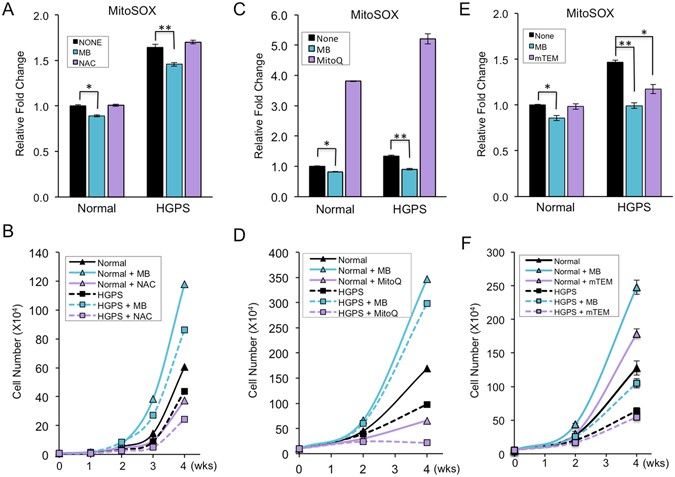
Anti-Aging Potentials of Methylene Blue for Human Skin Longevity - Scientific Reports Oxidative stress is the major cause of skin aging that includes wrinkles, pigmentation, and weakened wound healing ability. Application of antioxidants in skin care is well accepted as an effective approach to delay the skin aging process. Methylene blue (MB), a traditional mitochondrial-targeting antioxidant, showed a potent ROS scavenging efficacy in cultured human skin fibroblasts derived from healthy donors and from patients with progeria, a genetic premature aging disease. In comparison with other widely used general and mitochondrial-targeting antioxidants, we found that MB was more effective in stimulating skin fibroblast proliferation and delaying cellular senescence. The skin irritation test, performed on an in vitro reconstructed 3D human skin model, indicated that MB was safe for long-term use, and did not cause irritation even at high concentrations. Application of MB to this 3D skin model further demonstrated that MB improved skin viability, promoted wound healing and increased skin hydration and dermis thickness. Gene expression analysis showed that MB treatment altered the expression of a subset of extracellular matrix proteins in the skin, including upregulation of elastin and collagen 2A1, two essential components for healthy skin. Altogether, our study suggests that MB has a great potential for skin care. nature.com
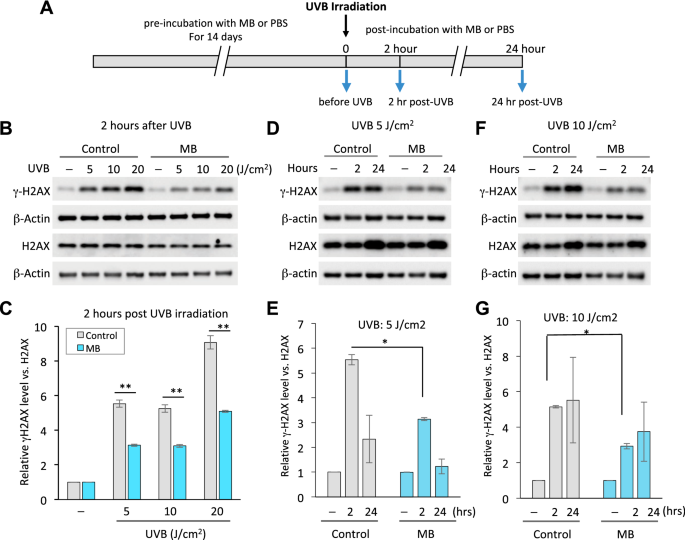
Ultraviolet radiation protection potentials of Methylene Blue for human skin and coral reef health - Scientific Reports Methylene blue (MB) is a century-old medicine, a laboratory dye, and recently shown as a premier antioxidant that combats ROS-induced cellular aging in human skins. Given MB’s molecular structure and light absorption properties, we hypothesize that MB has the potential to be considered as a sunscreen active for UV radiation protection. In this study, we tested the effects of MB on UVB ray-induced DNA double-strand breaks in primary human keratinocytes. We found that MB treatment reduced DNA damages caused by UVB irradiation and subsequent cell death. Next, we compared MB with Oxybenzone, which is the most commonly used chemical active ingredient in sunscreens but recently proven to be hazardous to aquatic ecosystems, in particular to coral reefs. At the same concentrations, MB showed more effective UVB absorption ability than Oxybenzone and significantly outperformed Oxybenzone in the prevention of UVB-induced DNA damage and the clearance of UVA-induced cellular ROS. Furthermore, unlike Oxybenzone, MB-containing seawater did not affect the growth of the coral species Xenia umbellata. Altogether, our study suggests that MB has the potential to be a coral reef-friendly sunscreen active ingredient that can provide broad-spectrum protection against UVA and UVB. nature.com
The Potentials of Methylene Blue as an Anti-Aging Drug Methylene blue (MB), as the first fully man-made medicine, has a wide range of clinical applications. Apart from its well-known applications in surgical staining, malaria, and methemoglobinemia, the anti-oxidative properties of MB recently brought new ... ncbi.nlm.nih.gov
From Mitochondrial Function to Neuroprotection – An Emerging Role for Methylene Blue Methylene blue (MB) is a well-established drug with a long history of use, owing to its diverse range of use and its minimal side effect profile. MB has been used classically for the treatment of malaria, methemoglobinemia, and carbon monoxide poisoning, ... ncbi.nlm.nih.gov
Neurometabolic mechanisms for memory enhancement and neuroprotection of methylene blue - PubMed This paper provides the first review of the memory-enhancing and neuroprotective metabolic mechanisms of action of methylene blue in vivo. These mechanisms have important implications as a new neurobiological approach to improve normal memory and to treat memory impairment and neurodegeneration asso … pubmed.ncbi.nlm.nih.gov
Application of methylene blue -vitamin C –N-acetyl cysteine for treatment of critically ill COVID-19 patients, report of a phase-I clinical trial COVID-19 is a global catastrophic event that causes severe acute respiratory syndrome. The mechanism of the disease remains unclear, and hypoxia is one of the main complications. There is no currently approved protocol for treatment. The microbial threat ... ncbi.nlm.nih.gov
Methylene blue treatment in experimental ischemic stroke: A mini-review Stroke is among the leading causes of death and long-term disability. Methylene blue (MB), a drug grandfathered by the Food and Drug Administration with a long history of safe usage in humans for treating methemoglobinemia and cyanide poisoning, has recently ... ncbi.nlm.nih.gov
Methylene Blue Is Neuroprotective against Mild Traumatic Brain Injury Traumatic brain injury (TBI) is a leading cause of death and disability worldwide. Methylene blue (MB) has known energy-enhancing and antioxidant properties. This study tested the hypothesis that MB treatment reduces lesion volume and behavioral deficits ... ncbi.nlm.nih.gov
Therapeutic benefits of methylene blue on cognitive impairment during chronic cerebral hypoperfusion - PubMed Chronic cerebral hypoperfusion, a risk factor for mild cognitive impairment and Alzheimer's disease, affects mitochondrial respiration and memory consolidation. Therefore, drugs that improve mitochondrial function may be appropriate cognitive treatments for cerebral hypoperfusion. Methylene blue (MB … pubmed.ncbi.nlm.nih.gov
Methylene Blue Reduces Aβ Levels and Rescues Early Cognitive Deficit by Increasing Proteasome Activity Promising results have emerged from a phase II clinical trial testing methylene blue (MB) as a potential therapeutic for Alzheimer disease (AD), where improvements in cognitive functions of AD patients after 6 months of MB administration have been reported. ... ncbi.nlm.nih.gov
Protective role of methylene blue in Alzheimer's disease via mitochondria and cytochrome c oxidase - PubMed The key cytopathologies in the brains of Alzheimer's disease (AD) patients include mitochondrial dysfunction and energy hypometabolism, which are likely caused by the accumulation of toxic species of amyloid-beta (Abeta) peptides. This review discusses two potential approaches to delay the onset of … pubmed.ncbi.nlm.nih.gov
Methylene Blue in the Treatment of Neuropsychiatric Disorders - PubMed Methylene blue is a long-established drug with complex pharmacology and multiple clinical indications. Its diverse mechanisms of action are most likely responsible for the large variety of its clinical effects. Of interest to psychiatrists, methylene blue has antidepressant, anxiolytic, and neuropro … pubmed.ncbi.nlm.nih.gov
A controlled trial of methylene blue in severe depressive illness - PubMed Methylene blue, 15 mg/day, was compared with placebo in treatment of severe depressive illness. The 3-week trial was designed to avoid bias by placebo response and also to avoid observer bias. Improvement in patients receiving methylene blue was significantly greater than in those receiving placebo. … pubmed.ncbi.nlm.nih.gov
Protection against neurodegeneration with low-dose methylene blue and near-infrared light Protection against neurodegeneration with low-dose methylene blue and near-infrared light frontiersin.org
Methylene Blue Reduces Acute Cerebral Ischemic Injury via the Induction of Mitophagy - Molecular Medicine The treatment of stroke is limited by a short therapeutic window and a lack of effective clinical drugs. Methylene blue (MB) has been used in laboratories and clinics since the 1890s. Few studies have reported the neuroprotective role of MB in cerebral ischemia-reperfusion injury. However, whether and how MB protects against acute cerebral ischemia (ACI) injury was unclear. In this study, we investigated the effect of MB on this injury and revealed that MB protected against ACI injury by augmenting mitophagy. Using a rat middle cerebral artery occlusion (MCAO) model, we demonstrated that MB improved neurological function and reduced the infarct volume and necrosis after ACI injury. These improvements depended on the effect of MB on mitochondrial structure and function. ACI caused the disorder and disintegration of mitochondrial structure, while MB ameliorated the destruction of mitochondria. In addition, mitophagy was inhibited at 24 h after stroke and MB augmented mitophagy. In an oxygen-glucose deprivation (OGD) model in vitro, we further revealed that the elevation of mitochondrial membrane potential (MMP) by MB under OGD conditions mediated the augmented mitophagy. In contrast, exacerbating the decline of MMP during OGD abolished the MB-induced activation of mitophagy. Taken together, MB promotes mitophagy by maintaining the MMP at a relatively high level, which contributes to a decrease in necrosis and an improvement in neurological function, thereby protecting against ACI injury. molmed.biomedcentral.com
Effect of Methylene Blue on White Matter Injury after Ischemic Stroke Methylene blue, the FDA-grandfathered drug was proved to be neuroprotective in ischemic stroke in rat. However, the mechanism of the protective effect was unknown. In this study, we used different animal models to investigate the effect of MB administration ... ncbi.nlm.nih.gov
Methylene Blue Reduces Neuronal Apoptosis and Improves Blood-Brain Barrier Integrity After Traumatic Brain Injury Objective: To investigate whether Methylene blue (MB) treatment can reverse neuronal mitochondrial dysfunction caused by Oxygen Glucose Deprivation /reoxygenation (OGD) injury and then investigate whether MB treatment can reduce neuronal apoptosis and improve blood-brain barrier (BBB) integrity in TBI animals. Methods: Reactive oxygen species (ROS), mitochondrial membrane potential (MMP), and adenosine triphosphate (ATP) were used to evaluate mitochondrial function. The Terminal deoxynucleotidyl transferase-dUTP nick end labeling (TUNEL) assay was used to assess neuronal apoptosis in vitro. TUNEL and immunofluorescence staining for neuronal nuclei (NeuN) were combined to assess neuronal apoptosis in vivo. An evans blue (EB) permeability assay and brain water content (BWC) were used to measure BBB permeability in vivo. The Morris water maze (MWM), rotarod test, and modified Neurological Severity Score (mNSS) test were employed to assess the prognosis of TBI mice. Results: MB treatment significantly reversed neuronal mitochondrial dysfunction caused by OGD injury. Both in vitro and in vivo, MB treatment reduced neuronal apoptosis and improved BBB integrity. In TBI animals, treatment with MB not only improved cognitive and motor function caused by TBI but also significantly improved overall neurological function. Conclusions: Our findings suggest that MB is a potential candidate for the treatment of TBI. Future research should focus on other therapeutic effects and mechanisms of MB in secondary brain injury. frontiersin.org
Mitochondria as a target for neuroprotection: role of methylene blue and photobiomodulation - Translational Neurodegeneration Mitochondrial dysfunction plays a central role in the formation of neuroinflammation and oxidative stress, which are important factors contributing to the development of brain disease. Ample evidence suggests mitochondria are a promising target for neuroprotection. Recently, methods targeting mitochondria have been considered as potential approaches for treatment of brain disease through the inhibition of inflammation and oxidative injury. This review will discuss two widely studied approaches for the improvement of brain mitochondrial respiration, methylene blue (MB) and photobiomodulation (PBM). MB is a widely studied drug with potential beneficial effects in animal models of brain disease, as well as limited human studies. Similarly, PBM is a non-invasive treatment that promotes energy production and reduces both oxidative stress and inflammation, and has garnered increasing attention in recent years. MB and PBM have similar beneficial effects on mitochondrial function, oxidative damage, inflammation, and subsequent behavioral symptoms. However, the mechanisms underlying the energy enhancing, antioxidant, and anti-inflammatory effects of MB and PBM differ. This review will focus on mitochondrial dysfunction in several different brain diseases and the pathological improvements following MB and PBM treatment. translationalneurodegeneration.biomedcentral.com
Mitochondrial electron transport chain, ROS generation and uncoupling (Review) The mammalian mitochondrial electron transport chain (ETC) includes complexes I‑IV, as well as the electron transporters ubiquinone and cytochrome c. There are two electron transport pathways in the ETC: Complex I/III/IV, with NADH as the substrate and complex II/III/IV, with succinic acid as the substrate. The electron flow is coupled with the generation of a proton gradient across the inner membrane and the energy accumulated in the proton gradient is used by complex V (ATP synthase) to produce ATP. The first part of this review briefly introduces the structure and function of complexes I‑IV and ATP synthase, including the specific electron transfer process in each complex. Some electrons are directly transferred to O2 to generate reactive oxygen species (ROS) in the ETC. The second part of this review discusses the sites of ROS generation in each ETC complex, including sites IF and IQ in complex I, site IIF in complex II and site IIIQo in complex III, and the physiological and pathological regulation of ROS. As signaling molecules, ROS play an important role in cell proliferation, hypoxia adaptation and cell fate determination, but excessive ROS can cause irreversible cell damage and even cell death. The occurrence and development of a number of diseases are closely related to ROS overproduction. Finally, proton leak and uncoupling proteins (UCPS) are discussed. Proton leak consists of basal proton leak and induced proton leak. Induced proton leak is precisely regulated and induced by UCPs. A total of five UCPs (UCP1‑5) have been identified in mammalian cells. UCP1 mainly plays a role in the maintenance of body temperature in a cold environment through non‑shivering thermogenesis. The core role of UCP2‑5 is to reduce oxidative stress under certain conditions, therefore exerting cytoprotective effects. All diseases involving oxidative stress are associated with UCPs. spandidos-publications.com
Inhibition of aldehyde dehydrogenases by methylene blue - PubMed The effect of the redox dye methylene blue on the stability of NADH and on the activity of the enzyme aldehyde dehydrogenase (ALDH; EC 1.2.1.3) was examined. NADH was measured by HPLC with fluorometric or spectrophotometric detection. The ALDH activity assays were carried out by following the format … pubmed.ncbi.nlm.nih.gov
Alternative mitochondrial electron transfer for the treatment of neurodegenerative diseases and cancers: Methylene blue connects the dots - PubMed Brain has exceptional high requirement for energy metabolism with glucose as the exclusive energy source. Decrease of brain energy metabolism and glucose uptake has been found in patients of Alzheimer's, Parkinson's and other neurodegenerative diseases, providing a clear link between neurodegenerati … pubmed.ncbi.nlm.nih.gov
Combined activation of the energy and cellular-defense pathways may explain the potent anti-senescence activity of methylene blue Methylene blue (MB) delays cellular senescence, induces complex-IV, and activates Keap1/Nrf2; however, the molecular link of these effects to MB is un… sciencedirect.com
Methylene blue upregulates Nrf2/ARE genes and prevents tau-related neurotoxicity Methylene blue (MB, methylthioninium chloride) is a phenothiazine that crosses the blood brain barrier and acts as a redox cycler. Among its beneficial properties are its abilities to act as an antioxidant, to reduce tau protein aggregation and to improve ... ncbi.nlm.nih.gov
The Effects of Methylene Blue on Autophagy and Apoptosis in MRI-Defined Normal Tissue, Ischemic Penumbra and Ischemic Core Methylene blue (MB) USP, which has energy-enhancing and antioxidant properties, is currently used to treat methemoglobinemia and cyanide poisoning in humans. We recently showed that MB administration reduces infarct volume and behavioral deficits in rat ... ncbi.nlm.nih.gov
Methylene blue modulates functional connectivity in the human brain Methylene blue USP (MB) is a FDA-grandfathered drug used in clinics to treat methemoglobinemia, carbon monoxide poisoning and cyanide poisoning that has been shown to increase fMRI evoked blood oxygenation level dependent (BOLD) response in rodents. Low ... ncbi.nlm.nih.gov
Methylene blue decreases mitochondrial lysine acetylation in the diabetic heart - PubMed Diabetic cardiomyopathy is preceded by mitochondrial alterations, and progresses to heart failure. We studied whether treatment with methylene blue (MB), a compound that was reported to serve as an alternate electron carrier within the mitochondrial electron transport chain (ETC), improves mitochond … pubmed.ncbi.nlm.nih.gov
Clinical effectiveness and prospects of methylene blue: A systematic reviewSeitkazina, Yang, and Kim: Clinical effectiveness and prospects of methylene blue: A systematic review pfmjournal.org
Methylene Blue: The Long and Winding Road from Stain to Brain: Part 1 - PubMed Methylene blue, first discovered and used as a dye in the textile industry, has long been used for biological staining in histology, bacteriology, and hematology. Because of its unique physiochemical properties, it was the first synthetic drug used in medicine, having been used to treat malaria more … pubmed.ncbi.nlm.nih.gov
Neurometabolic mechanisms for memory enhancement and neuroprotection of methylene blue This paper provides the first review of the memory-enhancing and neuroprotective metabolic mechanisms of action of methylene blue in vivo. These mechanisms have important implications as a new neurobiological approach to improve normal memory and to treat ... ncbi.nlm.nih.gov
A two-year double-blind crossover trial of the prophylactic effect of methylene blue in manic-depressive psychosis - PubMed A 2-year prophylactic trial was carried out in 31 bipolar manic-depressive subjects, comparing 300 mg/day methylene blue on a double-blind crossover basis with 15 mg/day. All patients were also maintained on lithium. Seventeen patients completed the 2-year trial. During the year the patients were tr … pubmed.ncbi.nlm.nih.gov
Repurposing methylene blue in the management of COVID-19: Mechanistic aspects and clinical investigations The severe acute respiratory syndrome-coronavirus 2 (SARS-CoV-2) is the most recent coronaviruses, which has infected humans, and caused the disease COVID-19. The World Health Organization has declared COVID-19 as a pandemic in March 2020. The SARS-CoV-2 ... ncbi.nlm.nih.gov
Mitochondria as a target for neuroprotection: role of methylene blue and photobiomodulation - Translational Neurodegeneration Mitochondrial dysfunction plays a central role in the formation of neuroinflammation and oxidative stress, which are important factors contributing to the development of brain disease. Ample evidence suggests mitochondria are a promising target for neuroprotection. Recently, methods targeting mitochondria have been considered as potential approaches for treatment of brain disease through the inhibition of inflammation and oxidative injury. This review will discuss two widely studied approaches for the improvement of brain mitochondrial respiration, methylene blue (MB) and photobiomodulation (PBM). MB is a widely studied drug with potential beneficial effects in animal models of brain disease, as well as limited human studies. Similarly, PBM is a non-invasive treatment that promotes energy production and reduces both oxidative stress and inflammation, and has garnered increasing attention in recent years. MB and PBM have similar beneficial effects on mitochondrial function, oxidative damage, inflammation, and subsequent behavioral symptoms. However, the mechanisms underlying the energy enhancing, antioxidant, and anti-inflammatory effects of MB and PBM differ. This review will focus on mitochondrial dysfunction in several different brain diseases and the pathological improvements following MB and PBM treatment. translationalneurodegeneration.biomedcentral.com

@VanceE - Vance 🌞⚡️

Tristan is one of my favorite in the space who understands MB. @bitcoinand_beef https://x.com/bitcoinand_beef/status/1669329538747367424?s=20

@bitcoinand_beef - Tristan | Decentralized Health

What if there was a compound that was: -Beneficial for mitochondrial health -Anti-fungal, microbrial, parasitic -Anti-depressant -Neuro-protective -Well researched (100+ years) -Low cost + accessible That compound is METHYLENE BLUE. Here's what you need to know (THREAD) https://t.co/RYHXAgmIgr

@VanceE - Vance 🌞⚡️

and finally @casbrad MB raw milk ice cream. No way I couldn't mention this. https://x.com/casbrad/status/1727033683646001220?s=20

@casbrad - Case Bradford

Could be your dope esoteric good like @Merakimedicinal below

@VanceE - Vance 🌞⚡️

I'll keep this open to add more.

Saved - October 26, 2023 at 12:13 PM
reSee.it AI Summary
@VanceE claims Methylene Blue can treat Lyme's Disease, prevent neurological diseases, kill Candida, fight depression, increase ATP production, provide antioxidant capabilities, stop C19 replication and inflammation, shut down Ebola, improve memory, and more. @below_av_heit asks for a link to the Lyme study, and @VanceE provides two studies and anecdotal evidence.

@VanceE - 🌞 Vance 🌞

Got in trouble for Methylene Blue claims. So here’s some more. What Methylene Blue can do: -Beat Lyme’s Disease -Prevent Nuerological Diseases -Kills Candida -Fights Depression -Increase ATP production that lasts for weeks after a single dose -Provides extreme antioxidant capabilities especially during chemotherapy -Stops C19 from replicating -Stops the massive inflammatory effects of C19 -Shuts down Ebola -Improves short-term and long-term memory -Improve NAD/NADH ratio increasing longevity -Topically it fight Eczema/Psorasis/Acne/Wrinkles/Sun Burn Shall I provide the research for every single claim I’ve made? Will do. Will you be able to see it? Probably not, they’re trying their best to keep me down. Going to have a nice cigar and 10mg of mb today because I’m feeling it 🫡

@below_av_heit - Morgan Heitland

@VanceE Could you link the Lyme study?

@VanceE - 🌞 Vance 🌞

@below_av_heit Methylene Blue and biofilm (important in Lyme disruption) https://bmcmicrobiol.biomedcentral.com/articles/10.1186/s12866-020-01777-9 MB among others effective against Lyme’s https://pubmed.ncbi.nlm.nih.gov/27025631/ Here’s a couple and the anecdotal cases with mb and chronic Lyme’s is profound. https://x.com/vancee/status/1706149726733877758?s=46&t=Q6weh126r90Mac1gVnwNjQ

Effect of different drugs and drug combinations on killing stationary phase and biofilms recovered cells of Bartonella henselae in vitro - BMC Microbiology Bartonella henselae is a Gram-negative bacterium transmitted to humans by a scratch from cat in the presence of ectoparasites. Humans infected with B. henselae can result in various clinical diseases including local lymphadenopathy and more serious systemic disease such as persistent bacteremia and endocarditis. The current treatment of persistent B. henselae infections is not very effective and remains a challenge. To find more effective treatments for persistent and biofilm Bartonella infections, in this study, we evaluated a panel of drugs and drug combinations based on the current treatment and also promising hits identified from a recent drug screen against stationary phase and biofilm recovered cells of B. henselae. We evaluated 14 antibiotics and 25 antibiotic combinations for activity against stationary phase B. henselae (all antibiotics were at 5 μg/ml) and found that ciprofloxacin, gentamicin, and nitrofurantoin were the most active agents, while clofazimine and miconazole had poor activity. Drug combinations azithromycin/ciprofloxacin, azithromycin/methylene blue, rifampin/ciprofloxacin, and rifampin/methylene blue could rapidly kill stationary phase B. henselae with no detectable CFU after 1-day exposure. Methylene blue and rifampin were the most active agents against the biofilm B. henselae after 6 days of drug exposure. Antibiotic combinations (azithromycin/ciprofloxacin, azithromycin/methylene blue, rifampin/ciprofloxacin, rifampin/methylene blue) completely eradicated the biofilm B. henselae after treatment for 6 days. These findings may facilitate development of more effective treatment of persistent Bartonella infections in the future. bmcmicrobiol.biomedcentral.com
Identification of Additional Anti-Persister Activity against Borrelia burgdorferi from an FDA Drug Library - PubMed Lyme disease is a leading vector-borne disease in the United States. Although the majority of Lyme patients can be cured with standard 2-4 week antibiotic treatment, 10%-20% of patients continue to suffer from prolonged post-treatment Lyme disease syndrome (PTLDS). While the cause for this is unclea … pubmed.ncbi.nlm.nih.gov

@VanceE - 🌞 Vance 🌞

@ODDlyCanadian @nootropicguy @BasedSupps @erikjasperkier You need to check out the data and anecdotal cases of people destroying Lyme’s with methylene blue

Saved - October 26, 2023 at 12:09 PM
reSee.it AI Summary
Methylene Blue (MB) has shown numerous benefits in various studies. Topically, it has anti-aging effects and protects against UV damage. Orally, it decreases ROS, promotes longevity, and exhibits neuroprotective properties. MB has also shown promise in improving memory, fighting Alzheimer's, and combating neurodegeneration. It has been used to pull people off respirators during the pandemic and has shown protection against stroke and traumatic brain injury. Additionally, MB has demonstrated benefits in treating depression, improving cardiac functions, and mitigating damage from COVID-19. Its effects on mitochondria, autophagy, and apoptosis are also noteworthy. MB's potential in treating brain diseases and viral infections is being explored. Overall, MB has a rich history of use and continues to reveal new therapeutic benefits.

@VanceE - 🌞 Vance 🌞

Every Methylene Blue study I have read since starting @Merakimedicinal and the benefits they show: MB topical anti-aging effects https://www.nature.com/articles/s41598-017-02419-3 MB topical protection against UV damage https://www.nature.com/articles/s41598-021-89970-2 MB orally decreasing ROS and promoting longevity https://www.ncbi.nlm.nih.gov/pmc/articles/PMC8699482/ MB showing signs of Neuroprotection https://www.ncbi.nlm.nih.gov/pmc/articles/PMC5826781/ MB improving memory and neuroprotection https://pubmed.ncbi.nlm.nih.gov/22067440/ My favorite, MB pulling people off respirators during pandemic https://www.ncbi.nlm.nih.gov/pmc/articles/PMC7440159/ MB showing protection against stroke damage https://www.ncbi.nlm.nih.gov/pmc/articles/PMC4817094/ MB showing protection against TBI https://www.ncbi.nlm.nih.gov/pmc/articles/PMC4043255/ MB showing improvements in memory (animal study) https://pubmed.ncbi.nlm.nih.gov/25079810/ MB showing promise in the fight against Alzheimer's https://www.ncbi.nlm.nih.gov/pmc/articles/PMC2992595/ Another Alzheimer's study https://pubmed.ncbi.nlm.nih.gov/20463399/ Neuropsychiatric benefits of MB https://pubmed.ncbi.nlm.nih.gov/31144270/#:~:text=Of%20interest%20to%20psychiatrists%2C%20methylene,are%20of%20significant%20heuristic%20value MB fighting depression https://pubmed.ncbi.nlm.nih.gov/3555627/ MB with near-infrared light protecting against neurodegeneration https://www.frontiersin.org/articles/10.3389/fncel.2015.00179/full MB causing mitochondrial repair via mitophagy https://molmed.biomedcentral.com/articles/10.2119/molmed.2015.00038 MB reducing white matter injury post stroke https://www.ncbi.nlm.nih.gov/pmc/articles/PMC7872771/ MB improving recovery post TBI https://www.frontiersin.org/articles/10.3389/fneur.2019.01133/full MB combatting neuroinflammation https://translationalneurodegeneration.biomedcentral.com/articles/10.1186/s40035-020-00197-z MB's beneficial effects on mitochondria https://www.spandidos-publications.com/10.3892/ijmm.2019.4188#:~:text=The%20sites%20of%20ROS%20production,peroxide%20(48%2C49) MB reducing oxidative effects of ethanol https://pubmed.ncbi.nlm.nih.gov/8274146/ MB's ability to boost mitochondrial oxidative phosphorylation and inhibit cancers proliferation https://pubmed.ncbi.nlm.nih.gov/26603930/ MB improving the ratio of NAD/NADH and pAMPK/AMPK https://www.sciencedirect.com/science/article/pii/S2213231715001159 MB prevents tau-related neurotoxicity https://www.ncbi.nlm.nih.gov/pmc/articles/PMC4065148/ MB helping with autophagy and apoptosis https://www.ncbi.nlm.nih.gov/pmc/articles/PMC4488003/ MB improving short-term memory https://pubs.rsna.org/doi/full/10.1148/radiol.2016152893 MB increasing functional connectivity among regions of the brain associated with working memory https://www.ncbi.nlm.nih.gov/pmc/articles/PMC5018244/ MB improving cardiac functions among diabetics https://pubmed.ncbi.nlm.nih.gov/28303408/ MB showing effects against brain diseases and also viral diseases https://www.pfmjournal.org/journal/view.php?number=132 History of MB use and newly discovered benefits https://pubmed.ncbi.nlm.nih.gov/27576224/ MB improving memory and neuroprotection https://www.ncbi.nlm.nih.gov/pmc/articles/PMC3265679/ MB clinical trial against Manic-depressive psychosis https://pubmed.ncbi.nlm.nih.gov/3091097/ MB mitigating damage from c 19 https://www.ncbi.nlm.nih.gov/pmc/articles/PMC8352658/ MB and light causing neuroprotection https://translationalneurodegeneration.biomedcentral.com/articles/10.1186/s40035-020-00197-z

Anti-Aging Potentials of Methylene Blue for Human Skin Longevity - Scientific Reports Oxidative stress is the major cause of skin aging that includes wrinkles, pigmentation, and weakened wound healing ability. Application of antioxidants in skin care is well accepted as an effective approach to delay the skin aging process. Methylene blue (MB), a traditional mitochondrial-targeting antioxidant, showed a potent ROS scavenging efficacy in cultured human skin fibroblasts derived from healthy donors and from patients with progeria, a genetic premature aging disease. In comparison with other widely used general and mitochondrial-targeting antioxidants, we found that MB was more effective in stimulating skin fibroblast proliferation and delaying cellular senescence. The skin irritation test, performed on an in vitro reconstructed 3D human skin model, indicated that MB was safe for long-term use, and did not cause irritation even at high concentrations. Application of MB to this 3D skin model further demonstrated that MB improved skin viability, promoted wound healing and increased skin hydration and dermis thickness. Gene expression analysis showed that MB treatment altered the expression of a subset of extracellular matrix proteins in the skin, including upregulation of elastin and collagen 2A1, two essential components for healthy skin. Altogether, our study suggests that MB has a great potential for skin care. nature.com
Ultraviolet radiation protection potentials of Methylene Blue for human skin and coral reef health - Scientific Reports Methylene blue (MB) is a century-old medicine, a laboratory dye, and recently shown as a premier antioxidant that combats ROS-induced cellular aging in human skins. Given MB’s molecular structure and light absorption properties, we hypothesize that MB has the potential to be considered as a sunscreen active for UV radiation protection. In this study, we tested the effects of MB on UVB ray-induced DNA double-strand breaks in primary human keratinocytes. We found that MB treatment reduced DNA damages caused by UVB irradiation and subsequent cell death. Next, we compared MB with Oxybenzone, which is the most commonly used chemical active ingredient in sunscreens but recently proven to be hazardous to aquatic ecosystems, in particular to coral reefs. At the same concentrations, MB showed more effective UVB absorption ability than Oxybenzone and significantly outperformed Oxybenzone in the prevention of UVB-induced DNA damage and the clearance of UVA-induced cellular ROS. Furthermore, unlike Oxybenzone, MB-containing seawater did not affect the growth of the coral species Xenia umbellata. Altogether, our study suggests that MB has the potential to be a coral reef-friendly sunscreen active ingredient that can provide broad-spectrum protection against UVA and UVB. nature.com
The Potentials of Methylene Blue as an Anti-Aging Drug Methylene blue (MB), as the first fully man-made medicine, has a wide range of clinical applications. Apart from its well-known applications in surgical staining, malaria, and methemoglobinemia, the anti-oxidative properties of MB recently brought new ... ncbi.nlm.nih.gov
From Mitochondrial Function to Neuroprotection – An Emerging Role for Methylene Blue Methylene blue (MB) is a well-established drug with a long history of use, owing to its diverse range of use and its minimal side effect profile. MB has been used classically for the treatment of malaria, methemoglobinemia, and carbon monoxide poisoning, ... ncbi.nlm.nih.gov
Neurometabolic mechanisms for memory enhancement and neuroprotection of methylene blue - PubMed This paper provides the first review of the memory-enhancing and neuroprotective metabolic mechanisms of action of methylene blue in vivo. These mechanisms have important implications as a new neurobiological approach to improve normal memory and to treat memory impairment and neurodegeneration asso … pubmed.ncbi.nlm.nih.gov
Application of methylene blue -vitamin C –N-acetyl cysteine for treatment of critically ill COVID-19 patients, report of a phase-I clinical trial COVID-19 is a global catastrophic event that causes severe acute respiratory syndrome. The mechanism of the disease remains unclear, and hypoxia is one of the main complications. There is no currently approved protocol for treatment. The microbial threat ... ncbi.nlm.nih.gov
Methylene blue treatment in experimental ischemic stroke: A mini-review Stroke is among the leading causes of death and long-term disability. Methylene blue (MB), a drug grandfathered by the Food and Drug Administration with a long history of safe usage in humans for treating methemoglobinemia and cyanide poisoning, has recently ... ncbi.nlm.nih.gov
Methylene Blue Is Neuroprotective against Mild Traumatic Brain Injury Traumatic brain injury (TBI) is a leading cause of death and disability worldwide. Methylene blue (MB) has known energy-enhancing and antioxidant properties. This study tested the hypothesis that MB treatment reduces lesion volume and behavioral deficits ... ncbi.nlm.nih.gov
Therapeutic benefits of methylene blue on cognitive impairment during chronic cerebral hypoperfusion - PubMed Chronic cerebral hypoperfusion, a risk factor for mild cognitive impairment and Alzheimer's disease, affects mitochondrial respiration and memory consolidation. Therefore, drugs that improve mitochondrial function may be appropriate cognitive treatments for cerebral hypoperfusion. Methylene blue (MB … pubmed.ncbi.nlm.nih.gov
Methylene Blue Reduces Aβ Levels and Rescues Early Cognitive Deficit by Increasing Proteasome Activity Promising results have emerged from a phase II clinical trial testing methylene blue (MB) as a potential therapeutic for Alzheimer disease (AD), where improvements in cognitive functions of AD patients after 6 months of MB administration have been reported. ... ncbi.nlm.nih.gov
Protective role of methylene blue in Alzheimer's disease via mitochondria and cytochrome c oxidase - PubMed The key cytopathologies in the brains of Alzheimer's disease (AD) patients include mitochondrial dysfunction and energy hypometabolism, which are likely caused by the accumulation of toxic species of amyloid-beta (Abeta) peptides. This review discusses two potential approaches to delay the onset of … pubmed.ncbi.nlm.nih.gov
Methylene Blue in the Treatment of Neuropsychiatric Disorders - PubMed Methylene blue is a long-established drug with complex pharmacology and multiple clinical indications. Its diverse mechanisms of action are most likely responsible for the large variety of its clinical effects. Of interest to psychiatrists, methylene blue has antidepressant, anxiolytic, and neuropro … pubmed.ncbi.nlm.nih.gov
A controlled trial of methylene blue in severe depressive illness - PubMed Methylene blue, 15 mg/day, was compared with placebo in treatment of severe depressive illness. The 3-week trial was designed to avoid bias by placebo response and also to avoid observer bias. Improvement in patients receiving methylene blue was significantly greater than in those receiving placebo. … pubmed.ncbi.nlm.nih.gov
Protection against neurodegeneration with low-dose methylene blue and near-infrared light Protection against neurodegeneration with low-dose methylene blue and near-infrared light frontiersin.org
Methylene Blue Reduces Acute Cerebral Ischemic Injury via the Induction of Mitophagy - Molecular Medicine The treatment of stroke is limited by a short therapeutic window and a lack of effective clinical drugs. Methylene blue (MB) has been used in laboratories and clinics since the 1890s. Few studies have reported the neuroprotective role of MB in cerebral ischemia-reperfusion injury. However, whether and how MB protects against acute cerebral ischemia (ACI) injury was unclear. In this study, we investigated the effect of MB on this injury and revealed that MB protected against ACI injury by augmenting mitophagy. Using a rat middle cerebral artery occlusion (MCAO) model, we demonstrated that MB improved neurological function and reduced the infarct volume and necrosis after ACI injury. These improvements depended on the effect of MB on mitochondrial structure and function. ACI caused the disorder and disintegration of mitochondrial structure, while MB ameliorated the destruction of mitochondria. In addition, mitophagy was inhibited at 24 h after stroke and MB augmented mitophagy. In an oxygen-glucose deprivation (OGD) model in vitro, we further revealed that the elevation of mitochondrial membrane potential (MMP) by MB under OGD conditions mediated the augmented mitophagy. In contrast, exacerbating the decline of MMP during OGD abolished the MB-induced activation of mitophagy. Taken together, MB promotes mitophagy by maintaining the MMP at a relatively high level, which contributes to a decrease in necrosis and an improvement in neurological function, thereby protecting against ACI injury. molmed.biomedcentral.com
Effect of Methylene Blue on White Matter Injury after Ischemic Stroke Methylene blue, the FDA-grandfathered drug was proved to be neuroprotective in ischemic stroke in rat. However, the mechanism of the protective effect was unknown. In this study, we used different animal models to investigate the effect of MB administration ... ncbi.nlm.nih.gov
Methylene Blue Reduces Neuronal Apoptosis and Improves Blood-Brain Barrier Integrity After Traumatic Brain Injury Objective: To investigate whether Methylene blue (MB) treatment can reverse neuronal mitochondrial dysfunction caused by Oxygen Glucose Deprivation /reoxygenation (OGD) injury and then investigate whether MB treatment can reduce neuronal apoptosis and improve blood-brain barrier (BBB) integrity in TBI animals. Methods: Reactive oxygen species (ROS), mitochondrial membrane potential (MMP), and adenosine triphosphate (ATP) were used to evaluate mitochondrial function. The Terminal deoxynucleotidyl transferase-dUTP nick end labeling (TUNEL) assay was used to assess neuronal apoptosis in vitro. TUNEL and immunofluorescence staining for neuronal nuclei (NeuN) were combined to assess neuronal apoptosis in vivo. An evans blue (EB) permeability assay and brain water content (BWC) were used to measure BBB permeability in vivo. The Morris water maze (MWM), rotarod test, and modified Neurological Severity Score (mNSS) test were employed to assess the prognosis of TBI mice. Results: MB treatment significantly reversed neuronal mitochondrial dysfunction caused by OGD injury. Both in vitro and in vivo, MB treatment reduced neuronal apoptosis and improved BBB integrity. In TBI animals, treatment with MB not only improved cognitive and motor function caused by TBI but also significantly improved overall neurological function. Conclusions: Our findings suggest that MB is a potential candidate for the treatment of TBI. Future research should focus on other therapeutic effects and mechanisms of MB in secondary brain injury. frontiersin.org
Mitochondria as a target for neuroprotection: role of methylene blue and photobiomodulation - Translational Neurodegeneration Mitochondrial dysfunction plays a central role in the formation of neuroinflammation and oxidative stress, which are important factors contributing to the development of brain disease. Ample evidence suggests mitochondria are a promising target for neuroprotection. Recently, methods targeting mitochondria have been considered as potential approaches for treatment of brain disease through the inhibition of inflammation and oxidative injury. This review will discuss two widely studied approaches for the improvement of brain mitochondrial respiration, methylene blue (MB) and photobiomodulation (PBM). MB is a widely studied drug with potential beneficial effects in animal models of brain disease, as well as limited human studies. Similarly, PBM is a non-invasive treatment that promotes energy production and reduces both oxidative stress and inflammation, and has garnered increasing attention in recent years. MB and PBM have similar beneficial effects on mitochondrial function, oxidative damage, inflammation, and subsequent behavioral symptoms. However, the mechanisms underlying the energy enhancing, antioxidant, and anti-inflammatory effects of MB and PBM differ. This review will focus on mitochondrial dysfunction in several different brain diseases and the pathological improvements following MB and PBM treatment. translationalneurodegeneration.biomedcentral.com
Mitochondrial electron transport chain, ROS generation and uncoupling (Review) The mammalian mitochondrial electron transport chain (ETC) includes complexes I‑IV, as well as the electron transporters ubiquinone and cytochrome c. There are two electron transport pathways in the ETC: Complex I/III/IV, with NADH as the substrate and complex II/III/IV, with succinic acid as the substrate. The electron flow is coupled with the generation of a proton gradient across the inner membrane and the energy accumulated in the proton gradient is used by complex V (ATP synthase) to produce ATP. The first part of this review briefly introduces the structure and function of complexes I‑IV and ATP synthase, including the specific electron transfer process in each complex. Some electrons are directly transferred to O2 to generate reactive oxygen species (ROS) in the ETC. The second part of this review discusses the sites of ROS generation in each ETC complex, including sites IF and IQ in complex I, site IIF in complex II and site IIIQo in complex III, and the physiological and pathological regulation of ROS. As signaling molecules, ROS play an important role in cell proliferation, hypoxia adaptation and cell fate determination, but excessive ROS can cause irreversible cell damage and even cell death. The occurrence and development of a number of diseases are closely related to ROS overproduction. Finally, proton leak and uncoupling proteins (UCPS) are discussed. Proton leak consists of basal proton leak and induced proton leak. Induced proton leak is precisely regulated and induced by UCPs. A total of five UCPs (UCP1‑5) have been identified in mammalian cells. UCP1 mainly plays a role in the maintenance of body temperature in a cold environment through non‑shivering thermogenesis. The core role of UCP2‑5 is to reduce oxidative stress under certain conditions, therefore exerting cytoprotective effects. All diseases involving oxidative stress are associated with UCPs. spandidos-publications.com
Inhibition of aldehyde dehydrogenases by methylene blue - PubMed The effect of the redox dye methylene blue on the stability of NADH and on the activity of the enzyme aldehyde dehydrogenase (ALDH; EC 1.2.1.3) was examined. NADH was measured by HPLC with fluorometric or spectrophotometric detection. The ALDH activity assays were carried out by following the format … pubmed.ncbi.nlm.nih.gov
Alternative mitochondrial electron transfer for the treatment of neurodegenerative diseases and cancers: Methylene blue connects the dots - PubMed Brain has exceptional high requirement for energy metabolism with glucose as the exclusive energy source. Decrease of brain energy metabolism and glucose uptake has been found in patients of Alzheimer's, Parkinson's and other neurodegenerative diseases, providing a clear link between neurodegenerati … pubmed.ncbi.nlm.nih.gov
Combined activation of the energy and cellular-defense pathways may explain the potent anti-senescence activity of methylene blue Methylene blue (MB) delays cellular senescence, induces complex-IV, and activates Keap1/Nrf2; however, the molecular link of these effects to MB is un… sciencedirect.com
Methylene blue upregulates Nrf2/ARE genes and prevents tau-related neurotoxicity Methylene blue (MB, methylthioninium chloride) is a phenothiazine that crosses the blood brain barrier and acts as a redox cycler. Among its beneficial properties are its abilities to act as an antioxidant, to reduce tau protein aggregation and to improve ... ncbi.nlm.nih.gov
The Effects of Methylene Blue on Autophagy and Apoptosis in MRI-Defined Normal Tissue, Ischemic Penumbra and Ischemic Core Methylene blue (MB) USP, which has energy-enhancing and antioxidant properties, is currently used to treat methemoglobinemia and cyanide poisoning in humans. We recently showed that MB administration reduces infarct volume and behavioral deficits in rat ... ncbi.nlm.nih.gov
Methylene blue modulates functional connectivity in the human brain Methylene blue USP (MB) is a FDA-grandfathered drug used in clinics to treat methemoglobinemia, carbon monoxide poisoning and cyanide poisoning that has been shown to increase fMRI evoked blood oxygenation level dependent (BOLD) response in rodents. Low ... ncbi.nlm.nih.gov
Methylene blue decreases mitochondrial lysine acetylation in the diabetic heart - PubMed Diabetic cardiomyopathy is preceded by mitochondrial alterations, and progresses to heart failure. We studied whether treatment with methylene blue (MB), a compound that was reported to serve as an alternate electron carrier within the mitochondrial electron transport chain (ETC), improves mitochond … pubmed.ncbi.nlm.nih.gov
Clinical effectiveness and prospects of methylene blue: A systematic reviewSeitkazina, Yang, and Kim: Clinical effectiveness and prospects of methylene blue: A systematic review pfmjournal.org
Methylene Blue: The Long and Winding Road from Stain to Brain: Part 1 - PubMed Methylene blue, first discovered and used as a dye in the textile industry, has long been used for biological staining in histology, bacteriology, and hematology. Because of its unique physiochemical properties, it was the first synthetic drug used in medicine, having been used to treat malaria more … pubmed.ncbi.nlm.nih.gov
Neurometabolic mechanisms for memory enhancement and neuroprotection of methylene blue This paper provides the first review of the memory-enhancing and neuroprotective metabolic mechanisms of action of methylene blue in vivo. These mechanisms have important implications as a new neurobiological approach to improve normal memory and to treat ... ncbi.nlm.nih.gov
A two-year double-blind crossover trial of the prophylactic effect of methylene blue in manic-depressive psychosis - PubMed A 2-year prophylactic trial was carried out in 31 bipolar manic-depressive subjects, comparing 300 mg/day methylene blue on a double-blind crossover basis with 15 mg/day. All patients were also maintained on lithium. Seventeen patients completed the 2-year trial. During the year the patients were tr … pubmed.ncbi.nlm.nih.gov
Repurposing methylene blue in the management of COVID-19: Mechanistic aspects and clinical investigations The severe acute respiratory syndrome-coronavirus 2 (SARS-CoV-2) is the most recent coronaviruses, which has infected humans, and caused the disease COVID-19. The World Health Organization has declared COVID-19 as a pandemic in March 2020. The SARS-CoV-2 ... ncbi.nlm.nih.gov
Mitochondria as a target for neuroprotection: role of methylene blue and photobiomodulation - Translational Neurodegeneration Mitochondrial dysfunction plays a central role in the formation of neuroinflammation and oxidative stress, which are important factors contributing to the development of brain disease. Ample evidence suggests mitochondria are a promising target for neuroprotection. Recently, methods targeting mitochondria have been considered as potential approaches for treatment of brain disease through the inhibition of inflammation and oxidative injury. This review will discuss two widely studied approaches for the improvement of brain mitochondrial respiration, methylene blue (MB) and photobiomodulation (PBM). MB is a widely studied drug with potential beneficial effects in animal models of brain disease, as well as limited human studies. Similarly, PBM is a non-invasive treatment that promotes energy production and reduces both oxidative stress and inflammation, and has garnered increasing attention in recent years. MB and PBM have similar beneficial effects on mitochondrial function, oxidative damage, inflammation, and subsequent behavioral symptoms. However, the mechanisms underlying the energy enhancing, antioxidant, and anti-inflammatory effects of MB and PBM differ. This review will focus on mitochondrial dysfunction in several different brain diseases and the pathological improvements following MB and PBM treatment. translationalneurodegeneration.biomedcentral.com
View Full Interactive Feed