TruthArchive.ai - Tweets Saved By @_CatintheHat

Saved - July 8, 2024 at 8:53 AM
reSee.it AI Summary
COVID's impact on the brain is a concerning aspect that many are unaware of. Studies show cognitive deficits, memory issues, and brain structure alterations in those with Long Covid. Inflammation, fusion of brain cells, and neuroinflammation are also observed. Mental health problems, including anxiety and depression, are common. Long Covid is linked to cognitive decline and may have similarities to post-concussion syndrome.

@_CatintheHat - Cat in the Hat 🐈‍⬛ 🎩 🇬🇧

COVID + THE BRAIN 🧠 There’s been a flurry of new studies published in recent weeks about Covid’s detrimental impact on the brain. This is the aspect of Covid which concerns me most, but which many people seem to be blissfully unaware of. So let’s dig into what we know… 🧵

@_CatintheHat - Cat in the Hat 🐈‍⬛ 🎩 🇬🇧

It’s important to note that this is not new news… we’ve known about Covid’s impact on the brain for a long time. 1. This article from Dr @zalaly provides an excellent summary of the mounting evidence about how Covid leaves its mark on the brain. 🔗 https://theconversation.com/mounting-research-shows-that-covid-19-leaves-its-mark-on-the-brain-including-with-significant-drops-in-iq-scores-224216

Mounting research shows that COVID-19 leaves its mark on the brain, including with significant drops in IQ scores Two new high-profile studies add to the increasingly worrisome picture of how even mild cases of COVID-19 can have detrimental effects on brain health. theconversation.com

@_CatintheHat - Cat in the Hat 🐈‍⬛ 🎩 🇬🇧

2. This is one of the new studies published this week (29 Feb 2024). Researchers found that those with Long Covid had measurable memory & cognitive deficits equivalent to a difference of 6 IQ points which lasted for a year or more after infection. 🔗 https://amp.theguardian.com/society/2024/feb/28/brain-fog-from-long-covid-has-measurable-impact-study-suggests

‘Brain fog’ from long Covid has measurable impact, study suggests Researchers found that deficits equivalent to six IQ points were detectable a year or more after infection amp.theguardian.com

@_CatintheHat - Cat in the Hat 🐈‍⬛ 🎩 🇬🇧

(2. Continued) Here is a key chart from that study 👇🏻. The drop in Global Cognitive Score of -0.42 for those with Long Covid is equivalent to losing 6 IQ points. You can read the full peer-reviewed paper in the New England Journal of Medicine here: 🔗 https://www.nejm.org/doi/pdf/10.1056/NEJMoa2311330

@_CatintheHat - Cat in the Hat 🐈‍⬛ 🎩 🇬🇧

(2. Continued) The findings of this important study on Covid’s measurable impact on the brain were also discussed on Newsnight this week. Victoria Derbyshire interviewed Prof Adam Hampshire (@ProfHampshire), the lead author of the study.

Video Transcript AI Summary
Having COVID may lead to a slight decline in cognitive function, with a 3-point IQ loss for those who recovered within 12 weeks and a 9-point loss for ICU patients. Long COVID patients experience more significant deficits. The study suggests these effects may improve over time. Doctor Adam Hampshire finds the findings promising, especially for those with persistent symptoms. Joanna, who has long COVID, highlights the need for better support and access to clinics for those affected. More research and funding are essential for effective care and management.
Full Transcript
Speaker 0: You've had COVID. Did you think that the virus affected your memory or ability to think straight? Maybe you described it as brain fog. Well, new research published in the last half hour or so in the New England Journal of Medicine reports that having COVID could lead to a modest cognitive decline. Commensurate, the research says, with a 3 point loss in IQ, rising to a 9 point loss in IQ if you ended up in intensive care. We'll talk to the author of the study in a moment as well as a woman living with the long term effects of COVID. 1st is Kate. Speaker 1: Could you remember the shapes you've just seen? This is just 1 test used to research the so called brain fog associated with COVID 19. From the early stages of the pandemic, some COVID patients described being left with long term changes to how they think, concentrate, and remember. But objectively measuring those changes has proved tricky. 1 large study has attempted to shed light on the issue by assessing the cognitive function of more than a 100000 adults in England. Participants completed an online assessment in 2022. This is 1 of the 8 tests they did measuring verbal reasoning. Other tests looked at things like spatial planning or memory recall. In putting all that together, researchers calculated a global cognitive score. That data showed that compared to participants who've never contracted COVID 19, those who'd recovered from the virus in up to 12 weeks saw a small cognitive deficit. Researchers suggest this is broadly equivalent to a gap 3 IQ points. Patients whose symptoms have not resolved after 12 weeks, some of whom may be diagnosed with long COVID through a greater cognitive deficit. Comparing different groups, scientists also concluded those infected in the early stages of the pandemic when the original strain or alpha variant of the virus were dominant were more greatly impacted as well as those hospitalized by COVID 19. Compared to those who didn't contract COVID, patients who needed to be admitted to intensive care performed on average an equivalent of 9 IQ points worse. Now COVID is far from the only virus which can affect cognitive function. It's long been known that severe viral illnesses, which results in brain inflammation or encephalitis, can impair the way patients think. Long term cognitive impairment can even be seen after severe cases of the flu when patients develop acute respiratory distress syndrome. In this case, we have to remember there are some limitations to these findings. Those who reported having brain fog were more likely to sign up to complete the assessment in the first place, for example. We don't yet know whether these gaps in cognitive performance will resolve themselves over time. But those experiencing the long term effects of COVID would hope this research is just the beginning, A greater understanding of exactly how COVID affects our brains and learning to treat it is also essential. Speaker 0: Well, let's talk now to doctor Adam Hampshire, who is cognitive neuroscientist at Imperial College London who works on the study. And doctor Joanna Herman is here, an infectious diseases consultant who has long COVID. Welcome, both of you. Thank you for being on the program. First of all, what do you make of this new study? Speaker 2: I think it's really interesting, and it just, lends weight and starts filling in the jigsaw piece. It's, the puzzle that is long COVID. And to really understand how we can manage it and how ultimately, how we can treat it, we really need to understand the pathological processes behind it. Speaker 0: And this is obviously, you have long COVID. This is some of the most substantive evidence of an association between having COVID and having cognitive issues. Would you say that you have had cognitive issues? Speaker 2: Yeah. And I still do. I mean, you've got me on not my best day, but I have days you know, possibly, it was 1 day when I actually really struggled. I didn't actually have any conversations because they felt too much for me. It's very fluctuating, but I got it early on. So it's the first virus right at the beginning of the pandemic. And I'm sort of almost in shock that it's nearly 4 years, and I still haven't been able to return to work with the company. How do you feel about that? There's been a huge amount of of frustration in having to sit out the pandemic, you know, from the sidelines, whereas an infectious disease consultant, you should have been in the thick of it. But then I've sort of from that, There's been a level of acceptance, and I've started doing other things and working out what I can do within the confines of the sort of new parameters that I'm having to live by. Speaker 0: What are your symptoms then? Speaker 2: How are you affected? So brain fog is 1 and has been a very major 1. Post exertional malaise or fatigue, which has not been tired all the time. You feel really very unwell with it. And I've also had, sort of palpitations, so rapid heart rates. And it's all very variable and unpredictable. So no 2 days are necessarily the same. Doctor Adam Hampshire. Speaker 0: People are going to hear about this association between COVID and and this loss in IQ points. How significant would you say your study is? Speaker 3: I think it's, got a number of aspects that that are very important. So first of all, we we observe this association between slightly poorer memory and cognitive function and even relatively short duration COVID illness. That's that's that's quite a novel finding. We were a bit surprised by it. On the other hand, what's what's more positive is we can see that association attenuated. It reduced over time through the pandemic as we got on towards more recent variants. So there's a positive side there as well. And perhaps in terms of long COVID, where we looked at people who had sort of longer term persistent symptoms, Once we see more pronounced memory and planning and and cognitive problems in those participants, The the people whose symptoms that eventually, resolved, those individuals actually perform at the same level as people who had short duration symptoms. So there are some quite promising findings in in there as well. Speaker 0: Okay. So sorry. Go on. Speaker 2: I could say that comment does give me hope because we don't know you know, I I do feel I'm on the path of recovery, and I'm certainly much better than I was a few months ago. And I look back not week on week, but I look back month on month and see how I've done. But to actually hear positive news like that is really hopeful and sort of inspiring and vital because, you know, you don't want to be in brain fog Speaker 0: for the rest of your life. Speaker 2: And I used to be able to think quite well. Yeah. Can I just ask Speaker 0: you about the term brain fog? Because it it it feels like an inferior phrase for what you're experiencing and for what you have found in your study. Is that fair? Yeah. Speaker 2: I mean, it's it's like long COVID became a phrase that the sort of public and and those with long COVID points. So it's post acute COVID syndrome. And brain fog, I suppose, for most people encompasses you know, it is basically like your brain is in sort of fog where you can't think clearly. Your memory can be poor. You know, reading an article can be too much. Having a conversation can be too much. You know, even writing an email can be too much. And then, you know, it's like the fog get cleared. And then, you know, a few hours later or the next day, you wake up and you can give an interview or do something else. Yeah. Speaker 0: Is this do you think this is unique to COVID in terms of the cognitive impairment? Speaker 3: I don't think it's unique to COVID, but it's probably more common, perhaps more pronounced. That said, our study can't really address that question because what we didn't do is look at other respiratory illnesses. Speaker 0: Okay. Joanna, as a society, I just wanna ask you finally, what what adjustments do you think we need to make, if any, to to to make sure that people like you can live and work in a a fulfilled and meaningful way. Speaker 2: I think there needs to be much more support. So help for people with long COVID remains a postcode lottery. So clinics, there are clinics all over the country, probably about 80 currently, maybe more clinics, but access to those is really variable. So for example, I'm based in Southwest London. My health has been diabolical because there isn't a a good clinic that has something. Whereas if you're based in some parts of Northwest London, the health is excellent. So you need support. You need, you know, occupational health support to help people get back to work. And you need to continue to have funding put in both to clinics and both to research. And that research then needs to translate into care and management and hopefully, for drugs to know what to target, but also for non pharmaceutical interventions that have been proven to have benefit. So yes. Great. Well, thank you both very Speaker 0: much for coming in. Thank you. Continued success with your recovery as well. Thank you.

@implausibleblog - Farrukh

Victoria Derbyshire, "If you've had covid, did you think the virus has affected your memory, or ability to think straight? Maybe you described it as brain fog?" A must watch report by #Newsnight on how having covid could lead to a modest cognitive decline commensurate with a 3 point loss in IQ

Video Transcript AI Summary
Having COVID may lead to a small cognitive decline, with a 3 point IQ loss for those recovering within 12 weeks, and a 9 point loss for ICU patients. Long COVID can cause brain fog, fatigue, and heart issues. The study shows improvements over time for some. More support is needed for long COVID patients, including better access to clinics and research funding for treatments.
Full Transcript
Speaker 0: You've had COVID. Did you think that the virus affected your memory or ability to think straight? Maybe you described it as brain fog. Well, new research published in the last half hour or so in the New England Journal of Medicine reports that having COVID could lead to a modest cognitive decline. Commensurate, the research says, with a 3 point loss in IQ, rising to a 9 point loss in IQ if you ended up in intensive care. We'll talk to the author of the study in a moment as well as a woman living with the long term effects of COVID. 1st is Kate. Speaker 1: Could you remember the shapes you've just seen? This is just 1 test used to research the so called brain fog associated with COVID 19. From the early stages of the pandemic, some COVID patients described being left with long term changes to how they think, concentrate, and remember. But objectively measuring those changes has proved tricky. 1 large study has attempted to shed light on the issue by assessing the cognitive function of more than a 100000 adults in England. Participants completed an online assessment in 2022. This is 1 of the 8 tests they did measuring verbal reasoning. Other tests looked at things like spatial planning or memory recall. In putting all that together, researchers calculated a global cognitive score. That data showed that compared to participants who've never contracted COVID 19, those who'd recovered from the virus in up to 12 weeks saw a small cognitive deficit. Researchers suggest this is broadly equivalent to a gap 3 IQ points. Patients whose symptoms have not resolved after 12 weeks, some of whom may be diagnosed with long COVID through a greater cognitive deficit. Comparing different groups, scientists also concluded those infected in the early stages of the pandemic when the original strain or alpha variant of the virus were dominant were more greatly impacted as well as those hospitalized by COVID 19. Compared to those who didn't contract COVID, patients who needed to be admitted to intensive care performed on average an equivalent of 9 IQ points worse. Now COVID is far from the only virus which can affect cognitive function. It's long been known that severe viral illnesses, which results in brain inflammation or encephalitis, can impair the way patients think. Long term cognitive impairment can even be seen after severe cases of the flu when patients develop acute respiratory distress syndrome. In this case, we have to remember there are some limitations to these findings. Those who reported having brain fog were more likely to sign up to complete the assessment in the first place, for example. We don't yet know whether these gaps in cognitive performance will resolve themselves over time. But those experiencing the long term effects of COVID would hope this research is just the beginning, A greater understanding of exactly how COVID affects our brains and learning to treat it is also essential. Speaker 0: Well, let's talk now to doctor Adam Hampshire, who is cognitive neuroscientist at Imperial College London who works on the study. And doctor Joanna Herman is here, an infectious diseases consultant who has long COVID. Welcome, both of you. Thank you for being on the program. First of all, what do you make of this new study? Speaker 2: I think it's really interesting, and it just, lends weight and starts filling in the jigsaw piece. It's, the puzzle that is long COVID. And to really understand how we can manage it and how ultimately, how we can treat it, we really need to understand the pathological processes behind it. Speaker 0: And this is obviously, you have long COVID. This is some of the most substantive evidence of an association between having COVID and having cognitive issues. Would you say that you have had cognitive issues? Speaker 2: Yeah. And I still do. I mean, you've got me on not my best day, but I have days you know, possibly, it was 1 day when I actually really struggled. I didn't actually have any conversations because they felt too much for me. It's very fluctuating, but I got it early on. So it's the first virus right at the beginning of the pandemic. And I'm sort of almost in shock that it's nearly 4 years, and I still haven't been able to return to work with the company. How do you feel about that? There's been a huge amount of of frustration in having to sit out the pandemic, you know, from the sidelines, whereas an infectious disease consultant, you should have been in the thick of it. But then I've sort of from that, There's been a level of acceptance, and I've started doing other things and working out what I can do within the confines of the sort of new parameters that I'm having to live by. Speaker 0: What are your symptoms then? Speaker 2: How are you affected? So brain fog is 1 and has been a very major 1. Post exertional malaise or fatigue, which has not been tired all the time. You feel really very unwell with it. And I've also had, sort of palpitations, so rapid heart rates. And it's all very variable and unpredictable. So no 2 days are necessarily the same. Doctor Adam Hampshire. Speaker 0: People are going to hear about this association between COVID and and this loss in IQ points. How significant would you say your study is? Speaker 3: I think it's, got a number of aspects that that are very important. So first of all, we we observe this association between slightly poorer memory and cognitive function and even relatively short duration COVID illness. That's that's that's quite a novel finding. We were a bit surprised by it. On the other hand, what's what's more positive is we can see that association attenuated. It reduced over time through the pandemic as we got on towards more recent variants. So there's a positive side there as well. And perhaps in terms of long COVID, where we looked at people who had sort of longer term persistent symptoms, Once we see more pronounced memory and planning and and cognitive problems in those participants, The the people whose symptoms that eventually, resolved, those individuals actually perform at the same level as people who had short duration symptoms. So there are some quite promising findings in in there as well. Speaker 0: Okay. So sorry. Go on. Speaker 2: I could say that comment does give me hope because we don't know you know, I I do feel I'm on the path of recovery, and I'm certainly much better than I was a few months ago. And I look back not week on week, but I look back month on month and see how I've done. But to actually hear positive news like that is really hopeful and sort of inspiring and vital because, you know, you don't want to be in brain fog Speaker 0: for the rest of your life. Speaker 2: And I used to be able to think quite well. Yeah. Can I just ask Speaker 0: you about the term brain fog? Because it it it feels like an inferior phrase for what you're experiencing and for what you have found in your study. Is that fair? Yeah. Speaker 2: I mean, it's it's like long COVID became a phrase that the sort of public and and those with long COVID points. So it's post acute COVID syndrome. And brain fog, I suppose, for most people encompasses you know, it is basically like your brain is in sort of fog where you can't think clearly. Your memory can be poor. You know, reading an article can be too much. Having a conversation can be too much. You know, even writing an email can be too much. And then, you know, it's like the fog get cleared. And then, you know, a few hours later or the next day, you wake up and you can give an interview or do something else. Yeah. Speaker 0: Is this do you think this is unique to COVID in terms of the cognitive impairment? Speaker 3: I don't think it's unique to COVID, but it's probably more common, perhaps more pronounced. That said, our study can't really address that question because what we didn't do is look at other respiratory illnesses. Speaker 0: Okay. Joanna, as a society, I just wanna ask you finally, what what adjustments do you think we need to make, if any, to to to make sure that people like you can live and work in a a fulfilled and meaningful way. Speaker 2: I think there needs to be much more support. So help for people with long COVID remains a postcode lottery. So clinics, there are clinics all over the country, probably about 80 currently, maybe more clinics, but access to those is really variable. So for example, I'm based in Southwest London. My health has been diabolical because there isn't a a good clinic that has something. Whereas if you're based in some parts of Northwest London, the health is excellent. So you need support. You need, you know, occupational health support to help people get back to work. And you need to continue to have funding put in both to clinics and both to research. And that research then needs to translate into care and management and hopefully, for drugs to know what to target, but also for non pharmaceutical interventions that have been proven to have benefit. So yes. Great. Well, thank you both very Speaker 0: much for coming in. Thank you. Continued success with your recovery as well. Thank you.

@_CatintheHat - Cat in the Hat 🐈‍⬛ 🎩 🇬🇧

3. In another study published in the NEJM this week, researchers reviewed data from over 100k participants in Norway’s nationwide Covid Study. They found that participants’ memory function was worse after a positive Covid test than after a negative test. https://www.nejm.org/doi/10.1056/NEJMc2311200

@_CatintheHat - Cat in the Hat 🐈‍⬛ 🎩 🇬🇧

4. This systematic review (published 27 Feb 2024) found that 44% of children with post-Covid neurological symptoms had abnormal neuroimaging findings, eg. ADEM-like lesions, encephalitic pattern, myelitis, transient splenial lesions & other anomalies. 🔗 https://nature.com/articles/s41598-024-55597-2

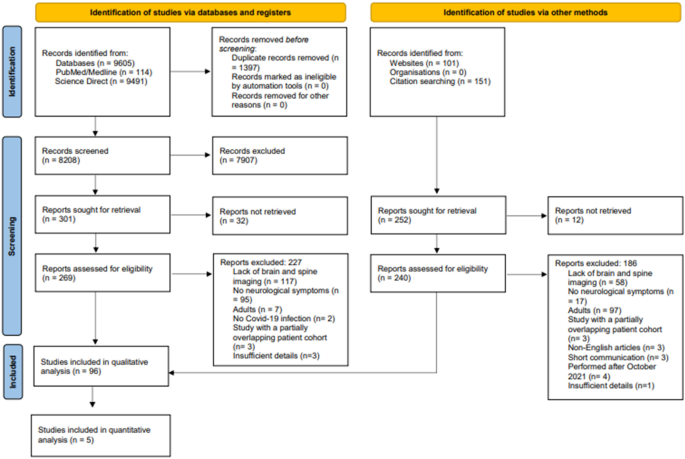
Neuroimaging findings in children with COVID-19 infection: a systematic review and meta-analysis - Scientific Reports The COVID-19 pandemic has impacted individuals differently, and there's been a growing body of evidence pointing to neurological complications caused by the virus. However, our understanding of the range of neurological issues linked to SARS-CoV-2 infection in children is limited. This systematic review and meta-analysis aimed to assess the abnormal neuroimaging findings in pediatric COVID-19 patients, shedding light on this crucial aspect of the disease's impact on children. We conducted an extensive search in the PubMed, Medline, and ScienceDirect databases for observational studies reporting neuroimaging findings of the brain and spinal cord in children with COVID-19 between December 1, 2019, and October 30, 2021. Grey literature sources, including medRxiv and Google Scholar, were also explored. Pooled proportions of abnormal neuroimaging findings, categorized into neurovascular findings, ADEM-like lesions, encephalitic pattern, myelitis, transient splenial lesions, and other anomalies, were calculated using a random-effects model. Between-study heterogeneity was assessed using the χ2 statistic for pooled proportions and the inconsistency index I2. The Quality of the studies was evaluated using the NIH Quality Assessment Tool and the adapted Newcastle–Ottawa Scale. Our search yielded 9,605 articles, with 96 studies (involving 327 pediatric patients) included in the qualitative analysis. Of these, five reports (encompassing 111 patients) underwent quantitative analysis. The pooled proportion of pediatric COVID-19 patients with neurological symptoms and exhibiting abnormal neuroimaging findings was 43.74%. These findings were further categorized into neurovascular findings (8.22%), ADEM-like lesions (7.69%), encephalitic pattern (13.95%), myelitis (4.60%), transient splenial lesions (16.26%), and other abnormalities (12.03%). Insignificant between-study heterogeneity was observed in all categories, and our analysis did not reveal significant publication bias. In conclusion, a substantial proportion of pediatric COVID-19 patients with neurological symptoms have abnormal neuroimaging findings, underscoring the need for vigilant monitoring of neurological complications in this vulnerable population. Standardized reporting and long-term follow-up studies are essential to fully understand the implications of these findings. Collaborative research efforts will deepen our understanding of COVID-19's neurological dimensions in children and enhance clinical care for this population. nature.com

@vipintukur - Vipin M. Vashishtha

A new research underscores how much more we have to learn about what SAR-CoV-2 virus can do to our children, particularly to their brains. The study collected brain scan data from nearly 2 years’ worth of scientific literature to try to summarize what we know so far. 1/

@_CatintheHat - Cat in the Hat 🐈‍⬛ 🎩 🇬🇧

5. Another recent study (published 22 Feb 2024) used dynamic contrast-enhanced MRI scans to demonstrate how Covid can disrupt the blood brain barrier, the shield that protects the nervous system making it ‘leaky’. 🔗 https://www.nature.com/articles/s41593-024-01576-9

Blood–brain barrier disruption and sustained systemic inflammation in individuals with long COVID-associated cognitive impairment - Nature Neuroscience Vascular disruption has been implicated in coronavirus disease 2019 (COVID-19) pathogenesis and may predispose to the neurological sequelae associated with long COVID, yet it is unclear how blood–brain barrier (BBB) function is affected in these conditions. Here we show that BBB disruption is evident during acute infection and in patients with long COVID with cognitive impairment, commonly referred to as brain fog. Using dynamic contrast-enhanced magnetic resonance imaging, we show BBB disruption in patients with long COVID-associated brain fog. Transcriptomic analysis of peripheral blood mononuclear cells revealed dysregulation of the coagulation system and a dampened adaptive immune response in individuals with brain fog. Accordingly, peripheral blood mononuclear cells showed increased adhesion to human brain endothelial cells in vitro, while exposure of brain endothelial cells to serum from patients with long COVID induced expression of inflammatory markers. Together, our data suggest that sustained systemic inflammation and persistent localized BBB dysfunction is a key feature of long COVID-associated brain fog. Long COVID is a major public health issue since 2020 and exhibits frequent neurological symptoms. Greene et al. propose that brain fog results from leaky brain blood vessels and a hyperactive immune system, shedding light on this phenomenon. nature.com

@_CatintheHat - Cat in the Hat 🐈‍⬛ 🎩 🇬🇧

(5. Continued) “Blood brain barrier disruption” may sound rather complex so here’s a brilliant video from @LolaGerms which helps explain the findings of that paper and translates exactly what it all means for you and your brain 🧠

Video Transcript AI Summary
The blood brain barrier is a protective membrane that controls what enters the brain. COVID-19 can disrupt this barrier, leading to brain damage and cognitive impairment even in mild cases. Studies on infected individuals show brain shrinkage, cognitive decline, and potential long-term consequences like dementia. Animal studies suggest that even asymptomatic cases may have brain damage that could lead to severe neurological disorders. To prevent further harm, it's crucial to reduce infections by wearing masks and improving air quality. The current trajectory of repeated infections with a brain-damaging virus is unsustainable, and we must prioritize stopping the spread of COVID-19.
Full Transcript
Speaker 0: I'm going to teach you about the blood brain barrier, what happens when it goes wrong, and why you should care. Speaker 1: The blood brain barrier is a selectively permeable membrane that filters the blood entering and exiting the roughly 3 pounds of grayish Jell O that is your mind. Selectively permeable means the BBB only lets through certain substances like oxygen and carbon dioxide necessary for your cells to breathe or the glucose, AKA sugar, which is your brain's main fuel. Yummy. Not on the guest list are viruses and bacteria, which is why brain infections are considered rare, but not impossible. And most drugs including antibiotics which is why brain infections are so hard to treat when they happen. 3 substances that have no problem crossing the BBB are ethanol, that's alcohol, caffeine, and nicotine which explains a lot about people. But these 3 are not the only things messing with brains around the world on the daily. Some willow viruses with bad reputations can disrupt and even break through the blood brain barrier and cause major problems. 1 of those is human immunodeficiency virus or HIV. Statistically, you probably aren't living with HIV, but you likely have a much closer relationship with the newest brain bothering virus in town, SARS CoV 2. Yes. That's right. The virus that causes COVID 19. It can disrupt the blood brain barrier, making it harder for your body to control what's coming in and out of your brain. You can also break through the BBB and set up shop in your head. Even if the virus doesn't infect your brain directly, it has a lot of different ways to trick your body into attacking your brain, aka neuroinflammation. And scientists have seen the results of this damage firsthand in study after study. It turns out that COVID messing with the brain is not rare. It's actually more like the norm. Hey. I know what you're thinking. Speaker 2: But I had that, and I'm fine. Speaker 1: It pleases me to hear that. I hope you keep feeling fine, but the research makes me concerned about the future. It turns out that a single case of COVID 19, including mild or asymptomatic COVID, can do a lot of damage regardless of whether someone feels fine. And these effects are likely cumulative, which means this is not a 1 and done thing. It's an each infection is an increased risk thing. Since you're scientifically minded, you'll stay a moment longer so I can share what I've learned. Right? Okay. Great. 1st, let's talk about the damage that COVID can cause even if your initial infection is mild or you're feeling fine. A UK study from 2022 compared a huge number of people's brain scans from before and after their infections, and their brains actually shrink. It turns out that your brain shrinking is a normal part of aging, and people lose point 2 to point 3 percent of their brain volume per year as they get older. However, these study participants lost an additional point to to 2% of their brain volume, which is, in the best case, an extra year of brain aging from a single COVID infection, and in the worst case, a decade of brain aging from 1 infection. These results remained even when they removed the few patients who were hospitalized. So mild COVID can shrink your brain. The shrinkage was concentrated near the primary olfactory cortex, aka the smell zone. You ever heard someone say that scents are associated with strong memories because the memory part of the brain and the smell part of the brain are near each other? Well, that's true, and it's cause for concern. The authors of this study actually said that their results raised the possibility that longer term consequences of SARS CoV 2 infection might in time contribute to Alzheimer's disease or other forms of dementia. No wonder that a few months after this study was published, a prominent American neuroscientist from the University of Chicago published an article saying that the data coming out of studies like these suggest a wave of post COVID dementia in the coming decades, and that there is a pressing need for long term studies of people who have recovered from mild COVID. But that's from 2022. So what have we learned since then? A Brazilian study just published in 2024 looked at people who had a confirmed mild infection approximately 80 to 90 days earlier. Researchers only chose subjects with no history of anxiety or depression before or after infection to make sure that any abnormalities they noticed couldn't be due to mental health concerns. The subjects had their cognitive abilities assessed by the researchers, which means a bunch of tasks, like seeing how well you remember a short story, checking how many animals you can name in a minute, or how well you can copy 1 of these weirdo drawings. The researchers also took detailed scans of the subjects' brains and compared them to people who had never been infected. The results? The people who were mildly infected a few months earlier showed cognitive impairment, meaning they did not perform as well on the silly tests as they should have, and their MRIs showed microstructural abnormalities in their white matter, AKA there was something weird going on in the tissue that connects the different parts of the brain and allows them to communicate. The researchers had this to say, the longitudinal analyses will clarify whether these alterations are temporary or permanent, which is scientists speak for, we don't know if this damage is permanent. Only time will tell. Not great. Another study just published compared the cognitive speed of long COVID patients to people who were infected previously but didn't have long COVID to people who had never been infected in both the UK and Germany. Participants did a very boring activity designed to test how fast they can react and think and how long they can pay attention. You can actually try it online yourself if you want to. Their results were classified as normal, moderately impaired, or severely impaired in their reaction times. Only 4% of the no infection group showed severely impaired reaction times, but the number was 53.5 percent of the long COVID patients. According to the researchers, there's no way other conditions like trauma or sleep problems could cause such an extent of severe impairment in the long COVID group. This means that there is something going wrong in people with long COVID's brains causing this impairment. But what about the group of people that had previous infections but no long COVID? If the virus wasn't damaging a lot of people's brains, we would expect this group to have about the same rate of severe impairment as the new infection group, 4%. But this group showed 19.4% severely impaired reaction speed, almost 5 times the rate of the no infection group, and nearly a 5th of the previously infected people without long COVID, which would suggest that there are a lot of people out there who do not identify as currently having long COVID whose thinking abilities have nonetheless been severely impacted due to some sort of underlying change in the brain. Speaker 2: So what's going on? Are you saying that I might have brain damage that could be affecting me now or lead to dementia in the future, and I don't know it? Speaker 1: Unfortunately, yes. So there are limits to how much we can find out for sure about what COVID does to the human brain now because of ethics. But it's easier for scientists to see damage up close in animal brains because, you know, they're allowed to In a Korean study last year, researchers gave COVID to dogs and then let those dogs infect other dogs because there are actually striking similarities in the structure of human and canine brains and how we process information. So looking into dog brains can give us insight into our own. None of the dogs in the study displayed any symptoms of COVID, either respiratory or neurological. However, when the scientists checked under the hood, things were not okay. All of the dogs had brain damage. The virus was getting into the brain early in the infection and leading to a chain response of unhealthy changes that are the same sorts of changes documented in the super early phases of neurodegenerative diseases like Alzheimer's. The researchers say that their evidence strongly suggests that even asymptomatic SARS CoV 2 patients might have neuropathologic changes in their brains, which could develop into severe neurologic disorders later in life. And they're talking about people here, not dogs. All of these studies added together paint a picture that is really not good. Even if in the best case scenario, these changes the virus causes to the brain are temporary. They can heal on their own eventually. That doesn't help if we all keep getting infected 2 or 3 times a year because your brain and body will never get the chance to heal fully. That doesn't mean things are hopeless though. We can stop the spread of this virus by wearing high quality masks now and updating our infrastructure with technology that can clean air in the long term. We also need to stop forcing people to go to work and school when they're sick because all of the cutting edge research into the way this virus harms every part of our bodies shows that our current trajectory is unsustainable, and we all deserve better than getting repeatedly infected with a brain damaging virus. Our best chance for healing involves minimizing the number of infections we get by stopping the spread of SARS CoV 2. In conclusion, thanks for coming to my presentation. If you still wanna know more about the possible specific mechanisms of SARS CoV 2 induced pathologic changes with BBB and the brain, let me know in the comments, and I will make a follow-up which goes into that more specifically.

@1goodtern - tern

This video from @LolaGerms is just flat out awesome and essential viewing. Like, share, and follow 🧠🔥 👇

Video Transcript AI Summary
The blood brain barrier is a protective filter that allows essential substances into the brain while keeping out harmful ones. COVID-19 can disrupt this barrier, leading to brain damage and cognitive issues even in mild cases. Studies show brain shrinkage, cognitive impairment, and potential long-term effects on memory and thinking abilities. Research on dogs suggests that even asymptomatic cases of COVID-19 can cause brain damage similar to early signs of Alzheimer's. Preventing the spread of the virus through measures like wearing masks is crucial to avoid repeated infections and potential long-term brain damage.
Full Transcript
Speaker 0: I'm going to teach you about the blood brain barrier, what happens when it goes wrong, and why you should care. Speaker 1: The blood brain barrier is a selectively permeable membrane that filters the blood entering and exiting the roughly 3 pounds of grayish Jell O that is your mind. Selectively permeable means the BBB only lets through certain substances like oxygen and carbon dioxide necessary for your cells to breathe or the glucose, AKA sugar, which is your brain's main fuel. Yummy. Not on the guest list are viruses and bacteria, which is why brain infections are considered rare, but not impossible. And most drugs including antibiotics which is why brain infections are so hard to treat when they happen. 3 substances that have no problem crossing the BBB are ethanol, that's alcohol, caffeine, and nicotine which explains a lot about people. But these 3 are not the only things messing with brains around the world on the daily. Some willow viruses with bad reputations can disrupt and even break through the blood brain barrier and cause major problems. 1 of those is human immunodeficiency virus or HIV. Statistically, you probably aren't living with HIV, but you likely have a much closer relationship with the newest brain bothering virus in town, SARS CoV 2. Yes. That's right. The virus that causes COVID 19. It can disrupt the blood brain barrier, making it harder for your body to control what's coming in and out of your brain. You can also break through the BBB and set up shop in your head. Even if the virus doesn't infect your brain directly, it has a lot of different ways to trick your body into attacking your brain, aka neuroinflammation. And scientists have seen the results of this damage firsthand in study after study. It turns out that COVID messing with the brain is not rare. It's actually more like the norm. Hey. I know what you're thinking. Speaker 2: But I had that, and I'm fine. Speaker 1: It pleases me to hear that. I hope you keep feeling fine, but the research makes me concerned about the future. It turns out that a single case of COVID 19, including mild or asymptomatic COVID, can do a lot of damage regardless of whether someone feels fine. And these effects are likely cumulative, which means this is not a 1 and done thing. It's an each infection is an increased risk thing. Since you're scientifically minded, you'll stay a moment longer so I can share what I've learned. Right? Okay. Great. 1st, let's talk about the damage that COVID can cause even if your initial infection is mild or you're feeling fine. A UK study from 2022 compared a huge number of people's brain scans from before and after their infections, and their brains actually shrink. It turns out that your brain shrinking is a normal part of aging, and people lose point 2 to point 3 percent of their brain volume per year as they get older. However, these study participants lost an additional point to to 2% of their brain volume, which is, in the best case, an extra year of brain aging from a single COVID infection, and in the worst case, a decade of brain aging from 1 infection. These results remained even when they removed the few patients who were hospitalized. So mild COVID can shrink your brain. The shrinkage was concentrated near the primary olfactory cortex, aka the smell zone. You ever heard someone say that scents are associated with strong memories because the memory part of the brain and the smell part of the brain are near each other? Well, that's true, and it's cause for concern. The authors of this study actually said that their results raised the possibility that longer term consequences of SARS CoV 2 infection might in time contribute to Alzheimer's disease or other forms of dementia. No wonder that a few months after this study was published, a prominent American neuroscientist from the University of Chicago published an article saying that the data coming out of studies like these suggest a wave of post COVID dementia in the coming decades, and that there is a pressing need for long term studies of people who have recovered from mild COVID. But that's from 2022. So what have we learned since then? A Brazilian study just published in 2024 looked at people who had a confirmed mild infection approximately 80 to 90 days earlier. Researchers only chose subjects with no history of anxiety or depression before or after infection to make sure that any abnormalities they noticed couldn't be due to mental health concerns. The subjects had their cognitive abilities assessed by the researchers, which means a bunch of tasks, like seeing how well you remember a short story, checking how many animals you can name in a minute, or how well you can copy 1 of these weirdo drawings. The researchers also took detailed scans of the subjects' brains and compared them to people who had never been infected. The results? The people who were mildly infected a few months earlier showed cognitive impairment, meaning they did not perform as well on the silly tests as they should have, and their MRIs showed microstructural abnormalities in their white matter, AKA there was something weird going on in the tissue that connects the different parts of the brain and allows them to communicate. The researchers had this to say, the longitudinal analyses will clarify whether these alterations are temporary or permanent, which is scientists speak for, we don't know if this damage is permanent. Only time will tell. Not great. Another study just published compared the cognitive speed of long COVID patients to people who were infected previously but didn't have long COVID to people who had never been infected in both the UK and Germany. Participants did a very boring activity designed to test how fast they can react and think and how long they can pay attention. You can actually try it online yourself if you want to. Their results were classified as normal, moderately impaired, or severely impaired in their reaction times. Only 4% of the no infection group showed severely impaired reaction times, but the number was 53.5 percent of the long COVID patients. According to the researchers, there's no way other conditions like trauma or sleep problems could cause such an extent of severe impairment in the long COVID group. This means that there is something going wrong in people with long COVID's brains causing this impairment. But what about the group of people that had previous infections but no long COVID? If the virus wasn't damaging a lot of people's brains, we would expect this group to have about the same rate of severe impairment as the new infection group, 4%. But this group showed 19.4% severely impaired reaction speed, almost 5 times the rate of the no infection group, and nearly a 5th of the previously infected people without long COVID, which would suggest that there are a lot of people out there who do not identify as currently having long COVID whose thinking abilities have nonetheless been severely impacted due to some sort of underlying change in the brain. Speaker 2: So what's going on? Are you saying that I might have brain damage that could be affecting me now or lead to dementia in the future, and I don't know it? Speaker 1: Unfortunately, yes. So there are limits to how much we can find out for sure about what COVID does to the human brain now because of ethics. But it's easier for scientists to see damage up close in animal brains because, you know, they're allowed to In a Korean study last year, researchers gave COVID to dogs and then let those dogs infect other dogs because there are actually striking similarities in the structure of human and canine brains and how we process information. So looking into dog brains can give us insight into our own. None of the dogs in the study displayed any symptoms of COVID, either respiratory or neurological. However, when the scientists checked under the hood, things were not okay. All of the dogs had brain damage. The virus was getting into the brain early in the infection and leading to a chain response of unhealthy changes that are the same sorts of changes documented in the super early phases of neurodegenerative diseases like Alzheimer's. The researchers say that their evidence strongly suggests that even asymptomatic SARS CoV 2 patients might have neuropathologic changes in their brains, which could develop into severe neurologic disorders later in life. And they're talking about people here, not dogs. All of these studies added together paint a picture that is really not good. Even if in the best case scenario, these changes the virus causes to the brain are temporary. They can heal on their own eventually. That doesn't help if we all keep getting infected 2 or 3 times a year because your brain and body will never get the chance to heal fully. That doesn't mean things are hopeless though. We can stop the spread of this virus by wearing high quality masks now and updating our infrastructure with technology that can clean air in the long term. We also need to stop forcing people to go to work and school when they're sick because all of the cutting edge research into the way this virus harms every part of our bodies shows that our current trajectory is unsustainable, and we all deserve better than getting repeatedly infected with a brain damaging virus. Our best chance for healing involves minimizing the number of infections we get by stopping the spread of SARS CoV 2. In conclusion, thanks for coming to my presentation. If you still wanna know more about the possible specific mechanisms of SARS CoV 2 induced pathologic changes with BBB and the brain, let me know in the comments, and I will make a follow-up which goes into that more specifically.

@_CatintheHat - Cat in the Hat 🐈‍⬛ 🎩 🇬🇧

6. This article was published on 1 February 2024 in the British Medical Journal (BMJ). It reviews some of the latest research on cognitive problems following Covid infection and includes some impactful quotes from patient members of the LOCOMOTION study. https://bmj.com/content/384/bmj-2023-075387

Cognitive dysfunction after covid-19 ### What you need to know As of March 2023, when the Office for National Statistics stopped collecting data on this condition, 1.879 million individuals had self-assessed as having long covid—symptoms lasting more than 12 weeks following acute covid-19 infection. Of these, the proportion of individuals with symptoms lasting two years or more is around 42%, suggesting a decline in new cases of long covid but a persistence of those with ongoing symptoms.1 Some systematic reviews and meta-analyses have reported that up to a third of such individuals have persistent symptoms of cognitive impairment,23 but estimates vary widely and are complicated by methodological heterogeneity—eg, study size, assessment approach, follow-up duration, and different sampling frames (from self-reported surveys4 to large retrospective matched cohort studies of health records5), as discussed in a recent meta-analysis.6 The pathological underpinnings and potential therapeutic possibilities for cognitive impairment in long covid are also uncertain. The bulk of evidence to date is mechanistic (using basic science, animal models, or human tissue), observational (using longitudinal cohort studies), or hypothetical (reasoning from basic principles); this literature has been well summarised by the RECOVER Consortium.7 Because of the methodological heterogeneity, even when individual studies have been rigorously conducted, it is difficult to know to what extent their findings can be extrapolated and generalised across those with long covid. A few randomised controlled trials of potential treatments (pharmacological and non-pharmacological) … bmj.com

@_CatintheHat - Cat in the Hat 🐈‍⬛ 🎩 🇬🇧

7. In this SciAm article (published Feb 2023), @SutherlandPhD discusses the various long-term neurological aspects of Covid. She spent a year compiling evidence from an ever-increasing mountain of sources to write this detailed feature. 🔗 https://scientificamerican.com/article/long-covid-now-looks-like-a-neurological-disease-helping-doctors-to-focus-treatments1/

Long COVID Now Looks like a Neurological Disease, Helping Doctors to Focus Treatments The causes of long COVID, which disables millions, may come together in the brain and nervous system scientificamerican.com

@SutherlandPhD - Stephani Sutherland

A year in the making, my feature for @SciAm is out today: #LongCOVID Now Looks like a #Neurological Disease, Helping Doctors to Focus Treatments - The causes of long #COVID, which disables millions, may come together in the #brain and nervous system. https://www.scientificamerican.com/article/long-covid-now-looks-like-a-neurological-disease-helping-doctors-to-focus-treatments/

Long COVID Now Looks like a Neurological Disease, Helping Doctors to Focus Treatments The causes of long COVID, which disables millions, may come together in the brain and nervous system scientificamerican.com

@_CatintheHat - Cat in the Hat 🐈‍⬛ 🎩 🇬🇧

8. This study (published July 2022) from @michelle_monje & @VirusesImmunity reviews how Covid can affect the brain and discusses possible neurobiological mechanisms which may be causing the cognitive symptoms experienced by Long Covid patients. 🔗 https://www.cell.com/cell/fulltext/S0092-8674(22)00713-9

@michelle_monje - Michelle Monje🎗️

Glad to share this Perspective written with @VirusesImmunity, where we review what is understood about how COVID can affect the brain, discuss the possible neurobiological underpinnings & propose the main mechanisms that may contribute to COVID brain fog🧵https://www.cell.com/neuron/fulltext/S0896-6273(22)00910-2#relatedArticles

@_CatintheHat - Cat in the Hat 🐈‍⬛ 🎩 🇬🇧

9. Here’s one of the authors of that study, Stanford neurologist @michelle_monje, describing how even mild Covid infections may lead to lingering problems with the brain, including brain fog, memory lapses and difficulties focusing. Full video here: 🔗 https://youtu.be/szyHCvtsJ_c

Video Transcript AI Summary
Inflammation in the brain from COVID can lead to long-term cognitive issues. The high levels of inflammation seen in even mild cases of COVID worried me about a potential neurological crisis. The rates of lasting cognitive symptoms in COVID survivors are concerning. Effective therapy is crucial to help the millions who may suffer from these symptoms.
Full Transcript
Speaker 0: Inflammation in the brain can cause dysregulation of a number of different cell types and have lasting consequences to cognitive function. Understanding that when the pandemic struck and we saw how profoundly immunogenic, how profoundly inflammatory, even relatively mild cases of COVID could be. I really worried about a neurological health crisis. And I think we're watching that unfold right now. The rates of persistent cognitive symptoms in people who have recovered from COVID, is is frankly alarming. We need to understand how to intervene and offer effective therapy, or there are going to be just millions of people suffering with these persistent cognitive symptoms.

@_CatintheHat - Cat in the Hat 🐈‍⬛ 🎩 🇬🇧

10. This fascinating study from Brazil (published June 2022) found that 1 in 4 participants who had experienced a mild Covid infection demonstrated persistent cognitive deficits. 🔗 https://nature.com/articles/s41380-022-01632-5

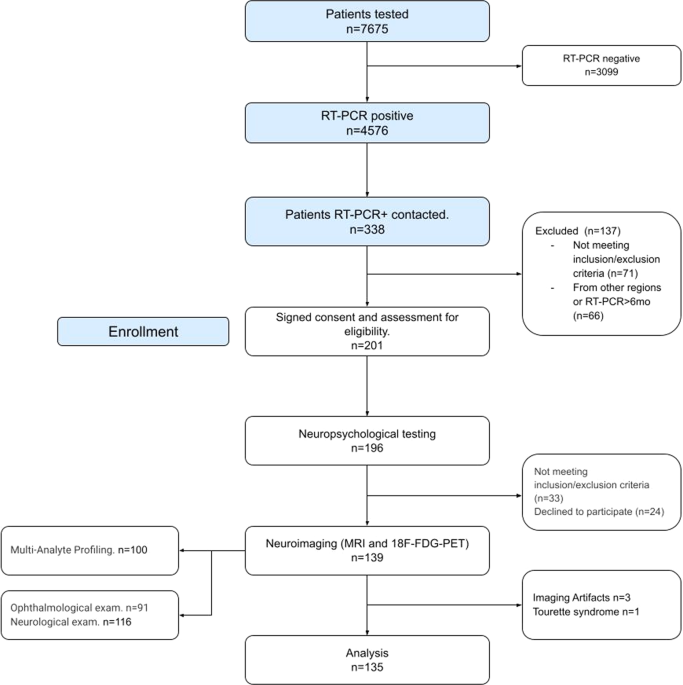
Selective visuoconstructional impairment following mild COVID-19 with inflammatory and neuroimaging correlation findings - Molecular Psychiatry People recovered from COVID-19 may still present complications including respiratory and neurological sequelae. In other viral infections, cognitive impairment occurs due to brain damage or dysfunction caused by vascular lesions and inflammatory processes. Persistent cognitive impairment compromises daily activities and psychosocial adaptation. Some level of neurological and psychiatric consequences were expected and described in severe cases of COVID-19. However, it is debatable whether neuropsychiatric complications are related to COVID-19 or to unfoldings from a severe infection. Nevertheless, the majority of cases recorded worldwide were mild to moderate self-limited illness in non-hospitalized people. Thus, it is important to understand what are the implications of mild COVID-19, which is the largest and understudied pool of COVID-19 cases. We aimed to investigate adults at least four months after recovering from mild COVID-19, which were assessed by neuropsychological, ocular and neurological tests, immune markers assay, and by structural MRI and 18FDG-PET neuroimaging to shed light on putative brain changes and clinical correlations. In approximately one-quarter of mild-COVID-19 individuals, we detected a specific visuoconstructive deficit, which was associated with changes in molecular and structural brain imaging, and correlated with upregulation of peripheral immune markers. Our findings provide evidence of neuroinflammatory burden causing cognitive deficit, in an already large and growing fraction of the world population. While living with a multitude of mild COVID-19 cases, action is required for a more comprehensive assessment and follow-up of the cognitive impairment, allowing to better understand symptom persistence and the necessity of rehabilitation of the affected individuals. nature.com

@_CatintheHat - Cat in the Hat 🐈‍⬛ 🎩 🇬🇧

(10. Continued) One of the tests in this study required participants to copy a complex geometric figure in order to evaluate cognitive functions such as fine-motor coordination, concentration, visuospatial perception & spatial orientation. 25% failed this test.

@_CatintheHat - Cat in the Hat 🐈‍⬛ 🎩 🇬🇧

(10. Continued) When researchers compared the results of brain scans with the drawings, it became evident that participants who had drawn the bad copies had increased volume of white matter on their MRIs, likely due to inflammation caused by Covid. 🔗 https://brainfacts.org/diseases-and-disorders/covid-19/2023/the-risks-of-even-mild-covid19-1-in-4-showing-cognitive-deficits-011723

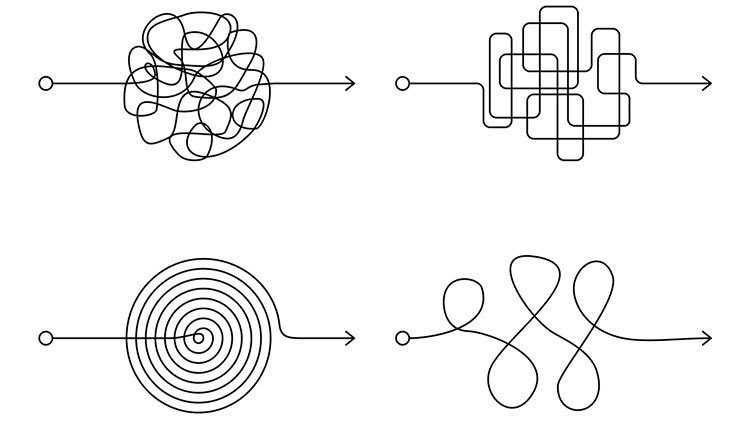
The Risks of Even Mild COVID-19: 1 in 4 Showing Cognitive Deficits After Mild Case, Brazilian Study Finds Even younger people who had mild COVID-19 showed persistent cognitive impairments. brainfacts.org

@_CatintheHat - Cat in the Hat 🐈‍⬛ 🎩 🇬🇧

11. This study (published May 2022) was led by a team of scientists from Cambridge University & Imperial College London. The study showed that the lasting cognitive impacts of Covid could be equivalent to 20 years of ageing and losing 10 IQ points. 🔗 https://imperial.ac.uk/news/236034/lasting-brain-impacts-severe-covid-19-equivalent/

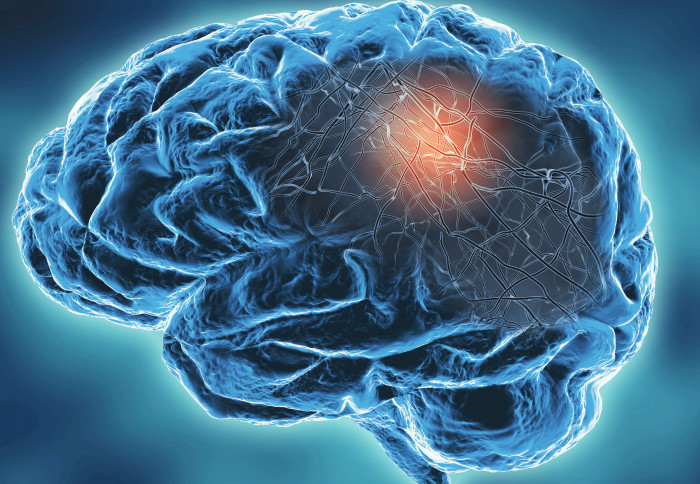
Lasting brain impacts of severe COVID-19 equivalent to 20 years of ageing | Imperial News | Imperial College London BRAIN DRAIN - The lasting mental impacts of severe COVID-19 on areas like memory, attention, or problem solving, may be equivalent to 20 years of ageing. imperial.ac.uk

@_CatintheHat - Cat in the Hat 🐈‍⬛ 🎩 🇬🇧

12. In this study (March 2022), researchers from Oxford Uni analysed MRI brain scans taken BEFORE & AFTER Covid infection from participants in the UK Biobank study. Scans revealed that even mild Covid is associated with brain structure alterations. 🔗 https://nature.com/articles/s4158

Nature - Not Found nature.com

@_CatintheHat - Cat in the Hat 🐈‍⬛ 🎩 🇬🇧

(12. Continued) This article in the Guardian reviewed the findings of that Oxford Uni Biobank study. “Those who tested positive for Covid had greater overall brain shrinkage and more grey matter shrinkage, particularly in areas linked to smell”. https://amp.theguardian.com/world/2022/mar/07/covid-can-shrink-brain-and-damage-its-tissue-finds-research

Covid can shrink brain and damage its tissue, finds research Worst effect on region linked to smell, while infected people typically scored lower on mental skills test amp.theguardian.com

@_CatintheHat - Cat in the Hat 🐈‍⬛ 🎩 🇬🇧

13. This study from Canada (published in May 2023) found elevated levels of inflammation in the brains of people with Long Covid. Researchers found that inflammation was present even in the brains of those who experienced a mild Covid infection. 🔗 https://watermark.silverchair.com/jamapsychiatry_braga_2023_oi_230033_1690301850.66494.pdf

@_CatintheHat - Cat in the Hat 🐈‍⬛ 🎩 🇬🇧

14. This article in Science discusses the putative neuropathogenic consequences of Covid  “Maladies such as impaired concentration, headache, sensory disturbances, depression, and even psychosis may persist for months after infection.” 🔗 https://science.org/doi/10.1126/science.abm2052

@_CatintheHat - Cat in the Hat 🐈‍⬛ 🎩 🇬🇧

15. In this study (published June 2023), researchers at The University of Queensland showed how Covid infection can cause brain cells to fuse, initiating malfunctions that lead to chronic neurological symptoms. 🔗 https://www.science.org/doi/10.1126/sciadv.adg2248

@_CatintheHat - Cat in the Hat 🐈‍⬛ 🎩 🇬🇧

(15. Continued) In the video below, the authors of the paper explain more about how their study was conducted using ‘mini brains’ created from stem cells to mimic the cells in the brain. “In 10% of experimental conditions, neuronal activity completely stopped.”

Video Transcript AI Summary
Researchers at Macquarie University discovered that the COVID-19 virus causes brain cells to malfunction, leading to symptoms like loss of smell and brain fog. They used mini brains made from human stem cells to mimic brain activity. The mini brains were infected with the virus at the Queensland Brain Institute, showing fused cells where the virus hides. In some cases, neuronal activity stopped completely.
Full Transcript
Speaker 0: Down the hallway at Macquarie Uni, his fellow researchers think they know why. They have discovered the COVID 19 virus confused brain cells together, causing them to malfunction or stop working. Speaker 1: It could explain some of the neurological symptoms that have been associated with COVID, like loss of smell or brain Speaker 0: fog. So how did they do it? They created mini brains. This is them, tiny white spots created from human stem cells. Speaker 1: It's really exciting because I think we are really closely mimicking what we see in in in the brain. Speaker 0: There's another remarkable strand to this story. After the mini brain was created here at Macquarie University. It was transported by plane from Sydney to Brisbane and there researchers with the Queensland Brain Institute infected the mini brain with the COVID virus. In the pink normal cells, but in yellow, a mass of fused cells. The COVID virus hides behind, evading the body's immune system. Speaker 1: In 10% of the experimental conditions, the neuronal activity completely stopped.

@_CatintheHat - Cat in the Hat 🐈‍⬛ 🎩 🇬🇧

16. The scary thing is that we’ve known about Covid’s ability to fuse brain cells for years. This video from 2021 shows Covid cells (in red) invading the brain of a bat. After being infected, the brain cells begin to fuse with nearby cells until the entire mass bursts and dies.

@nytimes - The New York Times

Watch how the coronavirus nefariously infiltrates the cells of a bat brain in this video, taken by Sophie-Marie Aicher and Delphine Planas, which received an honorable mention in the 2021 Nikon Small World in Motion Competition. https://nyti.ms/3j6yh0g

A microscopic video shows the coronavirus on the rampage. (Published 2021) Inside a bat’s brain, the pathogen destroys cells, but not before it forces them to build more invaders. nytimes.com

@_CatintheHat - Cat in the Hat 🐈‍⬛ 🎩 🇬🇧

17. This video, also from 2021, was created by researchers at the Pasteur Institute in Paris. Again it shows how the Covid virus can cause infected cells fuse with neighbouring cells, forming large multi-nucleated cells. 🔗 https://nanolive.ch/sars-cov-2-covid-infection/

Nanolive imaging suggests that cell-cell fusion could play a key role in the SARS-CoV-2 infection process The video on the right (images acquired every 10 mins for 20 h), shows the shocking impact that SARS-CoV-2 has on cell fate. Infected cells fuse with neighbouring cells, forming large multi-nucleated cells; a process known as syncytia formation. nanolive.ch

@_CatintheHat - Cat in the Hat 🐈‍⬛ 🎩 🇬🇧

18. This video actually dates back to before the Covid era (2018). In it, Jarred Younger PhD provides a detailed explanation of how inflammatory responses within your brain can cause symptoms like depression, anxiety, fatigue & cognitive dysfunction.

@_CatintheHat - Cat in the Hat 🐈‍⬛ 🎩 🇬🇧

19. This huge study (published in Sept 2022) by Dr @zalaly analysed the neurologic outcomes of Covid infection at 1 year of 150k people vs 11m controls. Results showed that those infected with Covid had a significantly higher risk of brain disorders. 🔗 https://nature.com/articles/s41591-022-02001-z

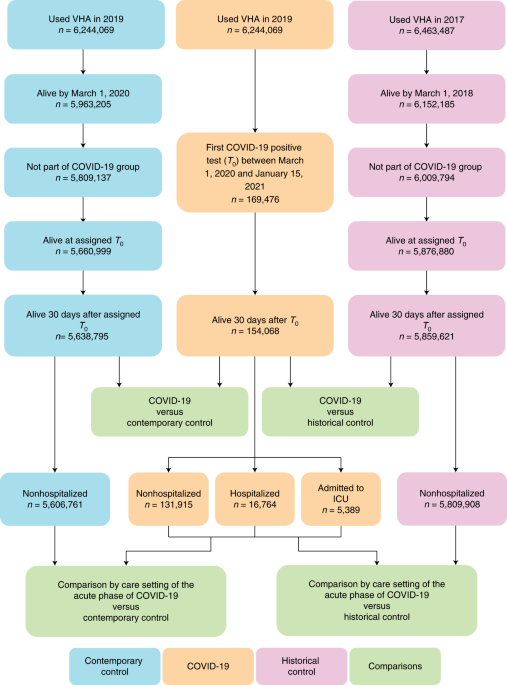
Long-term neurologic outcomes of COVID-19 - Nature Medicine The neurologic manifestations of acute COVID-19 are well characterized, but a comprehensive evaluation of postacute neurologic sequelae at 1 year has not been undertaken. Here we use the national healthcare databases of the US Department of Veterans Affairs to build a cohort of 154,068 individuals with COVID-19, 5,638,795 contemporary controls and 5,859,621 historical controls; we use inverse probability weighting to balance the cohorts, and estimate risks and burdens of incident neurologic disorders at 12 months following acute SARS-CoV-2 infection. Our results show that in the postacute phase of COVID-19, there was increased risk of an array of incident neurologic sequelae including ischemic and hemorrhagic stroke, cognition and memory disorders, peripheral nervous system disorders, episodic disorders (for example, migraine and seizures), extrapyramidal and movement disorders, mental health disorders, musculoskeletal disorders, sensory disorders, Guillain–Barré syndrome, and encephalitis or encephalopathy. We estimated that the hazard ratio of any neurologic sequela was 1.42 (95% confidence intervals 1.38, 1.47) and burden 70.69 (95% confidence intervals 63.54, 78.01) per 1,000 persons at 12 months. The risks and burdens were elevated even in people who did not require hospitalization during acute COVID-19. Limitations include a cohort comprising mostly White males. Taken together, our results provide evidence of increased risk of long-term neurologic disorders in people who had COVID-19. Individuals with COVID-19 are at an increased risk for an array of neurologic disorders at 12 months, even in those who were not hospitalized during the acute phase of the infection. nature.com

@_CatintheHat - Cat in the Hat 🐈‍⬛ 🎩 🇬🇧

@zalaly 20. This is a succinct summary from the Editor in Chief of the Harvard Health Letter (published March 2023): “When the pandemic started in early 2020, doctors didn't know much yet about COVID & did not think it affected the brain. Boy, were we WRONG!” 🔗 https://health.harvard.edu/mind-and-mood/does-covid-19-damage-the-brain

Does COVID-19 damage the brain? - Harvard Health Most people who get COVID-19 don't suffer damage to the brain. But some do, and even people who initially get just mild COVID symptoms are vulnerable. COVID's potential to damage the brain is another reason to do everything possible to avoid getting the disease. health.harvard.edu

@_CatintheHat - Cat in the Hat 🐈‍⬛ 🎩 🇬🇧

21. This study (Oct 2022) used high-res microscopy to investigate Covid’s effect on the brain in monkeys. 7 days post-infection, SARS-CoV-2 was detected in the olfactory cortex & connected areas, accompanied by neuroinflammation & neuronal damage. 🔗 https://www.sciencedirect.com/science/article/pii/S2211124722014346

SARS-CoV-2 infects neurons and induces neuroinflammation in a non-human primate model of COVID-19 Severe acute respiratory syndrome coronavirus 2 (SARS-CoV-2), the etiologic agent of coronavirus disease 2019 (COVID-19), can induce a plethora of neu… sciencedirect.com

@DaniBeckman - Danielle Beckman

Myelin and Covid I often post high-magnification photos, so sometimes it is hard (even for me in the microscope) to have an idea of the big picture of the damage that a microorganism like #SARSCoV2 can cause in the brain. The photos below are a comparison of the same region in the brain, with staining for degraded myelin only (dgMBP, 🟢), activated microglia (HLA-Dr, 🔴), and nuclei (dapi, 🔵). If the virus is able to infect neurons, like we think SARS-CoV-2 is, we often see a faster viral spread by using axonal transport. The virus basically hijacks the neuronal machinery for fast neural propagation and uses it to spread viral particles faster and to more brain regions. Viruses can destroy the axons; consequently, the myelin surrounding it shifts from healthy to degraded. It is suggested that such degenerative changes lead to cognitive decline because they cause changes in conduction velocity, disrupting neuronal circuits and contributing to neuronal loss. But besides that, we see that degraded myelin only attracts more activated microglia for the region, contributing to more neuroinflammatory responses in this region and others. But we also see that it is really hard to keep these events contained only to the olfactory cortex. I strongly believe all these neuroinflammatory responses contribute to "brain fog" and #LongCovid. These processes can start very fast but can be very slow for the brain's immune system to clean up the mess after it. #neuroscience #CovidIsntOver

@_CatintheHat - Cat in the Hat 🐈‍⬛ 🎩 🇬🇧

22. The study below (published in May 2022) investigated mental health symptoms amongst children suffering from Long Covid. 54.7% of children diagnosed with Long Covid had AT LEAST 3 mental health issues reported by their parents. 🔗 https://www.futuremedicine.com/doi/epub/10.2217/fmb-2021-0285

@_CatintheHat - Cat in the Hat 🐈‍⬛ 🎩 🇬🇧

23. A state-of-the-art narrative review (published Feb 2024) provides a summary of our current knowledge about Long Covid in children. Below I’ve zoomed in on the section which describes the linkages between Covid & mental health issues in children. 🔗 https://publications.aap.org/pediatrics/article/153/3/e2023062570/196606/Postacute-Sequelae-of-SARS-CoV-2-in-Children

@_CatintheHat - Cat in the Hat 🐈‍⬛ 🎩 🇬🇧

24. Data from the US Census Bureau (Nov 2023) shows that more Americans (esp. adults aged 20-50) now have problems remembering, concentrating or making decisions than at any time in the last 15 years. Researchers think Long Covid is a major cause. 🔗 https://nytimes.com/2023/11/13/upshot/long-covid-disability.html

Can’t Think, Can’t Remember: More Americans Say They’re in a Cognitive Fog Adults in their 20s, 30s and 40s are driving the trend. Researchers point to long Covid as a major cause. nytimes.com

@_CatintheHat - Cat in the Hat 🐈‍⬛ 🎩 🇬🇧

25. In this study (published Nov 2020), researchers studied linkages between Covid infection & onset of mental health issues. ▪️1 in 5 developed mental illness within 90 days of Covid infection ▪️Anxiety, depression & insomnia were most common issues 🔗 https://www.reuters.com/article/idUSKBN27P34O/

@_CatintheHat - Cat in the Hat 🐈‍⬛ 🎩 🇬🇧

26. An online survey of over 2,000 respondents conducted in the UK in April 2022 found: ▪️Over half (52%) of respondents said their memory had become worse over the past 2 years. ▪️61% said they now lose their train of thought up to 10 times a day. 🔗 https://futureyouhealth.com/knowledge-centre/brain-survey


The Brain Survey | FutureYou Cambridge | FutureYou Cambridge A study by FutureYou Cambridge has found over a third (39%) of people say they experience ‘Brain Fog’ on a regular basis. futureyouhealth.com

@_CatintheHat - Cat in the Hat 🐈‍⬛ 🎩 🇬🇧

27. This article provides a fascinating insight into current research being conducted by neurologists which explores the striking similarities between Long Covid and post-concussion syndrome (‘Long Concussion’). (Links to studies are in the article). https://www.bbc.com/future/article/20240606-how-long-concussion-could-offer-new-insights-into-long-covid

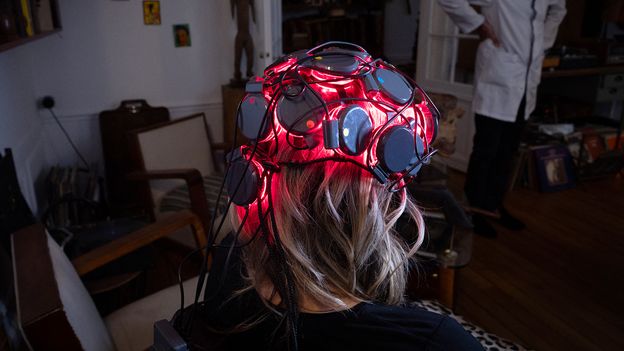
How Long Concussion could offer new insights into Long Covid There are striking parallels between the two syndromes – and scientists hope the link could help to unravel the mysteries of both. bbc.com
Saved - September 28, 2023 at 9:37 PM

@_CatintheHat - Cat in the Hat 🐈‍⬛ 🎩 🇬🇧

ILLNESS IN SCHOOLS, a thread And so it begins… 17 members of staff are off sick with Covid at Uppingham Community College and they’ve been forced to partially close their doors to pupils. https://bbc.co.uk/news/uk-england-leicestershire-66936189.amp


Covid spike forces partial closure of college - BBC News Its principal says 17 teachers have tested positive for the virus and been unable to work. bbc.co.uk
Saved - September 5, 2023 at 8:19 AM
reSee.it AI Summary
The attendance crisis in schools is a pressing issue, but the narrative surrounding it needs clarification. The number of daily new symptomatic Covid cases in the UK is currently higher than ever before. Over 11 million people are estimated to be symptomatic with Covid, and children returning to school will likely worsen the situation. Contrary to previous beliefs, children do spread Covid, with over 70% of household transmissions originating from a child. Illness, not anxiety or truancy, was the primary driver of school attendance problems last year. Ventilation and air filters can significantly reduce the spread of Covid in classrooms. However, the implementation of CO2 monitors and air filters in schools has been inadequate. Rising energy bills and the lack of affordable air filters pose challenges. The focus on improving attendance rates disregards the importance of infection control and the risks children face. Covid is not just a mild cold; it can lead to long-term health issues, including Long Covid. The long-term impacts of repeated Covid infections on children's health are still unknown. It is crucial to protect our children by addressing these issues and ensuring clean indoor air in schools.

@_CatintheHat - Cat in the Hat 🐈‍⬛ 🎩 🇬🇧

CHILDREN & SCHOOLS, a thread 🧵 Rachel de Souza (@ChildrensComm) was on TV yesterday talking about the attendance crisis in schools. The narrative she gave was extremely misleading and it’s disappointing that none of the journalists around that table challenged her on it…

@_CatintheHat - Cat in the Hat 🐈‍⬛ 🎩 🇬🇧

For starters, we are NOT post-pandemic. Right now, the number of daily new symptomatic Covid cases in the UK is HIGHER than at the same time in any other year of the pandemic. In fact, it’s currently even higher than it was during any of the 3 national lockdowns!

@_CatintheHat - Cat in the Hat 🐈‍⬛ 🎩 🇬🇧

Over 1.1 MILLION people are currently estimated to be symptomatic with Covid across the U.K., with over 90,000 daily new cases. And this is BEFORE kids have returned to school, which we know will inevitably make things a whole lot worse.

@_CatintheHat - Cat in the Hat 🐈‍⬛ 🎩 🇬🇧

The government have done their best to convince us all that “children do not spread Covid”, but we now know that this is categorically NOT true. A recent study showed that OVER 70% of household Covid transmissions originated with a child. https://jamanetwork.com/journals/jamanetworkopen/articlepdf/2805468/tseng_2023_oi_230494_1691157120.51387.pdf

@_CatintheHat - Cat in the Hat 🐈‍⬛ 🎩 🇬🇧

As a result of the ongoing high levels of Covid, it’s hardly surprising that the primary driver of school attendance problems last academic year was ILLNESS. Please note, this is not my personal interpretation; it’s clearly stated in black & white on the government website…

@_CatintheHat - Cat in the Hat 🐈‍⬛ 🎩 🇬🇧

The truth is that our children have been hammered by continually high rates of sickness, particularly last Autumn & Winter… By the end of last Autumn term, absence rates purely due to illness peaked at a whopping 9.2%.

@_CatintheHat - Cat in the Hat 🐈‍⬛ 🎩 🇬🇧

Let’s dive a little deeper into these absence figures for last Autumn term since it was, quite frankly, an unmitigated disaster. It may also be a predictor of what lies ahead for *this* Autumn term. Thankfully the government have already done the analysis for me…

@_CatintheHat - Cat in the Hat 🐈‍⬛ 🎩 🇬🇧

Government analysis shows that, last Autumn term: 📍Overall Absence Rate: 7.5% 📍60% of these absences were due to ILLNESS. 📍This high level of illness absence was not unexpected since it was in line with high rates of circulating respiratory illnesses at the time.

@_CatintheHat - Cat in the Hat 🐈‍⬛ 🎩 🇬🇧

Another measure we can look at is Persistent Absence: the number of children who have missed 10% or more sessions. Government analysis shows that, last Autumn term: 📍Persistent Absence Rate: 24.2%. That’s A QUARTER of pupils! 📍Again, this was mainly driven by ILLNESS.

@_CatintheHat - Cat in the Hat 🐈‍⬛ 🎩 🇬🇧

So why does the whole narrative around the attendance crisis focus on blaming ‘anxiety’ & ‘truancy’? Attendance is a complex problem with many underlying causes and these may well be part of the problem. I’m not denying this. But they’re NOT the main drivers. Illness is.

@_CatintheHat - Cat in the Hat 🐈‍⬛ 🎩 🇬🇧

If we could reduce transmission of illness, which is BY FAR the biggest contributor to pupil absences, it would be a huge win! Thankfully we have the tools to do this… Improved ventilation has been proven to reduce the spread of Covid by >80%.

@_CatintheHat - Cat in the Hat 🐈‍⬛ 🎩 🇬🇧

Measuring ventilation can be easily done using CO2 monitors. People exhale carbon dioxide (CO2) when they breathe out. CO2 monitors measure how much air previously exhaled by others remains in the room and can be used as a guide to assess whether ventilation is adequate.

@_CatintheHat - Cat in the Hat 🐈‍⬛ 🎩 🇬🇧

The DfE paid lip service to improving ventilation by providing CO2 monitors for every classroom across the UK. But sadly the scheme has ended up being a disaster. Some monitors didn’t work properly & hardly any are being used anymore since there is no governance to the scheme.

@_CatintheHat - Cat in the Hat 🐈‍⬛ 🎩 🇬🇧

A Unison survey (undertaken last Autumn term, in Nov 2022) revealed that just 26% of schools surveyed were still actively monitoring CO2 levels in all classrooms. That was nearly a year ago… it’s almost certainly worse than that now. https://www.unison.org.uk/news/article/2022/11/energy-bills-see-schools-pull-back-on-ventilation-and-co2-monitoring/amp/

Energy bills see schools pull back on ventilation and CO2 monitoring | Article, News | News | UNISON National The lack of any government messaging on COVID has also affected the issue unison.org.uk

@_CatintheHat - Cat in the Hat 🐈‍⬛ 🎩 🇬🇧

Rising energy bills are part of the problem, especially as winter approaches. The reality is that in a densely populated classroom, it’s pretty hard to naturally ventilate sufficiently to keep the CO2 concentration within acceptable levels unless windows are constantly open.

@_CatintheHat - Cat in the Hat 🐈‍⬛ 🎩 🇬🇧

That’s where air filters can help… Air filters don’t replace the air in a room with ‘new’ air. Instead, they clean the air already in the room, filtering out viruses & other contaminants. Perhaps the £49m spent on CO2 monitors should have been spent on air filters instead?

@_CatintheHat - Cat in the Hat 🐈‍⬛ 🎩 🇬🇧

This study conducted on Covid wards at Addenbrooke’s hospital in Cambridge showed that air filters removed almost all traces of airborne Covid virus. https://www.cam.ac.uk/research/news/air-filter-significantly-reduces-presence-of-airborne-sars-cov-2-in-covid-19-wards

Air filter significantly reduces presence of airborne SARS-CoV-2 in COVID-19 wards While the discovery could have implications for improving the safety of repurposed ‘surge wards’, the researchers say it also opens up the possibility of being cam.ac.uk

@_CatintheHat - Cat in the Hat 🐈‍⬛ 🎩 🇬🇧

Similarly, this Swiss study examined the effectiveness of air filters at reducing Covid transmission in a typical classroom: 📍HEPA filters delivering a CADR of 800m3/h led to a 5-fold decrease in the cumulative viral dose absorbed by exposed occupants. https://smw.ch/index.php/smw/article/view/3201/5368


SARS-CoV-2 aerosol transmission in schools: the effectiveness of different interventions | Swiss Medical Weekly smw.ch

@_CatintheHat - Cat in the Hat 🐈‍⬛ 🎩 🇬🇧

People often say their school can’t afford air filters! But, in the long run, they could actually SAVE money since it’s not just the kids getting sick. Teachers are too. 3.2m teaching days were missed in 2021/22 due to staff illness. That led to £622m bill on supply teachers!

@_CatintheHat - Cat in the Hat 🐈‍⬛ 🎩 🇬🇧

Staff absences due to illness in 2021/22 compared to 2015 were actually worse for teachers than any other profession. Some may look at the time period & think: “ahhh, but that was over a year ago. It’s so much better now.” But it actually got WORSE last Autumn term…

@_CatintheHat - Cat in the Hat 🐈‍⬛ 🎩 🇬🇧

A report from Arbor Education showed that last Autumn term (2022): 📍Sickness absence for teachers MORE THAN DOUBLED compared to the pre-pandemic Autumn term 2019. 📍Absences due to colds, flu & other (unnamed!) viruses were 7x HIGHER in Autumn 2022 compared to Autumn 2019.

@_CatintheHat - Cat in the Hat 🐈‍⬛ 🎩 🇬🇧

Now just imagine how much money could be saved if every classroom had an air filter! However, if you’re looking to buy air filters, a word of warning… Please DON’T buy one of the filter models on the DfE air cleaner marketplace. These are NOT fit for purpose for classrooms.

@_CatintheHat - Cat in the Hat 🐈‍⬛ 🎩 🇬🇧

This story 👆🏻 should be the one plastered all over the front pages. Instead all were hearing about is RAAC & truancy. They keep saying they’re applying a precautionary approach to the RAAC problem, so why do they not apply the same principle to the air our children breathe?

@_CatintheHat - Cat in the Hat 🐈‍⬛ 🎩 🇬🇧

Instead, they’re actually doing the opposite! There’s going to be a massive push for 100% attendance this academic year. But forcing sick kids to come to school is NOT going to fix the issue. It’s only going to make it WORSE by increasing transmission. https://www.dailymail.co.uk/news/article-12451747/amp/Parents-send-children-school-cold-warns-minister-Nick-Gibb-says-missing-couple-days-class-impact-future-exam-results.html

Parents MUST send their children into school even if they have a cold Nick Gibb says that pupils missing out on even a couple days of class could have a 'detrimental effect' on academics, exam results and social skills. He urged parents to 'take a stand on absenteeism'. dailymail.co.uk

@_CatintheHat - Cat in the Hat 🐈‍⬛ 🎩 🇬🇧

The Children’s Commissioner says that attendance must be a top priority and that schools should be aiming for 100% attendance rates. But unless they do something to fix the spread of illness, this is totally & utterly unrealistic! It’s also incredibly unfair on the children.

@_CatintheHat - Cat in the Hat 🐈‍⬛ 🎩 🇬🇧

100% attendance rewards are being doled out and kids are being penalised for staying at home when they’re sick. Missing out on rewards like this is a cruel and unfair punishment. It’s not the children’s fault they’re sick - it’s caused by the DfE’s lack of infection control.

@_CatintheHat - Cat in the Hat 🐈‍⬛ 🎩 🇬🇧

Many schools even have CLASS attendance rewards which rely on every child in the whole class attending every day. The peer pressure that this creates to come in, even when sick, is immense. If you stay home sick, you are letting your whole class down and denying them a treat.

@_CatintheHat - Cat in the Hat 🐈‍⬛ 🎩 🇬🇧

There’s now such an obsession with improving absence rates at all costs that the basics of infection control have been abandoned. Children are told that they need to ‘show resilience’ and drag themselves into school, even if they’re feeling unwell. And so the illness spreads…

@_CatintheHat - Cat in the Hat 🐈‍⬛ 🎩 🇬🇧

Responsible parents who keep sick kids home from school are sent letters chastising them their child’s drop in attendance. I’ve even heard stories of parents having to carry sick kids to the school gates so the school can assess if the child is sick enough to be kept home.

@_CatintheHat - Cat in the Hat 🐈‍⬛ 🎩 🇬🇧

The narrative seems to be constantly trying to shift the blame onto parents for keeping their sick kids home. But in fact, the blame lies squarely with the government for doing so little to tackle the root cause of the increase in illness the first place.

@_CatintheHat - Cat in the Hat 🐈‍⬛ 🎩 🇬🇧

Aside from the issue of pupil absence, an even bigger reason to clean the air in schools is to reduce the risk of our kids getting infected with Covid over & over again. Covid is NOT just ‘a mild cold’ as the media have led us to believe. It’s classified as a Level 3 Biohazard.

@_CatintheHat - Cat in the Hat 🐈‍⬛ 🎩 🇬🇧

The media have done a great job of convincing everyone that Omicron is less of a worry as it has “evolved to become milder”. But this is a myth as far as kids are concerned. The % of kids experiencing undesirable outcomes is unchanged with Omicron. https://jamanetwork.com/journals/jamanetworkopen/fullarticle/2802161

@_CatintheHat - Cat in the Hat 🐈‍⬛ 🎩 🇬🇧

There have now been nearly 40,000 child COVID hospitalisations (0-17 years) in England. The vast majority of these have occurred relatively recently, during the Omicron era…

@_CatintheHat - Cat in the Hat 🐈‍⬛ 🎩 🇬🇧

Covid also now annually kills more children than any other vaccine preventable disease, including measles, mumps, rubella and varicella. In fact, it is the number ONE cause of death in children from infectious or respiratory diseases in the US. https://www.ox.ac.uk/news/2023-01-31-covid-19-leading-cause-death-children-and-young-people-us

COVID-19 is a leading cause of death in children and young people in the US | University of Oxford A new study led by researchers at the University of Oxford’s Department of Computer Science has found that, between 2021 and 2022, COVID-19 was a leading cause of death in children and young people in the United States, ranking eighth overall. The results demonstrate that pharmaceutical and public health interventions should continue to be applied to limit the spread of the ox.ac.uk

@_CatintheHat - Cat in the Hat 🐈‍⬛ 🎩 🇬🇧

But death is actually not the main risk facing most children. Disability is. This is the sting in the tail, otherwise known as ‘Long Covid’. 62,000 children are already suffering from Long Covid in the UK… …and with each new wave, more are affected.

@_CatintheHat - Cat in the Hat 🐈‍⬛ 🎩 🇬🇧

Long Covid does not have one specific set of symptoms. It can affect any organ in your child’s body. There are now hundreds of studies about Covid’s serious long-term effects on the lungs, heart, brain, kidneys, immune system… the list goes on & on. https://www.nature.com/articles/s41579-022-00846-2

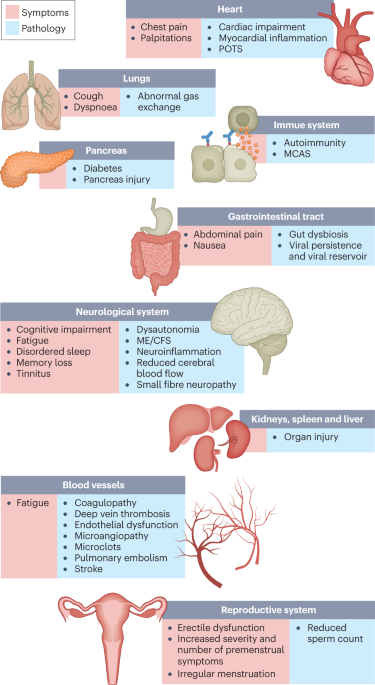
Long COVID: major findings, mechanisms and recommendations - Nature Reviews Microbiology Long COVID is an often debilitating illness that occurs in at least 10% of severe acute respiratory syndrome coronavirus 2 (SARS-CoV-2) infections. More than 200 symptoms have been identified with impacts on multiple organ systems. At least 65 million individuals worldwide are estimated to have long COVID, with cases increasing daily. Biomedical research has made substantial progress in identifying various pathophysiological changes and risk factors and in characterizing the illness; further, similarities with other viral-onset illnesses such as myalgic encephalomyelitis/chronic fatigue syndrome and postural orthostatic tachycardia syndrome have laid the groundwork for research in the field. In this Review, we explore the current literature and highlight key findings, the overlap with other conditions, the variable onset of symptoms, long COVID in children and the impact of vaccinations. Although these key findings are critical to understanding long COVID, current diagnostic and treatment options are insufficient, and clinical trials must be prioritized that address leading hypotheses. Additionally, to strengthen long COVID research, future studies must account for biases and SARS-CoV-2 testing issues, build on viral-onset research, be inclusive of marginalized populations and meaningfully engage patients throughout the research process. Long COVID is an often debilitating illness of severe symptoms that can develop during or following COVID-19. In this Review, Davis, McCorkell, Vogel and Topol explore our knowledge of long COVID and highlight key findings, including potential mechanisms, the overlap with other conditions and potential treatments. They also discuss challenges and recommendations for long COVID research and care. nature.com

@_CatintheHat - Cat in the Hat 🐈‍⬛ 🎩 🇬🇧

A recent meta-analysis reviewed multiple studies to determine the prevalence of Long Covid amongst children. Nearly one QUARTER of all children infected with Covid suffer from Long Covid, including respiratory, neurological & cardiovascular symptoms. https://www.sciencedirect.com/science/article/pii/S1876034123000710

Prevalence and risk factor for long COVID in children and adolescents: A meta-analysis and systematic review Millions of COVID-19 pediatric survivors are facing the risk of long COVID after recovery from acute COVID-19. The primary objective of this study was… sciencedirect.com

@_CatintheHat - Cat in the Hat 🐈‍⬛ 🎩 🇬🇧

Studies also show that children are JUST AS LIKELY to get Long Covid after a 2nd infection as those infected for the 1st time. Just because they’ve had Covid once and were fine, it doesn’t mean they’ll be fine next time… or the next time. It’s Russian Roulette every time…

@_CatintheHat - Cat in the Hat 🐈‍⬛ 🎩 🇬🇧

Every parent should listen to this short video by UK Cardiologist @Sunny_Rae1 where she clearly outlines the risks to our children from Covid infection. It baffles me why more parents are not outraged by the situation our kids have been placed in. https://youtu.be/hw0WNrRJl7A

@_CatintheHat - Cat in the Hat 🐈‍⬛ 🎩 🇬🇧

@Sunny_Rae1 Unless you’ve experienced it yourself, it’s hard to comprehend the devastating impact Long Covid can have on young people. Please spare a few minutes to watch this report from @StaceyPooleITV for ITV News which illustrates what it’s like for Long Covid kids & their families. 💔

@_CatintheHat - Cat in the Hat 🐈‍⬛ 🎩 🇬🇧

“We fundamentally do not know the extent of the long-term damage continual reinfection with COVID will cause to children. In spite of all the evidence for caution, we are now tossing children into a world with nearly zero protections.” https://calgaryherald.com/opinion/columnists/opinion-treating-kids-as-invulnerable-is-treating-them-as-disposable
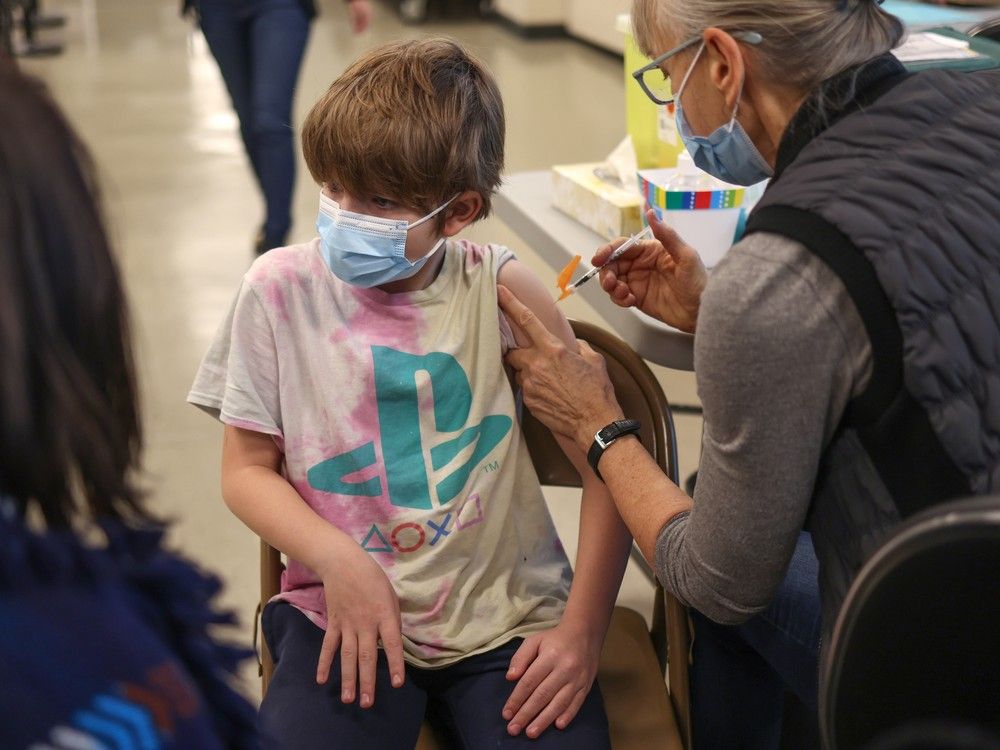
Opinion: Treating kids as invulnerable is treating them as disposable Parents often believe in a societal fiction that children will just be OK and will live healthy lives. This can help cope with the anxieties of raising… calgaryherald.com

@_CatintheHat - Cat in the Hat 🐈‍⬛ 🎩 🇬🇧

Although there’s a lot we still don’t know about Covid’s long-term impacts on our children’s health, what we do know is horrifying. The thread below summarises some of the evidence about COVID’s effects on the brain, but there are similar studies about every organ of the body.

@_CatintheHat - Cat in the Hat 🐈‍⬛ 🎩 🇬🇧

The article below from @DrNick4126 reviews the science & ethics of the situation: “Adults have the autonomy to make choices. We can ignore, engage with, or reject the available scientific data. Children have no such agency, and therefore have no choice.” https://mattersofperspective.substack.com/p/in-our-rush-to-live-with-covid-are


In our rush to ‘live with Covid’ are we jeopardising children’s futures? Science and Ethics suggest we need a rethink mattersofperspective.substack.com

@_CatintheHat - Cat in the Hat 🐈‍⬛ 🎩 🇬🇧

@DrNick4126 And this superb article from the Irish press is also well worth a read 👇🏻 “I never imagined that trying to protect children from repeated, forced, infections with a level-three biohazard known to cumulatively harm them would be deemed controversial.” https://www.msn.com/en-ie/health/other/tess-finch-lee-children-are-not-immune-to-covid-so-we-must-pull-out-all-the-stops-to-protect-them/ar-AA1g7BCo https://t.co/x984u10UiM

@_CatintheHat - Cat in the Hat 🐈‍⬛ 🎩 🇬🇧

@DrNick4126 Perhaps @bbclaurak could do a proper deep dive into the impact of Covid on our children, like @mehdirhasan has done for the US audience. We need someone in the U.K. mainstream media to start digging into the truth. https://www.youtube.com/watch?v=-h5xyGdVfvo https://t.co/tjcRKHf68L

@_CatintheHat - Cat in the Hat 🐈‍⬛ 🎩 🇬🇧

@DrNick4126 @bbclaurak @mehdirhasan “Covid” may have become a taboo word, but we need to face up to the inconvenient truth that it is harming our children. Covid has fundamentally changed our world, so we’ve got to evolve & adapt too. We need to do a better job of protecting our children, before it’s too late…

@_CatintheHat - Cat in the Hat 🐈‍⬛ 🎩 🇬🇧

@DrNick4126 @bbclaurak @mehdirhasan If you made it this far, let me end this thread by reminding you that improved ventilation & air filtration can reduce transmission of Covid in the classroom by over 80%! Are you convinced that clean indoor air is worth fighting for yet? If so, this is a good place to start 👇🏻

Saved - August 31, 2023 at 9:28 AM
reSee.it AI Summary
The BA286 variant of Covid-19 is causing concern due to its numerous spike protein mutations, making it adept at evading the immune system. It has already spread to multiple countries, highlighting cross-border transmission. Unfortunately, Covid surveillance has been scaled back, hindering variant detection. The UKHSA's dismantling of surveillance systems is worrisome, as warned by the WHO. With over a million current infections in the UK, the government's inaction is alarming. As schools reopen, crowded classrooms pose a risk for viral spread. Ignoring symptoms and lack of testing will worsen the situation. Good ventilation is crucial in reducing transmission. Poor indoor air quality harms children's health. Urgent action is needed in healthcare settings, where infected workers are encouraged to return. The ongoing Covid Inquiry emphasizes the importance of ventilation, air filtration, and CO2 monitoring.

@_CatintheHat - Cat in the Hat 🐈‍⬛ 🎩 🇬🇧

BA.2.86 “PIROLA”, a thread 🧵 Most people may think Covid is over, but Covid is not done with us. Not by a long way. As the world has been scaling back surveillance & mitigations, the virus has been busy fine-tuning its survival strategy. 🦠 Presenting BA.2.86…

@_CatintheHat - Cat in the Hat 🐈‍⬛ 🎩 🇬🇧

BA.2.86 has a lot of experts extremely worried because it has such a large number of new mutations in its spike protein. This is a totally different beast to anything we’ve seen before and threatens to be the most adept yet at slipping past the body’s immune defenses.

@_CatintheHat - Cat in the Hat 🐈‍⬛ 🎩 🇬🇧

According to the CDC: “BA.2.86 variant has > 35 genetic differences from XBB.1.5, the dominant variant through most of this year. “This genetic leap is roughly of the same magnitude as seen between the initial Omicron variant & the Delta variant”. https://jamanetwork.com/journals/jama/fullarticle/2809132

@_CatintheHat - Cat in the Hat 🐈‍⬛ 🎩 🇬🇧

It’s still early days, but this BA.2.86 variant is now popping up all over the place. 23 samples have been detected so far in 7 different countries. That might seem like a small number, but this global spread indicates that cross-border transmission is happening.

@_CatintheHat - Cat in the Hat 🐈‍⬛ 🎩 🇬🇧

The @UKHSA acknowledge this in their recent risk assessment for this variant, stating: “Despite the small number of sequences, the appearance of the variant rapidly in multiple countries suggests that there is established international transmission.”

@_CatintheHat - Cat in the Hat 🐈‍⬛ 🎩 🇬🇧

The problem is that many countries have significantly scaled back their Covid surveillance so spotting new variants is increasingly pot luck. In the UK, several thousand Covid samples used to be sequenced each week earlier this year. Now we’re only doing a fraction of that.

@_CatintheHat - Cat in the Hat 🐈‍⬛ 🎩 🇬🇧

We used to have the gold standard for Covid surveillance with the ONS Survey… …but since March this year, our entire surveillance system has been systematically dismantled by our government, piece by piece. See 🧵below for full details of all the data that has disappeared👇🏻

@_CatintheHat - Cat in the Hat 🐈‍⬛ 🎩 🇬🇧

The WHO have repeatedly warned that the single worst thing governments could do would be to let down their guard & dismantle their surveillance systems… So it seems spectacularly incompetent that @UKHSA have done just that…

@_CatintheHat - Cat in the Hat 🐈‍⬛ 🎩 🇬🇧

…but perhaps it’s not incompetency? Perhaps this is all intentional by the government in order to sweep Covid under the proverbial carpet and make it magically disappear?

@_CatintheHat - Cat in the Hat 🐈‍⬛ 🎩 🇬🇧

The one piece of surveillance we do still have in the U.K. is the Zoe Covid Study which is *not* government operated. This study estimates that over a MILLION people in the U.K. are currently infected with Covid… …with around 85,000 NEW infections being added each new day.

@_CatintheHat - Cat in the Hat 🐈‍⬛ 🎩 🇬🇧

Just reflect on that number for a moment… 1 MILLION people currently infected with Covid. And yet the government are doing precisely NOTHING about it. It appears they are following the “don’t look up” strategy and we’re currently stuck in the “sit tight & assess” phase…

Video Transcript AI Summary
We are advised to sit tight and assess the situation. The speaker emphasizes the need to remain calm and evaluate the circumstances.
Full Transcript
Speaker 0: At this very moment, I say we sit tight and assess. Sit tight and assess. Sit tight and and assess. You want us to sit tight. And then assess.

@_CatintheHat - Cat in the Hat 🐈‍⬛ 🎩 🇬🇧

And bear in mind two important factors: 1. We’re currently in summer when respiratory viruses are typically at their lowest prevalence. 2. It’s been school holidays for the last 6 weeks. Schools are a key driver of transmission so this has not contributed to the spread… *yet*.

@_CatintheHat - Cat in the Hat 🐈‍⬛ 🎩 🇬🇧

And yet… Everywhere I go, I hear people with that hacking cough… Everywhere I go, I hear people complaining about how they’re just recovering from the “Summer flu”… But there is *no* flu in summer. It’s highly seasonal. Unlike Covid. https://www.insider.com/august-flu-vs-covid-infection-rate-2023-8

No, you don't have the 'August flu.' It's probably COVID. Almost no one gets an"August flu." Flu-like symptoms could mean you have COVID-19, and experts recommend you get tested to find out. insider.com

@_CatintheHat - Cat in the Hat 🐈‍⬛ 🎩 🇬🇧

And now, ‘back to school’ season is nearly upon us. From next week, children will once again be crammed into their crowded, poorly ventilated classrooms for up to 8 hours a day, 5 days a week. These are perfect conditions for an airborne virus to spread…

@_CatintheHat - Cat in the Hat 🐈‍⬛ 🎩 🇬🇧

…as we found out this time last year. Huge numbers of children ended up off school sick last Autumn term, with absences purely due to illness peaking at a whopping 9.2% by the end of the Autumn term, just before last Christmas.

@_CatintheHat - Cat in the Hat 🐈‍⬛ 🎩 🇬🇧

This year, in anticipation of the inevitable waves of illness, the media is already awash with messaging about 100% attendance targets & the fact that children should still attend school, even with cold/flu-like symptoms. This is downright irresponsible.

@_CatintheHat - Cat in the Hat 🐈‍⬛ 🎩 🇬🇧

Sending kids to school with cold/flu-like symptoms won’t fix the attendance problem, it will make it WORSE. With over 1 million Covid cases in the UK right now, there’s a good chance those symptoms are actually Covid and it will just start countless new chains of transmission…

@_CatintheHat - Cat in the Hat 🐈‍⬛ 🎩 🇬🇧

Hardly any parents will bother to test their children for Covid anymore as the government guidance advises that children should not be tested for Covid unless specifically directed to do so by a doctor… …and so the virus will be allowed to rampage unchecked through classrooms.

@_CatintheHat - Cat in the Hat 🐈‍⬛ 🎩 🇬🇧

It’s a similar story in hospitals, the one place where you might think patients could reasonably expect a higher degree of infection control measures. Sadly not. Even healthcare workers that have tested POSITIVE for Covid are now encouraged to return to work without isolating.

@_CatintheHat - Cat in the Hat 🐈‍⬛ 🎩 🇬🇧

Quite frankly, I find the current state of affairs extremely baffling. The fact that people are so entrenched in their mass denial that “Covid” has become a forbidden word. People seem almost afraid to even mention it or acknowledge its existence.

@_CatintheHat - Cat in the Hat 🐈‍⬛ 🎩 🇬🇧

Part of the problem is that most people are seeing the world through the eyes of survivorship bias. They think that Covid is nothing to worry about because they’ve had it and are still ok… (so far)

@_CatintheHat - Cat in the Hat 🐈‍⬛ 🎩 🇬🇧

They would prefer to ignore the 230,000 people from across the UK who were also infected with Covid and are now tragically dead, with Covid stated as being the cause of death on their death certificate. It wasn’t ‘nothing to worry about’ for these people, was it?

@_CatintheHat - Cat in the Hat 🐈‍⬛ 🎩 🇬🇧

You might assume that all those Covid deaths are from waves in the early stages of the pandemic, but a peek at excess deaths tells us a different story… In the first half of 2023, there have been 38,500 excess deaths in England & Wales, the majority of which are due to Covid.

@_CatintheHat - Cat in the Hat 🐈‍⬛ 🎩 🇬🇧

But it’s not just about deaths. All too often we fall into the trap of looking at it in this binary way: Dead or Alive. But death is not the only bad outcome. There are also those who have fallen victim to the sting in the tail of Covid. Around 2 MILLION of them.

@_CatintheHat - Cat in the Hat 🐈‍⬛ 🎩 🇬🇧

The more we allow this virus to spread & mutate, the more people will be affected by the long term chronic impacts of Long Covid. The CDC estimate that 1 in 5 adults will develop a new health condition as a result of Covid. Are you paying attention? 1 in 5! That could be you.

@_CatintheHat - Cat in the Hat 🐈‍⬛ 🎩 🇬🇧

It doesn’t have to be this way though… A study carried out in Italy showed that good ventilation can reduce transmission of Covid in schools by up to 82%! And it’s not just Covid… good ventilation helps to reduce transmission of ALL airborne diseases. https://www.reuters.com/world/europe/italian-study-shows-ventilation-can-cut-school-covid-cases-by-82-2022-03-22/

Italian study shows ventilation can cut school COVID cases by 82% An Italian study published on Tuesday suggests that efficient ventilation systems can reduce the transmission of COVID-19 in schools by more than 80%. reuters.com

@_CatintheHat - Cat in the Hat 🐈‍⬛ 🎩 🇬🇧

This Swiss study examined the effectiveness of air filters at reducing Covid transmission in the classroom: 📍one HEPA filter was as effective as two windows partly open all day in winter (3-fold decrease) 📍two HEPA filters led to a 5-fold decrease. https://smw.ch/index.php/smw/article/view/3201/5368

SARS-CoV-2 aerosol transmission in schools: the effectiveness of different interventions | Swiss Medical Weekly smw.ch

@_CatintheHat - Cat in the Hat 🐈‍⬛ 🎩 🇬🇧

As well as reducing the spread of illness, good ventilation also reduces the build-up of CO2 levels in classrooms. High CO2 levels can affect children’s concentration. Look how cognition plummets when the CO2 increases to 2,500ppm (the black spots). https://www.researchgate.net/publication/231176310_Is_CO2_an_Indoor_Pollutant_Direct_Effects_of_Low-to-Moderate_CO2_Concentrations_on_Human_Decision-Making_Performance

ResearchGate - Temporarily Unavailable researchgate.net

@_CatintheHat - Cat in the Hat 🐈‍⬛ 🎩 🇬🇧

We need to face up to the inconvenient truth that poor indoor air quality is causing harm to our children. We wouldn’t let them drink dirty water so why are we letting them breathe dirty air? This ITV News report sums it up perfectly. Please take a few minutes to watch it.

@_CatintheHat - Cat in the Hat 🐈‍⬛ 🎩 🇬🇧

…and now turning my attention to the horrific situation in hospitals and other healthcare settings, where masking is no longer required and workers who have tested POSITIVE for Covid are actively encouraged to return straight to work, this also needs to be urgently addressed.

@_CatintheHat - Cat in the Hat 🐈‍⬛ 🎩 🇬🇧

All the experts who have studied the evidence of the pandemic so far are currently convening at the Covid Inquiry. It’s interesting that they have set out EXTREMELY strict guidelines for testing, ventilation, air filtration & CO2 monitoring for those attending the Inquiry. 🤔 https://t.co/OMxGN6AQLY

View Full Interactive Feed