reSee.it - Tweets Saved By @epochhealth

Saved - February 9, 2026 at 6:44 PM
reSee.it AI Summary
Boswellia, the tree that yields frankincense, has a long history as both incense and medicine. The tree grows in arid regions of Oman, Ethiopia, and Somalia, and when cut it oozes a resin that has been scraped, sniffed, and applied to wounds and ailments for millennia. Ancient civilizations valued it highly: the Egyptians called it the “tears of Horus” and used it in embalming and religious rites, while the Greeks and Romans burned or traded it widely. By the era of the Wise Men, Boswellia resin was worth more than gold. In various traditional systems, it served a broad range of purposes—from treating bleeding, bruising, infections, and madness to internal bleeding and digestive issues, with Ayurveda prescribing use for arthritis, asthma, and ulcers, and Chinese medicine employing it for wounds and potions. Modern science has begun to validate and refine these older claims. The principal active component is boswellic acid, which acts as an anti-inflammatory by inhibiting the enzyme 5-lipoxygenase, a pathway involved in inflammation seen in conditions like asthma, arthritis, Crohn’s disease, and other inflammatory states. In addition, incensole acetate—another compound in Boswellia—has shown calming, anti-anxiety, and anti-depressant effects in animal studies, and research has reported reduced inflammation, better joint mobility, lower anxiety markers, and, in some models, improved brain trauma outcomes. In one mouse study, incensole acetate demonstrated anti-inflammatory effects and neuroprotection in brain injury scenarios. In contemporary contexts, Boswellia is marketed in capsules, creams, and experimental brain-trauma therapies, and it is being investigated for cancer, asthma, arthritis, anxiety, and irritable bowel syndrome. Notably, whole-resin extracts commonly appear to be more effective than purified boswellic acid alone, suggesting that the unfiltered resin contains synergistic components. Thus, frankincense—better termed Boswellia—transitions from a historic scent and ceremonial ingredient to a modern botanical with a broad scope of studied therapeutic potentials, while remaining a cultural fixture in religious and wellness practices. The piece also notes the Magi’s gifts of gold, frankincense, and myrrh, underscoring frankincense’s enduring cultural resonance.

@epochhealth - Epoch Health

x.com/i/article/2020…

Article Cover

The 3,000-Year-Old Secret Weapon for Anxiety, Inflammation, and Modern Mayhem

You’ve smelled it at church. Maybe even at yoga.

Now scientists are studying it for cancer, anxiety, arthritis, asthma, and irritable bowel—which, let’s be honest, covers most of the Western world over 35.

Turns out, frankincense" target="_blank">https://www.theepochtimes.com/health/the-3000-year-old-secret-weapon-for-anxiety-inflammation-and-modern-mayhem-5855976?utm_source=twitter&utm_medium=Social&utm_campaign=epochhealthvf">frankincense isn’t just incense. It’s medicine.

Article image

(Epoch" target="_blank">https://www.theepochtimes.com/health/top?utm_source=twitter&utm_medium=Social&utm_campaign=epochhealthvf">Epoch Health) — If you’ve never heard of Boswellia, don’t worry, you’ve definitely sniffed it. Or wafted it. Or had a minor spiritual epiphany while someone burned it at a yoga class that you regretted taking halfway through.

Boswellia is the tree behind frankincense, which is surprisingly relevant to your inflamed joints, anxious brain, or slightly dodgy bowel.

This squat little tree is found in dry, dramatic places like Oman, Ethiopia, and Somalia. The tree oozes a resin when cut, like sap.

People have been scraping, sniffing, and slathering this stuff on everything from bruises to bad moods for thousands of years. And I do mean everything.

The ancient Egyptians called it the “tears of Horus” (emotional much?) and used it in embalming and in incense burned during religious rituals. The Greeks burned it in temples. The Romans traded it like it was sandalwood-scented Bitcoin.

By the time the Wise Men were loading it onto a camel for a celestial baby shower, Boswellia resin was worth more than gold.

But here’s where it gets juicy.

It wasn’t just for incense and embalming and vaguely spiritual vibes. Boswellia was medicine.

Article image

The Original Multitasker

According to every historical source who ever wielded a quill or wore a toga, it treated bleeding, bruising, infections, lunacy (their word, not mine), and, if you mixed it with leek juice, internal haemorrhaging, which sounds like a medieval smoothie from a dungeon cookbook.

Avicenna, an 11th-century Persian genius, swore Boswellia helped with urinary infections, amnesia, and madness, the three pillars of most hen’s weekends.

Article image

Meanwhile, in India’s Ayurvedic tradition, Boswellia was used for arthritis, asthma, ulcers, and presumably general family drama.

Chinese medicine slathered it on wounds and used it in potions that make modern pharmaceuticals look lazy.

In Ethiopia, it was a tranquilliser. In Kenya, it stopped internal bleeding.

Article image

Modern Science Being Late as Usual

After centuries of writing off anything with a plant in it as “alternative” or “a bit hippy,” the lab coats finally caught up. And what they found is that Boswellia is basically a botanical overachiever.

Its most famous ingredient is boswellic acid, which sounds terrifying but actually behaves like a tiny anti-inflammatory ninja.

It blocks a molecule called 5-lipoxygenase (try saying that while drinking wine), which causes inflammation in things like asthma, arthritis, Crohn’s, and that general state of being emotionally crispy.

But boswellic acid is the tip of the resin iceberg.

Article image

There’s also incensole acetate, which means it has calming, anti-anxiety, and anti-depressant effects. In mice, at least. (Humans aren’t usually asked to run through mazes for cheese, but I’d wager it works on us too, especially the anxious cheese-loving ones.)

And yes, it’s been tested. Inflammation markers? Down. Joint mobility? Up. Anxiety? Lower. Tumour cells? Confused and retreating. Brain trauma? Better outcomes.

In one mouse study, incensole acetate reduced inflammation, soothed brain injury, and generally behaved like a very competent nurse with a divine scent.

Which begs the question, why aren’t we all bathing in this stuff?

Article image

Boswellia Has Been Branded as Frankincense

Probably because it’s been branded as frankincense, which sounds like something your mum bought in the ‘90s from a shop with wind chimes. But Boswellia, now that has gravitas.

And Boswellia’s not just in dusty scrolls or vague-smelling candles anymore. It’s in capsules, creams, and experimental brain trauma treatments.

It’s being studied for cancer, asthma, arthritis, anxiety, and irritable bowel, which, when you think about it, covers most of the Western population over 35.

Better yet, whole-resin extracts often work better than purified boswellic acid. Translation: the messy, gooey, unfiltered version is more effective than the tidied-up one.

And let’s not ignore the side hustle: Boswellia is still burned in churches, waved about at High Mass, and sold in boutique apothecaries for sums that make your wallet clench.

Article image

The Magi Brought Gold, Frankincense and Myrrh

So here’s the summary, in case you dozed off:

Boswellia, AKA frankincense, isn’t just for Christmas cards, incense cones, or historical re-enactments. It’s a plant-based power player, with thousands of years of street cred, a CV that includes anti-inflammatory, anti-depressant, and possibly anti-everything properties, and a scent that smells like you’ve finally got your life together.

It’s spiritual. It’s medicinal. It’s got a whiff of ancient wisdom and middle-class smugness.

So yes, the Magi brought gold, frankincense, and myrrh. But if they'd been on Instagram, frankincense would have its own grid, three affiliate codes, and a paid partnership with a Jerusalem wellness brand.

Article image

Thanks for reading! If you found this valuable, here's a special deal:

Unlock our ENTIRE library of @EpochHealth articles for just $1/week—plus unlimited access to everything else on our site.

CLAIM IT HERE.

Article image

Saved - November 5, 2025 at 3:48 AM
reSee.it AI Summary
I report that mangoes may boost memory, attention, and mood in days, per recent trial data. They’re rich in fiber, vitamin C, folate, and mangiferin, with notable digestive, gut, and anti-inflammatory potential. Studies hint brain, heart, and metabolic benefits, including better glucose response in some groups. Tips cover pairing with fats for absorption, ripening tricks, and storage. Cautions include skin reactions and sugar content.

@epochhealth - Epoch Health

This everyday fruit can rewire your brain in just 7 days. A 2024 double-blind trial showed mango extract boosted memory, focus, and mental speed—without side effects. Participants even felt calmer, with fewer mood swings and better stress control. But that’s only the beginning—its hidden benefits for your gut, heart, and skin are just as extraordinary. This one will surprise you... 🧵 THREAD

@epochhealth - Epoch Health

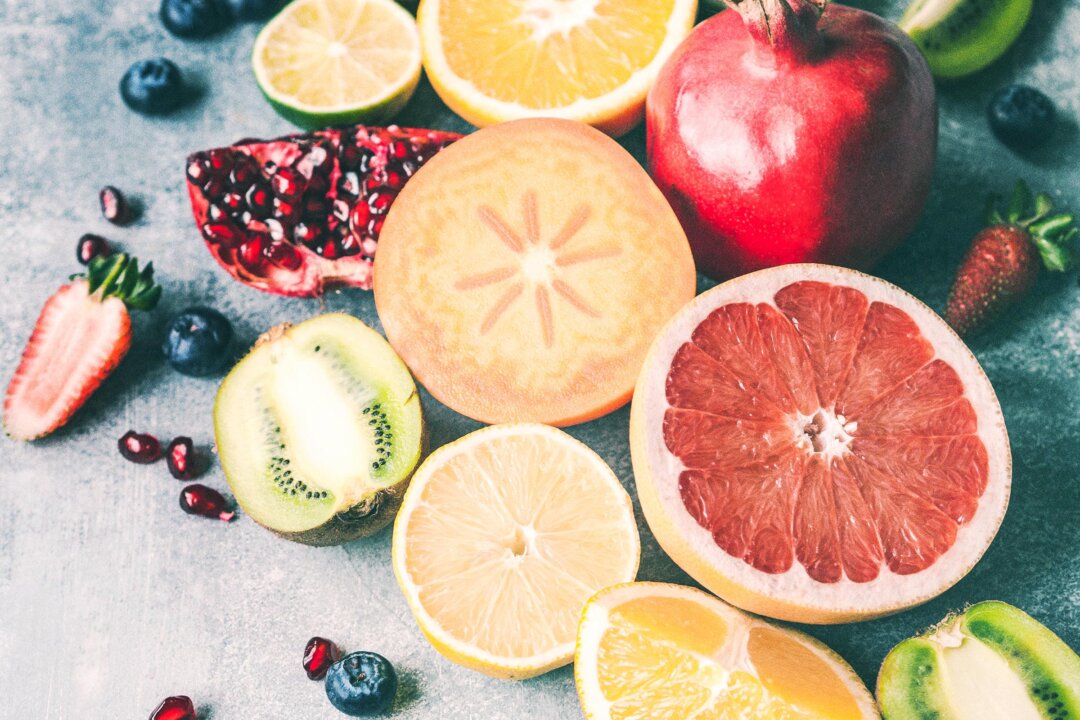
Once considered exotic and only eaten in tropical climates, mangoes have become one of the world’s most popular fruits. Often carrying the moniker of “king of fruits,” the mangoes’ abundant fiber and moisturizing properties have made it a trusted remedy for soothing digestion and promoting regularity for centuries. Today, scientists are catching up to this ancient wisdom and discovering mango’s digestive benefits. Even more health-promoting effects, such as its brain-enhancing abilities, are being uncovered.

@epochhealth - Epoch Health

Key Nutrients A 2025 study published in the International Journal of Current Microbiology and Applied Sciences highlights mango’s growing reputation as a functional food. “Mango is increasingly recognized for its role in health promotion and disease prevention, with its nutritional profile and medicinal properties supporting its place in preventive healthcare,” the authors wrote. Mangoes are rich in: • Fiber: One mango has 5.38 grams of fiber. A medium-sized mango can offer about 15 to 20 percent of the recommended daily fiber intake for adults. • Vitamin C: One mango contains 122 milligrams of vitamin C, which is considerably more than an orange, which has just 82.7 milligrams. • Folate (vitamin B9): One mango has 144 micrograms of folate. • Mangiferin: A polyphenol that is abundant in mangoes. Health Benefits ​​In a study published in Nutrients in 2017, researchers said that mango is “a fruit that should be included in everyone’s diet for its multifaceted biochemical actions and health-enhancing properties.”

@epochhealth - Epoch Health

A little about us: We’re a team of journalists and researchers on a mission to give you REAL and honest information about your health. Side effects of reading our posts may include: critical thinking. Follow us for more daily threads—backed by hard data. —> @EpochHealth

@epochhealth - Epoch Health

Benefits Digestion Mangoes have been a long-trusted remedy for digestive woes, particularly in traditional medicine. In Ayurveda, mango is considered nourishing, replenishing, and slightly cooling, making it useful for soothing inflamed tissue. Mangoes are used as laxatives to prevent dry-type constipation. In traditional Chinese medicine, mangoes are cooling, help regenerate fluids, and strengthen digestion. They quell inflammation and are rich in digestive enzymes that help detox the body and fight bacteria in the intestines. Research has found that mangoes are rich in health-boosting plant compounds, especially polyphenols such as gallic acid and gallotannins. These compounds, in addition to fiber, feed good bacteria in the gut. A healthy gut is important because good bacteria help break down the polyphenols so that they can be absorbed and used by the body. Once they’re absorbed, the polyphenols can help lower inflammation in the gut, help protect gut lining—preventing leaky gut—and support digestion. In a randomized controlled trial published in 2018, mango improved symptoms of constipation more effectively than an equivalent amount of fiber in healthy volunteers. The pilot study split healthy participants with functional constipation—which is constipation without a clear physical cause—into two groups. One group ate 300 grams of mango daily for four weeks, while the other had the equivalent amount of fiber from a different source. Participants who ate mangoes showed significant improvements in their symptoms. They had more frequent bowel movements, stools were softer and easier to pass, and they exhibited less intestinal inflammation. They also had increased gastrin levels—a hormone that stimulates stomach acid and helps food move through the gut. Mango has even helped improve symptoms of inflammatory bowel disease, a condition characterized by inflamed intestines and an imbalance of gut bacteria. This chronic inflammation can increase the risk of developing colorectal cancer.

@epochhealth - Epoch Health

Improves Brain Health and Cognition A 2024 randomized, double-blind controlled study tested a supplement made from mango extract to determine whether it could improve cognitive function—particularly memory and focus—in healthy adults who regularly play computer games. Participants either took 300 milligrams of the supplement daily or received a placebo for seven days. The researchers found that those in the supplement group had significant improvements in: • Mental speed • Attention • Working memory • Verbal learning and memory • Response inhibition—the ability to pause before reacting The study found that participants in the supplement group were able to manage nervousness, irritability, and mood swings more effectively. The researchers reported that they found no safety concerns and that participants had no adverse events from the supplement during the study.

@epochhealth - Epoch Health

An earlier study examined how mango might improve cognition in both lean and obese people. Fifty healthy lean participants and 44 obese participants between 18 and 55 years of age ate 400 grams of mango pulp daily with either a probiotic or a placebo for eight weeks. The researchers took blood to assess inflammation and tested memory, attention, and visual processing. In the obese participants, mango helped lower inflammation markers such as TNF-α and IL-10. In lean participants, mango improved visual performance and attention. Further, mango also boosted memory in lean individuals on both easy and hard memory tests, and in obese participants, mango improved memory only on the more difficult version of the memory test.

@epochhealth - Epoch Health

Support Heart and Metabolic Health A small study published in March found that mango improved heart and metabolic health. Overweight or obese postmenopausal women took 330 grams of mango daily for two weeks. Results showed that the women had significant improvements in systolic blood pressure, mean arterial pressure, pulse pressure, and fasting cholesterol. The study authors also compared how the women responded to mango with how they responded to white bread. They found that blood sugar rose less after eating mango than white bread, and that insulin stayed elevated longer after eating white bread, suggesting that mangoes may help regulate blood sugar better than refined carbs.

@epochhealth - Epoch Health

Additional Benefits Mangoes have benefits that extend beyond digestion and the brain. A 2020 randomized pilot study found that moderate mango consumption improved facial wrinkles in postmenopausal women with light to medium skin. The severity of the women’s wrinkles significantly decreased after eating 85 grams, about half a cup, of mango four times a week over 16 weeks. Mangoes contain a natural compound called mangiferin that has antioxidant, anti-inflammatory, and anticancer properties that have shown promising effects in lab and animal studies. This powerful compound has shown it can slow cancer growth, trigger cancer cell death (apoptosis), and enhance the effectiveness of common cancer drugs.

@epochhealth - Epoch Health

Mangoes Benefit Gut and Brain—Here’s How to Optimize Absorption For centuries, mangoes have soothed digestion and eased constipation. Today, science is discovering that they can do so much more. https://www.theepochtimes.com/health/mangoes-benefit-digestion-brain-and-heart-heres-how-to-optimize-absorption-5898376

Mangoes Benefit Gut and Brain—Here’s How to Optimize Absorption For centuries, mangoes have soothed digestion and eased constipation. Today, science is discovering that they can do so much more. theepochtimes.com

@epochhealth - Epoch Health

How to Increase Absorption • Eat mangoes with healthy fats: Eating mangoes with healthy fats helps our bodies absorb the fat-soluble vitamins in mangoes—vitamins A, E, and K, as well as lutein and zeaxanthin, which are crucial for healthy vision. • Eat at peak ripeness: Many of mango’s nutrients are at their peak when they reach a perfect state of ripeness. To maximize mango carotenoid content, choose fruit that is bright yellow-orange in color. • Combine with iron-rich foods: Combining mangoes with iron-rich foods enhances the absorption of nonheme iron, found in plant-based foods.

@epochhealth - Epoch Health

Optimal Storage Mangoes should be left out at room temperature to ripen and then put in the fridge, as the cold will slow down the ripening process and extend their shelf life. You can store whole, ripe fruit in the fridge for five days. Cut mangoes kept in an airtight container in the refrigerator can last up to a week. Further, ripe mangoes can be cut up and stored in the freezer for up to six months.

@epochhealth - Epoch Health

Pro Tips Mangoes can be messy, but with the right finesse, they can be eaten with ease. Peeling and Cutting Prowess A mango has one long, flat seed in its center, so cutting it is all about working around the seed and getting every delicious bite. There are multiple ways to peel and cut a mango. Peeling methods depend on your mango’s ripeness, its firmness, and your personal preference. Use a vegetable peeler, or for a firmer mango, you can peel it with a knife—but be careful, and ensure you are holding it firmly in your hand to avoid cutting yourself—this is a known problem with avocados! You don’t have to peel the mango first, however. The “hedgehog” mango cutting technique steps: • Step 1: With the skin on, cut the mango down the flat sides first. • Step 2: Lightly slice the flesh into a checkered pattern without breaking the skin underneath. • Step 3: Gently turn the slice inside out to expose the fruit in symmetrical pieces for easy eating. Once you have separated the pieces, the fruit is easier to extract. It can be eaten directly from the peel or cut off into cubes. Other techniques are to scoop out the flesh with a spoon, or use the rim of a glass to separate the mango from the skin—although for it to work well, the mango should be fully ripe.

@epochhealth - Epoch Health

Ripening If you want your mango to ripen more quickly, there are a few things you can do. Placing mangoes with bananas will speed up ripening because of the ethylene gas bananas emit. You can also place mangoes in a sunny window or in a paper bag to accelerate the process. Soaking Mangoes Before Eating Some sources suggest that soaking mangoes in water before eating them makes them easier to peel, removes contaminants on their skin, and helps make their nutrients more easily absorbed. Precautions Mango skin contains a compound called urushiol, which is also in poison ivy. Although present in much smaller amounts, it can still cause reactions in some people, such as rashes or allergic reactions, when it comes into contact with the skin. Mangoes are high in sugar with 46 grams per fruit, so those with diabetes may want to eat them in moderation to avoid blood sugar spikes.

@epochhealth - Epoch Health

Recipe: Creamy Mango Smoothie Lucious mangoes and creamy coconut milk are the base of this satisfying and cooling smoothie—your perfect partner to help you beat the summer heat while supporting digestion. The following recipe is courtesy of Sheridan Genrich, a clinical nutritionist, naturopath, and Epoch Times health writer. Ingredients • 1/2 can (approximately 7 ounces) coconut milk • 10 ounces frozen mangoes • 1 teaspoon lemon juice • 1 tablespoon pumpkin seeds • 1 full scoop or 2 tablespoons vanilla protein powder Directions Add frozen mango, coconut milk, lemon juice, and protein powder to a high-speed blender. Blend until smooth, then add pumpkin seeds and pulse through again. Adjust thickness and sweetness to your liking.

@epochhealth - Epoch Health

Fun Facts • Mangoes belong to the same plant family—Anacardiaceae—as cashews, pistachios, and poison ivy. • Mango is the national fruit of Pakistan, India, and the Philippines—and the national tree of Bangladesh. • India is the world’s largest producer of mangoes, although it accounts for less than 1 percent of exports, as most are eaten domestically. • A mango tree can live 300 years and still bear fruit. • Botanically, mangoes are drupes, which means they have a central pit, or stone. They share this distinction with other fruits, such as plums, peaches, and cherries.

@epochhealth - Epoch Health

Tips for Kids Mango has an impressive nutritional profile that includes vitamins C and A, fiber, and plenty of antioxidants—all of which support healthy growth and development. Their sweet flavor and soft texture make them much loved by little ones, and easy to eat, regardless of your age. Mango Kebab Cut mango and other fruit, such as strawberries, pineapple, grapes, papaya, kiwis, and watermelon, into bite-sized pieces and thread them onto wooden skewers for a colorful treat kids will love. Mango Parfait To a small glass or mason jar, add alternating layers of yogurt, pieces of mango, granola, and other fruit. It’s a fun dessert for kids to make, and even more fun to eat.

@epochhealth - Epoch Health

Thanks for reading! If you found this valuable, here's a special deal: Unlock our ENTIRE library of @EpochHealth articles for just $1/week—plus unlimited access to everything else on our site. Claim it here: https://on.theepochtimes.com/vfox/health?utm_medium=partner&utm_source=prtnrhard&utm_campaign=epochhealth-vf&utm_content=img-1&utm_term=new-health&gl=sub https://t.co/A5fEwRjc2n

Saved - September 18, 2025 at 11:49 PM
reSee.it AI Summary
A Michigan study involving over 18,000 children found that vaccinated children were 2.5 times more likely to develop chronic health conditions compared to unvaccinated children. Despite these significant findings, the study was never published, with researchers citing it did not meet scientific standards. Concerns about job security and institutional beliefs regarding vaccine safety were raised. While some experts questioned the study's methodology, the researchers maintained their findings warrant further investigation. The study has sparked discussions about transparency in vaccine research.

@epochhealth - Epoch Health

Researchers Found Unvaccinated Children Healthier Than Vaccinated, Didn’t Publish Findings A Michigan study of 18,000 children found vaccinated kids were 2.5x more likely to suffer chronic illness. The findings were so explosive, the researchers never published them. Who decided the public wasn’t allowed to see this—and why now, after years in the shadows, is it finally coming to light? 🧵 THREAD

@epochhealth - Epoch Health

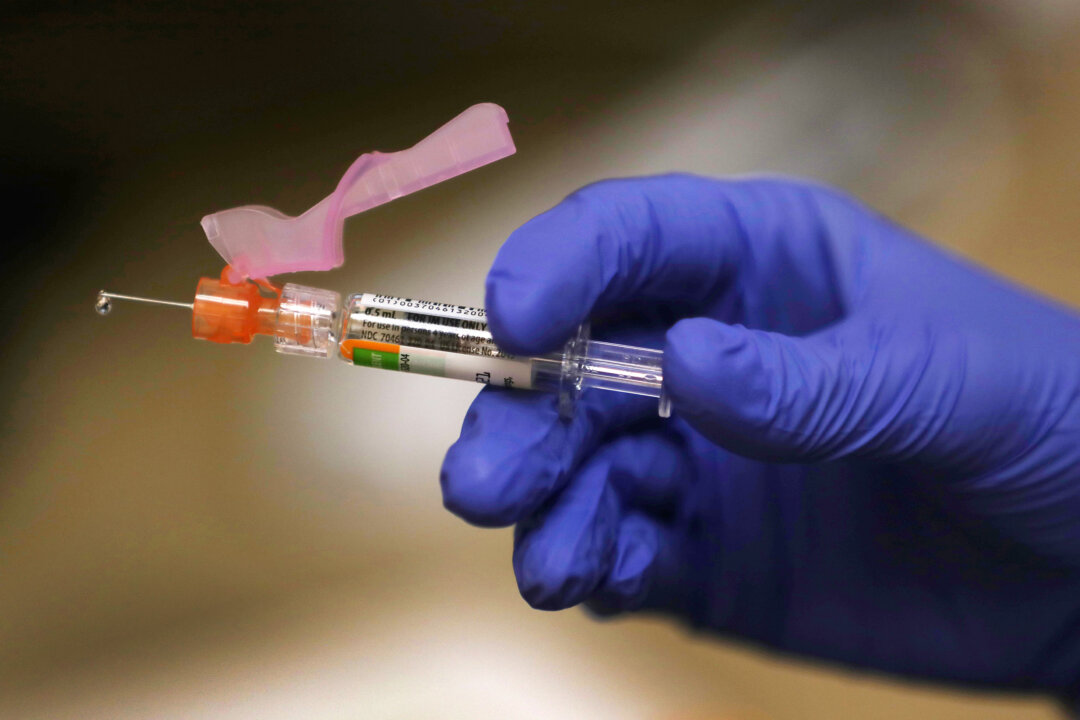
Researchers from a large health care system in Michigan found that vaccinated children were more likely to develop a chronic health condition, but never published the findings, according to a copy of the study obtained by The Epoch Times. Henry Ford Health System, whose employees carried out the study, said it was deficient.

@epochhealth - Epoch Health

Dr. Marcus Zervos, an infectious disease specialist at the Henry Ford Health, and colleagues studied 18,468 children born between 2000 and 2016 who were enrolled in the health system’s insurance plan, drawing data from medical, clinical, and payer records and supplementing with information from Michigan’s immunization registry.

@epochhealth - Epoch Health

After 10 years, 57 percent of the vaccinated children had a chronic health condition such as asthma, compared to just 17 percent of the unvaccinated children. “This study found that exposure to vaccination was independently associated with an overall 2.5-fold increase in the likelihood of developing a chronic health condition, when compared to children unexposed to vaccination,” the authors wrote. “This association was primarily driven by asthma, atopic disease, eczema, autoimmune disease and neurodevelopmental disorders. This suggests that in certain children, exposure to vaccination may increase the likelihood of developing a chronic health condition, particularly for one of these conditions.”

@epochhealth - Epoch Health

The study was first reported by Aaron Siri, managing partner of Siri & Glimstad LLP, this month in his book, Vaccines, Amen: The Religion of Vaccines. Before receiving a copy of the study, The Epoch Times asked Zervos and his coauthors for it and questioned why it was never published. Zervos responded to questions about the study by asking in an email, “Can you tell me what book this appeared in.” When told, he did not respond further. Co-authors did not return inquiries.

@epochhealth - Epoch Health

A spokesperson for Henry Ford Health acknowledged that researchers there carried out the study. “This report was not published because it did not meet the rigorous scientific standards we demand as a premier medical research institution,” a spokesperson for Henry Ford Health told The Epoch Times in an email. “Data has consistently shown vaccinations are a safe and effective way to protect children against potentially life-altering diseases.”

@epochhealth - Epoch Health

‘The Only Real Problem’ Siri, who has worked with Health Secretary Robert F. Kennedy Jr., represents a group called the Informed Consent Action Network. He and Del Bigtree, the group’s CEO, say they met with Zervos in 2017 and proposed that he compare the health of vaccinated and unvaccinated children.

@epochhealth - Epoch Health

A little about us: We’re a team of journalists and researchers on a mission to give you REAL and honest information about your health. Side effects of reading our posts may include: critical thinking. Follow us for more daily threads—backed by hard data. —> @EpochHealth

@epochhealth - Epoch Health

They initially proposed obtaining data from a federal network called Vaccine Safety Datalink, but Zervos suggested utilizing the health data from Henry Ford Health, Siri wrote in his book. Siri requested that the researchers publish the results of the study, regardless of what it showed. “Dr. Zervos looked us right in the eyes and assured us that he was a man of integrity and would publish the results, whatever the finding,” Siri said.

@epochhealth - Epoch Health

Siri received a copy of the study in 2020. He and Bigtree say that Zervos and a coauthor told them that superiors at Henry Ford Health did not want it submitted for publication and that they were concerned they could lose their jobs if they submitted it. “The only real problem with this study—and why it didn’t get submitted for publication—is that its findings did not fit the belief and the policy that ‘vaccines are safe,’” Siri said during a Senate hearing in Washington on Sept. 9. “Had it found vaccinated children were healthier, it no doubt would have been published immediately. But because it found the opposite, it was shoved in a drawer.”

@epochhealth - Epoch Health

Previous research comparing vaccinated and unvaccinated children has returned mixed results. A German study published in 2011, for instance, found that unvaccinated children were more likely to suffer diseases targeted by vaccines. An American study published in 2020 found vaccinated children had higher odds of suffering from developmental delays, asthma, and ear infections in their first year of life.

@epochhealth - Epoch Health

Dr. Jake Scott, an infectious disease doctor at Stanford University’s School of Medicine, told the hearing that he reviewed the study and found it problematic. One issue was how vaccinated children visited doctors during the study period more often than unvaccinated children, according to Scott. “When diagnoses require doctor visits, children seeing doctors more often will inevitably have more recorded conditions,” he said. “This is classic detection bias that inflates risk estimates without reflecting true health differences.”

@epochhealth - Epoch Health

Even after excluding unvaccinated children whose parents never took them to the doctor following birth, the vaccinated group still had an increased risk of developing a chronic health condition, the researchers stated, according to Zervos and the other researchers. They also analyzed the data at one, three, and five years following birth and found that the vaccinated children were still more likely to develop a chronic health condition. “Therefore, our findings do not appear to be due to differential use of health resources,” they wrote. The researchers also said that their findings “cannot prove causality and warrant future investigation.”

@epochhealth - Epoch Health

The hearing was held by the Senate Permanent Subcommittee on Investigations. Sen. Ron Johnson (R-Wis.), chairman of the panel, said during the hearing that the study was “high-quality” and “suspiciously withheld by the authors.” Sen. Richard Blumenthal (D-Conn.), its ranking member, questioned why it has taken five years following completion for the study to be disclosed to the public.

@epochhealth - Epoch Health

“My hope has always been that the scientists would publish it,” Siri said. “And we’ve tried to persuade them many, many times, so it could go through the normal, peer-review process.” https://www.theepochtimes.com/us/researchers-found-unvaccinated-children-healthier-than-vaccinated-didnt-publish-findings-5912680

Researchers Found Unvaccinated Children Healthier Than Vaccinated, Didn’t Publish Findings Henry Ford Health System researchers carried out the study. theepochtimes.com

@epochhealth - Epoch Health

Thanks for reading! If you found this valuable, here's a special deal: Unlock our ENTIRE library of @EpochHealth articles for just $1/week—plus unlimited access to everything else on our site. Claim it here: https://on.theepochtimes.com/vfox/health?utm_medium=partner&utm_source=prtnrhard&utm_campaign=epochhealth-vf&utm_content=img-1&utm_term=new-health&gl=sub https://t.co/NprXaLQRl3

Saved - August 26, 2025 at 9:43 PM
reSee.it AI Summary
The CDC's advisory panel is set to investigate the persistence of spike protein, mRNA, and lipid nanoparticles from COVID-19 vaccines, addressing concerns that have been raised since 2021. The Advisory Committee on Immunization Practices (ACIP) will review safety, effectiveness, and potential impurities, alongside the impact of vaccines on all-cause deaths. Retsef Levi has been appointed chair of the work group, aiming to provide evidence-based recommendations. Upcoming meetings are scheduled for August and October to discuss findings and recommendations.

@epochhealth - Epoch Health

The CDC just quietly admitted what skeptics warned about for years. For the first time, its advisory panel will study how long spike protein, mRNA, and lipid nanoparticles persist in the body. These are the very questions people were censored and discredited for asking since 2021. And now the government is asking the ultimate one: what has this done to all-cause deaths? 🧵 THREAD

@epochhealth - Epoch Health

A committee that advises the Centers for Disease Control and Prevention is going to review various aspects of COVID-19 vaccines, including concerns about the persistence of messenger ribonucleic acid (mRNA), according to a new document. https://www.theepochtimes.com/health/cdc-advisory-committee-launches-review-of-covid-19-vaccines-5905629

CDC Advisory Committee Launches Review of COVID-19 Vaccines The panel is going to study the efforts of repeated booster doses as well as how vaccines and COVID-19 have affected deaths and hospitalizations from any cause. theepochtimes.com

@epochhealth - Epoch Health

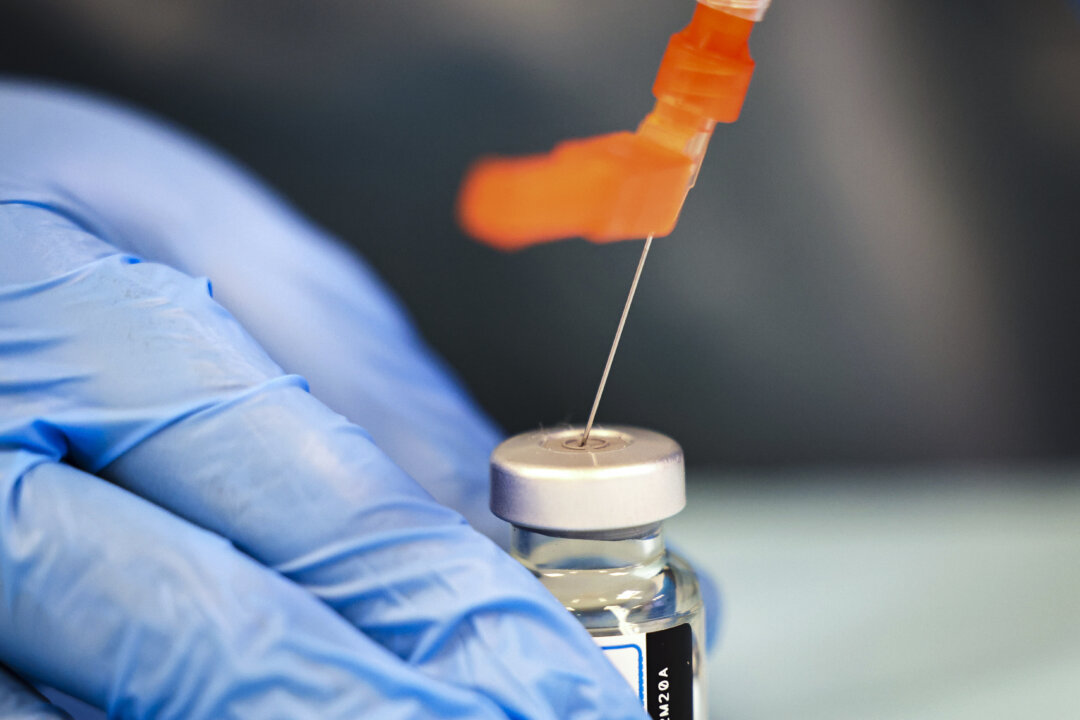
The Advisory Committee on Immunization Practices (ACIP) work group on COVID-19 vaccines will review data on the shots related to their safety, effectiveness, and immunogenicity, according to the Aug. 20 document, which was released by the CDC. Members also plan to look at gaps in existing knowledge “relating to bio distribution, pharmacokinetics, and persistence of the spike protein, mRNA, and lipid nanoparticles to inform immunization recommendations,” the document states.

@epochhealth - Epoch Health

Studies have found that the spike protein and mRNA in the vaccines persist for some time. Lipid nanoparticles are used to deliver the mRNA. https://www.theepochtimes.com/health/messenger-rna-sequences-found-in-blood-28-days-after-covid-19-vaccination-5040217

Messenger RNA Sequences Found in Blood 28 Days After COVID-19 Vaccination theepochtimes.com

@epochhealth - Epoch Health

Other areas of focus for the group include potential impurities such as contamination by DNA, the impact of repeated booster doses on immune systems, how both COVID-19 vaccines and COVID-19 have affected all-cause deaths and hospitalizations, and serious adverse events potentially caused by the vaccines. After reviewing the data and consulting with experts at the CDC, the Food and Drug Administration, and outside the government, the group plans on issuing new recommendations regarding the shots.

@epochhealth - Epoch Health

Retsef Levi, a professor of operations management at the Massachusetts Institute of Technology, has been named chair of the work group. “My goal as the WG [work group] chair is to work with my colleagues at ACIP, the CDC and FDA experts and the external experts to openly study the range of issues and questions outlined in the Terms of Reference, to inform the best science and evidence-based policy recommendations, and having the health and safety of patients front in mind,” Levi told The Epoch Times in an email. Levi has previously called for halting the Pfizer and Moderna COVID-19 vaccines, citing concerns with safety and effectiveness. Pfizer and Moderna have not responded to requests for comment.

@epochhealth - Epoch Health

A little about us: We’re a team of journalists and researchers on a mission to give you REAL and honest information about your health. Side effects of reading our posts may include: critical thinking. Follow us for more daily threads—backed by hard data. —> @EpochHealth

@epochhealth - Epoch Health

The CDC says on its website that the COVID-19 vaccination “helps protect you from severe illness, hospitalization, and death.” It has acknowledged some side effects, including heart inflammation.

@epochhealth - Epoch Health

Under orders from Health Secretary Robert F. Kennedy Jr., the CDC earlier this year stopped recommending COVID-19 vaccination for healthy children and pregnant women. https://www.theepochtimes.com/health/cdc-updates-covid-19-vaccine-recommendations-after-delay-5865494

CDC Updates COVID-19 Vaccine Recommendations After Delay The agency had kept its old recommendations in place for several days, even after officials announced they had been superseded. theepochtimes.com

@epochhealth - Epoch Health

Kennedy subsequently removed all members of ACIP and appointed Levi and others to replace them. https://www.theepochtimes.com/us/meet-the-new-members-of-the-cdcs-vaccine-advisory-committee-5871977

RFK Jr. Hires New Panel of Experts to Advise on Vaccines—Here’s Who They Are Health Secretary Robert F. Kennedy Jr. appointed the new members after firing the entire panel. theepochtimes.com

@epochhealth - Epoch Health

The CDC had for years recommended that all people aged 6 months and older receive a COVID-19 vaccine. The previous advisory panel had been considering recommending the CDC shift to a non-universal recommendation. https://www.theepochtimes.com/health/cdc-advisers-lean-toward-recommending-narrower-use-of-covid-19-vaccines-5841828

CDC Advisers Consider Recommending Narrower Use of COVID-19 Vaccines The CDC’s current recommendation is universal for those aged 6 months and older. theepochtimes.com

@epochhealth - Epoch Health

ACIP member Dr. Robert Malone, who is serving on the COVID-19 vaccine work group, said on his blog that establishing topics for the group to review was a sign of progress. “I am sorry it is so slow (and frustrating for all concerned), but we now have the authorization to look deeply into the big questions,” he wrote. “Hopefully, we will have some answers by the upcoming ACIP general meeting.”

@epochhealth - Epoch Health

The next ACIP meeting is slated to take place in August or September, according to the committee’s website. Another meeting is due to take place on Oct. 22 and Oct. 23. ACIP member Dr. James Pagano will also serve on the working group. Other members of the group have not been disclosed, and Levi declined to name them. The document says the group “is composed of experts who are appointed based on their professional, scientific, technical, or other expertise.” CDC employees will no longer be able to serve as members, according to the document, although they can still present to the panel, which meets behind closed doors.

@epochhealth - Epoch Health

Thanks for reading! If you found this valuable, here's a special deal: Unlock our ENTIRE library of @EpochHealth articles for just $1/week—plus unlimited access to everything else on our site. Claim it here: https://on.theepochtimes.com/vfox/health?utm_medium=partner&utm_source=prtnrhard&utm_campaign=epochhealth-vf&utm_content=img-1&utm_term=new-health&gl=sub https://t.co/X1Si17nG2A

Saved - August 22, 2025 at 12:47 AM
reSee.it AI Summary
I've been exploring the hidden dangers in our food that could harm brain health, particularly microplastics and heavy metals. These toxins can cross the blood-brain barrier, potentially leading to cognitive decline and dementia. Seafood, especially larger fish, is a significant source of these contaminants, so I recommend opting for smaller fish and avoiding fish viscera. Additionally, many health supplements in capsule form may also contain microplastics. A diet rich in whole foods and antioxidants can help detoxify the body and support brain health.

@epochhealth - Epoch Health

Is your dinner plate slowly destroying your brain? Microplastics, heavy metals, and hidden toxins are turning everyday meals into a delivery system for dementia-linked damage. These particles don’t just linger in your gut—they can cross the blood-brain barrier, triggering cellular damage tied to cognitive decline. And what if even your trusted supplements are part of the problem? Here’s what you need to know to protect your brain long-term... 🧵 THREAD

@epochhealth - Epoch Health

The foods we consume daily could be silently sabotaging our brain health. Microplastics, heavy metals, and toxins—present not only in seafood but in ultra-processed foods and even health products—pose growing risks, with links to cognitive decline and dementia.

@epochhealth - Epoch Health

In this article, we explore how these hidden dangers are entering our bodies and what steps we can take to reduce the risks. https://www.theepochtimes.com/health/invisible-threats-to-the-brain-how-common-foods-may-accelerate-dementia-5874375

Invisible Threats to the Brain: How Common Foods May Accelerate Dementia From seafood and supplements to ultra-processed foods, hidden toxins may be quietly accumulating in your brain. theepochtimes.com

@epochhealth - Epoch Health

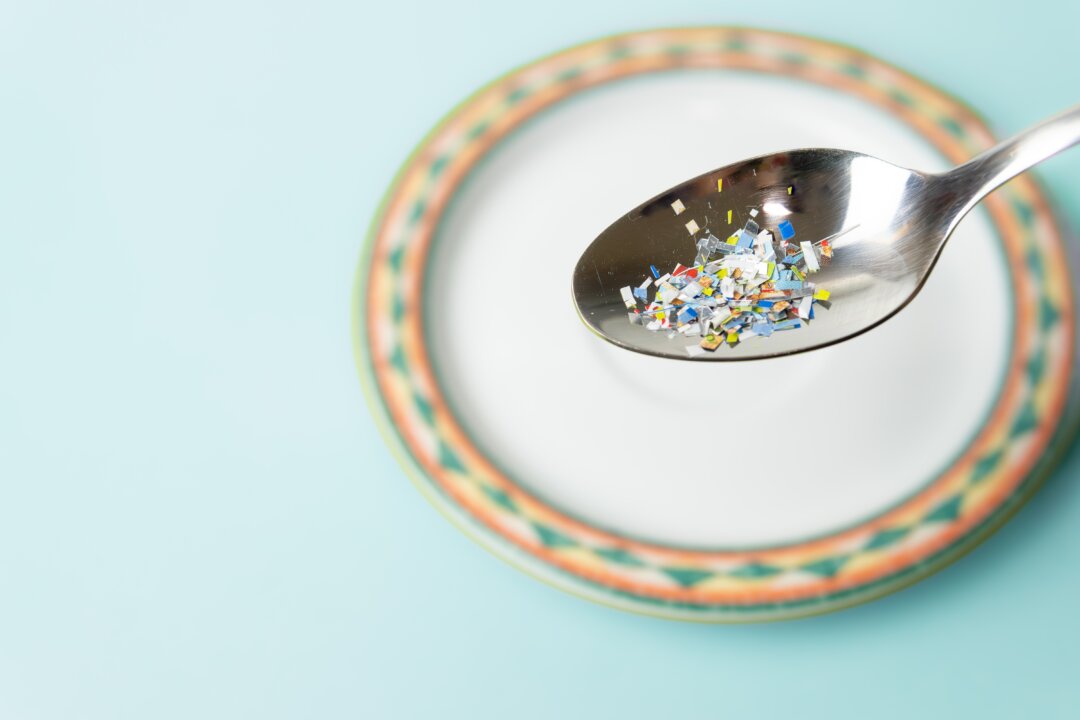
Microplastics: Most Abundant in Our Brain Microplastics are silently invading our bodies—especially the brain—through our daily diet. “Once too much of it accumulates in the brain, the risk of dementia will increase,” said Zhao Mingwei, a certified toxicologist with the American Society of Toxicology, during a recent appearance on NTDTV’s “Health 1+1” program. A study published in Nature Medicine in February found that microplastics are present in the kidneys, liver, and brain. The amount of microplastics in the brains of deceased people without dementia is much higher than that in the liver or kidneys— and even higher in the brains of patients with dementia. Other studies have shown that nanoplastics can accelerate the formation of beta-amyloid protein, thereby increasing the incidence of neurodegenerative diseases such as Alzheimer’s disease. The primary function of the human blood-brain barrier is to protect the brain by controlling what can pass from the bloodstream into brain tissue. Because microplastics can be tiny and interact with cell membranes—especially in fatty tissues—extremely small particles may sometimes cross into the brain. A study published in January also found that microplastics can break through the blood-brain barrier, causing cell blockage, inducing cerebral thrombosis, and leading to neurobehavioral abnormalities.

@epochhealth - Epoch Health

How to Reduce Risk from Seafood Consumption Zhao said that due to environmental pollution, seafood has become increasingly contaminated. Nearshore fish, clams, and other crustaceans—such as crabs and shrimp—are prone to accumulate microplastics. In addition, through the food chain, large fish can accumulate more microplastics and heavy metals by eating smaller fish. If you eat contaminated large fish, you may also ingest these toxic substances. Zhao recommends the following when eating fish: 1. Opt for smaller fish species Avoid large fish; palm-sized fish may be a more suitable choice. 2. Choose seafood from known clean sources Try to avoid eating seafood from near the seashore or close to highly populated areas, which are more susceptible to pollution. This is especially true for fish caught near fishing ports, where boats may emit pollutants. 3. Avoid eating fish viscera Regardless of the source, try to avoid eating fish viscera—such as liver, intestines, and bone marrow—because microplastics and heavy metals tend to accumulate in these organs. Even stewed fish bone soup should be avoided when possible.

@epochhealth - Epoch Health

A little about us: We’re a team of journalists and researchers on a mission to give you REAL and honest information about your health. Side effects of reading our posts may include: critical thinking. Follow us for more daily threads—backed by hard data. —> @EpochHealth https://t.co/o3w5biE6nz

@epochhealth - Epoch Health

Microplastics in Health Products Zhao said health products are also a source of microplastics, especially those in capsule form. Many middle-aged and older people regularly take multiple health products, including vitamins A, C, and D, calcium tablets, enzymes, and probiotics. If these products are in capsule form, a large amount of microplastics could be ingested. He added that although most microplastics may be metabolized by the body, even a minute quantity accumulating in the brain daily can, by age 70, significantly increase the risk of dementia and may eventually cause irreversible damage.

@epochhealth - Epoch Health

Safe Ways to Take Health Supplements To safely take health supplements, Zhao recommends: 1. Avoid supplements in capsule form: Prioritizing original forms, such as powder, may reduce microplastic intake. 2. Limit the number of health supplements taken simultaneously: Limiting the number of supplement capsules taken at once may reduce intake of microplastics or plasticizers. 3. Choose supplements from reputable, certified sources: Choosing products with government-certified symbols, such as Good Manufacturing Practices (GMP) or International Organization for Standardization (ISO), may help ensure product safety.

@epochhealth - Epoch Health

Ultra-Processed Foods Harm Brain Function A study published in JAMA Neurology found that eating too much ultra-processed food accelerates cognitive decline. Zhao noted that many ultra-processed foods have been so extensively altered that consumers no longer know their true origins. For example, many people think that jam is made from strawberries or grapes, but it may actually be derived from corn. Similarly, popular plant-based meats may look and taste like meat, but they are not made from animal products. Ultra-processed foods are highly refined, which alters their original chemical structure. Due to complex processing, toxins may be produced at any stage, and these modified ingredients may increase the risk of cardiovascular disease, dementia, and premature death. As for whether food labels help, Zhao believes they often do not—many sources of ultra-processed foods are well-hidden. Even reading a food label may not reveal the raw materials or how many processes the food underwent. Therefore, he recommends avoiding ultra-processed foods and choosing whole foods instead.

@epochhealth - Epoch Health

How a Healthy Diet Supports Detoxification Can the body excrete accumulated toxins? Zhao said that depends on the type. Water-soluble toxins can often be flushed out by drinking more water. Fat-soluble toxins, however, are quickly absorbed by organs and the brain, making them harder to metabolize. He suggested eating more fresh vegetables and fruits. A healthy diet provides antioxidants, which help strengthen immunity and combat toxins. Exercise also boosts blood circulation, aiding in toxin metabolism through the kidneys.

@epochhealth - Epoch Health

Thanks for reading! If you found this valuable, here's a special deal: Unlock our ENTIRE library of @EpochHealth articles for just $1/week—plus unlimited access to everything else on our site. Claim it here: https://on.theepochtimes.com/vfox/health?utm_medium=partner&utm_source=prtnrhard&utm_campaign=epochhealth-vf&utm_content=img-1&utm_term=new-health&gl=sub https://t.co/tjBXw0CkqN

Saved - August 21, 2025 at 2:09 PM
reSee.it AI Summary
I've been exploring the surprising role of the urinary tract microbiome in kidney stone prevention. Researchers discovered that certain bacteria, like Lactobacillus acidophilus, can inhibit the formation of calcium oxalate crystals, while E. coli promotes stone development. Maintaining a healthy urobiome through probiotics and dietary changes, such as increasing fiber and hydration, can help prevent stones. Additionally, being mindful of food sources and their bacterial content is crucial. Adopting these strategies may significantly reduce the risk of kidney stones.

@epochhealth - Epoch Health

The Unexpected Defender Against Kidney Stones Millions struggle with kidney stones every year. Diet, dehydration, and genetics usually take the blame. But scientists just found something hiding in your body that plays an even bigger role. It’s not what you think. And it could change how we prevent kidney stones forever. 🧵 THREAD

@epochhealth - Epoch Health

The urinary tract microbiome, also known as the urobiome, is home to various microorganisms. Researchers from Mahidol University in Thailand found that certain bacteria within the urobiome play crucial roles in promoting or preventing kidney stone formation. The discovery sheds new light on this painful condition that affects approximately 10 percent of the U.S. population. The study, published in the journal Microbiome, showed that Lactobacillus acidophilus (L. acidophilus) helped prevent the formation of calcium crystals that cause kidney stones. In contrast, Escherichia coli (E. coli) promoted kidney stone formation. “The urinary tract of healthy individuals is known to harbor several bacterial genera,” the authors wrote, citing Lactobacillus. “Alterations in such bacterial community or urinary microbiome have been reported in many kidney diseases, including KSD [kidney stone disease].”

@epochhealth - Epoch Health

Contrasting Actions of 2 Key Bacteria Researchers investigated how L. acidophilus, commonly found in the urine of healthy individuals, might prevent kidney stone formation. They compared its effects with E. coli, known to promote stone development. The study examined their interactions with calcium oxalate crystals—a common component of kidney stones. Oxalate, which is obtained through the diet, typically binds with calcium from food and exits through the bowels. In other words, if oxalate binds with calcium in the gut, it’s not a problem. But excess oxalate in the diet, without calcium, can be absorbed into the bloodstream, where it binds with calcium in the urine, forming calcium oxalate kidney stones that can’t exit the body easily.

@epochhealth - Epoch Health

The results revealed contrasting effects: L. acidophilus: • Reduced the formation, growth, and clumping of calcium oxalate crystals • Prevented crystals from sticking to kidney cells, which can cause crystals to enlarge and form kidney stones E. coli: • Increased the growth and clumping of crystals Neither bacteria significantly degraded the crystals. This suggests their effects stem from their ability to inhibit or promote crystal formation rather than break them down. Both bacteria can stick to the crystals due to having adhesive proteins on their outer surface, with L. acidophilus having a higher percentage of bacteria-bound crystals than E. coli. When these surface components were removed, the bacteria lost their ability to affect crystal formation. Calcium oxalate kidney stones are formed when a person who is not adequately hydrated eats foods high in oxalate with a diet low in calcium. This can cause an inadequate amount of calcium for oxalate to bind to in the gut, causing the concentrated urine to crystalize.

@epochhealth - Epoch Health

A little about us: We’re a team of journalists and researchers on a mission to give you REAL and honest information about your health. Side effects of reading our posts may include: critical thinking. Follow us for more daily threads—backed by hard data. —> @EpochHealth

@epochhealth - Epoch Health

Kidney Stones: The Bacterial Connection Microorganisms exist at different sites in the body, including the gut, vagina, and the bladder—these areas are called microbiomes. While the role of bacteria in the urine, or the urobiome, is not yet fully understood, it is believed to function similarly to other microbiomes, particularly in maintaining balance and regulating immune responses. Several studies have linked imbalance in the microbial community that resides in the urinary tract to various urologic diseases, including kidney stones and urinary tract infections. People with stones have more “bad” bacteria, such as certain strains of E. coli, in their urine and stones. In contrast, healthy people have a more diverse bacterial community, including certain beneficial bacteria that are less common in those who form stones. For instance, healthy women often have more Lactobacillus species such as L. acidophilus and L. crispatus. Still, people with stones have fewer helpful bacteria—suggesting that some bacteria may be protective against kidney stone formation. While many emerging studies reveal how different bacteria affect the body, Dr. Sabine Hazan, gastroenterologist and CEO of Progenabiome, said it’s important to understand that individuals are different. “What’s a good microbe for one ... is actually a bad microbe for another,” she said. She noted that determining whether a bacteria is beneficial or harmful, or if it plays a significant role in processes, remains a matter for future research.

@epochhealth - Epoch Health

Healthier Bacteria for Better Kidney Health Limited data exist on improving the urobiome, but there may be ways to enhance its health and prevent urinary issues. Probiotics and the Urobiome Oral probiotics can travel through the digestive tract, colonize the vagina, and influence the urobiome composition. While helpful, they may be less effective on the urobiome compared to those delivered directly to the vagina or bladder via a catheter, which more effectively promotes colonization of the urinary bladder and positively shifts the microbial composition. Given their convenience and noninvasive nature, oral probiotics can still help improve urobiome diversity. Good probiotic sources include yogurt, kimchi, and sauerkraut.

@epochhealth - Epoch Health

The Role of Prebiotics Eating prebiotics is essential to support the growth of the gut microbiome. “Eating enough fiber (25–32 grams per day), especially from prebiotic fiber sources, is associated with beneficial changes in the gut microbiome for general health,” Melanie Betz, a registered dietitian who specializes in kidney stones and founder and CEO of The Kidney Dietitian in Chicago, told The Epoch Times. The fiber supporting a healthy gut microbiome is likely why a plant-focused diet can help prevent kidney stones, she added.

@epochhealth - Epoch Health

Probiotics and Kidney Stone Prevention In addition to influencing the urobiome, certain probiotics have shown promise in directly preventing kidney stones. An in vitro study, published in the Journal of Food Science, found that consuming probiotics with oxalate-degrading activity broke down oxalate and reduced inflammation caused by its buildup, suggesting their potential for preventing and treating kidney stones. “Certain strains of bacteria consume oxalate for energy, which reduces oxalate intestinal absorption—ultimately reducing kidney stones,” Betz said.

@epochhealth - Epoch Health

Other Lifestyle Changes Aside from probiotics, other lifestyle changes may also help prevent kidney stones: Stay hydrated: Adequate hydration helps prevent kidney stones by reducing the oxalate and calcium concentration in the urine. Infrequent urination and dehydration are known causes of kidney stones. Dietary adjustments: • If you eat foods high in oxalate—such as beets, potatoes, and grains—combine them with foods high in calcium—such as dairy and fish—together in a meal. • Cut back on eating meals that combine sodium and oxalate. • Limit intake of animal protein.

@epochhealth - Epoch Health

Dr. Richard Amerling, nephrologist and chief academic officer of The Wellness Company, explained that in addition to excess oxalate, low or absent urinary citrate is a significant factor in kidney stone formation. “Citrate binds to calcium in the urine and prevents calcium crystal formation,“ he said. ”So, it’s an inhibitor of calcium stone formation. Citrate goes away in the urine when the diet is very high in acid. So, the way to increase urine citrate is to increase your intake of base or alkali such as sodium bicarbonate.” Uric acid stones, another type of kidney stone, are caused by excess uric acid excretion in the urine. “The major contributor to uric acid production in the body is actually fructose found in sugar. So, if you want to prevent kidney stones with uric acid, stay away from sugar,” Amerling added.

@epochhealth - Epoch Health

Being mindful of food sources is also important. “E. coli has a role in digestion. However, at a certain level, it becomes pathogenic,” Hazan said. She added that certain foods, such as vegetables, fruits, and meats, have more E coli than others. “There’s a lot of contamination of products out there that could have– that we think we’re taking a natural product, and it may have some contamination in there that basically increases your level of E. coli,” Hazan said. She said this could be mitigated by being mindful of where people get their products.

@epochhealth - Epoch Health

By adopting these strategies and maintaining a healthy urobiome, people can reduce their risk of kidney stones and improve their overall urinary tract health. https://www.theepochtimes.com/health/a-particular-bacteria-in-your-urine-can-help-protect-against-kidney-stones-5726966

A Particular Bacterium in Your Urine Can Help Protect Against Kidney Stones Learn about the urinary tract microbiome in kidney health and the dietary recommendations for preventing kidney stones. theepochtimes.com

@epochhealth - Epoch Health

Thanks for reading! If you found this valuable, here's a special deal: Unlock our ENTIRE library of @EpochHealth articles for just $1/week—plus unlimited access to everything else on our site. Claim it here: https://on.theepochtimes.com/vfox/health?utm_medium=partner&utm_source=prtnrhard&utm_campaign=epochhealth-vf&utm_content=img-1&utm_term=new-health&gl=sub https://t.co/gAbmZNYz6X

Saved - August 21, 2025 at 12:24 AM
reSee.it AI Summary
The vagus nerve plays a crucial role in regulating anxiety, digestion, inflammation, and immune response, often without our awareness. It connects key organs and supports health by activating the parasympathetic nervous system, promoting calm and balance. Stimulating the vagus nerve can alleviate symptoms of depression, enhance cognitive function, and regulate heart rate and breathing. Various methods, including natural stimulation through breathing, can improve vagal function. Upcoming articles will explore more ways to enhance vagus nerve health.

@epochhealth - Epoch Health

There’s one nerve that controls your anxiety, digestion, inflammation—even your immune system. It’s called the vagus nerve. And almost no one talks about it. Understanding how it works could be the missing link to feeling your best—naturally. 🧵 THREAD

@epochhealth - Epoch Health

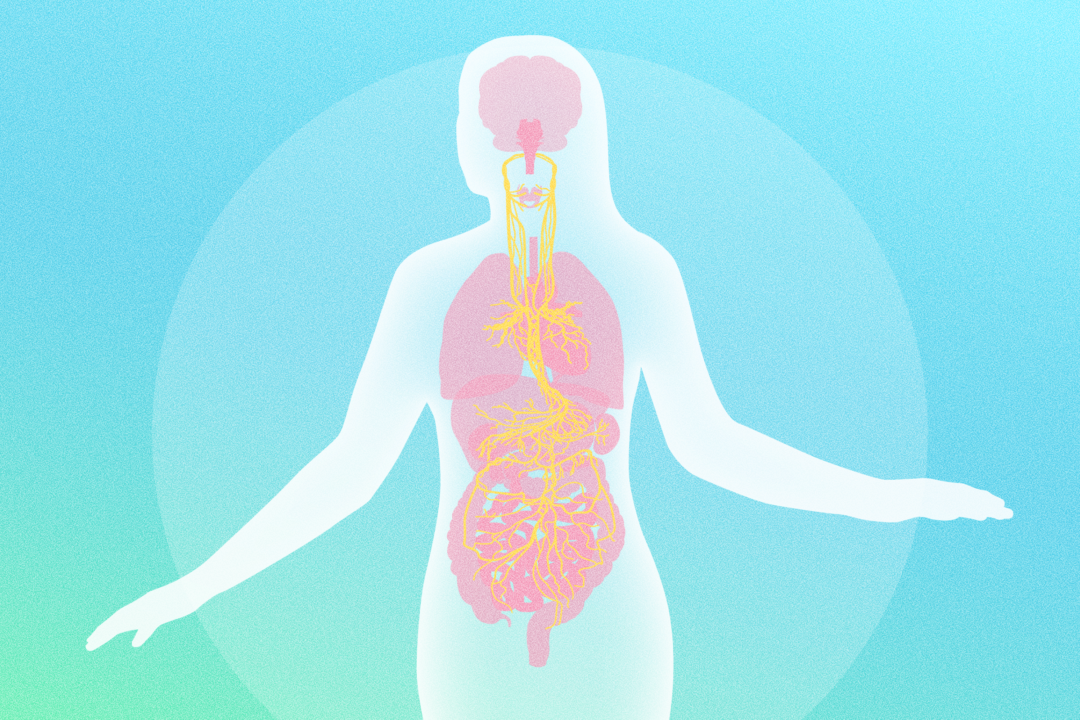
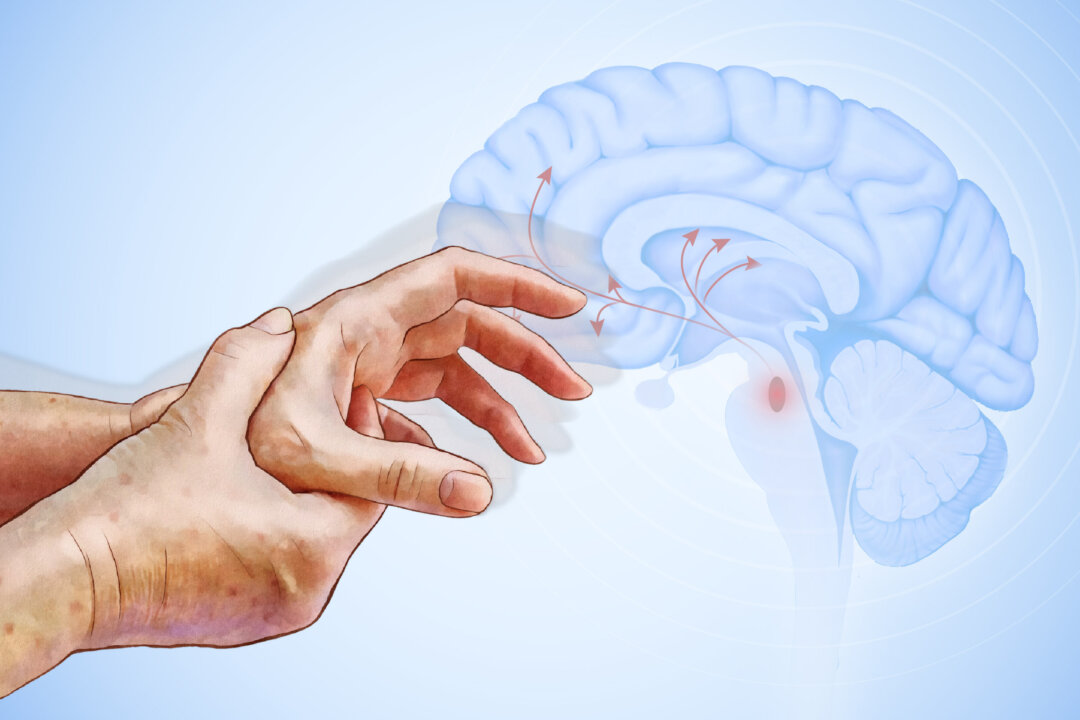
The vagus nerve quietly orchestrates and regulates essential bodily functions, often without your awareness. It connects to key organs such as the brain, heart, lungs, gut, and pancreas, supporting health and standing ready to address a range of challenges with both immediate and long-lasting effects. By understanding the vagus nerve’s role and learning how to stimulate it effectively, you can access greater calm, healing, and resilience. As the vagus nerve originates from the brain and travels throughout the body, it branches into various organ systems. It’s part of the parasympathetic nervous system, which means that its primary role is to calm and restore your body’s balance. When the vagus nerve stimulates these organs, the parasympathetic (rest and digest) response is activated, Dr. Priyal Modi, an integrative medicine practitioner, told The Epoch Times.

@epochhealth - Epoch Health

Stimulating the vagus nerve relieves symptoms of depression and anxiety and builds stress resilience. This is likely because of the nerve’s connection with brain regions that regulate mood. Activating the vagus nerve is linked to the release of dopamine. It also results in higher levels of serotonin and 5-hydroxytryptophan (5-HTP), the precursor to serotonin, leading to improved quality of life, including better emotional adjustment and enhanced social functioning. A healthy vagus nerve is also linked to sharp cognitive function and creative thinking, Modi said.

@epochhealth - Epoch Health

The vagus nerve keeps both heart rate and breathing steady to ensure that all tissues get a steady supply of oxygen. It is “a major conduit between the heart and brain,” according to a review published in Seminars in Cell & Developmental Biology. It forms specialized sensory endings on the heart and blood vessels to detect and regulate the cardiovascular environment, including blood pressure and heart rhythm. The vagus nerve is also a main messenger for sending sensory information from the lungs to the brain, controls how the airway muscles constrict and relax, and adjusts both the rate and depth of breathing. If the vagus nerve senses a threat, such as airway damage or blockage, it triggers protective reflexes, such as swallowing or coughing, to keep the airways clear.

@epochhealth - Epoch Health

A little about us: We’re a team of journalists and researchers on a mission to give you REAL and honest information about your health. Side effects of reading our posts may include: critical thinking. Follow us for more daily threads—backed by hard data. —> @EpochHealth

@epochhealth - Epoch Health

The vagus nerve coordinates energy use, digestion, and appetite. It mobilizes food through the digestive tract and breaks it down. It is also connected to the brain regions that influence hunger and satiety, helping you know when you are hungry or full. This system can even affect your body’s preference for certain flavors or textures based on nutritional needs. It helps detect the body’s need for things such as water and salt and can sense danger from food allergens and toxins. Furthermore, the vagus nerve regulates the release of insulin and controls blood glucose levels and glucose storage.

@epochhealth - Epoch Health

Stimulating the vagus nerve helps reduce inflammation and maintain a healthy immune system. The vagus nerve’s anti-inflammatory signaling reduces systemic inflammation, a factor often linked to chronic illnesses, Jodi Duval, an Australia-based naturopathic physician and founder of Revital Health, told The Epoch Times.

@epochhealth - Epoch Health

Vagal tone—or the influence that the vagus nerve has on the body—is a reflection of the health of the vagus nerve itself, according to Modi. The most common and accessible way to measure vagal tone is through heart rate variability (HRV), which tracks the variation in time between heartbeats. This variation naturally fluctuates in response to breathing and other signals from the autonomic nervous system. Generally, higher HRV suggests stronger vagal tone and better vagus nerve function, “which allows a person to respond and adapt to physiological and environmental challenges,” Modi said. She added that HRV can be measured with a fitness tracker, smartwatch, or electrocardiogram.

@epochhealth - Epoch Health

The state of the vagus nerve is linked to various conditions, ranging from mental health disorders to Alzheimer’s disease. https://www.theepochtimes.com/health/how-the-vagus-nerve-controls-the-health-of-major-organs-5753476

How the Vagus Nerve Controls the Health of Major Organs The vagus nerve stimulates a variety of organs and their systems, including the brain, heart, lungs, and digestive tract. theepochtimes.com

@epochhealth - Epoch Health

There are many approaches to improve vagus nerve function, such as vagus nerve stimulation—often defined as mechanical stimulation using a vagus nerve stimulator—and natural stimulation methods. Breathing, for example, is a distinct natural stimulator because it’s the only part of the autonomic nervous system that operates both automatically and consciously, giving us direct access to influence the vagus nerve system. People respond to different types of therapies in unique ways; treatments, in general, must be tailored to a person’s needs and what’s accessible to them. However, stimulating the vagus nerve is something that everyone can try, according to Lidalize Grobler, an educational psychologist. “It’s something I rely on most in my own practice because, in our modern lives, many of us are constantly in a fight-or-flight state. Stimulating the vagus nerve can help regulate this response, making it valuable for nearly everyone,” she said. Upcoming articles in this series will explore ways to improve vagus nerve function to alleviate a number of conditions.

@epochhealth - Epoch Health

Thanks for reading! If you found this valuable, here's a special deal: Unlock our ENTIRE library of @EpochHealth articles for just $1/week—plus unlimited access to everything else on our site. Claim it here: https://on.theepochtimes.com/vfox/health?utm_medium=partner&utm_source=prtnrhard&utm_campaign=epochhealth-vf&utm_content=img-1&utm_term=new-health&gl=sub https://t.co/60TQKQS0Al

Saved - August 20, 2025 at 2:00 PM
reSee.it AI Summary
Not all proteins are created equal; a new scoring system reveals that many plant proteins lack essential amino acids, while animal sources like milk and eggs excel. I learned that protein quality depends on amino acid ratios and digestibility. The Digestible Indispensable Amino Acid Score (DIAAS) provides a more accurate measure of protein quality, highlighting the importance of digestibility. By focusing on high-DIAAS foods, I improved my protein intake, leading to noticeable muscle growth and reduced body fat without changing my workout routine.

@epochhealth - Epoch Health

Not all proteins are equal. A new scoring system shows many plant proteins fall short, lacking the essential amino acids your body needs to function. Meanwhile, milk, eggs, and whey score so high they exceed human needs—fueling stronger muscle, sharper energy, and better health. The problem? Food companies don’t have to disclose any of this. So which proteins truly deliver—and which ones don’t? 🧵 THREAD

@epochhealth - Epoch Health

Sam was lifting weights five days a week. He was determined to build muscle strength and sculpt what he called his “Dad bod” as he approached his 50th birthday. However, the results of his efforts at the end of the first month left him frustrated despite all of his hard work. A gym trainer asked him about his diet. Their conversation revealed that the missing detail was the right amount of protein for Sam’s age and goals. He was eating the same proteins he had as a younger man and expected the same muscle gains from them. The reality is that it is harder to build muscle as we age, and resistance training is only half of the equation.

@epochhealth - Epoch Health

The quality of protein in any food depends on two key factors: the ratio of all amino acids it contains and how well your body can break down and absorb them. Amino acids are the building blocks for everything biological—from cellular health and DNA function to brain, gut, and organ health. Of the 20 amino acids, nine are “essential,” meaning the body can not produce them and must acquire them from food. A high-quality protein source contains all nine in the right amounts, and is easy to absorb— something that depends partly on your digestive strength.

@epochhealth - Epoch Health

“It’s not just about how much protein is in your food, but how much of the essential amino acids your body can actually digest and absorb,” Hans Stein, professor of nutrition at the University of Illinois, told The Epoch Times. “Digestible amino acids are what truly determine the quality of a protein source.” Protein quality assessment tools such as the Digestible Indispensable Amino Acid Score (DIAAS) are emerging as a novel way to track protein intake.

@epochhealth - Epoch Health

Changed Protein Quality Assessments Protein quality refers to how well a protein source supplies the essential amino acids your body needs and how easily it can digest and absorb them. DIAAS is currently the most accurate method for assessing protein quality, as it measures the actual absorption of each amino acid at the end of the small intestine (ileum), providing a precise reflection of what the human body can utilize rather than what is lost through excretion through the bowels. The higher the DIAAS score, the better the protein source is for supporting the multiple uses needed by your body.

@epochhealth - Epoch Health

Previous methods of evaluating protein quality relied on rodent animal models that were not truly representative of human digestion, leading to less accurate assessments. Recent advances have been fueled by extensive research into how our bodies actually digest and use amino acids. Central to this progress was a shift toward studying animals with digestive systems that closely resemble our own—most notably, pigs. The new score accounts for the differences in how well our bodies absorb amino acids from various foods and processing methods. By focusing on digestibility at the ileum, tracking individual amino acids, and considering age-specific requirements, the new recommendation addresses recognized inaccuracies of the older protein digestibility-corrected amino acid score and better predicts our protein absorption.

@epochhealth - Epoch Health

How to Make Better Dietary Choices Understanding how protein quality is measured using DIAAS can directly influence the choices we make in our daily diets. By focusing on foods that score higher on the protein scale, we can more easily meet our daily amino acid needs. “Over the past 12 years, we’ve measured the digestibility of amino acids in about 150 foods, and our database now includes over 500 food items. This resource is being developed for clinicians to better guide dietary recommendations,” Stein said.

@epochhealth - Epoch Health

A little about us: We’re a team of journalists and researchers on a mission to give you REAL and honest information about your health. Side effects of reading our posts may include: critical thinking. Follow us for more daily threads—backed by hard data. —> @EpochHealth

@epochhealth - Epoch Health

Unlike the older system, DIAAS scores can go above 100% percent, meaning some proteins provide more than enough of all the essential amino acids. It gives a more accurate picture of how much usable protein you get from different foods. https://www.theepochtimes.com/health/not-all-proteins-are-equal-how-to-maximize-your-protein-quality-5884418

Not All Proteins Are Equal–How to Maximize Your Protein Quality A new scientific method for measuring the amino acid value of your foods can make smarter choices for your long-term health.  theepochtimes.com

@epochhealth - Epoch Health

The values represent: • DIAAS equal to or greater than 100 percent: The protein provides all essential amino acids in amounts equal to or greater than what the body needs. Examples include milk, eggs, meat, and whey protein. • DIAAS less than 100 percent: The protein is missing or low in one or more essential amino acids, or is less digestible. Examples include many plant proteins, such as wheat, rice, and some legumes. Stein points out that meat proteins aren’t always the most affordable option. His earlier research shows milk and other dairy products are excellent sources of protein.

@epochhealth - Epoch Health

The change in protein values reflects a need for updated dietary guidelines and transparency in protein quality labeling. “We’re advocating for regulatory bodies like the FDA to require companies making protein quality claims to provide digestibility values. This transparency will empower consumers to make better dietary choices,” Stein said. It is expected that this research will influence broader public access to digestibility data within the next decade.

@epochhealth - Epoch Health

For health enthusiasts like Sam, there is already enough data online to calculate DIAAS from the most commonly eaten protein foods. Sam started tracking his daily protein meals for a couple of days, using the DIAAS method. He realized the benefits of focusing on a varied combination every few days of eggs, beef, and chicken alongside his daily grass-fed whey protein concentrate drink with whole milk. He noticed he felt full for longer, craved less sugar, and was less bloated. Most remarkable to him and his wife was the muscle growth and the drop in body fat. With no changes to his workout, Sam and his wife were amazed to see noticeably more muscle and less body fat in the second month—clear proof that his new approach to protein quality made all the difference.

@epochhealth - Epoch Health

Thanks for reading! If you found this valuable, here's a special deal: Unlock our ENTIRE library of @EpochHealth articles for just $1/week—plus unlimited access to everything else on our site. Claim it here: https://on.theepochtimes.com/vfox/health?utm_medium=partner&utm_source=prtnrhard&utm_campaign=epochhealth-vf&utm_content=img-1&utm_term=new-health&gl=sub https://t.co/K4UZ5rcOeU

Saved - August 20, 2025 at 12:41 PM
reSee.it AI Summary
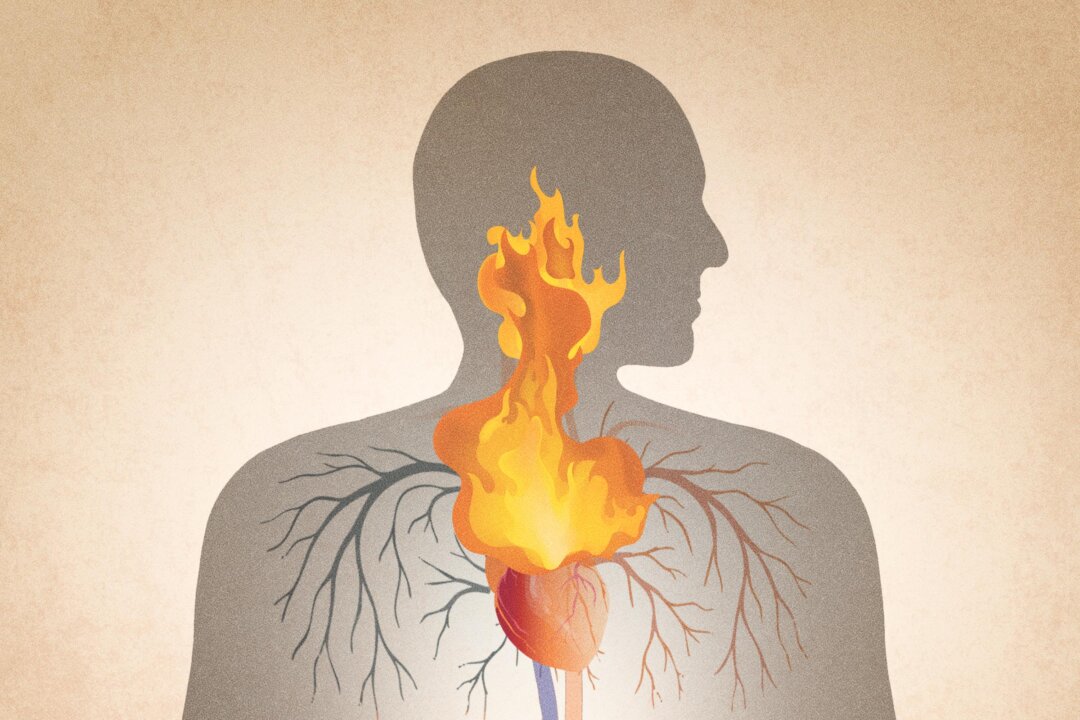
Anger can have severe health consequences, impairing blood vessels and increasing the risk of heart disease. Historical figures like John Hunter illustrate this, as his anger led to sudden cardiac arrest. Recent studies confirm that even brief anger can hinder blood vessel function for up to 40 minutes. While anger may feel justified, it can cloud judgment and harm others. Strategies like cultivating humility and cognitive reappraisal can help manage anger, alongside mind-body practices. Ultimately, understanding and regulating anger is crucial for overall health.

@epochhealth - Epoch Health

Anger doesn’t need fists to kill you. Just 8 minutes of anger can impair your blood vessels for 40 minutes, triggering changes that may lead to stroke, heart attack, and irreversible damage. Unlike sadness or anxiety, only anger hijacks your blood flow—and scientists are now connecting it to early-stage heart disease. One historical figure predicted his anger would kill him. Minutes after being contradicted, he dropped dead. 🧵 THREAD

@epochhealth - Epoch Health

John Hunter knew his anger might kill him. The renowned 18th-century surgeon once said his life was “in the hands of any rogue who chooses to annoy or tease me.” He was right to worry. Hunter embodied the classic Type A personality. A driven man who labored long hours, he slept barely five hours each night. He was a highly successful and celebrated surgeon in his time. However, he was perpetually impatient and hostile, according to a historical study published in The American Journal of Cardiology. By age 45, chest pains signaled his temper was already taking a toll on his heart. On Oct. 16, 1793, Hunter, though habitually punctual, arrived late to the hospital board meeting at St. George’s Hospital in London. When a colleague contradicted him during the discussion, Hunter tried to restrain his emotions. He went into the next room, let out a deep groan, and dropped dead due to sudden cardiac arrest. He was 65.

@epochhealth - Epoch Health

Heart Under Attack Blood vessels remember every angry moment. A study published in the May 2024 Journal of the American Heart Association revealed the devastating effects of anger on heart health. The researchers found that even brief bursts of anger negatively impact blood vessels by delaying the relaxation of their innermost lining of cells, known as the endothelium. The contraction and relaxation of blood vessels are crucial for maintaining a healthy blood flow.

@epochhealth - Epoch Health

The study participants were all healthy young adults randomized to four groups that induced anger, anxiety, sadness, or no emotion—a neutral group. The first three groups were instructed to either recall personal memories that would evoke associated anger or anxiety or read descriptors that evoked a depressed mood. Meanwhile, the neutral group was asked to count from one to 100, ensuring that any observed physiological changes were due to the emotional experiences, rather than simply the act of speaking. The results indicated that just eight minutes of recalling angry feelings diminished the blood vessels’ ability to dilate (relax) for up to 40 minutes. On the other hand, participants in the anxiety, sadness, and neutral groups did not show any significant blood vessel changes. The study suggests that repeated bursts of anger may have a long-term, cumulative impact on heart health by irreversibly damaging blood vessel function. Previous research indicates that endothelial dysfunction is an early stage of atherosclerosis—a condition in which plaque builds up in the arteries, leading to hardening and narrowing. This restricts blood flow and increases the risk of stroke or heart attack.

@epochhealth - Epoch Health

When Rage Hijacks Reason The word anger, from the Old Norse “angr,” means “sorrow” or “grief.” Rage, the extreme expression of anger, meant “foolhardiness” or “insanity.” The ancient Stoic philosopher Seneca viewed anger as a type of madness—a fury that impairs rational capacities. When anger takes hold, your brain’s alarm system—the amygdala—goes haywire while your prefrontal cortex—your rational thinking center—goes offline. Simultaneously, blood flow shifts away from areas responsible for decision-making and problem-solving. An enraged person dramatically narrows their prospects of overcoming challenges as unrestrained anger overrides the rationality of the human brain, inhibiting ethical deliberation and promoting careless thinking and risk-taking. Further, angry people ruminate over negative experiences, making them more prone to aggression. Research conducted over the years has confirmed that unregulated anger can directly influence moral judgment and reinforce selfishness or self-serving tendencies, prompting them to display aggression or seek harsher punishments and retributions for those with whom they are angry. The damage extends beyond the angry person, harming those at whom the anger is vented.

@epochhealth - Epoch Health

Even “harmless” verbal anger can permanently alter children’s developing brains, creating neural pathway changes comparable to physical or sexual abuse. https://www.theepochtimes.com/health/your-heart-and-mind-keep-score-of-every-angry-moment-5872228

Your Heart and Mind Keep Score of Every Angry Moment A cool head and a humble heart make the ‘highest level’ of health care. theepochtimes.com

@epochhealth - Epoch Health

A little about us: We’re a team of journalists and researchers on a mission to give you REAL and honest information about your health. Side effects of reading our posts may include: critical thinking. Follow us for more daily threads—backed by hard data. —> @EpochHealth https://t.co/5a3xhBw5EF

@epochhealth - Epoch Health

Anger Reframed: Liver on Fire Traditional Chinese medicine (TCM) offers a different lens on anger’s toll. In TCM theory, emotions and organs are intricately connected through the flow of vital energy called “qi” (pronounced chee). Anger first targets the liver, considered the body’s “army general,” responsible for smooth energy flow throughout your system. TCM expert Jonathan Liu explains that chronic anger creates “liver qi stagnation,” eventually igniting “liver fire.” When the liver is on “fire,” stagnated energy rises upward, leading to high blood pressure, headaches, dizziness, and eye redness. In severe cases, it can trigger symptoms of stroke and migraine. “The liver is usually the first victim of anger, but not last,” Liu told The Epoch Times. As the liver is anatomically near the spleen, stomach, and gallbladder, stagnated liver qi can also impact their functions, disrupting digestion and leading to poor appetite and stomachache. The gallbladder governs courage, judgment, and decision-making and is paired with the liver. Both organs need to be in harmony—otherwise, they negatively impact each other. A healthy gallbladder promotes a stable emotional state, and any imbalance can lead to bodily pain, digestion problems, and reflect issues related to anger and resentment. According to the Chinese Five Elements theory, anger is related to the wood element. While wood exemplifies growth and change, it also represents inflexibility and rigidity, just like an unyielding tree that breaks under the force of the wind. Both ancient and modern wisdom believe that the antidote to anger is to nurture kind thoughts and humility.

@epochhealth - Epoch Health

Taming the Flames of Anger With Humility Psychologist and researcher Elizabeth Summerell, who explores emotions such as anger and aggression, told The Epoch Times that anger is a negative emotion that typically occurs in response to perceived threats, provocations, or blocked goals. In 2020, Summerell and her team investigated the impact of humility on anger and aggression. Participants were instructed to think of and write for two minutes about a past event that made them experience humility. Then, anger was induced by having them read short descriptions of scenarios likely to evoke anger while driving, such as someone speeding up when you try to pass them, being slow at parking, or holding up traffic. The results indicated that induced humility significantly reduced aggression compared to the neutral condition. Humility tamed their rage. Previous studies have shown that humility increases with an increase in gratitude and awe. Positive emotions associated with gratitude, like empathy, make people less aggressive, just as humility evoked by awe reduces anger.

@epochhealth - Epoch Health

While managing anger is a much-needed life skill, Summerell cautions that suppressing anger can have negative health consequences in the long term and may lead to passive-aggressive behavior or hostility. Likewise, “venting” by engaging in aggressive behavior, like hitting a punching bag or breaking things in rage rooms, may strengthen the neural pathways associated with anger and aggressive behavior, she said. This may be partly because anger expression keeps the nervous system in the fight-or-flight mode, leading to an elevated heart rate, increased blood pressure, and the release of stress hormones into the bloodstream. Apart from cultivating humility, cognitive reappraisal is an effective anger regulation strategy, Summerell said. It involves changing how one thinks about and interprets anger-provoking situations—reframing or considering alternative interpretations. It helps one take a step back and view the provoking situation more objectively, from the perspective of a third person. For instance, instead of seeing a colleague’s rude behavior as a personal attack, one might consider that the person is in a bad mood because of personal reasons. The technique guides people to identify and reappraise their negative thought patterns into positive ones.

@epochhealth - Epoch Health

Other mind-body practices, such as tai chi, qigong, yoga, breathing exercises, and mindfulness techniques, can facilitate the release of stress and manage negative emotions, thus paving the way to wellness. Liu said that embracing a lifestyle of well-managed anger or no anger makes “the highest level of health care.” Although this medical wisdom comes too late to help Hunter, the story of his demise shows that anger’s first victim is often the angry one.

@epochhealth - Epoch Health

Thanks for reading! If you found this valuable, here's a special deal: Unlock our ENTIRE library of @EpochHealth articles for just $1/week—plus unlimited access to everything else on our site. Claim it here: https://subscribe.theepochtimes.com/p/?page=digitalsub https://t.co/4qAcLqfOqm

Saved - August 20, 2025 at 12:17 PM
reSee.it AI Summary
Is your desk job impacting your health? Prolonged sitting can stiffen arteries and increase heart attack risk, but just 10 minutes of daily stretching can help reverse this damage. Research shows that simple circulatory system stretching exercises can improve blood circulation, lower blood pressure, and regulate blood sugar. I’ve shared three easy exercises targeting key areas to enhance metabolism and overall health. Consistent practice can significantly benefit those with sedentary lifestyles or chronic conditions.

@epochhealth - Epoch Health

Is your desk job slowly killing you? Sitting all day stiffens your arteries and raises your risk of a heart attack. But here’s the good news. Just 10 minutes of stretching a day can help REVERSE the damage. Learn these 3 simple exercises that could save your life. 🧵 THREAD

@epochhealth - Epoch Health

Prolonged sitting and lack of exercise may cause poor blood circulation, which can lead to chronic diseases such as high blood pressure and diabetes that harm overall health. Experts in sports physiology and diabetes from Japan have jointly found that simple “circulatory system stretching exercises” done daily can effectively improve blood circulation and have a positive effect on blood pressure, blood sugar levels, and metabolic health.

@epochhealth - Epoch Health

Shuichi James Nakano, a sports physiologist, strength and conditioning trainer certified by the American College of Sports Medicine, and Shogo Tabata, a diabetes specialist, coauthored the book “10-Minute Stretch Exercises: Reshaping Healthy Posture, Creating a Comfortable Life.” They noted in their book that after three months of circulatory system stretching exercises, patients saw significant improvement in blood circulation, which helped regulate blood sugar fluctuations, lower blood pressure, and slow arteriosclerosis.

@epochhealth - Epoch Health

Key Points of Stretching Exercise Design Nakano said this set of exercises can not only promote metabolism and reduce body fat but also help increase bone density. There are three key areas in its design: 1. Activate the less-worked parts: The movements primarily target areas that are less engaged in daily life and prone to stiffness and soreness, such as the shoulder blades, spine, and hip joints. 2. Stimulate areas with dense blood vessels: The exercises move the core parts of the body, which have a higher blood vessel density and help promote blood circulation throughout the body. 3. Repeat simple movements: Through simple, repeated movements, blood flow and metabolic efficiency can be quickly improved.

@epochhealth - Epoch Health

Circulatory System Stretching Exercises Here are three simple, easy-to-do circulatory system stretching exercises: https://www.theepochtimes.com/health/circulatory-system-stretching-exercises-a-cardiovascular-friendly-technique-5875776

3 Simple Stretches for a Healthier Circulatory System These simple daily stretches can help improve circulation, stabilize blood sugar, and support overall metabolic health. theepochtimes.com

@epochhealth - Epoch Health

1. Strip stretching exercises Strip stretching exercises primarily target the shoulder blades, spine, and hamstring muscles. Through different layers of stretching, they improve blood circulation in both the upper and lower body. Step 1: Stand upright, cross your hands in front of your lower abdomen, stretch your hands over your head, then stretch your arms to your sides. With your arms in a W shape, expand your shoulder blades and spine. Repeat 10 times. Step 2: Bend your knees slightly, cross your hands in the middle of your knees, then repeat step 1. When your hands stretch to the top of your head, you can gently stretch your spine slightly backward. Repeat 10 times. Step 3: Squat slightly, touch your ankles with your hands, then repeat step 1. When your hands stretch to the top of your head, gently stretch your spine backward. Repeat 10 times.

@epochhealth - Epoch Health

A little about us: We’re a team of journalists and researchers on a mission to give you REAL and honest information about your health. Side effects of reading our posts may include: critical thinking. Follow us for more daily threads—backed by hard data. —> @EpochHealth https://t.co/xiEuewekkx

@epochhealth - Epoch Health

2. Stretching exercises Stretching exercises strengthen the side waist, side back muscles, buttocks, and thigh muscles, while also improving core and lower limb stability. Step 1: Stand with your feet shoulder-width apart. Raise one arm so that the upper and lower arms form a 90-degree angle. Straighten the arm, bend your body to the opposite side, then return to the original position. Repeat 10 times.

@epochhealth - Epoch Health

Step 2: In a side lunge posture, bend the same leg when raising one arm. When bending and stretching to the opposite side, use your hip and leg strength to switch to the other side lunge. Slowly return to the original position. Repeat 10 times. Step 3: For an added challenge, increase the squat range or add a waist tilt and twist in the starting position. Then repeat the step 2 movement to further improve core stability and flexibility.

@epochhealth - Epoch Health

3. Swinging stretching exercises Swinging stretching exercises activate the shoulder blades, spine, and hips while improving coordination and blood circulation. Step 1: Stand with your feet shoulder-width apart. Stretch your hands straight up and lift them overhead. Repeat 10 times.

@epochhealth - Epoch Health

Step 2: Step back with one foot, push your hips back, and squat slightly. As you stand up, stretch your hands straight up and lift them overhead. Repeat 10 times. Step 3: For an advanced version, hold dumbbells in both hands and repeat step 2 to increase the load and stretching intensity.

@epochhealth - Epoch Health

It only takes 10 minutes a day to practice this set of stretching exercises. For people who sit for prolonged periods or those with chronic diseases, it is a safe and practical way to exercise, promoting blood circulation and protecting cardiovascular health. Gradual and consistent stretching exercises lay a strong foundation for overall physical health.

@epochhealth - Epoch Health

Thanks for reading! If you found this valuable, here's a special deal: Unlock our ENTIRE library of @EpochHealth articles for just $1/week—plus unlimited access to everything else on our site. Claim it here: https://subscribe.theepochtimes.com/p/?page=digitalsub https://t.co/xmbemr2VYK

Saved - August 20, 2025 at 11:39 AM
reSee.it AI Summary
Erythritol, a common sugar substitute, may pose risks to heart and brain health, according to recent research. Studies indicate that it could increase oxidative stress in brain cells and reduce nitric oxide production, potentially raising the risk of heart attacks and strokes. While findings suggest a link between erythritol consumption and adverse cardiac events, researchers caution that more comprehensive studies are needed to confirm these effects. The sweetener is prevalent in processed foods, making it easy to consume in high amounts, yet labeling remains unclear.

@epochhealth - Epoch Health

Common Sweetener May Be Silently Harming Your Brain and Heart Erythritol is sold as a safe, healthy sugar alternative. It’s found in protein bars, baked goods, and “sugar-free” snacks. But new research suggests it could raise your risk of heart attack and stroke. 🧵 THREAD

@epochhealth - Epoch Health

Recent research finds that a popular low-calorie sugar substitute, generally considered a healthy alternative, may potentially increase the risk of heart attack and stroke. Findings in cell studies, presented at the 2025 American Physiology Summit but not yet peer-reviewed or published, suggest that erythritol—often used in candies and baked goods—might affect the function of blood vessels. Researchers warned the sweetener could inhibit the brain’s ability to produce a crucial compound that helps maintain healthy blood flow, but cautioned that more comprehensive studies are needed before drawing definitive conclusions about its safety.

@epochhealth - Epoch Health

Increase in Oxidative Stress For this study, researchers found that when human brain cells were exposed to erythritol, these cells exhibited increased oxidative stress—an imbalance in the body between free radicals and antioxidants that can lead to a range of detrimental health effects, including chronic conditions such as cardiovascular disease, neurodegenerative disorders, cancer, and inflammatory diseases. Additionally, these cells also produced less nitric oxide after being exposed to erythritol. Nitric oxide, a vital compound that allows blood vessels to widen, was reduced. This reduction in nitric oxide may increase heart attack and stroke risk, according to the authors.

@epochhealth - Epoch Health

“The study utilized a well-established model of human brain endothelial cells, making it highly relevant for investigating cerebrovascular effects,” Auburn Berry, the lead author of the study, told The Epoch Times. theepochtimes.com/health/study-s…

@epochhealth - Epoch Health

Berry said that the study had several limitations. She said the findings were confined to in vitro conditions, meaning they may not fully reflect what happens in a living organism. The study also focused on short-term exposure of three hours, “leaving the long-term effects of erythritol consumption unknown,” she said, adding that only one concentration of erythritol was tested, “which restricts the ability to understand the dose-response relationship.” However, she emphasized that the erythritol concentrations tested were “physiologically relevant” and closely mimicked real-world dietary exposure.

@epochhealth - Epoch Health

A little about us: We’re a team of journalists and researchers on a mission to give you REAL and honest information about your health. Side effects of reading our posts may include: critical thinking. Follow us for more daily threads—backed by hard data. —> @EpochHealth

@epochhealth - Epoch Health

“The key takeaway from our research is that nonnutritive sweeteners like erythritol can potentially have negative health effects,” Berry said, cautioning that it’s essential for people to be aware of their daily erythritol consumption. The findings are similar to previous research suggesting that people who had higher levels of erythritol in their bodies were more likely to experience a major adverse cardiac event, such as a heart attack, stroke, or death, within three years. However, that study only found an association and could not prove causation.

@epochhealth - Epoch Health

A subsequent study by the same researchers at the Cleveland Clinic found that erythritol makes blood cells that cause clotting more active. Read about that here: https://www.theepochtimes.com/health/popular-sweetener-linked-to-increased-risk-of-blood-clots-heart-attack-and-stroke-5702202

Popular Sweetener Linked to Increased Risk of Blood Clots, Heart Attack, and Stroke A new Cleveland Clinic intervention study in healthy volunteers reports concerning findings. theepochtimes.com

@epochhealth - Epoch Health

Erythritol is a naturally occurring substance classified as a sugar alcohol. Although derived from sugar, it is neither sugar nor alcohol. Erythritol provides sweetness without raising blood sugar levels and is low in calories, making it a popular sugar substitute in processed foods. The body also naturally produces erythritol as a byproduct of glucose metabolism, though the amount produced is minimal.

@epochhealth - Epoch Health

“Consuming processed foods with sugar alcohols is an easy way to ingest more than what is deemed safe or recommended,” Emily Feivor, a registered dietitian at Northwell Health, told The Epoch Times. “Erythritol is used at concentrations at least 1,000 times the natural levels found in food or our bodies.”

@epochhealth - Epoch Health

Feivor noted that identifying products containing erythritol can be challenging, since the Food and Drug Administration considers the sweetener safe and does not require it to be clearly labeled. Besides processed foods, erythritol naturally occurs in various fruits, including grapes, pears, and melons, as well as in fermented foods like soy sauce, beer, and wine. The amounts found in the fruits and fermented foods listed are low compared to the levels found in commercially produced erythritol sweeteners and processed foods containing them.

@epochhealth - Epoch Health

More Research Needed It’s difficult to draw “meaningful conclusions” from the findings, Dr. Charles Dinerstein, a medical director at the American Council on Science and Health, told the Epoch Times, adding that the study hasn’t yet been made publicly available, with only minimal information provided in the press release. He noted several limitations to the research, including uncertainty about the duration of cell exposure to erythritol and whether the experimental conditions accurately reflect what happens when people eat the sweetener.

@epochhealth - Epoch Health

“The analysis is done in cerebral microvascular cells involved in the integrity of the blood-brain barrier, making it a leap in pathophysiology to explain an increased risk of heart attack,” Dinerstein said. A connection to stroke, however, is more plausible. That said, the brain has a blood-brain barrier, which is designed to protect it from harmful substances circulating in the bloodstream, and its fat-based nature should make it difficult for water-soluble molecules like erythritol to pass through. Therefore, more research is needed to determine the health effects of erythritol in the body.

@epochhealth - Epoch Health

Thanks for reading! If you found this valuable, here's a special deal: Unlock our ENTIRE library of @EpochHealth articles for just $1/week—plus unlimited access to everything else on our site. Claim it here: https://subscribe.theepochtimes.com/p/?page=digitalsub https://t.co/owiCLES7gt

Saved - August 14, 2025 at 4:34 PM
reSee.it AI Summary
I explored how pornography affects the brain, revealing that it can rewire neural pathways similarly to drug addiction. Research indicates that frequent use alters brain reward circuits, emotional responses, and cognitive functions, leading to compulsive behaviors and emotional instability. While some experts debate the classification of porn use as an addiction, it's clear that problematic use can lead to significant distress. However, methods like Acceptance and Commitment Therapy have shown promise in reducing porn consumption by up to 92%, emphasizing the potential for recovery through mindfulness and purpose-driven living.

@epochhealth - Epoch Health

How Pornography Hijacks the Brain Beyond harming relationships, consuming porn rewires the brain itself. Brain scans show troubling changes eerily similar to drug addiction. The good news—it can be undone. One proven method helped users slash their porn use by 92%. 🧵 THREAD

@epochhealth - Epoch Health

In this thread, you’ll discover: • What happens to a brain on porn • Why the brain craves more over time • The science-backed approach that slashes porn use by 92%

@epochhealth - Epoch Health

What begins as a choice to watch pornography can evolve into a neurological and physical battle, with new research showing that frequent viewing rewires the brain in ways that mirror drug addiction. The new study, published in Frontiers in Human Neuroscience, gives insights into how frequent pornography use may rewire the brain’s reward and control circuits, leading to neurological arousal, behavioral changes, and possible dependency, comparable to that observed in opioid addicts.

@epochhealth - Epoch Health

Obsession-Led Brain Rewiring Conducted at Chengdu Medical College in China, the study involved 21 healthy college students who watched pornographic content to varying degrees and had no history of substance use. The participants were split into two groups: occasional, low-frequency pornography use, and those with a chronic obsession. A 10-minute pornography video was selected for the experiment. Before and after watching the video, researchers measured participants’ cognitive functioning and reaction times. Further, while participants watched the video, their real-time neural activity, vital body signs, and facial expressions were also recorded. The findings revealed that frequent pornography consumption creates three distinct changes in how our brains and bodies respond.

@epochhealth - Epoch Health

1. Brain Reward Circuits Get Hijacked When the frequent porn users watched the video, their brain patterns showed features similar to people addicted to drugs such as cocaine or opioids, according to the researchers. The brain areas associated with decision-making, self-control, and reward anticipation—the ventrolateral prefrontal cortex, dorsolateral prefrontal cortex, and frontopolar area, respectively—experienced enhanced connectivity. Such changes may lead the viewer to continue watching pornography, resulting in compulsive behavior, even prioritizing pornography over work, socializing, or other activities they used to enjoy. Further, regular exposure to pornography leads to intense and sustained dopamine release, which in turn builds tolerance and desensitization. What used to arouse someone may no longer be sufficient, causing the person to seek more extreme content to experience the same level of feeling.

@epochhealth - Epoch Health

A little about us: We’re a team of journalists and researchers on a mission to give you REAL and honest information about your health. Side effects of reading our posts may include: critical thinking. Follow us for more daily threads—backed by hard data. —> @EpochHealth

@epochhealth - Epoch Health

2. Emotional Responses Mirror Drug Use Beyond neurological changes, the study also found that the emotional reactions in porn users resembled those observed in drug addiction. For example, opioid users experience intense calmness, euphoria, pain relief, and a sense of blurred perception, which leads to a decreased heart rate. Similarly, researchers noticed that participants watching pornography had decreased heart rate, with the frequent pornography users exhibiting a more pronounced drop. The emotional facial expressions while watching the 10-minute video revealed even more telling patterns. Frequent porn watchers displayed heightened facial expressions of pleasure and happiness, similar to the euphoria reported by drug users. However, they also displayed significantly more anger and sadness than infrequent watchers, suggesting greater emotional fluctuations within the frequent group. According to the researchers, these emotional ups and downs may stem from conflicting feelings of arousal, withdrawal-like distress, and impaired emotional control in the brain. Most concerning, frequent porn watchers were less surprised and had more numb expressions, similar to the intense calmness caused by opioid drugs. Further, this group showed higher anxiety and depression. In contrast, the casual porn watchers showed more expressions of disgust and fear, which the researchers suggest may indicate they were less immersed and less emotionally blunted. This pattern implies they retained a more typical defensive reaction to explicit content.

@epochhealth - Epoch Health

3. Clouded Thinking Cognitive function is also significantly affected by pornography use. The study measured participants’ accuracy and reaction times in completing a color and word test before and after the viewing session and found that chronic porn users had a greater decline in both. The results highlight how frequent pornography watching may hijack a person’s ability to regulate attention and make sober judgments.

@epochhealth - Epoch Health

The Question of Addiction The study’s findings raise important questions about how to interpret the observed brain changes. https://www.theepochtimes.com/health/pornography-pays-in-pleasure-but-taxes-your-brain-and-emotions-5881367?utm_source=twitter&utm_medium=DigitalMkt&utm_campaign=epochhealthvf&utm_content=thread&gl=reg

How Pornography Taxes the Brain and Emotions The new study, published in Frontiers in Human Neuroscience, gives insights into how frequent pornography use may rewire the brain. theepochtimes.com

@epochhealth - Epoch Health

Nicholas Borgogna, an assistant professor at the University of Alabama at Birmingham who specializes in addiction and sexual health, cautions against jumping to conclusions about “pornography addiction.” Borgogna, who was not associated with the study, told The Epoch Times that there’s a debate over whether people who develop pornography problems from failed impulse control should be considered “addicted.” He said that because sex is inherently one of the most reinforcing activities for humans, pornography can exploit this novelty and lead to impulse-control problems. The Chengdu researchers noted that prolonged overactivation of the reward system could lead to “withdrawal reactions” such as anxiety, irritability, depression, and anger if one stopped watching pornography for an extended period. However, there’s little evidence for true withdrawal reactions, Borgogna said. Someone who has looked at pornography every day for a year is probably not going to start vomiting and shaking from lack of pornography if they go without it for a few days. The brain is dynamic and constantly changing, suggesting that any effects may be reversible, he said. On the other hand, John Foubert, dean of the College of Education at Union University and the former highly qualified expert for sexual assault prevention with the U.S. Army, supports the addiction framework to recognize and treat problematic pornography use. Pornography addiction is just like a behavioral addiction to substance abuse or gambling, Foubert told The Epoch Times. “There’s very clear evidence that porn changes the brain.” Though the use of pornography is a private matter, it does impact those around us, he said. For instance, his research found that the more people use pornography, the less likely they are to intervene to help prevent a sexual assault. The idea that one should do whatever pleases them can easily lead one down an undesirable road, he said.

@epochhealth - Epoch Health

Unlearn Pornography Due to the brain’s neuroplasticity, it is possible to naturally rewire its pathways. Psychotherapy is the main treatment for problematic pornography use. Acceptance and Commitment Therapy (ACT), for example, shows particularly promising outcomes. An evidence-based form of psychotherapy, it focuses on observing and accepting negative thoughts and urges, being mindful of the present moment, and living purposefully. To treat problematic pornography watching, ACT uses a technique called cognitive defusion—helping participants detach from their obsessive pornography-related thoughts by helping them identify priorities beyond porn cravings. Participants are guided to accept the urges without acting on them and stay committed to life’s bigger goals. A 2016 randomized clinical trial on ACT’s effectiveness showed remarkable results. Participants reported around a 92 percent reduction in pornography viewing after 12 therapy sessions, and 54 percent completely stopped viewing pornography post-treatment.

@epochhealth - Epoch Health

Additionally, integrating holistic approaches, such as meditation practices, can help reduce distressing emotions and foster greater self-awareness. Ultimately, overcoming porn cravings may be less about restricting viewing. The key lies in “looking beyond oneself and pursuing something that’s bigger,” Foubert said.

@epochhealth - Epoch Health

Thanks for reading! If you found this valuable, here's a special deal: Unlock our ENTIRE library of @EpochHealth articles for just $1/week—plus unlimited access to everything else on our site. Claim it here: https://on.theepochtimes.com/vfox/health?utm_medium=partner&utm_source=prtnrhard&utm_campaign=epochhealth-vf&utm_content=img-1&utm_term=new-health&gl=sub https://t.co/i1XBLnWxYU

Saved - August 14, 2025 at 3:20 PM
reSee.it AI Summary
I’ve shared insights on Parkinson’s disease, covering its causes, symptoms, stages, and treatment options. I discussed lifestyle changes that may help manage symptoms, like a Mediterranean diet, regular exercise, and engaging in activities like dance and music. I highlighted the importance of a positive mindset and emotional support for improving quality of life. While there’s no known way to prevent Parkinson’s, avoiding harmful chemicals and maintaining a balanced diet may lower risk. I also touched on complications associated with the disease.

@epochhealth - Epoch Health

The Overlooked Causes of Parkinson’s Disease—and Prevention Strategies That Work Avoiding pesticides and staying active can go a long way toward protecting your brain. But one study found that a simple daily habit could reduce your risk by up to 80%. 🧵 THREAD

@epochhealth - Epoch Health

Parkinson’s disease is the second most common neurodegenerative disorder after Alzheimer’s disease. In the United States alone, about 1.1 million people are currently living with this condition—a number expected to keep rising. This progressive neurological disorder occurs when dopamine-producing neurons in the brain begin to degenerate, leading to movement- and emotion-related symptoms. It affects each person differently. Though there isn’t a cure, certain lifestyle changes and natural approaches can help relieve symptoms effectively.

@epochhealth - Epoch Health

What Are the Symptoms and Early Signs of Parkinson’s Disease? Parkinson’s disease symptoms usually begin gradually and may be subtle at first. Symptoms often start on one side of the body and typically remain more severe on that side, even as they progress. Common symptoms may include: • Tremor: The most common movement-related symptom is tremor—particularly the classic “pill-rolling” motion between thumb and forefinger—that usually starts in one hand during rest. • Slowed movement: Moving more slowly and with greater difficulty. People may shuffle with shorter steps or have trouble rising from a chair. • Rigid muscles: Experiencing muscle stiffness anywhere in the body, which can limit motion and often cause pain. • Impaired posture and balance: Developing a stooped posture and experiencing balance problems or frequent falls. • Loss of automatic movements: Showing fewer involuntary actions, such as blinking, smiling, or swinging the arms while walking.

@epochhealth - Epoch Health

Beyond movement changes, other early signs emerge gradually: • Speech and swallowing changes: Speaking in a softer, more rapid, slurred, or monotone voice. Swallowing may become difficult, often starting with coughing during meals. • Writing changes: Writing in smaller, more cramped handwriting that becomes increasingly difficult to produce. • Reduced sense of smell: Losing or diminishing the ability to smell—an often-overlooked symptom may appear long before diagnosis and affect quality of life. • Cognitive impairment: Having trouble focusing, carrying on conversations, or processing information quickly. • Sleep problems: Experiencing insomnia or rapid eye movement sleep behavior disorder, which causes people to act out their dreams due to the absence of normal muscle paralysis during dreaming.

@epochhealth - Epoch Health

Parkinson’s disease has five stages: • Stage 1: Mild Symptoms Experiencing subtle symptoms that typically affect only one side of the body. Daily activities remain unaffected, though slight changes in posture, facial expression, or walking may be noticeable. • Stage 2: Moderate Symptoms Noticing symptoms appear on both sides of the body. Daily activities remain manageable but take more time due to increased muscle stiffness and slowed movement. Postural changes continue, but balance is not yet affected. • Stage 3: Middle Stage Developing balance impairments that increase the risk of falls. Movements slow down further, and basic tasks like dressing or eating become more challenging but are still possible without full assistance. • Stage 4: Severe Symptoms Losing the ability to live independently. People may be able to stand without help but typically require a walker or other assistance to walk. Daily tasks require significant help. • Stage 5: Most Advanced Stage Reaching the most debilitating stage. People are often bedridden or require a wheelchair. Severe stiffness, frequent falls, and cognitive decline—such as dementia and hallucinations—are common. Full-time care is necessary.

@epochhealth - Epoch Health

A little about us: We’re a team of journalists and researchers on a mission to give you REAL and honest information about your health. Side effects of reading our posts may include: critical thinking. Follow us for more daily threads—backed by hard data. —> @EpochHealth

@epochhealth - Epoch Health

What Causes Parkinson’s Disease? Parkinson’s disease is a brain disorder that gradually worsens over time. https://www.theepochtimes.com/health/parkinsons-disease-the-silent-thief-of-dopamine-natural-ways-to-relieve-symptoms-5885754?utm_source=twitter&utm_medium=DigitalMkt&utm_campaign=epochhealthvf&utm_content=thread&gl=reg

Parkinson’s Disease: 2nd Most Common Neurodegenerative Disorder and Its Early Signs Parkinson’s disease is the second most common neurodegenerative disorder after Alzheimer’s disease and is characterized by changes in movement and emotion. theepochtimes.com

@epochhealth - Epoch Health

It occurs when brain cells—especially those that produce dopamine, a chemical that helps regulate movement—are lost or damaged. When more than half of these dopamine-producing cells are gone, movement problems such as tremors, stiffness, slowness, and issues with balance and coordination begin to appear. In Parkinson’s disease, the brain undergoes many changes. The changes involves the presence of abnormal protein clumps called Lewy bodies. These clumps consist largely of alpha-synuclein, a protein that, in Parkinson’s, builds up in a way the brain cannot clear. This buildup is a key focus of ongoing research, as it appears to drive disease progression. Some patients also have altered mitochondria, leading to brain cell damage.

@epochhealth - Epoch Health

For the vast majority of cases, the exact cause of Parkinson’s remains unknown. However, research points to a multifaceted interplay between genetic and environmental factors. Chemical exposures represent a major environmental risk factor. Long-term exposure to pesticides and herbicides significantly increases the risk—particularly for people working in agriculture or living in farming communities. Veterans exposed to Agent Orange during the Vietnam War show notably higher rates of Parkinson’s disease. Industrial toxins, including certain workplace chemicals and heavy metals, may also contribute. Some studies even suggest that contaminated well water in specific regions could raise the risk. Risk factors for Parkinson’s disease: • Age: The strongest known risk factor. Parkinson’s disease becomes more common with age, typically appearing in people in their 60s. However, about 5 percent to 10 percent of cases are diagnosed before age 50. • Sex: Being male increases the risk. Parkinson’s disease is about 50 percent more common in men. • Family history: Having a parent or sibling with Parkinson’s roughly doubles a person’s risk of developing the disease. • Head injuries: A history of traumatic brain injury or repeated head trauma may increase the risk of Parkinson’s.

@epochhealth - Epoch Health

How Is Parkinson’s Disease Diagnosed? Parkinson’s disease cannot be diagnosed with a single specific test. Instead, a neurologist evaluates the person’s medical history and symptoms and performs a neurological and physical examination to make a clinical diagnosis. Diagnostic criteria, according to most clinical guidelines, include slowness of movement (bradykinesia) along with a resting tremor and/or rigidity. Tests Commonly Used in Diagnosis Diagnostic imaging tools can support—but not confirm—a Parkinson’s diagnosis. These may include: • Single-photon emission computed tomography scan (SPECT): A nuclear imaging test that creates 3D images of organs and tissues using a radioactive tracer. Used to assess internal brain structures but is not specific to Parkinson’s. • Dopamine transporter scan: A specialized type of SPECT imaging that visualizes the brain’s dopamine system. • Magnetic resonance imaging scan (MRI): Produces detailed images of brain structure. Typically used to rule out other conditions rather than diagnose Parkinson’s directly. • Transcranial sonography scan: An ultrasound technique used to help distinguish idiopathic Parkinson’s–the most common form, with no known cause—from other movement disorders. • Positron emission tomography scan: Assesses brain function and activity, especially in areas related to movement.

@epochhealth - Epoch Health

Emerging Diagnostic Tools New approaches are being developed to improve early and accurate diagnosis of Parkinson’s disease: • Earwax analysis: An artificial intelligence-powered method that examines scent compounds in earwax and has demonstrated up to 94 percent accuracy in detecting the condition. • Polymerase chain reaction-based blood test: A test that analyzes genetic material to identify early signs of Parkinson’s more quickly and noninvasively. • Artificial-intelligence enhanced “magnetic pen”: A machine learning-driven device that detects subtle writing-related motor deficits, offering another noninvasive diagnostic option.

@epochhealth - Epoch Health

What Are the Treatments for Parkinson’s Disease? While there’s no cure for Parkinson’s, a comprehensive treatment approach can significantly improve quality of life and slow the progression of symptoms. 1. Medication Many medications for Parkinson’s disease either increase dopamine levels in the brain or mimic its effects. • Carbidopa-levodopa: The most effective treatment for Parkinson’s symptoms. Levodopa is converted into dopamine in the brain, while carbidopa prevents levodopa from being converted too early outside the brain—ensuring more dopamine reaches its target. An inhaled version provides quick relief for managing intermittent “off” periods. • Carbidopa-levodopa infusion: A gel form of the medication delivered directly to the small intestine through a feeding tube. This continuous delivery offers steady symptom control throughout the day and is used in advanced Parkinson’s disease. • Vyalev (foscarbidopa and foslevodopa): Approved by the U.S. Food and Drug Administration in October 2024, Vyalev is the first 24-hour continuous subcutaneous levodopa infusion. It delivers steady dopamine levels to help reduce motor fluctuations. • Dopamine agonists: These drugs act like dopamine in the brain and help improve movement symptoms. Other medications in this category include MAO-B inhibitors, COMT inhibitors, and A2A antagonists, which either keep dopamine from breaking down too quickly or help it work more effectively. • Pimavanserin: A medication used specifically to treat hallucinations and delusions associated with Parkinson’s disease. It works on serotonin receptors and does not interfere with dopamine levels.

@epochhealth - Epoch Health

2. Deep Brain Stimulation (DBS) DBS is typically recommended for people with advanced Parkinson’s disease who experience unpredictable responses to levodopa. The procedure involves implanting electrodes in the brain to help reduce tremors, stabilize medication effects, decrease involuntary movements, relieve muscle rigidity, and improve overall motor function. 3. MRI-Guided Focused Ultrasound (MRgFUS) MRgFUS is a minimally invasive procedure used to manage tremors in some people with Parkinson’s disease. 4. Physical Therapy Physical therapy plays a crucial role in managing motor and functional challenges associated with Parkinson’s disease. Physical therapists use targeted strategies to help reduce stiffness, tremors, balance issues, and walking difficulties.

@epochhealth - Epoch Health

5. Supplements Some research suggests that adding specific supplements may help ease symptoms when added to a balanced diet: • Coenzyme Q10: Supports cellular energy production and may slow early disease progression. • Vitamins C and E: Known for antioxidant properties; high doses may reduce Parkinson’s risk. • Cytidinediphosphocholine: A naturally occurring compound that may help increase dopamine levels and reduce reliance on levodopa. • Nicotinamide adenine dinucleotide: A compound that serves as an active form of vitamin B3. It may help boost dopamine production, though study results have been mixed.

@epochhealth - Epoch Health

6. Traditional Chinese Medicine (TCM) TCM views illness as the result of internal imbalances. Parkinson’s disease has historically been treated within this framework using therapies such as acupuncture. Some people with Parkinson’s symptoms may find acupuncture helpful, especially as a complement to conventional treatment.

@epochhealth - Epoch Health

What Are the Lifestyle Approaches for Parkinson’s Disease? Lifestyle changes are often recommended to help manage symptoms related to movement and communication—and may even enhance the effectiveness of treatment. 1. Mediterranean and Antioxidant-Rich Diet Research consistently shows that the Mediterranean diet may delay Parkinson’s onset and slow disease progression. This eating pattern emphasizes olive oil as the primary fat source and includes fatty fish, fruits, vegetables, and whole grains. Regularly eating fatty fish rich in omega-3s provides brain-protective nutrients. A meta-analysis published in February found that the Mediterranean diet may also reduce the risk of Parkinson’s disease by lowering inflammation, supporting healthy gut bacteria, and improving mitochondrial function. Eating antioxidant-rich foods—such as berries, leafy greens, and colorful vegetables—may help combat oxidative stress, which contributes to the breakdown of dopamine-producing brain cells. Getting enough fiber can help manage constipation, a common issue in Parkinson’s. Timing protein intake away from levodopa doses may improve medication absorption, while staying hydrated supports overall health and enhances the effectiveness of treatment.

@epochhealth - Epoch Health

2. Dopamine-Driven Exercise Exercise plays a vital role in managing symptoms. It enhances mobility, balance, flexibility, and strength. Physical activity increases dopamine levels in the brain. It is also believed to lower oxidative stress, inflammation, and the buildup of toxic alpha-synuclein clumps in the brain—which contribute to nerve cell death in Parkinson’s disease. A 2024 study found that six months of intense exercise boosted dopamine in people with early Parkinson’s. A 2021 meta-analysis found that bicycling significantly improved motor function—especially gait—as well as balance, walking speed, and overall quality of life. While cognitive benefits were less pronounced, cycling programs consistently produced positive physical outcomes. Overall, bicycling appears to be a safe and effective intervention for improving movement and well-being in people with Parkinson’s disease. Daily exercise—including activities like swimming and brisk walking—helps maintain muscle strength, flexibility, and mental well-being. Both moderate activities such as water aerobics and vigorous ones like jogging or hiking are beneficial.

@epochhealth - Epoch Health

3. Dance and Music Dance classes designed for people with Parkinson’s help improve motor control and boost mood through music and social interaction. A 2022 study found that while music initially improved participants’ gait, their walking improved even without music after class—suggesting they may have internalized the rhythm through dance. Synchronized drumming activates the caudate nucleus—a brain region affected in Parkinson’s disease—and has been shown to improve mood, attention, and social connection. In one study, people with Parkinson’s who participated in twice-weekly West African drum circle sessions for six weeks reported a significant improvement in quality of life. The findings suggest that drumming may be a valuable complement to traditional therapies like physical therapy.

@epochhealth - Epoch Health

4. Massage Massage therapy may improve circulation and reduce muscle spasms. Craniosacral therapy—a specialized massage technique that targets the brain and spinal column—may help lessen tremors and improve overall function. 5. Mind-Body Practices Practices such as tai chi, yoga, and qigong can enhance balance, flexibility, and range of motion for people with Parkinson’s disease, while promoting better mood and sleep.

@epochhealth - Epoch Health

How Does Mindset Affect Parkinson’s Disease? People living with Parkinson’s disease often face physical, emotional, and mental challenges that affect daily life. A 2022 survey of more than 1,400 people with Parkinson’s found that 75 percent said maintaining a positive attitude significantly improved their quality of life. In addition, 70 percent reported needing some form of support, with emotional support identified as the most important. Many respondents noted that humor and laughter were helpful—51 percent used them as coping tools, while nearly half drew strength from faith or spirituality. Staying engaged in meaningful activities—such as volunteering, crafting, reading, journaling, meditating, shopping, painting, and spending time with loved ones—also played a key role in helping them stay positive and emotionally resilient.

@epochhealth - Epoch Health

How Can I Prevent Parkinson’s Disease? There is no known way to prevent Parkinson’s disease, but certain lifestyle choices may help lower your risk. • Diet: Eating enough protein can help prevent weight loss and muscle wasting while supporting healing and disease resistance. Maintaining a balanced diet is also important. • Caffeine: Caffeine has neuroprotective effects and may reduce brain inflammation and oxidative stress—both linked to dopamine nerve loss. Multiple studies have associated caffeine consumption with a reduced risk of Parkinson’s. One study found that drinking at least 28 ounces of coffee daily in midlife lowered the risk of developing Parkinson’s disease by five times at age 65 compared to those who did not drink coffee. • Gait training: Practicing gait exercises can improve balance, reduce the risk of falls, and correct abnormal walking patterns associated with Parkinson’s. • Avoiding harmful chemicals: Reducing exposure to pesticides, herbicides, and industrial toxins may help lower the risk of Parkinson’s disease.

@epochhealth - Epoch Health

What Are the Complications of Parkinson’s Disease? Parkinson’s disease can lead to various complications, many of which worsen as the condition progresses. • Difficulty thinking: Many people with Parkinson’s develop impairment, dementia, or other thinking challenges, typically in the later stages. These complications may be managed with medications and behavioral interventions. • Sleep problems: Difficulty falling asleep, frequent night awakenings, early waking, daytime sleepiness, and sleep apnea are common. Sleep apnea affects about 40 percent of people with Parkinson’s. • Eating problems: Late-stage Parkinson’s can impair the muscles used for chewing, increasing the risk of choking. As the disease progresses, swallowing difficulties may lead to poor nutrition and saliva buildup, which can cause drooling. • Bladder issues: About 30 percent to 60 percent of people with Parkinson’s experience urinary problems, such as difficulty urinating or loss of bladder control.

@epochhealth - Epoch Health

Thanks for reading! If you found this valuable, here's a special deal: Unlock our ENTIRE library of @EpochHealth articles for just $1/week—plus unlimited access to everything else on our site. Claim it here: https://on.theepochtimes.com/vfox/health?utm_medium=partner&utm_source=prtnrhard&utm_campaign=epochhealth-vf&utm_content=img-1&utm_term=new-health&gl=sub https://t.co/Bv54WhKDvg

Saved - August 14, 2025 at 2:57 PM
reSee.it AI Summary
I learned that nine species of gut bacteria can absorb up to 75% of toxic PFAS, known as "forever chemicals," which are linked to serious health issues. This discovery, from a Cambridge University study, highlights the potential for these bacteria to detoxify the body. While the findings are promising, researchers caution that further studies are needed to ensure safety and effectiveness in humans. There are concerns about the long-term effects of introducing these bacteria into our microbiomes, emphasizing the need for careful implementation.

@epochhealth - Epoch Health

Your gut may hold the key to removing “forever chemicals.” Scientists have identified nine gut bacteria that can eliminate up to 75% of PFAS—toxic, cancer-linked chemicals that stay in your body for decades. It’s the most promising natural solution yet… but there's a hidden risk. 🧵 THREAD

@epochhealth - Epoch Health

Researchers have found that nine species of gut bacteria can help detoxify the body from forever chemicals, rapidly absorbing PFAS linked to cancer and other serious illnesses. “This uncovers a new beneficial role of gut bacteria for the human health—to help removing toxic PFAS from our body,” senior study author Kiran Patil, a member of the MRC Toxicology Unit, University of Cambridge, told The Epoch Times.

@epochhealth - Epoch Health

How Bacteria Work The Cambridge University study, published in the journal Nature Microbiology, identified nine bacterial species that can absorb up to 75 percent of toxic PFAS—per- and polyfluoroalkyl substances—from their surroundings. PFAS are synthetic chemicals used in thousands of consumer products, from nonstick pans and waterproof clothing to cosmetics and food packaging. Dubbed “forever chemicals” because they resist breaking down in the environment, PFAS accumulate in human bodies and have been linked to various cancers, liver damage, and immune system disorders. Currently, there are no approved treatments to remove PFAS from the human body, making this discovery potentially significant for public health.

@epochhealth - Epoch Health

A little about us: We’re a team of journalists and researchers on a mission to give you REAL and honest information about your health. Side effects of reading our posts may include: critical thinking. Follow us for more daily threads—backed by hard data. —> @EpochHealth

@epochhealth - Epoch Health

The research team identified nine bacterial species—including six in the Bacteroides family, Odoribacter splanchnicus, Parabacteroides distasonis, and Parabacteroides merdae—that can absorb two common types of PFAS: perfluorononanoic acid (PFNA) and perfluorooctanoic acid (PFOA). When these bacteria were introduced into mice, they quickly absorbed the chemicals. When they were excreted through the gut, the forever chemicals were removed with them in waste. Within minutes of exposure, the bacteria absorbed between 25 and 74 percent of PFAS chemicals at various concentration levels. The researchers believe the way bacteria collect PFAS into protective clumps inside their cells is a survival mechanism that prevents the chemicals from causing cellular damage. As the mice were exposed to increasing PFAS levels, the bacteria kept removing a steady percentage of the toxins, suggesting they could act as a natural filter in the gut.

@epochhealth - Epoch Health

Treatment Potential The effectiveness of this approach depends on the specific type of PFAS compound, Patil said. Short-chain PFAS leave the body quickly through urine. However, long-chain PFAS stay in the body for years and are mostly removed through feces. Therefore, using bacteria works best for PFAS compounds that are primarily eliminated through fecal excretion, according to Patil.

@epochhealth - Epoch Health

The bacteria proved effective even at very low exposure levels similar to those found in European and U.S. water samples, suggesting potential real-world applications. https://www.theepochtimes.com/health/gut-bacteria-could-help-remove-forever-chemicals-from-body-5884921

Gut Bacteria Could Help Remove ‘Forever Chemicals’ From Body Cambridge researchers discover gut bacteria that can absorb up to 75 percent of PFAS. theepochtimes.com

@epochhealth - Epoch Health

The researchers plan to develop probiotic supplements that could boost these helpful bacteria, offering a new way to reduce PFAS levels in humans. However, while promising, the results have not yet been tested directly in humans. There are always unknown factors between lab studies on mice and real-world applications for humans, Bryan Quoc Le, a food scientist and founder of and principal food consultant at Mendocino Food Consulting, who was not involved in the study, told The Epoch Times. “Despite this,” he said, “the study did take a more comprehensive approach, such as using diverse microbial populations that are realistic for humans, and testing with different types of PFAS.”

@epochhealth - Epoch Health

However, he also noted the main challenges with a study like this include not knowing how things change in the long term, how these selected bacteria survive in different microbiomes with different diets and health conditions, and whether the same level of PFAS uptake would occur consistently and reliably. “Needless to say, this area of research is still developing, so nothing is conclusive for human applicability yet, but it does suggest that further research would be worthwhile,” Le continued.

@epochhealth - Epoch Health

Safety Considerations Medical experts urge caution despite the findings. Dr. Joseph Mercola, board-certified family medicine osteopathic physician, not involved in the study, emphasized the importance of careful implementation when introducing new bacterial strains into the human gut. While the bacteria used in the study came from species already found in healthy humans, even familiar microbes can act differently depending on our overall gut balance, immune system, and existing health conditions, he told The Epoch Times. “The good news is that these species aren’t exotic imports; they’re already natural residents in many people,” he said. “Still, scaling up their population through supplements or engineered probiotics could throw off your microbial balance if done recklessly.”

@epochhealth - Epoch Health

Dr. Kham Ali, an emergency medicine physician at Northwell Health in New York and not involved in the study, warned that adding bacteria to our microbiome that store toxic PFAS could have “unintended consequences,” such as disrupting other beneficial bacteria or affecting how the body processes food and medicine. “We’d need long-term human studies to understand the safety of such interventions,” he told The Epoch Times.

@epochhealth - Epoch Health

Thanks for reading! If you found this valuable, here's a special deal: Unlock our ENTIRE library of @EpochHealth articles for just $1/week—plus unlimited access to everything else on our site. Claim it here: https://on.theepochtimes.com/vfox/health?utm_medium=partner&utm_source=prtnrhard&utm_campaign=epochhealth-vf&utm_content=img-1&utm_term=new-health&gl=sub https://t.co/JDejtcuVCM

Saved - August 13, 2025 at 3:53 PM
reSee.it AI Summary
Recent research reveals that vitamin C can reverse skin aging at the genetic level by activating over 10,000 silenced DNA regions linked to skin renewal. This process boosts key anti-aging genes significantly. Vitamin C acts as a genetic switch, enhancing skin cell growth and thickness while supporting the skin's protective barrier. However, lifestyle factors like smoking and sun exposure can hinder its effectiveness. While dietary sources of vitamin C are beneficial, further clinical trials are needed to confirm these findings in humans.

@epochhealth - Epoch Health

Vitamin C may actually reverse skin aging at the genetic level. New research shows it can unlock over 10,000 silenced DNA regions tied to skin renewal, boosting key anti-aging genes by 75 times. It doesn’t just slow aging—it reactivates the instructions your skin lost over time. But there’s one essential protein without which these powerful effects won’t happen at all. 🧵 THREAD

@epochhealth - Epoch Health

Vitamin C doesn’t just protect skin—it can reverse aging at the genetic level by switching on youth-promoting genes that have been silenced over time. https://www.theepochtimes.com/health/vitamin-c-may-reactivate-youth-promoting-skin-genes-5883733

Vitamin C May Reactivate Genes for Skin Renewal, Prevent Thinning Skin Vitamin C may help rejuvenate aging skin by switching on dormant genes involved in cell renewal, research shows. theepochtimes.com

@epochhealth - Epoch Health

An April study suggests that vitamin C works far beyond its well-known role as an immune booster and antioxidant. Instead, it acts as a genetic switch that can reverse fundamental aging processes in skin cells. “This opens the door to developing new skin care products or therapeutic approaches aimed at mitigating age-related skin decline,” Akihito Ishigami, lead study author and vice president of the Division of Biology and Medical Sciences at Tokyo Metropolitan Institute for Geriatrics and Gerontology, told The Epoch Times.

@epochhealth - Epoch Health

The DNA Discovery Researchers found that vitamin C helps skin cells grow by activating genes involved in skin renewal. As people age, some of their genes can be suppressed through a process called DNA methylation. When DNA is methylated, it essentially silences genes. Vitamin C is involved in a process that reverses the suppression, allowing skin-renewal genes to become active again. “VC [vitamin C] is not merely an antioxidant, it plays a critical role in regulating genes involved in skin regeneration,” Ishigami said. “Our research highlights its importance as a functional factor for skin health.” The scientists identified more than 10,000 areas in DNA that became less methylated after vitamin C treatment, resulting in a 75-fold increase in the activity of 12 key genes involved in cell growth.

@epochhealth - Epoch Health

In the study, published in the Journal of Investigative Dermatology, researchers used specialized lab-grown skin models that closely mimic human skin. Researchers applied vitamin C at levels similar to those naturally found in blood. After just seven days, the inner layer of skin cells became noticeably thicker. By the second week, the results were even more pronounced. The inner layer was even thicker, and the outer layer was thinner, suggesting more skin cells were dividing and growing. This was confirmed by more cells showing a marker called Ki-67, which indicates active cell division. “VC seems to influence the structure and function of the epidermis, especially by controlling the growth of epidermal cells,” Ishigami said. Vitamin C helps thicken the skin by encouraging the proliferation of keratinocytes, the main cells found in the outermost layer of skin, making it a promising treatment for thinning skin, especially in older adults, he noted.

@epochhealth - Epoch Health

How Vitamin C Works Vitamin C supports skin rejuvenation by fueling proteins that turn on skin renewal genes. These enzymes need electrons to work and vitamin C has extra electrons that it shares. When researchers blocked the proteins, the anti-aging effects disappeared. By encouraging skin growth, vitamin C may help strengthen the skin’s protective barrier and improve its overall health. However, because the research was conducted on laboratory skin models, clinical trials in humans would be needed to confirm whether these effects translate to real-world applications.

@epochhealth - Epoch Health

A little about us: We’re a team of journalists and researchers on a mission to give you REAL and honest information about your health. Side effects of reading our posts may include: critical thinking. Follow us for more daily threads—backed by hard data. —> @EpochHealth https://t.co/oUnXjuCm3p

@epochhealth - Epoch Health

Maximizing Vitamin C’s Skin Benefits Lifestyle factors affect how well vitamin C supports skin health, said Dr. Arjun Dupati, a board-certified dermatologist and founder of Apollo Dermatology, who was not involved in the study. These include: • Smoking: Reduces vitamin C levels in both the skin and blood and increases collagen breakdown. • Excessive sun exposure: Depletes vitamin C stores in the skin, accelerates aging and weakens the skin barrier. Using sunscreen and sun-protective clothing is essential. • High alcohol consumption: Impairs vitamin C absorption and reduces skin elasticity and hydration. • High glycemic and processed food diets: Promote collagen damage and lack nutrient density. • Poor sleep and stress: Increase inflammation and impair collagen repair, which is partially mediated by vitamin C.

@epochhealth - Epoch Health

Foods Rich in Vitamin C The study did not investigate if dietary vitamin C will help improve skin suppleness. However, research has shown that vitamin C deficiencies can lead to dry and scaly skin. Ana Reisdorf, a registered dietitian and founder of the diet and health website GLP-1 Hub, who was not involved in the study, told The Epoch Times that the best dietary sources of vitamin C are fruits and vegetables. “These include red and yellow bell peppers, kiwi, strawberries, citrus, broccoli, Brussels sprouts, and papaya,” she said. These foods are high in vitamin C and also contain other phytonutrients that support antioxidant activity and collagen, helping keep skin healthy, she added.

@epochhealth - Epoch Health

Dupati noted that certain populations may benefit most from increasing their vitamin C intake: older adults, current and former smokers, people taking medications that minimize absorption or increase the breakdown of vitamin C—such as steroid drugs and some chemotherapy agents—and pregnant and breastfeeding women. He added that athletes, people with high activity levels, those with chronic illnesses—especially gastrointestinal conditions—and those with poor diets may also benefit from increasing their vitamin C intake.

@epochhealth - Epoch Health

Thanks for reading! If you found this valuable, here's a special deal: Unlock our ENTIRE library of @EpochHealth articles for just $1/week—plus unlimited access to everything else on our site. Claim it here: https://on.theepochtimes.com/vfox/health?utm_medium=partner&utm_source=prtnrhard&utm_campaign=epochhealth-vf&utm_content=img-1&utm_term=new-health&gl=sub https://t.co/VTH0bbtP40

Saved - August 13, 2025 at 2:30 PM
reSee.it AI Summary
I recently learned about exciting research from Hiroshima University showing that fermented stevia extract can kill pancreatic cancer cells while sparing healthy ones. This method may be safer than traditional chemotherapy, as it utilizes probiotics to enhance the extract's effectiveness. The key compound identified, chlorogenic acid methyl ester, helps stop cancer cell multiplication and triggers their self-destruction. The findings highlight the potential of natural plant extracts and probiotics in cancer treatment, paving the way for future studies in living organisms.

@epochhealth - Epoch Health

Common Sweetener Kills Pancreatic Cancer Cells in Lab Tests When Fermented It wiped out cancer cells while leaving healthy ones unharmed—even at the highest dose. Could this overlooked plant hold the key to defeating one of the deadliest cancers known to medicine? 🧵 THREAD

@epochhealth - Epoch Health

In this thread, you’ll discover: • Surprising anti-cancer effects from a common sweetener • Why this method could be safer than chemotherapy • The key molecule behind this cancer-killing effect

@epochhealth - Epoch Health

Hiroshima University researchers have found that fermented stevia extract may fight pancreatic cancer without harming healthy cells—potentially making it more than just a zero-calorie sugar substitute. https://www.theepochtimes.com/health/fermented-stevia-extract-kills-pancreatic-cancer-cells-in-lab-tests-5894284

Fermented Stevia Extract Kills Pancreatic Cancer Cells in Lab Tests Fermentation boosts stevia’s ability to target cancer cells while leaving healthy ones unharmed. theepochtimes.com

@epochhealth - Epoch Health

Pancreatic cancer shows significant resistance to existing treatments like surgery, chemotherapy, and radiation. “Globally, the incidence and mortality rates of pancreatic cancer continue to rise, with a five-year survival rate of less than 10 percent,” study coauthor Narandalai Danshiitsoodol, associate professor at Hiroshima University, said in a press statement. There’s a growing need to find new, effective cancer-fighting compounds—especially those that come from medicinal plants, said Danshiitsoodol.

@epochhealth - Epoch Health

Fermentation Unlocks Cancer-Fighting Power The study, recently published in the International Journal of Molecular Sciences, found that when stevia is fermented with a probiotic, the resulting extract kills pancreatic cancer cells while sparing healthy kidney cells. The fermented extract inhibited cancer growth but did not harm normal cells. The research team fermented stevia leaf extract using the probiotic Lactobacillus plantarum SN13T, a beneficial bacterium commonly found in fermented foods like sauerkraut, pickles, and kimchi. The researchers noted that fermenting the extract with bacteria can change its structure and produce beneficial compounds called bioactive metabolites. “To enhance the pharmacological efficacy of natural plant extracts, microbial biotransformation has emerged as an effective strategy,” Masanori Sugiyama, a professor of microbiology and biotechnology and coauthor of the study, said in a press statement.

@epochhealth - Epoch Health

Sugiyama’s lab has studied more than 1,200 strains of bacteria from fruits, vegetables, flowers, and medicinal plants, evaluating their health benefits. The results showed that the fermented stevia leaf extract (FSLE) was more effective at killing cancer cells than the nonfermented version. Sugiyama said that FSLE was also less harmful to the HEK-293 cells, which are human kidney cells used in the study. Even at the highest dose tested, FSLE caused minimal damage to these cells. This is important because conventional chemotherapy, such as cisplatin, can damage the kidneys—especially the left one, which is adjacent to the pancreas.

@epochhealth - Epoch Health

A little about us: We’re a team of journalists and researchers on a mission to give you REAL and honest information about your health. Side effects of reading our posts may include: critical thinking. Follow us for more daily threads—backed by hard data. —> @EpochHealth https://t.co/IvXGghg9xx

@epochhealth - Epoch Health

Key Anticancer Agent Identified Further analysis identified a compound called chlorogenic acid methyl ester (CAME) as the key anticancer agent. Fermentation reduced the amount of chlorogenic acid—a precursor to CAME—in the extract by sixfold, a change caused by bacterial enzymes, according to Danshiitsoodol. “This microbial transformation was likely due to specific enzymes in the bacteria strain used,” she said. CAME was found to stop cancer cells from multiplying, trigger them to self-destruct, and change the expression of key genes so that cells are more likely to die.

@epochhealth - Epoch Health

The experiments were conducted on cancer cells grown in laboratory dishes—not in living organisms. The researchers plan to conduct tests in mice to better understand how different doses of the fermented extract affect the entire body. They emphasized that their results help explain how probiotic bacteria can boost the anticancer effects of herbal medicines. Danshiitsoodol noted that the study significantly advances understanding of how the Lactobacillus plantarum SN13T strain works in fermenting herbal extracts, and it also offers insight into using probiotics as natural antitumor agents.

@epochhealth - Epoch Health

Stevia Safety and Benefits Dr. Joseph Mercola, a board-certified family medicine physician not involved in the study, called the research “a powerful reminder” that plants like stevia offer more than just sweetness—they may deliver compounds that support long-term health. Mercola noted that stevia extract is a “far healthier” alternative to artificial sweeteners like aspartame, sucralose, or saccharin. “Unlike synthetic options that can disrupt gut bacteria or trigger metabolic changes, pure stevia extract—which has a glycemic index close to zero—has minimal to no impact on your blood sugar or insulin,” he added. However, he cautioned that sweeteners blended with stevia—such as those containing dextrose or maltodextrin—can raise blood sugar if taken in large amounts.

@epochhealth - Epoch Health

Thanks for reading! If you found this valuable, here's a special deal: Unlock our ENTIRE library of @EpochHealth articles for just $1/week—plus unlimited access to everything else on our site. Claim it here: https://on.theepochtimes.com/vfox/health?utm_medium=partner&utm_source=prtnrhard&utm_campaign=epochhealth-vf&utm_content=img-1&utm_term=new-health&gl=sub https://t.co/qpFg9q6gTI

Saved - August 13, 2025 at 6:53 AM
reSee.it AI Summary
I've shared insights on how classical music can positively impact the brain, from reducing seizures and aiding dementia patients to enhancing cognitive abilities. Personal stories highlight its emotional effects, such as a woman with dementia responding to violin music. Studies demonstrate the "Mozart effect," showing improvements in spatial IQ and brain function. Classical music's complexity engages the brain differently than pop music, fostering emotional connections and promoting relaxation. I encourage everyone to incorporate classical music into daily life, especially through live concerts for the fullest experience.

@epochhealth - Epoch Health

Classical Music Changes Your Brain—Here’s How Doctors are finding that classical music can reduce seizures and help people with dementia reconnect. Just hearing it can alter the brain. And when classical musicians undergo brain scans, something remarkable shows up. 🧵 THREAD

@epochhealth - Epoch Health

A gray-haired older woman sat motionless with her gaze lowered. In the late stages of dementia, she no longer spoke to others or made eye contact. When Ayako Yonetani started playing the violin, the woman slowly lifted her head. “Her mouth moved, and her eyes brightened as if she heard my music and was trying to follow it,” recounted Ms. Yonetani, a concert artist and professor of violin and viola at the University of Central Florida School of Performing Arts. Those who spent time with the woman were astonished. “They had never seen her react like this before,” she said. But this was only one of many times that Ms. Yonetani had seen such a thing.

@epochhealth - Epoch Health

Clear Evidence One study published in the 1990s in the journal Nature drew people’s attention. Three groups of participants were instructed to either sit in silence, listen to a relaxation tape, or listen to Mozart’s Sonata for Two Pianos in D major (K448). Ten minutes later, the group who listened to Mozart’s music showed a significant improvement in spatial IQ score—nearly 10 points higher than the other two groups. Since then, scientists have used Mozart and other classical music in various experiments on animals and humans, confirming similar results: Listening to classical music or learning to play an instrument leads to higher school grades and stronger spatial reasoning skills, reduces the risk of brain atrophy, and slows cognitive decline. The “Mozart effect” truly exists, said Kiminobu Sugaya, who has a doctorate in pharmacology and is a professor of medicine at the University of Central Florida College of Medicine and head of neuroscience at the Burnett School of Biomedical Sciences, during an interview with The Epoch Times. In experiments with local community residents, he found that when this type of classical music was played, “we saw a 50 percent increase in brain function.”

@epochhealth - Epoch Health

Certain types of classical music not only enhance cognitive abilities but also are used to treat brain disorders such as epilepsy or Parkinson’s disease. https://www.theepochtimes.com/health/classical-music-alters-the-brain-heres-how-5632847?utm_source=twitter&utm_medium=DigitalMkt&utm_campaign=epochhealthvf&utm_content=thread&gl=reg

Classical Music Alters the Brain–Here’s How The main difference between classical and pop music is that classical music has unique rules that the brain likes. theepochtimes.com

@epochhealth - Epoch Health

“The Mozart effect is clear evidence that you can alter the brain function and abnormalities with music,” Dr. Michael Trimble, professor emeritus of neurology and neuropsychiatry at the University College London Institute of Neurology and a Fellow of the Royal College of Physicians, told The Epoch Times. Sometimes, epilepsy is more difficult to control with medication, and using carefully selected and edited classical music to “train” the brains of epilepsy patients can normalize their brain waves and electroencephalographic abnormalities. A study published in Interdisciplinary Science Reviews in 2022 indicated that “to this date, K448 and K545 have remained the only anti-epileptic music selections that have been verified by repeated experiments.” The study also cited data from a 2020 meta-analysis, which found that “approximately 84 percent of participants in the reviewed studies exhibited significant reductions in epileptic brain activity while listening to Mozart’s K448.”

@epochhealth - Epoch Health

A little about us: We’re a team of journalists and researchers on a mission to give you REAL and honest information about your health. Side effects of reading our posts may include: critical thinking. Follow us for more daily threads—backed by hard data. —> @EpochHealth https://t.co/tN0zpS2wGW

@epochhealth - Epoch Health

What the Brain Wants Regarding the effects on the human brain, the main difference between classical and pop music lies in “the complexity and structure,” Clara James, who has a doctorate in neuroscience and is a professor at the University of Applied Sciences and Arts in Geneva, Switzerland, and Privatdozent at the University of Geneva, told The Epoch Times. Before the age of 32, Ms. James was a professional violinist. Classical music of the common practice period (1600–1900) adheres to strict structural and harmonic rules. Even nonmusicians will notice a problem with its structure if a performer makes a minor mistake, Ms. James said. “It places a significant emphasis on proportion, balance, and harmony,” Ms. Yonetani added. In contrast, other forms of music may not strictly adhere to these structural rules. The human brain “likes the rules of music,” Dr. Trimble said. “There are certain musical sounds that are deeply embedded within the ability of our nervous system to be moved by music.” He emphasized that music contains natural rules and mathematical logic, especially classical music, wherein the connection to mathematics is robust. Therefore, it is universally recognized and accepted by the brain. Mozart developed a truly different style of music, moving away from the earlier Baroque period, Dr. Trimble noted. Mozart’s K448, which was the first piece used to investigate the brain effect and the impact of Mozart’s music on the brain in general, “may relate to spectrogrammatic considerations—in particular, the presence of lower harmonic frequencies.

@epochhealth - Epoch Health

“Classical and pop music differ in so many ways,” he continued. Pop music contains continual repetition around the same musical sequences, conveying information that is often vague and banal without the subtle development and variation that occurs in the progression of classical music. Ms. James pointed out that a typical classical music piece features a wide range of rhythms, with dynamics varying from extremely loud to very soft and extremely slow and fast sections—all seamlessly integrated. In comparison, a single pop music track has limited variability and maintains a regular rhythm. Besides, classical music pieces are relatively long, typically ranging from 20 to 25 minutes; some are even longer, such as Gustav Mahler’s works, which can last more than an hour. It carries rich information and allows the brain ample time to process it, much like slowly savoring an apple, as opposed to quickly consuming an apple-flavored gummy candy. Furthermore, the live sound volume at modern pop music concerts can be deafening, and the singers’ and fans’ behavior can be quite wild. “You can’t hear the music because people are screaming all the time,” Dr. Trimble said.

@epochhealth - Epoch Health

Increased Gray Matter As people age, their brains gradually shrink, resulting in a gradual loss of neurons. However, one study found that in orchestral musicians, certain parts of their brains do not shrink over time and can even increase in size. MRI tests conducted under Mr. Sugaya’s supervision also had similar findings. The brain is composed of gray matter and white matter. Gray matter, consisting of neurons, has been observed to increase in volume following musical activities. Ms. James explained that this increase is not due to an increase in neurons but rather “because the connections between the neurons get stronger.” On the other hand, white matter refers to short or long axons of neurons, which act together as the brain’s communication network, similar to how local roads and highways connect different cities. When listening to music, the network gets better built and oriented.

@epochhealth - Epoch Health

Additionally, the hippocampus—a deep brain structure—“lights up” when people listen to music attentively, Ms. James said. The hippocampus plays a critical role in cognition, memory, and emotion. Our memory of music seems to last longer than memories of everyday events or experiences from certain stages of life. This phenomenon explains why some older individuals can effortlessly recall and sing songs or melodies they enjoyed in their youth. The hippocampus also helps people understand music. If this part of the brain is not engaged, one will not comprehend what they hear—like listening to a different language.

@epochhealth - Epoch Health

The Emotional Impact International surveys found that more than 80 percent of us cry to music, but only 18 percent and 25 percent tear up when viewing sculptures and paintings, respectively. “Music moves us,” Dr. Trimble said. Classical music is closely linked to emotion. Dr. Trimble believes that “the actual response that we have to music is almost transcendental.” Classical music can be more effective than other music for reducing stress and anxiety, as it typically includes moments of relaxation and calmness. “Every piece contains slow sections that help you relax,” Ms. James said. In certain therapeutic settings, such as hospitals, especially in intensive care units, the works of Mozart, Bach, and some Italian classical composers are often preferred for their superior stress-relieving and pain-reducing effects. Jonathan Liu, a traditional Chinese medicine (TCM) practitioner and acupuncturist in Canada, told The Epoch Times that classical music has played a significant role in healing throughout history. It can also evoke a sense of sacredness, inspiring gratitude and reverence. Ms. Yonetani was told a story after playing a large concert in a European church. Halfway through her playing, an older woman sitting among the audience had slowly transitioned from sitting to kneeling on the ground, closing her eyes in devout prayer. “Personally, performing masterpieces such as Beethoven’s violin concerto or Bach Chaconne evokes a sense of awe,” she shared.

@epochhealth - Epoch Health

Behind the stirring of emotions lies a series of substances produced within the brain. Music promotes the brain’s secretion of endorphins, enkephalins, dopamine, and serotonin. Each has varied biological effects, from inducing pleasure and relaxation to alleviating physical discomfort and promoting sleep. Mr. Sugaya mentioned that attending a classical music concert is ideal for dates because dopamine released in the brain can make you appear more charming to your partner. Beautiful music can also increase oxytocin, a love hormone. “The brain has a lot of untapped potential that humanity has not fully explored yet,” Mr. Liu said.

@epochhealth - Epoch Health

The release of dopamine induces happiness and ignites sparks in the brain’s cognitive and reward systems. Ms. James explained that when people experience chills or shivers down their spine while immersed in classical music, they’re experiencing a phenomenon in which the brain’s reward system is fully activated and aroused by such a pleasurable experience. Contrary to classical music’s anxiety- and depression-reducing effects, some modern genres of rock music bring about excessive excitement and melancholy. When discussing young people’s preference for stimulating music, Dr. Trimble stated, “I do not believe that helps your emotional state.” Instead, he believes this music arouses anger and negative emotions. Certain modern genres of New Age music may also negatively affect emotions. In an older study, 144 participants of various ages listened to different music categories for 15 minutes, filling out the same questionnaire before and after listening. The results showed that classical music significantly reduced feelings of tension. Contrastingly, New Age music, while reducing feelings of tension and hostility, also lowered people’s mental clarity and vigor. Rock music not only significantly increased feelings of hostility, fatigue, sadness, and tension but also reduced people’s mental clarity and vigor and their feelings of caring and relaxation.

@epochhealth - Epoch Health

Not Esoteric Ms. James encourages people to incorporate classical music into their daily lives. For the average person, classical music is not esoteric or difficult to understand; many classical pieces are actually quite accessible. “Someone who never had music lessons can still appreciate music very much,” she said. Ms. Yonetani also noted that classical music from the Classical era initially served as entertainment for the nobility, rendering works by composers such as Mozart and Joseph Haydn quite approachable and enjoyable. Moreover, classical music of the Baroque era by composers such as Bach and Handel is an excellent introduction to music appreciation despite its slightly more intricate nature. Classical music from the Romantic era, exemplified by composers such as Brahms and Robert Schumann, offers a wealth of beauty and depth. Ms. Yonetani shared an endearing detail about her daily routine. “My husband and I listen to music while eating breakfast.” Additionally, she believes listening to classical music during one’s work commute can be a rewarding way to appreciate its beauty and depth.

@epochhealth - Epoch Health

Notably, both Ms. Yonetani and Ms. James spoke of the tremendous charm of live concerts. “Nothing compares to a live concert,” Ms. James emphasized, stating that the best way to appreciate classical music is at a concert. People can focus without distractions, immersing themselves in the music and the musicians’ vivid performance, thereby receiving “the highest experience, pleasure, and stimulation.”

@epochhealth - Epoch Health

Thanks for reading! If you found this valuable, here's a special deal: Unlock our ENTIRE library of @EpochHealth articles for just $1/week—plus unlimited access to everything else on our site. Claim it here: https://on.theepochtimes.com/vfox/health?utm_medium=partner&utm_source=prtnrhard&utm_campaign=epochhealth-vf&utm_content=img-1&utm_term=new-health&gl=sub https://t.co/azJVEJ4KKC

Saved - August 13, 2025 at 6:48 AM
reSee.it AI Summary
I recently came across a study revealing a significant surge in prescriptions for ivermectin and hydroxychloroquine during the COVID-19 pandemic, with nearly 3 million prescriptions issued, amounting to around $272 million. Usage was notably higher among older adults. However, after the introduction of COVID-19-specific treatments, prescriptions for both drugs plummeted by 93%. The FDA has not authorized ivermectin for COVID-19, though some studies suggest it may have had positive effects. The research emphasizes the need for policy reforms to address misinformation in health.

@epochhealth - Epoch Health

Surprising Ivermectin Fact Revealed in New Study Turns out, doctors knew something they weren’t supposed to say out loud. 🧵 THREAD

@epochhealth - Epoch Health

Ivermectin and hydroxychloroquine prescriptions “soared far above” levels before the COVID-19 pandemic, according to a new study. Researchers from the University of California - Los Angeles (UCLA) and other institutions said that nearly 3 million ivermectin and hydroxychloroquine prescriptions were issued during the pandemic, totaling some $272 million, according to a news release issued on Feb. 20. The dispensing of ivermectin “from US pharmacies was nearly 1,000 percent higher than prepandemic rates,” the study said.

@epochhealth - Epoch Health

Usage of the two drugs was three times higher in people aged 65 and older, compared with people aged 18 to 64, according to the study published in the Health Affairs journal. Patients aged 65 and older represented 25 percent of adults in the study but constituted more than 59 percent of COVID-19-linked ivermectin usage and 68 percent of COVID-19-related hydroxychloroquine use, it found. Hydroxychloroquine prescriptions and usage peaked in March 2020, when the pandemic started in the United States, to 133 percent of pre-pandemic rates, the UCLA news release said. Meanwhile, ivermectin use increased dramatically throughout 2020 and 2021, the researchers noted. By August 2021, prescriptions for the drug had shot to more than 10 times higher than before the pandemic.

@epochhealth - Epoch Health

But after the COVID-19-specific medications, such as Pfizer’s Paxlovid, became more widely available, prescriptions for both hydroxychloroquine and ivermectin dropped some 93 percent. That drop took place between March 1, 2022, and June 30, 2023, they noted. “Ivermectin use in particular was higher among people living in the most socially vulnerable neighborhoods and markedly higher in the southern United States,” they stated.

@epochhealth - Epoch Health

However, the “limited availability of COVID-19 medications does not appear to explain” what they described as a “wide geographic variation in ivermectin prescribing” such as in the South. https://www.theepochtimes.com/health/ivermectin-hydroxychloroquine-use-soared-during-covid-19-pandemic-study-says-5815396?utm_source=twitter&utm_medium=DigitalMkt&utm_campaign=epochhealthvf&utm_content=thread&gl=reg

Ivermectin, Hydroxychloroquine Use Soared During COVID-19 Pandemic, Study Says Nearly 3 million prescriptions for the two drugs were written even though the FDA had said that neither drug is approved to treat COVID-19. theepochtimes.com

@epochhealth - Epoch Health

A little about us: We’re a team of journalists and researchers on a mission to give you REAL and honest information about your health. Side effects of reading our posts may include: critical thinking. Follow us for more daily threads—backed by hard data. —> @EpochHealth

@epochhealth - Epoch Health

John Mafi, a senior study author with UCLA, said their findings “underscore the urgent need for policy reforms to combat misinformation and mistrust in scientific institutions,” asserting that “eliminating undue industry influence in government, enhancing transparency around scientific uncertainty, and earmarking public funding for clinical trials of new drugs are good places to start.”

@epochhealth - Epoch Health

The U.S. Food and Drug Administration (FDA) said that it has not authorized ivermectin for use against COVID-19 and that it has received multiple reports of people using ivermectin that was designed for animals. The agency said that it has received no evidence to suggest that ivermectin, which is approved as an anti-parasitic medication, is effective against COVID-19.

@epochhealth - Epoch Health

However, some studies have shown that ivermectin has led to positive outcomes for some people who took the drug for COVID-19, including one study that showed it led to “large reductions” in deaths from the virus. https://www.theepochtimes.com/us/new-study-links-ivermectin-to-large-reductions-in-covid-19-deaths-3867278?utm_source=twitter&utm_medium=DigitalMkt&utm_campaign=epochhealthvf&utm_content=thread&gl=reg

New Study Links Ivermectin to ‘Large Reductions’ in COVID-19 Deaths theepochtimes.com

@epochhealth - Epoch Health

The FDA in 2020 warned against using hydroxychloroquine, an anti-malaria drug, to treat COVID-19 outside of hospitals or clinical trials and said it revoked its emergency use authorization to use the medication as well as chloroquine to treat COVID-19 in some hospitalized individuals.

@epochhealth - Epoch Health

At least one study, published in mid-2020, had shown that the drug had lowered the U.S. death rate, while one early survey touted its effectiveness. https://www.theepochtimes.com/article/hydroxychloroquine-lowers-covid-19-death-rate-us-study-finds-3410208?utm_source=twitter&utm_medium=DigitalMkt&utm_campaign=epochhealthvf&utm_content=thread&gl=reg

Hydroxychloroquine Lowers COVID-19 Death Rate, US Study Finds theepochtimes.com

@epochhealth - Epoch Health

In the UCLA paper, researchers evaluated 8.1 million insured patients from across the United States to evaluate spending and usage of the two drugs in the first three years of the COVID-19 pandemic. Based on their analysis, they wrote that “an estimated 3,037,751 COVID-19-associated prescriptions for hydroxychloroquine and ivermectin totaling an estimated $271,559,207 in spending were provided in US outpatient settings throughout the public health emergency,” according to the study, which was funded by the Commonwealth Foundation and the National Institutes of Health.

@epochhealth - Epoch Health

The findings were published just days after Robert F. Kennedy Jr. was sworn in as the U.S. health secretary. Among other criticisms directed at the FDA, Kennedy last year wrote that the agency is “biased against many low-cost” or generic drugs such as ivermectin and said that large pharmaceutical companies are involved in the FDA’s decision-making processes.

@epochhealth - Epoch Health

Thanks for reading! If you found this valuable, here's a special deal: Unlock our ENTIRE library of @EpochHealth articles for just $1/week—plus unlimited access to everything else on our site. Claim it here: https://on.theepochtimes.com/vfox/health?utm_medium=partner&utm_source=prtnrhard&utm_campaign=epochhealth-vf&utm_content=img-1&utm_term=new-health&gl=sub https://t.co/HuxXogukPN

Saved - August 13, 2025 at 3:54 AM
reSee.it AI Summary
I've been following the alarming rise of appendix cancer, which has quadrupled among those under 50, particularly affecting millennials. Symptoms often mimic common digestive issues, leading to late diagnoses. The recent death of actor Adan Canto highlighted this trend, prompting researchers to investigate the increasing rates. Despite being rare, the incidence is rising faster than most cancers, with no established screening tools available. We need to raise awareness and encourage discussions about unusual symptoms, as early detection is crucial.

@epochhealth - Epoch Health

Rare Cancer Quadrupling in People Under 50 Millennials are getting appendix cancer at 4x the rate of those born in the 1940s. It’s one of the sharpest cancer surges in decades. Here are the symptoms to watch for that most people mistake for common ailments. 🧵 THREAD

@epochhealth - Epoch Health

In this thread, you’ll discover: • The rare cancer quadrupling in people under 50 • Why diagnosis often comes dangerously late • The cancer symptoms most people mistake for common issues

@epochhealth - Epoch Health

When “X-Men” actor Adan Canto died at just 42 from a tumor in his appendix, it cast a spotlight on a cancer so rare that many physicians have never encountered it. His death in January 2024 drew attention to a troubling trend that researchers are only beginning to understand: Rates of appendiceal cancer are rising sharply among Gen X and millennials.

@epochhealth - Epoch Health

A new study published in the Annals of Internal Medicine shows that the rate of appendiceal cancer has quadrupled among people born in the mid-1980s compared to those born in the 1940s. https://www.theepochtimes.com/health/appendix-cancer-rates-quadruple-among-older-millennials-5869692?utm_source=twitter&utm_medium=DigitalMkt&utm_campaign=epochhealthvf&utm_content=thread&gl=reg

Appendix Cancer Rates Quadruple Among Older Millennials, Signs Often Missed Doctors often miss the signs, and most patients aren’t diagnosed until the cancer has spread. Now, rates are rising in younger adults. theepochtimes.com

@epochhealth - Epoch Health

While the absolute numbers remain small—affecting roughly 3,000 Americans annually—this steep increase has prompted epidemiologists to track an emerging pattern that oncologists say they’re increasingly seeing in younger patients. “We’re seeing appendix cancer rising fastest in people under 50,” Andreana Holowatyj, a molecular biologist and clinical epidemiologist at Vanderbilt University Medical Center and coauthor of the study told The Epoch Times. “It’s still rare—but it’s rising, and many doctors and patients don’t even know it exists.”

@epochhealth - Epoch Health

The Rising Risk The appendix, a small, finger-like pouch attached to the large intestine, was once considered medically useless. However, some researchers believe it serves a role in gut health. On the flip side, it can also harbor several kinds of cancer. Researchers analyzed national cancer registry data from 1975 to 2019 and identified 4,858 cases of appendix cancer in adults aged 20 and older. They found a clear generational picture: People born around 1980 were more than three times as likely to be diagnosed with appendix cancer as those born in 1945, while those born around 1985 faced more than four times the risk.

@epochhealth - Epoch Health

Although still rare—affecting 1 to 2 people per million—the incidence of appendix cancer has risen steadily. Case rates increased by an average of 3.7 percent per year, higher than the typical 1 percent to 2 percent annual increase seen in most cancers. The pattern held across all age groups, but older millennials are seeing the fastest rise, suggesting a “birth cohort effect”—a phenomenon in which people born around the same time may share long-term environmental or behavioral exposures that shape disease risk decades later. Rates rose across all major types of appendix tumors, including mucinous, nonmucinous, and goblet cell adenocarcinomas. Goblet cell tumors, which occur almost exclusively in the appendix, were nearly five times more common in people born in 1980 than in those born in 1945. Mucinous and nonmucinous tumors more than doubled in the same time frame. “It’s not just age, and it’s not just that we’re finding more because we’re looking harder,” said Holowatyj. “We don’t fully understand the causes yet—but that’s exactly why we need more research and awareness.”

@epochhealth - Epoch Health

There are no established screening tools or prevention guidelines for appendix cancer. Nearly half of all patients are diagnosed only after the cancer has already spread to other organs. Holowatyj and others say it’s unlikely the rising numbers are due to better detection. Colonoscopies rarely detect tumors in the appendix, and imaging may miss them altogether—especially if the appendix isn’t clearly visible or the cancer presents in unusual ways. Her lab is now working to uncover the reason behind the rise. In a separate study published in JAMA Oncology, her team found that more than 1 in 10 appendix cancer patients carries a cancer-linked genetic mutation—suggesting a potential hereditary component.

@epochhealth - Epoch Health

A little about us: We’re a team of journalists and researchers on a mission to give you REAL and honest information about your health. Side effects of reading our posts may include: critical thinking. Follow us for more daily threads—backed by hard data. —> @EpochHealth https://t.co/uDZ362LRN3

@epochhealth - Epoch Health

Hidden and Hard to Diagnose Appendix cancer symptoms often mimic common digestive problems, leading to delayed diagnosis. Holowatyj’s team surveyed 352 patients and found that 77 percent had symptoms before diagnosis, with more than half suffering for three months or longer. The most common warning signs include: • Persistent abdominal pain • Bloating • Pelvic pain • Abdominal masses. Advanced cases may cause abdominal swelling, weight loss, and chronic pain. “As a millennial myself, I say this to my peers: If something feels off, say something,” Holowatyj said. “It’s better to check and be wrong than to wait and be diagnosed late.”

@epochhealth - Epoch Health

With no clear diagnostic tools, most appendix tumors are discovered incidentally after an appendectomy—the surgical removal of the appendix, typically performed for appendicitis. Previously, appendix cancers were sometimes misclassified as colon cancers due to their close anatomical location. However, new research has shown these tumors are biologically distinct, the study noted. Another complicating factor: Younger patients, who are now at the greatest risk, may also be less likely to have their appendix removed at all. A growing number of appendicitis cases are treated with antibiotics instead of surgery. “Antibiotics won’t resolve tumor cells if they’re present,” Holowatyj said. “If a tumor is there, managing appendicitis nonsurgically may delay a diagnosis that’s already difficult to make.”

@epochhealth - Epoch Health

Taken together, the findings point to a broader shift in cancer patterns—one that may not be limited to the appendix but could reflect emerging risks to gastrointestinal health overall. The trend mirrors increases in other early-onset gastrointestinal cancers, including colorectal and stomach cancers, which have also risen among younger adults. These trends may be linked to changes in diet, the microbiome, inflammation, early-life exposures, or yet-unidentified environmental factors. “We need to understand whether this is one story—or several,” Holowatyj said. “Are there shared exposures that affect the GI [gastrointestinal] tract broadly? Or are some cancers rising for different reasons?” What Comes Next International collaborations, including the Appendiceal Cancer Consortium, are also underway to identify shared environmental and lifestyle risk factors—from early-life exposures to diet and inflammation—that might eventually help guide prevention. “This is still a rare disease,” Holowatyj said. “But the numbers are going up, and we need both providers and the public to have it on their radar—especially when symptoms persist.”

@epochhealth - Epoch Health

Thanks for reading! If you found this valuable, here's a special deal: Unlock our ENTIRE library of @EpochHealth articles for just $1/week—plus unlimited access to everything else on our site. Claim it here: https://on.theepochtimes.com/vfox/health?utm_medium=partner&utm_source=prtnrhard&utm_campaign=epochhealth-vf&utm_content=img-1&utm_term=new-health&gl=sub https://t.co/gIGlcdPu1I

Saved - August 13, 2025 at 2:53 AM
reSee.it AI Summary
I’ve learned that blood sugar spikes can harm my brain, affecting memory and increasing anxiety, which may raise Alzheimer’s risk. Balancing neurotransmitters like serotonin and dopamine is crucial for regulating appetite and energy. The hypothalamus plays a key role in this process, and poor metabolic health can disrupt neurotransmitter signaling, leading to cognitive decline. To support brain and metabolic health, I should focus on a nutrient-dense diet, manage stress, exercise regularly, and prioritize sleep.

@epochhealth - Epoch Health

Your blood sugar spikes may be destroying your brain. Repeated sugar highs and crashes don’t just sap your energy—they damage memory, fuel anxiety, and raise Alzheimer’s risk. Every crash silently erodes your brain’s ability to learn, remember, and focus. There’s a hidden cycle that makes the damage even worse, but you can stop it. 🧵 THREAD

@epochhealth - Epoch Health

Long ago, the ancient physician Galen noticed something important: When your mood changes, your appetite often changes, too. He thought appetite was related to “humors,” which were believed to influence health and appetite. Today, however, we know it’s brain chemicals like dopamine and serotonin. When neurotransmitters are imbalanced, they can disrupt our internal rhythm, triggering constant snacking, unstable energy, and blood sugar highs and lows. Blood sugar swings can also disrupt neurotransmitter function, making cravings, mood swings, and fatigue worse. “When we focus on foods with a low glycemic response, such as whole grains, beans, and vegetables, and limit high-glycemic foods like refined grains and added sugars, we can stabilize blood sugar and support brain chemicals,” said Whitney Linsenmeyer, a registered dietitian, in an interview with The Epoch Times.

@epochhealth - Epoch Health

Affect Appetite and Blood Sugar “Neurotransmitters, chemical messengers that allow brain cells to communicate—like serotonin, dopamine, and norepinephrine—are important for regulating appetite, cravings, and energy,” Mpho Tshukudu, an integrative and functional nutritionist, told The Epoch Times. When neurotransmitters are balanced, people make healthy lifestyle choices, which support metabolic health and weight regulation, Tshukudu said. On the other hand, neurotransmitter imbalance can contribute to emotional or binge eating and decreased physical activity.

@epochhealth - Epoch Health

At the center of this regulation lies the hypothalamus, a part of the brain that integrates signals from both the body and mind to control appetite, metabolism, and hormone activity. For the brain to do its job well, neurotransmitters must communicate clearly and efficiently, especially within neurons that govern hunger and fullness. This process, called neurotransmission, is important for maintaining energy balance. In turn, blood sugar instability can further impair neurotransmitter function, creating a feedback loop that increases the risk of long-term metabolic issues. Key neurotransmitters affect metabolic health in the following ways, according to Tshukudu: • Dopamine is linked to reward, motivation, and pleasure, so low levels can lead to sugar cravings, compulsive eating, and addictive behaviors. Adequate dopamine also plays a role in blood sugar control by making your body more sensitive to insulin. • Serotonin supports mood balance and satiety, with low levels associated with emotional eating and cravings for high-carb foods. • Norepinephrine is involved in alertness and helps regulate metabolism and energy expenditure. Low levels may cause fatigue and reduced motivation, which can disrupt both.

@epochhealth - Epoch Health

A little about us: We’re a team of journalists and researchers on a mission to give you REAL and honest information about your health. Side effects of reading our posts may include: critical thinking. Follow us for more daily threads—backed by hard data. —> @EpochHealth

@epochhealth - Epoch Health

Disrupts the Mind Just as neurotransmitters help regulate appetite, cravings, and blood sugar, the relationship goes both ways. Poor metabolic health, driven by blood sugar swings, insulin resistance, or highly processed diets, can in turn disrupt neurotransmitter signaling in the brain. Sharp fluctuations in blood sugar—highs followed by crashes—can trigger symptoms like anxiety, brain fog, and poor concentration, Tshukudu said. “Consistently high blood sugar over time can further damage memory and learning, drive brain inflammation, and increase the risk of cognitive decline and neurodegenerative disease,” she added. In fact, older adults with diabetes have a higher risk of developing Alzheimer’s disease, suggesting a strong connection between diabetes and accelerated brain aging.

@epochhealth - Epoch Health

Restore Balance To protect both brain and metabolic health, it’s important to take an integrated approach—supporting your gut, eating nutrient-dense foods, managing stress, and building daily habits that help keep both neurotransmitters and blood sugar levels steady. Tshukudu recommended the following strategies to support neurotransmitter balance: • Nourish your gut: About 90 percent of serotonin is produced in the gut. A healthy microbiome helps regulate inflammation, improve insulin sensitivity, and support the production of neurotransmitters. • Eat a colorful, whole-food diet: Include omega-3-rich options such as oily fish, seaweed, walnuts, chia seeds, and flaxseeds. Prebiotic foods like oats, bananas, onions, beetroot, legumes, and spices help feed beneficial gut bacteria. Add fermented foods, such as kefir, yogurt, fermented vegetables, and sour milk, to further support your microbiome. Stay hydrated with plenty of water and unsweetened herbal teas. • Focus on neurotransmitter precursors: For serotonin production, include tryptophan-rich foods like soy, eggs, bananas, nuts, seeds, poultry, and milk. For dopamine, eat foods high in tyrosine, including sesame seeds, legumes, meat, fish, poultry, and eggs. Magnesium- and omega-3-rich foods offer additional support for neurotransmitter function. • Limit caffeine and alcohol, especially after 2 p.m.: They can interfere with sleep, neurotransmitter signaling, and glucose regulation. • Prioritize quality sleep: Aim for 7 to 9 hours a night. Poor sleep disrupts insulin sensitivity and neurotransmitter production. • Exercise regularly: Activities such as walking, dancing, strength training, and Pilates help boost dopamine and serotonin levels. • Manage stress: Mindful breathing, meditation, or time in nature can lower cortisol levels and support both glucose control and nervous system balance. Chronic stress, on the other hand, disrupts both insulin and neurotransmitter function.

@epochhealth - Epoch Health

How Brain Chemicals Shape Your Appetite and Blood Sugar Expert tips to help restore neurotransmitter balance. https://www.theepochtimes.com/health/how-brain-chemicals-shape-your-appetite-and-blood-sugar-5870032

How Brain Chemicals Shape Your Appetite and Blood Sugar Expert tips to help restore neurotransmitter balance. theepochtimes.com

@epochhealth - Epoch Health

For stable blood sugar, Tshukudu recommended pairing whole-food carbohydrates like fruit, legumes, root vegetables, and whole grains with protein, healthy fats, and fiber to slow glucose absorption and extend satiety. She further advised having meals or snacks every 3 to 4 hours to prevent blood sugar dips and to limit consumption of ultra-processed foods and sugary drinks.

@epochhealth - Epoch Health

Thanks for reading! If you found this valuable, here's a special deal: Unlock our ENTIRE library of @EpochHealth articles for just $1/week—plus unlimited access to everything else on our site. Claim it here: https://on.theepochtimes.com/vfox/health?utm_medium=partner&utm_source=prtnrhard&utm_campaign=epochhealth-vf&utm_content=img-1&utm_term=new-health&gl=sub https://t.co/TEom7aNu66

Saved - August 7, 2025 at 4:17 PM
reSee.it AI Summary
The discussion highlights the complexities of egg labeling, including terms like cage-free, free-range, and organic. Michael Jimenez, a Texas farmer, emphasizes his commitment to organic, pasture-raised practices for quality and animal welfare. Experts clarify that while labels indicate farming methods and animal treatment, many are unregulated or misleading. Nutritional differences among egg types are minimal, and consumer choices often reflect personal values regarding animal welfare and health. Overall, consumers can find nutritious options regardless of label.

@epochhealth - Epoch Health

Not all eggs are what they seem. Cage-free? Free-range? Organic? These labels sound reassuring—but most people have no idea what they really mean. The egg industry is counting on that. Once you see the truth, you can’t unsee it. 🧵 THREAD

@epochhealth - Epoch Health

Michael Jimenez is the founder and CEO of JMZ Farms in Texas, where he raises approximately 500 chickens and produces organic, pasture-raised eggs. “I feed my hens a certified organic feed, and they are pasture raised—meaning that I have them on pasture 24/7,” he told The Epoch Times. Jimenez says he chose organic, pasture-raised methods to provide customers with the highest quality eggs—completely natural and free of chemicals. His approach was inspired by regenerative farming advocate Joel Salatin, whom Jimenez discovered through videos at age 12. “Starting with that one chicken I had—it really inspired me to want to build my home farm,” said Jimenez. With egg prices soaring and avian flu concerns on the rise, consumers are paying closer attention to what egg labels actually mean. Marc Dresner of The American Egg Board noted that eggs remain safe to eat. “The USDA and FDA say consumers can be confident in the safety of eggs. There is no evidence that bird flu can be transmitted to humans through properly handled and cooked food, including eggs,” he told The Epoch Times via email. He added that farmers and their families eat the same eggs they sell and work daily to ensure quality and safety.

@epochhealth - Epoch Health

What Egg Carton Labels Mean Egg labels provide key details about: • How hens were raised: Cage systems, cage-free, free-range, or pasture-raised • What hens ate: Organic feed, grains, or forage like bugs • Egg quality and size: Based on USDA grading (AA, A, B) • Safety: Storage and transport standards to prevent foodborne illness Some labels are regulated by the United States Department of Agriculture (USDA) and the Food and Drug Administration (FDA); others come from third-party certifiers with their own criteria. Some claims are unregulated and used primarily as marketing terms.

@epochhealth - Epoch Health

USDA Oversight and Grading The USDA offers a voluntary grading system: • Grade AA: Firm whites, centered yolks, clean, unbroken shells • Grade A: Slightly less firm whites • Grade B: Often used for processed eggs; may have stained but intact shells The USDA’s Agricultural Marketing Service inspects facilities and hatcheries multiple times a year. The Food Safety and Inspection Service and the FDA oversee production, storage, and transportation.

@epochhealth - Epoch Health

A little about us: We’re a team of journalists and researchers on a mission to give you REAL and honest information about your health. Side effects of reading our posts may include: critical thinking. Follow us for more daily threads—backed by hard data. —> @EpochHealth

@epochhealth - Epoch Health

Types of Labels: What They Mean Here’s what the most common egg labels actually mean, and how they compare in terms of farming practices, welfare standards, and oversight.

@epochhealth - Epoch Health

Conventional Eggs Although practices vary, most conventional eggs come from hens raised in battery cages—small enclosures that typically hold five to 10 hens. These systems are designed to maximize production and reduce costs, but raise concerns about animal welfare. Key characteristics of conventional egg production include: • Restricted movement: Hens often cannot spread their wings, perch, or engage in natural behaviors • Beak trimming: Common to prevent injuries from overcrowding • Grain-based diets: Often include genetically modified organisms (GMOs) and synthetic additives • Antibiotic use: May be administered preventively, though usage is regulated • Lack of outdoor access: Hens remain indoors unless otherwise labeled Conventional eggs are the most widely available and affordable option, but their production typically involves less stringent animal welfare and environmental standards.

@epochhealth - Epoch Health

Cage-Free The USDA grants the cage-free label only to eggs that have been graded (AA, A, or B). All other cage-free claims come from third-party certifiers, which set their own criteria. Eggs may be labeled: • Grade AA cage-free • Grade A cage-free • Grade B cage-free USDA cage-free standards require: • Hens are not in cages but live indoors in large barns • They have space to roam, access to food and water, and can exhibit limited natural behaviors • Typically no outdoor access unless specified • USDA certification applies only if the eggs are graded; otherwise, third-party verification is required Jimenez says that commercial farms have altered the definition of egg labels through government regulation. For example, cage-free eggs come from hens that aren’t confined to individual cages but are still housed inside large metal barns—typically around 30 feet by 400 feet—with no windows. While hens can move freely within the barn, the environment often becomes dusty, dirty, and stressful due to poor ventilation and overcrowding.

@epochhealth - Epoch Health

Free-Range Like cage-free eggs, the USDA grants the free-range label only to eggs that have been USDA-graded and display the official shield logo. USDA-certified free-range eggs must meet the following requirements: • Similar to cage-free, with added access to an outdoor area • Outdoor space may be fenced or netted; not all areas have grass or vegetation • Hens must be able to perform natural behaviors, such as foraging Considerations: The USDA does not specify how much space hens must have, how often they must go outside or for how long, or what type of outdoor space hens have access to—whether grass, dirt, gravel, or concrete. Jimenez says that with free-range eggs, hens are housed in the same large metal barn as cage-free hens but have access to a door that leads to an outdoor area. However, the yard doesn’t necessarily have grass. “What tends to happen with hens is that because they go on that same grass over and over again, it turns to dirt, and no grass can grow in that area. And so that’s why I have to periodically move my hens, because if I don’t move them, the area they’re in will become dirty and nasty, and then I end up getting infected birds, or even sick birds,” he said. A 2021 Canadian study found that free-range eggs had similar protein but more linoleic acid (a healthy fat) and less cholesterol than conventional eggs. Another study fed hens varying levels of conjugated linoleic acid (CLA) and found that one breed—Brown Dwarf layers—produced lower-cholesterol yolks when fed 2.5 percent CLA. However, no direct link was found between blood cholesterol and yolk cholesterol in hens.

@epochhealth - Epoch Health

Pasture-Raised The term “pasture-raised” is not regulated by the USDA, so its meaning depends on third-party certifications or individual farm practices. • Not regulated by the USDA • Third-party certifiers typically require 108 square feet of pasture per hen and rotational grazing • Some farms may use this label without certification—consumers can contact farms for clarity

@epochhealth - Epoch Health

Certified Organic All eggs labeled “organic” must be certified under the USDA’s National Organic Program. These standards cover feed, housing, and animal welfare and are among the most stringent for commercial egg production. • Hens must eat 100 percent organic feed free of GMOs, synthetic pesticides, and fertilizers • No antibiotics or hormones (note: hormones are banned in all U.S. poultry) • Must have year-round outdoor access and room to engage in natural behaviors • Indoor spaces must include natural light, nesting boxes, and perches Considerations: While the USDA requires that organic hens have continuous, year-round outdoor access, it does not regulate how often they go outside, how much time they spend outdoors, or the exact size and quality of the outdoor area. However, producers must offer a defined amount of outdoor space and are encouraged to promote outdoor activity.

@epochhealth - Epoch Health

Labels Versus Nutrition In addition to animal welfare concerns, many people wonder about the health benefits of the eggs they buy—and whether nutrition varies based on the label. Emily Arkin, a registered dietitian nutritionist based in Washington, D.C., said the variety of labels can be confusing, especially for those looking to make healthy choices. “Anytime there’s a food that has a lot of choices built into shopping for it, people are going to have questions, and often it’s juggling a few considerations. They’re considering price, but you also want it to be a nutritionally sound choice,” she told The Epoch Times. Arkin noted that eggs are excellent sources of both protein and fat, and while micronutrient levels may vary slightly depending on the hens’ diets, those differences tend to be minimal. “Generally, this is not going to wildly shift the nutrient content of the eggs,” she added. Rachel Gargano, chief registered dietitian at Live it Up, emphasized that eggs provide an excellent source of protein that the body can absorb and use efficiently. While both the egg whites and yolk contain protein, the yolk holds most of the egg’s essential micronutrients—including choline, selenium, and vitamin A—as well as the antioxidants lutein and zeaxanthin. When asked how nutrition varies between egg types, Gargano said labels can be misleading and may give the impression that hens are given more space to roam and roost than they actually do, adding, “Sadly, this isn’t always the case.” Gargano said that while pasture-raised hens generally spend more time outdoors with access to natural forage, the biggest nutritional difference may come from their varied diet and increased sun exposure. “Having part of their feed come from grass and other plants, as well as spending more time in the sun, may enhance the nutritional quality of their eggs, potentially allowing for more vitamin E, vitamin D, and omega-3 fatty acids,” she added. Arkin said one of the biggest misconceptions is that there are major nutritional differences between different types of egg labels, when in reality, most are quite similar. She also noted that people often believe they should avoid eggs if they have high cholesterol. “We’ve found—maybe 10 years ago—that dietary cholesterol doesn’t make up a huge portion of blood cholesterol, which is what’s being measured. So, there is room for egg consumption, even for folks that have some of those cardiovascular risk factors,” she added. Gargano agreed, noting that while hens that forage may lay eggs with more nutrients, the overall impact on someone’s diet is likely small. “If you’re eating several eggs per day, then it may make a bigger impact, but if only a few eggs per week, then the nutritional benefits may be negligible.” Ultimately, Gargano said that for many consumers, the decision about which eggs to buy often comes down to personal values. “Do we care about the welfare of the animals? Is organic important to us? And does the current cost negate either of these? These are the bigger drivers of our consumer habits,” she said.

@epochhealth - Epoch Health

Egg Certification Labels Explained Although third-party certification has specifics for each label, a chart of the key components is below.

@epochhealth - Epoch Health

Other Labels • Hormone Free The FDA does not permit the use of hormones—including artificial, added, or steroid hormones—in the production of chickens (or pork) in the United States. If you see a label on eggs that says “raised without hormones,” it must, by law, be followed by the statement: “Federal regulations prohibit the use of hormones.” The USDA has banned the use of all hormones in poultry since the 1950s. • All Natural/Natural Neither the USDA nor the FDA regulates this term. However, according to the USDA website, “natural” means nothing was added to the eggs. • Omega-3 Enriched Omega-3 enriched eggs mean that hens were supplemented with rich sources of omega-3s—such as algae, flaxseed, or fish oils—to increase the omega-3 content of their eggs. The USDA and the FDA do not regulate the use of the term “omega-3 enriched.” However, if a label claims a specific amount of omega-3s, the producer must provide evidence to the FDA, which verifies that label claims are truthful and accurate. • Vegetarian-Fed Vegetarian-fed means that hens were given a diet of grains and plant-based ingredients with no animal by-products. However, since chickens are naturally omnivores, bugs and worms are part of their typical diet. The term is not defined or regulated by either the USDA or the FDA.

@epochhealth - Epoch Health

Final Thoughts The growing number of labels on egg cartons allows consumers to make choices based on their values and priorities. Whether you care about animal welfare, environmental impact, nutritional quality, or farming practices, you can support the kind of egg production that aligns with your preferences by choosing where to spend your money—at the grocery store or a local farm. According to Jimenez, in recent years—with events like COVID-19 and now avian flu—more people have turned to local farms for their eggs because grocery store shelves were often empty.

@epochhealth - Epoch Health

Dresner says, “It’s important to know that whichever egg you choose, you’re getting a wholesome, nutritious, high-quality protein, and you can’t make a wrong choice.” https://www.theepochtimes.com/health/decoding-egg-labels-from-cage-free-to-pasture-raised-5821257

Decoding Egg Labels: From Cage-Free to Pasture-Raised Understanding what egg carton labels really mean can help you make informed choices based on animal welfare, nutrition, and farming practices. theepochtimes.com
Saved - August 6, 2025 at 8:42 PM
reSee.it AI Summary
The conversation highlights the historical and medicinal significance of Boswellia, commonly known as frankincense. This ancient resin, used for thousands of years in various cultures, is linked to treatments for anxiety, inflammation, and other ailments. Modern science supports its benefits, identifying active compounds like boswellic acid and incensole acetate that exhibit anti-inflammatory and calming effects. Boswellia is now available in various forms, proving effective for conditions affecting many individuals over 35, while still retaining its spiritual and cultural importance.

@epochhealth - Epoch Health

The 3,000-Year-Old Secret Weapon for Anxiety, Inflammation, and Modern Mayhem You’ve smelled it at church. Maybe even at yoga. Now scientists are studying it for cancer, anxiety, arthritis, asthma, and irritable bowel—which, let’s be honest, covers most of the Western world over 35. Turns out, frankincense isn’t just incense. It’s medicine. 🧵 THREAD

@epochhealth - Epoch Health

If you’ve never heard of Boswellia, don’t worry, you’ve definitely sniffed it. Or wafted it. Or had a minor spiritual epiphany while someone burned it at a yoga class that you regretted taking halfway through. Boswellia is the tree behind frankincense, which is surprisingly relevant to your inflamed joints, anxious brain, or slightly dodgy bowel. This squat little tree is found in dry, dramatic places like Oman, Ethiopia, and Somalia. The tree oozes a resin when cut, like sap. People have been scraping, sniffing, and slathering this stuff on everything from bruises to bad moods for thousands of years. And I do mean everything. The ancient Egyptians called it the “tears of Horus” (emotional much?) and used it in embalming and in incense burned during religious rituals. The Greeks burned it in temples. The Romans traded it like it was sandalwood-scented Bitcoin. By the time the Wise Men were loading it onto a camel for a celestial baby shower, Boswellia resin was worth more than gold. But here’s where it gets juicy.

@epochhealth - Epoch Health

It wasn’t just for incense and embalming and vaguely spiritual vibes. Boswellia was medicine. https://www.theepochtimes.com/health/the-3000-year-old-secret-weapon-for-anxiety-inflammation-and-modern-mayhem-5855976

The 3,000-Year-Old Secret Weapon for Anxiety, Inflammation, and Modern Mayhem It’s being studied for cancer, asthma, arthritis, anxiety, and irritable bowel, which, when you think about it, covers most of the Western population over 35. theepochtimes.com

@epochhealth - Epoch Health

The Original Multitasker According to every historical source who ever wielded a quill or wore a toga, it treated bleeding, bruising, infections, lunacy (their word, not mine), and, if you mixed it with leek juice, internal haemorrhaging, which sounds like a medieval smoothie from a dungeon cookbook. Avicenna, an 11th-century Persian genius, swore Boswellia helped with urinary infections, amnesia, and madness, the three pillars of most hen’s weekends.

@epochhealth - Epoch Health

A little about us: We’re a team of journalists and researchers on a mission to give you REAL and honest information about your health. Side effects of reading our posts may include: critical thinking. Follow us for more daily threads—backed by hard data. —> @EpochHealth https://t.co/92qbNtPeUQ

@epochhealth - Epoch Health

Meanwhile, in India’s Ayurvedic tradition, Boswellia was used for arthritis, asthma, ulcers, and presumably general family drama. Chinese medicine slathered it on wounds and used it in potions that make modern pharmaceuticals look lazy. In Ethiopia, it was a tranquilliser. In Kenya, it stopped internal bleeding.

@epochhealth - Epoch Health

Modern Science Being Late as Usual After centuries of writing off anything with a plant in it as “alternative” or “a bit hippy,” the lab coats finally caught up. And what they found is that Boswellia is basically a botanical overachiever. Its most famous ingredient is boswellic acid, which sounds terrifying but actually behaves like a tiny anti-inflammatory ninja. It blocks a molecule called 5-lipoxygenase (try saying that while drinking wine), which causes inflammation in things like asthma, arthritis, Crohn’s, and that general state of being emotionally crispy. But boswellic acid is the tip of the resin iceberg.

@epochhealth - Epoch Health

There’s also incensole acetate, which means it has calming, anti-anxiety, and anti-depressant effects. In mice, at least. (Humans aren’t usually asked to run through mazes for cheese, but I’d wager it works on us too, especially the anxious cheese-loving ones.) And yes, it’s been tested. Inflammation markers? Down. Joint mobility? Up. Anxiety? Lower. Tumour cells? Confused and retreating. Brain trauma? Better outcomes. In one mouse study, incensole acetate reduced inflammation, soothed brain injury, and generally behaved like a very competent nurse with a divine scent. Which begs the question, why aren’t we all bathing in this stuff?

@epochhealth - Epoch Health

Boswellia Has Been Branded as Frankincense Probably because it’s been branded as frankincense, which sounds like something your mum bought in the ‘90s from a shop with wind chimes. But Boswellia, now that has gravitas. And Boswellia’s not just in dusty scrolls or vague-smelling candles anymore. It’s in capsules, creams, and experimental brain trauma treatments. It’s being studied for cancer, asthma, arthritis, anxiety, and irritable bowel, which, when you think about it, covers most of the Western population over 35. Better yet, whole-resin extracts often work better than purified boswellic acid. Translation: the messy, gooey, unfiltered version is more effective than the tidied-up one. And let’s not ignore the side hustle: Boswellia is still burned in churches, waved about at High Mass, and sold in boutique apothecaries for sums that make your wallet clench.

@epochhealth - Epoch Health

The Magi Brought Gold, Frankincense and Myrrh So here’s the summary, in case you dozed off: Boswellia, AKA frankincense, isn’t just for Christmas cards, incense cones, or historical re-enactments. It’s a plant-based power player, with thousands of years of street cred, a CV that includes anti-inflammatory, anti-depressant, and possibly anti-everything properties, and a scent that smells like you’ve finally got your life together. It’s spiritual. It’s medicinal. It’s got a whiff of ancient wisdom and middle-class smugness. So yes, the Magi brought gold, frankincense, and myrrh. But if they'd been on Instagram, frankincense would have its own grid, three affiliate codes, and a paid partnership with a Jerusalem wellness brand.

Saved - August 5, 2025 at 4:37 PM
reSee.it AI Summary
Walking significantly reduces depression and anxiety, with research indicating it may be as effective as antidepressants without side effects. Regular walking lowers the risk of chronic diseases, including dementia and coronary artery disease, and helps manage diabetes. It also slows joint damage, improves lung function, and promotes healthy aging. Experts emphasize the importance of movement for mental and physical health, suggesting that even moderate walking can yield substantial benefits. Walking with others can enhance motivation and routine.

@epochhealth - Epoch Health

Walking may be more powerful than antidepressants. A 2024 review of 8,600 people found it significantly reduces depression and anxiety—regardless of age or pace. No side effects. No withdrawal. Just movement. And that’s only 1 of 7 science-backed reasons to start walking today. 🧵 THREAD

@epochhealth - Epoch Health

Walking may be the single most important thing you can do for your health. Research has linked more steps to lower rates of the world’s most prevalent diseases and chronic conditions. Research has shown that walking 7,000 steps a day, even at a slow pace, may cut the risk of early death by up to 70 percent. For Karena Dawn, a former triathlete, certified personal trainer, and founder of The Big Silence, a mental health nonprofit, walking became a lifeline during difficult moments. “Walking has been one of the most powerful ways I’ve reconnected with myself, especially during times when anxiety would sneak in. There’s something about stepping outside, feeling the earth beneath your feet, and moving with intention that brings you back to your center,” Dawn told The Epoch Times. Dawn has prioritized walking as part of her daily mental health routine. Whether it’s a 10-minute stroll between meetings or a longer walk through nature trails, each step offers her a chance to reset and reconnect.

@epochhealth - Epoch Health

Here are seven expert-backed benefits to start walking. 1. Improves Mood “We’re designed to move. For most of human history, people walked every day for food, safety, and connection. But modern life has made movement optional, and that’s had serious consequences for our mental health,” Dr. Josef Witt-Doerring, founder and CEO of TaperClinic, former FDA medical officer, and psychiatrist, told The Epoch Times in an email. “A lack of physical activity can increase stress, hurt sleep, and make us feel stuck emotionally. Walking helps reverse that.” A 2024 research study involving 75 trials with more than 8,600 people found that walking can help reduce depression and anxiety. It worked well no matter how often, how long, or where people walked, indoors or outdoors. Those with depression experienced the biggest improvements. Walking was as effective as other treatments for easing symptoms, though more research is needed on slower, low-intensity walking. Witt-Doerring said that for many people with mild to moderate depression, walking can be just as effective as medication—without the common side effects of antidepressants such as weight gain, sexual dysfunction, or withdrawal symptoms. “If it were a pill, walking would probably be one of the most prescribed treatments in the world. But since it’s free and can’t be patented, it’s often overlooked, even though it works,” he said.

@epochhealth - Epoch Health

A little about us: We’re a team of journalists and researchers on a mission to give you REAL and honest information about your health. Side effects of reading our posts may include: critical thinking. Follow us for more daily threads—backed by hard data. —> @EpochHealth https://t.co/5IZLrg0mEu

@epochhealth - Epoch Health

2. Reduces Dementia Risk Dementia is a progressive condition affecting memory, thinking, and daily functioning, especially in older adults. A cohort study published in JAMA Neurology suggests that accumulating approximately 10,000 steps per day and performing steps at higher intensity may be linked to a lower risk of dementia onset. “Walking helps improve cerebral blood flow, which is essential for supporting detoxification and repair processes, and for keeping the brain regions involved in complex thought alive and healthy as we age,” Thompson Maesaka, a neurological physical therapist and owner of The Neural Connection, told The Epoch Times. “This is especially true for the frontal lobes, which are affected early in dementia.” Other studies support these findings as well. A 2023 study of adults aged 65 to 90 found that those who began high-intensity walking before 65 had better episodic memory later in life. Episodic memory is a type of long-term memory that reflects the time and place of personal experiences and events and is commonly impaired in Alzheimer’s disease, the most common form of dementia.

@epochhealth - Epoch Health

3. Prevents Coronary Artery Disease Although walking at any speed is healthy, a brisk pace may help prevent heart problems—even in those with no prior history of the condition. Authors of a meta-analysis involving more than 160,000 adults analyzed six groups from four different studies and found that those with the quickest walking pace had a 46 percent lower risk of developing coronary artery disease than slower walkers. In coronary artery disease, the blood vessels that supply the heart with oxygen-rich blood become narrow or blocked. Narrowing or blockage happens due to a buildup of fatty deposits (plaque) inside the arteries. When the heart doesn’t get enough blood, it can cause chest pain, shortness of breath, or even a heart attack. “Walking pace assesses not only physical activity capacity, but also cardiopulmonary health, musculoskeletal strength, balance, and coordination,” Dr. Amy Offutt, an integrative medicine physician, medical director, and co-owner of Heart & Soul Integrative Health, told The Epoch Times in an email. “These factors together reflect overall health and well-being. Since most people can walk, it makes walking a widely accessible way to assess heart health and cardiovascular risk.” A study published in the European Journal of Preventive Cardiology found that among all lifestyle factors, only self-reported walking pace was a useful predictor of death risk—people who walked faster had a lower risk of dying from any cause or cardiovascular disease. The study examined nearly 300,000 adults in the UK without cancer or heart disease and followed them for a median of 6.9 years to determine whether lifestyle habits such as diet, exercise, and physical function could better predict death risk compared to traditional factors such as age, smoking, blood pressure, and cholesterol. The results concluded that adding walking pace to traditional risk factors improved the accuracy of death risk predictions in both men and women, more so than traditional factors alone.

@epochhealth - Epoch Health

4. Slows Joint Damage Joint-related diseases such as arthritis can affect daily life and lead to increased pain and limited movement. However, regular walking can help slow their progression and improve joint function. A 2022 observational study using data following a cohort of individuals aged 50 or older suggested that walking may ease symptoms and slow the progression of osteoarthritis. Walkers had a 40 percent lower risk of developing new frequent knee pain and a 20 percent decreased risk of joint narrowing—a sign of osteoarthritis progression—compared with those who didn’t walk. These findings support walking as a recommended part of managing the condition.

@epochhealth - Epoch Health

5. Manages Diabetes Taking a daily walk could help manage blood sugar levels and reduce the risk of developing Type 2 diabetes. A systematic review found that regular walking—especially when guided or supervised—can improve blood sugar levels, heart and lung fitness, body weight, and blood pressure. Even short walks during breaks from sitting can help improve blood sugar in mostly sedentary people. “Walking increases the body’s sensitivity to insulin, helping it use glucose more efficiently and easing the burden on the pancreas—even in people with prediabetes or Type 1 and Type 2 diabetes,” Lisal Folsom, an endocrinologist at the Wendy Novak Diabetes Institute, part of Norton Healthcare and Norton Children’s, told The Epoch Times in an email. Those with diabetes who remain inactive face an increased risk of long-term complications, including heart disease, stroke, vascular disease, and microvascular issues such as eye, kidney, and nerve damage. A study from Chile involving 5,520 participants examined the link between walking pace and diabetes. It found that people who walked at an average or brisk pace had lower blood sugar levels and a reduced risk of Type 2 diabetes compared with slow walkers, with the strongest benefits seen in brisk walkers. While walking is beneficial for health and well-being, Folsom said that walking alone isn’t enough to prevent diabetes. A combination of “healthy nutrition choices and an active lifestyle” is essential for maintaining blood sugar levels.

@epochhealth - Epoch Health

6. Improves Lung Function Chronic obstructive pulmonary disease (COPD) is a long-term lung condition that causes breathing difficulties due to airflow blockage, often caused by smoking or exposure to air pollutants. A study conducted in Taiwan found that mindful walking—focusing on breathing and body awareness while walking—can help people with COPD, especially those with milder symptoms, improve their fitness. In the study, 78 people with COPD were divided into two groups. One group did mindful walking for eight weeks, and the other only received regular care. The mindful walking group walked significantly farther in a 6-minute test and continued to improve even after the program ended. “Mindful walking helps individuals with COPD breathe better. It’s walking with purpose—focusing on breath, body, and speed. I’ve seen patients go from panicked and short of breath to calm and in control, which is a huge success,” Dr. Emma Lin, a board-certified pulmonologist and co-founder of ReadyO2, told The Epoch Times in an email. For those with severe COPD, Lin advises being mindful of certain limitations. She recommends using oxygen if available, taking breaks, avoiding walking in bad weather, and keeping a pulse oximeter nearby. “Some individuals may try to push themselves too hard, but with COPD, it’s important to take it slow and steady,” said Lin. A personal pulse oximeter is a small, clip-like device that measures oxygen saturation in the blood and heart rate.

@epochhealth - Epoch Health

7. Promotes Healthy Aging Walking is a natural support system for healthy aging, helping maintain the body’s structural foundation, including bones, joints, and muscles. Research suggests regular exercise helps keep bones strong and can slow bone loss as we age. It explains how physical activity builds bone during youth, helps maintain bone density, and lowers the risk of fractures and osteoporosis later in life. Moreover, a 2019 study with 679 people, with an average age of 65, found that doing interval walking—alternating three minutes of fast and slow walking—four or more days a week for five months helped improve heart and lung fitness by 14 percent and reduced lifestyle-related disease risk by 17 percent. The benefits were linked mostly to the amount of fast walking done each week, especially up to 50 minutes. Slow walking didn’t have the same impact. So, walking faster for short bursts is especially helpful for older adults’ health. Similarly, a review of 73 studies with nearly 6,000 people confirmed that moderate, consistent walking can help reduce systolic and diastolic blood pressure for those 41 years and older. Together, these studies reinforce the idea that walking, whether at a steady pace or with short bursts of speed, is a powerful and accessible way to support heart and overall health. Keep in mind that walking with friends can help make the practice more routine. “Each morning, my friend and I would wake up early and go on what we called our ‘anxiety walks.’ We’d walk, talk through everything we were feeling, breathe it out, and remind each other why we were doing it—to share something beautiful with our community,” Dawn shared with The Epoch Times. For older adults, starting slow and using support like canes, proper footwear, and familiar paths can reduce the risk of falls. Walking with a little assistance helps build confidence.

Saved - August 5, 2025 at 1:23 PM
reSee.it AI Summary
A woman in her mid-30s sought help from Dr. Priyal Modi after experiencing significant life stressors, including the loss of a parent and a breakup. Struggling with depression and side effects from antidepressants, she began weekly breathwork sessions to stimulate her vagus nerve. Over ten sessions, her symptoms improved, highlighting the vagus nerve's role in emotional regulation. Techniques like controlled breathing and sensory stimulation helped her regain emotional stability, leading to better relationships and a renewed sense of self-awareness.

@epochhealth - Epoch Health

How to Activate the Body’s Built-In Antidepressant One nerve controls stress, mood, and emotion. Most people have never even heard of it. But when you activate it, everything can change. Here’s how it works… 🧵 THREAD

@epochhealth - Epoch Health

A woman in her mid-30s went to see Dr. Priyal Modi, an integrative medicine practitioner. The woman was navigating major life transitions, including the loss of a parent, the end of a long-term relationship, and work-related stress. She decided to take a sabbatical to reassess her path but felt isolated and depressed, and her thoughts were consumed by self-criticism and rumination. “She had been prescribed antidepressants but was struggling with side effects,” Modi said.

@epochhealth - Epoch Health

They began weekly breathwork sessions, shown to stimulate the vagus nerve, and focused on creating awareness around the mental loops she had been reinforcing. By the 10th session, her symptoms improved significantly. Many mental health challenges, including anxiety and depression, often stem from a dysregulated nervous system. The vagus nerve plays a key role in restoring emotional balance.

@epochhealth - Epoch Health

How Vagus Nerve Stimulation Supports Mood The vagus nerve forms the main communication pathway between the brain and body, affecting mood, emotional regulation, and resilience to stress. Stimulating the vagus nerve—either by natural or mechanical means—helps reduce the body’s production of stress hormones like cortisol and increases the release of calming neurotransmitters. Enhanced vagal tone (or vagus nerve function) can also lead to reduced inflammation, which is often elevated in conditions like depression and anxiety, Jodi Duval, an Australian-based naturopathic physician with over 15 years of experience and owner of Revital Health, told The Epoch Times. According to Modi, being in “fight-or-flight” mode is vital in life-threatening situations, but when we are in a prolonged state of stress or our stress response is constantly triggered by perceived threats or everyday emotional challenges, our mood and state of mind will be affected. “In such states, our cognitive function declines, emotions become unregulated and reactive, and mental health takes a knock, often leading to burnout, anxiety, and depression. Even our interpretation of social cues can be thrown off,” she said.

@epochhealth - Epoch Health

Some of the earliest findings on the benefits of vagus nerve stimulation (VNS) came from studies examining its effects on people experiencing partial seizures. Researchers initially used VNS to control seizures but observed improvements in patients’ mental health as an unexpected side effect. After three months of VNS therapy, participants showed increased levels of 5-hydroxyindoleacetic acid, an indication of serotonin activity in the body. This suggested that VNS enhances serotonin activity in the brain. In addition to these changes, they also reported improvements in quality of life, including better emotional adjustment, enhanced social functioning, and an overall improved sense of well-being. This is likely due to the vagus nerve’s connection with brain regions that regulate mood. Since then, VNS has received approval from the U.S. Food and Drug Administration for the treatment of depression. The antidepressant effects of VNS are typically observed over several months, with long-lasting benefits.

@epochhealth - Epoch Health

A little about us: We’re a team of journalists and researchers on a mission to give you REAL and honest information about your health. Side effects of reading our posts may include: critical thinking. Follow us for more daily threads—backed by hard data. —> @EpochHealth

@epochhealth - Epoch Health

Activating the vagus nerve through breathwork and sensory stimulation can help ease depression and anxiety. https://www.theepochtimes.com/health/how-to-stimulate-vagus-nerve-function-to-counter-depression-5762862

How to Stimulate Vagus Nerve Function to Counter Depression Activating the vagus nerve through breathwork and sensory stimulation can help ease depression and anxiety. theepochtimes.com

@epochhealth - Epoch Health

Breath and Sensory Stimulation Slow, controlled breathing is a powerful natural way to stimulate the vagus nerve. “Integrating the practice can provide both immediate calming effects and ongoing emotional resilience,” Duval said. Modi said: “By changing how we breathe, we can create new neural pathways in the brain, enhancing neuroplasticity. This empowers people to take control of their health and navigate life’s challenges.”

@epochhealth - Epoch Health

Another method that can help regulate the nervous system is sensory stimulation. Examples include splashing your face with water, taking a warm shower or drinking a cold drink, covering up with a weighted blanket, standing barefoot on the grass, or even engaging in comforting touches like a tight hug or back-scratch. Lidalize Grobler, an educational psychologist, shared an example from work. She worked with a 7-year-old girl who struggled with severe anxiety, frequent panic attacks, and intense tantrums. “Her parents initially viewed her as simply ‘difficult,’ but it became clear that her nervous system was highly dysregulated and prone to becoming overwhelmed,” Grobler said. The first step of the treatment was helping the girl’s nervous system settle into calm. “We experimented with several approaches, but the most effective turned out to be a simple act: scratching her back,” she said. The back-scratching had an immediate calming effect, helping the girl become emotionally stable and at ease. “Don’t try to think yourself out of a dysregulated state; it’s a body thing,” Grobler said. That said, it’s important to address the underlying issue that caused the dysregulation in the first place, she said. We shouldn’t use regulation techniques to distract ourselves from what’s happening. However, improving vagus nerve function will help bring us back to a more balanced state, allowing us to think clearly. “This enables you to address the conflict from a regulated place rather than from a place of dysregulation,” Grobler explained.

@epochhealth - Epoch Health

Regulated and Reconnected After performing breathing techniques to regulate the vagus nerve, the transformation in Modi’s patient was striking. She was calm and composed, with an open posture. Even the side effects resulting from taking antidepressants, including tremors and speech issues, disappeared. Taking supplements also helped. She improved communication and boundaries with her mother, started a new romantic relationship, and engaged in hobbies and social activities. With gradual and careful support, she was also able to taper off her medication and address the dependency she had developed. “Today, she is thriving, using the breathing techniques she learned to manage her emotions and reconnect with her body,” Modi said. “She’s happy, self-aware, and in tune with her needs.”

Saved - August 2, 2025 at 3:59 PM
reSee.it AI Summary
A recent study revealed that chewing gum releases microplastics into saliva, with an average gum-chewer potentially ingesting 30,000 microplastics annually. Researchers tested various brands, finding no difference in microplastic release between natural and synthetic gums. Microplastics pose health risks, including potential links to cancer and reproductive issues. They have been detected in various human organs, including the brain and placenta. Some studies suggest boiling tap water may reduce microplastic contamination by up to 90%.

@epochhealth - Epoch Health

Study Exposes Hidden Risks of Chewing Gum What you chew to freshen your breath is leaking plastic into your saliva—and possibly your bloodstream. Scientists ran a real-world test. What they found was unsettling. Let’s just say: it’ll leave a bad taste in your mouth. 🧵THREAD

@epochhealth - Epoch Health

Chewing a single piece of gum releases hundreds or thousands of microplastics into the saliva, with the average gum-chewer at risk of ingesting 30,000 microplastics in a year, according to a new pilot study. Researchers of the study “wanted to identify how many microplastics a person could potentially ingest from chewing natural and synthetic gums,” the American Chemical Society said in a March 25 statement. While natural products use plant-based polymers to achieve a chewy texture, other gums “use synthetic rubber bases from petroleum-based polymers.”

@epochhealth - Epoch Health

“Our goal is not to alarm anybody,” Sanjay Mohanty, the project’s principal investigator and an engineering professor at the University of California, Los Angeles, said. “Scientists don’t know if microplastics are unsafe to us or not. There are no human trials. But we know we are exposed to plastics in everyday life, and that’s what we wanted to examine here.”

@epochhealth - Epoch Health

A little about us: We’re a team of journalists and researchers on a mission to give you REAL and honest information about your health. Side effects of reading our posts may include: critical thinking. Follow us for more daily threads—backed by hard data. —> @EpochHealth

@epochhealth - Epoch Health

The study tested five brands of synthetic gum and five natural gums. A person was tasked with chewing the gum for four minutes in one experiment, and 20 minutes in another, with saliva samples periodically collected to assess microplastic content. Pilot studies are typically small-scale tests done to refine variables involved in the research before a larger full-scale investigation. Only one individual was involved to reduce the human factor of varied chewing patterns and saliva.

@epochhealth - Epoch Health

The study found that “an average of 100 microplastics released per gram of gum, though some individual gum pieces released as many as 600 microplastics per gram. https://www.theepochtimes.com/us/chewing-gum-can-shed-microplastics-into-saliva-american-chemical-society-5832610

Chewing Gum Can Shed Microplastics Into Saliva: American Chemical Society Microplastic exposure may increase risk of some cancers and reproductive issues. theepochtimes.com

@epochhealth - Epoch Health

A typical piece of gum weighs between 2 and 6 grams, meaning a large piece of gum could release up to 3,000 plastic particles,” said the statement. “If the average person chews 160 to 180 small sticks of gum per year, the researchers estimated that could result in the ingestion of around 30,000 microplastics.”

@epochhealth - Epoch Health

Lisa Lowe, one of the researchers, said there wasn’t any difference between natural and synthetic gums in terms of the amount of microplastics released when chewing, and the particles contained the same polymers. Sanjay Mohanty, the project’s principal investigator, said the study was limited to analyzing microplastics that were 20 micrometers in width and above. As such, it is likely that smaller-sized microplastics were not detected in the saliva. “The plastic released into saliva is a small fraction of the plastic that’s in the gum,” he said. Researchers presented the study during the March 23–27 spring meeting of the American Chemical Society. The study was funded by the University of California–Los Angeles (UCLA), and the University of Hawaii Maximizing Access to Research Careers program, an initiative funded by the National Institutes of Health and the California Protection Council. Mohanty is an engineering professor at UCLA, and Lowe is a graduate student in his lab.

@epochhealth - Epoch Health

Microplastics pose a significant health risk for humans, according to research. A recent review of 3,000 studies found that microplastics floating in the air could be driving up rates of colon and lung cancer. These particles have been “shown to accumulate in organs and lead to biological changes, including oxidative stress and inflammation in human cell lines,” the authors wrote in the review. Oxidative stress caused by microplastics can overwhelm the body’s defenses, eventually damaging the DNA. They may interfere with a body’s hormone function and weaken the immune system’s ability to combat cancer. Microplastic exposure has been associated with reproductive issues, metabolic disorders, and poor respiratory outcomes.

@epochhealth - Epoch Health

Over the past years, microplastics have been found in various organs of the human body. A September study discovered these plastics in the brain for the first time ever. Microplastics were found in the olfactory bulb region of the brain which is responsible for the sense of smell and is located just above the nose. They have also been identified in the testicles, bloodstream, liver, gut, and lungs. A February 2024 study discovered microplastics in the human placenta, which is an organ that develops in the uterus during pregnancy, providing oxygen and nutrients to the baby.

@epochhealth - Epoch Health

Scientists are looking at various ways to deal with the issue of microplastic contamination. A research letter published last year suggested that the amount of microplastics in tap water could be reduced by up to 90 percent by just boiling the water for five minutes. “This simple boiling-water strategy can ‘decontaminate’ [nano- and microplastics] from household tap water and has the potential for harmlessly alleviating human intake of [nano- and microplastics] through water consumption,” the researchers wrote. [When microplastics are boiled, they get trapped in limescale particles, which can then be easily filtered out.]

Saved - August 1, 2025 at 1:41 PM
reSee.it AI Summary
The conversation discusses the significance of dreaming for emotional balance and mental health. It highlights how stress affects the locus coeruleus, a brain region that regulates sleep cycles and REM sleep, which is crucial for emotional processing and memory integration. Lack of dreams can lead to emotional numbness, anxiety, and memory deficits. Strategies to improve REM sleep include mindfulness, cognitive-behavioral therapy, and, in some cases, medication. The overall message emphasizes managing stress to enhance sleep quality and emotional resilience.

@epochhealth - Epoch Health

If you’re not dreaming, your brain is trying to tell you something. Most people miss this warning. Dreams are vital for emotional balance, memory, and mental resilience. When they disappear, it’s often the first sign something deeper is wrong. 🧵 THREAD

@epochhealth - Epoch Health

Celeste was an athletic young woman, active and engaged in a busy and, at times, stressful professional life. When the day was done, she slept like a log. However, she rarely dreamed. While competent at her job, she started to feel increasingly numb when work became more stressful. At times, she might find it tough to relate to others or feel like life was on a conveyor belt—happening around her while she rode along—a somewhat detached observer. I wish I could have told Celeste in the past what I’m about to share with you now. Your sleep isn’t just about how tired you feel—it’s about how your brain regulates itself overnight. While you may have heard about the importance of “deep sleep,” there’s more to the story.

@epochhealth - Epoch Health

The tiny locus coeruleus (pronounced “sir-RULE-yes”), a powerhouse of stress regulation, plays a surprising role in deciding when you enter REM sleep. REM is when dreams happen, but there’s more at play. In fact, your mental health depends on this time for more than wacky, altered realities. But if your day is filled with stress, your locus coeruleus may stand in the way, disrupting the natural rhythm of your sleep cycles. Let’s dive into the neuroscience behind this hidden sleep regulator.

@epochhealth - Epoch Health

Sleep Begins Long Before Bedtime Throughout the day, the locus coeruleus, a tiny nub in the brain stem, produces norepinephrine—which is like adrenaline’s more moderate cousin. Adrenaline is a hormone that sends your body into full “fight or flight” mode in “do or die” situations like an accident or violent attack. Similar chemically, norepinephrine is a brain chemical that increases alertness, focus, and blood pressure in the course of everyday events—like paying attention in a meeting—and sometimes more so when we are faced with challenges or stress—perhaps if you are called out during that meeting. Both adrenaline and norepinephrine are necessary to function, but too much can wear you out. While norepinephrine and adrenaline clear the body in about an hour, they can trigger long-term disruptions. For example, they activate cortisol, the “stress hormone,” and impact blood pressure, the immune system, the gastrointestinal microbiome, and the sleep/wake cycle for potentially days later.

@epochhealth - Epoch Health

A little about us: We’re a team of journalists and researchers on a mission to give you REAL and honest information about your health. Side effects of reading our posts may include: critical thinking. Follow us for more daily threads—backed by hard data. —> @EpochHealth

@epochhealth - Epoch Health

The relationship between stress and performance follows an inverted U-shaped (parabolic) curve. Under mild stress for most people—like test-taking or presenting to an audience—the locus coeruleus keeps us on our toes, sending norepinephrine to the prefrontal cortex, which does critical thinking. This is good. Eventually, the benefits peak, after which high or prolonged stress hyperactivates the locus coeruleus and becomes problematic. If the locus coeruleus is gushing a steady stream of norepinephrine, it can impair critical thinking, reducing working memory—juggling things in your head—and cognitive control—staying on point. Finally, after a day of responding to challenges, the brain and the locus coeruleus arrive at bedtime. Yet, while you may be physically and mentally tired—indeed, adrenaline, norepinephrine, and cortisol are very fatiguing—the brain doesn’t necessarily want to cooperate. Your concept may be, “It’s time to sleep, let’s do it”—like swerving a car down a different road. The reality may be more akin to steering a ship—adjustments are slow, and locus coeruleus could still be headed down “Action Avenue” even while you’re seeking “Slumber Street.”

@epochhealth - Epoch Health

The Traffic Controller of Sleep The locus coeruleus is tied to how our whole autonomic nervous system is wired. Like a traffic controller, it routes the brain one way or the other for different stages of sleep. Sleep is so precious because it’s like the brain’s time to “brush its teeth.” It takes care of cleaning and repair, as well as processing and storing memories and emotions. All these little maintenance tasks are critical for both mental and physical well-being. They get taken care of in different sleep stages we cycle through overnight. Generally, there’s rapid eye movement (REM) sleep—the parts where you dream—and deeper, non-rapid eye movement (NREM) sleep. Different stages of sleep are required for different maintenance. Depending on what you went through on a given day, the brain will optimize its protocols accordingly. NREM sleep is very important, and you may have heard about optimizing that sweet, “deep sleep,” but to be a healthy, functioning human being, we also need dreams! The brain’s hippocampus region is a hub for memory. In NREM, the hippocampus transfers episodes from our day to areas of the brain for learning and long-term memory, but in REM, it works with an emotion center, the amygdala, to sort out emotional components of memory. Think of it like this: During deep sleep, the hippocampus is like a teacher, primarily focused on helping students (brain areas) memorize facts for a test. During REM sleep, the hippocampus works more like a counselor, collaborating with the amygdala to help students process how they feel about what they’ve learned and integrate it into their emotional understanding. The kicker is that recent research found that the locus coeruleus casts the deciding vote on how much REM sleep you may receive because it needs to shut off to enable switching from NREM to REM sleep. When we face acute stress, the locus coeruleus limits entry into REM sleep. That means that even if you’re physically caught up, emotionally and socially, you could be falling behind.

@epochhealth - Epoch Health

A Dramatic Role in Well-Being “So what if I don’t dream? I don’t remember my dreams anyway,” you might say. While all people enter REM sleep, an average of 90 to 120 minutes per night, actual recall of those fantastic odysseys varies individually. Nevertheless, REM sleep deficits can have important consequences: • Impaired emotional processing: During REM sleep, the brain replays emotional experiences while norepinephrine is suppressed—let’s call it a “safe space” to sort things out without triggering strong reactions. These feelings are integrated into broader memory networks, providing helpful context and reducing impact. Because norepinephrine shortchanges our time in REM, integration takes place less, reducing emotional learning from experiences. In this way, a person could repeatedly encounter similar emotional situations without developing adaptive emotional responses because emotional learning isn’t being properly locked in during sleep. • Increased emotional reactivity and anxiety: REM sleep also helps executive brain regions—responsible for self-control and reasoning—to talk with the emotional amygdala. As these regions strengthen their connections, the executive areas can have a more direct line to speak with the area where feelings bubble up, which strengthens the capacity for emotion regulation. • Memory deficits: REM sleep solidifies the emotional content that gives meaning to the facts and experiences in our biographical memory. It’s a bit like adding color to a black-and-white picture or laying down a rhythm portion on a music track in the studio of your mind. Imagine being able to recall what happened but confused about how you felt about it. The memory itself is intact, for example, “I went to the beach with my family,” but the emotional significance feels blunted or unclear—“I know this should have been a happy experience, but I don’t feel anything when I recall it.” That’s the impact acute stress can have on our memory: a disconnect between facts and feelings. In extreme cases like post-traumatic stress disorder (PTSD), some research suggests that the facts of the traumatic event are remembered, but the emotional response remains overwhelming and unprocessed. Additionally, many people display reduced emotional empathy or difficulty understanding the emotional states of others in social situations. That’s because emotional memory helps us integrate and understand emotional experiences beyond our own. Thus, long-term, the relationship between PTSD overactivity, reduced REM, and emotional reactivity can produce a downward spiral.

@epochhealth - Epoch Health

Divergent Paths to a Pleasant Night’s Rest Some may say, “What’s to be done? Stress is part of life.” That may be. We cannot always control what the world throws at us, but we can do our best to choose how we respond. The solution to stressors is not to avoid them altogether—or to never feel stress. Rather, we can equip our system to better deal with it. Here are several things you may want to consider if you or someone important to you could use more REM sleep: • Mindfulness and meditation: Mindfulness meditation directly benefits a hyperactive locus coeruleus with minimal side effects. Meditation improves emotional control by strengthening executive regions in your prefrontal cortex. It can also help your body produce and use norepinephrine more efficiently when needed, reducing it otherwise. Locus coeruleus function and recovery from stress hormones improve relatively quickly during meditation, and you can enjoy benefits for hours or days after a session. The brain rewires itself and becomes more efficient with longer practice. • Cognitive-behavioral therapy (CBT): Because emotions are complex, part of what dictates the difference between stress and excitement, or a strong versus relatively benign bump of feelings, is how we think and behave in response to triggers. CBT is an approach to improving your mindset by identifying and updating unhelpful thought patterns and behaviors, swapping them for more helpful ones. An example of a negative mindset would be a student who misses a few basketball shots their first time on the court and comes to think, “I’m bad at basketball,” dreads getting the ball, and starts avoiding the sport altogether. A common cognitive distortion many of us might relate to is “all or nothing” thinking—believing if we are not all good, we are nothing. CBT might challenge the player to consider if they are completely hopeless or whether there is a middle ground where improvements are possible. CBT techniques were developed by clinical psychologists to efficiently help clients suffering from anxiety and depression, but they are widely adaptable to anyone looking to become more resilient. Common approaches to unpleasant feelings include minding your “self-talk”—for example, “My heart’s beating harder, I can’t take this anymore!” could be reinterpreted as “Good, I’m getting amped up to crush this!” You could also create “coping cards” for overwhelming moments—for instance, “When he or she uses that tone with me, I will take a 5-minute break and breathe deeply before responding.” • Pharmacological approaches: The locus coeruleus’s norepinephrine courses through the body until it reaches alpha-2 receptors that kickstart stress responses in various cells. Some medications like clonidine, used to treat hypertension and attention deficit disorder, can block these receptors directly and thus may be in certain cases used to help contain the influence of a locus coeruleus on a rampage. Other medications, such as antihistamines, benzodiazepines, or zolpidem (Ambien), don’t work on the same mechanisms as norepinephrine but may indirectly influence the nervous system to move from “fight or flight” to “rest and digest.” These may offer short-term sedation benefits—but check with your physician. Because these drugs work on symptoms, not the source, your body may still be in a tug-of-war between locus coeruleus—still generating norepinephrine—and other signals from the medication. REM sleep may thus still suffer. These also hold the potential for tolerance. Benzodiazepines, particularly, carry risks of dependence or addiction, with tolerance developing quickly and withdrawal symptoms introducing new problems. They’re not recommended for long-term use as they can actually worsen sleep quality over time. Melatonin supplements also help us to fall asleep—a good start—but not a guarantee of more REM sleep. In fact, at higher doses, melatonin can paradoxically disrupt sleep cycles and cause morning grogginess, headaches, and even vivid dreams or nightmares that can fragment sleep quality. Lastly, magnesium supplementation may benefit individuals by providing an adequate supply of this mineral, which is important for optimizing locus coeruleus functioning and also supports neuron function more broadly.

@epochhealth - Epoch Health

Takeaway A good night’s sleep isn’t just about clocking hours on the pillow—it’s about giving your brain the right conditions to reset and recharge. The locus coeruleus, your brain’s sleep gatekeeper, responds to your waking experiences, shaping how deeply you rest and how emotionally balanced you feel the next day. By managing stress, embracing relaxation techniques, and being mindful of the “mental diet” we consume, we can set ourselves up for healthier REM cycles—and, in turn, a more resilient, emotionally fulfilling life. Author’s note: Stress is a complex neurobiological phenomenon, with profound implications for all our body’s systems. Thus, many factors can affect its expression, and there may also be individual differences in who benefits from various solutions. Therefore, if you are intrigued by the tools mentioned in this thread, please do not take this as medical advice, but consult a physician knowledgeable about sleep directly to ensure it is optimized for your needs.

@epochhealth - Epoch Health

Dreamless Nights? What Your Brain Is Trying to Tell You When the sandman skips your house, your brain pays a hidden price. https://www.theepochtimes.com/health/dreamless-nights-what-your-brain-is-trying-to-tell-you-5827031

Dreamless Nights? What Your Brain Is Trying to Tell You When the sandman skips your house, your brain pays a hidden price. theepochtimes.com
Saved - July 31, 2025 at 6:59 PM
reSee.it AI Summary
Magnesium depletion affects nearly 45% of people, contributing to anxiety, fatigue, and mental fog. A case study highlighted Marcia Rossouw, who experienced low-level anxiety and fatigue due to low magnesium levels, which improved with dietary changes and supplements. Research links low magnesium to increased depression risk, as it regulates mood-related brain chemicals. Stress, excessive caffeine, and food processing can deplete magnesium. Precision nutrition and new testing methods can help tailor interventions for magnesium deficiency, enhancing mental health.

@epochhealth - Epoch Health

Feeling off lately? Magnesium depletion could be the hidden cause. A staggering 45% of people are living with dangerously low magnesium levels, unknowingly fueling anxiety, fatigue, and mental fog. Magnesium isn’t just a mineral—it’s the key to managing stress, fighting depression, and protecting your brain. Could this deficiency be sabotaging your mental health? Here’s how to fix it. 🧵 THREAD

@epochhealth - Epoch Health

For months, Marcia Rossouw had been feeling off. “I wasn’t crying all the time, but I had this constant low-level anxiety and a strange heaviness I couldn’t shake,” she told The Epoch Times. Sleep no longer felt restorative. Motivation dipped, and even small tasks became overwhelming. When she saw a functional medicine doctor, he asked about her diet and ran a more detailed nutrient panel, revealing low magnesium levels. With a few dietary changes and the right supplement, the fog gradually began to lift.

@epochhealth - Epoch Health

If you’ve been feeling similarly, it might be worth asking: Could low magnesium be part of the picture? Magnesium plays a key role in mood regulation, yet an estimated 45 percent of people in the United States don’t get enough. https://www.theepochtimes.com/health/magnesium-depletion-linked-to-depression-and-how-to-replenish-it-effectively-5874834

Magnesium Depletion Linked to Depression and How to Replenish It Effectively Personalized nutrition strategies offer new hope for low magnesium and mood disorders. theepochtimes.com

@epochhealth - Epoch Health

How Magnesium Affects Mood A large study of more than 13,000 people found a strong connection between magnesium levels and depression. It showed that for every one-point increase in someone’s magnesium depletion score, their risk of depression rose by 13 percent. The magnesium depletion score is a tool that helps identify people who may be low in magnesium by looking at common risk factors like certain medications, alcohol use, or kidney problems. Lowering your magnesium depletion score, by improving your diet or addressing risk factors may help prevent or even ease symptoms of depression. A meta-analysis published in Nutrition Reviews involving more than 63,000 people found that those with the highest magnesium intake had a 34 percent lower risk of depression compared with those with the lowest levels of intake.

@epochhealth - Epoch Health

So how exactly is magnesium linked to mood? Magnesium helps regulate important brain chemicals involved in mood, like glutamate and gamma-aminobutyric acid (GABA). When levels are low, these systems can become unbalanced, which may make it harder to cope with stress and increase the risk of depression. “Magnesium plays an important role in supporting the GABA system, essential for relaxation and stress reduction,” Dr. Nathali Morrow, a functional-integrative general practitioner, told The Epoch Times. Also, if there is a magnesium deficiency, neurons could become damaged, said Sue-Ellen Anderson-Haynes, a registered dietitian and founder of 360Girls&Women B.E.A.T Gestational Diabetes. “This can manifest as depression,” she noted. Low magnesium can further increase inflammation and oxidative stress, both linked to depression. It may also affect key brain areas like the amygdala and hypothalamus, which help regulate mood.

@epochhealth - Epoch Health

Common Causes of Magnesium Depletion Before exploring treatment options, it’s important to understand what can lower magnesium levels. Stress is a major factor, Katrina Farrell, a registered nutritional therapist, told The Epoch Times. “When you’re stressed, whether it’s short-term or ongoing, your body releases magnesium as part of its stress response. This means stress can quickly drain your magnesium stores,” she said. Put another way, more magnesium is excreted by the kidneys when a person is under stress. Excessive caffeine consumption, as well as grain refining and food processing, can also deplete magnesium levels. Boiling magnesium-rich foods like spinach or legumes also results in magnesium loss as the mineral leaches into the cooking water. Choosing raw, whole foods offers a more potent natural source of magnesium, Farrell said.

@epochhealth - Epoch Health

A little about us: We’re a team of journalists and researchers on a mission to give you REAL and honest information about your health. Side effects of reading our posts may include: critical thinking. Follow us for more daily threads—backed by hard data. —> @EpochHealth https://t.co/fwLlvigm6h

@epochhealth - Epoch Health

How Much Magnesium Is Needed Daily Given magnesium’s effect on mood, getting enough each day really matters. The Nutrition Reviews meta-analysis found that for every extra 100 milligrams of magnesium taken daily, the risk of depression dropped by 7 percent. The biggest benefits appeared when intake increased from about 170 to 370 milligrams per day. While these findings suggest that higher intakes may be beneficial, especially for mental health, the National Institutes of Health cautions that magnesium from supplements should not exceed 350 milligrams per day, as excessive intake can lead to side effects. This limit doesn’t apply to magnesium naturally present in food. For reference, a cup of cooked spinach has about 150 milligrams of magnesium, an ounce of almonds has around 80 milligrams, and half a cup of black beans has about 60 milligrams. Certain forms of magnesium supplements are more bioavailable than others, such as magnesium threonate, glycinate, and citrate.

@epochhealth - Epoch Health

Using Precision Nutrition to Address Deficiency While eating magnesium-rich foods and taking supplements can help many people, some need a more tailored approach to address magnesium deficiency—especially when mood issues like depression are involved. That’s where precision-based nutrition comes in. These newer tools help practitioners go beyond general advice and offer more individualized care. The following precision-based diagnosis tools don’t treat magnesium deficiency directly, but they help identify underlying imbalances or absorption issues. Once the test results are in, practitioners can use that data to design a precision-based intervention—such as adjusting supplement form or dose, addressing co-nutrient deficiencies, or targeting gut health, based on the patient’s unique needs.

@epochhealth - Epoch Health

Magnesium Depletion Score Instead of relying on standard blood tests, which don’t reflect how much magnesium is stored in the body, clinicians are using tools like the magnesium depletion score. The score accounts for factors like alcohol use, medications such as proton pump inhibitors or diuretics, diabetes, and kidney function to identify people more likely to be low in magnesium, even if their other blood tests are within normal limits.

@epochhealth - Epoch Health

Personalized Magnesium Supplement Plans Newer tests, such as the magnesium red blood cell or intracellular magnesium test, can now measure magnesium inside red blood cells, which gives a better picture of long-term status. Based on this data, functional practitioners can tailor both the form and dosage of magnesium to the person’s needs.

@epochhealth - Epoch Health

Genotype-Guided Nutrition Some emerging gene tests look at how your body absorbs and uses magnesium. Variations in genes may influence how well a person absorbs or retains magnesium, which could eventually guide more personalized dietary and supplementation strategies.

@epochhealth - Epoch Health

Microbiome-Informed Recommendations Since magnesium is absorbed in the gut, stool tests are being used to spot imbalances in the microbiome that might block absorption. Improving gut health with prebiotics, probiotics, or fermented foods may enhance magnesium absorption and support mood.

@epochhealth - Epoch Health

Smart Diet Tracking Tools New applications can flag low magnesium intake by analyzing what you eat. Some even link nutrient intake with mood changes over time, helping users see how magnesium may be affecting how they feel.

@epochhealth - Epoch Health

Thanks for reading! If you found this valuable, here's a special deal: Unlock our ENTIRE library of @EpochHealth articles for just $1/week—plus unlimited access to everything else on our site. Claim it here: https://on.theepochtimes.com/vfox/health?utm_medium=partner&utm_source=prtnrhard&utm_campaign=epochhealth-vf&utm_content=img-1&utm_term=new-health&gl=sub https://t.co/SnIs47gSrL

Saved - July 31, 2025 at 3:11 PM
reSee.it AI Summary
A study from MIT revealed concerning effects of AI on cognitive function. Students using ChatGPT for essay writing struggled to recall their own sentences, with 83% experiencing memory deficits. Brain scans showed reduced neural engagement and creativity among AI users compared to those writing independently. The reliance on AI may lead to "cognitive debt," diminishing critical thinking and personal expression. Experts warn that overuse of AI could weaken memory and reasoning skills, raising concerns about long-term cognitive health and autonomy.

@epochhealth - Epoch Health

What Happens to Your Brain When You Rely on AI? The answer is perhaps worse than you'd think. MIT gave students a simple writing task. Some used ChatGPT. Others didn’t. 83% of the AI users couldn’t recall a single sentence they wrote. Brain scans showed steep drops in memory and creativity. And their essays? Impeccable grammar… but totally “soulless.” That was only the beginning. What happened next stunned even the researchers. 🧵 THREAD

@epochhealth - Epoch Health

When MIT researchers asked students to write essays with and without ChatGPT, the outcomes were concerning: 83 percent of those who used AI to draft their work couldn’t recall a single sentence, even though they had written it just minutes before. The AI-induced amnesia exemplifies more than just a side effect of artificial intelligence. ChatGPT and similar AI-powered tools are now used daily and widely for everything from emails to essays. Yet, as the new study indicates, we may be sacrificing cognitive capacity and creativity for short-term convenience.

@epochhealth - Epoch Health

AI-Induced Amnesia The MIT study included 54 participants from the Boston area. The students wrote essays under three conditions: using ChatGPT, using Google for research, or drawing entirely on their knowledge and reasoning. The researchers examined them in terms of memory, neural activation, and feelings of ownership. Memory deficit was just one part of a broader pattern. When researchers monitored brain activity, they discovered that AI users showed significantly decreased neural engagement. The brain-only writers generated nearly double the amount of connections in the alpha frequency band, associated with focused attention and creativity, compared to ChatGPT users. In the theta band, related to memory formation and deep thinking, the gap was greater: 62 connections for the brain-only writers versus 29 for those using AI.

@epochhealth - Epoch Health

Like GPS systems that gradually erode our navigation abilities, AI writing tools give way to our brain’s natural tendency to conserve energy by stepping back when an external system handles cognitive work. In and of itself, it isn’t necessarily a bad thing. After all, we build tools and technologies to delegate processes and conserve effort. However, when it comes to the MIT findings, in which students forgot what they wrote just minutes before, it’s concerning, according to Steven Graham, a Regents and Warner professor in the Division of Leadership and Innovation at Arizona State University’s Teachers College, who researches how writing affects learning.

@epochhealth - Epoch Health

Students are supposed to be using writing as a tool for learning, Graham said. “If you can’t recall the basic information in your texts, it begs the question, ‘What did you learn?’” he said. People who overuse ChatGPT for routine cognitive tasks deprive their memory of the essential stimulation it needs to stay fit, according to Mohamed Elmasry, emeritus professor of computer engineering at the University of Waterloo, who writes about AI use and human intelligence. “Yes, even though the human brain is an organ with no moving parts, it still needs exercise!” Elmasry said. He worries that reliance on AI technology could lead to more concerning long-term effects.

@epochhealth - Epoch Health

The Long-Term Effects Four months after the first essay, the same participants in the AI group from the MIT study were asked to write one final essay using only their minds. However, even when told to think independently, EEG scans showed that their neural networks were less activated compared to those who had been thinking and writing independently all along. The researchers termed the phenomenon a “cognitive debt”—like financial debt, AI assistance offers immediate benefits while potentially creating long-term costs.

@epochhealth - Epoch Health

Writing is hard work, according to Graham. “​​Some ideas are difficult and hard to get a handle on, and require that we engage at various levels, and so if a machine does it for us, then we’re not going to reap the benefits that we likely would from our own engagement,” he said. Writing forces you to step back and decide which information is important—it pushes you to make decisions. You have to organize information coherently, personalize it, put it in your own words, and “handle it,” Graham said. The algorithm may be subtly weakening—or simply changing—the neural pathways that support independent reasoning, creative synthesis, and original expression. “By taking the easiest and fastest way through daily cognitive tasks using shortcuts such as ChatGPT, we gradually erode our brain’s smart memory features,” Elmasry said.

@epochhealth - Epoch Health

Cognitive underuse could have serious consequences. “When the human memory atrophies through lack of stimulation and challenge, as we age, we become more vulnerable to earlier and more severe dementia and other forms of cognitive decline,” he said. It’s important to note that there is currently no direct evidence linking AI use to dementia. However, the concern is that if our brains adapt to less mental challenge, they may become less resilient in the long run.

@epochhealth - Epoch Health

A little about us: We’re a team of journalists and researchers on a mission to give you REAL and honest information about your health. Side effects of reading our posts may include: critical thinking. Follow us for more daily threads—backed by hard data. —> @EpochHealth

@epochhealth - Epoch Health

Perfectly Uniform, Predictably Boring The study also reflected a subtle, yet no less troubling, effect of AI-assisted essays—loss of individuality and creativity. https://www.theepochtimes.com/health/the-cognitive-debt-were-accumulating-every-time-we-use-ai-5889854

The Cognitive Debt We Accumulate Every Time We Use AI Every prompt may be coming at the cost of cognitive efficiency and creativity. theepochtimes.com

@epochhealth - Epoch Health

The prompts given to students were fundamentally human-centered questions, such as “Does true loyalty require unconditional support?” and “Should people who are more fortunate than others have more of a moral obligation to help those who are less fortunate?” These prompts should have stimulated responses imbued with personal experience and reasoning. Instead, the AI essays demonstrated algorithmic homogenization. Students unknowingly adopted similar phrases, sentence structures, and perspectives—their individual voices subsumed into a predictable template. “[These observations are] not surprising,” Graham said, “because these models replicate what they see in the database that they’re trained on. It’s formulaic for the most part—it may use the same words over and over.”

@epochhealth - Epoch Health

English teachers who reviewed the essays, blind to which were AI-generated, described the ChatGPT work as having “close to perfect use of language and structure while simultaneously failing to give personal insights or clear statements.” The teachers found these essays “soulless” because “many sentences were empty with regard to content, and essays lacked personal nuances,” the researchers wrote. The uniformity of expression raises serious questions about individual thinking. As we outsource the struggle of finding our own words, are we outsourcing the formation of our own thoughts?

@epochhealth - Epoch Health

Outsourcing Dwindles Your Autonomy Thinking is expensive. Cognitive work consumes significant neural energy, and our brains naturally seek to conserve resources when alternatives exist. Yet when we can instantly summon AI to handle our mental tasks, our brains may be acclimating to be passive consumers of our own thoughts. For centuries, our capacity for independent thought has been considered fundamental to human dignity. Many have argued that autonomy requires the ability to reason for ourselves. Some participants in the study described feeling “guilty” about using AI, even when it produced better immediate results. This guilt may be an important signal, suggesting an intuitive understanding that something valuable is being lost in the exchange. A common sentiment in using AI, as one participant put it, is that it “feels like cheating.” What happens to autonomy when reasoning becomes a service we purchase from algorithms? The MIT study suggests that every prompt that outputs convenience dampens the fire of human creativity—and possibly reasoning.

@epochhealth - Epoch Health

AI use is inevitable. “The train is out of the station,” Graham said. “But we have to decide how we let the train roll.” There may be a right time, place, and use for AI in writing, he said. With careful, intentional use, AI can boost productivity and even enhance creativity. The key is vigilance and intention, to encourage students and users to be critical thinkers who engage their minds first, and use AI as a tool—not a crutch.

Saved - July 31, 2025 at 12:59 PM
reSee.it AI Summary
Recent research from the Icahn School of Medicine indicates that cholesterol enhances the immune system's ability to combat cancer by aiding dendritic cell function. Cholesterol forms lipid nanodomains on these cells, crucial for signaling and maturation. The study identifies the protein AXL as a regulator that slows cholesterol movement, hindering dendritic cell growth. Blocking AXL could improve immune responses against tumors, suggesting new avenues for cancer immunotherapy. Maintaining healthy cholesterol levels through diet and exercise supports overall immune function.

@epochhealth - Epoch Health

Cholesterol Could Boost Your Body’s Cancer-Fighting Abilities What if the very thing you’ve been told to cut from your diet was exactly what your immune system needs to fight cancer? A recent discovery could change the future of cancer treatment. 🧵 THREAD

@epochhealth - Epoch Health

Cholesterol may boost the immune system’s ability to fight and target tumors. A recent study from the Icahn School of Medicine at Mount Sinai in New York City revealed that cholesterol plays a crucial role in the function of dendritic cells, the immune cells that help the body recognize and fight cancer. Dendritic cells act as the body’s scouts, patrolling for threats such as cancer cells and alerting the immune system to take action. To do this effectively, dendritic cells must mature and communicate with other immune cells—a process fueled by cholesterol.

@epochhealth - Epoch Health

How Cholesterol Fuels Immune Cells The study, published in Nature Immunology, shows that cholesterol helps form small, cholesterol-rich structures on the surface of dendritic cells called lipid nanodomains. These hubs are vital for signaling the immune system to recognize and fight cancer. All cells in the body contain cholesterol for proper function. This cholesterol can be obtained through the diet, or the body may make its own cholesterol. The researchers observed that without enough cholesterol, these hubs could not form properly, preventing dendritic cells from growing and limiting their ability to alert the immune system, ultimately impairing the body’s ability to detect and fight cancer.

@epochhealth - Epoch Health

A little about us: We’re a team of journalists and researchers on a mission to give you REAL and honest information about your health. Side effects of reading our posts may include: critical thinking. Follow us for more daily threads—backed by hard data. —> @EpochHealth

@epochhealth - Epoch Health

Dendritic cells use cholesterol from both neighboring (often dead or dying) cells and their own production to build structures that strengthen immune responses. “We show that mobilization of newly acquired and synthesized cholesterol that is then trafficked and organized into lipid nanodomains on the plasma membrane is essential for cDC [dendritic cell] maturation,” the authors wrote. Simply put, cholesterol creates these communication hubs and ensures that dendritic cells grow properly and can support a stronger immune response to cancer, particularly lung cancer, the authors noted.

@epochhealth - Epoch Health

The researchers also discovered that manipulating the cholesterol metabolism within dendritic cells could strengthen the body’s natural immune defenses against cancer. https://www.theepochtimes.com/health/cholesterol-could-boost-your-bodys-cancer-fighting-abilities-5806144

Cholesterol Could Boost Your Body’s Cancer-Fighting Abilities Mount Sinai researchers discover cholesterol’s critical role in enhancing immune cells’ ability to detect and fight cancer. theepochtimes.com

@epochhealth - Epoch Health

A Key Regulator of Cholesterol The researchers identified a protein called AXL, known for its role in immune regulation, as a key regulator of cholesterol metabolism in these cells. The Mount Sinai team uncovered how AXL acts like a brake on the cholesterol system, slowing down the movement of cholesterol and hindering dendritic cells from growing properly. AXL suppresses the movement of cholesterol and inhibits the assembly of lipid nanodomains, the study authors noted. This means that AXL slows down the process that helps dendritic cells grow and communicate effectively with the immune system.

@epochhealth - Epoch Health

Blocking AXL made dendritic cells mature faster and trigger stronger immune responses, including activating cancer-killing immune cells, producing immune-boosting signals, and improving the targeting of tumors for T-cell attack. AXL can be leveraged as a therapeutic target to enhance dendritic cell function and strengthen the body’s anti-tumor immune response, the authors wrote. According to the study, this discovery opens the door for new strategies in cancer immunotherapy, which uses the body’s own immune system to fight cancer. Targeting AXL could improve treatments by boosting the immune system’s natural cancer-fighting abilities.

@epochhealth - Epoch Health

Cholesterol for Healthy Immune Function While the study focuses on cholesterol’s role within dendritic cells, maintaining balanced cholesterol levels is important for overall immune function and can be influenced by diet and lifestyle choices. Here are some expert-backed tips to help maintain healthy cholesterol levels—and, by extension, support immune function: • Eat healthy fats: Focus on foods such as olive oil, avocado, fatty fish (such as salmon), and nuts, which provide good cholesterol and omega-3 fatty acids. • Exercise regularly: Physical activity helps regulate cholesterol and supports cardiovascular health, which is tied to a stronger immune system. • Avoid trans fats: Processed snacks, baked goods, and fried foods can raise levels of “bad” cholesterol in your blood and lower the levels of “good” cholesterol. While further research is needed to translate these new discoveries into cancer treatments, adopting simple, healthy lifestyle choices can help support immune health.

Saved - July 2, 2025 at 2:41 PM
reSee.it AI Summary
Alcohol is a recognized carcinogen, linked to at least seven types of cancer, including breast and liver cancer. Many, like Sarah van Niekerk, mistakenly believe that moderate drinking is safe, only to discover the risks too late. Despite strong evidence, public awareness remains low, with many unaware of alcohol's dangers. As more people seek healthier lifestyles, alcohol-free alternatives are gaining popularity. Transitioning away from alcohol can be challenging due to social pressures, but finding supportive communities and new routines can help.

@epochhealth - Epoch Health

Alcohol is a known carcinogen, just like tobacco and asbestos. It damages DNA, disrupts hormones, and raises cancer risk—even at low doses. So why do so many people still think it’s safe? One woman thought her nightly glass of wine was healthy—until her diagnosis proved otherwise. 🧵 THREAD

@epochhealth - Epoch Health

For years, Sarah van Niekerk believed her nightly glass of red wine was doing her heart a favor. It wasn’t until her breast cancer diagnosis—and a quiet comment from her oncologist—that she learned even low levels of alcohol can raise cancer risk. “I felt betrayed,” she said. “No one ever warned me.” Lighting a cigarette in a crowded room might earn you glares, but pouring a glass of wine? That’s still seen as relatively harmless—even healthy by some. Yet, few people realize that alcohol is a Group 1 carcinogen, in the same category as tobacco and asbestos. According to the International Agency for Research on Cancer, Group I carcinogens can result in cancer in humans.

@epochhealth - Epoch Health

How Alcohol is Linked to Common Cancers The idea that alcohol can cause cancer isn’t new and was recognized as such nearly 40 years ago. https://www.theepochtimes.com/health/how-alcohol-is-linked-to-common-cancers-5851176

How Alcohol Is Linked to Common Cancers The benefits of an alcohol-free life surpass the outdated theory that light alcohol consumption is good for our health. theepochtimes.com

@epochhealth - Epoch Health

Today, alcohol is linked to at least seven types of cancer: oral cavity, pharynx, larynx, esophagus, colorectal, liver, and female breast. Globally, alcohol consumption is associated with around 740,000 new cancer cases each year. Breast, esophageal (food pipe), and liver cancers are the three most strongly linked to alcohol use. The main culprit is ethanol—the pure form of alcohol found in all alcoholic drinks. When the body breaks down ethanol, it produces acetaldehyde, a toxic substance, which can damage DNA. The effect of ethanol and acetaldehyde on our cells and DNA may change how cells replicate and stop the body from repairing the damage.

@epochhealth - Epoch Health

“All types of alcoholic beverages contain ethanol—beers, wine, and spirits all pose a risk,” Carina Ferreira-Borges, a public health specialist and Regional World Health Organization adviser for alcohol, told The Epoch Times. Alcohol also promotes oxidative stress and inflammation, which can further harm DNA. It may also affect hormone levels, particularly estrogen, which can raise the risk of breast cancer. Despite clear indications, many people, like Sarah van Niekerk, still believe that one drink a day is harmless—or even beneficial.

@epochhealth - Epoch Health

No Safe Levels Research has established that alcohol is a cause of cancer, even at low levels of intake. For instance, it has been shown that women who have less than one drink per day still have a higher risk of breast cancer than those who don’t drink at all. Light to moderate drinking—defined as fewer than 20 grams of pure alcohol per day—was linked to approximately 23,000 new cancer cases in the EU in 2017. That’s roughly equivalent to less than 1.5 liters of wine, 3.5 liters of beer, or 450 ml of spirits per week. More than a third of these cases were tied to light drinking of less than 10 grams per day.

@epochhealth - Epoch Health

A little about us: We’re a team of journalists and researchers on a mission to give you REAL and honest information about your health. Side effects of reading our posts may include: critical thinking. Follow us for more daily threads—backed by hard data. —> @EpochHealth https://t.co/87ONHXqyCN

@epochhealth - Epoch Health

Public Awareness Remains Low Despite strong scientific evidence, public awareness of alcohol’s link to cancer remains low. In the United States, awareness that alcohol increases cancer risk was highest for liquor, around 31 percent, followed by beer and wine. Some believed alcohol might be protective—or at least pose no harm. To address this critical gap in public awareness, one key strategy, Ferreira-Borges noted, is making health warnings on alcoholic products more visible and explicit, similar to tobacco labels. “Labels should clearly state the cancer risk and other health dangers associated with drinking,” said Ferreira-Borges. She also emphasized the need for stronger regulation to curb the alcohol industry’s influence on policy and research. “Governments must prioritize public health over profits.” Finally, health care professionals should educate patients about the dangers of even moderate alcohol use. But they need clear guidance and support to do so effectively, she added.

@epochhealth - Epoch Health

The Rise of Alcohol Alternatives As awareness grows about alcohol’s health risks, more people are turning to alcohol-free alternatives. “We’re seeing a growing variety of alcohol-free beverages on the market,” Ferreira-Borges said. Healthier options are low in sugar and may include infused water, herbal teas, flavored sparkling water, 100 percent natural juices, unsweetened tea or coffee, and freshly made mocktails, she added. “I’m already seeing a wide variety of non-alcoholic or mocktail products in grocery and convenience stores—and many of my friends are choosing these options at social gatherings,” Amy Bragagnini, a clinical oncology dietitian and spokesperson for the Academy of Nutrition and Dietetics, told The Epoch Times. Bragagnini’s friends genuinely enjoy the taste of non-alcoholic beverages, and they like avoiding the brain fog, poor sleep, and digestive issues that can come with alcohol, she added. She shared some of her favorite swaps: “I love a cranberry seltzer with lime, or a glass of alcohol-free wine or sparkling juice. Matcha tea or ginger beer also make great alternatives.”

@epochhealth - Epoch Health

Tips for Making the Transition Easier Transitioning away from alcohol can be difficult—despite the availability of many alcohol-free alternatives. “I recommend changing up your routine,” Bragagnini advised. If you usually meet friends at a bar after work, she suggests switching to a new activity that doesn’t center around drinking. That could mean trying a yoga class, seeing a movie, or heading out for a long walk or hike. If a glass of wine is how you unwind at the end of the day, you can try replacing it with a warm bath, a cup of herbal tea, or a brief meditation.

@epochhealth - Epoch Health

Bragagnini also pointed out that social pressure, especially among younger people, can make the shift harder. “Many social settings still revolve around alcohol, and there can be a real push to drink in order to fit in,” she said. “It helps to surround yourself with people who share your values.” When someone pressures you to drink, she suggests taking a firm approach and acknowledging the reasons why you are choosing not to drink. “Not everyone will understand your choices, but that is on them, and hopefully you feel empowered in your conviction to stay clear-minded and healthy.”

@epochhealth - Epoch Health

Thanks for reading! If you found this valuable, here's a special deal: Unlock our ENTIRE library of @EpochHealth articles for just $1/week—plus unlimited access to everything else on our site. Claim it here: https://subscribe.theepochtimes.com/p/?page=digitalsub https://t.co/c79tOJcQP1

Saved - June 30, 2025 at 2:52 PM
reSee.it AI Summary
I’ve been exploring the growing skepticism around seed oils, once deemed healthy alternatives to butter. Recent discussions highlight concerns about their high linoleic acid content, which may disrupt omega-3 levels and promote inflammation. While some research suggests linoleic acid can be beneficial for heart health, experts debate the implications of high omega-6 to omega-3 ratios. Additionally, the heavy processing of seed oils raises questions about their health effects. As the conversation evolves, calls for further research into these oils and their role in chronic health issues are gaining traction.

@epochhealth - Epoch Health

Why More Doctors Are Finally Questioning Seed Oils For decades, the public was told that swapping butter for seed oils would lead to better health. Now, a wave of new research suggests it may have triggered the exact opposite. Behind closed doors, even top scientists are raising serious concerns. What they’re uncovering could upend everything we thought we knew about "healthy eating." 🧵 THREAD

@epochhealth - Epoch Health

When Robert F. Kennedy Jr. declared it was time to “make frying oil tallow again,” he reignited a sizzling debate simmering in nutrition circles for years. The new head of the U.S. Department of Health and Human Services (HHS) has expressed concerns about seed oils, ubiquitous ingredients in processed foods, from coffee creamers to deep fryers. “Seed oils are one of the most unhealthy ingredients that we have in foods,” Kennedy said on “Fox and Friends” in August 2024. “They’re very, very cheap, but they are associated with all kinds of very serious illnesses, including body-wide inflammation, which affects all of our health. It’s one of the worst things you could eat, and it’s almost impossible to avoid.” What Kennedy contends goes against long-standing recommendations from nutritionists and medical associations. Seed oils, usually sold under the labels of vegetable, corn, canola, and sunflower seed oil, are recommended by the American Heart Association for their cardiovascular benefits. What does research on seed oils show, and what do health experts think?

@epochhealth - Epoch Health

The Two-Fold Concern The central debate about seed oil revolves around one nutrient—seed oils high in linoleic acid, a type of omega-6 fatty acid. Your body needs linoleic acid for brain and heart function, but having too much of it may be problematic. Around 1 to 2 percent of dietary calories from linoleic acid is sufficient to prevent deficiencies, which is more than sufficiently met in the American diet. Most cooking oils on the market are seed oils, and most processed foods, making up 70 percent of the average American diet, are processed using seed oils. “The concern is twofold,” Ameer Taha, professor of food science and technology at the University of California, Davis, told The Epoch Times.

@epochhealth - Epoch Health

Omega-6 Reduces Omega-3 Levels One concern is that omega-6 fats in seed oils reduce omega-3 fatty acid levels in the body because they compete with essential omega-3 fatty acids for metabolism. Omega-6 and omega-3 fatty acids need enzymes to convert them into fatty molecules critical for bodily function. A diet high in omega-6s can interfere with the enzyme conversion of omega-3s into important fatty acids such as docosahexaenoic acid (DHA). The current Western diet leans heavily toward omega-6s, with a 15-17:1 omega-6 to omega-3 ratio, according to Artemis Simopoulos, a physician and endocrinologist known for her research on polyunsaturated fat. Research has linked higher omega-6 fatty acid levels in the body compared to omega-3 fatty acids with poor health outcomes such as coronary heart disease, though some experts have challenged these findings. Linoleic acid is converted to arachidonic acid, a polyunsaturated fatty acid. Alpha-linolenic acid, the essential omega-3 fatty acid, is transformed into necessary fats like eicosapentaenoic acid (EPA) and DHA, which help keep cells healthy and are crucial for brain, heart, and eye health. Currently, ninety percent of Americans are not eating enough fish, the primary source of omega-3s. Taha’s clinical research has shown that lowering linoleic acid intake increases omega-3 EPA and DHA levels in the body.

@epochhealth - Epoch Health

A little about us: We’re a team of journalists and researchers on a mission to give you REAL and honest information about your health. Side effects of reading our posts may include: critical thinking. Follow us for more daily threads—backed by hard data. —> @EpochHealth

@epochhealth - Epoch Health

Seed Oils: High Omega-6, Its Two-Fold Concern, and the Incomplete Science The years-long sizzling debate around the health benefits of seed oils is getting hotter. https://www.theepochtimes.com/health/seed-oils-high-omega-6-its-two-fold-concern-and-the-incomplete-science-5831617

Seed Oils: High Omega-6, Its 2-Fold Concern, and the Incomplete Science The years-long sizzling debate around the health benefits of seed oils is getting hotter. theepochtimes.com

@epochhealth - Epoch Health

Omega-6 May Increase Inflammation The second concern is that seed oils may promote inflammation, Taha said, though this has been debated. Arachidonic acid, a product of linoleic acid conversion, is a precursor to many compounds, some of which are inflammatory, such as prostaglandins and leukotrienes. Too much linoleic acid may also produce harmful oxidized forms, which could promote inflammation, as demonstrated by a small study in which Taha participated. The study showed that these oxidized fats decreased when people lowered their linoleic acid intake.

@epochhealth - Epoch Health

Other experts disagree. Penny Kris-Etherton, a distinguished professor of nutrition at Penn State University, told The Epoch Times that it is misleading to say that omega-6 fatty acids promote inflammation because they can also be made into many anti-inflammatory products. “People just have this biochemical pathway in their mind that it’s supposed to increase inflammation, but it doesn’t,” William Harris, professor of biomedical and translational sciences at the University of South Dakota, told The Epoch Times, “There are many processes in our bodies that will counteract if you develop or eat something that’s maybe pro-oxidative or pro-inflammatory—there are other systems that will shut it down and block it. And people don’t take these into account.” Other studies in humans have indicated that increasing linoleic acid intake did not increase inflammatory immune chemicals. While omega-6 fats may be inflammatory, omega-3 fatty acids are consistently anti-inflammatory. So, the competition with omega-3 fats for conversion gives credence to the argument that omega-6 fats may drive inflammation. “By lowering omega 3 fatty acids [through increasing seed oil intake] … you sort of have this dual state where you have increased predisposition to inflammation and decreased capability to resolve inflammation,” Taha said.

@epochhealth - Epoch Health

The Benefits of Linoleic Acids Despite concerns about excess omega-6 fats in the diet, some research has found linoleic acid beneficial for health. A 2020 analysis of 30 cohort studies published in Circulation found that having high levels of linoleic and possibly arachidonic acid in the blood—is linked to a reduced risk of major cardiovascular events and ischemic stroke. “We see that the people that have the highest blood levels of omega-6 linoleic acid have the lowest risk for dying,” Harris said, adding that there may be a case against seed oils for their other components. One of the main benefits of linoleic acid is in heart health. There was a period in medicine when some people took vegetable oil by the spoonful for its cholesterol-lowering benefits, according to Harris. Linoleic acid can reduce cholesterol levels in the blood, and observational studies have linked diets higher in seed oils with reduced heart attacks and cardiovascular mortality. “Omega-6 could be good for you, and omega-3 can be good for you,” Harris said. Kris-Etherton echoes that people should not decrease their omega-6 fatty acid intake.

@epochhealth - Epoch Health

However, experts have disagreed on how to make sense of the current research on seed oils. “A lot of the evidence on linoleic acid and heart disease is based on observational studies, where it’s impossible to establish causality,” Taha said. Taha said that observational studies indicating the benefits of seed oils on heart disease cannot prove causation, pointing to two clinical trials showing that replacing animal fats in the diet with seed oils increased the risk of heart attack. Multiple studies have shown that having a high omega-6 to omega-3 ratio is linked to higher risks of chronic diseases like Type 2 diabetes. Researchers like physician and endocrinologist Artemis P. Simopoulos have speculated there is an optimal ratio of omega-6 and omega-3 levels needed by the body. However, seed oils disproportionately have higher omega-6 than omega-3s, inadvertently tipping the body’s ratio to a higher omega-6 side. Tom Brenna, a professor of pediatrics, human nutrition, and chemistry at the University of Texas, told The Epoch Times that there may be a genetic component to how different people process fats and oils. He suggests that some people are genetically more sensitive to linoleic acids while others are less so. He gives the example of omega-3 fatty acids like EPA, which is known to be anti-inflammatory and potentially anti-cancer. However, not everyone will derive the same benefit from consuming EPA due to genetic differences.

@epochhealth - Epoch Health

Heavy Processing Another concern about seed oils is that they have been highly processed to make them shelf-stable, neutral-flavored oils. Traditional cooking oils like tallow and butter are mostly composed of saturated fat and are naturally shelf-stable. In contrast, seed oils like canola, corn, cottonseed, and grapeseed oil are primarily made up of polyunsaturated fats. Polyunsaturated fats have multiple double bonds in their chain that are hungry for oxygen, making them highly unstable. They readily react with heat, light, and oxygen, producing oxidants, which can cause oils to become rancid. Due to stability issues, most seed oils on the market have been heavily processed. They are first dissolved into a solvent, traditionally hexane, and then deodorized, bleached, and winterized to remove undesirable plant waxes and more. Antioxidants are added to prevent spontaneous oxidation. Brenna said that the processing of these oils is different from our typical understanding of food processing. Adding chemical solvents, bleaching, and deodorizing food ingredients are mostly specific to seed oils. “Processing is a general word,” Brenna said. The processing these oils go through is “basically chemical engineering,” and heavy chemical processing is going to lead to contaminants that are bad for health. “It’s a common understanding that if we don’t pay any attention to the way we do it and just optimize costs by processing it for long periods of time or using very harsh chemicals, we’re going to create bad stuff,” Brenna said, giving the example of partial hydrogenation which produces trans fats that are harmful to the body. Due to its health risks, the U.S. demanded that hydrogenation be phased out of its products in 2018. Few studies have been done to compare how seed oil processing affects health outcomes in people.

@epochhealth - Epoch Health

Brenna has conducted preliminary research using human liver cells and coconut oil. While prior studies have linked coconut oil to increased cholesterol and cardiovascular risks, his research suggests that the cholesterol-elevating effect may be attributed to the oil’s processing. Brenna and his team found that when liver cells were given gently processed coconut oil, they did not produce cholesterol, whereas exposure to refined coconut oils at all stages of processing did.

@epochhealth - Epoch Health

They also tested contaminants generated during the refinement process, which are present in processed oils, which also increased cholesterol. Cell studies are considered preliminary research in the field of human research. Nonetheless, Brenna’s research gives a glimpse into another question that has not been thoroughly explored—could the processing of cooking oils be the problem? More studies involving animals and humans would be needed to assess the effects of processing. “It’s reasonably well appreciated among those of us who think about these things that mild processing conditions are where we want to go. If it was up to me, I would be studying processing conditions that really lower certain process contaminants,” Brenna said.

@epochhealth - Epoch Health

What’s Being Replaced One merit fats and oils that are mostly composed of saturated fats like tallow, butter, ghee, and coconut oil have when compared to seed oils is that they are more stable when exposed to heat and oxygen, making them less likely to spoil and, and therefore, ideal for cooking. It is not guaranteed that tallow would be better than the current plant-based oils in nutritional profiles, Brenna said. This is largely dependent on what is being replaced with tallow. Olive oil, a type of fruit oil, for example, is known to be healthy and has been used for thousands of years. Nutrition-wise, it may not necessarily be better to replace olive oil with tallow, said Brenna. Most seed oils, with the exception of canola and some sunflower oil, are high in polyunsaturated fat. This means they have many double bonds that are highly reactive to heat and oxygen, causing them to produce more oxidants and go rancid quicker than animal fats when cooked. “We humans have an exquisite sensitivity to rancid products,” Brenna said. Research on the long-term health effects of consuming oxidized, rancid cooking oils is ongoing. Harris said it is uncertain that oxidation from seed oils will necessarily cause damage, pointing to a clinical trial comparing people who took oxidized fish oil supplements with those who received non-oxidized versions. There was no difference in the participants’ inflammation levels after taking the fish oil.

@epochhealth - Epoch Health

Other Recommendations While some research suggests that replacing saturated fats with plant-based oils may lower health risks, there are observational studies that show correlation, not causation, and other factors that may be involved. Experts, depending on whether they believe seed oils are healthy, give different recommendations for what cooking oils are healthiest. Harris, whose research has shown that high linoleic acid in the body is associated with reduced mortality and cardiovascular disease, said that all vegetable oils are good.

@epochhealth - Epoch Health

Olive oil is generally recommended by all experts regardless of their opinion on seed oils due to its well-known cardiovascular benefits. However, given its low smoke point, it is only recommended for medium-heat cooking and raw applications. This means that olive oil should not be used for high-heat cooking, such as deep frying, or for long cooking times.

@epochhealth - Epoch Health

Smoke point, which is the temperature at which the oil starts to burn, is one thing people should consider, Brenna noted. Oils with a low smoke point will burn easily and give off harmful chemicals, even if they are healthy oils. Burning can release harmful chemicals, but it is not directly related to its rancidity, Brenna added. Refined seed oils high in polyunsaturated fat can have the same smoke point as saturated fats since the processing has removed the fats and oils prone to smoking. Oils that are high in polyunsaturated fat, like unrefined corn and soy oil, have a low smoke point due to short-chain fatty acids that lower the smoke point, Brenna said. These oils can be used for raw applications, but unprocessed oils are also highly prone to rancidity, so they may not taste very appealing when they start to degrade from sunlight and exposure to the air.

@epochhealth - Epoch Health

Brenna said that people concerned about seed oils can consider fruit oils like avocado and olive oil. Avocado oil, mostly composed of monounsaturated fat, is less prone to oxidation than polyunsaturated fat when heated. Avocado oil also has a high smoke point, making it suitable for high-heat cooking. However, it should be noted that most avocado oils on the market are not cold-pressed but processed using chemical solvents and refining.

@epochhealth - Epoch Health

Ghee and tallow are highly heat stable and are suitable for frying. Dr. Mark Hyman, physician, and author of several best-selling books on diet, recommends grass-fed ghee and tallow for cooking and frying due to their higher smoke points. Lard, or rendered pork fat, has a lower smoke point than ghee and tallow. Coconut oil is also stable and good for high-heat application but should be consumed in moderation, Hyman told The Epoch Times. While some research suggests coconut oil has neutral to beneficial effects on cholesterol levels, other research has found that it elevates them.

@epochhealth - Epoch Health

Not everyone should eat saturated fat, Hyman said. People who carry the APOE4 gene variant, which is important for processing fat and cholesterol, “may have a heightened risk of cardiovascular disease when consuming diets high in saturated fats,” he noted. Those who carry APOE4 have a genetic predisposition to high cholesterol levels in their blood, which can predispose them to heart disease. Your doctor can order a genetic test for APOE4.

@epochhealth - Epoch Health

Kennedy, before being made head of HHS, promised during his campaign that he would ask the National Institutes of Health to look into the root cause of America’s chronic health epidemic, with potential research on seed oils. The incoming head of the U.S. Food and Drug Administration, Dr. Marty Makary, has also said in his recent Senate confirmation that there should be a review of the products. “I think seed oils are a good example of where we could benefit from a consolidation of the scientific evidence,” he said, adding that he didn’t think it was any one ingredient contributing to the chronic health problem in children right now. “That’s why you do a randomized control trial,” Taha said.

@epochhealth - Epoch Health

Thanks for reading! If you found this valuable, here's a special deal: Unlock our ENTIRE library of @EpochHealth articles for just $1/week—plus unlimited access to everything else on our site. Claim it here: https://subscribe.theepochtimes.com/p/?page=digitalsub https://t.co/3g8XpnAAyC

Saved - June 18, 2025 at 12:45 PM
reSee.it AI Summary
I recently explored the health benefits of bananas, highlighting their potential to lower blood pressure, aid digestion, and boost mood. A study showed that three green bananas daily can significantly reduce blood pressure without side effects. Rich in potassium, magnesium, and fiber, bananas support cardiovascular health and digestion. They also contain nutrients that enhance mood, like tryptophan and vitamin B6. While they offer numerous benefits, it's important for those with diabetes or certain health conditions to consume them in moderation.

@epochhealth - Epoch Health

Bananas could lower your blood pressure faster than meds. A new study found that eating three green bananas a day for just two weeks slashed blood pressure in hypertensive patient No side effects. No prescriptions. Just a fruit that worked like natural medicine. So how does it work—and why do green bananas unlock this effect? 🧵 THREAD

@epochhealth - Epoch Health

Bananas have long been celebrated for their digestive benefits—a status that endures today. For centuries, Ayurveda has considered bananas as cooling and moisturizing, helping to ease inflammation and dryness in the digestive tract. Traditional Chinese medicine (TCM) uses unripe bananas for diarrhea and colitis, while ripe ones help treat ulcers and constipation. In conventional medicine, bananas are also suggested as an aid in digestion. They’re a key part of the BRAT (bananas, rice, applesauce, toast) diet, which is often recommended for soothing digestive issues such as nausea, vomiting, and diarrhea, especially during recovery from stomach flu or food poisoning. Beyond their digestive benefits, bananas help lower blood pressure and enhance mood.

@epochhealth - Epoch Health

A little about us: We’re a team of journalists and researchers on a mission to give you REAL and honest information about your health. Side effects of reading our posts may include: critical thinking. Follow us for more daily threads—backed by hard data. —> @EpochHealth https://t.co/Tgz41xm9Ws

@epochhealth - Epoch Health

Key Nutrients • High in potassium: One medium banana offers about 11 percent of the daily potassium requirement for men and 14.4 percent for women. The potassium in bananas helps to keep the heart and kidneys working optimally. • Rich in magnesium: Bananas’ magnesium helps regulate nerve and muscle function, and maintains blood sugar and blood pressure levels. It also reduces stress levels, which is even more effective combined with their vitamin B6. A medium banana contains about 32 milligrams of magnesium. • Full of fiber: Green, or unripe bananas, have abundant resistant starch, which feeds beneficial gut bacteria, while ripe bananas have more pectin, a soluble fiber that helps regulate bowel function. • Ample vitamin B6: Used in more than 100 enzymatic reactions, vitamin B6 contributes to the production of serotonin and dopamine, neurotransmitters that help to regulate mood and sleep. A banana contains about 15 percent of the daily vitamin B6 we need.

@epochhealth - Epoch Health

Health Benefits “Banana is a ready to eat and a most affordable fruit for human consumption, which works to build good health, due to its immense nutritional and medicinal value,” a group of food scientists wrote in a review published in Food Chemistry. “Pharmacological investigations by many researchers suggested that banana was effective and advantageous in the treatment of diseases of the gastro-intestinal tract,” and “there is a great diversity of high value bioactive compounds in bananas,” they wrote.

@epochhealth - Epoch Health

Benefits Digestion Bananas contain two important types of fiber—pectin and resistant starch—which aid digestion. Pectin slows digestion to support nutrient absorption and regulate bowel movements. Meanwhile, resistant starch, especially found in green bananas, bypasses digestion in the small intestine and ferments in the large intestine, feeding beneficial gut bacteria, improving stool consistency, and reducing bloating. A randomized study of 80 children and adolescents with functional constipation—a type of chronic constipation with symptoms, but no specific underlying cause—found that incorporating green banana biomass (green bananas cooked with water and blended) into their diet—either instead of or in addition to standard laxatives, improved bowel movements and reduced the amount of laxatives needed. A double-blind trial with infants with persistent diarrhea found that a rice-based diet supplemented with cooked green banana significantly reduced the stool volume, vomiting, and the duration of diarrhea compared to the control group.

@epochhealth - Epoch Health

Supports Cardiovascular Health The powerful combination of potassium and magnesium in bananas helps the heart and cardiovascular system function optimally, mainly by affecting heart rhythm and blood pressure. Potassium helps to relax blood vessels and counteract the effects of sodium, which contributes to increased blood pressure. A 2023 Indonesian study investigated whether eating bananas could lower systolic and diastolic blood pressure. Sixteen patients with high blood pressure were given three Ambon bananas—a type of banana known for its green color—daily for 14 days. Researchers found a significant drop in the participants’ systolic and diastolic blood pressure. Magnesium is critical for maintaining a steady heart rhythm and helps balance the body’s electrolytes. In a 2021 study, researchers explored how bananas help protect the body from damage caused by oxidation and reduce the risk of atherosclerosis—a condition where sticky plaque accumulates in the arteries leading to severe heart problems. The study reviewed 20 years of literature, from 2000 to 2020, which revealed many beneficial compounds in different species and types of bananas. It isolated 13 ways they help protect the cardiovascular system. The researchers found that some of the compounds in bananas behave like antioxidants, protecting cells from damage, maintaining heart and blood vessel health, and keeping the vessels free of plaque.

@epochhealth - Epoch Health

May Help Boost Your Mood Bananas contain various nutrients that may help boost our mood, such as tryptophan, vitamin B6, and magnesium. Tryptophan is an amino acid needed to make serotonin, a “feel-good” neurotransmitter that helps to regulate mood. The vitamin B6 in bananas converts tryptophan into serotonin and contributes to the production of dopamine and norepinephrine, neurotransmitters that enhance emotional regulation. The fruit and peel of bananas are also rich sources of dopamine, a neurotransmitter that activates areas of the brain associated with pleasure, reward, and motivation. Dopamine has many functions, including being vital for our mood. In research from New Zealand published in 2018, 422 young adults completed a survey about their fruit and vegetable intake, mental health, and life satisfaction. The study concluded that raw foods were related to enhanced mental health, and among them, “Raw bananas and apples were the strongest predictors of most mental health measures.”

@epochhealth - Epoch Health

Other Benefits Bananas are a fantastic natural energy source, making them a functional pre- or post-workout snack. Their vitamin B6 content ensures healthy metabolism and brain development, and their vitamin C content boosts collagen production and immune function. How to Increase Absorption • Eating bananas before they’re ripe benefits good bacteria in the gut, as green bananas contain abundant resistant starch. • Fermenting bananas and their peels can increase the absorption of certain nutrients.

@epochhealth - Epoch Health

Optimal Storage The best way to store bananas is at room temperature and away from direct sunlight. Storing bananas with other fruits such as avocados and peaches can help them to ripen more quickly because bananas release ethylene gas. If you want to store them longer, place ripe bananas in the fridge, but be aware that the peel will turn brown. You can also freeze bananas, which works best when they are ripe, as freezing halts the ripening process.

@epochhealth - Epoch Health

Pro Tip In addition to differing effects on digestion, bananas contain varying nutritional profiles depending on their ripeness, which affects starch, fiber, sugar, and antioxidant content. Green, or unripe, bananas are rich sources of resistant starch that act as probiotics, benefiting gut health and helping to regulate blood sugar. They also contain less sugar and have a low glycemic index, making them a good option for those wanting to manage blood sugar. As bananas ripen, the resistant starch and pectin are broken down into simple sugars like fructose, glucose, and sucrose, making them sweeter and easier to digest. However, ripe bananas have less resistant starch, which reduces their prebiotic effects. The increase in sugar also increases its glycemic index, which can cause spikes in blood sugar. Overripe bananas, or those with brown spots, have the most sugar, due to the complete breakdown of their starches. The fiber content decreases as bananas ripen, affecting their digestive benefits and the feeling of fullness after eating them. However, overripe bananas have increased levels of antioxidants. Because of their sweetness and soft texture, overripe bananas are perfect for baking into delicious desserts like muffins, cakes, and banana bread.

@epochhealth - Epoch Health

Precautions People with diabetes should eat ripe bananas in moderation due to their high sugar content and glycemic index, which can cause spikes in blood sugar. Those with cardiovascular disease and on beta-blockers or those with kidney dysfunction should eat bananas in moderation due to their potassium content. Like any food, bananas can cause allergies, although they are rare, affecting less than 1 percent of the population.

Saved - June 17, 2025 at 3:29 PM
reSee.it AI Summary
I’ve learned that kidney stones affect many people, and recent research highlights the role of our urinary microbiome in their formation. Key bacteria like Lactobacillus acidophilus can help prevent stones, while E. coli may promote them. Maintaining a healthy urobiome through probiotics, prebiotics, and dietary adjustments can be beneficial. Staying hydrated and being mindful of food sources also play crucial roles in prevention. By adopting these strategies, we can reduce the risk of kidney stones and enhance urinary health.

@epochhealth - Epoch Health

The Unexpected Defender Against Kidney Stones Millions struggle with kidney stones every year. Diet, dehydration, and genetics usually take the blame. But scientists just found something hiding in your body that plays an even bigger role. It’s not what you think. And it could change how we prevent kidney stones forever. 🧵 THREAD

@epochhealth - Epoch Health

The urinary tract microbiome, also known as the urobiome, is home to various microorganisms. Researchers from Mahidol University in Thailand found that certain bacteria within the urobiome play crucial roles in promoting or preventing kidney stone formation. The discovery sheds new light on this painful condition that affects approximately 10 percent of the U.S. population. The study, published in the journal Microbiome, showed that Lactobacillus acidophilus (L. acidophilus) helped prevent the formation of calcium crystals that cause kidney stones. In contrast, Escherichia coli (E. coli) promoted kidney stone formation. “The urinary tract of healthy individuals is known to harbor several bacterial genera,” the authors wrote, citing Lactobacillus. “Alterations in such bacterial community or urinary microbiome have been reported in many kidney diseases, including KSD [kidney stone disease].”

@epochhealth - Epoch Health

Contrasting Actions of 2 Key Bacteria Researchers investigated how L. acidophilus, commonly found in the urine of healthy individuals, might prevent kidney stone formation. They compared its effects with E. coli, known to promote stone development. The study examined their interactions with calcium oxalate crystals—a common component of kidney stones. Oxalate, which is obtained through the diet, typically binds with calcium from food and exits through the bowels. In other words, if oxalate binds with calcium in the gut, it’s not a problem. But excess oxalate in the diet, without calcium, can be absorbed into the bloodstream, where it binds with calcium in the urine, forming calcium oxalate kidney stones that can’t exit the body easily.

@epochhealth - Epoch Health

The results revealed contrasting effects: L. acidophilus: • Reduced the formation, growth, and clumping of calcium oxalate crystals • Prevented crystals from sticking to kidney cells, which can cause crystals to enlarge and form kidney stones E. coli: • Increased the growth and clumping of crystals Neither bacteria significantly degraded the crystals. This suggests their effects stem from their ability to inhibit or promote crystal formation rather than break them down. Both bacteria can stick to the crystals due to having adhesive proteins on their outer surface, with L. acidophilus having a higher percentage of bacteria-bound crystals than E. coli. When these surface components were removed, the bacteria lost their ability to affect crystal formation. Calcium oxalate kidney stones are formed when a person who is not adequately hydrated eats foods high in oxalate with a diet low in calcium. This can cause an inadequate amount of calcium for oxalate to bind to in the gut, causing the concentrated urine to crystalize.

@epochhealth - Epoch Health

A little about us: We’re a team of journalists and researchers on a mission to give you REAL and honest information about your health. Side effects of reading our posts may include: critical thinking. Follow us for more daily threads—backed by hard data. —> @EpochHealth

@epochhealth - Epoch Health

Kidney Stones: The Bacterial Connection Microorganisms exist at different sites in the body, including the gut, vagina, and the bladder—these areas are called microbiomes. While the role of bacteria in the urine, or the urobiome, is not yet fully understood, it is believed to function similarly to other microbiomes, particularly in maintaining balance and regulating immune responses. Several studies have linked imbalance in the microbial community that resides in the urinary tract to various urologic diseases, including kidney stones and urinary tract infections. People with stones have more “bad” bacteria, such as certain strains of E. coli, in their urine and stones. In contrast, healthy people have a more diverse bacterial community, including certain beneficial bacteria that are less common in those who form stones. For instance, healthy women often have more Lactobacillus species such as L. acidophilus and L. crispatus. Still, people with stones have fewer helpful bacteria—suggesting that some bacteria may be protective against kidney stone formation. While many emerging studies reveal how different bacteria affect the body, Dr. Sabine Hazan, gastroenterologist and CEO of Progenabiome, said it’s important to understand that individuals are different. “What’s a good microbe for one ... is actually a bad microbe for another,” she said. She noted that determining whether a bacteria is beneficial or harmful, or if it plays a significant role in processes, remains a matter for future research.

@epochhealth - Epoch Health

Healthier Bacteria for Better Kidney Health Limited data exist on improving the urobiome, but there may be ways to enhance its health and prevent urinary issues. Probiotics and the Urobiome Oral probiotics can travel through the digestive tract, colonize the vagina, and influence the urobiome composition. While helpful, they may be less effective on the urobiome compared to those delivered directly to the vagina or bladder via a catheter, which more effectively promotes colonization of the urinary bladder and positively shifts the microbial composition. Given their convenience and noninvasive nature, oral probiotics can still help improve urobiome diversity. Good probiotic sources include yogurt, kimchi, and sauerkraut.

@epochhealth - Epoch Health

The Role of Prebiotics Eating prebiotics is essential to support the growth of the gut microbiome. “Eating enough fiber (25–32 grams per day), especially from prebiotic fiber sources, is associated with beneficial changes in the gut microbiome for general health,” Melanie Betz, a registered dietitian who specializes in kidney stones and founder and CEO of The Kidney Dietitian in Chicago, told The Epoch Times. The fiber supporting a healthy gut microbiome is likely why a plant-focused diet can help prevent kidney stones, she added.

@epochhealth - Epoch Health

Probiotics and Kidney Stone Prevention In addition to influencing the urobiome, certain probiotics have shown promise in directly preventing kidney stones. An in vitro study, published in the Journal of Food Science, found that consuming probiotics with oxalate-degrading activity broke down oxalate and reduced inflammation caused by its buildup, suggesting their potential for preventing and treating kidney stones. “Certain strains of bacteria consume oxalate for energy, which reduces oxalate intestinal absorption—ultimately reducing kidney stones,” Betz said.

@epochhealth - Epoch Health

Other Lifestyle Changes Aside from probiotics, other lifestyle changes may also help prevent kidney stones: Stay hydrated: Adequate hydration helps prevent kidney stones by reducing the oxalate and calcium concentration in the urine. Infrequent urination and dehydration are known causes of kidney stones. Dietary adjustments: • If you eat foods high in oxalate—such as beets, potatoes, and grains—combine them with foods high in calcium—such as dairy and fish—together in a meal. • Cut back on eating meals that combine sodium and oxalate. • Limit intake of animal protein.

@epochhealth - Epoch Health

Dr. Richard Amerling, nephrologist and chief academic officer of The Wellness Company, explained that in addition to excess oxalate, low or absent urinary citrate is a significant factor in kidney stone formation. “Citrate binds to calcium in the urine and prevents calcium crystal formation,“ he said. ”So, it’s an inhibitor of calcium stone formation. Citrate goes away in the urine when the diet is very high in acid. So, the way to increase urine citrate is to increase your intake of base or alkali such as sodium bicarbonate.” Uric acid stones, another type of kidney stone, are caused by excess uric acid excretion in the urine. “The major contributor to uric acid production in the body is actually fructose found in sugar. So, if you want to prevent kidney stones with uric acid, stay away from sugar,” Amerling added.

@epochhealth - Epoch Health

Being mindful of food sources is also important. “E. coli has a role in digestion. However, at a certain level, it becomes pathogenic,” Hazan said. She added that certain foods, such as vegetables, fruits, and meats, have more E coli than others. “There’s a lot of contamination of products out there that could have– that we think we’re taking a natural product, and it may have some contamination in there that basically increases your level of E. coli,” Hazan said. She said this could be mitigated by being mindful of where people get their products.

@epochhealth - Epoch Health

By adopting these strategies and maintaining a healthy urobiome, people can reduce their risk of kidney stones and improve their overall urinary tract health. https://www.theepochtimes.com/health/a-particular-bacteria-in-your-urine-can-help-protect-against-kidney-stones-5726966

A Particular Bacterium in Your Urine Can Help Protect Against Kidney Stones Learn about the urinary tract microbiome in kidney health and the dietary recommendations for preventing kidney stones. theepochtimes.com

@epochhealth - Epoch Health

Thanks for reading! If you found this valuable, here's a special deal: Unlock our ENTIRE library of @EpochHealth articles for just $1/week—plus unlimited access to everything else on our site. Claim it here: https://subscribe.theepochtimes.com/p/?page=digitalsub https://t.co/3OCmx5UMi5

Saved - June 13, 2025 at 1:41 PM
reSee.it AI Summary
I’ve learned that earwax, often overlooked, holds significant health insights, including the ability to detect cancer with 100% accuracy through a new test called the Cerumenogram. This method analyzes biological markers in earwax, allowing for early diagnosis and monitoring of various conditions, including diabetes and metabolic disorders. Researchers are developing self-sampling devices for home use, making testing more accessible and less costly. The potential for earwax analysis to become routine in healthcare is promising, with implications for global health diagnostics.

@epochhealth - Epoch Health

Cancer can now be detected through earwax—with 100% accuracy. No blood. No scans. Just some wax from your ear. Scientists have developed a simple test that can catch cancer in its earliest stages—before symptoms appear. It can even tell you the exact moment your cancer is gone. Earwax contains a treasure-trove of information about our health. 🧵 THREAD

@epochhealth - Epoch Health

We all likely take earwax for granted—and prefer not to think about it. However, the under-appreciated substance does more than keep your ears clean and free of debris—scientists have discovered that it contains a goldmine of health data. Beyond that, earwax might be able to signal diseases like diabetes and cancer.

@epochhealth - Epoch Health

Cerumen is the technical term for earwax. Ceruminous and sebaceous glands secrete a substance in the external auditory canal that mixes with sweat, hair, dust, and other debris. The purpose of cerumen is to keep the ears lubricated and clean and create a barrier to discourage the entry of bugs and other foreign objects that might infiltrate and wreak havoc.

@epochhealth - Epoch Health

In 2006, a landmark study discovered that earwax varies between people, identifying a single nucleotide polymorphism (SNP) that determines what type of earwax a person has—wet or dry. Of note, a SNP (pronounced “snip”) is the most frequent type of genetic variation among people, and each SNP signifies a difference in a single DNA building block (nucleotide). Subsequent work found that earwax type also varies among different ethnic groups. Dry earwax is prevalent among East Asians, and the wet type is most common among those of European and African descent. Interestingly, the gene that determines earwax type is also responsible for whether your armpits smell, and those with the dry type generally produce less sweat and body odor—traits found more in East Asian populations.

@epochhealth - Epoch Health

In recent years, earwax has gone from a relatively untapped biological resource to the focus of scientific study, particularly diagnostics. https://www.theepochtimes.com/health/could-earwax-be-the-new-frontier-of-health-and-disease-5860176

The Science of Earwax: It May Help Detect Cancer, Diabetes, and Other Diseases Earwax contains a treasure-trove of information about our health—including cancer status. theepochtimes.com

@epochhealth - Epoch Health

A little about us: We’re a team of journalists and researchers on a mission to give you REAL and honest information about your health. Side effects of reading our posts may include: critical thinking. Follow us for more daily threads—backed by hard data. —> @EpochHealth https://t.co/TGKlcmZlQ7

@epochhealth - Epoch Health

The Science of Cerumen In 2019, scientists developed a new way to detect cancer using earwax, publishing their findings in Nature. The researchers called the new method the Cerumenogram. The study collected earwax from two groups: people with cancer (lymphoma, carcinoma, or leukemia) and those without cancer. When tested, 27 biological markers contained in the earwax were able to discriminate between cancer patients and healthy controls 100 percent of the time. The new test has the potential to be a quick, non-invasive, inexpensive, and highly accurate test for cancer diagnosis. In a subsequent study, published in April, the authors expanded on their findings, demonstrating the Cerumenogram’s effectiveness in detecting metabolic changes associated with cancer. Nelson Roberto Antoniosi Filho, a professor of chemistry at the Federal University of Goiás in Brazil and an author of both studies, explained the findings and their implications for finding cancer early. He and his colleagues demonstrated that earwax could be used to diagnose any cancer at any stage, which they have since verified by studying more than 1,000 samples, he said. Their most recent research showed that the same method can detect pre-cancer stages, diagnose metabolic remission of cancer, and distinguish between benign and malignant tumors.

@epochhealth - Epoch Health

Filho says he and his colleagues have found that their method detects cancer earlier than traditional tests or expensive imaging, meaning that treatment can start sooner, be less aggressive, and cost less—often before the cancer fully develops—significantly improving the chances of success. For patients in remission, it also clearly shows the moment they are cured, ending years of anxiety and uncertainty, which often lasts for 5 years or more of follow-up. Filho says he and his team are currently focusing their studies on metabolic disorders like diabetes mellitus, xeroderma pigmentosum, cancer, and Parkinson’s and Alzheimer’s diseases. They are also beginning to focus on autism and depression. “The range of usefulness of earwax has surprised us with each study, and we are sure that the Cerumenogram will become a routine assay with multiple applications for human health and that of other animals,” he told The Epoch Times in an email.

@epochhealth - Epoch Health

A Self-Sampling Device A 2020 study led by Dr. Andrés Herane-Vives, a psychiatrist, scientist, and lecturer at University College London and King’s College London in the UK, collected earwax and measured for cortisol, comparing it with standard measurements using hair. Although hair samples are typically used to measure long-term cortisol levels in chronic stress or endocrine dysregulation conditions, the study’s results indicated that using earwax samples may yield more accurate results.

@epochhealth - Epoch Health

In another 2020 study using earwax, Herane-Vives and his team found that glucose levels reflected in earwax matched levels found in blood, and that earwax glucose reflected short- and long-term blood glucose with 59 percent more accuracy than the HBA1c test, the standard blood test used to measure blood sugar levels as well as for monitoring and diagnosing diabetes. Herane-Vives explained why earwax is unique and offers a more complete picture for tracking certain conditions over time. “We needed a new specimen to reflect chronic levels of different biomarkers, because so far, the samples that we’ve got—like saliva, urine, or blood—are not able to accumulate substances, and only give us a snapshot,” he told The Epoch Times. One of the ways earwax was collected in both studies was using a self-sampling device that Herane-Vives has since further developed through his biotech company, Trears Biomarkers. The device allows patients to collect their earwax in the comfort of their homes, and then mail it to a lab for analysis. Herane-Vives says the future of cerumen research and Trears, is to improve diagnosis so people get the treatments they need. “We don’t need new treatments, we need better diagnosis,” he said.

@epochhealth - Epoch Health

The device could change the game for many patients with chronic diseases like diabetes, allowing them to collect samples at home for regular testing, making the process easier, more reliable, and vastly less expensive, in addition to easing an enormous financial burden on the health care system. The only challenge of using earwax may be that some people lack a sufficient amount, making testing difficult. “A few people produce little earwax or don’t produce earwax at all. In this regard, we are also finalizing studies to overcome this problem,” Filho said. The combination of tests like the Cerumenogram and self-sampling devices that allow people to collect their earwax without having to visit a doctor’s office or lab offers an exciting vision of the future of medicine.

@epochhealth - Epoch Health

Filho said there is no doubt that earwax analysis will become routine in the coming years. In Brazil, the approach is already being used to diagnose tumor development, including both cancerous stages and pre-cancerous conditions, as well as to assess whether the cancer is in remission, he said. “This examination has been routinely applied in one of the largest oncology hospitals in the country or Hospital Amaral Carvalho (Jaú-São Paulo), and we are working to ensure that in the next 5 years, all public educational and research institutions in the country offer this examination at the lowest possible cost to the entire population.”

@epochhealth - Epoch Health

For the rest of the world, he said, the Cerumenogram will become as common as a blood test within the next decade. “Perhaps in the future, while we listen to music through headphones, those headphones will diagnose our health conditions and tell us what precautions we need to take. I suggest that a samba be played to indicate that health is good!”

@epochhealth - Epoch Health

Thanks for reading! If you found this valuable, here's a special deal: Unlock our ENTIRE library of @EpochHealth articles for just $1/week—plus unlimited access to everything else on our site. Claim it here: https://subscribe.theepochtimes.com/p/?page=digitalsub https://t.co/1DEkE38GZr

Saved - June 11, 2025 at 1:38 AM
reSee.it AI Summary
Recent research reveals that cinnamon supplements may interfere with medication effectiveness, particularly for those on blood thinners, antidepressants, or diabetes medications. Cinnamaldehyde, a compound in cinnamon, can speed up drug metabolism at high concentrations, potentially reducing medication efficacy. While moderate use of ground cinnamon in food is safe, high-dose supplements pose risks. It's crucial to consult a healthcare provider before combining cinnamon with prescription drugs, as various forms of cinnamon have different effects and risks.

@epochhealth - Epoch Health

That “healthy” cinnamon supplement could be sabotaging your meds. New research shows that cinnamon can make your body flush out medications before they even have a chance to work. Most people have no idea this is happening... but if you’re on blood thinners, antidepressants, or diabetes meds—the consequences could be serious. And the type of cinnamon you’re using could make it even worse. 🧵 THREAD

@epochhealth - Epoch Health

That sprinkle of cinnamon in your coffee or oatmeal? Probably harmless. But taken as a supplement, it could change how your body processes prescription drugs, new research suggests. https://www.theepochtimes.com/health/cinnamon-supplements-may-reduce-effectiveness-of-medications-study-finds-5850491

Cinnamon Supplements May Reduce Effectiveness of Medications, Study Finds Cinnamon is a beloved spice in kitchens around the world—but in supplement form, it may alter how quickly drugs are metabolized. theepochtimes.com

@epochhealth - Epoch Health

Cinnamaldehyde, the compound behind cinnamon’s signature flavor and scent, can interfere with how the body processes medications. The recent study on human liver and gut cells found that at high concentrations, the compound may speed up drug metabolism, clearing medications before they can take full effect. “Cinnamaldehyde has a low to moderate potential for drug interactions based upon our preliminary in vitro studies,” co-author of the study Bill Gurley, who is a principal scientist at the National Center for Natural Products Research, told The Epoch Times in an email.

@epochhealth - Epoch Health

What Researchers Discovered In a study from the University of Mississippi, published in Food Chemistry: Molecular Sciences, researchers found that cinnamaldehyde can switch on certain receptors in the body—known as PXR and AhR—that may cause the body to clear medications too quickly, which can reduce their effectiveness. At concentrations above 270 micrograms per milliliter, which would be reached only through taking high-dose supplements, cinnamaldehyde activated these receptors by acting like a gatekeeper, telling the body how quickly to break down and eliminate medications. Researchers say that this could be a concern for people taking certain medications—particularly drugs metabolized by the liver enzymes CYP2C9 and CYP1A2, such as some blood thinners, diabetes drugs, antidepressants, and anti-inflammatory drugs. “Cinnamon and cinnamon-based supplements are quite safe when used in moderation,” Gurley said. “The likelihood that cinnamaldehyde poses any risk for clinically relevant drug interactions is quite low.” The researchers found no changes in PXR activity at lower levels of cinnamaldehyde (up to 20 micrograms per milliliter), suggesting that everyday use, such as in cooking, is unlikely to be a problem.

@epochhealth - Epoch Health

Even in a clinical study in which participants took a full teaspoon of cinnamon powder, cinnamaldehyde wasn’t detectable in the bloodstream—only its harmless breakdown products. That means moderate daily use of ground cinnamon—up to 1 to 2 grams a day, or about half to one teaspoon—isn’t a concern. So your morning chai or cinnamon muffin is just fine. “It is okay to consume cinnamon in food or take it as a supplement in moderation,” Shabana Khan, a principal scientist at the university’s National Center for Natural Products Research and co-author of the study, told The Epoch Times in an email. Health concerns, however, can arise when supplements are used in high doses or for long periods—especially without a doctor’s knowledge. Some people take cinnamon products as a dietary supplement for weight loss, blood sugar management, and to reduce inflammation. “It’s difficult to define how much is too much since different preparations or products/supplements will have different quantities or vary in composition,” she said. “It should be used in moderation.”

@epochhealth - Epoch Health

A little about us: We’re a team of journalists and researchers on a mission to give you REAL and honest information about your health. Side effects of reading our posts may include: critical thinking. Follow us for more daily threads—backed by hard data. —> @EpochHealth https://t.co/8cXvfFDQzb

@epochhealth - Epoch Health

Know Your Cinnamon Cinnamon is used in several forms, each with varying levels of risk. Ground cinnamon, the kind you likely have in your spice rack, is used in cooking and baking, and up to a teaspoon is considered safe. Cinnamon oil, often used in foods and personal care products, poses little risk in small amounts. However, supplements, which can contain anywhere from 500 to 1,000 milligrams per dose, can be more concentrated and potentially interfere with medications when taken regularly. Most cinnamon sold in U.S. stores is cassia cinnamon, which contains significantly higher levels of cinnamaldehyde than Ceylon cinnamon (or “true”) cinnamon. Labels don’t always list the type of cinnamon used; unless otherwise stated, though, it’s usually like going to be cassia. You can also contact the manufacturer for clarification, especially if you are taking cinnamon in supplement form.

@epochhealth - Epoch Health

Apart from cinnamaldehyde, cinnamon also contains coumarin, a naturally occurring blood thinner. “Cassia cinnamon, often sourced from regions like Southern China, contains significantly higher levels of coumarin and is a potent blood thinner compared to true cinnamon (Cinnamomum verum) from Sri Lanka,” study co-author Amar Chittiboyina, associate director at the National Center for Natural Products Research, told The Epoch Times in an email. True cinnamon or Ceylon cinnamon contains much less of the naturally occurring compound coumarin and is generally considered safer. High coumarin intake can increase the risk of bleeding when combined with blood thinners. “We strongly advise individuals currently taking blood thinners who are considering incorporating cinnamon into their daily routine to consult with their primary healthcare physician,” Chittiboyina said. Still, researchers say that when used appropriately, cinnamon may offer benefits. A 2022 scientific review highlighted cinnamaldehyde’s potential anti-inflammatory, antidiabetic, antibacterial, antifungal, and even anticancer properties in lab studies. But as with many natural compounds, the benefits may depend on the dose, the form, and how it’s used.

@epochhealth - Epoch Health

Other Competing Foods and Herbs Cinnamon isn’t the only natural ingredient that can interact with medications. Common foods and herbs can affect how drugs are absorbed or broken down—something to keep in mind if you take medication regularly. For example, grapefruit can block enzymes that break down certain drugs—such as some cholesterol-lowering statins—potentially raising the risk of side effects. Leafy greens are rich in vitamin K, which can interfere with blood thinners such as warfarin. Dairy products can reduce the absorption of some antibiotics, making them less effective. Several herbs and supplements have also been linked to well-documented drug interactions, according to Gurley. St. John’s Wort, often used for mild depression, can reduce the effectiveness of medications such as antidepressants, birth control pills, and antivirals by speeding up liver enzyme activity. Goldenseal may slow down drug metabolism of certain statins, antihistamines, and sedatives, increasing drug levels in the body. And licorice root—unless it’s had the glycyrrhizin component removed—can raise blood pressure and interfere with blood pressure medications. “Our best advice is to talk to a health care provider before using any supplements along with prescription medicine,” Khan said.

@epochhealth - Epoch Health

Thanks for reading! If you found this valuable, here's a special deal: Unlock our ENTIRE library of @EpochHealth articles for just $1/week—plus unlimited access to everything else on our site. Claim it here: https://subscribe.theepochtimes.com/p/?page=digitalsub https://t.co/SRzncdESMw

Saved - June 10, 2025 at 9:08 AM
reSee.it AI Summary
I've been exploring the crucial role of potassium in managing blood pressure and heart health. While sodium reduction is widely discussed, increasing potassium intake may be even more effective. Research indicates that the sodium-to-potassium ratio is a better predictor of health risks than sodium alone. However, those with kidney issues should be cautious with potassium. Aiming for a potassium intake of 3,500 to 5,000 mg daily can be achieved through whole foods. Simple dietary changes can help balance sodium and potassium for better health outcomes.

@epochhealth - Epoch Health

Potassium: The Antidote to Too Much Sodium Everyone’s focused on cutting salt. But almost no one talks about potassium. A growing body of research shows that the balance between the two may better predict high blood pressure, heart disease, and even early death. This doesn’t just change the story. It flips the salt narrative—and reveals a hidden danger in the modern diet. 🧵 THREAD

@epochhealth - Epoch Health

While it’s well-known that too much sodium can raise blood pressure, the benefits of potassium are often overlooked. Increasing potassium intake relative to sodium may be a more effective way to lower blood pressure than just cutting back on sodium. Potassium-rich foods help maintain healthy blood vessels and reduce sodium’s negative effects. Melissa Stadt, a researcher who studied potassium-to-sodium intake and recently published a study, told The Epoch Times that early humans ate plenty of fruits and vegetables, so the body’s regulatory systems function best on a high-potassium, low-sodium diet. “Today, Western diets tend to be much higher in sodium and lower in potassium. That may explain why high blood pressure is found mainly in industrialized societies, not in isolated societies,” she said.

@epochhealth - Epoch Health

Potassium to Manage Blood Pressure The sodium-to-potassium ratio in the diet is a better predictor of blood pressure, heart disease risk, and even overall mortality than sodium or potassium alone. High sodium intake can cause the body to retain fluid, which increases blood volume and puts extra pressure on blood vessel walls—leading to elevated blood pressure and increased strain on the heart. Sodium and potassium levels are tightly regulated by the kidneys. When you eat a potassium-rich meal, the kidneys initially reabsorb less sodium, allowing more sodium to flow downstream. This shift in kidney function promotes the excretion of sodium in the urine, affecting water movement and blood volume, which lowers blood pressure. Recent findings presented at a meeting of the American Physiological Society in Baltimore further supported this mechanism, showing that potassium can counteract the effects of a high-sodium diet by encouraging sodium excretion. The study also focused on a lesser-known benefit: Potassium may support blood vessel health even in people whose blood pressure isn’t affected by salt. These so-called salt-resistant people don’t experience a rise in blood pressure when they eat more sodium—yet when their potassium intake increased, their blood vessels functioned better, showing an improved ability to relax and widen.

@epochhealth - Epoch Health

A little about us: We’re a team of journalists and researchers on a mission to give you REAL and honest information about your health. Side effects of reading our posts may include: critical thinking. Follow us for more daily threads—backed by hard data. —> @EpochHealth

@epochhealth - Epoch Health

“Boosting potassium intake may be a critical strategy for improving blood vessel health and lowering long-term risk,” said Shannon Lennon, a study co-author who has a doctorate in exercise physiology and is a professor at the University of Delaware. https://www.theepochtimes.com/health/potassium-the-antidote-to-too-much-sodium-5854341

Potassium: The Antidote to Too Much Sodium Find out which foods can boost potassium levels and help balance sodium intake. theepochtimes.com

@epochhealth - Epoch Health

Potassium Risks for People With Impaired Kidney Function While potassium offers important benefits for blood pressure and heart health, it’s not safe for everyone. In people with impaired kidney function, the body can’t efficiently remove excess potassium. As a result, potassium from a high-potassium meal can accumulate in the bloodstream instead of being excreted, leading to potentially life-threatening conditions like hyperkalemia. People with kidney disease or reduced kidney function should generally avoid high-potassium diets.

@epochhealth - Epoch Health

How Much Potassium Do We Need? The American Heart Association recommends a daily potassium intake of 3,500 milligrams to 5,000 milligrams. “Focusing solely on the total amount may miss the bigger picture, however,” Raul Bescos, an associate professor of human nutrition and physiology, told The Epoch Times. Bescos noted that regarding the potassium-to-sodium ratio, the goal is to have at least three times more potassium than sodium each day. However, in practice, achieving this ratio can be difficult, especially when sodium intake is high. “Many Americans find it hard to lower their sodium intake because it’s so common in the foods we eat,” said Lennon. That’s why Lennon and her team aimed to boost potassium enough to blunt sodium’s negative effects, even if the ideal ratio wasn’t fully met. In their study, researchers provided 4,700 milligrams of potassium daily for 10 days to participants on a high-sodium diet and found that it preserved blood vessel function similarly to that of a lower-sodium diet. That said, for most people, it’s still best to limit excessive salt intake where possible.

@epochhealth - Epoch Health

A Practical Day of Potassium-Rich Eating Getting enough potassium doesn’t have to be complicated. Potassium is found in a wide variety of whole foods, and with some simple choices throughout the day, it’s possible to meet the recommended intake naturally, while also keeping sodium in check. Potassium-based salt substitutes can also help by cutting sodium and adding more potassium. Here’s what a high-potassium day might look like, drawing from suggestions by Bescos and Vanessa King, a registered dietitian: Breakfast • Smoothie made with a banana, a handful of spinach, and a cup of orange juice • Yogurt parfait with apricots and banana • Whole grain toast topped with avocado slices and a sprinkle of chia seeds • Serving of plain yogurt for extra potassium and protein (optional)

@epochhealth - Epoch Health

Mid-morning snack • Bowl of cantaloupe • Mix of potassium-rich fruits like bananas, strawberries, and kiwi

@epochhealth - Epoch Health

Lunch • Cooked chicken served with cherry tomatoes, cucumber, and bell peppers, dressed in olive oil, lemon juice, and herbs • Small serving of steamed sweet potatoes • Side of carrot sticks with hummus for dipping

@epochhealth - Epoch Health

Afternoon snack • Handful of almonds • Small serving of raisins

@epochhealth - Epoch Health

Dinner • Seared tuna or grilled salmon with lemon and herbs (hold the salt) • Rice with roasted squash and Brussels sprouts • Cucumber salad • Baked potato with the skin on (as an alternative to rice)

@epochhealth - Epoch Health

Dessert (optional) • Fresh melon • Small bowl of mixed berries

@epochhealth - Epoch Health

Potassium is abundant in many foods—not just bananas, as many people might think. Leafy greens, potatoes, dairy, legumes, nuts, and fruits such as apricots, oranges, and cantaloupe are all excellent sources. Most of these foods are naturally low in sodium, which helps support a healthier sodium-to-potassium ratio, Lennon said. “Reducing sodium from processed and restaurant foods is just as important,” she added. Lennon noted that preparing more meals at home allows people to better manage their sodium intake. Even simple swaps—like choosing low-sodium canned goods or seasoning with herbs instead of salt—can make a difference.

@epochhealth - Epoch Health

Thanks for reading! If you found this valuable, here's a special deal: Unlock our ENTIRE library of @EpochHealth articles for just $1/week—plus unlimited access to everything else on our site. Claim it here: https://subscribe.theepochtimes.com/p/?page=digitalsub https://t.co/xpd85vIH0w

Saved - June 7, 2025 at 1:38 AM
reSee.it AI Summary
I've been reflecting on the importance of hand strength and how easily we overlook it. I've shared a series of exercises using a bucket of rice that can help rebuild grip strength and improve mobility. These six movements target both small and large muscles in the hands and forearms, making them effective for anyone, including those recovering from injuries. I recommend doing these exercises at least three times a week for the best results. If you find this helpful, there's a special offer for more health articles available.

@epochhealth - Epoch Health

Are your hands getting weaker without you noticing? Loss of grip strength is one of the earliest and most overlooked signs of physical decline. Your hands are getting older—even if the rest of you isn’t. The solution? Six simple movements using rice that could change everything for your grip, wrists, and joints. It just takes a pot, a bag of rice, and 10 minutes a day to rebuild what you didn’t know you were losing. 🧵 THREAD

@epochhealth - Epoch Health

Hands are the king of function. They are directly involved in almost every functional task you perform. In fact, the only things moving as I type these words are my hands and fingers. Strangely, however, even though hands and fingers are frequently used, they are often neglected when it comes to strengthening and flexibility training. The great majority of us tend to rely on daily use alone to maintain the strength and functioning of our hands, but there is a risk in this: progressive decline. Over the years, I’ve worked with many patients who have had decreased hand function unrelated to specific joint, muscle, or tendon pathology. Instead, they were simply deconditioned. We don’t tend to think of hands specifically when we think of muscular deconditioning and weakness, but muscles indeed power hand function and strength, and these can grow weak over time, even though we use them often. One problem with hands, however, is that they have many joints and muscles involved in their function, and it can be challenging to address each one individually.

@epochhealth - Epoch Health

No Grain, No Gain One solution may lie in something as simple as a bucket of rice and a few simple tools. Exercises using rice allow for specific strengthening of the small muscles of the hands in addition to the larger muscles of the forearms. For this set of exercises, instead of saying “no pain, no gain,” we might say “no grain, no gain.” My patients generally tolerate these activities well, but I recommend consulting with your health care provider to see if they are right for you. Also, if you have sensitive skin, it’s a good idea to wear gloves while you do this exercise to prevent skin irritation. Rice bucket training is a grip strength and rehab exercise for hand overuse or injuries. They’re also popular among rock climbers for maintaining a strong grip.

@epochhealth - Epoch Health

6 Rice Bucket Exercises for Robust Hand Strength For this series of exercises, you'll need a bucket or a large kitchen pot and about 10 pounds of uncooked white rice. I found 5-pound bags for only $5 each—definitely go for inexpensive here. The rice can be used again and again when properly stored. If you decide to repurpose it at some point, it makes a great filling for eye pillows or other types of gifts you can give your friends and family next Christmas. I find it poetic that the very thing you used to strengthen your hands can go on to gift others in different ways.

@epochhealth - Epoch Health

1. Power Grip Let’s grab hold of rice bucket exercises by grabbing hold of some rice. This exercise is great for strengthening your grip and provides excellent finger mobility. Step 1: Place both open hands flat on the rice with your fingers spread out as far as possible. Step 2: Slowly close your fingers to grab as much rice as possible, then squeeze it as hard as you can for 1 second. Step 3: Relax your grip and return to the starting position. Step 4: Performing a grasp and release counts as 1 repetition. Try to perform 3 sets of 15 repetitions. Modification: If your hands are wider than the bucket, you can perform the activity one side at a time. Increase the challenge: Increase the number of repetitions and the length of the squeeze by a few seconds. Why I like it: This exercise works on grip strength by encouraging the use of each finger individually.

@epochhealth - Epoch Health

A little about us: We’re a team of journalists and researchers on a mission to give you REAL and honest information about your health. Side effects of reading our posts may include: critical thinking. Follow us for more daily threads—backed by hard data. —> @EpochHealth

@epochhealth - Epoch Health

2. Power Extension Having worked on grip strength, let’s now work on finger extension, the muscles responsible for opening a clenched hand. Step 1: Hold your fingers such that all of your fingertips are touching. Step 2: Push them deep into the rice, at least up to your wrist, before opening your fingers as far as you can in 1 second while maintaining downward pressure. Step 3: Pull your hands out of the rice and return to the starting position before performing the second repetition. Step 4: Pushing your hands into the rice and opening them counts as 1 repetition. Try to perform 3 sets of 15 repetitions. Modification: As in the Power Grip, you can do this exercise one side at a time. Increase the challenge: Increase sets and repetitions. Why I like it: Finger extension is largely ignored among most exercises, but this one focuses squarely on it.

@epochhealth - Epoch Health

3. Wrist Flexion/Extension This “paddle hand” exercise is great for strengthening your wrists. Not only that, but the resistance your fingers will experience during the exercise can also work them isometrically. Step 1: Hold your right hand and fingers like a blade and dig your hand deeply into the rice. Step 2: Keeping your fingers straight out and together, move your wrist into flexion and extension while keeping your forearm still (you can hold onto your forearm with your other hand to keep it from moving). This is a back-and-forth movement. Step 3: Each flexion and extension counts as 1 repetition. Try to perform 3 sets of 12 repetitions. Increase the challenge: Increase the number of sets, repetitions, and/or movement speed. Why I like it: In keeping your fingers rigid and straight, this exercise becomes more challenging as the repetitions pile up—yet it’s easy to perform overall.

@epochhealth - Epoch Health

4. Fist Boring This exercise focuses on your wrists specifically, working the muscles of your forearms while your hands are clenched. Step 1: Ball both hands into fists. Step 2: Initiate motion by placing your knuckles on the rice and then boring down into it by rotating your hands in circles as you push them down. Be sure to move your fists without using your forearms—because they are attached, both will move, but focus your attention on moving the wrist. Step 3: As soon as you move your hands down as far as you can, pull them back out and start again. Step 4: Boring all the way down, then pulling your hands out, counts as 1 repetition. Try to perform 3 sets of 12 repetitions. Increase the challenge: Increase sets and repetitions to increase task difficulty. Why I like it: This is an excellent all-around wrist and forearm exercise, providing great range of motion and solid strengthening of the muscles involved in wrist circumduction (circular movement).

@epochhealth - Epoch Health

5. Spoon Twist Thus far, we’ve focused on the movement of your hands in rice. Now, let’s focus on moving things in the rice, such as a wooden spoon or mallet, whichever fits in your container. This increases the difficulty of rotating your hands in the rice. While using a wooden spoon or mallet can be very convenient, you can use other things like rulers, forks, and even sticks or short dowel rods. Step 1: Hold a wooden spoon in a fisted grip in your right hand such that the ends project out evenly from both sides of your fist. Place your knuckles on the rice and press down by rotating your hand side-to-side so that your hand and spoon bore down into the rice to the top of your wrist. Step 2: From here, rotate your hand as far as you can to the left and right for 15 repetitions before switching hands and performing the same movements on the other side. Step 3: Rotating your hand left and right 15 times counts as 1 set. Try to perform 3 sets of 15 rotations per hand. Increase the challenge: The wider the object you hold in your hand, the harder it will be to rotate your hands side to side. Why I like it: This exercise takes it up a notch by forcing you to deal with the extra resistance of whatever you hold in your hand as you perform the rotations.

@epochhealth - Epoch Health

6. Spoon Stir Now that you have a nice, sturdy spoon in your hand, let’s use it for what it was created for: stirring. This is a good finger and wrist strengthener, especially given the use of a larger spoon. Step 1: Hold a large wooden spoon in one hand. Step 2: Place the head of the spoon fully into the rice and stir using your wrist. Move the spoon in as large a circle as you can without moving your forearm. Step 3: Stir 1 minute in a clockwise direction, then reverse and stir in a counterclockwise direction before performing the same movement with your other hand. Step 4: Stirring for 1 minute in both directions counts as 1 set. Try to perform 3 sets with each hand. Increase the challenge: Want to make it harder? Push the spoon further into the rice to make it harder to stir, and/or increase the size of the spoon you use. You can also try a handhold variation: instead of holding the spoon where the bowl is on the thumb side of the hand, you can hold it where the spoon is straight up and down and the bowl is on the pinky side. Remember to keep your forearm still while you stir. Why I like it: The stirring motion involves many muscles and can provide a surprising amount of challenge over 2 minutes, both for your fingers and your hands.

@epochhealth - Epoch Health

The Rice Bucket Challenge: 6 Surprisingly Beneficial Hand and Forearm Exercises Hands and fingers work best when strong and conditioned, but are often left out of most exercise regimens. Dip into these exercises to strengthen them up. https://www.theepochtimes.com/health/the-rice-bucket-challenge-6-surprisingly-beneficial-hand-and-forearm-exercises-5856207

The Rice Bucket Challenge: 6 Surprisingly Beneficial Hand and Forearm Exercises Hands and fingers work best when strong and conditioned, but are often left out of most exercise regimens. Dip into these exercises to strengthen them up. theepochtimes.com

@epochhealth - Epoch Health

Together, these exercises can do wonders for increasing your hands’ functional strength and mobility. I also find that they often help decrease hand and wrist pain in my patients, though I cannot guarantee that this will be true with you. What I am certain of, however, is that your hands will get stronger and more capable if you perform them at least three times per week. Good luck, and I hope you find them beneficial.

@epochhealth - Epoch Health

Thanks for reading! If you found this valuable, here's a special deal: Unlock our ENTIRE library of @EpochHealth articles for just $1/week—plus unlimited access to everything else on our site. Claim it here: https://subscribe.theepochtimes.com/p/?page=digitalsub https://t.co/UBiJPwTrRm

Saved - May 24, 2025 at 2:44 PM
reSee.it AI Summary
I recently came across a study revealing a concerning link between tattoos and cancer risk, particularly after attempts to remove them. Many, like author Ellie Grey, reflect on their tattoos as expressions of identity but now recognize potential health consequences. The study highlights that the color of the ink matters; black or gray tattoos are associated with a significantly higher risk of lymphoma, while colored tattoos carry different risks. The findings suggest that harmful substances in tattoo inks could contribute to these health issues.

@epochhealth - Epoch Health

Scientists Uncover Hidden Cancer Risk in Tattoos A new study found a troubling link. The most alarming part wasn’t how many tattoos a person had… It was what happened after they tried to erase the ink. 🧵 THREAD

@epochhealth - Epoch Health

“I got tattooed during a time in my life when I wasn’t fully informed about what was going into my body or what I was allowing onto my skin. Back then, it was about art, self-expression, and creative identity,” Ellie Grey, an author, wrote on Facebook. “Today, I see it differently. Tattoos are not harmless.” Like Grey, many people choose to get tattoos as self-expression, acts of remembrance, or to signify transformation. But even when the meaning runs deep, tattoos can have consequences—some only now coming to light.

@epochhealth - Epoch Health

Does Color Matter? Another factor to consider is the color of the tattoo. In a matched analysis comparing individuals with similar characteristics, those with black or gray tattoos had a 23 percent higher risk of lymphoma. Those with both black and colored tattoos had a 21 percent higher risk compared to people without tattoos. In a broader, less-controlled analysis, the risk was even higher for black and gray tattoos, showing a 32 percent increase, and lower for tattoos with both black and colored ink, with an 11 percent increase. Of note, this broader analysis may have been influenced by other factors, such as lifestyle or health differences between groups. Black ink often contains polycyclic aromatic hydrocarbons, which are known to be carcinogenic and can increase the risk of cancer. Colored inks, on the other hand, may contain primary aromatic amines. Both may contain metals such as arsenic, lead, and chromium.

@epochhealth - Epoch Health

Thanks for reading! If you found this valuable, here's a special deal: Unlock our ENTIRE library of @EpochHealth articles for just $1/week—plus unlimited access to @EpochTV and everything else on our site. Claim it here: https://subscribe.theepochtimes.com/p/?page=digitalsub https://t.co/SDAh3O08Gk

Saved - May 15, 2025 at 12:39 PM
reSee.it AI Summary
I've been exploring the complexities of cholesterol and its impact on heart health. Contrary to popular belief, lowering cholesterol may not reduce heart disease risk and can even increase mortality if levels drop too low. Cholesterol is essential for body functions, and statins can cause significant side effects like muscle pain and cognitive issues. Instead of solely focusing on cholesterol, I advocate for addressing inflammation and adopting a low-carb diet, along with regular health metrics monitoring, to promote cardiovascular health.

@epochhealth - Epoch Health

Cholesterol-Lowering Drugs: What You’re Not Being Told You’ve heard it for years: lower your cholesterol, protect your heart. But what if that advice left out something important? A massive 10-year study tracking over 12 million people found that when cholesterol drops below a certain point, the risk of death actually goes up. 🧵 THREAD

@epochhealth - Epoch Health

Can lowering cholesterol levels reduce the risk of heart disease? Is it worth taking statins to lower cholesterol? Cai Kaizhou, president of Taiwan Natural Orthopedics Institute and attending physician of the Department of Orthopedics at National Taiwan University Hospital, recently spoke about the cholesterol myth in NTDTV’s Health 1+1 program and revealed the real key to cardiovascular health.

@epochhealth - Epoch Health

Cholesterol is a key substance for body repair, but it’s been demonized in the past 50 years, according to Cai. People’s fear of cholesterol mainly stems from concerns about heart disease but cholesterol is not the only or main cause of it. While the intention of lowering cholesterol is to prevent heart disease, that alone does not mean its incidence will decrease proportionally. A 2019 study published in Scientific Reports tracked 12.8 million Koreans for 10 years. The results showed that below a certain level (< 200 mg/dL), the lower the total cholesterol level, the higher the all-cause mortality rate. The all-cause mortality and total cholesterol levels were exhibited in a U-shaped curve, with the negative correlation at the lower end being more evident than the positive correlation at the upper end, and the correlation is exactly the same for all age groups. Cai said that the results are contrary to the common belief that lowering cholesterol can reduce mortality, and as everyone’s cholesterol level is different, we should not blindly pursue lowering cholesterol but instead focus on other factors that cause heart disease, such as vascular inflammation.

@epochhealth - Epoch Health

Cholesterol–An Essential Nutrient Cai said cholesterol is not a harmful substance but an essential nutrient for the body. Most of our cholesterol comes mainly from the liver and is then transported to all parts of the body. The exception is the brain, which can synthesize cholesterol on its own, storing 25 percent of the body’s cholesterol. Cholesterol is a vital component of cell membranes and an element in signal transduction, neural transduction, and signal pathways. It synthesizes vitamin D and sex hormones and is one of the components of bile salts, which can promote the absorption of fat-soluble vitamins A, D, E, and K.

@epochhealth - Epoch Health

Clinical Cases: Serious Side Effects From Cholesterol-Lowering Drugs Cai said he had come across too many clinical cases in which patients took statins and later developed arthritis and muscle pain. These cases aroused his interest in focusing on the side effects of cholesterol-lowering drugs and finding out whether it is necessary to emphasize lowering cholesterol levels.

@epochhealth - Epoch Health

A little about us: We’re a team of journalists and researchers on a mission to give you REAL and honest information about your health. Side effects of reading our posts may include: critical thinking. Follow us for more daily threads—backed by hard data. —> @EpochHealth

@epochhealth - Epoch Health

Cai Kaizhou made the following observations on side effects that have occurred in his clinical practice: Muscle Frailty Muscle frailty is the most obvious side effect. His patients could not stand on tiptoes, developed plantar fasciitis, and walked unsteadily, and even fell easily. One patient in his 50s who took cholesterol-lowering drugs for only a few weeks developed an unsteady gait and susceptibility to falls.

@epochhealth - Epoch Health

Arthritis and Muscle Pain Many patients who took cholesterol-lowering drugs experienced symptoms such as knee pain and inability to exercise. Some people also had bone inflammation, muscle inflammation, osteoporosis, sarcopenia, and their memory affected. Cai said that when taking cholesterol-lowering drugs, apart from knowing their efficacy, we should also be aware of their side effects. Always use cholesterol-lowering medications with caution and do not take them indefinitely. For example, statins, the most commonly used cholesterol-lowering drugs, inhibit the synthesis of cholesterol in the liver and important substances such as coenzyme Q10. This can damage mitochondrial function and lead to insufficient cell energy supply, resulting in symptoms such as muscle pain and weakness. Statins can also cause other side effects, including liver damage, cognitive dysfunction, and male sexual dysfunction, he said.

@epochhealth - Epoch Health

Keep Your Heart Healthy Many people wrongly presume that lowering cholesterol levels is always safe, said Cai, but as people’s cholesterol levels are different, the effect will vary depending on the time of application and individual body needs. And that the liver can regulate cholesterol production by itself. To prevent heart disease and stroke, we should consider other causes, such as the body’s inflammation index, he said. Inflammation is known to cause the liver to produce more ultra low-density lipoprotein (LDL) cholesterol, we must find out what is causing the body’s inflammation and treat it accordingly. He suggested that the inflammation index CRP value should ideally be less than 0.1 or even less than 0.02. In these cases, with little or no inflammation, you are less likely to develop heart disease. The main causes of inflammation of endothelial cells are sugar and refined starch. Heavy metal pollution will also increase the risk of heart disease.

@epochhealth - Epoch Health

Key Examination Indicators Cai recommends regular blood tests and paying attention to the following key metrics: • Triglycerides: Any value below 150 indicates good health. This is an easily achievable target by following a low-carb diet. • High-density lipoprotein (HDL) cholesterol: HDL is known as “good cholesterol.” It helps absorb cholesterol in the blood and take it back to the liver, from where it is excreted from the body, which can reduce the risk of heart disease and stroke. Levels of HDL over 60 are considered optimal. Eating fish oil rich in Omega-3 can contribute to healthy levels. • Waist circumference: More telling than body mass index, waist circumference should be less than half your height. • Dense LDL cholesterol: The higher the concentration of LDL, the higher the risk of cardiovascular disease. It should be less than 50, or better still if it is below 35. • Homocysteine: Excessive levels of homocysteine increase the risk of dementia, heart disease, and stroke. Try to keep it below 8. • Vitamin D: Supplementing vitamin D may reduce the incidence of major cardiovascular misfortunes. The value should be greater than 80 during treatment and, at normal times, greater than 50.

@epochhealth - Epoch Health

Lowering cholesterol does not necessarily reduce the risk of heart disease and stroke. It is impossible to improve health by simply taking medicine without changing lifestyle habits. In fact, those drugs may even reduce the quality of life, he said. https://www.theepochtimes.com/health/cholesterol-lowering-drugs-may-affect-your-health-5830629

Cholesterol-Lowering Drugs May Affect Your Health Cholesterol is not a harmful substance, but an essential nutrient for the body, according to orthopedic doctor Cai Kaizhou. theepochtimes.com

@epochhealth - Epoch Health

Emphasis should be on a low-carb diet, intermittent fasting, and eating only when you are hungry. https://t.co/JTZlANdcC7

@epochhealth - Epoch Health

Thanks for reading! If you found this valuable, here's a special deal: Unlock our ENTIRE library of @EpochHealth articles for just $1/week—plus unlimited access to @EpochTV and everything else on our site. Claim it here: https://subscribe.theepochtimes.com/p/?page=digitalsub https://t.co/eLl0ZPcBzl

Saved - May 14, 2025 at 7:38 PM
reSee.it AI Summary
For years, the focus on heart health has centered on lowering LDL cholesterol, but emerging research suggests a more nuanced approach. Factors like metabolic health, cholesterol particle size, and lifestyle choices play crucial roles in cardiovascular risk. Conditions such as metabolic syndrome, insulin resistance, and inflammation are significant contributors. A comprehensive assessment of heart health should include advanced testing and lifestyle modifications, such as diet and exercise, rather than solely relying on traditional cholesterol metrics. Understanding these complexities can lead to better prevention strategies.

@epochhealth - Epoch Health

Beyond Cholesterol Lies a New Approach to Heart Health For decades, doctors believed lowering cholesterol was a key ingredient to better health. Now, emerging science is telling a different story—and it challenges everything we thought we knew about cholesterol, and especially statins. 🧵 THREAD

@epochhealth - Epoch Health

Imagine a room full of your closest friends and family. The odds are that heart disease will affect at least one of them. Heart disease is the leading cause of death for both men and women in the United States, claiming a life every 33 seconds. For decades, we have been told that lowering low-density lipoprotein (LDL) cholesterol—so-called bad cholesterol—is the key to heart health. But with odds like that, something isn’t adding up. “I think the current model is oversimplified and rather myopic,” Nick Norwitz, a Harvard medical student who holds a doctorate in physiology from Oxford, told The Epoch Times. “LDL is the most common biomarker now. There are better markers.”

@epochhealth - Epoch Health

Beyond LDL You might have had your cholesterol checked and been told that everything looks normal. But those standard tests may only be telling part of the story. Traditional cholesterol tests, while still valuable, measure cholesterol amounts. They miss important details about the quality and behavior of cholesterol particles and other key metabolic factors. This is why a “normal” cholesterol level isn’t always a guarantee of low risk. To understand your risk, you may need to dig deeper with advanced lipid testing. Emerging research is painting a new picture: Focusing solely on “bad” cholesterol misses pivotal pieces of the puzzle. Factors such as the size and composition of particles of high-density lipoprotein (HDL) cholesterol—the so-called good cholesterol—along with triglyceride levels and overall metabolic health, are equally, if not more, important in preventing heart disease. This new understanding is reshaping how we assess heart health, shifting the lens to a more comprehensive, preventive, and personalized approach that prioritizes lifestyle changes such as diet and exercise, according to Norwitz.

@epochhealth - Epoch Health

Metabolic Health and Heart Disease Think of your body’s metabolic health as the engine of a car. When it’s running smoothly, you feel energetic and well. But imagine feeling constantly tired, noticing your clothes are tighter around the middle, and struggling to keep your blood sugar in check. Now the engine isn’t running as well. These symptoms could be signs of metabolic syndrome—a cluster of health issues that increase your risk of heart disease. Metabolic syndrome is like having several warning lights flashing on your dashboard: belly fat, high triglycerides, low HDL cholesterol, high blood pressure, and high blood sugar. The issues associated with metabolic syndrome are often connected, with insulin resistance frequently being the root cause. High triglycerides—often a consequence of a high-carbohydrate diet—and elevated glucose levels are strong indicators of insulin resistance. Reduced insulin sensitivity can develop years before it shows up on standard blood tests.

@epochhealth - Epoch Health

A little about us: We’re a team of journalists and researchers on a mission to give you REAL and honest information about your health. Side effects of reading our posts may include: critical thinking. Follow us for more daily threads—backed by hard data. —> @EpochHealth

@epochhealth - Epoch Health

The A1C test measures your average blood sugar levels over the past three months, providing your physician with a useful indicator of how well your blood glucose levels have been controlled over time. The results help assess your risk for diabetes or manage an existing metabolic condition such as diabetes. “Insulin resistance happens 10 to 20 years before A1c is ever elevated [and] the body will do everything to correct itself until it can’t,” Shannon Davis, a registered dietitian and metabolic health specialist, told The Epoch Times via email. Insulin helps your body use blood sugar for energy. When you’re insulin resistant, your cells don’t respond properly to insulin, leading to high blood sugar and a cascade of other metabolic problems. Together, these problems can significantly increase your risk of heart disease, stroke, and other serious cardiovascular events. To understand these complex interactions, we need to explore the roles of cholesterol and how it moves throughout the body.

@epochhealth - Epoch Health

Cholesterol and Its Carriers Cholesterol is a fat-associated substance essential for building healthy cells and producing vital hormones such as vitamin D. It’s not inherently bad. Your liver produces most of the cholesterol circulating in your body. The real issue lies in how cholesterol is transported. “Your liver makes most of the cholesterol that’s circulating around, and your body’s pretty good at maintaining a homeostasis,“ Norwitz said. ”So if you eat more cholesterol, your liver makes less. If you eat less cholesterol, your liver makes more.” Since cholesterol doesn’t dissolve in blood, it’s transported by lipoproteins, which resemble tiny “delivery buses” on the highway of your bloodstream. LDL primarily carries cholesterol to cells, and excess LDL—especially small, dense particles—can contribute to plaque buildup. HDL helps remove excess cholesterol from the bloodstream and returns it to the liver. In short, cholesterol is the cargo, and LDL and HDL are the vehicles that transport the cargo. According to Davis, the issue isn’t cholesterol, but rather how its carriers, lipoproteins such as LDL and HDL, behave in the body. LDL gets its reputation as bad cholesterol because excess amounts can contribute to plaque buildup in the arteries. These smaller particles are more likely to damage the artery wall and cause inflammation. Davis compared them to tiny buses that zip in and out of traffic, increasing the chance of crashes. These “crashes” represent inflammation, which can lead to “traffic jams” or plaque accumulation. Conversely, larger, “fluffy” LDL particles are less likely to cause problems. HDL helps clear excess cholesterol from the bloodstream and transport it back to the liver for disposal, reducing the risk of buildup. In other words, the real concern lies in how LDL and HDL behave. It’s not the cholesterol itself but the actions of its carriers that can yield plaque buildup.

@epochhealth - Epoch Health

Complex Landscape For years, we’ve been told that lowering LDL cholesterol is the primary way to protect our hearts, but the reality is more nuanced. https://www.theepochtimes.com/health/beyond-cholesterol-rethinking-heart-health-5805126

Beyond Cholesterol Lies a New Approach to Heart Health Advanced lipid testing and other markers can reveal key aspects of metabolic health, according to the experts. theepochtimes.com

@epochhealth - Epoch Health

While elevated LDL can contribute to risk, its impact is conditional, as it’s inextricably linked to overall metabolic health and other factors. One factor is the amount of apolipoprotein B (ApoB) in your blood, a protein that transports cholesterol and other fats. This can be measured with the ApoB test. “The risk associated with ApoB and LDL counts is context-dependent,” Norwitz said. This context involves an intricate interaction of lipids, metabolic factors, and lifestyle.

@epochhealth - Epoch Health

Lipids and Lipoproteins Lipoproteins transport cholesterol through the bloodstream, and their characteristics—such as size, density, and function—can significantly influence heart disease risk. Particle characteristics: Beyond total LDL, particle characteristics are crucial. Research shows a complex relationship between LDL and plaque buildup. Some studies have found a weak correlation, while others have linked higher LDL levels in certain people with a higher risk of death. This highlights the importance of considering particle characteristics, including particle size and density—not just total LDL. HDL cholesterol: HDL helps remove excess cholesterol, but quality matters as much as quantity. Larger HDL particles are more effective at carrying cholesterol to the liver. A January study in the International Journal of Cardiology found that higher levels of small HDL particles were associated with early signs of heart disease, whereas LDL cholesterol was not. Triglycerides: High triglycerides pose a risk to heart health, regardless of HDL or LDL levels. Managing triglycerides is a key part of cardiovascular health. Lipoprotein(a): This genetically determined risk factor for heart disease increases risk at high levels. However, its impact can be modified by other factors—most notably, diabetes. One study found that high lipoprotein(a) predicted future heart problems in those without diabetes, but not in those with diabetes, highlighting the complexity of the relationship. Understanding these nuances allows for a more personalized and effective approach to heart health.

@epochhealth - Epoch Health

Metabolic Factors Metabolic health plays a central role in cardiovascular risk. Factors such as blood sugar regulation and dietary choices can directly influence how the body handles cholesterol and inflammation. Blood sugar control: Maintaining healthy blood sugar levels is essential. Research links blood sugar to heart disease risk, even when levels are considered “normal.” Proactive blood sugar management, primarily through diet, is critical. Ketogenic diet: Different diets can influence metabolic health. The ketogenic diet is a low-carbohydrate, high-fat way of eating that puts the body into a metabolic state in which it burns fat for energy instead of carbohydrates. Research suggests that ketogenic diets, despite potentially raising LDL cholesterol, may not necessarily increase plaque buildup. This hints at other mechanisms influencing plaque development beyond just LDL levels.

@epochhealth - Epoch Health

Other Influences Beyond blood markers and diet, long-term exposure and lifestyle habits also shape heart health. Preventive strategies and daily behaviors can either increase or reduce cardiovascular risk over time. Lifetime exposure: Cumulative LDL exposure over time is a key driver of plaque accumulation. This highlights the importance of early preventive measures. Even if you’re young and healthy, maintaining healthy habits now can significantly reduce your lifetime risk. Lifestyle factors: Daily habits such as exercise, sleep, and stress management play a major role in metabolic health and influence how LDL affects heart disease risk.

@epochhealth - Epoch Health

Advanced Cardiovascular Testing Let’s say you’re concerned about your heart health. You visit your doctor, and he performs a standard cholesterol test. Your results come back normal—but you still have some nagging concerns. What if there’s more to the story? Advanced cardiovascular testing can provide a more complete picture of your risk, allowing you and your doctor to create a personalized prevention plan. This approach can include the following: Lipid Markers LDL particle number: This may be a better predictor of risk than traditional LDL cholesterol, particularly in people with diabetes or metabolic syndrome. LDL particle size: Smaller, denser LDL particles are more prone to plaque formation. ApoB: This reflects the total number of plaque-forming lipoprotein particles. Lipoprotein(a): Sometimes referred to as the “sticky” type of LDL particle, this genetically determined marker is linked to an increased risk of arterial blockages. Triglyceride/HDL ratio: This marker is a valuable indicator of metabolic health and insulin resistance, as well as a predictor of heart disease. Insulin resistance causes increased triglycerides and decreased HDL cholesterol. A higher ratio suggests poorer metabolic health and a greater risk of heart disease due to a higher level of circulating fats and reduced levels of protective cholesterol. According to Norwitz, if you have lower triglycerides—less than 100 milligrams per deciliter (mg/dl)—and higher HDL cholesterol—more than 50 mg/dl—it is generally a sign of better metabolic health. “I believe that triglycerides and HDL are not spoken of highly because there’s not a good medication to correct them,” Davis said.

@epochhealth - Epoch Health

Metabolic and Inflammatory Markers In addition to cholesterol-related markers, tests that assess blood sugar regulation and inflammation can offer deeper insights into your overall cardiovascular risk. Fasting glucose and hemoglobin A1c (HbA1c): ​These tests are essential for blood sugar control. Fasting glucose measures blood sugar after an overnight fast, while HbA1c reflects your average blood sugar over the past three months. Elevated levels can indicate insulin resistance or diabetes, both of which significantly increase cardiovascular risk. Insulin levels: These offer additional insight into insulin resistance, often preceding changes in blood sugar. Inflammatory markers: Certain markers indicate inflammation-related cardiovascular risk. Elevated high-sensitivity C-reactive protein levels can predict future heart attacks, strokes, and other cardiovascular events in both healthy people and those with existing heart conditions.

@epochhealth - Epoch Health

Lifestyle Approaches to Heart Health Your lifestyle plays a powerful role in your heart health. While genetics contribute, the choices you make every day—such as what you eat and how active you are—have a profound effect. Making significant lifestyle changes can seem daunting, but even small, consistent steps, when combined over time, can make a big difference. The heart is a muscle, and like any muscle, it thrives on regular exercise. While exercise is often associated with weight loss, its cardiovascular benefits extend beyond calorie expenditure. Combating sedentary behavior is also crucial, as prolonged inactivity significantly increases risk. Regardless of your overall physical activity levels, more sitting time is linked to a higher risk of heart disease. Both aerobic exercise and resistance training are important for heart health. Aerobic exercise improves cardiovascular fitness, while resistance training builds muscle mass. “The more muscle we have, the better our glucose will be controlled and the more insulin sensitive we will be,” Davis said. Muscle tissue plays a major role in glucose metabolism. Increased muscle mass makes your body more sensitive to insulin, helping regulate blood sugar and reducing the risk of insulin resistance and Type 2 diabetes. Regular exercise, especially aerobic activity, can also help raise HDL levels in some people. The most effective exercise regimen likely combines both aerobic exercise and resistance training for comprehensive cardiovascular benefits.

@epochhealth - Epoch Health

While exercise is critical, diet plays an even more significant role in cardiovascular health. Dietary recommendations for heart health are still debated within the medical community, but research continues to grow. “I think more doctors need to understand the dangers [of] recommending a low-fat diet high in carbohydrates and ... vegetable oils while placing people on a statin,” Davis said, referring to cholesterol-lowering prescription drugs. She recommended a low-carbohydrate approach that emphasizes fiber, healthy fats, and animal protein, combined with intermittent fasting, to improve metabolic health. Intermittent fasting involves cycling between periods of eating and not eating, typically fasting overnight and into the next morning. A 2023 Nutrients review explored ketogenic diets, suggesting that they show promise for cardiovascular disease prevention and treatment. Benefits include improved blood lipids, anti-inflammatory effects, and positive impacts on heart function, blood pressure, and weight loss. Other dietary patterns—such as the Mediterranean diet, which emphasizes fruits, vegetables, whole grains, and healthy fats such as olive oil—have also been shown to support heart health.

@epochhealth - Epoch Health

A 2020 meta-analysis challenged long-standing advice to limit saturated fat, finding no clear link between reducing saturated fat and lowering heart disease risk. While saturated fats may raise LDL levels, they primarily increase the less harmful, larger particles. However, research on saturated fat is ongoing. The impact of dietary cholesterol is also less significant than previously believed. “Dietary cholesterol does not increase serum cholesterol in most people,” Norwitz said. He noted that for most people, dietary cholesterol—such as that found in egg yolks—has little effect on blood cholesterol levels. He said he would choose eggs over oatmeal with bananas for better metabolic and heart health, especially in the context of Type 2 diabetes or metabolic syndrome. Focusing solely on LDL cholesterol is not sufficient. A more comprehensive assessment of cardiovascular risk includes reviewing family history and additional blood markers. Norwitz suggested evaluating indicators such as HbA1c, insulin resistance, high-sensitivity C-reactive protein, triglycerides, and HDL cholesterol to better understand metabolic health and cardiovascular risk. “It really is individual-dependent,” Norwitz said. Tracking these metrics allows you to monitor the effectiveness of your lifestyle changes and make adjustments as needed. The key is to use this information to take charge of your heart health.

@epochhealth - Epoch Health

Thanks for reading! If you found this valuable, here's a special deal: Unlock our ENTIRE library of @EpochHealth articles for just $1/week—plus unlimited access to @EpochTV and everything else on our site. Claim it here: https://subscribe.theepochtimes.com/p/?page=digitalsub https://t.co/sdlYN71znm

Saved - May 14, 2025 at 3:32 PM
reSee.it AI Summary
I discovered that the urinary tract microbiome, particularly certain bacteria like Lactobacillus acidophilus, plays a significant role in preventing kidney stones, while E. coli promotes their formation. Maintaining a healthy urobiome through probiotics, prebiotics, and dietary adjustments can help reduce kidney stone risk. Staying hydrated and being mindful of food sources are also crucial. By adopting these strategies, we can improve urinary tract health and potentially prevent kidney stones.

@epochhealth - Epoch Health

The Unexpected Defender Against Kidney Stones Millions struggle with kidney stones every year. Diet, dehydration, and genetics usually take the blame. But scientists just found something hiding in your body that plays an even bigger role. It’s not what you think. And it could change how we prevent kidney stones forever. 🧵 THREAD

@epochhealth - Epoch Health

The urinary tract microbiome, also known as the urobiome, is home to various microorganisms. Researchers from Mahidol University in Thailand found that certain bacteria within the urobiome play crucial roles in promoting or preventing kidney stone formation. The discovery sheds new light on this painful condition that affects approximately 10 percent of the U.S. population. The study, published in the journal Microbiome, showed that Lactobacillus acidophilus (L. acidophilus) helped prevent the formation of calcium crystals that cause kidney stones. In contrast, Escherichia coli (E. coli) promoted kidney stone formation. “The urinary tract of healthy individuals is known to harbor several bacterial genera,” the authors wrote, citing Lactobacillus. “Alterations in such bacterial community or urinary microbiome have been reported in many kidney diseases, including KSD [kidney stone disease].”

@epochhealth - Epoch Health

Contrasting Actions of 2 Key Bacteria Researchers investigated how L. acidophilus, commonly found in the urine of healthy individuals, might prevent kidney stone formation. They compared its effects with E. coli, known to promote stone development. The study examined their interactions with calcium oxalate crystals—a common component of kidney stones. Oxalate, which is obtained through the diet, typically binds with calcium from food and exits through the bowels. In other words, if oxalate binds with calcium in the gut, it’s not a problem. But excess oxalate in the diet, without calcium, can be absorbed into the bloodstream, where it binds with calcium in the urine, forming calcium oxalate kidney stones that can’t exit the body easily.

@epochhealth - Epoch Health

The results revealed contrasting effects: L. acidophilus: • Reduced the formation, growth, and clumping of calcium oxalate crystals • Prevented crystals from sticking to kidney cells, which can cause crystals to enlarge and form kidney stones E. coli: • Increased the growth and clumping of crystals Neither bacteria significantly degraded the crystals. This suggests their effects stem from their ability to inhibit or promote crystal formation rather than break them down. Both bacteria can stick to the crystals due to having adhesive proteins on their outer surface, with L. acidophilus having a higher percentage of bacteria-bound crystals than E. coli. When these surface components were removed, the bacteria lost their ability to affect crystal formation. Calcium oxalate kidney stones are formed when a person who is not adequately hydrated eats foods high in oxalate with a diet low in calcium. This can cause an inadequate amount of calcium for oxalate to bind to in the gut, causing the concentrated urine to crystalize.

@epochhealth - Epoch Health

A little about us: We’re a team of journalists and researchers on a mission to give you REAL and honest information about your health. Side effects of reading our posts may include: critical thinking. Follow us for more daily threads—backed by hard data. —> @EpochHealth

@epochhealth - Epoch Health

Kidney Stones: The Bacterial Connection Microorganisms exist at different sites in the body, including the gut, vagina, and the bladder—these areas are called microbiomes. While the role of bacteria in the urine, or the urobiome, is not yet fully understood, it is believed to function similarly to other microbiomes, particularly in maintaining balance and regulating immune responses. Several studies have linked imbalance in the microbial community that resides in the urinary tract to various urologic diseases, including kidney stones and urinary tract infections. People with stones have more “bad” bacteria, such as certain strains of E. coli, in their urine and stones. In contrast, healthy people have a more diverse bacterial community, including certain beneficial bacteria that are less common in those who form stones. For instance, healthy women often have more Lactobacillus species such as L. acidophilus and L. crispatus. Still, people with stones have fewer helpful bacteria—suggesting that some bacteria may be protective against kidney stone formation. While many emerging studies reveal how different bacteria affect the body, Dr. Sabine Hazan, gastroenterologist and CEO of Progenabiome, said it’s important to understand that individuals are different. “What’s a good microbe for one ... is actually a bad microbe for another,” she said. She noted that determining whether a bacteria is beneficial or harmful, or if it plays a significant role in processes, remains a matter for future research.

@epochhealth - Epoch Health

Healthier Bacteria for Better Kidney Health Limited data exist on improving the urobiome, but there may be ways to enhance its health and prevent urinary issues. Probiotics and the Urobiome Oral probiotics can travel through the digestive tract, colonize the vagina, and influence the urobiome composition. While helpful, they may be less effective on the urobiome compared to those delivered directly to the vagina or bladder via a catheter, which more effectively promotes colonization of the urinary bladder and positively shifts the microbial composition. Given their convenience and noninvasive nature, oral probiotics can still help improve urobiome diversity. Good probiotic sources include yogurt, kimchi, and sauerkraut.

@epochhealth - Epoch Health

The Role of Prebiotics Eating prebiotics is essential to support the growth of the gut microbiome. “Eating enough fiber (25–32 grams per day), especially from prebiotic fiber sources, is associated with beneficial changes in the gut microbiome for general health,” Melanie Betz, a registered dietitian who specializes in kidney stones and founder and CEO of The Kidney Dietitian in Chicago, told The Epoch Times. The fiber supporting a healthy gut microbiome is likely why a plant-focused diet can help prevent kidney stones, she added.

@epochhealth - Epoch Health

Probiotics and Kidney Stone Prevention In addition to influencing the urobiome, certain probiotics have shown promise in directly preventing kidney stones. An in vitro study, published in the Journal of Food Science, found that consuming probiotics with oxalate-degrading activity broke down oxalate and reduced inflammation caused by its buildup, suggesting their potential for preventing and treating kidney stones. “Certain strains of bacteria consume oxalate for energy, which reduces oxalate intestinal absorption—ultimately reducing kidney stones,” Betz said.

@epochhealth - Epoch Health

Other Lifestyle Changes Aside from probiotics, other lifestyle changes may also help prevent kidney stones: Stay hydrated: Adequate hydration helps prevent kidney stones by reducing the oxalate and calcium concentration in the urine. Infrequent urination and dehydration are known causes of kidney stones. Dietary adjustments: • If you eat foods high in oxalate—such as beets, potatoes, and grains—combine them with foods high in calcium—such as dairy and fish—together in a meal. • Cut back on eating meals that combine sodium and oxalate. • Limit intake of animal protein.

@epochhealth - Epoch Health

Dr. Richard Amerling, nephrologist and chief academic officer of The Wellness Company, explained that in addition to excess oxalate, low or absent urinary citrate is a significant factor in kidney stone formation. “Citrate binds to calcium in the urine and prevents calcium crystal formation,“ he said. ”So, it’s an inhibitor of calcium stone formation. Citrate goes away in the urine when the diet is very high in acid. So, the way to increase urine citrate is to increase your intake of base or alkali such as sodium bicarbonate.” Uric acid stones, another type of kidney stone, are caused by excess uric acid excretion in the urine. “The major contributor to uric acid production in the body is actually fructose found in sugar. So, if you want to prevent kidney stones with uric acid, stay away from sugar,” Amerling added.

@epochhealth - Epoch Health

Being mindful of food sources is also important. “E. coli has a role in digestion. However, at a certain level, it becomes pathogenic,” Hazan said. She added that certain foods, such as vegetables, fruits, and meats, have more E coli than others. “There’s a lot of contamination of products out there that could have– that we think we’re taking a natural product, and it may have some contamination in there that basically increases your level of E. coli,” Hazan said. She said this could be mitigated by being mindful of where people get their products.

@epochhealth - Epoch Health

By adopting these strategies and maintaining a healthy urobiome, people can reduce their risk of kidney stones and improve their overall urinary tract health. https://www.theepochtimes.com/health/a-particular-bacteria-in-your-urine-can-help-protect-against-kidney-stones-5726966

A Particular Bacterium in Your Urine Can Help Protect Against Kidney Stones Learn about the urinary tract microbiome in kidney health and the dietary recommendations for preventing kidney stones. theepochtimes.com

@epochhealth - Epoch Health

Thanks for reading! If you found this valuable, here's a special deal: Unlock our ENTIRE library of @EpochHealth articles for just $1/week—plus unlimited access to @EpochTV and everything else on our site. Claim it here: https://subscribe.theepochtimes.com/p/?page=digitalsub https://t.co/pP32tvcYQY

Saved - May 14, 2025 at 9:19 AM
reSee.it AI Summary
I've been exploring the vagus nerve, a crucial connector between the brain and major organs like the heart and gut. Activating it can reduce inflammation, calm anxiety, and improve digestion. Its role in regulating mood and cognitive function is significant, as it influences dopamine and serotonin levels. The vagus nerve also helps manage heart rate, breathing, and digestion, while its health can be gauged through heart rate variability. There are various ways to stimulate it, including breathing techniques, which can benefit everyone in our fast-paced lives.

@epochhealth - Epoch Health

How the Vagus Nerve Controls the Health of Major Organs There’s a single nerve that connects your brain to your heart, lungs, gut—even your immune system. Most people barely know it exists. But activating it can lower inflammation, calm anxiety, improve digestion, and help your body recover from stress more efficiently. So why isn’t anyone talking about it? Understanding how the vagus nerve works could be the missing key to unlocking better health—naturally. 🧵 THREAD

@epochhealth - Epoch Health

The vagus nerve quietly orchestrates and regulates essential bodily functions, often without your awareness. It connects to key organs such as the brain, heart, lungs, gut, and pancreas, supporting health and standing ready to address a range of challenges with both immediate and long-lasting effects. By understanding the vagus nerve’s role and learning how to stimulate it effectively, you can access greater calm, healing, and resilience. As the vagus nerve originates from the brain and travels throughout the body, it branches into various organ systems. It’s part of the parasympathetic nervous system, which means that its primary role is to calm and restore your body’s balance. When the vagus nerve stimulates these organs, the parasympathetic (rest and digest) response is activated, Dr. Priyal Modi, an integrative medicine practitioner, told The Epoch Times.

@epochhealth - Epoch Health

Stimulating the vagus nerve relieves symptoms of depression and anxiety and builds stress resilience. This is likely because of the nerve’s connection with brain regions that regulate mood. Activating the vagus nerve is linked to the release of dopamine. It also results in higher levels of serotonin and 5-hydroxytryptophan (5-HTP), the precursor to serotonin, leading to improved quality of life, including better emotional adjustment and enhanced social functioning. A healthy vagus nerve is also linked to sharp cognitive function and creative thinking, Modi said.

@epochhealth - Epoch Health

The vagus nerve keeps both heart rate and breathing steady to ensure that all tissues get a steady supply of oxygen. It is “a major conduit between the heart and brain,” according to a review published in Seminars in Cell & Developmental Biology. It forms specialized sensory endings on the heart and blood vessels to detect and regulate the cardiovascular environment, including blood pressure and heart rhythm. The vagus nerve is also a main messenger for sending sensory information from the lungs to the brain, controls how the airway muscles constrict and relax, and adjusts both the rate and depth of breathing. If the vagus nerve senses a threat, such as airway damage or blockage, it triggers protective reflexes, such as swallowing or coughing, to keep the airways clear.

@epochhealth - Epoch Health

A little about us: We’re a team of journalists and researchers on a mission to give you REAL and honest information about your health. Side effects of reading our posts may include: critical thinking. Follow us for more daily threads—backed by hard data. —> @EpochHealth

@epochhealth - Epoch Health

The vagus nerve coordinates energy use, digestion, and appetite. It mobilizes food through the digestive tract and breaks it down. It is also connected to the brain regions that influence hunger and satiety, helping you know when you are hungry or full. This system can even affect your body’s preference for certain flavors or textures based on nutritional needs. It helps detect the body’s need for things such as water and salt and can sense danger from food allergens and toxins. Furthermore, the vagus nerve regulates the release of insulin and controls blood glucose levels and glucose storage.

@epochhealth - Epoch Health

Stimulating the vagus nerve helps reduce inflammation and maintain a healthy immune system. The vagus nerve’s anti-inflammatory signaling reduces systemic inflammation, a factor often linked to chronic illnesses, Jodi Duval, an Australia-based naturopathic physician and founder of Revital Health, told The Epoch Times.

@epochhealth - Epoch Health

Vagal tone—or the influence that the vagus nerve has on the body—is a reflection of the health of the vagus nerve itself, according to Modi. The most common and accessible way to measure vagal tone is through heart rate variability (HRV), which tracks the variation in time between heartbeats. This variation naturally fluctuates in response to breathing and other signals from the autonomic nervous system. Generally, higher HRV suggests stronger vagal tone and better vagus nerve function, “which allows a person to respond and adapt to physiological and environmental challenges,” Modi said. She added that HRV can be measured with a fitness tracker, smartwatch, or electrocardiogram.

@epochhealth - Epoch Health

The state of the vagus nerve is linked to various conditions, ranging from mental health disorders to Alzheimer’s disease. https://www.theepochtimes.com/health/how-the-vagus-nerve-controls-the-health-of-major-organs-5753476

How the Vagus Nerve Controls the Health of Major Organs The vagus nerve stimulates a variety of organs and their systems, including the brain, heart, lungs, and digestive tract. theepochtimes.com

@epochhealth - Epoch Health

There are many approaches to improve vagus nerve function, such as vagus nerve stimulation—often defined as mechanical stimulation using a vagus nerve stimulator—and natural stimulation methods. Breathing, for example, is a distinct natural stimulator because it’s the only part of the autonomic nervous system that operates both automatically and consciously, giving us direct access to influence the vagus nerve system. People respond to different types of therapies in unique ways; treatments, in general, must be tailored to a person’s needs and what’s accessible to them. However, stimulating the vagus nerve is something that everyone can try, according to Lidalize Grobler, an educational psychologist. “It’s something I rely on most in my own practice because, in our modern lives, many of us are constantly in a fight-or-flight state. Stimulating the vagus nerve can help regulate this response, making it valuable for nearly everyone,” she said. Upcoming articles in this series will explore ways to improve vagus nerve function to alleviate a number of conditions.

@epochhealth - Epoch Health

Thanks for reading! If you found this valuable, here's a special deal: Unlock our ENTIRE library of @EpochHealth articles for just $1/week—plus unlimited access to @EpochTV and everything else on our site. Claim it here: https://subscribe.theepochtimes.com/p/?page=digitalsub https://t.co/Sjn60oulFU

Saved - May 14, 2025 at 8:56 AM
reSee.it AI Summary
I recently explored the potential of magnesium as a remedy for fibromyalgia and migraines. New research indicates it may provide significant relief from chronic pain, particularly for those with mild to moderate stress. While the results are mixed, magnesium supplementation shows promise in reducing pain severity and stress levels. I learned that magnesium plays a crucial role in pain regulation and can be sourced from foods like pumpkin seeds and leafy greens. However, caution is needed due to possible interactions with medications, so consulting a healthcare provider is essential.

@epochhealth - Epoch Health

An Unexpected Supplement Could Relieve Your Fibromyalgia or Migraines Symptoms It’s magnesium—and new clinical research shows it may offer meaningful relief for chronic pain sufferers. No side effects. No outrageous price tag. One clinical trial found that magnesium use led to major symptom relief in just minutes. This overlooked remedy could change how we manage chronic pain. 🧵 THREAD

@epochhealth - Epoch Health

Fibromyalgia is a difficult condition to diagnose and even harder to treat—especially since it presents no visible injury, yet causes widespread, chronic pain. So when a 2022 clinical trial tested magnesium as a potential treatment, it was easy to be skeptical. Could something as basic as a mineral supplement really make a difference? Some providers definitely think so. “Magnesium levels are one of the first things I address when someone presents with persistent pain,” said Jodi Duval, a naturopathic physician and owner of Revital Health, in an interview with The Epoch Times.

@epochhealth - Epoch Health

Study Findings The clinical trial found—for the first time—that magnesium may help ease fibromyalgia symptoms, particularly stress and pain. Participants were randomly assigned to take either 100 milligrams of a slow-release magnesium supplement or a placebo once daily for one month. The study’s primary goal was to assess whether magnesium could lower stress levels—since stress often triggers fibromyalgia flare-ups. Researchers also tracked pain, sleep quality, fatigue, and overall well-being. At the end of the month, the results were mixed. Overall stress levels trended downward in the magnesium group, but the results were not significant. However, on closer examination, researchers noticed something interesting: Among participants who started the study with mild to moderate stress, magnesium made a clear difference. In that subgroup, stress scores dropped significantly, while the placebo group saw little to no change. Pain severity also declined with magnesium supplementation—a small but meaningful shift that suggested the mineral might have a role in easing fibromyalgia’s burden. In moderately stressed participants, pain scores dropped from 5.7 to 5.1 on a 10-point scale, while the placebo group showed no improvement. Sleep, fatigue, and overall quality of life remained largely unchanged between groups. Still, for people who have grown tired of side effects and short-lived solutions, magnesium’s gentle, low-risk benefits may be worth noting.

@epochhealth - Epoch Health

Fibromyalgia and Headaches Fibromyalgia and headaches are just two of the many conditions where magnesium’s potential role in pain relief is being studied. In fibromyalgia, patients are often found to have lower magnesium levels in their blood, hair, and diet. Magnesium blood levels are typically tested through a serum magnesium test, though this measures only a small fraction of total magnesium in the body—since most magnesium is stored in bones and tissues. It’s important to note that a normal serum level doesn’t necessarily rule out magnesium deficiency in tissues. In some cases, hair analysis or urine tests can be used to assess magnesium status, though these methods are less common. “I’ve seen great results with magnesium in cases of fibromyalgia, fatigue-pain syndromes, migraines, tension headaches, and more,” said Duval.

@epochhealth - Epoch Health

Magnesium plays a pivotal role in the development and progression of both migraines and tension-type headaches. While the exact cause of migraines remains unclear, magnesium is known to influence certain mechanisms, including neurotransmitter release, brain excitability, and blood clotting. Low magnesium levels have consistently been linked to migraines, and some studies suggest that supplementation may help reduce the frequency or severity of attacks. One study found that 80 percent of patients given 1 gram of intravenous magnesium were pain-free within 15 minutes. In some cases, supplementation has led to long-lasting improvement in people with tension headaches—lasting up to a year or more. In one case-control study of 40 patients, a magnesium infusion completely eliminated pain in 32 participants within 15 minutes.

@epochhealth - Epoch Health

A little about us: We’re a team of journalists and researchers on a mission to give you REAL and honest information about your health. Side effects of reading our posts may include: critical thinking. Follow us for more daily threads—backed by hard data. —> @EpochHealth

@epochhealth - Epoch Health

How Magnesium Works Magnesium is emerging as a promising solution for chronic pain, but how exactly does it support pain relief? One of the key ways magnesium helps reduce pain is by blocking N-methyl-D-aspartate (NMDA) receptors, which play a critical role in nerve cell communication. While these receptors are important for learning and memory, the overactivation of NMDA receptors allows excessive calcium to enter neurons, contributing to pain. By preventing calcium from entering cells through NMDA receptors, magnesium helps prevent the nervous system from becoming overly sensitive to pain and offers relief for various pain conditions. Additionally, magnesium conserves the electrical potential of nerve cells, further aiding in pain regulation. “Magnesium is a powerful modulator of both pain and inflammation,” Duval said. It is a foundational nutrient—without it, other pain therapies often don’t work as effectively, she added. Magnesium’s role in reducing pain perception could also be linked to its ability to regulate muscle contraction and protect cartilage from degradation, Emma Laing, a registered dietitian nutritionist with a doctoral degree in foods and nutrition, told The Epoch Times.

@epochhealth - Epoch Health

Oral and intravenous (IV) magnesium supplementation differ in how quickly and effectively they work. Oral supplements—typically pills or powders—are best for mild to moderate deficiencies or long-term maintenance, though they may cause digestive side effects such as diarrhea and are absorbed more slowly. On the other hand, IV magnesium is administered directly into a vein and is used in more urgent or severe cases—like eclampsia, arrhythmias, or when the oral route isn’t an option. It works quickly and bypasses the gut. However, IV administration needs medical supervision due to the risk of overdose and isn’t a good option for routine use. Magnesium’s effectiveness in managing pain depends not only on its mechanisms but also on the form in which it’s taken. Magnesium glycinate, for example, is well-absorbed and has a calming effect, making it ideal for muscle tension, such as that experienced with fibromyalgia, Duval said. She also mentioned that topical magnesium chloride, commonly found in Epsom salts, is excellent for offering targeted relief to sore muscles. Oral magnesium L-threonate is particularly beneficial for neuroinflammation and brain-based pain, such as migraines, as it can cross the blood-brain barrier, she added.

@epochhealth - Epoch Health

Easy Ways to Get More Magnesium Duval recommends several magnesium-rich foods for patients managing chronic pain, including: • Pumpkin seeds • Leafy greens • Avocados • Cashews • Dark chocolate • Bananas To add these into your daily meals, try sprinkling pumpkin seeds over your breakfast, incorporating greens into every lunch and dinner, and enjoying magnesium-rich snacks like nuts or avocado with a pinch of sea salt, she said. It typically takes two to four weeks of consistent dietary intake or supplementation to notice changes in chronic pain. However, Duval often focuses on symptoms rather than relying solely on blood tests to measure progress. “Tissue magnesium levels in the body can be low even when blood levels appear normal,” she said.

@epochhealth - Epoch Health

Drug Interactions When considering supplementation, caution is advised, as magnesium supplements can interact with certain medications and other supplements. For example, magnesium may reduce the effectiveness of certain blood pressure medications, such as calcium channel blockers and diuretics, which can either lower or increase magnesium levels in the body. Additionally, taking magnesium alongside supplements like calcium or vitamin D may require adjustments in dosage. It is therefore crucial to consult with your health care provider before starting supplementation. Laing advises that working with a registered dietitian nutritionist can help ensure you’re getting the right amount of magnesium for your age, lifestyle, and medical history.

@epochhealth - Epoch Health

While magnesium isn’t a silver bullet, emerging research suggests it may offer support—particularly for stress and pain. For those navigating daily discomfort, even small, consistent steps toward better magnesium intake can make a meaningful difference. https://www.theepochtimes.com/health/magnesium-could-relieve-fibromyalgia-and-migraines-and-how-it-works-5836828

Magnesium Could Relieve Fibromyalgia and Migraines, and How It Works Magnesium-rich foods for those managing chronic pain include pumpkin seeds, leafy greens, and dark chocolate. theepochtimes.com

@epochhealth - Epoch Health

Thanks for reading! If you found this valuable, here's a special deal: Unlock our ENTIRE library of @EpochHealth articles for just $1/week—plus unlimited access to @EpochTV and everything else on our site. Claim it here: https://subscribe.theepochtimes.com/p/?page=digitalsub https://t.co/FKFeU9wnCR

Saved - May 14, 2025 at 6:50 AM
reSee.it AI Summary
I've been exploring the complexities of cholesterol and its role in heart health. A significant study revealed that excessively low cholesterol levels can increase mortality risk, challenging the common belief that lowering cholesterol always benefits heart health. Cholesterol is essential for various bodily functions, and while statins can lower cholesterol, they may also lead to serious side effects like muscle pain and cognitive issues. Instead of solely focusing on cholesterol, we should address inflammation and adopt healthier lifestyle habits for better cardiovascular health.

@epochhealth - Epoch Health

Cholesterol-Lowering Drugs: What You’re Not Being Told You’ve heard it for years: lower your cholesterol, protect your heart. But what if that advice left out something important? A massive 10-year study tracking over 12 million people found that when cholesterol drops below a certain point the risk of death actually goes up. 🧵 THREAD

@epochhealth - Epoch Health

Can lowering cholesterol levels reduce the risk of heart disease? Is it worth taking statins to lower cholesterol? Cai Kaizhou, president of Taiwan Natural Orthopedics Institute and attending physician of the Department of Orthopedics at National Taiwan University Hospital, recently spoke about the cholesterol myth in NTDTV’s Health 1+1 program and revealed the real key to cardiovascular health.

@epochhealth - Epoch Health

Cholesterol is a key substance for body repair, but it’s been demonized in the past 50 years, according to Cai. People’s fear of cholesterol mainly stems from concerns about heart disease but cholesterol is not the only or main cause of it. While the intention of lowering cholesterol is to prevent heart disease, that alone does not mean its incidence will decrease proportionally. A 2019 study published in Scientific Reports tracked 12.8 million Koreans for 10 years. The results showed that below a certain level (< 200 mg/dL), the lower the total cholesterol level, the higher the all-cause mortality rate. The all-cause mortality and total cholesterol levels were exhibited in a U-shaped curve, with the negative correlation at the lower end being more evident than the positive correlation at the upper end, and the correlation is exactly the same for all age groups. Cai said that the results are contrary to the common belief that lowering cholesterol can reduce mortality, and as everyone’s cholesterol level is different, we should not blindly pursue lowering cholesterol but instead focus on other factors that cause heart disease, such as vascular inflammation.

@epochhealth - Epoch Health

Cholesterol–An Essential Nutrient Cai said cholesterol is not a harmful substance but an essential nutrient for the body. Most of our cholesterol comes mainly from the liver and is then transported to all parts of the body. The exception is the brain, which can synthesize cholesterol on its own, storing 25 percent of the body’s cholesterol. Cholesterol is a vital component of cell membranes and an element in signal transduction, neural transduction, and signal pathways. It synthesizes vitamin D and sex hormones and is one of the components of bile salts, which can promote the absorption of fat-soluble vitamins A, D, E, and K.

@epochhealth - Epoch Health

Clinical Cases: Serious Side Effects From Cholesterol-Lowering Drugs Cai said he had come across too many clinical cases in which patients took statins and later developed arthritis and muscle pain. These cases aroused his interest in focusing on the side effects of cholesterol-lowering drugs and finding out whether it is necessary to emphasize lowering cholesterol levels.

@epochhealth - Epoch Health

He made the following observations on side effects that have occurred in his clinical practice: Muscle Frailty Muscle frailty is the most obvious side effect. His patients could not stand on tiptoes, developed plantar fasciitis, and walked unsteadily, and even fell easily. One patient in his 50s who took cholesterol-lowering drugs for only a few weeks developed an unsteady gait and susceptibility to falls.

@epochhealth - Epoch Health

Arthritis and Muscle Pain Many patients who took cholesterol-lowering drugs experienced symptoms such as knee pain and inability to exercise. Some people also had bone inflammation, muscle inflammation, osteoporosis, sarcopenia, and their memory affected. Cai said that when taking cholesterol-lowering drugs, apart from knowing their efficacy, we should also be aware of their side effects. Always use cholesterol-lowering medications with caution and do not take them indefinitely. For example, statins, the most commonly used cholesterol-lowering drugs, inhibit the synthesis of cholesterol in the liver and important substances such as coenzyme Q10. This can damage mitochondrial function and lead to insufficient cell energy supply, resulting in symptoms such as muscle pain and weakness. Statins can also cause other side effects, including liver damage, cognitive dysfunction, and male sexual dysfunction, he said.

@epochhealth - Epoch Health

Keep Your Heart Healthy Many people wrongly presume that lowering cholesterol levels is always safe, said Cai, but as people’s cholesterol levels are different, the effect will vary depending on the time of application and individual body needs. And that the liver can regulate cholesterol production by itself. To prevent heart disease and stroke, we should consider other causes, such as the body’s inflammation index, he said. Inflammation is known to cause the liver to produce more ultra low-density lipoprotein (LDL) cholesterol, we must find out what is causing the body’s inflammation and treat it accordingly. He suggested that the inflammation index CRP value should ideally be less than 0.1 or even less than 0.02. In these cases, with little or no inflammation, you are less likely to develop heart disease. The main causes of inflammation of endothelial cells are sugar and refined starch. Heavy metal pollution will also increase the risk of heart disease.

@epochhealth - Epoch Health

Key Examination Indicators Cai recommends regular blood tests and paying attention to the following key metrics: Triglycerides: Any value below 150 indicates good health. This is an easily achievable target by following a low-carb diet. High-density lipoprotein (HDL) cholesterol: HDL is known as “good cholesterol.” It helps absorb cholesterol in the blood and take it back to the liver, from where it is excreted from the body, which can reduce the risk of heart disease and stroke. Levels of HDL over 60 are considered optimal. Eating fish oil rich in Omega-3 can contribute to healthy levels. Waist circumference: More telling than body mass index, waist circumference should be less than half your height. Dense LDL cholesterol: The higher the concentration of LDL, the higher the risk of cardiovascular disease. It should be less than 50, or better still if it is below 35. Homocysteine: Excessive levels of homocysteine increase the risk of dementia, heart disease, and stroke. Try to keep it below 8. Vitamin D: Supplementing vitamin D may reduce the incidence of major cardiovascular misfortunes. The value should be greater than 80 during treatment and, at normal times, greater than 50.

@epochhealth - Epoch Health

Cai said that lowering cholesterol does not necessarily reduce the risk of heart disease and stroke. It is impossible to improve health by simply taking medicine without changing lifestyle habits. In fact, those drugs may even reduce the quality of life, he said. Emphasis should be on a low-carb diet, intermittent fasting, and eating only when you are hungry.

@epochhealth - Epoch Health

Thanks for reading! This article was written by Ben Lam and JoJo Novaes. A little about us: We’re a team of journalists and researchers on a mission to give you REAL and honest information about your health. @EpochHealth was born out of a simple idea: when people are informed, they can make better choices. Our goal is to empower you—with real science, transparent sources, and fresh perspectives that just might challenge what you thought you knew. We break down complex health topics, dig into the root causes of disease, and feature expert voices you rarely hear in the mainstream. Whether it’s a different take on cancer, cholesterol, SSRIs, or even sunlight—we go places others won’t. Side effects of following us may include: critical thinking and better health. Like the sound of that? Follow us (@EpochHealth), and subscribe to our exclusive email list for free by clicking here: https://www.theepochtimes.com/newsletter?utm_source=copyreflink&utm_campaign=vigilantf&src_src=copyreflink&src_cmp=vigilantf

Newsletters 30+ newsletters delivering unbiased news, impactful investigations, and crucial stories others ignore. News, politics, opinion, health, and more. theepochtimes.com
Saved - May 14, 2025 at 6:12 AM
reSee.it AI Summary
I’ve discovered that my body creates and emits ultra-weak light, known as biophotons, which plays a crucial role in healing and cellular communication. Research suggests that these light signals help coordinate healing processes, and they may even be involved in how neurons communicate. Pioneering studies have shown that biophotons are emitted by living organisms, including humans, and can be detected through sensitive equipment. Additionally, the light we extract from food may enhance our body's light energy, impacting our health and cellular function.

@epochhealth - Epoch Health

Your Body Creates and Eats Light Yes, you read that right. Scientists have discovered a remarkable healing power hidden deep within your cells. Right now, your body is literally glowing—emitting ultra-weak light that helps coordinate healing. And what’s been captured on camera might just reshape how we understand human biology. 🧵 THREAD

@epochhealth - Epoch Health

For decades, the brain has been viewed as a machine powered by electrical impulses and neurotransmitters. But what if it is more than that–what if it also uses light? Yes, real light—faint, ultra-weak light emissions called biophotons. https://t.co/tS5qpFA1AV

@epochhealth - Epoch Health

Research suggests that the brain uses biophotons—invisible to the naked eye but part of an elegant communication network—to coordinate healing. Your body is literally glowing right now, emitting ultra-weak light signals that nerve cells use to coordinate healing. https://t.co/CfYNcJYkki

@epochhealth - Epoch Health

Fiber-Optic Highways of Light Pioneering biophysicist Fritz-Albert Popp demonstrated that living organisms emit tiny bursts of light. Using a photomultiplier tube—a very sensitive light detector—he showed that the light appears in the ultraviolet, visible, and part of the near-infrared regions of the electromagnetic spectrum. Popp named the nonthermal light found in living systems biophotons. Although the light is weak—about 1,000 times less intense than what the human eye can detect—it can be seen with ultra-sensitive cameras. Images were published in a 2009 scientific article in which the authors wrote, “The human body literally glimmers.” Detection of ultraweak photon emission has also been reported in bacteria, fungi, seeds, and animal tissues.

@epochhealth - Epoch Health

After Popp’s discovery, biophysicists theorized that biophotons may coordinate cellular function, metabolism, replication, and regeneration—challenging conventional biochemical models of how cells function. theepochtimes.com/health/your-bo…

@epochhealth - Epoch Health

Although it’s still debated, biophotons might also be used for communication. For example, neurons may channel light signals from one cell to another using their axons, tubes that transmit electrical impulses, as fiber-optic-like highways—much like the cables that carry data in modern communication networks. If that sounds far-fetched, consider this: Biophoton analysis is already used in cancer research. Scientists can detect cancerous cells by analyzing their light emissions compared with the light emitted from healthy cells. Healthy tissues and people emit more stable biophotons than damaged or diseased ones.

@epochhealth - Epoch Health

How Neurons Produce Light Scientists still debate precisely how biophotons arise in the body, but the prevailing theory points to metabolic processes, especially those involving reactive oxygen species (ROS). ROS are highly reactive oxygen-based molecules that, in large amounts, can harm cells. Yet, they also play an essential role in normal cellular functions. When ROS interact with specific cell components, they can create “excited” molecules that release tiny flashes of light—called photons—upon returning to a more stable state. Mitochondria, often referred to as the cell’s powerhouses, may be key contributors to generating these microscopic bursts of brilliance.

@epochhealth - Epoch Health

A little about us: We’re a team of journalists and researchers on a mission to give you REAL and honest information about your health. Side effects of reading our posts may include: critical thinking. Follow us for more daily threads—backed by hard data. —> @EpochHealth https://t.co/U3e2yfiwnh

@epochhealth - Epoch Health

To understand how these excited molecules emit light, imagine an atom as a miniature solar system with a nucleus at the center and electrons orbiting around it. When an electron absorbs energy, it hops to a higher orbit. As it settles back down to a lower orbit, it gives off that extra energy in the form of light—like a tiny firework show inside the atom. While modern quantum mechanics has substantially refined this “Bohr model”—which states that a positively charged nucleus is surrounded by negative electrons moving around the nucleus in orbits that correspond to distinct energy levels—the core idea remains: Electrons returning from an energized state to a lower state emit light. Neurons appear to employ a similar process, making it possible for these subtle glimmers, or biophotons, to be produced right in our own bodies.

@epochhealth - Epoch Health

The Healing Power of Light These light signals may be important in healing. When a cell is injured, some scientists believe that it emits bursts of light to signal distress, like sending an SOS beacon. Think of how your body instinctively repairs a scraped knee by directing immune cells and nutrients to the injury site. Neurons might employ a similar strategy, using light to initiate repair. Some scientists propose that different wavelengths of biophotons generated in the body may activate different healing mechanisms, helping cells repair themselves. This concept aligns with photobiomodulation, also known as red light therapy, a treatment that applies specific wavelengths of light to promote healing. Studies suggest that red and near-infrared light can enhance mitochondrial function, reduce inflammation, and improve neural resilience. Scientists are actively exploring light therapy as a potential treatment for conditions such as Alzheimer’s disease, Parkinson’s disease, depression, brain injuries, and stroke. If external light can help heal the body, it may be possible for the light that we generate within ourselves to have similar restorative power.

@epochhealth - Epoch Health

The relationship between light and cellular function isn’t limited to healing—it also marks the very beginning of life. Astonishingly, scientists have captured actual images of what happens when an egg and sperm cell meet for the first time: A burst of light is emitted. This flash, often called the “zinc spark,” signals the start of a new life. It’s as if cells recognize each other through light before they even begin dividing. This raises an intriguing question: Is light the body’s original language?

@epochhealth - Epoch Health

Do We Suck Light Out of Food? If biophotons are the language that our bodies use to communicate, then our choices—our diet, environment, thoughts, beliefs—may determine the clarity of that conversation. Popp described eating as “sucking the light out of food”—not just metaphorically, but as an actual process of extracting and using stored light energy at a biochemical level. Plants capture the energy from sunlight and store it in chemical bonds through photosynthesis. When you eat plants, those bonds break and reorganize in the body, releasing energy that fuels your body. Just like neurons produce light, we extract light from food—electrons shifting between energy states as food breaks down in our bodies. Popp proposed that the energy we obtain from food is fundamentally light energy. This aligns with Albert Einstein’s famous equation, E = mc² (or energy equals mass multiplied by the speed of light squared)—which reveals that mass itself is a concentrated form of energy. Therefore, even though food has physical mass, it is ultimately stored sunlight. Researchers have discovered that some foods emit better-quality light than others. By measuring this emission, scientists can distinguish between conventionally grown and organic tomatoes, and between organic eggs and those from hens raised conventionally. A 2023 article reported that light emission indicates the freshness and quality of food, challenging the conventional idea that a calorie is just a calorie. Food isn’t just fuel—it’s information in the form of light. Eating high-quality, highly ordered light may literally enhance your body’s own light energy, improving cellular communication and self-healing.

@epochhealth - Epoch Health

Thanks for reading! If you found this valuable, here's a special deal: Unlock our ENTIRE library of @EpochHealth articles for just $1/week—plus unlimited access to @EpochTV and everything else on our site. Claim it here: https://subscribe.theepochtimes.com/p/?page=digitalsub https://t.co/seWuEKWfen

Saved - May 14, 2025 at 3:56 AM
reSee.it AI Summary
I discovered a healthier alternative to soda: kefir soda, a probiotic-rich drink that's easy to make at home. Unlike milk kefir, which I’ve avoided due to taste, kefir soda offers a sweet, tangy flavor and is dairy-free. It’s made with water kefir grains and can be flavored with fruit juices. The fermentation process not only creates a bubbly drink but also provides health benefits like anti-inflammatory and antimicrobial properties. I enjoy experimenting with flavors, and my kids love it too, especially with grape or tart cherry juice.

@epochhealth - Epoch Health

An Unexpected Soda That’s Actually Good for You What if soda could heal instead of harm? No artificial sweeteners. No mystery ingredients. Just a fizzy, feel-good drink you can make at home—packed with nutrients that support digestion, balance blood sugar, and reduce inflammation. Think it sounds too good to be true? It’s not. One mom made the switch to fermented soda… and everything changed. 🧵 THREAD

@epochhealth - Epoch Health

Cassia Egerdahl makes milk kefir for her young children to enjoy the health benefits associated with the probiotic-rich dairy drink. However, she’s been personally avoiding milk kefir since childhood because she doesn’t like the flavor. “I’m the kind of person who won’t eat something if I don’t like it,” Egerdahl told The Epoch Times. “I thought I should get some of these probiotics for myself, too, so I got online to look for other probiotic drinks.”

@epochhealth - Epoch Health

As a busy mom, she wanted something simple with as few steps as possible that would taste pleasant. She discovered kefir soda, a type of probiotic fermented drink with a sweet, tangy flavor and a slightly carbonated touch—easy to make at home. Kefir soda, also called water kefir or fermented soda, is becoming more popular among vegans and those who cannot tolerate dairy. Unlike milk kefir, kefir soda’s fermentation doesn’t start with milk but with water kefir grains. With a few supplies and a little time, you can create endless flavored, bubbly drinks in your own kitchen. Water kefir offers health benefits without the additives and sugars in most fizzy drinks on grocery store shelves.

@epochhealth - Epoch Health

Get to Know Kefir Grains Water kefir grains are a clump of soft, jelly-like translucent white or grey grains made up of healthy bacteria and yeast. You can use them for multiple fermentations to create healthy water. Most people flavor the microbe-rich water with fresh fruit or fruit juice in a second fermentation. While coconut kefir soda is particularly popular, any kind of juice—or fresh fruit—can be used to make a kefir soda. The higher the sugar content, the more fizzy the drink. During fermentation, the microbes eat the sugar, turning it into lactic acid and making carbon dioxide. This process significantly reduces the sugar content in the water. Water kefir grains are different from milk kefir grains, which resemble cauliflower and need a dairy medium to ferment. Besides taste, water kefir soda differs in being more bubbly than its dairy counterpart. You can buy water kefir grains raw or dehydrated. In many cases, the precise microbes in the finished drink can sometimes be a mystery. Not all products label the specific bacteria and yeast in their ingredients, and even if they do, the exact amounts in the final composition are difficult to determine. Common probiotics that have been isolated from kefir water include strains of Lactobacillus acidophilus, Lactobacillus delbrueckii, Lactobacillus kefiranofaciens, Lactobacillus mali, Lacticaseibacillus paracasei, and Lactiplantibacillus plantarum, according to a review in Processes.

@epochhealth - Epoch Health

According to the review authors, water kefir contains compounds with proven health benefits for preventing, managing, and treating chronic disease symptoms. Studies, however, are sparse. Animal research has found water kefir to be anti-inflammatory, antimicrobial, antioxidant, and antidiabetic, while having intestinal health-promoting effects: • Antidiabetic effects were noted in rats with improved glucose levels, less insulin intolerance, and altered genes that balance glucose levels. • Antioxidant activity was identified in enzyme activity that reduced gastric ulcers in mice and improved oxidation. • Antimicrobial effects were noted in the compounds produced during water kefir fermentation, such as organic acids, which inhibit the growth of disease-causing microorganisms. • Anti-inflammatory benefits were discovered in rats that made more short-chain fatty acids that help exert a protective, anti-inflammatory effect on the intestinal barrier. Such effects could improve the intestinal mucosal barrier, decreasing or stopping potentially toxic molecules from passing through it into the bloodstream. Some research shows that supplementation with some of the probiotics found in water kefir can lower production of Immunoglobulin E (IgE) associated with allergic reactions. “Given the possible evidence of water kefir in relation to various pathological clinical conditions, water kefir may be classified as a probiotic food in the future. It could be utilized to prevent and treat various diseases,” the authors wrote. Although commercial kefir sodas contain live microbes, they can’t be labeled as probiotics, as fermenting is not a uniform process. Probiotic labels must specify exact colonies and strains, which would require further testing of the sodas.

@epochhealth - Epoch Health

Commercial kefir sodas may have additives, including high amounts of sugar, which is why Egerdahl prefers to make her own. https://www.theepochtimes.com/health/fizzy-fermentation-how-to-make-your-own-kefir-soda-5839810

Fermented Soda Could be Good for Gut Health, How to Make Your Own Easy-to-make soda alternatives have gut-friendly ingredients that can impact overall health. theepochtimes.com

@epochhealth - Epoch Health

An Easy DIY Preparing your kefir grains for fermentation only takes about five minutes, and another five minutes to add juice for a second fermentation. Note, kefir grains aren’t actual grains but clusters of bacteria and yeast that multiply when fed. As soon as you begin “feeding” them with sugar, you’ll have the foundation for making continuous kefir water. Egerdahl shared her directions for making a bubbly version of kefir water: Step 1: In a half-gallon container, dissolve half a cup of sweetener with half a gallon of hot non-chlorinated water (some recipes call for spring water). You can use brown sugar, molasses, syrup, or sugar, preferably organic.

@epochhealth - Epoch Health

Step 2: Once your sugar water has cooled, add half a cup of kefir grains it, and loosely cover—a coffee filter secured with a rubber band works great. Allow to ferment for 24 to 48 hours in a dark corner of your kitchen counter. Fermentation generally takes longer in cooler temperatures. You can taste your water kefir to see if it’s done. It should have a tangy, slightly sour, and mildly sweet flavor.

@epochhealth - Epoch Health

Step 3: Strain the grains with a fine mesh strainer or cheesecloth. https://t.co/Qn6lAD4LEi

@epochhealth - Epoch Health

Step 4: Pour one-fourth to one-half cup of fruit juice into the bottom of a 32-ounce flip-top bottle made for brewing. Set aside one-half cup of your kefir water and add the remaining to the bottle, leaving two inches of head space.

@epochhealth - Epoch Health

Step 5: Set the bottle on your counter for the second fermentation. “Burp” it every six to 12 hours by slowly popping off the lid to release air. Pressure can build up quickly in the bottles, so you may want to release the lid over a sink. Depending on the temperature, it can take from 12 hours to three days to get bubbly. Once it’s fermented, you can store it in the refrigerator. Continue to burp the bottle daily.

@epochhealth - Epoch Health

Step 6: Add the one-half cup of set-aside kefir water to a half-gallon jar with one-half cup of sweetener. Fill with filtered water, seal, and store in your refrigerator. You can use this water to start your next batch. Note: Every three or four ferments, add a lemon slice for the first fermentation to prevent the overgrowth of Kahm yeast, a harmless microbe that can alter the flavor of your water. Alternatively, you can cut out the initial fermentation in steps one and two by using kefir soda starter sachets made by companies like Cultures for Health and Cutting Edge Cultures. After making the first bottle, which takes two to three days to ferment, you can use half a cup of your juice instead of the soda starter. Egerdahl and her children love using grape juice for a grape-flavored soda drink, though lately she’s been making their beloved drink with tart cherry juice. Tart cherries are known for their anti-inflammatory properties. “The second ferment is what makes it fizzy and taste more like soda,” Egerdahl said. “I don’t have time for a bunch of hands-on steps, so it works really well for us.”

@epochhealth - Epoch Health

A little about us: We’re a team of journalists and researchers on a mission to give you REAL and honest information about your health. Side effects of reading our posts may include: critical thinking. Follow us for more daily threads—backed by hard data. —> @EpochHealth https://t.co/MOURdK2Bcx

@epochhealth - Epoch Health

Recipes You can create limitless flavor combinations with kefir soda. Cultured Food Life shared two options: Apple Ginger Kefir Soda Ingredients • 1 packet kefir soda starter or ¼ cup kefir whey • 2 cups apple juice • 2 tablespoons fresh juiced ginger • Water spring or filtered with minerals Steps 1. In a glass bowl, add the kefir soda starter or kefir whey to the juice and stir until dissolved. 2. Juice your ginger using either a garlic press or a juicer. 3. Add ginger and apple juice to a 32-ounce bottle. (Make sure you use bottles such as Grolsch or Bormioli thick glass bottles. Bottles bought at craft stores can explode.) 4. Fill the rest of the bottle with water, leaving an inch of room at the top. 5. Allow it to ferment for three to seven days or until bubbly and fizzy. If your home is 75 degrees F or warmer, it will usually take three to four days to ferment. Fermentation in colder homes can take five days or longer, but you'll need to check it by popping the top and see if it’s getting fizzy. It will start to bubble out the top if it does. 6. When it’s done, you can pour it into a glass and enjoy right away or place it in the fridge. It will continue to ferment in the fridge, so burp it daily and use it within 1 to 2 weeks for the most benefits and the best flavor.

@epochhealth - Epoch Health

Lemonade Kefir Soda Ingredients • 1 packet kefir soda starter or ¼ cup kefir whey • ¼ cup sucanat or raw sugar • 2 ounces lemon juice, fresh squeezed (orange juice works too!) • Water spring or filtered with minerals – lightly filtered or spring Steps 1. Add a cup of warm water to a bowl and add the Sucanat (or raw sugar) to dissolve. Add lemon juice and make sure the liquid is at room temp. 2. Add the kefir soda starter or kefir whey to your juice mixture and stir till dissolved. 3. Pour the mixture into a bottle, a funnel helps. Make sure you use bottles such as Grolsch or Bormioli thick glass bottles. Bottles bought at craft stores can explode. 4. Fill the rest of the bottle with water, leaving an inch of room at the top. 5. Allow it to ferment for three to five days or until bubbly and fizzy. If your home is 75°F or warmer, it usually takes three to four days. Colder homes can take five days to a week or longer, but you'll need to check it by popping the top and see if it’s getting fizzy. It will start to bubble out the top if it does. 6. When it’s done, you can pour it into a glass and enjoy it right away or place it in the fridge. It will continue to ferment in the fridge, so burp it daily and drink it within one to two weeks for the most benefits and the best flavor.

@epochhealth - Epoch Health

Re-Culturing From Your First Bottle 1. You can use ⅓ cup of your finished kefir soda as a starter to make a new bottle. Add the other ingredients and ferment again. It should only take half to a full day to ferment. It ferments faster, and you can make many bottles over and over again.

@epochhealth - Epoch Health

Thanks for reading! If you found this valuable, here's a special deal: Unlock our ENTIRE library of @EpochHealth articles for just $1/week—plus unlimited access to @EpochTV and everything else on our site. Claim it here: https://subscribe.theepochtimes.com/p/?page=digitalsub https://t.co/uR7sGM9vDg

Saved - May 12, 2025 at 1:36 AM
reSee.it AI Summary
I shared that the HHS, under Health Secretary Robert F. Kennedy Jr., is now requiring new vaccines to undergo placebo-controlled trials before licensing. This marks a significant shift from past practices, as many vaccines were previously tested against other vaccines rather than placebos. While some experts argue that placebo trials for established vaccines may be unethical, others believe they are necessary for safety assessments. Additionally, concerns about the adequacy of current vaccine safety monitoring systems were raised, prompting calls for improved surveillance.

@epochhealth - Epoch Health

HHS to Require Placebo-Controlled Trials for New Vaccines Most people think vaccines are tested against placebos. They’re not. And they never were. Now RFK Jr. is rewriting the rules—doing what no U.S. health official ever dared to do. What happens next could change everything. 🧵 THREAD

@epochhealth - Epoch Health

Health Secretary Robert F. Kennedy Jr. is requiring all new vaccines to be tested against placebos before being licensed, officials said on April 30. The requirement is “a radical departure from past practices,” a spokesperson for the Department of Health and Human Services (HHS) told The Epoch Times in an email. “Except for the COVID vaccine, none of the vaccines on the CDC’s childhood recommended schedule was tested against an inert placebo, meaning we know very little about the actual risk profiles of these products,” the HHS spokesperson said.

@epochhealth - Epoch Health

A placebo is a substance that “has no effect on living beings,” according to the Centers for Disease Control and Prevention. The Food and Drug Administration (FDA) defines it as an “inactive preparation.” Neither agency responded to requests for comment.

@epochhealth - Epoch Health

Many vaccines licensed in the United States were tested against other vaccines, rather than against a placebo, HHS acknowledged in a 2018 letter to the Informed Consent Action Network. https://www.theepochtimes.com/us/not-all-vaccines-in-us-tested-against-placebos-top-vaccine-inventor-acknowledges-5359862

Not All Vaccines in US Tested Against Placebos, Top Vaccine Inventor Admits theepochtimes.com

@epochhealth - Epoch Health

Federal regulators, who are part of HHS, have not approved any vaccines since Kennedy was sworn in as health secretary in February. Prior to becoming health secretary, Kennedy chaired Children’s Health Defense, an organization that has raised concerns about virtually all vaccines. He told The Epoch Times in 2023 that vaccines “are not tested for safety against placebos in any kind of functioning trial prior to being approved.”

@epochhealth - Epoch Health

Some experts say that placebo-controlled trials for established vaccines, such as the measles, mumps, and rubella (MMR) shots, would not be ethical because it would deny participants in the control arm a vaccine. “Inclusion of placebo control groups is considered unethical,” HHS said in the 2018 letter. Others say that placebo-controlled trials can be justified on an ethical basis.

@epochhealth - Epoch Health

Dr. David Wohl, a professor at the University of North Carolina at Chapel Hill’s Institute of Global Health and Infectious Diseases, told The Epoch Times in an email that he believes that placebo-controlled trials are not ethical for infectious diseases for which there are vaccines. “For infections where a vaccine does not exist, a placebo can be considered; however, this may not be ideal, as vaccines commonly cause side effects like soreness at the injection site or achiness as the body responds to the vaccine as intended,” Wohl, who worked on the trial for Pfizer’s COVID-19 vaccine, said. In those circumstances, the control group could receive an existing vaccine for another disease.

@epochhealth - Epoch Health

Aaron Siri (@AaronSiriSG), a lawyer who represents the Informed Consent Action Network, told The Epoch Times via email that “a clinical trial without a proper control cannot properly assess safety.” The network created a chart summarizing the trials of vaccines on the CDC’s schedule. “What hangs in the balance of these trials is the safety of a product typically injected into millions of healthy infants and children every year,” Siri said, noting that Congress gave vaccine manufacturers immunity from liability through the 1986 National Childhood Vaccine Injury Act. “That is an incredible moral and safety hazard.”

@epochhealth - Epoch Health

Delay on Vaccine The new HHS announcement was made after regulators opted against approving Novavax’s application for a license for its COVID-19 vaccine by a recent deadline, a move that officials have since attributed to how the vaccine features an updated formulation that is different from the formulations that received emergency authorization in the past. “Trials from four years ago conducted in people without natural immunity no longer suffice,” an HHS official told The Epoch Times in an email. “A four-year-old trial is also not a blank check for new vaccines each year without updated clinical trial evidence, unlike the flu shot which has been tried and tested for more than 80 years.” The FDA has for years cleared updated influenza vaccines on an annual basis. The FDA, which sits within HHS, began clearing new formulations of COVID-19 vaccines on an annual basis in 2023 in a bid to tackle waning effectiveness. Both shots have been estimated to provide protection that starts at or quickly dips below 50 percent.

@epochhealth - Epoch Health

FDA Commissioner Dr. Marty Makary indicated on CBS on April 29 that the agency may not clear a new round of COVID-19 vaccines ahead of the 2025–26 virus season. “We’re taking a look,” Makary said, adding later that “there’s a void of data, and I think rather than allow that void to be filled with opinions, I'd like to see some good data.”

@epochhealth - Epoch Health

The FDA in 2024 cleared updated COVID-19 vaccines from Pfizer and Moderna without clinical data. The agency later granted emergency authorization to Novavax’s updated shot, despite a lack of data from human trials. The agency cited animal testing and data from human testing of prior formulations. Kennedy has also suggested that the COVID-19 vaccine could be taken off the CDC’s schedule, a stance backed by Makary.

@epochhealth - Epoch Health

Dr. Monica Gandhi, professor of medicine and associate chief of the University of San Francisco Division of HIV, Infectious Diseases, and Global Medicine, told The Epoch Times in an email that she does not think new trials are necessary for updated formulations in light of how the vaccines were tested in human trials during the COVID-19 pandemic and how updated vaccines target newer variants of the same disease. “‘Immunobridging’ demonstrations (showing elicitation of antibody responses) should be just fine,” Gandhi said.

@epochhealth - Epoch Health

Building New Surveillance Systems Kennedy, speaking in a town hall on April 28, said that “there’s no surveillance system” monitoring the safety of vaccines once they receive approval and people start receiving them. https://www.theepochtimes.com/article/hhs-to-require-placebo-controlled-trials-for-new-vaccines-5850077

HHS to Require Placebo-Controlled Trials for New Vaccines Many vaccines licensed in the United States were tested against other vaccines, rather than a placebo, HHS noted in 2018. theepochtimes.com

@epochhealth - Epoch Health

Monitoring systems run by the CDC and FDA include the Vaccine Adverse Event Reporting System (VAERS), to which people can voluntarily report adverse events following vaccination, and the Vaccine Safety Datalink, which involves 11 health care sites reporting information from electronic records. “CDC prioritizes high-quality vaccine safety research and identification of adverse events through public health surveillance,” the agency states on its website.

@epochhealth - Epoch Health

An HHS spokesperson referenced a study that found few post-vaccination adverse events are reported to VAERS. “It’s a system that was designed to fail,” the spokesperson said. The spokesperson also described the Vaccine Safety Datalink as “virtually unusable for serious research” and said that both systems “have become templates of regulatory malpractice.” “[HHS is] now building surveillance systems that will accurately measure vaccine risks as well as benefits—because real science demands both transparency and accountability,” the spokesperson said. Wohl noted that adverse events reported to VAERS spurred investigations into COVID-19 vaccines that resulted in warnings of possible side effects such as heart inflammation being added to labels for the vaccines. He said that one way to improve vaccine safety monitoring would be to expand the Vaccine Safety Datalink.

@epochhealth - Epoch Health

Thanks for reading! This article is written by Zachary Stieber. A little about us: We’re a team of journalists and researchers on a mission to give you REAL and honest information about your health. @EpochHealth was born out of a simple idea: when people are informed, they can make better choices. Our goal is to empower you—with real science, transparent sources, and fresh perspectives that just might challenge what you thought you knew. We break down complex health topics, dig into the root causes of disease, and feature expert voices you rarely hear in the mainstream. Whether it’s a different take on cancer, cholesterol, SSRIs, or even sunlight—we go places others won’t. Side effects of following us may include: critical thinking and better health. Like the sound of that? Follow us (@EpochHealth), and subscribe to our exclusive email list for free by clicking here: https://www.theepochtimes.com/newsletter

Newsletters 30+ newsletters delivering unbiased news, impactful investigations, and crucial stories others ignore. News, politics, opinion, health, and more. theepochtimes.com
Saved - May 1, 2025 at 7:50 PM
reSee.it AI Summary
I've been exploring the growing skepticism around seed oils, which have long been touted as healthier alternatives to butter. Recent discussions, including statements from Robert F. Kennedy Jr., highlight concerns about their health impacts, particularly regarding inflammation and omega-6 fatty acid levels. Experts are divided; while some argue that omega-6s can be harmful, others point to their potential benefits for heart health. The debate continues over the processing methods of these oils and their effects on health, with calls for more research to clarify their role in our diets.

@epochhealth - Epoch Health

Why More Doctors Are Finally Questioning Seed Oils For decades, the public was told that swapping butter for seed oils would lead to better health. Now, a wave of new research suggests it may have triggered the exact opposite. Behind closed doors, even top scientists are raising serious concerns. What they’re uncovering could upend everything we thought we knew about "healthy eating." 🧵 THREAD

@epochhealth - Epoch Health

When Robert F. Kennedy Jr. declared it was time to “make frying oil tallow again,” he reignited a sizzling debate simmering in nutrition circles for years. The new head of the U.S. Department of Health and Human Services (HHS) has expressed concerns about seed oils, ubiquitous ingredients in processed foods, from coffee creamers to deep fryers. “Seed oils are one of the most unhealthy ingredients that we have in foods,” Kennedy said on “Fox and Friends” in August 2024. “They’re very, very cheap, but they are associated with all kinds of very serious illnesses, including body-wide inflammation, which affects all of our health. It’s one of the worst things you could eat, and it’s almost impossible to avoid.” What Kennedy contends goes against long-standing recommendations from nutritionists and medical associations. Seed oils, usually sold under the labels of vegetable, corn, canola, and sunflower seed oil, are recommended by the American Heart Association for their cardiovascular benefits. What does research on seed oils show, and what do health experts think?

@epochhealth - Epoch Health

Seed Oils: High Omega-6, Its Two-Fold Concern, and the Incomplete Science The years-long sizzling debate around the health benefits of seed oils is getting hotter. https://www.theepochtimes.com/health/seed-oils-high-omega-6-its-two-fold-concern-and-the-incomplete-science-5831617

Seed Oils: High Omega-6, Its 2-Fold Concern, and the Incomplete Science The years-long sizzling debate around the health benefits of seed oils is getting hotter. theepochtimes.com

@epochhealth - Epoch Health

The Two-Fold Concern The central debate about seed oil revolves around one nutrient—seed oils high in linoleic acid, a type of omega-6 fatty acid. Your body needs linoleic acid for brain and heart function, but having too much of it may be problematic. Around 1 to 2 percent of dietary calories from linoleic acid is sufficient to prevent deficiencies, which is more than sufficiently met in the American diet. Most cooking oils on the market are seed oils, and most processed foods, making up 70 percent of the average American diet, are processed using seed oils. “The concern is twofold,” Ameer Taha, professor of food science and technology at the University of California, Davis, told The Epoch Times.

@epochhealth - Epoch Health

Omega-6 Reduces Omega-3 Levels One concern is that omega-6 fats in seed oils reduce omega-3 fatty acid levels in the body because they compete with essential omega-3 fatty acids for metabolism. Omega-6 and omega-3 fatty acids need enzymes to convert them into fatty molecules critical for bodily function. A diet high in omega-6s can interfere with the enzyme conversion of omega-3s into important fatty acids such as docosahexaenoic acid (DHA). The current Western diet leans heavily toward omega-6s, with a 15-17:1 omega-6 to omega-3 ratio, according to Artemis Simopoulos, a physician and endocrinologist known for her research on polyunsaturated fat. Research has linked higher omega-6 fatty acid levels in the body compared to omega-3 fatty acids with poor health outcomes such as coronary heart disease, though some experts have challenged these findings. Linoleic acid is converted to arachidonic acid, a polyunsaturated fatty acid. Alpha-linolenic acid, the essential omega-3 fatty acid, is transformed into necessary fats like eicosapentaenoic acid (EPA) and DHA, which help keep cells healthy and are crucial for brain, heart, and eye health. Currently, ninety percent of Americans are not eating enough fish, the primary source of omega-3s. Taha’s clinical research has shown that lowering linoleic acid intake increases omega-3 EPA and DHA levels in the body.

@epochhealth - Epoch Health

Omega-6 May Increase Inflammation The second concern is that seed oils may promote inflammation, Taha said, though this has been debated. Arachidonic acid, a product of linoleic acid conversion, is a precursor to many compounds, some of which are inflammatory, such as prostaglandins and leukotrienes. Too much linoleic acid may also produce harmful oxidized forms, which could promote inflammation, as demonstrated by a small study in which Taha participated. The study showed that these oxidized fats decreased when people lowered their linoleic acid intake.

@epochhealth - Epoch Health

Other experts disagree. Penny Kris-Etherton, a distinguished professor of nutrition at Penn State University, told The Epoch Times that it is misleading to say that omega-6 fatty acids promote inflammation because they can also be made into many anti-inflammatory products. “People just have this biochemical pathway in their mind that it’s supposed to increase inflammation, but it doesn’t,” William Harris, professor of biomedical and translational sciences at the University of South Dakota, told The Epoch Times, “There are many processes in our bodies that will counteract if you develop or eat something that’s maybe pro-oxidative or pro-inflammatory—there are other systems that will shut it down and block it. And people don’t take these into account.” Other studies in humans have indicated that increasing linoleic acid intake did not increase inflammatory immune chemicals. While omega-6 fats may be inflammatory, omega-3 fatty acids are consistently anti-inflammatory. So, the competition with omega-3 fats for conversion gives credence to the argument that omega-6 fats may drive inflammation. “By lowering omega 3 fatty acids [through increasing seed oil intake] … you sort of have this dual state where you have increased predisposition to inflammation and decreased capability to resolve inflammation,” Taha said.

@epochhealth - Epoch Health

The Benefits of Linoleic Acids Despite concerns about excess omega-6 fats in the diet, some research has found linoleic acid beneficial for health. A 2020 analysis of 30 cohort studies published in Circulation found that having high levels of linoleic and possibly arachidonic acid in the blood—is linked to a reduced risk of major cardiovascular events and ischemic stroke. “We see that the people that have the highest blood levels of omega-6 linoleic acid have the lowest risk for dying,” Harris said, adding that there may be a case against seed oils for their other components. One of the main benefits of linoleic acid is in heart health. There was a period in medicine when some people took vegetable oil by the spoonful for its cholesterol-lowering benefits, according to Harris. Linoleic acid can reduce cholesterol levels in the blood, and observational studies have linked diets higher in seed oils with reduced heart attacks and cardiovascular mortality. “Omega-6 could be good for you, and omega-3 can be good for you,” Harris said. Kris-Etherton echoes that people should not decrease their omega-6 fatty acid intake.

@epochhealth - Epoch Health

However, experts have disagreed on how to make sense of the current research on seed oils. “A lot of the evidence on linoleic acid and heart disease is based on observational studies, where it’s impossible to establish causality,” Taha said. Taha said that observational studies indicating the benefits of seed oils on heart disease cannot prove causation, pointing to two clinical trials showing that replacing animal fats in the diet with seed oils increased the risk of heart attack. Multiple studies have shown that having a high omega-6 to omega-3 ratio is linked to higher risks of chronic diseases like Type 2 diabetes. Researchers like physician and endocrinologist Artemis P. Simopoulos have speculated there is an optimal ratio of omega-6 and omega-3 levels needed by the body. However, seed oils disproportionately have higher omega-6 than omega-3s, inadvertently tipping the body’s ratio to a higher omega-6 side. Tom Brenna, a professor of pediatrics, human nutrition, and chemistry at the University of Texas, told The Epoch Times that there may be a genetic component to how different people process fats and oils. He suggests that some people are genetically more sensitive to linoleic acids while others are less so. He gives the example of omega-3 fatty acids like EPA, which is known to be anti-inflammatory and potentially anti-cancer. However, not everyone will derive the same benefit from consuming EPA due to genetic differences.

@epochhealth - Epoch Health

Heavy Processing Another concern about seed oils is that they have been highly processed to make them shelf-stable, neutral-flavored oils. Traditional cooking oils like tallow and butter are mostly composed of saturated fat and are naturally shelf-stable. In contrast, seed oils like canola, corn, cottonseed, and grapeseed oil are primarily made up of polyunsaturated fats. Polyunsaturated fats have multiple double bonds in their chain that are hungry for oxygen, making them highly unstable. They readily react with heat, light, and oxygen, producing oxidants, which can cause oils to become rancid. Due to stability issues, most seed oils on the market have been heavily processed. They are first dissolved into a solvent, traditionally hexane, and then deodorized, bleached, and winterized to remove undesirable plant waxes and more. Antioxidants are added to prevent spontaneous oxidation. Brenna said that the processing of these oils is different from our typical understanding of food processing. Adding chemical solvents, bleaching, and deodorizing food ingredients are mostly specific to seed oils. “Processing is a general word,” Brenna said. The processing these oils go through is “basically chemical engineering,” and heavy chemical processing is going to lead to contaminants that are bad for health. “It’s a common understanding that if we don’t pay any attention to the way we do it and just optimize costs by processing it for long periods of time or using very harsh chemicals, we’re going to create bad stuff,” Brenna said, giving the example of partial hydrogenation which produces trans fats that are harmful to the body. Due to its health risks, the U.S. demanded that hydrogenation be phased out of its products in 2018. Few studies have been done to compare how seed oil processing affects health outcomes in people.

@epochhealth - Epoch Health

Brenna has conducted preliminary research using human liver cells and coconut oil. While prior studies have linked coconut oil to increased cholesterol and cardiovascular risks, his research suggests that the cholesterol-elevating effect may be attributed to the oil’s processing. Brenna and his team found that when liver cells were given gently processed coconut oil, they did not produce cholesterol, whereas exposure to refined coconut oils at all stages of processing did.

@epochhealth - Epoch Health

They also tested contaminants generated during the refinement process, which are present in processed oils, which also increased cholesterol. Cell studies are considered preliminary research in the field of human research. Nonetheless, Brenna’s research gives a glimpse into another question that has not been thoroughly explored—could the processing of cooking oils be the problem? More studies involving animals and humans would be needed to assess the effects of processing. “It’s reasonably well appreciated among those of us who think about these things that mild processing conditions are where we want to go. If it was up to me, I would be studying processing conditions that really lower certain process contaminants,” Brenna said.

@epochhealth - Epoch Health

What’s Being Replaced One merit fats and oils that are mostly composed of saturated fats like tallow, butter, ghee, and coconut oil have when compared to seed oils is that they are more stable when exposed to heat and oxygen, making them less likely to spoil and, and therefore, ideal for cooking. It is not guaranteed that tallow would be better than the current plant-based oils in nutritional profiles, Brenna said. This is largely dependent on what is being replaced with tallow. Olive oil, a type of fruit oil, for example, is known to be healthy and has been used for thousands of years. Nutrition-wise, it may not necessarily be better to replace olive oil with tallow, said Brenna. Most seed oils, with the exception of canola and some sunflower oil, are high in polyunsaturated fat. This means they have many double bonds that are highly reactive to heat and oxygen, causing them to produce more oxidants and go rancid quicker than animal fats when cooked. “We humans have an exquisite sensitivity to rancid products,” Brenna said. Research on the long-term health effects of consuming oxidized, rancid cooking oils is ongoing. Harris said it is uncertain that oxidation from seed oils will necessarily cause damage, pointing to a clinical trial comparing people who took oxidized fish oil supplements with those who received non-oxidized versions. There was no difference in the participants’ inflammation levels after taking the fish oil.

@epochhealth - Epoch Health

Other Recommendations While some research suggests that replacing saturated fats with plant-based oils may lower health risks, there are observational studies that show correlation, not causation, and other factors that may be involved. Experts, depending on whether they believe seed oils are healthy, give different recommendations for what cooking oils are healthiest. Harris, whose research has shown that high linoleic acid in the body is associated with reduced mortality and cardiovascular disease, said that all vegetable oils are good.

@epochhealth - Epoch Health

Olive oil is generally recommended by all experts regardless of their opinion on seed oils due to its well-known cardiovascular benefits. However, given its low smoke point, it is only recommended for medium-heat cooking and raw applications. This means that olive oil should not be used for high-heat cooking, such as deep frying, or for long cooking times.

@epochhealth - Epoch Health

Smoke point, which is the temperature at which the oil starts to burn, is one thing people should consider, Brenna noted. Oils with a low smoke point will burn easily and give off harmful chemicals, even if they are healthy oils. Burning can release harmful chemicals, but it is not directly related to its rancidity, Brenna added. Refined seed oils high in polyunsaturated fat can have the same smoke point as saturated fats since the processing has removed the fats and oils prone to smoking. Oils that are high in polyunsaturated fat, like unrefined corn and soy oil, have a low smoke point due to short-chain fatty acids that lower the smoke point, Brenna said. These oils can be used for raw applications, but unprocessed oils are also highly prone to rancidity, so they may not taste very appealing when they start to degrade from sunlight and exposure to the air.

@epochhealth - Epoch Health

Brenna said that people concerned about seed oils can consider fruit oils like avocado and olive oil. Avocado oil, mostly composed of monounsaturated fat, is less prone to oxidation than polyunsaturated fat when heated. Avocado oil also has a high smoke point, making it suitable for high-heat cooking. However, it should be noted that most avocado oils on the market are not cold-pressed but processed using chemical solvents and refining.

@epochhealth - Epoch Health

Ghee and tallow are highly heat stable and are suitable for frying. Dr. Mark Hyman, physician, and author of several best-selling books on diet, recommends grass-fed ghee and tallow for cooking and frying due to their higher smoke points. Lard, or rendered pork fat, has a lower smoke point than ghee and tallow. Coconut oil is also stable and good for high-heat application but should be consumed in moderation, Hyman told The Epoch Times. While some research suggests coconut oil has neutral to beneficial effects on cholesterol levels, other research has found that it elevates them.

@epochhealth - Epoch Health

Not everyone should eat saturated fat, Hyman said. People who carry the APOE4 gene variant, which is important for processing fat and cholesterol, “may have a heightened risk of cardiovascular disease when consuming diets high in saturated fats,” he noted. Those who carry APOE4 have a genetic predisposition to high cholesterol levels in their blood, which can predispose them to heart disease. Your doctor can order a genetic test for APOE4.

@epochhealth - Epoch Health

Kennedy, before being made head of HHS, promised during his campaign that he would ask the National Institutes of Health to look into the root cause of America’s chronic health epidemic, with potential research on seed oils. The incoming head of the U.S. Food and Drug Administration, Dr. Marty Makary, has also said in his recent Senate confirmation that there should be a review of the products. “I think seed oils are a good example of where we could benefit from a consolidation of the scientific evidence,” he said, adding that he didn’t think it was any one ingredient contributing to the chronic health problem in children right now. “That’s why you do a randomized control trial,” Taha said.

@epochhealth - Epoch Health

Thanks for reading! This article is written by Marina Zhang. A little about us: We’re a team of journalists and researchers on a mission to give you REAL and honest information about your health. @EpochHealth was born out of a simple idea: when people are informed, they can make better choices. Our goal is to empower you—with real science, transparent sources, and fresh perspectives that just might challenge what you thought you knew. We break down complex health topics, dig into the root causes of disease, and feature expert voices you rarely hear in the mainstream. Whether it’s a different take on cancer, cholesterol, SSRIs, or even sunlight—we go places others won’t. Side effects of following us may include: critical thinking and better health. Like the sound of that? Follow us (@EpochHealth), and subscribe to our exclusive email list for free by clicking here: https://www.theepochtimes.com/newsletter?utm_source=copyreflink&utm_campaign=vigilantf&src_src=copyreflink&src_cmp=vigilantf

Newsletters 30+ newsletters delivering unbiased news, impactful investigations, and crucial stories others ignore. News, politics, opinion, health, and more. theepochtimes.com
Saved - April 9, 2025 at 12:30 PM
reSee.it AI Summary
I’ve learned that high-dose vitamin D might not just support the immune system but could also slow brain and spinal cord damage. A significant clinical trial has tested this therapy, and the findings could change our approach to treating neurological diseases.

@epochhealth - Epoch Health

High-Dose Vitamin D May Slow Progression of MS-Like Neurological Disorder You’ve heard that vitamin D helps your immune system. But what if it could also slow brain and spinal cord damage? A major clinical trial tested high-dose vitamin D therapy, and what it revealed could reshape how we treat neurological disease. 🧵 THREAD

Saved - April 9, 2025 at 7:10 AM

@epochhealth - Epoch Health

Beyond Cholesterol Lies a New Approach to Heart Health For decades, doctors believed lowering cholesterol was a key ingredient to better health. Now, emerging science is telling a different story—and it challenges everything we thought we knew about cholesterol, and especially statins. 🧵 THREAD