reSee.it - Tweets Saved By @fasc1nate

@fasc1nate - Fascinating
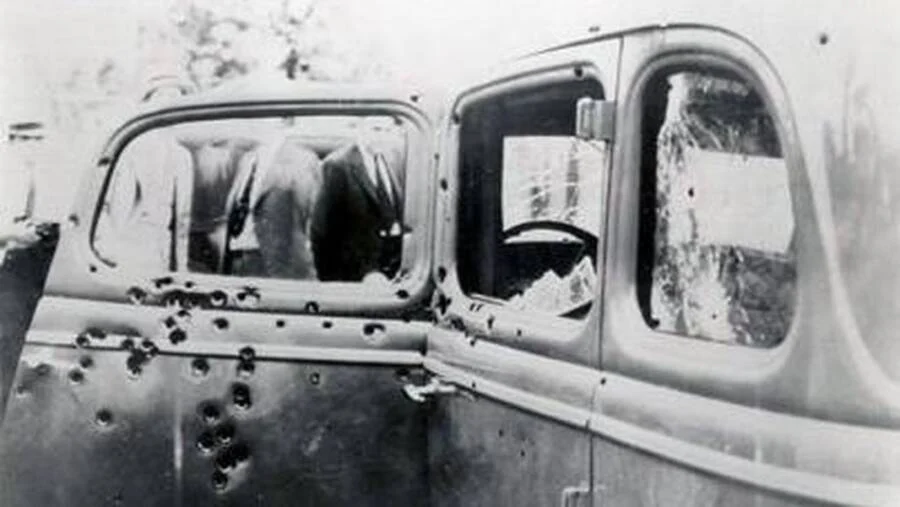
On May 23rd, Texas Ranger Frank Hamer and his gang of officers were ready for a stakeout. They had discovered that Bonnie and Clyde (and the rest of the Barrow Gang) would be visiting the family of another gang member, Henry Methvin. With the location locked in for the first time, Hamer had his group set up an ambush on the side of the road in a gathering of bushes. Hamer had been one of the officers chasing the Barrow Gang across the country, so this ambush meant everything to the Ranger. Hours passed, and the road remained empty. Hamer’s gang was almost ready to leave when they heard the roar of Barrow’s V8. Earlier that morning, Henry Methvin’s father, Ivan Methvin, had been convinced to park his truck as a decoy in exchange for his son not receiving the death penalty. So, Barrow saw the truck, and just as planned, slowed down to possibly offer assistance. With Barrow’s car still moving, Hamer and his officers opened fire on the vehicle. Louisiana officer Prentiss Morel Oakley shot first, and in a stroke of luck, his first bullet struck Clyde Barrow in the head, killing him instantly. The officers heard Bonnie scream, but it didn’t matter. They unloaded around 130 rounds into the car, afraid that Bonnie and Clyde would be able to slip away if they didn’t go the extra mile to make sure they were killed. The vehicle itself bore the brunt of the shots, having 112 bullet holes in it once the ambush was all over. Around one-fourth of the bullets hit Bonnie and Clyde, killing them many times over. One bullet might have done the job, but over 100 definitely did. Word quickly got out that Bonnie and Clyde had been killed, and before the coroner could arrive to retrieve the bodies, civilians showed up and began taking things from the scene as souvenirs. One woman was said to have cut hair from Bonnie, while a man was seen trying to saw off Clyde’s trigger finger. After a run that had captured the attention of the nation, the end of Bonnie and Clyde was not only swift but humiliating.

@fasc1nate - Fascinating
Bonnie and Clyde's iconic death at the hand of law enforcement: https://www.historydefined.net/the-death-of-bonnie-and-clyde/ https://www.historydefined.net/the-death-of-bonnie-and-clyde/

@fasc1nate - Fascinating
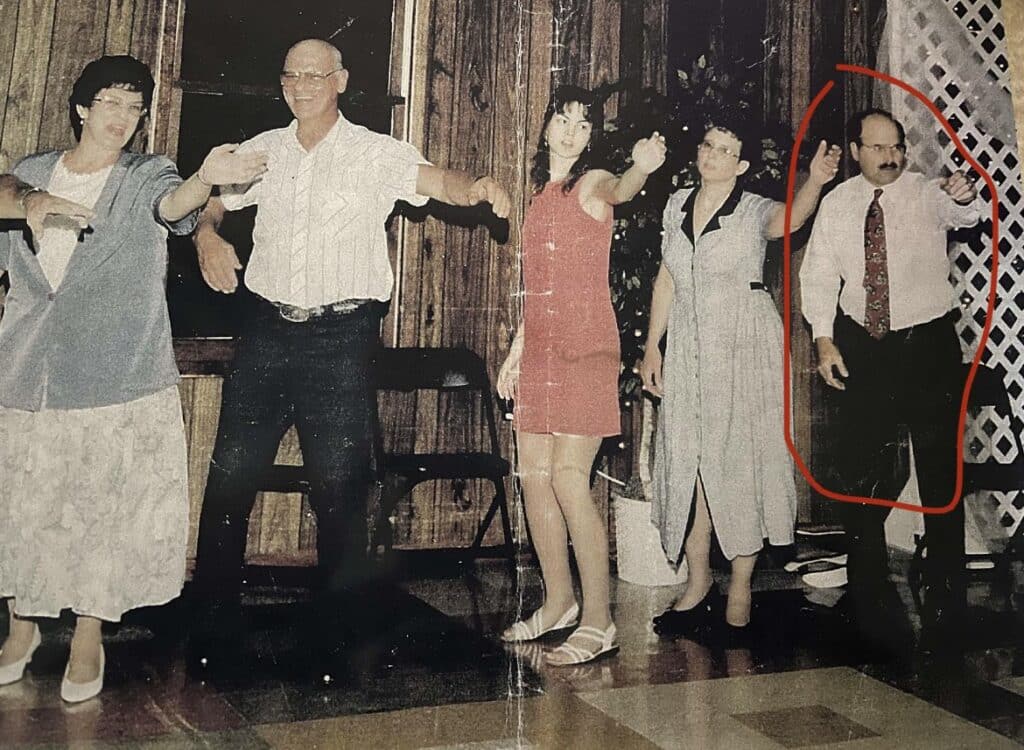
81 of the creepiest photos ever taken https://www.historydefined.net/56-creepy-photos/
@fasc1nate - Fascinating
In 1990, the windshield of British Airways Flight 5390 came off at an altitude of 17,000 feet. This triggered a sudden decompression in the cockpit, resulting in the captain being partially ejected out of the aircraft. As luck would have it, Nigel Ogden, a flight attendant, was on his way into the cockpit at that moment. He managed to grab hold of the captain and maintain his grip for over 20 minutes while the copilot attempted an urgent landing. Although the majority of the crew presumed that the pilot had already lost his life, Ogden did not let go. There was a prevailing fear that if Ogden did release his hold, the pilot's body might strike the plane's engine, wing, or stabilizer, causing even more chaos. All Ogden knew was that the pilot was gradually slipping more and more out of the window and his head was continuously being battered against the airplane's body. Finally, after a distressing 20-minute flight with a gaping window, the aircraft was safely brought down at Southampton Airport. In the course of events, Ogden suffered from frostbite on his face, damage to one of his eyes, and a dislocated shoulder. In a miraculous turn of events, the pilot survived the ordeal, although he had frostbite and multiple fractures on his arms and hands. The image is a recreation from the television series "Mayday!"

@fasc1nate - Fascinating
New York City Firefighters Jimmy and Tyrone are interviewed right after a narrow escape from one of the towers on 9/11. https://t.co/05qEiEtAtT
@fasc1nate - Fascinating
Judy Garland and her daughter Liza Minnelli in London, c. 1964. https://t.co/oSwxHymkp3

@fasc1nate - Fascinating
Hachikō (ハチ公) was an Akita dog who lived in Japan and was born in 1923. A university professor called Hidesaburō Ueno bought Hachikō in 1924 and brought him back to his home in Shibuya, Tokyo. Hidesaburō went to work every day using the Shibuya train station. Every evening when he would commute home, he would find Hachikō waiting for him on the train platform, and they would walk home together. However, this would end on May 21st, 1925, when Hidesaburō died at work due to a brain hemorrhage. For the next nine years, nine months, and fifteen days, Hachikō would make his way to the train station to wait for his master's arrival, but he never came home. Hidesaburō's partner Yaeko Ueno took care of him, and the two got along well. Hachikō died on March 8, 1935, at the age of 11. He was found dead in a street in Shibuya. His cause of death was terminal cancer and a filaria infection. His remains were cremated, and he was buried with his master at Aoyama Cemetery, Minato, Tokyo. Today, Hachikō is a symbol of love, loyalty, and hope. He is famous in Japanese culture and worldwide, and his gravesite is a popular tourist attraction that people visit to remember him. His loyalty is impressive, as this character trait is highly respected in Japanese culture. Each year, on March 8th, Shibuya station holds a ceremony to remember Hachikō, in which hundreds of dog owners take part in recognizing and preserving his legacy.

@fasc1nate - Fascinating
This is the first image captured of Chernobyl, taken 14 hours after the explosion on April 26, 1986. The photo was snapped from a helicopter assessing radiation levels over the disaster area. The image is grainy due to the intense radiation in the air, which began damaging the camera film as soon as it was exposed. Igor Kostin, the photographer, found that the radiation affected his camera's motors after about 20 photos. When he processed his films, only the image above was usable. All other photos, affected by high radiation levels, came out completely black. Kostin's visit to Chernobyl was not legal or approved by the authorities. The incident's news was largely hidden. However, Kostin was later given permission to photograph the disaster site, the evacuation of residents in Pripyat, and the 30 km zone around the power plant. His images helped reveal the catastrophe to the world. Despite his closeness to the site, Kostin did not receive deadly amounts of radiation. He died in a car crash in 2015 when he was 78.

@fasc1nate - Fascinating
The story behind the infamous "4 Children for Sale" photograph in 1948 is heartbreaking. Lucille Chalifoux, the mother in the photo, was facing eviction from her apartment and, with no other options, made the difficult decision to sell her four children. The photo captured the attention of the public when it was published in the local newspaper. Offers of support and job opportunities poured in, but unfortunately, they were not enough to save the children from their challenging fate. The youngest child, David, was adopted by Harry and Luella McDaniel, who provided him with a stable and safe home. While his upbringing was strict, he eventually found stability and served in the military for 20 years before working as a truck driver. However, the older siblings, RaeAnn and Milton, had a much more harrowing experience. They were sold to a couple named John and Ruth Zoeteman, who treated them as property rather than children. They were chained up in a barn and subjected to physical and emotional abuse. RaeAnn, in particular, had a traumatic upbringing, including an incident of kidnapping, rape, and pregnancy in her teenage years. Despite their hardships, both RaeAnn and Milton were able to reconnect as adults. Unfortunately, their sister Lana passed away before they could reunite. Another sibling, Sue Ellen, was in the late stages of lung disease at the time of the reunion but could express her love for her siblings through written communication. Sue Ellen's words for the birth mother that sold them: "She needs to be in hell burning."

@fasc1nate - Fascinating
Mount St. Helens erupts in 1980. Steve Firth, a friend of the man who took this photo had the following to say: “...That Pinto and dirt bike belonged to a good friend of mine and when he stopped to turn around, he took this picture. He told me that there was lightning bolts shooting out of the smoke but he didn’t have the right filter on his camera to capture them at that moment. The picture could have been even more amazing. It was used on the TV news and used to be on the cover of Mt. St. Helens brochure at the Johnston Observatory / visitor center. He gave me an original 8×10 copy of it although it looked like he was a good distance away from the blast, he barely made it out of there alive. Had the blast came more in his direction he would have died in seconds. Sometime later he returned and photographed a burned-out pickup with a horse trailer attached to it. He told me he had talked to them that day and said they never made it out. He is a freelance photographer so he took some amazing pictures of the aftermath as well. Anyhow, I thought I’d let you know a bit more about that fabulous picture."

@fasc1nate - Fascinating
This is the first image captured of Chernobyl, taken 14 hours after the explosion on April 26, 1986. The photo was snapped from a helicopter assessing radiation levels over the disaster area. The image is grainy due to the intense radiation in the air, which began damaging the camera film as soon as it was exposed. Igor Kostin, the photographer, found that the radiation affected his camera's motors after about 20 photos. When he processed his films, only the image above was usable. All other photos, affected by high radiation levels, came out completely black. Kostin's visit to Chernobyl was not legal or approved by the authorities. The incident's news was largely hidden. However, Kostin was later given permission to photograph the disaster site, the evacuation of residents in Pripyat, and the 30 km zone around the power plant. His images helped reveal the catastrophe to the world. Despite his closeness to the site, Kostin did not receive deadly amounts of radiation. He died in a car crash in 2015 when he was 78.

@fasc1nate - Fascinating
Kurt Vonnegut's 8 rules for writing: 1. Use the time of a total stranger in such a way that he or she will not feel the time was wasted. 2. Give the reader at least one character he or she can root for. 3. Every character should want something, even if it is only a glass of water. 4. Every sentence must do one of two things—reveal character or advance the action. 5. Start as close to the end as possible. 6. Be a sadist. No matter how sweet and innocent your leading characters, make awful things happen to them-in order that the reader may see what they are made of. 7. Write to please just one person. If you open a window and make love to the world, so to speak, your story will get pneumonia. 8. Give your readers as much information as possible as soon as possible. To hell with suspense. Readers should have such complete understanding of what is going on, where and why, that they could finish the story themselves, should cockroaches eat the last few pages.

@fasc1nate - Fascinating
This is Unsinkable Sam, aka Oscar, a cat that served with the Kriegsmarine (navy of Nazi Germany) and the Royal Navy (navy of the UK) during World War 2. He was reported to have belonged to a sailor onboard the German battleship Bismarck. On May 18, 1941, Bismarck was on its first mission when the Allies sank it. Out of the 2,100 crew members, only 115 men and one cat survived. The HMS Cossack scooped up the cat and gave him the name Oscar. For the next few months, Oscar lived on the ship until torpedoes hit it from a German U-boat, which killed 159 crew members but not Oscar, who was brought to the shores of Gibraltar by the remaining survivors. Oscar was soon transferred to the HMS Ark Royal, where he was given the name "Unsinkable Sam." Ironically, the Ark Royal was heavily involved in the sinking of the Bismarck. After a series of near misses, the ship had garnered a reputation for being a "lucky ship." However, its luck would soon run out. On November 14, 1941, the Ark Royal was torpedoed by a U-boat, causing it to roll over and sink. Sam was found clinging to a piece of wood and was described as "angry but quite unharmed." The sinking of the Ark Royal ended Sam's career at sea, and he lived out his remaining years in Belfast with a seaman until 1955.

@fasc1nate - Fascinating
This is Spanish spy and double agent Juan Pujol Garcia in his uniform as a lieutenant in the Spanish Republic Army. Up until World War II broke out, Pujol failed in all aspects of his life. He failed to be a student, soldier, businessman, and cinema magnate. Not to mention, his marriage was falling apart. When the war broke out, Pujol approached the British three different times to work for them. When they turned him away, he approached the Nazis, and they accepted him (giving him the codename Arabel). Once he earned credentials working as a Nazi spy, he approached the Allies again, this time getting a job as a double agent (codenamed Garbo). He began to feed the Nazis a combination of misinformation that was true but useless. Any high-value information always got to the Nazis just a little too late. He even started a spy network consisting of 27 sub-agents. However, in reality, none of them existed. They were completely made up. Nevertheless, he submitted their expense reports, and the Nazis paid their salaries. At one point, Pujol explained why some high-value information got to the Nazis late. He told them that one of his spies had died and even managed to get the Nazis to pay a pension to the imaginary spy's imaginary wife for her loss. Not only did his false information get the Nazis to waste millions of dollars, but he was also instrumental in convincing the Nazis that the attacks on D-Day were just a diversion and the real attack was yet to come, keeping vital resources away from the front lines. Pujol is one of the only people to ever get an Iron Cross from the Nazis (which required Hitler's personal authorization since he wasn't a soldier) and an MBE (Member of the Order of the British Empire) from King George VI. After the war, Pujol feared that he would be hunted by surviving Nazis. In 1949, with the help of MI5, Pujol traveled to Angola, where he faked his own death from malaria. He then moved to Lagunillas, Venezuela, where he set up a small bookstore and gift shop, living anonymously until his death in 1988.

@fasc1nate - Fascinating
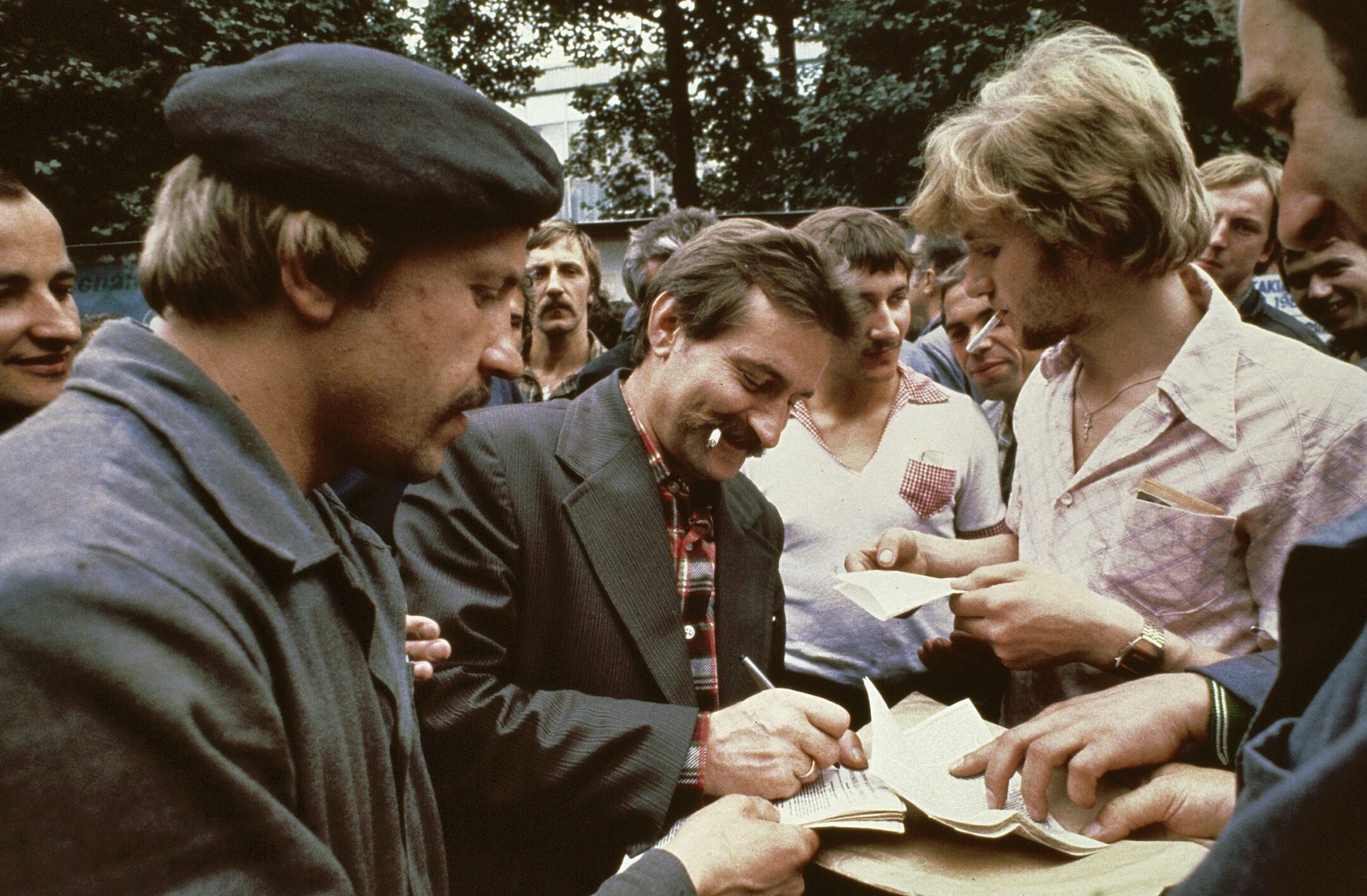
More ordinary people who changed the world: https://www.historydefined.net/ordinary-people-who-changed-the-world/ https://www.historydefined.net/ordinary-people-who-changed-the-world/
@fasc1nate - Fascinating
In May of 1861, 9-year-old John Lincoln "Johnny" Clem ran away from his home in Newark, Ohio, to join the Union Army. He found the Army was not interested in signing on a 9-year-old boy when the commander of the 3rd Ohio Regiment told him he "wasn't enlisting infants" and turned him down. Clem tried the 22nd Michigan Regiment next, and its commander turned him down s well. Determined, Clem, tagged after the regiment acted out the role of a drummer boy, and was allowed to remain. Though still not regularly enrolled, he performed camp duties and received a soldier's pay of $13 a month, a sum collected and donated by the regiment's officers. The next April, at Shiloh, Clem's drum was smashed by an artillery round and he became a minor news item as "Johnny Shiloh, The Smallest Drummer" At the Battle Of Chickamauga a year later, he rode an artillery caisson to the front and wielded a musket trimmed to his size. In one of the Union retreats, a Confederate officer ran after the cannon Clem rode with and yelled, "Surrender you damned little Yankee!" Johnny shot him dead. This pluck won for Clem national attention and the name "Drummer Boy of Chickamauga." Clem stayed with the Army through the war, served as a courier, and was wounded twice. Between Shiloh and Chickamauga he was regularly enrolled in the service, began receiving his own pay, and was soon after promoted to the rank of Sergeant when he was only 12 years old. After the Civil War, he tried to enter West Point but was turned down because of his slim education. A personal appeal to President Ulysses S. Grant, his commanding general at Shiloh, won him a 2nd Lieutenant's appointment in the Regular Army on 18 December 1871. In 1903, he attained the rank of Colonel and served as Assistant Quartermaster General. He retired from the Army as a Major General in 1916, having served an astounding 55 years. General Clem died in San Antonio, Texas, on 13 May 1937, exactly 3 months shy of his 86th birthday, and is buried at Arlington National Cemetery.

@fasc1nate - Fascinating
Chinese gymnasts whose ages range from 67 to 80 years old.
@fasc1nate - Fascinating
What does this look like to you?
@fasc1nate - Fascinating
Beautiful. Where is this?
@fasc1nate - Fascinating
How a bear reacts to a mirror in the forest.
@fasc1nate - Fascinating
This is absolutely beautiful.
@fasc1nate - Fascinating
Incredible agility.