reSee.it - Tweets Saved By @thevitalformula

Saved - September 23, 2025 at 9:06 PM
reSee.it AI Summary
Bloating is a warning sign and should not be ignored, as it can harm digestion and lead to cravings and weight gain. I shared nine science-backed fixes to help heal the gut and alleviate bloating. Key strategies include avoiding chewing gum, incorporating probiotic and prebiotic foods, consuming omega-3 fats and polyphenol-rich foods, engaging in daily movement, ensuring deep sleep, managing stress, and considering berberine supplements. This information aims to support better gut health and overall well-being.

@thevitalformula - The Vital Formula

Bloating isn’t normal. It’s a warning sign. Ignoring it will destroy your digestion, trigger cravings, and weight gain. Here are 9 science-backed fixes to heal your gut (and feel light again): 🧵 1. Stop chewing gum

@thevitalformula - The Vital Formula

One hidden trigger of bloating? Chewing gum. It causes: • Extra air swallowed → gas & pressure • Artificial sweeteners → feed bad gut bacteria • Constant chewing → overstimulates digestion The result? A stomach that feels like a balloon.

@thevitalformula - The Vital Formula

2. Probiotic foods Add ½ cup of kefir or a serving of yogurt daily. Live cultures (Lactobacillus, Bifidobacterium) restore balance, reduce gut inflammation, and ease bloating. (video: 7 probiotic foods that actually work)

Video Transcript AI Summary
The number one food on this list is yogurts. Yogurts have been used for centuries for good amount of probiotics. I prefer non dairy yogurt made from coconut milk. The second probiotic rich food is kefir. Kefir is dairy free option and good amount of probiotics are present in it. The third option is apple cider vinegar. Apple cider vinegar supports your digestion and also has good amount of probiotics. The next food is pickles. Every culture has different kind of pickles which are high in probiotic. The next food over here is kombuchas. Kombuchas is fermented black tea which is high in different probiotic. Then comes a kimchi and sauerkraut both of them are high in probiotics. And the last one is green olives which are also very high in probiotics.
Full Transcript
Speaker 0: Probiotics are really important for your gut health. Today I am going to share with you seven foods which are best source of probiotics. The number one food on this list is yogurts. Yogurts have been used for centuries for good amount of probiotics. I prefer non dairy yogurt made from coconut milk. The second probiotic rich food is kefir. Kefir is dairy free option and good amount of probiotics are present in it. The third option is apple cider vinegar. Apple cider vinegar supports your digestion and also has good amount of probiotics. The next food is pickles. Every culture has different kind of pickles which are high in probiotic. The next food over here is kombuchas. Kombuchas is fermented black tea which is high in different probiotic. Probiotic. Then comes a kimchi and sauerkraut both of them are high in probiotics. And the last one is green olives which are also very high in probiotics.

@thevitalformula - The Vital Formula

3. Prebiotic fibers Aim for 5–10g/day from apples, onions, oats, or bananas. They fuel short-chain fatty acids (SCFAs) that repair your gut lining and calm immune overactivation.

@thevitalformula - The Vital Formula

4. Omega-3 fats Target 2–3g/day EPA + DHA from wild salmon, sardines, or fish oil. Backed by research to lower gut inflammation and boost microbiome diversity. (video: top 5 omega-3 foods)

@thevitalformula - The Vital Formula

5. Polyphenol-rich foods Polyphenols are like fertilizer for your gut garden. Daily intake: • 1 cup berries • 2 tbsp extra virgin olive oil • 1 cup green tea They boost microbial diversity, reduce oxidative stress, and support smoother digestion.

@thevitalformula - The Vital Formula

6. Daily movement 20–30 minutes of walking, cycling, or resistance training. Exercise quickly boosts butyrate-producing microbes and strengthens the gut barrier. (video: how walking heals your body)

Video Transcript AI Summary
Walking may seem easy compared to other types of exercise, but you can still get good health benefits. One study showed that people who do twenty minute walks five days a week are forty three percent less likely to get sick and they are sick for a shorter period of time if they do get sick. The American Cancer Society says that people who do one hour walks seven days a week have a fourteen percent lower risk of developing breast cancer, and fifteen minute daily walks can curb your cravings for sugary foods like chocolate.
Full Transcript
Speaker 0: Walking may seem easy compared to other types of exercise, but you can still get good health benefits. One study showed that people who do twenty minute walks five days a week are forty three percent less likely to get sick and they are sick for a shorter period of time if they do get sick. The American Cancer Society says that people who do one hour walks seven days a week have a fourteen percent lower risk of developing breast cancer, and fifteen minute daily walks can curb your cravings for sugary foods like chocolate.

@thevitalformula - The Vital Formula

7. Deep sleep Bad sleep wrecks digestion. Poor sleep increases gut permeability, raises cortisol, and kills microbial balance. Fix it with: • 7–9 hrs nightly • Dark, cool room (18–20°C / 65–68°F) • No screens 90 mins before bed Your gut resets while you sleep.

@thevitalformula - The Vital Formula

8. Stress regulation Your gut and nervous system are hardwired together. Chronic stress = leaky gut, cravings, bloating. Support your vagus nerve with: • Box breathing (4-4-4-4) • Nature walks • 10 min meditation A calm mind sends safety signals to your gut.

@thevitalformula - The Vital Formula

9. Berberine Berberine has been studied for its effects on: • Gut health • Blood sugar balance • Reducing bad bacteria It’s one of the most talked-about supplements in longevity circles. Here’s one that’s gaining popularity (ad): https://www.amazon.com/dp/B07X4B7QFM?ref=t_ac_view_request_product_image&campaignId=amzn1.campaign.ZWO48EWJ32SN&linkCode=tr1&tag=tzcreative-20&linkId=amzn1.campaign.ZWO48EWJ32SN_1756982367729

Sorry! Something went wrong! amazon.com

@thevitalformula - The Vital Formula

If this helped, repost to help someone else fix their gut. Follow @thevitalformula for more science-backed health upgrades. This info could save someone years of health struggles. What’s one insight from this thread that hit hardest? 👇

@thevitalformula - The Vital Formula

Bloating isn’t normal. It’s a warning sign. Ignoring it will destroy your digestion, trigger cravings, and weight gain. Here are 9 science-backed fixes to heal your gut (and feel light again): 🧵 1. Stop chewing gum https://t.co/bhKnYuxjjH

@thevitalformula - The Vital Formula

Disclaimer: This content is provided for informational and educational purposes only. It is not intended as medical advice. Always consult with a licensed healthcare professional before making any changes to your diet, supplementation, or lifestyle.

@thevitalformula - The Vital Formula

@learnerninvest Thanks for the addition, appreciate that!

Saved - September 23, 2025 at 8:37 PM
reSee.it AI Summary
Diabetes was rare 40 years ago, but now affects 1 in 10 adults globally, largely due to changes in our food supply. The American Heart Association's promotion of margarine over butter in the 1960s, funded by the seed oil industry, initiated a health crisis. As soybean oil became prevalent, diabetes cases surged from 108 million in 1990 to 828 million in 2022. This rise is linked to insulin resistance caused by seed oils. However, insulin resistance can be reversed by cutting seed oils, prioritizing protein, moving after meals, building muscle, mastering sleep and stress, and using berberine. Type 2 diabetes is not genetic but a modern issue that can be addressed with the right lifestyle changes.

@thevitalformula - The Vital Formula

40 years ago, diabetes was rare. Today, it affects 1 in 10 adults globally. No, sugar isn't the full story. The real cause was hidden in nearly every kitchen by the 1980s… Here’s how a quiet change in our food supply triggered societies metabolic collapse: 🧵

@thevitalformula - The Vital Formula

In 1961, the American Heart Association made a surprising move: They ran a TV ad telling Americans to replace butter with margarine and vegetable oil. What the public didn’t know? That ad was funded by the seed oil industry. And it kicked off a 60-year health crisis.

@thevitalformula - The Vital Formula

The message was simple: Fat = bad. Vegetable oil = heart-healthy. It sounded like science. But behind the scenes, Big Food was engineering a dietary takeover. They replaced natural fats with ultra-processed seed oils: Cheap, shelf-stable, and highly profitable, see yourself:

Video Transcript AI Summary
So highly processed vegetable oils are healthy for us and butter is bad for us, right? Well, here's how they're both made. First, seeds are exposed to high heat and pressed to extract the oil. Heating increases the yield but can oxidize the oil, which makes it pro inflammatory. Then, it's treated with a toxic solvent called hexane to further increase the yield. Then it's distilled to remove the hexane. After that, it's degummed and neutralized. Then it's bleached to make its appearance acceptable to consumers. And then they deodorize it because the oils can develop off flavors and odors due to the presence of free fatty acids, oxidation products, and other volatile compounds. Sounds like a pretty normal, safe, and natural thing for humans to consume. Now here's how butter's made. Rinse it with water, and then you're done. Now this is clearly unhealthy, dangerous, and toxic to humans.
Full Transcript
Speaker 0: So highly processed vegetable oils are healthy for us and butter is bad for us, right? Well, here's how they're both made. First, seeds are exposed to high heat and pressed to extract the oil. Heating increases the yield but can oxidize the oil, which makes it pro inflammatory. Then, it's treated with a toxic solvent called hexane to further increase the yield. Then it's distilled to remove the hexane. After that, it's degummed and neutralized. Then it's bleached to make its appearance acceptable to consumers. And then they deodorize it because the oils can develop off flavors and odors due to the presence of free fatty acids, oxidation products, and other volatile compounds. Sounds like a pretty normal, safe, and natural thing for humans to consume. Now here's how butter's made. Pour cream into a drum, mix it until it turns into butter, and then separate the buttermilk and the butter. Rinse it with water, and then you're done. Now this is clearly unhealthy, dangerous, and toxic to humans. You know, sometimes humans are just the smartest.

@thevitalformula - The Vital Formula

By 1999, soybean oil made up 20% of total calories in the American diet. Think about that. Not just sugar. Not just carbs. One-fifth of what Americans ate came from a chemically refined industrial lubricant. And here’s what happened next…

@thevitalformula - The Vital Formula

Diabetes cases skyrocketed. In 1990: 108 million people worldwide had diabetes. By 2022: 828 million. A 7.7x increase in 3 decades. Not because people were just eating more. But because they were eating fundamentally different food.

@thevitalformula - The Vital Formula

Unlike natural fats, seed oils are rich in omega-6 linoleic acid. Excessive amounts trigger: • Chronic inflammation • Mitochondrial dysfunction • Insulin resistance The perfect Omega-6 to 3 ratio? 1:1. The reality? 20:1 Watch this to understand how we destroy ourselves:

Video Transcript AI Summary
Omega-6s though are generally associated with pro inflammatory responses in the body. arachidonic acid is a downstream metabolite from the linoleic acid, which is an omega-six. But still, it's an essential. The goal, the ideal ratio is almost one to one, where you would want like an even amount of omega-six to even amount of omega-3s. But guess what? In the American diet, it's 20 to one. It's 20 omega-6s. So we have a pro inflammatory stuff going on in the body. And then the anti inflammatory, of course, is your omega-3s. But it's really not so much the omega-6s that are the problem as much as the omega-3s being too low because they will counteract. They will compete for the omega sixes and push them out so they're only doing their good stuff rather than their bad stuff. Omega threes can't do anything bad.
Full Transcript
Speaker 0: What is the difference between omega-three and omega-six? They're both fatty acids. Omega-6s though are generally associated with pro inflammatory responses in the body. And that's because linoleic acid. Yeah, arachidonic acid is a downstream metabolite from the linoleic acid, which is an omega-six. But still, it's an essential. Omega-6s have their own health benefit if you don't get too much. Right. The goal, the ideal ratio is almost one to one, where you would want like an even amount of omega-six to even amount of omega-3s. But guess what? In the American diet, it's 20 to one. It's 20 omega-6s. So we have a pro inflammatory stuff going on in the body. And then the anti inflammatory, of course, is your omega-3s. But it's really not so much the omega-6s that are the problem as much as the omega-3s being too low because they will counteract. They will compete for the omega sixes and push them out so they're only doing their good stuff rather than their bad stuff. Omega threes can't do anything bad.

@thevitalformula - The Vital Formula

Insulin is your body's glucose regulator. It tells cells to absorb sugar after meals. But seed oils interfere with how cells respond to insulin. Over time, cells ignore the signal. That leaves sugar stuck in your blood, damaging arteries, organs, and your brain.

@thevitalformula - The Vital Formula

This process is called insulin resistance. It’s the root cause of: • Type 2 diabetes • Fatty liver • Alzheimer’s • Heart disease And it begins years before diagnosis, while labs still look "normal." This video explains insulin resistance:

Video Transcript AI Summary
Insulin, a hormone made by your pancreas, is essential for life. Your body's main source of energy is glucose, a simple sugar that comes from the food you eat. Insulin is released when glucose enters your bloodstream to help glucose get to the cells found in your muscles, fat, and liver. When you have insulin resistance, those cells don't respond like like they should to insulin. And when that happens, glucose can't efficiently be removed from your bloodstream or stored for later use. If those cells become too resistant to insulin, your blood sugar can become too high, leading to hyperglycemia. And over time, this can lead to prediabetes and type two diabetes.
Full Transcript
Speaker 0: Insulin, a hormone made by your pancreas, is essential for life. Your body's main source of energy is glucose, a simple sugar that comes from the food you eat. Insulin is released when glucose enters your bloodstream to help glucose get to the cells found in your muscles, fat, and liver. When you have insulin resistance, those cells don't respond like like they should to insulin. And when that happens, glucose can't efficiently be removed from your bloodstream or stored for later use. If those cells become too resistant to insulin, your blood sugar can become too high, leading to hyperglycemia. And over time, this can lead to prediabetes and type two diabetes.

@thevitalformula - The Vital Formula

But here’s the good news... Insulin resistance can be reversed. You just need to fix the inputs. Here are 6 powerful ways to heal your metabolism starting today:👇

@thevitalformula - The Vital Formula

Step 1: Cut seed oils Avoid: • Soybean oil • Corn oil • Canola oil • “Vegetable” oil blends Replace with: • Olive oil • Avocado oil • Coconut oil • Grass-fed butter Give your cells what they’re designed to run on.

@thevitalformula - The Vital Formula

Step 2: Prioritize protein Eating protein first avoids blood sugar spikes and boosts GLP-1, an insulin-sensitizing hormone. Try: • Eggs before toast • Chicken before rice Target 30g per meal for stable energy and fat-burning. This video shows the best diet to boost GLP-1:

Video Transcript AI Summary
I mean, eating a high protein diet is a fairly effective way of boosting GLP-one. But most people have gut issues—leaky gut or compromised gut—along with IBS, inflammatory bowel disease, and atrophy from aging. And I don't necessarily know if everybody's L cells are up for it. So getting the L cells to secrete the GLP-one is really like the hot conversation right now in the probiotic land. Different nutraceutical nutraceutical companies are coming in trying to create natural promoters of GLP-one and they're trying to get, it's like poking a dead horse sometimes, I think. When I talk to some of these docs I've seen on webinars, they're like, yeah, I am kind of concerned with the how are these patients coming to us with, like what's happening there? And then we're trying to promote it with berberine and high protein, and you know, there's all different ways to try to stimulate them, but are they even working?
Full Transcript
Speaker 0: I mean, eating a high protein diet is a fairly effective way of boosting GLP-one. I agree, but most people have gut issues. Most people in our clinics coming through have some kind of leaky gut or compromised gut. So there's a lot of IBS, there's inflammatory bowel disease, there's just atrophy from aging. And I don't necessarily know if everybody's L cells are up for it. So getting the L cells to secrete the GLP-one is really like the hot conversation right now in the probiotic land and different nutraceutical nutraceutical companies are coming in trying to create natural, you know, promoters of GLP-one and they're trying to get, it's like poking a dead horse sometimes, I think. When I talk to some of these docs I've seen on webinars, they're like, yeah, I am kind of concerned with the how are these patients coming to us with, like what's happening there? And then we're trying to promote it with berberine and high protein and you know, there's all different ways to try to stimulate them, but are they even working?

@thevitalformula - The Vital Formula

Step 3: Move after meals After eating, sugar floods your bloodstream. Walking for 10–15 minutes after meals can reduce spikes by up to 30%. This one habit is as powerful as some diabetes medications.

@thevitalformula - The Vital Formula

Step 4: Build muscle Muscle is a glucose sponge. The more lean mass you have, the more sugar your body can clear without extra insulin. Start with: • Squats • Rows • Push-ups See this video on how important muscles are for diabetes:

Video Transcript AI Summary
Muscles are where you dispose of glucose, and our ability to metabolize glucose and regulate glucose levels is central to our existence on this planet. When we get it just a little bit wrong, we go to hell in a handbasket. That's what type two diabetes is. The difference between you and someone with type two diabetes is an extra one teaspoon of glucose in the bloodstream. The most important part of blood sugar regulation is having muscles that are big enough to put the glucose into, and that are insulin sensitive enough to respond to the signal of insulin. That's how critical it is that we regulate our blood sugar.
Full Transcript
Speaker 0: Why why the is the muscle mass piece so important and the strength piece? Why is that causing me to stay alive? Muscles are where you dispose of glucose. Our ability to metabolize glucose and regulate glucose levels is central central to our existence on this planet. And when we get it just a little bit wrong, we go to hell in a handbasket. That's what type two diabetes is. The difference between you and someone with type two diabetes is an extra one teaspoon of glucose in the bloodstream. That's how critical it is that we regulate our blood sugar. And the most important part of blood sugar regulation is having muscles that are big enough to put the glucose into, and that are insulin sensitive enough to respond to the signal of insulin.

@thevitalformula - The Vital Formula

Step 5: Master the basics • Sleep 7–8 hours • Manage stress • Stop snacking every 2 hours These aren't just "nice to have", they're core drivers of insulin sensitivity. But there's one more tool that’s backed by science...

@thevitalformula - The Vital Formula

Step 6: Berberine Berberine is often called “nature’s metformin.” Studies show it can: • Lower fasting glucose • Improve insulin sensitivity • Support cholesterol Choose wild-harvested, clinically dosed formulas. I recommend this: https://www.amazon.com/dp/B07X4B7QFM?ref=t_ac_view_request_product_image&campaignId=amzn1.campaign.ZWO48EWJ32SN&linkCode=tr1&tag=tzcreative-20&linkId=amzn1.campaign.ZWO48EWJ32SN_1755799423559

Sorry! Something went wrong! amazon.com

@thevitalformula - The Vital Formula

Type 2 diabetes is not a genetic curse. It’s a modern disease caused by modern food. And with the right changes, you can turn it around. Your health is a daily decision, not destiny.

@thevitalformula - The Vital Formula

Want threads like this for your health brand? I turn research into scroll-stopping storytelling that builds trust + drives sales. 100M impressions. 5-figure revenue. Clients include DTC brands, doctors, and creators. Book your call here: https://cal.com/tomzyd/strategy-call

Strategy Call | Tom Zyd | Cal.com Strategy Call cal.com

@thevitalformula - The Vital Formula

Follow @thetomzyd for more science-backed health upgrades. This info could literally save someone’s life. Which insight surprised you most? 👇

@thevitalformula - The Vital Formula

40 years ago, diabetes was rare. Today, it affects 1 in 10 adults globally. No, sugar isn't the full story. The real cause was hidden in nearly every kitchen by the 1980s… Here’s how a quiet change in our food supply triggered societies metabolic collapse: 🧵 https://t.co/ubJedcnZDD

@thevitalformula - The Vital Formula

Disclaimer: This content is for informational purposes only and does not constitute medical advice. Always consult a professional before making any changes to your health. Disclosure: This post contains affiliate links. I may earn a commission if you make a purchase.

@thevitalformula - The Vital Formula

Sources: PMID: 40075437 PMID: 38524769 PMID: 39549716

Saved - September 23, 2025 at 1:08 PM
reSee.it AI Summary
I’ve learned that 1 in 3 men lose their libido by 35, and low testosterone can affect more than just sex drive—it impacts energy, focus, and motivation. Many men today have significantly lower testosterone levels due to stress, poor sleep, and environmental toxins. I struggled with fatigue and low motivation, thinking I needed TRT, but I found natural fixes. Key strategies include optimizing sleep, managing stress, getting sunlight, and avoiding alcohol. I also recommend Tongkat Ali for its testosterone-boosting benefits.

@thevitalformula - The Vital Formula

1 in 3 men lose their libido by 35. But it’s not just your sex life that suffers. Low testosterone silently destroys your energy, focus, and drive. Here are 8 early warning signs (and how to fix them naturally): 🧵

@thevitalformula - The Vital Formula

Let’s start with the brutal truth: Men today have 40% lower testosterone than their grandfathers. We’re overstressed, under-rested, and drowning in hormone-disrupting chemicals. Libido, drive, energy, confidence, muscle, fertility… (Watch this to learn why it's happening)

Video Transcript AI Summary
"So I know this was this made the press recently or over the last year because of declining testosterone rates." "Number one, we're checking testosterone levels at a younger age and more commonly." "So the frequency of testosterone testing has gone up." "Number two, I think our lifestyle as we become more sedentary, we become more you know office jobs, desk jobs, spending more time indoors, not doing the things that are important to normalizing testosterone levels, getting outside vitamin D levels, getting good sleep." "I think with the constant blue lights everywhere with phones and TVs, Netflix, everyone's you know, you're constantly being stimulated." "Our sleep is getting disrupted as a result of it." "Food. We're eating more and more processed foods just because of the ease and convenience of of things." "So, maintaining normal testosterone levels aren't difficult, but our current lifestyle just it doesn't promote normal healthy testosterone levels."
Full Transcript
Speaker 0: Is it true that testosterone levels in men in general have gone down significantly over the past several decades? And if it is, why do you think that's happened? Speaker 1: So I know this was this made the press recently or over the last year because of declining testosterone rates. I don't disagree with it, but I think there's two things going on. Number one, we're checking testosterone levels at a younger age and more commonly. So the frequency of testosterone testing has gone up. So as a result of that you're going to catch more. You're going to diagnose low testosterone more as a result of it. One. Number two, I think our lifestyle as we become more sedentary, we become more you know office jobs, desk jobs, spending more time indoors, not doing the things that are important to normalizing testosterone levels, getting outside vitamin D levels, getting good sleep. I think with the constant blue lights everywhere with phones and TVs, Netflix, everyone's you know, you're constantly being stimulated. Our sleep is getting disrupted as a result of it. Food. We're eating more and more processed foods just because of the ease and convenience of of things. So, maintaining normal testosterone levels aren't difficult, but our current lifestyle just it doesn't promote normal healthy testosterone levels. Speaker 0: Yeah. That's actually interesting to me because when I think about even growing up you know, back in I was a kid in the eighties and and nineties and stuff, and and we and we lived a different life, man.

@thevitalformula - The Vital Formula

Most guys think it’s just “aging.” It’s not. It’s chronic stress. Sleep deprivation. Chemicals in food and plastic. Excessive training. Lack of sunlight. And missing key nutrients. Your biology is not broken, it’s being hijacked.

@thevitalformula - The Vital Formula

I struggled with this for years. Crippling fatigue. No motivation. Zero sex drive. I thought I needed TRT. What I really needed was to reset my body. Here’s what actually worked 👇

@thevitalformula - The Vital Formula

Fix #1: Stop overtraining. The mistake everyone makes: Lifting 6–7 days/week with no rest = hormonal burnout. Stick to 3–4 heavy compound workouts with full rest days. Intensity + recovery > frequency. (Watch this video how easy you fall into this trap)

Video Transcript AI Summary
"There's a reason why we have to get two measurements." "a supremely healthy young 17 year old kid coming in with a scary low total testosterone of like 90." "I look at him and, you know, the kid is in fantastic shape." "He's just jacked out of the mind." "And my suspicion is like, I just think this kid is over training." "And then he comes back with a repeat set of labs and he's stone cold normal." "And that's why he was feeling so dadgum drained." "And once we got him set up with something that was a little bit more reasonable, he started to actually progress and feel much better."
Full Transcript
Speaker 0: There's a reason why we have to get two measurements. I think I told you the story recently where I had a supremely healthy young 17 year old kid coming in with a scary low total testosterone of like 90. I look at him and, you know, the kid is in fantastic shape. He's just jacked out of his mind. And, you know, he's talking about hitting all of these plateaus in the gym and, you know, he's just tired and, you know, he denied any, you know, prior, anabolic use, never used SARMs or anything like that. And my suspicion is like, I just think this kid is over training. And so gave him a week off, which was a very painful week for him. And then he comes back with a repeat set of labs and he's stone cold normal. And the truth was that he wasn't giving his body time to rest. And that's why he was feeling so dadgum drained. And once we got him set up with something that was a little bit more reasonable, he started to actually progress and feel much better.

@thevitalformula - The Vital Formula

Fix #2: Fix your sleep. Testosterone is produced while you sleep... especially during deep REM. If you're not getting 7+ hours of quality sleep, you're literally shutting down T production. Want morning wood again? Sleep like your life depends on it.

@thevitalformula - The Vital Formula

Fix #3: Cut down your stress load. Chronic cortisol is testosterone's worst enemy. When your body is constantly in fight-or-flight, it suppresses sex hormones. Breathe. Walk. Meditate. Unplug. (Watch these 7 easy ways to lower cortisol)

Video Transcript AI Summary
Here are seven ways that you can reduce cortisol, which is the body's primary stress hormone. Engage in regular physical activity, especially aerobic exercises like jogging, swimming, or even walking. Try to eat a balanced diet with foods like fish, avocados, broccoli, and sauerkraut, and avoid excessive sugar. Try to get seven to nine hours of sleep every night. Think about practices such as mindfulness, meditation, and yoga. Moderate your intake of caffeine. Spend time with family and friends in nature, and for chronic stress, consider speaking with a mental health professional.
Full Transcript
Speaker 0: Here are seven ways that you can reduce cortisol, which is the body's primary stress hormone. Engage in regular physical activity, especially aerobic exercises like jogging, swimming, or even walking. Try to eat a balanced diet with foods like fish, avocados, broccoli, and sauerkraut, and avoid excessive sugar. Try to get seven to nine hours of sleep every night. Think about practices such as mindfulness, meditation, and yoga. Moderate your intake of caffeine. Spend time with family and friends in nature, and for chronic stress, consider speaking with a mental health professional.

@thevitalformula - The Vital Formula

Fix #4: Optimize sunlight + vitamin D. Vitamin D3 is directly linked to testosterone production. Low D = low T. Get 20+ minutes of morning sunlight on your skin daily. If you're in a cloudy or winter climate, supplement with 5,000 IU of D3.

@thevitalformula - The Vital Formula

Fix #5: Cut alcohol completely. Alcohol kills testosterone. Period. Even 1–2 drinks per night: • Suppresses LH (luteinizing hormone) • Blocks nitric oxide • Wrecks REM sleep • Increases estrogen levels (See this vid to learn how insane the effects really are)

Video Transcript AI Summary
Alcohol, without a doubt, lowers testosterone levels. So I don't even want to mix words that some people say, oh, you can have a couple drinks a week, you can have this, you can have that. All of them, all of it lowers testosterone levels. It affects your liver. It can imbalance your blood sugar levels throughout the night. It can produce more stress hormones and lower testosterone.
Full Transcript
Speaker 0: Alcohol, without a doubt, lowers testosterone levels. So I don't even want to mix words that some people say, oh, you can have a couple drinks a week, you can have this, you can have that. All of them, all of it lowers testosterone levels. It affects your liver. It can imbalance your blood sugar levels throughout the night. It can produce more stress hormones and lower testosterone.

@thevitalformula - The Vital Formula

Fix #6: Fix your gut + digestion. Testosterone is built from cholesterol and converted in your gut. Fix your gut, and hormones respond fast. • Eliminate seed oils • Cut sugar • Add fermented foods & fiber (see how you gut really affects your testosterone)

Video Transcript AI Summary
Back in 2016, there was a paper published on the gelding theory of low testosterone, gelding being the gut endotoxin leading to a decline in gonadal function theory. endotoxins being released into the system, particularly LPS, lipopolysaccharide, which leads to inflammation that then directly and indirectly affects the testosterone production at the testes and through the hypothalamus pituitary gonadal axis. It's one of the many factors we need to consider if you're dealing with low testosterone or signs of subclinical low testosterone. If you think you're dealing with low testosterone or dealing with signs of low testosterone, then comment here testosterone to see how I can help you get down to the root cause and optimize your testosterone naturally.
Full Transcript
Speaker 0: Guys, here's how a disrupted gut can affect your testosterone levels. Back in 2016, there was a paper published on the gelding theory of low testosterone, gelding being the gut endotoxin leading to a decline in gonadal function theory. And what this suggests is that when there's disruption in the gut that causes leaky gut, which then leads to endotoxins being released into the system, particularly LPS, lipopolysaccharide, which leads to inflammation that then directly and indirectly affects the testosterone production at the testes and through the hypothalamus pituitary gonadal axis. So it's one of the many factors we need to consider if you're dealing with low testosterone or signs of subclinical low testosterone. It's not always the first thing to look at, things like sleep and stress definitely play a role, but it's part of the holistic picture of things that we need to look at when trying to optimize testosterone naturally and from the root cause. If you think you're dealing with low testosterone or dealing with signs of low testosterone, then comment here testosterone to see how I can help you get down to the root cause and optimize your testosterone naturally.

@thevitalformula - The Vital Formula

Fix #7: Avoid estrogenic toxins. Modern life is full of endocrine disruptors. They’re hiding in: • Plastic water bottles • Processed foods • Nonstick cookware • Shampoo, lotion, & deodorant Detox your environment → your hormones will thank you.

@thevitalformula - The Vital Formula

Fix #8: Support your body with adaptogens. Once your foundation is strong: You can support testosterone naturally with science-backed herbs. The best one doing this job? Tongkat Ali. Here's why:

Video Transcript AI Summary
There are other supplements, in particular Tonga Ali, which is known to, for instance increase libido. Whether or not it does that by way of augmenting dopamine related pathways or testosterone pathways still isn't clear. It is known to increase free testosterone. Tonga Ali can be beneficial both for men and for women in dosages anywhere from two hundred milligrams to six hundred milligrams per day. So there I would say scale according to body size, although start with the minimum amount and find the minimal effective dose for you.
Full Transcript
Speaker 0: There are other supplements, in particular Tonga Ali, which is known to, for instance, increase libido. Whether or not it does that by way of augmenting dopamine related pathways or testosterone pathways still isn't clear. It is known to increase free testosterone. Tonga Ali can be beneficial both for men and for women in dosages anywhere from two hundred milligrams to six hundred milligrams per day. So there I would say scale according to body size, although start with the minimum amount and find the minimal effective dose for you.

@thevitalformula - The Vital Formula

Why Tongkat Ali (ad)? Tongkat Ali has been used for centuries to restore male vitality. Modern studies show it can: • Boost total testosterone • Reduce cortisol • Improve sexual function • Increase strength + energy • Raise free T by 36% in 4 weeks

@thevitalformula - The Vital Formula

Why Tongkat Ali works so well: Unlike synthetic boosters, Tongkat Ali works with your body: ✅ Supports your pituitary + LH response ✅ Frees up bound testosterone ✅ Reduces cortisol + anxiety ✅ No suppression, no crash, no side effects and it’s backed by real studies, not hype.

@thevitalformula - The Vital Formula

The bottom line You can’t out-supplement a broken lifestyle. But once your sleep, stress, diet, and training are dialed in... Tongkat Ali + Fadogia is the most potent natural testosterone stack available.

@thevitalformula - The Vital Formula

This is my recommendation: ✅ 200:1 Tongkat Ali extract ✅ 30:1 Fadogia Agrestis ✅ 10% Eurycomanone (most potent active compound) ✅ GMP-certified, USA-made ✅ No proprietary blends, no fillers Science-backed. Results guaranteed in 90 days. Start now. https://www.amazon.com/dp/B0C4NV7Q2B?ref=t_ac_view_request_product_image&campaignId=amzn1.campaign.2I25J78K2XF8T&linkCode=tr1&tag=tzcreative-20&linkId=amzn1.campaign.2I25J78K2XF8T_1757071202036

Sorry! Something went wrong! amazon.com

@thevitalformula - The Vital Formula

Follow @thevitalformula for more science-backed health upgrades. This info could literally save someone’s life. Which insight surprised you most? 👇

@thevitalformula - The Vital Formula

1 in 3 men lose their libido by 35. But it’s not just your sex life that suffers. Low testosterone silently destroys your energy, focus, and drive. Here are 8 early warning signs (and how to fix them naturally): 🧵 https://t.co/TAHuHmIrGR

@thevitalformula - The Vital Formula

This post contains an Amazon affiliate link. If you purchase through it, I may earn a small commission—at no extra cost to you. I chose this product based on personal research, testing, and comparison. No sponsorships. Just real results.

@thevitalformula - The Vital Formula

Disclaimer: This content is provided for informational and educational purposes only. It is not intended as medical advice. Always consult with a licensed healthcare professional before making any changes to your diet, supplementation, or lifestyle.

@thevitalformula - The Vital Formula

Sources: PMID: 33541567 PMID: 21671978 PMID: 30098758

@thevitalformula - The Vital Formula

@timpjohansson You can't go wrong with these!

@thevitalformula - The Vital Formula

@the_monk_ai Glad you liked it!

Saved - August 13, 2025 at 7:29 PM
reSee.it AI Summary
I’ve been exploring the common misconception that belly fat after 30 is just due to aging. In reality, it’s often caused by daily habits that can be changed. I shared nine science-backed strategies to tackle stubborn fat, including prioritizing protein in the morning, taking post-meal walks, and incorporating apple cider vinegar. Other tips include strength training, avoiding late-night snacks, swapping sugary drinks for water, increasing daily movement, ensuring quality sleep, and breaking long sitting periods. Small adjustments can lead to significant changes.

@thetomzyd - Tom Zyd

Everyone over 30 blames aging for their belly fat. Truth? It’s hidden fat-storage traps sabotaging you every day. Fix them, and you can finally lose the belly that’s been stuck for years. Here are 9 science-backed ways to burn stubborn fat (bookmark this): 🧵

@thetomzyd - Tom Zyd

#1 Front-load protein, not carbs Protein in the morning = fewer cravings, lower insulin, and more fat-burn. Aim for 30–40g: • Eggs + avocado • Salmon + spinach • Greek yogurt + berries But you should not go low-carb, watch this video to see why:

Video Transcript AI Summary
Obviously, important if you're trying to bulk put on muscle is protein. And you don't need quite as much protein when you're bulking because carbs are actually protein sparing. When you're really low carb, your body is going to use protein for energy. Whereas when you're really high carb, you have all the carbs used for energy, so your body uses the protein to build muscle. Therefore, they help you spare protein. So when you're in a low, low carb deficit, your body's pulling from your protein source in order to make energy, not just rebuild. You need to add more protein to make sure that you're actually rebuilding properly as well as getting the energy from it.
Full Transcript
Speaker 0: Obviously, important if you're trying to bulk put on muscle is protein. And you don't need quite as much protein when you're bulking because carbs are actually protein sparing. When you're really low carb, your body is going to use protein for energy. Whereas when you're really high carb, you have all the carbs used for energy, so your body uses the protein to build muscle. Therefore, they help you spare protein. So when you're in a low, low carb deficit, your body's pulling from your protein source in order to make energy, not just rebuild. You need to add more protein to make sure that you're actually rebuilding properly as well as getting the energy from it.

@thetomzyd - Tom Zyd

#2 Walk after every meal A 10-min walk post-meal slashes blood sugar spikes by 30%. Spikes = storage. Stability = burn. 3 walks a day = 30 bonus minutes of fat-burn. See how walks make you more insulin sensitive:

Video Transcript AI Summary
Laura, let's go for a quick walk after dinner. Most people don't realize that going for a thirty minute walk can reduce your risk of disease. It makes you more insulin sensitivity. It takes down your level of inflammation. It helps your gut micros produce these things called short chain fatty acids. I'm Doctor. Amy Shama, double board certified MBA nutritionist. And a thirty minute walk after dinner has the power to lower belly fat, improve your brain health, improve your sleep, and improve your insulin sensitivity in ways that you can never imagine. I know I sound like a broken record, but walking is free. It's available. It's not fancy, but it gets the job done.
Full Transcript
Speaker 0: Laura, let's go for a quick walk after dinner. Okay. Why? Yes. Most people don't realize that going for a thirty minute walk can reduce your risk of disease. It makes you more insulin sensitivity. It takes down your level of inflammation. It helps your gut micros produce these things called short chain fatty acids. I'm Doctor. Amy Shama, double board certified MBA nutritionist. I'm always thinking of ways that we can save ourselves. And a thirty minute walk after dinner has the power to lower belly fat, improve your brain health, improve your sleep, and improve your insulin sensitivity in ways that you can never imagine. I know I sound like a broken record, but walking is free. It's available. It's not fancy, but it gets the job done.

@thetomzyd - Tom Zyd

#3 Add Apple Cider Vinegar before meals 1–2 tsp in water before eating: • Improves insulin sensitivity • Slows carb absorption • Reduces appetite naturally Gummies make it even easier — good taste, no hassle.

@thetomzyd - Tom Zyd

I use this ACV supplement — pure, organic, and easy on the stomach. Grab it here: https://amzn.to/4mJb5mZ

@thetomzyd - Tom Zyd

#4 Train strength twice a week Muscle burns calories all day — focus on big moves: squats, push-ups, rows. Only 2×/week can already: • Raise metabolism • Improve insulin • Make you look & feel younger The smartest way is a body recomposition, see here how it's done:

Video Transcript AI Summary
Losing weight and building muscle at the same time is a process known as body recomposition. During resistance training, your muscles experience micro tears, which trigger protein synthesis to repair and grow stronger. At the same time, maintaining a slight calorie deficit prompts your body to utilize fat stores for energy. A higher protein intake supports muscle repair and growth while helping you stay full and satisfied. As you train consistently, your growing muscle mass increases your body's efficiency at burning fat, even when at rest. Your body effectively uses stored fat as energy for muscle development. You'll start noticing changes in your body composition even if the scale doesn't move much. Your muscles will become more defined, and you'll feel stronger and more energetic. Over time, your body will adapt to this balance of burning fat and muscle building, resulting in a leaner, stronger, and more resilient physique.
Full Transcript
Speaker 0: Losing weight and building muscle at the same time is a process known as body recomposition. During resistance training, your muscles experience micro tears, which trigger protein synthesis to repair and grow stronger. At the same time, maintaining a slight calorie deficit prompts your body to utilize fat stores for energy. A higher protein intake supports muscle repair and growth while helping you stay full and satisfied. As you train consistently, your growing muscle mass increases your body's efficiency at burning fat, even when at rest. Your body effectively uses stored fat as energy for muscle development. You'll start noticing changes in your body composition even if the scale doesn't move much. Your muscles will become more defined, and you'll feel stronger and more energetic. Over time, your body will adapt to this balance of burning fat and muscle building, resulting in a leaner, stronger, and more resilient physique.

@thetomzyd - Tom Zyd

#5 Stop eating 3 hours before bed Late eating keeps insulin high overnight. High insulin = fat lock. Give your body an 8–12h fast while you sleep. It’ll dip into stored fat instead of digesting chips.

@thetomzyd - Tom Zyd

#6 Swap liquid calories for water Liquid sugar = belly fat trap. Ditch soda, juice, sugary lattes. Replace with water, sparkling mineral water, black coffee/tea. Hydrate without calories → keep fat moving out.

@thetomzyd - Tom Zyd

#7 Train your NEAT NEAT = movement outside the gym. • Stand for calls. • Pace while thinking. • Do chores fast. These micro-movements burn hundreds of extra calories a day without “working out.” Watch this 30 sec video to understand NEAT:

Video Transcript AI Summary
NEET stands for non exercise activity thermogenesis, a term used to describe the calories burned through everyday activities outside of eating, sleeping, or deliberate exercise. The speaker says the term is popular because it sounds clever. The key idea is that all daily actions—such as walking the dog, driving, typing, and fidgeting—contribute to energy expenditure even when you aren’t intending to burn calories. The message emphasizes that these activities occur passively, without conscious effort, yet they add up and burn calories over the course of a day. In short, NEET encompasses the numerous small, non exercise movements that collectively influence total daily energy expenditure.
Full Transcript
Speaker 0: Thirty seconds to understand NEET. NEET is non exercise activity thermogenesis. It's a term that people like to toss around because they think it sounds fucking clever. But basically, all it is is all the activities that you do throughout the day that isn't eating, sleeping or exercise. Stuff like walking the dog, driving, stuff like typing and fidgeting. All of those are burning calories and you're not thinking about doing it.

@thetomzyd - Tom Zyd

#8 Prioritize sleep depth, not just hours Deep & REM sleep control fat-burning hormones. Do this: • Room 18–20°C • No screens 60m before bed • Blackout curtains Poor sleep = high cortisol + more belly fat storage.

@thetomzyd - Tom Zyd

#9 Break your sitting streak every 30 min Long sitting switches off fat-burning enzymes. Stand. Stretch. Walk to refill water. Even 1 minute helps. Watch this video to learn why sitting more than 30 minutes is bad:

Video Transcript AI Summary
The science behind why sitting leads to laziness and gaining unnecessary weight, like belly fats. After thirty minutes of sitting, our metabolism slows down by 90%, Nine zero. After two hours of sitting, good cholesterol drops by 20%, and just getting up for five minutes is going to get things going again. The body when awake should be changing position position by at least every fifteen minutes. Sitting for longer periods is a disadvantage to your chemical and mechanical system. It could decrease our lifespan and could invite many ailments, which can be costly.
Full Transcript
Speaker 0: The science behind why sitting leads to laziness and gaining unnecessary weight, like belly fats. After thirty minutes of sitting, our metabolism slows down by 90%, Nine zero. After two hours of sitting, good cholesterol drops by 20%, and just getting up for five minutes is going to get things going again. The body when awake should be changing position position by at least every fifteen minutes. Sitting for longer periods is a disadvantage to your chemical and mechanical system. It could decrease our lifespan and could invite many ailments, which can be costly.

@thetomzyd - Tom Zyd

Belly fat after 30 isn’t “just aging.” It’s a stack of small daily habits adding up. Reverse them, and your metabolism can act decades younger. My favorite ACV gummies are the easiest start: https://amzn.to/4mJb5mZ

@thetomzyd - Tom Zyd

Want threads like this for your health brand? I turn science into scroll-stopping content that builds trust + drives sales. My client results: 81M views. 45k followers. 5-figure sales. Want the same? Book your call here: https://cal.com/tomzyd/strategy-call

Strategy Call | Tom Zyd | Cal.com Strategy Call cal.com

@thetomzyd - Tom Zyd

Follow @thetomzyd for more science-backed health upgrades. This info could save someone years of health struggles. What’s one insight from this thread that hit hardest? 👇

@thetomzyd - Tom Zyd

Everyone over 30 blames aging for their belly fat. Truth? It’s hidden fat-storage traps sabotaging you every day. Fix them, and you can finally lose the belly that’s been stuck for years. Here are 9 science-backed ways to burn stubborn fat (bookmark this): 🧵 https://t.co/DLjUZSq3Jh

@thetomzyd - Tom Zyd

@FITNESS3M_ Absolutely, thanks for adding!

@thetomzyd - Tom Zyd

@yay_pranav Thanks for the read Pranav!

@thetomzyd - Tom Zyd

@jason_wingler8 @NutritionTipzzz Google and ChatGPT will give you surely plenty of info, there I get the best resources.

Saved - July 15, 2025 at 8:05 PM
reSee.it AI Summary
I’ve learned that bloating is not normal; it signals gut inflammation, which can stem from a damaged gut lining or disrupted microbiome. Symptoms include constant bloating, fatigue, brain fog, and food sensitivities. Leaky gut, often triggered by processed foods and stress, allows toxins into the bloodstream, causing widespread inflammation. To heal, I can incorporate probiotic foods, prebiotic fibers, omega-3s, polyphenols, regular exercise, quality sleep, and stress management techniques. My gut health is crucial for overall well-being.

@thetomzyd - Tom Zyd

You’ve been lied to. Bloating isn’t normal. It’s a warning sign your gut is inflamed. Here’s what’s happening in your gut (and how to fix it fast): 🧵

@thetomzyd - Tom Zyd

Gut inflammation = your immune system in overdrive. It happens when your gut lining is damaged or your microbiome is disrupted. Persistent bloating, gas, and discomfort after meals are red flags that your digestive system isn’t functioning optimally.

@thetomzyd - Tom Zyd

Signs your gut is inflamed: • Constant bloating • Fatigue after meals • Brain fog • Cravings • Food sensitivities • Irregular digestion Video: 5 surprising signs.

Video Transcript AI Summary
Here is a summary of the provided transcript: Here are 5 surprising science your good health might be of. First, constant blodding and gas could be your guts way of screening for help, such as lactos intolerance or H intolerance or H peloora infection. Second, change in Boval habits, like bouncing between constipation and diarrhea, could mean polyps or growths in the colon or IBF. Third, food reactions could mean things like gluten or lactose intolerance. Fourth, uncontrolled sugar cravings can mean that your gut microbiology maybe imbalance. Fifth, struggling to lose weight could mean date यू got माइक्रोबॉयोम इस out of balance.
Full Transcript
Speaker 0: 5 surprising science your good health might be of. I am a gastroltologist so hit that follow button. First constant blodding and gas ever feel like your 6 months pregnant after a meal. This could be your guts way of screening for help. It could be lactos intolerance or H intolerance or H peloora infection amongst other causes. Second, change in Boval habits. If you are bouncing between constipation and diarrhea your gut might be struggling to keep up. It could mean polyps or growths in the colon or IBF. Third, food reactions. It could mean things like gluten or lactose intolerance. Fourth, uncontrolled sugar cravings. It can mean that your gut microbiology maybe imbalance. And fifth if you are struggling to lose weight, date could mean date यू got माइक्रोबॉयोम इस out of balance

@thetomzyd - Tom Zyd

What happens when your gut is inflamed: • Nutrient absorption breaks down • Fatigue and brain fog increase • Immune signaling goes haywire • Sensitivity to foods and stress rises • Your gut lining weakens even more

@thetomzyd - Tom Zyd

One major trigger of gut inflammation: Leaky gut. When your intestinal barrier breaks down, bacteria and toxins leak into your bloodstream. This triggers chronic inflammation across your entire body. Watch: Early warning signs.

Video Transcript AI Summary
Early warning signs of leaky gut include gas, bloating, bad breath, and unhealthy poop (not the classic s-shaped dark sinker, but little balls indicating constipation or diarrhea). To address leaky gut: limit caffeine and alcohol intake and drink more water. Fix leptin and insulin resistance, as high insulin decreases vitamin C, which is important for gut collagen integrity. Reduce EMF exposure from cell phones and Wi-Fi, as it disrupts gut functioning and the microbiome.
Full Transcript
Speaker 0: Here are some early warning signs of leaky gut and, more importantly, how to fix it. So if you've got a lot of gas and bloating, uncomfortable feelings that's in your gut, especially after you eat, bad breath, and not the healthiest poop. So if your poops aren't looking like this or that classic s shaped dark sinker, if they are the little balls and you have constipation or you've got diarrhea, signs of that leaky gut as well. So my tips here, number one, limit your caffeine and your alcohol intake. You wanna drink more water. That's really important as found in the research. Number two, for leaky gut, fix your leptin and your insulin resistance. We know that high insulin levels will decrease your vitamin c levels, and that's important for maintaining that collagen integrity in your gut. And number three, reduce your EMF exposure. So your cell phone, your Wi Fi, all of that is gonna mess up your gut functioning and your microbiome. Follow for more natural health tips.

@thetomzyd - Tom Zyd

What causes leaky gut and chronic inflammation: • Ultra-processed foods • Excess sugar and alcohol • Antibiotics & NSAIDs • Chronic stress • Poor sleep • Low fiber, low diversity diets Video: The root cause of IBS.

Video Transcript AI Summary
IBS is a sham diagnosis because it only describes symptoms without identifying the root cause. Many people diagnosed with IBS may actually have small intestinal bacterial overgrowth (SIBO). SIBO occurs when gut bacteria overgrow in the upper gut, leading to gas, bloating, and other symptoms. Therefore, SIBO can be the cause of these issues, and individuals should consider treating SIBO instead of accepting an IBS diagnosis.
Full Transcript
Speaker 0: IBS or irritable bowel syndrome is basically a sham diagnosis. You should not accept it because it's just a collection of symptoms, but it doesn't tell you anything about the root cause. What your doctor should be telling you is that there are a significant portion of people with this diagnosis who actually have a condition called small intestinal bacterial overgrowth. As the name suggests, it's basically when gut bacteria become colonized or overgrown in the upper gut, and this causes gas, bloating, and other symptoms. So IBS isn't a cause. SIBO can be the cause, and therefore, you should look at treating that before you just accept this sham diagnosis.

@thetomzyd - Tom Zyd

Even "healthy" foods can cause issues when your gut is damaged: • Raw cruciferous vegetables • Beans and legumes • Kombucha • Protein powders • Fermented foods

@thetomzyd - Tom Zyd

Mainstream advice for gut health is basic: • Chew more slowly • Don’t eat too late • Drink warm lemon water • Avoid fried food • Try cutting out gluten or dairy Here’s what actually works (backed by human research):

@thetomzyd - Tom Zyd

1. Probiotic foods Eat ½ cup of kefir or 1 serving of yogurt daily. Live cultures (like Lactobacillus and Bifidobacterium) restore balance to your gut flora and reduce inflammation. Watch now: 7 probiotic foods that work

Video Transcript AI Summary
Probiotics are important for gut health. Seven foods that are the best source of probiotics are: yogurt, specifically non-dairy yogurt made from coconut milk; kefir, a dairy-free option; apple cider vinegar, which supports digestion; pickles, which vary across cultures; kombucha, a fermented black tea; kimchi and sauerkraut; and green olives.
Full Transcript
Speaker 0: Probiotics are really important for your gut health. Today I am going to share with you seven foods which are best source of probiotics. The number one food on this list is yogurts. Yogurts have been used for centuries for good amount of probiotics. I prefer non dairy yogurt made from coconut milk. The second probiotic rich food is kefir. Kefir is dairy free option and good amount of probiotics are present in it. The third option is apple cider vinegar. Apple cider vinegar supports your digestion and also has good amount of probiotics. The next food is pickles. Every culture has different kind of pickles which are high in probiotic. The next food over here is kombuchas. Kombuchas is fermented black tea which is high in different probiotic. Probiotic. Then comes a kimchi and sauerkraut both of them are high in probiotics. And the last one is green olives which are also very high in probiotics.

@thetomzyd - Tom Zyd

2. Prebiotic fibers Target 5–10g/day from foods like apples, onions, oats, and bananas. They feed short-chain fatty acid (SCFA) producers which repair your gut lining and calm immune activation.

@thetomzyd - Tom Zyd

3. Omega-3 fats Aim for 2–3g/day of EPA + DHA from wild salmon, sardines, or fish oil. Clinically shown to lower gut inflammatory markers and promote microbial diversity. Video: Top 5 Omega-3-rich foods

@thetomzyd - Tom Zyd

4. Polyphenol-rich foods 1 cup of berries 2 tbsp extra virgin olive oil or 1 cup green tea per day. Polyphenols are like fertilizer for your gut, boosting diversity and reducing gut oxidative stress.

@thetomzyd - Tom Zyd

5. Daily movement 20–30 minutes of walking, cycling, or resistance training. Exercise increases butyrate-producing microbes and improves gut barrier integrity within weeks (even without dietary changes). See this in action: How walking heals your body.

Video Transcript AI Summary
Walking offers significant health benefits despite being a low-impact exercise. A study indicated that individuals who walk for twenty minutes, five days a week, experience a 43% reduction in the likelihood of getting sick and a shorter duration of illness if they do get sick. The American Cancer Society reports that one-hour walks, seven days a week, are associated with a 14% decreased risk of developing breast cancer. Furthermore, daily fifteen-minute walks can help reduce cravings for sugary foods like chocolate.
Full Transcript
Speaker 0: Walking may seem easy compared to other types of exercise, but you can still get good health benefits. One study showed that people who do twenty minute walks five days a week are forty three percent less likely to get sick and they are sick for a shorter period of time if they do get sick. The American Cancer Society says that people who do one hour walks seven days a week have a fourteen percent lower risk of developing breast cancer, and fifteen minute daily walks can curb your cravings for sugary foods like chocolate.

@thetomzyd - Tom Zyd

6. Deep sleep 7–9 hours of quality sleep. Poor sleep increases gut permeability and cortisol. Sleep resets your gut-brain axis and strengthens immune control in the gut.

@thetomzyd - Tom Zyd

7. Stress regulation Use box breathing (4-4-4-4), daily nature walks, or 10 min of guided meditation. Chronic stress raises gut permeability and alters microbiota. Nervous system regulation is non-negotiable for healing.

@thetomzyd - Tom Zyd

Your gut is the foundation of your energy, focus, metabolism, and immunity. Disclaimer: Not medical advice. Speak with your doctor before starting any new health protocol.

@thetomzyd - Tom Zyd

Want threads like this for your brand? I turn science into scroll-stopping content that builds trust + drives sales. My results: 60M views. 30k followers. 5-figure revenue. (this service is in high demand, last client slot left) Book your call here: https://cal.com/tomzyd/strategy-call

Strategy Call | Tom Zyd | Cal.com Strategy Call cal.com

@thetomzyd - Tom Zyd

If this helped, repost to help someone else fix their gut. Follow @thetomzyd for more science-backed health upgrades. This info could save someone years of health struggles. What’s one insight from this thread that hit hardest? 👇

@thetomzyd - Tom Zyd

You’ve been lied to. Bloating isn’t normal. It’s a warning sign your gut is inflamed. Here’s what’s happening in your gut (and how to fix it fast): 🧵 https://t.co/3gRih9dXsS

Saved - June 29, 2025 at 8:05 PM
reSee.it AI Summary
I’ve learned that low energy in those over 40 often stems from declining mitochondrial function, not just aging. Mitochondria are crucial for energy production, and their decline can lead to various issues like fatigue and brain fog. Modern life harms these powerhouses, but there are ways to recharge them. Strategies include low-intensity cardio, cold exposure, time-restricted eating, and specific nutrients. I’ve experienced significant improvements in my energy and focus by implementing these methods, and I created a protocol that has helped many others regain their vitality.

@thetomzyd - Tom Zyd

Everyone over 40 blames aging for low energy. But the problem isn’t age... Your mitochondria may have already lost 50% of their power. Here's what's going on and how to recharge them (so you feel like you're 20 again): 🧵 https://t.co/g6UGuFP2BA

@thetomzyd - Tom Zyd

This isn’t wellness fluff. Your mitochondria are responsible for over 90% of your body’s energy. When they decline, everything suffers: Energy, focus, muscle repair, even your libido. Here’s the hard science most doctors never explain: https://t.co/ZFxcujT8CD

Video Transcript AI Summary
The mitochondria is a double membrane organelle in eukaryotic organisms and the site of aerobic respiration. The outer membrane regulates entry and exit. The inner mitochondrial membrane, or cristae, is highly folded for a large surface area and is the site of oxidative phosphorylation with many embedded proteins. The matrix is the location of the Link Reaction and the Krebs Cycle. Mitochondria contain 70s ribosomes and circular DNA, enabling them to synthesize their own proteins, specifically enzymes for aerobic respiration. Glycolysis, the first stage of respiration, occurs in the cytoplasm.
Full Transcript
Speaker 0: The Mitochondria is a double membrane bound organelle found in eukaryotic organisms. The Mitochondria is a site of aerobic respiration and it has many adaptations to increase the rate of respiration. The outer membrane controls what can enter and exit the organelle. It's the inner mitochondrial membrane which is highly folded to create a large surface area which is one of the key adaptations. This inner membrane is also known as the cristae and it's the site of oxidative phosphorylation and there's lots of proteins embedded within it. Matrix is the site of the Link Reaction and the Krebs Cycle. The mitochondria also contains 70s ribosomes and circular DNA so that it can synthesize its own proteins which will be the enzymes needed for aerobic respiration. Glycolysis is the first stage of respiration in anaerobic and aerobic but that happens in the cytoplasm.

@thetomzyd - Tom Zyd

Mitochondria are microscopic power plants inside your cells. They convert oxygen + nutrients into ATP: the energy your body runs on. Each cell has hundreds to thousands of them. But they’re fragile and modern life is destroying them. https://t.co/vZNdDQ0pxT

@thetomzyd - Tom Zyd

After 40, mitochondrial function can decline by 10–15% per decade. Why? • Oxidative damage (ROS) • Mutations in mtDNA • Inflammation Impaired mitophagy (removal of damaged mitochondria) It’s like trying to power a city with half its generators offline. https://t.co/GhYOcXzWZ3

@thetomzyd - Tom Zyd

Think your aging is “normal”? Look closer: • Midday crashes • Coffee dependence • Brain fog • Poor recovery after workouts • Waking up tired despite 8 hours of sleep These are red flags. Your cells are screaming for help. https://t.co/cPwyWzVXlx

@thetomzyd - Tom Zyd

Today’s environment is mitochondrial poison: • Ultra-processed foods = oxidative stress • Blue light = circadian rhythm disruption • Chronic stress = cortisol overload • Sedentary living = low oxygen demand All of this throttles your cellular energy. https://t.co/pG2nulfmwM

@thetomzyd - Tom Zyd

The good news? You can reverse this. Mitochondria are dynamic. They can multiply and recover. Here's what the latest research shows works best: 👇

@thetomzyd - Tom Zyd

Strategy #1: Zone 2 Cardio Low-intensity cardio (aka Zone 2) isn’t just “easy exercise.” It triggers mitochondrial biogenesis, the creation of new mitochondria. Just 30–45 mins, 3–4x a week, can rewire your metabolism. https://t.co/2b2oT0FIeT

@thetomzyd - Tom Zyd

Strategy #2: Cold Exposure Short bouts of cold (like cold showers or ice baths) stimulate mitochondrial activity. Cold triggers PGC-1α, a protein that boosts mitochondrial growth. Even 2–3 min/day can make a metabolic difference. https://t.co/GeRX4bL1xT

@thetomzyd - Tom Zyd

Strategy #3: Time-Restricted Eating Intermittent fasting (12–16 hrs) gives mitochondria time to repair. It activates autophagy, a cleanup process that removes damaged organelles. Fewer damaged mitochondria = more efficient energy. https://t.co/tzI6OW4B3V

@thetomzyd - Tom Zyd

Strategy #4: CoQ10 & Nutrients Mitochondria need raw materials to work: • CoQ10: for ATP production • Magnesium: needed in >300 enzyme reactions • B vitamins: for energy metabolism • Carnitine: transports fat into mitochondria • Alpha-lipoic acid: antioxidant recycling https://t.co/cXIzXEKcrK

@thetomzyd - Tom Zyd

Strategy #5: Light Therapy (Red/NIR) Near-infrared light (600–850nm) penetrates skin and activates cytochrome c oxidase in mitochondria. Result? More ATP production. Used in physical therapy and elite athletics. It’s legit. https://t.co/aI0YTxpx1c

@thetomzyd - Tom Zyd

Strategy #6: Mitochondrial Sprints High-intensity bursts (20-30s all-out) stress your mitochondria. This activates AMPK and PGC-1α, signaling the creation of more robust energy systems. Think of it as “shock training” for your cells. https://t.co/rSW68e8R8n

@thetomzyd - Tom Zyd

Strategy #7: Sleep & Circadian Repair Melatonin isn’t just for sleep, it’s also a mitochondrial antioxidant. Good sleep = high melatonin = less oxidative damage. Get morning sunlight, avoid screens at night. Fixing sleep is bioenergetic medicine. https://t.co/flRwYcUkaE

@thetomzyd - Tom Zyd

I used to wake up exhausted, hit a wall by 2pm, and lie awake with my mind racing at night. I thought it was “stress” or “getting older.” It wasn’t. It was my nervous system running on fumes, just like my mitochondria.

@thetomzyd - Tom Zyd

Once I learned how to retrain my brain, everything changed: • Better sleep. • More focus. • Steadier energy. No pills. No ice baths. Just 15 minutes a day of the right input.

@thetomzyd - Tom Zyd

That’s why I created this protocol. It’s been used by 120+ high-stressed professionals (entrepreneurs, biz owners, and athletes)... who needed their energy and calm back. Today, it’s 30% off: bit.ly/tbr-xthc

@thetomzyd - Tom Zyd

Follow @thetomzyd for more science-backed health upgrades. Share this thread, someone you love needs this. What’s one insight from this thread that hit hardest? 👇

@thetomzyd - Tom Zyd

Everyone over 40 blames aging for low energy. But the problem isn’t age... Your mitochondria may have already lost 50% of their power. Here's what's going on and how to recharge them (so you feel like you're 20 again): 🧵 https://t.co/g6UGuFP2BA

@thetomzyd - Tom Zyd

Struggling to get noticed in a crowded health market? 54M views. 28k followers. Turned attention into revenue. My viral threads will feed your business with qualified leads. DM me “VIRAL” if you’re ready to scale. https://t.co/9Ef6HIZ6sn

Saved - June 25, 2025 at 3:40 PM
reSee.it AI Summary
Gut inflammation poses serious health risks, including immune system damage and increased cancer risk. I’ve identified nine habits that contribute to this issue, starting with daily stress, which releases cortisol and disrupts digestion. Processed foods, refined sugars, and alcohol further damage gut health. Overeating, low fiber intake, and the use of NSAIDs or antibiotics can also exacerbate inflammation. Poor sleep weakens gut repair. To address chronic stress, I offer support for high-performing individuals and a quick protocol for those seeking calm without complicated methods.

@thetomzyd - Tom Zyd

Gut inflammation is a silent killer. It destroys your immune system, triples your colon cancer risk, and triggers painful joint flare-ups. Yet most people fuel it daily without realizing it. Here are 9 habits to cut before it cuts you: 🧵 1. Daily stress

@thetomzyd - Tom Zyd

When you’re constantly stressed, your body dumps cortisol nonstop. Over time, this weakens your • gut lining • disrupts digestion • lets toxins leak into your bloodstream... triggering full-body inflammation.

@thetomzyd - Tom Zyd

2. Processed food Packaged and fast foods contain: • Preservatives • Emulsifiers • Industrial oils These disrupt gut bacteria and damage your lining.

@thetomzyd - Tom Zyd

3. Refined sugar & sweeteners Sugar feeds harmful gut bacteria. Artificial sweeteners reduce microbial diversity. Both confuse your gut-brain signals. Result: more gas, bloating, and inflammation.

@thetomzyd - Tom Zyd

4. Alcohol Alcohol weakens the gut’s protective barrier. It increases gut permeability (“leaky gut”). Toxins leak into the bloodstream. That triggers constant immune stress.

@thetomzyd - Tom Zyd

5. Omega-6 overload Seed oils (soybean, corn, canola) are rich in omega-6. Too much omega-6 fuels pro-inflammatory molecules. Without enough omega-3s to balance it, your gut stays inflamed long-term.

@thetomzyd - Tom Zyd

6. Low fiber Fiber feeds good gut bacteria. No fiber = microbial die-off. Your gut wall thins and weakens. Inflammation becomes easier to trigger.

@thetomzyd - Tom Zyd

7. Overeating or fast eating Large, rushed meals overwhelm your gut. Food ferments instead of digesting. This creates pressure, gas, and inflammation. Your gut needs slow, steady rhythm.

@thetomzyd - Tom Zyd

8. NSAIDs & antibiotics NSAIDs (like ibuprofen) irritate the gut lining. Antibiotics wipe out healthy bacteria. Both leave the gut exposed and inflamed. Use only when absolutely necessary.

@thetomzyd - Tom Zyd

9. Poor sleep Bad sleep increases inflammation markers overnight. It lowers gut repair hormones like melatonin. Your immune system weakens. The gut barrier suffers as a result.

@thetomzyd - Tom Zyd

Chronic stress is the most overlooked trigger of gut inflammation. It wrecks your digestion, weakens immunity, and keeps your body on high alert. That’s why calming your system is step one in any healing protocol. Two ways I can help: 👇

@thetomzyd - Tom Zyd

I help high-performing founders, execs, and operators reset their stress... Without apps, hacks, or meditation. Stuck in chronic stress and want calm, clarity, and control again? Book a free discovery call and I’ll walk you through it step by step: https://calendly.com/tomzyd/discovery-chat

Discovery Chat - Tom Zyd Let's get rid of your stress. calendly.com

@thetomzyd - Tom Zyd

Not ready for 1:1 work, but stuck in stress? My 15-minute protocol trains your nervous system to stay calm under pressure. No fluff. No biohacking fads. Just what works. Used by 100+ professionals to restore peace and sleep again. 30% OFF today → https://bit.ly/tbr-xthc
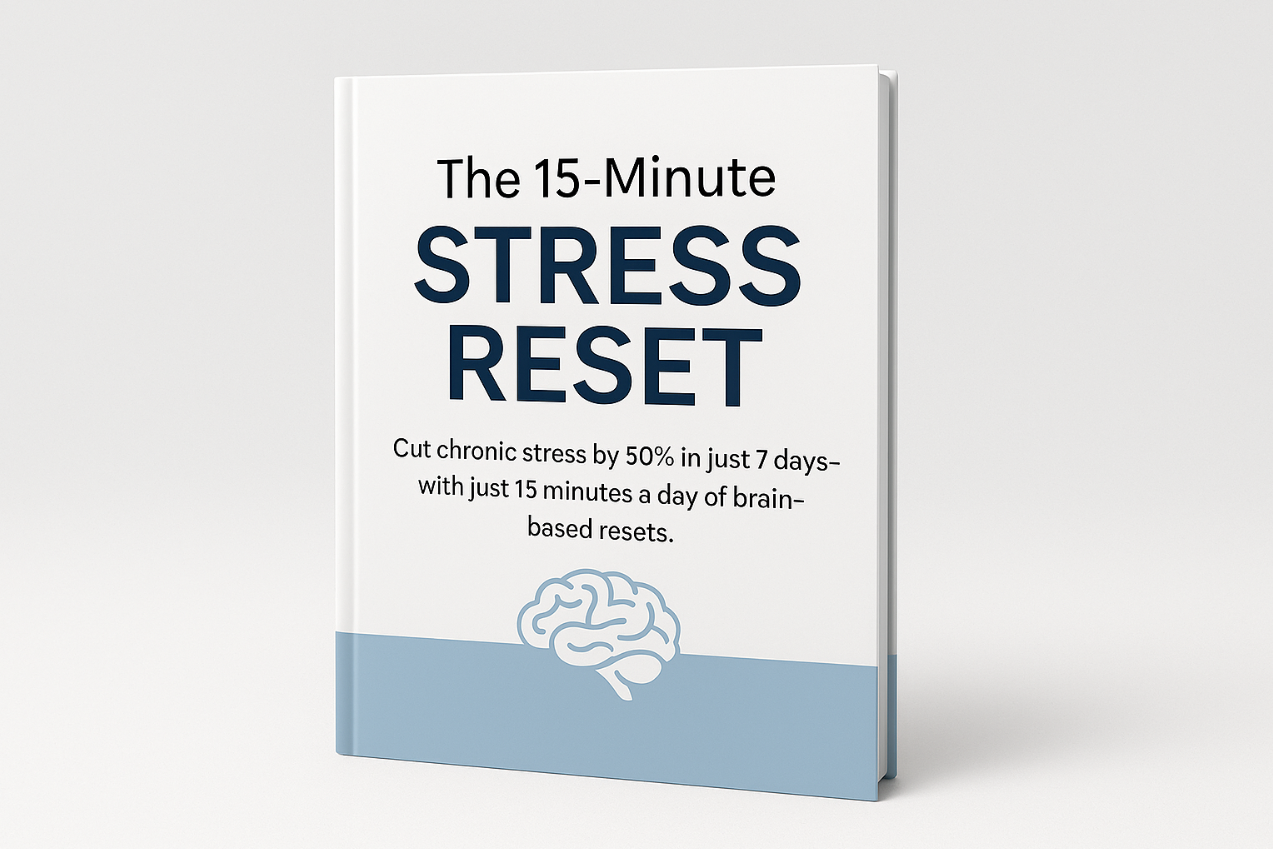
The 15-Minute Stress Reset thebrainrecode.podia.com
Saved - June 25, 2025 at 12:22 PM
reSee.it AI Summary
I believe that most "nervous system hacks" miss the mark by neglecting the vagus nerve, which is crucial for regulating stress and overall health. This nerve connects the brain to vital organs and influences our well-being. Modern life, with its noise, caffeine, and social isolation, weakens it, leading to anxiety and fatigue. To strengthen vagal tone, I recommend practices like humming, gargling, slow breathing, and fostering social connections. I've experienced the benefits firsthand and now help others reset their stress responses effectively.

@thetomzyd - Tom Zyd

90% of “nervous system hacks” are useless. They ignore the most powerful nerve in your body: The vagus nerve. It regulates stress, energy, digestion...and modern life destroys it daily. Here’s how to activate it properly (no cold plunges needed): 🧵

@thetomzyd - Tom Zyd

Think of the vagus nerve as your body’s secret control panel. It stretches from your brainstem down to your gut, connecting your brain, heart, lungs, and digestive tract. When it weakens, symptoms surface silently until they take over.

@thetomzyd - Tom Zyd

It runs the parasympathetic nervous system (the “rest and digest” mode). Strong vagal tone = calm, focused, energized. Weak tone = anxiety, bloating, fatigue, inflammation. Your health depends on its strength.

@thetomzyd - Tom Zyd

Modern life crushes it daily. • Constant noise • Excessive caffeine • Doomscrolling • Poor sleep • Social isolation All of it overstimulates the sympathetic nervous system and fries your vagus tone.

@thetomzyd - Tom Zyd

And that’s why most “nervous system hacks” don’t work. They throw you into an ice bath for 30 seconds… Then you go back to stress, screens, and cortisol. What you need is consistent vagus nerve training. Here are 7 tools that actually stimulate the vagus nerve👇

@thetomzyd - Tom Zyd

1. Humming or chanting Vocal cord vibration stimulates the vagus via the laryngeal branch. Studies show slow, repetitive vocalization boosts parasympathetic activity. Do it for 5 minutes in a quiet space: Inhale deeply, then hum on the exhale.

@thetomzyd - Tom Zyd

2. Gargling Activates muscles in the throat tied to vagal pathways. It’s been shown to improve vagal tone and even reduce inflammation in some clinical contexts. Use warm water, gargle forcefully, and repeat daily.

Video Transcript AI Summary
The vagus nerve, originating from the brainstem, innervates facial muscles, throat, respiration, digestion, and the heart. It can be stimulated orally by gargling with water or mouthwash, singing, chewing gum, sucking on hard candy, or humming. Eating more probiotics can stimulate the vagus nerve in the gut, relaxing the body. Exposing yourself to something cold, like a cold shower or dunking your face in cold water, also helps. Rubbing behind your ears with two fingers can also stimulate the vagus nerve.
Full Transcript
Speaker 0: So how do we slow down our body immediately? We work with the vagus nerve, the wonder nerve that originates from the brainstem. It is one of the longest cranial nerves that innervates the muscles of our face, our throat, our respiration, our digestion, as well as our heart. And because the vagus nerve runs from our neck, you can actually stimulate it orally by gargling with water or mouthwash or water and salt, as well as singing or chewing gum or sucking on a hard candy, or even humming like. But if you start eating more probiotics, this will help relax you as well. It stimulates the vagus nerve in the gut. This is connected to the brain and your body will immediately wind down as we stimulate the vagus nerve by just exposing yourself to something cold, even a cold shower or dunking your face in cold water. And take your two fingers, put it behind your ears, and rub it up and down. And watch what happens.

@thetomzyd - Tom Zyd

3. Slow, extended exhalations This breathing pattern increases heart rate variability, a key marker of vagal tone. Try 4-6 seconds in, 8-10 seconds out. Do 10 cycles, 2–3 times daily.

@thetomzyd - Tom Zyd

4. Cold face exposure Applying cold to the face triggers the diving reflex, engaging the vagus and lowering heart rate. Use a cold pack or splash cold water for 30 seconds, especially around the eyes and cheeks.

Video Transcript AI Summary
Dipping your face in ice cold water for 30 seconds, in 10-second increments if needed, provides physiological benefits. This cold water treatment is beneficial after cleaning your face. It eliminates puffiness, particularly around the eyes. The cold water stimulates collagen and elastin production, which tightens the skin. It also reduces inflammation and swelling, diminishes signs of aging like wrinkles, and boosts the skin's healthy glow. Your face and body will benefit from this practice.
Full Transcript
Speaker 0: Ice cold water. The face needs to go in the water to get those physiological effects. So we're going to put our face in the water a total of thirty seconds. You may want to do it ten second increments so you can breathe. Breathe. Here we go. Yes, it's cold. Thirty seconds total. That's what you need to do. This cold water is great to use after you clean your face. This will eliminate puffiness, especially around your eyes. It will stimulate collagen and elastin, which tightens your skin. This will reduce inflammation and swelling or reduce the signs of aging, such as those wrinkles and boost the skin's healthy glow. So dip your head in that water and your face as well as your body will love you.

@thetomzyd - Tom Zyd

5. Eye contact and safe connection Positive social interactions raise oxytocin and parasympathetic activation. Regular eye contact and calm conversation with trusted people measurably improve vagal tone.

@thetomzyd - Tom Zyd

6. Singing or laughing Both involve deep diaphragmatic engagement which activates vagal afferents. Singing at a steady pace or laughing deeply creates similar patterns to therapeutic breathwork.

Video Transcript AI Summary
दोस्तों, आज खुशी का दिन है. तो आज क्यों ना एक laptop जो अक्सर सही कीजिए, दोनों आज सामने कर लें. चेहरे पर सवारी लाए पहले. श्वास भरिए. Hold कीजिए, hold कीजिए. **English Translation:** Friends, today is a happy day. So why not fix a laptop that often goes wrong, let's do both today. First, bring a ride to the face. Inhale. Hold it, hold it.
Full Transcript
Speaker 0: दोस्तों, आज खुशी का दिन है. तो आज क्यों ना एक laptop जो अक्सर सही कीजिए, दोनों आज सामने कर लें. चेहरे पर सवारी लाए पहले. श्वास भरिए. Hold कीजिए, hold कीजिए,

@thetomzyd - Tom Zyd

7. Improve gut health The gut-brain axis runs through the vagus. Fiber, fermented foods, and probiotics help maintain a diverse microbiome, which supports vagal signaling to the brain.

@thetomzyd - Tom Zyd

The daily behaviors that damage vagal tone include: • High caffeine • Poor sleep • Multitasking • Ultra-processed food • Endless input (no silence) Each keeps your body in survival mode.

@thetomzyd - Tom Zyd

Here’s a simple daily routine to start restoring vagal tone: • Morning: cold water splash, slow exhale, 2-min hum • Midday: one social check-in + light movement • Evening: gargle + breathwork + limit screens Repeat daily for cumulative effects.

@thetomzyd - Tom Zyd

I spent years in corporate real estate, leading teams under pressure. On the outside, I looked in control. Inside, I was constantly tense, overstimulated, and burned out. Mindset hacks didn’t work. Learning how to reset my stress response changed everything.↓

@thetomzyd - Tom Zyd

I help high-performing founders, execs, and operators reset their stress... Without apps, hacks, or meditation. Stuck in chronic stress and want calm, clarity, and control again? Book a free discovery call and I’ll walk you through it step by step: https://calendly.com/tomzyd/discovery-chat

Discovery Chat - Tom Zyd Let's get rid of your stress. calendly.com

@thetomzyd - Tom Zyd

Not ready for 1:1 work, but stuck in stress? You need a nervous system that doesn’t collapse under pressure. Start with this protocol and reclaim your calm: Used by 100+ professionals to restore peace and sleep again. 30% OFF today → https://bit.ly/tbr-xthc

The 15-Minute Stress Reset thebrainrecode.podia.com

@thetomzyd - Tom Zyd

Follow @thebrainrecode for more science-backed health upgrades. Share this thread, someone you love needs this. What’s one insight from this thread that hit hardest? 👇

@thetomzyd - Tom Zyd

90% of “nervous system hacks” are useless. They ignore the most powerful nerve in your body: The vagus nerve. It regulates stress, energy, digestion...and modern life destroys it daily. Here’s how to activate it properly (no cold plunges needed): 🧵 https://t.co/tRfTrrWriU

Saved - June 23, 2025 at 11:17 AM
reSee.it AI Summary
I’ve realized that insomnia isn’t just about age or stress; it’s about a neglected nervous system. I used to struggle with sleep despite trying everything. I learned that my body didn’t feel safe, stuck in survival mode. Sleep requires a physiological shift, and I discovered seven low-effort techniques to signal safety and promote rest. These include breathing exercises, deep pressure, and gentle movements. After years in corporate real estate, I now help others reset their stress and reclaim sleep without relying on apps or fads.

@thetomzyd - Tom Zyd

Everyone over 30 blames stress for their insomnia. But it’s not your age, not your job and not your phone. Your nervous system’s been neglected for years... And now it’s keeping you up. Here are 7 ways to finally fix your sleep: 🧵

@thetomzyd - Tom Zyd

You’re exhausted all day... But the second your head hits the pillow, your brain starts sprinting. You’ve tried no screens, melatonin, magnesium, sleep hygiene... And still wake up at 3AM, wired and restless. Here’s why nothing works:

@thetomzyd - Tom Zyd

Your body doesn’t feel safe. That’s it. Insomnia isn’t a mindset problem. It’s a state problem. If you're stuck in fight-or-flight, it literally won’t allow deep rest. Your biology thinks sleep = danger.

@thetomzyd - Tom Zyd

Sleep is not a switch, it’s a physiological shift. Your system must move from survival mode (sympathetic) → to rest mode (parasympathetic). If it can’t, no hack will help. But the right kind of input will signal safety and flip the switch.

@thetomzyd - Tom Zyd

Here are 7 nervous system fixes that do just that: (Each one is low-effort, no-tech, and rooted in biology—not bedtime apps)

@thetomzyd - Tom Zyd

1. 4-7-8 Breathing • Inhale for 4 seconds • Hold for 7 • Exhale for 8 This breathing pattern slows heart rate, reduces sympathetic arousal, and initiates parasympathetic activity. It’s used clinically to lower pre-sleep cortisol levels.

@thetomzyd - Tom Zyd

2. Deep Pressure Simulation Deep pressure activates mechanoreceptors that modulate limbic activity and downregulate arousal. Use a weighted blanket, firm body pillow, or apply pressure to the chest/shoulders. This reduces sleep latency in high-stress individuals.

@thetomzyd - Tom Zyd

3. Cervical Flexion Hold Lie down and gently tuck your chin to stretch the suboccipital region. Hold for 60 seconds. This releases upper cervical tension, improving vagal tone and reducing alertness signals from the brainstem.

@thetomzyd - Tom Zyd

4. Sighing + Yawning (Induced) Both are reflexes associated with parasympathetic rebound. Deliberate sighs and yawns increase CO₂ tolerance and shift autonomic balance. 10 slow reps pre-bed can help transition out of hyperarousal.

@thetomzyd - Tom Zyd

5. Red Light Pre-Sleep Exposure Red light (620–750nm) does not suppress melatonin like blue light does. Use a red bulb or red filter for lighting 60 minutes before sleep. Supports circadian alignment and pre-sleep hormonal conditions.

@thetomzyd - Tom Zyd

6. Joint Mobilization (Micro-Movement) Gently rotate wrists, ankles, hips, and shoulders before bed. This activates proprioceptors and disrupts tonic muscular holding patterns. Relieves residual tension that delays sleep onset.

@thetomzyd - Tom Zyd

7. Auricular Vagus Stimulation (Ear Massage) Massage the concha and tragus of the ear in slow circular motions. This region connects to the auricular branch of the vagus nerve. Manual stimulation increases HRV and lowers sympathetic tone.

@thetomzyd - Tom Zyd

I spent years leading teams in corporate real estate: • And still couldn’t sleep. • I was constantly wired. • No meditation, cold shower, or supplement helped. Then I learned how to regulate my nervous system. It changed everything. ↓

@thetomzyd - Tom Zyd

I help high-performing founders, execs, and operators reset their stress... Without apps, hacks, or meditation. Stuck in chronic stress and want calm, clarity, and control again? Book a free discovery call and I’ll walk you through it step by step: https://calendly.com/tomzyd/discovery-chat

Discovery Chat - Tom Zyd Let's get rid of your stress. calendly.com

@thetomzyd - Tom Zyd

Not ready for 1:1 work, but stuck in stress? My 15-minute protocol trains your nervous system to stay calm under pressure. No fluff. No biohacking fads. Just what works. Used by 100+ professionals to restore peace and sleep again. 30% OFF today → https://bit.ly/tbr-xthc

The 15-Minute Stress Reset thebrainrecode.podia.com

@thetomzyd - Tom Zyd

What’s ONE insight that hit you hardest? Drop it in the comments👇 Follow @thebrainrecode for science-backed brain upgrades. Share this thread, someone you love needs it more than you think. https://t.co/8YdqHH756C

@thetomzyd - Tom Zyd

Everyone over 30 blames stress for their insomnia. But it’s not your age, not your job and not your phone. Your nervous system’s been neglected for years... And now it’s keeping you up. Here are 7 ways to finally fix your sleep: 🧵 https://t.co/BfKUt3Bep5

Saved - June 20, 2025 at 11:55 PM
reSee.it AI Summary
Chronic stress can spike cortisol levels and negatively impact sleep and weight. I often felt tense and distracted, realizing my nervous system was stuck in survival mode. The solution isn’t mental but physical—using Tension & Trauma Releasing Exercises (TRE) to activate neurogenic tremors that help release stored stress. I’ve found that these techniques, which don’t require talking or thinking, can reset the nervous system and improve sleep and mental clarity. I now help others, especially high performers, regain calm and control without traditional methods.

@thetomzyd - Tom Zyd

Chronic stress spikes cortisol by up to 900%. It ages your brain, wrecks your sleep, and makes belly fat nearly impossible to lose. Everyone tries to meditate it away—but this weird biological “hack” works instead. Here’s what your body’s really begging for: 🧵

@thetomzyd - Tom Zyd

You feel tense, distracted, and on edge, every day. No amount of sleep, deep breathing, or screen breaks make it stop. Because your nervous system isn’t relaxed. It’s stuck in survival mode, and your body doesn’t know how to come out.

@thetomzyd - Tom Zyd

The solution is not mental. It’s physical. Tension & Trauma Releasing Exercises (TRE) activate your body’s built-in stress discharge mechanism: neurogenic tremors. These are involuntary muscular shakes that signal the system to downregulate.

@thetomzyd - Tom Zyd

Here’s what happens: Your nervous system stores stress in deep stabilizing muscles, especially the psoas, a key fight-or-flight structure. TRE targets and releases this tension, reducing cortisol and activating recovery pathways.

@thetomzyd - Tom Zyd

This is not therapy. It is neuromuscular regulation. It’s used by military units, pro athletes, and trauma specialists. It works without talking, thinking, or controlling the outcome. You initiate the sequence, then your system takes over.

@thetomzyd - Tom Zyd

Want to try it? Here are 3 effective ways to trigger the tremor reflex:

@thetomzyd - Tom Zyd

1. Wall squat tremorWall squat tremor Stand against a wall. Lower into a squat with knees at 90 degrees. Hold until your legs start to tremble. Stay still and let it build. Let the tremors build without interference.

@thetomzyd - Tom Zyd

2. Psoas decompression Lie on your back. Place calves on a chair, knees bent at 90 degrees. Let your body fully relax. Breathe slowly for 10 to 15 minutes. Shaking may begin in hips or legs.

Video Transcript AI Summary
The constructive rest position, from the Alexander technique, involves lying comfortably on the floor with feet resting on a support like a chair, creating a 90-degree angle between thighs and body. The goal is to simply relax, without forcing the back into any specific position. Lying in this position for approximately 20 minutes is intended to help release the psoas muscle.
Full Transcript
Speaker 0: So this is the constructive rest position. It's from the Alexander technique. Basically, you want to get yourself comfortable on the floor. You want to have your feet resting on something like a dining room chair so that you achieve about 90 degrees between your thighs and your body. And then you're just going to simply relax there. Don't worry about putting your back in any particular position, just whatever feels comfortable. And you're going to lie there, ideally, for about twenty minutes or so, and that will help release that psoas muscle.

@thetomzyd - Tom Zyd

3. Supine butterfly release Lie on your back with soles of your feet together. Let knees fall open. Raise hips slightly, then lower. Stay in position and allow shaking. Tremors often begin within minutes. Do not resist.

Video Transcript AI Summary
To release tension and trauma from the hips, try this exercise: Lie in a reclined butterfly position, pressing the feet together. Slowly bring the knees towards each other. The legs may shake intensely, which releases trauma and tension from the hips and inner thighs.
Full Transcript
Speaker 0: Try this tonight to release tension and trauma from the hips. Come into a reclined butterfly and press the feet together as you very very slowly bring the knees towards each other. Your legs will start to shake like crazy releasing trauma and tension from the hips and the inner thighs

@thetomzyd - Tom Zyd

The result is a full-system reset. Most report improved sleep, mental clarity, and reduced reactivity after just one session. It works because it bypasses the cortex and communicates safety to the brainstem.

@thetomzyd - Tom Zyd

I spent years in corporate real estate, leading teams under pressure. On the outside, I looked in control. Inside, I was constantly tense, overstimulated, and burned out. Mindset hacks didn’t work. Learning how to reset my stress response changed everything.↓

@thetomzyd - Tom Zyd

I help high-performing founders, execs, and operators reset their stress... Without apps, hacks, or meditation. Stuck in chronic stress and want calm, clarity, and control again? Book a free discovery call and I’ll walk you through it step by step: https://calendly.com/tomzyd/discovery-chat

Discovery Chat - Tom Zyd Let's get rid of your stress. calendly.com

@thetomzyd - Tom Zyd

Not ready for 1:1 work, but stuck in stress? My 15-minute protocol trains your nervous system to stay calm under pressure. No fluff. No biohacking fads. Just what works. Used by 100+ professionals to restore peace and sleep again. 30% OFF today → https://bit.ly/tbr-xthc

The 15-Minute Stress Reset thebrainrecode.podia.com
Saved - May 30, 2025 at 3:29 PM
reSee.it AI Summary
I’ve realized that my belly fat isn’t just a diet issue; it’s a cortisol problem. This hormone affects fat storage, energy, and even memory. Chronic cortisol keeps me in survival mode, leading to cravings and disrupted sleep. Fortunately, I can reset my cortisol naturally with strategies like spending time in nature, grounding, reducing sugar, and practicing breathwork. It’s not just about discipline; it’s about making my brain feel safe. This approach has helped many, and I’m excited to share it with others seeking real change.

@thebrainrecode - Thomas

You don’t have a belly fat problem. You have a cortisol problem. This hidden fat-storing hormone is quietly expanding your waistline... No matter how much you diet or exercise. Here’s how it’s destroying your body (and 10 steps to shut it down):🧵

@thebrainrecode - Thomas

Cortisol is a chemical that controls: • Fat storage • Sleep & energy • Memory & focus Chronic cortisol keeps you in survival mode—storing fat and draining your energy. This isn’t about willpower. It’s about your nervous system. The worst part?

@thebrainrecode - Thomas

Here’s what cortisol does to your brain and body: • Weakens impulse control • Increases sugar cravings • Disrupts sleep cycles • Slows metabolism Now the good news…

@thebrainrecode - Thomas

You can reset your cortisol naturally. Here are 10 science-backed ways to lower cortisol, rewire your brain, and finally lose stubborn fat:

@thebrainrecode - Thomas

1) FOREST TIME Spending just 20–30 minutes in nature can lower cortisol by up to 50%. Tree scents release calming compounds that relax your nervous system, lift your mood, and support fat metabolism. No phone. No podcast. Just presence and breath.

@thebrainrecode - Thomas

2) STRESS GROUNDING Walking barefoot on grass, sand, or soil resets your nervous system in minutes. It reduces inflammation, balances brain signals, and drops cortisol fast. You just need real contact with the earth.

@thebrainrecode - Thomas

Want to take this further? I built a 15-minute daily protocol to reset your cortisol—without meds or guesswork. 60+ people use it daily to calm stress, restore focus, and sleep deeply again. ⏳ Get the system now (30% OFF today): https://bit.ly/tbr-xtsc

The 15-Minute Stress Reset thebrainrecode.podia.com

@thebrainrecode - Thomas

3) SUGAR Cortisol craves sugar. But hidden sugars in sauces, snack bars, and “healthy” cereals cause blood sugar spikes. This intensifies stress, triggers fat storage, and fuels brain fog. Cut them, stabilize your energy, and burn cleaner.

Video Transcript AI Summary
Here is a summary of the provided transcript: Ten simple tips include eating a savory breakfast, starting meals with vegetables, and only consuming sugar as dessert after a meal. After eating, use your muscles for ten minutes, such as going for a ten-minute walk. Consume diluted vinegar in water before meals. Put clothing on your carbs and opt for a savory snack instead of a sweet one.
Full Transcript
Speaker 0: 10 simple tips. Have a savory breakfast, not a sweet one. Start your meals with vegetables. Never eat sugar on an empty stomach, always as dessert after a meal. After you eat, use your muscles for ten minutes. Go for a ten minute walk. Have some vinegar. Dilute it in water before a meal. Put clothing on your carbs. Have a savory snack instead of a sweet one, etcetera. That's the core.

@thebrainrecode - Thomas

4) DARK CHOCOLATE 85%+ dark chocolate can drop cortisol levels within 30 minutes. Loaded with magnesium and flavonoids, it protects your brain from stress-induced damage. 1–2 small squares is all you need. Pair it with movement for best results ↓

@thebrainrecode - Thomas

5) WRONG WORKOUTS Overtraining spikes cortisol, which blocks fat loss and messes with sleep. The fix: • Walk daily • Strength train 3x/week • Stretch or do yoga at night Train smarter and watch your waistline respond.

Video Transcript AI Summary
Several factors, such as having a new child, work stress, or calorie restriction, can increase susceptibility to overtraining. Signs of overtraining include low energy and mood, poor sleep, aches and pains, and decreased physical or cognitive performance. If these symptoms appear, consider reducing training sessions to allow for better recovery.
Full Transcript
Speaker 0: Did you just have a child? Are you not sleeping that much? Are you under a lot of work stress? Are you maybe trying to cut your calories lower to optimize body composition? All of these things can aggregate to make you more susceptible to overtraining. So if you start noticing, my energy and mood are kind of low, I'm not sleeping that well, I'm having aches and pains, I'm having poor performance in the gym, or poor performance cognitively, make a mental note of that, and you may want to consider shaving down some of those sessions off your week so that you can recover.

@thebrainrecode - Thomas

6) SOCIALIZE Loneliness is biological stress. It spikes cortisol, lowers immunity, and increases fat retention. Even a 5-minute heart-to-heart with someone you trust releases oxytocin, a powerful cortisol blocker. Talk, don’t scroll.

Video Transcript AI Summary
Depression can make you feel isolated and misunderstood, leading you to push away those who care. Reaching out for help is a sign of strength, not weakness. You don't have to face this alone; help is available.
Full Transcript
Speaker 0: Depression can make you feel like no one understands, like you're all alone in your struggle. It can convince you to isolate yourself and to push away those who care. But remember, reaching out is not a sign of weakness, it's a sign of strength. There's help available and you don't have to face this alone.

@thebrainrecode - Thomas

7) DIGITAL DETOX Screens trigger dopamine surges and keep cortisol elevated. Buffer your brain with screen-free zones: • 1 hour after waking • 1 hour before sleep • During all meals

@thebrainrecode - Thomas

8) CIRCADIAN RHYTHM Cortisol should fall at night—but most people stay lit up until midnight. Fix it with a calming night ritual: • Dim lights • Read a book • Take a hot shower • Journal 3–5 lines

@thebrainrecode - Thomas

9) BREATHWORK Slow breathing activates your parasympathetic system. Try: • 4-7-8 breath: inhale 4s, hold 7s, exhale 8s • Box breathing: 4s in, 4s hold, 4s out You’ll sleep deeper and store less fat.

@thebrainrecode - Thomas

10) THYROID + ASHWAGANDHA Your thyroid helps break down cortisol, ashwagandha can directly lower it. • Support thyroid with iodine, zinc, selenium • Take 300–600mg of ashwagandha daily But all these tips are just one part of the full Cortisol Reset👇

@thebrainrecode - Thomas

I also thought I just needed more discipline. But I was stuck in survival mode: • Wired at night • Crashing mid-day • Gaining fat despite eating clean Lowering cortisol didn’t just change my body... It gave me back my mind and here's how you can, too:

@thebrainrecode - Thomas

Fixing my cortisol wasn’t about hacks. It was about making my brain feel safe again. That’s exactly what this protocol does, step by step. It’s already helped 60+ people escape survival mode. ⏳ Get the system now (30% OFF today): https://bit.ly/tbr-xthc

The 15-Minute Stress Reset thebrainrecode.podia.com

@thebrainrecode - Thomas

P.S. If you're serious about resetting cortisol but need expert guidance: You can book a 1:1 call to take it one step further: (For committed professionals ready to invest in real healing) https://tbr.neetocal.com/discovery-call

Discovery Call With Thomas Schedule a one-on-one meeting with Thomas. tbr.neetocal.com

@thebrainrecode - Thomas

What’s ONE insight that hit you hardest? Drop it in the comments👇 Follow @thebrainrecode for science-backed brain upgrades. Share this thread, someone you love needs it more than you think.

@thebrainrecode - Thomas

You don’t have a belly fat problem. You have a cortisol problem. This hidden fat-storing hormone is quietly expanding your waistline... No matter how much you diet or exercise. Here’s how it’s destroying your body (and 10 steps to shut it down):🧵 https://t.co/oXMCfXX4hG

Saved - May 26, 2025 at 7:49 PM
reSee.it AI Summary
I've discovered that Holy Basil is an ancient herb often overlooked despite its powerful benefits. It fights anxiety, lowers cortisol, and protects gut health, working to restore communication between the brain and gut. Unlike other herbs, it doesn't sedate but helps rebalance the body. Clinical studies show it can reduce stress and enhance cognitive function. After using it myself, I noticed deeper sleep and a sense of calm. I recommend taking it in capsule or tea form daily for optimal results. I also created a 15-minute stress reset protocol that complements this herb.

@thebrainrecode - Thomas

Holy Basil is the most powerful yet ignored ancient medicine on Earth: • Fights anxiety • Lowers cortisol • Protects your gut It’s one of the few herbs that can reset your nervous system... yet everyone's obsessed with Ashwagandha. Here’s what you’ve been missing: 🧵

@thebrainrecode - Thomas

Holy Basil isn’t some supplement trend. 3,000 years ago, Ayurvedic healers called it “The Incomparable One.” They used it to restore clarity, build resilience, and rebalance the body, long before we understood stress hormones. And now, modern research is catching up.

@thebrainrecode - Thomas

Holy Basil works differently than most other herbs. It doesn't sedate you. It helps brain and gut start communicating again via the vagus nerve. This is why it improves mood, digestion, and clarity at the same time. It doesn’t just calm symptoms. It restores your system.

@thebrainrecode - Thomas

Herbs are powerful because what you eat programs your brain. That’s why one pillar of my 15-minute stress reset protocol is giving your brain the nutrition it needs to heal. 60+ people use it already to calm stress and fuel their brain 30% OFF today: https://bit.ly/tbr-xtsc

The 15-Minute Stress Reset thebrainrecode.podia.com

@thebrainrecode - Thomas

Holy Basil affects multiple systems at once: It lowers cortisol by regulating your stress response through the HPA axis. It protects your gut by reducing inflammation in the intestinal lining. And it supports detox by activating liver enzymes that flush out stress waste.

Video Transcript AI Summary
Basil is a favorite plant that can be eaten raw without causing stomach problems, bloating, or digestive issues. Basil can help excrete extra fluid in the gut and its anti-inflammatory properties benefit the skin. The antioxidants in basil are good for the cardiovascular system, organs, and tissues. Phytochemicals from the plant can be ingested by putting basil in food, sauteing it with vegetables, or eating it directly. Basil may help with irritable bowel syndrome, colitis, gastritis, and even heartburn because it is a great alkalizer.
Full Transcript
Speaker 0: Whenever I come home, I like to play with my little plants, and this is one of my favorite. This is basil. And this grows I just like to eat it raw. I never get stomach problems. I'm ever bloated or have digestive issues. Go for the basil. If you're retaining lots of fluid, go for the basil. It'll help excrete all that extra fluid that you're holding on to in your gut. And these powerful anti inflammatory properties are great for your skin. These powerful antioxidants do wonderful things for our cardiovascular system, for our organs, our tissues. Those those phytochemicals that come out of that plant into your system, put it in your food, mix it in your saute with it, your vegetables, Eat your basil. I'm telling you, you'll feel an amazing change, particularly if you're suffering with irritable bowel syndrome, colitis, gastritis, even heartburn. It's a great alkalizer. Make it a great day.

@thebrainrecode - Thomas

It also works on the brain: Holy Basil reduces neuroinflammation—linked to brain fog, low energy, and mood swings. And it balances dopamine and GABA, two key brain chemicals behind calm, focus, and motivation. Science now caught up. Here’s what clinical studies discovered:

@thebrainrecode - Thomas

In clinical studies, Holy Basil has been shown to: • Reduce anxiety and perceived stress • Lower morning cortisol levels • Enhance cognitive function • Improve sleep quality One trial even found a 39% drop in stress symptoms.

@thebrainrecode - Thomas

You might benefit from Holy Basil if you often feel: • Wired but fatigued • Mentally sluggish after eating • Anxious without a clear trigger • Alert at night, but can’t focus during the day So I tested it myself—and the result blew me away:

@thebrainrecode - Thomas

I started using Holy Basil after months of burnout. No sleep. No focus. Constant stress spikes. In 2 weeks: • I slept deeper • My cravings disappeared • I felt calm without being slow Here’s how you can use it safely and effectively:

@thebrainrecode - Thomas

If you're trying Holy Basil for stress or recovery: • Form: capsule or tea • Dose: 300–600mg per day • Timing: morning or early afternoon • Duration: use daily for at least 10–14 days This herb is just one pillar. Here’s the full system that rewired my stress response👇

@thebrainrecode - Thomas

I built a protocol that rewires how your brain handles stress—without pills, hacks, or overwhelm. 15 minutes a day. Backed by neuroscience. Used by 60+ people recovering from stress. ⏳ Get the protocol now (30% OFF today): https://bit.ly/tbr-xthc

The 15-Minute Stress Reset thebrainrecode.podia.com
Saved - May 24, 2025 at 3:19 AM
reSee.it AI Summary
I’ve struggled with anxiety, often feeling overwhelmed and out of balance. I learned that my vagus nerve plays a crucial role in regulating my body. By implementing seven unique techniques, I’ve found relief. These include using vocal fry, sipping something sour, and gentle skin stimulation. I also focus on releasing diaphragm tension, shifting my visual focus, and priming my gut with bitter herbs. Fixing my vagus nerve was just the beginning; retraining my brain transformed my daily experience. Now, I wake up calm and focused.

@thebrainrecode - Thomas

You can’t sleep. Your heart’s racing. And your gut feels like it’s boiling. Everyone blames anxiety for it. Yet it's your VAGUS NERVE. These 7 tweaks look strange... But they trigger the stress relief your body is begging for:🧵

@thebrainrecode - Thomas

Your vagus nerve runs from your brain to your gut, heart, and lungs. When it’s overwhelmed, your body can’t self-regulate. That’s why everything feels off: • Sleep • Digestion • Focus • Mood You’re not broken. You’re dysregulated.

@thebrainrecode - Thomas

Most people call it anxiety. But it’s your nervous system—stuck in defense mode. You feel it as: • Heart pounding • Gut tension • Brain fog Here are some unique ways you haven't tried yet:

@thebrainrecode - Thomas

Step 1: Use your tired voice That creaky, low sound you make when exhausted is called vocal fry. It activates the vagus nerve through the vocal cords and larynx. Repeat “uhhh” or “ahhh” in a low, relaxed tone for 2 to 3 minutes. This boosts vagal tone and calms your system.

@thebrainrecode - Thomas

Step 2: Sip something sour before breathwork The vagus nerve connects to taste pathways, especially sour and bitter. Use lemon slices or a mix of apple cider vinegar and water. This activates vagus-linked nerves and deepens your body’s relaxation response.

@thebrainrecode - Thomas

Want to take this further? I built a 15-minute daily protocol to reset your nervous system—without meds or guesswork. 40+ people use it daily to calm anxiety, restore focus, and sleep deeply again. Get instant access today (30% OFF): https://bit.ly/tbr-xtsc

The 15-Minute Stress Reset thebrainrecode.podia.com

@thebrainrecode - Thomas

Step 3: Stimulate the vagus via your skin Brushing or tapping over your sternum can activate vagus-linked sensory receptors. Do this for 30 to 60 seconds to shift your system out of fight-or-flight. • Use fingertips • Focus on the upper chest • Combine with slow breathing

Video Transcript AI Summary
Stimulate the suprasternal notch, the indentation at the top of the sternum, for up to a minute. Use small circles, alternating with holding pressure. This action stimulates the parasympathetic nervous system via the vagus nerve (cranial nerve 10). This stimulation is claimed to reduce anxiety and stress, promote sleep, lower blood pressure and pulse rate, and induce relaxation.
Full Transcript
Speaker 0: Here's something that's gonna wind you down, take away anxiety, take away your stress, get you to fall asleep real quick. Take your finger, put it right on top of the sternum, right on here, all the way up on top. You'll feel a little indentation here, a little groove called the suprasternal notch. Take your finger in there. It should fit right in. I want you to stimulate that area up to a minute. You can stimulate it in little circles and then hold it. Stimulate it again. Hold it. Do that throughout the minute. This will kick up your parasympathetic nervous system. Your vagus nerve, the longest nerve of the body, the cranial nerve. This is cranial nerve 10. This will wind you down, lower your blood pressure, lower your pulse rate. This will just wind your body totally down so you can relax and have that serene feeling. Try it. Your body will love you.

@thebrainrecode - Thomas

Step 4: Release diaphragm tension The vagus nerve passes through the diaphragm. Releasing tension in this area can improve nerve signaling and lower stress. Try this: • Lie on your back • Place a ball or towel under your ribcage • Breathe deeply for 2–3 mins

@thebrainrecode - Thomas

Step 5: Shift your visual focus A narrow, fixed gaze keeps you in a stress state. Softening your gaze sends a safety signal to your brain. Try this for 60 sec: • Pick a point in front of you • Soften your eyes, notice peripheral vision • Keep breathing slowly as you hold it

@thebrainrecode - Thomas

Step 6: Prime your gut-vagus loop The vagus nerve plays a key role in digestion. Bitter herbs can stimulate vagal pathways and calm the body. Before meals, try: • Gentian root • Dandelion extract • Swedish bitters Take 10–20 minutes before eating.

Video Transcript AI Summary
The vagus nerve connects the gut and brain via the enteric nervous system. If vagal tone is off, digestive issues like slow digestion, constipation, or reflux may occur. Supporting vagal tone can alleviate these symptoms. Stress-reducing activity and specific foods can support the vagus nerve. Prebiotics and postbiotics are beneficial.
Full Transcript
Speaker 0: You're experiencing digestive issues, your vagus nerve could be playing a role. Hi. My name is Ruthann. I'm a mental health dietitian. And in this video, we are going to dive even deeper into that gut brain connection. So as you remember, the gut and the brain are connected, and one way they're connected is through the vagus nerve. Now the vagus nerve connects directly to the gut via the enteric nervous system, and this is just another name for the specific nerves that are inside the gut. So if the vagal tone is off, you may be experiencing digestive issues such as maybe slow digestion, constipation, or even reflux. There's a few more. But by supporting our vagal tone, you can really help alleviate some of these symptoms. A huge way to support our vagus nerve is through stress reducing activity, also through food. So if you remember, we need those prebiotics and postbiotics, and they're listed right here.

@thebrainrecode - Thomas

Step 7: Stimulate ear’s vagus branch A branch of the vagus runs through the outer ear, try this: • Massage tragus and cymba conchae • Use light, circular pressure for 1–2 mins • Breathe slowly This can bring quick relief—but the real change comes from retraining your brain:

@thebrainrecode - Thomas

I used to live in permanent survival mode: • Always tense • Mind fogged out • Crashing by 2PM daily Fixing my vagus nerve was the start— But retraining my brain was the real shift. Now I wake up calm, focused, and clear.

@thebrainrecode - Thomas

I lived in survival mode for years. Fixing my vagus nerve was the first step. But retraining both my brain & nervous system was the real transformation. You don’t need hacks. You need a system that works. ⏳ Get the protocol now (30% OFF today): https://bit.ly/tbr-xthc

The 15-Minute Stress Reset thebrainrecode.podia.com

@thebrainrecode - Thomas

What’s ONE insight that hit you hardest? Drop it in the comments👇 Follow @thebrainrecode for science-backed brain upgrades. Share this thread, someone you love needs it more than you think.

@thebrainrecode - Thomas

You can’t sleep. Your heart’s racing. And your gut feels like it’s boiling. Everyone blames anxiety for it. Yet it's your VAGUS NERVE. These 7 tweaks look strange... But they trigger the stress relief your body is begging for:🧵 https://t.co/CvVxpqflW8

Saved - May 16, 2025 at 8:13 PM
reSee.it AI Summary
Chronic stress can lead to serious issues like panic attacks and heart disease, as it inflames the brain and disrupts the nervous system. I experienced this firsthand while burned out in a corporate job, feeling wired yet exhausted. I discovered that neuroinflammation is a major contributor to anxiety and brain fog. To combat this, I recommend strategies like consuming brain-cooling fats, taking turmeric, stacking polyphenols, reducing mental overstimulation, optimizing sleep posture, using heat exposure, and trying low-dose light therapy. The 15-Minute Stress Reset can help restore calm and resilience.

@thebrainrecode - Thomas

Chronic Stress. Panic Attacks. Heart Disease. They’re not random—they’re your brain’s FINAL WARNING: • You're inflamed • Your stress system is failing • Your nervous system is crashing Here’s the hidden cause (and 7 ways to stop the collapse before it's too late):🧵

@thebrainrecode - Thomas

You think it’s just stress. I did too. Back then, I was burned out in a corporate job: Wired but exhausted, crushing deadlines by day, and crashing at night. But no matter how much I rested, I felt worse. Then I found it: Chronic stress was literally inflaming my brain.

@thebrainrecode - Thomas

Neuroinflammation is one of the most common but ignored causes of: • Anxiety • Emotional reactivity • Panic attacks • Brain fog It’s like a fever in your brain—frying your circuits without a sound. But the good news is, you can recover your brain.👇

@thebrainrecode - Thomas

1) Eat brain-cooling fats Some fats fight inflammation. Prioritize: • DHA-rich omega-3s (sardines, mackerel) • Pasture-raised ghee • Extra virgin olive oil They rebuild neurons and lower cytokine storms.

@thebrainrecode - Thomas

But it’s not your fault. Chronic stress rewires your brain to stay trapped in survival mode. That’s why I created the 15-Minute Stress Reset—used already by dozens professionals to restore calm, clarity, and control. 👉 30% off ending soon: https://bit.ly/tbr-xtc

The 15-Minute Stress Reset thebrainrecode.podia.com

@thebrainrecode - Thomas

2) Take turmeric (the right kind) Turmeric + piperine = 2,000% better absorption. It calms microglial overactivation (your brain’s immune cells). Bonus: it also boosts mood and focus.

Video Transcript AI Summary
Turmeric is an anti-inflammatory that benefits the heart, lowers blood pressure, and fights bacteria and viruses. It may also speed up metabolic rate. However, the body may not absorb turmeric effectively if it's just mixed with water because turmeric is fat-soluble. To improve absorption, it should be taken with fat, such as olive oil or avocados, or with a meal. Additionally, taking turmeric with black pepper (piperine) or heating it up can also enhance absorption in the digestive tract.
Full Transcript
Speaker 0: There's nothing like turmeric. It's a great anti inflammatory. It's great for your heart. It can lower blood pressure. It helps fight bacteria and viruses. It helps speed up metabolic rate and can do wonders for you. But a lot of people think they can put turmeric in their water and drink it down. And you can. But unfortunately, body is not going to get what you think it is because turmeric is fat soluble. That means it's best to take it with any type of fat. It could be olive oil, avocados, or even taking it with your meal. You can take it with a little bit of black pepper called piperine, will help absorb better your digestive tract, as well as heating it up. So it's those three methods that would get turmeric into your body. So your body can love you.

@thebrainrecode - Thomas

3) Stack polyphenols These turn off neuroinflammatory genes. Daily stack = • Berries • Green tea • Red cabbage • 85%+ dark chocolate Powerful, proven, and delicious.

@thebrainrecode - Thomas

4) Cut mental overstimulation Constant inputs = constant cortisol. Reduce: • Multitasking • Doomscrolling • Interruptions Your brain needs bandwidth to cool inflammation.

Video Transcript AI Summary
Smartphones provide depth and richness to life through texting, selfies, communication, podcasts, and music. However, phone use layers in dopamine, which may contribute to the increase in depression and lack of motivation.
Full Transcript
Speaker 0: A smartphone is a very interesting tool for dopamine in light of all this. It's extremely common nowadays to see people texting and doing selfies and communicating in various ways, listening to podcasts, listening to music, doing all sorts of things while they engage in other activities or going to dinner and texting other people or making plans, sharing information. That's all wonderful. It gives depth and richness and color to life, but it isn't just about our distracted nature when we're engaging with the phone, it's also a way of layering in dopamine. And it's no surprise that levels of depression and lack of motivation are really on the increase.

@thebrainrecode - Thomas

5) Optimize sleep posture Side sleeping (especially left side) improves glymphatic drainage—your brain’s waste-clearing system. Neuroinflammation can’t heal without proper detox.

@thebrainrecode - Thomas

6) Use heat exposure Saunas reduce IL-6 and TNF-alpha (inflammatory markers) by up to 30%. Aim for 2–4 sessions/week, 15–20 minutes each. Plus: boosts mood, BDNF, and brain repair.

@thebrainrecode - Thomas

7) Try low-dose light therapy 660–850nm red/NIR light on the head or neck reduces neuroinflammation and boosts mitochondrial function. Neuroscience meets biohacking.

@thebrainrecode - Thomas

Neuroinflammation doesn’t just “go away.” It hijacks your brain slowly until anxiety, brain fog, and panic become normal. But it’s fixable if you reset the system. Here’s how to start:👇

@thebrainrecode - Thomas

The 15-Minute Stress Reset helps overwhelmed professionals lower cortisol, repair their brain, and rebuild resilience naturally. It’s the exact protocol I wish I had years ago: 👉 https://bit.ly/tbr-xtc 🎁 Limited bonus until today for newsletter subscribers (link in bio).

The 15-Minute Stress Reset thebrainrecode.podia.com

@thebrainrecode - Thomas

✍️ Run a health brand? I ghostwrite science-backed threads that build trust and drive high-ticket sales. I’ve grown to 18.6K followers and 29M impressions in just 7 weeks. DM me “VIRAL” if you’re ready to scale with viral authority content. https://t.co/rS046LKmdl

@thebrainrecode - Thomas

What’s ONE insight that hit you hardest? Drop it in the comments👇 Follow @thebrainrecode for science-backed brain upgrades. And if this helped, share it. Someone in your circle needs this more than you think.

@thebrainrecode - Thomas

Chronic Stress. Panic Attacks. Heart Disease. They’re not random—they’re your brain’s FINAL WARNING: • You're inflamed • Your stress system is failing • Your nervous system is crashing Here’s the hidden cause (and 7 ways to stop the collapse before it's too late):🧵 https://t.co/cylHlaZaBM

Saved - May 14, 2025 at 12:44 PM
reSee.it AI Summary
Pharma isn't revealing that the vagus nerve is crucial for instantly reducing stress. It controls mood, heart rate, and calms the nervous system. I've discovered 11 science-backed methods to activate it, including cold water exposure, deep breathing, gargling, humming, and sleeping on the right side. Practices like Tai Chi, foot reflexology, laughter, auricular acupressure, carotid sinus massage, and chanting "Om" also help. After transforming my own stress levels, I now guide others using these techniques.

@thebrainrecode - Thomas

Pharma isn’t telling you this… But your VAGUS NERVE holds the key to erase stress instantly. This hidden nerve: • Controls your mood • Lowers your heart rate • Calms your nervous system Here are 11 science-backed ways to activate it and eliminate chronic stress fast:🧵

@thebrainrecode - Thomas

Most people don’t know they can train their nervous system. But it starts with the vagus nerve 👇

@thebrainrecode - Thomas

1) Cold Water Exposure End your shower with 30 seconds of cold. Or plunge your face into ice water. This triggers the dive reflex—a primal reset that calms your nervous system and lowers cortisol within seconds. It’s nature’s panic button.

Video Transcript AI Summary
Dipping your face in ice cold water for thirty seconds, in increments if needed, provides physiological benefits. This cold water treatment is beneficial after cleaning your face. It eliminates puffiness, especially around the eyes, and stimulates collagen and elastin, which tightens the skin. It also reduces inflammation and swelling. This practice reduces signs of aging, such as wrinkles, and boosts the skin's healthy glow. Dipping your face in ice water will benefit both your face and body.
Full Transcript
Speaker 0: Ice cold water. The face needs to go in the water to get those physiological effects. So we're going to put our face in the water a total of thirty seconds. You may want to do it ten second increments so you can breathe. Breathe. Here we go. Yes, it's cold. Thirty seconds total. That's what you need to do. This cold water is great to use after you clean your face. This will eliminate puffiness, especially around your eyes. It will stimulate collagen and elastin, which tightens your skin. This will reduce inflammation and swelling or reduce the signs of aging, such as those wrinkles and boost the skin's healthy glow. So dip your head in that water and your face as well as your body will love you.

@thebrainrecode - Thomas

2) Deep Breathing Try 4-7-8: Inhale 4 → Hold 7 → Exhale 8 Slow exhales activate the vagus nerve, lower heart rate, and shift your body into parasympathetic mode. Just 2 minutes can change your state.

@thebrainrecode - Thomas

3) Gargling Your vagus nerve runs through your throat muscles. Forceful gargling for 30–60 seconds daily stimulates these nerves, boosts vagal tone, and reduces baseline stress. Yes, it’s weird. But it works and it’s backed by research.

Video Transcript AI Summary
The vagus nerve, originating from the brainstem, innervates facial muscles, throat, respiration, digestion, and the heart. It can be stimulated orally by gargling with water or mouthwash, singing, chewing gum, sucking on hard candy, or humming. Eating more probiotics stimulates the vagus nerve in the gut, which is connected to the brain, helping the body wind down. Exposing yourself to something cold, like a cold shower or dunking your face in cold water, also stimulates the vagus nerve. Rubbing behind your ears with two fingers may also have an effect.
Full Transcript
Speaker 0: So how do we slow down our body immediately? We work with the vagus nerve, the wonder nerve that originates from the brainstem. It is one of the longest cranial nerves that innervates the muscles of our face, our throat, our respiration, our digestion, as well as our heart. And because the vagus nerve runs from our neck, you can actually stimulate it orally by gargling with water or mouthwash or water and salt, as well as singing or chewing gum or sucking on a hard candy, or even humming like. But if you start eating more probiotics, this will help relax you as well. It stimulates the vagus nerve in the gut. This is connected to the brain and your body will immediately wind down as we stimulate the vagus nerve by just exposing yourself to something cold, even a cold shower or dunking your face in cold water. And take your two fingers, put it behind your ears, and rub it up and down. And watch what happens.

@thebrainrecode - Thomas

4) Humming or Bee Breath Humming vibrates the throat and chest, directly stimulating vagus-linked areas. It also increases nitric oxide, which relaxes blood vessels and lowers blood pressure. Try humming before bed to promote deep calm.

@thebrainrecode - Thomas

5) Right-Side Sleeping Studies show sleeping on your right side enhances vagus nerve activity and improves HRV. It passively improves overnight recovery, stress resilience, and emotional regulation. No effort. Just flip over.

@thebrainrecode - Thomas

You can’t outthink stress if your nervous system is stuck in survival mode. These tools help, but sometimes, you need a full reset. My 15-Minute Stress Reset protocol teaches you how to rewire your body and brain, without pills: https://bit.ly/tbr-xtc

The 15-Minute Stress Reset thebrainrecode.podia.com

@thebrainrecode - Thomas

6) Tai Chi or Qigong These ancient practices use slow, breath-driven movement to activate the vagus nerve. They reduce inflammation, calm overthinking, and improve nervous system regulation. It’s meditation your body understands.

@thebrainrecode - Thomas

7) Foot Reflexology Massaging pressure points on your feet stimulates vagus-linked pathways. This lowers anxiety, boosts sleep quality, and improves HRV. Best time to do it? Right before bed, 5–10 minutes.

@thebrainrecode - Thomas

8) Laughter (Even Fake) Laughter activates your diaphragm, one of the fastest vagus nerve triggers. Even fake laughing fools the brain into calming down. Laughter yoga may look ridiculous, but it’s a stress-reducing powerhouse.

Video Transcript AI Summary
दोस्तों, आज खुशी का दिन है. तो आज क्यों ना एक laptop जो अक्सर सही कीजिए, दोनों आज सामने कर लें. चेहरे पर सवारी लाए पहले. श्वास भरिए. Hold कीजिए, hold कीजिए. **English Translation:** Friends, today is a happy day. So why not fix a laptop that often malfunctions, let's do both today. First, bring a ride to the face. Inhale. Hold it, hold it.
Full Transcript
Speaker 0: दोस्तों, आज खुशी का दिन है. तो आज क्यों ना एक laptop जो अक्सर सही कीजिए, दोनों आज सामने कर लें. चेहरे पर सवारी लाए पहले. श्वास भरिए. Hold कीजिए, hold कीजिए,

@thebrainrecode - Thomas

9) Auricular Acupressure Your ears contain vagus nerve access points. Massaging the outer ear for 2 minutes reduces anxiety, lowers heart rate, and improves vagal tone. Clinics use it. So can you.

@thebrainrecode - Thomas

10) Carotid Sinus Massage Located just below your jaw, this spot houses vagal baroreceptors. Gentle circular massage for 30 seconds lowers heart rate and calms the nervous system. Be gentle. Never use firm pressure.

@thebrainrecode - Thomas

11) Om Chanting Chanting “Om” creates deep vibrations that stimulate vagus nerve fibers in your throat and chest. This promotes relaxation, lowers blood pressure, and increases HRV. Spiritual and science-backed.

@thebrainrecode - Thomas

Before this, I lived in overdrive: • Always tense • Mentally foggy • Crashing by 3PM Fixing my vagus nerve changed everything. Now I help others do the same, using science, not guesswork.

@thebrainrecode - Thomas

✍️ Are you a health expert needing science-backed viral threads? I grew with premium threads to 17.6K followers and 27M+ impressions in 6 weeks. DM me “VIRAL” if you’re ready to scale your business. Let’s make your message impossible to ignore.

@thebrainrecode - Thomas

🧠 Want deeper health upgrades each week? My newsletter is for busy professionals who want to master stress, cortisol, and energy. No fluff. No spam. Just actionable science you can actually use. Join us here → https://bit.ly/tbr-xt
The Brain Recode Subscribe to "The Brain Recode" newsletter and finally get rid of cortisol & chronic stress. thebrainrecode.com

@thebrainrecode - Thomas

What’s ONE insight that hit you hardest? Drop it in the comments👇 Follow me @thebrainrecode for science-backed brain upgrades. And if this helped—share it. Your circle needs this more than you might think:

@thebrainrecode - Thomas

Pharma isn’t telling you this… But your VAGUS NERVE holds the key to erase stress instantly. This hidden nerve: • Controls your mood • Lowers your heart rate • Calms your nervous system Here are 11 science-backed ways to activate it and eliminate chronic stress fast:🧵 https://t.co/jGArbfczKe

Saved - May 10, 2025 at 1:12 PM
reSee.it AI Summary
Bloating isn't just about food; it's linked to chronic stress affecting the gut-brain axis. Despite trying elimination diets and supplements, the issue persists because stress triggers a defense mode in the brain, shutting down digestion. This leads to fermentation of food, causing bloating. To support digestion, I recommend simple practices like deep breathing before meals and avoiding multitasking while eating. By addressing stress, we can improve digestion and reclaim clarity and energy. My newsletter offers actionable insights for busy professionals looking to manage stress effectively.

@thebrainrecode - Thomas

Bloating isn't a food problem. Your gut is inflamed and every meal leaves you: • Gassy and foggy • Swollen like a balloon • Fighting cramps or fatigue The real cause isn’t what you expect... Here’s the science that finally explains it:🧵

@thebrainrecode - Thomas

You’ve probably tried it all: • Elimination diets • Food journals • Supplements But nothing sticks. The bloat always comes back. Why? Because it’s not what you’re eating... It’s how your brain reacts when you eat.

@thebrainrecode - Thomas

Most people blame food. But the real villain? Chronic stress, and the way it shatters your gut-brain axis. Let’s break it down:

Video Transcript AI Summary
Bloating is a symptom people think is normal, but it is not. Bloating is that uncomfortable feeling where our stomach swells up, particularly after eating. Bloating is a sign that some things could be going on with your digestive system.
Full Transcript
Speaker 0: Symptoms that people think are normal but are actually not. Part one. Bloating. Bloating is not normal and is that uncomfortable feeling where our stomach swells up, particularly after eating. Bloating is a sign that some of these things could be going on with your digestive system.

@thebrainrecode - Thomas

Bloating is the symptom. But the root issue? Chronic stress hijacking the gut-brain axis. I built a 15-min daily protocol to reset the nervous system and calm stress from the brain outward. Dozens already have used it to reclaim focus, calm, and energy: https://bit.ly/tbr-xtc

The 15-Minute Stress Reset thebrainrecode.podia.com

@thebrainrecode - Thomas

Your brain and gut are in constant conversation. When stress hits, your brain sends a danger signal: “Shut down digestion. Survival first.” → Enzymes drop → Blood flow slows → Food ferments instead of digesting That’s your bloat.

@thebrainrecode - Thomas

This is called enteric shutdown. The vagus nerve, which runs brain-to-gut, flips the system from digestion to defense. It’s why stress makes you: • Lose appetite • Bloat after meals • Feel gassy, heavy, and foggy

Video Transcript AI Summary
The enteric nervous system is described as a "second brain" located in the gut, comprising over 100 million nerve cells lining the gastrointestinal tract. It functions autonomously, independent of the brain. While it doesn't handle complex thought, it crucially manages digestion, from swallowing to enzyme release. The enteric nervous system is also presented as a key player in emotional well-being, cited as the cause of sensations like butterflies in the stomach or gut-wrenching fear.
Full Transcript
Speaker 0: Welcome to a minute of insight. Ever heard of the enteric nervous system? It's like a second brain nestled right in your gut. It's an intricate network of over 100,000,000 nerve cells lining your gastrointestinal tract. This powerhouse is autonomous, meaning it works independently from your brain. Now, don't get it twisted. It doesn't ponder philosophical questions or solve calculus, but it plays a crucial role in managing digestion. From swallowing to the release of enzymes, it's a key player in your emotional well-being. Ever felt butterflies in your stomach or gut wrenching fear? That's your enteric nervous system at work.

@thebrainrecode - Thomas

Now imagine this happening daily: Emails. Deadlines. Social media. Overthinking. Each hit triggers micro stress responses, which layer up to chronic dysregulation. Your gut never gets the “all clear” to digest.

@thebrainrecode - Thomas

One 2015 study showed: Daily stress and depression can increase gut symptoms without any food changes. Stress alone disrupted the entire digestive rhythm.

@thebrainrecode - Thomas

Stress also depletes stomach acid and enzymes: The two things you need to break down food. No breakdown = fermentation = bloating. This is why even “clean” foods start causing chaos.

Video Transcript AI Summary
Stress can manifest in the gut, slowing digestion and causing stomach pain, gas, bloating, and constipation. Infrequent bowel movements, even without hard stools, may also indicate stress. Therefore, paying attention to your gut feelings could be a sign that you need to relax.
Full Transcript
Speaker 0: Stressed? Check your gut. Stress can slow down your digestion, leading to stomach pain, gas and bloating, constipation. Even if your stools aren't hard, infrequent bowel movements like once every couple of days could be a sign of stress. Listen to your gut. It might be telling you to relax.

@thebrainrecode - Thomas

And it gets worse. Stress inflames the gut lining and weakens tight junctions. This leads to leaky gut, microbial imbalance, and systemic inflammation. Translation: your entire system goes haywire, fast.

Video Transcript AI Summary
Leaky gut may be indicated by chronic gut issues like IBS, diarrhea, constipation, bloating, arthritis, joint pain, autoimmune disease, headaches, or hormonal issues. Autoimmune diseases are strongly linked. To heal leaky gut, follow the functional medicine "5 R program." First, remove bad bugs like yeast, bacteria overgrowth, and parasites, as well as irritating foods. Then, rebuild and repair the gut with sufficient fiber, ideally from vegetables. The gut benefits from polyphenols found in colorful fruits and vegetables, preferably organic. Consult EWG's guide to avoid the "dirty dozen" most contaminated produce. Treating leaky gut is critical for maintaining health.
Full Transcript
Speaker 0: How do you know if you have a leaky gut? Well, anybody with chronic gut issues, like irritable bowel, diarrhea, constipation, bloating. If you have arthritis, joint pain, autoimmune disease, headaches, if you tend to have hormonal issues, it may be a factor. Autoimmune diseases, for sure. It's number one on my list. If you have an autoimmune disease. What if you have a leaky gut, how do you heal it? Well, the only way to heal it is to follow the functional medicine framework, which we call the five R program. First is remove the bad stuff, bad bugs, overgrowth of yeast, overgrowth of bacteria, parasites, whatever's in there that shouldn't be in there, get rid of it. Also, you want to get rid of foods that are irritating the gut. Then once you've kind of done that, you want to help rebuild and repair your gut. And so make sure you have enough fiber, ideally from veggies, lots of veggies. The gut loves polyphenols. They love the colorful fruits and vegetables. Try the organic when possible. Use EWG's guide for the least contaminated fruits and veggies, or the dirty dozen avoid those, which are the most contaminated. Treating a leaky gut is a critical part of staying healthy.

@thebrainrecode - Thomas

You don’t need another restrictive diet. You need to fix your stress signal. Because until your brain feels safe, your gut won’t do its job:

@thebrainrecode - Thomas

Here’s how to support the gut-brain axis today: • 3 deep belly breaths before meals • No screens or multitasking while eating • Warm foods > cold/raw • Chew 20–30x per bite These cues signal “safe to digest.”

@thebrainrecode - Thomas

Once you calm the system, digestion returns. • Enzymes rise. • Motility improves. • Bloating fades. And it all starts from the top: Your brain’s perception of stress.

Video Transcript AI Summary
Upon waking, feelings of swelling and bloating may be due to excessive sodium intake or consuming too many carbohydrates. When carbs are stored as glycogen, each gram retains roughly three times its amount in water, contributing to bloating. Counterintuitively, increased water consumption is recommended to combat bloating from sodium and carbs. Water acts as a diuretic, flushing the system and helping to reduce water retention.
Full Transcript
Speaker 0: When you awaken in the morning, you feel like you're just swollen. Your ankles, your face, your bloated, your stomach, you can't get in your pants. Why? You've probably been eating too much sodium, hidden salts, even though you haven't been adding it. There's another possibility, too many carbs. If you have too many carbs, it gets stored as glycogen in the liver and the muscles. And when you store glycogen, for every gram of carb, it gets stored approximately three times the amount of water, making you feel more bloaty. But the best thing you can do when it comes to your sodium and your bloatiness is drink more water. You're saying more water will make me more bloaty. No. It works as a diuretic. It will clean you out. Drink more water, flush your system, your body will love you.

@thebrainrecode - Thomas

This isn’t talked about enough: The #1 cause of bloating isn’t food. It’s your nervous system stuck in threat mode. Reset that, and you don’t just fix digestion. You reclaim your clarity, focus, and energy too.

@thebrainrecode - Thomas

I write premium threads for serious brands ready to scale. Last 4 weeks: • 23.5M views • 15,000+ new followers • 513,000+ total engagements DM me ‘VIRAL’ if you're ready to invest in reach. I’ll show you how to dominate timelines.

@thebrainrecode - Thomas

Want deeper health upgrades each week? My newsletter is for busy professionals who want to master stress, cortisol, and energy. No fluff. No spam. Just actionable science you can actually use. Join us here → https://thebr.me/xt-sub
The Brain Recode Subscribe to "The Brain Recode" newsletter and learn about everything you need for healthy brain. thebrainrecode.com
Saved - May 10, 2025 at 12:12 PM
reSee.it AI Summary
I discovered Black Seed Oil, an underrated remedy that significantly improved my health over 30 days. Taking 1 teaspoon daily helped reduce stress, cravings, and gut issues. The key compound, thymoquinone, supports brain health, reduces inflammation, and boosts immunity. I noticed clearer skin, smoother digestion, better sleep, and improved focus. I recommend cold-pressed, pure Nigella sativa oil, starting small to gauge your body’s response. For those seeking deeper health insights, I offer a newsletter focused on actionable science for busy professionals.

@thebrainrecode - Thomas

Black Seed Oil is the most underrated medicine on Earth. It lowers cortisol, wipes sugar cravings and kills acid reflux—yet everyone’s obsessed with chia seeds instead. I took it daily for 30 days... And what it did to my body blew me away: 🧵

@thebrainrecode - Thomas

Most people turn to caffeine, antacids, or willpower to fight stress, cravings, and gut issues. I tried something different: 1 tsp of Black Seed Oil every morning. The results weren’t subtle:

@thebrainrecode - Thomas

So I dug into why it worked so well. Turns out Black Seed Oil is loaded with thymoquinone: It's a powerhouse compound shown to reduce inflammation, balance immunity, and even repair brain cells. No wonder ancient medicine called it “the remedy for everything but death.”

Video Transcript AI Summary
Black seed oil can treat many conditions, including lowering blood pressure, helping rheumatoid arthritis and asthma by reducing symptoms and inflammation, easing breathing, and relieving stomach upset, pain, and cramps. Research suggests it may help fight cancers. It aids wound healing and has antimicrobial, anti-inflammatory, antiviral, and antibacterial properties. Black seed oil has antibacterial, anti-inflammatory, antioxidant, antifungal, anticancer, antiasthmatic, antihistamine, antiviral, and anticoagulant effects. A teaspoon a day, preferably on an empty stomach, is recommended. It may boost the immune system, especially for those susceptible to colds or the flu.
Full Transcript
Speaker 0: A black seed oil, it treats many conditions. It will lower blood pressure, help rheumatoid arthritis, asthma, it reduces symptoms, reduces inflammation of the bronchioles, helps you breathe easier, reduces stomach upset, and relieving stomach pain and cramps. There are many studies out there about fighting cancers, and they actually have research. It helps wound healing, it has antimicrobial, anti inflammatory, antiviral, antibacterial, anti you name it, it's got it. Easy to take, we're taking about a teaspoon a day, preferably on an empty stomach. Let's go into some very nuts and bolts here: antibacterial, anti inflammatory, antioxidant, antifungal, anticancer, antiasthmatic, antihistamine, antiviral, anticoagulants. There are just so many things that this thing does. If you are one that has a weakened immune system, and you seem to catch colds a lot, or have a weak resistance of catching the flu, this is something that can really, really boost you out.

@thebrainrecode - Thomas

Black seed oil was just one tool to reset my system. But real change came when I paired it with a simple 15-min protocol to calm stress, reduce inflammation, and boost focus. Here's the link if you're interested (launch bonus expires today): https://bit.ly/tbr-xtc

The 15-Minute Stress Reset thebrainrecode.podia.com

@thebrainrecode - Thomas

Modern research backs it up. Thymoquinone has been shown to: • Reduce neuroinflammation • Improve insulin sensitivity • Boost antioxidant defenses • Kill antibiotic-resistant bacteria

@thebrainrecode - Thomas

It’s especially powerful for the brain. One study showed black seed oil improved memory and cognition in healthy adults in just 9 weeks. Another found it protected brain cells from oxidative stress and aging. Natural neuroprotection without side effects.

@thebrainrecode - Thomas

Struggling with acne or eczema? Black seed oil’s antimicrobial and anti-inflammatory effects help calm flare-ups, unclog pores, and heal damaged skin. It’s been shown to reduce acne lesions and improve skin hydration, even in clinical trials.

Video Transcript AI Summary
Plexid oil is described as nature's strongest clearing oil for skin, addressing blemishes, dermatitis, and acne, especially acne. It can be used daily or as an all-over moisturizer when skin needs it. Application should be on warm, slightly wet skin, such as after a shower or after spraying with geranium or rose water. Black seed oil can be gently applied anywhere on the skin. For treating a few blemishes, a small, topical application with massage is suggested.
Full Transcript
Speaker 0: Plexid oil nature's strongest clearing oil for skin. If you have blemishes, dermatitis or acne especially for acne this is a wonderful oil to use. You don't need to use it daily but you can, while skin doesn't feel really good, use it as an all over moisturizer. Don't forget that you always want to put oil on warm and slightly wet skin. So after the shower when the skin is still wet or if you want to spray it with geranium water or with rose water gently apply black seed oil anywhere on the skin where you would like to use it. Or if you need a topical application, if you have just a few blemishes that you would like to treat you can just do a little topical application and massage it in. And voila, this is it. It's super easy.

@thebrainrecode - Thomas

Gut issues? Black seed oil can help balance your microbiome, fight harmful bacteria like H. pylori, and reduce intestinal inflammation. Some studies even suggest it protects against ulcers and supports overall digestion.

@thebrainrecode - Thomas

And it’s a powerhouse for your immune system. It boosts natural killer cells, modulates immune response (so you don’t stay inflamed), and fights off pathogens from bacteria to viruses. It’s like an immune multitool without suppressing your system.

Video Transcript AI Summary
Black cumin is an antihistamine and mast cell stabilizer that calms the overzealous immune system response characteristic of atopic, allergic, and asthmatic conditions. A 2024 randomized control trial with 65 patients showed the efficacy of black cumin oil for seasonal allergies. The trial found decreased serum IgE antibodies and eosinophils, along with a reduction of nasal and eye symptoms. Severe symptoms were reported in 66% of the placebo group, but only 3% of those taking black cumin. This demonstrates an immunomodulatory effect with positive outcome data from a clinical trial.
Full Transcript
Speaker 0: Let's discuss black Interestingly, black cumin is an antihistamine and a mast cell stabilizer, so it sort of calms down this overzealous immune system response, and it's kind of hallmark of many atopic allergic and asthmatic conditions. I would expect to see, and and we do have clinical trial data supporting the efficacy here. Twenty twenty four randomized control trial, sixty five patients with seasonal allergy were given placebo or black cumin oil, and they found decreased serum IgE antibodies and eosinophils. A reduction of nasal and eye symptoms and severe symptoms were reported in sixty six percent of those on the placebo, but only in three percent of those taking the black cumin. Really interesting to see this sort of immunomodulatory effect culminating in outcome data vis a vis a clinical trial.

@thebrainrecode - Thomas

After 30 days of daily use? • My skin was noticeably clearer • Digestion felt smoother, less bloating • Sleep quality improved • And the constant low-level inflammation I didn’t realize how much it ruled me until it was gone

@thebrainrecode - Thomas

But the biggest shift? My brain: • The fog lifted. • I could focus longer. • Stress still hit, but I bounced back faster. It didn’t “cure” anything magical. But it helped create the baseline calm my body had been missing.

@thebrainrecode - Thomas

I kept it simple: • 1 tsp of black seed oil every morning • Cold-pressed, organic, on an empty stomach • Chased with water or tea You can mix it with honey or yogurt if the taste’s too strong.

@thebrainrecode - Thomas

Not all black seed oils are the same. Here’s what you want: ✅ Cold-pressed ✅ 100% pure Nigella sativa ✅ Packaged in dark glass (light damages it) ✅ No fillers or hexane

@thebrainrecode - Thomas

A few things to keep in mind: • Start small (½ tsp) if you’re new • Can lower blood sugar • May interact with meds • Don’t overdo it. More ≠ better But that's only the start, here's the next step↓

@thebrainrecode - Thomas

Want deeper health upgrades each week? My newsletter is for busy professionals who want to master stress, cortisol, and energy. No fluff. No spam. Just actionable science you can actually use. Join us here → https://thebr.me/xt-sub

The Brain Recode Subscribe to "The Brain Recode" newsletter and learn about everything you need for healthy brain. thebrainrecode.com

@thebrainrecode - Thomas

P.S. I write premium threads for serious brands ready to scale. Last 5 weeks: • 23.5M views • 15,000+ new followers • 513,000+ total engagements DM me ‘VIRAL’ if you're ready to invest in reach. I'll show you how to dominate timelines.

Saved - April 14, 2025 at 9:55 AM
reSee.it AI Summary
The vagus nerve is essential for managing chronic stress, acting as an internal calm switch that helps regulate anxiety and panic. I’ve shared 13 effective methods to strengthen it, including deep breathing, humming, right-side sleeping, and cold water plunges. Other techniques like mindful eating, Tai Chi, laughter, and specific massages can also enhance vagal activity. After struggling with stress myself, I found these tools transformative. I now support others in reclaiming their peace and clarity without medication.

@thebrainrecode - Thomas

Pharma isn’t telling you this: But your VAGUS NERVE is the secret key to stop chronic stress. This hidden nerve: • Lowers your heart rate • Reduces fear and panic • Calms your nervous system Here are 13 science-backed ways to activate it and eliminate stress fast:🧵

@thebrainrecode - Thomas

Your vagus nerve is your internal calm switch. It tells your brain and body when to relax, reset, and heal. When it’s strong: you feel grounded. When it’s weak: anxiety, panic, and burnout become your baseline. The good news? You can train it like a muscle:

@thebrainrecode - Thomas

If you… • Snap easily • Wake up already tense • Struggle to calm down • Feel drained after rest Chances are your vagus nerve is underactive. Here’s how to rebuild it, naturally:👇

@thebrainrecode - Thomas

1 | Deep breathing Long, slow exhales directly stimulate the vagus nerve. Try 4-4-8 breathing: • Inhale 4 sec • Hold 4 sec • Exhale 8 sec This tells your nervous system: “We’re safe now.”

@thebrainrecode - Thomas

2 | Humming or bee breath Vibrations from humming or chanting “Om” activate vagus-linked throat pathways. Try 60 seconds daily, especially before bed. It sounds simple, but it rewires your stress reflex over time.

Video Transcript AI Summary
Humming or singing stimulates the vagus nerve, which is part of the parasympathetic nervous system. This stimulation allows your system to wind down, creating a calming effect. The vocal vibration from humming specifically targets the vagus nerve, promoting relaxation. Therefore, humming or singing can help reduce stress and improve overall well-being.
Full Transcript
Speaker 0: I wanna share something that you're gonna love. This is gonna wind you down, allow you to relax. You can use this anytime during the day or even before you go to bed. This will allow you to sleep like a baby. All I want you to do, real simple, is to You know when you're listening to your song, your music, you're and you're saying, wow, I feel so good. You know why you feel good? Because you're stimulating the vagus nerve. The vagus nerve is part of the parasympathetic nervous system. That vagus nerve allows your system to wind down. And by humming, that vocal stimulation, that vibration that stimulates on that vagus nerve is what calms you down. I want you to start humming, singing, you're going to feel a huge difference. So when you're under stress, start humming, singing, enjoy your life because you will feel amazing.

@thebrainrecode - Thomas

3 | Right-side sleeping Sleeping on your right side supports vagus nerve activity overnight. It’s passive, effortless, and proven to improve next-day heart rate variability. One of the easiest wins.

@thebrainrecode - Thomas

4 | Cold water face plunge Submerge your face in cold water for 15-30 seconds. This forces your body into a parasympathetic (calm) state, reducing stress hormones. Great emergency reset for acute stress.

Video Transcript AI Summary
Dipping your face in ice cold water for thirty seconds, in increments if needed, provides physiological benefits. This cold water treatment is beneficial after cleaning your face. It eliminates puffiness, especially around the eyes. The cold water stimulates collagen and elastin, which tightens the skin. It also reduces inflammation and swelling. This practice reduces signs of aging, such as wrinkles, and boosts the skin's healthy glow. Your face and body will benefit from this practice.
Full Transcript
Speaker 0: Ice cold water. The face needs to go in the water to get those physiological effects. So we're going to put our face in the water a total of thirty seconds. You may want to do it ten second increments so you can breathe. Breathe. Here we go. Yes, it's cold. Thirty seconds total. That's what you need to do. This cold water is great to use after you clean your face. This will eliminate puffiness, especially around your eyes. It will stimulate collagen and elastin, which tightens your skin. This will reduce inflammation and swelling or reduce the signs of aging, such as those wrinkles and boost the skin's healthy glow. So dip your head in that water and your face as well as your body will love you.

@thebrainrecode - Thomas

5 | Slow, mindful eating Eating without distraction activates your parasympathetic system. Chewing slowly, deep breathing, no screens. Your vagus nerve regulates digestion, treat every meal like therapy.

@thebrainrecode - Thomas

6 | Tai Chi or Qigong These slow, rhythmic movements pair breath with motion. They stimulate vagus activity, regulate emotions, and boost nervous system recovery. Think of it as physical meditation.

@thebrainrecode - Thomas

7 | Om Chanting Monks have known this for centuries: Chanting “Om” creates throat vibrations that stimulate the vagus nerve. It lowers stress, slows heart rate, and relaxes you deeply. Not only proven spiritually, but also scientifically.

Video Transcript AI Summary
People believed to need lifelong psychiatric medication have allegedly eliminated their need for it by uttering "ah." In India, "ah" has become "oh," but the practice involves saying "ah" with an open mouth, then gently closing the mouth, which transforms it into "oh."
Full Transcript
Speaker 0: I can show you hundreds of people for whom medically it was believed that they have to be on psychiatric medication for the rest of their life have completely walked out of the need for medication simply by uttering ah. Even in India, ah has become oh. It is not oh. You open your mouth and say ah. Gently close your mouth, it becomes oh. You close it, it becomes

@thebrainrecode - Thomas

8 | Gargling Forceful gargling stimulates muscles near the vagus nerve. Do it for 30-60 seconds daily. Bonus: it improves vagal tone and may enhance voice and swallowing strength.

Video Transcript AI Summary
The vagus nerve, originating from the brainstem, innervates facial muscles, throat, respiration, digestion, and the heart. It can be stimulated orally by gargling with water or mouthwash, singing, chewing gum, sucking on hard candy, or humming. Eating more probiotics stimulates the vagus nerve in the gut, connecting to the brain, which can help the body relax. Exposing yourself to something cold, like a cold shower or dunking your face in cold water, also stimulates the vagus nerve. Rubbing behind your ears with two fingers may also have an effect.
Full Transcript
Speaker 0: So how do we slow down our body immediately? We work with the vagus nerve, the wonder nerve that originates from the brainstem. It is one of the longest cranial nerves that innervates the muscles of our face, our throat, our respiration, our digestion, as well as our heart. And because the vagus nerve runs from our neck, you can actually stimulate it orally by gargling with water or mouthwash or water and salt, as well as singing or chewing gum or sucking on a hard candy, or even humming like. But if you start eating more probiotics, this will help relax you as well. It stimulates the vagus nerve in the gut. This is connected to the brain and your body will immediately wind down as we stimulate the vagus nerve by just exposing yourself to something cold, even a cold shower or dunking your face in cold water. And take your two fingers, put it behind your ears, and rub it up and down. And watch what happens.

@thebrainrecode - Thomas

9 | Laughter (even fake) Laughter engages your diaphragm, directly stimulating the vagus nerve. Even forced laughter works until the real thing kicks in. Laughter yoga is weird... and wildly effective.

Video Transcript AI Summary
दोस्तों, आज खुशी का दिन है. तो आज क्यों ना एक laptop जो अक्सर सही कीजिए, दोनों आज सामने कर लें. चेहरे पर सवारी लाए पहले. श्वास भरिए. Hold कीजिए, hold कीजिए. **English Translation:** Friends, today is a happy day. So why not fix a laptop that is often faulty, let's do both today. First, bring a smile to your face. Inhale. Hold it, hold it.
Full Transcript
Speaker 0: दोस्तों, आज खुशी का दिन है. तो आज क्यों ना एक laptop जो अक्सर सही कीजिए, दोनों आज सामने कर लें. चेहरे पर सवारी लाए पहले. श्वास भरिए. Hold कीजिए, hold कीजिए,

@thebrainrecode - Thomas

10 | Foot reflexology Certain foot pressure points link back to the vagus nerve. Massaging them sends calming signals up your nervous system. A perfect nightly wind-down ritual.

@thebrainrecode - Thomas

11 | Carotid sinus massage Gentle massage just below your jaw can stimulate vagal pathways. Use light circular motions, never apply firm pressure. Done properly, it can drop heart rate and ease tension.

Video Transcript AI Summary
Stimulate the suprasternal notch, the indentation at the top of the sternum, for up to a minute. Use small circles, alternating with holding the position. This action stimulates the parasympathetic nervous system via the vagus nerve (cranial nerve 10). This stimulation is claimed to reduce anxiety and stress, promote sleep, lower blood pressure and pulse rate, and induce relaxation.
Full Transcript
Speaker 0: Here's something that's gonna wind you down, take away anxiety, take away your stress, get you to fall asleep real quick. Take your finger, put it right on top of the sternum, right on here, all the way up on top. You'll feel a little indentation here, a little groove called the suprasternal notch. Take your finger in there. It should fit right in. I want you to stimulate that area up to a minute. You can stimulate it in little circles and then hold it. Stimulate it again. Hold it. Do that throughout the minute. This will kick up your parasympathetic nervous system. Your vagus nerve, the longest nerve of the body, the cranial nerve. This is cranial nerve 10. This will wind you down, lower your blood pressure, lower your pulse rate. This will just wind your body totally down so you can relax and have that serene feeling. Try it. Your body will love you.

@thebrainrecode - Thomas

12 | Auricular acupuncture Your ear contains vagus-access points. Stimulating them via acupuncture or acupressure can calm the nervous system and reduce anxiety. Backed by clinical data, more powerful than it sounds.

@thebrainrecode - Thomas

13 | Lymphatic stimulation Light tapping along your collarbone and neck drains inflammation and supports vagus signaling. Think of it as clearing the path for your calm switch to work. Before you start using these tips, here’s the thing ↓

@thebrainrecode - Thomas

If you’ve tried all the usual tricks and still feel anxious, reactive, or wired... It’s not about motivation. It’s not about willpower. Your nervous system is dysregulated. Your body is underpowered. Let me show you how I fixed it:

@thebrainrecode - Thomas

I used to feel fried, mentally and emotionally. • Constant overthinking • 60-hour weeks • No off switch Recoding my brain helped me reset everything, naturally and sustainably. Now I help others do the same.👇

@thebrainrecode - Thomas

If your stress feels like a system failure, not just a bad day… You need tools that work with your biology. Join over 300 like-minded people that rewire stress, rebuild clarity, and take back control, without meds. https://thebr.me/xt-sub

The Brain Recode Subscribe to "The Brain Recode" newsletter and learn about everything you need for healthy brain. thebrainrecode.com

@thebrainrecode - Thomas

Thanks for reading! Enjoyed this thread? Follow me @thebrainrecode for more. RT to share this with someone who needs to see it.

@thebrainrecode - Thomas

Pharma isn’t telling you this: But your VAGUS NERVE is the secret key to stop chronic stress. This hidden nerve: • Lowers your heart rate • Reduces fear and panic • Calms your nervous system Here are 13 science-backed ways to activate it and eliminate stress fast:🧵 https://t.co/zerg0S3gpA

View Full Interactive Feed