reSee.it - Related Post Feed

@jameslavish - James Lavish
Treasury auctions can give us clues to the health or problems of the entire US financial system. But what are those clues and how can you tell? Time for a Treasury 🧵👇
@jameslavish - James Lavish
👋 Auction Terminology First, this is about auctions by the US Treasury, selling bonds to finance US public debt They have various maturities and names Let's walk through them...
@jameslavish - James Lavish
• T-Bills are shorter than 1yr • Notes are shorter than 10yrs • Treasury Bonds are longer than 10yrs • and Treasury Inflation Protection Securities (TIPS) and Floating Rate Notes (FRNs) have various maturities
@jameslavish - James Lavish
*Some slang clarification* These can all be referred to as 'bonds', but traders never refer to anything above 10-years as a 'note'
@jameslavish - James Lavish
Treasury auctions occur regularly, and ~300 public auctions are held each year You can see here, the US Treasury has auctioned about $11.2T of bonds in 2022, so far... Big business. One that needs a lot of demand to keep this whole debt charade going.

@jameslavish - James Lavish
Let’s clarify some definitions and rules to better understand what happens during an auction First, to participate directly, a bidder must have an established account Institutions use TAAPS (Treasury Automated Auction Processing System), individuals use a TreasuryDirect account
@jameslavish - James Lavish
Individuals can only place *non-competitive* bids, where they agree to accept whatever discount rate (yield) is set by the auction Institutions can place either non-competitive or *competitive* bids, where the bidder specifies an interest rate they are willing to accept.
@jameslavish - James Lavish
Institutions can also trade in advance of an auction, and then settle with each other when the auction happens This is called the *when-issued* market and is pretty important to our discussion, so we’ll talk more about that in a bit Back to the auction itself...
@jameslavish - James Lavish
Once an auction begins, the Treasury first accepts all non-competitive bids and then auctions off the remainder of what it's looking to raise This is where competitive bidders are unsure whether they'll be filled at their price The process is called a *Dutch auction*
@jameslavish - James Lavish
For example: Say the Treasury wants to raise $100 million in 10-year Notes with a 4% coupon And say it receives $10 million of non-competitive bids The Treasury first accepts all these non-competitive bids and reduces the amount left for the Dutch auction to $90 million
@jameslavish - James Lavish
If it then receives the following competitive bids: • $25 million at 3.88% • $20 million at 3.90% • $30 million at 4.0% • $30 million at 4.05% • $25 million at 4.12% The bids with the lowest yield will be accepted first and then ascend up until the auction is filled.
@jameslavish - James Lavish
Here, the Treasury needs to raise $100 million It first accepts $10 million of non-competitive bids, then all competitive bids up to 4.0% ($75 million), then $15 million of the 4.05% bids for $90 million total So, those who bid 4.05% would receive half of their orders filled.
@jameslavish - James Lavish
At auction's end, all bidders receive the same yield at the highest accepted bid In this case, $100 million of Treasuries were auctioned off at 4.05% On the face of it, this looks pretty bad, as the Treasury had to offer a higher yield to raise its target amount.
@jameslavish - James Lavish
But how bad? And how can we tell? Good questions and the answer—per usual with Wall Street—lies in the expectations of pricing Let’s turn to the metrics of an auction next to find out how.
@jameslavish - James Lavish
🤨 The Good, the Bad, and the Ugly *Bid to Cover Ratio* One of the first things traders look at is the Bid to Cover ratio (often referred to as BTC) A simple statistic, this is just the total amount of bids received divided by the amount of bonds sold at an auction.
@jameslavish - James Lavish
In the case above, the total bids amounted to $140 million and the auction was for $100 million of Notes, so the BTC ratio would be 1.4x
@jameslavish - James Lavish
Like many stats, what we're often looking for is changes from prior periods Is the BTC ratio rising or falling? And how rapidly? If market liquidity is drying up, this would be a good first indicator. If it drops low enough, it’s a major red flag More on that in a minute.
@jameslavish - James Lavish
Looking at the release of stats from last week’s US 10-year Note auction, we can see at the bottom, in the footnotes, that this auction had a 2.37 BTC ratio

@jameslavish - James Lavish
And looking at recent 10-year Treasury Note auctions, we see this is largely in line with the BTC we have been seeing, so no red flags here. (h/t Bloomberg Professional)

@jameslavish - James Lavish
The High Yield Another, usually much more important, metric to keep an eye on is the *stop price*, aka the *high yield* (see in press release above)—the actual yield received by bidders in the auction Two things we're looking for here...
@jameslavish - James Lavish
Remember how we said these securities trade in a when-issued market before and leading up to an auction? This creates what is called the *snap price* It sets the price expectations for an auction and is a critical piece of information for investors.
@jameslavish - James Lavish
First, was the auction overbid or underbid? In overbidding, the stop (high yield) is lower than the snap (when issued yield), and this is usually seen as a solid auction With underbidding, the stop is higher than the snap, indicating a weak auction.
@jameslavish - James Lavish
To put it simply, the snap (when-issued) tells us how the bond traded leading up the auction, and the stop (high yield) tells us how strong the auction was itself.
@jameslavish - James Lavish
The Auction Tail Another thing we’re looking for with the high yield, and a bond-fan favorite is called the *auction tail* The tail is the high yield minus the bond’s when-issued yield If there is no measurable tail, we say that the auction finished *on the screws*
@jameslavish - James Lavish
A negative tail means that the auction went better than expected, with higher-than-expected demand But positive tail tells us the auction did not go well because the yield realized in the auction exceeded market expectations, meaning weaker-than-expected demand.
@jameslavish - James Lavish
Bottom line, the tail measures unanticipated Treasury demand shifts before auction The larger the tail, the worse the auction And if we ever see a tail in the 4, 5, or 6bp range, this would be considered disastrous in the bond world and mean things are breaking in US Treasuries
@jameslavish - James Lavish
OK, so now we know that a low BTC could be a red flag, an underbid auction can be cause for some concern, and a big tail is a big no-no But what exactly does it mean when a Treasury auction fails?
@jameslavish - James Lavish
😵 Total Fail Going back to the BTC Ratio, you may wonder what happens if Treasury holds an auction and receives fewer bids than face value of the securities they're selling This would mean the BTC falls below 1, and the Treasury failed to raise as much money as they expected.
@jameslavish - James Lavish
In the bond world, this is a failed auction and nothing short of catastrophic for the US Treasury So you may ask, with dwindling demand for USTs and active selling from Japan and China, is there a possibility of a failed auction soon? Why yes. Yes there is.
@jameslavish - James Lavish
But there are a couple of fixes to prevent this from happening, at least yet See, US commercial banks are still flush with capital, as the Fed is receiving over $2.3T of reverse repo purchases daily This is extra cash that banks sell to the Fed overnight to be paid interest.
@jameslavish - James Lavish
If you haven’t read it yet, I wrote a whole 🧠Informationist Newsletter about the repo and reverse repo market You can find it here, for free👇 https://jameslavish.substack.com/p/repos-reverse-repos-and-the-mystery?r=8di03&utm_campaign=post&utm_medium=web
@jameslavish - James Lavish
One fix is the Fed adjusting commercial bank SLR requirements to let them hold more bonds in lieu of cash or cash-like instruments Or, the Treasury could issue more short term notes and fewer bonds, allowing all this reverse repo money to be used in the auctions instead.
@jameslavish - James Lavish
But once that $2.3T runs out, all bets are off, and QE infinity is on.
@jameslavish - James Lavish
💰USTs vs. Hard Money Even though risk assets and hard monies like gold, silver, and #Bitcoin have been taking it on the chin with Fed tightening policy and the contraction of the money supply, these are safe places for long term capital preservation, IMO.
@jameslavish - James Lavish
That said, I would not pile into any one of these hard monies all at once I also would not have 100% of my investments in any one of them But I would start buying some at these levels if I had none yet.
@jameslavish - James Lavish
To be clear, this is not for a trade for me. This is for a long term investment and preservation of capital in the likely event that we see a major pivot by the Fed back to quantitative easing at some point in the next 12 to 18 months.
@jameslavish - James Lavish
That, and the highly likely long-term event that the UST is fully unseated as the global reserve currency, and all hard monies benefit from it In the meantime, I’ll be watching these Treasury auctions closely for clues of a pending liquidity crisis And now you can, too.
@jameslavish - James Lavish
This thread is a summary of a recent issue of 💡The Informationist, the free newsletter that simplifies one financial concept for you weekly. You can join 18K+ readers here: http://jameslavish.com https://t.co/xZ8kb953tU


@AllVentured - AllThingsVentured
1/ The rally in stocks since October has been made possible by massive liquidity injections by the BOJ, PBOC, and TGA drawdowns. Let's look at these liquidity sources going forward: BOJ - This liquidity is tapped out. They can't buy more JGBs if they already own them all. https://t.co/umRym2VJWW

@AllVentured - AllThingsVentured
2/ TGA is the next easiest and totally calculable. ~$300B more of drawdowns (liquidity injections) due to debt ceiling then also tapped out. https://t.co/kporfv4Eou
@AllVentured - AllThingsVentured
3/ PBOC is the wildcard and likes to go against the grain. Could they continue this unprecedented pace of injection? Possibly. Are they likely to? I tend to agree with the mean reversionists: https://t.co/Odiehvjcwd
@AllVentured - AllThingsVentured
4/ What does this all mean for risk assets? Hard to say before a the debt ceiling gets raised in the US as the TGA drawdown is a massive injection and could offset a likely fall off in injections from BOJ and PBOC, but there is a bookend to this source: https://t.co/Uc3O6TNQ9k
@AllVentured - AllThingsVentured
5/ So come August or September (at the latest) the debt ceiling will get raised and the treasury will come out with massive issuance which is a massive liquidity withdrawal on top of the Feds $95B/m of QT. This is going to be a MAJOR problem for asset prices. #liquiditycliff
@AllVentured - AllThingsVentured
6/ This is a public service announcement to know what you are buying here. Yes, the tape looks amazing, and yes inflation has softened, but you are also buying an embedded assumption that the Fed cancels QT and comes in concurrent with the #liquiditycliff to monetize the debt.
@AllVentured - AllThingsVentured
7/ Otherwise we are going to get to test out what unprecedented liquidity drain does to asset prices. Will the FED and other central bankers eventually step in? ABSOLUTELY. Will they intervene before the crash in asset prices? You decide.
@AllVentured - AllThingsVentured
8/ But remember, price drives narratives. Especially if this market levitates higher, talking heads will make up all kinds of reasons to explain it when it's really just TGA liquidity. In this scenario, VIX drops lower, and the Fed has no cover to proactively pivot to QE.
@AllVentured - AllThingsVentured
9/ The higher markets go and the more participants are lulled into complacency and higher leverage by a falling VIX and the "new bull market" or even "new paradigm" narrative, the more violent the #liquiditycliff will be when it hits.

@peruvian_bull - Peruvian Bull
Peruvian Bull Meta Thread: A compilation of all my best work. The central banks are trapped in a black hole of their own design. They will soon be forced to choose which to save- their currencies or the system itself. The Dollar Endgame Thesis. 🧵🔥👇 https://www.youtube.com/watch?v=f0yIATTy0J8
@peruvian_bull - Peruvian Bull
The Federal Reserve has trapped the Treasury beyond the event horizon. The Financial Gravity is now overwhelmingly strong 👇
@peruvian_bull - Peruvian Bull
The United States has become a superpower due to hegemonic influence of the Dollar. However, this can become an existential risk. 👇

@peruvian_bull - Peruvian Bull
The US has weaponized the Dollar to be a secret Excalibur. To punish enemies far and wide. However, this power cannot last forever... 👇

@peruvian_bull - Peruvian Bull
The Federal Reserve has stolen the American Dream. Only the wealthy have benefited. 👇

@peruvian_bull - Peruvian Bull

@peruvian_bull - Peruvian Bull
There's an accelerating withdrawal of money throughout the banking system. The Fed has created a Singularity which is ripping apart the banks. 👇
@peruvian_bull - Peruvian Bull
A new financial crisis is brewing. There is an accelerating withdrawal of money throughout the entire system. The Dying Banks and the Singularity. A Thread 🧵👇

@peruvian_bull - Peruvian Bull
The sanctions against Russia have wounded them. But could this be a bridge to far for the World Reserve Currency? 👇
@peruvian_bull - Peruvian Bull
The Japanese have wandered far into the oceanic depths. Have they finally encountered a monster even the mighty BoJ cannot defeat? 👇

@peruvian_bull - Peruvian Bull
Dissection of SVB's financials just prior to collapse. What if they're not an anomaly?👇

@peruvian_bull - Peruvian Bull
Republicans and Democrats are edging default. If the US actually failed to pay its Treasury bonds, the results would be disastrous 👇
@peruvian_bull - Peruvian Bull
The drums of economic war have begun to beat. The cracks are widening in the dollar based global monetary system ... 👇

@peruvian_bull - Peruvian Bull
The Treasury is accelerating beyond the Event Horizon. The debt issuance is going parabolic. 👇


@peruvian_bull - Peruvian Bull
Argentina is falling apart. Exponential inflation is here 👇

@peruvian_bull - Peruvian Bull

@peruvian_bull - Peruvian Bull
Could the Fed be repeating the same mistakes as the Bank of Amsterdam before the collapse of the Guilder? 👇

@peruvian_bull - Peruvian Bull
Not finance related, but Ayahuasca is a powerful medicine for transformation 👇
@peruvian_bull - Peruvian Bull
Deep in the monetary black hole, hides the Singularity. It could change everything 👇
@peruvian_bull - Peruvian Bull
THE SINGULARITY: There exists a hidden flaw in the monetary system, deep into the Black Hole... that could spell disaster for fiat currencies. A THREAD 👇⚡️ https://substackfwd.xyz/?url=https://dollarendgame.substack.com/p/the-singularity

@peruvian_bull - Peruvian Bull
The Fed has created a Financial Illusion greater than any other. What is left of Economic Reality? 👇 https://t.co/aH5g1QDL2Z
@peruvian_bull - Peruvian Bull
The Simulacrum: what if our financial markets are an illusion- and the abstraction has overtaken reality? The Fed has broken the Financial Matrix. A THREAD 🧵🔥👇 https://t.co/nSVDmtEHra

@peruvian_bull - Peruvian Bull
The financial system is not some monolith upon which all transactions are made. It's far more complex (and interesting) 👇⚡️ https://t.co/39rFFnHmIW
@peruvian_bull - Peruvian Bull
Layered Money The financial system doesn't work how you think it does. A THREAD 🧵👇⚡️

@peruvian_bull - Peruvian Bull
The SEC's incompetence is staggering. Are they complicit in the financial crimes of the people they regulate? 👇 https://t.co/ds7xMKoa0l
@peruvian_bull - Peruvian Bull
The SEC is a criminal organization. The true story of their epic failure to prosecute the largest fraud of all time: Bernie Madoff. A Thread 🧵⚡️👇

@peruvian_bull - Peruvian Bull
There is a movement to direct register the float of an entire company. Barely anyone in the financial world knows about this 👇 https://t.co/m3yOY5OMz0
@peruvian_bull - Peruvian Bull
PowerPoint on Gamestop and DRS- A THREAD 👇🧵⚡️ (1/31) https://t.co/s7dViDTEXw

@peruvian_bull - Peruvian Bull
Did the Saudis make a secret deal selling oil for gold? ANOTHER revealed this controversial theory in 1997-could it still be in place?
@peruvian_bull - Peruvian Bull
ANOTHER: The controversial anon blogger in 1997 who revealed an astounding gold-for-oil deal hidden in the markets that shaped geopolitics for the last few decades. A THREAD 🧵⚡️👇

@peruvian_bull - Peruvian Bull
$GME almost broke the financial system, until they panicked and turned off the buy button. Dive in 👇🤯 https://t.co/9WKlENasN5
@peruvian_bull - Peruvian Bull
3 YEARS AGO TODAY, JAN 28th 2021: Price was going parabolic, and then Robinhood turned off the BUY BUTTON on $GME. What was revealed would shock the financial world- and the story still isn't over! A THREAD 🧵🔥👇 https://t.co/47rH6RoFVV

@peruvian_bull - Peruvian Bull
China's deflationary crisis has been spreading to equities, and authorities will utilize the inevitable liquidity injections to save the day. Are things going from bad to worse for the Asian behemoth? 👇⚡️ https://t.co/K5BV3vXg3K
@peruvian_bull - Peruvian Bull
Crisis in Shanghai: Stock markets are getting hit hard in China, indicative of a vicious deleveraging cycle. CPI print was NEGATIVE again in December. What will they do to stem the bleeding? A THREAD 🧵👇⚡️ https://t.co/CwI10QJXgA

@peruvian_bull - Peruvian Bull
Was $GME on the way to being cellar-boxed by malicious market makers before January 2021? Their playbook for bankrupting companies 👇 https://t.co/y3ug9i83kE
@peruvian_bull - Peruvian Bull
CELLAR BOXING: A post made in March 2004 laying out the entire naked shorting scam- how Market Makers profit from destroying companies. This is how they steal your wealth! $GME $AMC $MMTLP A THREAD 🧵🔥👇

@peruvian_bull - Peruvian Bull
The Chinese shadow banks are falling like dominoes. Are their real estate woes big enough to bring China down? 👇 https://t.co/0A4ToXZURK
@peruvian_bull - Peruvian Bull
China Crumbles: Xi's economic miracle is running into serious problems. Now the property market contagion is spreading to the shadow banking sector, and authorities are panicking on what to do. A THREAD: 🧵👇🔥 https://t.co/wNT8lKPnVC

@peruvian_bull - Peruvian Bull
Regional banks are heavily exposed to the commercial property market. Is the downturn just beginning? 👇 https://t.co/bwU10M7CHd
@peruvian_bull - Peruvian Bull
Shades of 2008? Warning signs are brewing in the commercial property market, and contagion is already beginning to spread to Europe. Are we seeing the CRE version of the Financial Crisis? A THREAD 🧵🔥👇

@peruvian_bull - Peruvian Bull
The Bank of Japan is stuck beyond the Event Horizon. The recent rate hike only confirms it 👇 https://t.co/3pjudSCKJV
@peruvian_bull - Peruvian Bull
The BoJ is Trapped: The Bank of Japan just raised rates for the first time since 2007. Is Ueda sleepwalking into a currency crisis? A THREAD 🧵👇⚡️

@peruvian_bull - Peruvian Bull
The arguments for infinite liquidity are nonsensical. Don't believe the dogma that unlimited naked shorting and excessive derivatives are positive outcomes for markets 👇 https://t.co/0u9KqOnEME
@peruvian_bull - Peruvian Bull
Gold's recent rip could be a sign that decades of Western manipulation of bullion is finally coming to an end. But is this rally an omen of something far worse happening in global macro? ⚡️👇 https://t.co/p9JY4DnAKt
@peruvian_bull - Peruvian Bull
The Gold Endgame Begins: Gold is ripping to new all-time highs, and China could be behind the move. Is the Western gold market manipulation finally reaching its finale? A THREAD 🧵👇🔥 https://t.co/MpZ6a9ZysN

@peruvian_bull - Peruvian Bull
Unemployment, Payrolls, and CPI all have problems. And the quality of the data seems to be getting worse 👇 https://t.co/DZthbyrl2E
@peruvian_bull - Peruvian Bull
The Potemkin Economy: More and more news reports come out concerning the booming economy- but underneath the surface, things are not as they seem. Can we even trust the veracity of the data anymore? A THREAD 👇⚡️🧵

@peruvian_bull - Peruvian Bull
A stellar Twitter Spaces on the Japanese Yen Crisis with informative rants from @acrossthespread and @DarioCpx Probably the best spaces we've ever done 👇👇 https://t.co/3wXhHNEcGv
@peruvian_bull - Peruvian Bull
@acrossthespread @DarioCpx Japan is currently trying to ride both sides of the impossible trilemma, and their currency is blowing out. Another step in the Dollar Endgame 👇👇👇
@peruvian_bull - Peruvian Bull
Tokyo Drifting Into A Currency Crisis The Bank of Japan intervened twice last week as JPY crossed the redline set in September 2022. What lies in store for the Japanese Yen? A THREAD 🧵👇🔥 https://t.co/qbNkGaqM0W


@DarioCpx - JustDario 🏊♂️
🚨Is the liquidity crisis about to hit and #stocks bids evaporate?🚨 @SpyMasterTrades post the other day inspired me to look deeper into the behaviour of the spread between $SPX front and second $ES futures. I got some interesting things out of it 👀 Charting the 20MA on the weekly and daily you can see that while the spread is a poor indicator to track $SPX long term trends (flat between 2008 and 2016 while the bull was running free), it it is instead a damn good indicator of the liquidity being drained or injected by central banks in #stocks ⚠️ While in the pre-covid era the beta between Fed Funds and this indicator was close to 1, we can clearly see a big spike after 2021 and Beta going well above 1. What caused that? 1- Fiscal stimulus boost effect fading 2-QT (FED stopping monetising US Debt) at the same time. The combination of the 2 factor is likely resulting in a liquidity drain from the market far greater than what #stocks are pricing. 😨 If we zoom in focusing on the past year, you can clearly see how the indicator tracked well the liquidity injected during the #BankingCrisis waves of March ( $SIVB) and May ( $FRC). But the indicator is telling us another thing, #stocks rally since May 2022 (when the indicator as well exactly bottomed) happened during a massive liquidity drain from the system. 🚨This has been a characteristic that anticipated every single market crash since 2000, a clear indicator of #FOMO and bubble exuberance. 🚨 While before it took far less liquidity drain to pop those bubbles, because less was injected prior to them forming, this time the drain is massive and well above what people are pricing off FF tightening effects (that have 12-18m lag) Summing all up, the run from May 2022 might have inflated the biggest bubble of all. This disconnect between #stocks and real economy is well portrayed by other indicators like the divergence between Treasuries and #QQQ (credit to @TaviCosta )or the divergence between the #DAX and German PMI. How far are we from the big bust? Considering how steep is the 20MA of $SPX futures spread and how wide is the disconnect with the real economy I fear we are pretty damn close 🥵


@WayneTechSPFX - WayneTech SPFX®️
Economic. Financial. Fed reserve. Bankrupt Treasury. Octogon intel: The Federal Reserve is officially broke and out of money. #REPORT The US Debt Clock now shows US Treasury Notes instead of Federal Reserve Note. This means that the Fed is now broke. And using the real cash reserves from the Treasury. What's the difference? The feds print the money to be used. They can no longer print any more money. The Treasury is where all of the real cash money goes from the taxpayers. What happens if everyone stops paying taxes? The End. This system will ultimately crash soon. Which is why owners of companies have been dumping their shares. The markets are artificially propped up. To give the illusion that things are going well. A couple weeks back, remember I told you Yellen went to China bowing to all of them begging for money? They denied her. Which meant they denied the Fed. Source: https://usdebtclock.org/index.html


@KimDotcom - Kim Dotcom
The US markets are quickly running out of liquidity to keep the market manipulation going. Expect a major collapse of US stocks and a steep fall as there are no more safety nets.

@WallStreetSilv - Wall Street Silver
The Fed is paying $723 million PER DAY to commercial banks on reverse repos and interest on reserves. Back a few years ago, the Fed used to be profitable and sent it's profits to the US Treasury. But in recent years, in order to keep everything from collapsing, the Fed has been forced to create more and more programs to support the house of cards. This has resulted in this crazy system where the Fed is losing $723 million per day to hold it all together.
@RealEJAntoni - E.J. Antoni, Ph.D.
$723 million in daily interest curtesy of the Fed sterilizing $4.9 trillion...


@PeterSchiff - Peter Schiff
As I've been warning, we are still early in the biggest #bond market crash in U.S. history. Every government, corporation, landlord, and family that has been relying on cheap debt to survive will die. When the #Fed tries to save their lives, it will kill them with #inflation.

@PauloMacro - Paulo Macro
Thread on UST funding and RRP. Backdrop: US treasury debt outstanding has gone from $22.7T to $33.2T over the past four years (9/30/19 to 9/30/23), and 30.9T a year ago. So +$2.3T 1y and +$10T 4y. The -12m deficit is $1.7T per below, as of 9/30 (Treasury is on a Sept FY) 1/18 https://t.co/RRzl9qZNnB


@PauloMacro - Paulo Macro
Many expect this deficit to narrow in 2024 and things to “slow down” or stabilize vis-a-vis Treasuries but they simply do not appreciate the EM nature of the US now. 2/
@PauloMacro - Paulo Macro
I was surrounded by bears back in May and maybe the first to say that the “liquidity suck” fear (once the debt ceiling was resolved) was overblown because Yellen would call bill auctions and slow-walk the TGA refill by draining RRP instead of bank reserves… 3/
@PauloMacro - Paulo Macro
And elaborated here (and subsequently many times) 4/
@PauloMacro - Paulo Macro
Ah yes, ink is still drying on Biden’s signature and the histrionic gnashing of teeth about TGA liquidity suck begins. Remember my view - Yellen needs to bridge to 6/15, then slow walks it. RRP draw will help. We get to July without feeling this. 1/ https://t.co/Nuosrq1yj2


@PauloMacro - Paulo Macro
A review of where we stand vs May (right before debt ceiling resolved): -TGA is $700b vs $50b (+$650b) -Fed b/s is 7.9T vs 8.4T (-$500b) -RRP 1.15T vs 2.25T (-$1.1T) -Bank reserves ~flattish $3.3T 5/
@PauloMacro - Paulo Macro
Putting aside reserve identity and eurodollar discussions for a moment. What comes next is much simpler IMO… and once again non-consensus. The Fed must be cognizant of potential bank insolvencies that risk becoming liquidity events like First Republic and SVB. 6/
@PauloMacro - Paulo Macro
Treasury is also sensitive to this, and aware that should the US succumb to recession in 1H24, just ahead of an election, that they need to do what they can to have as little impact on the market as possible from the standpoint of *liquidity*. 7/
@PauloMacro - Paulo Macro
The reality is the deficit would blow out in a recession at a time when other countries may not be relied upon to buy more bonds (USD FX/geopolitical reasons). This incremental issuance would crowd out other asset funding. 8/
@PauloMacro - Paulo Macro
Yes, UST supply matters. This isn’t 2008 when private assets were levered to the hilt and there wasn’t enough safety paper. There is too much ‘safety’ paper today vs where Fed induced liquidity still stands. 9/
@PauloMacro - Paulo Macro
There are many who seem to think with TGA now back to $700bn that the liquidity drain hinges on Fed QT dripping lower at $60b/mo. The pre Covid days of $300-400bn TGA are history. Early Trump deficits were almost half what they are today… 10/
@PauloMacro - Paulo Macro
…and Treasury paper outstanding was $10T lower. From a working capital perspective $600-700bn is the new floor. But with recession, the deficit explodes and you also need to raise the TGA in advance of the 1 Jan 2025 debt suspension date. Think about the timing here. 11/
@PauloMacro - Paulo Macro
You can’t watch the Fed do another year of -$60b/mo and take RRP down by ~$720b to $400b at elections because asset mkts could panic by then. And on 1/1/25 you need to be fully loaded on TGA for another mudfight. You’re gonna want to go into ceiling negots with $1.5T+ TGA. 12/
@PauloMacro - Paulo Macro
Bank reserves are prob ok down to $2.5T (I have addressed this before here in aggregate). You would think there is ~$800bn room lower here on bank reserves, but not all banks are created equal, and many reserves are in banks that are potentially insolvent. 13/
@PauloMacro - Paulo Macro
My view: banking system gets into “2019 repo trouble” around $2.5T (we can argue $100-200bln here or there among pals). So there is maybe $500bln of room on reserves (still tightening to be sure), and a few hundred yards of room in RRP before crowdouts of CP/paper gets felt. 2/ https://t.co/kcga9mI4TA


@PauloMacro - Paulo Macro
So why would RRP continue to collapse without bank reserves rising to offset? Because TGA needs to go to $1.5T+ by early 24 so Yellen can draw it in the months leading up to elections (give risk assets/sentiment a shot in the arm) and prepare for recessionary spending… 14/
@PauloMacro - Paulo Macro
…all under the cover of filling her up well ahead of the debt ceiling as a “responsible thing to do.” The least disruptive way to prepare for accelerated disbursement in a recession and the debt ceiling is to *accelerate* the TGA build from here. 15/
@PauloMacro - Paulo Macro
Will Yellen actually do this? Who knows. But if you are going to tap the US liquidity pool to prepare for A) recession B) elections C) debt ceiling, you want to do it as soon as possible. 16/
@PauloMacro - Paulo Macro
And the least disruptive way is to fund it out of sequestered reserves (RRP) — this leaves the banks out of it. I expect Yellen to double down on the June choice to fund via the bills in coming months. 17/
@PauloMacro - Paulo Macro
Of course, this only shortens UST duration and pays the highest funding cost, exacerbating the fiscal stress that will ultimately feed back into a higher required TGA in the future, but that’s the next guy’s problem, isn’t it… /Fin
@jameslavish - James Lavish
Bond Vigilantes. If you’ve been following the markets, you may have heard the term *Bond Vigilante* recently. And how they've caused all this bond market pain. But are Bond Vigilantes really to blame? And who are these so-called vigilantes, anyway? Time for a Debt 🧵👇
@jameslavish - James Lavish
😡 Who are the Bond Vigilantes? If the term Vigilante stirs up images of Batman or Dirty Harry, then you're on the right track Though in this story, Bond Vigilantes may be more like John Wick in V for Vendetta when it comes to sheer tenacity and type of justice they're seeking
@jameslavish - James Lavish
The term Bond Vigilante was originally coined by economist Ed Yardeni @yardeni in the 80s A time where inflation was raging and rates were rising But not quite enough, according to vigilantes who were logging their protest towards easing monetary and irresponsible fiscal policy
@jameslavish - James Lavish
These large investors were selling bonds, driving up yields and, in turn, increasing the cost of borrowing for governments Legend has it that they were doing this in retaliation of the growing power of the Federal Reserve.
@jameslavish - James Lavish
The bond traders' actions were seen as a way to take the law into their own hands, since the Fed (the Sheriff here) was not adequately managing monetary policy itself.
@jameslavish - James Lavish
As you can see below, the 10yr UST yields drove higher and remained higher than the upper bound of the Fed Funds policy rate, eventually forcing the rates higher before they eased again. https://t.co/nsLVnBHK2P

@jameslavish - James Lavish
Flash forward to the 90's and vigilantes were back So relentless, Clinton’s strategist, James Carville said, "I used to think if there was reincarnation, I'd come back as president or pope ... But now I would want to come back as the bond market. You can intimidate everybody.”
@jameslavish - James Lavish
And intimidate they did. Look at how the 10yr held above Fed Funds for years here, until the Fed finally (sort of) caught up in 1995: https://t.co/kLzVYXGQ1c

@jameslavish - James Lavish
By the way, guess who was appointed to join The Fed by President Clinton in 1994? Would you believe Janet Yellen? That's right. She's been in the sights of the vigilantes before.
@jameslavish - James Lavish
No wonder she recently said 'she doesn’t honestly think that’s the case today' But rather, 'the bond market is reacting to strong consumer spending and a stabilizing housing market' For real? We'll come back to that one.
@jameslavish - James Lavish
But for now, Yardeni says the Bond Vigilantes are 'driving bond prices down and yields up, and sending a warning to Washington to rein in the deficit and inflation' After all, have you seen the bond market lately? Let's have a quick peek, shall we?
@jameslavish - James Lavish
😱 The Worst Bond Market in History Let's first point out that bond yields in the years from 2008 to 2020 were not normal In fact, there is nothing normal about ZIRP (Zero Interest Rate Policy), at all.
@jameslavish - James Lavish
Recently, analysts at BofA unearthed data to validate this point, showing how global long-term interest rates during 2008 to 2020 were the lowest in 5,000 years They even charted it out, and even though they left out a few thousand years, we will go with it: https://t.co/UasKQnHNv6

@jameslavish - James Lavish
Is it any wonder then, when the US printed trillions of dollars and inflation surged, the longer term interest rates followed higher with it? Looking at the aggregate bond market performance for the last 3 years: https://t.co/9pbxsVHp4Y

@jameslavish - James Lavish
And the TLT 20yr Bond ETF, down an eye-watering 50% from its highs in 2020. Pretty bad for the long duration segment of the Treasury market. https://t.co/FzIAzrZ10v

@jameslavish - James Lavish
And so, is it the worst performance drawdown for overall Treasuries in history? From the BofA Team again, going back to the early 1800s (ouch): https://t.co/x917VmMmDz

@jameslavish - James Lavish
But is it because rates were held artificially low for years, and now sticky inflation is causing expectations of the Fed raising rates higher? Or is it something else? Are Bond Vigilantes moving the markets? Are they, in fact, back, with Janet Yellen in their sights again?
@jameslavish - James Lavish
🤨 Inflation Concerns or Risk Premiums There are clues that the surge in yields of the 10yr and longer duration US Treasuries has much more to do with concerns about fiscal policy (Congress spending) than monetary policy (the Fed taming inflation). Let's see.
@jameslavish - James Lavish
First of all, there are plenty of conflicting signals coming from the economy right now, suggesting uncertainty with inflation and the eventuality of a recession These are lagging, mind you, so the direction of the data is more important than the absolutes right now.
@jameslavish - James Lavish
Even so, after some key economic data was released last week, Fed Funds futures priced in the probability of another rate raise before the end of the year being just 24.6% Futures are also pricing in 3 rate cuts before the end of next year, taking rates back down under 5%. https://t.co/r9FkLQboc9

@jameslavish - James Lavish
So, why on earth would long term yields be rising in the market? One clue can be found in the MOVE Index, a bond volatility measure that suggests as uncertainty grows, US Treasury total returns have fallen recently. https://t.co/vBn8d8QIEp

@jameslavish - James Lavish
Which is likely due to something called *Term Premium* This measure shows how much yield (above short term rates) that investors are demanding to buy a bond Looking at the 10yr UST Term Premiums, we can see investors now want to be compensated for uncertainty in yields ahead: https://t.co/xfbPimoBjP

@jameslavish - James Lavish
So, even though Fed Funds futures are showing lower rates next year, the 10yr has been rising Why? Well, when you factor in this: https://t.co/w6KFgmc9UR

@jameslavish - James Lavish
...and this, where you see that federal deficits are now running over 7%, and growing: https://t.co/hjBY5BcTGp

@jameslavish - James Lavish
That's right US deficits are growing so rapidly, that we've just added another $2T of federal debt to the pile that now stands at over $33.5T total And over $500B was added in two weeks 😱 Good. God.
@jameslavish - James Lavish
And this is not slowing down, evidenced by the US Treasury recently expanding the size of Treasury auctions, across the board: https://t.co/wxxbhWJTaY

@jameslavish - James Lavish
To be clear, the bond market isn't worried about US defaulting on its debt No. The sincere concern is that the US is running such massive deficits that the Treasury will have no choice but to dump a mountain of debt onto the market Trillions and trillions and *trillions* of it.
@jameslavish - James Lavish
This means that not only will the Treasury soak up every available USD for investment, but investors will demand a higher return for the purchases. Why?
@jameslavish - James Lavish
Because they know the US must keep the charade going by either printing more money and monetizing debt (QE) or allowing inflation to run hot to create larger nominal GDP and hence higher tax revenue Either way, it means higher inflation and lower REAL return on those bonds.
@jameslavish - James Lavish
Enter the Bond Vigilantes. You can see here how the buying base for USTs has shifted to the players in the market who are actually price sensitive (i.e., Pension, Mutual, and Money Market Funds): https://t.co/fcBZmeDawo

@jameslavish - James Lavish
Also, the Fed is now competing with the Treasury by trying to peel some of those $8T of USTs off their own balance sheet from massive QE purchases in 2020 and 2021...
@jameslavish - James Lavish
And foreign demand is dropping with two of our largest buyers, China and Japan, now net sellers as they sell USTs to shore up their own balance sheets Commercial banks have massive losses from USTs on *their* balance sheets, (a la Silicon Valley Bank) They aren't buying more.
@jameslavish - James Lavish
Bottom line, it appears the Bond Vigilantes are back with a vengeance They may end up doing The Fed's job for them, driving rates higher and higher, until something in fact, breaks Or Congress somehow gets their act together and cuts back on ridiculous spending.
@jameslavish - James Lavish
I have my money on something breaking first Because, as Yardeni said just last week: the Bond Vigilantes are "not only saddled up, but they're on the move" And, once again, they mean business.
@jameslavish - James Lavish
This thread is a summary of a recent issue of 💡The Informationist, the free newsletter that simplifies one financial concept for you weekly. You can join 18K+ readers here: http://jameslavish.com https://t.co/jSRb0Y8fnu

@jameslavish - James Lavish
The Reverse Repo Facility Lots of talk about how it's dwindling fast and may soon be empty...but does it really matter? Yes, it matters. A whole lot more than you may think. Time for a Fed 🧵👇
@jameslavish - James Lavish
🎯 Repo vs Reverse Repo What are they, and what're their differences? Put simply, they are two overnight lending markets run by the Federal Open Market Committee (FOMC) All purchases and sales (open market operations) are made by the NY Fed Open Market Trading Desk (the Desk)
@jameslavish - James Lavish
The Repo A repo is basically a repurchase agreement between two parties The term can be used in many different types of transactions, but we most often hear it used to describe overnight transactions of US Treasuries.
@jameslavish - James Lavish
See, when a bank needs cash to cover short term obligations, it can sell USTs to the Fed (in return for cash) agreeing to buy them back just 24 to 48 hours later at a slightly higher price This is called a Repo or 'Repurchase Agreement'.
@jameslavish - James Lavish
The difference between the amount of cash the bank receives and the amount it pays back is calculated to be the 'discount rate', or the cost of ‘overnight’ borrowing from the Fed It looks like this: https://t.co/mMSl0WtUDG

@jameslavish - James Lavish
So, if there is a lack of liquidity in the system, banks may be looking to loan their US Treasuries to the Fed for cash to cover short-term needs Got it.
@jameslavish - James Lavish
But what if there's too much cash in the system, and banks who are looking to generate interest on that cash aren't able to buy any more USTs, because they're at their internal and/or Fed-mandated limits? Well, that's where the *Reverse* Repurchase Agreement comes into play.
@jameslavish - James Lavish
The Reverse Repo Much like the repo transaction, where a bank sells US Treasuries to the Fed, in a *Reverse Repo*, the bank buys US Treasuries from the Fed But why would they do this?
@jameslavish - James Lavish
Simple. When a bank has too much cash on its balance sheet, it can utilize the reverse repo to generate a rate of return on that cash in the overnight market In essence, the bank *parks* its cash at the Fed.
@jameslavish - James Lavish
And so, like a mirror image of the repo, the Reverse Repo looks like this: https://t.co/NJKm720KfC

@jameslavish - James Lavish
An important key here is that the NY Fed sets the Reverse Repo Rate And as you can see here, the rate is currently 5.30% Remember this number, we will come back to it in a bit. https://t.co/PodJOt5U1H

@jameslavish - James Lavish
🔍 Filling the RRF Another thing you may have noticed recently is that we are hearing precisely nothing about the Repo market lately Why? Because virtually nobody is using it. https://t.co/YxRodee6Zw

@jameslavish - James Lavish
The reason for this is that the major banks are not strapped for cash, but rather swimming in it And so, all the focus and action has been in the Reverse Repo markets But how did this happen? Why are these banks swimming in, stuffed to the gills with, all this cash?
@jameslavish - James Lavish
You got it QE (almost infinity) in 2020 and 2021 See, when the Treasury and the Fed teamed up to 'inject liquidity' into the markets, they hit the banks with something of a cash tidal wave.
@jameslavish - James Lavish
Turns out that when you print and purchase over $5.8T of securities from banks and put those securities on your own balance sheet in return for floods of cash... https://t.co/TEEfxWcaFr

@jameslavish - James Lavish
...you wind up creating massive excess cash balances at the banks, who then in turn, wind up eventually parking it back at The Fed in the Reverse Repo Facility. Look at what also happened between 2021 and the end of 2022: https://t.co/oNnn2PaQaQ

@jameslavish - James Lavish
The Fed then pays the bank the current Fed Fund influenced Reverse Repo Rate as a yield on those balances Which, as you can see the Reverse Repo Operations Schedule above, is 5.30% (annualized) yield this week What a deal!
@jameslavish - James Lavish
But that $2.4T of Reverse Repo Facility balances has been falling recently and is now down quite a bit. But why? Where's all the excess cash going?
@jameslavish - James Lavish
✍️ Draining the RRF Again, unless you've been completely ignoring all news and media (good for you, seriously), then you've likely also noticed that there's been quite a bit of talk about the expanding US deficit and ballooning US debt this year.
@jameslavish - James Lavish
This phenomenon is called the Debt Spiral, and it's apparent mathematically that we have already entered one If you want to know more about that you can read all about it in a thread posted over a year ago, right here: https://x.com/jameslavish/status/1562078782453792768?s=20
@jameslavish - James Lavish
Bottom line, the US is spending too much compared to the amount of productivity and taxes it is (read: its citizens and companies are) generating, and this excess spending is causing the need for the Treasury to borrow more and more... ...and more.
@jameslavish - James Lavish
So, they've been covering the deficit with auction after auction of bonds, just papering over the spending problem. https://t.co/RRfIHnTzdu

@jameslavish - James Lavish
But because interest rates are now significantly higher than when the Treasury started to flood the market with USTs, they've been leaning hard on the short end of the yield curve Notice the steep pickup in T-Bill issuance this year, surpassing even the shock of March 2020: https://t.co/zqaVwR99T2

@jameslavish - James Lavish
The Treasury has pivoted to short-term T-Bill auctions for two reasons 1) To avoid locking into long-term high interest rates which would exacerbate the deficit and interest expense 2) They can tease capital back out of the Reverse Repo with yields slightly higher than 5.3%
@jameslavish - James Lavish
So, how are they doing with that plan? It seems swimmingly well In fact, the Treasury has drained ~$1.5T from the Reverse Repo Facility in just the last few months. https://t.co/ncPorAlOB5

@jameslavish - James Lavish
The Treasury's Q4 refunding plan reiterated they would continue this, and they're OK with staying well above a normal ratio of ~20% T-Bills and 80% Bonds In fact, the Treasury has effectively inverted this ratio, auctioning ~65% T-bills and ~35% Bonds this past year.
@jameslavish - James Lavish
Using the Treasury estimated $1.5T+ of upcoming auctions between now and the end of the first quarter of 2024, it seems the Reverse Repo will soon be drained But if the Treasury keeps the same pace of auctions as the last couple of months, the RRF could be drained by January.
@jameslavish - James Lavish
Either way, it appears that is the direction the Treasury is headed, and the RRF will, in fact, soon be back to zero Then, the only backstop is investors continuing to move cash into money markets because of attractive yields But when rates start to fall, then what?
@jameslavish - James Lavish
🧠 Where will the Treasury Turn? With the gov't running $2T annual federal deficits, the Treasury simply cannot stop issuing debt And this is *before we hit a recession* and the deficits *increase*.
@jameslavish - James Lavish
Where will the Treasury turn for even *more* capital? Can they just issue longer term bonds instead?
@jameslavish - James Lavish
If you've been following me, you know that the last Treasury 30-yr bond auction was abysmal, signaling a steep drop-off in demand and confidence in long-term US Treasuries If you've not yet read about that, you can find a thread on it right here: https://x.com/jameslavish/status/1724541356113264691?s=20
@jameslavish - James Lavish
TL;DR: international and institutional demand fell off a cliff this past auction, and the Treasury may have difficulty growing the sizes of auctions necessary to meet demand when they need to move further out on the yield curve.
@jameslavish - James Lavish
When the Reverse Repo Facility is drained and the Treasury can no longer use that excess capital to fund additional debt, they may have to turn to more drastic measures, such as...
@jameslavish - James Lavish
• Adjusting Capital Requirements The Fed and regulatory agencies could lower the capital requirements for banks This means banks would need to hold less capital against certain assets, freeing up more funds for investment, including in longer-term Treasury bonds.
@jameslavish - James Lavish
• Modifying Collateral Rules The Fed could alter the rules regarding what types of collateral can be used in various Fed lending facilities, which might encourage more purchases of Treasury bonds.
@jameslavish - James Lavish
• Tweaking Regs Regulatory changes could be made that *require* financial institutions to hold more long-term Treasuries I.e., changes could be made to the liquidity coverage ratio (LCR) requirements to encourage or require holding longer-term government securities.
@jameslavish - James Lavish
Additional options may include some sort of stealth injection of capital into banks or the markets in order to ensure sufficient liquidity for debt auctions Think: four letter acronyms like the BTFP or similar programs they can and I expect they will implement.
@jameslavish - James Lavish
Then, of course, we have the upcoming 2024 Treasury Regular Buyback Program What this is and how it will be used remains to be seen, but this could act as a quasi-yield curve control or *stealth QE program* We will see...
@jameslavish - James Lavish
Any way you cut it, the RRF lifeline is dwindling and soon ending Your guess as to where the Treasury turns and what exactly they end up doing is as good as mine, but I watching Treasury auctions and the debt markets carefully.
@jameslavish - James Lavish
Because one thing we can be absolutely sure of... The government is not going to stop or even slow down spending any time soon, and they will eventually have little choice but to print more money.
@jameslavish - James Lavish
And then? The Reverse Repo Facility will just be filled right back up again. What a deal, indeed.
@jameslavish - James Lavish
This thread is a summary of a recent issue of 💡The Informationist, the free newsletter that simplifies one financial concept for you weekly. You can join 25K readers here: http://jameslavish.com https://t.co/Ad4cmlVj29


@BossBlunts1 - The Butcher of Wall Street Marcel Kalinovic
BREAKING 🚨 REVERSE REPO OPERATIONS TODAY FELL OVER $100 BILLION‼️ MONEY MARKET (MUTUAL) FUNDS AND BANKS USE THE REPO/REVERSE REPO TO STASH CASH IN HIGHLY LIQUID US TREASURY NOTES. THIS ALLOWS THEM TO RECEIVE THE FED FUNDS RATE + 0.05% APR IN OVERNIGHT LOANS IN EXCHANGE FOR T BILLS AND DO THE OPPOSITE THE FOLLOWING DAY. THE FED HAS IMPLEMENTED NEW INCREASED INITIAL MARGIN REQUIREMENTS THAT HAVE RAISED THE MINIMUM CAPITAL LEVEL REQ'D FOR AMERICA'S TOP FINANCIAL INSTITUTIONS. AS LIQUIDITY IS SUCKED OUT OF THE SYSTEM BY THE #RRP, THIS LEAVES BANKS WITH LESS CAPITAL WITH WHICH TO MEET #MARGIN COLLATERAL REQUIREMENTS. THIS HAS THE POTENTIAL TO CAUSE A FIRE SALE OF ASSETS SHOULD THE BANKS BE MARGIN CALLED BY THE DTC, OCC, NSCC, etc, AND/OR THE HEDGE FUNDS & FAMILY OFFICES TO WHICH SAID BANKS LEND SHARES & CASH TO BE MARGIN CALLED BY THEIR PRIME BROKER (BANK). WE ARE SEEING THE BEGINNINGS OF A LIQUIDITY CRISIS MEANWHILE THE FED HAS ONLY UNWOUND 10% OF THEIR #MBS VALUED OVER $2.7 TRILLION. A HOUSING CORRECTION HAS BEGUN AS NEW HOME SALE PRICES ARE DOWN 20% YoY, EXISTING HOME SALE NUMBERS HAVE COLLAPSED TO 2009 LEVELS, AND EXISTING HOME SUPPLY HAS JUST BEGUN TO INCREASE. BANKS HAVE A MASSIVE AMOUNT OF RESIDENTIAL AND COMMERCIAL MBS AND A VALUE AT RISK FOR THE TOP 4 U.S. BANKS OF OVER $719 BILLION. MEANWHILE GOLDMAN HAS 45% OF THEIR DEPOSITS UNINSURED BY THE FDIC, AND JPMORGAN 55% UNINSURED. THEYRE ALL BETTING ON A FEDERALLY FUNDED BAILOUT WITH YOUR MONEY IN THE FACE OF THE POSSIBILITY OF THE WORST RECESSION AND STAGFLATION THIS COUNTRY HAS EVER SEEN DUE TO THE PONZI SCHEME THAT IS EXACERBATED BY THE RECORD LEVEL OF C19 MONEY PRINTING BAILOUTS GIVEN TO INSTITUTIONS IN 2020 IN RESPONSE TO THE COLLAPSE OF THE #RRP ON SEPT 19, 2019 WHEN THE FED HAD TO TAKE OVER THE REPO OPERATIONS TO PREVENT A FULL BLOWN #STOCKMARKET COLLAPSE AT THAT TIME‼️ THESE ARE THE DEATH THROES OF A MONETARY SYSTEM PONZI SCHEME THAT WILL HAVE AN INEVITABLE IMPACT ON THE GLOBAL ECONOMY AND ALL OF OUR FINANCES, EVEN IF INVISIBLE AT FIRST GLANCE MUCH LIKE THE INFLATION OF THE LAST 2 YEARS. SILVER LINING? HEAVILY SHORTED STOCKS, FUNDS, AND PRECIOUS METALS TEND TO 🚀 IN TIMES LIKE THIS. I.E. #VW, #GOLD, #SILVER, #VIX ETC IN OCT 2008 & ONWARDS JUST 13 DAYS AFTER THE WORST DAYS IN #SP500 HISTORY SAW A 13% LOSS ON A SINGLE DAY. #AMC #GAMESTOP #PSLV #SILVER #GOLD #VIX #UVXY #MINERS #HYMC #SLV #SPROTT #PRECIOUSMETALS


@BossBlunts1 - The Butcher of Wall Street Marcel Kalinovic
BREAKING 🚨 REVERSE REPO PROGRAM FELL BY $65 BILLION TODAY‼️ WHY? BECAUSE UBS LACKS LIQUIDITY THEREFOR DOESNT HAVE THE FUNDS TO USE THE RRP‼️ THE RRP SIGNALS A COLLAPSE IN LIQUIDITY‼️ @UBS HAS INCREDIBLY MASSIVE LEGACY COSTS THAT REMAIN FROM ARCHEGOS FALLOUT IN WHICH CREDIT SUISSE WAS LEFT HOLDING A GIANT BAG OF ODOROUS EXCREMENT THAT NOW BELONGS TO #UBS‼️ THE SWAPS AND SHORTS BY ARCHEGOS AGAINST #GAMESTOP AND #AMC HAVE NOW BECOME THE ADOPTED CHILD OF #UBS‼️ 🤣🤣🤣 THE TOTAL NUMBER OF COUNTERPARTIES ALSO FELL FROM A HIGH OF ~110 TO UNDER 94 USING THE RRP‼️ #WGBSFR


@BossBlunts1 - The Butcher of Wall Street Marcel Kalinovic
To follow up, the RRP drain of funds moving to the bond sector poses the same problem. Long term bonds aren't highly liquid during times of duress and therefor aren't quickly convertible to cash. That's why this is a problem even tho MMF and Banks are moving some of the cash to the long term 2Y bonds for example, the risk of illiquidity remains.

@MikeCristo8 - MikeCristo8
🚨🚨🚨WOULD I LIE TO YOU ABOUT THE FEDERAL RESERVE BLOWING UP NEXT WEEK ??🚨🚨🚨 🚨I want to clarify the plumbing of the Fed & G-SIB’s to show impending credit implosion of both the Fed and the banking system🚨 🚨🚨The reason why the banks will collapse next week, is because the U.S. Treasury bond no longer meets the collateral requirements for tier 1 capital. 🚨🚨U.S. Treasury bonds no longer serve as the (global reserve asset) collateral that trades oil to value America’s debt. The Federal Reserve’s ($2.3t) reverse repo is credit (the Feds liability) that values the Feds collateral (their asset), which are mortgage-backed securities (once valued at $2.3t). FOOTNOTE: the Feds asset, MBS was $2.3t against the Fed’s liability ($2.3t reverse repo which is the credit the Fed themselves created). The Reverse Repo is Now $768bn. The Feds reverse repo are the G-SIB’s bank reserves or assets which are held at the Fed via the reverse repo. The G-SIB’s are draining their bank reserves from the Fed’s reverse repo which is the Fed’s liability (the $2.3t original credit created) for lifting the mortgage-backed securities from the G-SIB’s balance sheet. Once the G-SIB’s drain the Fed’s reverse repo (their bank reserves held at the Fed), There is no credit (liability side) with which to value the Fed’s collateral which are the mortgage-backed securities. Credit values the asset Once the credit (G-SIB’s bank reserves) is drained, What I’m saying is the Fed’s collateral, the mortgage-backed securities will become valueless because the Fed’s credit account (the liability side) has been drained. The U.S. Treasury bond (dollar trade) is being unwound. The G-SIB’s liabilities are the deposits that funded U.S. Treasury bonds through the corporate bond market. Under Basel III regulations, the U.S. Treasury bond is no longer considered tier 1 collateral (bank assets) to their balance sheet that hedges against a banks liabilities. The U.S. Treasury bond carry trade is being unwound which is draining the reverse repo. Once the reverse repo is drained, remember they are bank reserves (a bank asset), Once the reverse repo is drained, the G-SIB banks have no more assets, and the Federal Reserve no longer has a liability side (which is the credit) that values the mortgage-backed securities on the Federal Reserves balance sheet which is the collateral. If the G-SIB banks have no more assets (the reverse repo i.e. bank reserves), to hedge against their collapsing liabilities (U.S. Treasury bond unwind), the G-SIB banks blow up. The Fed is forbidden from going into QE, so there will be no more credit (Fed liability/revers repo) with which to value the collateral (mortgage-backed securities) on the Feds balance sheet. Why would the Federal Reserve allow the G-SIB’s to drain from the reverse repo (which are really bank reserves/assets) against the collateral (MBS, held at the Fed) if the Fed can just go into QE. Part II below (very important) ALSO see my 2:37PM tweet from yesterday. @BossBlunts1 finally figured out some. Banks will have ZERO liquidity by next Friday as the reverse repo will be sucked dry. @BillAckman @sama @JoeBiden @JeffBezos @satyanadella @RobertDowneyJr @gdb @joerogan @FT @WSJ @Forbes @elerianm @BarackObama @unusual_whales @MattWallace888 @KimDotcom @marcorubio @HawleyMO @tedcruz @marklevinshow @gurgavin @MarioNawfal @AOC @MarioNawfal @spectatorindex @TheInsiderPaper @GoldTelegraph_ @thesiriusreport @Prolotario1 @stillgray @disclosetv @htsfhickey @JackStr42679640 @KobeissiLetter @DougAMacgregor @ParikPatelCFA @KanekoaTheGreat @TuckerCarlson @JackFarley96 @TaraBull808 @AltcoinGordon @alx @davidbelle_ @fejau_inc @jsolomonReports @PeterSchiff @PrestonPysh @davidicke @balajis
@MikeCristo8 - MikeCristo8
(Part II) ANSWER; ISO 20022 prevents the Fed from ever doing QE again. The G7 Central Banks Are going down. Why isn’t the macro establishment NOT talking about this very important detail? It really may be over for the Fed next week! Because liability (credit) the G-SIB’s issued to value the U.S. Treasury bond asset(s) is being undone due to Basel III and ISO 20022. What do you think the MBS is backed by? The “liability” credit (the reverse repo) the Fed created. When the reverse repo is drained, the MBS will be backed “by nothing at all” And you can talk yourselves until your blue in the face But that’s how central bank plumbing works. America has to win on every trade deal, and so the U.S. policy is to control other countries by war, because the U.S. can’t win a trade war or run serial trade deficits because it’s deindustrialized and the U.S. Dollar no longer trades global oil. The BRICS solution to the U.S. Trade war is to offer mutual gain, collectivism, and mutual trade. The U.S. empire can only survive by sucking value out of the reset of the world. Which it can no longer do. Because U.S. Treasury bonds no longer serve as the collateral that trades oil to value America’s debt. enjoy your weekend everyone! @BillAckman @sama @JoeBiden @JeffBezos @satyanadella @RobertDowneyJr @gdb @joerogan @FT @WSJ @Forbes @elerianm @BarackObama @unusual_whales @MattWallace888 @KimDotcom @marcorubio @HawleyMO @tedcruz @marklevinshow @gurgavin @MarioNawfal @AOC @MarioNawfal @spectatorindex @TheInsiderPaper @GoldTelegraph_ @thesiriusreport @Prolotario1 @stillgray @disclosetv @htsfhickey @BossBlunts1 @JackStr42679640 @KobeissiLetter @DougAMacgregor @ParikPatelCFA @KanekoaTheGreat @TuckerCarlson @JackFarley96 @TaraBull808 @AltcoinGordon @alx @davidbelle_ @fejau_inc @jsolomonReports @PeterSchiff @PrestonPysh @davidicke @balajis
@BossBlunts1 - The Butcher of Wall Street Marcel Kalinovic
EMERGENCY 🚨 BANKS BORROWED $200 MILLION IN OVERNIGHT REPO FACILITY‼️ 🙊 THIS IS THE HIGHEST REPO SINCE THE ONSET OF COVID SHUTDOWNS AND SIGNALS A MASSIVE NEED FOR CASH TO PREVENT MARGIN CALLS FROM 0 TO $200 MILLION OVERNIGHT 📉 REVERSE REPO: MONEY MARKET FUND USAGE COLLAPSING AS EXCESS CASH PLUMMETED TO UNDER $800 BILLION 📈 REPO (NOT REVERSE): BANK USAGE ROCKETED, INDICATING WITHOUT A DOUBT THAT BANKS ARE OVERLEVERAGED AND UNDER-CAPITALIZED 🙉 BOTH ARE CORRELATED IN OPPOSITE WAYS. DECREASE IN REVERSE REPO IS BEARISH. INCREASE IN REPO IS BEARISH. BOTH HAVE BEEN OCCURING EXACTLY AS PREDICTED. CALL YOUR PARENTS 😬 LACK OF LIQUIDITY LEADS TO MARGIN CALLS, FIRE SALES OF BLUE CHIP STOCKS AND BONDS, AND SKYROCKETING OF HEAVILY SHORTED EQUITIES AND ASSETS SUCH AS PRECIOUS METALS, MEME STOCKS, INVERSE ETF'S AND INDEXES. #amc #gme #silver #gold #uvxy #vix #sqqq #vvix #sjim #bbbyq

@BossBlunts1 - The Butcher of Wall Street Marcel Kalinovic
BREAKING 🚨 REVERSE REPO OPERATIONS TODAY FELL OVER $100 BILLION‼️ MONEY MARKET (MUTUAL) FUNDS AND BANKS USE THE REPO/REVERSE REPO TO STASH CASH IN HIGHLY LIQUID US TREASURY NOTES. THIS ALLOWS THEM TO RECEIVE THE FED FUNDS RATE + 0.05% APR IN OVERNIGHT LOANS IN EXCHANGE FOR T BILLS AND DO THE OPPOSITE THE FOLLOWING DAY. THE FED HAS IMPLEMENTED NEW INCREASED INITIAL MARGIN REQUIREMENTS THAT HAVE RAISED THE MINIMUM CAPITAL LEVEL REQ'D FOR AMERICA'S TOP FINANCIAL INSTITUTIONS. AS LIQUIDITY IS SUCKED OUT OF THE SYSTEM BY THE #RRP, THIS LEAVES BANKS WITH LESS CAPITAL WITH WHICH TO MEET #MARGIN COLLATERAL REQUIREMENTS. THIS HAS THE POTENTIAL TO CAUSE A FIRE SALE OF ASSETS SHOULD THE BANKS BE MARGIN CALLED BY THE DTC, OCC, NSCC, etc, AND/OR THE HEDGE FUNDS & FAMILY OFFICES TO WHICH SAID BANKS LEND SHARES & CASH TO BE MARGIN CALLED BY THEIR PRIME BROKER (BANK). WE ARE SEEING THE BEGINNINGS OF A LIQUIDITY CRISIS MEANWHILE THE FED HAS ONLY UNWOUND 10% OF THEIR #MBS VALUED OVER $2.7 TRILLION. A HOUSING CORRECTION HAS BEGUN AS NEW HOME SALE PRICES ARE DOWN 20% YoY, EXISTING HOME SALE NUMBERS HAVE COLLAPSED TO 2009 LEVELS, AND EXISTING HOME SUPPLY HAS JUST BEGUN TO INCREASE. BANKS HAVE A MASSIVE AMOUNT OF RESIDENTIAL AND COMMERCIAL MBS AND A VALUE AT RISK FOR THE TOP 4 U.S. BANKS OF OVER $719 BILLION. MEANWHILE GOLDMAN HAS 45% OF THEIR DEPOSITS UNINSURED BY THE FDIC, AND JPMORGAN 55% UNINSURED. THEYRE ALL BETTING ON A FEDERALLY FUNDED BAILOUT WITH YOUR MONEY IN THE FACE OF THE POSSIBILITY OF THE WORST RECESSION AND STAGFLATION THIS COUNTRY HAS EVER SEEN DUE TO THE PONZI SCHEME THAT IS EXACERBATED BY THE RECORD LEVEL OF C19 MONEY PRINTING BAILOUTS GIVEN TO INSTITUTIONS IN 2020 IN RESPONSE TO THE COLLAPSE OF THE #RRP ON SEPT 19, 2019 WHEN THE FED HAD TO TAKE OVER THE REPO OPERATIONS TO PREVENT A FULL BLOWN #STOCKMARKET COLLAPSE AT THAT TIME‼️ THESE ARE THE DEATH THROES OF A MONETARY SYSTEM PONZI SCHEME THAT WILL HAVE AN INEVITABLE IMPACT ON THE GLOBAL ECONOMY AND ALL OF OUR FINANCES, EVEN IF INVISIBLE AT FIRST GLANCE MUCH LIKE THE INFLATION OF THE LAST 2 YEARS. SILVER LINING? HEAVILY SHORTED STOCKS, FUNDS, AND PRECIOUS METALS TEND TO 🚀 IN TIMES LIKE THIS. I.E. #VW, #GOLD, #SILVER, #VIX ETC IN OCT 2008 & ONWARDS JUST 13 DAYS AFTER THE WORST DAYS IN #SP500 HISTORY SAW A 13% LOSS ON A SINGLE DAY. #AMC #GAMESTOP #PSLV #SILVER #GOLD #VIX #UVXY #MINERS #HYMC #SLV #SPROTT #PRECIOUSMETALS


@timothybumper - KobeJordan
This just may be THE weekend…. 🧐 “There will be a liquidity and credit crisis as the banks and online payment systems are about to suffer a huge outage in Europe and the United States. There are already talks of a liquidity and credit crisis happening in inner circles…this is HUGE. Saturday - Banks and online payment systems will suffer an outage in Europe and the US,, spreading worldwide. Talks of a Liquidity and credit crisis happening will spread rapidly. Sunday - Customers will try to get money from banks but will be turned away. Talks of Bank Runs on X(Twitter) and Facebook will be promptly banned. Late Sunday night Euro zone banks will suffer a liquidity issue and fail critical margin levels. Monday - liquidity crisis contagion will spread to the US. Financial instruments, much like those by Archegos, will blow up across the entire financial sector. BoA, JPM, and Goldman Sachs are rumored to be insolvent, along with others. The super rich will attempt pull their money out of the banks…only to be denied. Stock market will drop 20% and is closed for the day. Tether and other coins will fail..causing most cryptos to crash as they become illiquid. Short term,,, most cryptos become worthless. Tuesday - Eurozone total meltdown. Bank deposits are bailed and most people will lose all their money. Social protests erupt(more of them). US stock market will drop another 20% before being again halted for the day. Hedge funds will collapse and banks are stuck with meme stock shorts,, which will reveal to be in the trillions. Banks fail critical margin levels and DTCC will be forced to cover the shorts. DTCC insurance policy will fail as the insurers never had the money to begin with,, and the Federal Reserve is stuck holding the bag. Wednesday - stock market will drop another 20% before being stopped. Subprime finally hits, and housing prices crash by 50% and more. Meme stock, silver, gold, commodity trading is frozen and halted,, but this will only make the problem worse. Dollar insolvency is all over the international news, while silver and gold skyrocket. US Bonds will be dumped, sending interest rates into the stratosphere. MSM will then blare the Great Depression 2.0 and the collapse is here. Thursday- the US government will begin to collapse, and the pressure on the “current administration” to resign. Stock market will drop even more for a total of 85-90% since crash on Monday. Grocery stores will now be empty, as supply chains completely break down. Rumors of a coup against the US gov. will begin to pick up on social media,, gaining public approval. Massive protests(more) against the government, Wall Street and banks will erupt. Police will be deployed and attempt to brutally suppress the protests, but they will be unsuccessful. Friday - voter fraud data is going to be dumped on the internet(already partially happened)…adding fuel to the fire. It will reveal stolen elections, dating back 40 years. Government figures will then go into hiding. Meme stock and silver/commodities shorts issue reaches international media, and heads of State will demand answers from the US , because they are too exposed through strange financial instruments. BRICS will pick up steam to replace the dollar then and now. Dollar is declared non-grata in many countries(already happened) in the world with legislation fast tracked to convert dollar denominated debt to other fiat to prevent a total credit freeze.”
@DarioCpx - JustDario 🏊♂️
#JustDarioDaily 🚨 2024 - THE YEAR WHEN THE "HIDE TILL MATURITY" TRICK HITS THE MATURITY WALL AND BREAKS? 🤷🏻♂️ 🚨 During 2023, we have discussed so often how (ridiculously insolvent) banks have made extensive use of "Hold To Maturity" accounting to the point that it is now more appropriate to rename it "Hide Till Maturity" (https://x.com/dariocpx/status/1728786228211015966?s=46&t=Hz7-qku8ZNVPw6L9nBJOZA). Dump any asset with a market value implying a steep loss in the HTM books, and the loss is "gone". However, this trick has two significant weaknesses: 1 - If you are forced to sell the underwater assets in HTM books before maturity, then the loss turns from "paper" into "real". 2 - If the asset matures, hence ceases to be eligible for HTM accounting, and the principal isn't repaid in full, then the paper loss becomes a real one again. In 2023, the FED took care of the first weakness with the #BTFP (non-bailout 😉) that effectively allowed banks in liquidity crisis to borrow against the nominal value of their US Treasuries rather than the market one, dodging a forced selling that would have likely triggered a domino of regional bank bankruptcies. As I explained in a post almost 3 months ago (https://x.com/dariocpx/status/1714455707003830741?s=46&t=Hz7-qku8ZNVPw6L9nBJOZA), big banks too are benefiting from the #BTFP, which is why the only scenario in which this program isn't extended this coming March is the one where the #FED led by Jerome Burns goes totally out of its mind. 🙄 The second weakness, greatly ignored by #FOMO #stocks investors, not only is about to become a major issue but is also a problem that the #FED and other Central Banks cannot tackle, avoiding the "bailout" shame. Good luck putting together another official financial system bailout in a big election year, not only in the #US but also in other G7 countries like #Japan and the #UK. ⚠️ BEWARE - #FED CUTTING RATES DOESN'T FIX A BORROWER'S INSOLVENCY PROBLEM BECAUSE ITS PROBLEM IS NOT THE COST OF *FUTURE* DEBT BUT THE DEBT *ALREADY* ACCUMULATED. In 2024, you will have the US Treasury Department competing in the open market to raise Trillions of $USD (https://x.com/dariocpx/status/1723825931503194398?s=46&t=Hz7-qku8ZNVPw6L9nBJOZA), at the same time when 5+ Trillion $USD [Picture 1] of private corporate debt (bond + loans) matures, and, as if this wasn't already enough, a lot of this private debt is going to be impossible to refinance because no one wants to be that last bag holder of a zombie company without the guarantee of a publicly sponsored TARP-like bailout fund. Simplifying all in a sentence: the "hide till maturity" trick is about to hit the (debt) maturity wall, literally speaking. 🫣 Which sector is the one likely to implode first? Commercial Real Estate. The National Bureau of Economic Research estimates just released in December [Picture 2] portray a situation beyond horrible and now hard to ignore for Banks like they did before (post in quote below). According to the NBER, 14.3% of CRE loans are in NEGATIVE EQUITY status. Many of the remaining ones are expected to face cash flow and refinancing issues due to the high Loan-To-Value in place (average 80%) and almost double debt costs in the current interest rate environment. At ~14% default rate, US banks already face more than 100bn$ of losses according to the NBER [Picture 3]. How to solve the issue then if #Fed rate cuts are useless here? The NBER suggests: "A near-term solution could consider a market-based recapitalization of the U.S. banking system" [Picture 4]. Translated: BANKS NEED A BAILOUT 🙄 We know that CRE is only the tip of the iceberg of the financial system problems. Credit Cards debt, buy now pay later consumer loans, student debt, and on and on. The list is pretty long, and none of these issues can be fixed with either a rate cut or money printing because capital is all that matters to sustain credit losses and avoid insolvency materializing into bankruptcy. Perhaps 2024 will be another irrationally exuberant #bullish year for #stocks, but once the party ends, because for sure it will, the “debt hangover” this time around will be brutal.


@DarioCpx - JustDario 🏊♂️
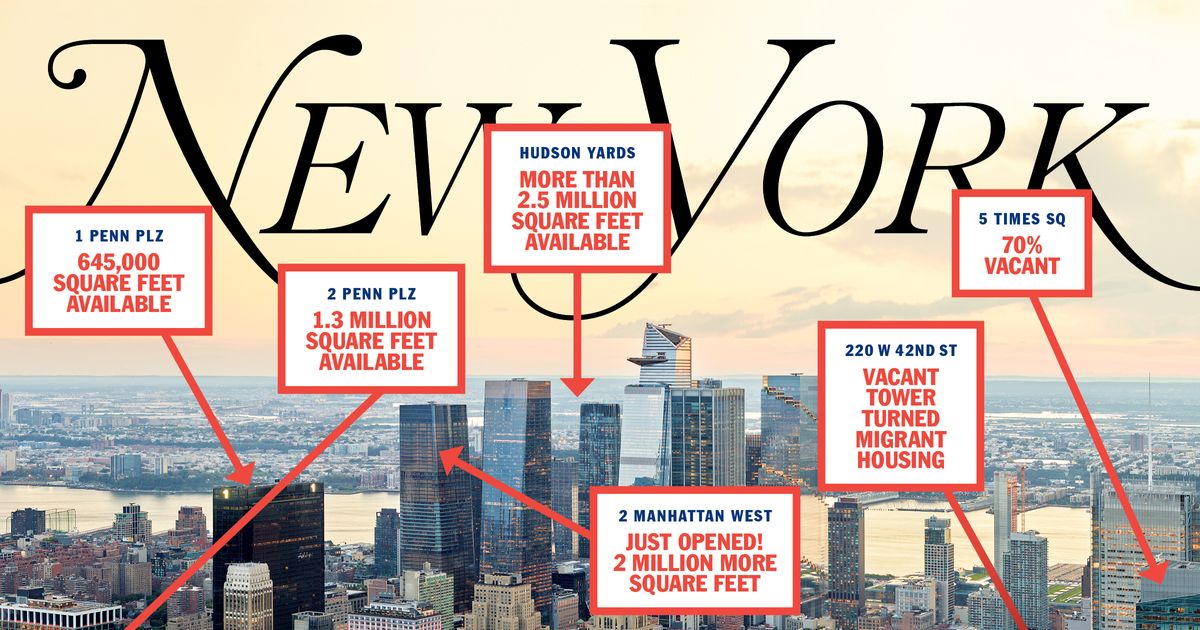
⚠️The great paradox of CRE lending: while owners are freaking out, banks are chilling 🫣 Q2 US bank earnings reported so far paint such a rosy picture of CRE loan risk. Yes, they admit there will be an uptick in losses (maybe), but banks barely show any concern. So why are CRE landlords panicking, not being shy with the press, describing the situation as "apocalyptic" or "a Cat 5 Hurricane"? 🤔 This is how the BIS, the "central bank of central banks," defines CRE loan risk: "the prospects for servicing the loan materially depend on the cash flows generated by the property securing the loan rather than on the underlying capacity of the borrower to service the debt from other sources." According to this (flawed) metric, as long as the property has enough tenants to cover the interests, then the loan wouldn't be considered problematic. This valuation approach applies to "Close-end residential loans" (CERL) where the borrower is typically a corporate landlord that rents the properties. Hence, these assets are as well materially dependent on the ability of these to generate enough income to cover interests. Here is the mind-blowing fact: despite what happened in 2008, banks still need to appraise the principal value of real estate collateral only if they are the principal occupant of the property. 🙄 Remember what triggered the 2008 GFC? Yes, interest-only loans... 🤯 So when will CRE ($2.9T) and CERL ($2.3T) start to be a problem for US banks? Most of these loans are "non-recurring," meaning the landlord can hand over the keys to the lender and walk away. While, as of now, CERL properties' vacancy rates are still at historical average ( $BREIT investors can take a sigh of relief), CRE vacancy rates are increasing fast and currently at 18.6%, a level seen last time during the CRE glut of the early '90s. This is an aggregated number, though. If we split it into Cat A, Cat B, and Cat C CRE office buildings, according to CRE office landlords, the vacancy for the last two categories is already at 50% and 70% in some prime locations like NYC, LA, and SF, with many Cat C buildings already completely empty, badly in need of heavy renovations, and practically worthless. Then it shouldn't come as a surprise that big landlords like Brookfield and Starwood started to default on their CRE loans and hand over the properties to banks. Why are CRE landlords so catastrophic? Because the trend is spreading to Cat A buildings with sub-lease availability climbing fast, signaling tenants' intention to downsize as soon as their agreements expire (unless they walk away earlier than that). Accounting for the current sublease rates reported by CBRE, the real vacancy rate of CRE is already beyond 25% in aggregate 😳 When the banks get hold of a property, they need to start assessing its "value," but again here no problem on the surface since prices are holding up pretty well... in aggregate! What about Cat B and Cat C? The latest transactions reported a drop in prices already up to 35% in the first category and up to 60% for the second one 🥶 during the GFC, CRE property prices declined ~30% at the bottom of the crisis... now the crisis didn't even start! ⚠️ Considering the average LTV for a CRE loan is ~75%, banks are already "losing" on their principal, and this is only the beginning 🥵 It's impossible to make forecasts at this stage, but banks (and regulators) are dangerously ignoring the risk banks will end up holding a huge amount of Cat B and Cat C worthless CRE. Isn't this what's exactly happening in China? Look at how things are going there, with even state-backed developers defaulting on their debt (#Wanda and #Greenland), and #stocks already trading at the same levels as during the GFC 🚨 Add to this banks' mounting liquidity problems, with FHLB advances already at ATH beyond GFC levels and an ongoing deposits hemorrhage, and you have the perfect setup for the mother of all banking crises. 🤯 Suggested read: https://nymag.com/press/2023/07/the-panic-and-pivot-of-manhattans-office-megalandlords.html


@DarioCpx - JustDario 🏊♂️
🚨BREAKING: THE #FED JUST PULLED THE PLUG TO BANKS #BTFP LIFE SUPPORT🚨 1 - I was wrong, I never thought they had the guts to do it 2 - Read my post below from months ago to understand how critical is the #BTFP to keep the whole financial system together Fasten your seatbelts! https://t.co/39DOOewK62

@DarioCpx - JustDario 🏊♂️
My comment on this news 👇🏻
@DarioCpx - JustDario 🏊♂️
#JustDarioDaily 🚨WITHOUT THE #FED #BTFP, BANKS WILL NOW HAVE A HARDER TIME TO “HIDE TILL MATURITY” THEIR LOSSES 🤷🏻♂️🚨 I started the year writing about how in 2024 the practice used by banks of hiding their losses in Hold to Maturity books (hence “hide till maturity”) would have come to an end [Post Below]. However, I was wrong there, because I wrote this: “As I explained in a post almost 3 months ago (x.com/dariocpx/statu…), big banks too are benefiting from the #BTFP, which is why the only scenario in which this program isn't extended this coming March is the one where the #FED led by Jerome Burns goes totally out of its mind.” Well.. As per the #FED press release that just came out at 7pm EST today (Picture 1), either our dear Jerome Burns finally realized what it means to be a Central Banker, or he lost his mind and unintentionally just rug pulled half of the US banking sector. There is a potential third justification for the #FOMC action though: okay, we are in a US election year, and a bull market is good for the incumbent president, but looking at what’s happening with $NVDA, imagine if this idiocy pops before November from a much higher market cap, and Biden ends up being forced to bail out hedge funds, fraudsters, and gamblers singing “Kumbaya!” all together on this stock right now. 🙄 Please let me know in the comments what do you thinks is the reason that pushed the #FED to do what they just did. Nevertheless, the outcome is not going to change, and this is what’s coming. 🚩 THE #FED WILL STOP “LEAKING” LIQUIDITY As you can see in Picture 2, the #BTFP was effectively #FED QE in disguise, and it is not a coincidence that the #stocks bubble re-inflated once the net liquidity in the system resumed its climb. 🚩 THE #FED WANTS (TO TEACH) BANKS TO USE THE DISCOUNT WINDOW There are two reasons why banks don’t like to go (and beg) at the #FED discount window: 1 - Makes their liquidity issues manifest. 2 - The discount applied to the assets they want to pledge for liquidity (usually the best they can offer) will reveal the true value of their HTM books and, likely, their insolvency. Now here is where the #FED is making a big mistake. Many US Regional Banks right now have an insolvency problem, hence they need capital. Accessing liquidity at the discount window won’t have any impact on the radioactive defaults in their Loans books. Imagine my shock if they already have a new TARP plan drafted out at the #FED but they hope there won’t be a need to disclose it before November. 🚩 INVESTORS WILL NOW SCRUTINISE BANKS' BOOKS MORE SERIOUSLY So far this year, the US banks' earnings season has been horrible, to say the least. Ask anyone working in a bank how’s the mood there and what do they expect the business to go in the near future; while in #stocks, the morale is through the roof, bankers' one is through the floor. Despite this, bank #stocks have been doing okay since the Q4-23 earnings season started. Why? Because the #FED “got it covered” with its magic wand that could fix everything like, for example, empty shopping mall loans stuck in the books of a bank somewhere and now worth not even the cost of the material build that shopping mall to begin with. Management at banks like $BAC totally embraced this thinking to the point there is barely a trace of CRE crisis in their results 🙈: https://x.com/dariocpx/status/1746581808538689762?s=46&t=Hz7-qku8ZNVPw6L9nBJOZA Personally, I couldn’t believe my eyes 1 hour ago when the #FED announcement popped up on my screen, I even went to check if it could have been a deep fake or, like what happened to their #SEC cousins, the #FED too didn’t use a 2FA to protect their X account. But no, the official announcement was there on their website (Picture 3) and all it missed were 2 words at the end of it: “GAME OVER” 😐


@DarioCpx - JustDario 🏊♂️
#JustDarioDaily 🚨WITHOUT THE #FED #BTFP, BANKS WILL NOW HAVE A HARDER TIME TO “HIDE TILL MATURITY” THEIR LOSSES 🤷🏻♂️🚨 I started the year writing about how in 2024 the practice used by banks of hiding their losses in Hold to Maturity books (hence “hide till maturity”) would have come to an end [Post Below]. However, I was wrong there, because I wrote this: “As I explained in a post almost 3 months ago (x.com/dariocpx/statu…), big banks too are benefiting from the #BTFP, which is why the only scenario in which this program isn't extended this coming March is the one where the #FED led by Jerome Burns goes totally out of its mind.” Well.. As per the #FED press release that just came out at 7pm EST today (Picture 1), either our dear Jerome Burns finally realized what it means to be a Central Banker, or he lost his mind and unintentionally just rug pulled half of the US banking sector. There is a potential third justification for the #FOMC action though: okay, we are in a US election year, and a bull market is good for the incumbent president, but looking at what’s happening with $NVDA, imagine if this idiocy pops before November from a much higher market cap, and Biden ends up being forced to bail out hedge funds, fraudsters, and gamblers singing “Kumbaya!” all together on this stock right now. 🙄 Please let me know in the comments what do you thinks is the reason that pushed the #FED to do what they just did. Nevertheless, the outcome is not going to change, and this is what’s coming. 🚩 THE #FED WILL STOP “LEAKING” LIQUIDITY As you can see in Picture 2, the #BTFP was effectively #FED QE in disguise, and it is not a coincidence that the #stocks bubble re-inflated once the net liquidity in the system resumed its climb. 🚩 THE #FED WANTS (TO TEACH) BANKS TO USE THE DISCOUNT WINDOW There are two reasons why banks don’t like to go (and beg) at the #FED discount window: 1 - Makes their liquidity issues manifest. 2 - The discount applied to the assets they want to pledge for liquidity (usually the best they can offer) will reveal the true value of their HTM books and, likely, their insolvency. Now here is where the #FED is making a big mistake. Many US Regional Banks right now have an insolvency problem, hence they need capital. Accessing liquidity at the discount window won’t have any impact on the radioactive defaults in their Loans books. Imagine my shock if they already have a new TARP plan drafted out at the #FED but they hope there won’t be a need to disclose it before November. 🚩 INVESTORS WILL NOW SCRUTINISE BANKS' BOOKS MORE SERIOUSLY So far this year, the US banks' earnings season has been horrible, to say the least. Ask anyone working in a bank how’s the mood there and what do they expect the business to go in the near future; while in #stocks, the morale is through the roof, bankers' one is through the floor. Despite this, bank #stocks have been doing okay since the Q4-23 earnings season started. Why? Because the #FED “got it covered” with its magic wand that could fix everything like, for example, empty shopping mall loans stuck in the books of a bank somewhere and now worth not even the cost of the material build that shopping mall to begin with. Management at banks like $BAC totally embraced this thinking to the point there is barely a trace of CRE crisis in their results 🙈: https://x.com/dariocpx/status/1746581808538689762?s=46&t=Hz7-qku8ZNVPw6L9nBJOZA Personally, I couldn’t believe my eyes 1 hour ago when the #FED announcement popped up on my screen, I even went to check if it could have been a deep fake or, like what happened to their #SEC cousins, the #FED too didn’t use a 2FA to protect their X account. But no, the official announcement was there on their website (Picture 3) and all it missed were 2 words at the end of it: “GAME OVER” 😐


@DarioCpx - JustDario 🏊♂️
#JustDarioDaily 🚨 2024 - THE YEAR WHEN THE "HIDE TILL MATURITY" TRICK HITS THE MATURITY WALL AND BREAKS? 🤷🏻♂️ 🚨 During 2023, we have discussed so often how (ridiculously insolvent) banks have made extensive use of "Hold To Maturity" accounting to the point that it is now more appropriate to rename it "Hide Till Maturity" (https://x.com/dariocpx/status/1728786228211015966?s=46&t=Hz7-qku8ZNVPw6L9nBJOZA). Dump any asset with a market value implying a steep loss in the HTM books, and the loss is "gone". However, this trick has two significant weaknesses: 1 - If you are forced to sell the underwater assets in HTM books before maturity, then the loss turns from "paper" into "real". 2 - If the asset matures, hence ceases to be eligible for HTM accounting, and the principal isn't repaid in full, then the paper loss becomes a real one again. In 2023, the FED took care of the first weakness with the #BTFP (non-bailout 😉) that effectively allowed banks in liquidity crisis to borrow against the nominal value of their US Treasuries rather than the market one, dodging a forced selling that would have likely triggered a domino of regional bank bankruptcies. As I explained in a post almost 3 months ago (https://x.com/dariocpx/status/1714455707003830741?s=46&t=Hz7-qku8ZNVPw6L9nBJOZA), big banks too are benefiting from the #BTFP, which is why the only scenario in which this program isn't extended this coming March is the one where the #FED led by Jerome Burns goes totally out of its mind. 🙄 The second weakness, greatly ignored by #FOMO #stocks investors, not only is about to become a major issue but is also a problem that the #FED and other Central Banks cannot tackle, avoiding the "bailout" shame. Good luck putting together another official financial system bailout in a big election year, not only in the #US but also in other G7 countries like #Japan and the #UK. ⚠️ BEWARE - #FED CUTTING RATES DOESN'T FIX A BORROWER'S INSOLVENCY PROBLEM BECAUSE ITS PROBLEM IS NOT THE COST OF *FUTURE* DEBT BUT THE DEBT *ALREADY* ACCUMULATED. In 2024, you will have the US Treasury Department competing in the open market to raise Trillions of $USD (https://x.com/dariocpx/status/1723825931503194398?s=46&t=Hz7-qku8ZNVPw6L9nBJOZA), at the same time when 5+ Trillion $USD [Picture 1] of private corporate debt (bond + loans) matures, and, as if this wasn't already enough, a lot of this private debt is going to be impossible to refinance because no one wants to be that last bag holder of a zombie company without the guarantee of a publicly sponsored TARP-like bailout fund. Simplifying all in a sentence: the "hide till maturity" trick is about to hit the (debt) maturity wall, literally speaking. 🫣 Which sector is the one likely to implode first? Commercial Real Estate. The National Bureau of Economic Research estimates just released in December [Picture 2] portray a situation beyond horrible and now hard to ignore for Banks like they did before (post in quote below). According to the NBER, 14.3% of CRE loans are in NEGATIVE EQUITY status. Many of the remaining ones are expected to face cash flow and refinancing issues due to the high Loan-To-Value in place (average 80%) and almost double debt costs in the current interest rate environment. At ~14% default rate, US banks already face more than 100bn$ of losses according to the NBER [Picture 3]. How to solve the issue then if #Fed rate cuts are useless here? The NBER suggests: "A near-term solution could consider a market-based recapitalization of the U.S. banking system" [Picture 4]. Translated: BANKS NEED A BAILOUT 🙄 We know that CRE is only the tip of the iceberg of the financial system problems. Credit Cards debt, buy now pay later consumer loans, student debt, and on and on. The list is pretty long, and none of these issues can be fixed with either a rate cut or money printing because capital is all that matters to sustain credit losses and avoid insolvency materializing into bankruptcy. Perhaps 2024 will be another irrationally exuberant #bullish year for #stocks, but once the party ends, because for sure it will, the “debt hangover” this time around will be brutal.


@McSqueezyTheCow - McSqueezyTheCow
Friendly reminder that the New York Fed backstopped #UBS through its reverse repo facility.
@McSqueezyTheCow - McSqueezyTheCow
The New York Fed provided a backstop to UBS [Credit Suisse] in August. ----- Now that I have your attention, let's play a story in three parts; picture edition. Part I: Part II: Part III: ----- Now let's make it all make sense; a timeline. OCTOBER 2022 • Credit Suisse announces plan to "refocus on banking for the wealthy, including a 4 billion Swiss franc ($4 billion) capital raising, a headcount reduction of 9,000 jobs by end-2025" -- MARCH 2023 • 2022 annual report identifies "material weaknesses" in internal controls over financial reporting • After Saudi National Bank said it could not provide more support because of regulatory constraints, shares dropped by as much as 30% • Credit Suisse secures a $54 billion lifeline from the Swiss central bank to shore up liquidity, the first major global bank to get emergency funding since GFC • "The Swiss authorities provide assurances that Credit Suisse has met 'the capital and liquidity requirements imposed on systemically important banks'" (lols intensify) • Major banks including Societe Generale SA (http://SOGN.PA) and Deutsche Bank AG (http://DBKGn.DE) restrict new trades involving Credit Suisse or its securities • UBS agrees to buy Credit Suisse for 3 billion Swiss francs ($3.23 billion) (We discussed this deal previously: https://x.com/McSqueezyTheCow/status/1728317168830599268?s=20) -- JUNE 2023: • "UBS reached an agreement with the Swiss government under which the government will guarantee up to 9 billion Swiss francs ($9.98 billion) of losses UBS may incur from the sale of its rival's assets beyond 5 billion francs the lender is due to cover itself. The government's and UBS' priority was to "minimize potential losses and risks so that recourse to the federal guarantee is avoided to the greatest extent possible," -- JULY 2023: • "UBS Group AG is aiming to avoid using a $10 billion backstop for Credit Suisse amid a backlash" -- And now onto the parts of our story... AUGUST 2023: I. Credit Suisse AG, New York Branch is added as a counterparty of the NY Fed's reverse repo [RRP] facility II. UBS, who owns Credit Suisse, tells the Swiss government it no longer needs the $10 billion backstop. "UBS...said that after reviewing all the Credit Suisse assets covered by the backstop, it concluded the agreement was no longer necessary" (more lols intensify) -- SEPTEMBER 2023: III. UBS Group announces plan to house its investment-banking and trading operations in Credit Suisse’s New York offices. “As we progress with our integration, we continue to prioritize opportunities to drive stronger collaboration and deliver the best of our combined firm to our clients” ----- TLDR: Credit Suisse death spiral led to the Swiss bank being acquired by UBS, which was really a strong-arm take it or leave it arrangement initiated by Swiss National Bank (SNB) and the Swiss Financial Market Supervisory Authority (FINMA) in March. Recall that UBS only had a long weekend to take the "deal". In the weeks to follow, UBS, desperate for help, reached out to the Swiss government and was extended a $10 billion backstop. Then, in a matter of a few weeks, UBS moves its investment-banking and trading operations to Credit Suisse offices in New York--less than 10 minutes away from the NY Federal Reserve--Credit Suisse's NY branch gets added as a counterparty for reverse repos, and UBS suddenly no longer needs the $10 backstop from the Swiss government. Reverse repo data tells us that the day after Credit Suisse AG, New York Branch was added as a counterparty, the daily trade amount jumped $18.17 billion. A coincidence, I'm sure. ----- ...."this is fine!" ----- New York Fed Reverse Repo Counterparties Additions and Removals: https://www.newyorkfed.org/markets/rrp_counterparties#additions-and-removals New York Fed Reverse Repo Operations: https://www.newyorkfed.org/markets/desk-operations/reverse-repo September 13, 2023 Bloomberg article: https://www.bloomberg.com/news/articles/2023-09-13/ubs-to-move-bankers-traders-to-credit-suisse-s-new-york-offices August 11, 2023 Financial Times article: https://www.ft.com/content/d272fc75-f754-406c-a65e-0b815f16cc86 March 20, 2023 Reuters article: https://www.reuters.com/business/finance/ubs-aims-avoid-using-10-bln-credit-suisse-backstop-amid-backlash-ft-2023-07-03/#:~:text=July%202%20(Reuters)%20%2D%20UBS,second%2Dquarter%20results%20on%20Aug. July 3, 2023 Reuters article: https://www.reuters.com/business/finance/how-credit-suisse-has-evolved-over-167-years-2023-03-18/





@profstonge - Peter St Onge, Ph.D.
Fiscal collapse accelerates as Treasury issues $7 trillion of debt in just 3 months. That matches the worst of Covid -- no pandemic needed. And it's double the previous record that had stood for 231 years. https://t.co/e0W0y2n6cm

@GameofTrades_ - Game of Trades
The US govt debt crisis is getting UNREAL This won’t end well A thread 🧵 https://t.co/HZ0E0MsECm

@peruvian_bull - Peruvian Bull
Banks have half a trillion in unrealized losses and the Fed will print every penny of it if any of the GSIBs actually fail https://t.co/IHjmA3G6bh


@itsalwaysrains - AlwaysSadButTruthful
oh. okay. so. . . -_- no ones even going to see this on a sunday #nakedswaps ╰(‵□′)╯ the liquidity fed funds were the fund types that i found the lehman wamu bofa citi pre-08 instruments in.. at the end of endgameDD.. well, leg 1 of GME CFD is > floatingRtIndex: USFFE (USD Federal Funds Effective Rate) -spread of 0.025% 2027 expiry. ... its a spread bet, on an inverted federal fund interest rate, which is about to rug, and its set to a 0 spread on GME. weird right? =/ i asked grod to exquisitely detail, the CFD so i didn't have to write it #1 > https://x.com/i/grok/share/q1DKWd1HWSsOGb2knez42QEGE #1 info. #2 explanation per side of the CFD swap. #3 explanation of how these are shorting GME and will moon. #4 summary of this CFD play. grok says it all better than me :(


@itsalwaysrains - AlwaysSadButTruthful
#1 > https://fred.stlouisfed.org/series/FEDFUNDS #2 > FFE summary from brave. looking at the rates for fed fund interest rates, its already inverting. paired with the other swap signals, when this thing crashes, these cfd's should become VERY VERY VERY profitable "#short" #swaps on $GME. #gamestop #swaps #shorts #cfd #MyNameIsItzahBubble!


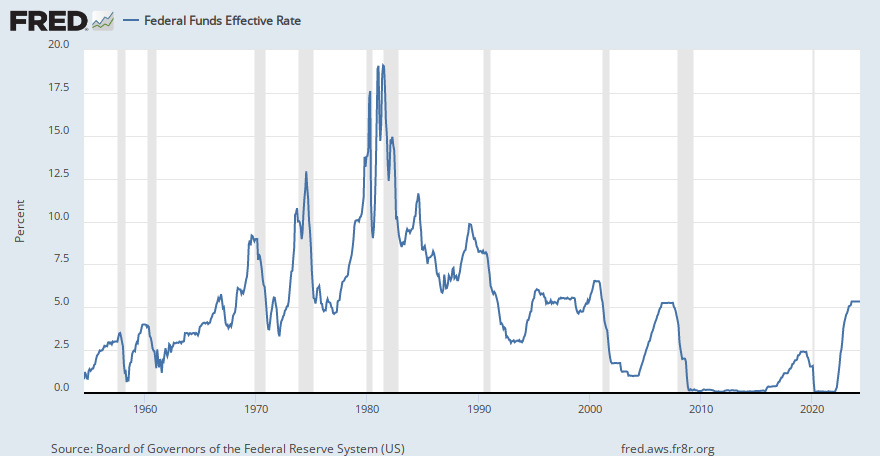
@itsalwaysrains - AlwaysSadButTruthful
Unfortunately i cant edit this post. I made a clerical mistake, apologies. the spread was -25%. not .025%. it costs .025% of the total if the FFE index goes to .1 like it did in 08 and will do. my bad. idk why i cant edit.

@FinanceLancelot - Financelot
FINALLY people are admitting the Federal Reserve & bank cartel caused the 2020 financial crisis, intentionally releasing "the virus" to cover it up! 🥳 Only now it's too late, because they're about to do it again...
@FinanceLancelot - Financelot
Funniest people are those who think the '20 crash was caused by a virus. The banking system was already collapsing Sep '19 forcing the Fed to start REPO interventions like '08. The system only collapsed when the Fed pulled REPO away 2023 is the same game plan with BTFP & OCE 🤫


@FinanceLancelot - Financelot
The Fed admits guilt of causing the 2020 crisis by pulling the Emergency Repo rug at exactly the worst possible time, despite the banking system being on life support since Sep 2019 The Repo rug was pulled right after Powell attended the Bezos party 🤫 https://www.federalreserve.gov/econres/notes/feds-notes/what-happened-in-money-markets-in-september-2019-20200227.html


@Malone_Wealth - Kevin Malone
BREAKING NEWS: Federal Reserve Reverse Repo reaches its lowest level in more than four years. Do you know what happens next? https://t.co/EQrDp49xx3
