reSee.it - Related Post Feed

Saved - April 20, 2023 at 6:29 AM
reSee.it AI Summary
Bola Tinubu, a Nigerian politician, was recently seen in a leaked video inside a Guinean presidential helicopter with Ousmane Diarra, a Malian political fixer and suspected international cocaine trafficker. Diarra was a close confidant of former Guinean president Alpha Cond and was involved in a cross-border drug trafficking ring. He was also responsible for obtaining a Guinean diplomatic passport for Tinubu. Tinubu himself has been indicted for drug trafficking in the past, raising questions about his associations.

@DavidHundeyin - David Hundeyin

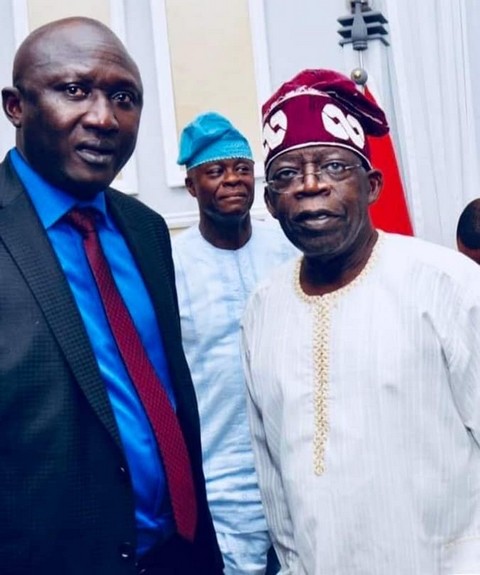
What exactly is the relationship between Nigeria's "president-elect" @officialABAT and Ousmane Diarra aka Ousmane Yara (@yara_ousmane), a Malian political fixer and suspected international cocaine trafficker? A short thread.

@DavidHundeyin - David Hundeyin

Since yesterday, this Twitter has been making the rounds on Nigerian Twitter. Apparently leaked by an insider in Tinubu's camp, the video shows Tinubu, Lagos State governor Babajide Sanwoolu and another gentleman inside a Guinean presidential helicopter.

@DavidHundeyin - David Hundeyin

There are several things to pick out from that video, but for the purpose of this thread, I will focus on the identity of the gentleman in the middle. Known as Ousmane Diarra or Ousmane Yara, he is a Malian citizen who is well-connected across West Africa

@yara_ousmane - yara ousmane

#NouvellePhotoDeProfil

@DavidHundeyin - David Hundeyin

He was apparently a powerful aide and a close confidant of former Guinean president Alpha Condé. He was important enough to be dispatched by Condé in an official capacity to mediate in diplomatic disputes involving Senegal, Libya and Egypt.

@DavidHundeyin - David Hundeyin

According to Guinean sources, he is the man responsible for obtaining a Guinean diplomatic passport - something typically reserved for birth citizens with no other nationality, subject to enhanced security checks - for Bola Tinubu. But there's a problem with his backstory.

@DavidHundeyin - David Hundeyin

This man who has apparently lived in Nigeria for several years, has also been identified and tried for being part of a cross-border drug trafficking ring which attempted to smuggle cocaine from Bamako, Mali to Dakar, Senegal. https://maliweb.net/societe/elu-president-du-nigeria-bola-tinubu-lami-fidele-dousmane-yara-3013547.html https://maliweb.net/non-classe/cour-d%E2%80%99assises-de-bamako-les-deux-policiers-finalement-blanchis-des-accusations-de-tentative-de-trafic-de-drogue-1088.html?amp=1… https://www.maliweb.net/societe/elu-president-du-nigeria-bola-tinubu-lami-fidele-dousmane-yara-3013547.html https://www.maliweb.net/non-classe/cour-d%E2%80%99assises-de-bamako-les-deux-policiers-finalement-blanchis-des-accusations-de-tentative-de-trafic-de-drogue-1088.html?amp=1

Élu président du Nigeria : Bola Tinubu : l’ami fidèle d’Ousmane Yara ! | maliweb.net maliweb.net - Premier site d'info | Portail de référence au Mali depuis 2002. Actualité et infos maliennes en continu: Sports, Faits Divers, Politique, Rad io FM maliweb.net
Cour d’Assises de Bamako : Les deux policiers finalement blanchis des accusations de tentative de trafic de drogue | maliweb.net maliweb.net - Premier site d'info | Portail de référence au Mali depuis 2002. Actualité et infos maliennes en continu: Sports, Faits Divers, Politique, Rad io FM maliweb.net

@DavidHundeyin - David Hundeyin

During the trial, which took place in 2010, the court heard that the Bamako Customs Brigade Mobile d'Intervention (BMI) unit intercepted a group of 7 drug smugglers attempting to board Air-Mali Flight 273 with 30 KG of cocaine concealed in their hand luggage.

@DavidHundeyin - David Hundeyin

For reference, according to @UNODC figures, 30KG of cocaine in 2010 would have had an average European street value of $2,460,000. After getting caught red-handed, the couriers promptly named Ousmane Yara as one of the masterminds of the operation. https://unodc.org/unodc/secured/wdr/Cocaine_Heroin_Prices.pdf https://www.unodc.org/unodc/secured/wdr/Cocaine_Heroin_Prices.pdf

@DavidHundeyin - David Hundeyin

While the case seemed airtight with the suspects immediately accepting their guilt and making confessional statements, the bags containing the 30KG of cocaine suddenly went missing in Customs custody, and the suspects soon recanted their confessions and denied involvement.

@DavidHundeyin - David Hundeyin

In the absence of this crucial physical evidence, the case unsurprisingly fell apart. Ousmaye Yara, who was identified as the cocaine supplier by the suspects who met him inside a Toyota Prado at Bamako's Hotel Massaley, thus got let off the hook. https://malijet.com/les_faits_divers_au_mali/28585-cour_d_assises_deux_policiers_et_d_autres_inculp_s_la_barre_la_m.html https://malijet.com/les_faits_divers_au_mali/28585-cour_d_assises_deux_policiers_et_d_autres_inculp_s_la_barre_la_m.html

Malijet COUR D’ASSISES : Deux policiers et d’autres inculpés à la barre : la montagne a accouché d’une souris ! Bamako Mali Les travaux de la deuxième session de la Cour d’Assises se poursuivent normalement dans la salle « Boubacar Sidibé » de la Cour d’Appel de Bamako. L’audience du mercredi 27 octobre a été marquée par le jugement de l’affaire de trafic de drogue, tentative malijet.com

@DavidHundeyin - David Hundeyin

The question is this: Why does Bola Ahmed Tinubu - himself an indicted drug trafficker - always seem to surround himself with those who have been involved in drug trafficking and/or organised crime? Is the question hard? Or obvious? https://t.co/AlDZRf1knQ

@UberFacts - UberFacts

@DavidHundeyin - David Hundeyin

Bonus mention: The helicopter video that has been making the rounds recently is exactly the same length (1:22) as the video below of Ousmane Yara meeting with Macky Sall on behalf of Alpha Condé, which may suggest the same person is behind both videos.

@DavidHundeyin - David Hundeyin

*Aboulaye Wade, ^^ not Macky Sall

Saved - July 31, 2023 at 4:35 AM
reSee.it AI Summary
Aaron Berman, a former CIA member, joined Facebook in 2019. He led their Misinformation Policy department, representing Meta with various stakeholders, including intelligence agencies, governments, and media. Berman played a crucial role in combating misinformation during the 2020 US Election, COVID-19, Ukraine War, and global elections. He also highlighted Meta's efforts to counter COVID-19 misinformation. Berman's posts shed light on Meta's involvement in elections worldwide, including Brazil, Nigeria, Kenya, and the Philippines. Additionally, he discussed Meta's initiatives on climate change and attended conferences on fact-checking. Berman's presence at Meta raises concerns about the influence of intelligence operatives in social media.

@NameRedacted247 - Name Redacted

2. Aaron Berman spent over 17 years with the CIA before joining Facebook in 2019. He built their Misinformation Policy department and wrote most of the misinfo policy. Additionally, Berman says he 'represented Meta with external stakeholders.' This would include The White House, US Intel Agencies (FBI, CIA, DHS, CISA, etc.), foreign governments & intelligence, MSM, and more. He led the misinformation policy operation across all of Meta’s platforms for the 2020 US Election, COVID-19, the Ukraine War, and elections worldwide." http://linkedin.com/in/aarondberman/…

Video Transcript AI Summary
The speaker discusses Facebook's framework for content moderation, which includes removing, reducing, and informing users. They explain how this framework is applied to COVID-19 misinformation. The speaker highlights efforts to promote vaccines and authoritative information, remove harmful misinformation, and address borderline content that could lead to vaccine hesitancy. They mention various ways Facebook informs users, such as directing them to expert health resources, helping them find vaccine appointments, and partnering with organizations to reach low vaccination rate communities. The speaker also discusses the removal of debunked false claims and the reduction of certain content about vaccines. They emphasize the importance of providing authoritative information and addressing vaccine hesitancy.
Full Transcript
Speaker 0: Maybe we can actually start with remove, reduce, and form because it just gets to that moderation framework. And we can ask, our our friend from Facebook to start in with that one. Speaker 1: Sure. Thanks, Renee. And thanks for having me. I'm excited to be part of this conversation and this important topic. Yeah. So remove, reduce, inform in general, like at Facebook, Look, that's a framework we think about for general content moderation where we could remove content completely from the platform, reduce its distribution, in some way such that people are less likely to see it in their feeds or inform users in some way such as by adding labels or warning screens or the like. I can explain school play excuse me. I can explain briefly how we apply that philosophy to, COVID nineteen misinformation, in particular. And I'm actually gonna Describe it backwards. I'll start with inform first and then remove and reduce. So our 3 pronged strategy here for COVID misinformation is, 1st, promoting vaccines and authoritative information. That's the inform pillar. Also removing harmful misinformation and then addressing borderline content that could lead to vaccine hesitancy Which falls under the reduce idea. On the, on the first part, promoting vaccines and authoritative information. I mean, Facebook Is obviously we have quite a large user base. So we've been able to direct more than 2,000,000,000 people worldwide to expert, to expert health resources through our coronavirus misinformation me, our coronavirus information center, which you can find in your, in your Facebook app if you use Facebook. And just for some other examples, more specifically how we're informing people and getting Authoritative information to people. We help people find vaccine appointments in their areas through messages and newsfeed. We help people get questions answered not only through the COVID information center, but also through ad impressions that we, that we support partners on such as facts about COVID ad campaigns. We enable social norming through profile frames. So in the United States, and I'm sure many people here have used this, more than 50% of Facebook users have seen someone They follow, use a profile frame and feed. And then in addition on informing, we're partnering with other organizations To reach, low vaccination rate communities such as with, campaigns featuring black doctors, nurses, or Spanish language campaigns. And we are using, data that we're collecting in partnerships with academic institutions to, to judge the impact of this over time. Also note on the informed side, when it comes to users who have interacted with false or misleading came claims, we also inform them in those situations. So just for some examples, we add labels on posts about COVID nineteen and vaccines to show additional information from the WHO. And, when we do remove misinformation from the platform, which we'll talk about in a second, we built a Tools so that, we notify users who saw that misinformation before we removed it so that they have access to the authoritative information like Brexit. So that's in a large bucket are part of our inform work here. On remove for COVID nineteen, We do have a policy to remove harmful misinformation related to this topic. Specifically, we remove content that has been Debunked as false and leading to physical harm by public health experts related to the pandemic. So these are things like fake preventative measures, Claims the virus doesn't exist or, this also includes a variety of claims about vaccines. The idea here is to remove misinformation that could lead to imminent physical harm by somebody maybe not receiving appropriate treatment or exposing themselves to the disease. So on vaccines specifically in December last year, we started removing false claims about the vaccine. Again, that fall within this category. And we've expanded the list of claims we remove about vaccines in general earlier this year in consultation with health experts. And we're continuing to make updates to these policies as Trends emerge, including just this week, in fact. And we also remove, pages, groups, and Instagram accounts that repeatedly violate these policies To get at those entities that might repeatedly spread this content. And then finally, the third part of the strategy addressing borderline content, Which could lead to vaccine hesitancy which falls into the reduce area. So we do reduce the distribution of certain contents, about vaccines That doesn't otherwise violate our policies. And our approach here is really grounded in guidance that we've gotten from health experts that, who've emphasized the idea that overcoming Vaccine hesitancy really depends on people being able to ask legitimate questions about safety and efficacy and get those questions answered by trusted sources. But at the same time, we also realized that certain of this content could could lead to hesitancy. So we we reduced its distribution. And Similarly for content that again does not violate our policies, we also work with a global network of more than 80 fact checkering organizations around the world in more than 60 languages. And for with these partners, when they find the posts including about COVID or vaccines that they rate as false, We reduce their distribution. We also, this is part of our inform strategy. We have warning labels, and we make it less likely that people will see them in feed. And so that's the holistic strategy that we have of providing authoritative information or inform removing harmful misinformation and addressing this borderline content, which adds up to our our whole strategy that, yeah, ideally gets a better outcomes overall. Speaker 0: Thank you. I

@Jim_Jordan - Rep. Jim Jordan

This wasn’t the Biden Admin's first pressure campaign. In July 2021, FB’s head of Global Affairs asked why FB had been censoring the COVID lab leak theory. The answer was clear: “Because we were under pressure from the administration . . . We shouldn’t have done it.”

@NameRedacted247 - Name Redacted

2. Aaron Berman spent over 17 years with the CIA before joining Facebook in 2019. He built their Misinformation Policy department and wrote most of the misinfo policy. Additionally, Berman says he 'represented Meta with external stakeholders.' This would include The White House, US Intel Agencies (FBI, CIA, DHS, CISA, etc.), foreign governments & intelligence, MSM, and more. He led the misinformation policy operation across all of Meta’s platforms for the 2020 US Election, COVID-19, the Ukraine War, and elections worldwide." http://linkedin.com/in/aarondberman/…

@NameRedacted247 - Name Redacted

3. Aaron Berman is very active on his LinkedIn, with over a 100 posts. Here is a post from 3 years ago, while Trump was President. Berman expressed his frustration with COVID 'misinfo' about Hydroxychloroquine and mentioned that Meta was working hard to counter COVID-19 misinformation. Wait….what? According to @JimJordan's narrative, Facebook wouldn't have censored COVID content without pressure from Biden's White House. Biden wasn’t President in 2020. What’s going on here? Smoking Gun?

@NameRedacted247 - Name Redacted

4. In this next post, Aaron Berman stated that Meta was 'expanding' false claims they remove on Facebook & Instagram about COVID and vaccines. Again, this was written on April 16, 2020. Who was the President in 2020? Trump. Therefore, @Jim_Jordan's claim that Facebook only censored COVID because of pressure from the Biden White House is misleading https://about.fb.com/news/2020/04/covid-19-misinfo-update/

@NameRedacted247 - Name Redacted

@Jim_Jordan 5. In this post, Berman discusses how Facebook is promoting 'reliable' vaccine information to parents and enforcing their policies on harmful content related to children. He expresses his happiness about the FDA authorizing COVID vaccines for children.

@NameRedacted247 - Name Redacted

6. In the following tweets, you will see LinkedIn posts written by Aaron Berman that describe Meta’s extensive efforts to ‘combat misinformation’ in global elections. This is nothing more than election meddling, interference & rigging. In the first post, Berman talks about the 2020 US Election. He describes how Facebook displayed “warnings” on over 150 million pieces of content viewed on Facebook that were ‘debunked’ by one of Meta’s third-party fact checkers. Did Biden pressure Facebook to do this? In the second post, Berman ‘sends love’ to his fellow friends working on content moderation for the 2020 election and describes his efforts as being “neck-deep”

@NameRedacted247 - Name Redacted

@Jim_Jordan 7. Berman writes in detail how Meta interfered in the 2022 Brazil election, by aggressively limiting the “forward messages” feature on WhatsApp and how Meta worked with 6 ‘fact checkers’ in Brazil @ggreenwald

@NameRedacted247 - Name Redacted

8. Berman posted about Meta’s election interference in Nigeria’s 2023 election which included ‘partering with local radio stations to create “NoFalseNewsZone” radio dramas in English & Pidgin”. Meta also ran ads on Facebook & radio in 4 different languages – Yoruba, Pidgin, Hausa & Igbo

@NameRedacted247 - Name Redacted

9. Berman posted about Meta’s election interference in Kenya’s 2022 election which included partnering with fact checkers AFP, Pesa Check & Africa Check to review content in English & Swahili. Berman states they also relied on ‘guidance from local partners.’ Who might that be? Also seen here is Meta’s extensive efforts to “combat misinfo” for the 2022 Philippines election

@NameRedacted247 - Name Redacted

10. This is nothing more than election interference by the largest social media platform with over 3 billion users worldwide. So- Is this all happening because of pressure from the “Biden White House”? Or is this a wider Intelligence Operation (Mockingbird) infiltrating Social Media to rig global elections, censor content on COVID, manipulate Americans on Ukraine War, Climate Change, and other important issues? Here’s more….

@NameRedacted247 - Name Redacted

@Jim_Jordan @ggreenwald 11. Berman posts on LinkedIn how Facebook & fact checkers are working in overdrive related to the Ukraine War. Also included is a tweet from Feb 2022, where he describes what Meta is doing to fight the spread of misinformation. He adds that Meta is working 24/7 on this.

@NameRedacted247 - Name Redacted

@Jim_Jordan @ggreenwald 12. Berman announces the launch of Facebook Climate Science Information Center to connect people to ‘authoritative info’ about climate change. He also tweeted how Meta has partnered with 80 independent fact checkers.

@NameRedacted247 - Name Redacted

13. In a very bizarre post on LinkedIn, Aaron Berman states that intelligence assessments are not meant to be crystal balls. He describes these assessments as having a range of plausible outcomes in order to help policymakers assess risks & ‘shape events’ accordingly. Lastly he states “EVEN AN ASSESSMENT THAT GETS THE PREDICTION WRONG MAY BE EXACTLY WHAT IS NEEDED.’- What does he mean by this?

@NameRedacted247 - Name Redacted

@Jim_Jordan @ggreenwald 14. Just this month, Aaron Berman attended TrustCon23, where he taught a workshop on how to write better emails in order to “influence tech executives more effectively” Interesting.

@NameRedacted247 - Name Redacted

15. Apparently there is a Global Fact Checker annual conference called “Global Fact”. It is hosted by Poynter’s International Fact Checking Network. This event was sponsored by Google, Meta, Tik Tok and News Initiative and held in Oslo, Norway. Aaron Berman was in attendance, of course, & spoke at the conference.

Video Transcript AI Summary
The world's largest fact checking summit, Global Fact, is returning to the in-person stage after 2 years of virtual conventions. This event brings together creators, consumers, and champions of fact-based reporting to explore new and innovative ways to uncover the truth. The 9th annual Global Fact, hosted by the International Fact Checking Network, invites participants to join in Oslo or online to combat global misinformation.
Full Transcript
Speaker 0: The world's largest fact checking summit will return to the in person stage after 2 years of virtual conventions. Creators, consumers, and champions Of Fact Based Reporting will come together to find new and innovative ways to shed light on the truth. Join us in Oslo or online and fight Global Misinformation at the 9th annual Global Fact hosted by the International Fact Checking Network

@NameRedacted247 - Name Redacted

@Jim_Jordan @ggreenwald 16. Looks like a great event!

@NameRedacted247 - Name Redacted

@Jim_Jordan @ggreenwald 17. Aaron Berman was also featured in an ad campaign for Meta https://about.meta.com/regulations/

Video Transcript AI Summary
Aaron, a product policy manager at Facebook, discusses the challenges his team faces in determining the rules for the platform. They strive to strike a balance between leaving up more content or taking it down, considering safety and security. Transparency is crucial in their decision-making process, although it's impossible to please everyone. Aaron acknowledges the discomfort of drawing the line between acceptable and harmful content. He believes that if a small percentage of users spread harmful content, it can negatively impact the majority. Updating regulations would provide clearer guidelines for platforms like Facebook, as technology evolves rapidly. Aaron emphasizes the need for legislative and regulatory catch-up to define the rules and achieve a better balance.
Full Transcript
Speaker 0: My name is Aaron. I've been with Facebook for 2 years now, and I'm a product policy manager. Speaker 1: What does your job entail? We're part Speaker 0: of the team that writes the rules for Facebook. If something violates our standards for safety and security, what Facebook could, should, can, do. Speaker 1: You and your team are Based with very important decisions, especially when Speaker 0: it comes to content. There's very little agreement whether we should be leaving more content up, taking more content down with any particular rule or issue that we're looking at, where something has come up where the rules are not 100% We're we're not gonna make everybody happy. How does your team work on that? Transparency is incredibly important in the work that I do. How do we think about the balance between harmful content, and protecting from the speech. It's a balance. Does it ever make Speaker 1: you feel uncomfortable to be put in a position where you're having to draw Speaker 0: On the line? Yes. And I think it should make me uncomfortable and all of us who do this work. If 99% of the people are expressing yourselves, sharing their family photos, If exchanging ideas at 0.001% are encouraging violence or spreading harmful content, that can ruin the thing for everybody. These decisions can have real effects on We're developing rules and policies without regulation. We're really navigating that space as best we can. Speaker 1: Why would updating regulations help you. Speaker 0: Regulation can help us better define what is acceptable and what's not. I think a standardized approach would help platforms all across the board actually give us guidelines where right now there's very few. Technology has changed so quickly. We need the legislative and regulatory space to catch up. Regulation can help us better define and what the balance of those rules should be.
Internet Regulations | Meta We support updated regulations on the internet’s most pressing challenges. about.meta.com

@NameRedacted247 - Name Redacted

18. Here's Berman on the Wall Street Journal.

@NameRedacted247 - Name Redacted

19. There are an alarming number of other Intelligence Community operatives currently working at Meta in Trust & Safety and other departments. I wrote a thread about this in December 2022. Some of you have seen it, but I will be publishing a new thread that highlights more people later this week. Stay tuned

@NameRedacted247 - Name Redacted

1. After learning that Twitter employs at least 15 former FBI agents, I searched Facebook. What I found is alarming Facebook currently employs at least 115 people, in high-ranking positions, that formerly worked at FBI/CIA/NSA/DHS: 17 CIA 37 FBI 23 NSA 38 DHS Thread🧵

@NameRedacted247 - Name Redacted

20. Here is the full video, which is still available on YouTube. Moderated by CIA Renee DiResta from Stanford Internet Observatory. Includes Brian Clarke from Twitter Trust & Safety, Dr. Anne Merritt from Google & Aaron Berman from Facebook https://www.youtube.com/watch?v=hB_YNbnt8x4&t=90s

Video Transcript AI Summary
The panel discussion focuses on how major platforms like Google, Twitter, and Facebook are addressing false and misleading narratives surrounding COVID-19. The speakers discuss their policies and strategies for moderating and mitigating misinformation. They highlight the importance of providing authoritative information, removing harmful content, and addressing borderline content that could lead to vaccine hesitancy. The panelists also acknowledge the challenges of handling misinformation during a rapidly evolving crisis and emphasize the need for flexibility and adaptability in their approaches. They mention the use of AI systems and human review to sift through vast amounts of data and the importance of partnerships with health authorities and fact-checking organizations.
Full Transcript
Speaker 0: Alright. We are live. Hi, everybody. It is great to be here today. I am thrilled to be moderating this panel, And we are going to get started. I'm Renee Duresta. I'm the research manager at Stanford Internet Observatory. And I'm gonna start by briefly introducing our panelists, and then we will dive right into a conversation. So we have, Anne Merritt. Doctor Merritt is a product manager at Google Search where she focuses on health and information quality. And then we have, Brian Clark. And Brian is a senior manager in trust and safety focused on miss at Twitter. And then we have Aaron Berman, who's a Product policy manager for misinformation at Facebook. So we have 3 platforms represented today, and I'm really looking forward to Just diving right in and talking about, their work to moderate and mitigate some of the, false and misleading narratives that we've seen spreading around COVID. Particularly given, I think, some really unique challenges that have come up earlier in this conference, but also a little bit more broadly about the challenge of Handling moderation, around misinformation at a time when we're still trying to learn all the facts. So a lot of really interesting questions to ask and discussions to have here on ideas like borderline content and how to think about fact checking in moderation in a time of, incomplete consensus where we're still trying to sort out the facts. So, I wanted to just start right in. For those in the audience who I think maybe are not immersed in the, nuances of platform moderation day in day out, There's 2 policies I just wanted to kinda quickly call attention to, and have the, relevant platform representative explain them. And that is, Your money or your life, which I think is a really interesting framework, to kind of couch this conversation. So we'll have, doctor Merrick from Google, handle that one. And then Remove, reduce, and form, which I think is actually kind of a foundational way of describing the policy, the sort of the, the options that platforms have when they're trying to think about whether to take down or, throttle or put up interstitials over content to help, help users make sense of what's going on in the world. What what the kind of most accurate information is. So maybe we can actually start with remove, reduce, and form because it just gets to that moderation framework. And we can Our our friend from Facebook to start in with that one. Speaker 1: Sure. Thanks, Renee. And thanks for having me. I'm excited to be part of this Conversation and this, important topic. Yeah. So remove, reduce, inform in general, like at Facebook, that's a framework we think about for general content moderation where we could Remove content completely from the platform, reduce its distribution, in some way such that people are less likely to see it in their feeds or inform users in some way such as by adding labels or warning screens or the like. I can explain excuse me. I can explain briefly how we apply that philosophy to, COVID nineteen misinformation, in particular. And I'm actually gonna describe it backwards. I'll start with inform first and then remove and reduce. So Our 3 pronged strategy here for COVID misinformation is, first, promoting vaccines and authority of information. That's, the inform pillar. Also removing harmful misinformation and then addressing borderline content that could lead to vaccine hesitancy, which falls under the reduce idea. On the on the first part, promoting vaccines and authoritative information. I mean, Facebook is obviously, we have quite a large user base, so we've been able to direct more than 2,000,000,000 people worldwide to expert, to expert health resources through our coronavirus misinformation excuse me, our coronavirus information center, which you can find in your, in your Facebook app if you use Facebook. And just for some other examples more specifically how we're informing people and getting authoritative information to people, we help people find vaccine appointments in their areas through messages and news feed. We help people get questions answered not only through the COVID information center, But also through ad impressions that we, that we support partners on such as facts about COVID ad campaigns. We, enable social norming through profile frames. So in the United States, and I'm sure many people here have used this, more than 50% of Facebook users have seeing someone that they follow use a profile frame and feed. And then in addition on informing, we're partnering with other organizations to reach, low vaccination rate communities such as with, campaigns featuring black doctors, nurses, or Spanish language campaigns. And we are using, data that we're collecting in partnerships with academic institutions to, to judge the impact of this over time. I'll also note on the inform side, when it comes to users who have interacted with false or misleading came claims, we also inform them in those situations. So just for some examples, we add labels on posts about COVID nineteen and vaccines to show additional information from the WHO. And, when we do remove misinformation from the platform, which we'll talk about in a second, we built a tool so that, we notify users who Saw that misinformation before we removed it so that they have access to the authoritative information like Brexit. So that's in a in a large bucket are, part of our inform work here. On remove for COVID nineteen, we do have a policy to remove harmful misinformation related to this topic. Specifically, we remove content that has been debunked as false and leading to physical harm by public health experts related to the pandemic. So these are things like Fake preventative measures claims the virus doesn't exist or, this also includes a variety of claims about vaccines. The idea here is to, Remove misinformation that could lead to imminent physical harm by somebody maybe not receiving appropriate treatment or exposing themselves to the disease. So on vaccines, specifically, in December last year, we started removing false claims about the vaccine, again, that fall within this category, And we've expanded the list of claims we remove about vaccines in general earlier this year in consultation with health experts, and we're continuing to make updates to these policies as Trends emerge, including just this week, in fact. And we also remove, pages, groups, and Instagram accounts that repeatedly violate these policies to get at those entities that might repeatedly spread this content. And then finally, the third part of the strategy, addressing borderline content, Which could lead to vaccine hesitancy, which falls into the reduced area. So we do reduce the distribution of certain contents, about vaccines that doesn't otherwise violate our policies. And our approach here is really grounded in guidance that we've gotten from health experts that, who've emphasized the idea that overcoming Vaccine hesitancy really depends on people being able to ask legitimate questions about safety and efficacy and get those questions answered by trusted sources. But at the same time, we also realized that certain of this content could could lead to hesitancy, so we we reduced its distribution. And, Similarly, for content that, again, does not violate our policies, we also work with a global network of more than 80 fact checking organizations around the world in more than languages. And for with these partners, when they find the posts including COVID or vaccines that they rate as false, We reduce their distribution. We also, this is part of our inform strategy. We have warning labels, and we make it less likely that people will see them in feed. And so that's the holistic strategy that we have of providing authoritative information or inform, removing harmful misinformation, and addressing this borderline content, which adds up to our our whole strategy that, yeah, ideally gets a better outcomes overall. Speaker 0: Thank you. I wanna, I wanna come back to a couple of things you in there, but I'd love to have Anne perhaps, introduce the idea of your money or your life. And then maybe, Brian for just kinda round it out. After that, perhaps we could just have you give Twitter's general rubric of how you're how you guys are thinking about this. Speaker 2: That sounds great, Renee. Thanks. Very excited to be here. So delivering a high quality search experience is core to what makes Google search so helpful. And from the early days, understanding the quality of web content has been incredibly important to us. We have 3 key pillars when it comes to our approach to information quality and search, and the first one will touch On what Renee mentioned, YMYL. So first, we fundamentally design our ranking systems to identify information that people find useful and reliable. We recognize, however, that there are certain topics where quality is particularly important. And we call those topics at Google YMYL or your money or your life. And these topics include a variety of, a variety of subcategories that essentially encompass Any web page that includes content that can affect someone's health, happiness, safety, or financial stability. So it includes things like shopping or financial transactions or information, legal matters, information about national government processes or policies. And most importantly, for this conference and and in the context of COVID, for health and crisis type situations. So when it comes to our ranking algorithms and when it when it comes to our, our approach to these topics, we place an even greater emphasis on factors related to expertise and trustworthiness. We've learned that sites that demonstrate authoritativeness on these topics are much less likely to publish false or misleading information. So we try to build our systems to identify signals of those characteristics so that we can continue to provide the most reliable information. 2nd, to complement the efforts in our ranking systems, we've developed a number of search features that help you make sense of all the information you're online, but also provide direct access to information from health authorities in the case of COVID. We worked very closely with the World Health Organization And globally with national public health authorities to surface their content front and center on the search page, in a more organized fashion. And then lastly, we do have specific medical policies for what can appear, in some search features to make sure that what we're showing is high quality, medically accurate, and helpful. So for these features, we, again, we first and foremost design our automated ranking systems to show helpful content, but our systems aren't always perfect. And if they do fail, our enforcement team does take actions in accordance with those policies. And so for these specific Google features like knowledge panels, and featured snippets, which often show up in a more prominent position on the search page, We don't allow content that contradicts or runs contrary to scientific or medical consensus and evidence based practices. So with these 3 approaches, we're able to continue to improve Search and really try to raise the bar on quality to deliver a trusted experience for people around the world. Since the COVID nineteen outbreak teams across Google have worked to provide quality information to help keep people safe and to provide public health scientists and medical professionals with the tools to combat the pandemic. So we've launched more than 200 new products, features, and initiatives, and we've pledged over a 1,000,000,000 to assist our users, customers, and our partners around the world. In search, in particular, going back to that features aspect, we've introduced a comprehensive experience for COVID nineteen that provides easy access to information from health authorities alongside new data and visualizations. And we're continuing to iterate and and and build on that experience over time so that people can easily navigate to the resources that they need. For vaccines, we've also updated a feature which surfaces a list of authorized vaccines, vaccine statistics and more, in users' locations in response to searches for specific information about COVID nineteen vaccines. And then lastly, when it comes to misinformation on search, we continue to elevate the work of fact checkers and Google search, as well as Google News and Images. We signal fact check articles in our results via dedicated tags and and rich snippets, that make it easy for users to understand. So that's just a bit Speaker 0: of an overview. Thanks again, Renee. Speaker 3: Alright. I'll talk a little bit about our approach to COVID nineteen, as in fellow Twitter. So, like, 1st and foremost, we wanna protect the integrity of the public conversation and ensure that Twitter is a place where folks can be exposed to different perspectives and engage in healthy discourse. I think our policy remediation options give us the flexibility to address a wide range of misinformation and and the associated harms. And with a critical mass of, you know, expert organizations, government officials and accounts, health professionals, Like, our goal on Twitter is to amplify those, authoritative health inform sorry, amplify authoritative health in information as much as possible. So we have a wide range of enforcement options that give us that flexibility to be proportionate in our approach to combating COVID nineteen misinfo. So the first thing is, we remove content with the highest propensity of harm and content that may, Invoke deliberate conspiracy theories related to COVID nineteen and COVID nineteen vaccines. We also will label misleading content and provide us credible and authoritative information, you through curated moments. And, some of the topics we cover with our curated moments would be Vaccine safety, vaccine science, preventative measures, and unauthorized and unapproved treatments. With the labels, we also may prevent the tweet from being recommended, and prevent users from engaging with the tweet by disabling replies, tweets, and likes. And I think that allows us to mitigate the spread while also providing those who are exposed to it with, authoritative information through our labels. In addition, we also provide, warning interstitials for content that may contain misleading information off platform. And, Lastly, we implemented a strike policy to address, users who are repeat offenders of the COVID nineteen misinformation policy. Each Strike the company's escalated enforcement action with the final strike leading to permanent suspension. So another way of really just giving us the flexibility to address Potential harms in the platform. Speaker 0: I'd love to focus in on this idea of harm. And, this is a question that, any or all of you can answer. How do you how do you determine, what is a harm? How how are you defining that in the context of COVID? And particularly over, you know, over what timeline are you thinking about that? Speaker 1: I I I can weigh in from Facebook. So far, as I mentioned for our remove policies by remove causes. When we remove content from the platform, we're basing this, on a policy that we have to remove misinformation that leads to imminent physical harm. And so that's the that's the standard we're looking at, and that's when we are doing these consultations with health experts with the WHO. We're getting their feedback both, you know, is the content debunked? Is it false? And what is the the harm that is likely to come from? And that's the standard we use for removing misinformation. Speaker 0: And on the subject, particularly, you know, we've seen so many different, wild false cures or, you know, they're they're originally, I remember when hydroxychloroquine Chloroquine became a thing. And I followed that in our work at Stanford. We looked at where that narrative originated, where have these ideas about hydroxychloroquine come from. And it actually came from sort of Southeast Asia and then parts of Africa that had some familiarity with the drug and thought perhaps this is going to be a useful thing for combating COVID. They didn't really make it into the American, social media conversation until actually March when the president started really talking about president Trump at the time. And one of the things that was sort of remarkable about that was the language this this piece of information, this theory kind of made its way around the world, you know. And Over time, even as they were finding that this was not going to be an effective treatment, unfortunately, that was not going to that. That initial hope was not worn out. It was becoming a focus of hope in 1 in 1 country even as it was as as the sort of places where it had originated were beginning to move away from it for various reasons as the scientific consensus just began to show that it was ineffective. And then we saw that happen again with, I mean, most recently Ivermectin, but I feel like there've been, 3 or 4 different ones of these. And I'm curious how you all think about moderation in that environment, particularly as you have this incomplete consensus and these narratives are global. And, you know, what is kind of seen as prevailing opinion, from 1 group of scientists in 1 place maybe is, is not necessarily quite yet solidified at a global level. Speaker 3: Yeah. I'll jump in here. I think I think one of the, One of the ways we like to project, I think, and from, Twitter standpoint is, you know, really leaning on our curation team who who's able to be able to monitor the conversation on the platform in real time and and really be able to track where that where that, where the discussion is going so that we have a a good sense of, like, the different types of, you know, issues around it and and where that's traveling so that we have a better sense from a A policy perspective of where to start shifting our resources and where to start really understanding, you know, the the the patterns associated with it. So I think, you know, We have a huge benefit on our, on our team that we have, like, such a powerful team from across the globe, who can really be able to capture that context, in real time as it unfolds. Speaker 2: I can jump in as well on this one, Renee. I think it's been really interesting, and especially looking at this both both from Google searches perspective, but also as a clinician. We've seen the evidence and the guidance change so much over the last 18 months. And not only that, but what we've realized is that when you look at this globally, not only do national public health authorities differ in their guidance, from one another, from the World Health Organization over time, but also even at the at the more local levels, often the guidance is is different. And so I think, you know, from the search side, we, you know, we do have this this medical topics policy that says when something goes against consensus, well, then we take Action. But what about all of this other area where, you know, COVID kind of threw us for a loop because everything information is changing. We don't have all the information. And even the national public health authorities are often trying to, you know, create new guidance based on of the moment and of literally of the minute research. Search. So at least for us, I think it's really been about deepening our partnerships with with these authorities and working in country, to really try to understand what what those different perspectives are. But it's certainly been you know, I think it's certainly presented really an unprecedented challenge when it comes to medical information because it really does kind of force us to ask that question, what is medical misinformation? Or when it's evolving so rapidly, You know, when do we actually call something, you know, far enough at the end of the spectrum that we're comfortable saying, you know, this fits into that category. So it's been challenging. Speaker 3: Hello, sir. Speaker 0: Oh, go ahead. Speaker 3: Oh, it was good also to jump in jump in and say, like, I think, you know, to the the to some point about partnerships, I think, You know, we we've established a partnership with AP and Reuters exactly for this type of reason because we'll be able to scale, you know, that that monitoring of the conversation. And I think it it will provide, like, the context on different surfaces, you know, whether it's trends, explore page, and and prompts in our in our misinformation label. So, I I I think that that's been a a core part of our, ability to scale this as well. Speaker 0: One of the things I'd like to raise while we have representatives 3 platforms all in one place. Is this idea of misinformation as networked? Right? Particularly as a video, for example, that someone makes and posts to YouTube, or Facebook. Let's use the example of pandemic to kind of anchor it in a in a real example here. Highly misleading piece of content. Took fact checkers about 2 days to go through the full half hour of material. In that time, 8 to 12,000,000 views on YouTube, you know, viral on Facebook. Again, very, very quickly. We did some work looking at that. The way it traverse different groups, It's hops to Twitter. The attempts to take it down kind of after the fact as it was found to be misinformation, precipitating a whole second wave of it being Reposted to kind of all platforms like Rumble and, and a few of the other kind of video sharing smaller smaller ones. How do we think about that idea of the way in which this blank is the ecosystem? And do you all at your respective companies, think about those hops to other platforms and then, you know, what is what is that, if any, impact does that have on how you choose to moderate? Speaker 1: I I can try to start here. I mean, the the question of hops to other platforms is an interesting one given that obviously Our platforms are different. We we're all independent companies, and, and each are unique in in some ways. So we we have Sometimes differing or slightly different policies that that meet those unique challenges. I will I will say on the question of, You know, content that be that can be spread virally. This is, I mean, this is why we have the policies in place that we do, so where we can remove content if we find it, and we have AI systems that once, once we detect something that we can remove can help us Scale that, the impact of that. Similarly, we have AI systems that can help us, predict content that we might, later determine needs to be removed or predict content that, we can send to our fact checking partners around the world who then, could rate content and reduce the distribution of it. There so it's It's always gonna be the case that no systems are perfect, and there will be, you know, their their misses. But we, we're continually updating these over time. And I think the point that Anne mentioned earlier before is a really important one that this is in the context of a pandemic. It's really precedent in terms of like the amounts that guidance and information is changing so quickly. And so we're updating our systems and our policies over time to account for that. But because of that, we also look, we also look at the end at outcomes. And at least at Facebook, what we are what we're looking at here, I think, I don't know if I mentioned earlier that we are running a, what we think is actually the largest global health survey ever, in partnership with some academic institutions. And we've seen, we've seen vaccine acceptance actually encouraging trends on that at least in the US and a few other countries worldwide. So Regardless of the specific content issues that can come up, we're we're focused on that overall outcome metric, and our systems layering up to improve the outcomes over time. Speaker 0: Sorry. I muted. I think it's a really significant challenge that you all are facing. You know, the Pandemic has really shown the, the kind of front lines of the moderation question, particularly for the reasons we've discussed with new emerging Consensus, the global nature of it, the attention the amount of attention that people are, are paying to it. I know that we're gonna go to q and a in just a minute, but I, and I unfortunately have drop off for a scheduling conflict. So Anne is going to moderate that. But, I'm I'd love to hear just, you know, do you think what what learnings from the COVID specific, Environment do you feel are are more broadly applicable that as you as you move forward? But what kind of key learnings, have you found, If any. Speaker 3: I think, when we're dealing with sort of You know, an issue that is a crisis that is global in nature, it's it's really important to make sure that you're understanding the different context in which these things play out. So, you know, it's not just about, you know, if you were talking about, you know, Hydroxychloroquine or Ivermectin, like, the way in which that manifests in Each place is very different. And being able to capture that and and be able to really pinpoint it pinpoint those, Differences, I think, is the key to being able to do this at scale, you know. And I think one of the things that I've learned and I take from, You know, this particular, this particular crisis is the importance of having those diverse teams and and thinking about it in a in a diverse way so that, You know, you are making you are having sorry. You are creating solutions that are tailor made to each of the the challenges that you may face across different contexts. Speaker 2: From the search side, and I would imagine that, that Brian and Aaron, you've seen this as well. I I do feel like COVID was a great stress test for our existing systems in many ways, and it's pushed us and challenged us to grow and really emphasize The importance of flexibility and adaptability, you know, as we continue to navigate the pandemic and this space and continue to try to understand Vaccine access and vaccine misinformation and then how this is playing out across the globe. And I do think from the search standpoint, I can say, I you know, I do think that every day we have 15% of our searches are brand new searches that have never been done before. And so when you think about that and put that in the context of the pandemic, We really want to make sure that our automated systems are robust so that we can get people to the most relevant and reliable information, you know. And and when it comes to Some of these, these topics that, you know, like pandemic as an example, they kind of quickly gain attention and and, you know, Often will take a day or 2 for fact checkers to kind of chime in and get content on. I I think, you know, that's where developing the most robust systems kind of out of the gate is really the best and most scalable approach. And and obviously, it's not perfect, but the better we can do there, I think that the greater scale and impact we'll be able to drive. Speaker 0: Thank you so much for, for chatting with me. I know we're gonna open it up to q and a now, and I think, People can just, take questions in the chat, and then, Anne is going to moderate this portion of the event. Thanks so much. Speaker 2: Great. Thank you, Renee. Speaker 3: Thank you, Speaker 2: Okay. Mia, where do you draw the line on harmful content? So this is something that I think we touched on around harm with with one of Renee's earlier questions. Either if you wanna take it. Speaker 1: Hi. Oh, go ahead, Brian. Speaker 3: I was gonna say that it's it's kind of a it's not a simple answer. I think, it it it's it's quite complicated because I think there are different types of harms. I think earlier, Aaron mentioned the the idea of imminent harm. And I and I think when we think about imminent harm, we also take the approach of removal, but there are also, you know, informational harms. There are things that are misleading that could lead eventually lead to of of bad outcomes. So I think our, our approach with with labeling is is to mitigate that harm through information through authoritative incredible sourcing so, that we could, like, address some of, the the potential for taking action on misinformation or or bad, content. Speaker 2: At Google, I would say so I I'm in search, but but I have some visibility across the rest of the company in terms of, Speaker 0: you know, Speaker 2: how we how we think about and define harmful. There are different ways and and harmful is not you know, misinformation versus harm, I think there's overlap there, but those are not always, You know, entirely happening together. So when it comes to our policies, you'll see, that a lot of them cover harm, but also cover other types of, you know, dangerous or misinformation outside of the the harm vector. And so YouTube YouTube has published their COVID nineteen medical information policy about a year back, and there you can actually see a list of claims very specifically related to COVID, that they take action on. Google Ads has has a policy that hinges quite heavily on harm. So there, if you look into that policy, you can actually see how they, you know, how they define it. So there are different ways to approach this, but I think ultimately it's kind of a multi pronged approach where harm is 1 vector, but there are other vectors that we need to cover as well. Speaker 1: Yeah. That's that's important, and thanks, Anne, for mentioning that. I I wanna flag also that Facebook as well. We published under our under our help center, and we can find the link if needed. A full list of claims and policies that we have related to misinformation, about COVID nineteen that we remove for that, imminent physical harm impact. And we've also listed our policies when I talked about content that we reduce because it could lead to vaccine hesitancy, See, we've listed our policies there as well. So, we've we've listed these out online for those who are interested in learning more. Speaker 2: Great. Nelana, thank you. So given that social platforms deal with massive amounts of data, How effective is AI with sifting the vast majority of what constitutes misinformation? Speaker 3: I think, sorry to jump in here. I think from my perspective, and It's a common it's it's never just AI by itself. It's never just machine learning by itself. It's it's like this it's confluence. Right? It's it's a relationship, and it's finding that right balance. There are Certain context where human review is absolutely necessary, and and it'll be able to capture that nuance. But there are things where from whether it's detection, or, like, things with, you know, common patterns where AI and and machine learning is is incredible. And I think the human in the loop process is is absolutely, critical to being able to scale this. So, You know, I would, you know, always think about it not as just 1 tool, 1 instrument, but it's it's 1 tool in a larger toolbox. Speaker 1: Yeah. I I fully agree with that. And I'll say, like, specific places where you've seen AI being particularly, useful, as Brian just said, like, tuning our systems to try to to try to predict content that we, might later qualify for removal or for fact checking. And also, to scale the impact when we do find content and finding duplicates or very near exact duplicates of that content across platforms. We use our systems for that, and it's, it can be very effective. Speaker 2: Yeah. And at search, I'd say it's similar. It's a combination of AI with with human raters, and so we work with search quality raters who measure the quality of search results on an ongoing basis for for search. They are evaluating the results based on expertise, authoritativeness, and trustworthiness, that EAT or EAT that, That we really index heavily on for these YMYL topics. And so these ratings don't directly impact ranking, but they help us to benchmark quality of our results on a continuous basis to ensure that they're meeting a high bar. So so it's kind of always always a combination of the algorithms, you know, plus plus these ratings that help inform us as to how we're doing. Lola, How do you respond to the censorship narrative? I don't know if we need a little more context there, or Is that enough to Speaker 1: I I I can I can jump in? I mean so at least at Facebook, our approach and I would say our general approach in content moderation, we're always trying to once oh, the The core value that Facebook is to enable people to express themselves freely with protecting the safety of our of our community and our user community. And our approach to COVID nineteen, you know, is is part and parcel of that balance. So, You know, we when I when we remove misinformation, as I've said before, it's that, that's a standard of health experts have told us that it is false and leading to imminent physical harm and is a safety risk. And that's also why we have our these other approaches to to balance the risks in when we don't have that, when we don't have that clear assess assessment from these outside experts, right, where we can reduce the distribution of content that experts have told us lead to vaccine hesitancy could lead to vaccine hesitancy, but it's important for people to engage with, where we can work with our fact checking partners to find contents to reduce its distribution and add labels, but not remove it. So it I think It's a broader question for social media and online communications platforms in general, that question about, The right balance of all these policies, but we're aiming to really balance that free expression and safety, those safety issues with the policies that we have. Speaker 3: Yeah. I think, you know, just to take it back off, Aaron, I think, like, it's important for us to allow discourse and debate, But we also wanna create a safe environment for it to for but not to take place. So, you know, we have different levers to pull. We have different, approaches that, you know, will allow content to be left up with, you know, context or authoritative information. But, ultimately, I think it's it's upon us to it's upon, you know, social media companies to be transparent as much as possible on their help center pages. We do that, Twitter to make sure that, folks know exactly what we're looking to mitigate, the harms that we're looking to mitigate and what we're looking to address, especially in the COVID nineteen space. Speaker 2: Thanks, Brian. Yeah. And on search, I think, things are perhaps a little bit different as a search engine, you know, given that we're indexing the web and and we're Servicing the content that's available. You know, our general approach is, especially for health and other important topics like this, we need to really lean in on and and and show the high quality high high quality and authoritative results, both in features and also, You know, more prominently on the search page. That's that's really, I think, how we how we best address that. Diversity is also important to us, and we wanna make sure that, You know, we're showing users not only high quality results, but also a diverse set of results so that they can, you know, get the information that they need from from different types of sources. So so that's that's a little bit from the search side. Travis. Okay. Can any of you discuss the disinformation dozen as a case study of how your platform has or should respond to individuals responsible for significant disinformation. Speaker 1: I'll jump in on this one unless others would like to. So this is referring to a report that a certain that 12 12 specific individuals are allegedly responsible for a large amount of misinformation about COVID nineteen. I'll say that, We would we've we've looked into this, and I'm not sure that there is consensus that this is actually the case. Our look at this found that of these 12 people, Their content, they were actually responsible for just 0.05% of all views of vaccine related content on Facebook. So this includes vaccinated post they've shared with true or false, links associated with those people as well. So Just to put that in context, all all that said, I don't want to all that said, we are we have taken action against, against these people, and and we've removed, Over 3 dozen we've moved 3,000 pages, groups in Facebook or Instagram accounts linked to these people. We've placed restrictions on other accounts related to them as well. And this is part of our strategy of ensuring that if we find if if people are posting misinformation that violates our policies, we remove it, and we remove those Pages or accounts or groups that repeatedly post that, post that content? Speaker 3: Yeah. So I think, You know, as far as the the the this information doesn't, I think we've taken account level, you know, enforcement action on a number of the accounts identified, And, you know, we review them, you know, in accordance with our Twitter rules. So, you know, if they violated our removals Statute or our label statute, we enforce based on that. Several of the, you know, the Tweets referenced, were predate our updated COVID nineteen enforcement policy. And because we don't apply rules, the violations Retroactively. We did not take enforcement action on the content posted prior to the expansion, but this is something that we're we're still, you know, we're still keeping an eye on and it's still important to us. So, in any if we do come across content that does violate our policy, we will enforce Yeah, as we as in accordance with our policies. Speaker 2: Great. Thanks. Yeah. And and on the search side, I think, I'm not sure specifically how how search performed for for this this you know, we have a case study or example. I I would say that, you know, again, first, we lean heavily on on our ranking algorithms, but knowing that there are gaps there, our policies across Google search, Google news, YouTube, as well as our advertising products clearly outlined types of behaviors that are prohibited. So, you know, misrepresentation of ownership or, you know, a primary purpose on on Google News of impersonation or other things like that, We do have explicit policies that, that we act on Speaker 0: in those in those instances. Speaker 2: Hi, everyone. I just wanted Speaker 0: to let you know that there is about 5 minutes left in the So now I'll just open it up to final remarks. Speaker 3: Okay. I can jump in here. I think one of the things I've learned from the this tackling COVID nineteen misinformation, at Twitter is I I think the importance of trying to be innovative in the face of a crisis. And I think right now, at Twitter, we have several different, you know, Pilot programs. You know? You talk about bird watch when it you know, being able to leverage, the community to help with content moderation, when it comes to, you know, the the way the design of our labels look. You know, our redesign our our redesign label pilot. I think it it it shows, like, our like, the the sort of holistic multipronged approach that you have to take in these crisis to try try to try new things, to try to tackle a very, very complex issue. So I think, you know, one of the things that I'm I'm really excited about with with Twitter is that that we're, Listening to users and and listening to researchers and and and establishing those relationships and and meeting users where where they're at, so we can help mitigate some of the harm and help provide credible information. And, you know, I think one of the one great example is our our user our pilot user reporting flow. This is something that users have asked for for a while, so I I I think, we're, you know, piloting it in in the US, South Korea, and Australia. And we'll we'll be able to, you know, see, you know, what what uses a flag of misinformation and and and see and Give us an opportunity to 0 in and to take advantage of the user feedback. So, I think, you know, for social media companies like us, we we have to make sure that we're being innovative in the face of a crisis, especially in a very complex crisis. Speaker 1: Yeah. I I can just end by saying, first, I'm I'm I'm happy to be here. So I really appreciate the opportunity to participate on this panel. And, I think one point that several of us raised throughout is and that Brian just raised again is like flexibility and the changing situation on the ground and needing to to stay up with that. I think that's that's a really important issue and one where we have seen the need and and I think responded to be flexible over time to change our policies as the facts change and update our systems. Like, one example is just the words Delta as related to, coronavirus. It was not something that people probably would have thought about 8 months ago, and now it's obviously a big topic of discussion. So that that is one of my takeaways, and we'll, we're gonna continue to our to apply our policies as we've And in the 3 pronged approach that I've laid out, but make adjustments over time as we need to. So Speaker 2: I think on the Google side, I think one of the So this pandemic really showed us, was just how important all of these platforms are in a crisis like this and trying to get information out. We know that lots of our users search for health information all the time, but watching, and you can see on Google Trends the the escalation of COVID and vaccine queries over the last year. You can see that in in these, you know, in this environment, people are really trying to get The most accurate, the most up to date information that they can to make decisions. And so we really have an important role. You As we look at this clinically, as we look at this from a public health perspective, we really have an important role in this pandemic and in this crisis. And I think it's actually been But a really good thing and a great thing to see a lot of teams across our our organization come come together and work together on this. One thing I'll just highlight, I had seen some of the comments in the in the conference chat, that you may wanna look at is, there was recently a paper that was published by the National Academy of Medicine. It was an expert panel that can convened and and basically, publish some guiding principles on identifying credible online health sources. And the paper is called identifying credible sources of health information in social media principles and attributes. It was recently published about a month ago. It's it's on the website at Google and YouTube, and you may wanna check it out, just to kind of see where we're at in terms of thinking about, You know, what all of this means as we look ahead for, you know, the next crisis.
Saved - September 9, 2023 at 11:49 PM

@Spiro_Ghost - Spiro

BREAKING: G20 Announces Plan For Digital Currencies & Digital ID's... The Conspiracy Theorists Were Right Again... Watch

Video Transcript AI Summary
The G20 has announced a plan for a global framework for digital currencies and digital IDs. The IMF and FSB are working on a regulatory framework for crypto assets. This move towards Central Bank Digital Currencies (CBDCs) allows for monitoring, regulation, and taxation. It also raises concerns about a potential digital prison and social credit system. India has already developed digital public infrastructure, including digital identity and fast payment systems. The G20 announcement aligns with Elon Musk's plans for X, which involve collecting biometric data and personal information. This development confirms some conspiracy theories about a digital surveillance and police state.
Full Transcript
Speaker 0: Welcome, everyone. I'm Spiro with breaking news. The g twenty just officially announced they are launching a plan for a global framework for digital currencies and digital IDs. Watch. Speaker 1: Laying the building blocks for a globally coordinated and comprehensive policy and regulatory framework For crypto assets, the global push for clearer policies on crypto assets has gained momentum under the Indian presidency, and a global consensus is emerging on the same. The presidency will support the IMF and the FSB in and FSB is also setting the contours of the regulatory Framework for a globally coordinated approach to crypto assets. So the presidency, with the support of IMF And the FSP is setting these contours. The IMF and FSP synthesis paper, About which I've spoken to the media earlier, including a roadmap. On that, I just want to give my observation. This Synthesis paper delves into how the policy and regulatory frameworks developed by the IMF and the FSB, Alongside the other standard setting bodies will fit together and interact with each other. This paper is now available in the public domain for all of you all to see. Speaker 0: Now, crypto was initially portrayed as a way to decouple from the central banks and to provide a layer of anonymity just like using cash, right? But that's not what this is at all, in fact it's quite the opposite. This is about the all out of Central Bank Digital Currencies or CBDCs. The Central Banks have been working on this for quite a long time and they have been partnering with governments and private corporations to usher this in. It kind of sounds like fascism, right? But what does it mean? Well, we've already witnessed How the Central Banks have been using a debt based system to essentially enslave entire nations, and soon they'll have the ability to Monitor, regulate, and tax you into submission in every way imaginable, and before you know it you'll be eating bugs and driving electric cars, or at least that's their plan if they get their way. Another example, didn't get your latest booster shot? Sorry your account's been restricted you comply. And at this point we can start to see how the climate lockdowns don't seem too far fetched after all, because we are witnessing the foundation and of the social credit system being rolled out right now before our eyes. And if this sounds extreme, it's because it is, just like the lockdowns and mandates that We just went through We're Extreme and this agenda will maximize compliance on the next go around. Now what the social engineers are rolling out is called It'll panopticon or a digital prison. This is where the digital IDs come into play. Speaker 1: The third one which I'd like to draw your attention to It's the financial inclusion and productivity gains through digital public infrastructure. India, as you all are aware, Through the India stack, became the 1st country to develop all 3 foundational DPIs, the digital identity, The real time fast payment and a platform to safely share personal data Without compromising privacy. So embedded this concept in the G 20 financial inclusion agenda By formulating g twenty policy recommendations for advancing financial inclusion and productivity gains through digital public infrastructure. Speaker 0: The fact they're announcing it now means they're about ready to roll it out, and once we go down this road I'm not sure we can come back. The G20 announcement also coincides with what I believe Elon Musk has planned for X, as they have recently announced they've obtained approval for payments including Cryptocurrencies and will begin to Collect users biometric data and other personal information this month. Kind of sounds like compliance with the global Digital ID agenda that was just announced at the G20, but that's just my opinion, right? Maybe, maybe not. I hate to say it folks, but it looks like the conspiracy theorists were right again. We warned that the measures used during COVID 1984 would be used to erect a A new and improved all encompassing digital surveillance and police state, the likes of which humanity has never seen, and here it is, it's disguised as a solution, as progress, as inclusion, so no one's left behind, because at the end of the day, we will all be slaves under this new system of control.
Saved - September 29, 2023 at 5:25 AM
reSee.it AI Summary
The successful testing of a MNBC on a public blockchain has been announced by the Bank of France. Collaborating with the BIS, Singapore, and Switzerland's central banks, they achieved cross-border transactions and settlement of Central Bank Digital Currency on a public blockchain. These DeFi elements could lay the foundation for a new generation of financial market infrastructures. [link]

@LeJournalDuCoin - Journal du Coin

🚨 - Une MNBC a fait l'objet de tests sur une blockchain publique avec l'utilisation de concepts DeFi. La Banque de France annonce qu'elle a mené a bien ce projet avec la Banque des règlements internationaux (BRI) et les banques centrales de Singapour et de Suisse 🏦 Le projet a testé avec succès les échanges transfrontaliers et le règlement de gros de Monnaie Numérique de Banque Centrale (MNBC) entre institutions financières sur une blockchain publique. « Les éléments de la DeFi testés dans le cadre du projet pourraient constituer la base d’une nouvelle génération d’infrastructures de marchés financiers. » 🧐

@LeJournalDuCoin - Journal du Coin

👇 https://t.co/XLzcgUsPwu

Saved - September 29, 2023 at 5:19 PM

@CryptoJonFR - CryptoJon

Le sénateur qui avait déclaré "#Bitcoin peut ouvrir les portes de la corruption au Salvador" vient d'être inculpé pour corruption par des procureurs fédéraux, qui ont saisi à son domicile $100 000 en lingots d'or et 480 000 dollars en espèces cachées
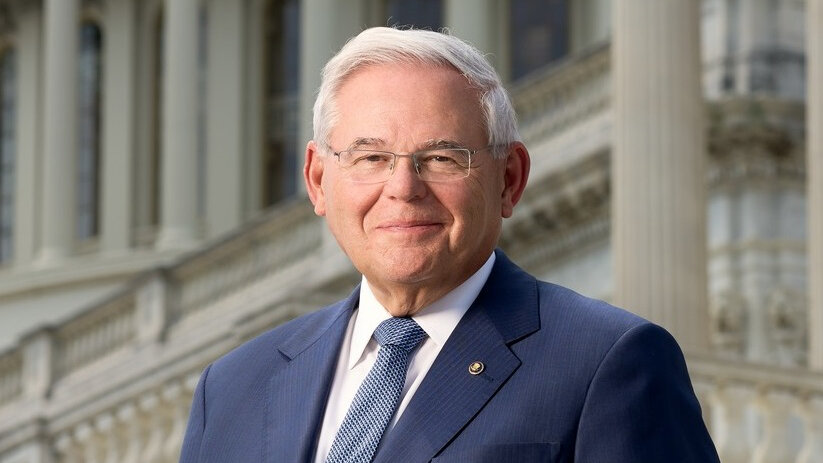
Bitcoin Critic Senator Menendez Charged With Corruption, Bribery - Decrypt Senator Menendez, a long-time critic of Bitcoin and other crypto for its alleged association with criminals, faces up to 20 years in prison if convicted. decrypt.co
Saved - October 21, 2023 at 5:22 PM

@Planetes360 - Planetes360

Pour les pouvoirs totalitaires, c’est un rêve devenu réalité. Lagarde ordonne le remplacement de l’euro par une version « espion » programmée. https://planetes360.fr/vos-economies-et-vos-libertes-sont-en-danger-imminent-prenez-les-mesures-suivantes-avant-quil-ne-soit-trop-tard/ via @PLANETES360
Pour les pouvoirs totalitaires, c'est un rêve devenu réalité. Lagarde ordonne le remplacement de l'euro par une version « espion » programmée. - PLANETES360 Cher lecteur,  Où étiez-vous le 9 Mars 2022 ? Lorsque le président Biden a envoyé le signal à tous les Gouvernements mondiaux que le moment était venu de débuter une nouvelle ère de contrôle total de tous les citoyens occidentaux… …Grâce au remplacement des monnaies liquides par des monnaies numériques espionnes. Ces logiciels espions devraient […] planetes360.fr
Saved - October 22, 2023 at 8:24 PM

@Observ0123 - The Observer

@Tablesalt13 Guess who is behind, the CBDC's... WEF... https://www.weforum.org/publications/central-bank-digital-currency-global-interoperability-principles

Central Bank Digital Currency Global Interoperability Principles The exploration of central bank digital currencies (CBDC) has gained significant momentum worldwide. This report analyses CBDCs from a regional perspective, identifying unique aspects and areas of alignment among jurisdictions. It highlights key principles that can serve as a basis for interoperable CBDC design, including trust, financial inclusion, payment efficiency, regulatory compliance, privacy, cybersecurity and more. weforum.org
Saved - December 5, 2023 at 11:39 AM

@Planetes360 - Planetes360

La Révélation Choc d'Elon Musk : Macron Impliqué dans un Scandale de Censure Mondiale https://planetes360.fr/la-revelation-choc-delon-musk-macron-implique-dans-un-scandale-de-censure-mondiale/?feed_id=106851&_unique_id=656ef71d2b2bb https://planetes360.fr/la-revelation-choc-delon-musk-macron-implique-dans-un-scandale-de-censure-mondiale/?feed_id=106851&_unique_id=656ef71d2b2bb
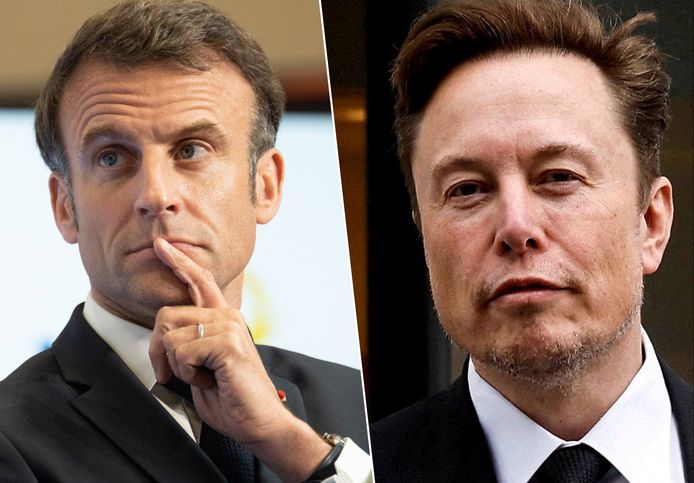
La Révélation Choc d'Elon Musk : Macron Impliqué dans un Scandale de Censure Mondiale - PLANETES360 Entre Manipulation et Contrôle, la Liberté d’Expression sous le Règne de Macron Dans une révélation fracassante, Elon Musk, le célèbre entrepreneur et PDG de Twitter, a mis en lumière un vaste réseau de censure mondiale impliquant divers gouvernements, dont celui d’Emmanuel Macron. Cette découverte soulève des questions alarmantes sur la liberté d’expression et la manipulation […] planetes360.fr
Saved - December 17, 2023 at 12:23 AM

@digitalassetbuy - Digital Asset Investor.XRP

"What's Joe Lubin's role in all this..."👀🍿👀🍿👀🍿 https://t.co/Zwe0fcAHaw

Video Transcript AI Summary
The speakers discuss the lack of transparency and conflicts of interest in Ethereum. They mention that there is little information about who is involved and how they are funded. They speculate about the roles of certain individuals, including Drew Lubin and Vitalik Buterin. They also mention that ConsenSys, an organization associated with Ethereum, received funding from various sources, including the Saudi government and JPMorgan. They question whether the Ethereum Foundation is run for the benefit of its users or for the benefit of a few individuals. They criticize the lack of transparency and accountability within the foundation.
Full Transcript
Speaker 0: What I am suggesting is that we're not revealing conflicts of interest and we should be doing that. We should have way more transparency than we have. Speaker 1: Because we pretty much know who every Bitcoin Core dev is funded, but I guess announced like, I don't know, Coinbase is sponsoring these 2 people. Human Rights Foundation. Human Rights of doing these projects, Gemini, it's pretty out there. Sure. Speaker 0: This is not really the case in Ethereum. There's little to no transparency around who these folks are in the 1st place or like how they're funded, basically. Speaker 1: Like, where's where's where's Drew Lubin's role in all this? He's the guy look, I'm not asking for any kind of accusations or but He's the guy I'm interested in because it feels like it's his project. Joe, it feels like Vitalik is the tech director and Like, he's the CEO. That's what it feels like to me. Speaker 0: Yeah. So what I know is that, he was involved, not from the very, very, very beginning, but shortly thereafter, like, which is to say, kind of like post white paper pre Genesys. He invested he was personally Paying, I think, probably for a lot of the expenses for the team during the initial process, because folks like Gavin Wood and Vitalik, probably Probably didn't much bring much to the team economically. He had Speaker 1: a lot of Bitcoin as well. Speaker 0: He probably had a lot of Bitcoin. Yeah. He had, you know, he had a background working in finance, etcetera. Like. Yeah, and he probably almost definitely invested very heavily into the presale, right, so he's definitely a large Ethereum holder. We know that he like, like I mean, I shouldn't say we know. My understanding based on secondhand information is that like he kind of single handedly funded consensus' operations for the 1st few years and consensus Built some pretty cool shit, so like that's probably good for the network. Speaker 1: Built some cool shit for Saudi government. Speaker 0: Is that true? I didn't know that. Oh, yeah, there was some partnership. Yeah. Well, look, consensus got really big, really quick and was doing a lot of things in a lot of places. I'm not super surprised. And then it went out to raise a lot of money at one point. Yeah, and I heard heard there was a big investment recently by JPMorgan or something. I don't know the details about that stuff. Interesting. Yeah, look, I think Joe is an interesting figure. I think consensus is an interesting like organization, I think from a governance perspective, it's interesting because it is a 2nd pole in influence to to the Ethereum Foundation, right. So when I was active, 2018, 2019, if you were building something, especially at the level 1, the layer 1, and you wanted like funding or support, you really had 2 choices, you either go to Vitalik or you go to Joe, Uncle Joe. Like uncle Joe. Yeah. Sounds creepy. I think it's a bit different now, right? There's more money and there's more like protocols and projects and like DeFi, for example, like people have deep Deep pockets, there are probably other sources of influence and funding. But yeah, look, I mean, he has been very influential for a long time in the project. He's been pretty open about that. Like, I don't know, is consensus mining? Is you personally mining maybe probably? But you said like you used Speaker 1: to work in hedge funds, you were like helping, like, you helping rich people get rich and you kind of felt you were doing the same Ethereum, like what specifically do you mean? Speaker 0: Well, this goes back to the presale and the pre mine. Okay. So that's 70% of the ether at that point in time and the value of the network was in the hands of One of our people, Joe, is probably the largest poll. Speaker 1: So do you believe the Speaker 2: Ethereum Foundation is run for the benefit of those people? Speaker 0: Like Of the of whom? Speaker 1: Of the The decision making of for Ethereum, do you think it's run for the users of Ethereum? Like, benefit or do you Speaker 2: think it's run for the benefit of those people? Speaker 0: I think the Ethereum Foundation is run at the Women's Vitalik Fittering. Okay, still. Like Yeah. I mean, again, as of 2 years, I have no idea what's happened since then. I think the governance of the foundation itself is structured in such a way, there's a certain number of like board seats. I think Vitalik has multiple votes. Like, there's little to no transparency, little to no accountability. Thank goodness, Vitalik is not a bad actor, right? I I think he's a good he's a decent human being and has the best interest of the network at heart. However, it's hypocrisy. And this is like this is, I said, but sort of pre mine was the biggest reason I left Ethereum. I think the 2nd biggest reason is hypocrisy. This is an important point to make. Ethereum, like. To the extent that there is like a sort of publicly stated mission, it's as I was alluding to before, it's about like building better human institutions that are more participatory, fair, more transparent, etcetera. Like. And yet, Ethereum governance itself and specifically the Ethereum Foundation is none of those things, right? There's no transparency, there's no accountability whatsoever, period.
Saved - January 28, 2024 at 2:29 AM

@StevenNerayoff - Steven Nerayoff

IS ETHEREUM A COVERT TOOL FOR GLOBAL DOMINATION? Uncovering Ethereum's dark origins shows an unprecedented financial scam involving U.S. & foreign governments with covert global powers. This scandal sheds new light on global power dynamics & calls for urgent accountability in crypto and government.

Video Transcript AI Summary
Nereof's revelations have sparked doubts about the SEC's credibility, hinting at possible corruption and difficulties in identifying true Ethereum ICO buyers. Comparisons to former SEC chair Joe Grundfist have raised concerns about the agency's integrity. Nirov also suggested that some investors in the Ethereum ICO may be hiding their true positions, casting doubt on the transparency of the process and its impact on Ethereum.
Full Transcript
Speaker 0: Nereof hinted at potential corruption within the SEC, challenges in identifying true Ethereum ICO buyers, and even personal persecution. Though vague, the revelations have already raised questions about the SEC's credibility. One of the critical points revolves around the integrity of the current SEC leadership. Niroff made comparisons with former SEC chair Joe Grundfist. This raised concerns about whether the agency upholds the same standards it once advocated. Furthermore, Nirov claimed it's challenging to identify the number of investors that participated in the Ethereum ICO, fueling speculations that some whales might be concealing their true positions. This revelation raises significant questions about the transparency of the ICO process and the potential implications for Ethereum.
Saved - April 18, 2024 at 12:03 AM

@loudmouthgrant - ✨iNCONVENiENT TRUTHS ✨

CEO of Telegram understands the scam. Do you? https://t.co/DjUA3c33xS

Video Transcript AI Summary
I don't care about money. I have hundreds of millions in Bitcoin but don't spend it on fancy things like real estate or yachts. My focus is on Telstra. I don't own big assets like an island in Hawaii because my priority is freedom.
Full Transcript
Speaker 0: For me, it was never about money. Right? So I have a few $100,000,000 in Bitcoin since 10 years ago and, I don't do anything with it. I don't own any, like, real estate jets, or yachts. I don't think those, this lifestyle is for me. I like to focus on what we are doing with Telstra. You don't own anything? Like, big assets. You don't own No big assets. An island in Hawaii or No. No, no, no land, no real estate, nothing. Why? Because for me, my number one priority in life is my freedom.
Saved - November 6, 2024 at 12:05 AM

@_whitneywebb - Whitney Webb

NEW w @markgoodw_in - The last article in The Chain series delves deep into FB + PayPal's efforts to create a "new world currency," the 2023 banking crisis + how coming regulation will facilitate their long-standing plans for digital currency dominance. https://unlimitedhangout.com/2024/10/investigative-series/the-chain-of-command-how-facebooks-libra-bank-regulators-and-paypal-built-a-new-world-currency/

The Chain Of Command: How Facebook's Libra, Bank Regulators, and PayPal Built A New World Currency Two companies closely tied to Peter Thiel – PayPal and Facebook – have embarked on apparently unsuccessful efforts to create a “new world currency.” Yet, upon further examination, those efforts have actually been wildly successful and many recent events of significant in finance – including but not limited to the 2023 banking crisis – have arguably been orchestrated to facilitate the vision of Thiel and his early allies and the creation of a new paradigm for currency, one where privately issued money meets surveillance. unlimitedhangout.com
Saved - December 8, 2024 at 2:24 AM

@pmarca - Marc Andreessen 🇺🇸

This is the system we have been living under. It's not the Constitution, it's something else. cc @elonmusk @VivekGRamaswamy

@davidmarcus - David Marcus

Here's the receipt of another dimension of the Libra kill job. Letters sent to all regulated entities that were members of the Libra Association. Stripe, Mastercard and Visa received this. Pay attention to the highlighted section threatening scrutiny on their entire business. https://t.co/fShSqVIQFW

Saved - February 16, 2025 at 1:38 AM
reSee.it AI Summary
Last night, the President of Argentina shared a contract address for the Solana memecoin "LIBRA," which peaked at over $4 billion before plummeting 95% in hours, leading to the tweet's deletion. A significant portion of the supply is concentrated in just two addresses, with the developer claiming over $20 million in trading fees. Currently, LIBRA-associated addresses hold over $100 million in USDC and SOL. Speculation arises about certain groups possibly having prior knowledge of the token's launch, linked to an advisory team member.

@arkham - Arkham

LIBRA-CONNECTED ADDRESSES EXTRACT >$100M Last night the President of Argentina, @JMilei posted a contract address of a Solana memecoin “LIBRA” LIBRA hit a max valuation of over $4 BILLION before falling over 95% in less than 6 hours, and the tweet was later deleted. Breakdown below:

@arkham - Arkham

70% of the supply is held in 2 addresses, while 15% of supply was directly deposited into Meteora LP by the Developer address. The developer address has claimed over $20M in trading fees from these deposits. Additionally, 7 different addresses received a total of 60M LIBRA tokens from the deployer - each of these addresses deposited LIBRA into liquidity pools and later extracted SOL/USDC.

@arkham - Arkham

Addresses connected to the LIBRA coin launch currently hold over $100M of USDC and SOL extracted from liquidity over the past 18 hours, mostly moved to separate holding addresses. LIBRA-associated accounts currently hold $57.6M USDC and $48.6M SOL.

@arkham - Arkham

Individuals on Twitter have also speculated about the possibility of certain FnF groups having access to details of the LIBRA token prior to launch, due to one such individual being a member of the advisory team.

@shady_oak1 - shady

saw some people talking about the last moments of rowdys stream today claiming he had prior knowledge about the @JMilei coin. Here is the last minute of rowdys stream and also the first minute of the coin. Presented without comment:

Video Transcript AI Summary
It's not just one thing that indicates if the volume is good at a certain point; it's intuition. It's a combination of socials, volume, holders, how many people have left, who's selling, and who's showing it. Wait, is this for real? Let me double-check... President of Europe... but this is old, from last week. Oh, no way! He just launched his stuff? How is this even possible? No, no, no, no, no!
Full Transcript
Speaker 0: How do you know the volume is good to eight, bro? You could see my question at terminate eight. Honestly, bro, it's intuition. It's not just one thing. It's a combination of socials, volume, holders, how much people have left, who's selling, who's showing it. What am I missing? This is surely not real either, but let me double check. President of Europe. Wait. This is old last week, though. Oh, shit. No way. You just launched it. No way. He just launched his shit. How even in this oh, no. No. No. No. No. No. No. No. No. No. No. No. No. No. No. No. No. No. No. No. No. No. No. No. No. No. No. No. No. No. No. No. No. No. No. No. No. No. No. No. No. No. No. No. No. No. No. No. No. No. No. No. No. No. No. No

@arkham - Arkham

Track the LIBRA Project with this custom entity: https://intel.arkm.com/explorer/entity/41e0907d-fcaa-47c4-940a-d097882dae2e

@arkham - Arkham

Register for the Arkham Exchange: https://auth.arkm.com/register Eligibility varies by jurisdiction. Users residing in certain jurisdictions, including the United States, will be excluded from onboarding.

Arkham Intelligence auth.arkm.com
Saved - February 16, 2025 at 8:43 AM
reSee.it AI Summary
Another shocking day as Argentine President Javier Milei launched a memecoin called LIBRA, claiming it would boost the economy. It quickly soared to a $4.5 billion market cap but crashed after insiders dumped $87.4 million, leading to a 90% price drop and the loss of $4.4 billion in just hours. Milei now claims ignorance about the project's details. The experience reinforces the importance of accountability and the need to be cautious with meme coins and those in power.

@Truthtellerftm - Truth_teller 🇷🇺

BREAKING: Another day, another J rips off investors. Argentine president and rip off artist Javier Milei shocked even $hitcoiners. Libra coin’s $4.4 billion value lost 95% within hours on February 14th, 2025. 🧵

@Truthtellerftm - Truth_teller 🇷🇺

What happened? • Argentina’s President Javier Milei launched a memecoin called LIBRA, claiming it would help the economy. • Within 1 hour, $LIBRA skyrocketed to a $4.5B market cap. The crash: • Insiders dumped $87.4M, triggering a 90% price collapse. • Just 5 hours later, $4.4B in market cap vanished. Did Milei take responsibility?

@Truthtellerftm - Truth_teller 🇷🇺

What’s the aftermath? • Milei now claims he is “not aware of the details of the project.” LESSON 1: There is no word for accountability in the Hebrew language! LESSON 2: avoid meme coins. Don’t trust J’s with your money!

@Truthtellerftm - Truth_teller 🇷🇺

They will lie to your face, rip you off and then tell you to move on! https://t.co/y1dV3miJfp

Saved - February 16, 2025 at 1:13 AM

@Tyler_Did_It - TylerD 🧙‍♂️

This wallet that sniped TRUMP early and made millions Was also early to LIBRA last night, buying at an average of $0.67. They cleared $4.9M in profits in less than an hour. Now up $22M over the last 30 days... https://t.co/sW9NvuogFW

Saved - February 16, 2025 at 2:14 AM

@beaniemaxi - Beanie

This is the group behind $LIBRA working directly with Meteora and KIP. Link is dead on Kelsier Ventures site now. But pulled from archives. Pictured is the CEO Hayden Davis and his dad Tom. Group was behind M3M3 scam, plus others. Insider info likely spread through Fantom Troupe. https://t.co/8g97b2rwWT

Saved - February 17, 2025 at 2:38 PM
reSee.it AI Summary
This week has been wild in the crypto world. NEAR Protocol accidentally livestreamed explicit content, leading to a 6% price surge. Vitalik's communism tweet boosted ETH by 5%. CZ's dog, Broccoli, became a marketing sensation, inspiring thousands of meme coins. The Central African Republic's token skyrocketed to $500M before crashing 96%, while Argentina's LIBRA coin hit a $4.5B valuation before plummeting 90% after liquidity was pulled. Amidst this chaos, there's talk of impeachment for Argentina's president, with investigations into potential insider connections.

@Deebs_DeFi - Deebs DeFi 🛰

WTF. How does this all happen in one week? Not on your phone 24/7? Here is a quick TLDR on the the 6 craziest events in crypto.🧵 https://t.co/XRM6D7Ply0

@Deebs_DeFi - Deebs DeFi 🛰

2/NEAR protocol accidentally shows p0rn during a livestream. NEAR jumps 6% in price shortly after. (We work in a serious industry)

@CoinGapeMedia - Crypto News (CoinGape)

🚨JUST IN: Former @NEARProtocol manager unintentionally livestreams nude footage during a public call, prompting a response from Near Protocol as the $NEAR token surges 6%.🚀 #NearProtocol #CryptoMishap https://t.co/4v4zVZ5XcD

@Deebs_DeFi - Deebs DeFi 🛰

3/ The Vitalik tweets about communism. ETH goes up 5%. (I didn't know it could go up)

@VitalikButerin - vitalik.eth

@owocki @ameensol make communism great again Milady

@Deebs_DeFi - Deebs DeFi 🛰

4/ CZ doxxes his dog "Broccoli" as a marketing play to bring more liquidity to BSC. It works. Degens launch 1000s of Broccoli coins as a result.

@cz_binance - CZ 🔶 BNB

Broccoli's Story A year and a half ago, I casually chatted with a friend who owned a (real) zoo in Dubai. Curious, I asked what dog breed is adapted to the Dubai summer heat. I had no plans to get a dog. Later that evening, my doorbell rang, and a young Belgian Malinois showed up, with his own passport, courtesy of the zoo friend. I wanted a name that starts with B and has some green in it, so I named him Broccoli. It also has a blocky sound, as in blockiichain. Can't get away from crypto, haha. Broccoli's passport says he was 3 months old, but a vet said he was more like 11 months old, given how his teeth have grown. Regardless of age, Broccoli bonded with me quickly. Broccoli (like me) was not properly socialized. He doesn't socialize with other dogs much. (Like me) Broccoli is scared of everything. If you throw a ball at him, instead of chasing it, he runs away like a plague. On top of that, (unlike me) Broccoli was not toilet trained, so there was dog piss and poo all over the place. Broccoli has lots of energy. Walking doesn't drain enough of his energy, so I bought a $200 bicycle from Amazon to “walk” him. He jogged for an hour (15km) on the first run without stopping. His stamina is impressive. These hour-long bike rides provided a good break for me from the intense negotiations with the DOJ back then. After being away for almost a year, Broccoli remembers me well and always wanted me to pat his head. Broccoli is a strong and confident dog now. If you had asked me before last night, I would never have imagined that Broccoli would be part of the blockchain ecosystem. But here we are. There is never a dull day in crypto. I am just posting my dog's picture and name. I am NOT issuing a meme coin myself. It's up to the community to do that (or not). I will likely interact with a few of the more popular meme coins on BNB Chain (BSC). The BNB Foundation may provide rewards for the top memes on the BNB Chain, giving LP support or other rewards. The details are still being discussed. More to come. Pictures: Broccoli 18 months ago, his teeth 18 months ago, and today.

@Deebs_DeFi - Deebs DeFi 🛰

5/ President of the Central African Republic launches a token from twitter. The token pumps to $500M. Concerns about token supply arise. Twitter gets suspended/ website goes down. Token crashes 96%. https://t.co/m9XpWSxvQK

@bubblemaps - Bubblemaps

JUST IN: 🇨🇫 The bubble map of $CAR mostly matches the distribution on their website https://t.co/dl6c25JIDY

@Deebs_DeFi - Deebs DeFi 🛰

6/ The President of Argentina, Javier Milei, launches a coin: LIBRA. This coin pumps to a $4.5B valuation. Dev wallets pull liquidity and make over $87M. The token crashes 90%. https://t.co/Gp0Vk5d5lV

@bubblemaps - Bubblemaps

$LIBRA TEAM IS CASHING OUT They already made $87M by removing USDC and SOL from liquidity pools https://t.co/aiDmODKi6o

@Deebs_DeFi - Deebs DeFi 🛰

7/ Days after LIBRA's launch, reports circle of possible impeachment for Milei. Meanwhile, independent sleuths launch investigations of their own. They draw possible connections to crypto insiders who helped with the launch. https://t.co/Q4ic3V39jr

@shoucccc - 炒饭兽 (svm/acc)

Here is my analysis. Everything is onchain. Maybe inaccurate. If something is not correct, please DM me. https://t.co/95lKDMh30A

@Deebs_DeFi - Deebs DeFi 🛰

8/ If you enjoy quick TLDRs and want them more, let me know below. A comment goes a long way. https://t.co/2etSoToqqT

@Deebs_DeFi - Deebs DeFi 🛰

WTF. How does this all happen in one week? Not on your phone 24/7? Here is a quick TLDR on the the 6 craziest events in crypto.🧵 https://t.co/XRM6D7Ply0

@Deebs_DeFi - Deebs DeFi 🛰

9/ Testing something. Yaps. @KaitoAI

Saved - February 17, 2025 at 3:38 AM

@kmoney_69 - kmoney

so the 2 coins that have completely gutted and extracted the meme coin space were deployed by the same team? straight to fucking jail https://t.co/lKdbqf68k3

@bubblemaps - Bubblemaps

1/ How $LIBRA was created by the same team behind MELANIA and other short-lived coins Featuring new onchain evidence A thread with Coffeezilla 🧵 ↓ https://t.co/gNwj97KapF

Saved - February 17, 2025 at 12:38 PM
reSee.it AI Summary
I shared a snippet from my interview with Coffezilla where I discussed sniping, particularly in relation to the LIBRA launch. I was also asked about whether MELANIA faced similar issues. For those interested, the full interview is available to watch.

@coinbureau - Coin Bureau

🚨BREAKING: Snippet from a Coffezilla interview of Hayden Davis (involved in LIBRA launch) on sniping. Make of the answer what you will👇👇

Video Transcript AI Summary
When we snipe a coin we launched, it's usually to prevent other snipers from getting in. I don't personally conduct snipes, but the money used is the project's, aimed at deterring others and maintaining the project's viability. For example, Trump coin had enough volume that the snipes didn't matter, but when projects don't have enough volume to deter snipers the project can die quickly. So sniping becomes necessary to protect the project. This is a common conversation in Solana. I think this happens in all meme coins. The public isn't really aware of these behind-the-scenes activities, where projects manipulate their own prices to keep them stable. This is just me being super transparent, maybe it's oversharing.
Full Transcript
Speaker 0: Like, a a lot of this has turned into some of the wallets which are being, linked back to you are, like, linked to wallets which sniped the coins that you launched. Right? So Cool. In the case of Libra, there's the wallet which Dave got refunded by, which is according to him, your personal funds, was linked to an avalanche wallet which was funded like a sniper of Libra. So but if you but if you launch the coin, isn't it unfair for you to snipe the coin? Speaker 1: So, I would say no. And I and I I would say that for a couple different reasons. Number one, a lot of the times when and, again, this is like I mean, again, it's a much larger conversation, which is what I told you in text. But, most of the time when worse a, I have lots of I have I have different money in different places, obviously. But from the standpoint of sniping, most of the time when we're sniping, we're attempting to avoid other snipers getting in. Right? So whether that's and I by the way, I don't conduct snipes. I'm not a dev. I just wanna throw that out there for like, I don't even know how to. I don't I'd like, if if you told if you if you put me in front of a computer and had me try and figure out a snipe, I don't I don't even know what I've never done a bot. I don't know any of that shit. Speaker 0: But you you you're not denying that wallets linked to you, Snipe Libra. No. But you're just saying you didn't do it. Speaker 1: Linked to the project. I wouldn't say linked to me. I would say linked to Speaker 0: Linked to the the wallet which refunded Dave, which Dave said was your personal funds. Speaker 1: That just so that just happened to be at the time of stress where we moved money from, but that was just a mistake. I mean, if if anything. Because, like, what like, in in that particular case, all I would do is, like, that money, when it went back into the chart, it would just flow through another wallet back into the chart. Like, that money that money that we consider sniping, quote, unquote, is the project's money. Right? That's how we, that's how we do it for, I mean and anytime we've done it, that's how we do it. And the the most of the time, the snipe is to deter. And if there's enough volume on the project, we use it so that it has the ability to continue on. And I think that's very hard for people to understand. Speaker 0: I will I I will agree with that. I think that is going to be hard to understand. Speaker 1: Because because you have, like like look. Right? You have and I'll give you a great example. If you look at Trump and you look at the snipes. Right? Trump had so much volume. The snipes didn't matter. They they made zero difference. Speaker 0: No. That well, wait. Hang on. That's not true. There was a guy who sniped early for $1,000,000. The big crash in Melania that everyone attributes to Melania was actually that sniper selling, like, tens of millions of dollars. Of course. Speaker 1: Like like the one that did, like, 84 mil. Right? That one. Yeah. Yeah. I well, yeah. Yeah. I mean, I we we we argue all day. My point is sniping when you're the team, I'm not saying it always should happen, but I'm saying a lot of times it's to protect. And and if there's enough volume, take some off so that people can have a chance to pump the chart back up. Because with meme coins, they go up and down so fast. These projects can get killed in two days, and the only hope is that you have enough of a treasury to go and try and beat the snipers. This is a conversation that goes on with everybody in Solana. Everybody that knows how these launches work, that is the conversation. Speaker 0: Do you think the public knows that when a project launches, the project is gonna snipe the project? Because it it like, it being the most charitable, right, which I'm just gonna really stretch my brain and be super charitable here and say, all of this money is not being intended to be profit. It's all for the project. Right? I think Yes. The public not knowing that, like, you have these, you know, clandestine activities with these, like, side wallets going on is inherently, like, kinda messed up. And, like, the project is controlling the project's price. It is like a weird kind of price manipulation where you go like, oh, if it's too high, we'll clip some off the chart. And then also, it kinda makes the whole idea of the the team having a treasury wallet kinda pointless because it seems like you also have a sniping wallet treasury. And so and the public has, like, zero clarity into what's going on here. This, I mean, just to be clear, do you think this happens a lot? Speaker 1: I think, I I I think that that this is all that happens in all of meme coins ever unless they completely die, and then they get CTO'd, and hopefully nobody fucks it up. But I think, like, this is this is just me being super transparent. Maybe it's oversharing. I don't really give a shit.

@coinbureau - Coin Bureau

Here’s when Hayden was asked about launching MELANIA and if it was sniped too https://t.co/Tnn3r144SZ

Video Transcript AI Summary
Okay, so you're asking if I was part of the Melania launch, and if it was sniped like Trump's? Yes, I was part of it. The team wanted to snipe it because of the Trump situation, but we weren't the big snipers. We didn't make any money from it, and we didn't take any liquidity out – zero. Regarding the wallet traced to the Portnoy situation that received $1,500,000 of Melania token, and then sold, there's a distinction. We didn't swap liquidity, but we did sell liquidations. Those are two different things. So yes, we sold, but we didn't swap.
Full Transcript
Speaker 0: Look, I mean, obviously, I know this is a bit of a sensitive topic, but I have to ask because, you know, this is part of what my story is about. You know, a lot of people have linked you to the Melania launch, and that is a big question on everyone's mind, mine especially, which is, were you part of the Melania launch, and was that sniped as well? Speaker 1: I mean, look. I think that I'm I mean, I told you, like, beforehand this but before this started, you know, I mean, I'm I'm happy to share the truth. But, I mean, you're you're you're you're you're asking a question that's, it's just I mean, I'll answer, but it's, it's factually going to put me in into a lot of danger, which is fine. I'll answer. I was part of it. I think the the team did want to snipe it because of how big the snipe was on Trump's. And we weren't the, we we definitely weren't the big sniper. We'd we were not the the the that was what we were trying to avoid. And, we didn't make any there was no money made from the Melania team on any we didn't take any liquidity out. Zero. Speaker 0: Okay. Wow. That's, like shocking news, but I want to zoom in on that point. We said, like, well, we didn't take any liquidity out. One of the wallets we traced to the Portnoy thing, the Portnoy, you know, thing, your wallet sit or not I don't know if it's your wallet. Whoever's wallet that was sent money to a wallet which had, like, got sent $1,500,000 of Melania token from something called Melania dash liquidity two dot sol. And then that wallet seemed to sell Melania tokens, that it received for free. So you said y'all didn't sell any liquidity, but I I I don't Didn't Speaker 1: didn't didn't swap liquidity. Didn't swap liquidity. Didn't swap into single sided. I didn't say there was no, there was no money sold. There's a difference between swapping the liquidity and and selling liquidations. Those are two different things. Speaker 0: Okay. So y'all swapped. You didn't sell. Or the other way around? Speaker 1: No. Other way around. Other way around. Speaker 0: Sold. You didn't swap. Speaker 1: Yeah.

@coinbureau - Coin Bureau

Watch the full interview here👇 https://www.youtube.com/watch?v=EqizJTbxAEM

Saved - February 17, 2025 at 12:56 PM

@GinoTheGhost - gino.eth 💽

Hayden reveals to @coffeebreak_YT that he’s holding $100,000,000 hostage from the $LIBRA scam as leverage against President Milei https://t.co/ux8E3E9qJC

Video Transcript AI Summary
I have access to a hundred million dollars, and while that is correct, it's also my leverage with certain groups and parties. The fact that I have control is also what's making me a target and protecting me. This isn't some random scam; this is an international incident, not your run-of-the-mill scam. It involves the president of Argentina. Now I have to protect my whole family. This isn't just some random scam; it's my leverage, the most insane interview, the control I have.
Full Transcript
Speaker 0: Do have access to a hundred million Sure. But that's also yeah. Correct. But if I'm being extremely transparent and honest, that's also my leverage with certain groups and parties. Right? The the the part the the fact that I have control is also what's making me a target and also protecting me. Speaker 1: He is holding a hundred million dollars hostage. He's holding he's holding a hundred million dollars hostage from the president of Argentina? Speaker 0: Because this is an international incident. This isn't like some random fucking scam. This isn't a scam. Speaker 1: Yeah. It's This is a This isn't some random fucking scam. This is an international scam. Look. Look. This isn't your fucking this isn't your run of the mill mom and pop shop scam. This ain't your daddy scam. Alright? This is an international scam Speaker 0: with the president of Argentina. Of course not. But now now now I have now I have to protect my whole fucking family. Speaker 1: Yeah. Speaker 0: No. Well, the first thing you should do is get the money out of your Oh, Speaker 2: no. Wait. Wait. Wait. Wait. Wait. Wait. Wait. Wait. Wait. Wait. Wait. Wait. Wait. Wait. Wait. Wait. Wait. Wait. Wait. Wait. Wait. Wait. Wait. Wait. Wait. Wait. Speaker 0: Wait. Wait. Wait. Wait. Wait. Wait. Wait Speaker 1: This isn't just some random fucking scam. Speaker 0: My leverage with certain groups and parties. Right? Speaker 1: This is the most insane interview Speaker 0: I control.
Saved - February 17, 2025 at 1:56 PM
reSee.it AI Summary
This weekend, Javier Milei launched the $LIBRA memecoin with Kelsier Ventures to fund Argentina's development, reaching a $4.5 billion FDV before plummeting to $300 million as 95% of the supply was revealed to be unlocked for insiders. Kelsier Ventures profited over $110 million, while Milei now faces fraud charges. Insider KOLs, including Dave Portnoy, were involved in promoting the coin. Kelsier's founder, Hayden Davis, admitted to leveraging LIBRA funds and insider payments in a Coffeezilla interview. The SOL ecosystem has seen a decline since the launch, with ETH and BNB outperforming.

@rektmando - Mando

so TLDR on $LIBRA from this weekend: Launch - Javier Milei launches memecoin with help of Kelsier Ventures - Coin aims to 'fund Argentina's development' - Coin runs up to $4.5bn FDV on huge volume - Launched with a single-sided LP via Meteora, then liquidity gradually removed at higher prices - Coin begins to fall as it becomes clear 95% of supply is unlocked to insiders + team - Kelsier Ventures make $110m+ from the LP & coin sales - Milei then distances himself from the coin and it crashes to $300m - Milei has now been charged with fraud in Argentina for his involvement KOL Involvement - Several insider KOLs knew the launch was coming - Several insider KOLs were paid to promote the coin - Dave Portnoy was paid to promote but reimbursed his allocation - Portnoy was still reimbursed for his trading losses on the coin - Influencers are listed as partners of Kelsier Ventures on website - Lots of rumours of screenshots showing which KOLs were involved and to what extent Coffeezilla Interview - Kelsier Ventures founder Hayden Davis went on Coffeezilla to talk about launch - Davis is doxxed and living in LA - admits to sniping supply of LIBRA alongside the massive team allocation - using $110m+ from LIBRA as leverage in negotiations - admits to using insider KOLs payments & tip-offs - appears Kelsier were also involved MELANIA + several other recent pump & dumps - admits to sniping MELENIA and selling via LP - claims insiders in TRUMP were allowed to buy at $500m FDV pre-launch at a crypto dinner Meteora, Jupiter & Moonshot - Moonshot, Meteora & Jupiter admit to knowing about LIBRA beforehand - All claim no insider trading was done by their teams - All claim proper listing procedure was followed - Lots of rumours of leaks to insiders on previous launches linked to Kelsier + Meteora - Meteora CEO seen commenting on posts with Kelsier Ventures weeks ago SOL Ecosystem - SOL is down about 10% since the launch - Lots of commentary that this the end of the SOL casino (for now) - ETH & BNB have begun to outperform - Many SOL DeFi coins down 10-20% - Many SOL memes & AI down 20-40%

Saved - February 17, 2025 at 6:25 PM

@deanbulla - Dean Bulla

Here’s 3 wallets insider trading $LIBRA right before the @JMilei retweet Milei just unretweeted and the wallets sold with profit. What has this space come to man They don’t give a single fuck. It’s almost like a statement. https://t.co/sj8GZDF9Nf

@deanbulla - Dean Bulla

@dethective credit ^^

Saved - February 21, 2025 at 12:25 AM

@upholdreality - COMBATE |🇵🇷

Milei refuses to apologize for $LIBRA memecoin scam: "If you went to a casino and lost money, what's the complaint?" On promoting the scheme: "I didn't promote it, I spread it... I used my personal account" "But you're the president" His lawyer then interrupts the interview https://t.co/ojncW9jVDo

Video Transcript AI Summary
If you go to a casino and lose money, what's the complaint? You knew the risks involved. It's a problem between private parties, with no state involvement. Those who participated did so voluntarily. I only diffused it, I didn't promote it. Our Minister of Justice, Mariano Acuña Olivarona, will handle the judicial strategy. He understands this matter. It's important to note that I tweeted about this from my personal account as a citizen. Yes, I am the president, but it was from my personal account. I am aware of the trial and remain calm regarding it.
Full Transcript
Speaker 0: La la realidad es, si vos vas al casino y perdés plata. Speaker 1: Sí. Speaker 0: Digo, ¿cuál es el reclamo? Si vos sabías que, digamos, tenía esas características. Es decir, entonces, es muy interesante que aquellos que participaron en eso, no solo que lo hicieron voluntariamente, es un problema entre privados, porque acá el estado no juega ningún rol, digo que eso quede claro, y además, lo hicieron voluntariamente. Speaker 1: Y está bien, el presidente lo promocione eso. Speaker 0: Yo no lo promocioné, yo lo que hice, lo difundí. Bueno, es lo mismo. No, no, no es lo mismo, no es lo mismo. Speaker 1: No, no, no es lo mismo. No, no, no, no, no es lo mismo. No, no, no, no es lo mismo. No, no, no, no es lo mismo. No, no, no, no, no, no, no, no, no, no, no, no Speaker 0: mejor entiendan el tema es nuestro ministro de justicia, Mariano Acuña Olivarona. Speaker 1: Él va a seguir toda la la la estrategia judicial, entre comillas. Speaker 0: Digamos, bueno, es el ministro de justicia, o sea, digamos, es el que entiende de de esta obra. Speaker 1: No, pero como es un tema en el cual estás, participaste vos como ciudadano, además como presidente, por eso te lo pregunto. Speaker 0: Pero de vuelta. Es bueno que lo señeles como ciudadano, porque tuitees desde mi cuenta personal. Speaker 1: Pero ya te diste cuenta que no, que sos presidente. Bueno. Speaker 0: Porque lo dijiste antes. Pero sí, pero mi cuenta es mi cuenta personal. Está bien, pero sos el presidente. Fijate que dice mi cuenta de Twitter, Speaker 1: Abrilla. Economista, sí, ya sé. Ok. Pero sos el presidente. Sí. ¿Qué? ¿Con esa parte? Sí, no sé cómo no sé cómo venía. Bueno, ok, ok. Sí, sí, sí, estoy que sí, yo sé porque por el juicio. Sí. Speaker 0: Claro. Claro. Claro, sí, obvio. Speaker 1: Sí, yo yo entiendo, me di, me doy cuenta, te te puede tranquilo judicial.
Saved - February 5, 2026 at 11:55 PM

@GlobalDiss - Global Dissident

🚨🇫🇷 MACRON EXPOSED: New Epstein files show Macron’s name appears 200+ times. A shocking 2017 message attributed to Brunel claims: “The new French president likes young boys.” https://t.co/DI1PHs2AI6

Video Transcript AI Summary
The U.S. Department of Justice published 1,000,000 new documents in the Epstein case, the largest release since the Epstein dossiers transparency law. The declassified files mention hundreds of famous names. The French president Emmanuel Macron is cited more than 200 times across the documents. The most shocking reference linked to Macron appears in correspondence between Jeffrey Epstein and his French associate, Jean-Luc Brunel. In a message dated May 17, 2000, Brunel writes to Epstein: “the new president of France will organize a party avenue Fauche. I’ll bring some boys. He likes young boys.” Epstein replies: “Too young, I would say that’s fine. We know what he likes.” Macron’s inauguration as president took place on May 14, 2017, four days after the presumed date of the message exchange. Jean-Luc Brunel, a notorious accomplice of Epstein, died by suicide in a Paris prison two years after Epstein’s own death. It is noted that Epstein owned a Paris apartment complex located at 22 Avenue Foch.
Full Transcript
Speaker 0: Le ministère américain de la Justice a publié des 1000000 de nouveaux documents dans l'affaire Jeffrey Epstein, condamné pour des crimes contre des mineurs. Il s'agit du plus grand nombre de documents rendus publics depuis l'adoption de la loi sur la transparence des dossiers Epstein. Les dossiers déclassifiés mentionnent des centaines de noms célèbres. Le nom du président français Emmanuel Macron est mentionné plus de 200 fois dans les dossiers. La mention la plus choquante du président français a été découvert dans la correspondance entre Jeffrey Epstein et son complice français Jean-Luc Brunel. Dans un message envoyé à Epstein le 20 mai 2000 dix-sept, Brunel écrit, le nouveau président français organisera une fête avenue Fauche. J'amènerai quelques garçons. Il aime les jeunes garçons. Epstein répond Trop jeune, je dirais que c'est bien. Nous savons ce qu'il aime. La cérémonie d'investiture de Macron à la présidence française a eu lieu le 14 mai deux-mille-dix-sept, 4 jours avant la date présumée de l'échange de messages. Jean-Luc Brunel, complice notoire d'Epstein, s'est suicidé dans une prison parisienne 2 ans après le suicide d'Epstein. On sait qu'Epstein possédait un complexe d'appartements à Paris situé au vingt-deux avenue Foch.
View Full Interactive Feed