TruthArchive.ai - Related Post Feed

@thecarnivorebar - The Carnivore Bar
The Carnivore Diet will fix your relationship with food. MEGA THREAD ON EATING MEAT 🥩💪: https://t.co/yIL48IvCDs

@thecarnivorebar - The Carnivore Bar
The Carnivore Diet has many different names. •The Meat Diet •Zero-Carb Diet •Animal-Based Diet •The Elimination Diet The basis of the diet is this: https://t.co/nHNnw0ttAB

@thecarnivorebar - The Carnivore Bar
SOME HISTORY: Shawn Baker went on the Joe Rogan Experience in 2017. People said he was crazy. https://t.co/jJPtB9BlS5

@thecarnivorebar - The Carnivore Bar
Joe Rogan at the time was not confident that you could be healthy on this diet. But he came around to the idea: https://youtube.com/shorts/1A09QRvyMYs?feature=share
@thecarnivorebar - The Carnivore Bar
WHY PEOPLE SUFFER: The processed food environment created by big-food companies. Thy target young kids: - Mascots - "Family size" - Colorful packages - TV spots and commercials Hooking them when they are young to be lifelong consumers. https://t.co/xBWEtSGD49

@thecarnivorebar - The Carnivore Bar
Kids are getting hooked in mass numbers. Children's obesity is becoming a major problem: https://t.co/CZNRREJZAZ

@thecarnivorebar - The Carnivore Bar
WHAT IS HARMFUL ABOUT IT? The Standard American Diet (SAD) leads to glucose spikes. People are craving the next hit of sugar or carbs. From foods like these: https://t.co/kxnwelVWQI

@thecarnivorebar - The Carnivore Bar
Fewer than 12% of Americans are considered "metabolically healthy". People are addicted. This is why calories-in-calories-out fails for most people.
@thecarnivorebar - The Carnivore Bar
Luckily there is a SOLUTION! Simplify your diet. Eat the most nutrient-dense foods first: MEAT. https://t.co/OmhIUFavab

@thecarnivorebar - The Carnivore Bar
Here are some of the benefits of eating more meat: - Reduced cravings - Less food focused - Re-wiring your taste buds
@thecarnivorebar - The Carnivore Bar
Plus, better mental performance. Your mental clarity will increase with a simpler diet with less inputs coming in. Just get the body what it craves: https://t.co/bB1RyTu5IT

@thecarnivorebar - The Carnivore Bar
Not to mention you can still find variety: - Beef - Bison - Wild game - Chicken - Seafood - Turkey - Lamb They are many options for where to get your protein. https://t.co/7K0WAnACxH

@thecarnivorebar - The Carnivore Bar
By giving your body the nutrients and nourishment it needs, the body starts to heal. During the first few weeks you may notice: - Less body fat - A normal appetite - Better body composition These are all signs your body is healing.
@thecarnivorebar - The Carnivore Bar
Then continue to ride the wave. The Carnivore Diet resets what the body craves for fuel. Switch off the processed garbage. To real food: https://t.co/b2ytAWqg5F

@thecarnivorebar - The Carnivore Bar
Here are some great resources: The Carnivore Diet by @SBakerMD https://t.co/61scHfdyDC

@thecarnivorebar - The Carnivore Bar
The Big Fat Surprise by @bigfatsurprise https://t.co/XHCWvp92Z1

@thecarnivorebar - The Carnivore Bar
We hope you've found this thread helpful. Follow us @thecarnivorebar for more. Like/Retweet the first tweet below if you can:

@BiggestComeback - Chris S. Cornell
From the journal of a formerly fat guy who discovered the ketogenic diet at age 58 (by yours truly): My first real experience with the ketogenic diet came years after I went "low-carb" & sustainably lost 80 pounds... I was very fortunate to have found the low-carb diet in early 2018 at age 54, and I used it to sustainably lose 80 pounds of body fat. But “low-carb” worked so well for me that I never really learned about the benefits and power of a true ketogenic diet. That all started to change when I was first introduced to Annette Bosworth, MD, who delivered a compelling presentation titled “Why Average Glucose Matters Most” at the @lowcarbusa 2023 Symposium for Metabolic Health in Boca Raton, Florida. The presentation focused on the critical importance of A1c, a snapshot of one’s average blood sugar levels over a period of about 2 to 3 months. Unlike daily glucose tests, which provide immediate but transient data, the A1c test provides a longer-term view of how well blood sugar is being managed. “We have learned that one number, A1c, is extremely good at predicting your life expectancy,” she told me. Higher average glucose levels lead to a long list of chronic diseases, she explained, and a ketogenic diet can be used to bring those glucose levels down. Dr. Bosworth said her discovery of the benefits of the ketogenic diet caused her to rethink much of what she learned in medical school. “In today’s world, we’ve all relied too much on what the guidelines say, instead of opening our eyes and asking which of our patients are healthiest, and what are the behaviors and strategies we can be using to create more of that?” I found her presentation fascinating, and was curious about whether the ketogenic diet might provide me with some additional health or quality of life benefits beyond those I had already achieved by eliminating most sugar, processed carbohydrates and seed oils from my diet. Between sessions, I had the opportunity to get her feedback on a number of my questions, and she encouraged me to give the ketogenic diet a try. As someone with at least a couple autoimmune conditions (including vitiligo and sarcoidosis), I was interested in whether therapeutic ketosis might be beneficial. And I was also extremely curious about whether I would be able to employ the ketogenic diet while training for my first marathon. Dr. Boz assured me that she would recommend the ketogenic diet to me if I were her own brother, and she predicted the diet would have no ill effects on my running. I decided to enroll in her 21-Day Metabolic Kick online course, and the experience was enlightening to say the least. Here are a few of the things I took away from the course: 1) Keto-Mojo GK+ Blood Glucose & Ketone Meter - Through the structured online classes, I quickly learned how to properly use the Keto-Mojo meter and app. I am not always great when it comes to making the best use of apps and technology, but this class got me up to speed on the very first day. 2) Support and Accountability - Each student was placed in a class, and my instructor was Sandra, who was determined to make sure that each of us got as much out of the class as possible. In our daily classes, Sandra reviewed course material, answered questions, and provided insights related to our blood and ketone readings (which were available through our shared dashboards). Going through this as a group was powerful, and made the various assignments (including 40+ hour fasts and an 80-hour sardine fast) seem so much more managable. 3) Benefits of Fasting - Although I was very familiar with time restricted eating (I have been doing 16:8 intermittent fasting most days for several years), I had never before fasted more than 24 hours. During this three-week course, I discovered that longer fasts were nowhere near as difficult as I’d imagined. After passing the 24-hour mark, I was extremely surprised at the lack of hunger and cravings, and how much energy I felt. In fact, I did several training runs during the two fasts as well as the sardine fast, and my times were fast and energy levels were high. I also experienced high levels of focus while working, something I found surprising. I had expected to be distracted by thoughts of my next meal. 4) Learning About Benefits of Ketosis - In the daily sessions with Dr. Boz, we learned a wide variety of things related to the benefits of therapeutic ketosis, and there were many case studies presented, involving others who had used keto to overcome a wide range of medical conditions. By the end of the 21 days, I possessed a solid understanding of how to get into ketosis and how to use the information in my Keto-Mojo app. I completed my first marathon in Los Angeles about a month after finishing the 21-Day Metabolic Kick, and have used what I learned regularly over the past six months. Whereas I had been consuming 50-90 grams of carbs daily before taking the course, I have typically been consuming 30-60 grams of carbs over the past several months. I also now frequently have days where I go below 20 or 30 grams of carbs. In retrospect, I wish I had discovered Dr. Boz at the beginning of my low-carb journey, because I think I could have benefitted from this knowledge earlier on. Here are a few of the journal entries I wrote while taking the course. These were shared with my classmates: Learning on the Run - As we near the end of our first week, I want to acknowledge how much this course has already helped me. A few days ago, I completed my first-ever fast longer than 24 hours, something I never envisioned being to do. I have also been concentrating on getting more (& better) sleep. Today, I ran 16 miles (my farthest run ever). I started the run 12 hours fasted, & consumed about 30 grams of carbs over the last 8 miles. After the run, my glucose was 84 & ketones were 1.1. I’m really learning a lot from the Keto-Mojo app. The week prior to the class, I experimented pushing my daily carbs down from 80-90 grams to around 50 grams. Now, after talking with Coach Sandra, I’m trying to push the carb numbers lower, to around 20/day if possible. It may have to be a little higher on long run days. Looking forward to the sardine experiment (in a twisted sort of way😂). Also looking forward to the next fast (& a little scared). Hope you all have a great weekend! Running on Sardines - Although I must admit I’m getting sick of sardines, I want to share how amazing I’m feeling physically right now, more than 60 hours into this zero-carb experiment (last carbs I had was 11 pm Saturday night). I just returned from a 4-mile run, my fastest 4-miler in ~35 years. I haven’t yet eaten anything today, yet my energy levels are extremely high. I was actually planning to stop my sardine fest at midday today (48 hours) but I’ve just decided to stick it out for the entire 72 hours. I really appreciate all I’m learning (I was truly a novice with respect to ketones & metering, etc), & grateful to Coach Sandra Case-Reeves PHC (& of course Dr. Boz). Looking forward to seeing my ketones get back above my glucose again this afternoon. Fasting Thoughts - Just looking back on the end of my sardine fast. I broke my fast with bacon and eggs and it was glorious. Went back to about 25 carbs for the day, mostly in the form of blueberries and yogurt. I continued to feel great throughout the day. My eating window did not really change too much during the sardine fast (although I was definitely getting tired of eating sardines). Looking Back on the Past 21 Days - I had serious doubts about experimenting with fasts & the ketogenic diet while training for my first marathon at age 58. A couple of people said I was crazy. It turned out that this course actually helped me learn some important things about fueling my marathon, & my performance has improved significantly over the past 3 weeks. More importantly, I’ve learned some very important things about fasting and ketones that I’m confident will help me in other areas of my life moving forward. I wish I’d known some of what I learned during this course back in 2015 when I weighed 278 pounds. Up until 3 weeks ago, my longest ever fast was 24 hours & I didn’t believe I could voluntarily last any longer. Since then, I completed an 80+ hour sardine fast & two 40+ hour water fasts. The energy & focus I derived was incredible, and I set a couple of personal bests on 4-mile runs during those fasts. I plan to continue working on these fasts over the next few weeks as my marathon approaches (March 19 in Los Angeles). I’ve reduced my daily carb intake to less than 30 grams most days (down from 50-90 per day), & I’m feeling great. After the marathon is done, I’ll be experimenting further to see if I can benefit from getting my DBR even lower than the 41 I achieved a couple of days ago. I found great value in both the daily lectures and the classes. Sandra is an excellent coach & my classmates were great. The process of learning together & sharing the experiences along the day is amazing. I’ll be writing more as I take a step back and review my notes & data. Quite sure I will see many more benefits from this course in the coming months and years! Wishing you all the best in your respective health & life journeys. The above is from an article I published on LinkedIn this past August. Let me know if you'd like the link or if you have any questions.

@Gary_FStop - 🇺🇸WilsonCombat1911🇺🇸
@BiggestComeback @AnnetteBosworth @KetoMojo Many like yourself see great results with KETO. I tried KETO, but I have experienced better results especially now at age 70 on Carnivore. Still lifting 4x a week. #carnivorediet #properhumandiet

@ClausCarlsen1 - Claus Carlsen
Beginner’s Guide to Sustained Ketosis on a Carnivore Diet!! 1. Strict Carbohydrate Limitation: Max Carbs: Keep daily carbs under 20 grams. Practical Meaning: On a carnivore diet, this effectively means eating exclusively animal products. Avoid any plant-based foods, as even small amounts can have carbs. Be cautious with dairy; some dairy products, especially those that are low-fat or flavoured, can have added sugars or carbs. 2. Food Selection: Meats: Choose a variety of meats including beef (especially fatty cuts like ribeye, brisket), pork (like pork belly, bacon), lamb, and organ meats (liver, heart). Organ meats are nutrient-dense and beneficial. Poultry: Opt for fattier cuts like chicken thighs and wings, and duck. Skin-on for extra fat. Fish: Prioritise fatty fish such as salmon, mackerel, sardines, and trout. Eggs: Include them regularly. They are a good source of protein and nutrients. Dairy (Optional): If included, focus on high-fat, low-carb options like hard cheeses, butter, and heavy cream. 3. Meal Preparation and Eating Habits: Cooking Fats: Use animal fats, butter, or ghee for cooking. Avoid plant-based oils. Eating Frequency: Eat when hungry; there's no need to eat at fixed times or have a certain number of meals per day. I gradually found a one or two meals per day schedule to work best for me - simply not hungry! Portions: Eat until satiated. Initially, it's more important to adapt to the diet than to restrict portions. 4. Indicators of Ketosis (Without Meter): Increased Energy and Mental Clarity: After the initial adaptation phase, many report heightened energy levels and clearer thinking. Appetite Suppression: A noticeable decrease in hunger and a reduced desire to snack between meals. Weight Loss: Initial rapid weight loss, primarily water weight. Breath and Urine Odour: A distinct change in breath odour (often described as fruity or metallic) and a stronger smell to urine. Digestive Changes: Some people experience constipation or diarrhea during the transition. This usually stabilises. 5. Managing Electrolytes and Hydration: Hydration: Drink plenty of water throughout the day. Electrolytes: Add a small amount of salt to your meals. Consider supplementing with magnesium if you experience muscle cramps. 6. Adjustments Based on Body Response: Fat Intake: If feeling low on energy, increase the intake of fats. This is crucial for sustaining ketosis. Protein Moderation: Excessive protein can hinder ketosis. A general guideline is 1.5-2.0 grams of protein per kilogram of body weight, but this varies based on individual metabolism. 7. Transition Phase (Keto Flu): Symptoms: Fatigue, headaches, irritability, and cravings in the first week are common. Mitigation: Stay hydrated, ensure adequate salt intake, and rest well. 8. Long-Term Maintenance: Consistency: Adherence to the diet is key for maintaining ketosis. Listening to Your Body: Adjust your diet based on how you feel. Energy levels, mood, and overall sense of well-being are good indicators. Remember: Transitioning to a carnivore diet and achieving ketosis is a significant change for your body. Be patient, and make adjustments as needed for your individual health and well-being. #CarnivoreDiet #Keto #KetogenicDiet


@Gabepluguez - Gabe Pluguez
After 3 decades of listening to his doctors, my father ended up with: • Cancer • Diabetes • Heart disease After 3 years of listening to his son... He lost 40lbs & became cancer free. Here's 19 health secrets his doctors never told him: 1. Stop doing diets that have a name.

@Gabepluguez - Gabe Pluguez
2. Carbs don't make you fat - too many calories do. If you want to lose weight… • Be more active • Eat more protein • Stay in a healthy caloric deficit
@Gabepluguez - Gabe Pluguez
3. Your physical health and mental health are not two separate things. They are reflections of one another. So treat them both with respect.
@Gabepluguez - Gabe Pluguez
4. Working out 3-5 days/week is more sustainable long term than 6-7 days/week. The goal should never be a quick fix. Instead, focus on enhancing your lifestyle.
@Gabepluguez - Gabe Pluguez
5. The only equipment you *need* is your body. Too many people use the gym as an excuse. “I have no time” Something as simple as walking 10,000 steps a day can literally keep the doctors away.
@Gabepluguez - Gabe Pluguez
6. Resistance training is far superior to cardio for fat loss. Unlike cardio… Resistance training allows you to burn even after your workout is over.
@Gabepluguez - Gabe Pluguez
7. The only “diet” that works is a high-protein one. Protein keeps you satiated. You should be consuming 1g of protein per pound you weigh. Not only will it help you build muscle, but it will also help you burn fat.
@Gabepluguez - Gabe Pluguez
8. Skipping workouts to spend more time with your family shortens your time on earth with your family. Your health should always come first. Your loved ones deserve the best version of you. All it takes is 4 hours a week. Stop making excuses.
@Gabepluguez - Gabe Pluguez
9. Exercise is a documented antidepressant. Sad? Go to the gym. Anxious? Go to the gym. Depressed? Go to the gym. The gym can literally solve all your problems.
@Gabepluguez - Gabe Pluguez
10. Most hunger scares can be cured by drinking water. The majority of people overeat because they’re: • Bored • Thirsty • Stressed Next time you’re craving a snack, drink a glass of water & wait a few minutes.
@Gabepluguez - Gabe Pluguez
11. Sodium is not killing you. It is keeping you alive. 90% of Americans are dehydrated every day. A pinch of Celtic salt in your water can do you wonders.
@Gabepluguez - Gabe Pluguez
12. Your habits make you fat, not the “fat gene.” Every single person on this earth is where they are physically/mentally because of their default actions. Good or bad. Put down the chips and pick up a glass of water.
@Gabepluguez - Gabe Pluguez
13. Quality sleep is a performance-enhancing drug. Implement the 321 method: • No food 3 hours before bed • No liquid 2 hours before bed • No screens 1 hour before bed Aim to get 7-8 hours per night.
@Gabepluguez - Gabe Pluguez
14. Reduce as much stress as possible. The best ways to do this: Take cold showers or ice baths periodically to increase your stress tolerance.
@Gabepluguez - Gabe Pluguez
15. Stop waiting till your next doctor's visit to weigh yourself. You can’t manage a problem you avoid confronting. Weigh yourself daily.
@Gabepluguez - Gabe Pluguez
16. Having no routine on the weekends is saying your goals don’t matter 29% of the time. If you want something bad enough… It needs to stay on your mind 24/7 until it becomes a part of your default actions.
@Gabepluguez - Gabe Pluguez
17. Eat slower. It gives your body time to secret Leptin, the “I’m full” hormone. 90% of Americans overeat because they eat too quickly.
@Gabepluguez - Gabe Pluguez
18. Stop picking up your phone as soon as you wake up. Mindless morning scrolling starts the day off with unnecessary stress. Wait 30 minutes to check your phone instead.
@Gabepluguez - Gabe Pluguez
19. I’ve never seen anyone keep the weight off long-term without accountability outside of themselves. Join a strong community. Share your goals with other men.
@Gabepluguez - Gabe Pluguez
Incorporating these into my father's routine not only made him a healthier man… But it also reminded him that our bodies are the temple of God, and we should honor it as such. & When you honor Him, He will reward us.
@Gabepluguez - Gabe Pluguez
If you enjoyed this breakdown… Follow me @gabepluguez for more tips on health, faith & fitness.

@JoshRainerGold - Josh Rainer
We have another RWBB vs Peater battle on our hands and as a member of both parties I’m going to tackle this with some broscience. Here’s me at my leanest and fattest. 195 lbs 10% bodyfat and 230 lbs fat fat. https://t.co/dE0yAPGWuR


@JoshRainerGold - Josh Rainer
I’m going to start by saying no Peater thinks you won’t lose weight if you starve yourself. But the metabolism doesn’t just have one gear or mode. What constitutes the weight of the body is made up of dry muscle, fat, organs, bones, vital fluids, water, glycogen, etc.
@JoshRainerGold - Josh Rainer
How one loses weight is just as important as how one gains weight. Losing weight without care can go horribly wrong. The type of foods consumed, hormones and stimulation of the body all factor into whether one modifies any of the different tissues of the body.
@JoshRainerGold - Josh Rainer
Extreme weight loss done recklessly can sacrifice a very harmful and disproportionate amount of muscle, organs, and vital fluids, leaving more fat than is desired. This is not only unhealthy but never holds long term.
@JoshRainerGold - Josh Rainer
Extreme weight loss like Biggest Loser, Ozempic, or those that do surgical interventions like the lap band; extreme restriction, whether external or internal, the result is less muscle and a destroyed metabolism. Weight is regained and they’re worse off than when they started. https://t.co/quesjoKAfy


@JoshRainerGold - Josh Rainer
Even the most seasoned bodybuilders and diet coaches know that the macronutrients matter greatly, but also that you must reverse diet, incrementally add back calories, to bring the metabolism back up to normal function without weight gain. If good habits aren’t learned, disaster.
@JoshRainerGold - Josh Rainer
But in order to need weight loss you have to first have had excessive weight gain, and that’s brings us to what causes weight gain. People think we used to eat less and move more, but we really didn’t. People used to eat a ton of food and stay thin.
@Outdoctrination - Analyze & Optimize
EVERYONE used to be thin. They ate over 3,000 calories and 100 grams of sugar per day. (and it wasn't due to more exercise): In the 1960s and prior, the obesity rate was consistently under 10% and has only gotten worse since, now sitting at about 40%. In the late 1940s, a study was conducted on U.S Army soldiers to measure exactly how much they were eating, and despite only weighing 157 pounds on average, the men gorged on nearly 6,000 calories per day. The researchers stated that “judging by interrogation and observation, the average man was moderately active and spent about three hours daily in the open.” The soldiers’ diets consisted of milk, meat, bread, potatoes, fruit, vegetables, eggs and even lots of white sugar! That’s right, the soldiers were putting away anywhere from ¾ of a cup to half a pound of refined sugar daily! Another example is in 1945, where US soldiers were recorded as having eaten an average of 3,700 calories a day, including over 400 grams of carbohydrate and 180 grams of fat daily. The researchers documenting this stated, “there was no significant variation of caloric intake with degree of activity of troops.” Around the turn of the 20th century, people from Denmark were consistently recorded consuming over 3,000 calories daily. The record keepers noted that, “The most prosperous of the… families again reach the same level as the agricultural worker in their consumption of calories… The more well-to-do classes… [mostly doctors], obtained a fair supply of energy, particularly when their restricted amount of muscular work is taken into account.” In other words, the rich ate a lot, didn't move much relative to the laborers and farmers, but were still exceptionally thin, as the researchers here stated that a man of “normal weight” was just 154 pounds! The US' 1939 book of agriculture gives us a glimpse into the diets of the time. On average, people consumed around 3,500 calories daily, with the wealthiest consuming well in excess of 4,000 calories daily, again weighing around 154 pounds with just moderate activity levels! Throughout the 20s and 30s, the US bought anywhere from 106 to 118 pounds of sugar per person per year, equivalent to right around 140 grams or ¾ of a cup of sugar daily! Bread and potatoes were also consumed in massive quantities, making this a high carb, high sugar diet. They ate so much saturated fat that the fat intake was recorded as either “butter” or “fats other than butter.” They also consumed plenty of meat including organs and eggs, while so-called plant proteins like beans, peas and nuts were essentially negligible. In 1943, the average diets of the US, Canada, and the United Kingdom included TONS of white sugar at over 100 grams, or half a cup, per day, and plenty of milk, meat, fruits, vegetables, potatoes and bread. This all amounted to supplies north of 3,000 calories, including around 400 grams of carbohydrate and 130 grams of fat per day. The average man and woman were listed at 154 and 123 pounds, respectively. They also maintained their lean physiques on no more than 100 grams of protein per day. Another analysis from 1945 further confirms these trends, showing that the diets of the US, Canada, and UK were very similar to that in 1943. The dietary guidelines of the pre-obesity era were the complete opposite of today. Calories were treated like any other nutrient, they were concerned about people getting enough, whereas today the guidelines have calorie limits. Recommended intake was AT LEAST 3,000 for an average man and 2,500 for an average woman, who weighed 154 and 123 pounds respectively. At least 3,800 calories was considered a good target for young men 16-20 years old, and teenage girls were told to eat an insane 2,800 calories. They also provided meal plans, suggesting a diet of milk at every meal, meat, bread, potatoes, sugar, fruits and vegetables. Getting your recommended amount of sugar and calories for the day apparently didn’t make anyone fat! One of the most famous studies in the history of nutrition was the Minnesota Starvation Experiment, which took place in the late 1940s. These men maintained an average weight of around 150 pounds, yet ate well over 3,000 calories daily! A typical dinner on this maintenance diet was roast beef with gravy, whipped potatoes, tomato salad and ice cream for dessert. In 1942, the average amount of calories per person purchased was around 3,500, and that number jumped up to around 3,800 calories in 1948! Fruit, vegetables, dairy, meat, bread, potatoes, and 1-2 pounds of sugars and sweets per week. This trend continued into the 1950s, where English factory workers were on average 5'7 and 147 lb and ate 3,500 calories per day. This included non-active workers. Clearly, our not-so distant ancestors ate way more, and ate lots of things we think of as unhealthy today, but they did not have the health issues we currently struggle with. Ultimately, the explanation here is that our metabolisms have been completely and utterly decimated over the past 100 years. What is it that slows down the metabolism and causes weight gain? Lots of things can do it, but a few key ones are: • Poor thyroid function • An excess of polyunsaturated fats (seed oils) • Inadequate micronutrients • Suboptimal light environment / lack of sunlight • Dysregulated circadian rhythm • Digestive distress + increased serotonin • A lack of muscle mass • Chronic stress • Chronic inflammation • Excess estrogen • Environmental toxins People from past eras ate mostly animal fat: butter and cream, whereas today we eat mostly vegetable oil, which has anti-metabolic and thus fattening effects. We don’t eat the whole animal anymore, including all of the tendons, organs, and even the glands that produced hormones, neglecting a unique set of compounds with beneficial effects. Then there’s pollutants like BPA, heavy metals, PFAs, parabens, and so many more that get stored in fat to protect the rest of the organs from their toxicity. Spending less time outside, in communities and in nature, has decimated the microbial environments in our bodies, making us more susceptible to bacterial overgrowths in the gut that end up fattening us up. Our food has become a smorgasbord of emulsifiers, added vitamins, gums, colorings, flavorings and so much more that inflame our digestion and leave us ripe for fat gain. Since the birth of big pharma in the 1940s, we’ve been exposed to increasingly higher loads of drugs that poison our energy metabolism, even if we aren’t prescribed them. Even the light we get exposed to, enriched in blue light and lacking in the rest of the natural frequencies, plays a role in us putting on weight. Our ENVIRONMENT has become obesogenic.


@JoshRainerGold - Josh Rainer
To understand how someone can get fat without eating more, there’s Cushing’s Syndrome - pathological cortisol excess. In this state, the body will start breaking down muscle, bone, skin, even hair, and start depositing all this former healthy tissue as fat across the body. https://t.co/Y1iS41ZxB6

@JoshRainerGold - Josh Rainer
This happens entirely without eating more, but if one were to try to combat this weight gain by restricting calories further, they would only lose more healthy tissue. It’s a lose-lose situation until the body can be signaled out of this stressful and destructive state.
@JoshRainerGold - Josh Rainer
When you factor in how different the foods are that people eat now, junk ingredients, and every other technological advancement that changes the entire environment, there are so many ways both natural and unnatural that can cause weight gain on a stressed and weak metabolism.
@JoshRainerGold - Josh Rainer
Bringing this back to my own experience, when I got to 10% body fat, I was coming from almost 2 whole years of maintaining weight within a 5 lb range. Slowly getting leaner. Then with a high metabolism and active lifestyle, I started removing calories and increased cardio. Easy. https://t.co/ytqWpBrRx1


@JoshRainerGold - Josh Rainer
Flash forward a couple years, I started doing a very stupid diet that left me without any energy, stopped working out altogether and got fat on purpose, not smart! And then I got meningitis, bedridden for 2 months, very bad! In one year I lost lots of muscle and gained 20 lbs. https://t.co/5NQPxonusf


@JoshRainerGold - Josh Rainer
Once I was working on the farm, I thought I would lose weight easily. I was walking 10-15 miles a day, 25-30k steps a day, burning at least 4500 calories a day. I gained another 20 lbs in 6 months! I’d spent a decade tracking food, I know ballpark what’s what. Made no sense! https://t.co/ipMpiFeVFm

@JoshRainerGold - Josh Rainer
Tracked just to be sure and was averaging 3-3.5k cals a day! This would seem impossible not to lose weight with my activity level. But when you factor in terrible health, nearly dying and not being able to eat for weeks, then right into farm work and having a newborn. Stress!
@JoshRainerGold - Josh Rainer
So I got back in the gym, started eating less and I lost weight, ok great. But I was only able to lose so much weight before I started to feel terrible. Stress was still very high. My son started to sleep better, I switched work to just butchering, less stress, more weight loss.
@JoshRainerGold - Josh Rainer
Just as with restricting too much, all at once, runs you into a metabolic wall, eating too much suddenly will cause you to gain too much fat. Bulk and cut cycles exist for a reason because they are punctuated and managed. The “natural” way works on scales of years to make change.
@JoshRainerGold - Josh Rainer
The metabolism is not a closed system with one input and one output. The more factors you give attention, like macro/micro nutrients, stress, sleep, exercise, supplements, hormones, light, emotions, the better you can drive results in a healthy and sustainable ways.
@JoshRainerGold - Josh Rainer
Now figure out what’s wrong with you and do something about it. We’re all here to help. Because you should probably lose some fat and gain some muscle.
@JoshRainerGold - Josh Rainer
@celestialbe1ng Thanks for reading!
@JoshRainerGold - Josh Rainer
@iohndee I need to be getting bigger…
@JoshRainerGold - Josh Rainer
@The_W_Coleman Much appreciated William
@JoshRainerGold - Josh Rainer
@colinricco I felt like shit
@JoshRainerGold - Josh Rainer
@ruecambonx You’ll naturally lose some strength but I know you have your goals so you’ll know what makes you feel best. You can do a small amount of weight training just to maintain. Even a little goes a long way
@JoshRainerGold - Josh Rainer
@Frenlyguyfrog 29 and 33

@ValerieAnne1970 - Valerie Anne Smith
Using A Carnivore Elimination Diet To Heal GERD How I Eliminated 15yrs of Chronic PPI Proton Pump Inhibitor Medications(Nexium, Aciphex & Prilosec): Adopting A Ketogenic Proper Human Diet & Going As Strict As Needed To Eliminate Symptoms. For me, that meant in order for my Stomach & Esophagus to heal I needed to eat Beef only. Using Carnivore as an Elimination Diet allows for discovering how each item encourages healing or is harmful & flares symptoms. The following items worsened my reflux & needed to be eliminated until complete healing took place: vegetables, coffee, tea, spices, sausage, pork, chicken & eggs. Very Slow Taper Of PPI Meds To Eliminate & Prevent Severe Rebound Reflux. Start Taper Only After Achieving No GERD Symptoms On The Ketogenic Diet. All of the GERD trigger foods need to be identified first & eliminated prior to tapering medications. Cut tablets in 1/2 dose per day - or - a full dose every other day. Stay On This For 2 Weeks, Then Cut Dose In 1/2 Again -or- full dose every 3rd day. Continue this taper pattern in 2 week cycles. Keep Tapering Until Off Meds Completely. When GERD Free & PPI Free, reintroduce 1 food, drink or spice item at a time & watch for GERD symptoms to resurface & evaluate. At 7yrs healed, I have been able to add items back in since year 2. Coffee, Tea, Eggs, Sausage, Pork & Chicken are back into my way of eating with no issues or recurrence of symptoms. Vegetables & Spices are gone long term, not because of GERD symptoms but because many are high in harmful Oxalates. 9 illnesses that healed were from Oxalate Toxicity, from over consumption of High Oxalate foods daily, prior to 2017. You are your own n=1 Experiment. You can heal by discovering which foods or beverages or spices are triggers for GERD, eliminating them until symptoms are gone & stomach/esophagus heals, taper off of meds, then reintroduce the eliminated foods. My Twitter friend @KenDBerryMD describes exactly what I did to heal GERD.

@Outdoctrination - Analyze & Optimize
You can eat AS MANY CARBS as you want, while LOSING weight and REVERSING insulin resistance. Scientists have been studying it for decades. Here’s the proof, and why an ULTRA HIGH CARB DIET can actually help you AVOID obesity and diabetes:

@Outdoctrination - Analyze & Optimize
A high carb diet causes fat loss, without reducing calories. In this study, people cut their fat calories from 38%➜28%, and increased their carb intake accordingly. They were told they could eat as much as they wanted. Their weight dropped like a rock.


@Outdoctrination - Analyze & Optimize
Eat as much as you want & lose weight. 3 diets, people could eat as much as they want: 1. 58% calories from carbs, 12% protein, 30% fat 2. 45% carbs, 25% protein, 30% fat 3. A 40% fat diet Diets 1 & 2 substantially reduced belly fat. Diet 3 gained weight.


@Outdoctrination - Analyze & Optimize
A high carb / low fat diet drops belly fat, without reducing calories. Another study here showed that an ~18% fat diet resulted in greater fat loss than a ~35% fat one. Same calories.

@Outdoctrination - Analyze & Optimize
A 70% carb diet helps in weight loss - without restricting calories. They actually told people to eat more to maintain their weight for the sake of the research, but they kept losing weight. It also improved their insulin resistance.

@Outdoctrination - Analyze & Optimize
Eating as much as you want on a high carb/low fat diet causes weight loss, and tastes just as good. Yep. Here they restricted fat intake to 20-25% of calories. Not only did they drop weight, but there was NO reported difference in how palatable the diets were.


@Outdoctrination - Analyze & Optimize
A 65% carb diet causes weight loss, need to force feed people to maintain weight. 15% fat in the diet here. People needed to force feed an extra ~300-400 calories just to NOT lose weight. Crazy.

@Outdoctrination - Analyze & Optimize
Yeah you might lose weight, but your blood sugar and insulin will be through the roof, right? Nope. In fact, people reversed the signs of diabetes on the "rice diet," which was 95% carb, or about a pound of carbs daily).

@Outdoctrination - Analyze & Optimize
Ultra high carb, very low fat diets can cure chronic diseases. The "rice diet" in the 1940s consisted mainly of rice and fruit / fruit juice, showing success in reversing: ◇ Diabetes ◇ High blood pressure ◇ Heart disease even without weight loss. Ultra high carb, very low fat diet once cured chronic diseases.


@Outdoctrination - Analyze & Optimize
High carb diets used to be the standard treatment for diabetes. For example, in this study they used an 85% carb diet and saw: ◇ Lower insulin ◇ Lower blood sugar ◇ Improved insulin sensitivity No restriction.


@Outdoctrination - Analyze & Optimize
An even crazier set of experiments showed that 80% SUGAR diets could dramatically improve insulin resistance. Yep, 80% glucose or sucrose (table sugar) had this effect. The 80% sugar diets outperformed diets that were 60, 40 and 20% sugar.


@Outdoctrination - Analyze & Optimize
INCREASED CARBOHYDRATE TOLERANCE IN DIABETICS FOLLOWING THE HOURLY ADMINISTRATION OF GLUCOSE AND INSULIN OVER LONG PERIODS. Yeah, that's the title of this paper. Do I need to elaborate more?

@Outdoctrination - Analyze & Optimize
The key is the LOW FAT. While most of us think of junk food as being high carb, it's equally (and often higher) high fat. ◈ Chips ◈ Donuts ◈ Fried foods ◈ Cheeseburgers ◈ Pizza etc etc These foods have tons of FAT, especially if you eat out. They're often drenched in oil or have tons of butter or cheese added, or have sauces / dressings that are mostly fat. Dairy fat, coconut oil, olive oil are what I consider to be healthy fats, but even those can be overconsumed. The cutoff seems to be at around 30% of calories from fat, which really isn't difficult to hit if you make your own foods. Lower than that is often better. Fat is important to making food taste good, but we certainly don't need the amounts we eat. Commercial food just way overdoes it. The average American eats right around 35% fat, in conjunction with high carbs. That is THE fattening diet. High carb + high fat. In fact, that's what we use to fatten up animals: a high carb, high fat (seed oil) diet.


@Outdoctrination - Analyze & Optimize
@Outdoctrination - Analyze & Optimize
The optimal diet for staying lean is not what you think These principles increase metabolism, decrease fat gain in the long term, WITHOUT needing to restrict calories OR carbs THREAD

@Outdoctrination - Analyze & Optimize
WHY HIGH CARB DIETS WORK FOR FAT LOSS / INSULIN RESISTANCE: One obvious factor is that the higher fat the diet is, the more calories are eaten. Whole carb sources: ◇ Potatoes ◇ Rice ◇ High quality bread / pasta ◇ Fruits ◇ Juices These are not easy to overeat.


@Outdoctrination - Analyze & Optimize
People who are obese normally consume high carb and high fat diets. Higher carb lower fat diets are routinely associated with reduced risk of getting obese.


@Outdoctrination - Analyze & Optimize
When people are overfed / force fed extra food as either carbs or fat, people who eat extra as carbs: ◇ Have higher metabolism ◇ Gain less fat ◇ Have higher leptin secretion This is likely another reason why the infinite carb approach works so well.


@Outdoctrination - Analyze & Optimize
@Outdoctrination - Analyze & Optimize
The reason you can’t lose weight (or keep it off) no matter how hard you try. LEPTIN: why it’s SO important and how to optimize yours to boost your metabolism and finally stay thin for life.

@Outdoctrination - Analyze & Optimize
Obviously, you can lose weight and maintain it on a low carb / high fat diet. However, the inverse is also true, and in my view is preferable for health in the long run. More on why below:
@Outdoctrination - Analyze & Optimize
Keto, Carnivore and Fasting are DECIMATING your metabolism. The thyroid needs carbs. Here’s why:

@Outdoctrination - Analyze & Optimize
Losing weight can certainly be tough, but it's important to do so in a sustainable and healthy way. If you want some personalized help from us with that, or any of your other health goals, click here where it says "schedule free consultation" http://www.prism.miami

@Outdoctrination - Analyze & Optimize
Thank you for reading through this. Give this tweet below a repost if you found it interesting to spread the message.
@Outdoctrination - Analyze & Optimize
You can eat AS MANY CARBS as you want, while LOSING weight and REVERSING insulin resistance. Scientists have been studying it for decades. Here’s the proof, and why an ULTRA HIGH CARB DIET can actually help you AVOID obesity and diabetes:

@Outdoctrination - Analyze & Optimize
Be sure to check out all of our content, supplements, lab testing options and join our email list for exclusive offers here: http://www.analyzeandoptimize.io

@Outdoctrination - Analyze & Optimize
SOURCES https://www.nature.com/articles/0801453 meta https://sci-hub.se/10.1097/00041433-199702000-00005 review https://sci-hub.se/10.7326/0003-4819-31-5-821 https://sci-hub.se/10.1016/0002-9343(48)90441-0 https://sci-hub.se/10.1080/00325481.1958.11692236 rice diet - sometimes they needed to increase cals to maintain weight, some people benefitted even without wt loss https://sci-hub.se/10.1056/NEJM197103112841004 very high carb reduces insulin https://sci-hub.se/10.2337/diab.28.8.731 10% fat - improve IR “isocaloric” https://sci-hub.se/10.1001/jama.1995.03530180044028 15% ad lib wt loss (lower cals) https://sci-hub.se/10.1093/ajcn/53.5.1124 20-25% reduces cals ad lib, wt loss, no difference in taste https://sci-hub.se/10.1016/j.diabres.2003.10.002, 15% told to keep cals the same and maintain weight but still lost weight https://sci-hub.se/10.1093/ajcn/54.5.821 20% https://sci-hub.se/10.1093/ajcn/57.2.146 18%, same cals, more wt loss https://sci-hub.se/10.1002/j.1550-8528.1996.tb00242.x just under 30%, huge wt loss ad lib https://www.nature.com/articles/0800867 30% big losses https://sci-hub.se/10.1093/ajcn/26.6.600 80% glucose is best for IR https://sci-hub.se/10.1093/ajcn/46.6.886 more fat = more cals + weight gain fat people eat fat not carbs Carb v fat overfeeding and thyroid (+ leptin ) https://sci-hub.se/10.1093/ajcn/62.1.19 https://sci-hub.se/10.1038/sj.ijo.0801395
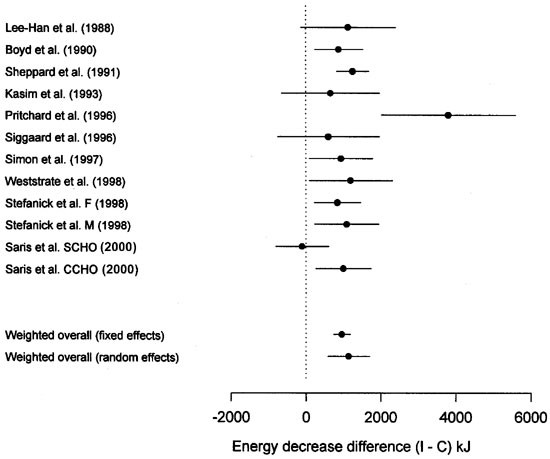

@Outdoctrination - Analyze & Optimize
INCREASED CARBOHYDRATE TOLERANCE IN DIABETICS FOLLOWING THE HOURLY ADMINISTRATION OF GLUCOSE AND INSULIN OVER LONG PERIODS Yeah, that's the title. "A number of severe cases of diabetes have been given glucose and insulin hourly without other food over periods of days. Given

@Outdoctrination - Analyze & Optimize
If carbs make you fat, why do higher carb, lower fat diets prevent obesity, and obese people eat more fat and less carbs than thin people? https://t.co/0OnSM7R0IU


@Outdoctrination - Analyze & Optimize
Carbs increase leptin. This is because insulin directly promotes leptin secretion. Thus, the more you fast and avoid carbs, the less leptin secretion you'll get.


@wideawake_media - Wide Awake Media
"It activates the brain's repair systems." According to Dr. Mark Hyman, the keto diet can cure diabetes, Alzheimer's, cancer, schizophrenia and more. "It helps cognitive function at every level... from autism, to Alzheimer's, to schizophrenia, to depression." "Sugar is really driving this big problem—sugar and starch... When you eat these foods, your body gets dysregulated. And when you use a diet that actually shuts off these cravings... it doesn't take long." "In five or ten days, we get a 70% reduction from all symptoms and all diseases by people just changing their diet." "[It's] incredibly helpful for longevity, it's helpful for reversing chronic diseases. And across all these diseases, we're seeing the same thing happen."

@craigbrockie - Craig Brockie
Fasting for 72 hours is the best medicine on Earth. It triggers your body to "eat up" tumors, inflammation, and toxins. It's literally a doctor within. Here's how to fast correctly (according to science): 🧵


@craigbrockie - Craig Brockie
Most people think fasting is just about weight loss or giving your digestive system a break. But the "magic" occurs at the cellular level through autophagy. This is where your body literally begins to eat itself. Let me explain:
@craigbrockie - Craig Brockie
Autophagy = cellular cleanup During extended fasting, your cells start recycling damaged proteins, dysfunctional mitochondria, and even early-stage cancer cells. Your body finally gets the chance to take out the accumulated trash that's been causing inflammation and disease.

@craigbrockie - Craig Brockie
What does science say about fasting? A 2014 USC study showed 72-hour fasts triggered stem cell-based regeneration of white blood cells, essentially rebooting the immune system. It's widely known that fasting works for so many health conditions. But why? Because...

@craigbrockie - Craig Brockie
It tackles a root cause often missed by modern medicine 👇🏽 The buildup of cellular waste, damaged proteins, and weak mitochondria causes chronic inflammation. Clearing these allows natural healing. Now that you understand the science, here's how to execute a 72-hour fast:
@craigbrockie - Craig Brockie
Before You Start: Prepare Your Body (2-3 Days Before) Begin intermittent fasting (16:8 method) at least 3 days before your extended fast. Eat during an 8-hour window and fast for 16 hours. This gradually shifts your metabolism to fat-burning mode.
@craigbrockie - Craig Brockie
Simultaneously, reduce carbohydrates and increase healthy fats in the days before your fast. This starts shifting your body toward ketosis before you even begin your full fast. Good fats to focus on are avocados, olive oil, grass-fed butter, and MCT oil.

@craigbrockie - Craig Brockie
Hours 0-24: The Challenge Phase The first 24 hours are challenging but manageable. Your body is shifting to fat burning, causing hunger, irritability, and energy shifts. This is normal and temporary. Your hunger hormone ghrelin begins to stabilize after the first day.
@craigbrockie - Craig Brockie
Hours 24-48: The Transition Phase Around the 36-hour mark, many people report an increase in mental clarity and energy—because ketones are now fueling your brain. Growth hormone rises 300%, preserving muscle and boosting fat burn. Fat loss accelerates dramatically.

@craigbrockie - Craig Brockie
Hours 48-72: The Healing Phase The final 24 hours are where the most profound healing occurs. Chronic joint pain can disappear as well as other positive changes during this phase. Brain fog lifts as inflammation recedes.
@craigbrockie - Craig Brockie
How to make it through without suffering? Drink 2-3 liters of pure water daily. And supplement with electrolytes. My personal favorite is this one: https://lvnta.com/lv_RzU0ZXrafy9KMVk1eG This reduces discomfort.

@craigbrockie - Craig Brockie
What can you consume during this 72-hour fast? • Pure water (flat or sparkling) • Black coffee (no cream or sugar) • Plain tea (herbal or regular) • Electrolytes (as outlined above) That's it. Purists only drink water.
@craigbrockie - Craig Brockie
"But Craig, what if I lose muscle during a fast?" Taking essential amino acids can prevent muscle loss. I developed one of the best supplements on the market for this. Check it out here: https://amazon.com/dp/B0CKTQH4XQ?maas=maas_adg_7919B8DF5A70D1F8349A754E0714E743_afap_abs&ref_=aa_maas&tag=maas&field-keywords=essential+amino+acids

@craigbrockie - Craig Brockie
The most important part: how to break a fast? • Start with bone broth • Wait 1 hour, then have 1-2 scrambled eggs/avocado • Wait another hour before eating a small meal with protein and healthy fats • Avoid all carbs, sugar, and processed foods for at least 24 hours after

@craigbrockie - Craig Brockie
Not eating for 72-hours is not easy. The first time is the hardest. The second time is challenging but manageable. By the third time, you'll be amazed at how easy it becomes. Your body learns and adapts, making each subsequent fast more comfortable. The benefits compound.
@craigbrockie - Craig Brockie
Thank you for reading! Struggling with weight, low energy, pain, or chronic symptoms? • Follow me @craigbrockie for proven solutions. • Sign up for my weekly email newsletter to learn how to achieve Ultimate Health: https://craigbrockie.com/newsletter

@craigbrockie - Craig Brockie
A bit about me: 30 years ago, I was in chronic pain, with crippling anxiety and a broken immune system. Since then, I’ve invested 7-figures researching the best health and performance-enhancing methods worldwide. This account exists to help people live their best life. https://t.co/OVME6MUlzU

@craigbrockie - Craig Brockie
What is ONE thing you learned from this thread? Comment below... And follow me @craigbrockie for more evidence-based health insights to improve your health and longevity.
@craigbrockie - Craig Brockie
Fasting for 72 hours is the best medicine on Earth. It triggers your body to "eat up" tumors, inflammation, and toxins. It's literally a doctor within. Here's how to fast correctly (according to science): 🧵 https://t.co/AvGnlMyPRw


@dr_ericberg - Dr. Eric Berg
Is Sugar Really Bad For Your Health? You hear it everywhere. But is it just another diet trend—or is there solid science behind the warnings? Here’s what most people don’t realize about what sugar does to your body… Let’s dive in: 🧵

@dr_ericberg - Dr. Eric Berg
Sugar offers very few benefits—and only when taken in small amounts. But most people eat excess without realizing it, because it hides in sauces, snacks, bread & drinks. Over time, excess sugar slowly harms your body. So what happens if you cut it out completely for 2 weeks?
@dr_ericberg - Dr. Eric Berg
1/ Sugar cravings vanish Sugar spikes insulin, followed by a drop in blood sugar. That drop triggers more sugar cravings. It’s a vicious cycle. When you quit sugar, insulin levels stabilize. No more spikes. No more crashes. And within days, the cravings begin to fade.

@dr_ericberg - Dr. Eric Berg
2/ You feel less constant hunger Sugar tricks your body into thinking it’s starving—even after a meal. Excess sugar leads to insulin resistance, which blocks nutrients from entering your cells. Cut out sugar, restore insulin sensitivity, and your hunger naturally decreases.
@dr_ericberg - Dr. Eric Berg
3/ You stop crashing after meals Post-meal fatigue is often caused by blood sugar spikes followed by rapid crashes. Sugar drives this pattern—leading to brain fog and low energy. Cutting sugar helps stabilize glucose levels, resulting in steady energy and clearer focus.

@dr_ericberg - Dr. Eric Berg
4/ You lose water weight—and start burning fat Lower insulin = less water retention. You can drop up to 13 lbs of water in a week. After 3 days without sugar, your body starts burning fat—especially belly and liver fat. Sugar off. Fat-burning on.
@dr_ericberg - Dr. Eric Berg
5/ Your skin clears up High sugar increases insulin, which raises androgen levels—leading to oily skin and breakouts, especially in women. Cutting sugar lowers androgens, reducing acne and inflammation. The result? Clearer, calmer, glowing skin.
@dr_ericberg - Dr. Eric Berg
6/ Your mood improves Excess sugar disrupts brain chemistry and increases cortisol, leading to stress and mood swings. Removing sugar helps stabilize hormones and neurotransmitters. You’ll feel calmer, more balanced, and emotionally steady.

@dr_ericberg - Dr. Eric Berg
7/ Your brain gets sharper Excess sugar can cause mental fatigue and brain fog. When you cut sugar, your body begins producing ketones—a cleaner, more efficient fuel for the brain. Ketones support cognitive function, enhance memory, and improve focus.
@dr_ericberg - Dr. Eric Berg
8/ Your liver begins to detox Fatty liver isn’t just caused by alcohol—excess sugar, especially fructose, is a major contributor. Eliminating sugar allows your body to begin burning stored liver fat for energy. No medication needed—just natural metabolic recovery.

@dr_ericberg - Dr. Eric Berg
9/ Inflammation and pain decrease Excess sugar promotes chronic inflammation, contributing to joint pain, stiffness, and slower recovery. Removing sugar helps reduce inflammation throughout the body. You feel lighter, move better, and recover faster.
@dr_ericberg - Dr. Eric Berg
10/ Your kidney function improves Elevated blood sugar puts strain on the kidneys—especially in those with or at risk for diabetes. Cutting sugar eases that burden, improving filtration and slowing potential damage. It’s one of the most overlooked benefits of cutting sugar.

@dr_ericberg - Dr. Eric Berg
Most of these benefits begin within 3–14 days. The first few days can be challenging—fatigue or irritability are common as your body adapts. But supporting yourself with B vitamins and potassium (from leafy greens) can ease symptoms. After that, it gets much easier.
@dr_ericberg - Dr. Eric Berg
If you want to transform your body, energy, and focus—start by cutting sugar. It’s free. It takes just 2 weeks—and the changes are real. Give it a try. Your body and brain will thank you. If you found this helpful, share the thread so others can benefit too.
@dr_ericberg - Dr. Eric Berg
A bit about me: I’m the creator of Healthy Keto® and Intermittent Fasting protocols, helping over 100M people make healthier choices. Follow me @dr_ericberg for more evidence-based insights to improve your health and longevity.

@dr_ericberg - Dr. Eric Berg
Thank you for reading! What is ONE thing you learned from this thread? Comment below... You can also access free mini-courses and downloadable health resources here: https://www.drberg.com/resources They’re simple, practical, and completely free.


@Metabolic_Mind - Metabolic Mind
🧵 Can ketogenic therapy help with OCD? This thread dives into two case series on ketogenic therapy for OCD—one from @chrispalmermd and another from @loricalabresemd. Across both publications, people with severe, long-standing OCD hit clinical remission (virtually no symptoms, no significant daily impairment)—a level of recovery that’s rare in psychiatry. Let’s unpack how it happened.

@Metabolic_Mind - Metabolic Mind
Obsessive-Compulsive Disorder (OCD) is a misunderstood, often devastating neuropsychiatric condition. It involves intrusive, unwanted thoughts (obsessions) and repetitive behaviors (compulsions) that feel impossible to resist. OCD affects ~1–4% of people, but standard treatments like therapy and medication don’t work for everyone. What if OCD reflects a deeper connection between brain and body, not just the brain alone?
@Metabolic_Mind - Metabolic Mind
🧠 OCD isn’t just behavioral, it’s biological. Brain scans show overactivity in the CSTC loop (cortico-striato-thalamo-cortical), which governs habit formation, error detection, and decision-making. When overstimulated, the brain gets stuck and repeatedly fuels anxiety and compulsions. Emerging research links OCD to 👇 🔗 Neuroinflammation: overactive immune activity in regions tied to judgment and emotion 🔗 Mitochondrial dysfunction & glucose hypometabolism: energy shortages that impair brain function 🔗 Neurotransmitter imbalances: disrupted communication between brain regions that affects behavior #OCD may not just be a brain disorder but rather a whole-body metabolic condition in disguise.
@Metabolic_Mind - Metabolic Mind
Ketogenic therapy is gaining serious interest in psychiatry. Ketones, an alternative fuel source to glucose, are produced when carbs are drastically reduced. Recent studies in depression, bipolar disorder, and schizophrenia suggest ketones are anti-inflammatory, brain-energizing, and may help stabilize mood and reduce anxiety. But until recently, no one had published a case connecting ketogenic therapy to OCD treatment. Originally developed for epilepsy, the ketogenic diet is a high-fat, low-carb, moderate-protein diet that shifts the brain’s energy source from glucose to ketones which are more energetically efficient and neuroprotective. A therapeutic ketogenic diet can take many different forms, but usually involves: 🥦 0 to 10% carbohydrates 🍳15 to 30% protein 🥩 60 to 75% fat People often will also recommend limiting seed oils which are potentially proinflammatory.
@Metabolic_Mind - Metabolic Mind
The first clinical case by @loricalabresemd describes a 37-year-old woman with treatment-resistant OCD and ulcerative colitis who began supervised ketogenic metabolic therapy at a specialized metabolic psychiatry clinic. Full paper: https://doi.org/10.3389/fpsyt.2025.1541414 She had 25 years of severe OCD, including distressing harm-related thoughts after childbirth, plus chronic inflammation from ulcerative colitis, depression, fatigue, and food addiction. After years of failed treatments, initiating ketogenic therapy led to widespread improvements in her mental health, gut health, and overall well-being.

@Metabolic_Mind - Metabolic Mind
After following ketogenic therapy for 3 months, her physical and mental changes were tracked through daily blood tests (glucose & ketones), weekly and monthly psychiatric assessments, food journaling, and regular follow-ups with her clinical care team. In 15 days: ✅ Increased energy and mental clarity ✅ 9.4 lbs weight loss ✅ Sugar cravings stopped In 3 weeks: ✅ Cramping and bloody diarrhea ceased ✅ Normal bowel movements By 9–12 weeks: ✅ Full remission of OCD, depression, and food addiction ✅ Significant improvements in daily functioning and quality of life
@Metabolic_Mind - Metabolic Mind
In a case series by @ChrisPalmerMD, three adults with OCD achieved remission with ketogenic therapy. Full paper: https://doi.org/10.3389/fnut.2025.1568076 📉 All three experienced OCD symptom relapse when stopping ketogenic therapy 📈 All three improved again upon restarting ketogenic therapy with notable positive changes in weight, mood, and sleep No major life changes explained these results as the only variable was dietary changes from ketogenic therapy. Two individuals had never tried medication which suggested the ketogenic therapy may be a potential frontline option. The average Y-BOCS score (the gold-standard scale measuring OCD severity) dropped 90.5%. Such a large drop is rare, especially in treatment-resistant cases. This suggests ketogenic therapy may target underlying metabolic and neuroinflammatory dysfunctions, not just symptoms.

@Metabolic_Mind - Metabolic Mind
What do these cases tell us? 🤔 They don’t prove causation, but open new doors. For some, OCD may be driven by metabolic and immune dysfunction, not just “bad thoughts” or chemical imbalances. Ketogenic therapy might target root causes that standard treatments miss. These are case reports, not clinical trials, with limitations: ⚠️ Small sample sizes ⚠️ No placebo control ⚠️ Some self-reported or retrospective data Still, these individuals transformed their lives and this offers newfound hope. As psychiatry seeks better answers, metabolic therapies like ketogenic therapy deserve serious attention. It’s time to integrate brain, body, and metabolism in #mentalhealth.
@craigbrockie - Craig Brockie
Left is Elon in July 2022. Middle is him 4 months later. Right is Elon this year—fitter than ever. What was his secret to RAPID & LASTING weight loss?: 🧵

@craigbrockie - Craig Brockie
Elon. Oprah. Joe Six-Pack. Weight loss “peptides” have become the secret weapon for celebrities and the public alike to shed pounds effortlessly. So what are peptides and why are they so controversial? Let’s dive in…
@craigbrockie - Craig Brockie
A peptide is simply a tiny protein that sends signals inside your body. The human body naturally produces over 7,000 peptides. The most common weight loss peptide is called “semaglutide”. Here’s how it works:
@craigbrockie - Craig Brockie
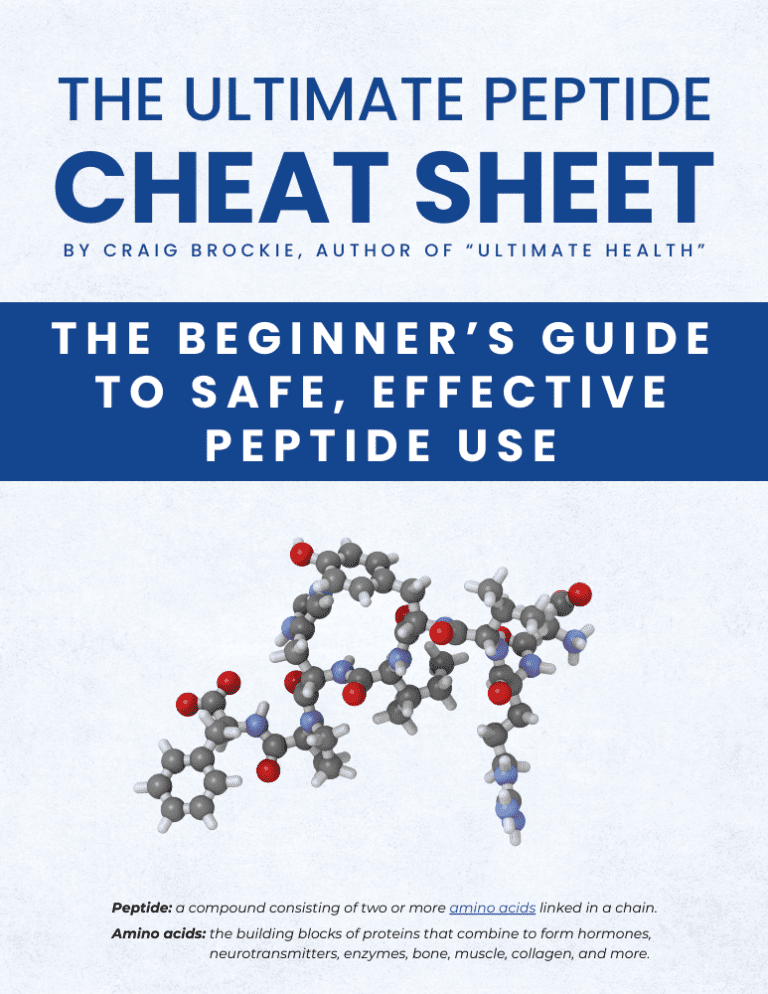
Before I continue, if you want to learn more about peptides, I created a free cheat sheet to get you started. This guide covers 30+ peptides with simple instructions about: • Where to find them • How to prepare them • Recommended dosage https://craigbrockie.com/cheatsheet/
@craigbrockie - Craig Brockie
In clinical trials, patients lost an average of 15% body weight when combining semaglutide with diet and exercise. But like most medical interventions, there have been side effects, too. Hence the controversy…
@craigbrockie - Craig Brockie
I’ve found 7 ways to minimize the side effects and maximize success. Elon clearly knows some of these secrets based on his lasting results. Unlike unfortunate rebound weight gainers—3 years later, Elon still looks great.

@craigbrockie - Craig Brockie
1/ Nausea is one major complaint. To reduce that, semaglutide users can: • Split the weekly dose in half, taken twice weekly • Focus on eating lean proteins and veggies. • Take digestive enzymes before meals.

@craigbrockie - Craig Brockie
2/ Constipation & dehydration are other complaints. To avoid these, increase intake of: • Water with electrolytes • Fiber (like psyllium powder) • Magnesium & Vitamin C Semaglutide offers a great opportunity to adopt healthy habits to improve your digestive health.

@craigbrockie - Craig Brockie
3/ Avoid Muscle Loss & Get Stronger • Incorporate resistance training 3x per week • Aim for 1g of protein per pound of body weight daily Here’s the risk of Ozempic if you ignore this advice:
@craigbrockie - Craig Brockie
A great way to maintain muscle mass while in a caloric deficit (such as when taking Ozempic) is to take Essential Amino Acids (EAAs). These allow you to get protein without all the calories. I created Ultimate 100% EAAs to do exactly that: https://amazon.com/dp/B0CKTQH4XQ?maas=maas_adg_7919B8DF5A70D1F8349A754E0714E743_afap_abs&ref_=aa_maas&tag=maas

@craigbrockie - Craig Brockie
4/ Reduce ‘Ozempic Face’ Some users get more wrinkles as their face thins. So: • Use collagen peptides & copper peptides • Boost growth hormone with short bursts of High-Intensity Interval Training • Further boost growth hormone with peptides for youthful skin & muscles
@craigbrockie - Craig Brockie
Want all 7 secrets for Ozempic success to safely lose fat with lasting results? Download my FREE Ozempic Handbook here: https://craigbrockie.com/weightloss/

@craigbrockie - Craig Brockie
Thank you for reading! Struggling with weight, low energy, pain, or chronic symptoms? • Follow me @craigbrockie for proven solutions. • Sign up for my weekly email newsletter to learn safe and effective ways to improve your health: craigbrockie.com/newsletter
@craigbrockie - Craig Brockie
A bit about me: 30 years ago, I was in chronic pain, with crippling anxiety, and a broken immune system. Since then, I've invested 7-figures researching the best health and performance-enhancing methods worldwide. This account exists to help people live their best lives. https://t.co/uG9T1ZuD67

@craigbrockie - Craig Brockie
What is ONE thing you learned from this thread? Comment below... And follow me @craigbrockie for more evidence-based health insights to improve your health and longevity.
@craigbrockie - Craig Brockie
Left is Elon in July 2022. Middle is him 4 months later. Right is Elon this year—fitter than ever. What was his secret to RAPID & LASTING weight loss?: 🧵 https://t.co/FyN6uKrARi

@wideawake_media - Wide Awake Media
According to Dr. Georgia Ede, red meat is in fact one of the most nutritious foods available to us, and "there are no plant foods on the planet" that are both metabolically safe and nutritionally complete. "Almost everything that we've heard about red meat comes from either very poorly designed rodent studies or human studies... or comes from a field of nutrition study that is based on guesswork—untested theories about what we think a healthy diet should look like." "But when you actually look at the biology... what you discover is that whole animal foods like red meat, seafood, poultry—these foods contain every nutrient we need in its proper, most user-friendly form." "These foods do not have the ability to spike your glucose into the danger zone. So they're metabolically safe, and they are nutritionally complete... There are no plant foods on the planet that are capable of doing both of those things." "Most plant foods don't contain many of the nutrients that the brain needs... So it's very important for people to understand that if there were really only one food that they could prioritise in their lives... it would be meat, seafood, poultry, and eggs." Credit: @GeorgiaEdeMD @thelucyjohnston
@wideawake_media - Wide Awake Media
My cardio has gone through the roof since I went ketovore. https://t.co/E9Lh35tShv


@LxngevityLab - LongevityLab
Your belly fat won't leave. Cardio isn't working. Diets keep failing. & no matter how hard you diet… the weight never comes off. I lost 20 lbs in 40 days by fixing what 99% of people get wrong. Here's the exact protocol I followed (& how you can copy it for summer):🧵
@LxngevityLab - LongevityLab
The goal isn't just "eat less carbs." The goal is to bring insulin levels as low as possible. Low insulin = maximum fat burning = maximum ketosis. Ketones are the byproduct of fat burning. More ketones = more belly fat disappearing.

@LxngevityLab - LongevityLab
Mistake #1: Counting carbs instead of eating the right carbs. Stop obsessing over grams and instead eat 7 cups of leafy greens daily. Fiber doesn't trigger insulin, so you can eat unlimited salad without breaking ketosis. Eat your salad FIRST to avoid overeating protein:
@LxngevityLab - LongevityLab
Mistake #2: Choosing lean protein instead of fatty protein. Lean protein spikes insulin more than fatty protein. Better choices: • Fatty hamburger (not lean) • Salmon (not white fish) • Chicken with skin (not skinless breast) • Never whey protein (almost pure insulin spike)
@LxngevityLab - LongevityLab
Mistake #3: Not combining keto with intermittent fasting. Keto alone gets you to ketone level 1-3. Keto + intermittent fasting gets you to level 4-6. Higher ketones = deeper fat burning = faster belly fat loss. Start by skipping breakfast (Eat at 12pm and 6pm only)

@LxngevityLab - LongevityLab
The fat rule that sounds backwards: Phase 1: ADD more fat (nuts, olive oil, avocado) to kill appetite and start fasting. Phase 2: REDUCE added fats once appetite disappears. Let your body burn stored fat instead of dietary fat. Your body burns dietary fat before stored fat:
@LxngevityLab - LongevityLab
The #1 rule most people break: Don't eat if you're not hungry. Every time you eat, you spike insulin and kick yourself out of ketosis—even if you eat keto foods. If your appetite disappears, that's fat burning happening. Don't interrupt it.

@LxngevityLab - LongevityLab
Mistake #4: Not getting enough nutrients on fewer meals. When doing 1-2 meals daily, you need: • More B vitamins (nutritional yeast) • More electrolytes • Extra sea salt (or you'll feel weak) The 7 cups of salad provides potassium and magnesium naturally:

@LxngevityLab - LongevityLab
If you want to take it further, I created a fat loss guide with all the tactics I used to drop 30lbs in 40 days (everything from workout to diet). Since summer is here, I just added a 70% discount for the first 20 people. Grab it here (thank me later): https://longevityxlab.gumroad.com/l/lzrge
@LxngevityLab - LongevityLab
Mistake #5: Making it miserable instead of sustainable. Include pleasure foods: • Low-carb chocolate after meals • Keto desserts 2-3x per week • Make it enjoyable, not punishment You should feel better, think clearer, and have more energy—not suffer: https://t.co/Q6gf9PJ5bn

@LxngevityLab - LongevityLab
The macro breakdown that actually works: • Carbs: Under 20g (not 30-50g like others say) • Protein: Size of your palm per meal • Fat: 75% of calories (but adjust based on phase) Keep it simple. Complexity kills consistency.
@LxngevityLab - LongevityLab
Two critical rules: Rule 1: If something is working, don't change anything. Keep going. Rule 2: If something isn't working after 2 weeks, change something. Most people sabotage success by tweaking things that were already working.
@LxngevityLab - LongevityLab
You don't lose weight to get healthy, you get healthy to lose weight. Focus on the healthy version of ketosis first and the weight loss follows automatically.
@LxngevityLab - LongevityLab
Why people plateau and quit: They skip the salad, choose lean protein, don't fast, and eat when not hungry. Follow these 5 principles and you'll never hit a plateau because your body will become a fat-burning machine.
@LxngevityLab - LongevityLab
*Always consult a healthcare professional before starting any new protocols.* *Info is educational only—not medical advice.* *Video credits: Dr. Gundry*
@LxngevityLab - LongevityLab
And before you scroll… If you got value from this thread, follow @LxngevityLab and retweet the first post. We post daily on health & performance — for those who want to live past 100. See you in the next one!

@MeasslainteIRL - Thomas Anthony III 🐺🐭🦝
Ditch These Foods to Heal Chronic Illness Explore the hidden biochemical triggers of inflammation and the foods that stoke the flames, Perfect for those battling autoimmune diseases, neuroinflammation, chronic fatigue, IBD, MS, arthritis, or post-viral syndromes taking control of these triggers is your key to reclaiming vitality!
@MeasslainteIRL - Thomas Anthony III 🐺🐭🦝
🌾 Gluten Sensitivity: The Hidden Inflammation Trigger Struggling with chronic inflammation, autoimmune flares, fatigue, or brain fog? Gluten may be silently sabotaging your gut and immune system even if you don’t have celiac disease. 🔓 Leaky Gut & Systemic Inflammation Gluten stimulates zonulin, a protein that opens tight junctions in your intestinal lining. This leads to leaky gut, allowing bacteria, food particles, and toxins to escape into your bloodstream triggering chronic immune activation and inflammation throughout the body. 🧬 Autoimmune Activation via Molecular Mimicry In genetically predisposed individuals (e.g., HLA-DQ2/DQ8), gluten peptides can resemble human tissue proteins. This "molecular mimicry" may cause the immune system to mistake your own cells for invaders, contributing to diseases like: • Hashimoto’s thyroiditis • Multiple sclerosis (MS) • Rheumatoid arthritis • Celiac disease Non-Celiac Gluten Sensitivity (NCGS) Is Real Even without celiac markers, many people experience bloating, diarrhea, joint pain, fatigue, skin issues, and brain fog after gluten exposure. This is known as NCGS and it's now recognized in medical literature as a legitimate, immune-mediated condition. ✅ What You Can Do • Trial a gluten-free diet for 30–60 days and track your symptoms • Get tested: Ask your provider about anti-gliadin antibodies or genetic screening • Focus on whole, unprocessed gluten-free foods not just GF packaged substitutes • Reassess and reintroduce (if desired) later to confirm your sensitivity 📌 Healing often begins in the gut. If gluten is a trigger, removing it could be the most powerful anti-inflammatory step you take.
@MeasslainteIRL - Thomas Anthony III 🐺🐭🦝
🥛 Dairy (Especially Conventional, Pasteurized A1 Dairy) Examples: Milk, cheese, yogurt, cream, butter 🔥 Why It’s Inflammatory Most commercial cow’s milk contains A1 casein, a protein that breaks down into beta-casomorphin-7 (BCM-7) a bioactive peptide linked to gut and brain inflammation. Many people also lack the enzyme lactase, leading to poor lactose digestion, bloating, dysbiosis, and gut irritation. Worse still, the immune system can develop IgG or IgA antibodies to casein, triggering systemic inflammation and potentially worsening autoimmune and neuroimmune conditions. 🚩 Who Should Be Cautious? If you have any of the following, A1 dairy might aggravate your symptoms: • Multiple Sclerosis (MS) • Parkinson’s disease • Chronic sinus issues or asthma • Crohn’s or colitis • Eczema, acne, or skin inflammation • Brain fog, autism spectrum conditions, or neuroinflammation Try removing dairy for 30–60 days and observe changes in energy, digestion, skin, and cognition. ✅ Better Options (Later On) • A2 dairy (from A2 cows, goats, or sheep) • Raw, fermented goat/sheep dairy (e.g. kefir) These may be reintroduced cautiously in later phases, but all dairy is excluded initially to reduce inflammatory load. 📖 A controlled human study found that A1 milk increases GI symptoms and inflammation compared to A2 milk. 🔗 Read the study (Nutrition Journal, 2016) https://pubmed.ncbi.nlm.nih.gov/27039383/ #DairyFree #Inflammation #Autoimmune #GutHealth #A1A2Milk

@MeasslainteIRL - Thomas Anthony III 🐺🐭🦝
🌱 Legumes: Hidden Inflammation Triggers Examples: Beans, lentils, soy, peanuts, peas 🔥 Why They’re Inflammatory Legumes contain lectins sticky, plant-derived proteins that resist digestion and can bind to the gut lining, increasing intestinal permeability and provoking immune activation. They also contain phytates, which chelate essential minerals like zinc, calcium, and iron, blocking their absorption. Soy is especially problematic: it’s often genetically modified, heavily sprayed with glyphosate, and loaded with phytoestrogens, which may disrupt hormonal balance and immune signaling. Peanuts, technically legumes, are frequently contaminated with aflatoxins toxic fungal compounds linked to liver damage, immune suppression, and even cancer. 🚨 Who Should Be Cautious? You may want to avoid legumes if you struggle with: • Autoimmune diseases (e.g. lupus, RA, MS) • Estrogen-sensitive conditions (endometriosis, fibroids, PCOS) • IBS, IBD, or leaky gut • Mineral deficiencies (low iron, zinc) • Histamine intolerance or peanut allergies 💡 Smart Tips • Pressure-cooking reduces some lectins, but not all anti-nutrients • Eliminate legumes during early gut-healing or autoimmune protocols • Reintroduce slowly (if at all) once symptoms stabilize #LegumeFree #Inflammation #Autoimmune #GutHealth #Lectins #Phytoestrogens
@MeasslainteIRL - Thomas Anthony III 🐺🐭🦝
🍅 Nightshades: Nature’s Defense, Your Inflammation Trigger? Examples: Tomatoes, potatoes, eggplant, bell peppers, chili 🔥 Why They’re Inflammatory (for Some) Nightshades contain alkaloids like solanine and capsaicin, natural pesticides that defend the plant but can irritate the human body. In sensitive individuals, these compounds can: • Disrupt the gut lining, increasing intestinal permeability (aka leaky gut) • Activate mast cells, releasing histamine and pro-inflammatory cytokines • Trigger neurogenic inflammation, leading to nerve pain, joint stiffness, or migraines • Worsen autoimmune flares, especially in musculoskeletal and neuroimmune disorders 🚨 Who Should Be Cautious? If you’re living with: • Rheumatoid arthritis, lupus, or ankylosing spondylitis • Multiple sclerosis (MS) or neuropathic pain • IBD (Crohn’s, colitis) or leaky gut • Migraines, eczema, interstitial cystitis, or chronic fatigue …then nightshades could be silently inflaming your symptoms. 💡 What to Do • Eliminate nightshades for 4–6 weeks • Reintroduce one at a time, with 2–3 days in between • Track symptoms like pain, digestion, skin, mood, and energy You may discover that removing just one trigger food brings profound relief. #NightshadeFree #AutoimmuneHealing #Inflammation #GutHealth #Neuroimmune #PainRelief
@MeasslainteIRL - Thomas Anthony III 🐺🐭🦝
🍬 Processed Sugars & Refined Carbs: Silent Drivers of Inflammation Examples: White sugar, high-fructose corn syrup (HFCS), pastries, white bread, soda 🔥 Why They’re Inflammatory Refined sugars cause a rapid spike in blood glucose, which leads to insulin surges that activate inflammatory messengers like NF-kB and IL-6 key players in chronic disease. They also feed pathogenic gut microbes (like candida and bad bacteria), disrupting your microbiome and triggering systemic inflammation. Over time, sugar drives the formation of advanced glycation end products (AGEs) damaging compounds that impair mitochondrial function, degrade collagen, and contribute to brain fog, skin aging, and neurodegeneration. 🚨 Who Should Be Especially Cautious? Watch your intake if you live with: • Metabolic syndrome or insulin resistance • Type 2 diabetes or prediabetes • Alzheimer’s or cognitive decline • PCOS or hormonal imbalances • Candida overgrowth, acne, or chronic fatigue • Mood disorders like depression or anxiety These conditions are often exacerbated by high-glycemic, low-nutrient carbs. 💡 Smart Move • Cut back on added sugars and refined flour • Prioritize whole foods with fiber, healthy fats, and slow-burning carbs • Notice how quickly energy, mood, and skin improve when sugar is removed 📊 Even small reductions in sugar can lead to big wins in inflammation, energy, and metabolic health. #SugarFree #Inflammation #MetabolicHealth #GutHealth #CognitiveHealth #HormoneBalance
@MeasslainteIRL - Thomas Anthony III 🐺🐭🦝
🛢️ Industrial Seed Oils: Inflammation Time Bombs Examples: Corn oil, soybean oil, sunflower oil, safflower oil, canola 🔥 Why They’re Inflammatory These oils are ultra-processed and packed with omega-6 linoleic acid, which your body converts into arachidonic acid a precursor to inflammatory molecules like prostaglandins and leukotrienes. When heated, seed oils oxidize rapidly, producing toxic lipid peroxides that damage: • Cell membranes • Mitochondria (your energy factories) • DNA promoting aging, mutation, and inflammation The result? A perfect storm for metabolic dysfunction, non-alcoholic fatty liver disease (NAFLD), cardiovascular problems, insulin resistance, and even brain fog. 🚨 Who Should Be Cautious? These oils may worsen symptoms if you’re dealing with: • Heart disease or hypertension • Brain fog or cognitive decline • NAFLD or high triglycerides • Obesity, insulin resistance, or chronic fatigue • Inflammatory skin issues (like eczema or acne) 💡 Smart Move Replace inflammatory seed oils with stable, nourishing fats like: • 🫒 Extra virgin olive oil • 🥥 Coconut oil • 🥑 Avocado oil • 🧈 Ghee or grass-fed butter • 🐖 Tallow or duck fat These are richer in antioxidants, more heat-stable, and support cellular and metabolic health not sabotage it. #NoSeedOils #HealthyFats #Inflammation #HeartHealth #BrainHealth #MetabolicHealing
@MeasslainteIRL - Thomas Anthony III 🐺🐭🦝
⚠️ Trans Fats: Hidden Hazards to Your Heart and Brain Examples: Margarine, shortening, fast food fries, processed snacks, baked goods with partially hydrogenated oils 🔥 Why They’re Inflammatory Trans fats are industrially created fats that disrupt cell membrane structure, impair insulin signaling, and damage mitochondria, your body’s energy producers. They also: • Raise LDL (“bad”) cholesterol • Lower HDL (“good”) cholesterol • Trigger systemic inflammation that accelerates aging and disease • Increase risk of heart attacks, stroke, and neurodegeneration They’ve been called the most dangerous fats in the modern diet and for good reason. 🚨 Who Should Be Especially Cautious? Avoid trans fats completely if you’re dealing with: • Cardiovascular disease or high cholesterol • Insulin resistance or type 2 diabetes • Cognitive decline, Alzheimer’s, or brain fog • Chronic inflammation, fatigue, or autoimmune conditions Even small amounts are harmful. 💡 Smart Move • Read labels: Watch for "partially hydrogenated oils" • Avoid ultra-processed foods and fast food • Focus on whole foods and healthy fats like olive oil, ghee, or coconut oil 🛑 There is no safe level of trans fat. Eliminating them may be one of the fastest ways to protect your heart, brain, and metabolism. #NoTransFats #HeartHealth #BrainHealth #Inflammation #HealthyFats #MetabolicHealing
@MeasslainteIRL - Thomas Anthony III 🐺🐭🦝
⚠️ Artificial Additives & Preservatives: Small Compounds, Big Inflammation Examples: MSG, sodium benzoate, artificial food dyes, BHA/BHT, nitrates, nitrites, aspartame 🔬 Why They’re Inflammatory Many food additives are designed to extend shelf life, enhance flavor, or improve appearance but at a cost to your health. Here’s how they silently provoke inflammation: • Mast Cell Activation & Histamine Release Preservatives and additives can activate mast cells, immune cells that release histamine and inflammatory cytokines. This can trigger skin rashes, gut symptoms, and respiratory issues in sensitive individuals. • Excitotoxicity Compounds like MSG (monosodium glutamate) and aspartame are excitotoxins they overstimulate neurons, potentially leading to brain inflammation, headaches, migraines, mood swings, and even seizure activity in susceptible people. • Gut-Brain Axis Disruption Preservatives like sodium benzoate and BHA/BHT can disrupt the gut microbiome, reducing bacterial diversity and promoting dysbiosis a known driver of systemic inflammation, anxiety, and cognitive dysfunction. • Nitrites & Nitrates Used in processed meats, these can form nitrosamines, compounds linked to cancer risk, oxidative stress, and endothelial damage (affecting heart and brain function). 🚨 Who Should Be Especially Cautious? These compounds may aggravate symptoms in people with: • ADHD or behavioral disorders • Histamine intolerance or MCAS (mast cell activation syndrome) • Asthma, eczema, or chronic allergies • Neurodegenerative diseases (like Parkinson’s, Alzheimer’s) • IBD, IBS, or leaky gut 💡 Smart Move • Read labels carefully even on “healthy” foods • Look for real, whole-food ingredients you recognize • Choose additive-free snacks, cured meats, and drinks whenever possible • Focus on home-cooked meals made from scratch 🧠 Your brain, immune system, and gut all respond to what you eat. Eliminating synthetic additives can bring surprising improvements in mood, energy, and inflammation. #FoodAdditives #Inflammation #GutHealth #BrainHealth #HistamineIntolerance #CleanEating #Neuroinflammation #ADHD
@MeasslainteIRL - Thomas Anthony III 🐺🐭🦝
🍎 FODMAPs & Fermentable Carbs: Gut Triggers for Sensitive Individuals Examples: Onions, garlic, apples, lentils, wheat, dairy 🤔 What Are FODMAPs? FODMAPs are a group of short-chain carbohydrates and sugar alcohols that are poorly absorbed in the small intestine. They ferment in the colon, producing gas, bloating, and distension, especially in sensitive individuals. FODMAP = Fermentable Oligosaccharides, Disaccharides, Monosaccharides, and Polyols 🔥 Why They Can Be Inflammatory For people with gut vulnerabilities, FODMAPs can: • Increase intestinal permeability (leaky gut) • Feed dysbiotic bacteria, fueling bloating and inflammation • Activate mast cells, releasing histamine and cytokines • Disrupt serotonin balance, affecting mood, focus, and energy since ~90% of serotonin is made in the gut 🚨 Who Should Watch Out? You may benefit from a low-FODMAP approach if you’re dealing with: • IBS (Irritable Bowel Syndrome) • SIBO (Small Intestinal Bacterial Overgrowth) • IBD (Crohn’s, colitis) • Histamine intolerance / Mast cell activation • Mood swings, anxiety, or depression • Chronic fatigue (ME/CFS) 💡 Pro Tip FODMAPs aren’t “bad” — many are found in healthy whole foods. But for sensitive guts, temporary reduction can relieve symptoms while you: • Heal the gut lining • Rebalance the microbiome • Calm immune and mast cell overactivity Once stable, many people can reintroduce moderate FODMAPs successfully. 📋 Consider working with a practitioner to guide elimination and reintroduction phases for optimal results. #FODMAPs #GutHealth #LeakyGut #IBS #SIBO #HistamineIntolerance #MoodHealing #Inflammation #MicrobiomeHealth #GutHealing #ChronicFatigue #NutritionTips #functionalmedicine
@MeasslainteIRL - Thomas Anthony III 🐺🐭🦝
✅ Conclusion: Remove the Fuel, Ignite the Healing Certain foods can fuel inflammation at every level by disrupting immune regulation, damaging the gut lining, feeding harmful microbes, and impairing mitochondrial energy. For those with autoimmune diseases, neurological conditions, hormonal imbalances, or chronic fatigue, even seemingly “normal” foods may be silently sabotaging recovery. But here’s the good news: 🌿 Removing dietary triggers even for 30–60 days can create a dramatic shift in how your body functions. Many experience: • Reduced joint pain and bloating • Clearer thinking and more stable mood • Better skin, digestion, and sleep • Renewed energy and vitality 🛠️ Take Action: Reclaim Your Health with a Root-Cause Approach Start with a simple elimination protocol, removing common inflammatory foods and focusing on: • Leafy greens and cruciferous vegetables • Healthy fats (olive oil, avocado, coconut, omega-3s) • Clean protein sources (grass-fed, pasture-raised, wild-caught) • Gut-healing foods (bone broth, fermented veggies, herbs) After 30–60 days, reintroduce foods one at a time, tracking how your body responds physically, mentally, and emotionally. This process helps you decode your body’s signals, rebuild resilience, and make empowered food choices for life. 🧠 Your diet isn’t just fuel it’s information. Removing inflammatory inputs allows your body’s innate intelligence to reset, repair, and thrive. #Inflammation #HealingJourney #AutoimmuneRecovery #EliminationDiet #GutHealing #Mitochondria #ChronicIllness #FoodAsMedicine #EmpoweredHealing
@MeasslainteIRL - Thomas Anthony III 🐺🐭🦝
@Reseeit save thread
@MeasslainteIRL - Thomas Anthony III 🐺🐭🦝
@reSeeIt @threadreaderapp unroll
@LxngevityLab - LongevityLab
Your belly fat won't leave. Cardio isn't working. Diets keep failing. & no matter how hard you diet… the weight never comes off. I lost 20 lbs in 40 days by fixing what 99% of people get wrong. Here's the exact protocol I followed (& how you can copy it for summer):🧵
@LxngevityLab - LongevityLab
The goal isn't just "eat less carbs." The goal is to bring insulin levels as low as possible. Low insulin = maximum fat burning = maximum ketosis. Ketones are the byproduct of fat burning. More ketones = more belly fat disappearing.

@LxngevityLab - LongevityLab
Mistake #1: Counting carbs instead of eating the right carbs. Stop obsessing over grams and instead eat 7 cups of leafy greens daily. Fiber doesn't trigger insulin, so you can eat unlimited salad without breaking ketosis. Eat your salad FIRST to avoid overeating protein:
@LxngevityLab - LongevityLab
Mistake #2: Choosing lean protein instead of fatty protein. Lean protein spikes insulin more than fatty protein. Better choices: • Fatty hamburger (not lean) • Salmon (not white fish) • Chicken with skin (not skinless breast) • Never whey protein (almost pure insulin spike)
@LxngevityLab - LongevityLab
Mistake #3: Not combining keto with intermittent fasting. Keto alone gets you to ketone level 1-3. Keto + intermittent fasting gets you to level 4-6. Higher ketones = deeper fat burning = faster belly fat loss. Start by skipping breakfast (Eat at 12pm and 6pm only)

@LxngevityLab - LongevityLab
The fat rule that sounds backwards: Phase 1: ADD more fat (nuts, olive oil, avocado) to kill appetite and start fasting. Phase 2: REDUCE added fats once appetite disappears. Let your body burn stored fat instead of dietary fat. Your body burns dietary fat before stored fat:
@LxngevityLab - LongevityLab
The #1 rule most people break: Don't eat if you're not hungry. Every time you eat, you spike insulin and kick yourself out of ketosis—even if you eat keto foods. If your appetite disappears, that's fat burning happening. Don't interrupt it.

@LxngevityLab - LongevityLab
Mistake #4: Not getting enough nutrients on fewer meals. When doing 1-2 meals daily, you need: • More B vitamins (nutritional yeast) • More electrolytes • Extra sea salt (or you'll feel weak) The 7 cups of salad provides potassium and magnesium naturally.

@LxngevityLab - LongevityLab
If you want to take it further, I created a fat loss guide with all the tactics I used to drop 20lbs in 40 days (everything from workout to diet). Since summer is here, I just added a 70% discount for the first 20 people. Grab it here : https://longevityxlab.gumroad.com/l/lzrge
@LxngevityLab - LongevityLab
Mistake #5: Making it miserable instead of sustainable. Include pleasure foods: • Low-carb chocolate after meals • Keto desserts 2-3x per week • Make it enjoyable, not punishment You should feel better, think clearer, and have more energy—not suffer: https://t.co/GyQUew3Ij7

@LxngevityLab - LongevityLab
The macro breakdown that actually works: • Carbs: Under 20g (not 30-50g like others say) • Protein: Size of your palm per meal • Fat: 75% of calories (but adjust based on phase) Keep it simple. Complexity kills consistency.
@LxngevityLab - LongevityLab
Two critical rules: Rule 1: If something is working, don't change anything. Keep going. Rule 2: If something isn't working after 2 weeks, change something. Most people sabotage success by tweaking things that were already working.
@LxngevityLab - LongevityLab
You don't lose weight to get healthy, you get healthy to lose weight. Focus on the healthy version of ketosis first and the weight loss follows automatically.
@LxngevityLab - LongevityLab
Why people plateau and quit: They skip the salad, choose lean protein, don't fast, and eat when not hungry. Follow these 5 principles and you'll never hit a plateau because your body will become a fat-burning machine.
@LxngevityLab - LongevityLab
*Always consult a healthcare professional before starting any new protocols.* *Info is educational only—not medical advice.* *Video credits: Dr. Gundry*
@LxngevityLab - LongevityLab
And before you scroll… If you got value from this thread, follow @LxngevityLab and retweet the first post. See you in the next one!

@MetabolicFactor - Metabolic Factor
Dr. Robert Lustig has spent 25+ years exposing the real driver of obesity. His research flipped everything we were told about fat loss. Hint: it’s not about eating less. Here are 7 science-backed truths that explain why insulin—not calories—is the key 🧵 https://t.co/Sa93SVmYkN


@MetabolicFactor - Metabolic Factor
1. Forget “calories in vs out.” Lustig shows it’s insulin that controls fat storage. Carbs spike insulin → insulin stores fat Too many carbs over time = insulin resistance That’s when your fat-burning switch shuts off. https://t.co/JdHgQ9tyMI
@MetabolicFactor - Metabolic Factor
2. You can gain fat without changing your food. How? Chronic stress. Stress raises cortisol → increases insulin resistance Even with diet and workouts in check, you can store more fat. Fat loss starts with nervous system health. https://t.co/WcAsyWc77N
@MetabolicFactor - Metabolic Factor
3. Not all sugar is equal. Fruit sugar ≠ junk sugar. Fruit: • Has fiber = slower absorption • Contains antioxidants & nutrients • Is filling and hard to overeat Fructose in soda? Pure metabolic chaos. https://t.co/yB6DmdZvXm
@MetabolicFactor - Metabolic Factor
4. Kill the Glycemic Index. Here's why: It was designed by dietitians to measure how much your blood sugar rises after eating 50g of carbs from any food—compared to white bread (GI = 100). Sounds useful… until you realize nobody eats exactly 50g of carbs from a single food. https://t.co/YDnFrEBQuh
@MetabolicFactor - Metabolic Factor
5. BMI is misleading. It doesn’t measure visceral fat—the dangerous kind around your organs. Even lean people with poor diet, sleep, or high stress may carry it. If your life is inflamed, your belly fat probably is too. https://t.co/YFy38Bh9kR
@MetabolicFactor - Metabolic Factor
6. They said fat causes high cholesterol. But Lustig proves it’s carbs that drive up triglycerides → LDL damage. Processed carbs = small, dense LDL (the bad kind) Eat fat? Your body lowers its own cholesterol production in balance. https://t.co/8WEmNNm9rs
@MetabolicFactor - Metabolic Factor
7. Insulin isn’t harmless. Chronically high insulin: • Accelerates aging • Triggers inflammation • Increases risk of disease It’s why people with Type 2 diabetes lose 10–15 years—even with meds. https://t.co/r0noLx2Djt
@MetabolicFactor - Metabolic Factor
8. Fat was never the villain. The war on fat led to a carb-heavy, ultra-processed food culture. Result? • 40% obesity • Chronic disease epidemic Healthy fats: • Support hormones • Lower inflammation • Fuel metabolism https://t.co/meHwct0kBY
@MetabolicFactor - Metabolic Factor
Final Takeaway We were told: "Eat less fat. Count calories. Avoid red meat." Lustig says: "Eat real food. Control insulin. Heal the system." Base your diet on: • Protein • Healthy fats • Fruit & whole foods Add: • Sunlight • Sleep • Stress control • Movement
@MetabolicFactor - Metabolic Factor
If this thread opened your eyes… Follow @MetabolicFactor ro level-up your physique Like + repost to spread the truth.

@TheSelfLab - The Self Lab 📚
Meet Paul Saladino. The MD who goes against everything Mainstream Health Advice taught you. Here are his top 8 lessons for optimal health (bookmark this): 1. Veganism is the WORST diet

@TheSelfLab - The Self Lab 📚
These nutrients do NOT exist AT ALL in vegan food: - EPA - DHA - Taurine - Creatine - Carnosine - Heme Iron - Vitamin D3 - Cholesterol - Vitamin B12. You can expect all these problems too:
@TheSelfLab - The Self Lab 📚
2. Restaurant food can have seed oils. Eating out occasionally won't kill you... But restaurants use seed oils which are extremely unhealthy. At home, you should use olive oil, butter or ghee. Avoid these oils:
@TheSelfLab - The Self Lab 📚
3. Avoid carb-based breakfasts. They can lead to: - Energy crashes - Poor metabolic health - Excess hunger and overeating - Less muscle-building & retention. Your oats even have anti-nutrients...
@TheSelfLab - The Self Lab 📚
4. Cut out alcohol. Alcohol harms your: - Skin - Liver - Cells - Sleep - Bones - Kidneys - Hormones - Metabolism - Mental health - Immune system - Digestive system - Reproductive system - Brain & nervous system - Heart & cardiovascular system.
@TheSelfLab - The Self Lab 📚
5. Get more sunlight. About 80% of Americans are Vitamin D-deficient. Sunlight helps your mood, metabolism, and many other aspects of your health. Skin cancer is only from if you get too much sun without much prior exposure.
@TheSelfLab - The Self Lab 📚
6. Minimize processed food at all costs. 73% of supermarket food is ultra-processed garbage full of: - Calories - Seed oils - Refined carbs & processed sugar. This is the main cause of obesity.
@TheSelfLab - The Self Lab 📚
7. Use the right cooking oils. Few things matter as much as what you cook all your food in... You can make it a recipe for inflammation OR nutrition. Choose wisely:
@TheSelfLab - The Self Lab 📚
8. Be careful with long-term Keto. Paul did Keto for many years but then suffered a bunch of health problems. He then reintroduced fruit, honey, and milk and has cured everything... Carbs aren't bad for you - processed junk food and excess calories are!
@TheSelfLab - The Self Lab 📚
Over 21% of the world battles diabetes, and countless others are on the edge. Stop dumping a load of medicines inside you everyday. Learn to cure yourself naturally, without harming your body with chemicals. Start your diabetes free journey today 👇🏻 https://gumroad.com/a/974026899/znkusf
@Metabolic_Mind - Metabolic Mind
Can ketogenic therapy put serious mental illnesses into remission? Valerie Anne Smith shares her extraordinary journey of full recovery from schizophrenia, anorexia, OCD, trichotillomania, anxiety, and depression after 40 years of relentless symptoms and failed treatments. From a young age, Valerie lived with constant auditory hallucinations and self-destructive behaviors. Traditional psychiatric care—including 15+ medications, multiple hospitalizations, and decades of talk therapy—failed to bring her lasting relief. But after discovering the work of Dr. Georgia Ede and Dr. Chris Palmer, she committed to a gradual, more nutrient-dense metabolic approach. She began noticing real, measurable changes at 3, 6, and 9 months—and after a full year, the symptoms that once ruled her life were gone. Now, eight years into sustained remission, Valerie reflects on how ketogenic therapy helped restore her brain, her relationships, and her sense of self. *(Tapering medications can be extremely dangerous and should always be done gradually with the support of a care team. Visit Inner Compass Initiative for more information on safe tapering.) - https://www.theinnercompass.org/ Resources Mentioned - Get better acquainted with Valerie’s mental health strategies at her THINK+SMART profile: https://www.metabolicmind.org/thinksmart/explore-strategies/valerie-anne-smith/ - Learn more about the THINK+SMART framework: a self-guided, community-based framework that helps you develop a customized metabolic approach to mental health: https://thinksmart.metabolicmind.org/ Follow our channel for more information and education from Bret Scher, MD, FACC, including interviews with leading experts in Metabolic Psychiatry. Learn more about metabolic psychiatry and find helpful resources at https://metabolicmind.org/ Timestamps: 0:00 - Meet Valerie 0:23 - Valerie’s childhood: “I don’t have any memories being well.” 0:44 - Valeria’s schizophrenia, anxiety, and depression diagnoses 1:05 - Anorexia, obsessive-compulsive disorder (OCD), and the start of self-harm 2:12 - Valerie’s history with traditional mental health care and medications 3:25 - Her 30s and 40s, and the discovery of osteoporosis 3:58 - “I could not function.” 5:34 - Valerie begins to search for something else 6:03 - Discovering metabolic mental therapies 7:55 - Implementing ketogenic nutrition 8:55 - “Things started changing…” 10:20 - One year later 11:45 - Overcoming early setbacks in her transition 15:32 - Why should you try a therapeutic ketogenic diet? Valerie answers.




@joeyyochheim - Joey Yochheim | Default Kings
Dr. Benjamin Bikman just dropped a masterclass on insulin resistance. He revealed shocking truths about the hidden epidemic destroying our health. Here are 8 secrets Big Pharma doesn't want you to understand: https://t.co/xYPZFjJeVg

@joeyyochheim - Joey Yochheim | Default Kings
1. Insulin Resistance Is the Root of Almost Everything They call Alzheimer's "type 3 diabetes" - it's literally insulin resistance of the brain. Erectile dysfunction? Insulin resistance of blood vessels. PCOS? Insulin resistance affecting the ovaries. https://t.co/XouMTzgrPT
@joeyyochheim - Joey Yochheim | Default Kings
2. Your Fat Cell Size Matters More Than Your Weight Two people can have the same body fat percentage but completely different health outcomes. It's not how much fat you have - it's how BIG your fat cells are. When fat cells get too large, they become insulin resistant and start poisoning your entire body.
@joeyyochheim - Joey Yochheim | Default Kings
3. You Can Make Someone Insulin Resistant in 6 Hours Three things will do it instantly: • Stress • Inflammation • Too much insulin Remove these? The resistance disappears just as fast. https://t.co/W2jcsijEwv
@joeyyochheim - Joey Yochheim | Default Kings
4. We're Poisoning Our Kids in the Womb Mothers with gestational diabetes are programming their babies for obesity. These kids have a 40% higher chance of being obese as teenagers. The baby literally develops in a high-insulin, high-glucose environment. https://t.co/rDaqOuffy2
@joeyyochheim - Joey Yochheim | Default Kings
5. The Air You Breathe Is Making You Fat Dr. Bikman's lab proved that diesel exhaust particles cause fat cells to grow larger. Animals breathing polluted air got fatter on the SAME amount of food. Cities with higher pollution always have higher diabetes rates. https://t.co/QmAH5aJTej
@joeyyochheim - Joey Yochheim | Default Kings
6. Vaping Is Worse Than Cigarettes for Insulin Resistance Chemical for chemical, vaping causes more inflammation and insulin resistance than traditional smoking. Yet everyone thinks it's "safer." Your metabolism doesn't care about your lungs - it cares about the chemical assault.
@joeyyochheim - Joey Yochheim | Default Kings
7. Muscle Is Your Metabolic Savior When muscle contracts, it opens glucose doors WITHOUT needing insulin. More muscle = better glucose control = lower insulin = better health. Strength training beats cardio for metabolic health every single time. https://t.co/hSluBwjK4s
@joeyyochheim - Joey Yochheim | Default Kings
8. Ketones Are Brain Superfuel In ketosis, your belly fat burns calories 3x faster than normal. Alzheimer's patients who can't tie their shoes suddenly can when in ketosis. Your brain runs better on ketones than glucose - that's why you feel so sharp on keto. https://t.co/ZtbhdamPJs
@joeyyochheim - Joey Yochheim | Default Kings
The bottom line: This isn't just about losing weight. It's about saving your brain, your fertility, and your life. 88% of people are walking around with a metabolic time bomb. The question is: will you be in the 12% who takes control?
@joeyyochheim - Joey Yochheim | Default Kings
What surprised you most about insulin resistance? Let me know below. & Follow me @joeyyochheim for more breakdowns like this.
@Gabepluguez - Gabe Pluguez | Default Kings
After 3 decades of listening to his doctors, my father ended up with: • Cancer • Diabetes • Heart disease After 3 years of listening to his son... He lost 40lbs & became cancer free. Here's 19 health secrets his doctors never told him: 1. Stop doing diets that have a name https://t.co/DNCQl8De8T

@Gabepluguez - Gabe Pluguez | Default Kings
2. Carbs don't make you fat - too many calories do. If you want to lose weight… • Be more active • Eat more protein • Stay in a healthy caloric deficit
@Gabepluguez - Gabe Pluguez | Default Kings
3. Your physical health and mental health are not two separate things. They are reflections of one another. So treat them both with respect.
@Gabepluguez - Gabe Pluguez | Default Kings
4. Working out 3-5 days/week is more sustainable long term than 6-7 days/week. The goal should never be a quick fix. Instead, focus on enhancing your lifestyle.
@Gabepluguez - Gabe Pluguez | Default Kings
5. The only equipment you *need* is your body. Too many people use the gym as an excuse. “I have no time” Something as simple as walking 10,000 steps a day can literally keep the doctors away.
@Gabepluguez - Gabe Pluguez | Default Kings
6. Resistance training is far superior to cardio for fat loss. Unlike cardio… Resistance training allows you to burn even after your workout is over.
@Gabepluguez - Gabe Pluguez | Default Kings
7. The only “diet” that works is a high-protein one. Protein keeps you satiated. You should be consuming 1g of protein per pound you weigh. Not only will it help you build muscle, but it will also help you burn fat.
@Gabepluguez - Gabe Pluguez | Default Kings
8. Skipping workouts to spend more time with your family shortens your time on earth with your family. Your health should always come first. Your loved ones deserve the best version of you. All it takes is 4 hours a week. Stop making excuses.
@Gabepluguez - Gabe Pluguez | Default Kings
9. Exercise is a documented antidepressant. Sad? Go to the gym. Anxious? Go to the gym. Depressed? Go to the gym. The gym can literally solve all your problems.
@Gabepluguez - Gabe Pluguez | Default Kings
10. Most hunger scares can be cured by drinking water. The majority of people overeat because they’re: • Bored • Thirsty • Stressed Next time you’re craving a snack, drink a glass of water & wait a few minutes.
@Gabepluguez - Gabe Pluguez | Default Kings
11. Sodium is not killing you. It is keeping you alive. 90% of Americans are dehydrated every day. A pinch of Celtic salt in your water can do you wonders.
@Gabepluguez - Gabe Pluguez | Default Kings
12. Your habits make you fat, not the “fat gene.” Every single person on this earth is where they are physically/mentally because of their default actions. Good or bad. Put down the chips and pick up a glass of water.
@Gabepluguez - Gabe Pluguez | Default Kings
13. Quality sleep is a performance-enhancing drug. Implement the 321 method: • No food 3 hours before bed • No liquid 2 hours before bed • No screens 1 hour before bed Aim to get 7-8 hours per night.
@Gabepluguez - Gabe Pluguez | Default Kings
14. Reduce as much stress as possible. The best ways to do this: Take cold showers or ice baths periodically to increase your stress tolerance.
@Gabepluguez - Gabe Pluguez | Default Kings
15. Stop waiting till your next doctor's visit to weigh yourself. You can’t manage a problem you avoid confronting. Weigh yourself daily.
@Gabepluguez - Gabe Pluguez | Default Kings
16. Having no routine on the weekends is saying your goals don’t matter 29% of the time. If you want something bad enough… It needs to stay on your mind 24/7 until it becomes a part of your default actions.
@Gabepluguez - Gabe Pluguez | Default Kings
17. Eat slower. It gives your body time to secret Leptin, the “I’m full” hormone. 90% of Americans overeat because they eat too quickly.
@Gabepluguez - Gabe Pluguez | Default Kings
18. Stop picking up your phone as soon as you wake up. Mindless morning scrolling starts the day off with unnecessary stress. Wait 30 minutes to check your phone instead.
@Gabepluguez - Gabe Pluguez | Default Kings
19. I’ve never seen anyone keep the weight off long-term without accountability outside of themselves. Join a strong community. Share your goals with other men.
@Gabepluguez - Gabe Pluguez | Default Kings
Incorporating these into my father's routine not only made him a healthier man… But it also reminded him that our bodies are the temple of God, and we should honor it as such. & Now that I just had my first daughter, these principles matter more than ever… https://t.co/7OZNpLyHrz

@Gabepluguez - Gabe Pluguez | Default Kings
She deserves a father who will be around for her wedding, her children, and every milestone in between. So remember: Your family deserves the best version of you. And that starts with honoring the body God gave you.
@Gabepluguez - Gabe Pluguez | Default Kings
If you enjoyed this breakdown… Follow me @gabepluguez for more health, faith & fitness-related content like this.

@NutritionTipzzz - Health | Wellness | Nutrition
12 natural foods to fight inflammation and boost your health. Read on 👇 Chronic inflammation hides behind many health problems, such as: • Acne • Cancer • Arthritis • Brain fog • Heart disease • Metabolic disorders Here are 12 powerful foods that can help calm inflammation fast:


@NutritionTipzzz - Health | Wellness | Nutrition
1) Seeds Tiny but mighty, seeds are packed with omega-3 fatty acids that ease inflammation. They also support: • Joint health • Heart health • Healthy cholesterol Toss them into smoothies, salads, or soups.

@NutritionTipzzz - Health | Wellness | Nutrition
2) Berries Berries are loaded with anthocyanins—plant pigments that fight inflammation. Top choices include: • Cherries • Blueberries • Raspberries Enjoy them in oatmeal, blended drinks, or straight from the bowl.

@NutritionTipzzz - Health | Wellness | Nutrition
3) Ginger Ginger’s active compound, gingerol, helps reduce oxidative stress. Research also shows it may have anticancer effects. Use it in tea, stir-fries, seafood dishes, or even candied form.

@NutritionTipzzz - Health | Wellness | Nutrition
4) Cruciferous veggies These vegetables are rich in sulforaphane, known for its anti-inflammatory and anticancer properties. Some of the best: • Broccoli • Cabbage • Cauliflower • Brussels sprouts • Radishes Light steaming keeps their nutrients intact.


@NutritionTipzzz - Health | Wellness | Nutrition
5) Fatty fish Cold-water fish are a top source of omega-3s. Great options: • Salmon • Sardines • Mackerel • Anchovies • Arctic char If you don’t eat fish, fish oil supplements are a solid backup.

@NutritionTipzzz - Health | Wellness | Nutrition
6) Turmeric Curcumin, the star compound in turmeric, supports relief from: • Arthritis • Psoriasis • Gut issues • Muscle soreness • Metabolic syndrome Add it to curries, eggs, or smoothies—pair with black pepper for better absorption.

@NutritionTipzzz - Health | Wellness | Nutrition
7) Avocados Loaded with monounsaturated fats, potassium, B-vitamins, and anti-inflammatory agents. Perfect for smoothies, salads, toast, or classic guacamole.

@NutritionTipzzz - Health | Wellness | Nutrition
8) Tomatoes Tomatoes provide lycopene, a potent antioxidant. Cooking them for about 15 minutes boosts absorption. Since lycopene is fat-soluble, pair tomatoes with olive oil or avocado.

@NutritionTipzzz - Health | Wellness | Nutrition
9) Green tea Green tea contains EGCG, a powerful compound that: • Lowers inflammation • Supports fat loss • Protects cells from free radical damage It also delivers l-theanine, which promotes calm focus.

@NutritionTipzzz - Health | Wellness | Nutrition
10) Whole grains Whole grains help tame inflammation and nourish your gut microbiome. Some of the best include: • Millet • Buckwheat • Steel-cut oats • Sprouted bread • Brown rice
@NutritionTipzzz - Health | Wellness | Nutrition
11) Dark leafy greens Rich in magnesium, these greens reduce inflammation while also: • Improving sleep • Boosting brain function • Relaxing the nervous system They’re also full of fiber, B-vitamins, and antioxidants.
@NutritionTipzzz - Health | Wellness | Nutrition
12) Extra virgin olive oil Olive oil contains oleocanthal—an anti-inflammatory compound comparable to ibuprofen, without the side effects. Buy it in dark glass bottles to protect its quality.

@NutritionTipzzz - Health | Wellness | Nutrition
Summary — 12 foods that fight inflammation naturally: 1.Seeds 2.Berries 3.Ginger 4.Cruciferous veggies 5.Fatty fish 6.Turmeric 7.Avocados 8.Tomatoes 9. Green tea 10.Whole grains 11.Dark leafy greens 12.Extra virgin olive oil
@NutritionTipzzz - Health | Wellness | Nutrition
If you want to eat your way to better health, Get the “Complete Cooking Guide” You’ll discover: - Anti-inflammatory, budget-friendly ingredient hacks - Simple recipes to boost your energy and reduce inflammation - Kitchen tips to make healthy cooking stress-free - Say goodbye to mealtime stress and hello to a healthier you! https://gumroad.com/a/860333075/yzlad
@NutritionTipzzz - Health | Wellness | Nutrition
Read my other thread here 👇 https://t.co/CSKkwhXM4H

@newstart_2024 - Camus
Why Aren't We Talking About This? Clinical Trials Show Reversal of Diabetes, Hypertension, and Even Mental Illness in Weeks—Not Years—Through Diet Alone. A medical revolution is being ignored, and it holds the key to reversing some of our most devastating chronic diseases. As documented by investigative journalist Nina Teicholz, robust clinical trials—the gold standard for science—reveal a stunning truth: a diet dramatically low in carbohydrates can reverse chronic conditions in weeks, not years. The data is staggering: • Reverse Type 2 Diabetes: In the largest clinical trial, over 50% of participants reversed their T2D within 10 weeks, including those who had it for an average of eight years. • Reverse Hypertension & Cardiovascular Risk: The vast majority of cardiovascular risk factors can be reversed. • Transform Mental Health: Schizophrenia and bipolar disorder symptoms can be reversed. Depression and anxiety can be reduced by 79%. This isn't speculative; it's proven. This knowledge has existed for a decade, yet it remains buried. Consider this: 38 million Americans have Type 2 Diabetes. How many headlines have you read about reversing it with food? Now, think of the thousands of articles on drugs like Ozempic and Wegovy. The silence on a nutritional cure is deafening—and it reveals the immense scale of the challenges we face in public health. This isn't just science; it's a testament to the power of food and a source of profound hope. The tools for healing are already on our plates.

@DrBPHealth - Dr. BP | Metabolism 2.0
I regularly have conversations with patients who are exercising to lose weight. Often when they first come to see me, they have been exercising quite extensively to lose weight. However, the scale hasn’t moved. The reason is the same for 99.9% of them. THREAD https://t.co/WdYaeIyo7g

@DrBPHealth - Dr. BP | Metabolism 2.0
The classic “eat less calories, burn more calories” paradigm of weight loss is frankly wrong. Or maybe I should say, only a slight truth. Caloric deficit is not the primary driver of weight loss. Practically every patient has attempted this approach in one form or another, before coming to me.
@DrBPHealth - Dr. BP | Metabolism 2.0
What primarily drives weight loss is hormones. For years I thought it was all about calories. But I was wrong. Hormones are much larger drivers & I frankly ignored them.
@DrBPHealth - Dr. BP | Metabolism 2.0
Hormones like: •Insulin •T3 •T4 •Leptin •Ghrelin •ANP •Incretin •Estrogen •Progesterone •Testosterone •Cortisol •GLP-1 •TSH •HGH •Adiponectin •And I could go on and on
@DrBPHealth - Dr. BP | Metabolism 2.0
But listing all these out is not the point. The point is that when I figured out how to optimize these hormones naturally, transformations in weight started happening for my patients.
@DrBPHealth - Dr. BP | Metabolism 2.0
How was I able to do this? By using the science of epigenetics. Epigenetics is a field of science that studies how our environment influences the expression of our genetics.
@DrBPHealth - Dr. BP | Metabolism 2.0
Healthy environment = healthy genetic expression = healthy hormone production = weight loss The opposite is true too: Bad environment = poor genetic expression = unhealthy hormone production = weight gain and other disease processes
@DrBPHealth - Dr. BP | Metabolism 2.0
So, what is your "environment"? It's more than just pollution. Way more. The 10 environmental influences below have a significant impact on your body's genetic expression...both good and bad.
@DrBPHealth - Dr. BP | Metabolism 2.0
Your environment is: •What You Eat •How You Move •What You Think •How You Sleep •Your Relationships •Your Spiritual Life •Your Stress Levels •Your Light Exposure •Your Toxin Exposure •How You Breathe
@DrBPHealth - Dr. BP | Metabolism 2.0
With patients, I've found over the years the biggest epigenetic influence is: •How they fuel their bodies with food and drink
@DrBPHealth - Dr. BP | Metabolism 2.0
As I've told patients for years: "You can't out-exercise a crappy diet. You can't out-supplement a crappy diet. You can't out-medicate a crappy diet. The diet is the foundation to build your health on."
@DrBPHealth - Dr. BP | Metabolism 2.0
So, if individuals eat a genetically congruent diet (first and foremost) and then begin incorporating other genetically-congruent lifestyle factors, some amazing things begin to happen. Not only significant weight loss...
@DrBPHealth - Dr. BP | Metabolism 2.0
But the body has an amazing ability to heal from symptoms that people often had been suffering with for years, before coming to me. Why?
@DrBPHealth - Dr. BP | Metabolism 2.0
Because they body is a self-healing organism and has an amazing ability to heal if you give it the right (genetically congruent) environment… and IF you give it that environment for long enough. Once they began getting rid of signs and symptoms they had been suffering with for years, their quality of life started to improve substantially.
@DrBPHealth - Dr. BP | Metabolism 2.0
This all started after I had to unlearn a lot of what I had been taught. Frankly, it started with my own health issues that weren’t being solved with traditional treatments. Once I helped myself, I then started applying with patients what I had to unlearn.
@DrBPHealth - Dr. BP | Metabolism 2.0
That's when the transformations started happening, & they were almost miraculous in some cases! If you’re looking to lose weight & feel stuck, I will encourage you to look at how you're fueling your body first and foremost. This is where the issue lies often.
@DrBPHealth - Dr. BP | Metabolism 2.0
You will need to focus on foods that are both: •Anti-inflammatory •Low glycemic
@DrBPHealth - Dr. BP | Metabolism 2.0
When I guide patients through the process in my office, I tell them not to exercise at first. It’s often too taxing on their already taxed body. By doing this, my patients lose an average of 22.4 lbs. (10.1 kg) in the first 6 weeks. Again, without exercising.
@DrBPHealth - Dr. BP | Metabolism 2.0
Once you have dialed in your food, and have your hormones and cells functioning better, then I would suggest moving on to the next step. That step would be how you move. Also, known as exercise. But I’ve found most people exercise wrong for weight loss & long-term health.
@DrBPHealth - Dr. BP | Metabolism 2.0
Tomorrow in my free newsletter, I’m going to cover the most common mistakes so many of my patients make when they exercise. I will then cover what I instruct them to do to get results & also not hurt themselves and cause pain. Join us here, for free: drbphealth.com/newsletter
@newstart_2024 - Camus
Dr. Pradip Jamnadas delivers a crystal-clear message in this 58-second clip: Why fast? To crash insulin. - Insulin only rises when you eat. - Constant eating = constant high insulin. - Fasting (18–24 hours) drops insulin dramatically → next meal triggers far less insulin release (sensitive response vs. “a whole gallon”). - His clinic rule: Eat once or twice a day max, in a 6-hour window (18-hour fast). - “Why are you eating if you just fed?” Simple, brutal logic: Stop grazing. Give your body real breaks from food → reset insulin sensitivity → better metabolic health. This one habit changed everything for many of his patients. Do you intermittent fast (16:8, 18:6, OMAD)? Notice any difference in energy, hunger, or cravings? Or are you still eating 5–6 times a day? Share your experience below — real results only.
@jpkiekens - Jean-Pierre K.
@newstart_2024 Plus clean up your diet and, if you are overweight, adopt a ketogenic or anti-inflammatory diet for the weight loss transition phase. And get active, get to the gym. A key ingredient for success: willpower.